
14 Way vs 7 Way Golf Bag Guide: Which Divider System Is Right for You?
Choosing between a 14 way golf bag and a 7 way golf bag is not about features. It is about how you experience every round. Divider structure determines organization, club protection, balance, shaft friction, and long term durability. For serious golfers, this decision affects rhythm, efficiency, and even mental clarity on the course.
This guide breaks down the real differences between 14 way and 7 way divider systems, how they perform over time, and which type of golfer benefits from each design.

What Is a 14 Way Golf Bag?
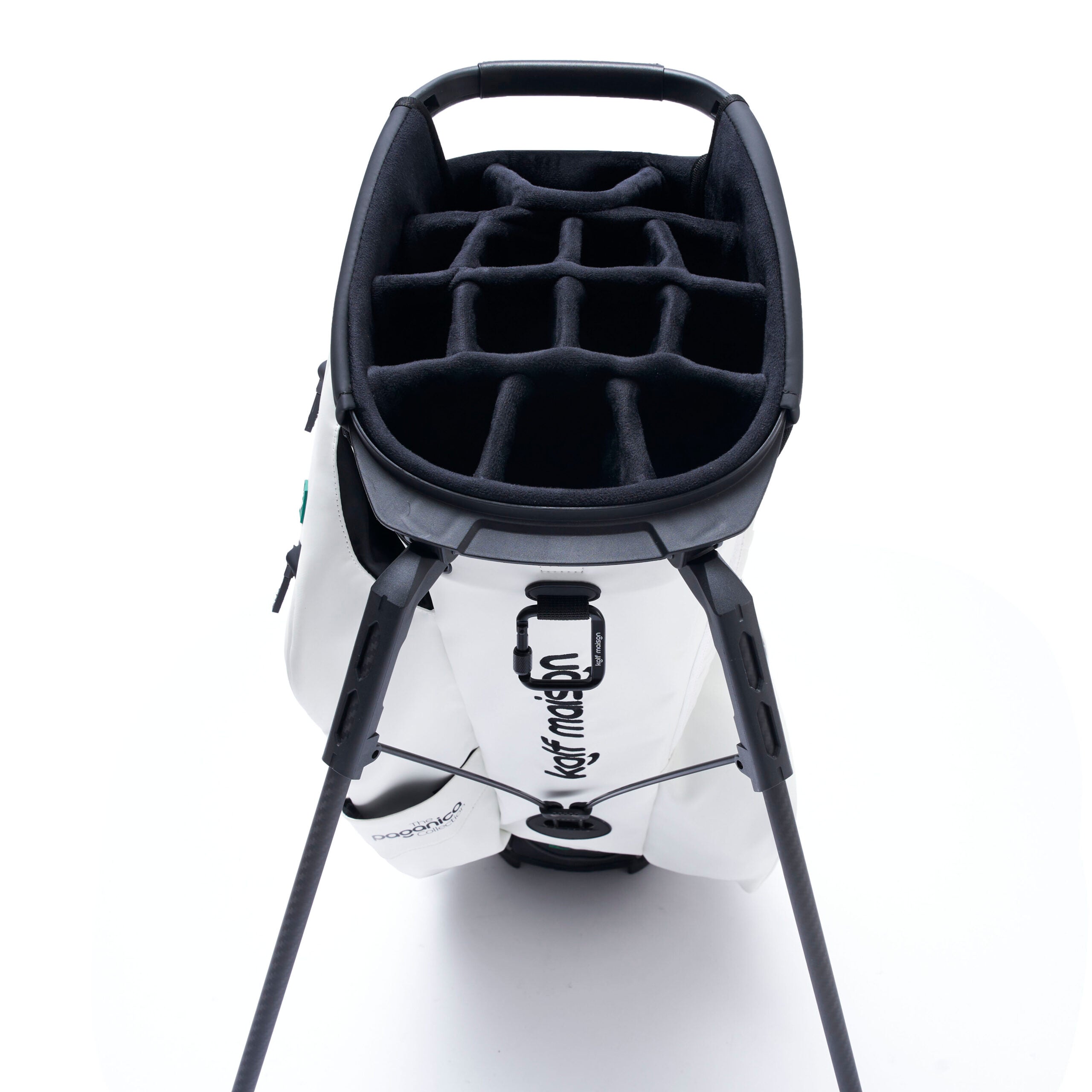
A 14 way golf bag features a dedicated divider slot for each club in a standard set. Every iron, wedge, wood, hybrid, and putter has its own compartment. Most high quality 14 way golf bags use full length dividers that extend from the top to the base, preventing shaft tangling and internal friction.
Benefits of a 14 way golf bag:
- Complete club separation
- Reduced shaft crowding
- Minimal grip entanglement
- Professional level organization
- Clean visual structure at address
For players who carry a full 14 club setup and value precision organization, a 14 way system creates immediate order. Clubs return to the same position every time. There is no guesswork.
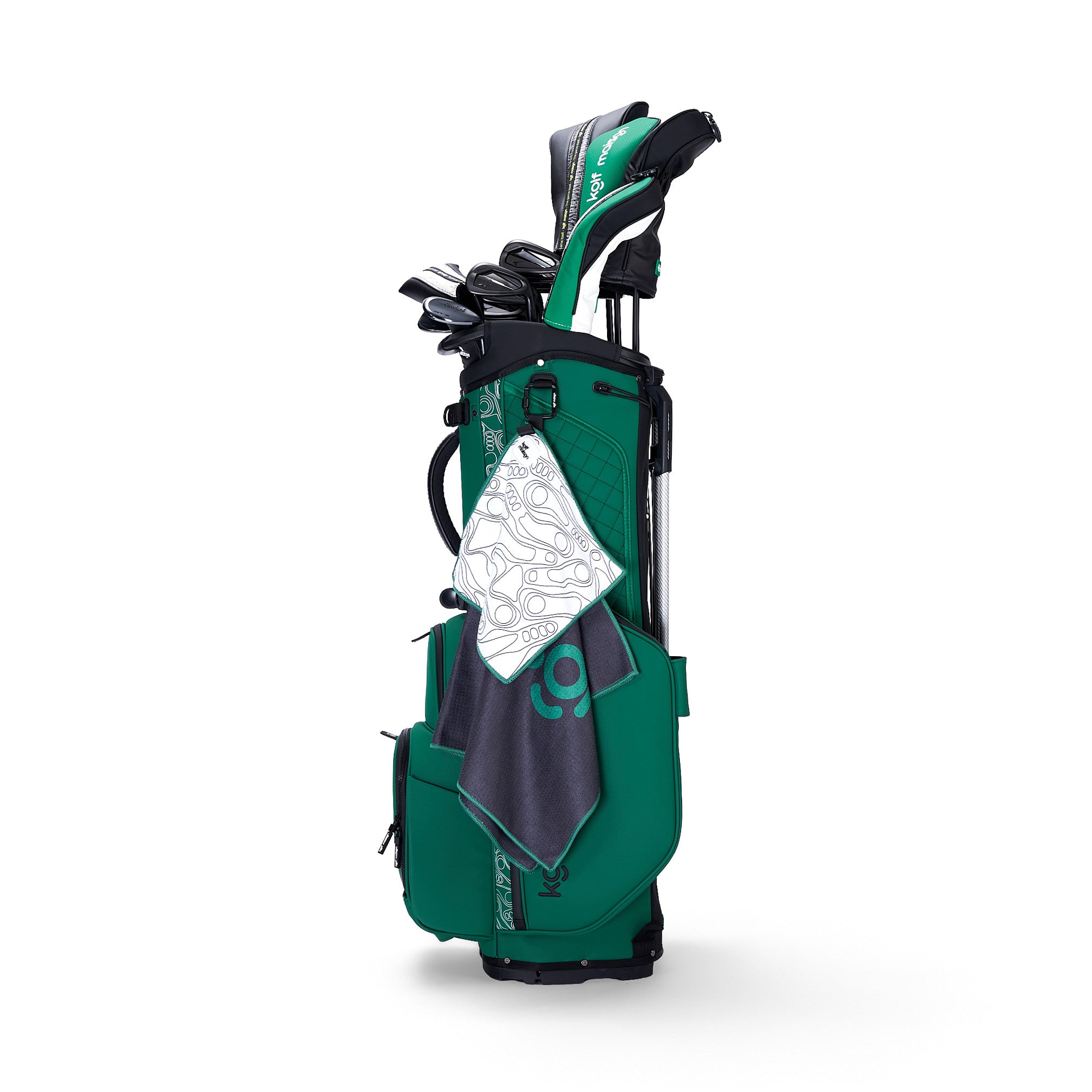
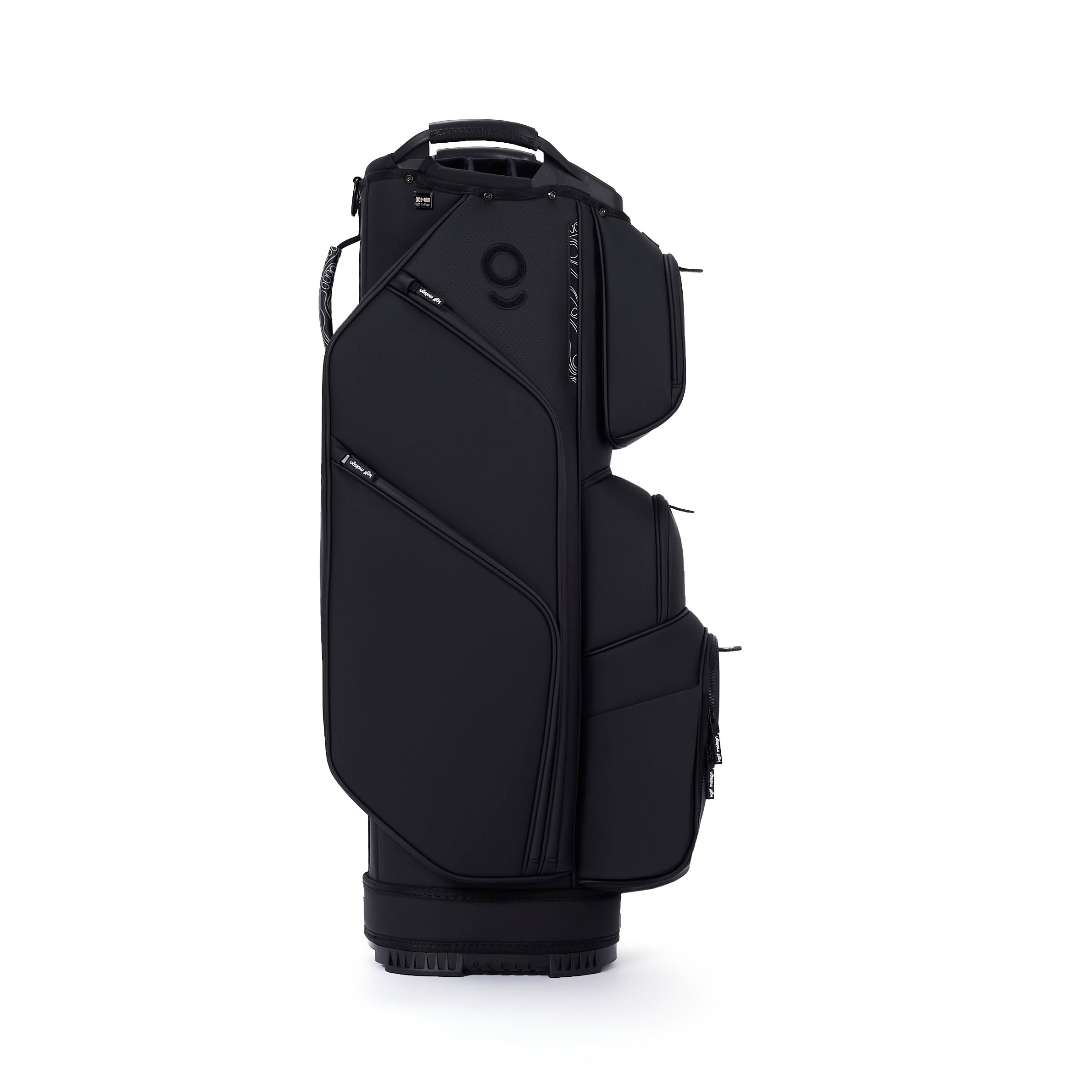
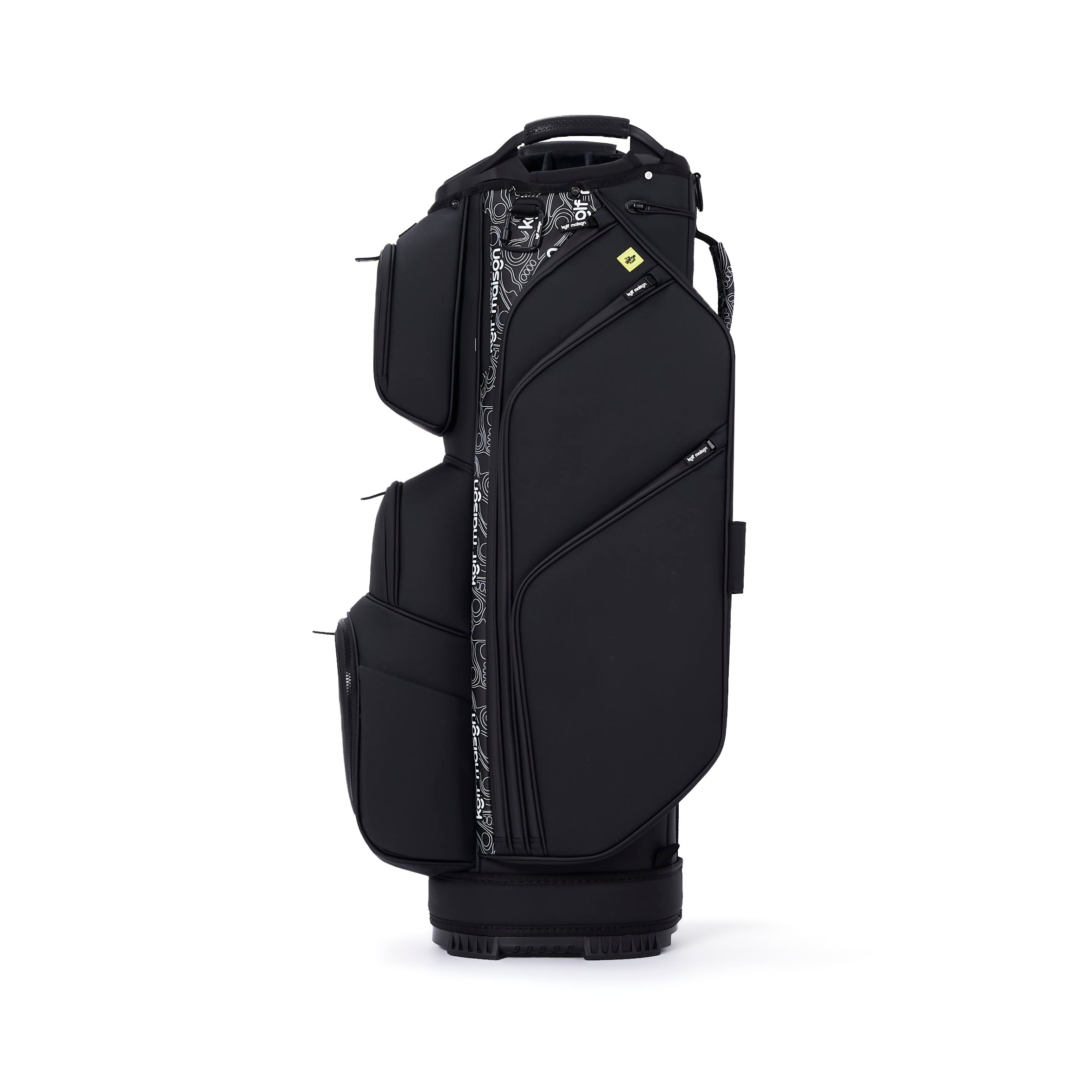
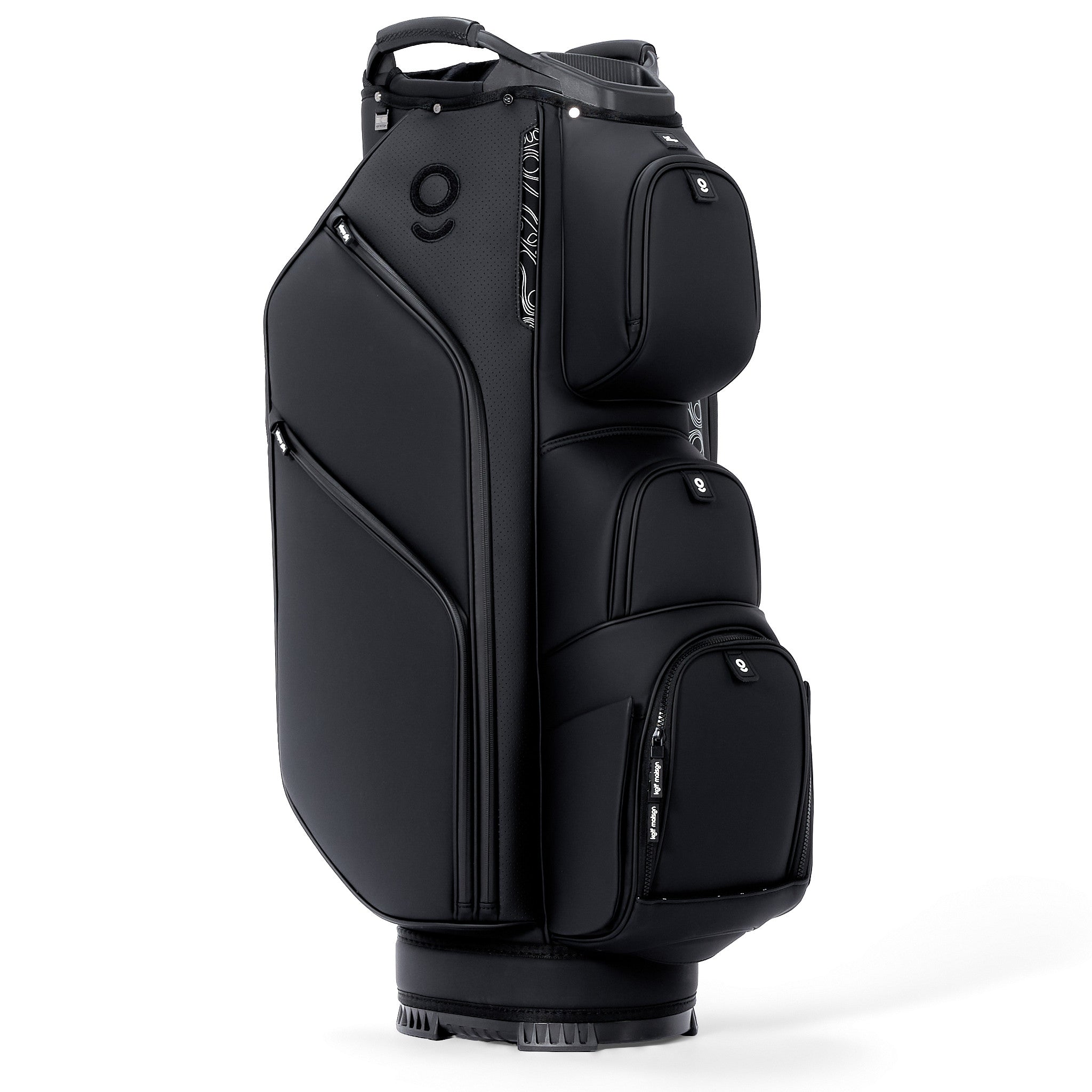
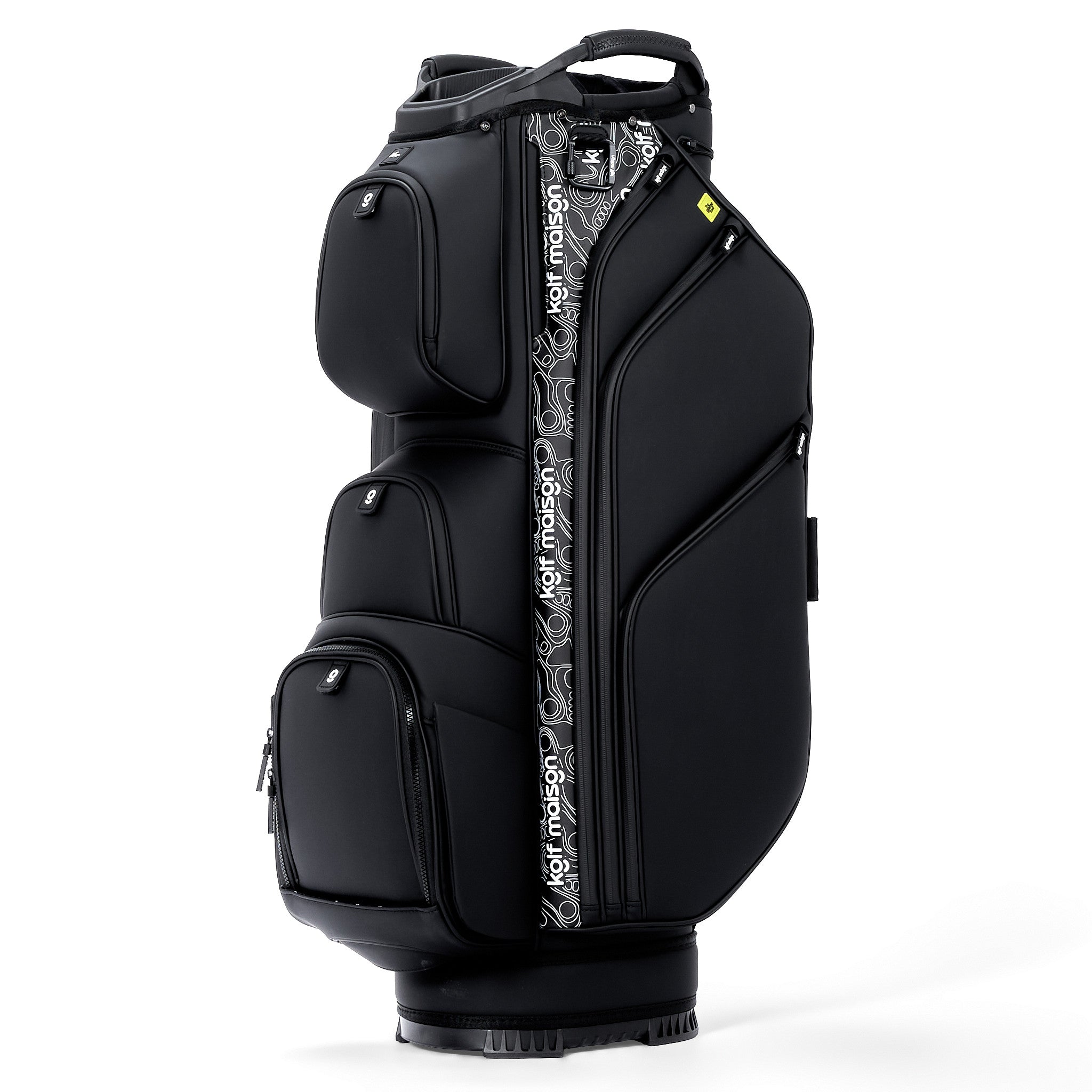
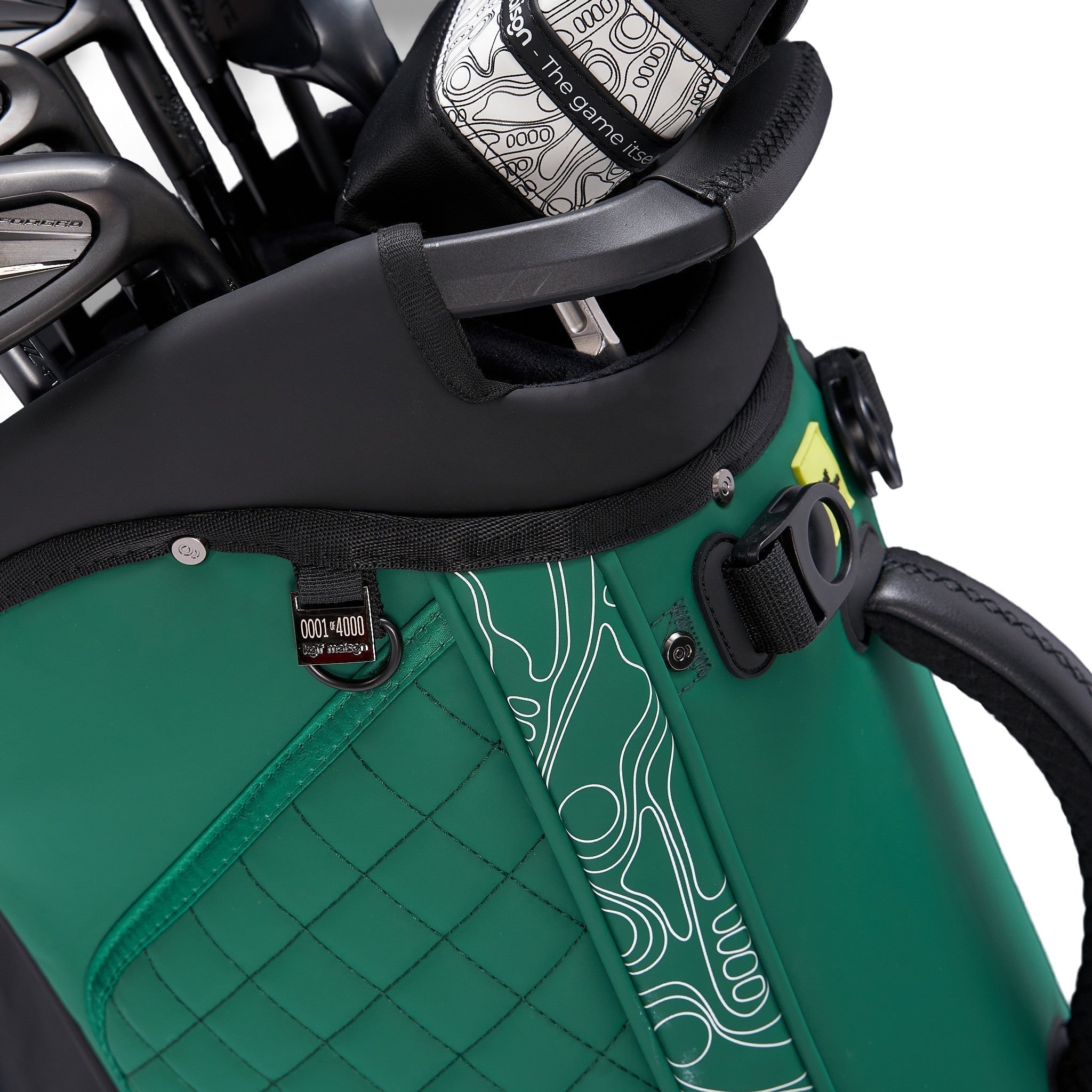
For example, the Paganica Cart Bag uses a 14 way velvet wrapped full length divider system engineered for structured separation and long term stability. The goal is not just organization, but preserving alignment and preventing long term shaft wear.

What Is a 7 Way Golf Bag?
A 7 way golf bag groups clubs into organized sections rather than individual channels. Typically, woods share space, mid irons share space, and wedges sit in defined lower sections. High quality 7 way designs still include partial or full length dividers, but prioritize lighter weight and balanced carry.
Benefits of a 7 way golf bag:
- Lighter overall structure
- More space per section
- Simpler visual layout
- Faster access for walking golfers
- Reduced top bulk
For golfers who walk frequently, prefer simplicity, or use fewer than 14 clubs, a 7 way divider can feel more fluid and less mechanical. There is controlled structure, but without compartment rigidity.
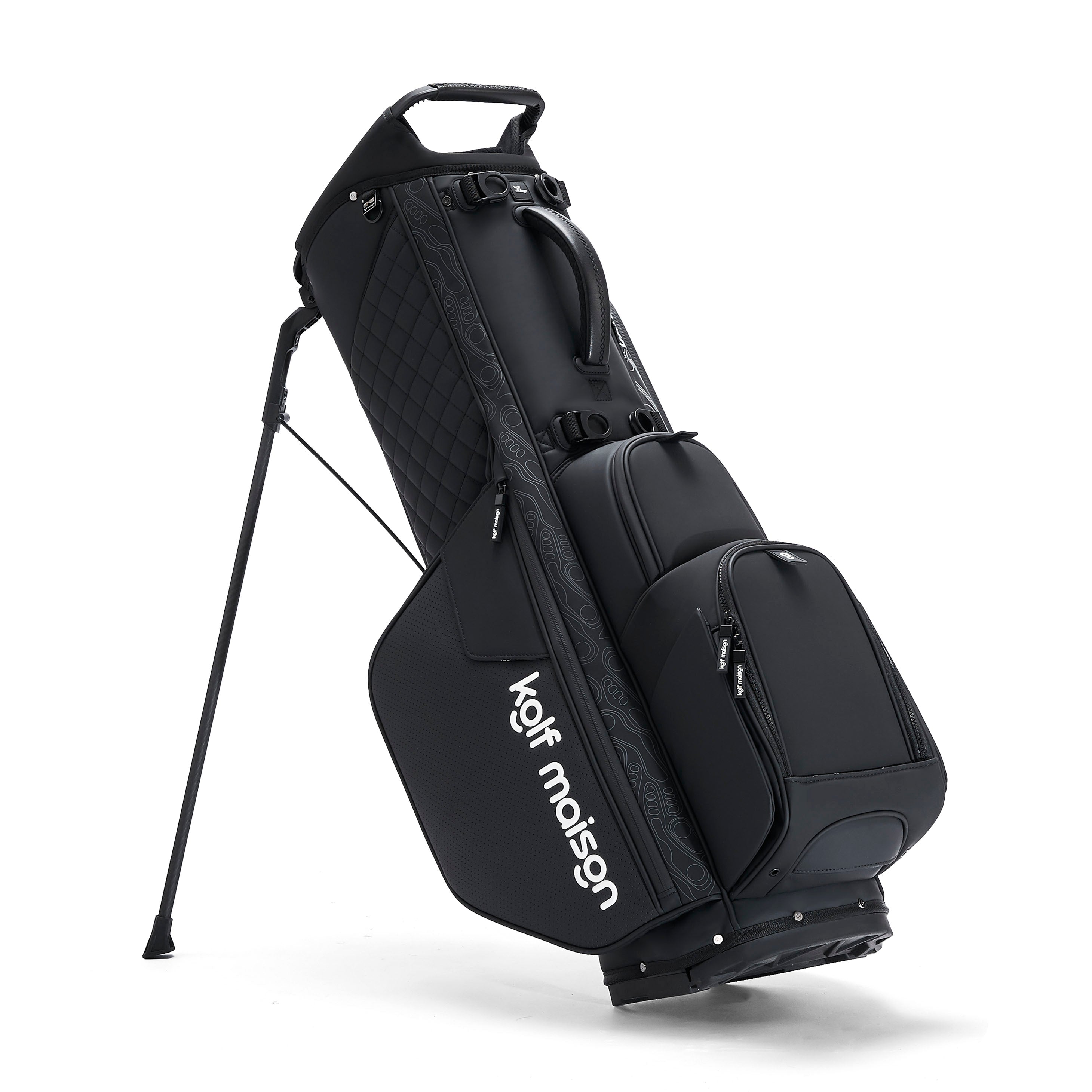
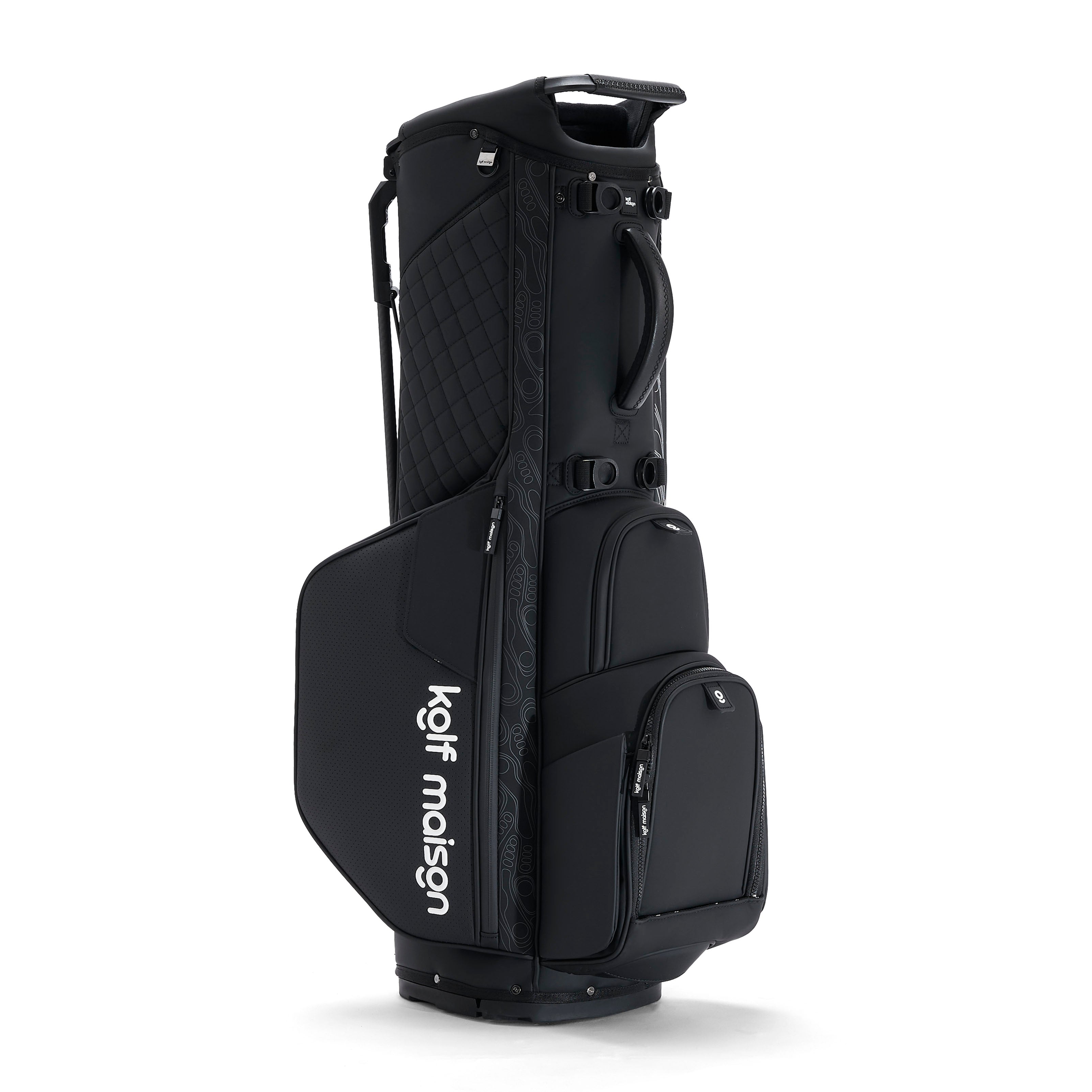
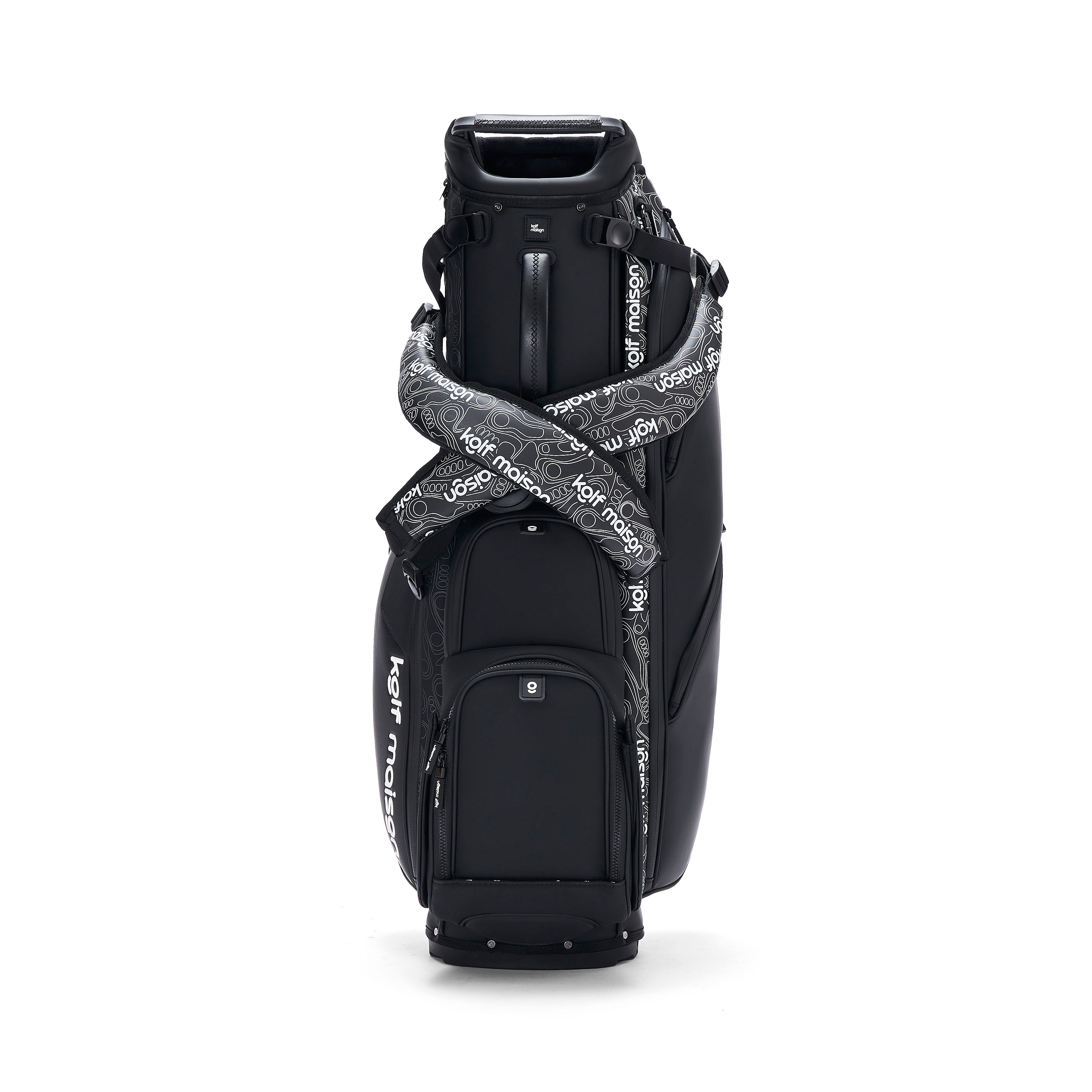
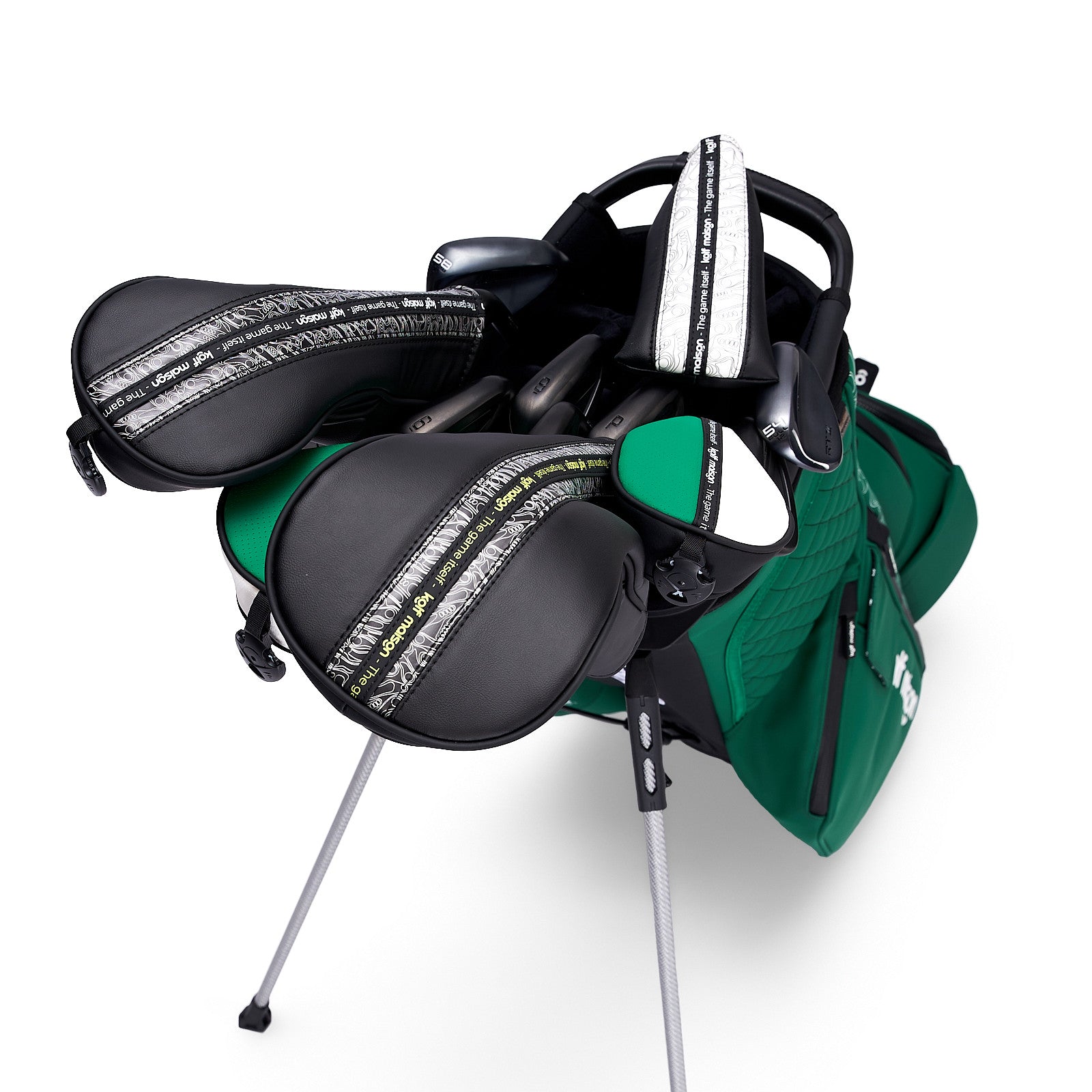
The Paganica Stand Bag offers both 7 way and 14 way configurations, allowing players to choose between full separation and balanced carry design.
14 Way vs 7 Way: Organization Differences
Organization is the most obvious difference.
A 14 way golf bag is ideal for golfers who want:
- Every club in a fixed position
- Reduced club chatter
- Clear visual mapping
- Tour level setup
A 7 way golf bag is ideal for golfers who want:
- Streamlined layout
- Faster grab and return
- Lower weight carry
- Less structural bulk
Neither system is superior universally. It depends entirely on play style and preference.
Club Protection and Shaft Wear
One of the most overlooked aspects of divider design is shaft protection. Over years of use, repeated friction between graphite shafts can cause cosmetic wear and internal stress.
A full length 14 way divider minimizes this risk by isolating each shaft. This is especially relevant for golfers using premium graphite iron shafts or specialty wedges.
A properly engineered 7 way system with reinforced internal dividers can still provide strong protection, but clubs will share channels.
Durability is not only about exterior materials. Internal architecture matters equally. For a deeper explanation of structural engineering and material composition, see Kolf Maison Materials: The Core of Luxury Golf Bags.
Weight and Walking Comfort
If you walk most rounds, weight distribution matters more than full separation.
A 7 way stand bag is typically lighter and less top heavy. It allows for better shoulder balance and smoother transitions during long walks.
A 14 way system, particularly in a cart bag, prioritizes structure and stationary stability. It excels when mounted securely with a cart strap pass through system.
If you primarily ride, a 14 way cart bag is often the better choice. If you walk frequently, a 7 way stand bag may feel more dynamic.
Noise and Club Chatter
Club chatter is more than an annoyance. It affects perception of build quality.
Well constructed 14 way systems reduce noise because clubs remain separated. Velvet wrapped dividers further dampen vibration.
In lower quality bags, thin dividers collapse over time, defeating the purpose of separation. Structural reinforcement is critical.
For insight into how balance affects overall performance, read Physics of Balance in Golf Bags.
Which Divider System Is Right for You?
Choose a 14 way golf bag if:
- You carry a full 14 club set
- You value exact organization
- You ride frequently
- You use premium shafts
- You prefer a structured visual layout
Choose a 7 way golf bag if:
- You walk most rounds
- You prefer lighter carry weight
- You use fewer than 14 clubs
- You value simplicity over segmentation
- You want balanced structure without compartment rigidity
Luxury Considerations
In luxury golf bags, divider count alone does not define quality. Divider integrity, reinforcement, full length structure, and material selection determine whether the system holds its shape after years of use.
Premium bags are engineered to prevent top collapse, preserve vertical alignment, and maintain separation under load. This is the difference between a bag that feels precise on year five and one that feels fatigued after two seasons.
Final Decision
The debate between 14 way and 7 way golf bags is not about which is better. It is about which fits your playing rhythm.
Organization versus fluidity. Structure versus lightness. Precision mapping versus balanced simplicity.
What you carry should match how you play.
How Divider Systems Affect Real On Course Performance
Divider systems do more than organize clubs. They influence how a golfer interacts with their equipment throughout an entire round. Every movement, from selecting a club to returning it after a shot, is affected by divider structure.
A 14 way system introduces precision. Every club has a fixed position. This creates a predictable rhythm. Over time, this reduces hesitation and improves decision flow, especially under pressure.
A 7 way system introduces fluidity. Clubs are grouped logically rather than individually. This reduces friction in fast-paced play and creates a more natural interaction for golfers who rely on feel rather than strict structure.
This distinction becomes more relevant during longer rounds. Fatigue changes how golfers move and interact with their bag. A system that feels efficient early must remain efficient late.
Walking vs Riding: The Divider System Impact
The choice between 7 way and 14 way becomes clearer when aligned with how you play the game.
For walking golfers, weight distribution and balance are critical. A lighter structure with fewer divider walls reduces top weight and allows smoother movement. This is where a 7 way configuration excels.
For riding golfers, stability becomes the priority. A cart-mounted bag benefits from full separation and structured organization. This is where a 14 way configuration performs best.
A properly designed cart bag such as the Paganica Cart Bag is engineered around this principle, using a 14 way divider system combined with reinforced structure to maintain alignment under load.
A stand bag such as the Paganica Stand Bag offers both 7 way and 14 way configurations, allowing golfers to match divider structure to their playing style.
Long Term Shaft Protection and Internal Wear
One of the most overlooked aspects of divider design is long-term shaft protection. Over hundreds of rounds, repeated friction between graphite shafts can lead to cosmetic wear and internal stress.
A full length 14 way divider system isolates each shaft, significantly reducing contact and long-term wear. This is especially relevant for golfers using premium graphite iron shafts or specialized wedge setups.
A well engineered 7 way system can still provide protection, but it relies more on spacing and internal reinforcement rather than full isolation.
For deeper insight into structural performance, refer to golf bag durability and luxury golf bag materials explained.
Organization Psychology and Player Behavior
Organization is not only physical. It is psychological. The way clubs are arranged influences how golfers think, decide, and execute.
A 14 way system creates visual clarity. Every club is immediately identifiable. This reduces cognitive load and allows faster decisions.
A 7 way system creates grouped logic. Clubs are accessed by category rather than exact position. This can feel more intuitive for players who rely on pattern recognition rather than strict mapping.
Neither system is inherently superior. The advantage comes from alignment between structure and player behavior.
Which System Matches Serious Golfers
For serious golfers, the decision should be based on consistency, not preference alone.
Choose a 14 way system if you prioritize precision, carry a full set, and want long-term shaft protection with consistent club placement.
Choose a 7 way system if you prioritize mobility, walk frequently, and prefer a lighter, more fluid interaction with your equipment.
This is not about which system is better. It is about which system aligns with how you play.
Frequently Asked Questions
Is a 14 way golf bag better than a 7 way?
A 14 way golf bag offers more organization and shaft protection, while a 7 way bag provides lighter weight and more flexibility. The better option depends on your playing style.
Do professionals use 14 way golf bags?
Many professionals prefer structured divider systems for consistency and organization, especially in cart bags.
Are 7 way golf bags lighter?
Yes. A 7 way golf bag typically has less internal structure, resulting in lower weight and improved carry comfort.
Do 14 way dividers prevent club damage?
They significantly reduce shaft friction and club contact, helping to preserve equipment over time.
Which is better for walking, 7 way or 14 way?
A 7 way bag is generally better for walking due to lighter weight and improved balance.



Share:
5 Structural Tests Every Golfer Should Do Before Buying a Golf Bag
Why Limited Production Leads to Better Golf Bag Quality