



Why Most Golf Bags Fail After Two Seasons
Most golfers do not expect their bag to fail. Yet many quietly replace it every two or three seasons. The top collar softens. Dividers collapse. Zippers resist. Cart strap areas wrinkle permanently. The base begins to lean. What feels like normal aging is often structural fatigue built into the construction from the beginning.
This is not inevitable wear. It is engineering choice.
The Two Season Cycle
The average mass produced golf bag is designed for acceptable short term performance. It must look appealing on a showroom floor and perform adequately for a limited cycle of use. What it is not always engineered for is structural longevity.
When replacement becomes routine, the issue is rarely the golfer. It is reinforcement, material density, and production discipline.
For deeper analysis on lifespan expectations, see How Long Should a Golf Bag Last.
Failure Point One: Divider Collapse
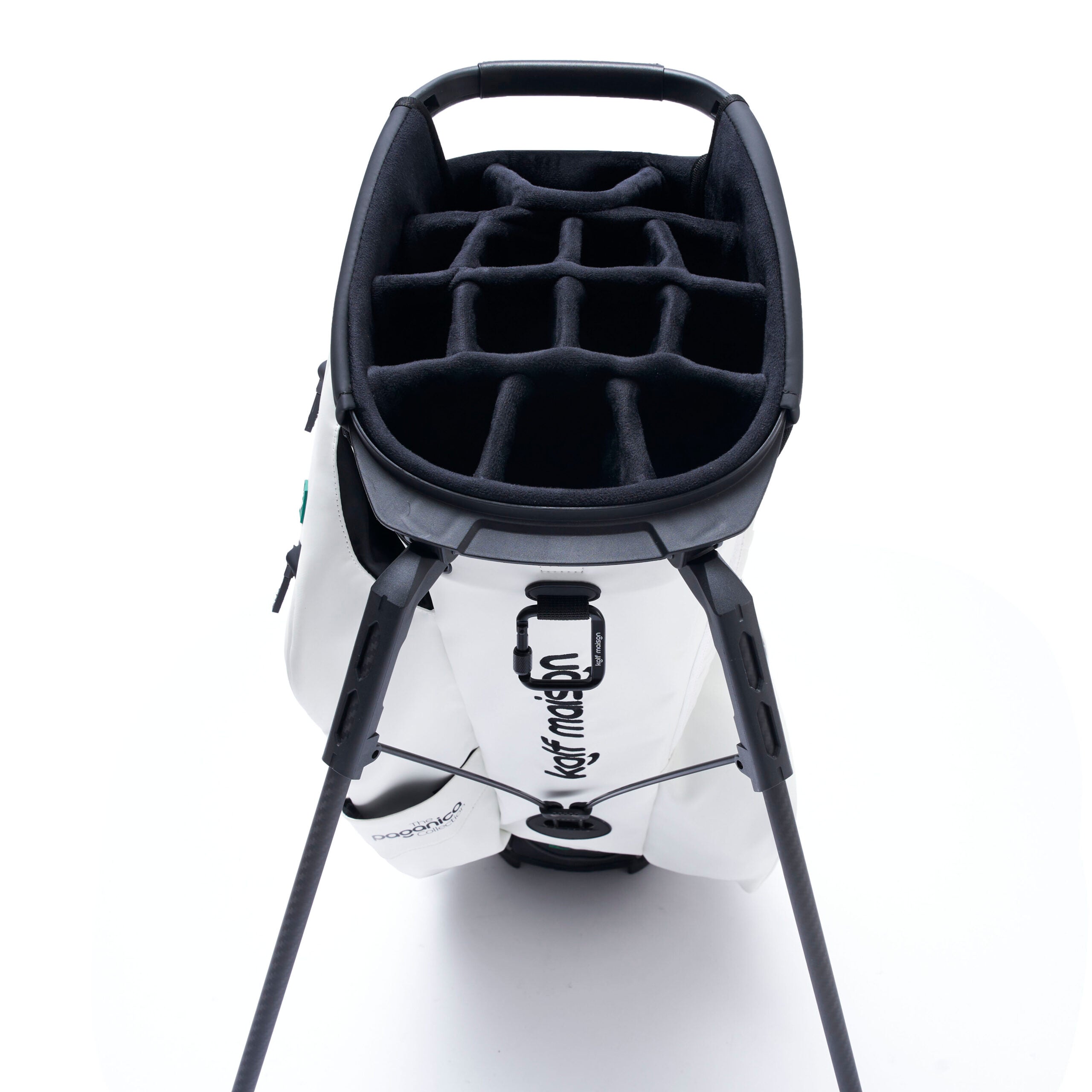
Divider systems endure constant friction from shafts and grip pressure. In many standard bags, divider panels are partial length and lack internal reinforcement. Over time, the fabric tears internally and club separation degrades.
When shafts begin to tangle or resist removal, the structure is failing.
Understanding divider architecture is critical. Review 14 Way vs 7 Way Golf Bag Guide to see how structural separation influences longevity.
Failure Point Two: Cart Strap Compression
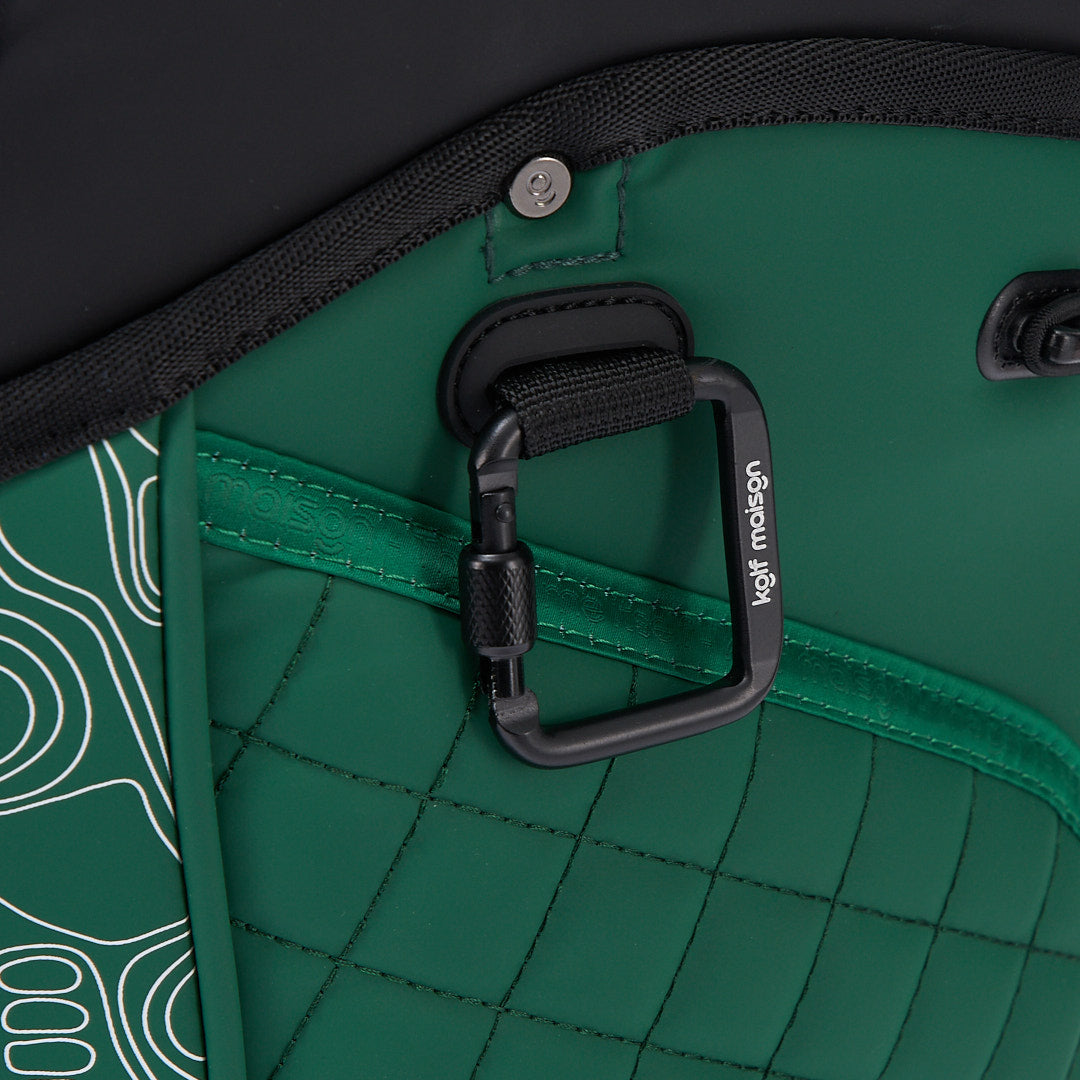
Cart straps apply concentrated force in one consistent zone. Without reinforced pass through channels and abrasion control, that pressure slowly distorts exterior panels.
Many golfers notice permanent creasing near the strap line after one heavy season. That is not cosmetic wear. It is compression fatigue.
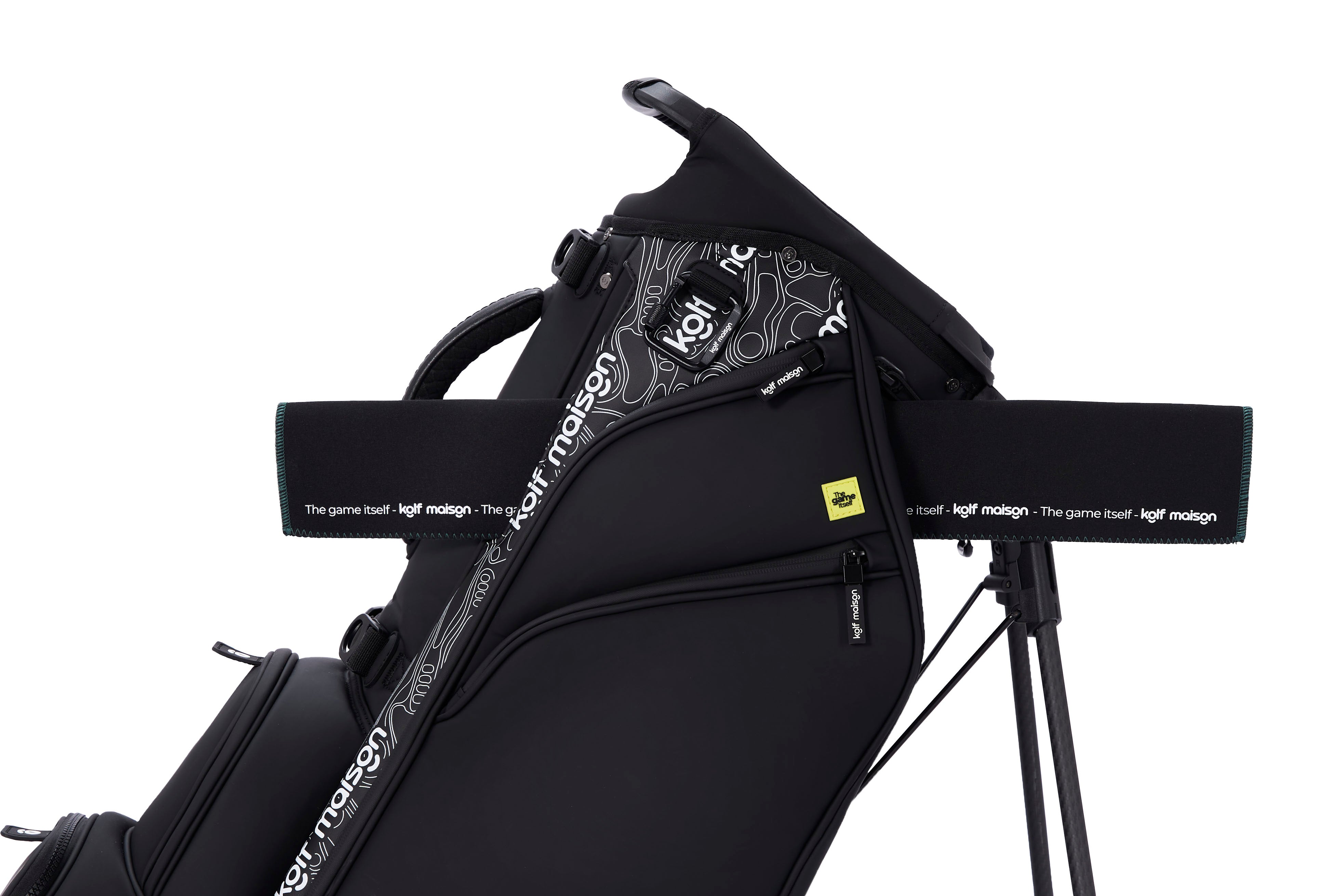
For deeper insight, read Luxury Golf Bag Protection and the Critical Role of the Strap Sleeve.
Failure Point Three: Base Instability
The base carries full load weight repeatedly. In lower density constructions, the base flexes under stress and gradually loses flat integrity. The bag begins to lean. Stability declines.
Structural base reinforcement is rarely visible from the outside, but it defines long term posture retention.
Failure Point Four: Exterior Material Breakdown
Low grade synthetic coatings may appear smooth when new. Over time, UV exposure and friction cause cracking, gloss irregularity, and surface brittleness.
Material science determines whether a bag matures with composure or degrades under seasonal stress.
See Luxury Golf Bag Materials Explained and Matte Microfiber Composite Leather vs Conventional PU Leather for structural material comparison.
Failure Point Five: Zipper Fatigue
Zippers endure daily stress from balls, apparel, and layered storage. Thinner tracks bend, misalign, and begin to snag.
Hardware quality often reveals manufacturing priorities.
The Replacement Illusion
When golfers replace a bag every two seasons, they assume this is normal equipment rotation. In reality, durability expectations have been quietly lowered by volume driven production models.
Read Choosing Once Versus Replacing Often to understand the long term economics of equipment discipline.
Engineering for Structural Longevity
A golf bag engineered for longevity must address predictable stress points deliberately. Divider systems require reinforcement. Cart strap channels require structural piping. Base panels require load distribution integrity. Exterior materials must resist abrasion and environmental fatigue.
This philosophy is explored in Material Integrity in Premium Golf Bags.
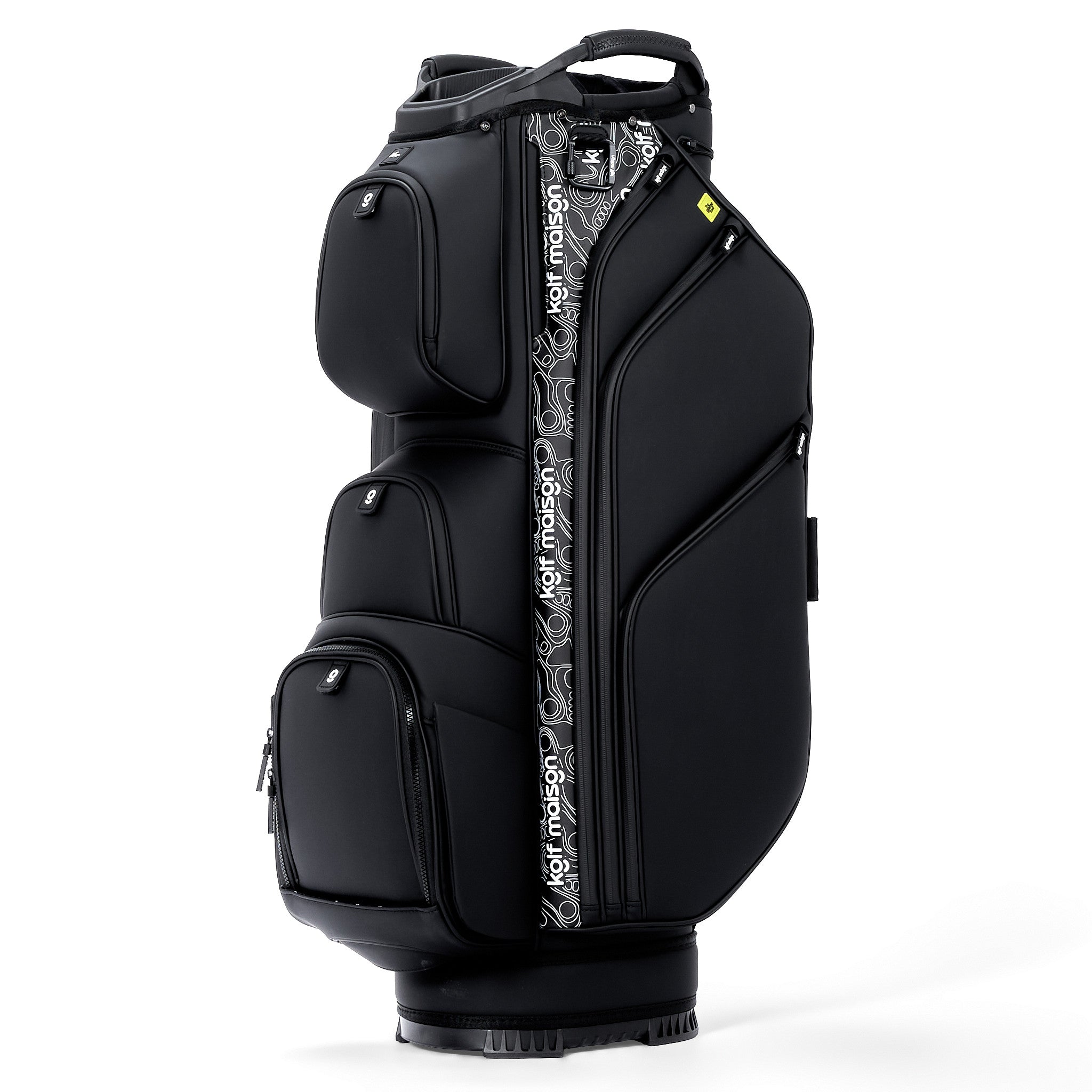
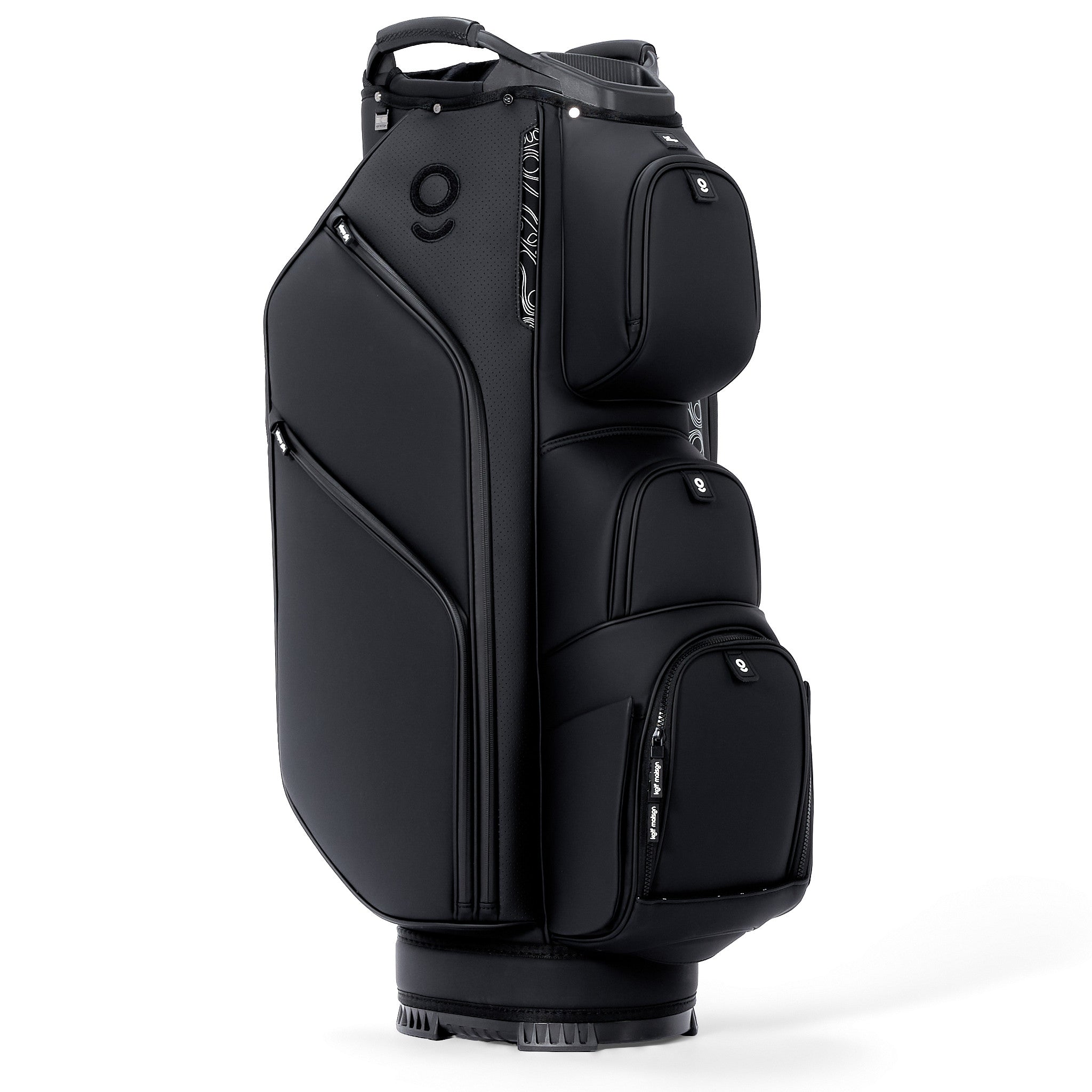
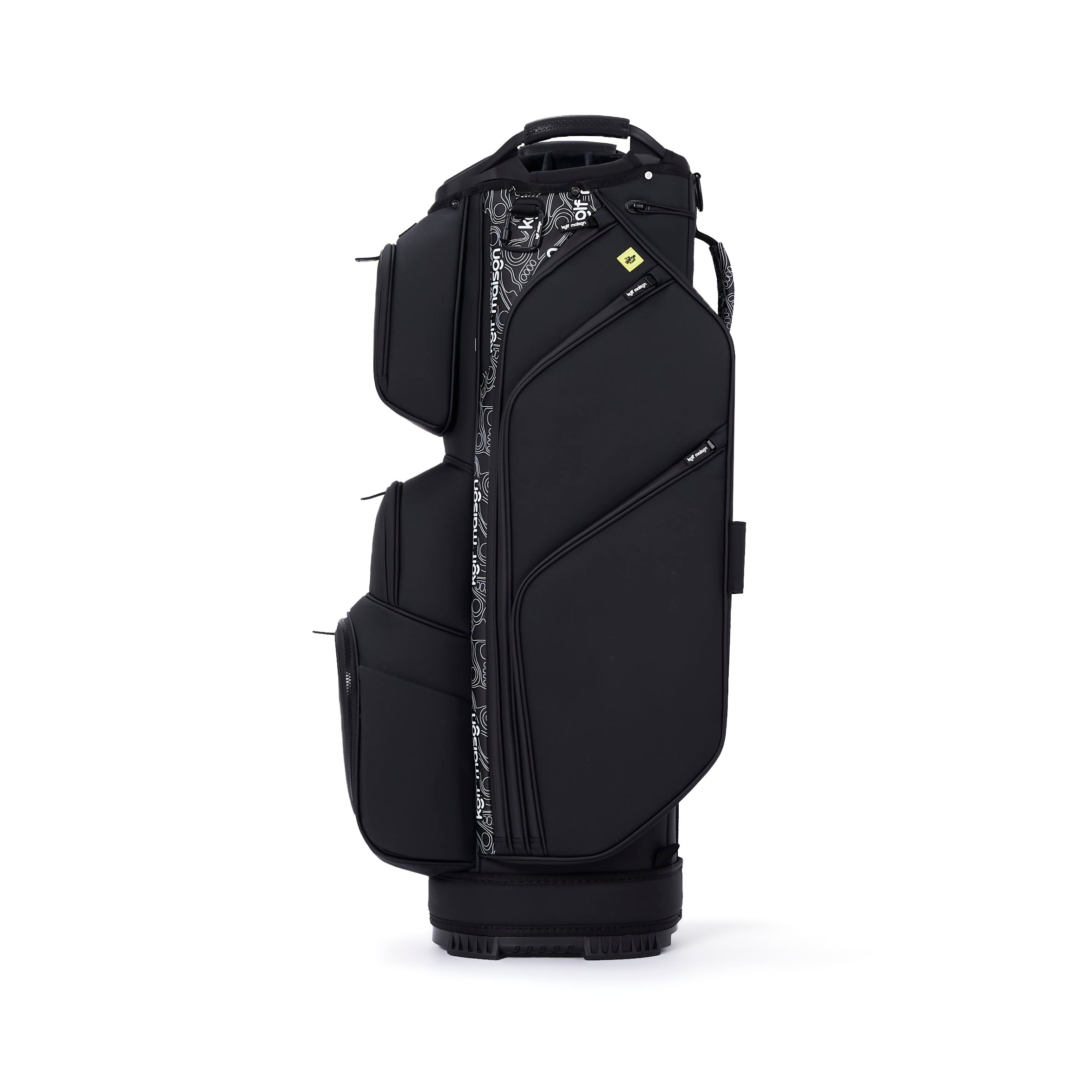
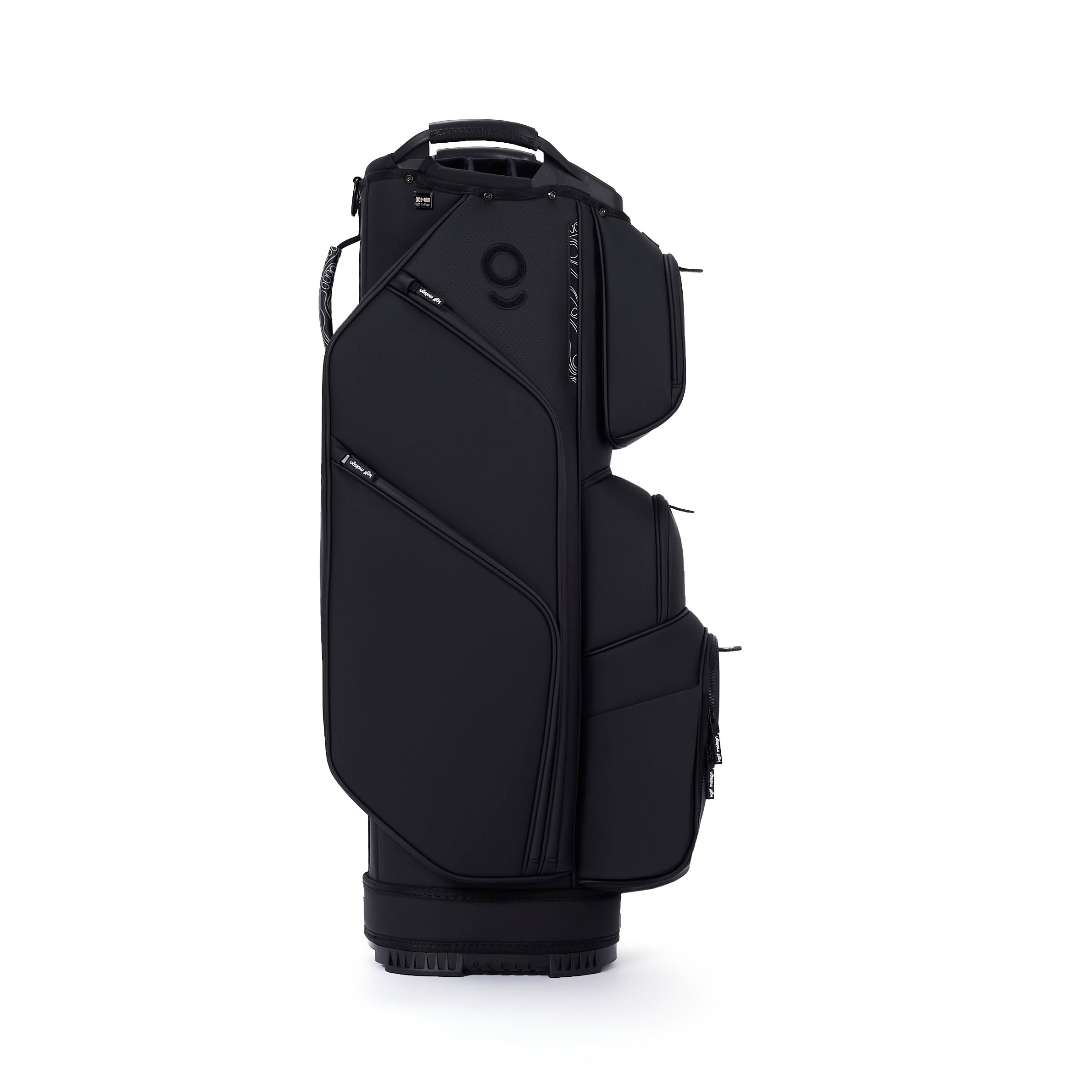
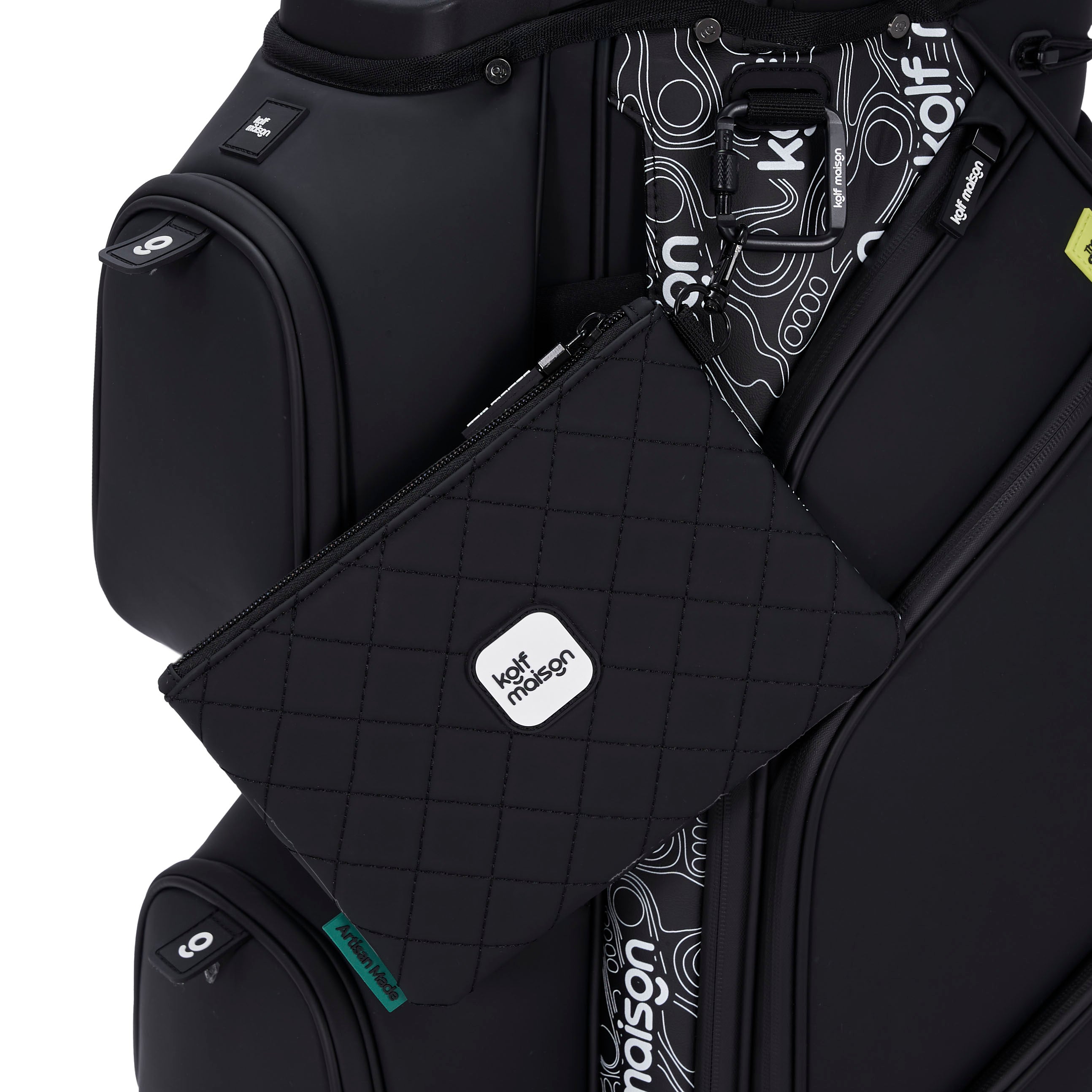
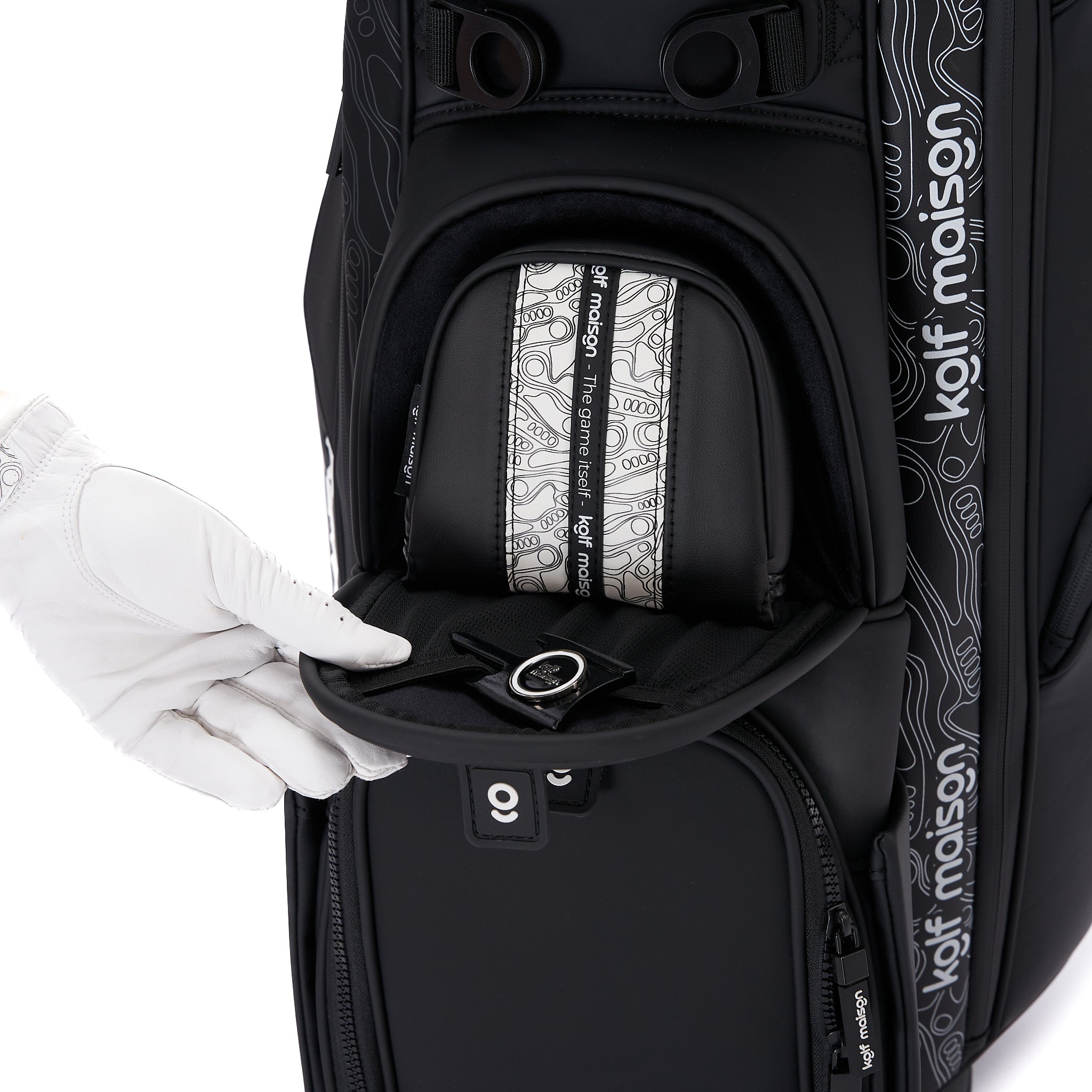
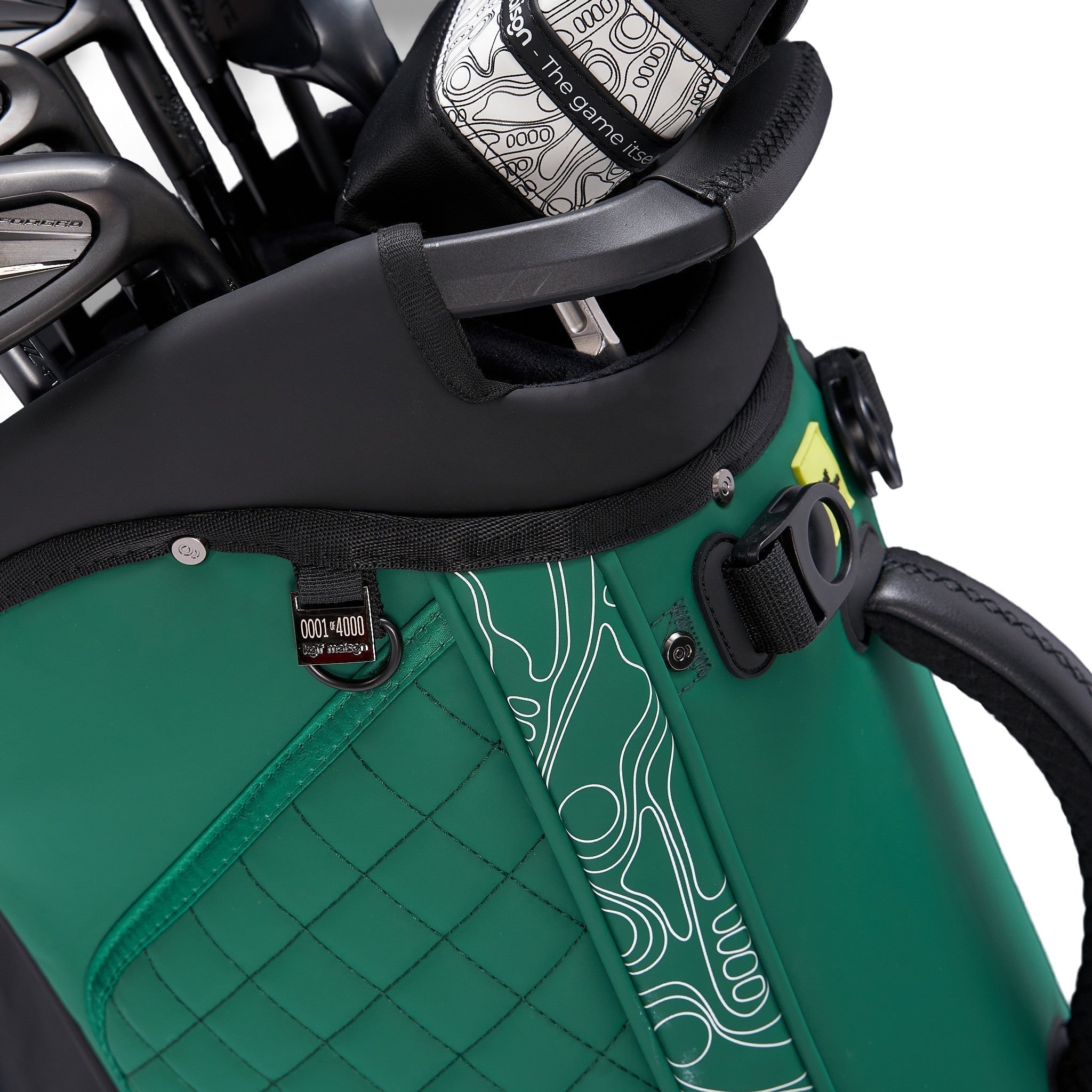
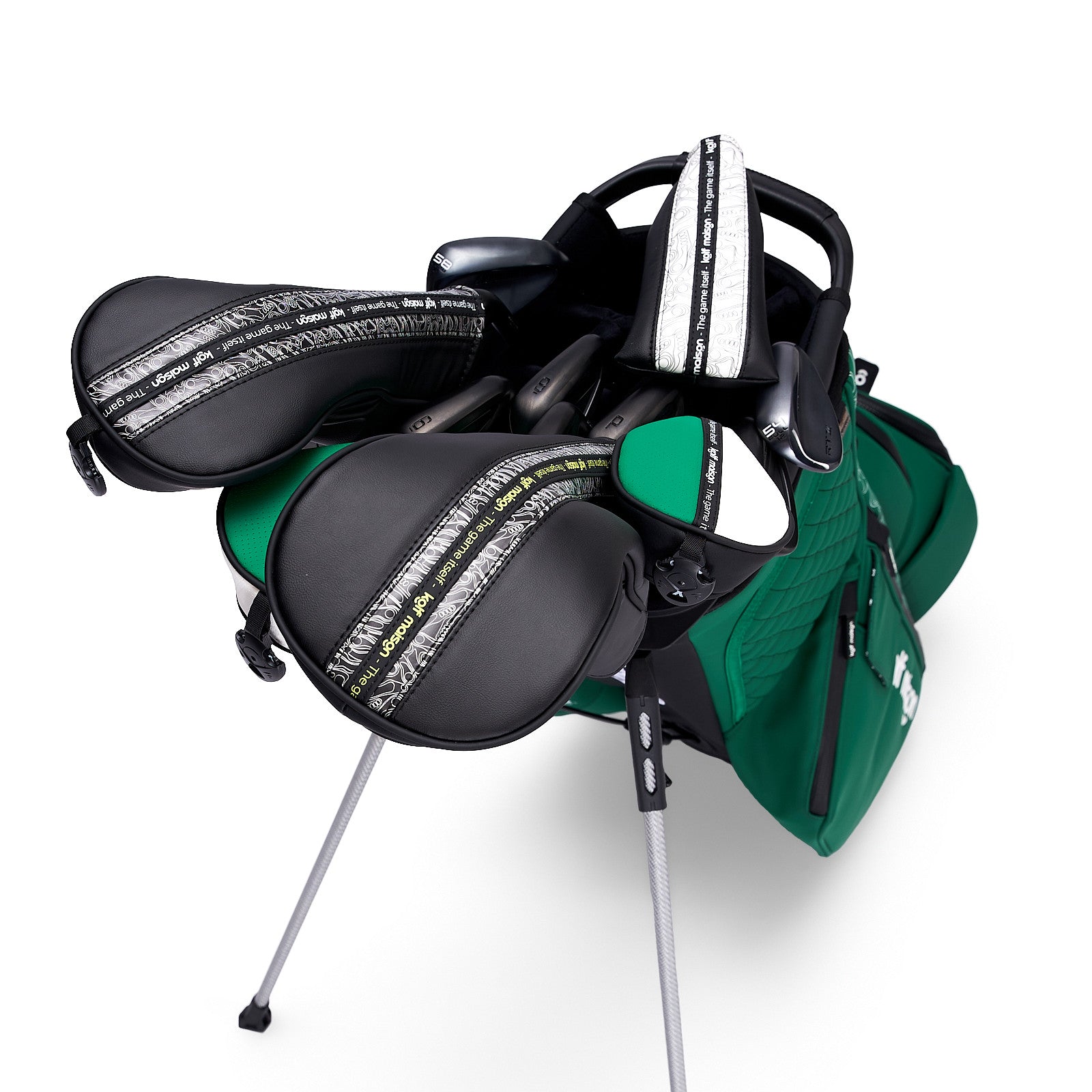
The Paganica Stand Bag and Paganica Cart Bag are engineered with reinforced divider systems, protected strap channels, structured base construction, and controlled production runs designed to resist the common two season fatigue cycle.
Structural Longevity Is a Manufacturing Decision
Manufacturing scale influences inspection standards. When production accelerates to meet trend cycles, reinforcement consistency often declines. Controlled production improves alignment, stitch density, and stress mitigation consistency.
Explore broader engineering philosophy in The Architecture of a Luxury Golf Bag.
Final Perspective
A golf bag should not feel temporary. If it collapses within two seasons, it was never engineered for long term structural endurance.
Longevity is not accidental. It is deliberate.
Before replacing again, evaluate the failure points. Assess reinforcement. Assess material density. Assess structural alignment.
Because a disciplined golfer should not accept structural fatigue as normal.
To understand how materials, reinforcement, and balance affect long-term use, refer to our full guide on golf bag durability.
Structured Comparison
For a complete evaluation of how premium golf bags compare across structure, materials, and long-term performance, refer to our premium golf bag comparison.


Share:
The Hidden Costs of Cheap Golf Bags | What Most Golfers Overlook
How Cart Strap Damage Ruins Golf Bags Over Time