



Magnetic vs Zipper Golf Bag Pockets Which One Fails First
Golf bag pockets are usually discussed as a matter of convenience. Magnetic pockets feel modern. Zipper pockets feel familiar. Most comparisons stop there. That is a mistake.
The real question is not which one feels more premium in the first week. The real question is which closure system preserves function, structure, and usability over time. In other words, which one actually lasts.
This matters because pocket closures do more than open and close. They affect how a bag holds its form, how quickly it fatigues, and how well it performs across repeated rounds. On a properly engineered golf bag, closure design is part of the structure itself.
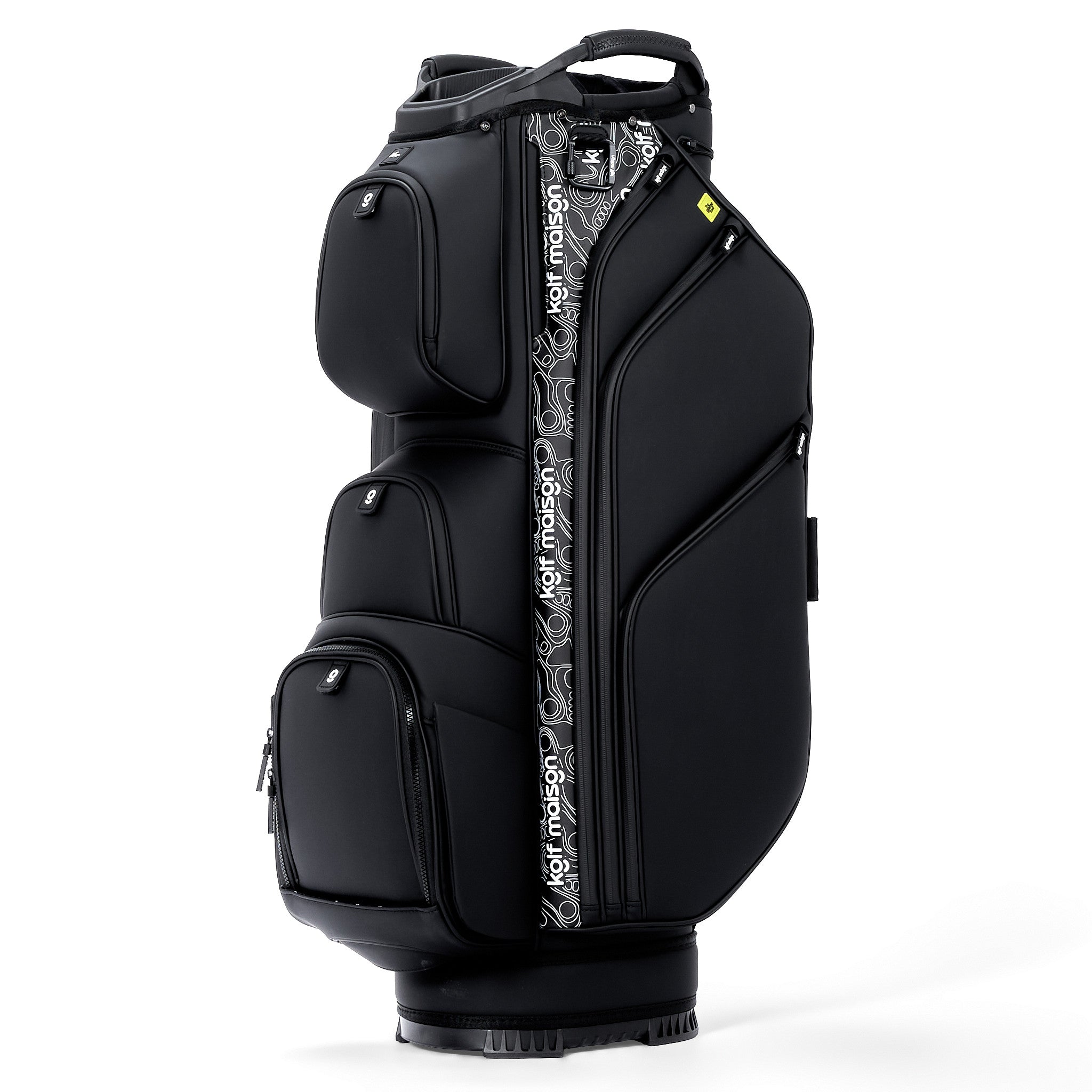
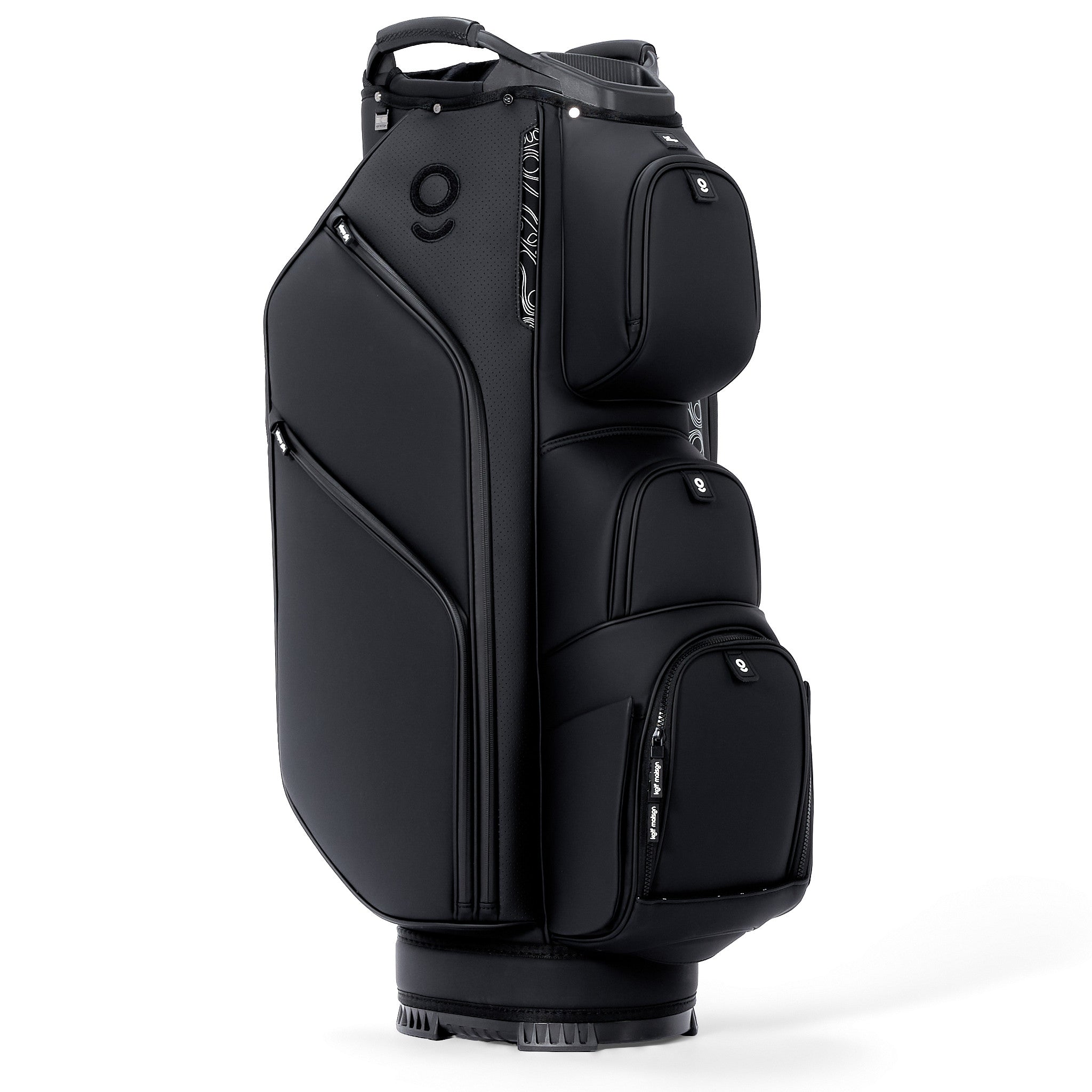
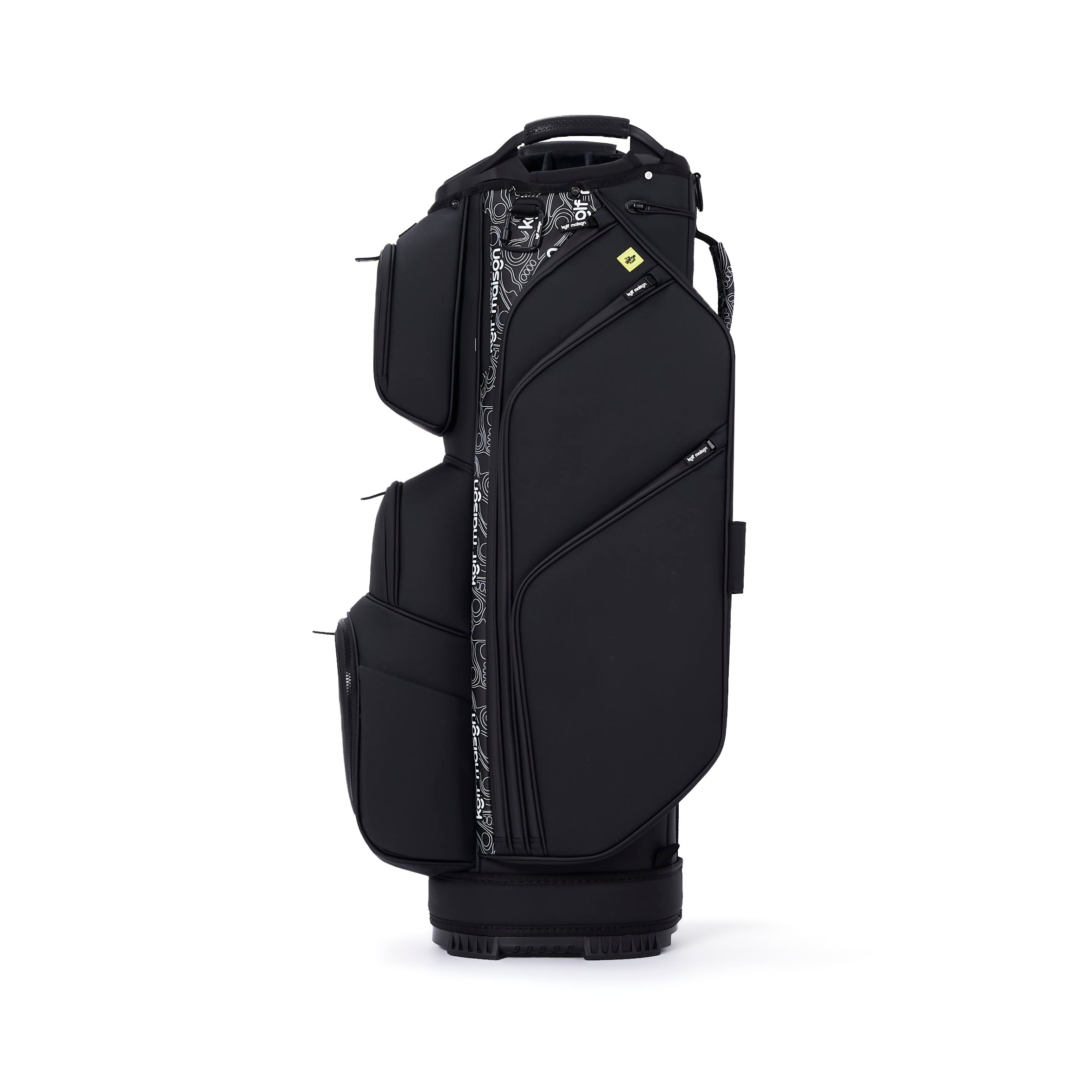
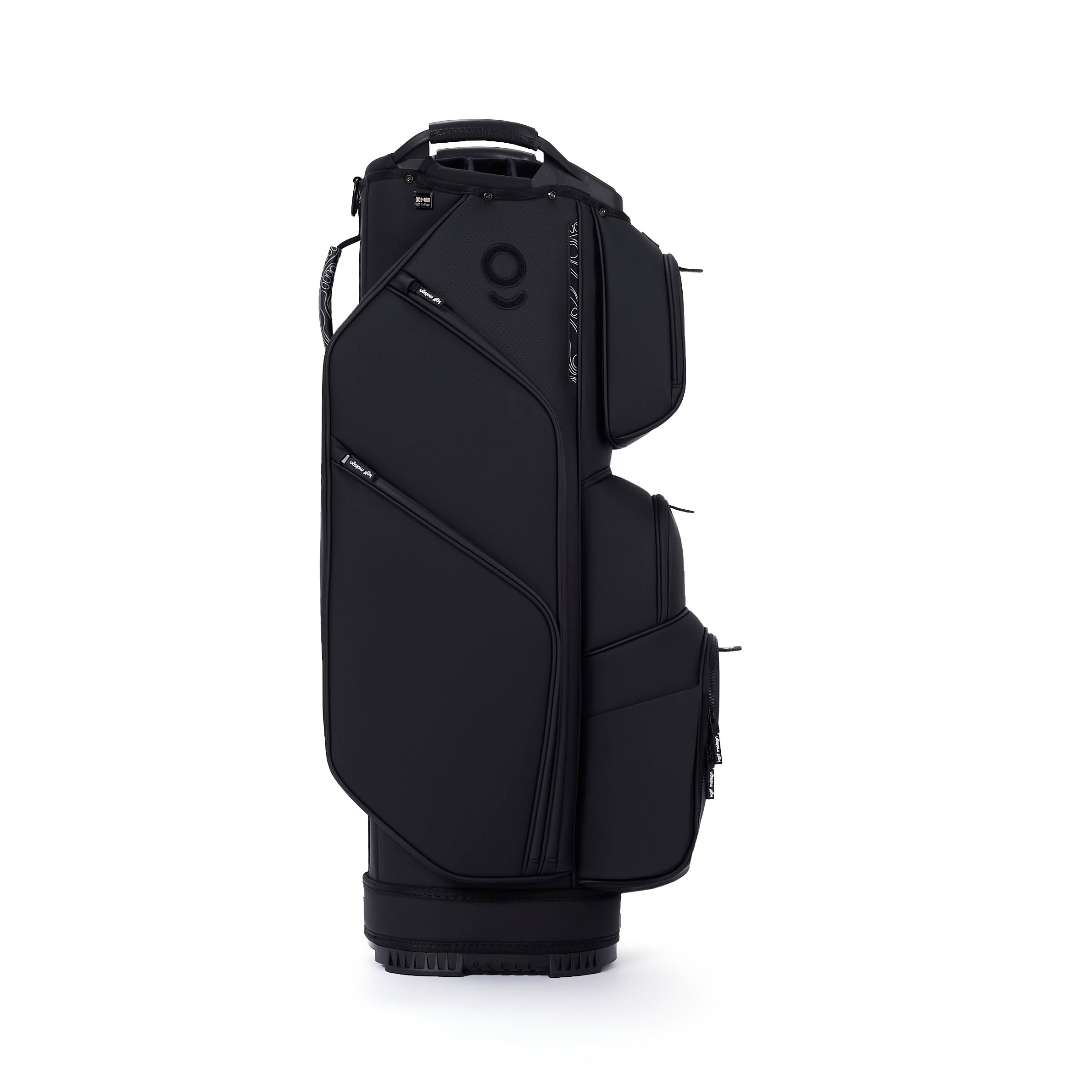
At Kolf Maison, this has become clear through direct product development and real use. Magnetic pockets perform best when placed on front access zones, where they provide quick entry without compromising the shape of the bag. Side pockets are different. On side panels, zippers provide better long term structural retention because they support the line, tension, and geometry of the pocket more effectively than magnets.
That distinction is important, and it reflects the same broader logic explored in luxury golf bags and golf bag durability, where long term performance is determined by construction, not novelty.
Why Pocket Closure Design Matters More Than It Seems
Pockets are not isolated details. They are part of the load bearing and organizational system of the bag. Their shape, opening method, and long term stability affect how the entire product performs.
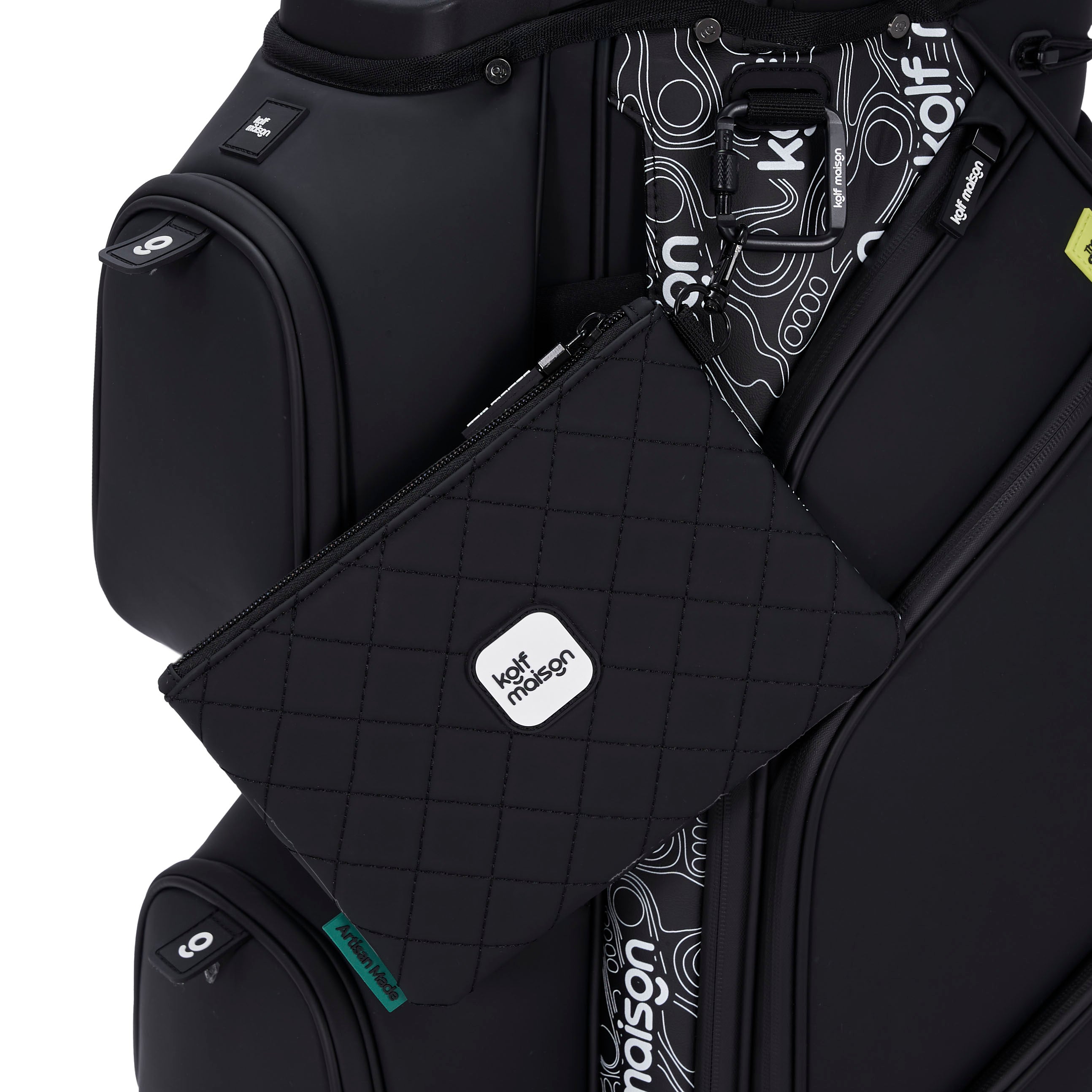
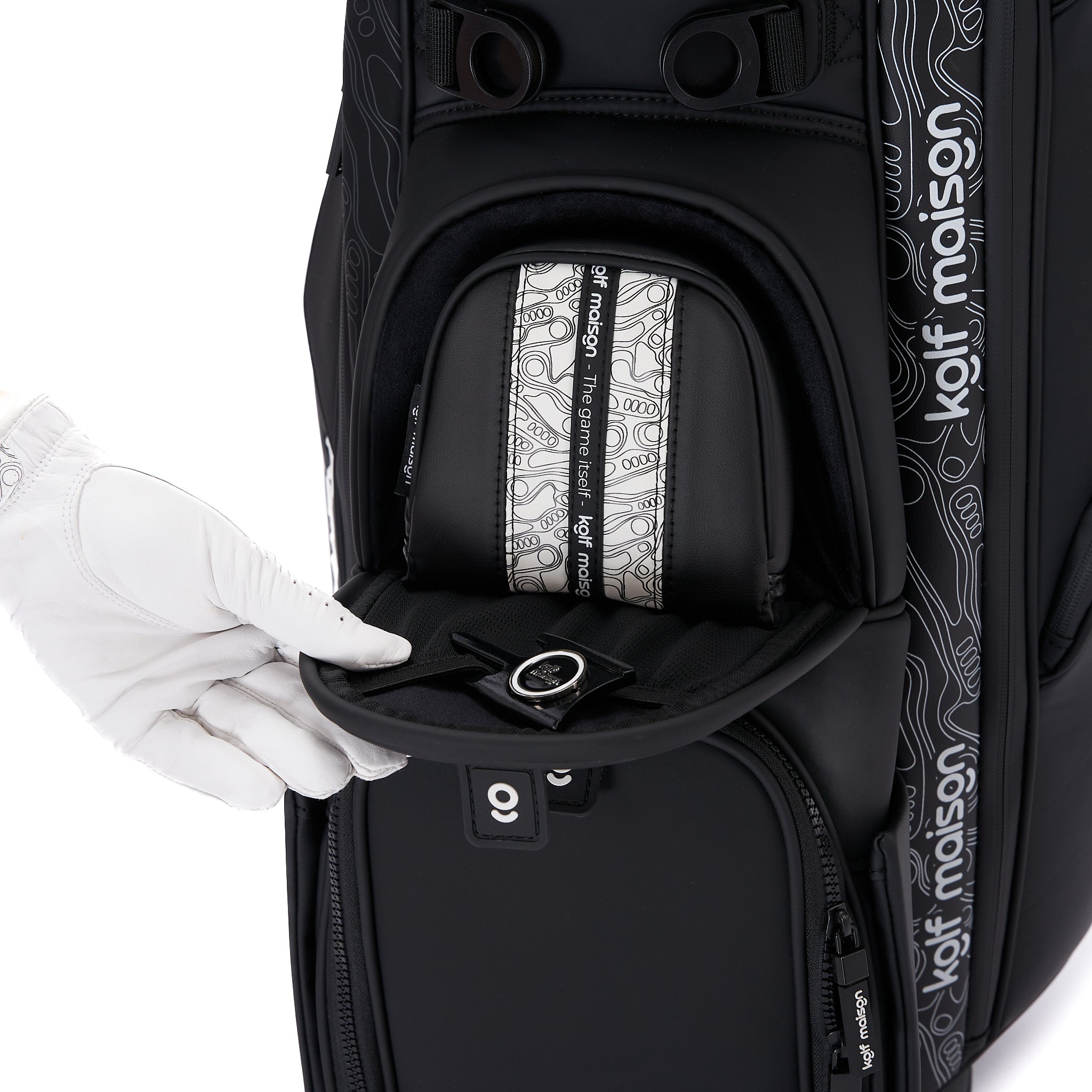
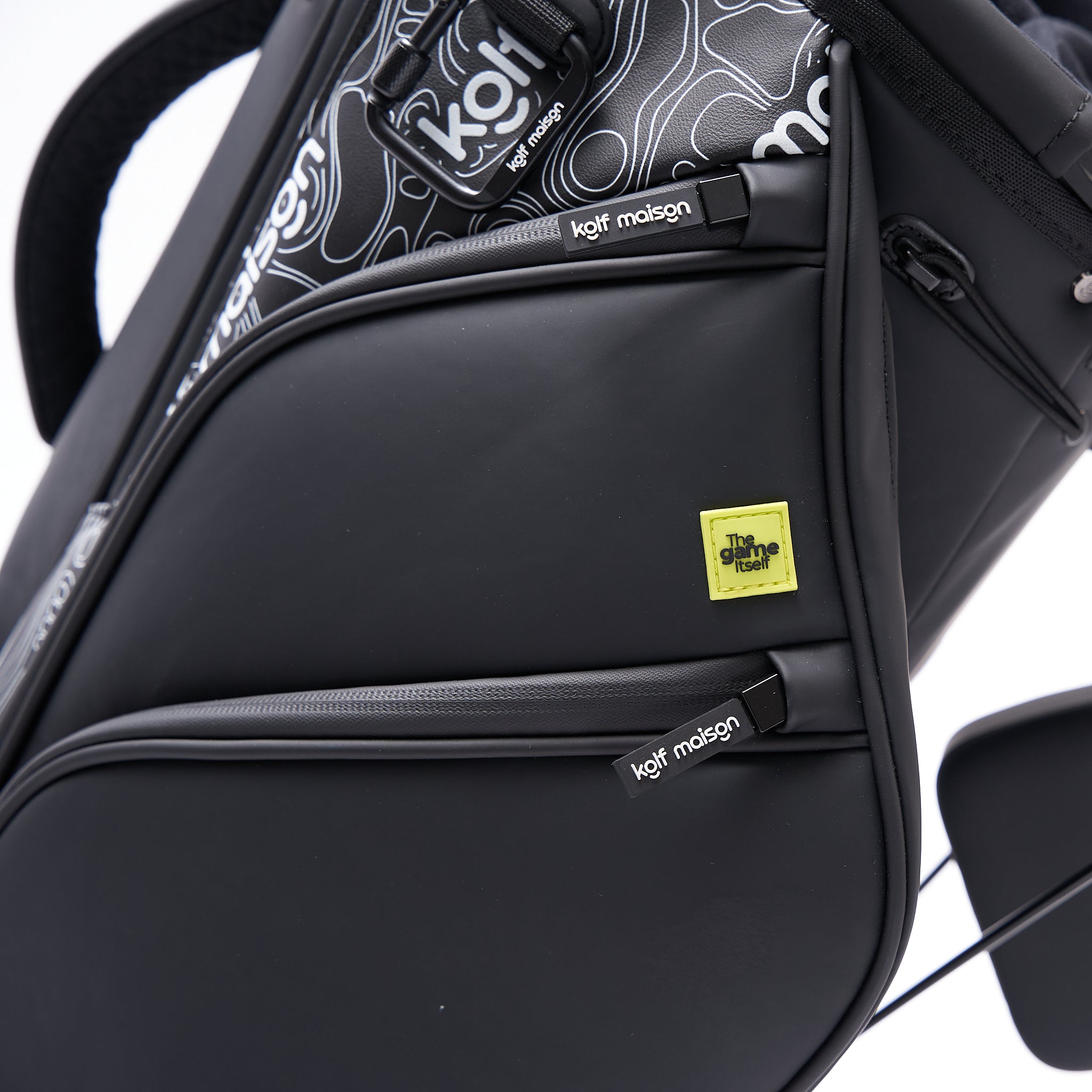
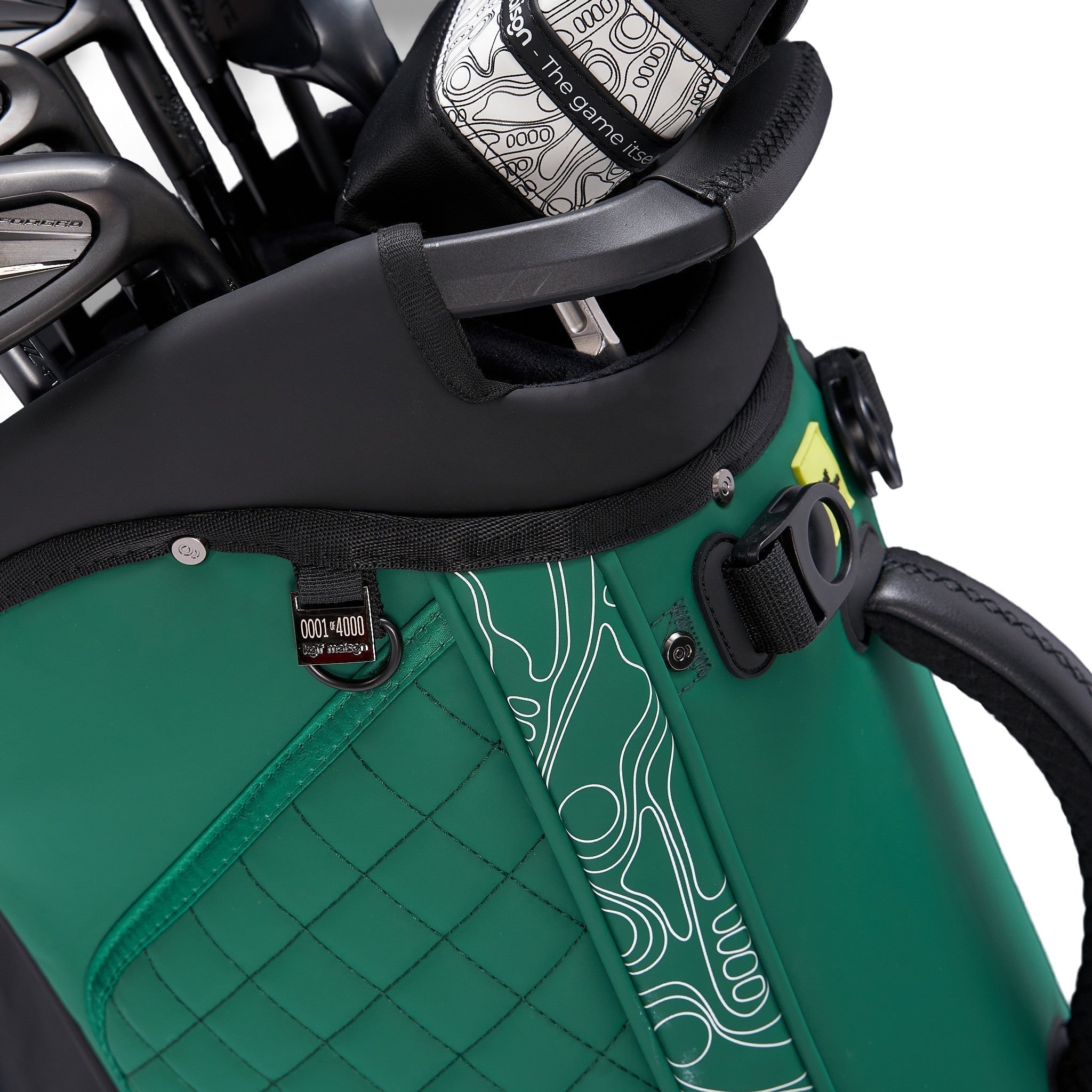
A front pocket is typically used for fast access. Rangefinders, gloves, tees, ball markers, and other frequently used items benefit from speed and ease. In this zone, a magnetic closure can be highly effective because it allows immediate access while preserving a clean outward appearance.
A side pocket behaves differently. Side compartments often carry heavier and bulkier items such as apparel, accessories, hydration, outerwear, and high volume storage. These pockets also contribute more directly to the silhouette of the bag. Because of this, the closure system has a larger structural role.
When magnets are used on side pockets, the closure line is more vulnerable to shape drift over time. Under repeated tension and heavier loading, the side panel can begin to lose composure. The pocket no longer closes with the same precision, and the structure begins to soften.
A zipper behaves differently. It creates a more defined closure path and helps support the form of the pocket itself. In side pocket applications, this additional structural discipline matters.
Where Magnetic Pockets Actually Work Best
Magnetic closures are excellent when used in the right place. The key is placement.
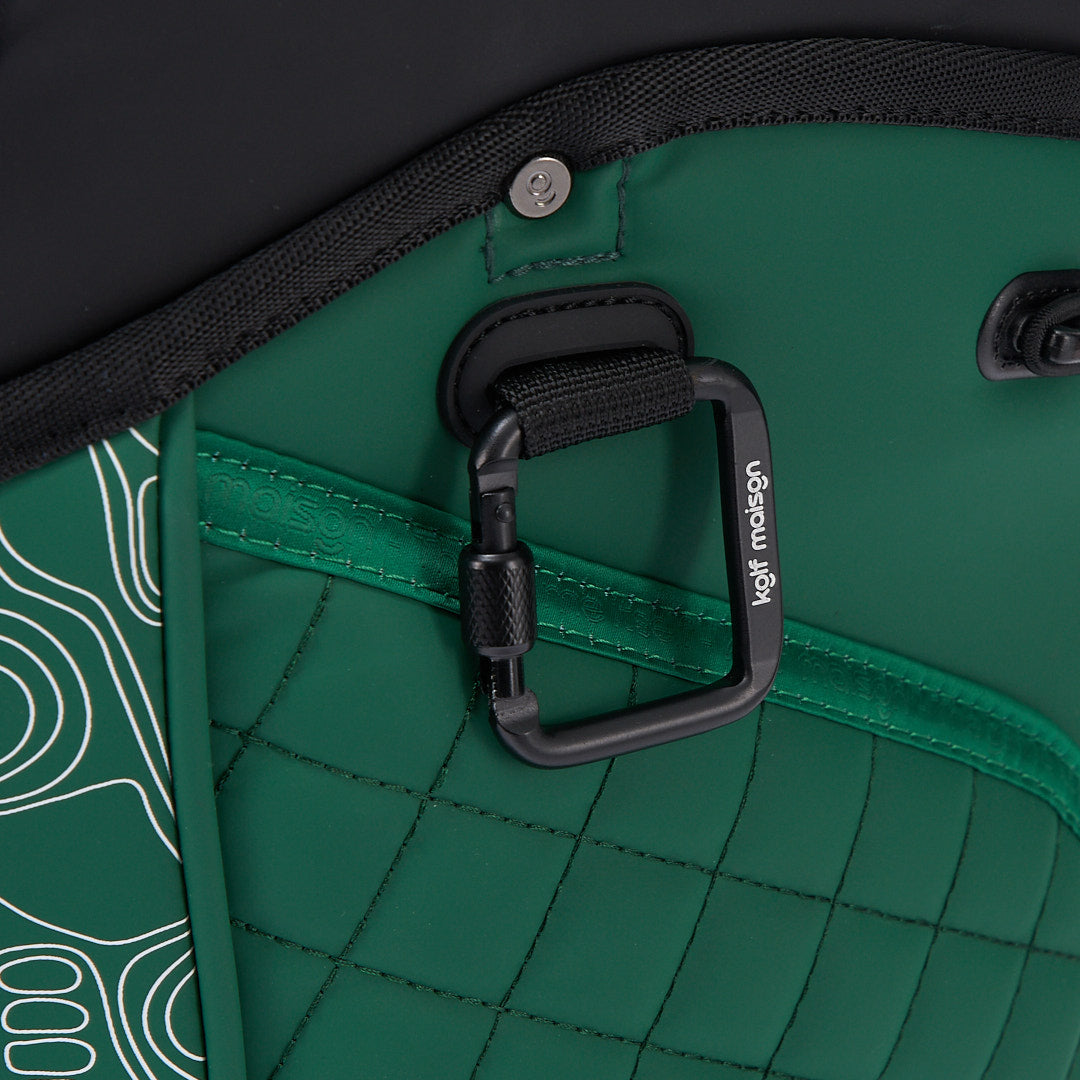
Front pockets benefit most from magnetics because they are usually shallower, more accessible, and less burdened by heavy storage loads. Their role is speed, convenience, and clean access. In this environment, magnetic closures create a refined and highly practical experience.
This is why front magnetic pockets can be so effective on structured bags. A well designed front pocket gives the golfer immediate access to frequently used items without the friction of repeated zipper use. When the pocket is reinforced properly and does not carry excessive weight, magnets can remain reliable and elegant.
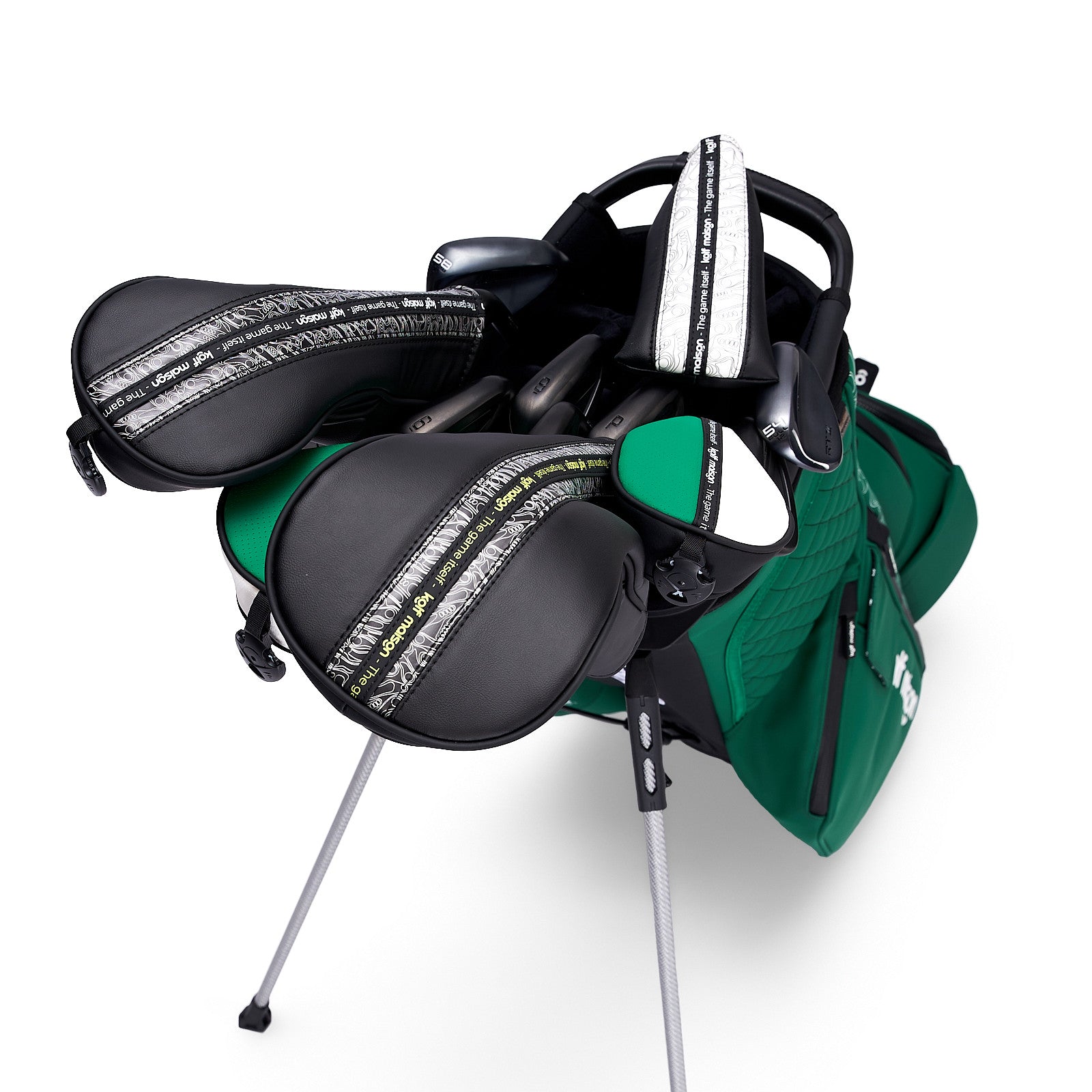
This logic is visible in structured designs such as the Paganica Cart Bag, where the front access zones are part of a more disciplined storage system, and in the Paganica Stand Bag, where ease of access matters but must still coexist with balance and shape retention.
Why Side Magnetic Pockets Can Damage Bag Structure Faster
Side pockets are where closure design becomes more serious. These pockets tend to be longer, deeper, and more heavily loaded. They often carry apparel, larger accessories, hydration, and backup items that create more persistent stress on the closure line.
Magnets do not reinforce the side pocket in the same way a zipper does. They close by attraction, not by creating a continuous structural seam. That difference matters under repeated loading.
In real use, side magnetic pockets are more likely to lose crispness over time. The opening line can begin to relax. The silhouette of the pocket can soften. Once this happens, the bag starts to lose the disciplined look that defines high quality construction.
This is not a theoretical concern. It comes directly from product experience. When magnetic closures are placed on side pockets, they tend to compromise long term shape retention faster than zipper systems. Zippers add structure. Magnets do not.
For a brand focused on long term form, this is decisive. A golf bag should not only open elegantly on day one. It should hold its geometry after repeated use, repeated loading, and repeated transport.
Zippers as Structural Support
Zippers are often treated as the more conventional choice, but in many cases they are the more serious engineering choice.
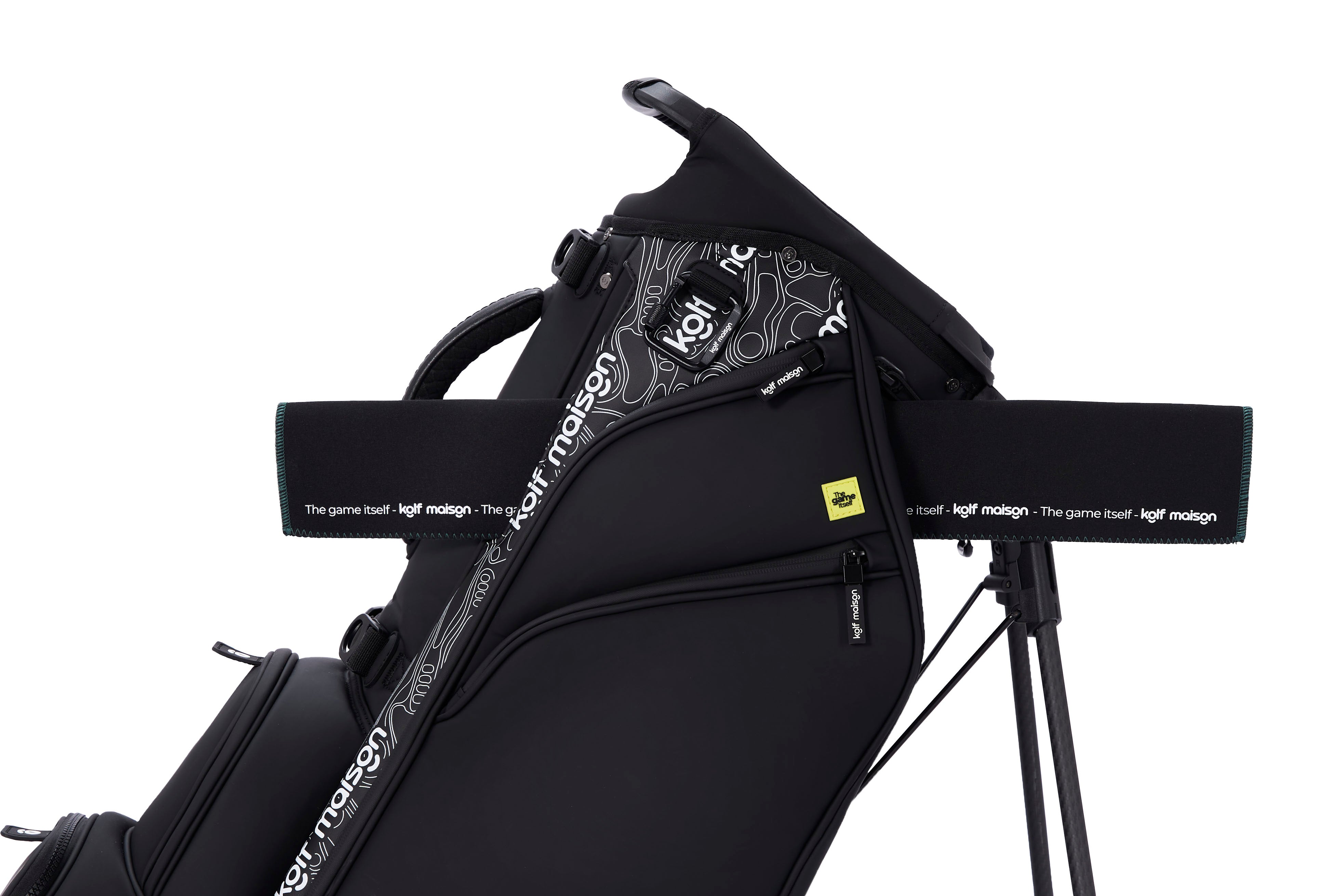
A zipper creates a defined mechanical closure from end to end. This reinforces the opening edge and helps the pocket maintain shape under stress. When a side pocket is packed repeatedly, the zipper helps distribute tension more evenly across the panel.
This becomes especially important in larger storage zones. Cart bags in particular depend on side storage architecture for much of their functionality. In these cases, the closure system must support the structure rather than merely close the opening.
That broader relationship between structure and long term usability is also reflected in best cart bags for storage and organization and the anatomy of a modern golf cart bag, where pocket architecture is treated as part of performance, not decoration.
Convenience vs Long Term Integrity
Magnetic pockets usually win the first impression test. They feel quick, modern, and satisfying. But first impression convenience is not the same thing as long term integrity.
On front pockets, that convenience can be justified because the structural cost is limited and the usability benefit is high. On side pockets, the equation changes. The structural penalty becomes larger, while the convenience advantage becomes less important than long term retention of form.
This is where serious product design separates itself from trend driven design. The goal is not to use magnets everywhere because they feel luxurious. The goal is to apply them only where they genuinely improve the experience without weakening the architecture.
Weather Exposure and Closure Reliability
Golf bags are exposed to changing conditions throughout every round. Moisture, dust, temperature variation, and repeated handling all influence how closure systems perform over time.
Magnetic closures are generally resistant to moisture because they do not rely on interlocking teeth or moving tracks. However, this does not mean they are immune to long term degradation. Dust, debris, and repeated use can reduce the precision of the closure, particularly when the alignment begins to shift.
Zippers, when properly constructed, provide a more controlled seal. High quality zipper systems are designed to maintain alignment under tension, which helps preserve both function and structure. In side pocket applications, this becomes particularly important because the pocket is under constant load.
The difference is not simply about resistance to water. It is about maintaining consistent performance under repeated environmental exposure.
Failure Patterns Over Time
Every closure system eventually reveals its weakness. The question is how and when.
Magnetic pockets tend to show gradual loss of precision. The closure may still function, but it becomes less defined. The pocket may not sit flush. The opening line can soften. Over time, this affects both usability and appearance.
Zippers fail differently. When built poorly, they can catch, misalign, or wear out. However, when constructed with quality components, they maintain consistent performance for significantly longer periods.
This distinction is important. A weak zipper is a liability. A strong zipper is a structural advantage.
The same long term perspective is applied across Kolf Maison design, where durability is measured through repeated use, not initial feel. This is explored further in why most golf bags wear out too fast.
The Myth That Zippers Feel Less Premium
There is a common perception that magnetic closures feel more premium than zippers. This perception is based on initial interaction, not long term performance.
A magnetic pocket offers immediate satisfaction. It opens smoothly and closes without effort. This creates a strong first impression.
However, premium is not defined by the first interaction. It is defined by consistency. A closure that maintains its function and structure over time is more aligned with long term quality than one that prioritizes short term sensation.
In this context, zippers should not be viewed as less refined. They should be viewed as disciplined. They introduce structure, control, and reliability, particularly in areas where the bag is under stress.
Load Distribution and Pocket Geometry
Side pockets do more than store items. They influence how weight is distributed across the bag. This affects balance, shape, and overall usability.
When a side pocket is heavily loaded, the closure system must help maintain the geometry of the panel. A zipper reinforces this geometry by holding the pocket along a defined path.
Magnetic closures do not provide the same level of support. They allow more flexibility, which can lead to deformation over time. This is why side magnetic pockets are more likely to lose structure compared to zipper based systems.
This relationship between load, structure, and performance is also reflected in broader discussions such as cart bag storage and organization, where pocket design directly affects usability.
Real World Use: Walking vs Riding
The way a golfer uses a bag also influences how closure systems perform.
Walking golfers interact with their bag continuously. They access pockets frequently, adjust items, and rely on balance throughout the round. In this context, front magnetic pockets can enhance usability without compromising structure.
Riding golfers tend to use side pockets more heavily. Cart bags often carry more equipment, apparel, and accessories. This increases the importance of structural reinforcement in side compartments.
In these scenarios, zipper closures provide a more stable solution. They maintain pocket integrity under load and ensure that the bag retains its form during repeated use.
This distinction aligns with the differences explored in stand bags vs cart bags, where usage patterns influence design priorities.
Why Closure Placement Matters More Than Closure Type Alone
The most important takeaway is that closure type should not be evaluated in isolation. Placement determines performance.
Magnetic closures are effective in low stress zones where quick access is valuable and structural load is minimal. Zippers are essential in high stress zones where shape retention and durability are critical.
A well designed golf bag uses both systems strategically. It does not rely on one exclusively. It applies each where it performs best.
This balanced approach is what defines considered design. It avoids the extremes of trend driven features and focuses instead on long term usability.
Magnetic vs Zipper Golf Bag Pockets Comparison
The difference between magnetic and zipper closures becomes clearer when evaluated across performance categories rather than initial impression.
| Factor | Magnetic Pockets | Zipper Pockets |
|---|---|---|
| Access Speed | Immediate | Moderate |
| Ease of Use | Very high | High |
| Structural Support | Low on side pockets | High |
| Shape Retention | Can soften over time | Maintains form |
| Durability Under Load | Moderate | High |
| Precision Over Time | Gradual loss | Consistent |
| Best Placement | Front access zones | Side and load bearing pockets |
Which Closure System Should You Choose
Choosing between magnetic and zipper pockets is not about preference alone. It is about how the bag will be used and how long it is expected to maintain its structure.
Choose magnetic pockets when:
You prioritize quick access
The pocket is located in a front facing zone
The storage load is light to moderate
You value immediate usability
Choose zipper pockets when:
The pocket carries heavier items
The pocket is positioned on the side of the bag
Long term structure matters
You want consistent shape retention over time
For most high performance golf bags, the correct approach is not choosing one system exclusively. It is combining both strategically.
Application in Modern Golf Bag Design
Modern golf bags that prioritize long term performance rarely rely entirely on magnetic closures. Instead, they use magnets selectively where they improve access without compromising structure.
This balanced approach is evident in structured systems such as the Paganica Cart Bag, where organization, load distribution, and pocket integrity are designed to function together.
Similarly, the Paganica Stand Bag integrates access and balance while maintaining structural discipline across repeated use.
The goal is not to follow trends. It is to preserve function under real conditions.
Long Term Ownership Perspective
Closure systems reveal their value over time. A pocket that feels effortless in the first week may not maintain the same precision after repeated use.
For golfers who play frequently, travel with their equipment, or rely on consistent organization, durability becomes more important than novelty.
This is why closure design should be evaluated as part of the overall structure, not as an isolated feature. It influences how the bag performs across seasons, not just during initial use.
This broader perspective aligns with the principles outlined in before you buy a golf bag and how to choose a golf bag that lasts.
Final Perspective
Magnetic and zipper pockets are not competing technologies. They are tools with different strengths.
Magnetic closures deliver speed and convenience in low stress zones. Zippers deliver structure and durability where the bag carries load.
The difference between a well designed golf bag and a trend driven one is not which features it includes. It is how those features are applied.
When closure systems are placed correctly, the bag maintains both usability and structure over time. When they are not, performance begins to degrade.
The choice is not magnetic or zipper. The choice is understanding where each belongs.
Frequently Asked Questions
Are magnetic golf bag pockets reliable?
Yes, when used in front access areas with moderate load.
Do magnetic pockets lose strength?
Over time, alignment and precision can decrease with repeated use.
Are zipper pockets more durable?
Yes, especially in high stress and load bearing areas.
Why do side magnetic pockets fail faster?
They do not provide structural reinforcement under load.
Which pocket type is better for cart bags?
Zippers are better for side storage, magnets for front access.
Do premium bags use both systems?
Yes, they combine both based on function.
Are magnetic pockets waterproof?
They resist moisture but do not seal like zippers.
Do zippers break easily?
Only if poorly constructed. High quality zippers are highly durable.
Are magnets more convenient?
Yes, for quick access situations.
Do magnets affect bag shape?
On side pockets, they can reduce long term structure.
What is the best closure for heavy storage?
Zippers provide better support under load.
Should I avoid magnetic pockets?
No, but they should be used in appropriate locations.
Do closure systems affect durability?
Yes, they influence how the bag maintains structure over time.
Can magnets replace zippers completely?
No, they serve different roles in design.
Which feels more premium?
Magnets feel more immediate, but durability defines long term quality.


Share:
Best Golf Travel Bags 2026 | Protection, Structure, Travel Safety
How to Clean a Golf Bag: Complete Stain Removal and Care Guide for Luxury Golf Bags