




Cart Strap Damage: The Silent Killer of Premium Golf Bags
Cart strap damage is rarely discussed before purchase. Yet it is one of the most common long term failure points in golf bags.
It does not happen instantly. It develops quietly through repeated compression, friction, and torsional force applied in the same zone every round.
By the time distortion becomes visible, structural fatigue has already begun.
Why Cart Strap Pressure Is So Aggressive
A golf cart strap applies concentrated force across a narrow horizontal line. That force increases when the bag is fully loaded with clubs, balls, accessories, and apparel.
Over dozens of rounds, that repeated compression creates stress on exterior panels, stitching, and internal reinforcement.
If the bag lacks a dedicated strap pass through channel or reinforced piping, the strap compresses directly into the body structure.
The Three Stages of Strap Damage
Stage One: Cosmetic Compression
Early signs appear as slight creasing or subtle wrinkling in the strap zone. Many golfers dismiss this as normal wear.
Stage Two: Structural Distortion
Repeated compression begins to deform internal structure. Divider alignment may shift slightly. Exterior panels lose tension.
Stage Three: Permanent Posture Loss
The bag no longer sits perfectly vertical. The strap zone appears permanently indented. Stitching may begin to strain under load.
At this stage, the damage is not reversible.
Why Many Bags Are Vulnerable
High volume production often prioritizes visible features over hidden reinforcement. Reinforcing a strap channel requires additional structural material, integrated piping, and more controlled assembly.
Without that reinforcement, compression transfers directly into cosmetic panels.
For broader durability context, see What Makes a Golf Bag Durable and Golf Bag Durability and Longevity.
The Role of Reinforced Strap Channels
An engineered cart bag should include a dedicated strap pass through channel that isolates compression away from structural panels.
Additional reinforcement such as internal piping behind the strap path distributes load and resists long term distortion.
See The Critical Role of the Strap Sleeve for deeper technical explanation.
Material Density and Abrasion Resistance
Strap damage is not only compression. It is friction.
Lower density synthetic coatings are more prone to surface wear under repeated tightening. Higher density engineered microfiber composites resist abrasion and maintain surface integrity longer.
Explore material science in Matte Microfiber Composite Leather vs Conventional PU Leather and Science of Matte Microfiber Composite.
Stand Bags Are Not Immune
Even stand bags experience strap related stress when mounted on carts. The absence of a reinforced channel increases risk of distortion.
For stand specific design considerations, see The Stand Bag.
Engineering for Protection
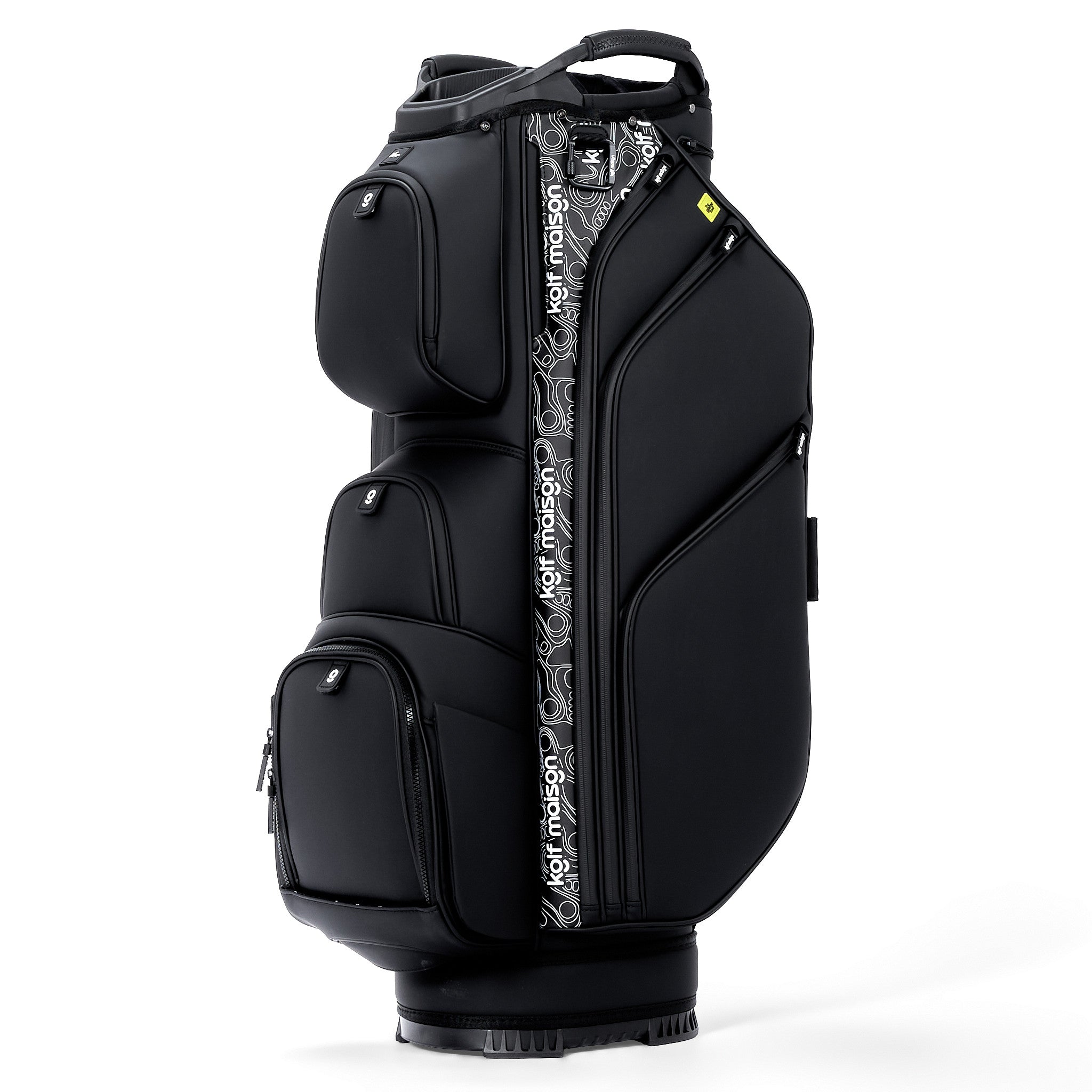
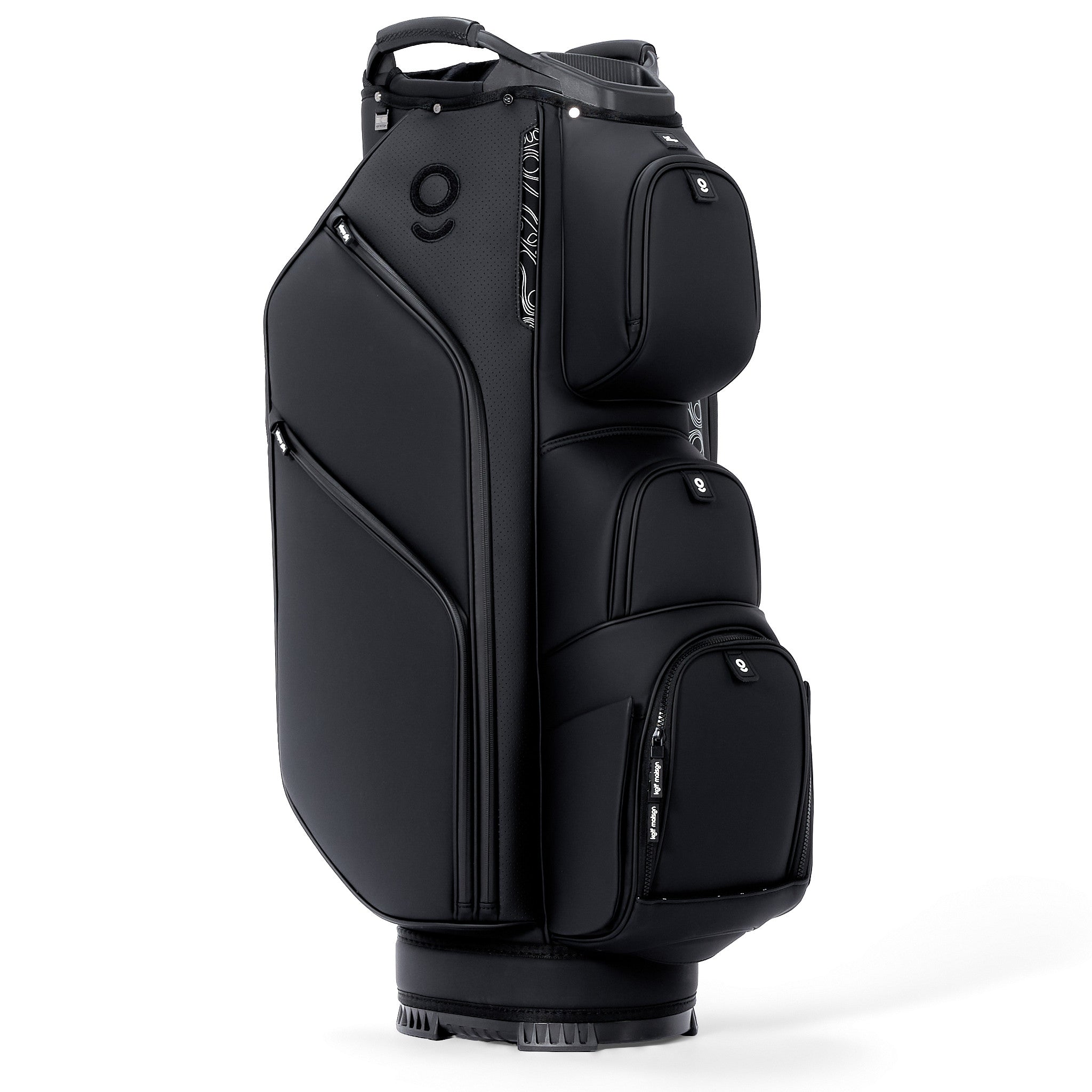
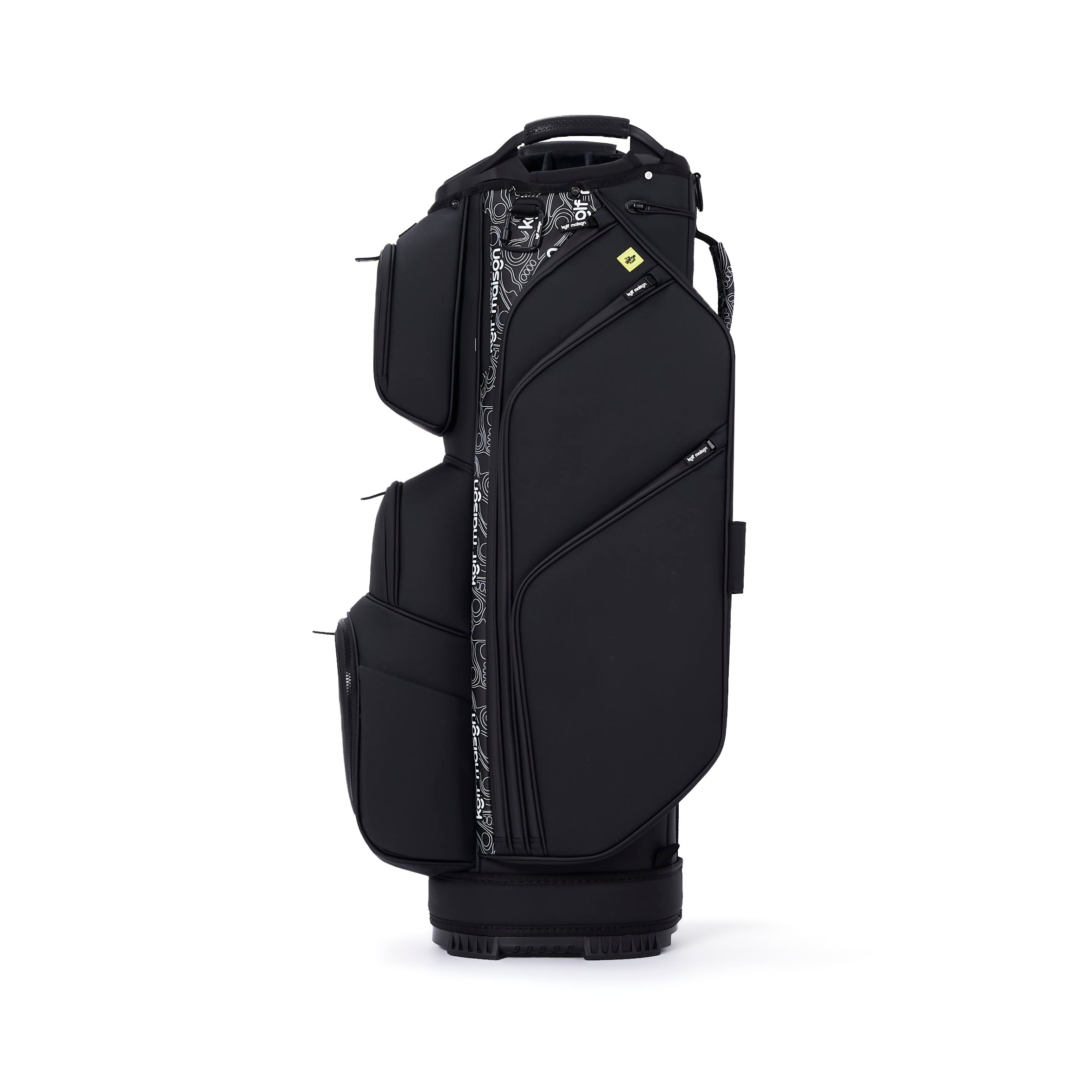
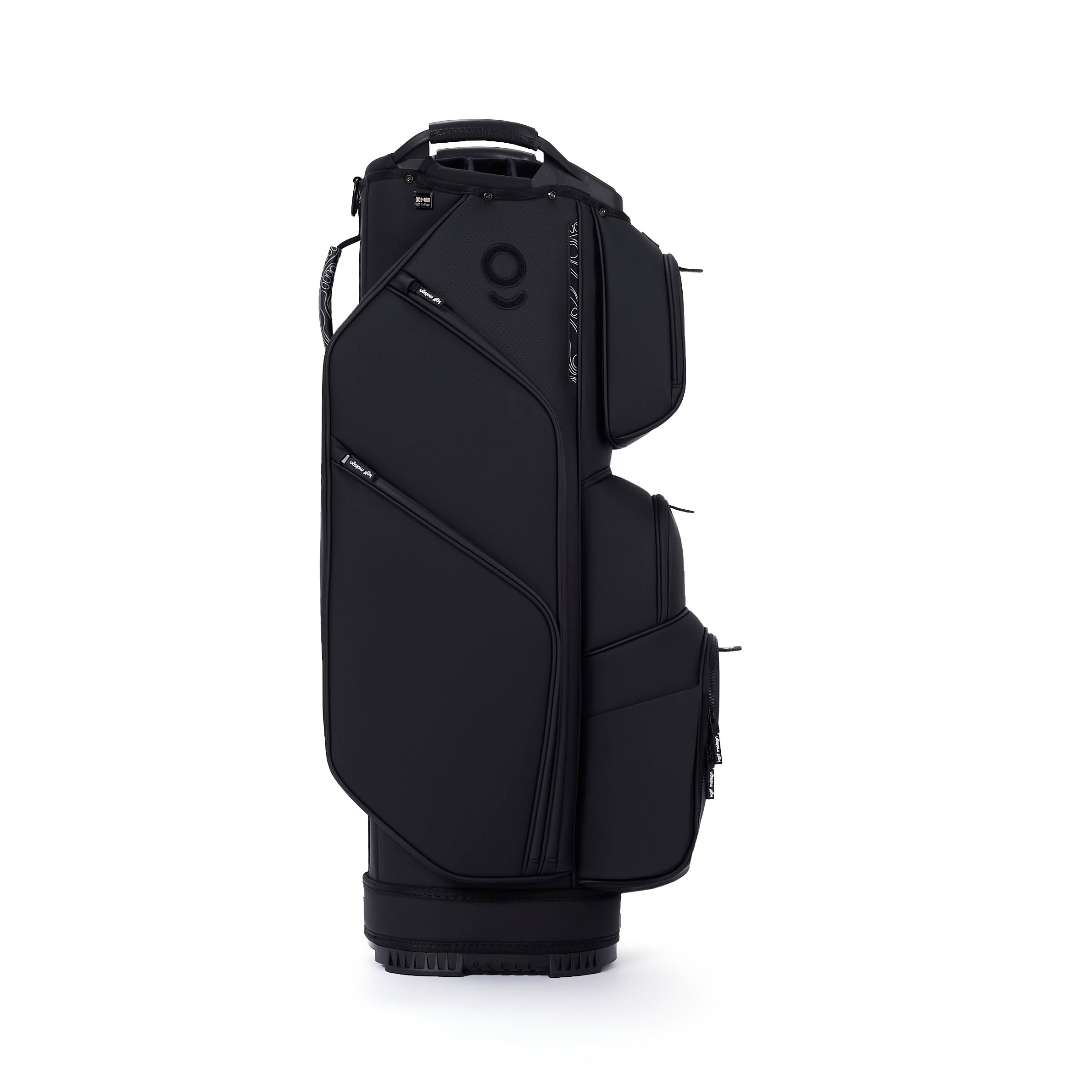
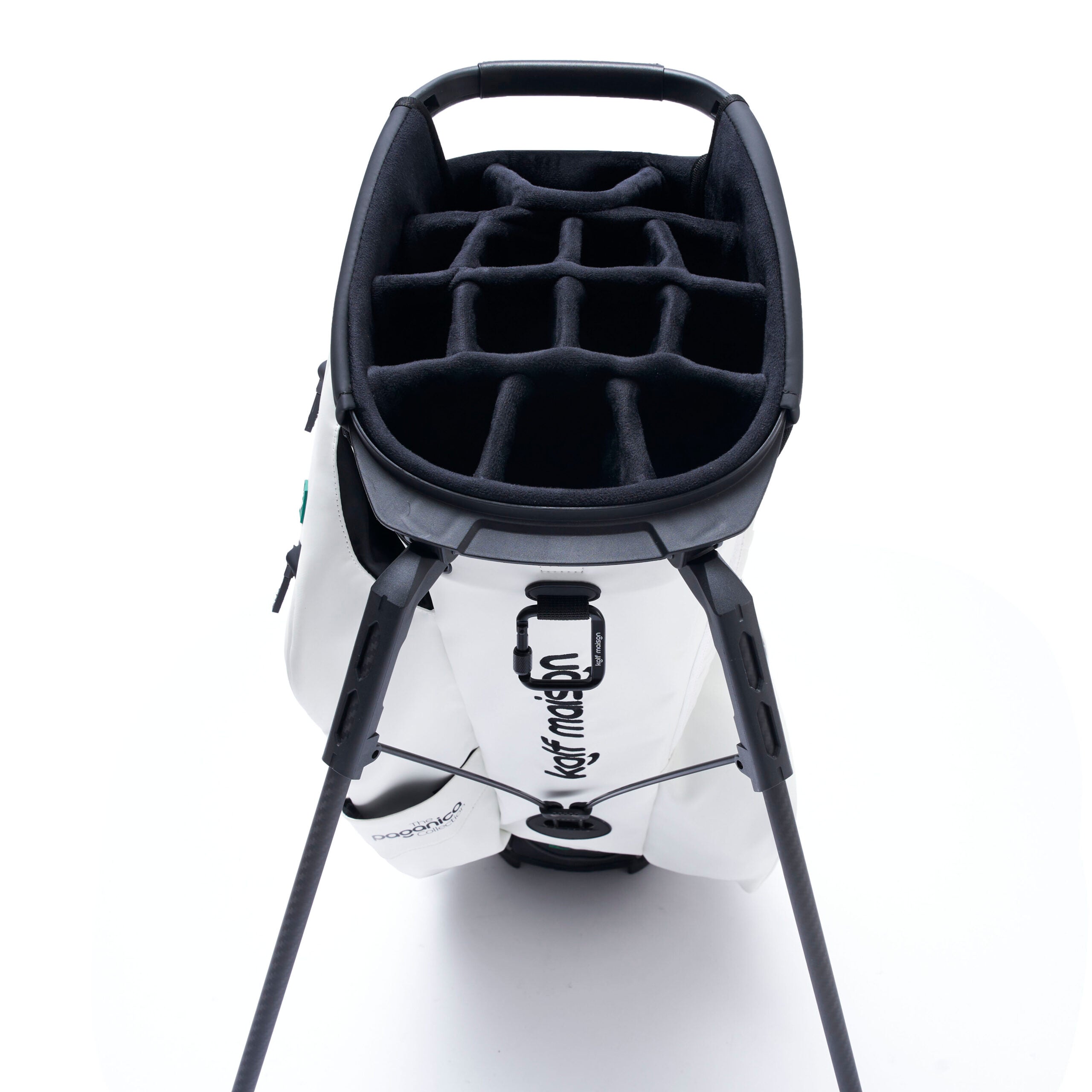
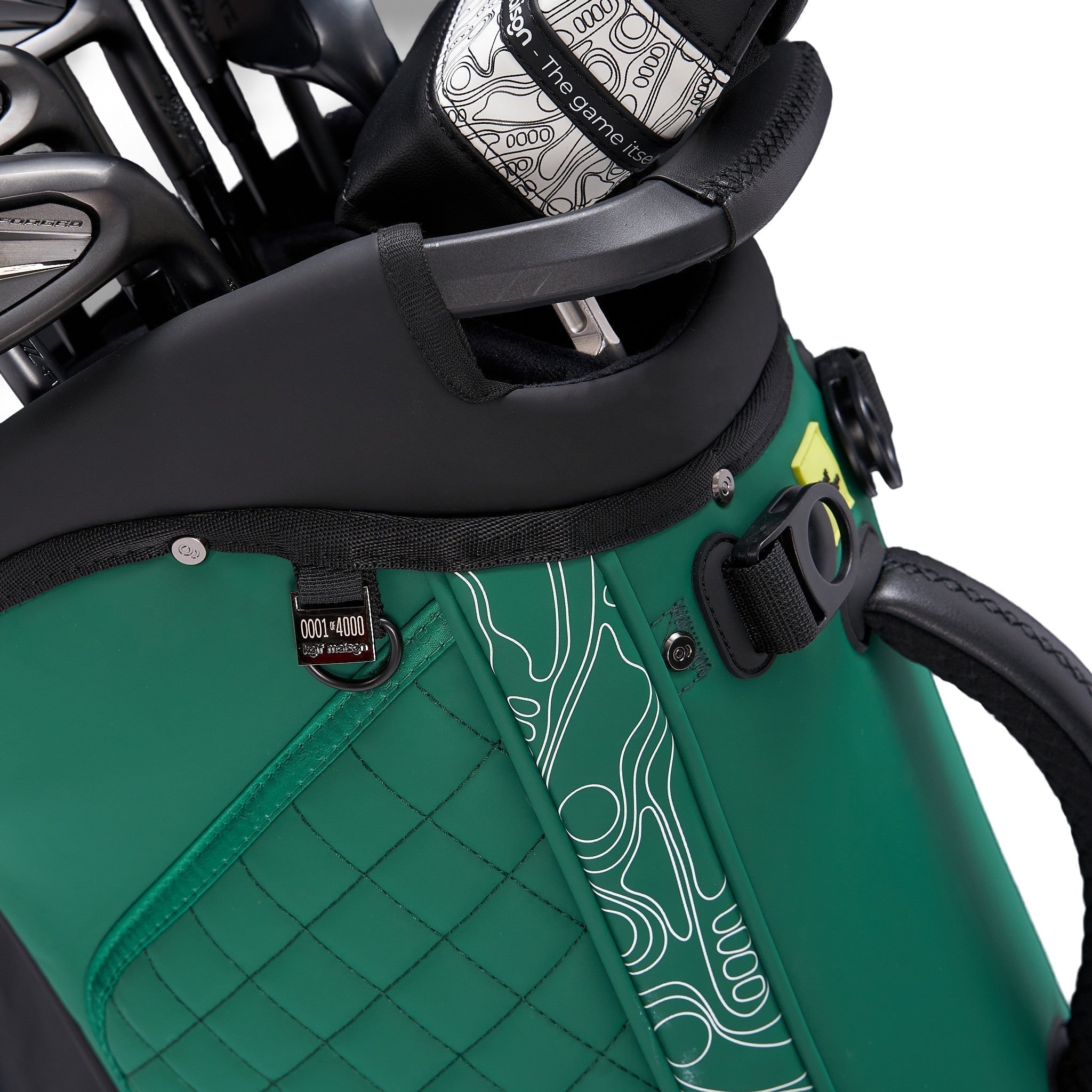
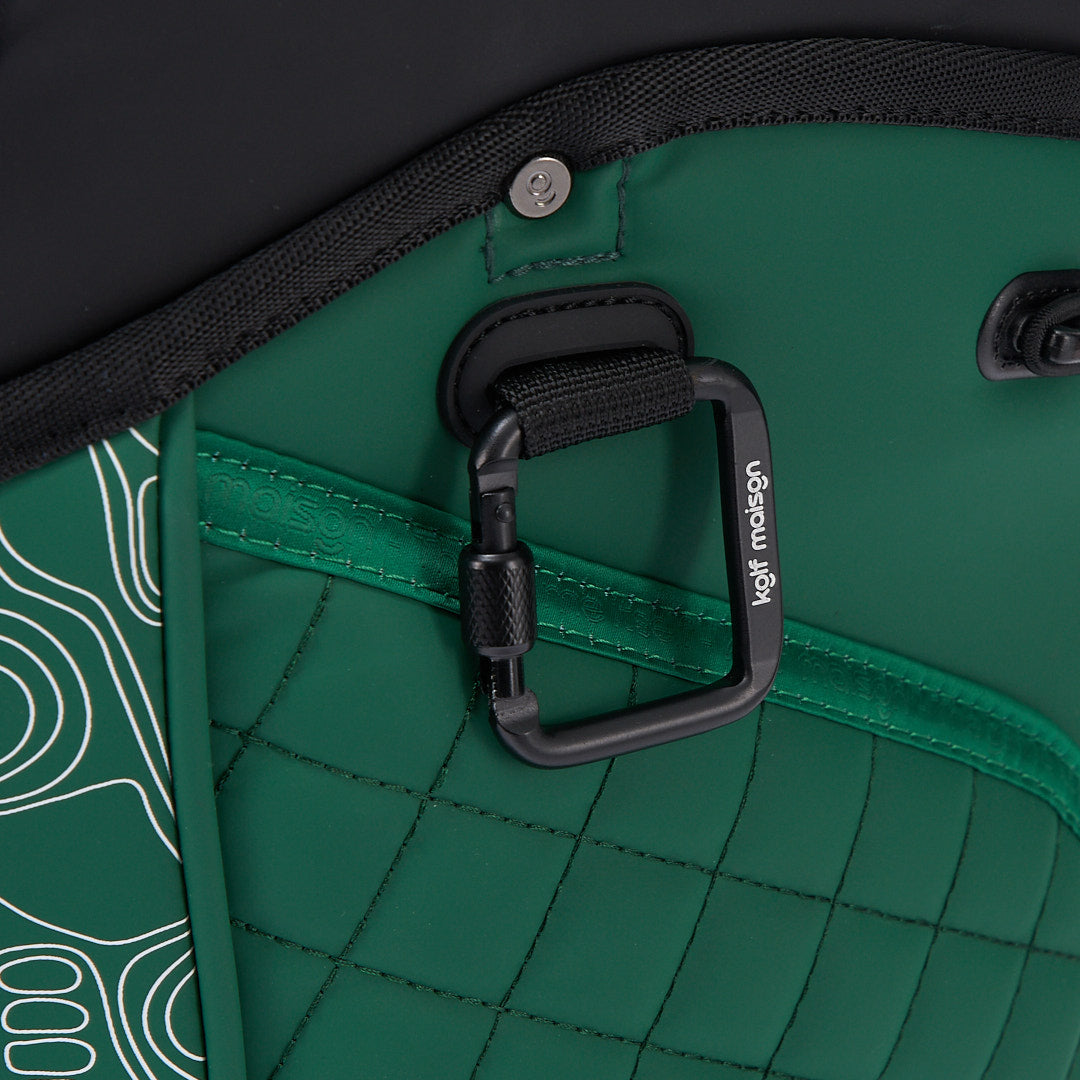
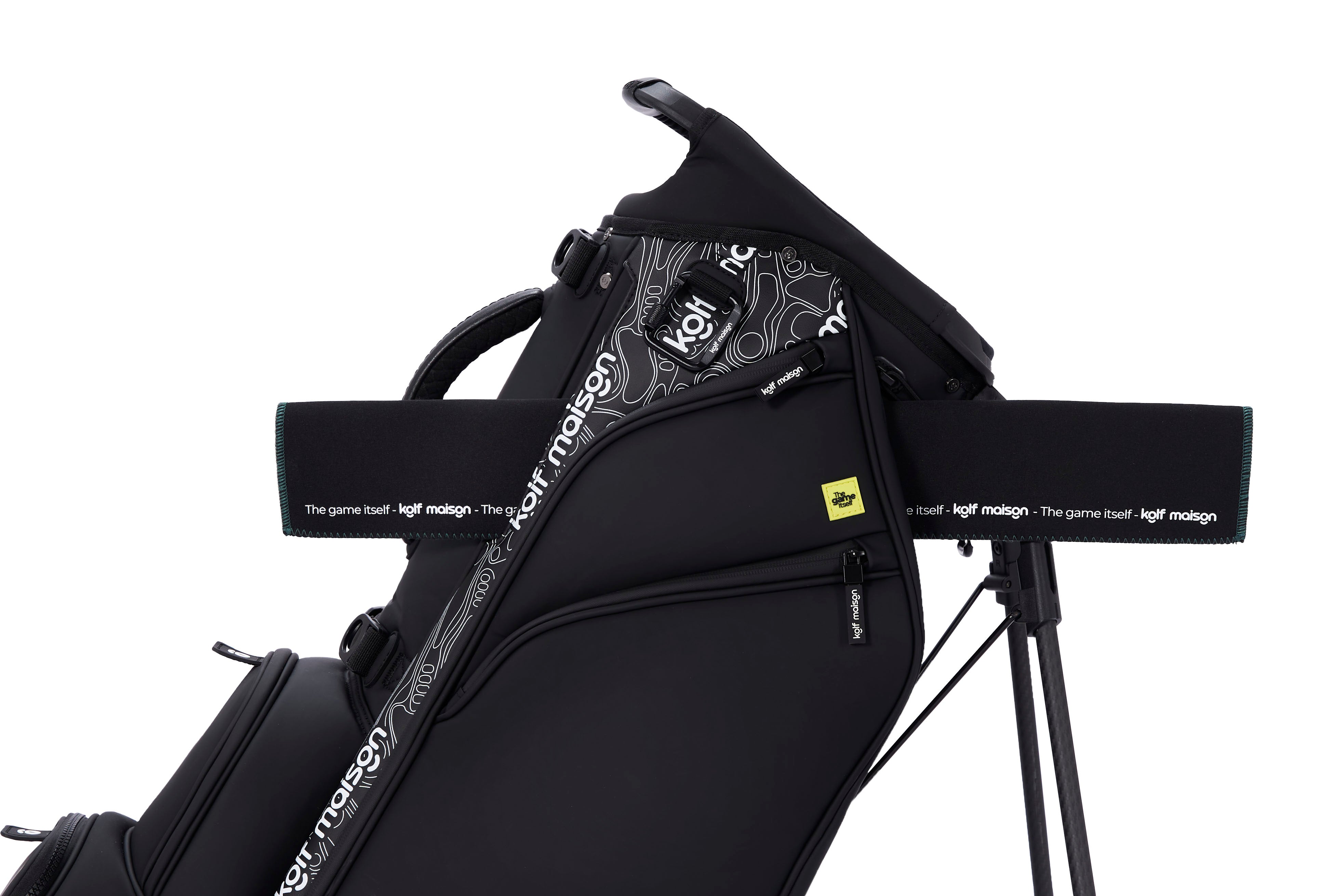
The Paganica Cart Bag integrates a dedicated cart strap pass through channel, reinforced piping behind the strap path, and protective abrasion control to maintain structural integrity over extended use.
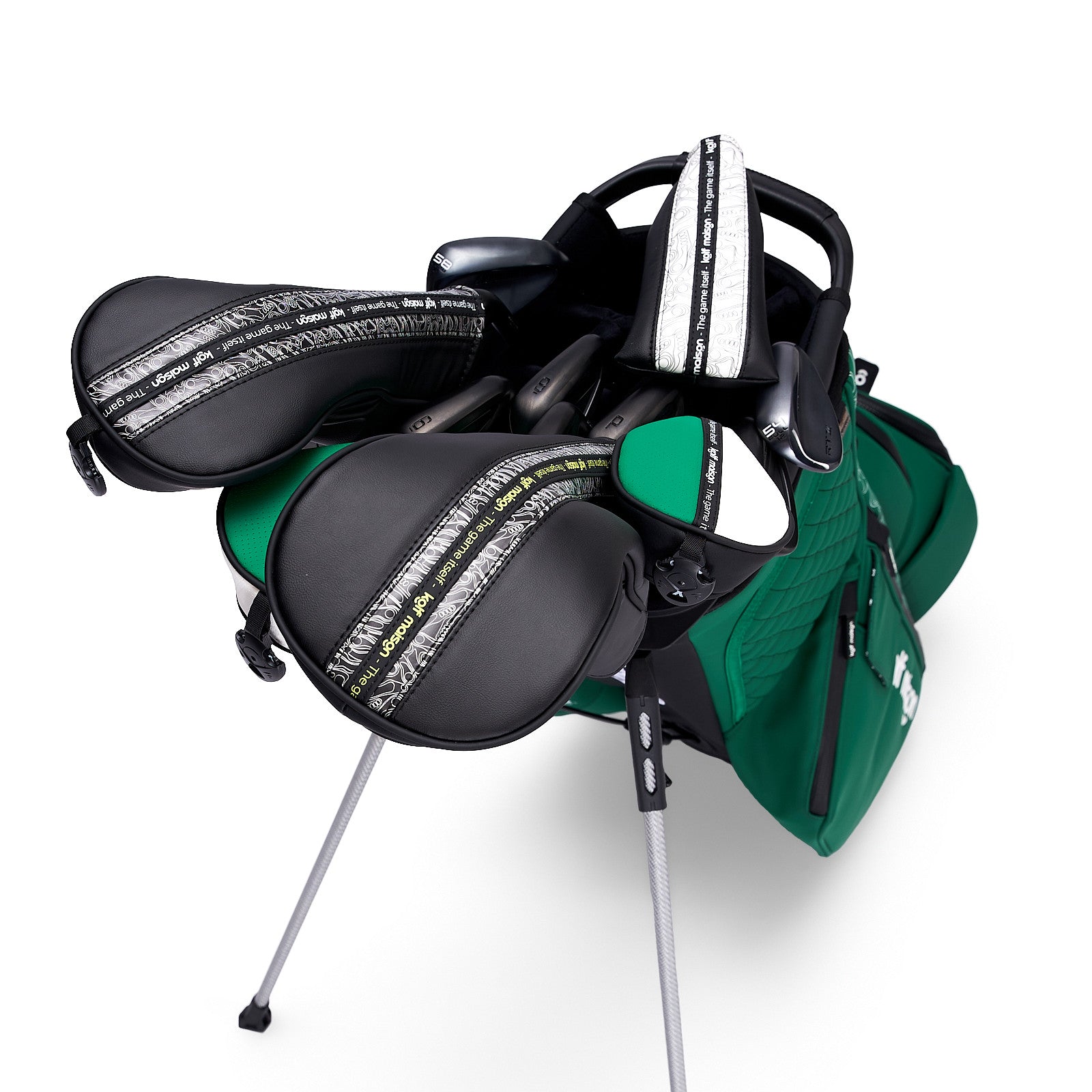
The Paganica Stand Bag incorporates structural reinforcement to resist distortion even under hybrid use between walking and cart play.
These systems are not cosmetic. They are preventive engineering.
The Long Term Perspective
Cart strap damage does not announce itself dramatically. It accumulates round after round.
When evaluating a golf bag, do not focus only on appearance. Examine how compression is managed. Inspect whether the strap isolates load or transfers it directly into cosmetic panels.
Structural longevity depends on how predictable stress is handled.
Final Thought
A premium golf bag should not be vulnerable to its most common point of contact.
Cart strap damage is silent, but it is avoidable when reinforcement is engineered deliberately.
Before choosing your next bag, evaluate the strap channel. It may determine how long the bag maintains its posture.




Share:
Why Golf Bags Wear Out Too Fast and How to Avoid It
Luxury Golf Bags vs Standard Golf Bags | What’s the Difference?