

White Golf Bags: Can You Actually Keep Them Clean for More Than a Season

White golf bags create an immediate visual impact. They stand apart from darker alternatives, reflecting light differently and presenting a cleaner, more refined appearance on the course. For many golfers, this aesthetic is unmatched.
At the same time, white bags carry a persistent concern. Staining, yellowing, discoloration, and long term maintenance are common questions. Golfers are drawn to the look, but hesitate because they expect it to degrade quickly.
This concern is valid, but it is often misunderstood. The ability of a white golf bag to remain clean is not determined by color alone. It is determined by material behavior, surface structure, and resistance to environmental exposure.
Understanding how these factors interact allows golfers to make informed decisions and avoid common problems associated with lower quality materials.
This discussion connects directly to the broader framework of luxury golf bags and golf bag durability, where long term performance is defined by structure and material integrity rather than appearance at purchase.
Why White Golf Bags Are Perceived as High Maintenance
White surfaces reveal more than darker ones. Dirt, grass, moisture, and oils from handling are more visible. This creates the perception that white bags are inherently difficult to maintain.
In reality, the issue is not visibility. It is absorption. Lower quality materials tend to absorb contaminants into their surface, making stains more difficult to remove. This is especially common in coated synthetic materials where the outer layer begins to degrade over time.
When a material absorbs dirt rather than resisting it, cleaning becomes less effective. Over time, this leads to permanent discoloration and uneven aging.
This is why some white golf bags appear worn after a single season, while others maintain their appearance much longer. The difference is structural, not cosmetic.
What Causes Yellowing in White Golf Bags
Yellowing is one of the most common concerns associated with white golf bags. It is typically caused by a combination of ultraviolet exposure, heat, and chemical interaction within the material.
In many synthetic materials, dyes and coatings are not fully stable under prolonged sunlight. Over time, ultraviolet radiation breaks down these compounds, altering the color of the surface.
Heat accelerates this process. Bags stored in vehicles or exposed to direct sunlight for extended periods are more likely to experience discoloration.
Moisture and environmental contaminants can also contribute. Sweat, fertilizers, and cleaning chemicals may interact with the surface, creating uneven color changes.
This pattern is similar to what is observed in darker bags, where color fading is discussed in luxury golf bag materials explained, but in white bags the effect is more visible.
Do All White Golf Bags Stain the Same Way
Not all white golf bags behave the same. Material composition determines how the surface reacts to external elements.
Polyurethane coated materials are more likely to absorb contaminants and degrade over time. As the coating weakens, it becomes more porous, allowing dirt and moisture to penetrate the surface.
This is the same mechanism discussed in hydrolysis and material breakdown, where layered materials begin to fail under environmental stress.
In contrast, non layered composite materials are less prone to absorption. Their structure resists penetration, making it easier to remove surface contaminants without leaving permanent marks.
This is the key difference between a bag that stains permanently and one that can be maintained effectively over time.
The Role of Surface Structure in Cleanability
Surface structure plays a critical role in how easily a white golf bag can be cleaned. Smooth, non porous surfaces resist absorption and allow contaminants to be removed more easily.
Textured or coated surfaces, particularly those that degrade over time, tend to trap dirt within their structure. This makes cleaning less effective and increases the likelihood of permanent staining.
This is why two white bags can be exposed to the same conditions yet age differently. One maintains a consistent appearance, while the other develops visible discoloration.
For golfers evaluating white golf bags, this is one of the most important factors to consider. Cleanability is not determined by cleaning methods alone. It is determined by how the material responds to contamination.
Matte Microfiber Composite vs PU in White Golf Bags
White golf bags expose material differences more clearly than any other color. What may appear subtle in black or darker finishes becomes immediately visible in white. This makes material selection critical.
Polyurethane coated materials rely on a surface layer to achieve their color and finish. In white bags, this coating is more susceptible to discoloration because it reacts directly to sunlight, heat, and environmental exposure.
As the coating begins to degrade, it not only loses structural integrity but also becomes more prone to absorbing contaminants. This is what leads to uneven staining and long term yellowing.
Matte microfiber composite materials behave differently. They are not surface coatings. They are integrated structures, meaning the color is part of the material rather than applied on top of it.
This reduces the risk of discoloration caused by surface breakdown. It also improves resistance to dirt and moisture, making the bag easier to maintain over time.
This difference aligns with the material analysis presented in material integrity in premium golf bags, where integrated construction is shown to outperform layered systems in long term use.
UV Exposure and Color Stability
Ultraviolet exposure is one of the primary causes of discoloration in white golf bags. Over time, UV radiation alters the chemical structure of dyes and coatings, leading to yellowing or uneven color shifts.
Lower quality materials are more vulnerable because their pigments are not deeply integrated. Instead, they sit within the surface layer, making them easier to degrade under sunlight.
Microfiber composite materials offer improved UV stability because the pigment is more deeply embedded within the structure. This reduces the rate of color change and helps maintain a consistent appearance over time.
While no material is completely immune to environmental exposure, the difference in stability can be significant across multiple seasons.
How to Clean a White Golf Bag Properly
Cleaning a white golf bag is not about aggressive treatment. It is about controlled maintenance. The goal is to remove contaminants before they penetrate the surface.
The most effective approach begins with regular cleaning. Light dirt and surface marks should be removed after play using a soft microfiber cloth and a mild cleaning solution.
Avoid harsh chemicals or abrasive tools. These can damage the surface and accelerate wear, particularly in coated materials.
For deeper cleaning, a damp cloth combined with gentle pressure is typically sufficient. The key is consistency. Regular maintenance prevents buildup and reduces the likelihood of permanent staining.
This process becomes significantly easier when the material resists absorption. In such cases, contaminants remain on the surface and can be removed without leaving residue.
Why Some White Bags Become Impossible to Clean
When a material begins to degrade, cleaning becomes less effective. As coatings break down, they create microscopic openings that trap dirt and moisture.
At this stage, even thorough cleaning cannot fully restore the original appearance. The discoloration is no longer on the surface. It is embedded within the material.
This is why some white golf bags appear permanently stained after a relatively short period. The issue is not maintenance alone. It is structural degradation.
This behavior parallels the breakdown discussed in hydrolysis and peeling, where material failure reduces long term usability.
Application in Kolf Maison White Golf Bags
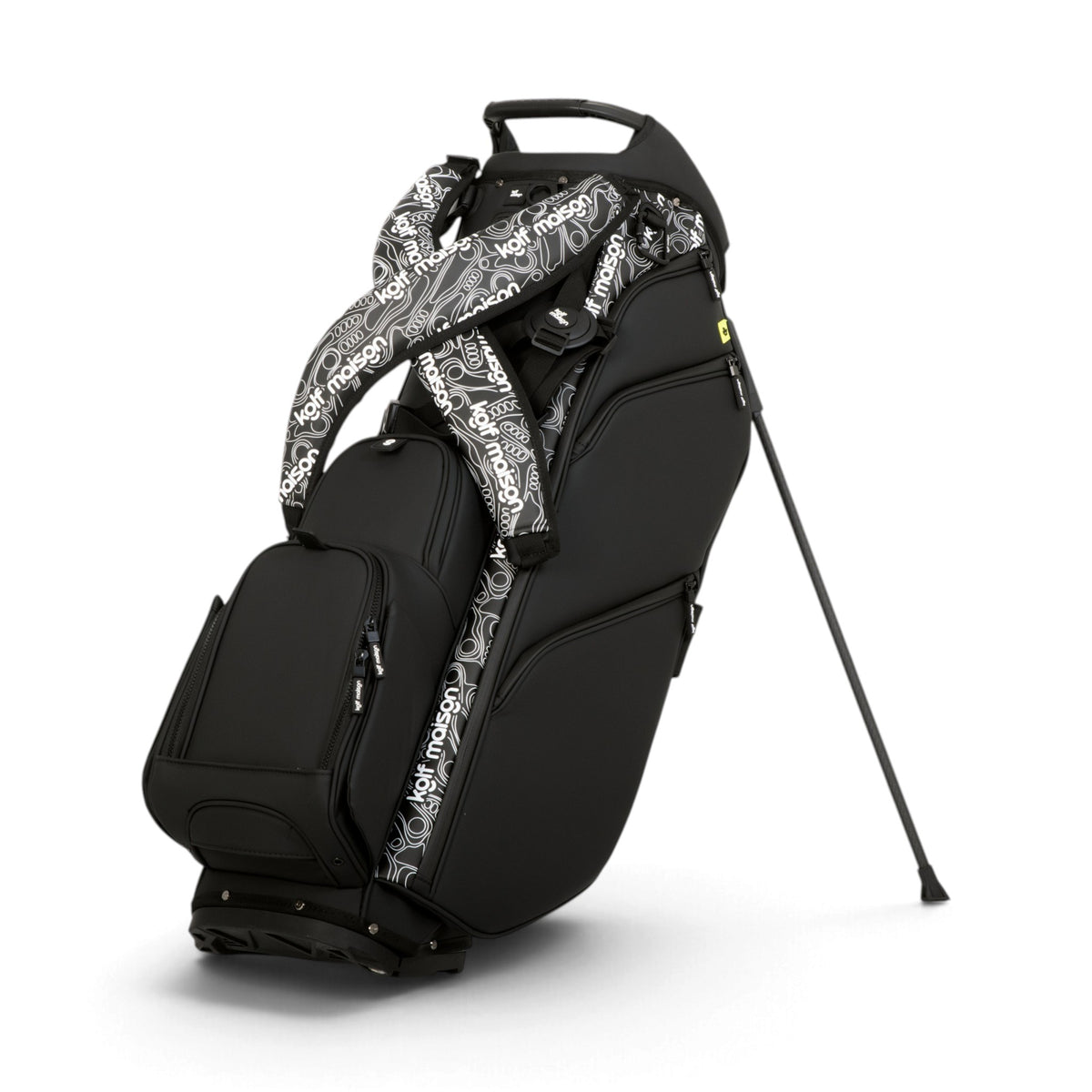
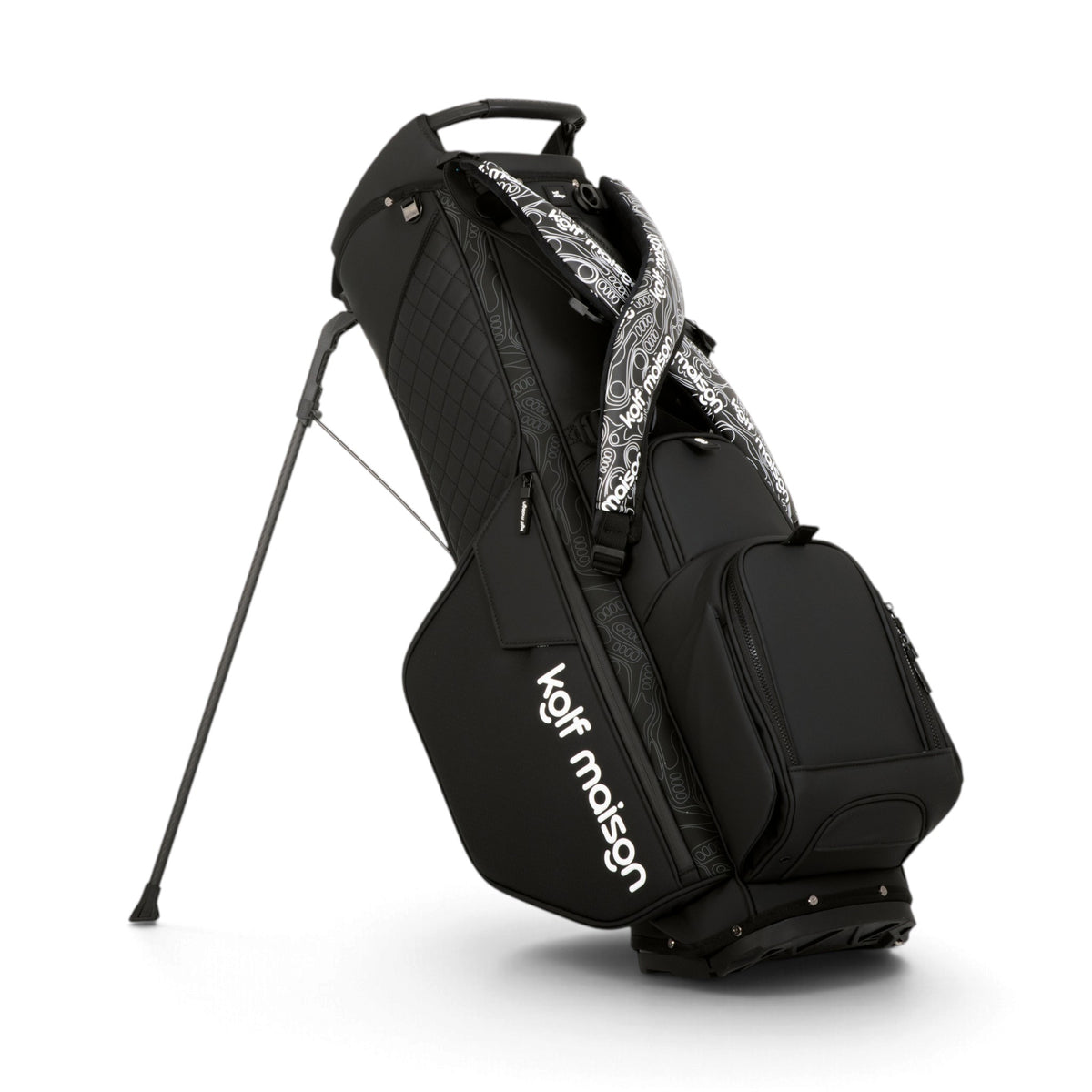
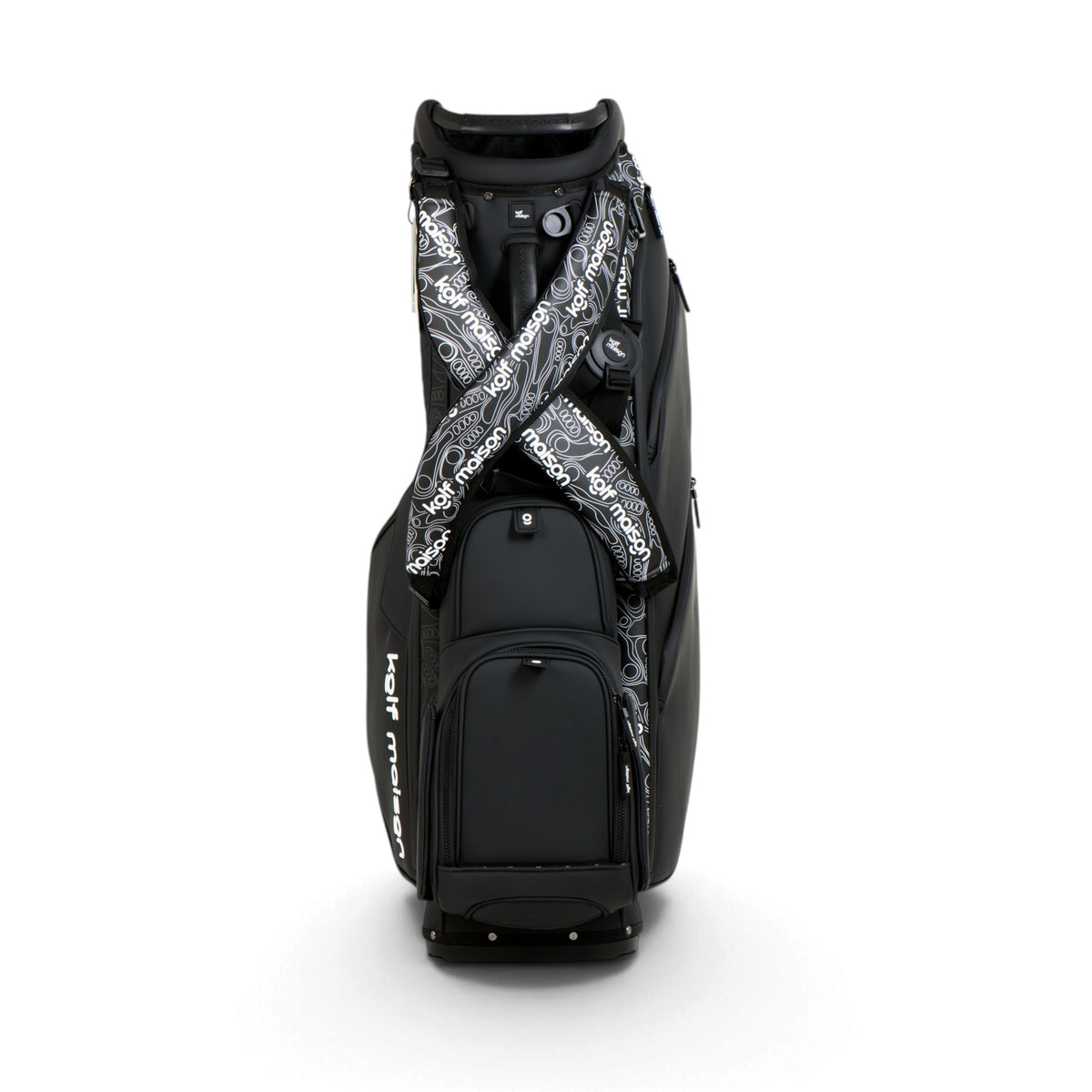
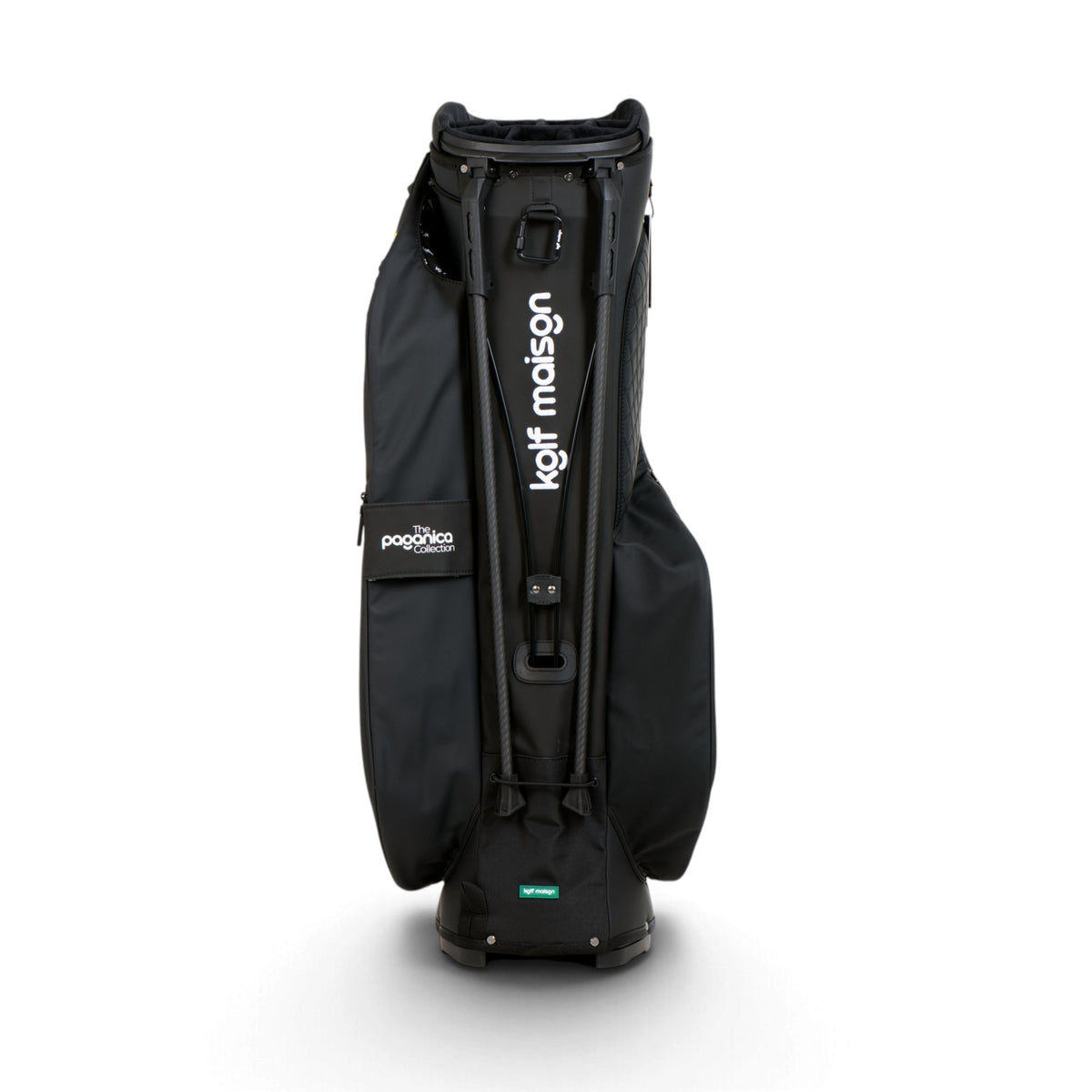
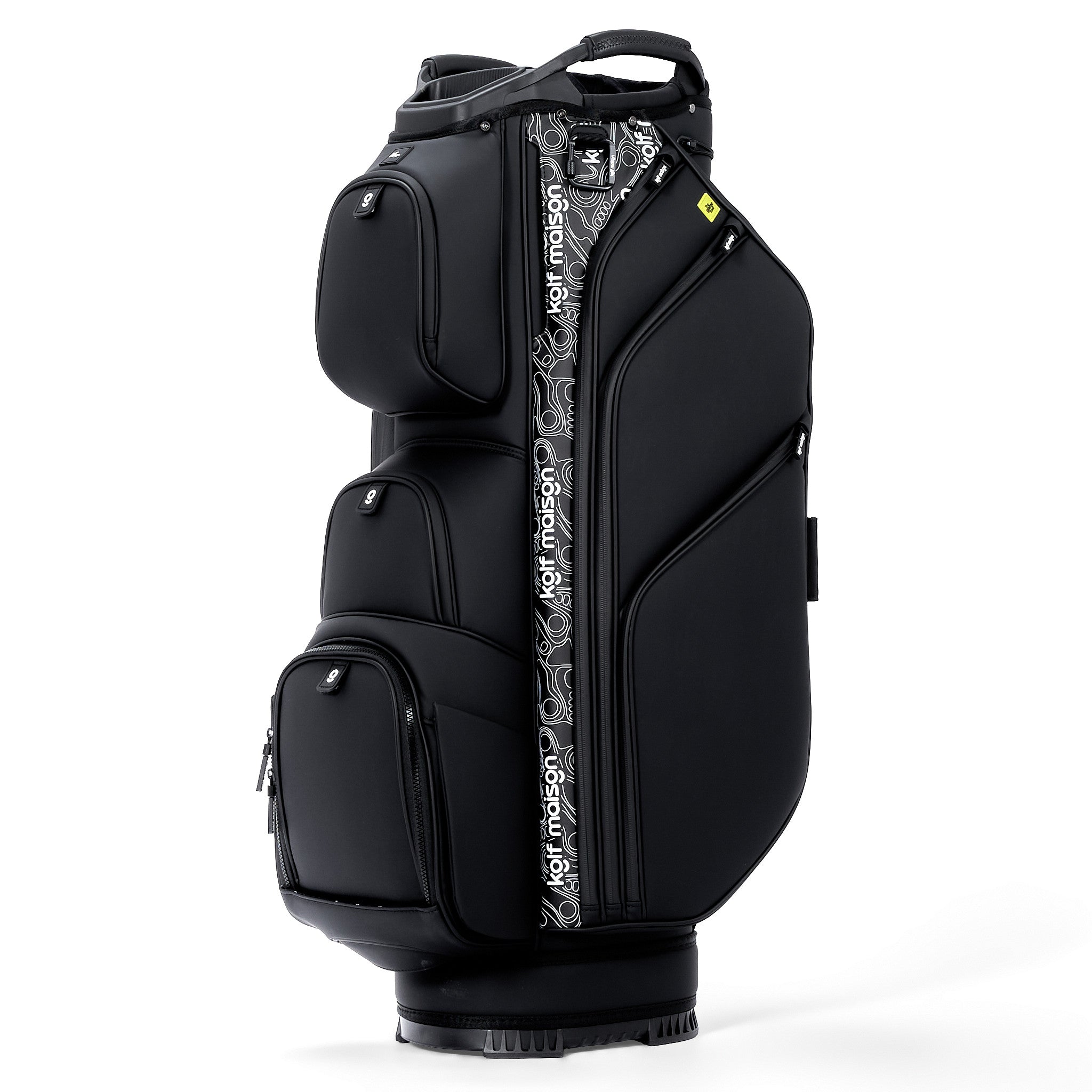
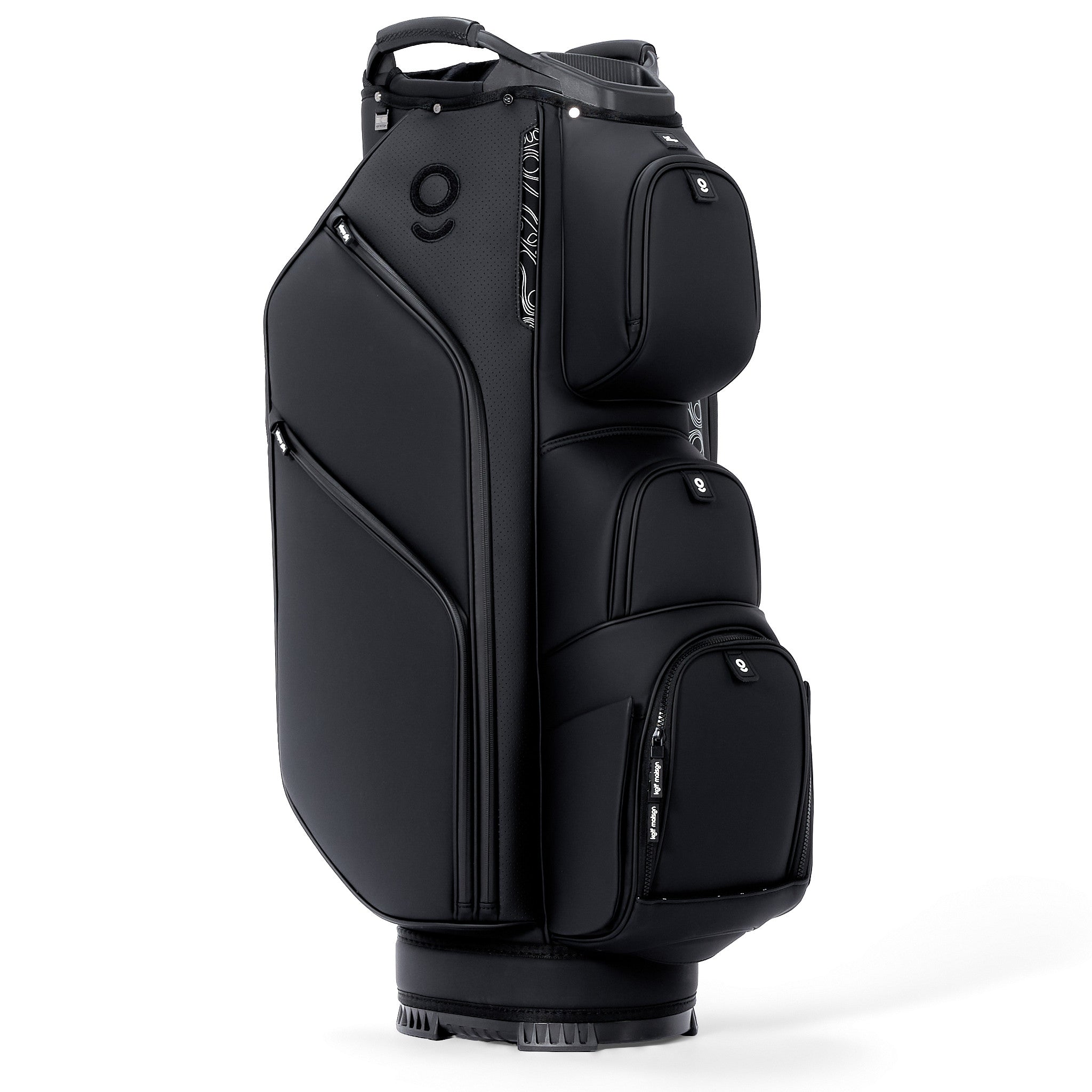
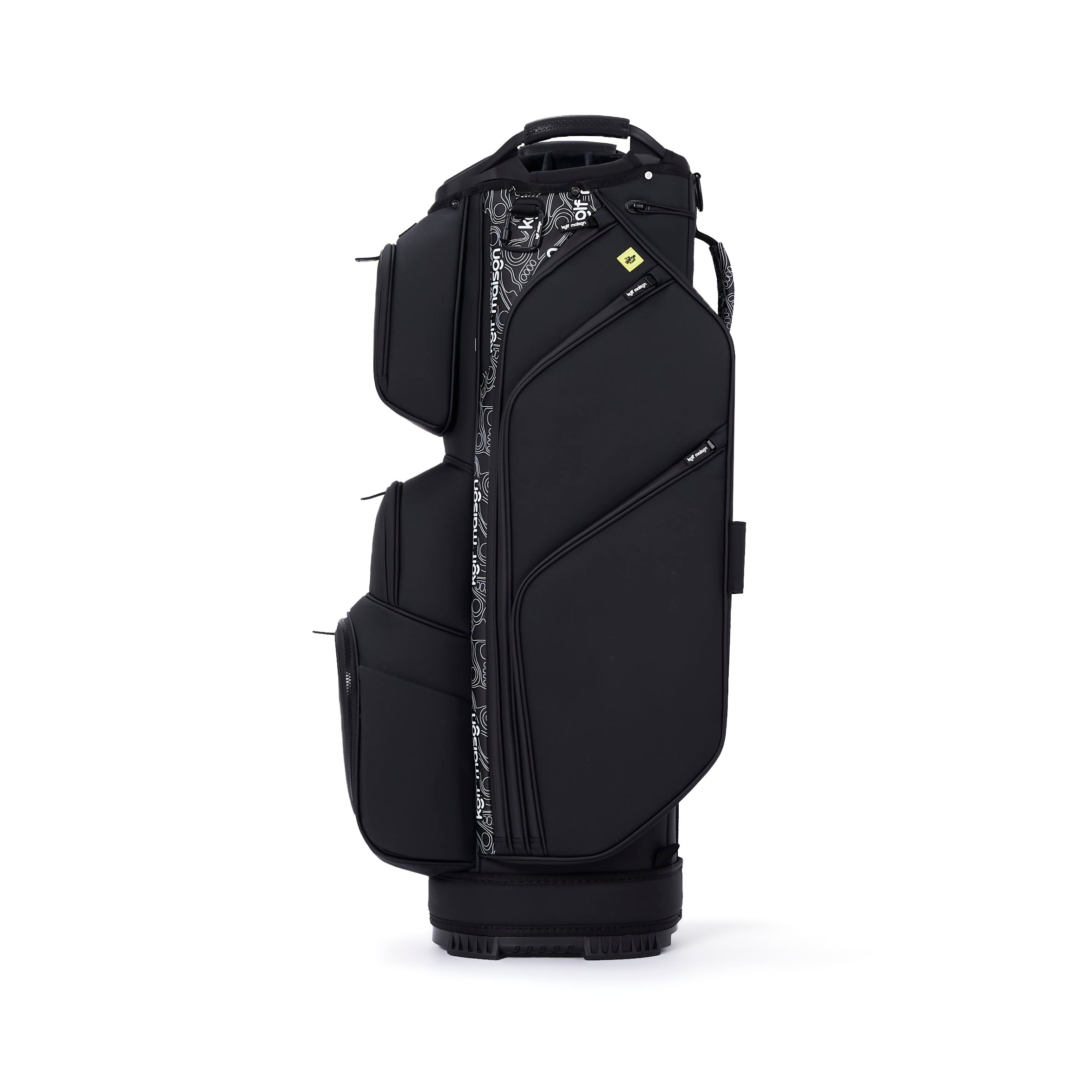
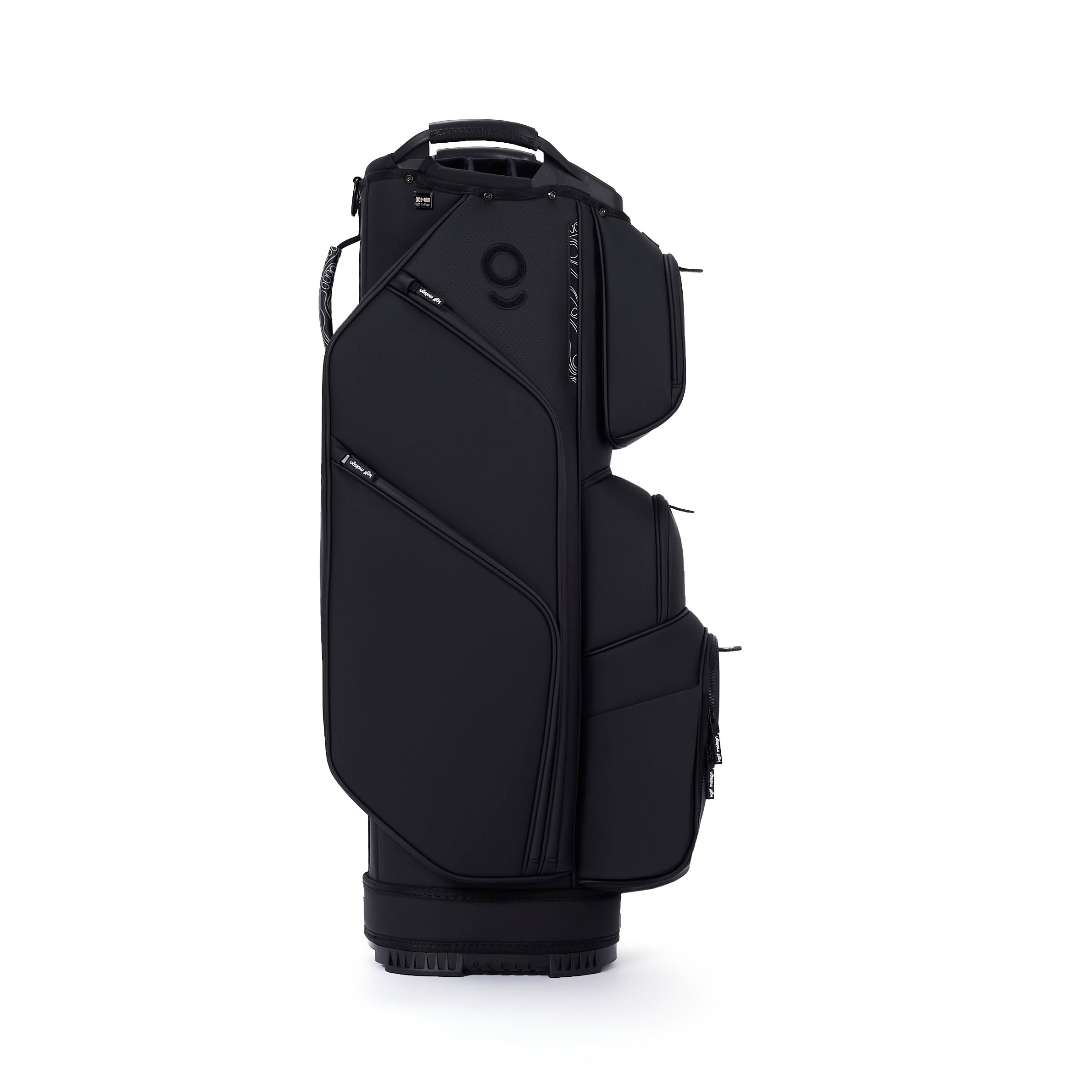
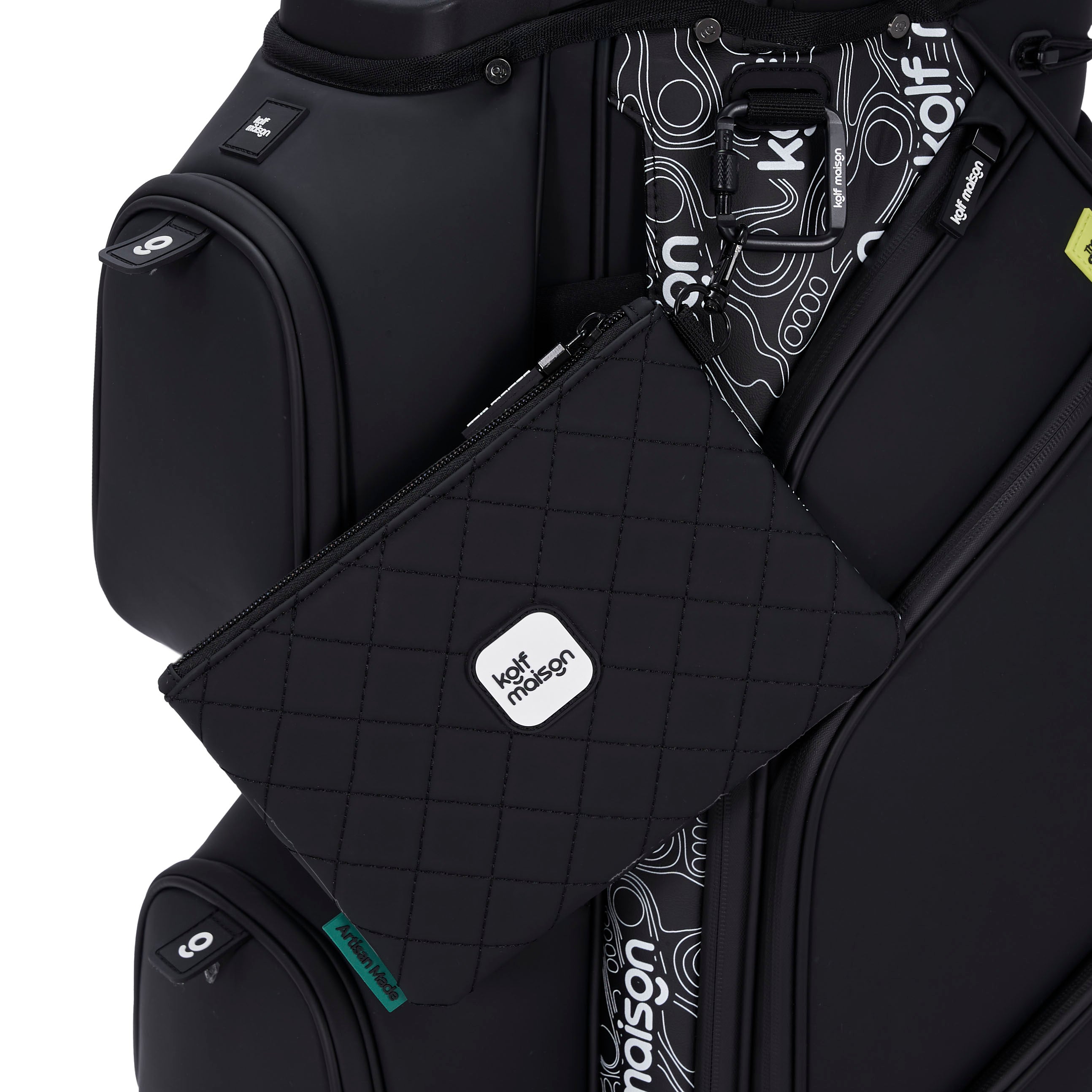
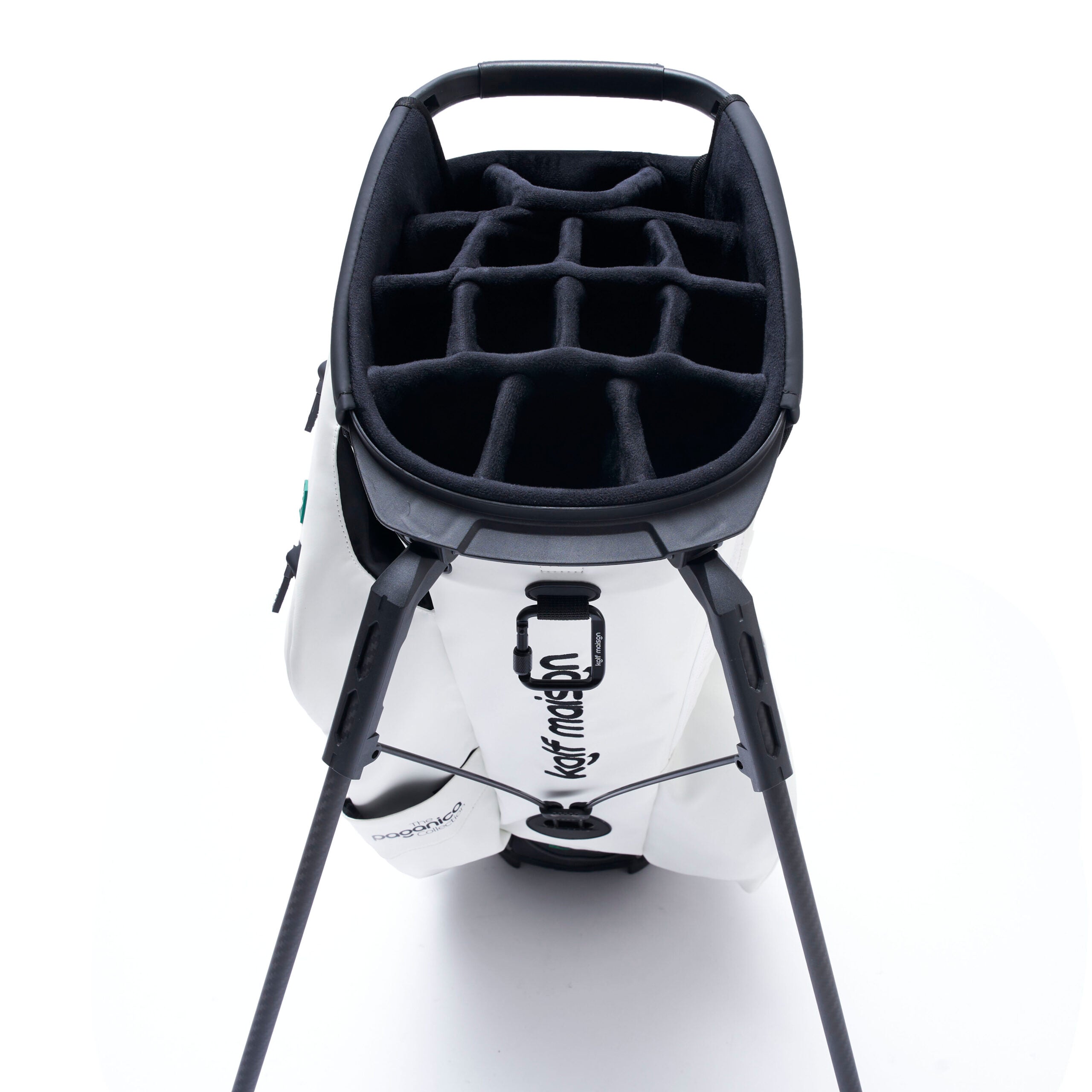
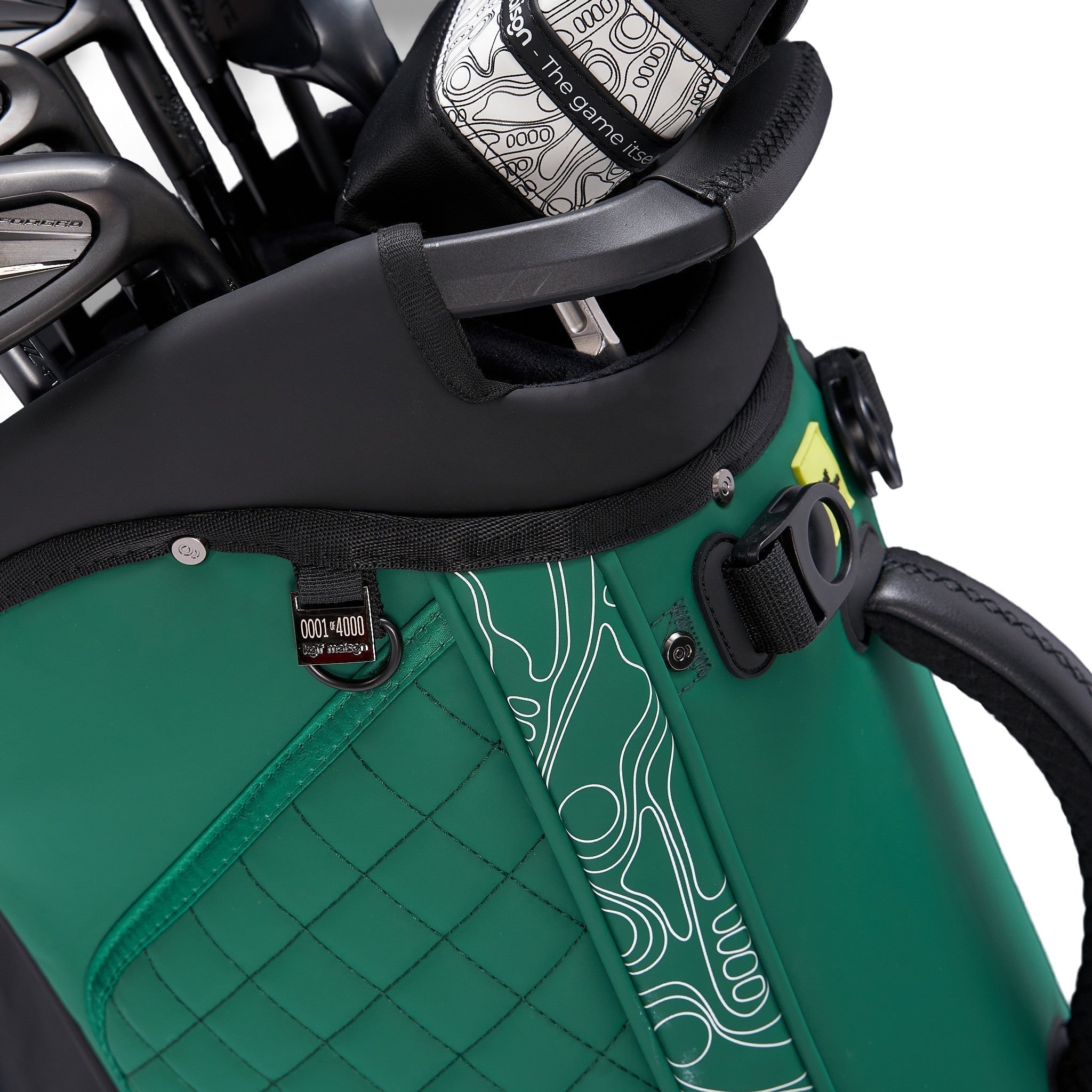
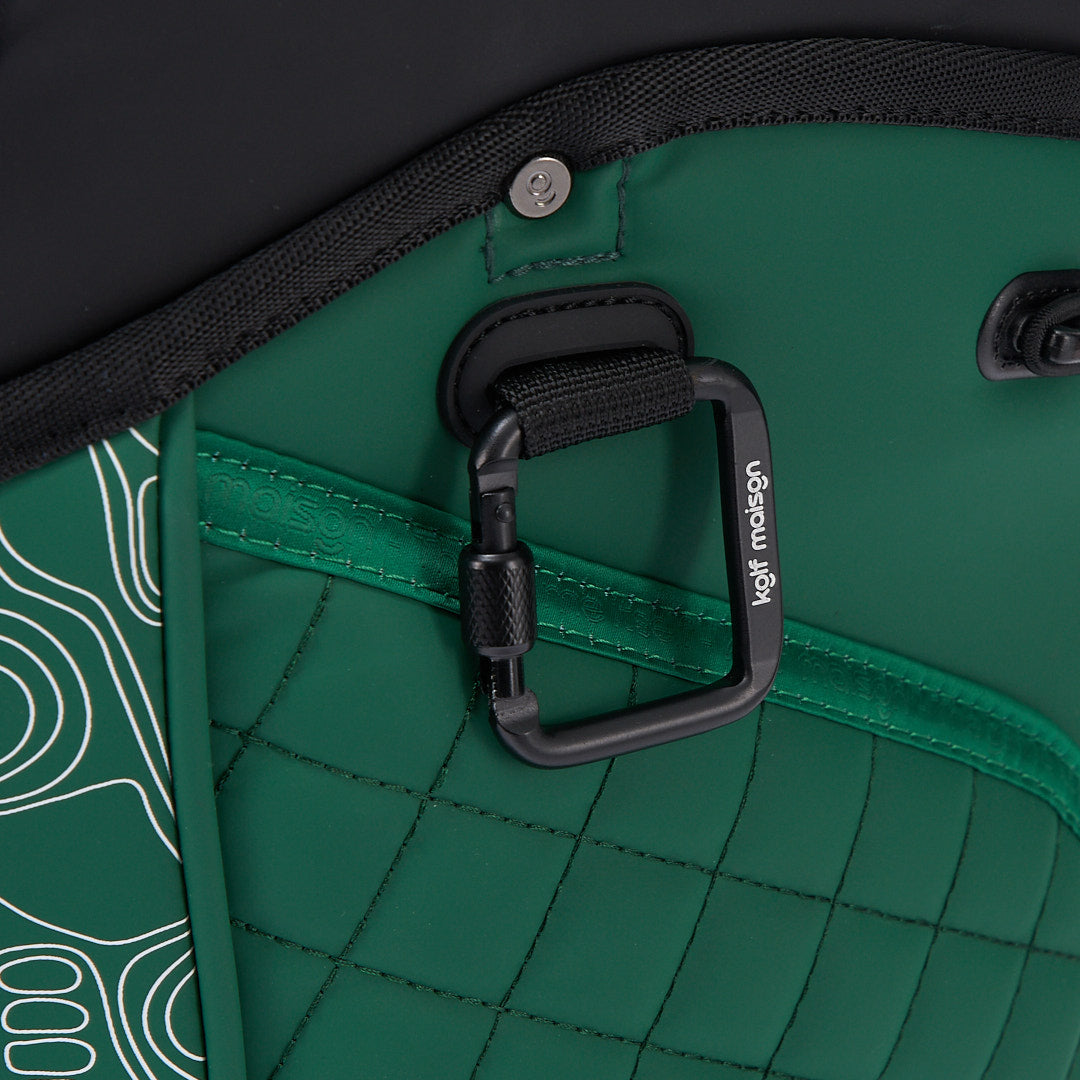
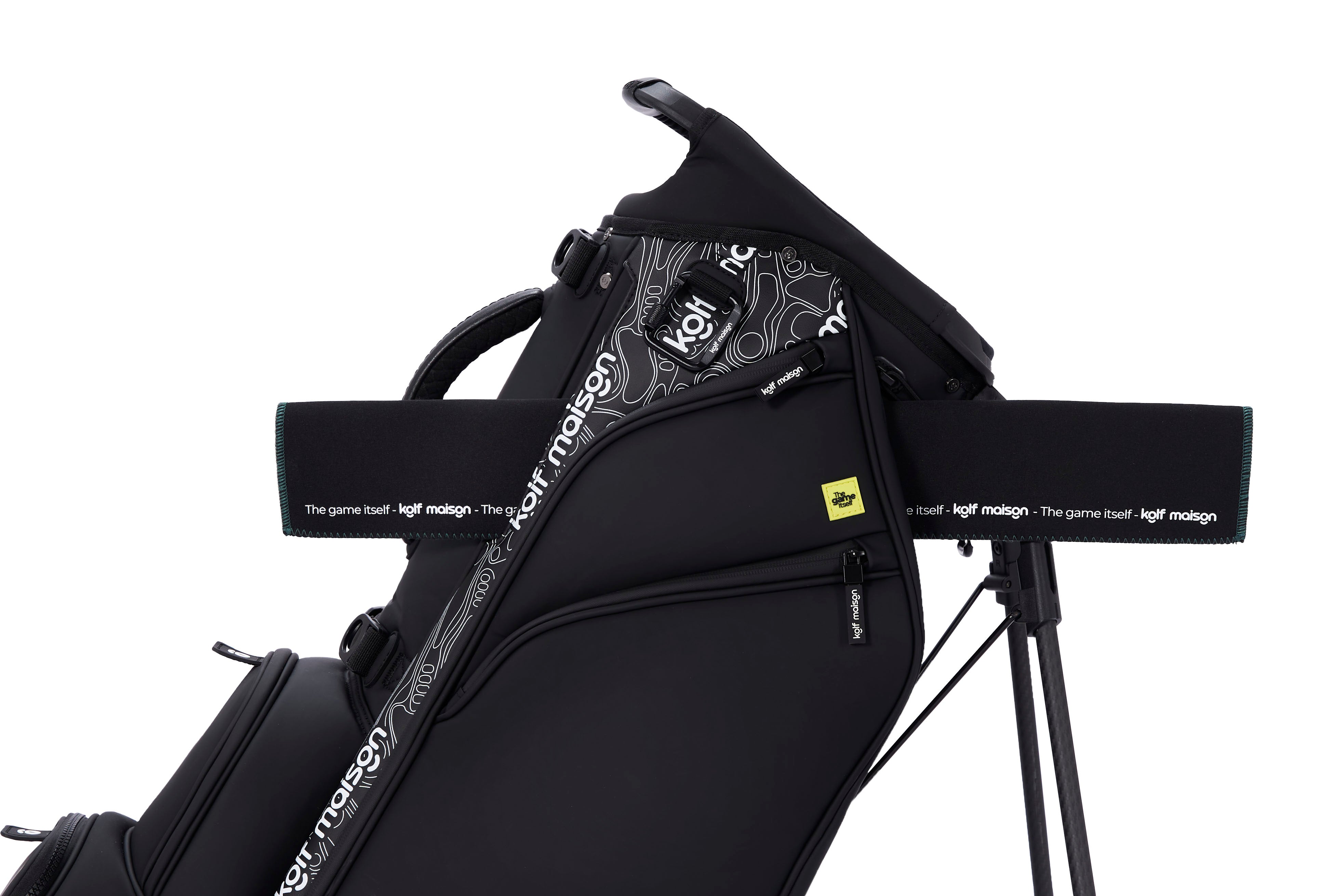
White configurations of the Paganica Stand Bag and Paganica Cart Bag are developed using matte microfiber composite materials to address these exact concerns.
The objective is to maintain visual clarity while ensuring that the material resists absorption and structural degradation. This allows the bag to remain consistent across repeated use.
Combined with a structured design, the material supports both appearance and performance. The result is a white golf bag that can be maintained effectively without sacrificing durability.
Practical Maintenance Expectations
A white golf bag will always require more attention than a darker one. This is a natural result of visibility, not necessarily a limitation.
However, the level of maintenance required depends heavily on material quality. High performance materials reduce the effort needed to keep the bag clean and consistent.
For golfers willing to perform basic upkeep, a properly constructed white golf bag can maintain its appearance far longer than expected.
The key is not avoiding white. It is selecting the right structure from the beginning.
White Golf Bag Comparison: What Actually Determines Cleanability
Not all white golf bags age the same way. The difference becomes clear when comparing material behavior under real conditions rather than focusing on appearance at purchase.
| Factor | Standard PU White Bags | Matte Microfiber White Bags |
|---|---|---|
| Surface Structure | Coated layer | Integrated material |
| Stain Resistance | Absorbs over time | Resists penetration |
| Yellowing Risk | High with UV exposure | Reduced due to stability |
| Cleaning Efficiency | Decreases over time | Consistent with maintenance |
| Long Term Appearance | Uneven discoloration | Controlled aging |
| Durability | Degrades with use | Maintains structure |
Should You Buy a White Golf Bag
The decision to choose a white golf bag should not be based on fear of maintenance. It should be based on understanding how the material performs.
Choose a white golf bag if:
You value a refined, clean aesthetic
You are willing to perform basic maintenance
You select materials that resist absorption and degradation
Avoid white golf bags if:
You prefer minimal maintenance
You store equipment in uncontrolled environments
You choose materials prone to surface breakdown
When the right material is used, white becomes a long term choice rather than a short term risk.
How White Bags Fit Into a Complete Setup
A white golf bag is not an isolated design choice. It becomes part of a complete system that includes accessories, travel protection, and overall equipment coordination.
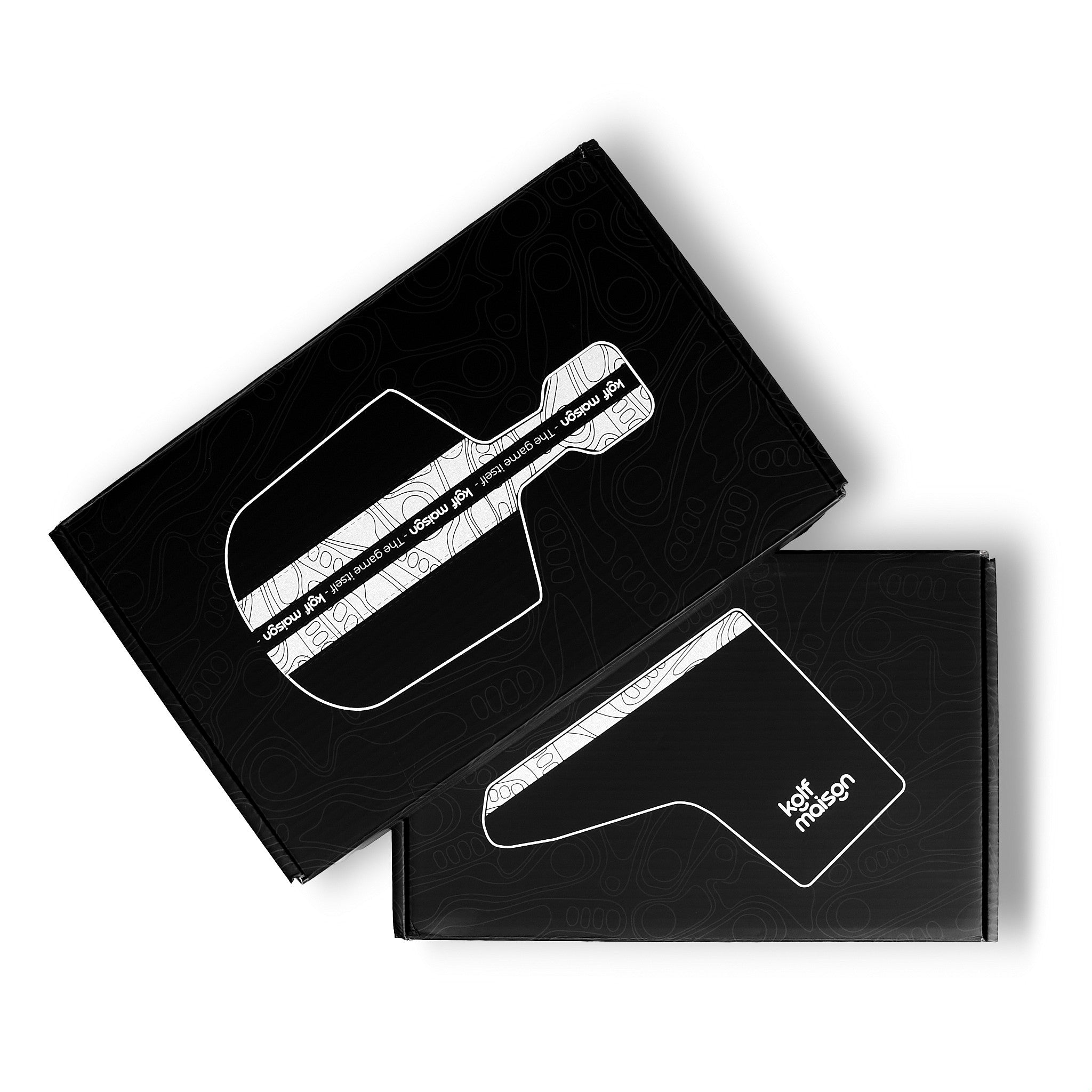
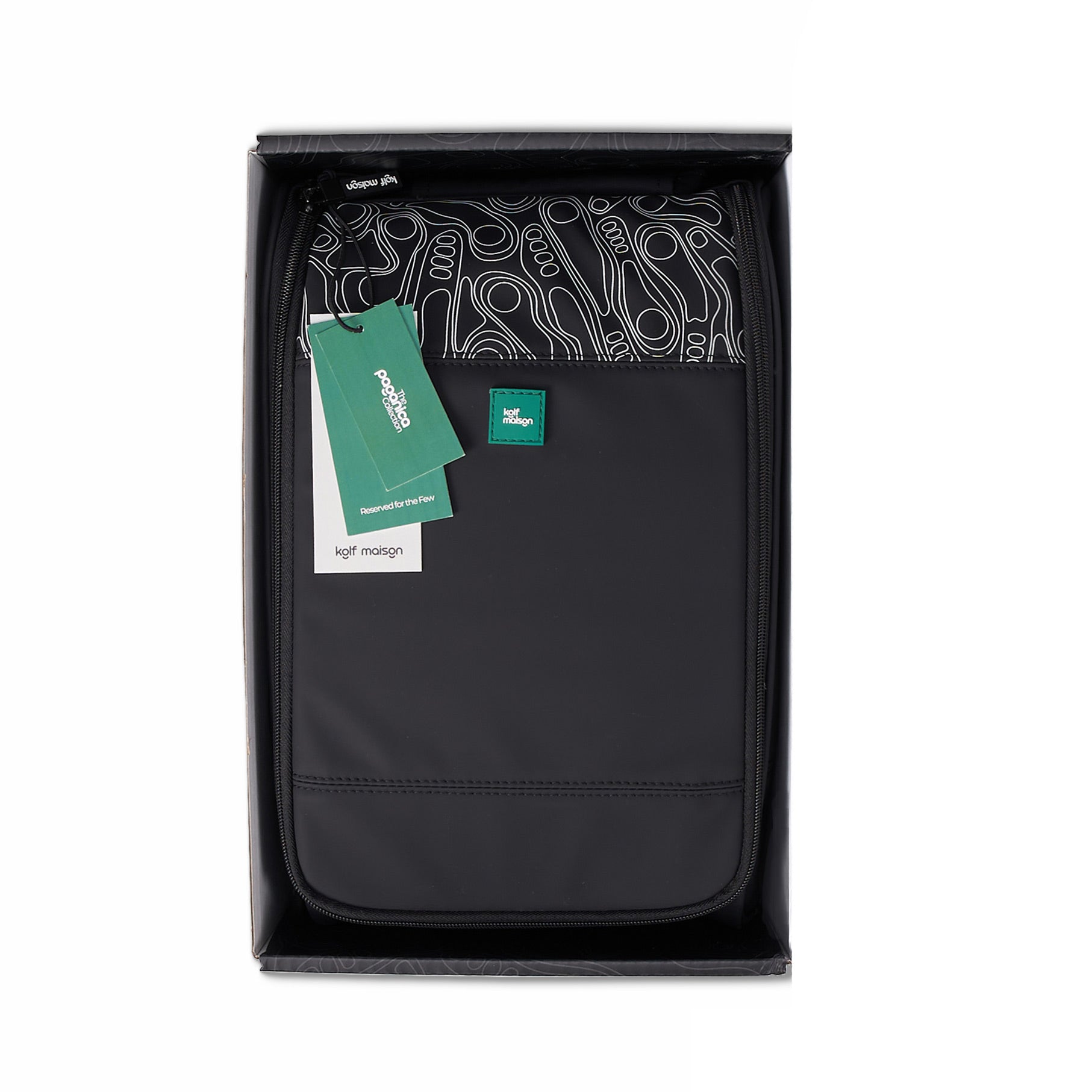
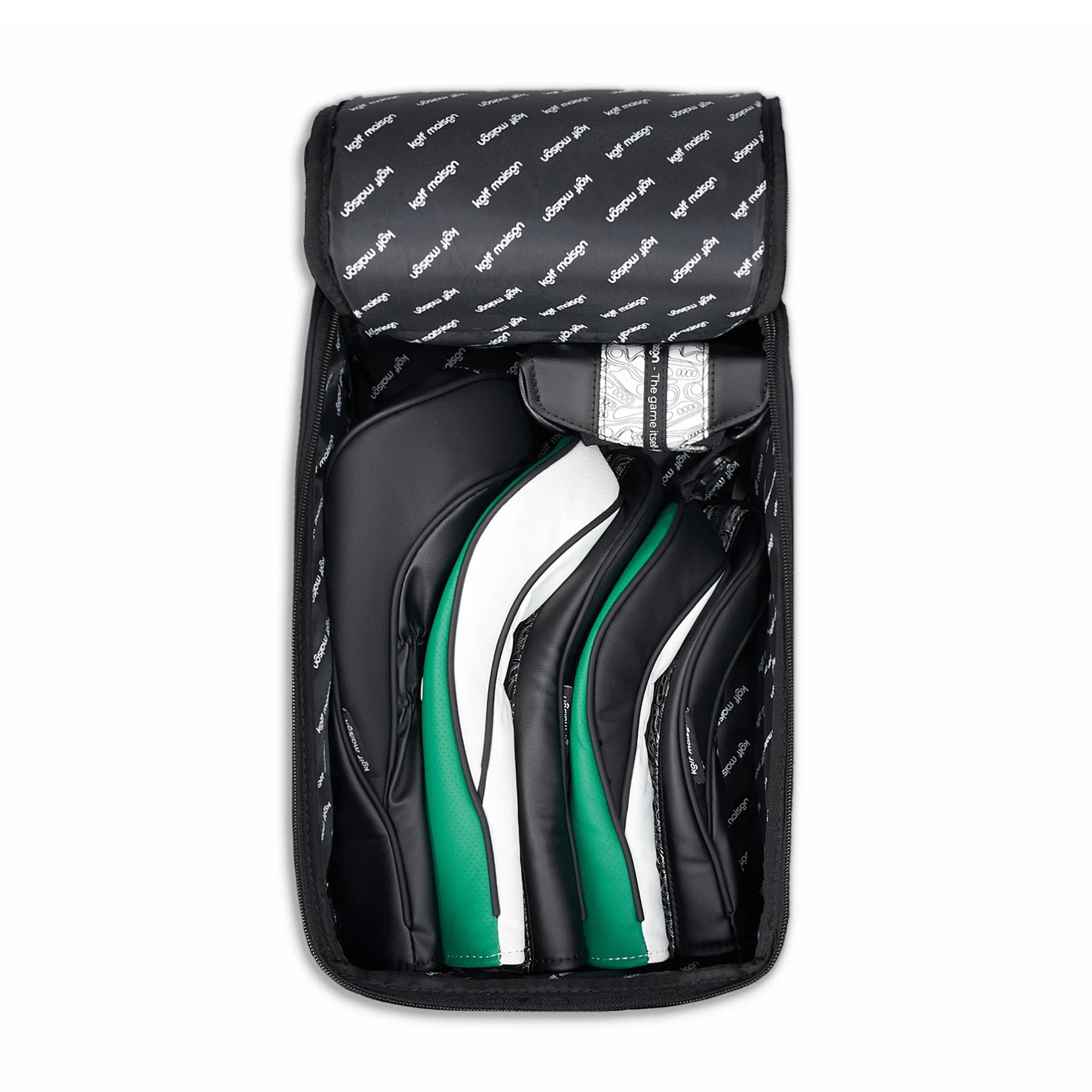
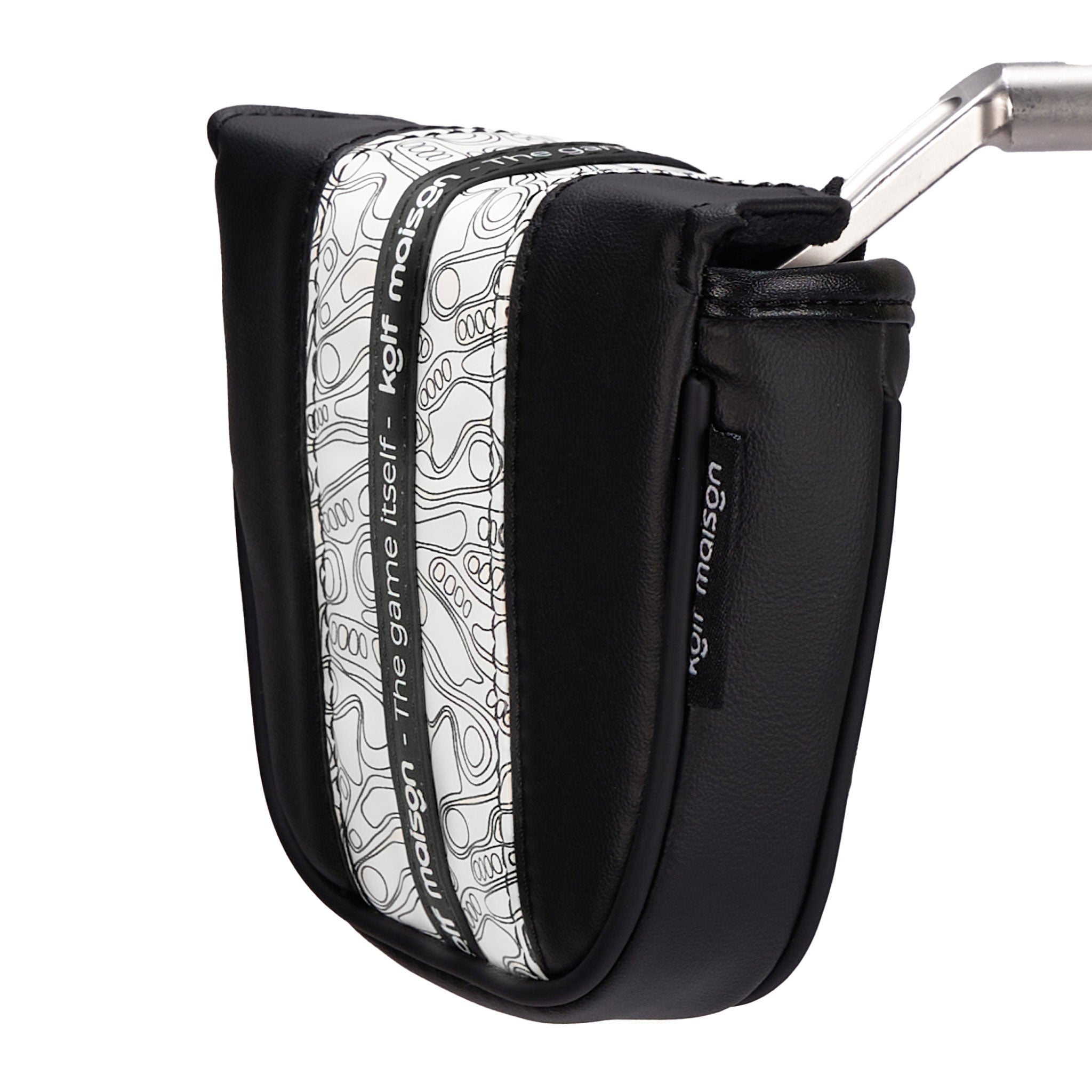
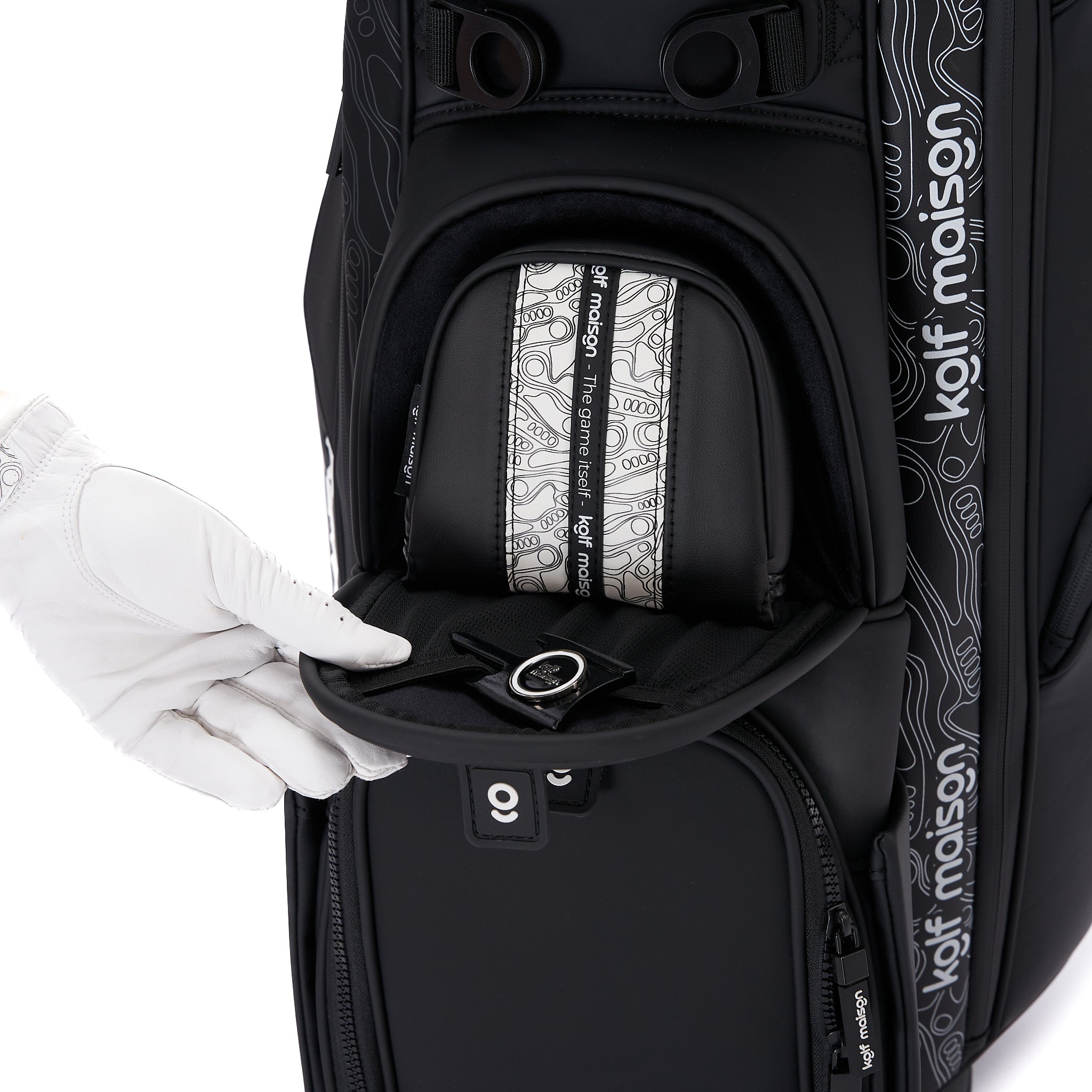
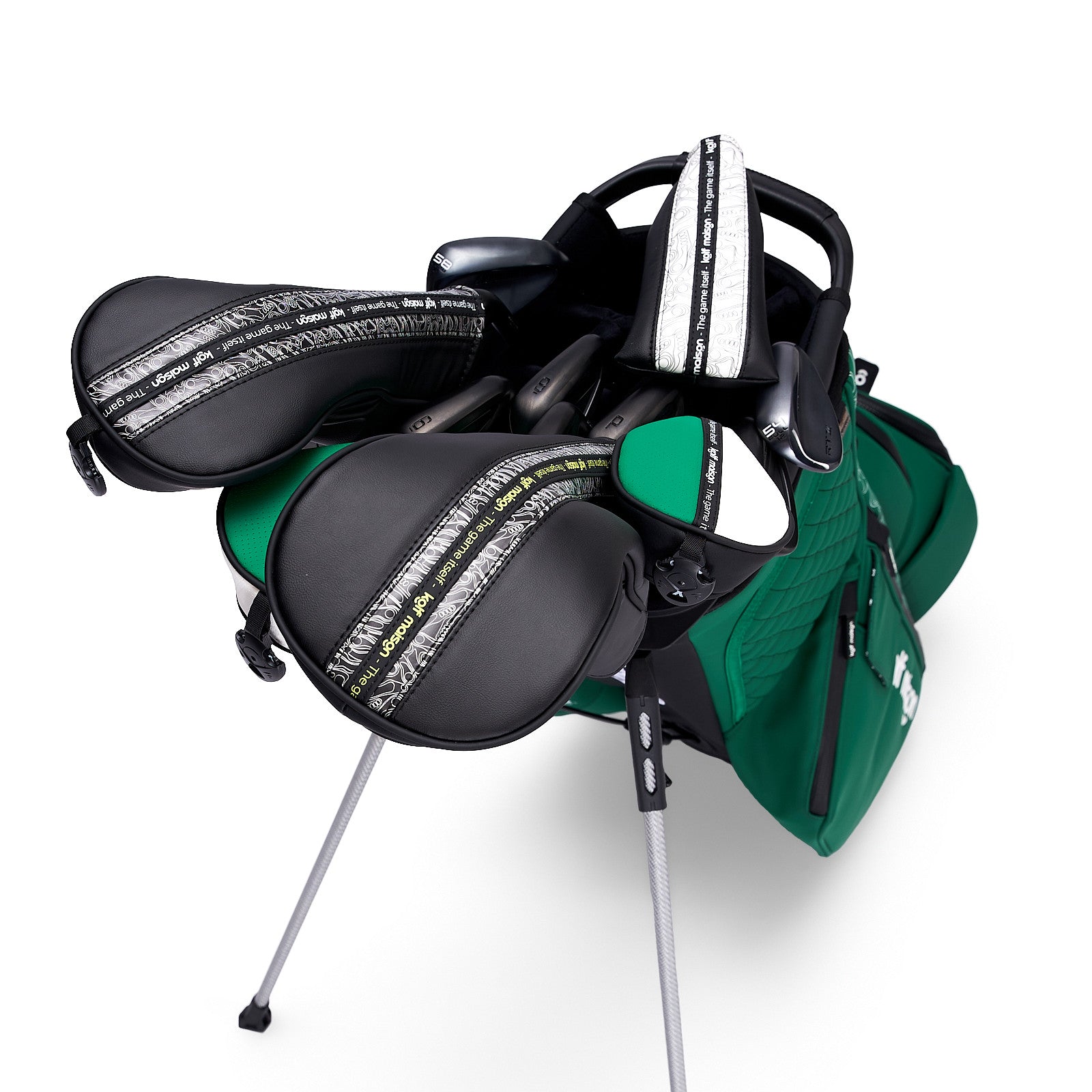
For example, pairing a white bag with structured accessories such as the Paganica Head Cover Set and maintaining organization through golf accessories ensures consistency across the entire setup.
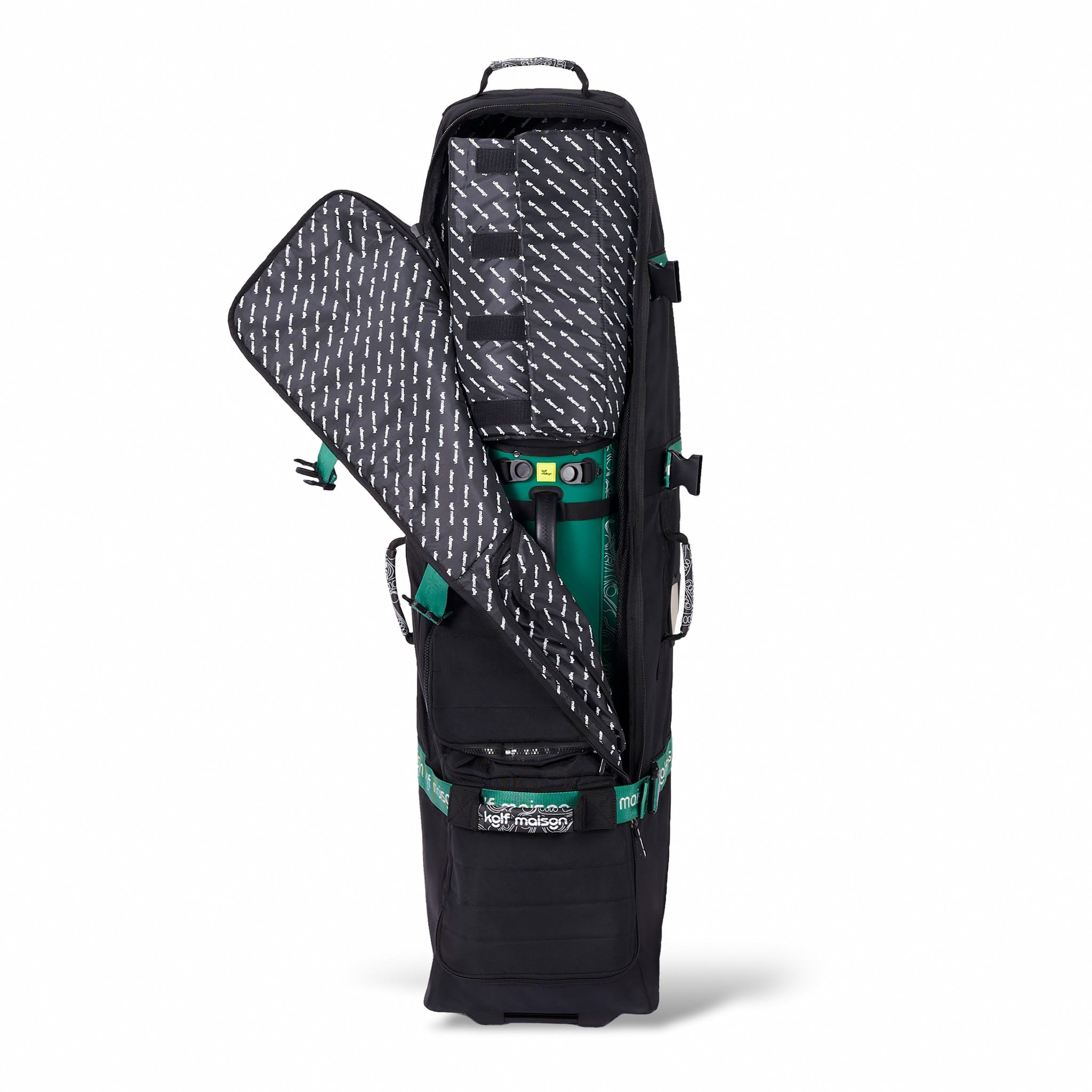
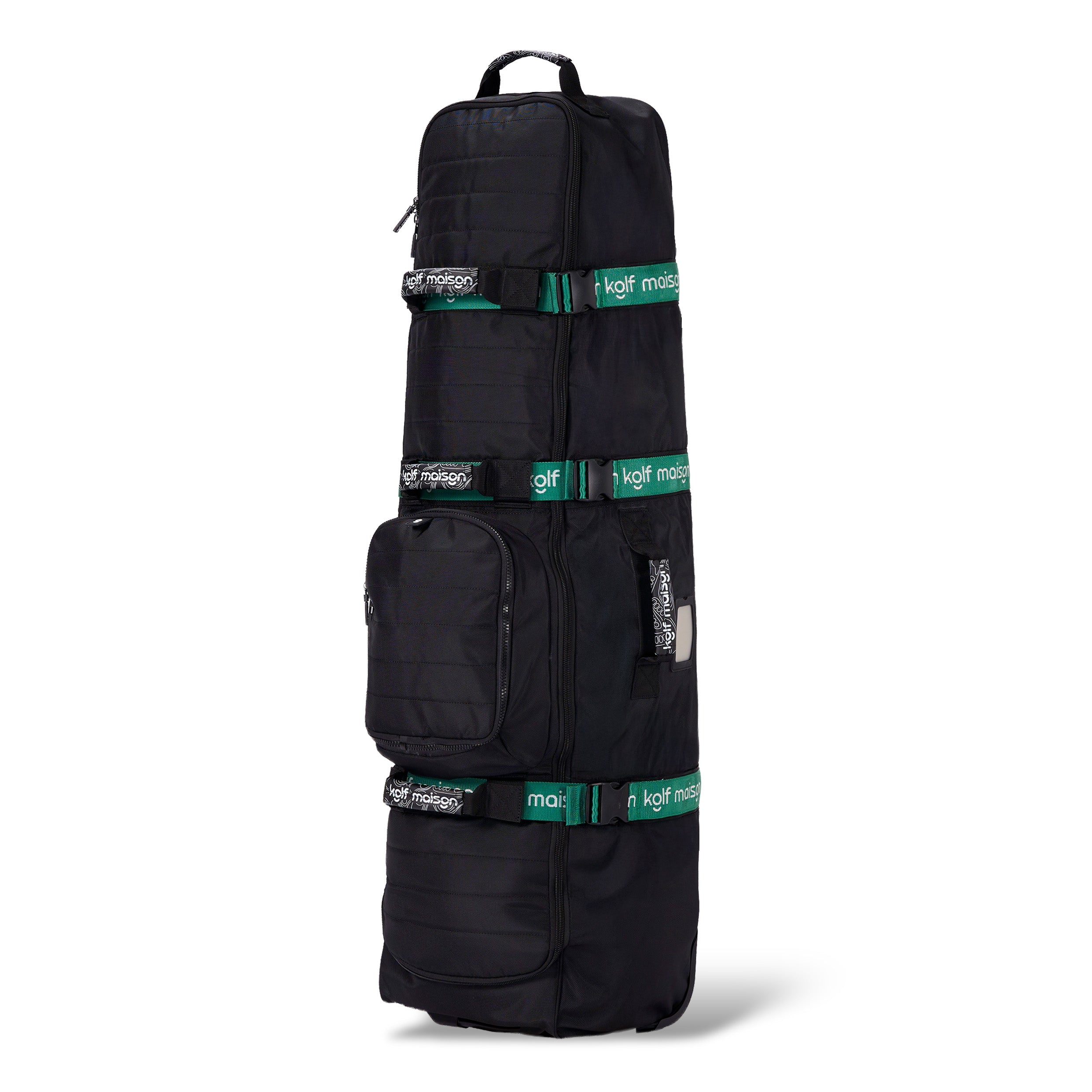
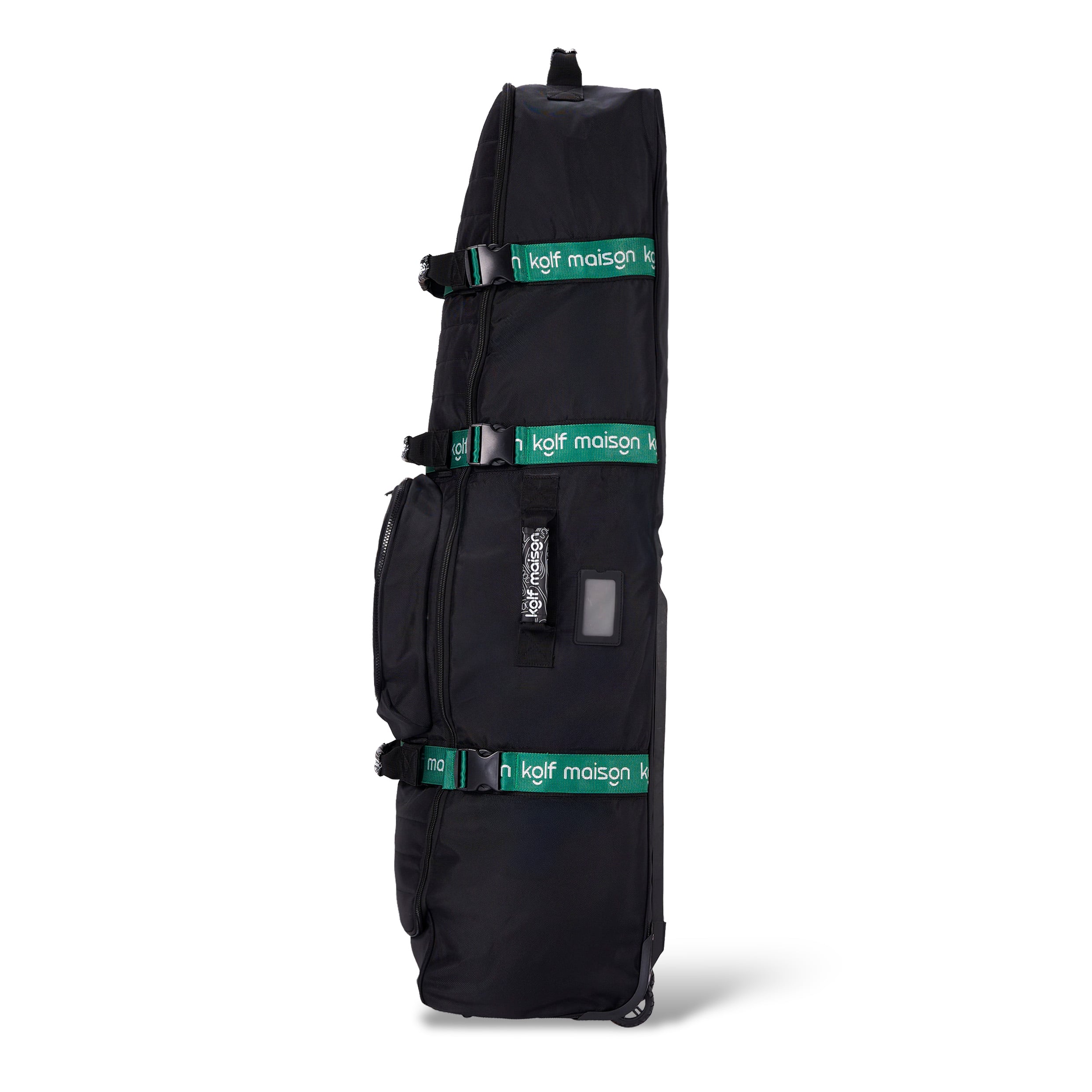
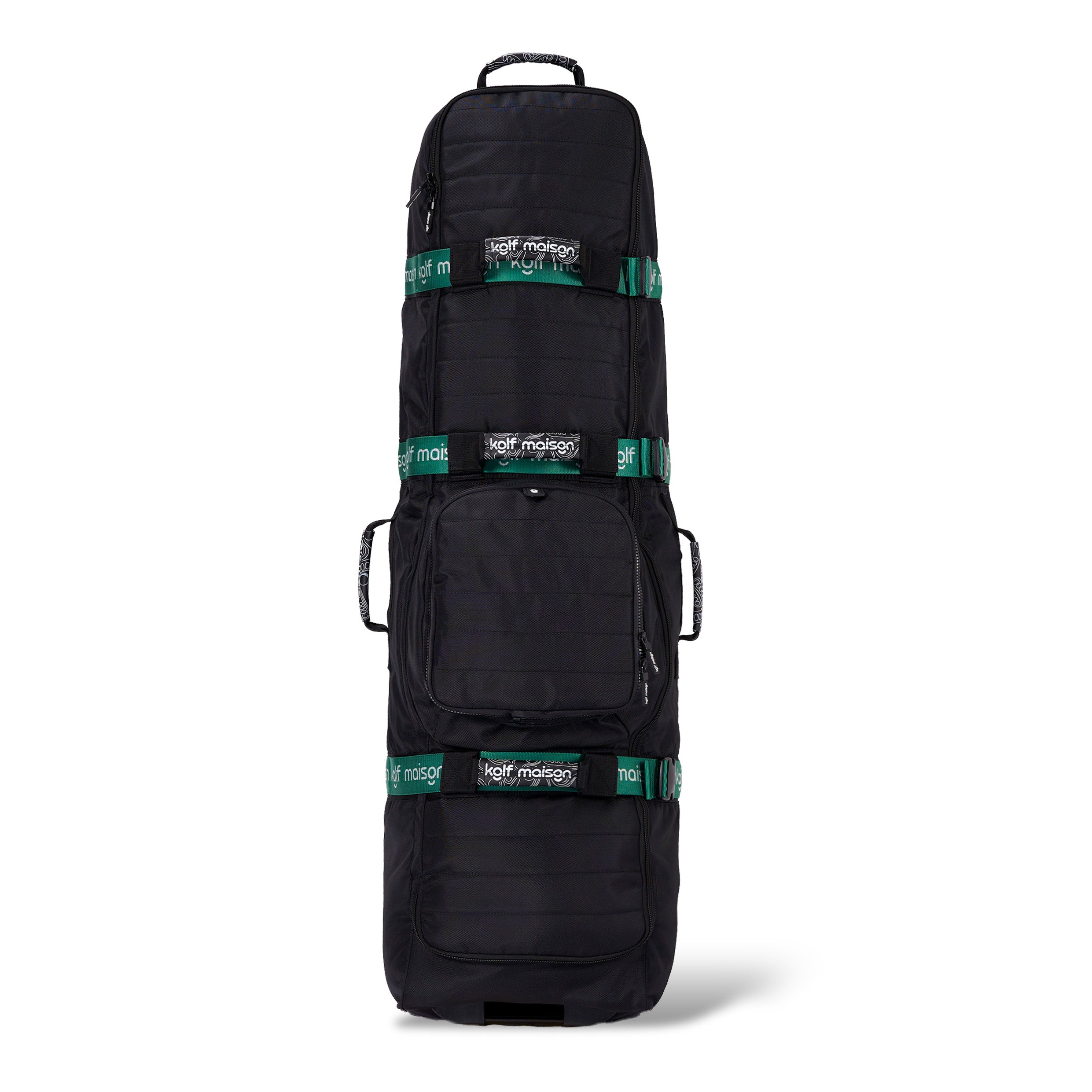
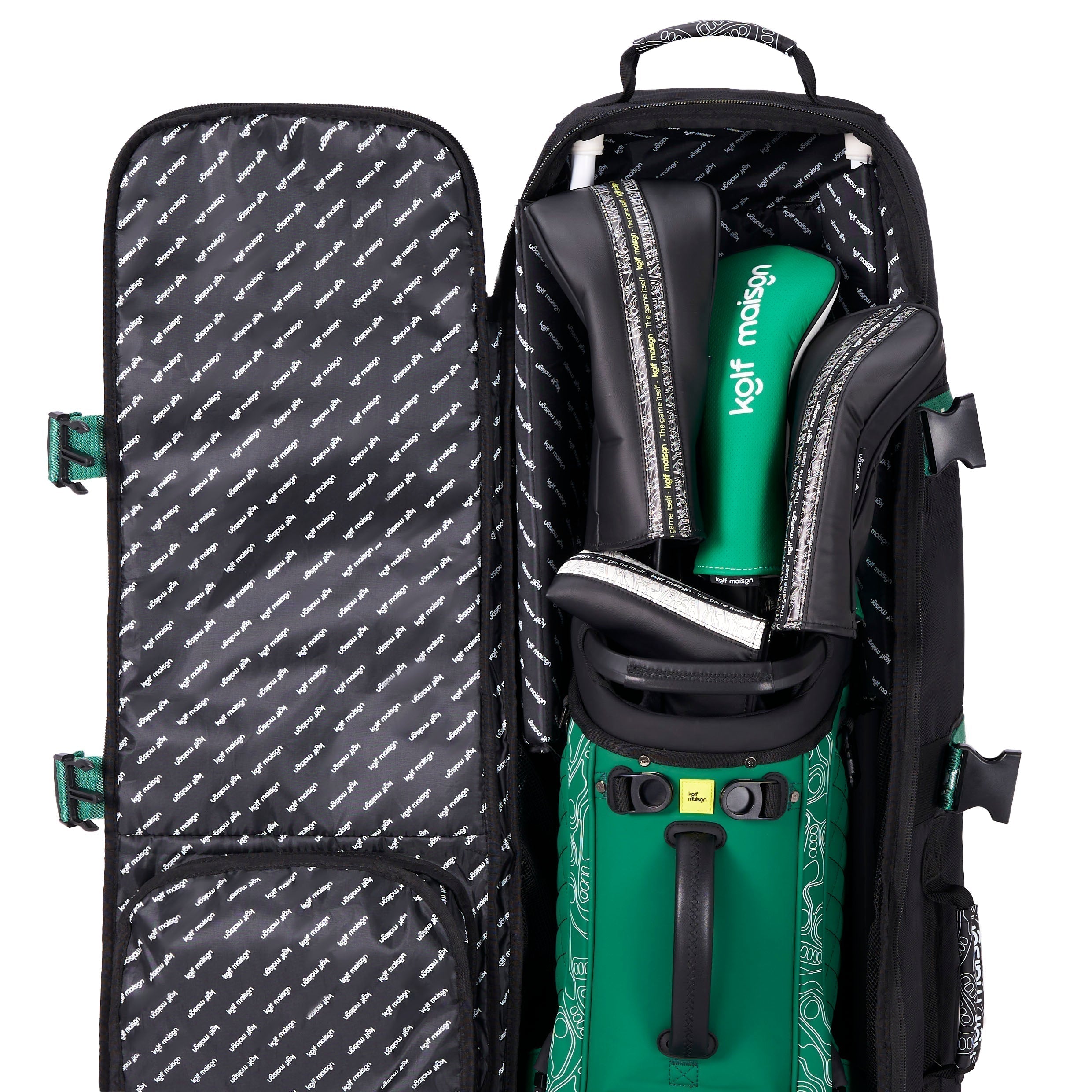
When traveling, protection becomes equally important. Using a structured system such as the Aura Travel Bag helps preserve both cleanliness and structure during transit.
This integrated approach reflects the philosophy outlined in the complete setup, where every component supports long term performance.
Final Perspective
White golf bags do not fail because of their color. They fail because of material limitations.
When built with the right structure and maintained properly, a white golf bag can retain its appearance far beyond initial expectations.
The difference lies in understanding how materials behave over time. Once this is clear, the decision becomes straightforward.
White is not a risk. It is a reflection of material quality.
Frequently Asked Questions
Do white golf bags get dirty quickly?
They show dirt more easily, but high quality materials resist absorption and are easier to clean.
Can white golf bags turn yellow?
Yes, especially with UV exposure, but stable materials reduce this effect.
How do you clean a white golf bag?
Use a soft cloth and mild solution regularly to remove surface dirt.
Are white golf bags hard to maintain?
They require regular cleaning, but material quality determines how easy maintenance is.
Do premium white bags last longer?
Yes, if they are built with materials that resist degradation.
Can stains be removed completely?
Surface stains can be removed, but embedded discoloration may remain.
Does sunlight damage white golf bags?
Prolonged exposure can cause discoloration in unstable materials.
Are white golf bags worth it?
Yes, when built with durable materials and maintained properly.
Do all white bags age the same?
No, aging depends on material structure and environmental exposure.
What is the best material for white golf bags?
Materials with integrated structure and high resistance to absorption perform best.
How often should I clean my bag?
Light cleaning after rounds helps maintain appearance.
Can moisture cause stains?
Yes, especially when combined with dirt or chemicals.
Do white bags show wear faster?
They show it more visibly, but not necessarily faster.
Is microfiber better for white bags?
Yes, due to its resistance to absorption and structural stability.
Should I avoid white bags for travel?
Not if they are protected with a proper travel system.


Share:
Best Golf Travel Bags 2026 | Protection, Structure, Travel Safety
Golf Bag Losing Shape | Cart Strap Damage Explained