

What Makes a Golf Bag Durable? Engineering, Materials, and Longevity Explained
Most golf bags do not fail dramatically. They fade, sag, fray, lean, and slowly lose structure. Zippers begin to resist. Dividers collapse. Bases soften. Handles loosen. Two seasons later, the bag that once felt premium feels tired.
Durability in a golf bag is not about thickness or weight. It is about structural engineering, material selection, reinforcement zones, and how the bag handles friction, load, and environmental exposure over years of play.
This guide explains what truly makes a golf bag durable, how to evaluate construction quality, and why many bags wear out faster than expected.
1. Structural Integrity Comes First
The core of durability is structure. A golf bag must maintain vertical alignment under load. When fully packed with 14 clubs, balls, water, and accessories, internal stress increases significantly.
A durable golf bag uses:
- Reinforced top collar construction
- Rigid internal spine or frame support
- Stabilized base design
- Protected cart strap pass through channel
When structure collapses, the bag begins to lean or twist. This is often mistaken for cosmetic wear, but it is engineering fatigue.
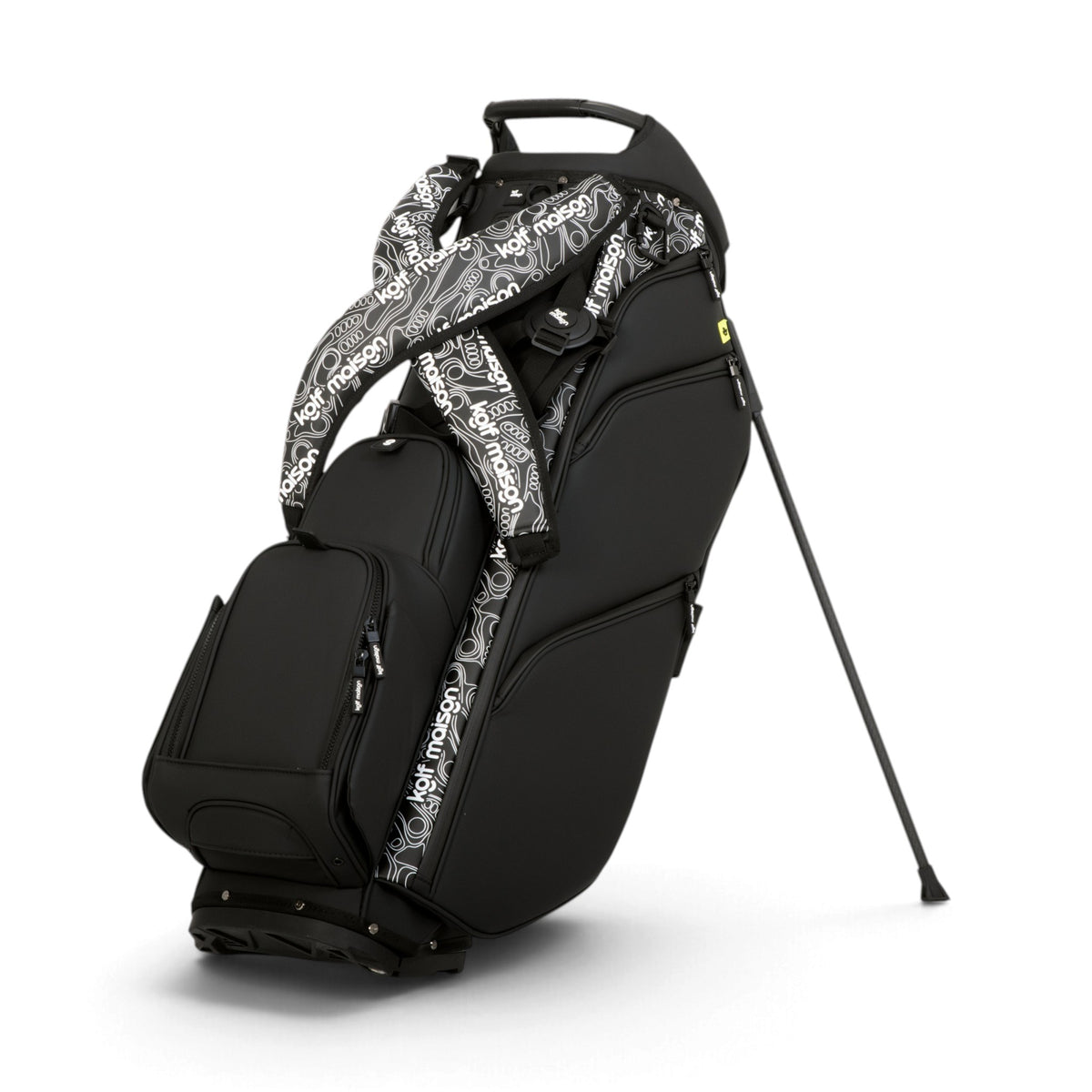
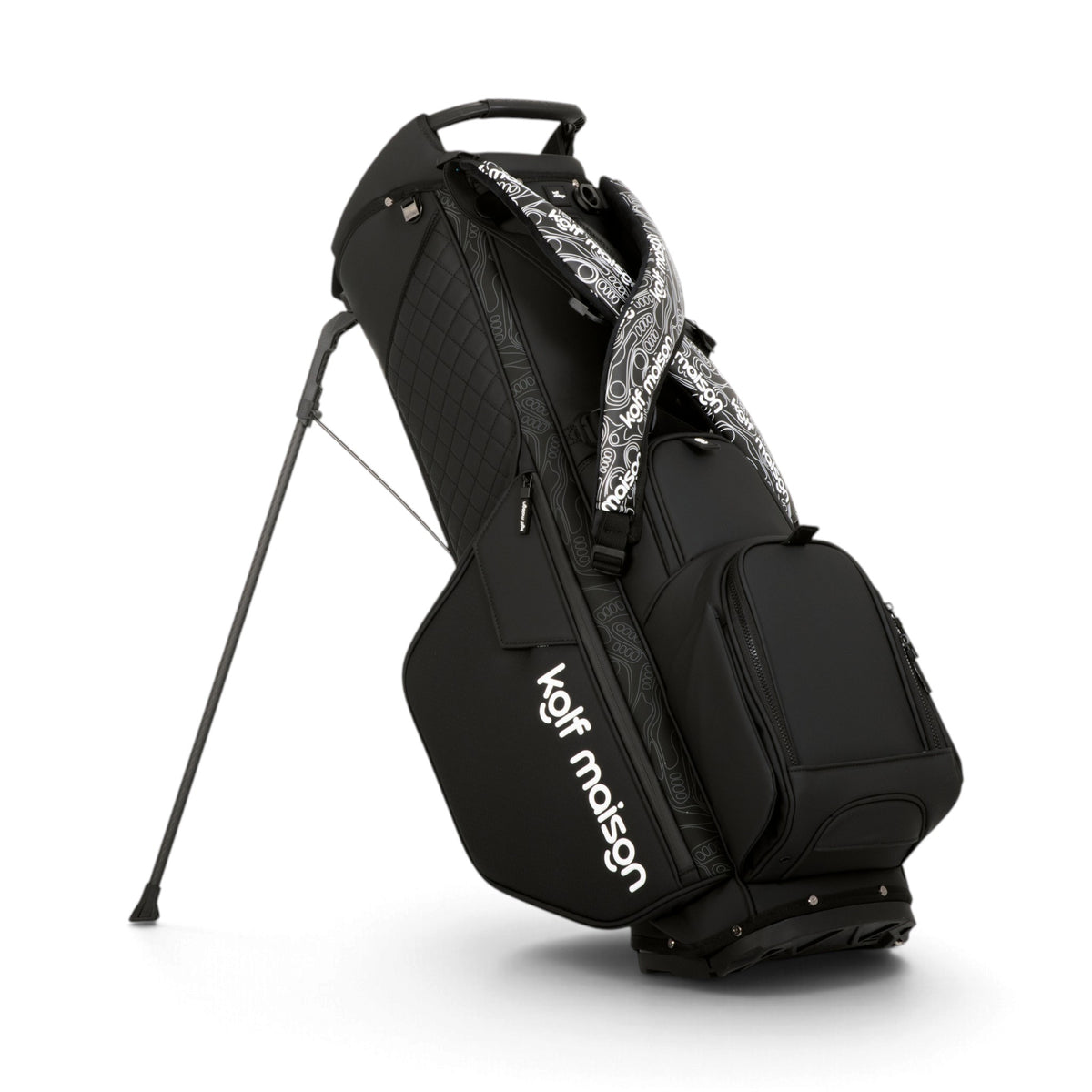
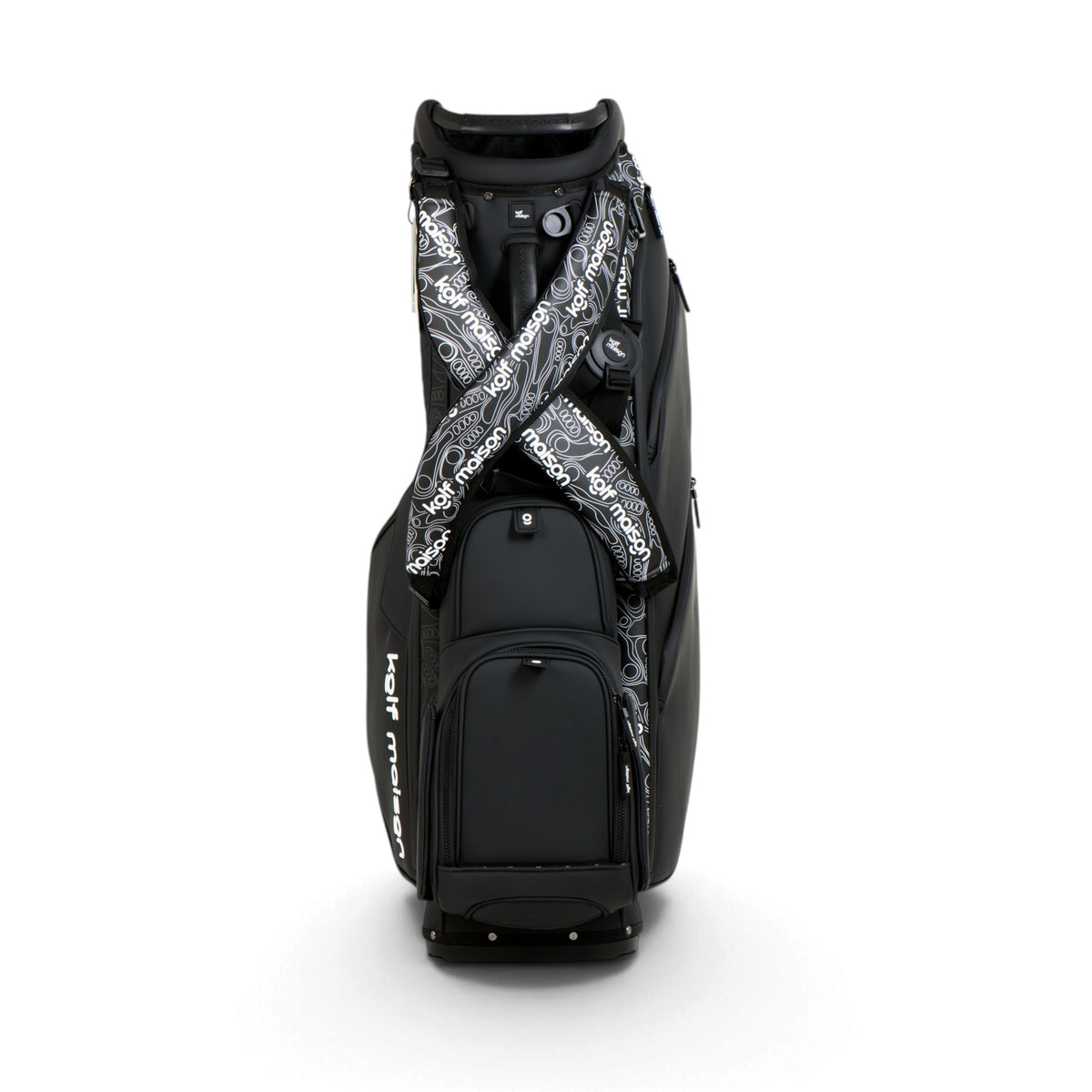
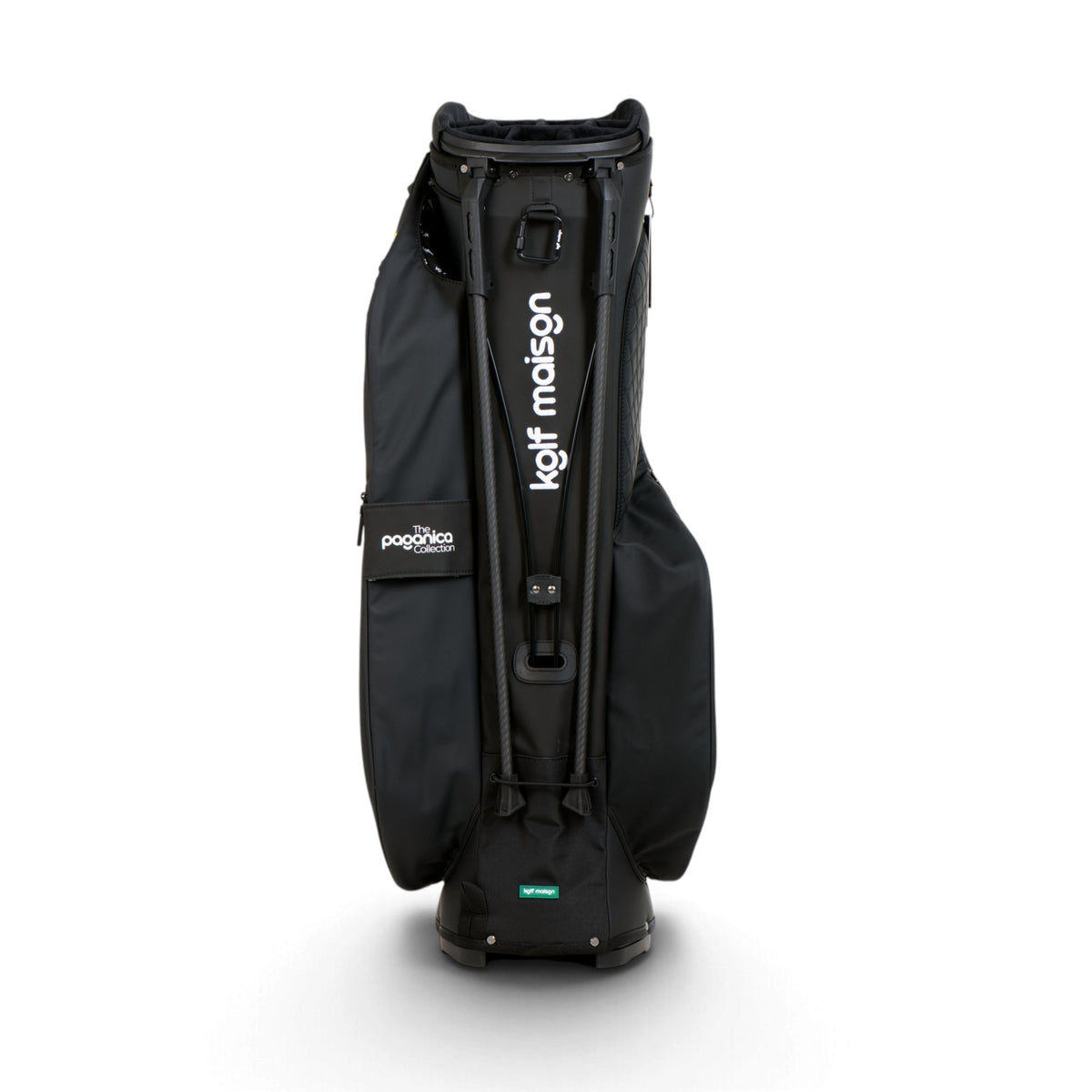
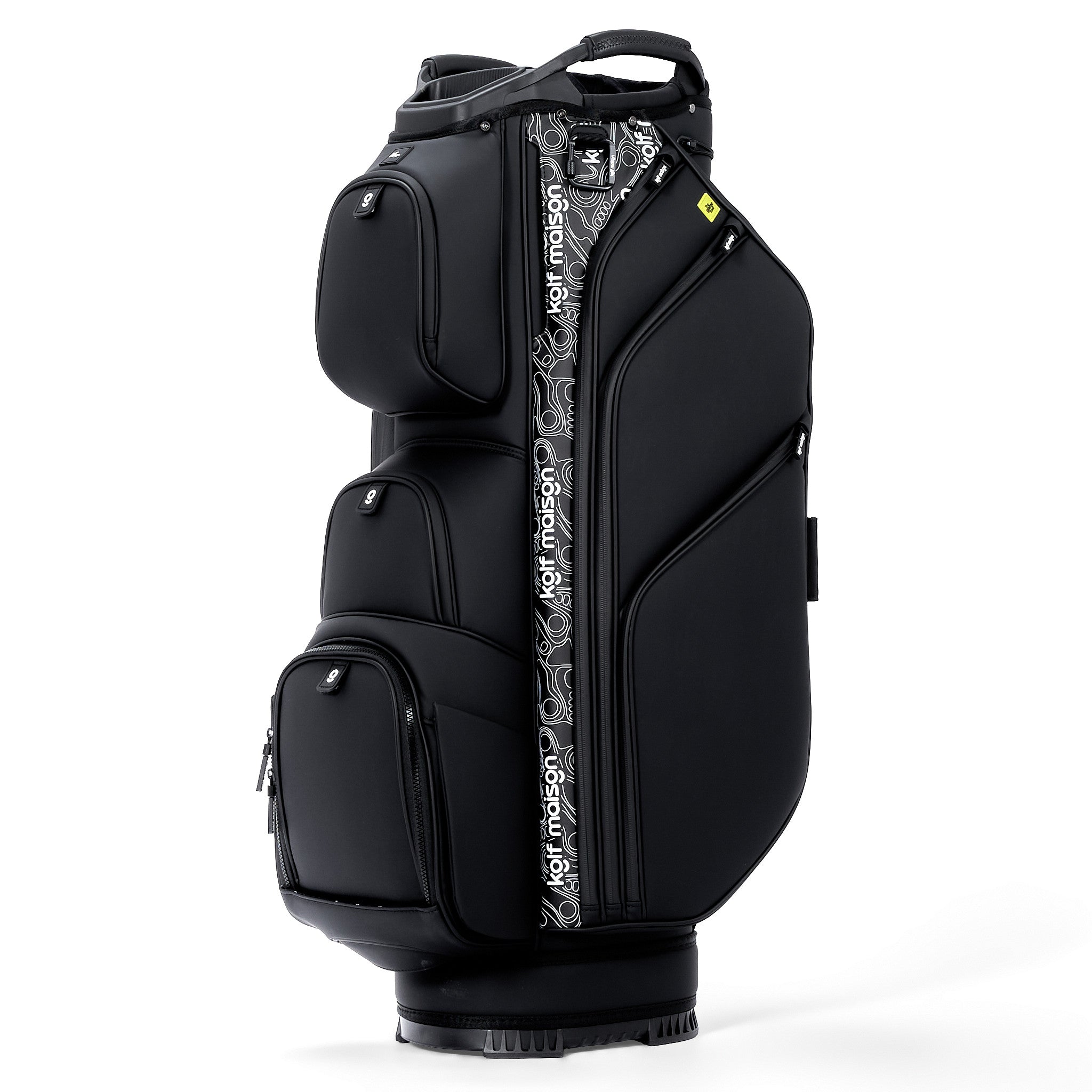
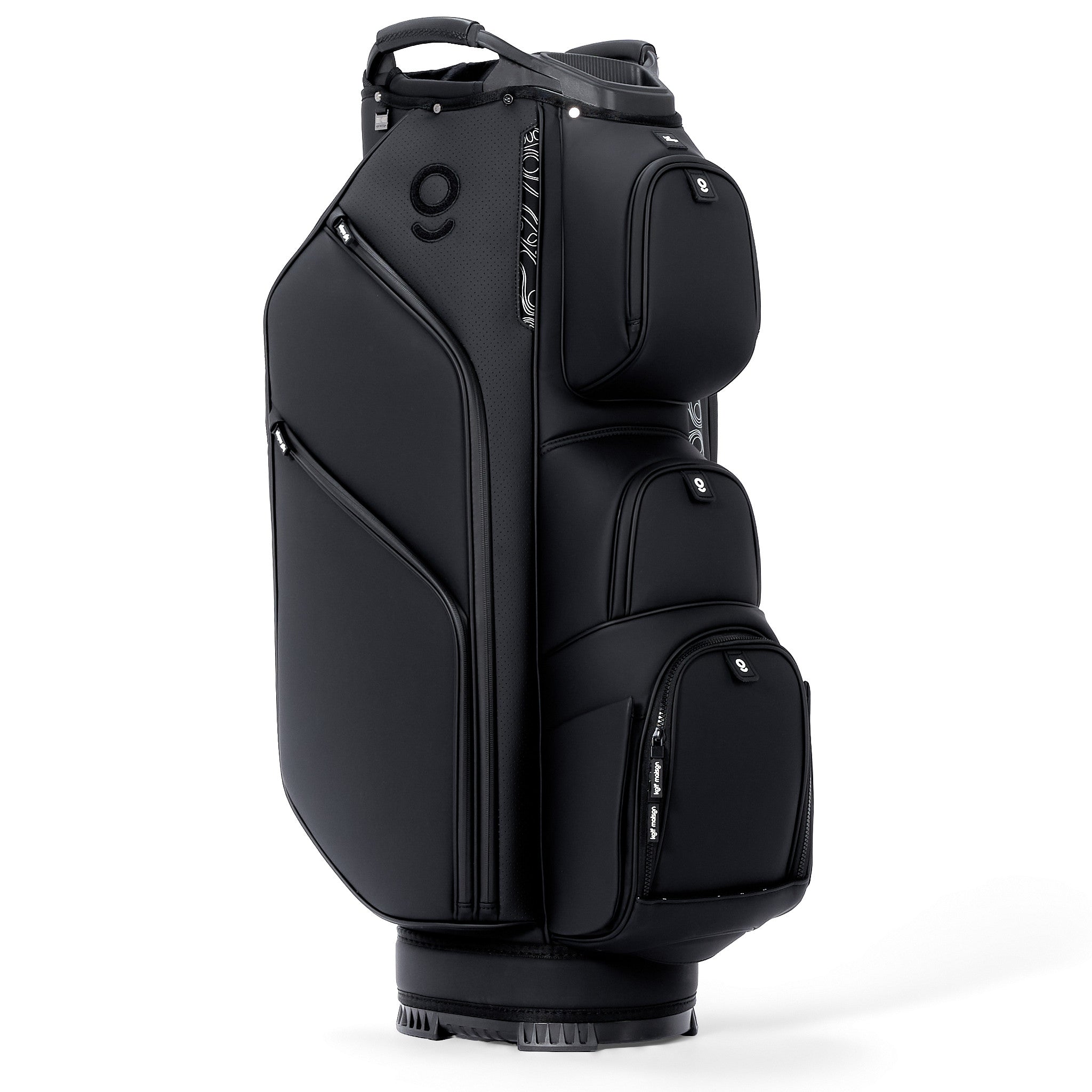
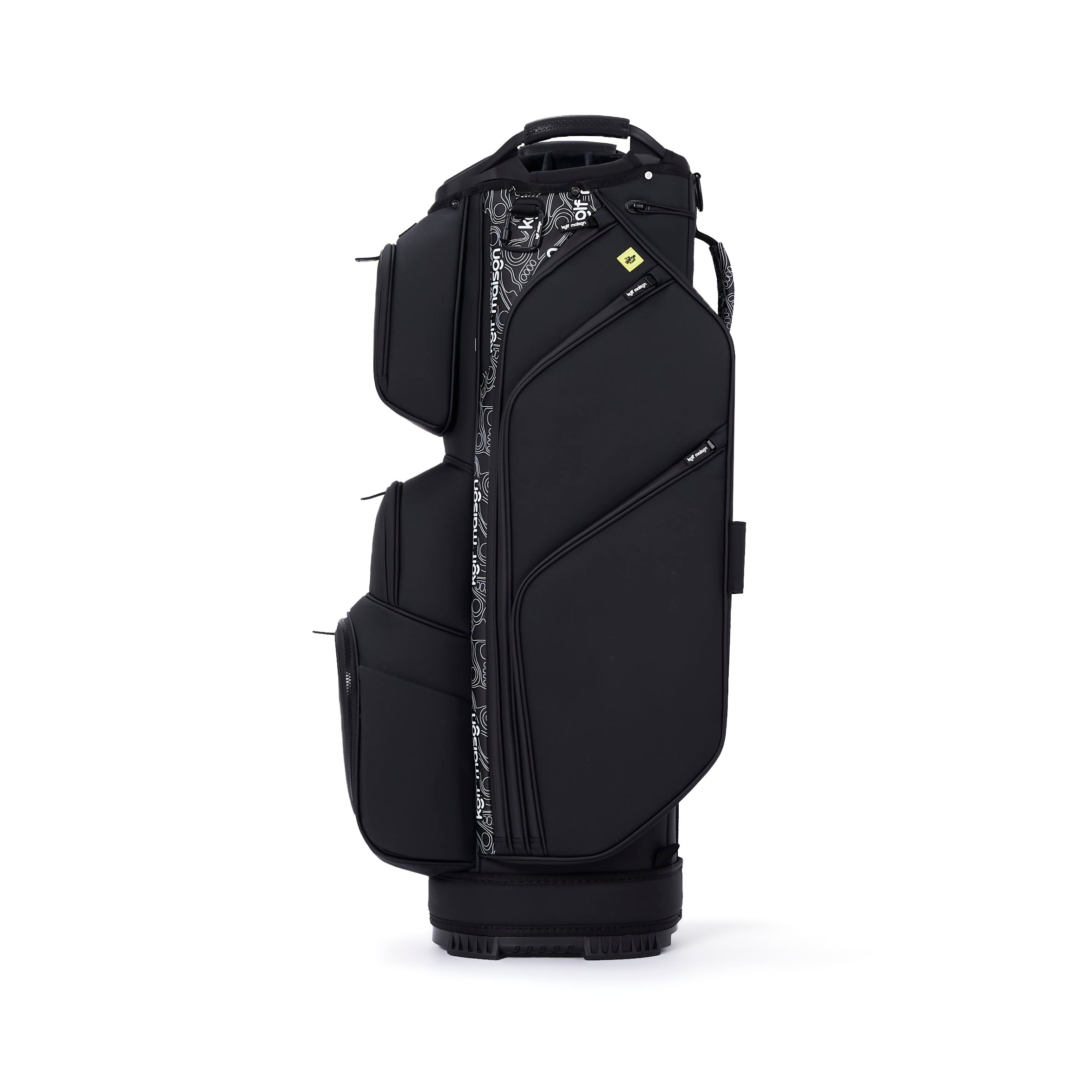
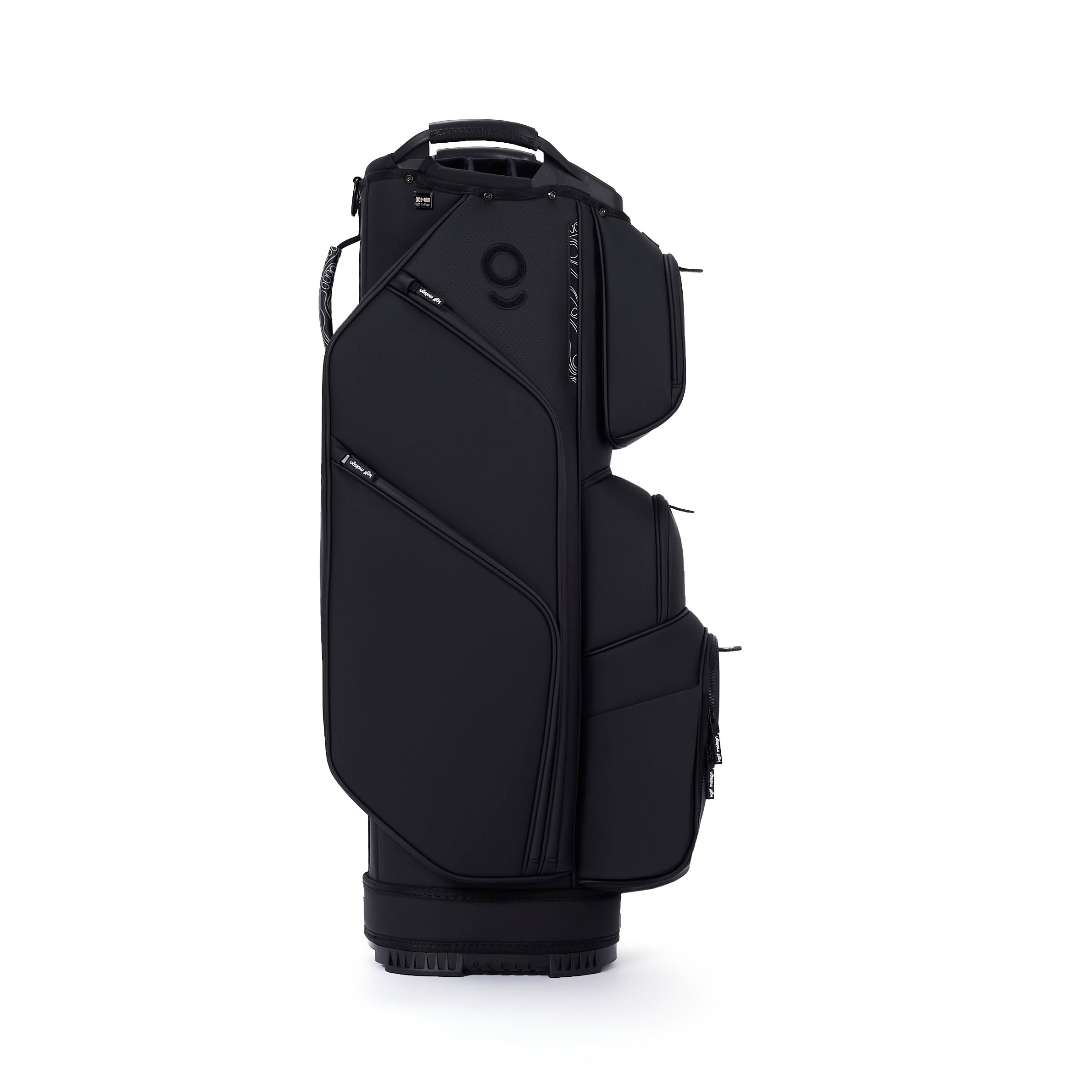
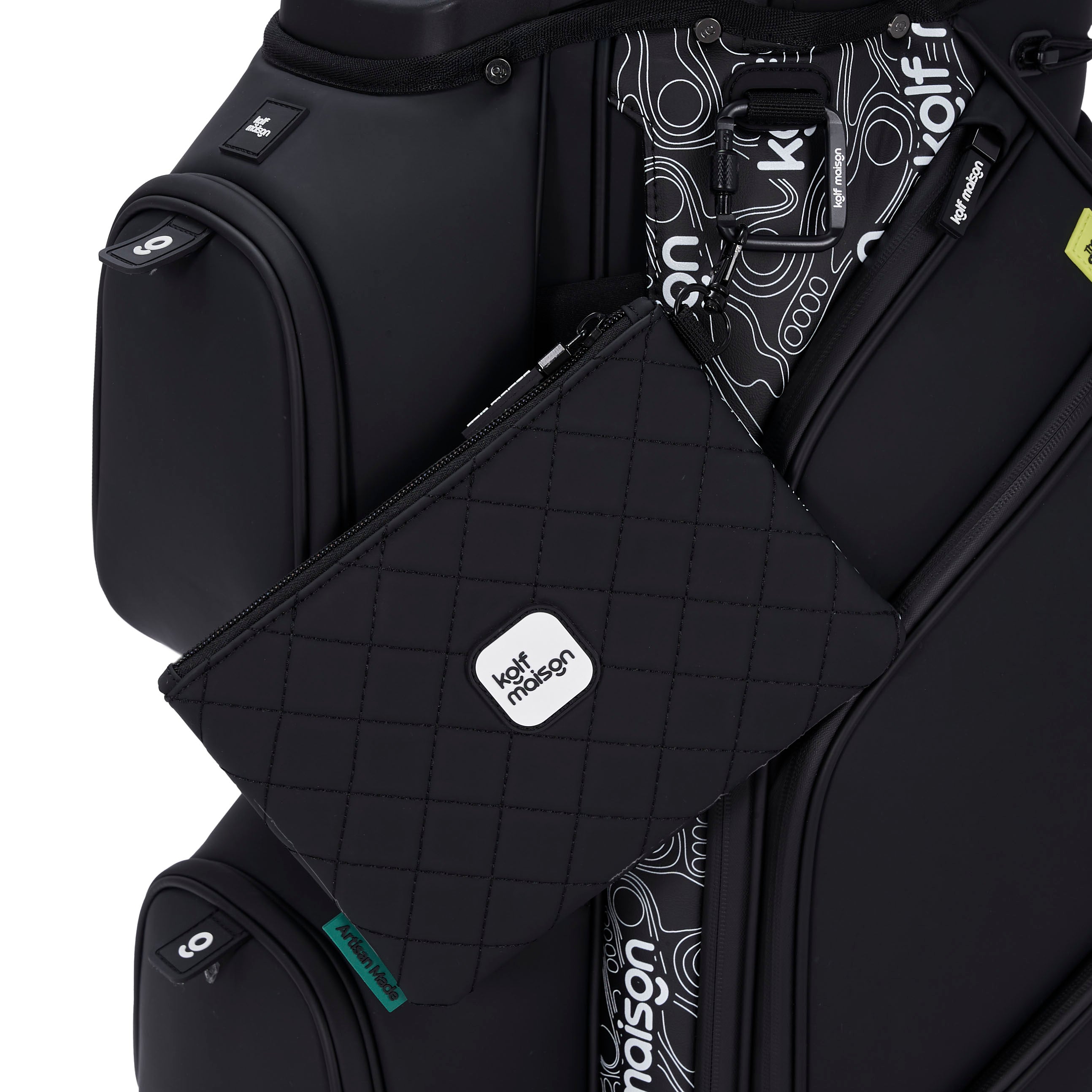
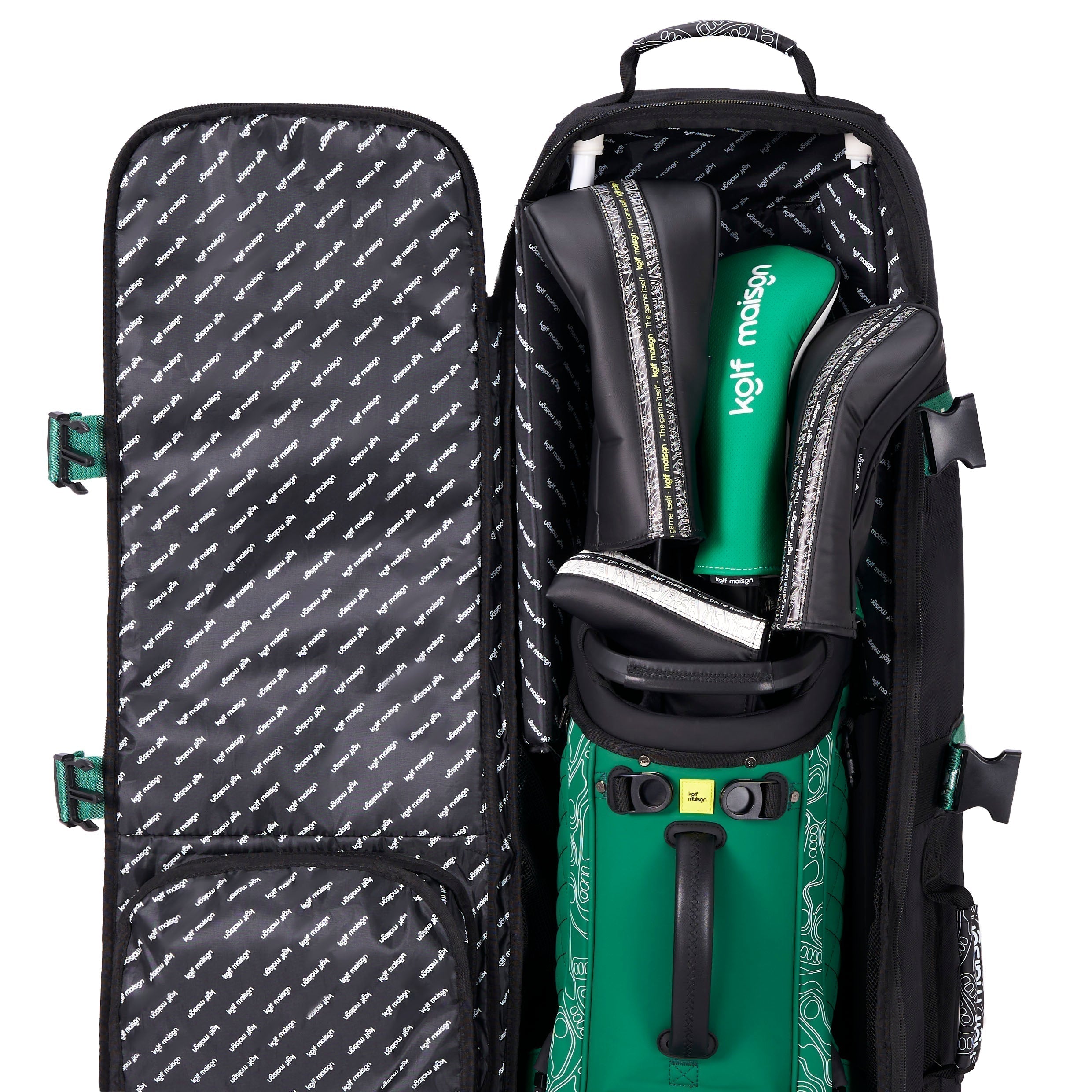
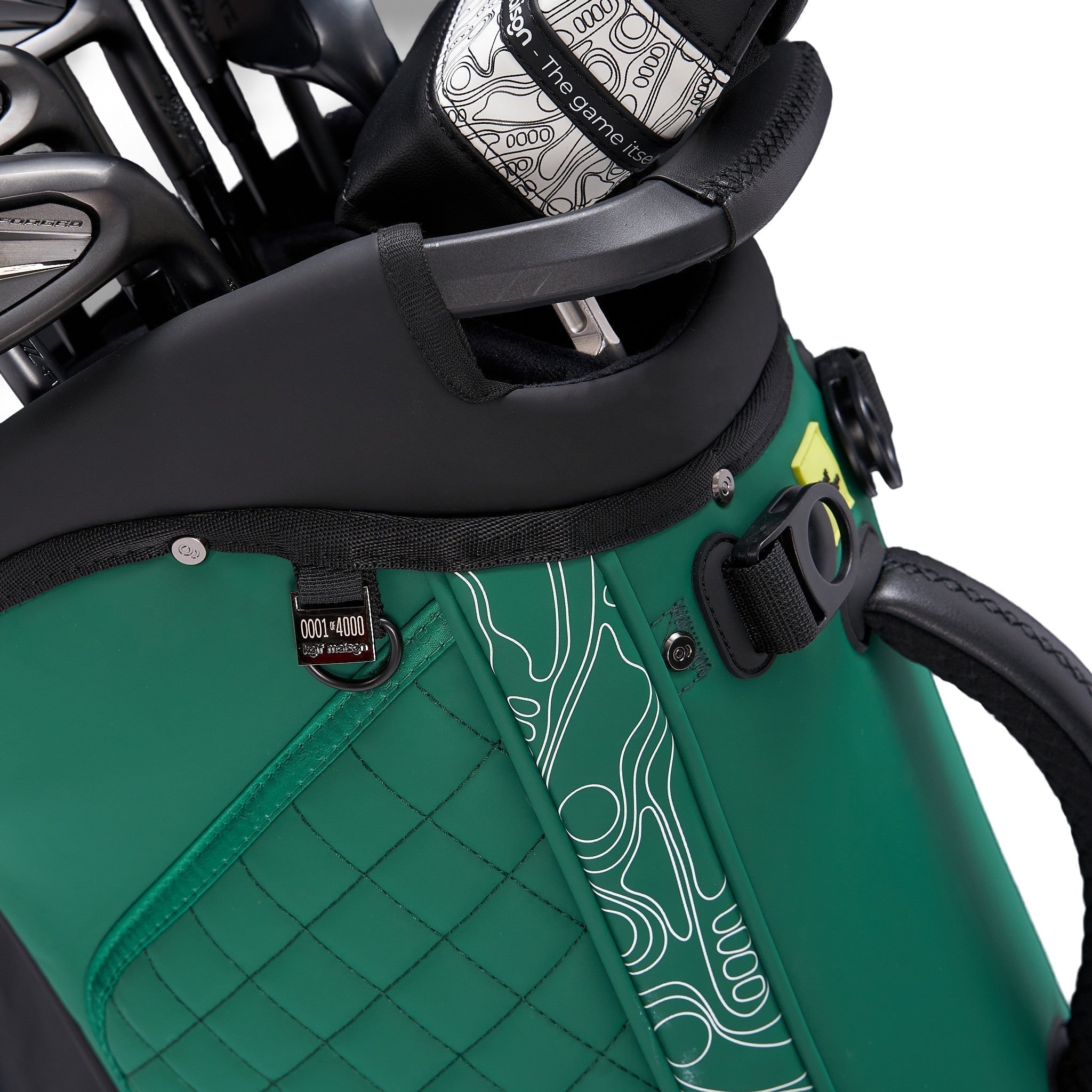
The Paganica Cart Bag integrates reinforced strap routing and hard piping in high stress zones specifically to prevent distortion over time.
2. Material Composition Matters More Than Branding
Most golf bags today use synthetic leather alternatives. However, not all synthetic materials perform equally.
Lower grade PU coatings often crack, gloss unevenly, or delaminate after repeated exposure to heat, moisture, and UV light. Nylon based bags can fray at high contact points and absorb moisture.
A durable golf bag exterior must resist:
- Abrasion from cart straps
- Friction between clubs
- Moisture exposure
- UV fading
- Temperature expansion
Advanced materials such as engineered microfiber composite constructions provide higher dimensional stability and abrasion resistance. The difference is not aesthetic. It is long term performance.
For deeper material analysis, see Matte Microfiber Composite Leather vs Conventional PU Leather.
3. Divider Architecture and Shaft Protection
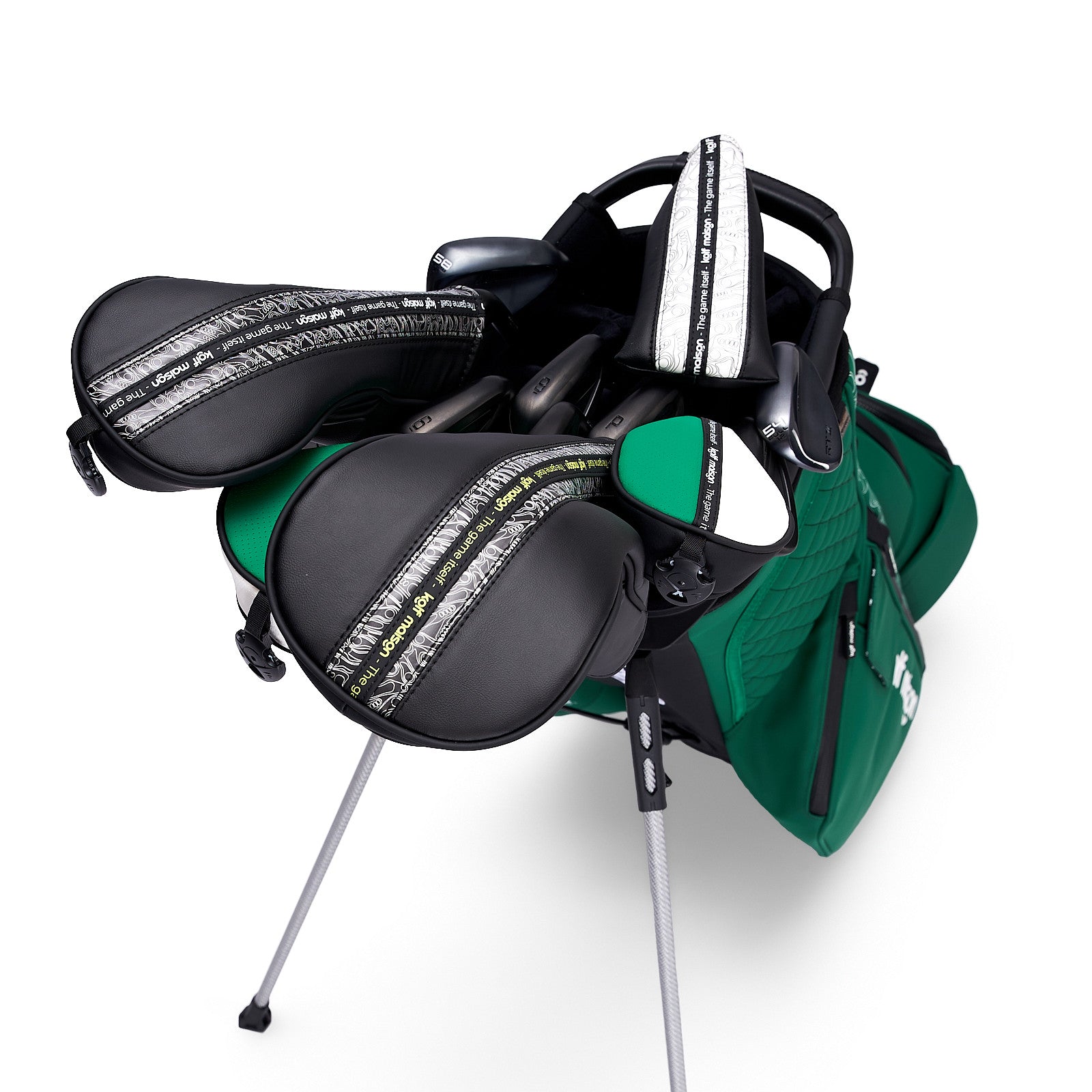
Internal wear often begins at the divider system. When shafts rub repeatedly against each other without reinforcement, internal fabric tears and dividers collapse.
A durable divider system includes:
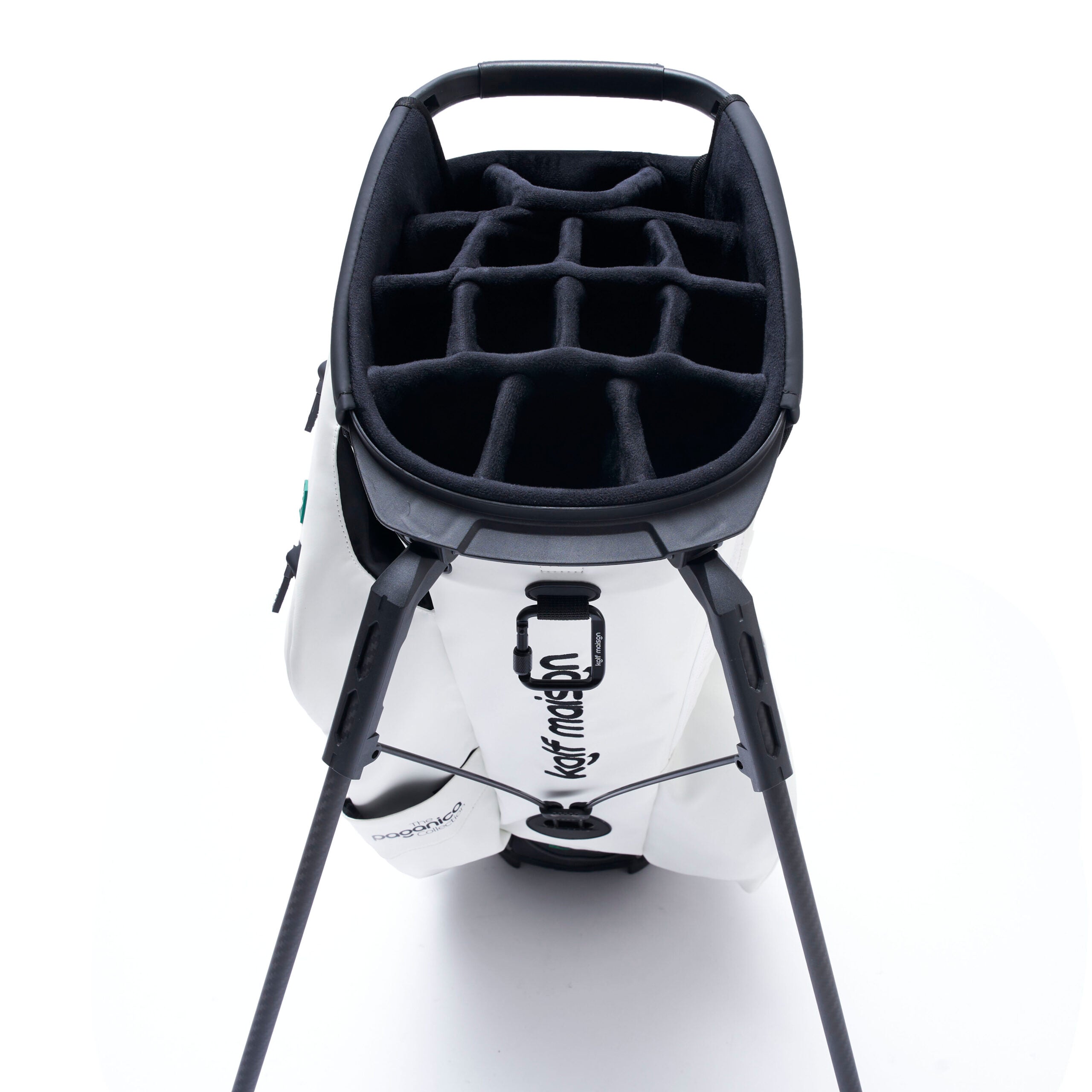
- Full length separation
- Reinforced stitching at top collar
- Dense internal lining
- Stable vertical alignment
A well engineered 14 way golf bag minimizes shaft friction. A properly structured 7 way bag balances separation with weight reduction.
If you are comparing layouts, see 14 Way vs 7 Way Golf Bag Guide.
4. Reinforcement at High Contact Zones
Durable golf bags reinforce areas that experience repeated stress:
- Cart strap channel
- Base contact surface
- Handle anchor points
- Shoulder strap connectors
- Zipper track stitching
Many bags fail not because of exterior panels, but because anchor points loosen under tension.
When evaluating durability, inspect stitching density and alignment. Precision stitching distributes stress more evenly across panels.
5. Zippers and Hardware Quality
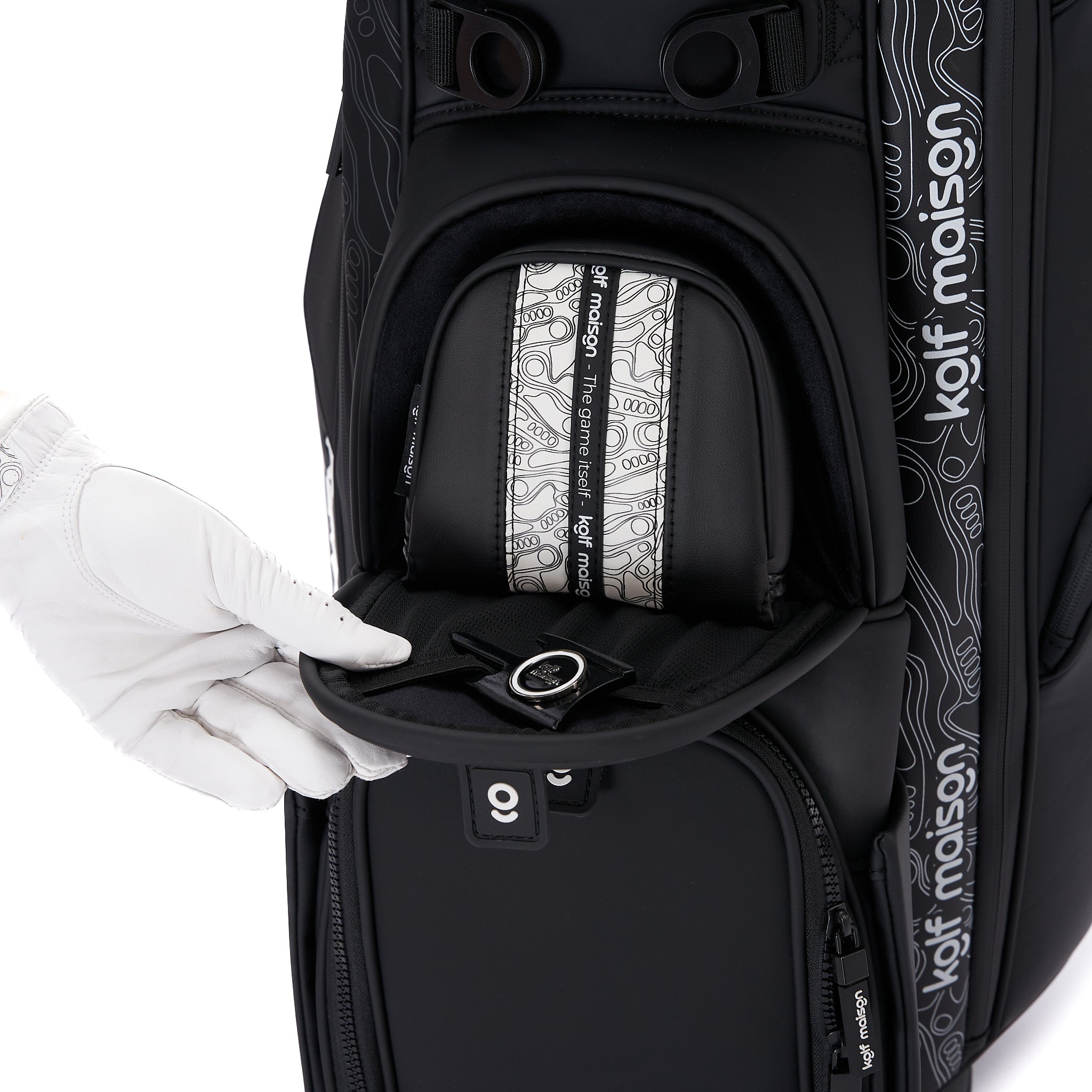
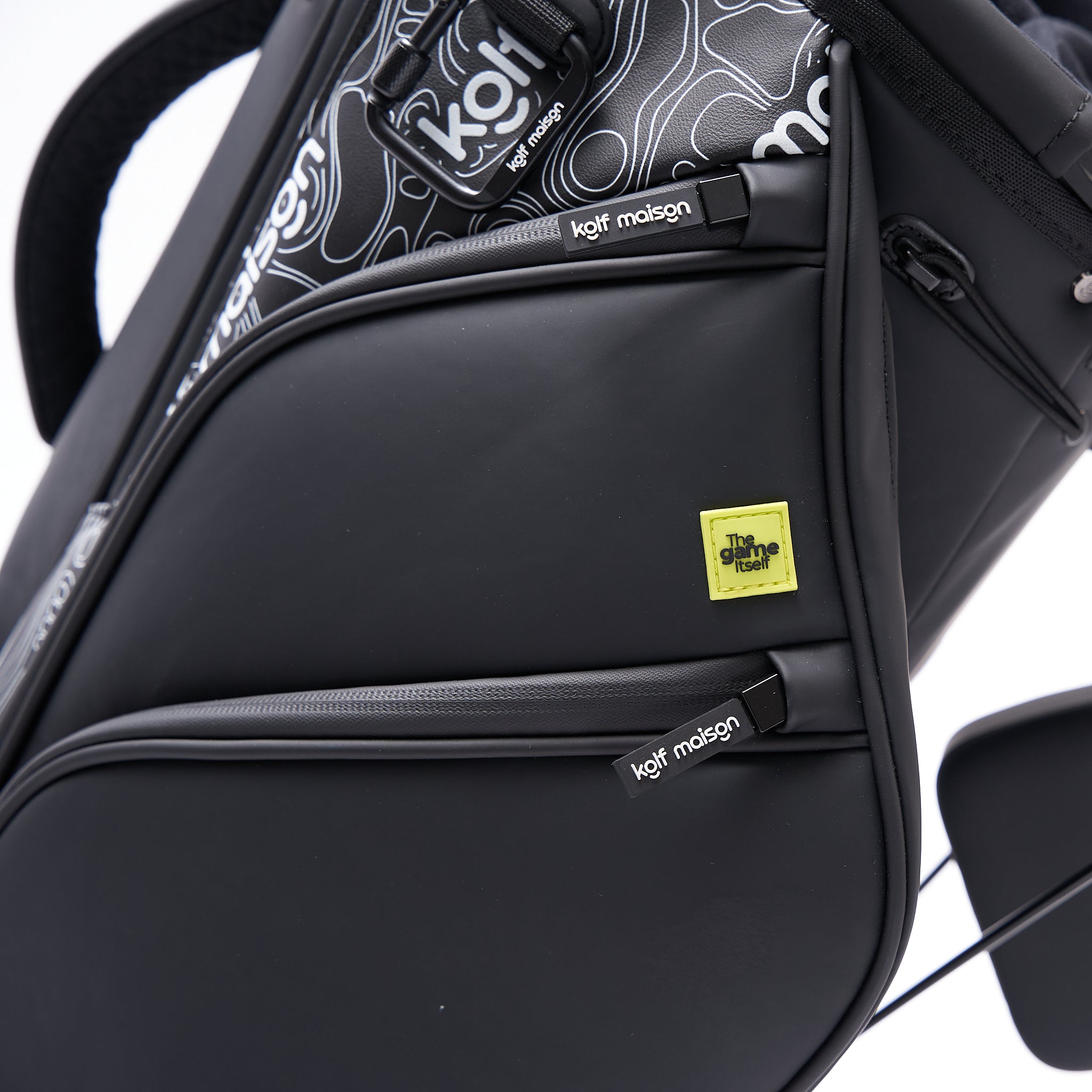
Zippers are one of the first failure points in lower quality golf bags. Cheap zipper tracks warp under pressure, especially in large ball pockets and apparel compartments.
A durable golf bag uses:
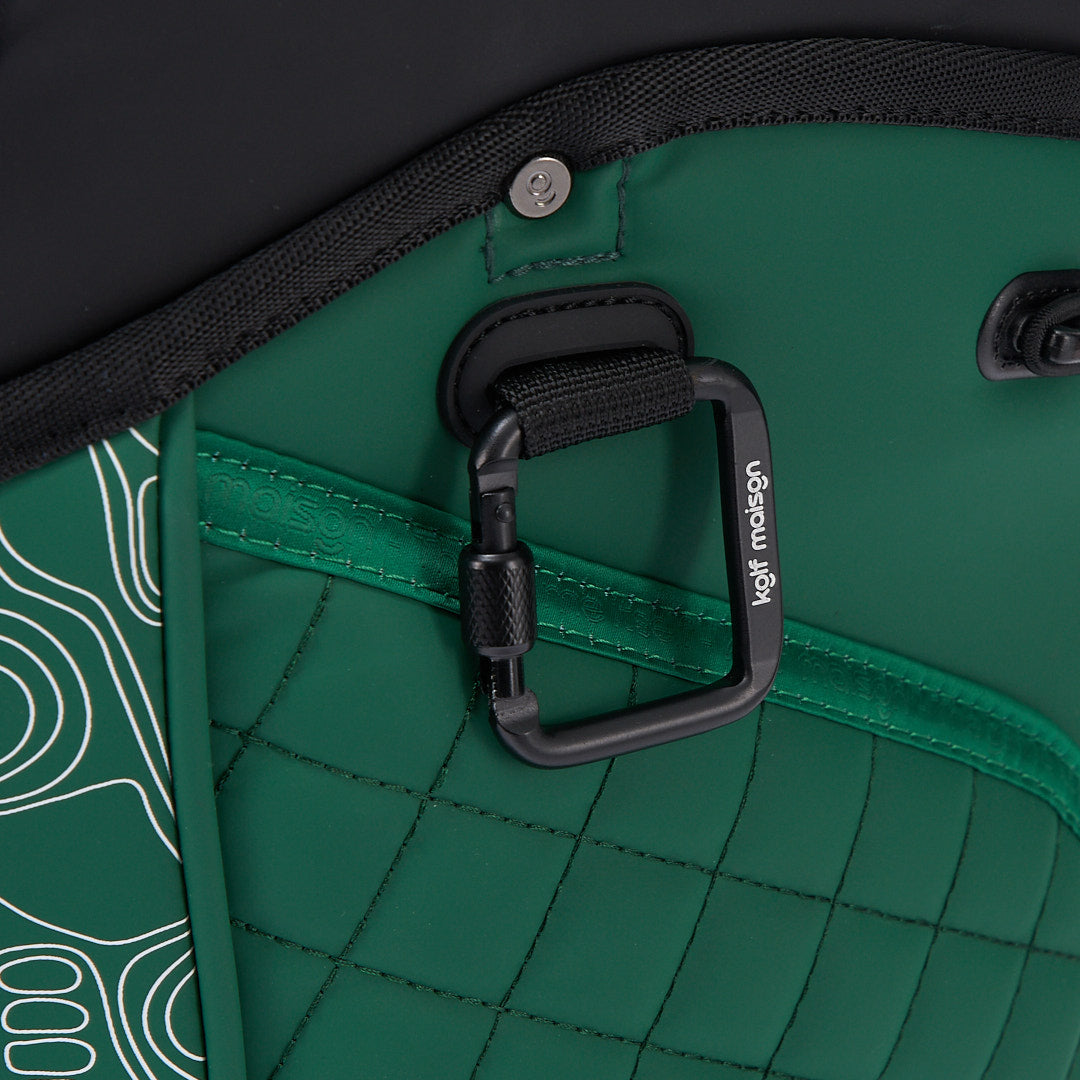
- Heavy duty zipper tracks
- Smooth reinforced pulls
- Stress tested attachment points
Hardware is rarely discussed in marketing, but it determines daily usability.
6. Cart Strap Protection System
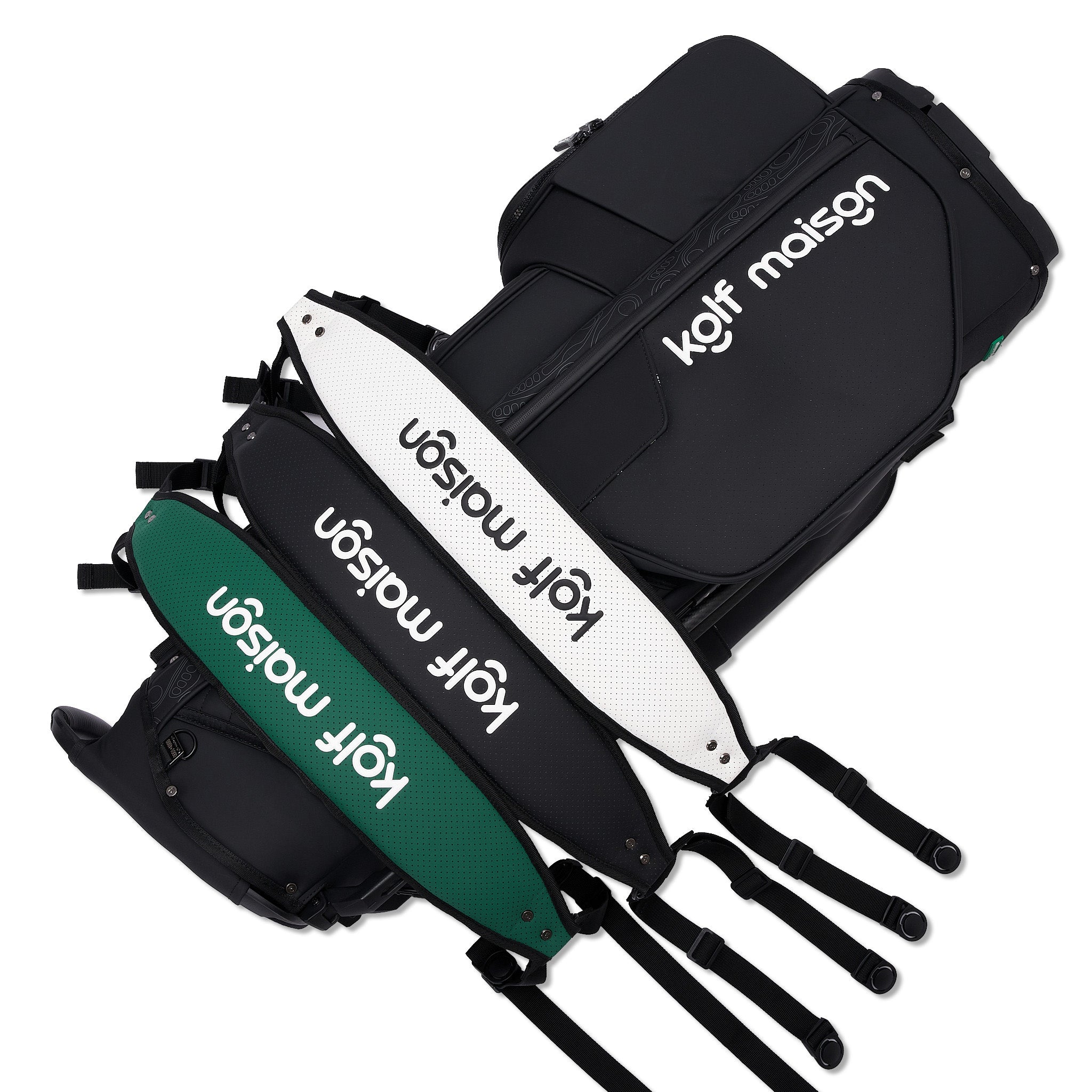
For cart bags especially, strap abrasion is a primary cause of exterior wear.
A durable cart bag includes:
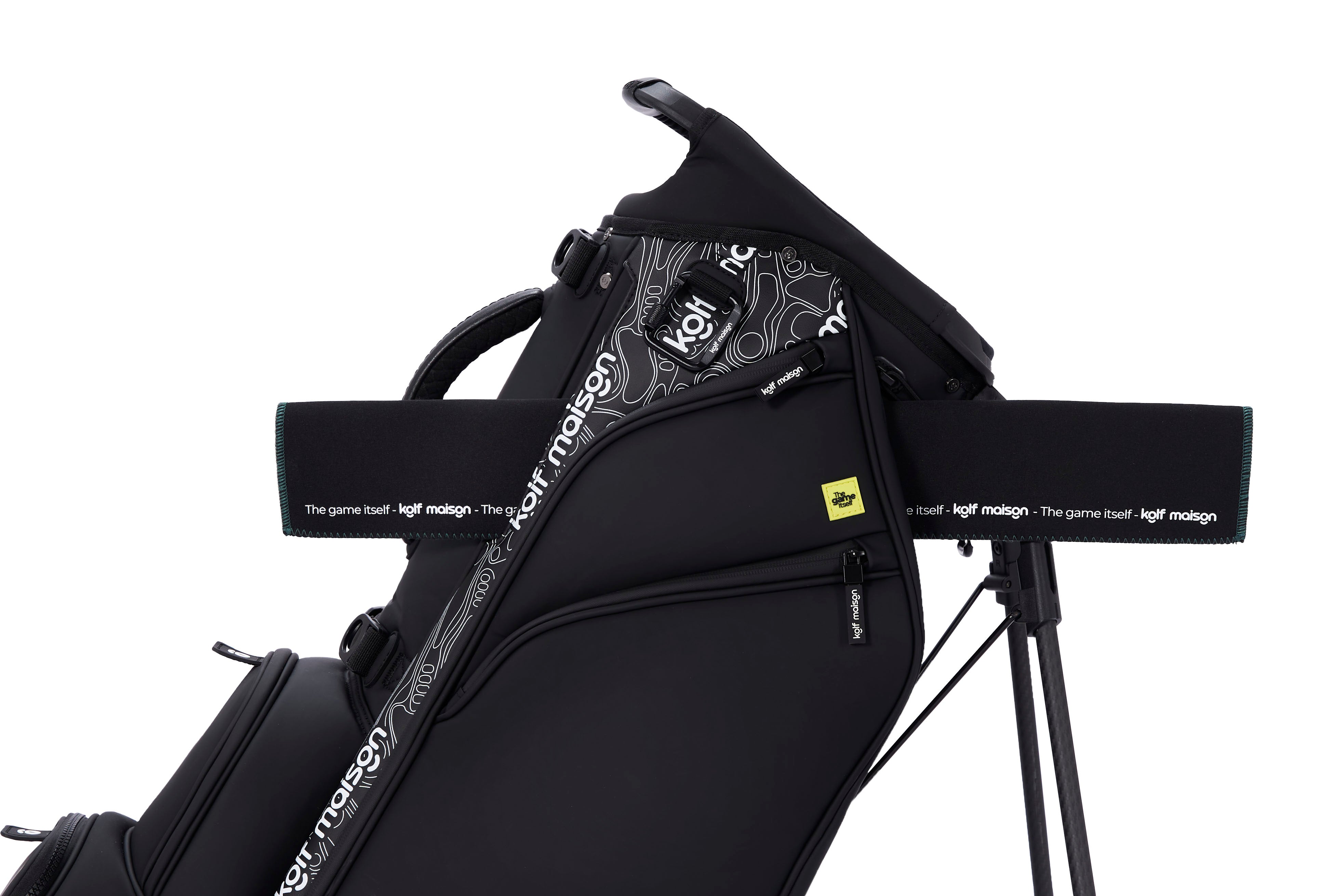
- Dedicated strap pass through channel
- Hard internal piping reinforcement
- Protective sleeve or abrasion barrier
- Magnetic lift system to preserve pocket access
Without reinforcement, strap pressure compresses exterior material and weakens internal structure over time.
7. Weight Distribution and Balance
Durability is also connected to balance. Poor weight distribution causes uneven strain across the frame.
Balanced golf bags maintain center alignment even when fully loaded. This reduces long term stress and improves structural longevity.
For deeper explanation of load distribution, see Physics of Balance in Golf Bags.
8. Controlled Production vs Mass Manufacturing
Durability is often compromised when production scales too aggressively. Mass production environments frequently prioritize speed over reinforcement consistency.
Controlled manufacturing allows:
- Closer inspection of stitch alignment
- Material consistency verification
- Structural stress testing
- Hardware durability validation
A durable golf bag is not defined by price alone. It is defined by restraint in production and discipline in assembly.
How Long Should a Durable Golf Bag Last?
A well engineered premium golf bag should last significantly longer than two seasons. With proper care, structural integrity should remain intact for many years of consistent play.
If you are replacing your golf bag every two or three seasons due to sagging, tearing, or fading, the issue is not usage frequency. It is construction quality.
Signs Your Golf Bag Is Built to Last
- Rigid top collar that does not deform under load
- Reinforced base with stable footprint
- Clean stitching lines without fraying
- High density exterior material with matte stability
- Protected strap routing system
- Balanced internal divider alignment
Final Perspective
Durability is not about marketing language. It is engineering.
A durable golf bag preserves its posture, structure, and material integrity after years of real rounds. It does not sag. It does not twist. It does not collapse at stress points.
When evaluating your next bag, look beyond surface aesthetics. Assess the architecture. Assess the reinforcement. Assess the materials.
Because longevity is not accidental. It is built.
To understand how materials, reinforcement, and balance affect long-term use, refer to our full guide on golf bag durability.
Structured Comparison
For a complete evaluation of how premium golf bags compare across structure, materials, and long-term performance, refer to our premium golf bag comparison.


Share:
How Long Should a Golf Bag Last? Lifespan and Durability Guide
5 Structural Tests Every Golfer Should Do Before Buying a Golf Bag