

Best Golf Travel Bags for Serious Golfers Who Demand Protection

Travel is where most golf bags fail. Not on the course, not during play, but in transit. Airports, cargo handling, vehicle transfers, and uncontrolled environments introduce pressure, impact, and abrasion that expose weaknesses in structure, materials, and internal design. A golf travel bag is not a convenience. It is a protection system that determines whether your equipment arrives ready for play or compromised before the first swing.
For serious golfers, the selection of a travel bag is not based on appearance or branding. It is based on performance under conditions where control is removed. This is where the difference between standard travel covers and engineered protection systems becomes clear.
Luxury in golf travel bags is not defined by price. It is defined by structure, material integrity, and long-term reliability. These same principles are explored in our framework on luxury golf bags and reinforced through our analysis of golf bag durability.
Why Travel Bags Matter More Than Most Golfers Realize
Most golfers underestimate the level of stress placed on their equipment during travel. A standard round exposes a golf bag to controlled conditions. Travel exposes it to compression, sudden impact, and unpredictable handling.
Baggage systems are not designed for precision equipment. They are designed for volume. Bags are stacked, shifted, and transported without consideration for what is inside. Without a properly engineered travel bag, clubs are left vulnerable.
This is why many golfers experience issues only after traveling. Bent shafts, damaged heads, and internal wear are often the result of insufficient protection rather than on-course use.
What Defines the Best Golf Travel Bags
The best golf travel bags are defined by how they perform under repeated stress. Not by how they look when new. Not by marketing claims. But by their ability to protect equipment over time.
Structural Integrity
A travel bag must maintain its form under pressure. Collapse exposes clubs directly to external force. Reinforced architecture is not optional. It is the foundation of protection.
Impact Absorption
Internal padding must absorb shock rather than transfer it. Without proper reinforcement, even minor impacts can cause damage.
Material Performance
Materials must resist abrasion, moisture, and environmental stress. Travel environments are uncontrolled, and materials must perform consistently under friction and pressure.
Internal Stabilization
Clubs must remain fixed during transit. Movement inside the bag is one of the primary causes of damage.
Mobility and Handling
Multiple reinforced handles and smooth rolling systems allow controlled movement through airports and transport environments.
These principles are not theoretical. They are the difference between long-term protection and repeated failure.

Why Most Golf Travel Bags Fail
Most travel bags are designed for occasional use. They prioritize flexibility over structure and cost over durability. While this may reduce weight or price, it significantly reduces protection.
Soft construction compresses under load. Without reinforcement, pressure is transferred directly to clubs. Over time, this leads to structural fatigue and equipment damage.
Low-grade materials degrade under repeated exposure to abrasion and environmental stress. What appears durable initially begins to show wear quickly.
Internal instability is another critical issue. Without proper compression systems, clubs shift during transit. This creates internal impact even when external conditions are moderate.
These failure patterns mirror what is seen in standard golf bags, explored in why most golf bags wear out too fast.
The Evolution of Golf Travel Bags
Golf travel bags have evolved from simple covers into engineered systems. Early designs focused primarily on containment. Modern high-performance designs focus on protection, structure, and usability.
This shift reflects a broader change in how golfers approach equipment. As the quality and value of golf equipment increases, so does the need for protection during travel.
The best travel bags today are designed with the same level of precision as premium golf bags. They are not accessories. They are essential components of a complete setup.
Different Types of Golf Travel Bags
Understanding the different types of travel bags is essential when selecting the right option. Each category offers different levels of protection and usability.
Structured Travel Bags
These provide the highest level of protection. Reinforced walls and compression systems prevent collapse and reduce impact transfer. They are ideal for frequent travelers.
Hybrid Travel Bags
These combine flexibility and protection. They are lighter but may sacrifice structural integrity under heavy load.
Soft Travel Covers
These offer minimal protection. They are suitable for short-distance travel but not for repeated exposure to high-impact environments.
For serious golfers, structured or reinforced designs are the only reliable option.
How to Evaluate a Golf Travel Bag Before You Buy
Most golfers approach travel bags by looking at features. Pockets, wheels, zippers, and visual design often dominate the decision process. While these elements matter, they are secondary to structural performance.
A proper evaluation begins with how the bag behaves under stress. Not how it appears in a product image. Not how it feels empty. But how it performs when fully loaded and exposed to real travel conditions.
Compression Resistance
A travel bag must resist external pressure. When stacked under weight, it should maintain internal clearance around club heads. Any collapse introduces direct contact between force and equipment.
Internal Fixation
Clubs should not move freely inside the bag. A proper compression system locks the contents in place. Movement is one of the primary causes of damage during transit.
Reinforced Stress Zones
Handles, wheel bases, and impact points must be reinforced. These areas experience repeated force during transport.
Material Stability Over Time
Materials must maintain performance after repeated exposure to friction, temperature variation, and moisture.
These factors define long-term value. A travel bag that performs once is not a solution. A travel bag that performs consistently becomes part of your equipment system.
What Serious Golfers Actually Need in a Travel Bag
Serious golfers do not travel with generic equipment. They carry fitted clubs, precision shafts, and carefully selected setups. Protection is not optional. It is essential.
The needs of a serious golfer extend beyond basic storage:
Protection for Full Set Configuration
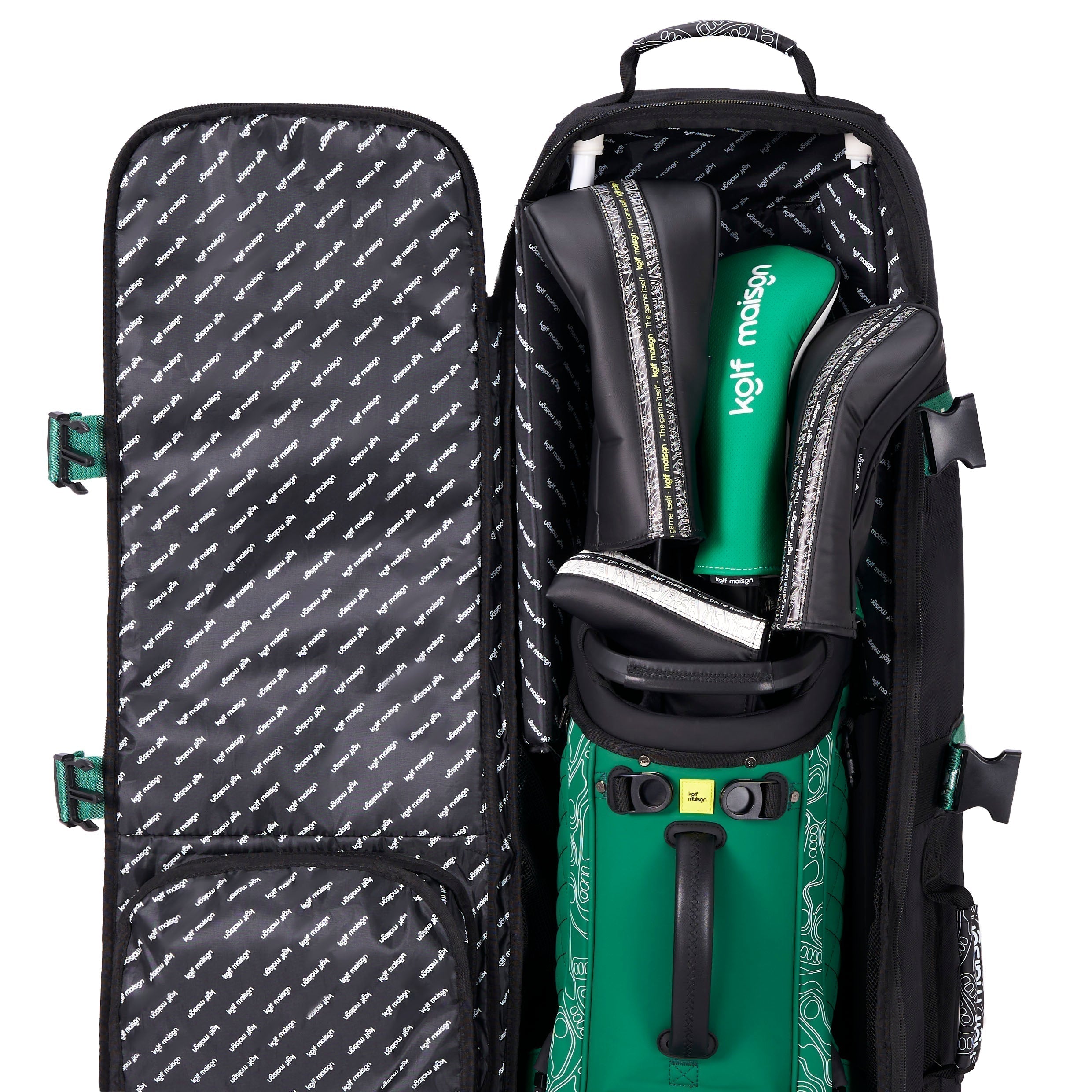
A travel bag must accommodate a complete setup, including stand or cart bags, without forcing compression.
Compatibility with Structured Golf Bags
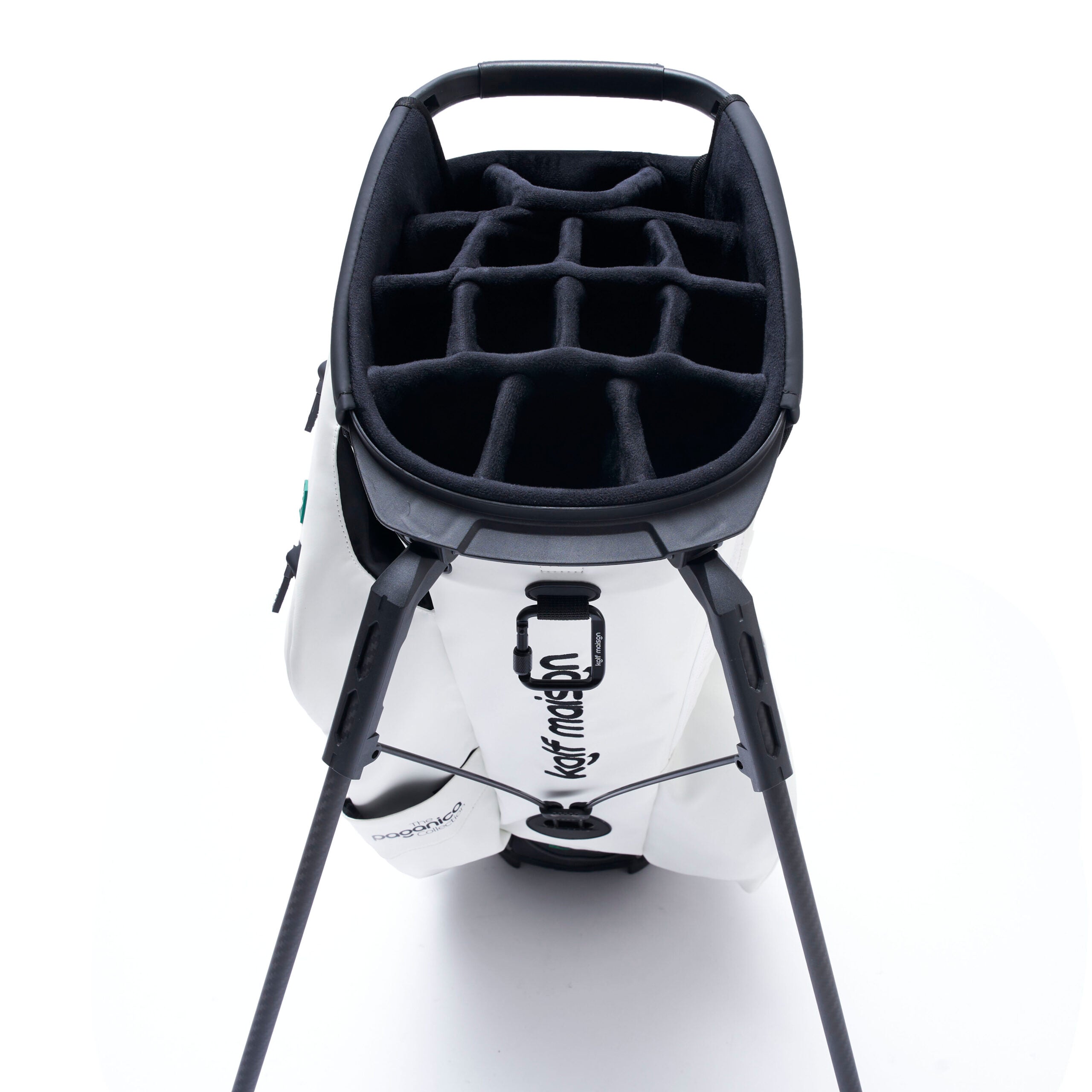
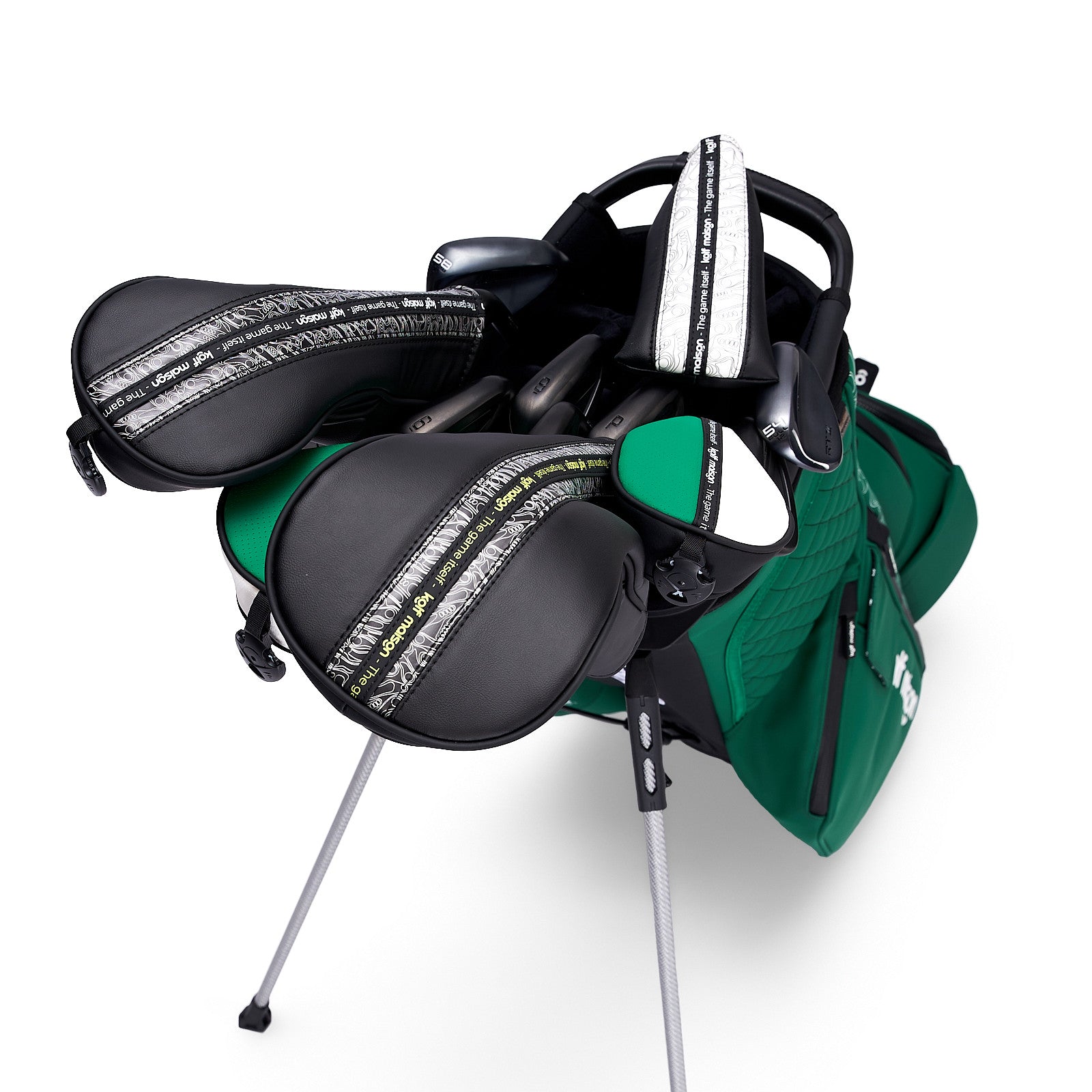
Bags such as the Paganica Stand Bag and Paganica Cart Bag require internal space that preserves their structure.
Stability During Movement
Movement inside the bag must be minimized. This protects both the travel bag and the golf bag inside it.
Ease of Handling Across Environments
Airports, vehicles, and course entry points require controlled mobility. Poor handling design increases strain and risk.
Long-Term Durability
A travel bag should not degrade after a few trips. It should maintain structure and protection over time.
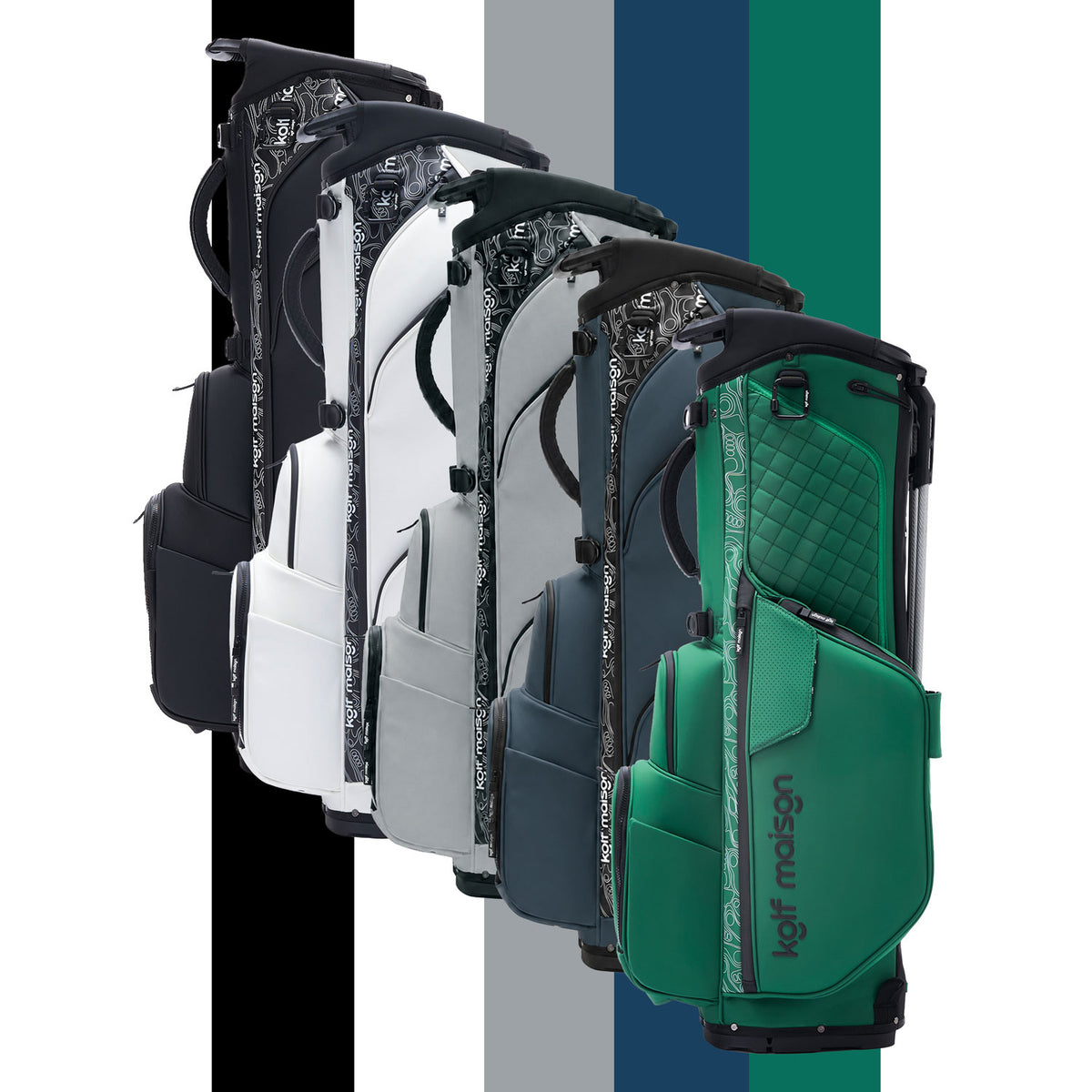
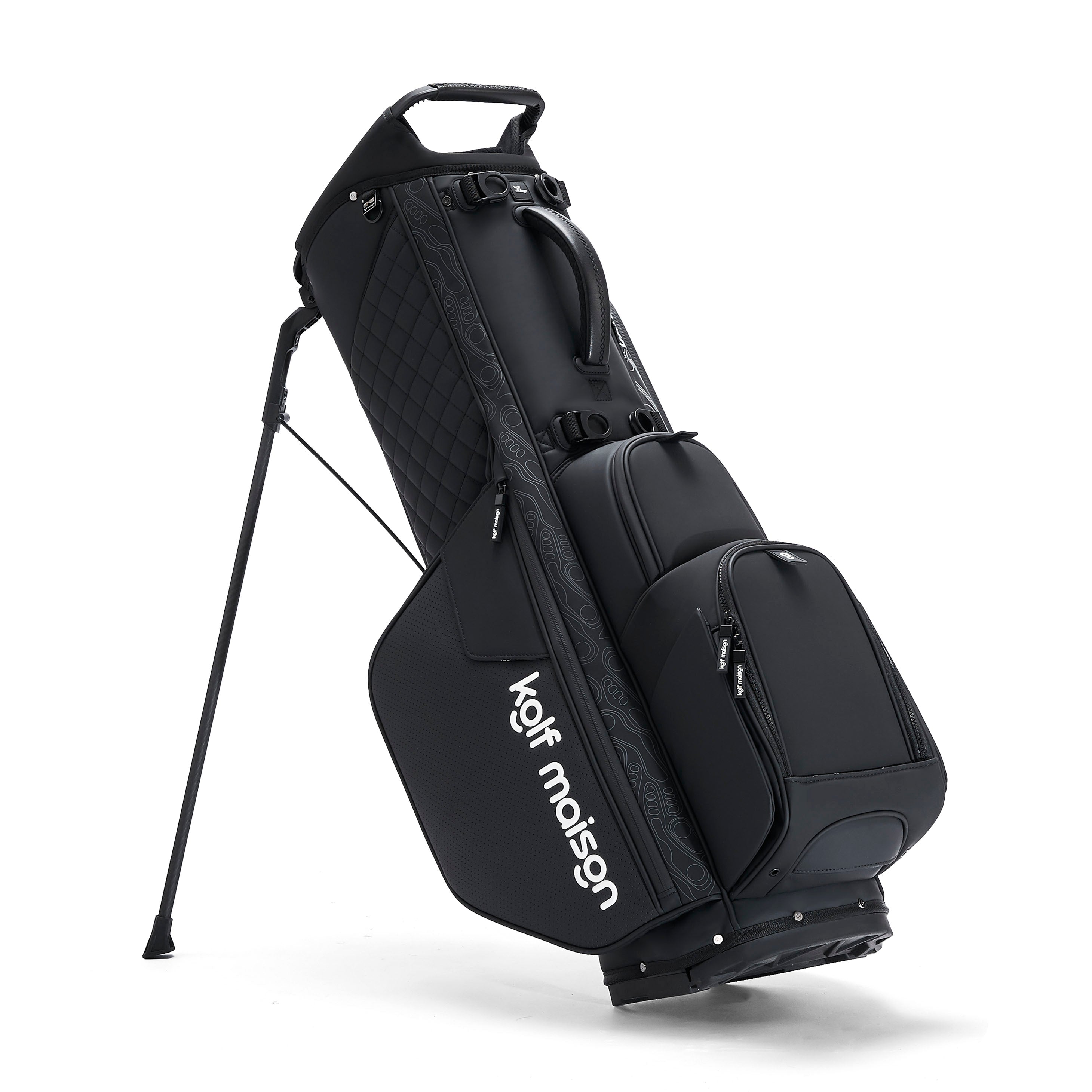
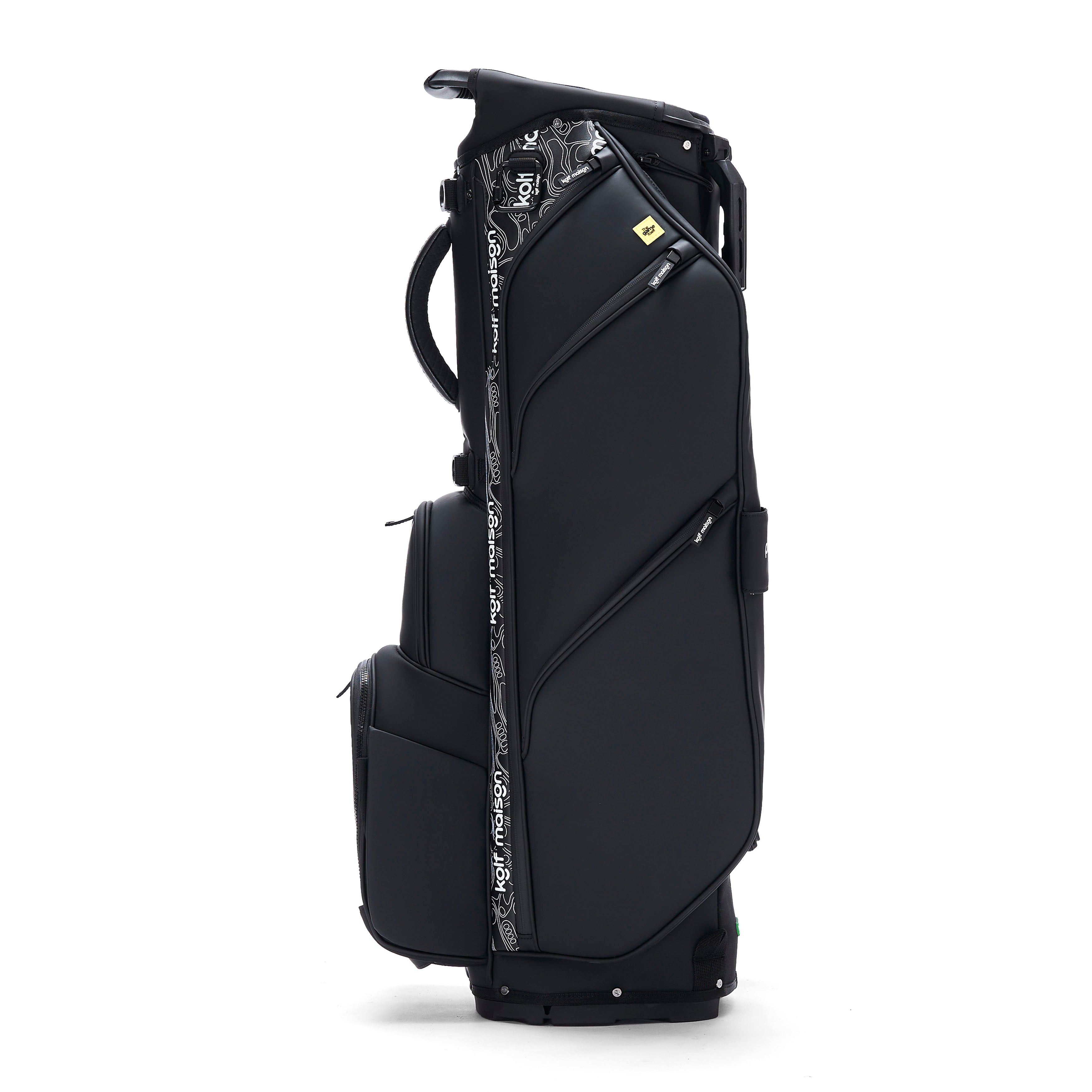
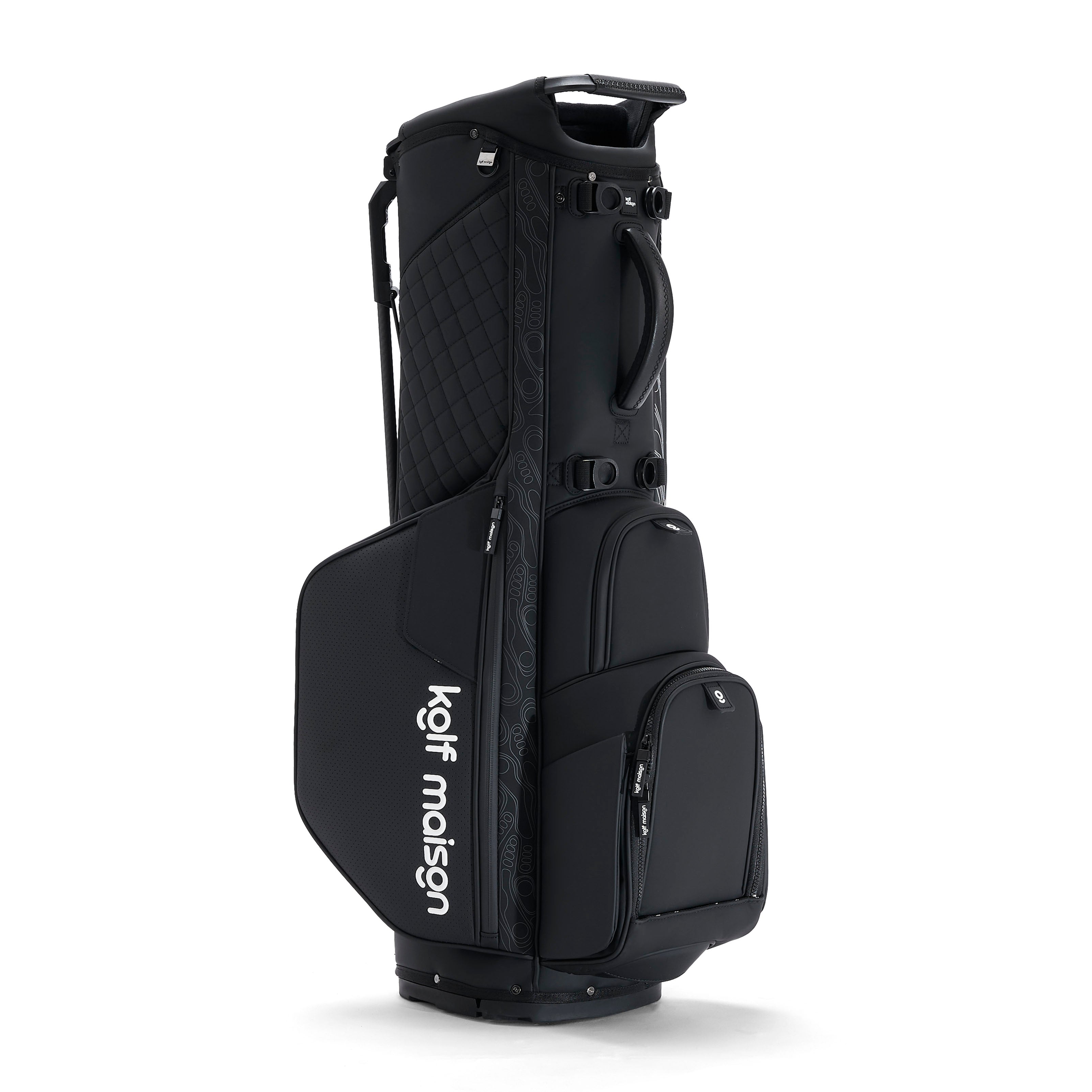
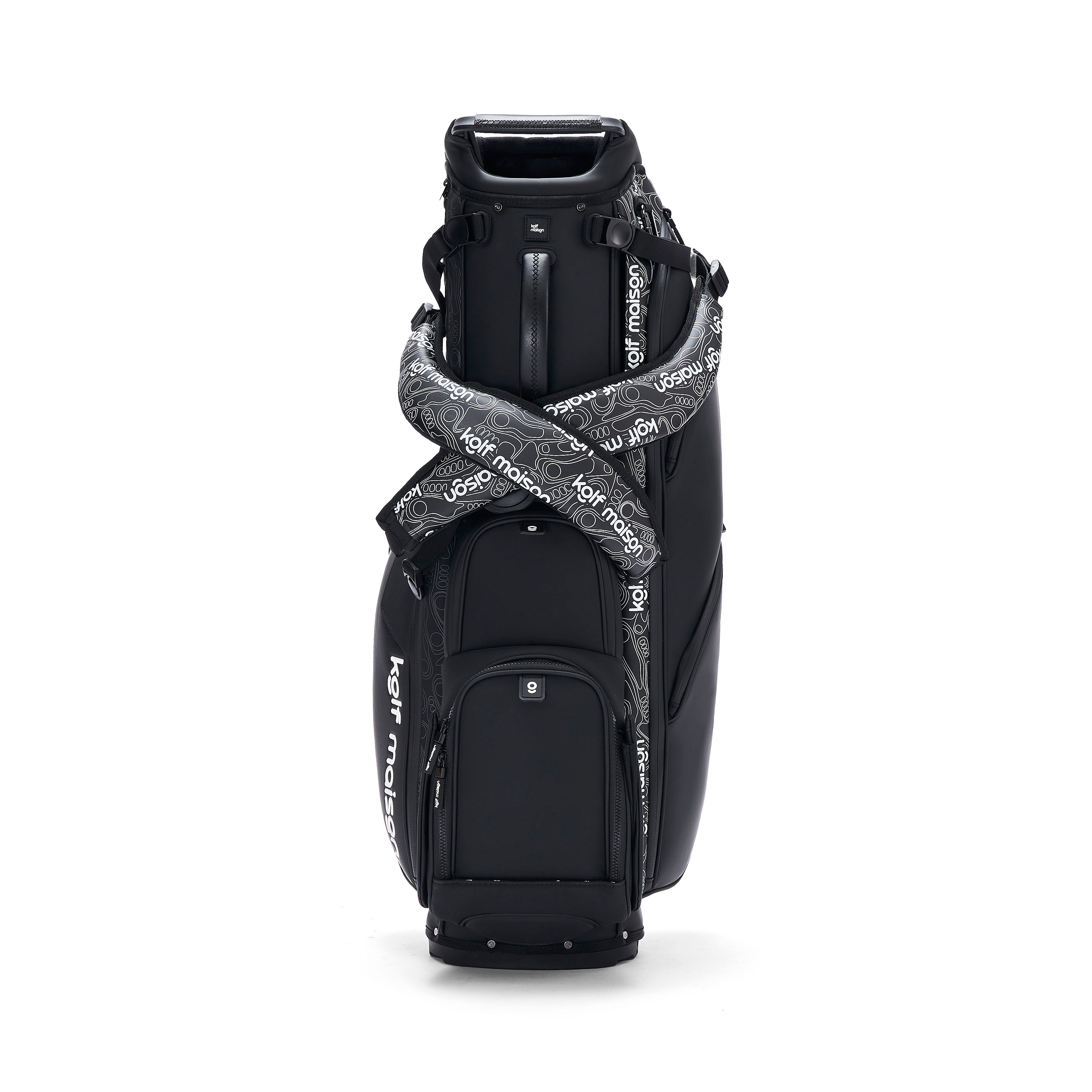
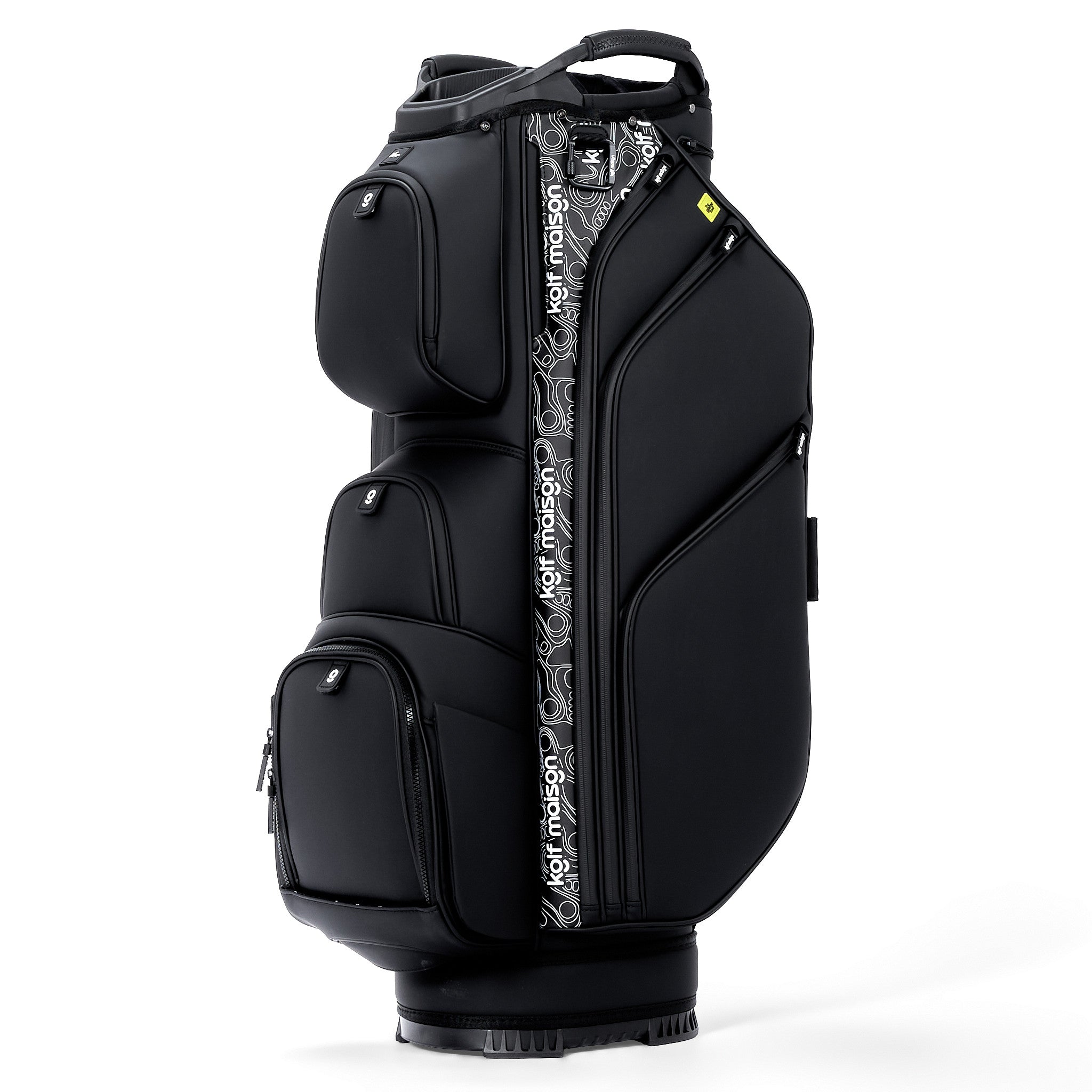
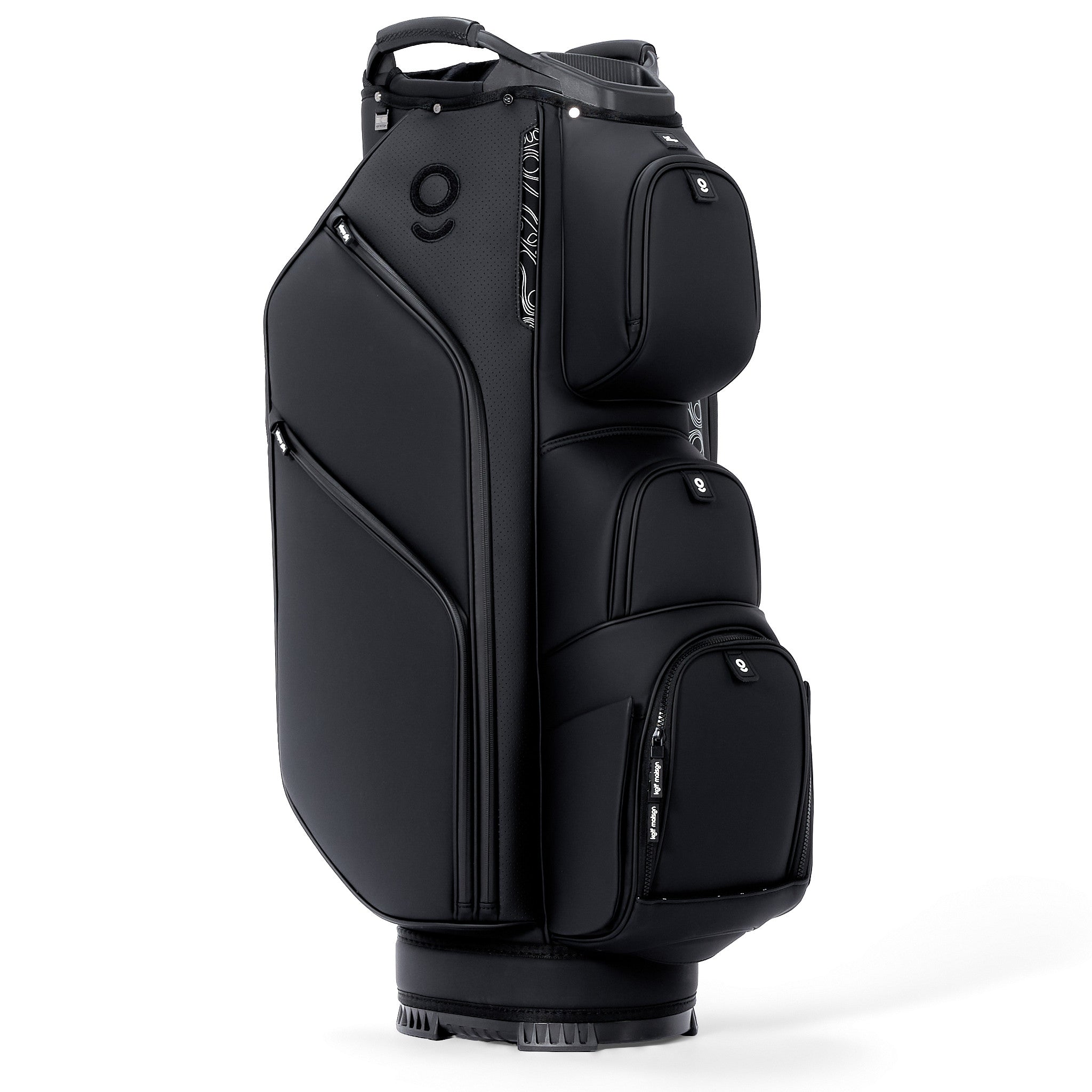
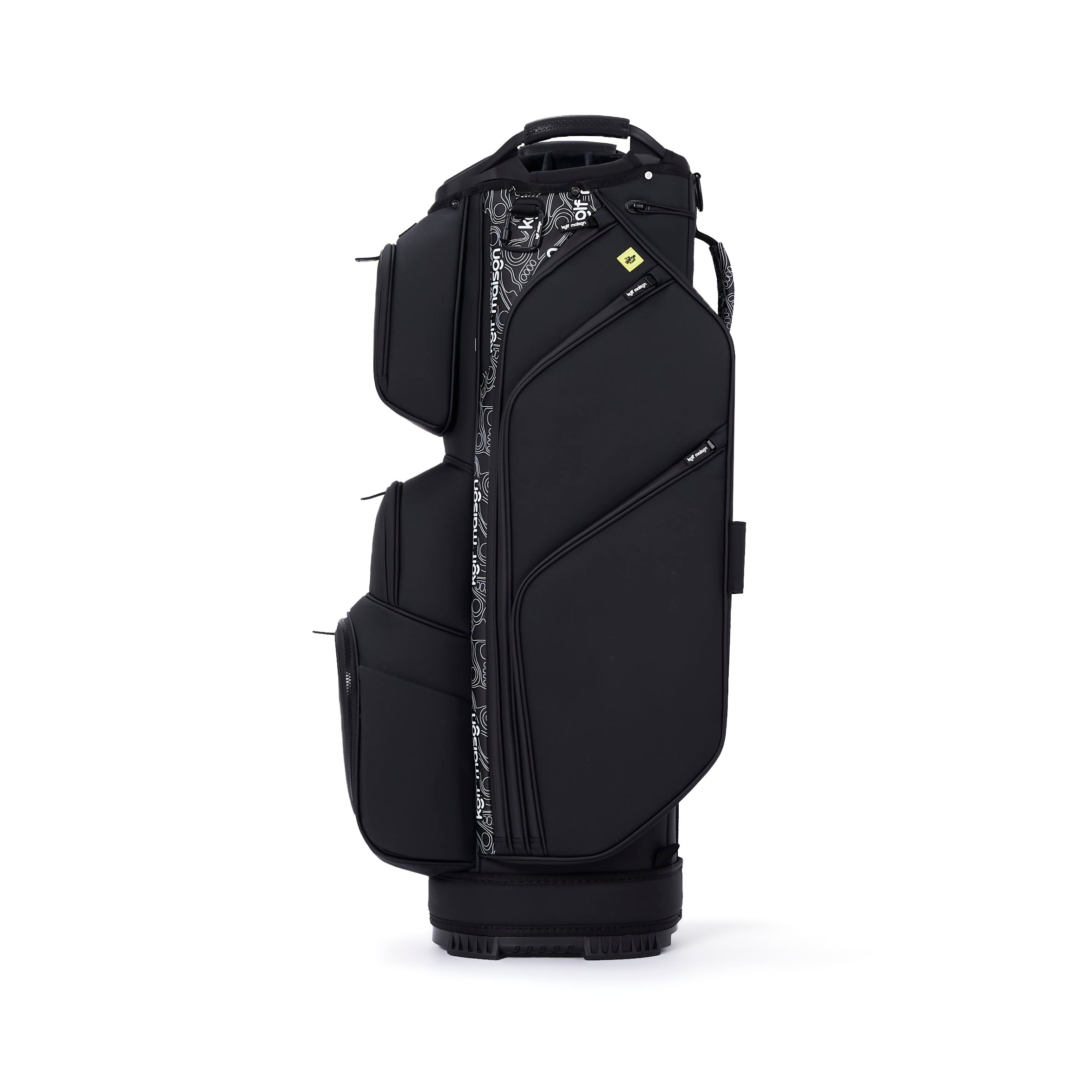
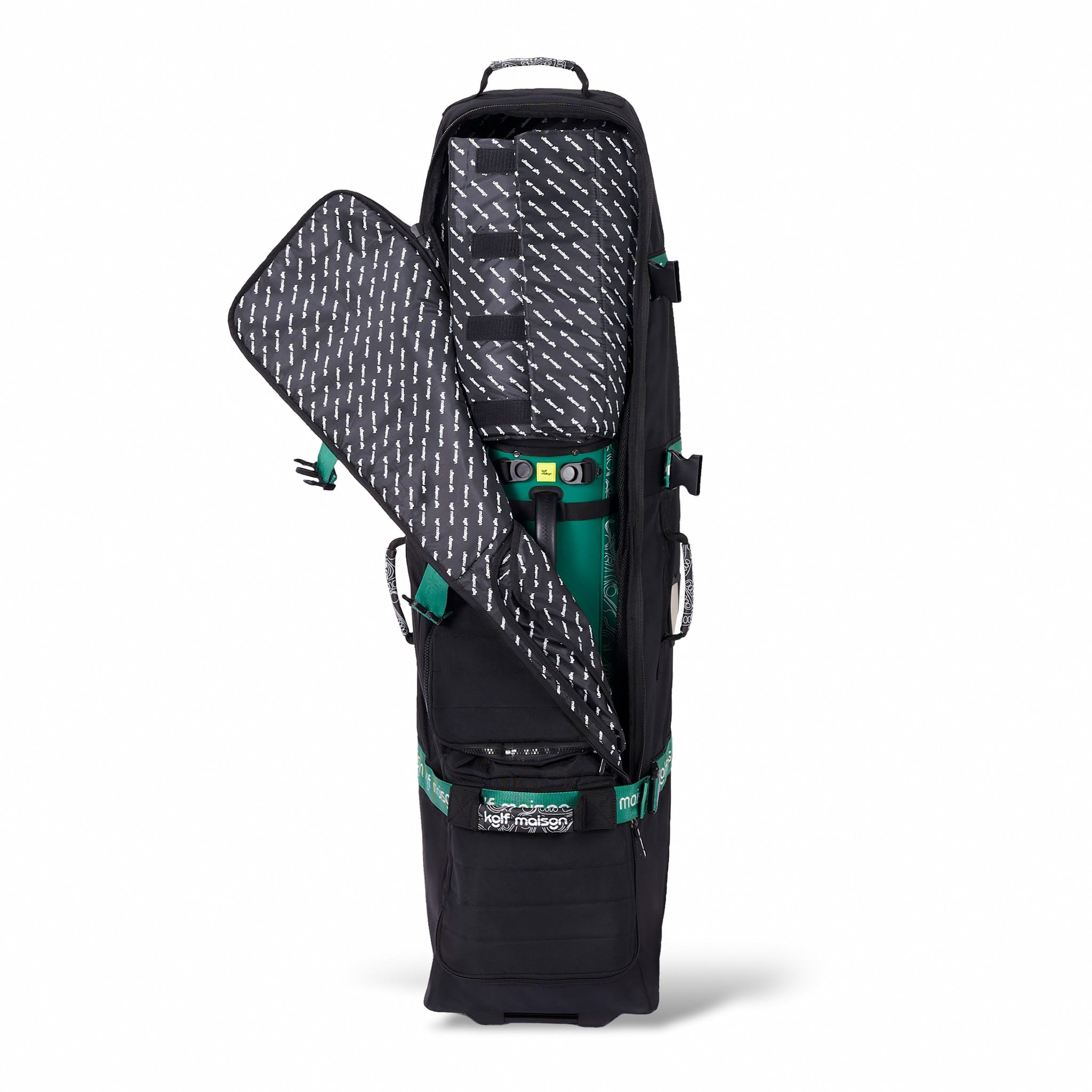
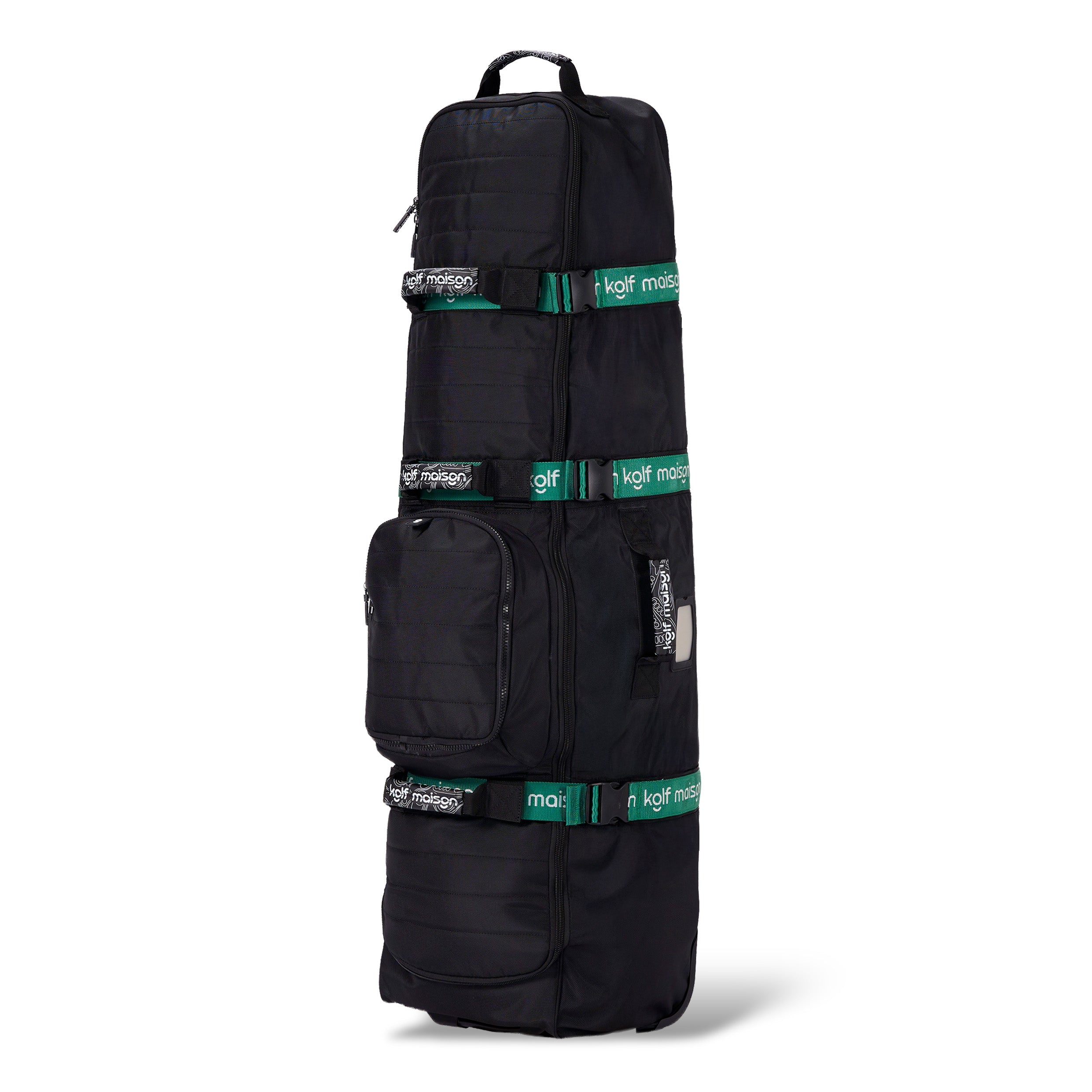
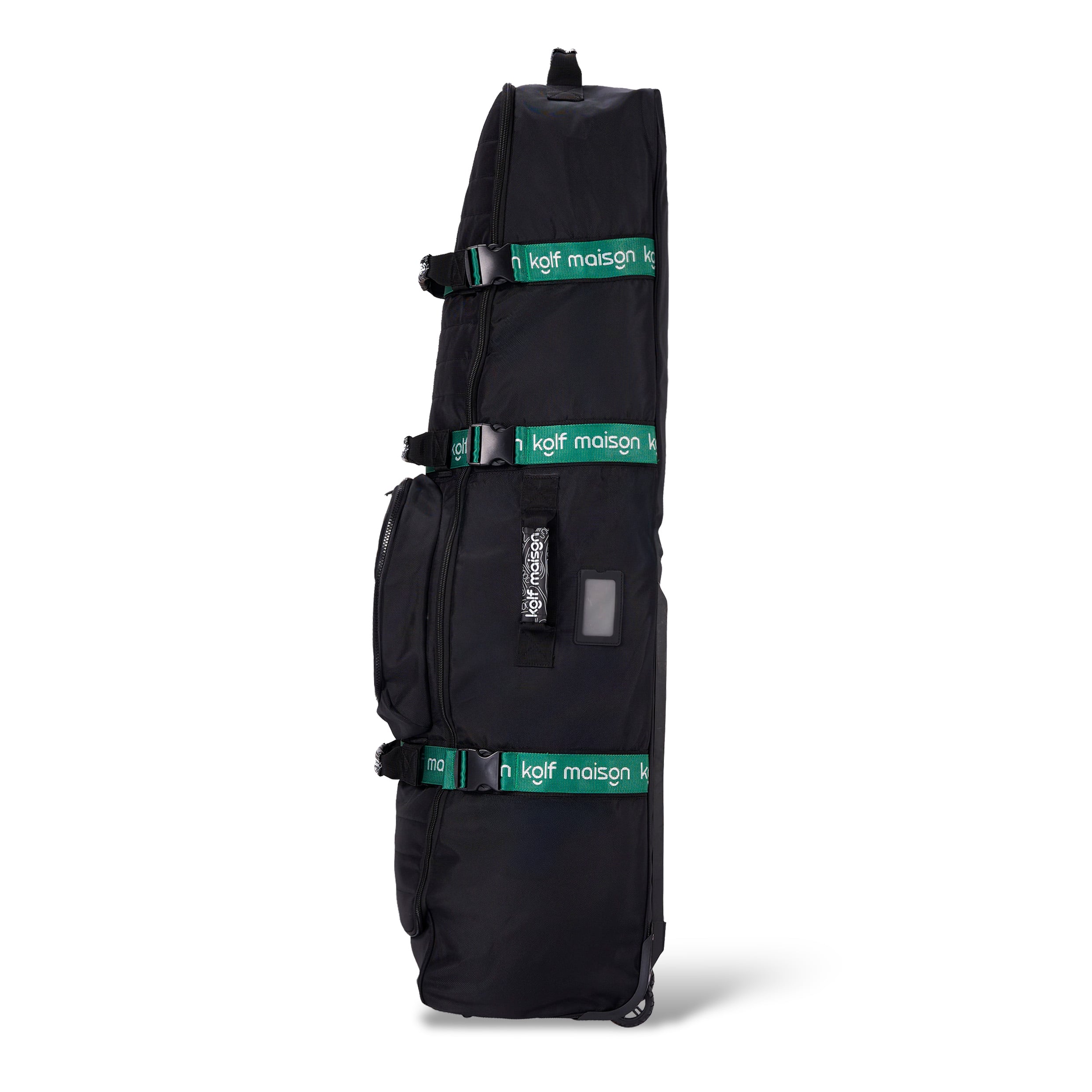
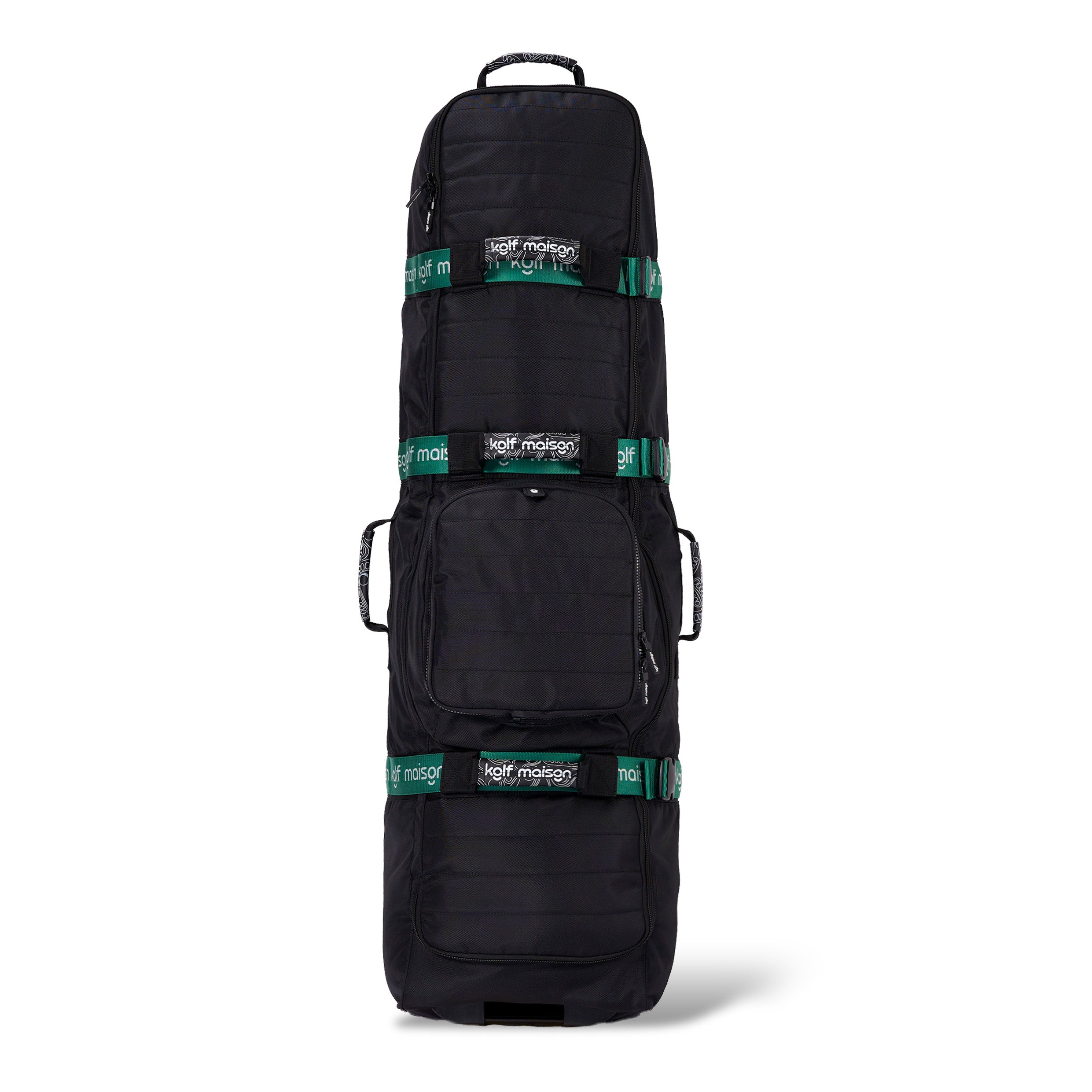
Kolf Maison Aura Travel Bag
The Aura Travel Bag is developed around these exact requirements. It is not designed as an accessory. It is designed as a protective system for serious golfers.
Its construction focuses on maintaining structural integrity under pressure while stabilizing internal contents. The reinforced architecture prevents collapse, preserving space around club heads and shafts.
The design integrates multiple reinforced handles and controlled mobility, allowing smooth movement across different travel environments. This reduces unnecessary stress during handling.
Material selection is aligned with long-term performance. Resistance to abrasion and environmental stress ensures that the bag maintains both function and appearance over time.
This approach reflects the same philosophy applied across all Kolf Maison products, including the structural discipline outlined in material integrity and the concept of considered luxury.
Comparison With Other Travel Bag Approaches
The market includes several well-known travel bag designs, each offering different levels of protection and usability. The distinction lies not in branding, but in structural execution.
Many soft travel covers prioritize flexibility and reduced weight. While this may improve portability, it significantly reduces protection under compression.
Hybrid designs attempt to balance weight and protection but often compromise on structural integrity. Under heavy load, these designs can still deform, exposing equipment to risk.
Structured travel bags provide the highest level of protection. Reinforced walls and controlled compression systems maintain internal clearance and reduce impact transfer.
For golfers who travel occasionally, lighter options may be sufficient. For golfers who travel consistently or carry premium equipment, structured protection becomes essential.
Travel Frequency and Bag Selection
The right travel bag depends largely on how often you travel and the level of protection required.
Occasional Travel
Golfers who travel once or twice per year may prioritize portability and storage convenience. However, even limited travel introduces risk.
Regular Travel
Frequent travelers require consistent protection. Structural integrity and durability become the primary considerations.
Professional or High-Value Equipment
Golfers with fitted or high-value equipment should prioritize maximum protection regardless of travel frequency.
The decision should always align with the value of the equipment being transported.
How to Choose the Right Golf Travel Bag for Long Term Use
Selecting the right travel bag is not about immediate convenience. It is about long-term reliability. A travel bag must perform consistently across multiple trips, not just one.
The most important factor remains structure. Without structural integrity, materials and features lose effectiveness. Protection depends on the ability of the bag to maintain its form under pressure.
Golfers should evaluate travel bags based on how they perform when fully loaded, how well they stabilize internal contents, and how effectively they resist external stress.
This approach aligns with the broader principle explored in choosing once versus replacing often, where long-term performance defines true value.
The Role of Travel Bags Within a Complete Golf Setup
A travel bag should not be viewed as a separate accessory. It is part of a complete equipment system.
From the internal structure of your golf bag to the protection of your clubs and accessories, every component must work together. This is why serious golfers evaluate their setup as a unified system rather than isolated products.
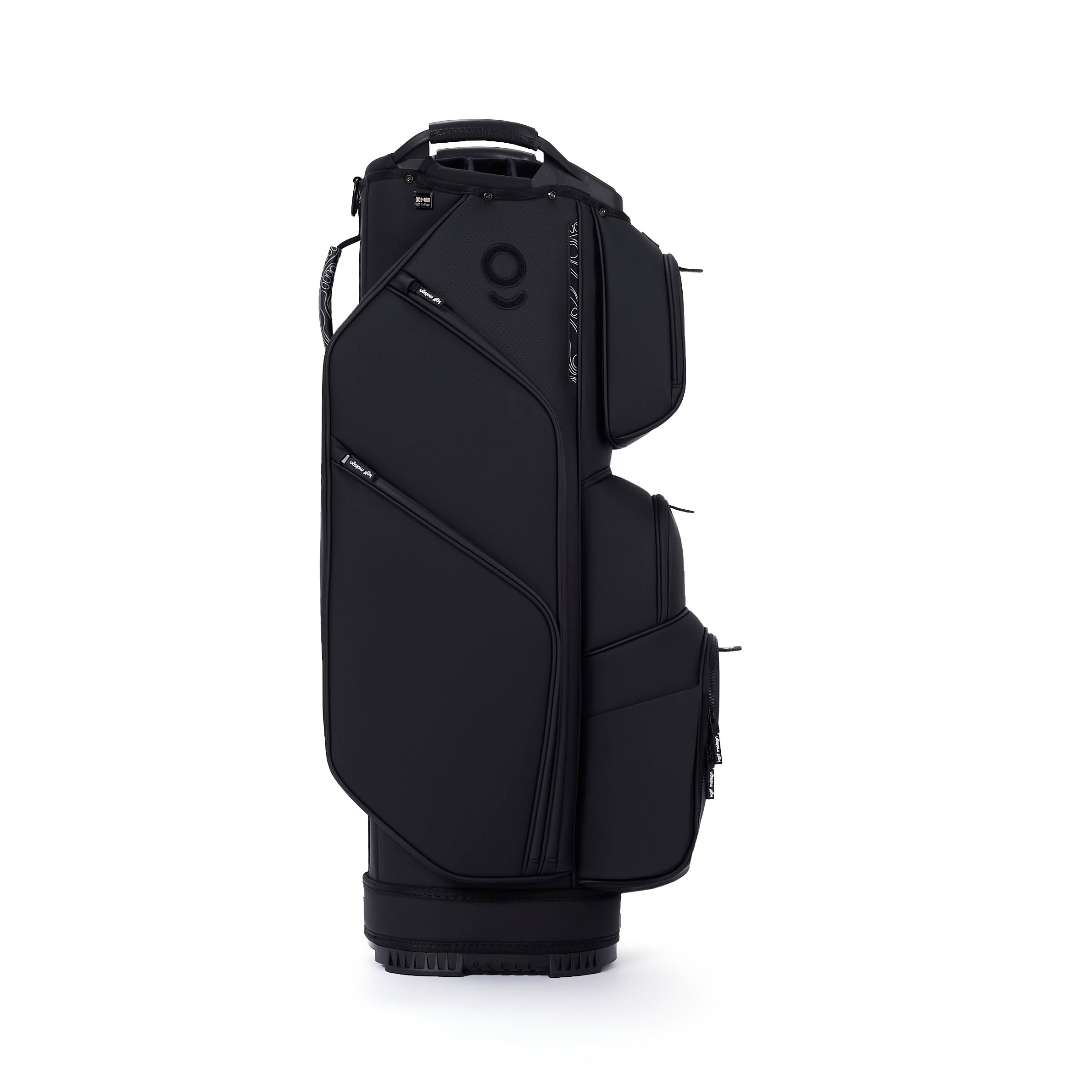
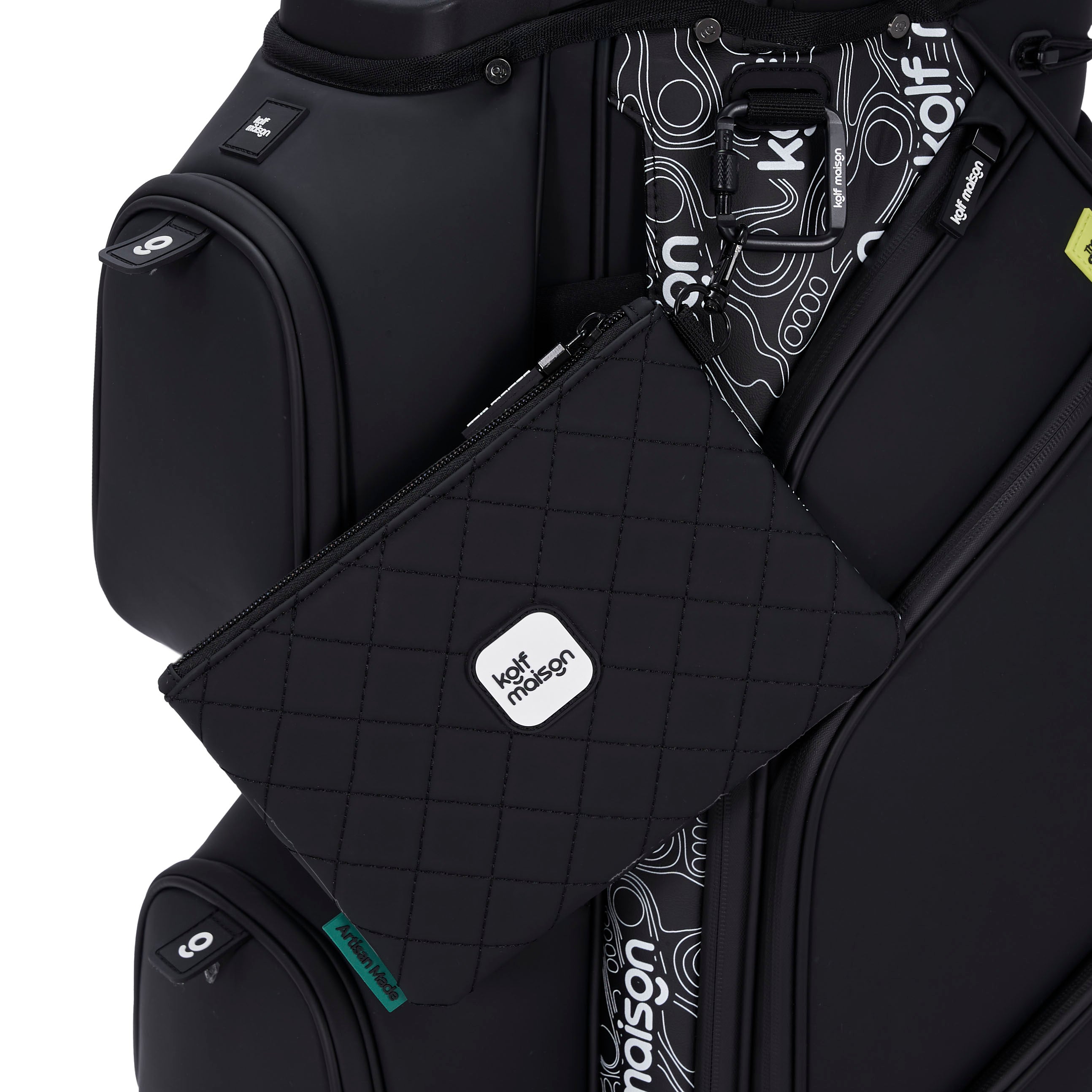
A structured golf bag such as the Paganica Stand Bag or the Paganica Cart Bag requires a travel solution that preserves its integrity during transport.
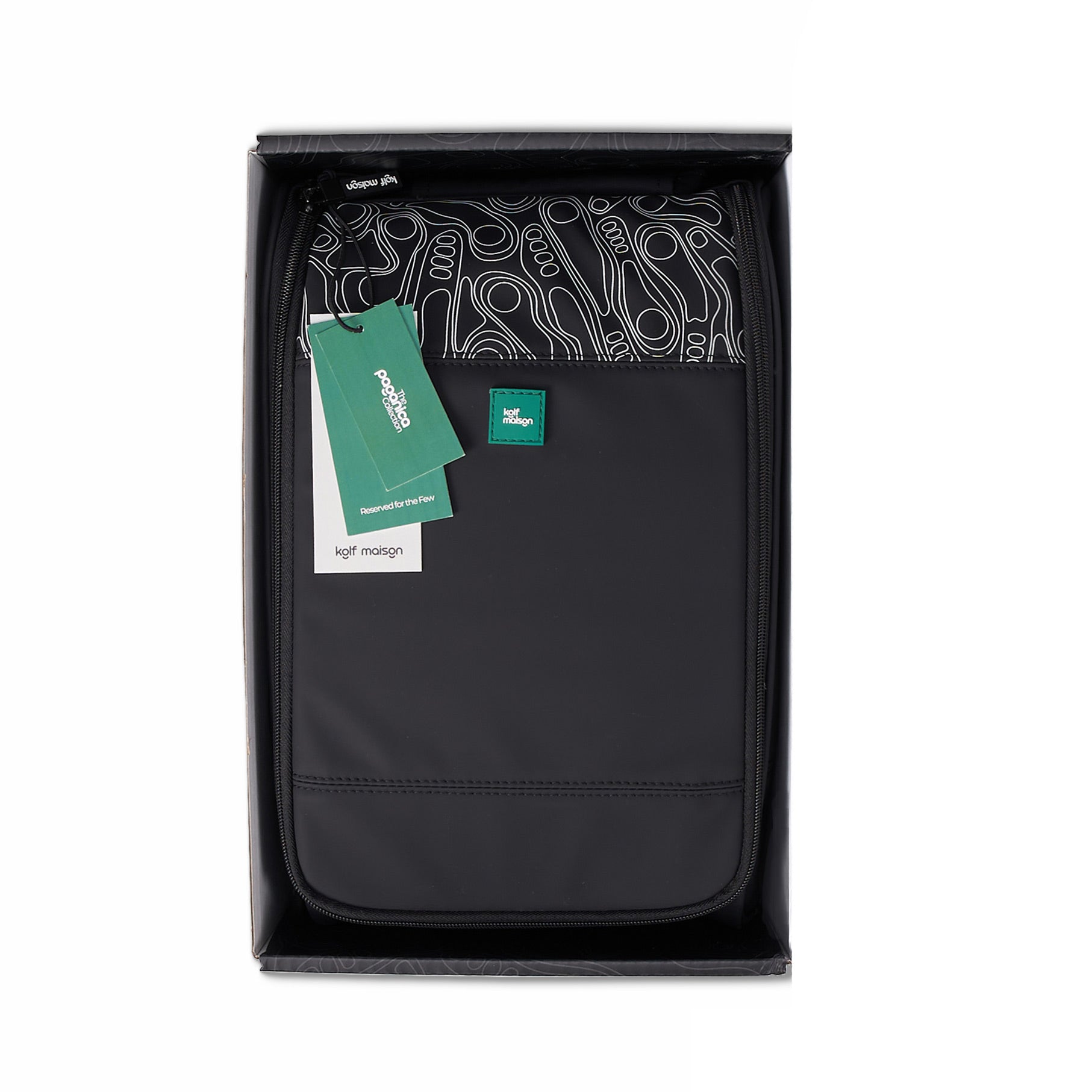
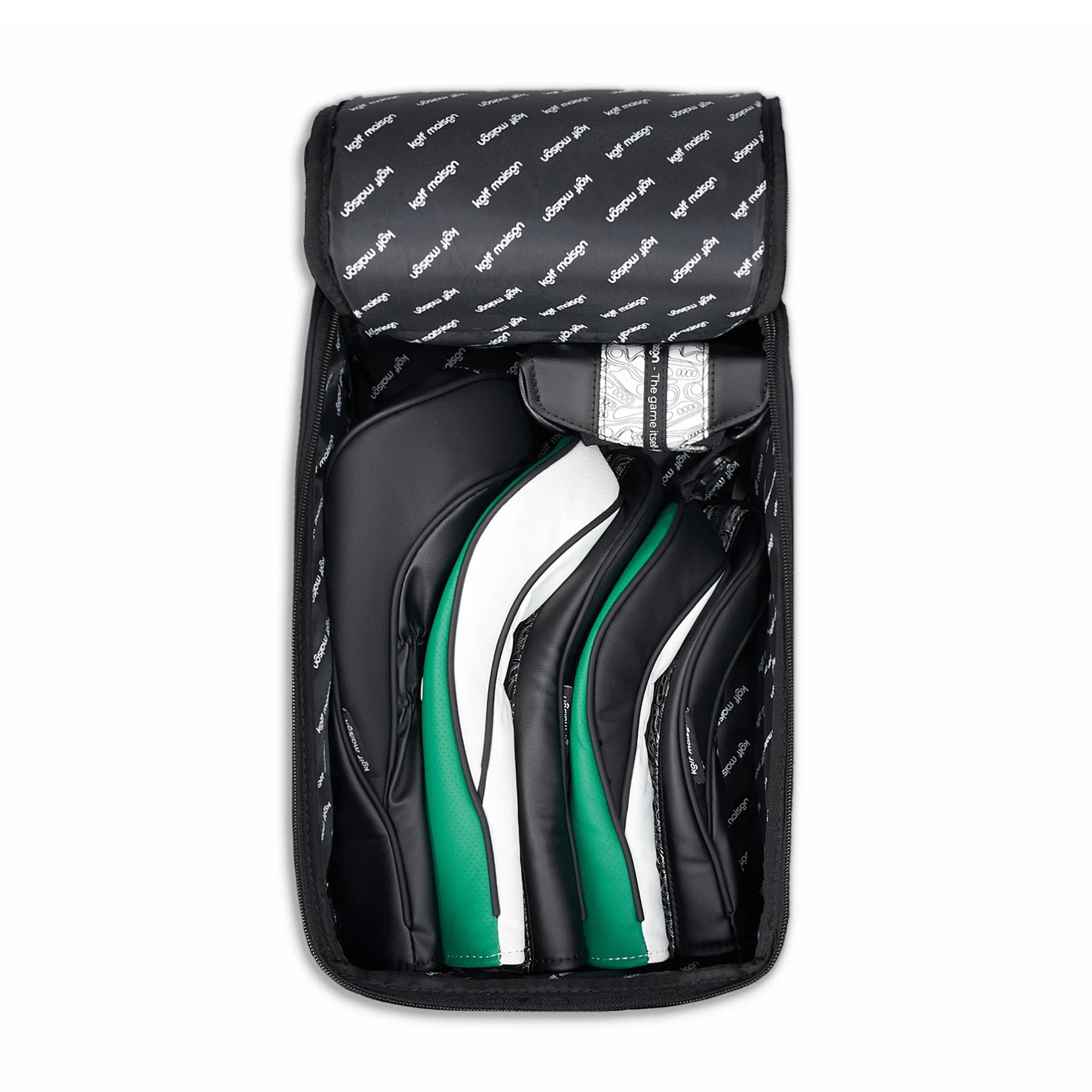
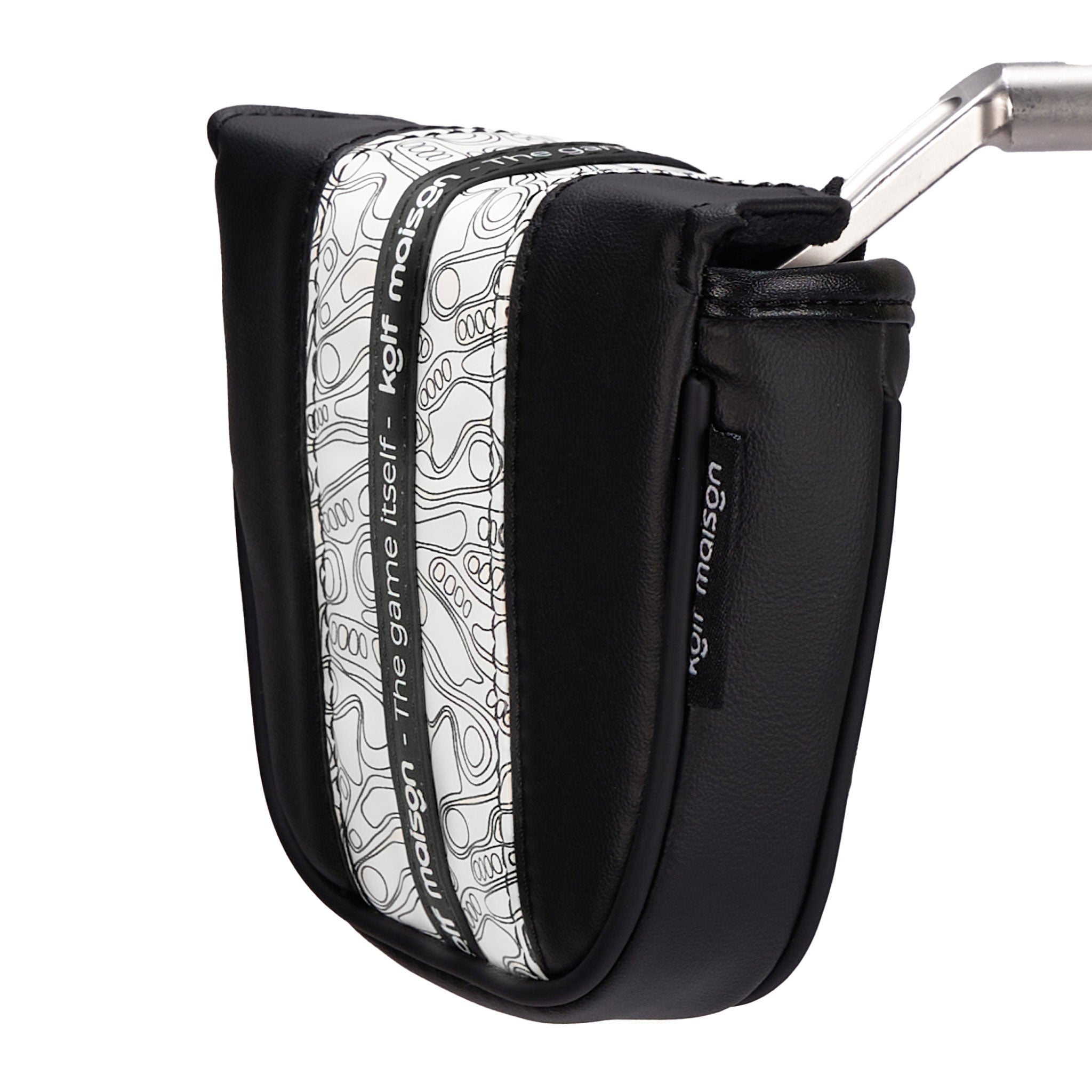
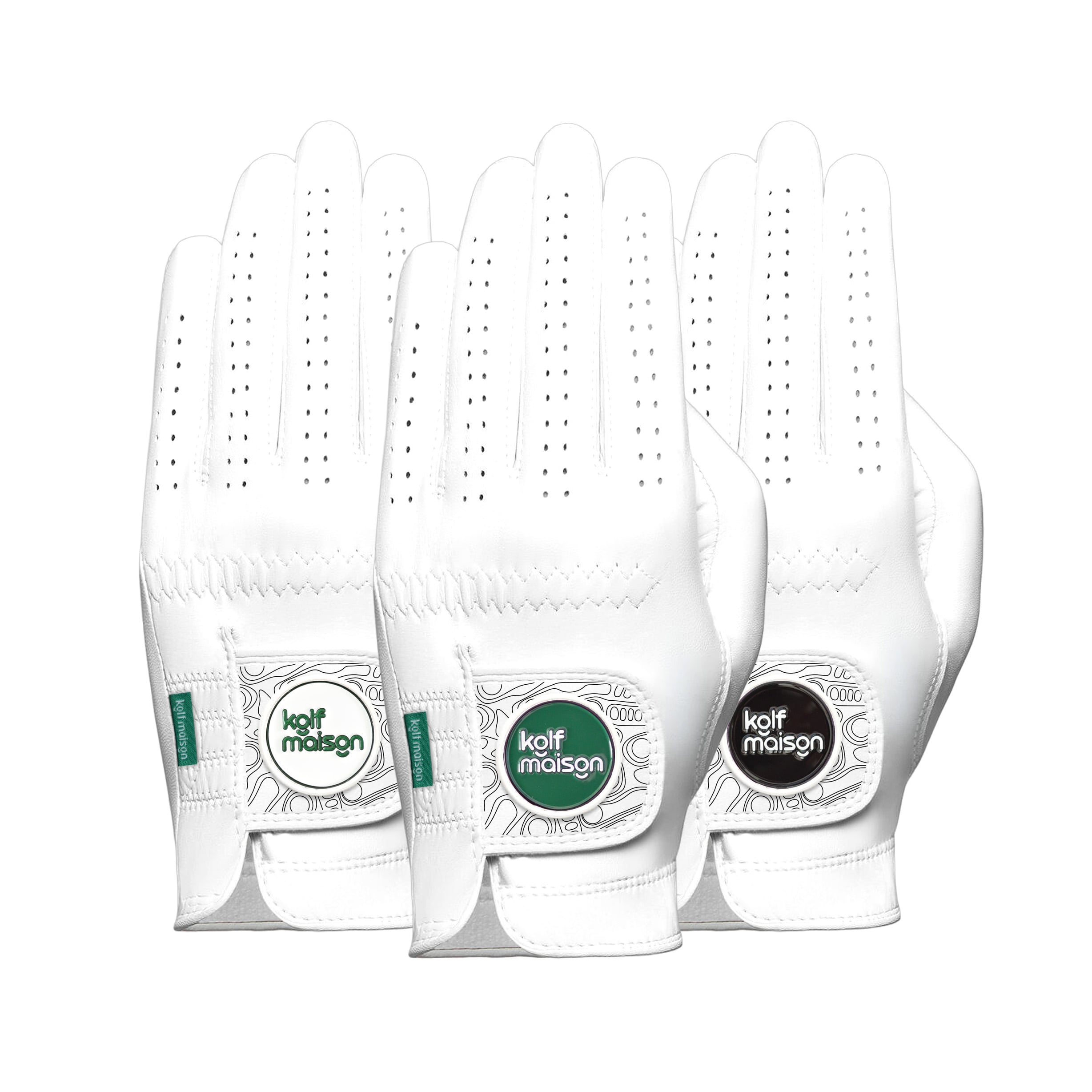
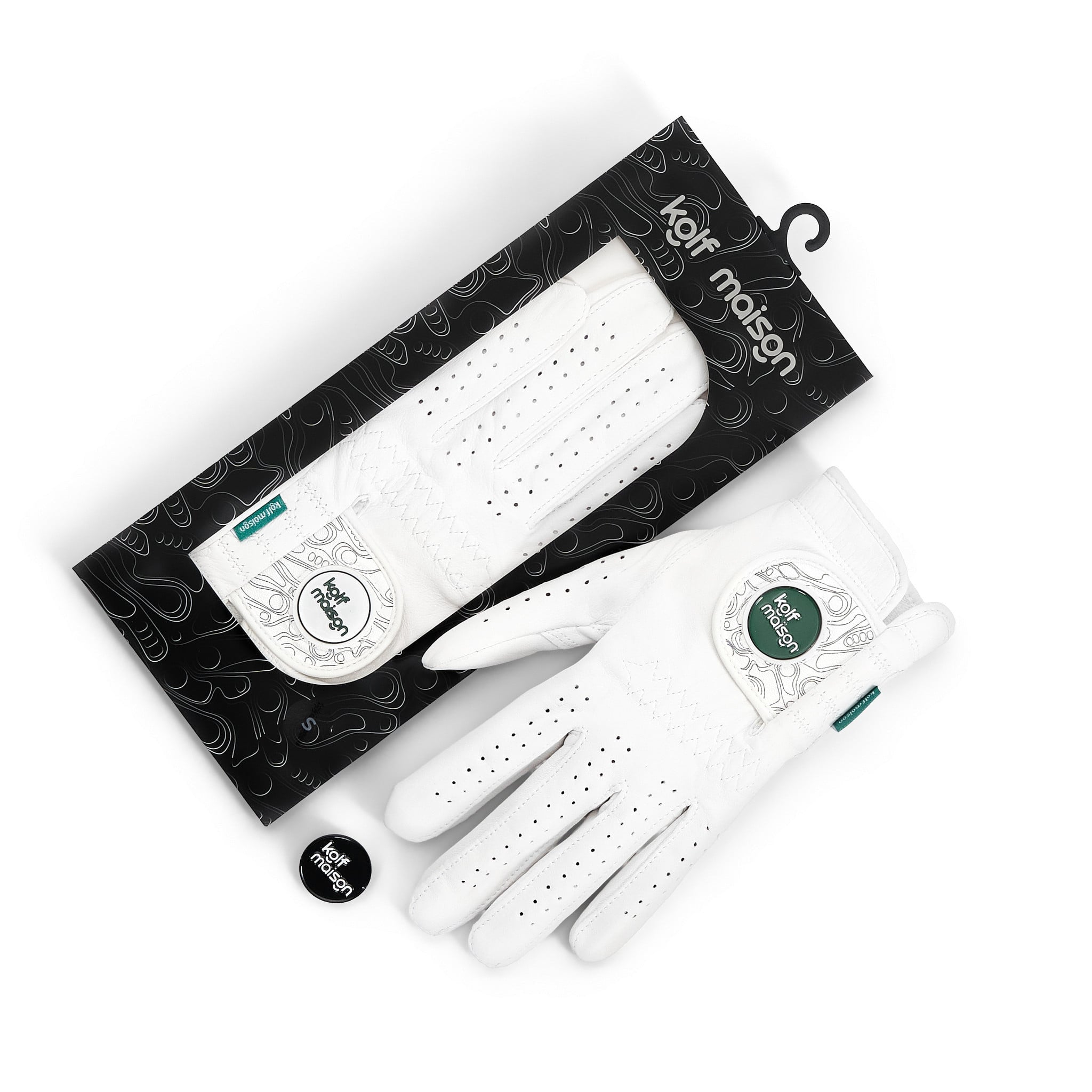
Similarly, accessories such as the Paganica Head Cover Set and precision items like the Majesta Golf Glove benefit from consistent protection and controlled storage conditions.
This integrated approach ensures that every element of your equipment performs as intended, regardless of travel conditions.
Common Mistakes When Choosing a Golf Travel Bag
Many golfers make decisions based on short-term convenience rather than long-term performance. This leads to repeated replacement and increased risk of equipment damage.
Choosing Based on Weight Alone
Lightweight designs often sacrifice structural integrity. Reduced weight can lead to reduced protection.
Ignoring Internal Stabilization
Without proper compression systems, clubs move during transit, increasing the risk of damage.
Focusing on Appearance Over Structure
Visual design does not reflect performance under stress. Structural engineering does.
Underestimating Travel Conditions
Travel environments are unpredictable. A bag must be designed for worst-case scenarios, not ideal conditions.
Avoiding these mistakes is essential for protecting both equipment and long-term investment.
Final Perspective on the Best Golf Travel Bags
The best golf travel bags are defined by how they perform when it matters most. Not in controlled environments, but in real conditions where equipment is exposed to pressure, impact, and movement.
Structure, material integrity, and internal stability determine long-term performance. These principles extend across all high-quality golf equipment and remain consistent within Kolf Maison’s approach to design and development.
For golfers who travel with intent, the decision is clear. Protection is not optional. It is part of the game.
Frequently Asked Questions
What is the best golf travel bag?
The best golf travel bag is one that maintains structural integrity, stabilizes internal contents, and protects clubs under repeated travel conditions. Performance matters more than branding.
Do I need a travel bag for golf clubs?
Yes. Without a travel bag, clubs are exposed to impact, compression, and handling stress during transit, increasing the risk of damage.
Are hard case golf travel bags better?
Hard cases offer strong protection but can be less flexible. Structured reinforced travel bags provide a balance between protection and usability.
How do I protect my golf clubs when flying?
Use a structured travel bag, secure internal compression, and ensure minimal movement inside the bag. Proper protection reduces impact risk.
How long should a golf travel bag last?
A well-constructed travel bag should maintain performance over multiple travel cycles without structural degradation.
Are expensive golf travel bags worth it?
Value is determined by long-term protection and durability. A travel bag that prevents damage and avoids replacement offers greater long-term value.


Share:
The Best Golf Bags for Every Golfer
Magnetic vs Zipper Golf Bag Pockets | Which Lasts Longer