



The Hidden Costs of Cheap Golf Bags
A cheap golf bag rarely feels expensive at the register. The cost appears manageable. The features look comparable. The materials seem adequate. Yet what feels economical at purchase often becomes costly over time.
The real price of a golf bag is not what you pay once. It is what you pay repeatedly.
The Illusion of Initial Savings
Most golfers compare golf bags by visible features and price alone. Divider count, pocket quantity, logo visibility. What is rarely evaluated is structural reinforcement, material density, stitching integrity, and long term stability.
When those structural elements are compromised to reduce cost, replacement cycles become shorter. The two season rotation becomes normalized.
For a deeper look at lifespan expectations, see How Long Should a Golf Bag Last.
Cost One: Replacement Cycles
A bag that must be replaced every two seasons is not inexpensive. It is deferred expense.
Consider a golfer who replaces a moderately priced bag three times over six years. The total cost often approaches or exceeds that of a well engineered bag designed for structural longevity.
Read Choosing Once Versus Replacing Often to understand the economics of disciplined equipment decisions.
Cost Two: Structural Fatigue
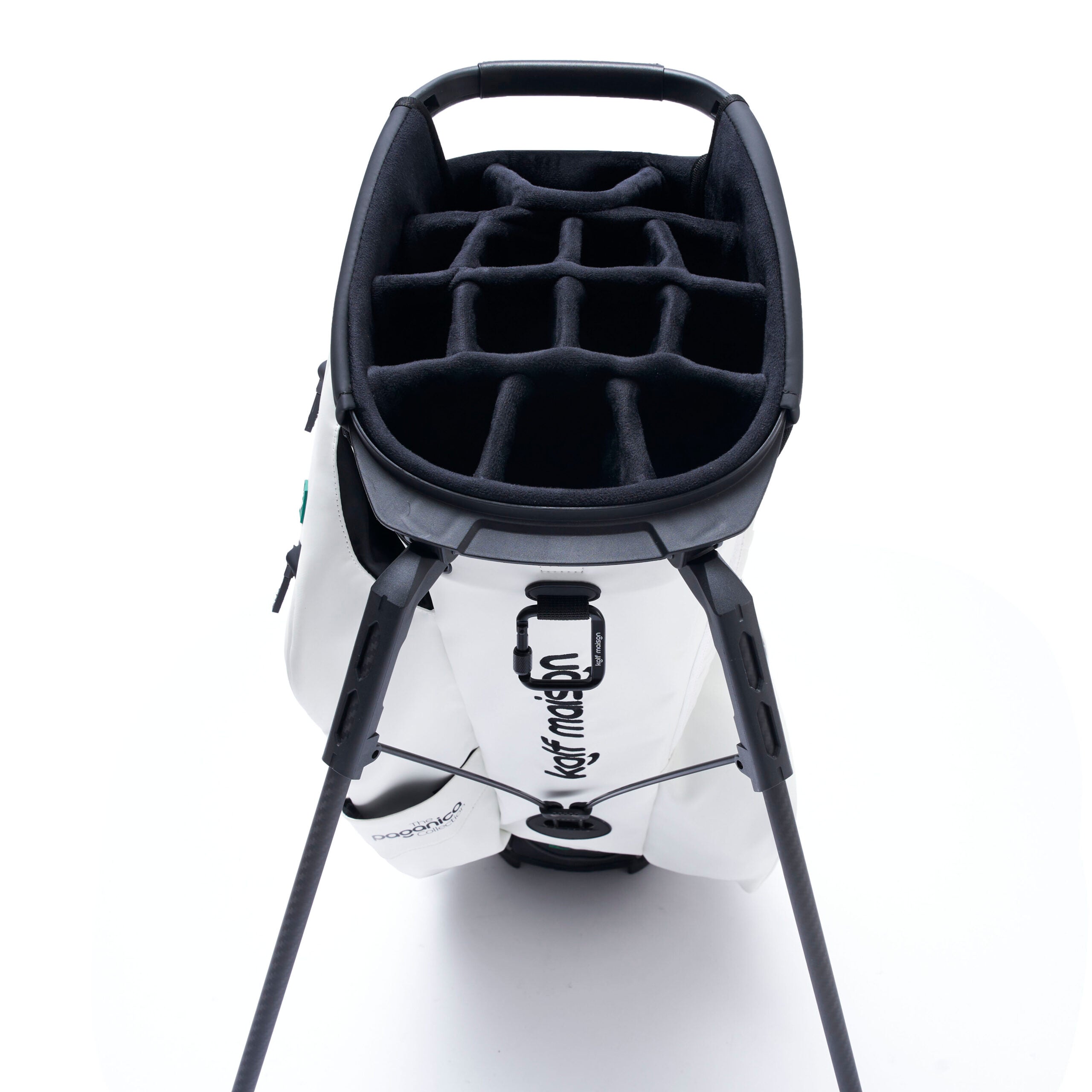
Divider collapse leads to shaft friction. Cart strap compression distorts exterior panels. Base instability causes leaning. Zipper fatigue interrupts daily use.
These are not cosmetic inconveniences. They affect organization, efficiency, and confidence on the course.
Explore structural durability in What Makes a Golf Bag Durable.
Cost Three: Material Degradation
Lower density synthetic coatings may appear similar when new. Over time they crack, fade, or wrinkle under UV exposure and moisture cycles.
Material science determines whether a golf bag matures with composure or degrades under seasonal stress.
See Luxury Golf Bag Materials Explained and Matte Microfiber Composite Leather vs Conventional PU Leather for comparison.
Cost Four: Equipment Risk
Poor divider systems increase shaft contact and friction. Weak top collars allow grip compression. Insufficient structure compromises club protection.
For high value equipment, structural protection should not be an afterthought.
Understanding divider architecture is essential. See 14 Way vs 7 Way Golf Bag Guide.
Cost Five: Identity and Presence
Golf equipment reflects discipline. Bags that fade, wrinkle, or distort quickly undermine long term composure.
Read Quiet Luxury in Golf Equipment Explained and Luxury Golf Bag Status and Presence to understand how restraint and structure influence perception.
Cost Six: Manufacturing Scale
High volume production prioritizes speed and cost efficiency. Controlled production allows reinforcement consistency, inspection discipline, and structural alignment.
Explore manufacturing philosophy in From Factory to Fairway and Manufactured vs Considered Luxury.
The Alternative: Structural Discipline
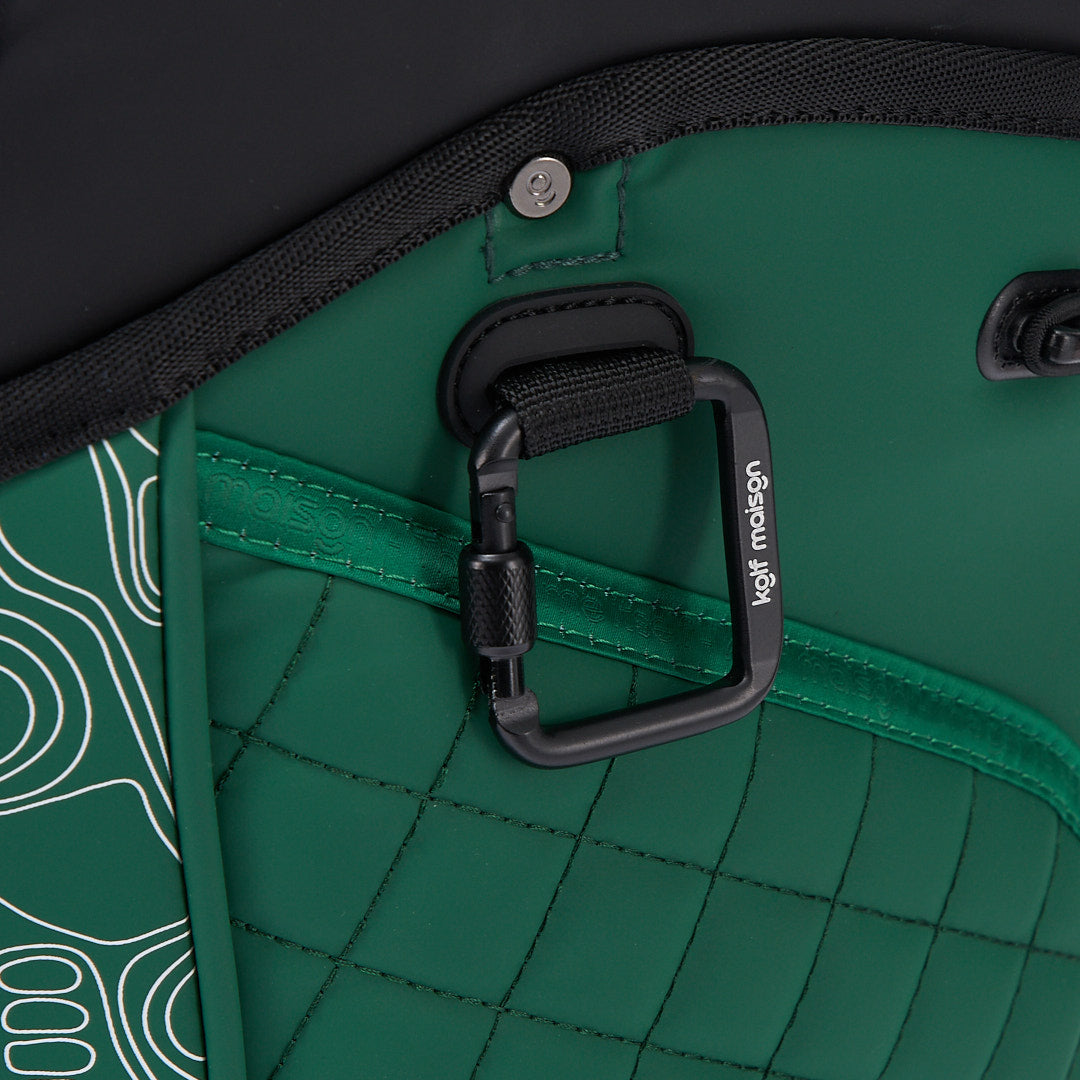
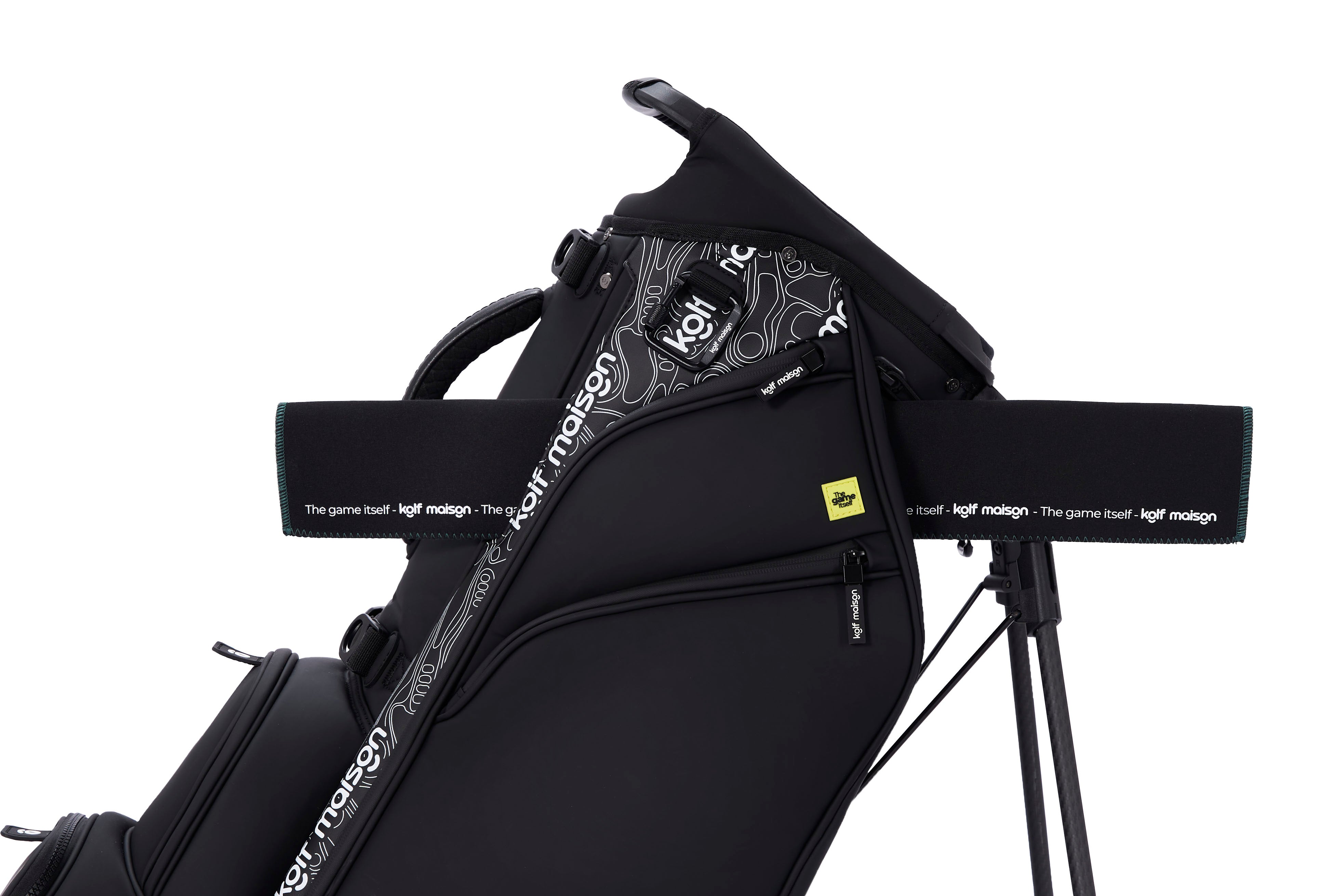
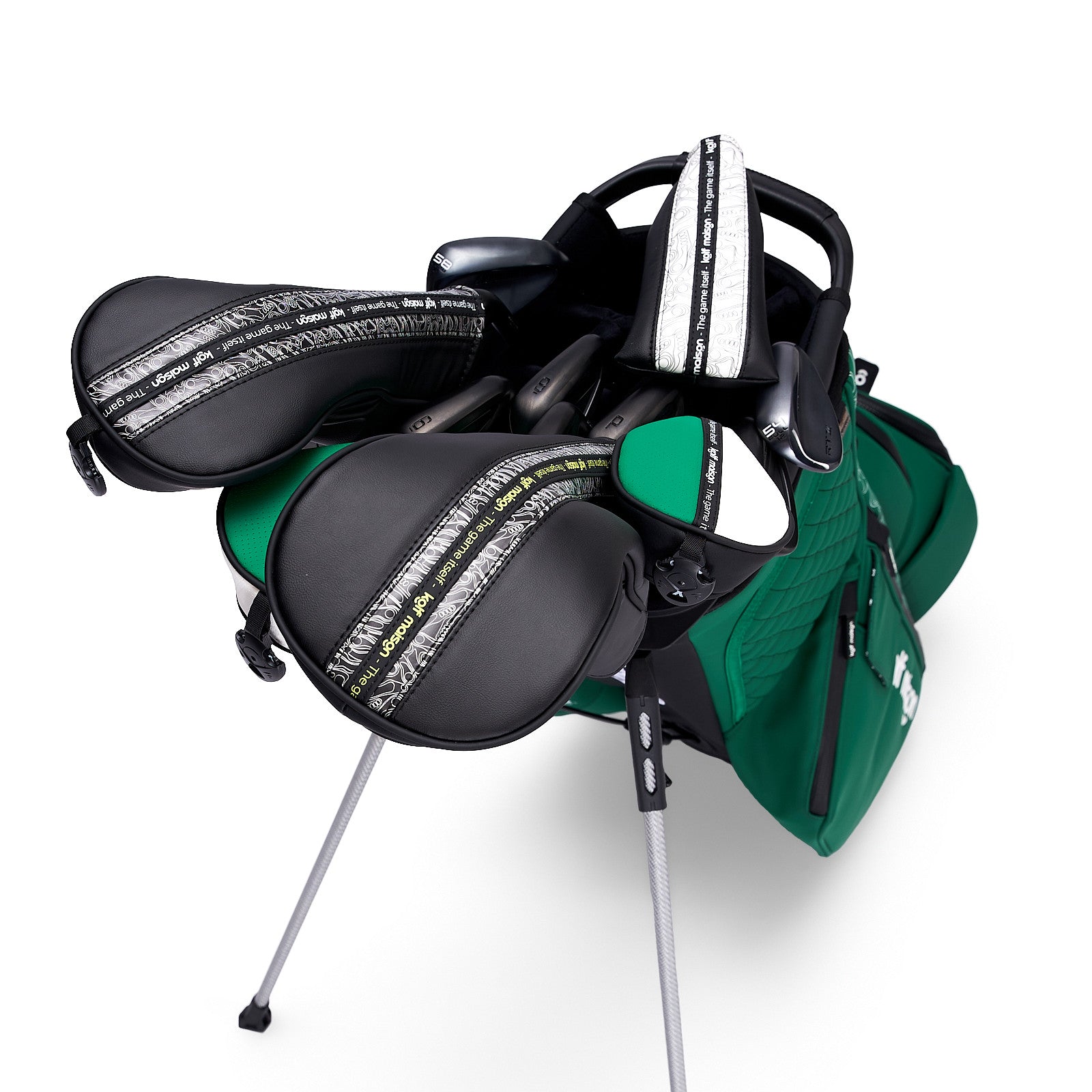
A golf bag engineered for longevity addresses predictable stress points deliberately. Reinforced divider systems. Structured base construction. Protected cart strap channels. Abrasion resistant exterior materials.
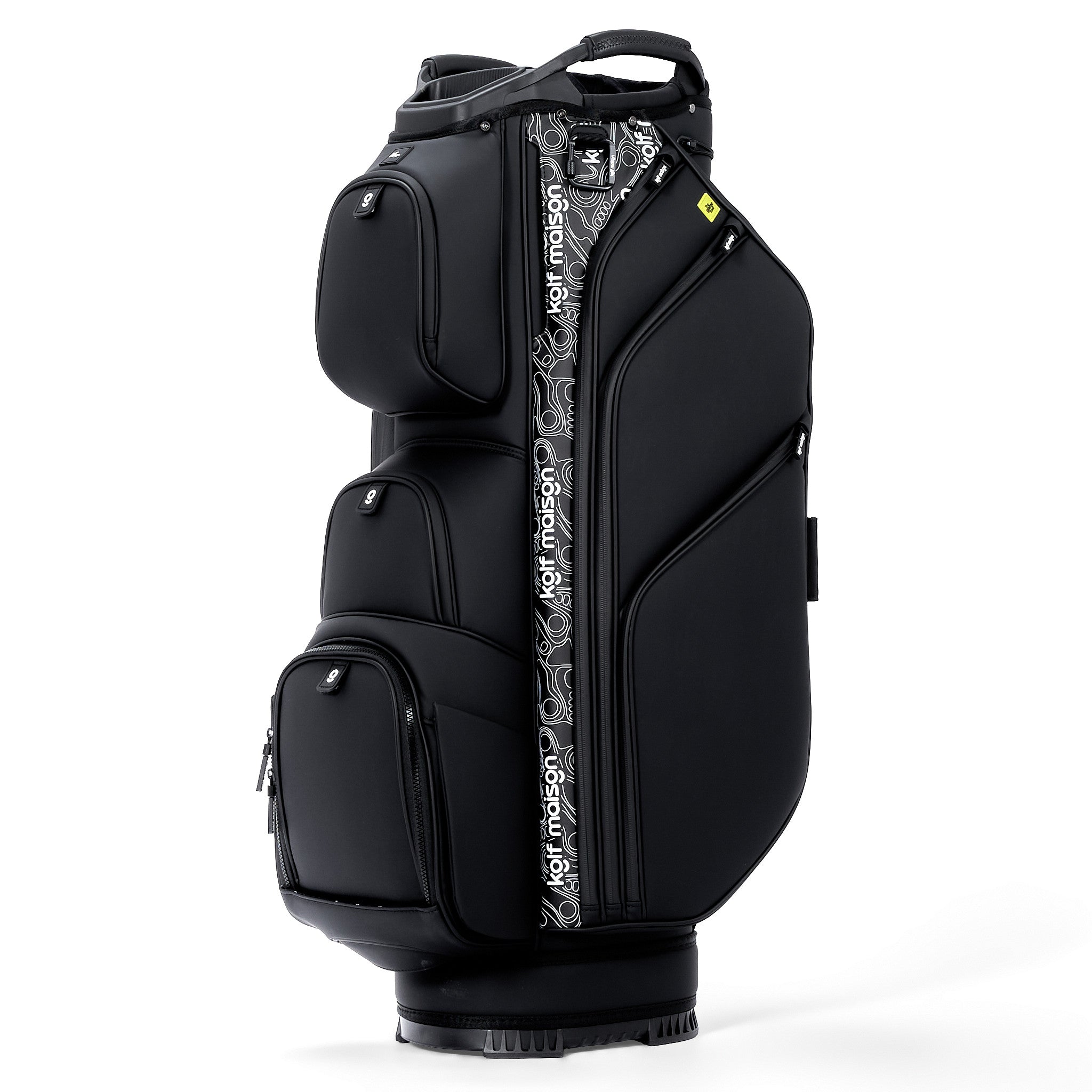
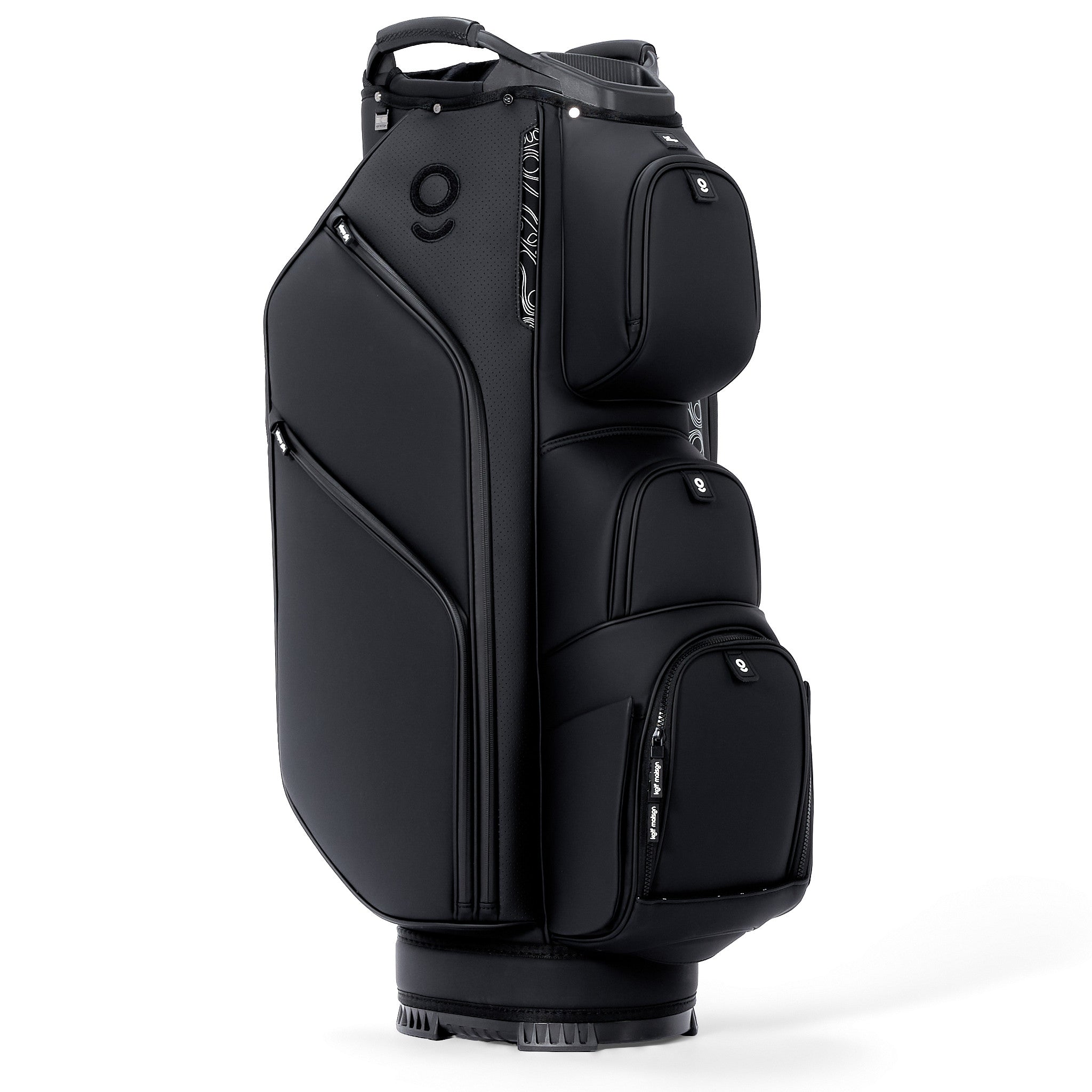
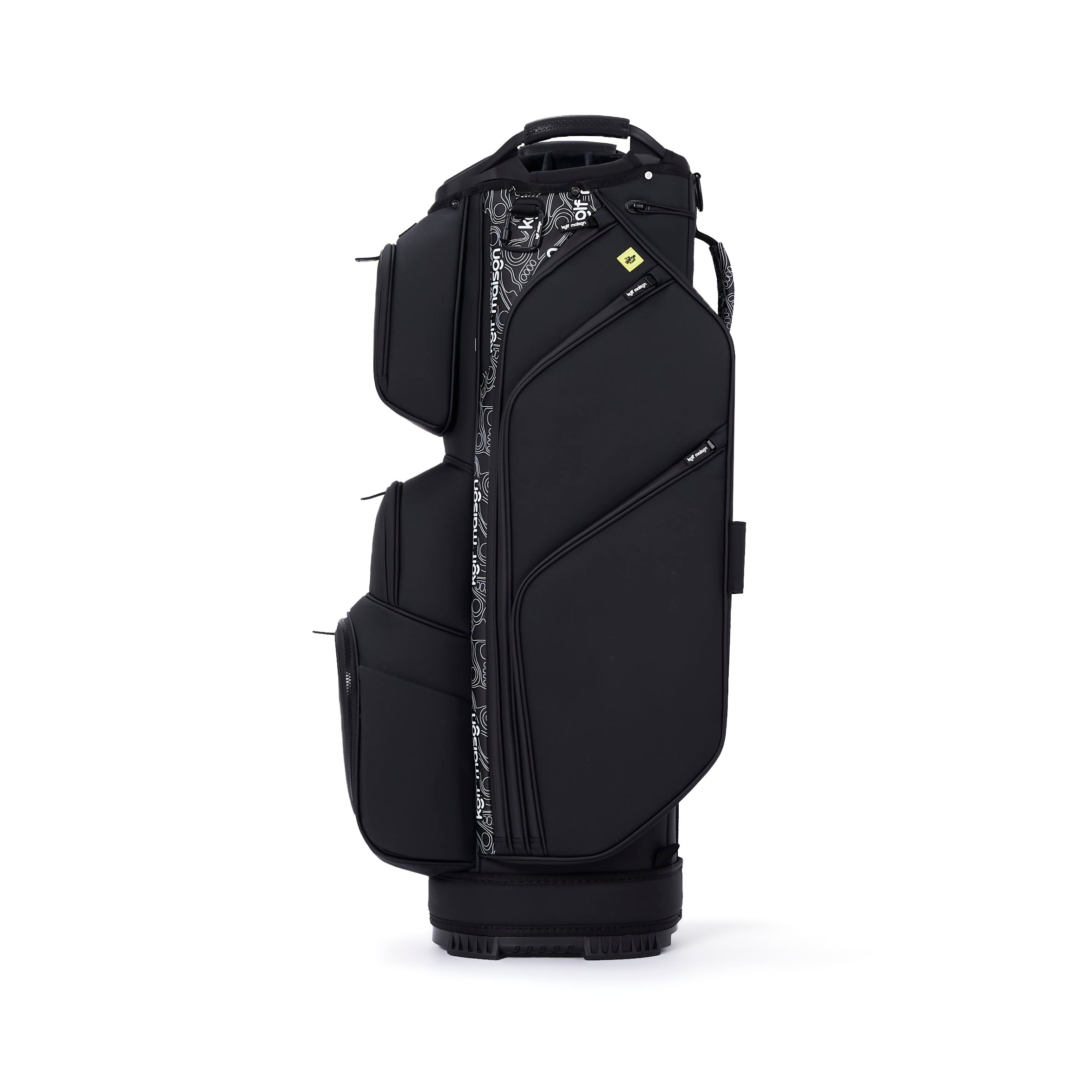
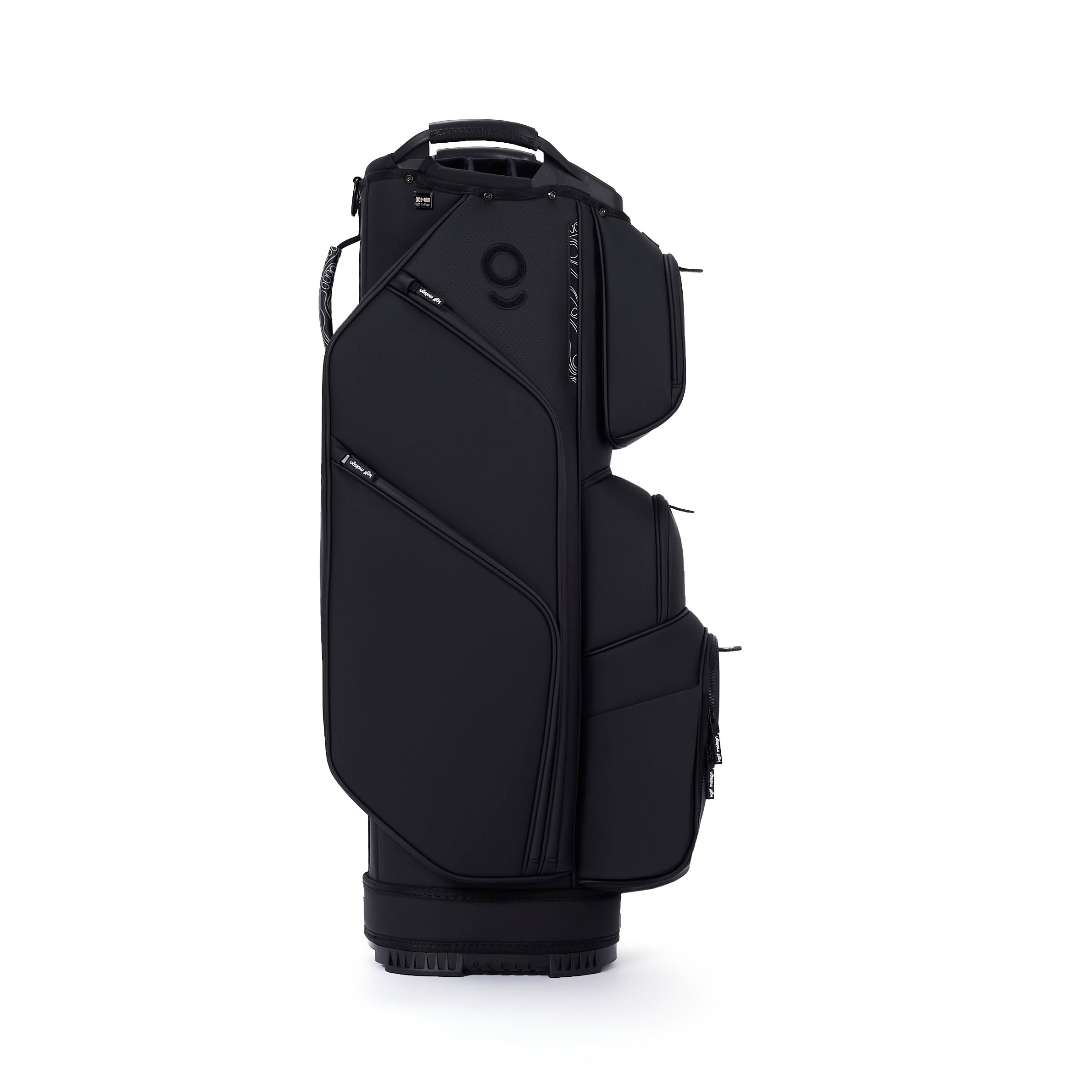
The Paganica Stand Bag and Paganica Cart Bag are built around structural endurance rather than seasonal turnover.
For a broader authority overview, see Luxury Golf Bags Explained.
Final Perspective
A cheap golf bag is rarely cheap in the long term. The cost is simply distributed across time.
Replacement cycles, structural fatigue, material degradation, and diminished presence accumulate quietly.
True value is not the lowest entry price. It is structural longevity.
For a deeper look at what determines long-term performance, material behavior, and structural stability, explore our guide to golf bag durability.
Structured Comparison
For a complete evaluation of how premium golf bags compare across structure, materials, and long-term performance, refer to our premium golf bag comparison.



Share:
Luxury Golf Accessories That Actually Matter
Why Golf Bags Wear Out Too Fast and How to Avoid It