



The 5 Structural Tests Every Serious Golfer Should Do Before Buying a Golf Bag
Before buying a golf bag, most golfers compare divider counts, pocket numbers, and price. Few perform structural evaluation.
A golf bag is not a fashion accessory. It is a load bearing piece of equipment. It carries weight, absorbs friction, endures compression, and must maintain posture over years of use.
If you want to choose once rather than replace often, perform these five structural tests before making your decision.
Test 1: The Collar Compression Test
Place your hand on the top collar and apply firm downward pressure. Observe how the structure responds.
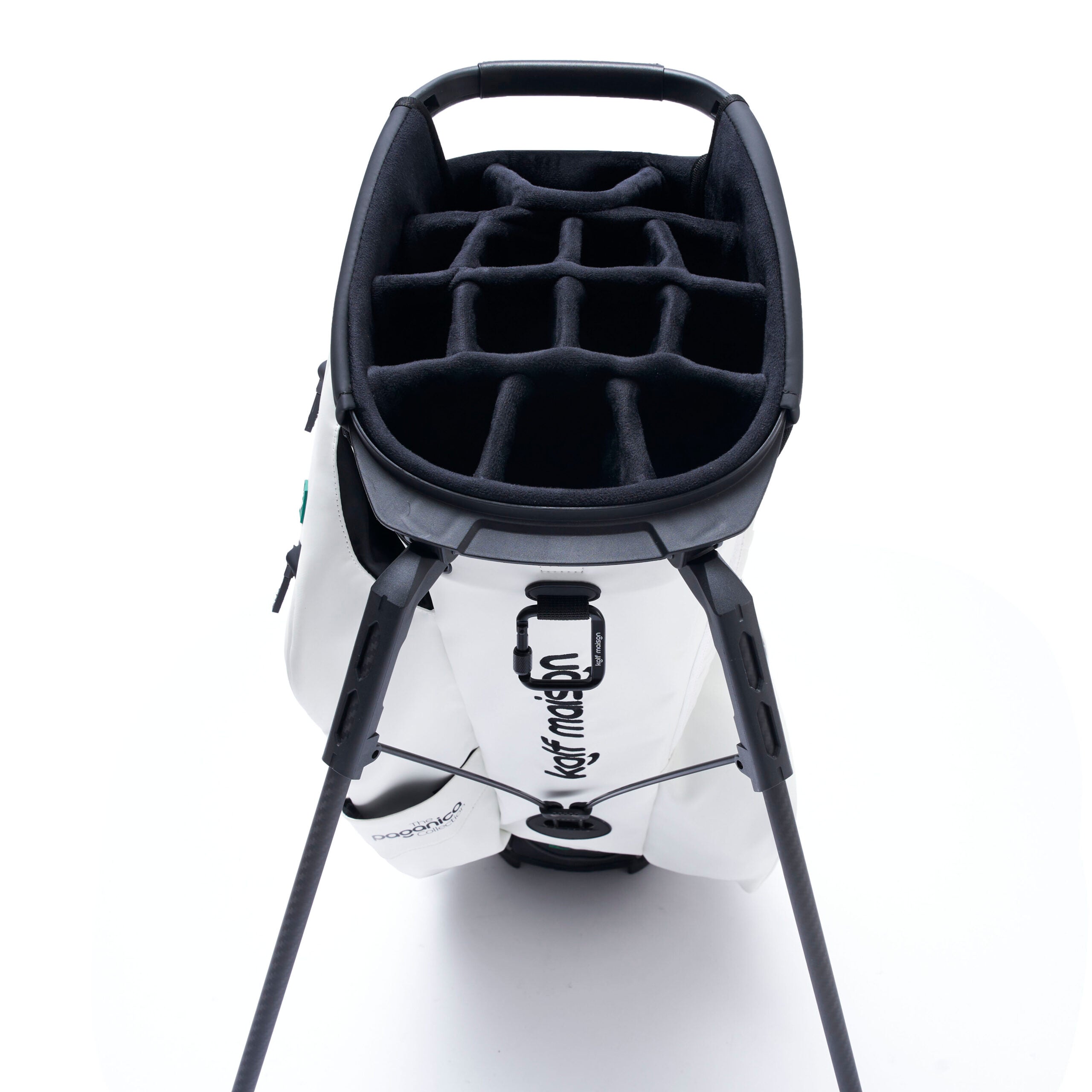
A well engineered collar resists compression and returns to shape immediately. A weaker collar will feel soft, hollow, or unstable.
The collar holds your divider system in alignment. When it weakens, club organization begins to deteriorate.
To understand divider architecture in depth, review 14 Way vs 7 Way Golf Bag Guide.
Test 2: The Divider Depth and Separation Test
Insert a club fully and remove it slowly. Feel for resistance.
Partial length dividers often allow internal fabric collapse, increasing shaft friction. Over time this leads to tangling and internal tearing.
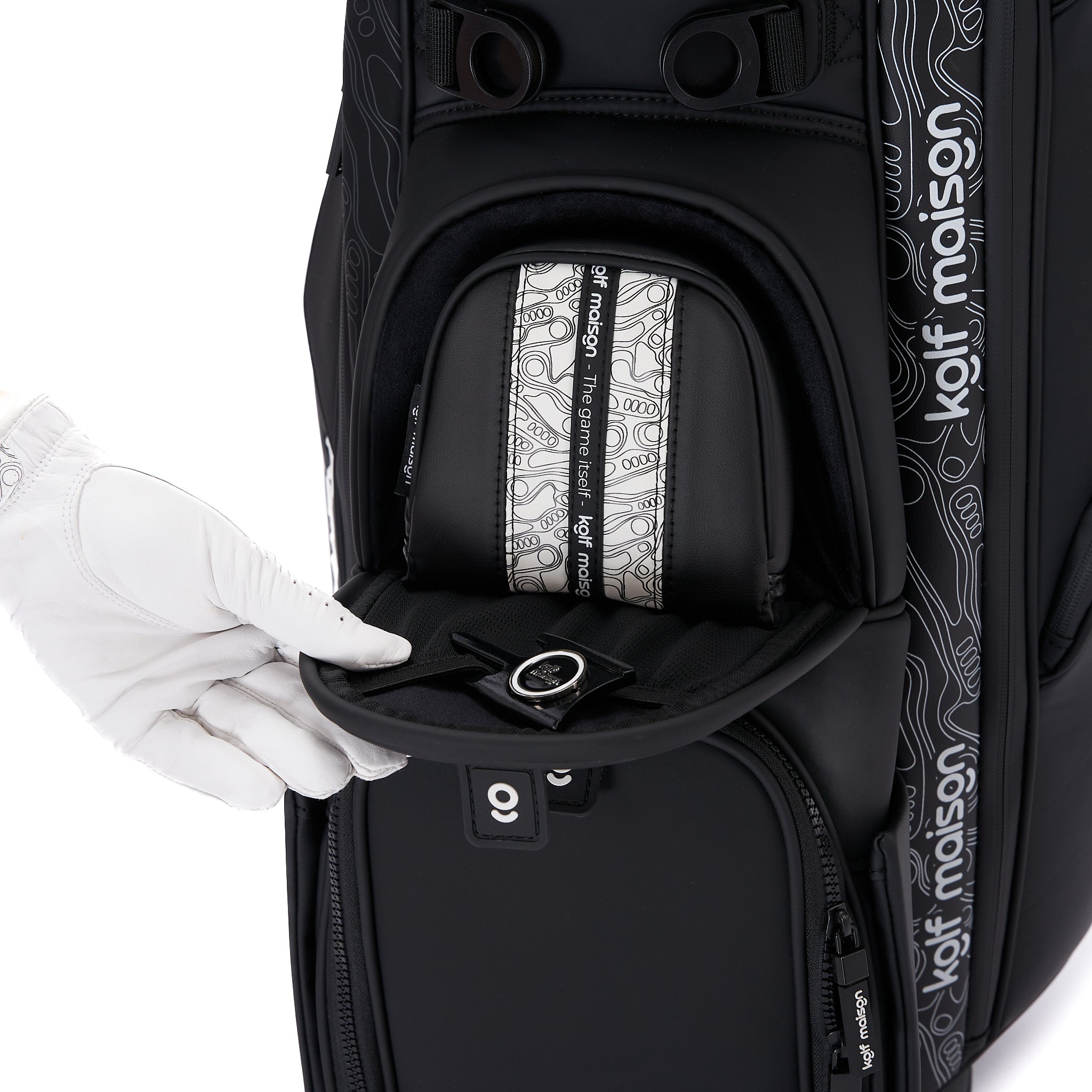
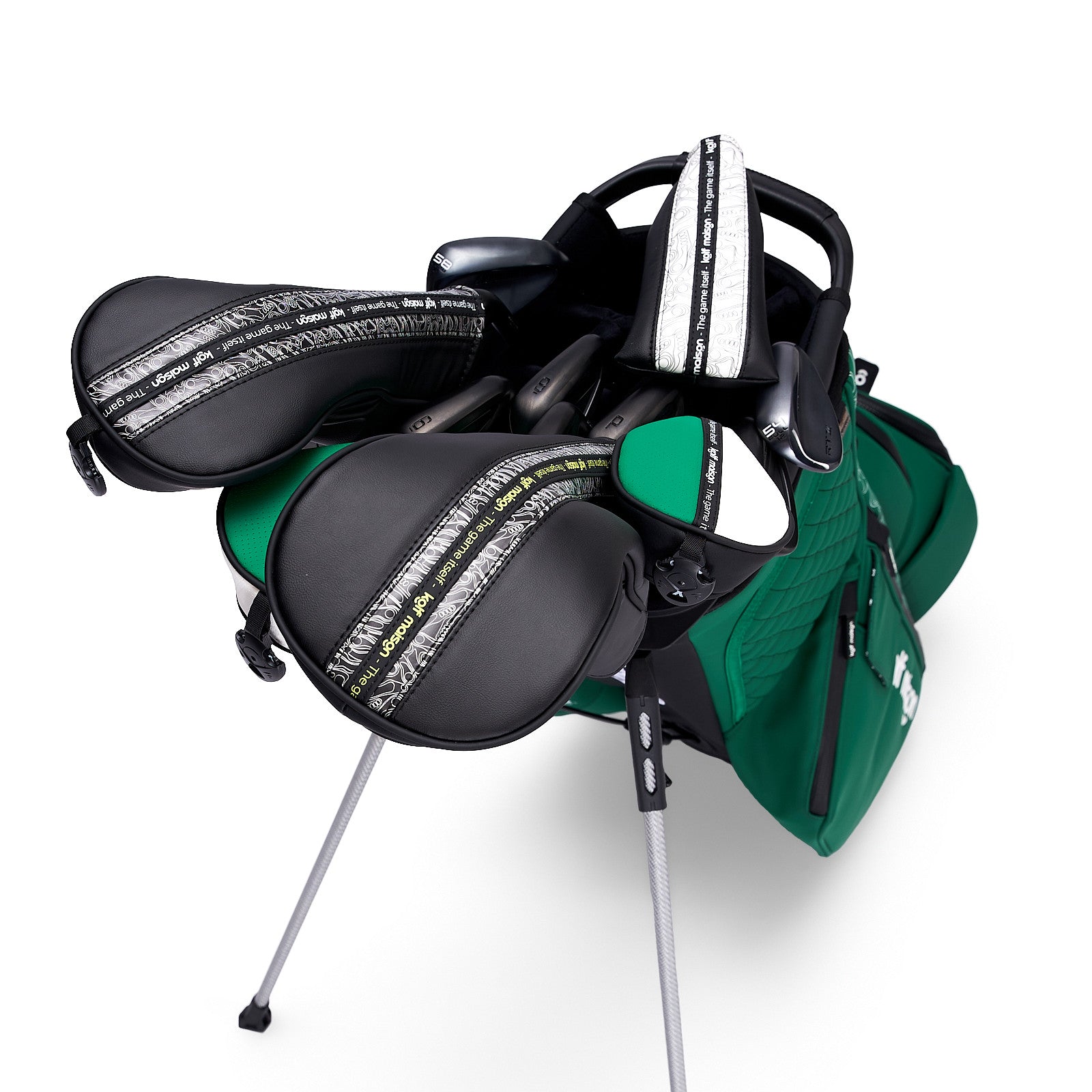
A full length reinforced divider system maintains separation and smooth access under load.
See The Anatomy of a Modern Golf Cart Bag and What Makes a Golf Bag Durable for deeper structural context.
Test 3: The Cart Strap Compression Test
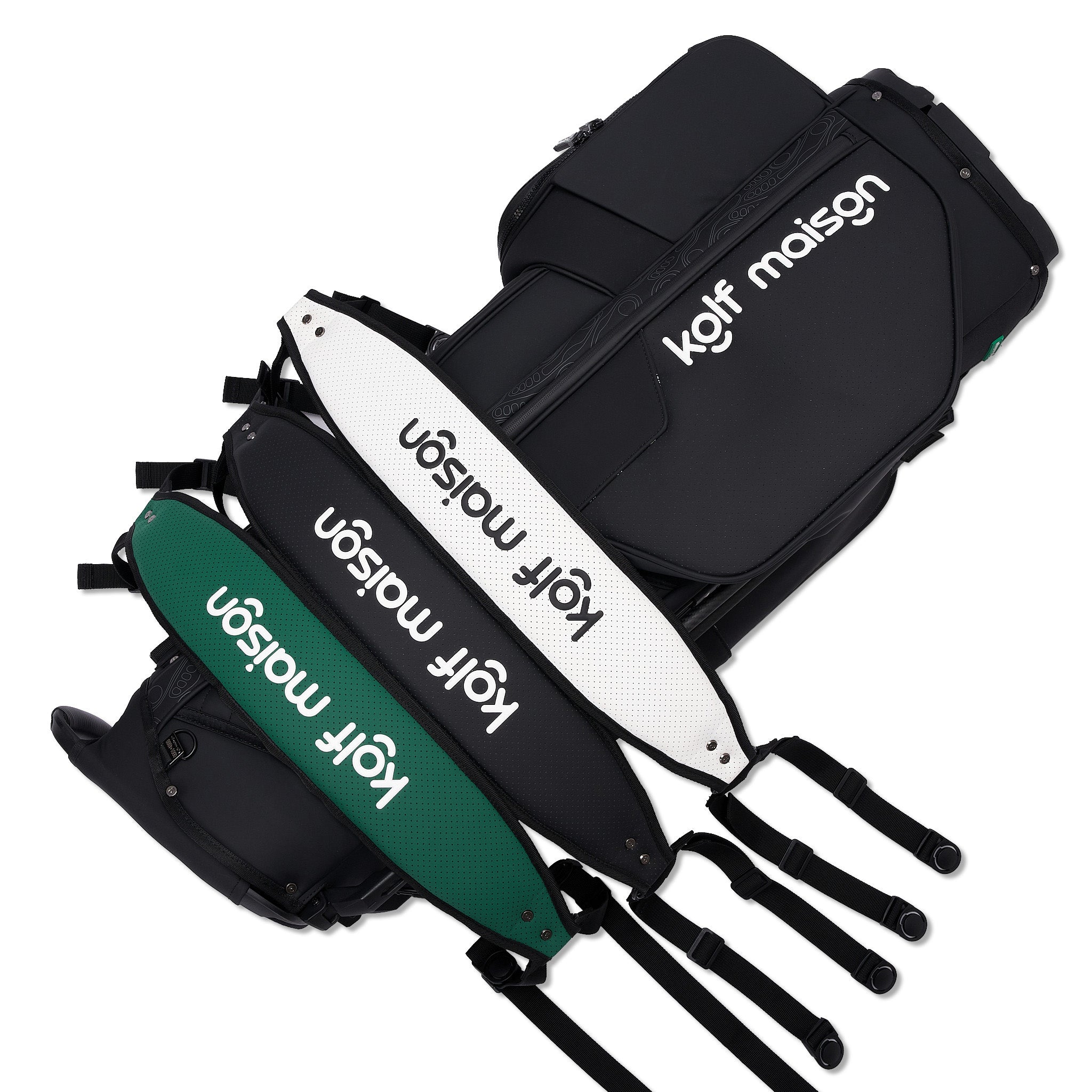
Thread a cart strap through the bag and tighten it firmly. Observe where pressure concentrates.
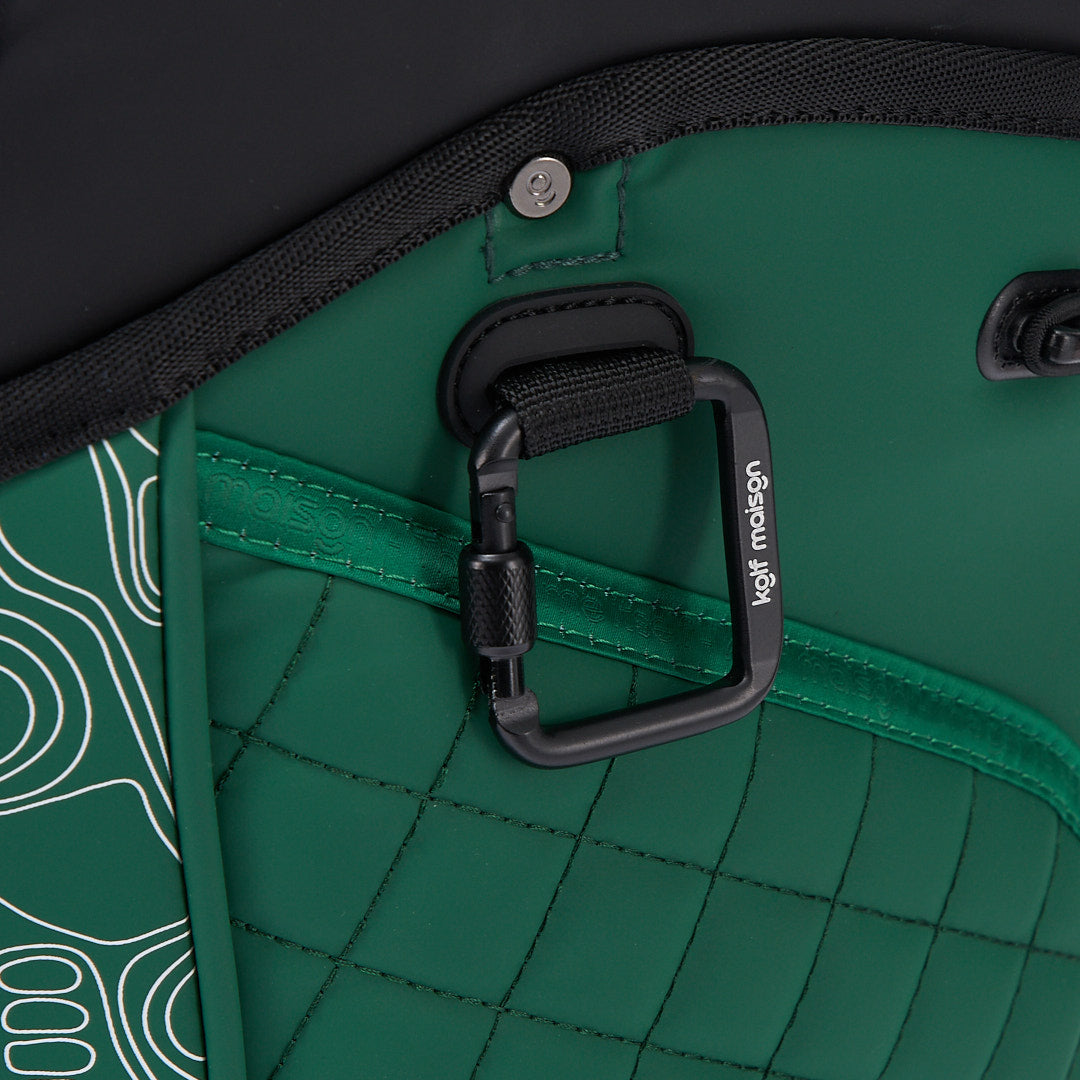
Does the strap compress exterior panels directly? Or does the bag include a reinforced pass through channel designed to protect structural integrity?
Cart strap friction is one of the most common long term failure points.
Read The Critical Role of the Strap Sleeve to understand why this matters.
Test 4: The Base Stability Test
Set the bag on a flat surface and gently apply side pressure.
A stable base resists twisting and maintains vertical posture. A weaker base may flex or lean under minimal stress.
Base rigidity determines whether your bag maintains composure after years of weight cycles.
For broader structural philosophy, see Material Integrity in Premium Golf Bags.
Test 5: The Material Density and Finish Test
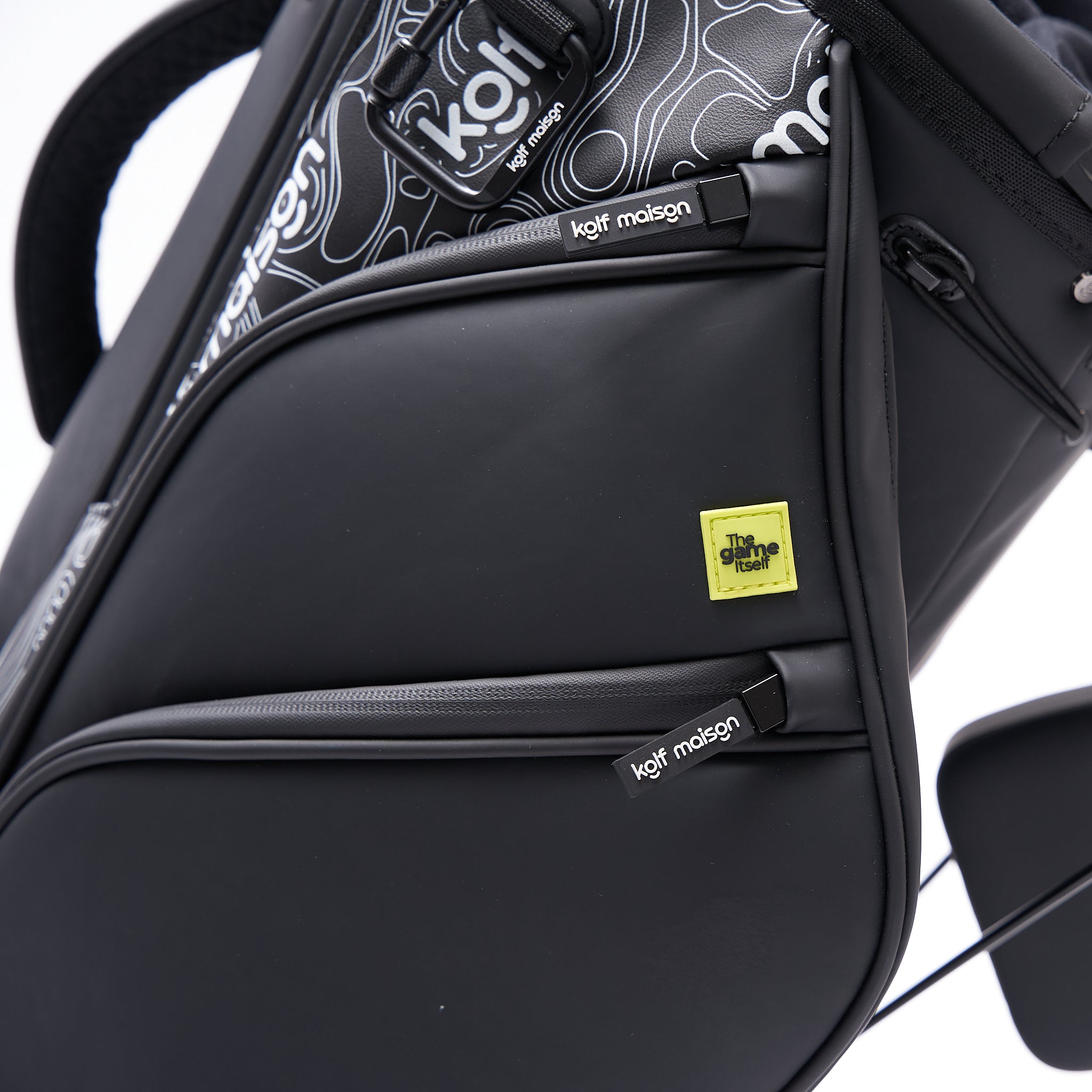
Run your hand across the exterior. Does the material feel dense and composed, or thin and glossy?
Surface shine often masks lower density substrates. Higher density engineered materials prioritize abrasion resistance and long term stability over gloss.
Explore the material comparison in Matte Microfiber Composite Leather vs Conventional PU Leather and Luxury Golf Bag Materials Explained.
Why These Tests Matter
Most golf bags perform adequately on day one. The difference between engineered and mass produced construction appears over time.
When reinforcement is deliberate, the bag resists predictable stress. When shortcuts are taken, fatigue becomes visible within two seasons.
If you have experienced early wear, review Why Most Golf Bags Wear Out Too Fast and How Long Should a Golf Bag Last.
Applying the Tests
When these structural tests are applied consistently, differences become clear.
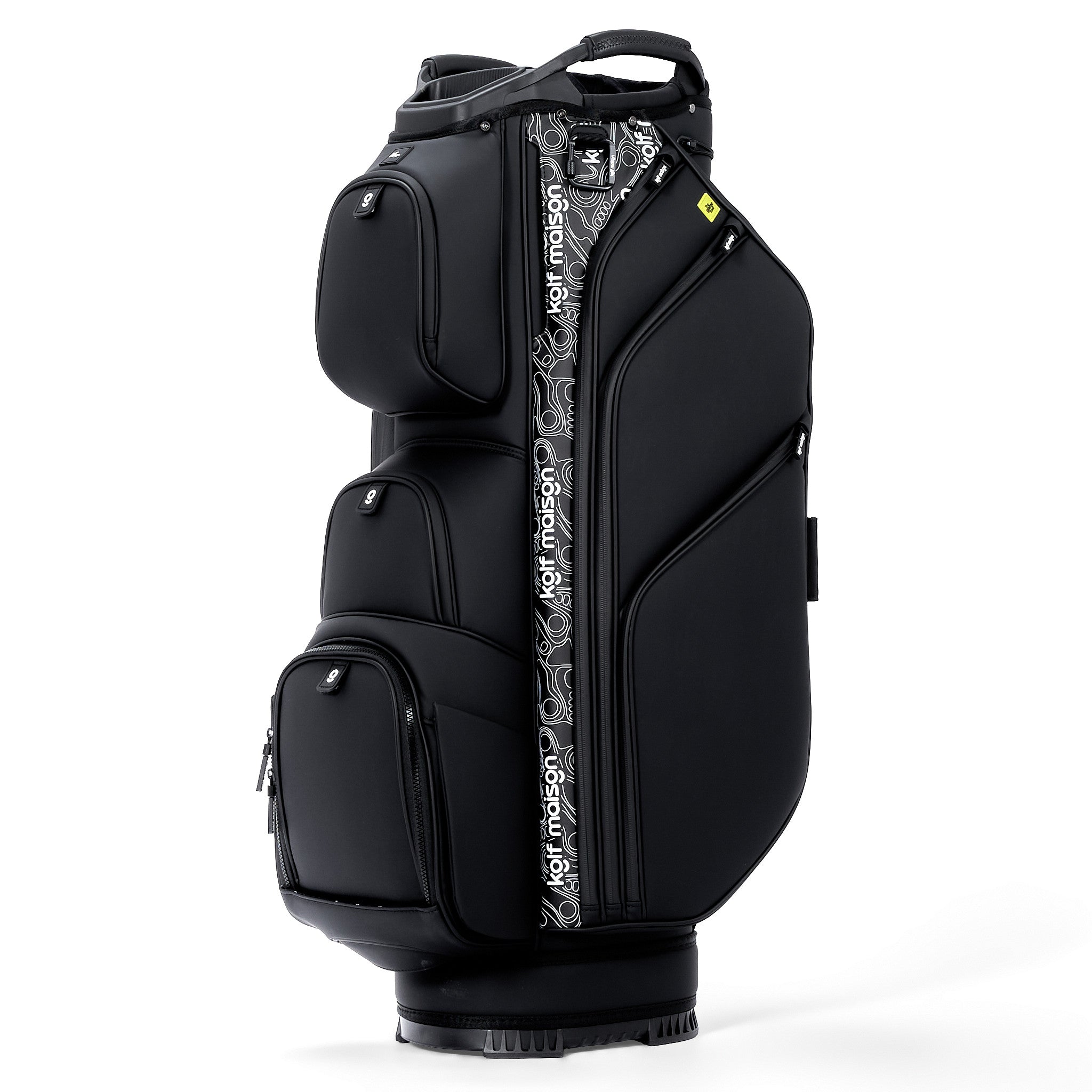
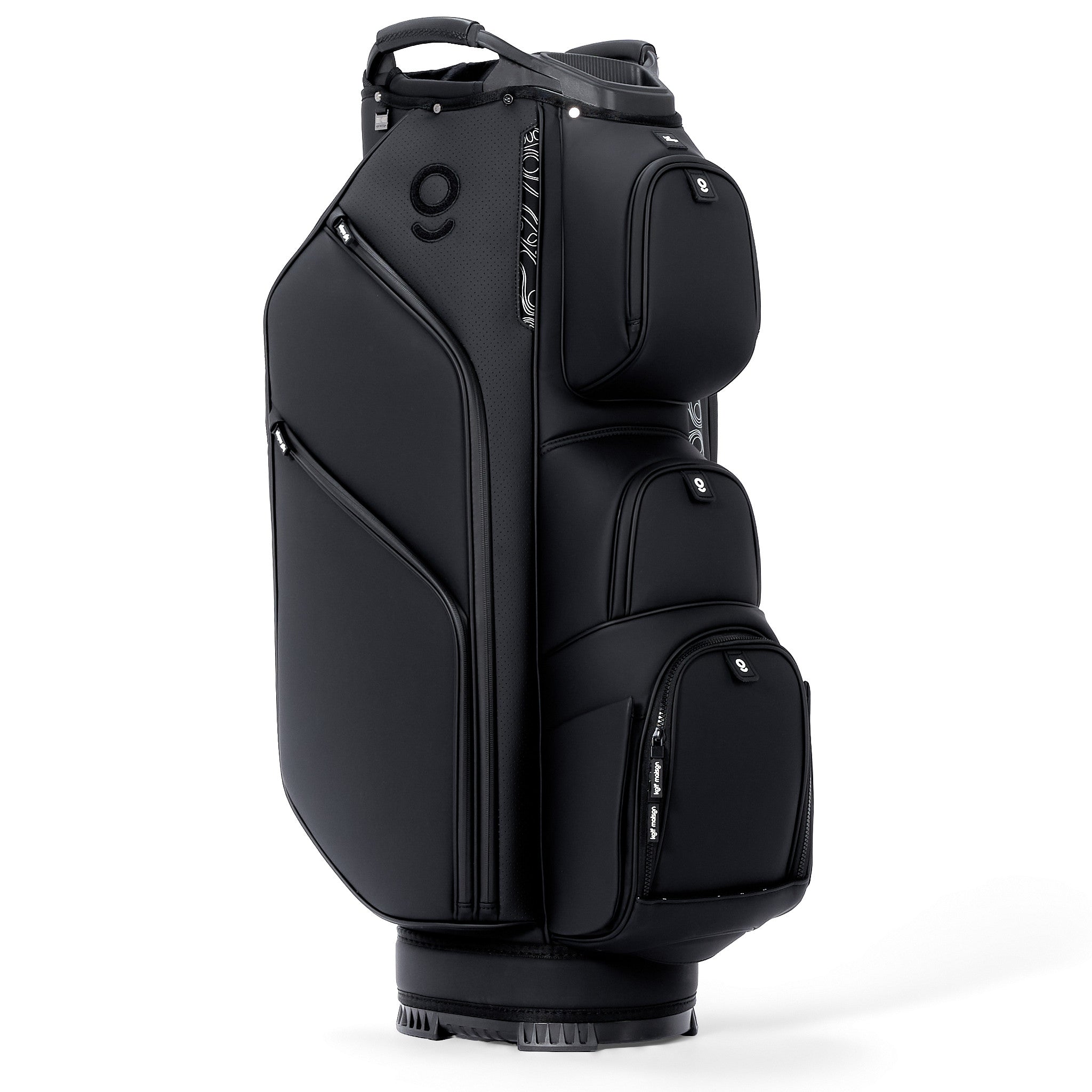
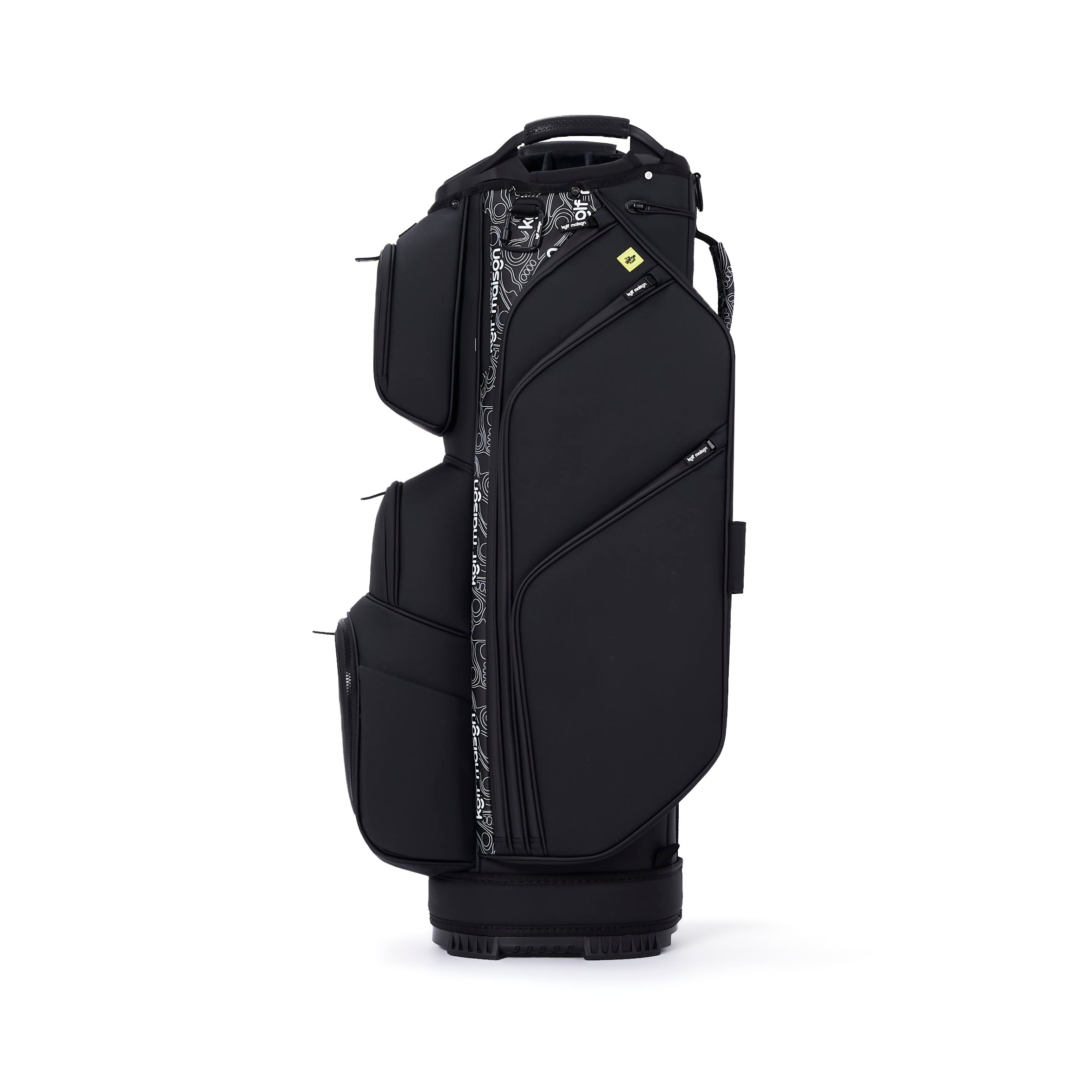
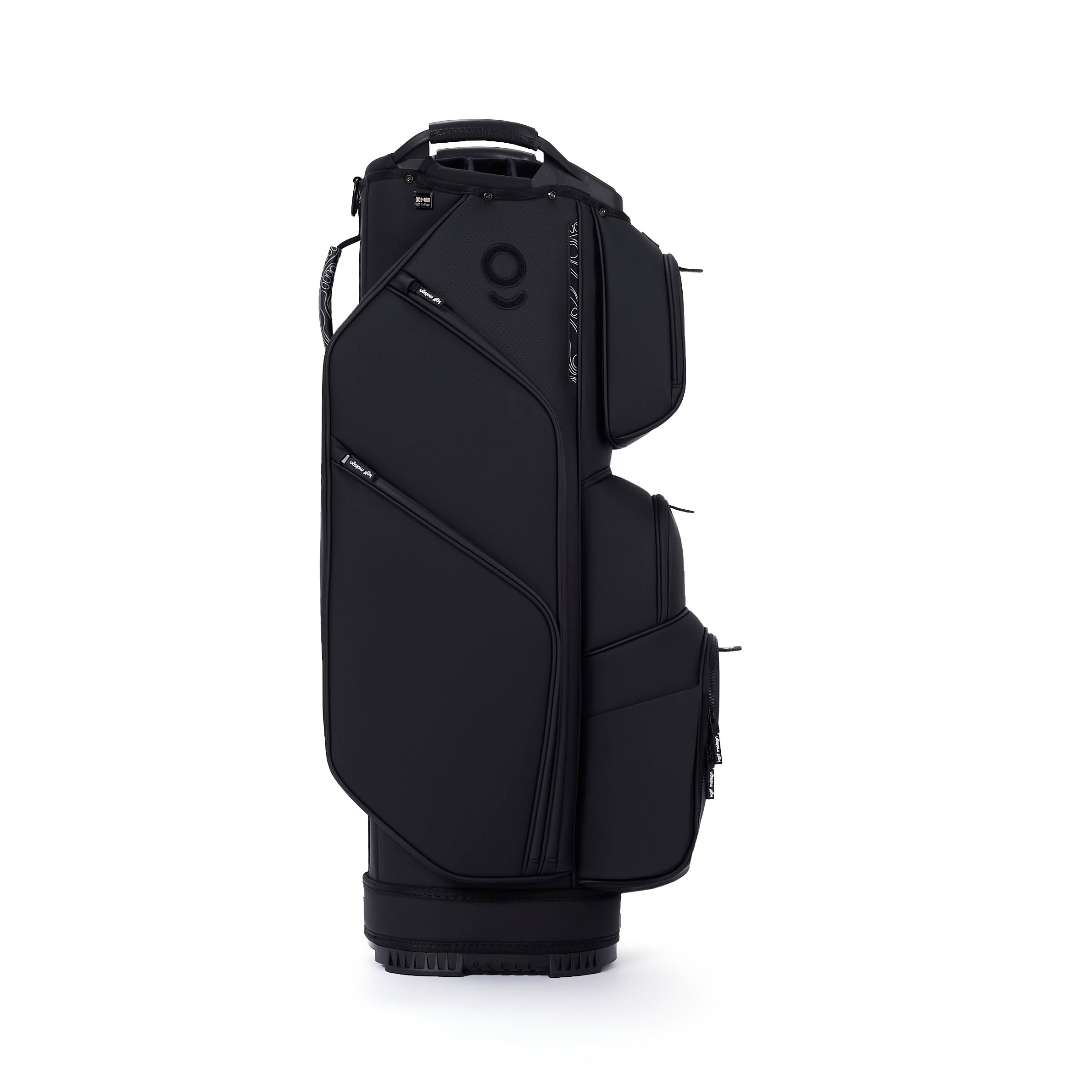
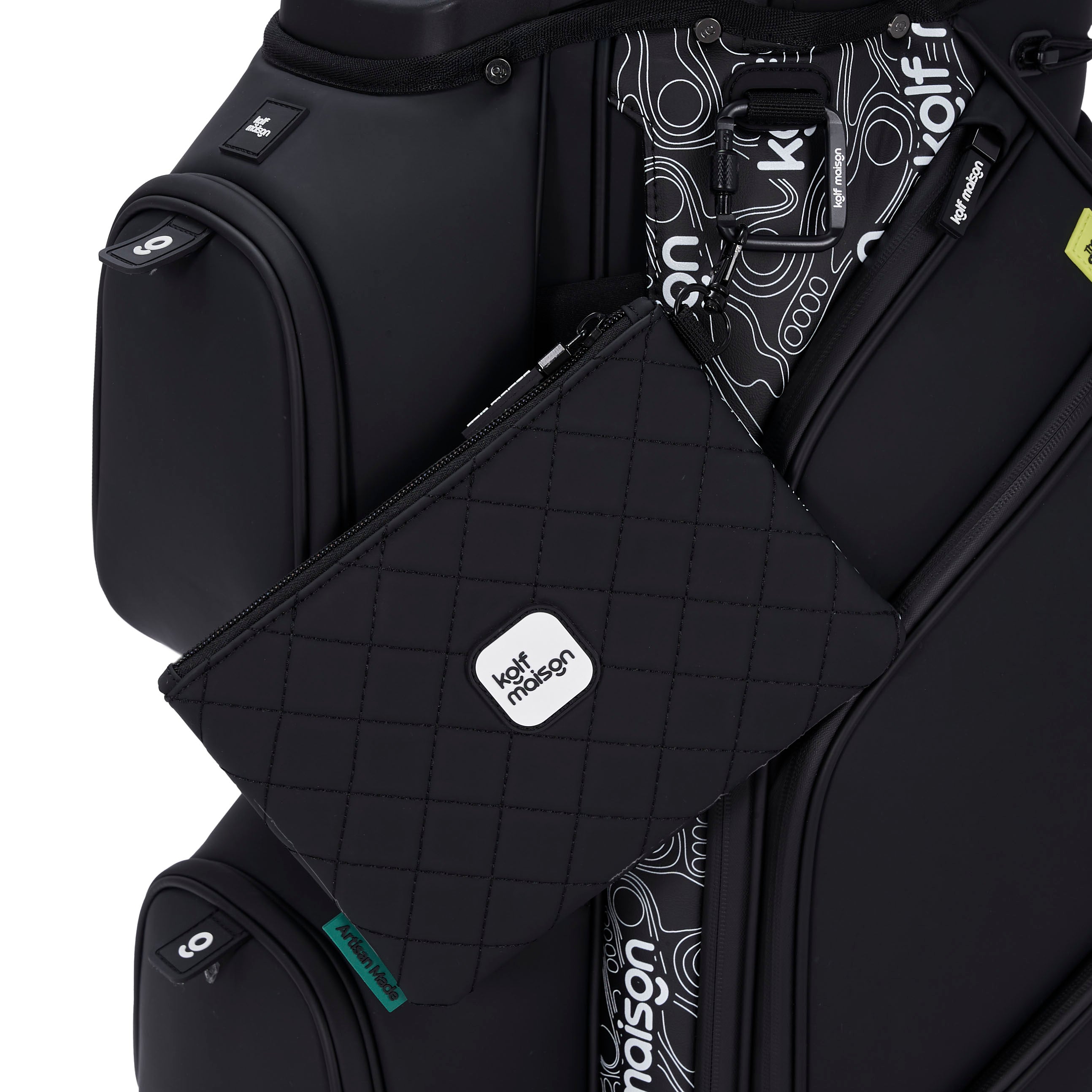
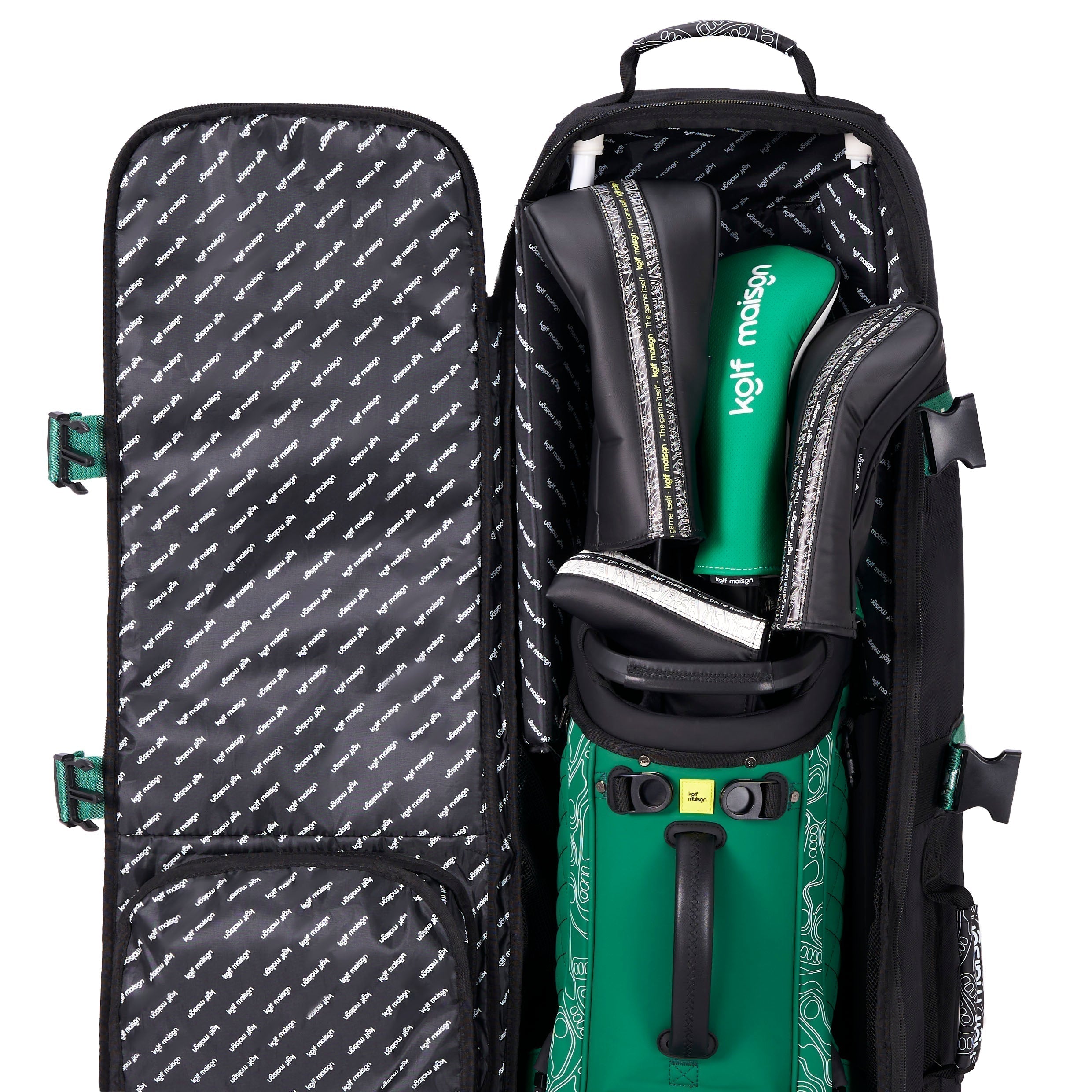
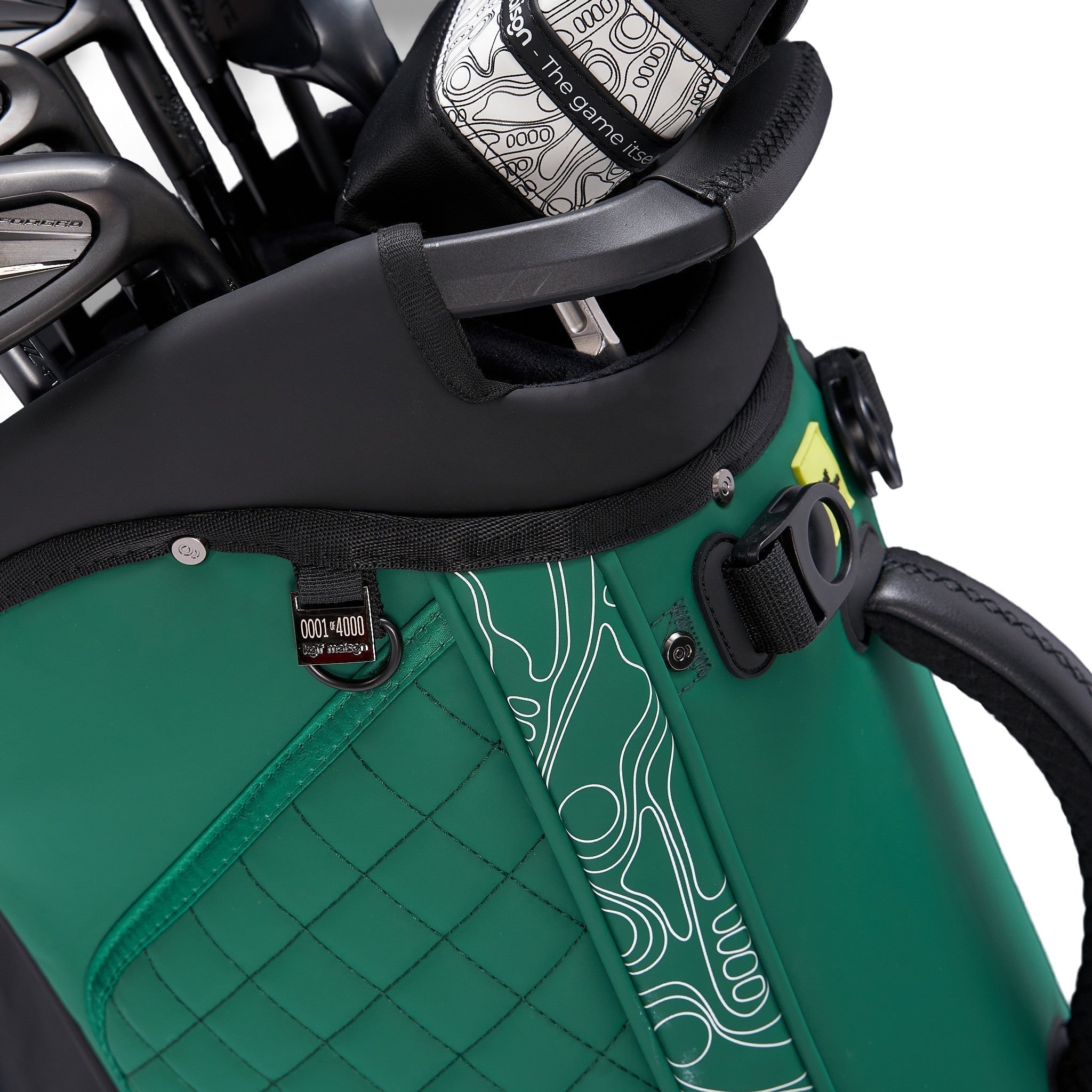
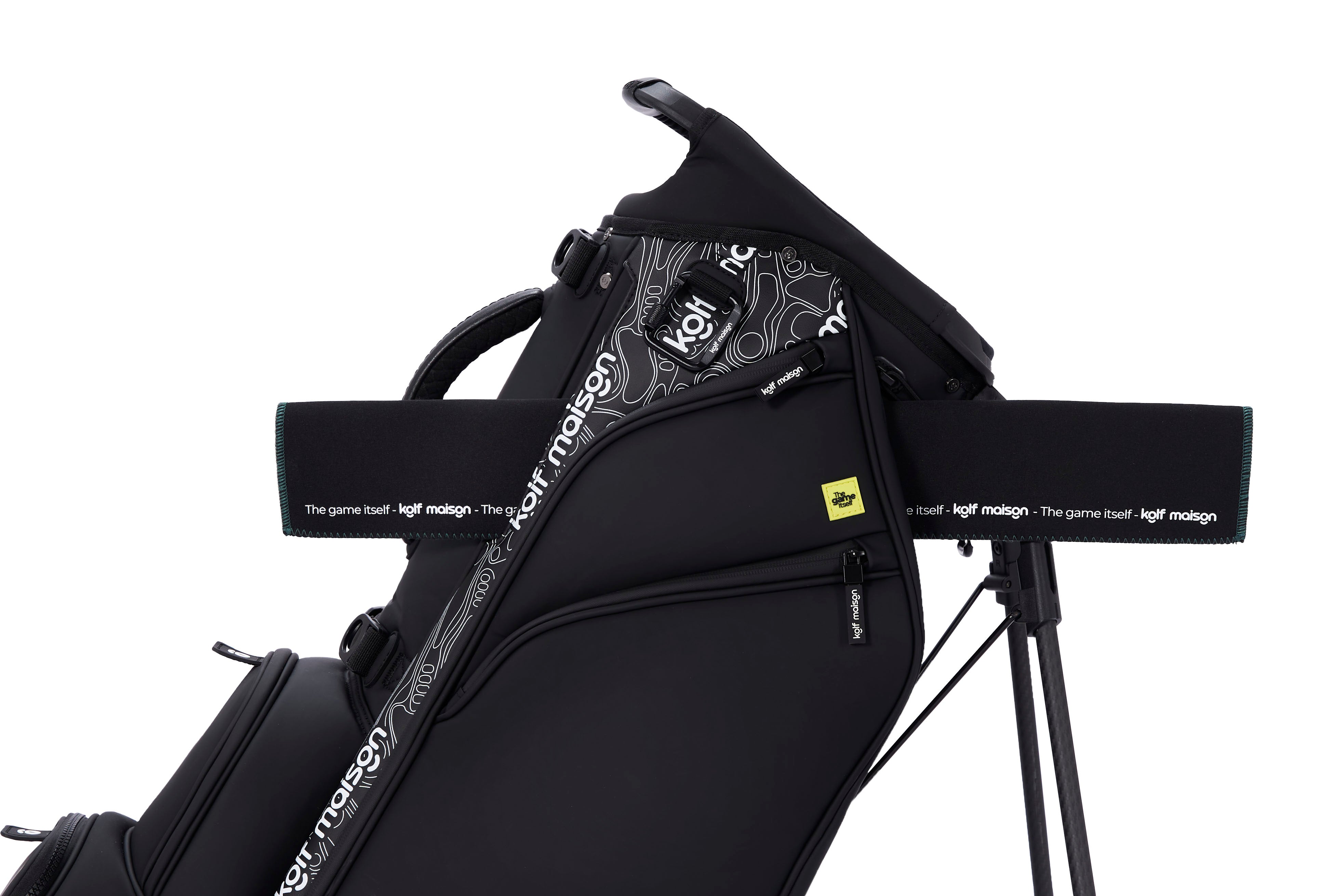
The Paganica Stand Bag and Paganica Cart Bag are engineered around reinforced collar systems, full length dividers, protected strap channels, stable base construction, and abrasion resistant exterior materials designed for structural endurance.
For a broader authority overview, see Luxury Golf Bags Explained.
Final Perspective
A serious golfer should evaluate structure, not surface.
These five tests require minutes, but they reveal years of engineering decisions.
Choose a bag that passes them all.


Share:
What Makes a Golf Bag Durable? Engineering, Materials, and Longevity Explained
14 Way vs 7 Way Golf Bag Guide | Which Divider Is Best?