

The Club Clatter Fix How to Engineer a Quieter Golf Bag
Club clatter is one of the most overlooked problems in golf equipment. It is not just a sound. It is a signal. When irons strike each other repeatedly inside a bag, it reveals deeper issues in divider design, material selection, and internal structure.
For golfers using forged irons or premium club sets, this becomes more than an annoyance. It becomes a long term risk. Repeated contact between club heads leads to cosmetic wear, surface marks, and gradual degradation of finish quality.
A quieter golf bag is not about comfort alone. It is about protection, structure, and preserving the integrity of the equipment over time.
This philosophy aligns with the principles outlined in luxury golf bags and golf bag durability, where long term performance defines true quality.
Why Club Clatter Happens
Club clatter occurs when clubs are not properly isolated within the bag. When divider systems are incomplete, poorly structured, or lack internal lining, shafts and heads move freely and collide during walking or transport.
This movement increases with every step, every cart vibration, and every adjustment. Over time, the repeated contact becomes constant.
Many golf bags appear organized at the top but lack full length divider support. This creates internal friction points where shafts cross and heads collide below the surface.
This issue is directly related to divider structure, which is explored in 14 way vs 7 way divider systems.
The Role of Full Length Dividers
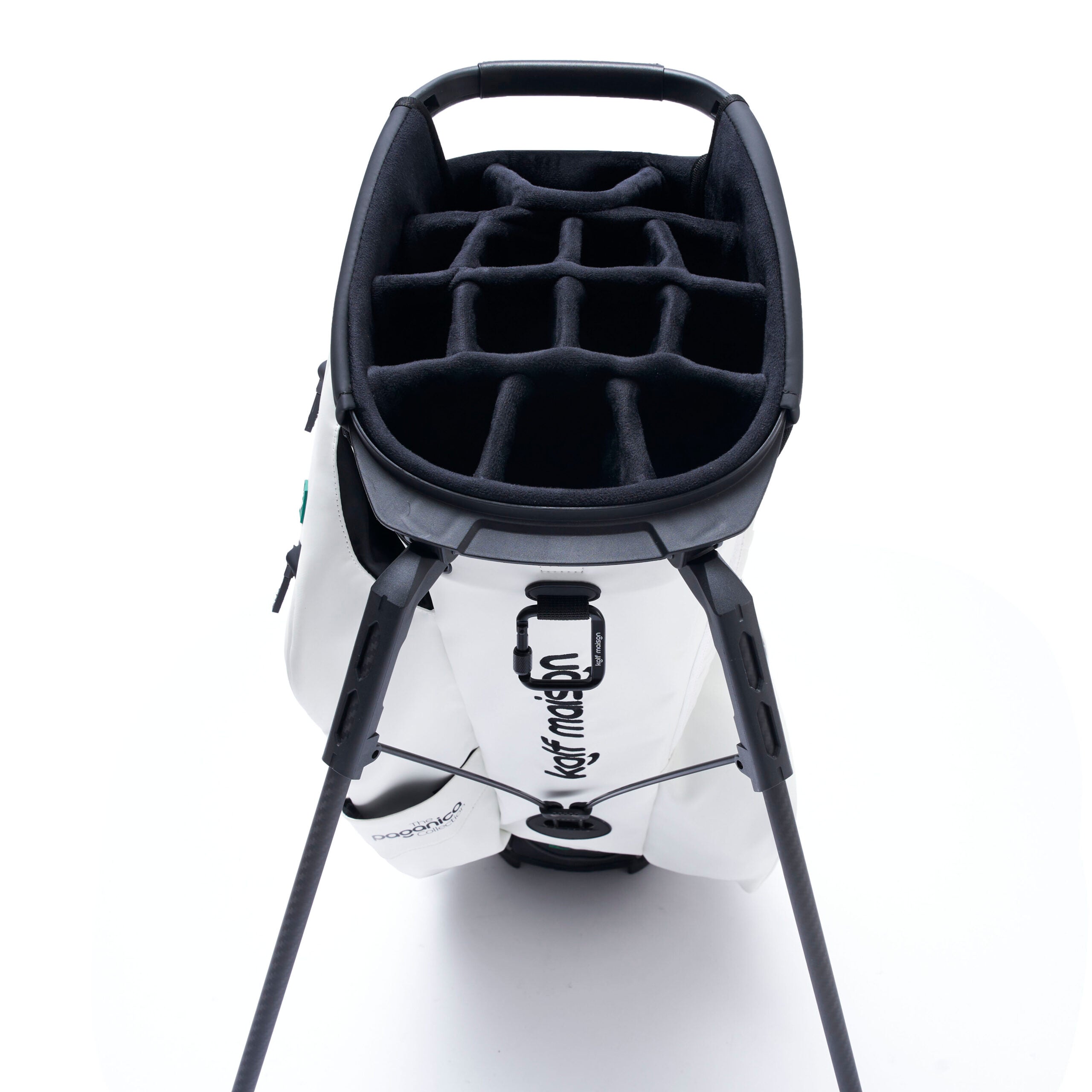
Full length dividers are the foundation of reducing club clatter. They extend from the top of the bag to the base, creating complete separation between clubs.
Without full length dividers, shafts can cross inside the bag. This leads to friction, resistance when pulling clubs, and increased movement during transport.
A properly engineered 14 way system provides maximum separation, ensuring that each club maintains its own channel. A 7 way system can still perform effectively when reinforced and properly structured, but the level of separation differs.
The key is not only the number of dividers, but their integrity and continuity.
Soft Touch Lining and Vibration Control
Divider count alone does not eliminate noise. Internal lining plays a critical role.
Hard plastic or unlined dividers create direct contact points where clubs can strike rigid surfaces. This amplifies vibration and increases noise.
Soft touch lining materials absorb impact. They reduce vibration transfer and create a cushioning effect that protects club heads.
Velvet wrapped divider systems are particularly effective because they combine separation with surface softness. This reduces both noise and wear.
This approach reflects the same material discipline discussed in golf bag materials explained.
Structure and Bag Stability
Even with proper dividers, a bag must maintain its shape to control movement. Structural integrity determines how stable the internal system remains under load.
When a bag loses shape, dividers shift, spacing changes, and clubs gain more freedom to move. This increases clatter regardless of divider count.
This is why structure and closure design matter. Weak side pockets or poor reinforcement can affect the entire frame of the bag.
For example, closure systems discussed in magnetic vs zipper pockets influence how well the bag maintains its shape over time.
Walking vs Cart Movement
Club clatter behaves differently depending on how the bag is used.
Walking introduces continuous motion. Each step creates small shifts that accumulate over time. In this case, balance and internal separation are critical.
Cart use introduces vibration. The bag remains stationary relative to the golfer, but the cart creates repeated movement across uneven terrain.
Both scenarios require a stable internal system. The difference lies in how the movement is generated.
These distinctions are explored further in stand bags vs cart bags.
Kolf Maison Approach to Noise Reduction
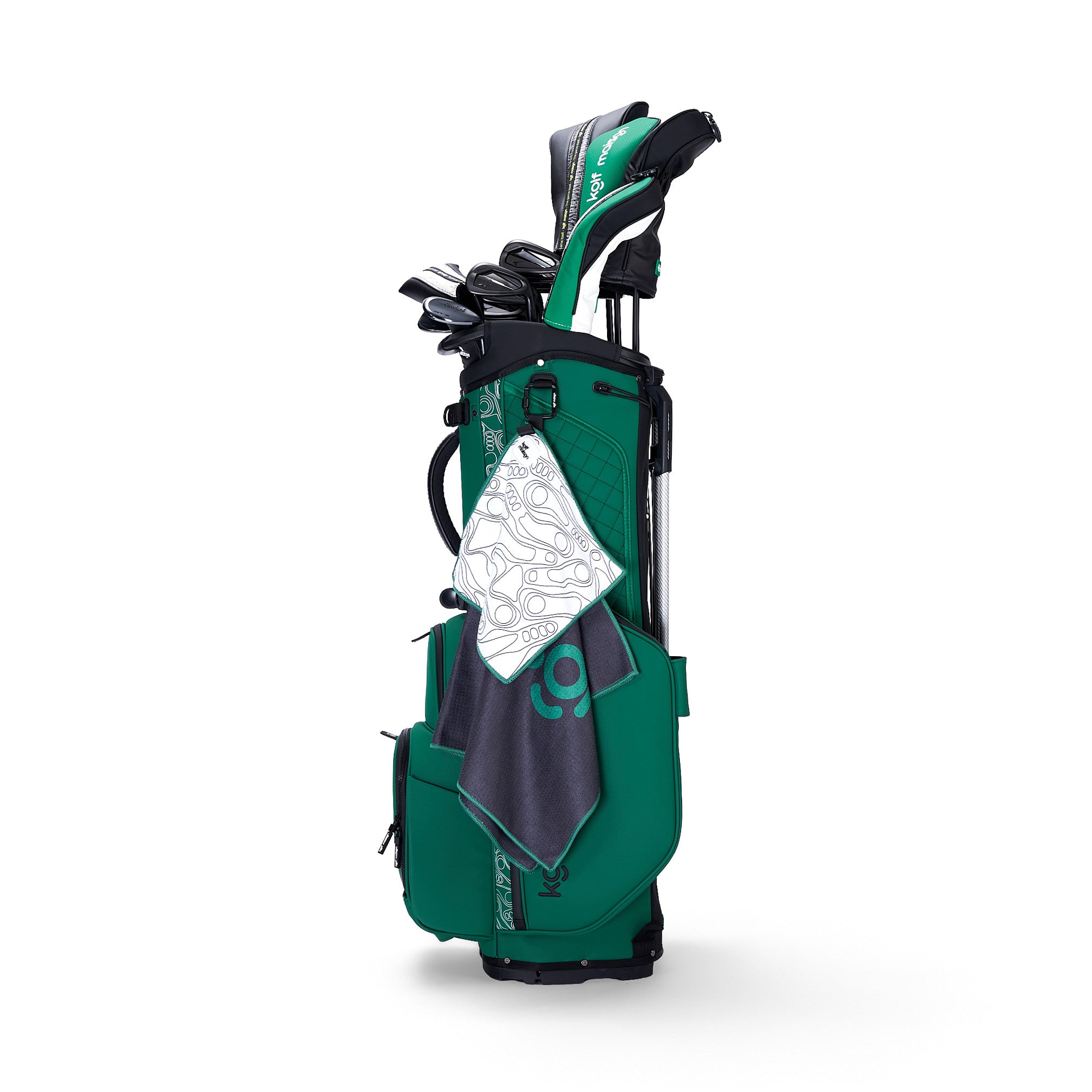
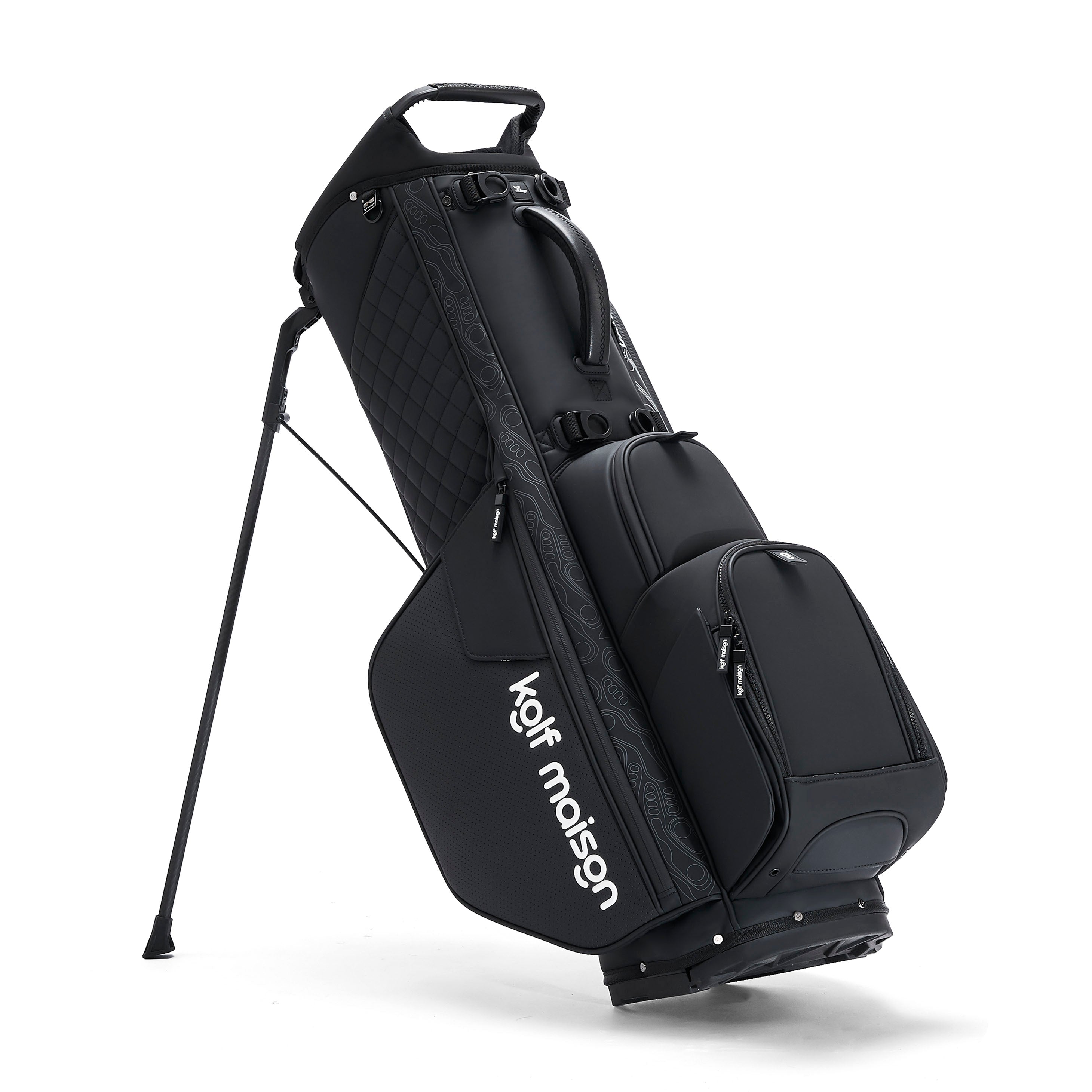
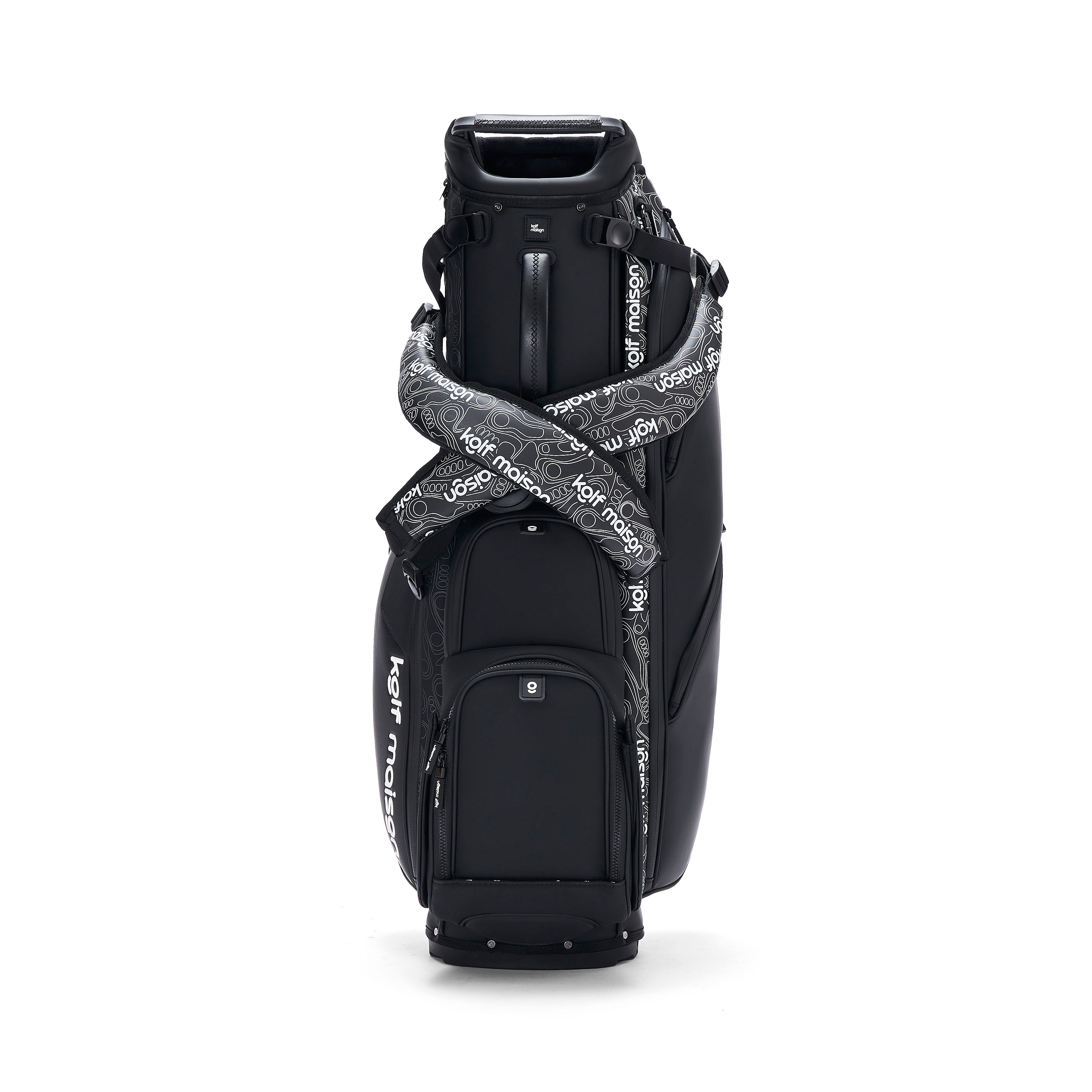
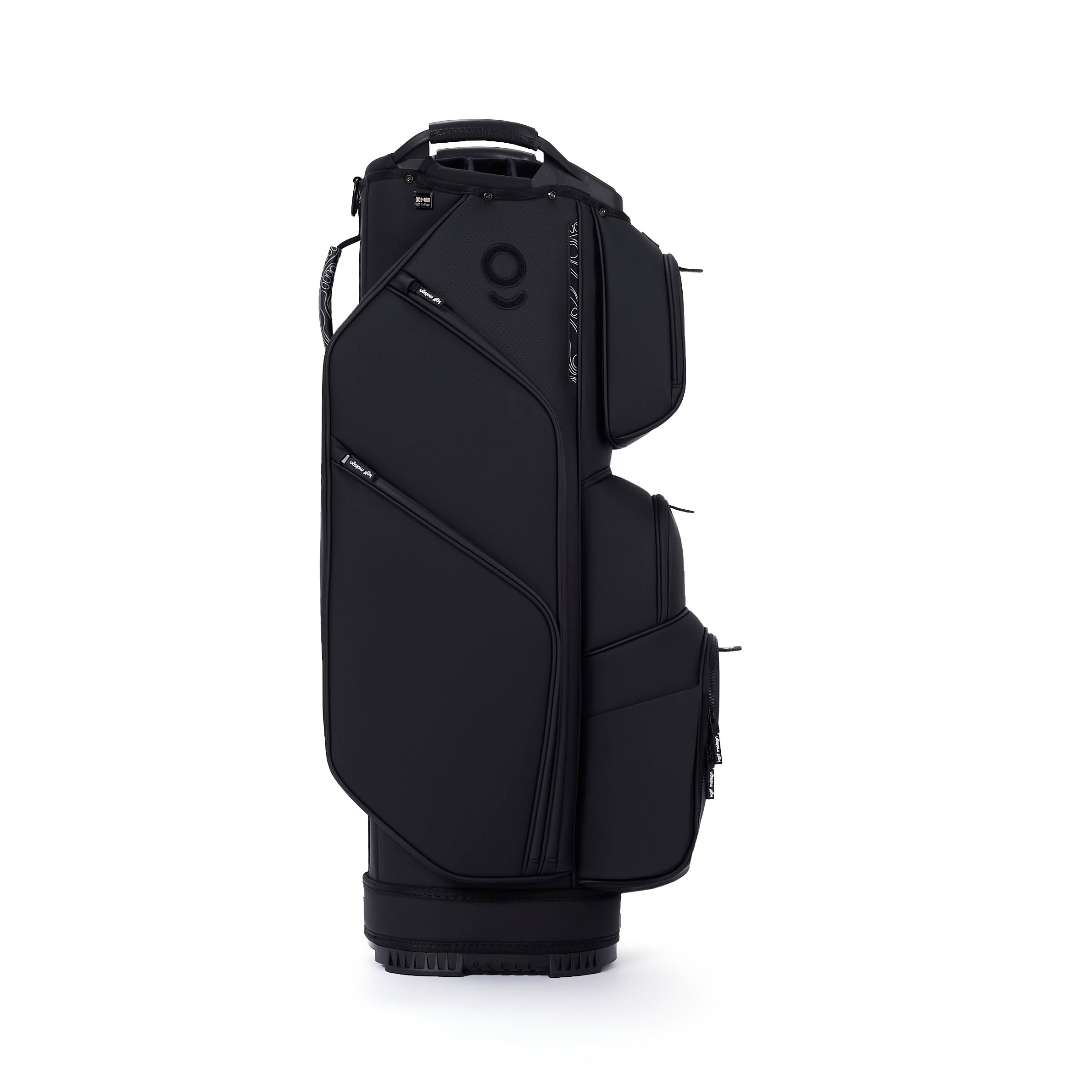
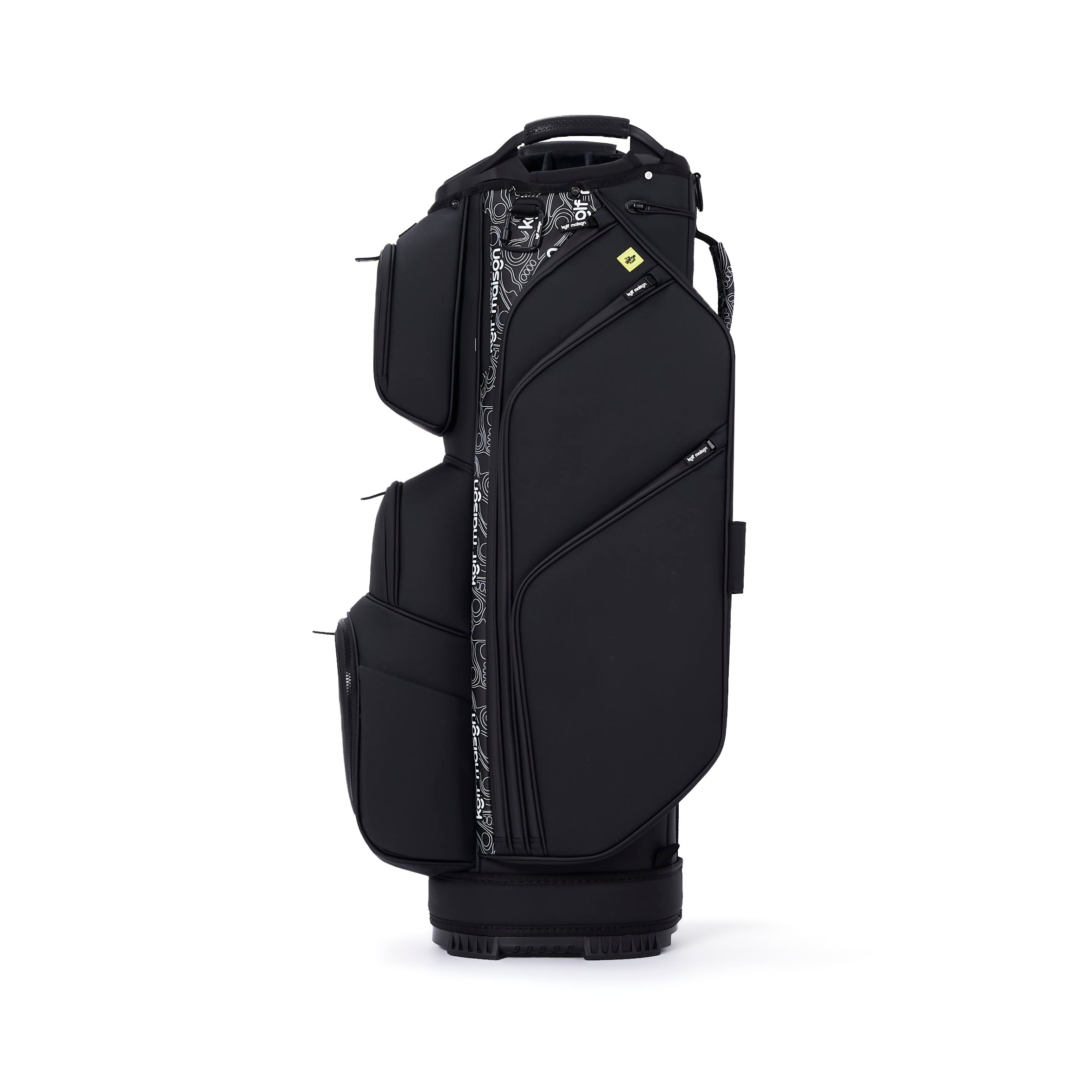
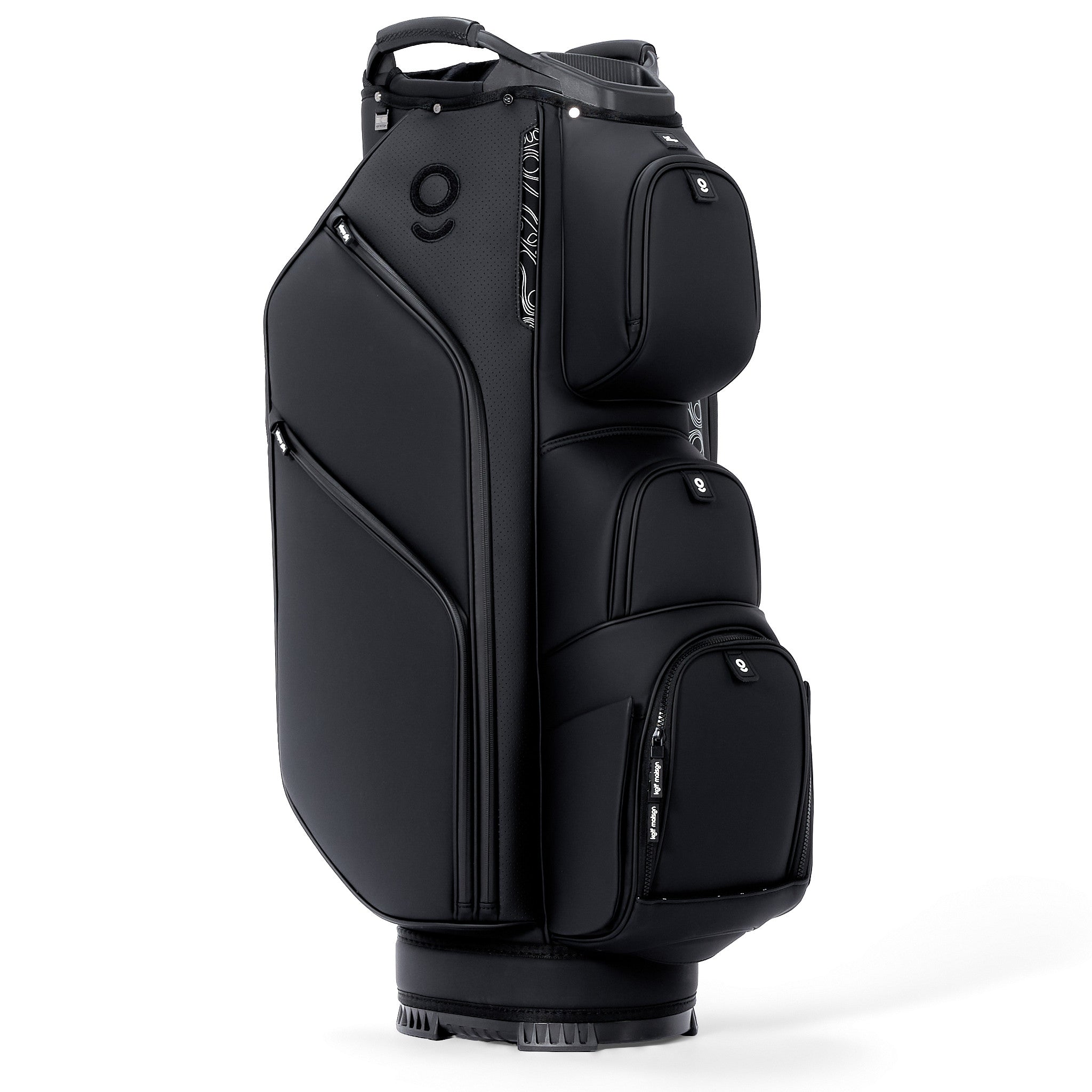
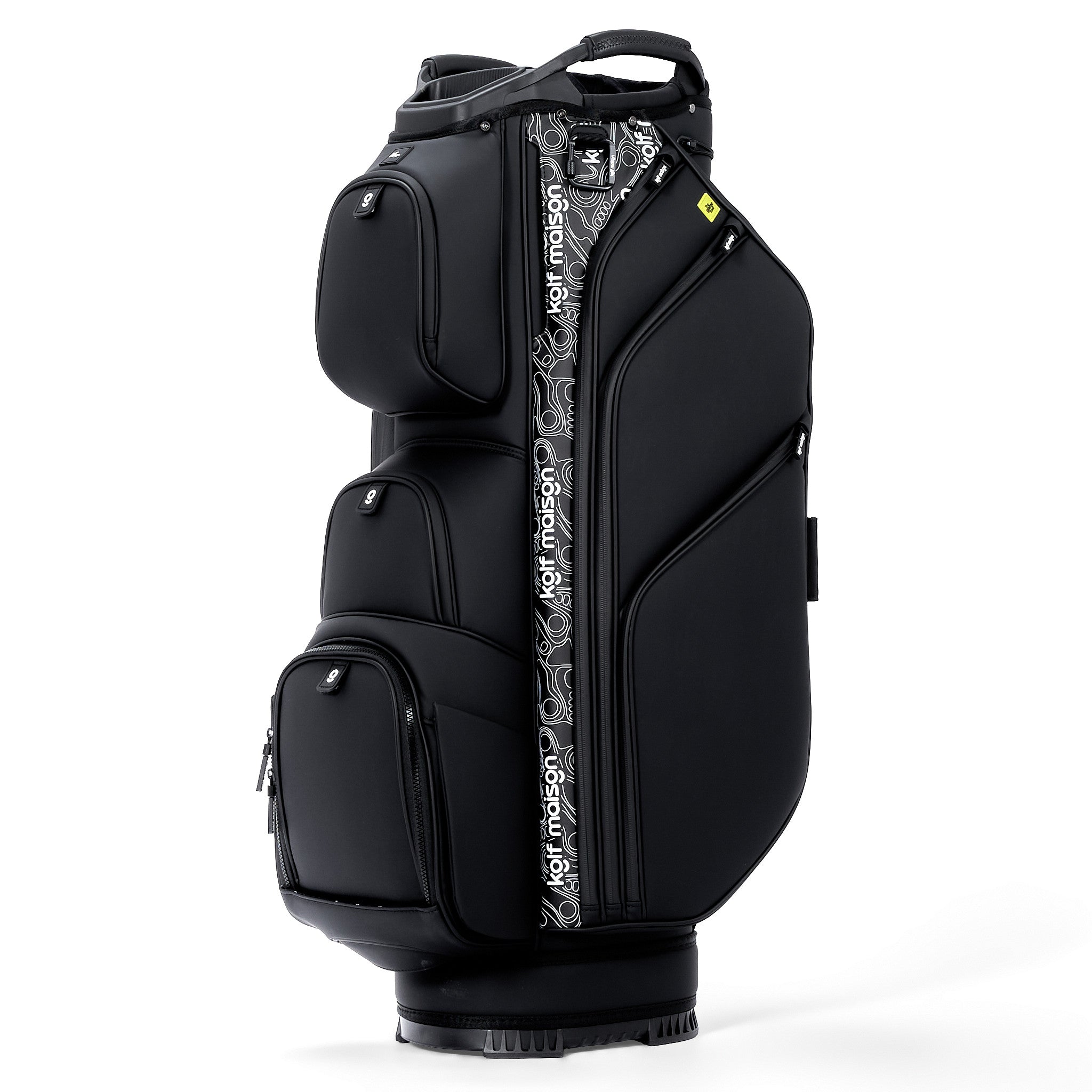
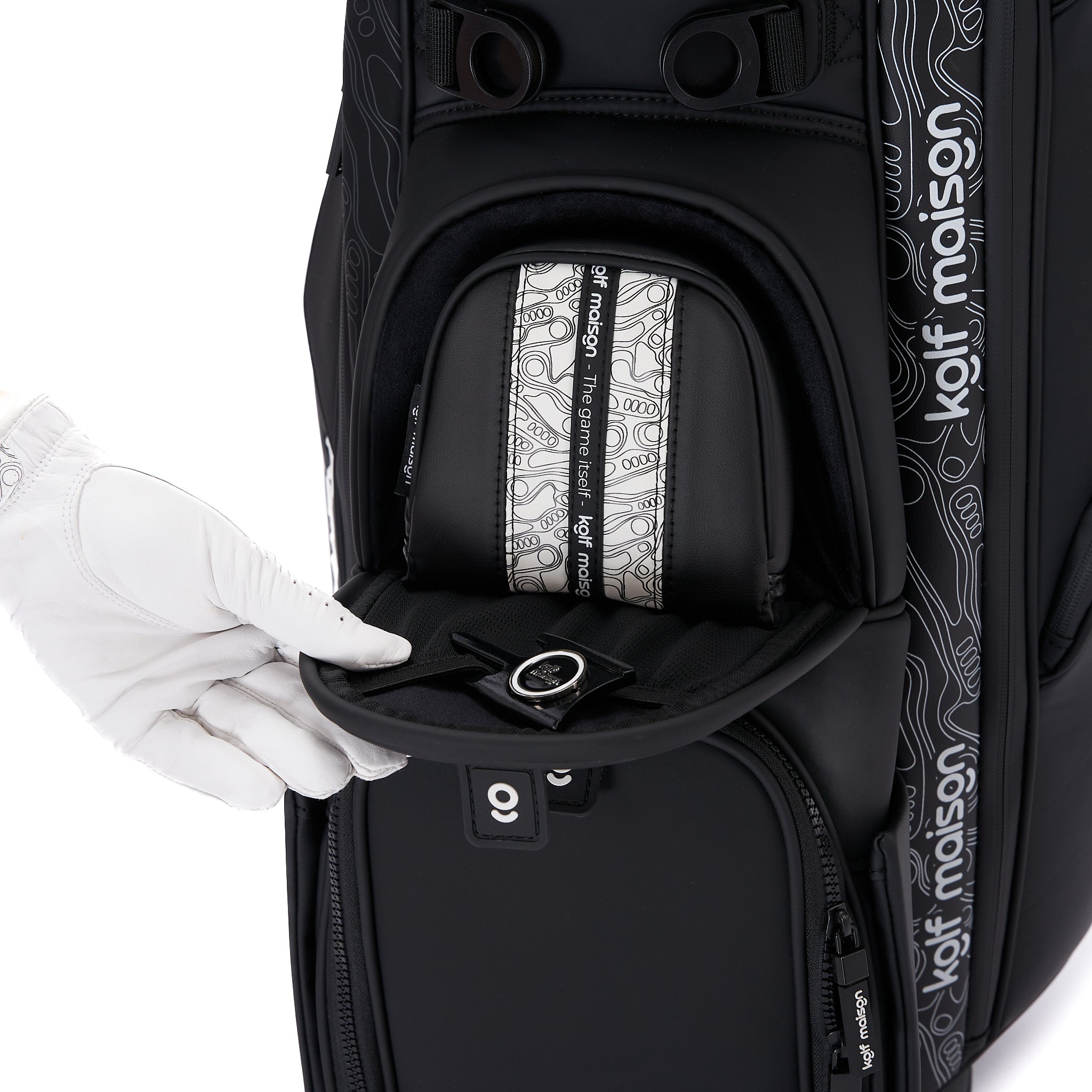
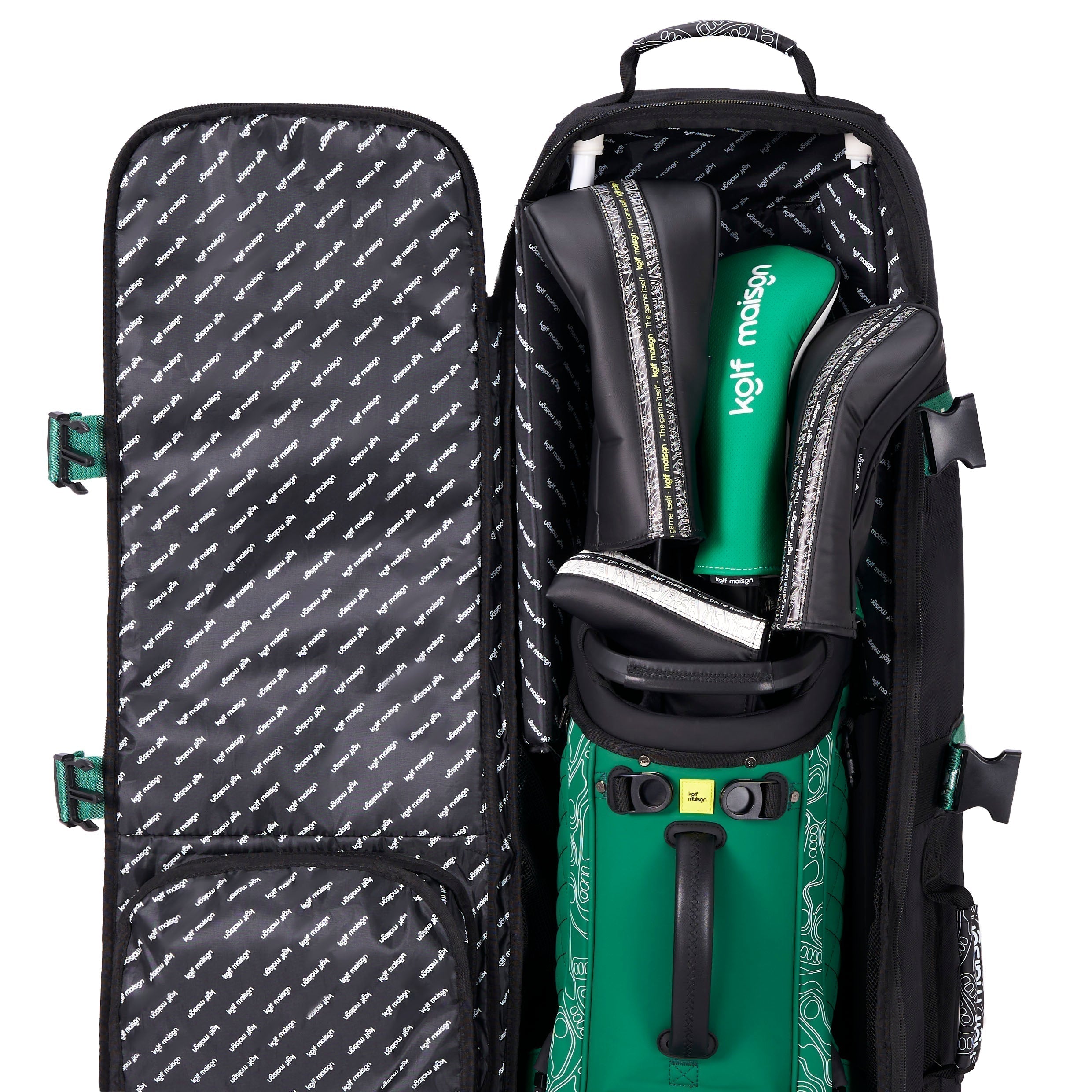
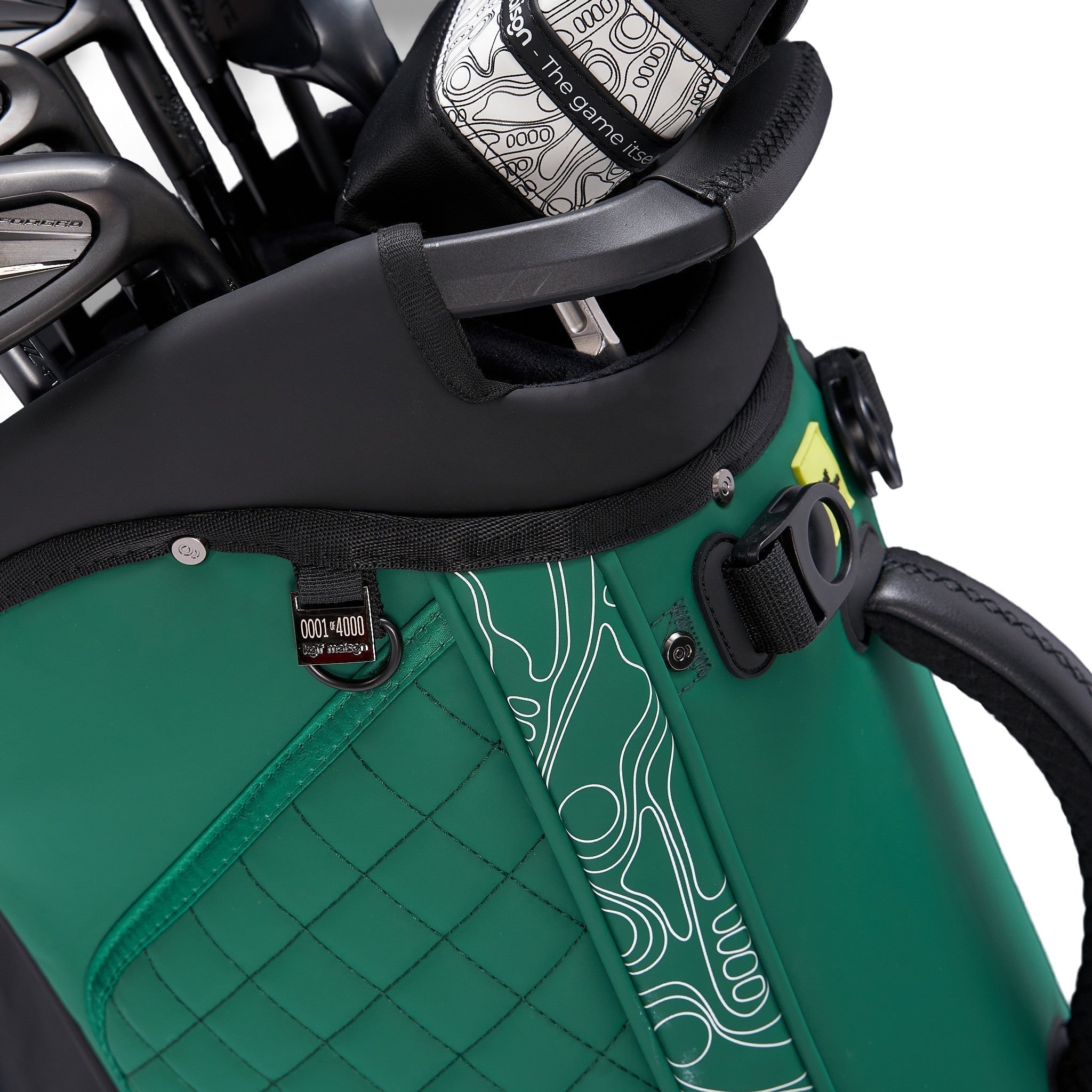
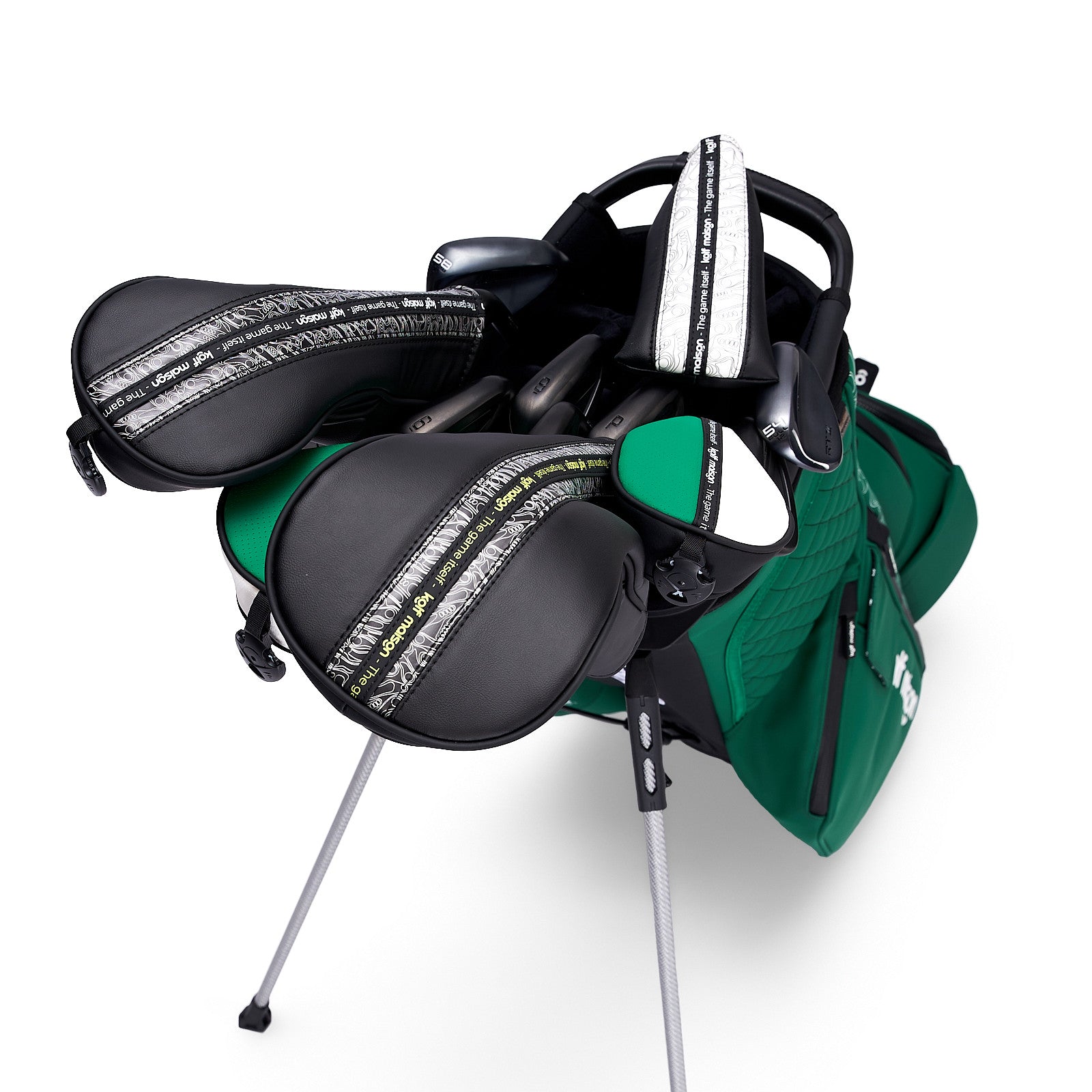
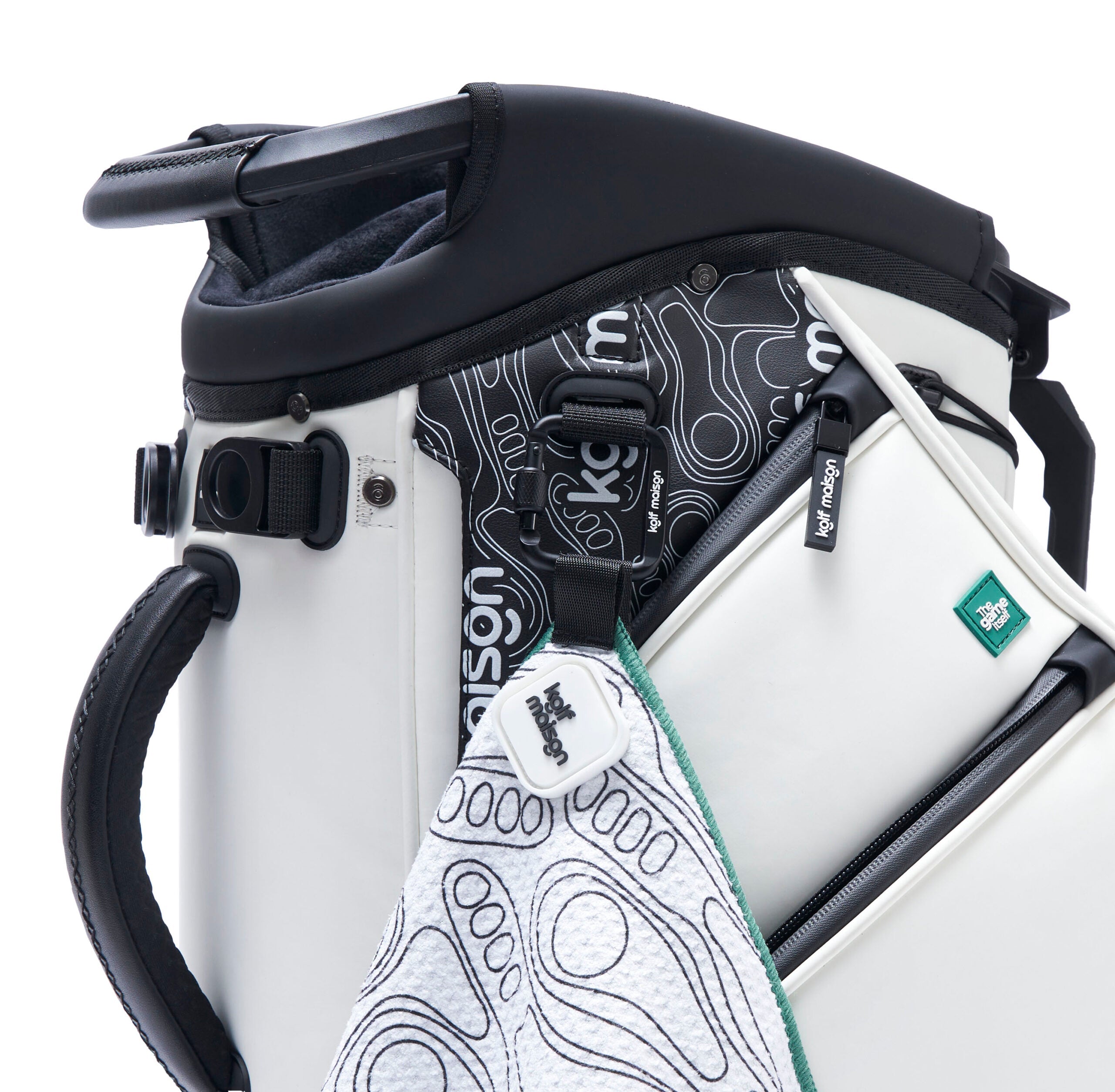
The Paganica Cart Bag and Paganica Stand Bag are designed with full length velvet wrapped dividers and reinforced structure to reduce internal movement.
The goal is not only organization, but protection. By maintaining separation and absorbing vibration, the system reduces both noise and wear.
This approach ensures that the bag performs consistently across repeated use rather than degrading over time.
How to Stop Club Clatter
Choose a bag with full length dividers
Select soft lined divider systems
Ensure the bag maintains structural integrity
Avoid overloaded or unbalanced storage
Use proper club organization consistently
These steps address the root causes rather than the symptoms.
Final Perspective
Club clatter is not inevitable. It is a design outcome.
When divider systems, materials, and structure are aligned, noise is reduced and equipment is protected. When they are not, clatter becomes constant.
The difference is not subtle. It is structural.
Frequently Asked Questions
How do I stop irons from clanking in my bag?
Use a bag with full length dividers and soft lining.
Do 14 way bags reduce noise?
Yes, they provide full separation between clubs.
Are 7 way bags noisy?
They can be, unless properly structured and lined.
What causes club chatter?
Poor divider structure and lack of internal separation.
Do soft dividers help?
Yes, they absorb impact and reduce vibration.
Does bag structure affect noise?
Yes, loss of shape increases movement and clatter.
Are cart bags quieter?
They can be, if properly structured.
Do premium bags reduce chatter?
Yes, through better materials and design.
Can I fix chatter in my current bag?
Limited. Structural design determines performance.
Is chatter harmful to clubs?
Yes, it can cause wear and surface damage.



Share:
How to Clean a White Golf Bag | Stains Yellowing Guide
Best Golf Bag for Jumbo Putter Grips | No Snag Guide