

Why Material Engineering Defines Longevity, Performance, and Perceived Luxury
Not all synthetic leathers are created equal. While “PU leather” is often used as a blanket term across the golf and luxury goods industries, it encompasses a wide spectrum of materials with dramatically different performance characteristics, life spans, and sensory qualities.
Understanding this distinction matters. Especially in equipment designed to endure years of real play, repeated handling, environmental exposure, and constant transport. Materials are not aesthetic decisions alone. They are structural ones.
This article examines what conventional PU leather actually is, why it has earned a reputation for disposability, and how Matte Microfiber Composite Leather represents a fundamentally different approach to synthetic material engineering.
⸻
What Conventional PU Leather Typically Is
In most commercial applications, PU leather refers to a polyurethane coating applied to a low density textile or non woven backing. The objective is usually cost efficiency, visual uniformity, and ease of manufacturing rather than long term structural performance.
The construction is relatively simple. A fabric base provides minimal support. A polyurethane film is applied to the surface and embossed with a grain pattern to imitate leather. The coating largely sits on top of the substrate rather than integrating into it.
Early in its life, this type of material can appear clean and consistent. The surface is often glossy or semi gloss to create visual impact at first glance. But the simplicity of the structure is also its weakness.
As the material is flexed, compressed, exposed to friction, or subjected to heat and humidity, stress concentrates at the interface between the coating and the backing. Over time, this leads to cracking, peeling, surface delamination, and stiffness. Hydrolysis, the chemical breakdown of polyurethane in humid conditions, accelerates this degradation.
The result is a material that may look acceptable when new but ages quickly and visibly.
This is the reality behind the term “PU leather” as it is commonly understood today. It became associated with fast fashion, mass production, and short product life cycles not because polyurethane itself is flawed, but because the lowest cost implementations became ubiquitous.
⸻
Why Generic PU Leather Became a Commodity
As demand for leather alternatives increased, PU leather became a default solution across multiple industries. Golf bags, luggage, handbags, and accessories adopted it at scale. Over time, price competition pushed manufacturers toward thinner coatings, lighter backings, and higher gloss finishes that photographed well but sacrificed durability.
This shift trained consumers to associate PU leather with certain sensory cues. A plasticky feel. A hollow sound when compressed. A cold surface in lower temperatures. Excessive shine that exaggerates scratches and scuffs.
Once these signals become familiar, perception hardens. The term itself becomes shorthand for a certain level of quality, regardless of whether higher performing variants exist.
In this environment, many brands continue to describe their products using phrases such as “premium PU leather” or “tour PU leather.” While technically accurate, this language does little to communicate material structure or long term performance. Instead, it anchors the product to a category that the market has learned to distrust.
⸻
The Problem Is Not Polyurethane
It Is Simplification
Polyurethane is not inherently cheap. In fact, advanced polyurethane systems are used extensively in automotive interiors, aerospace applications, and high performance equipment.
The issue lies in oversimplification. When a complex material system is reduced to a single, overloaded term, meaningful differences disappear. A thin PU film on a low density textile and a multi layer composite built on a microfiber substrate may share chemistry, but they do not share behavior.
Treating them as equivalents flattens the conversation and invites unfavorable comparison.
⸻
What Matte Microfiber Composite Leather Changes
Matte Microfiber Composite Leather approaches synthetic material engineering from the inside out. Rather than beginning with a surface finish, it begins with structure.
At its core is a dense microfiber substrate. Microfiber is a non woven material composed of ultra fine fibers engineered to interlock tightly. This density provides strength, dimensional stability, and resistance to collapse over time. Unlike lightweight textiles, microfiber does not stretch unpredictably or thin out under load.
On top of this foundation, a multi layer performance coating is applied. Instead of a single surface film, multiple layers are bonded into the structure. This integration distributes stress, improves peel strength, and allows the coating to move with the substrate under repeated flex and compression.
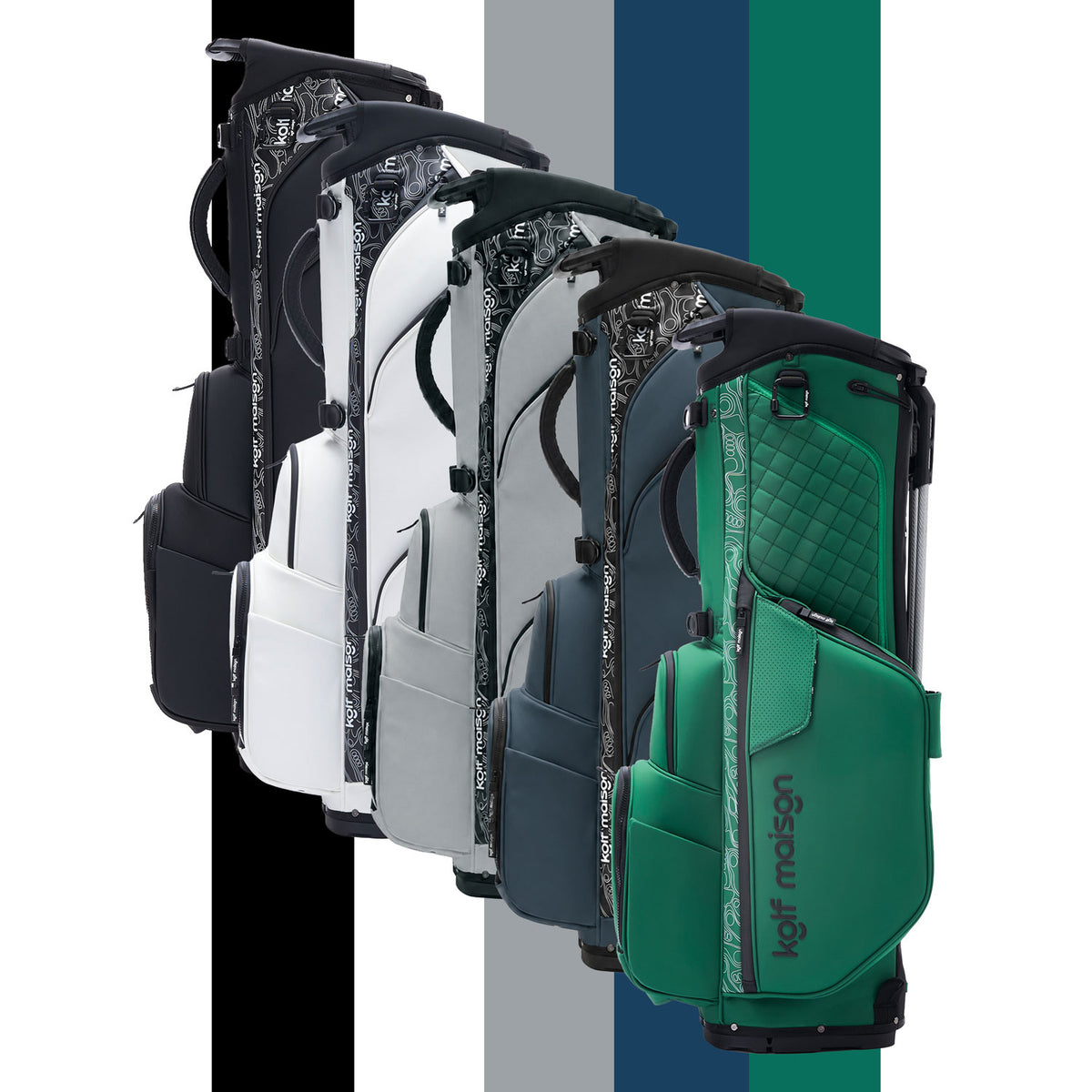
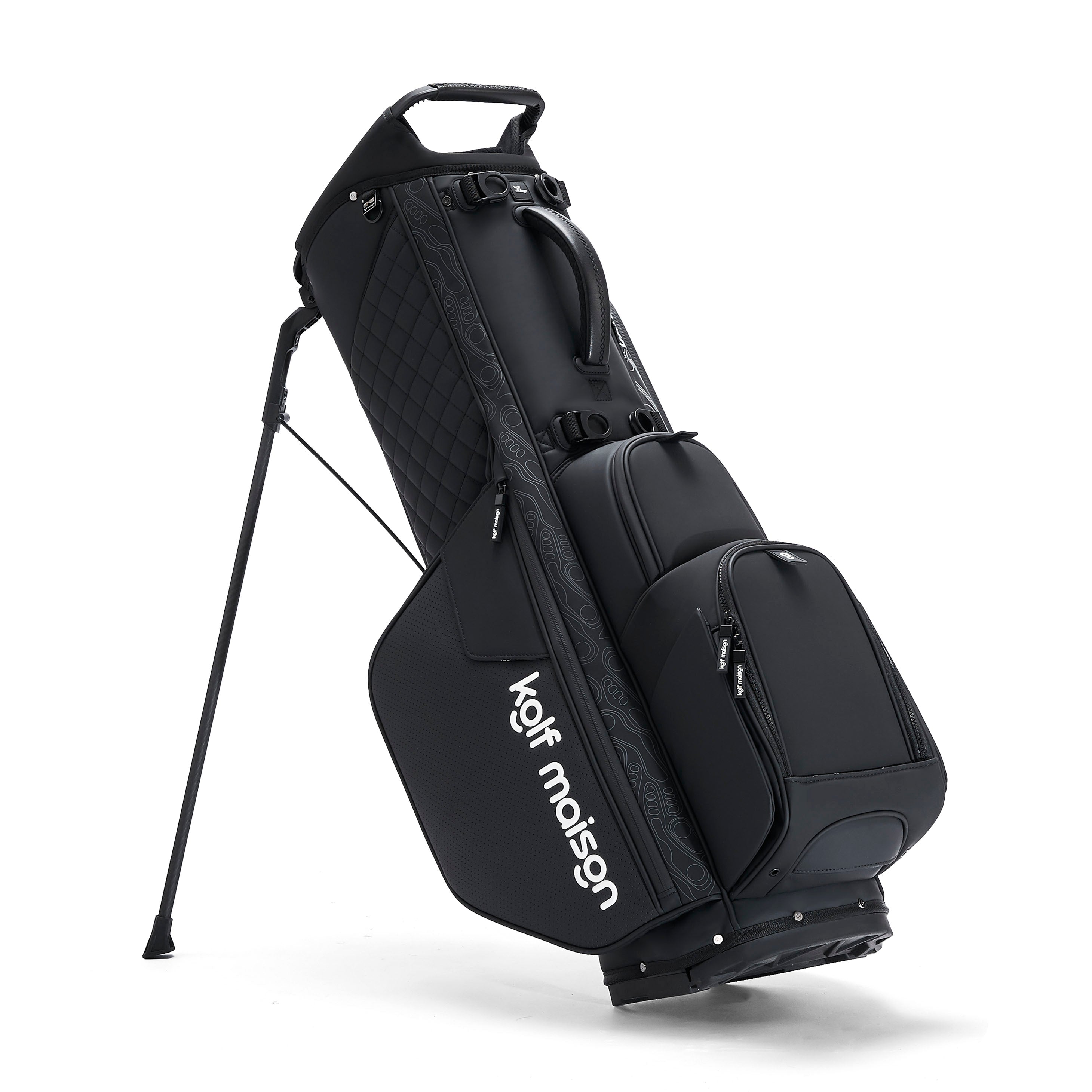
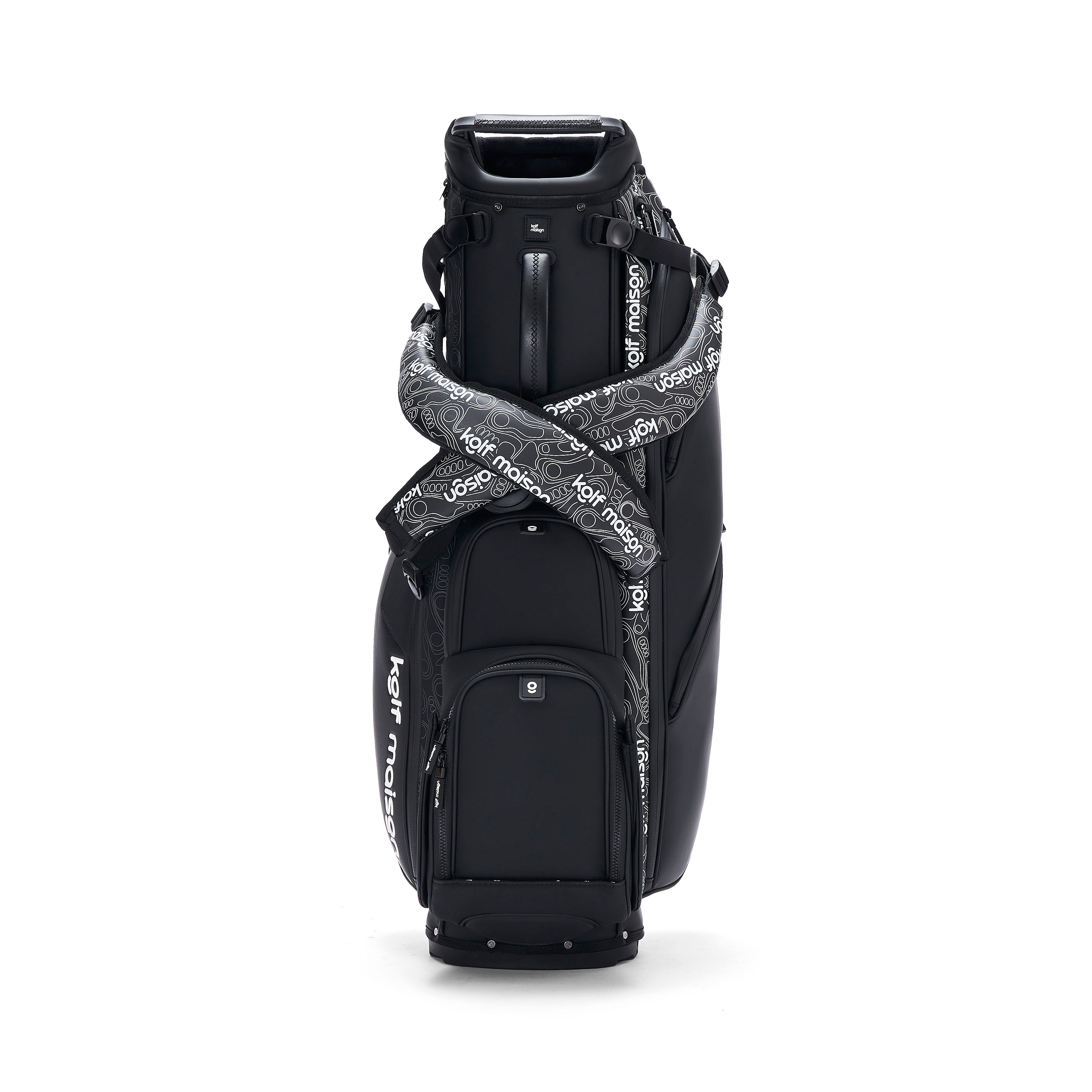
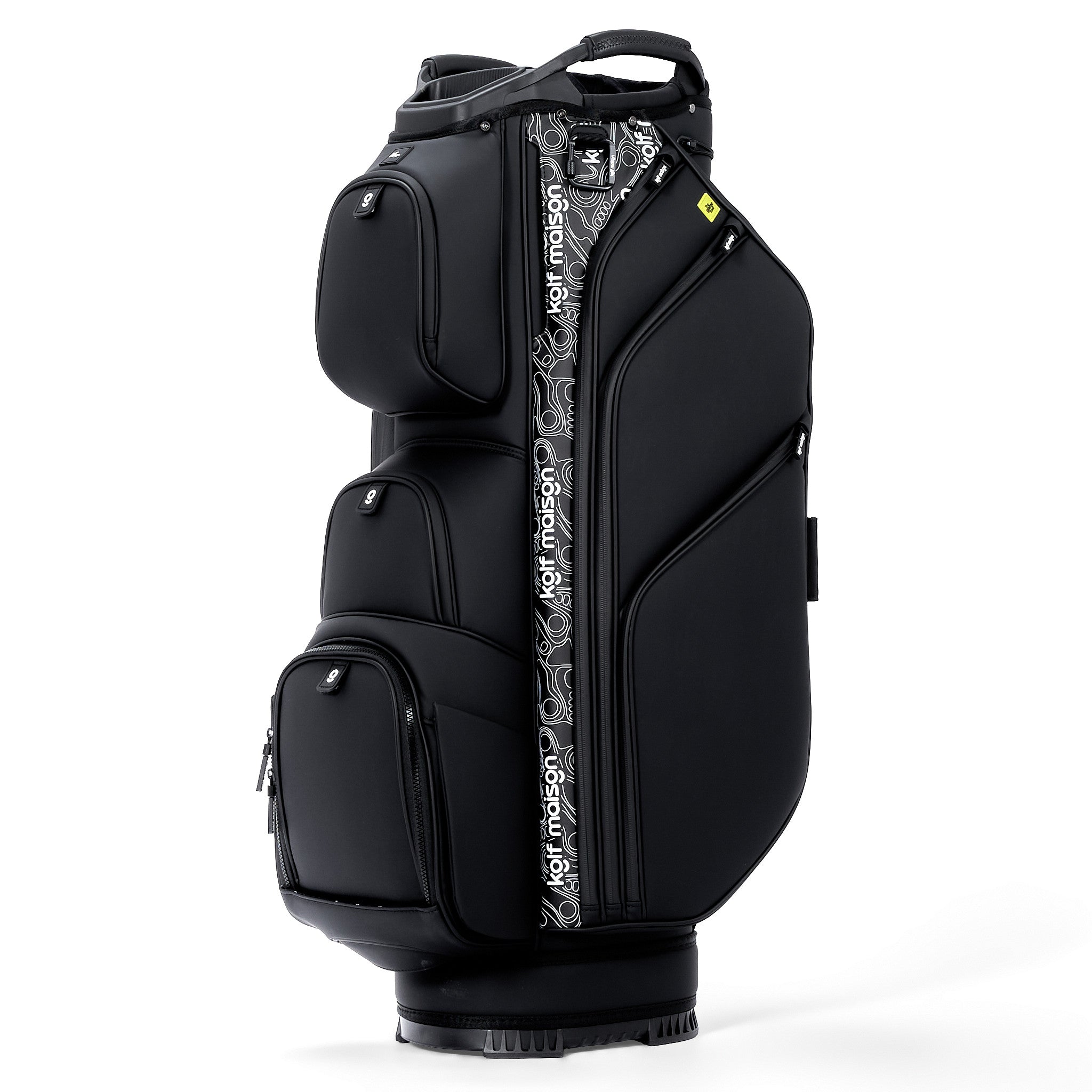
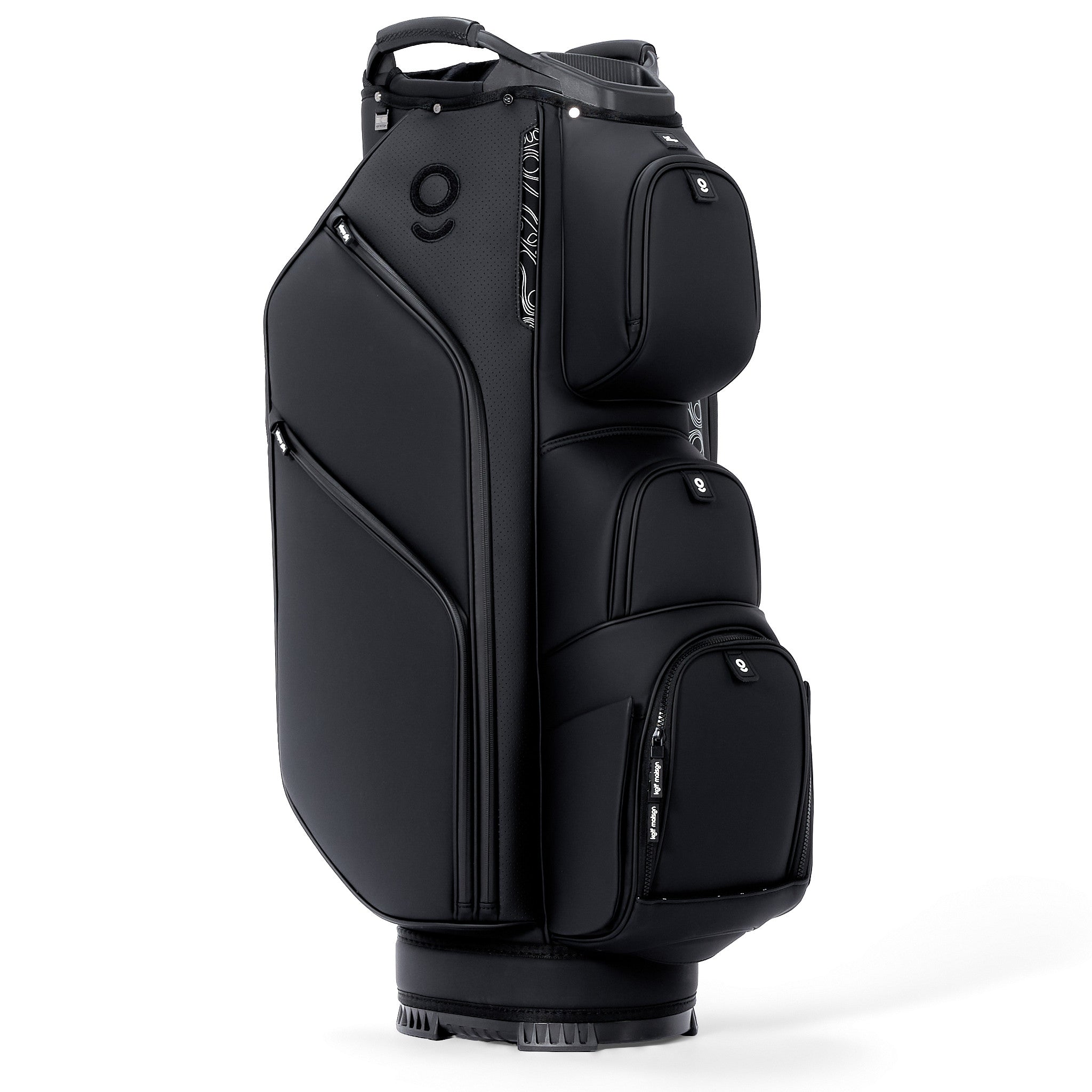
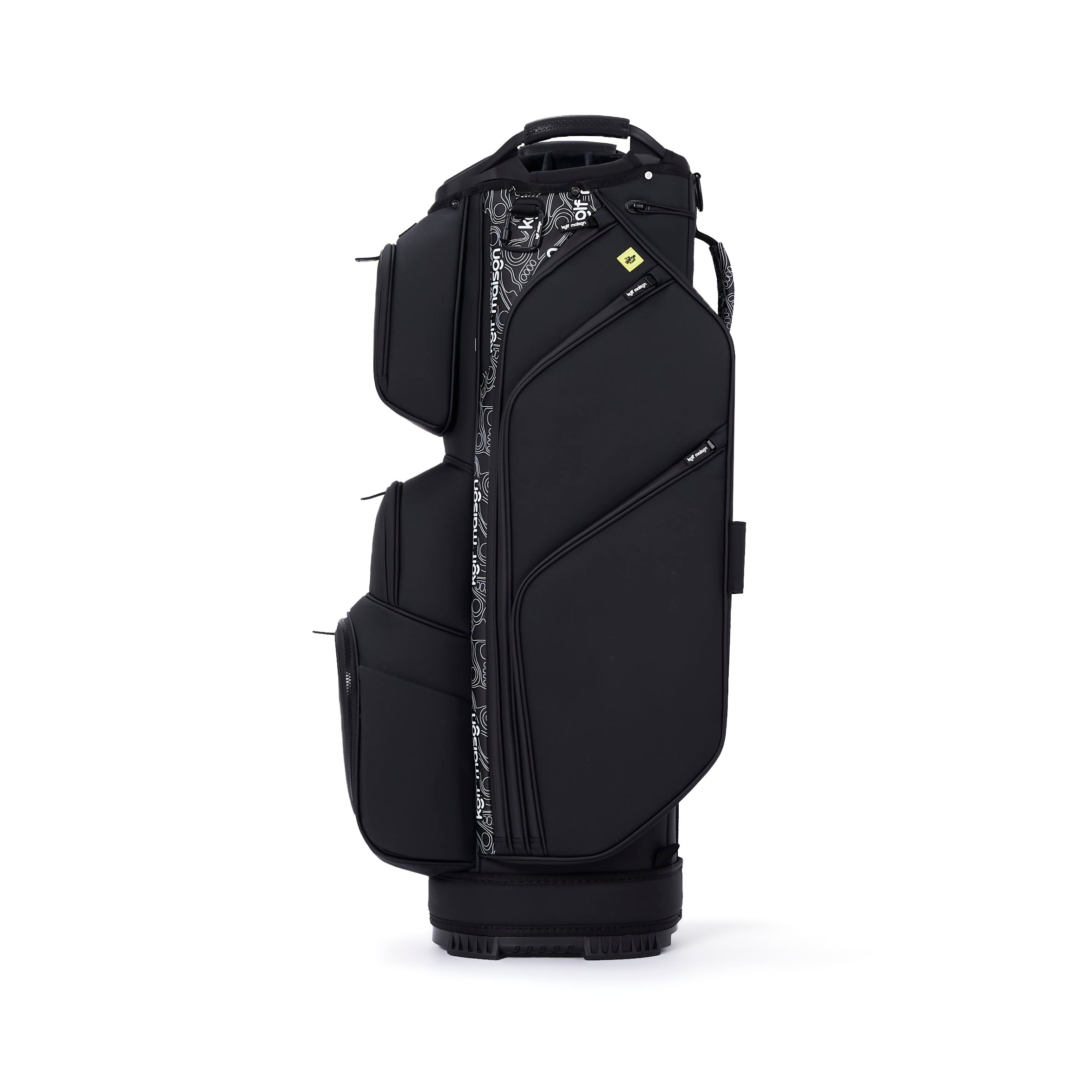
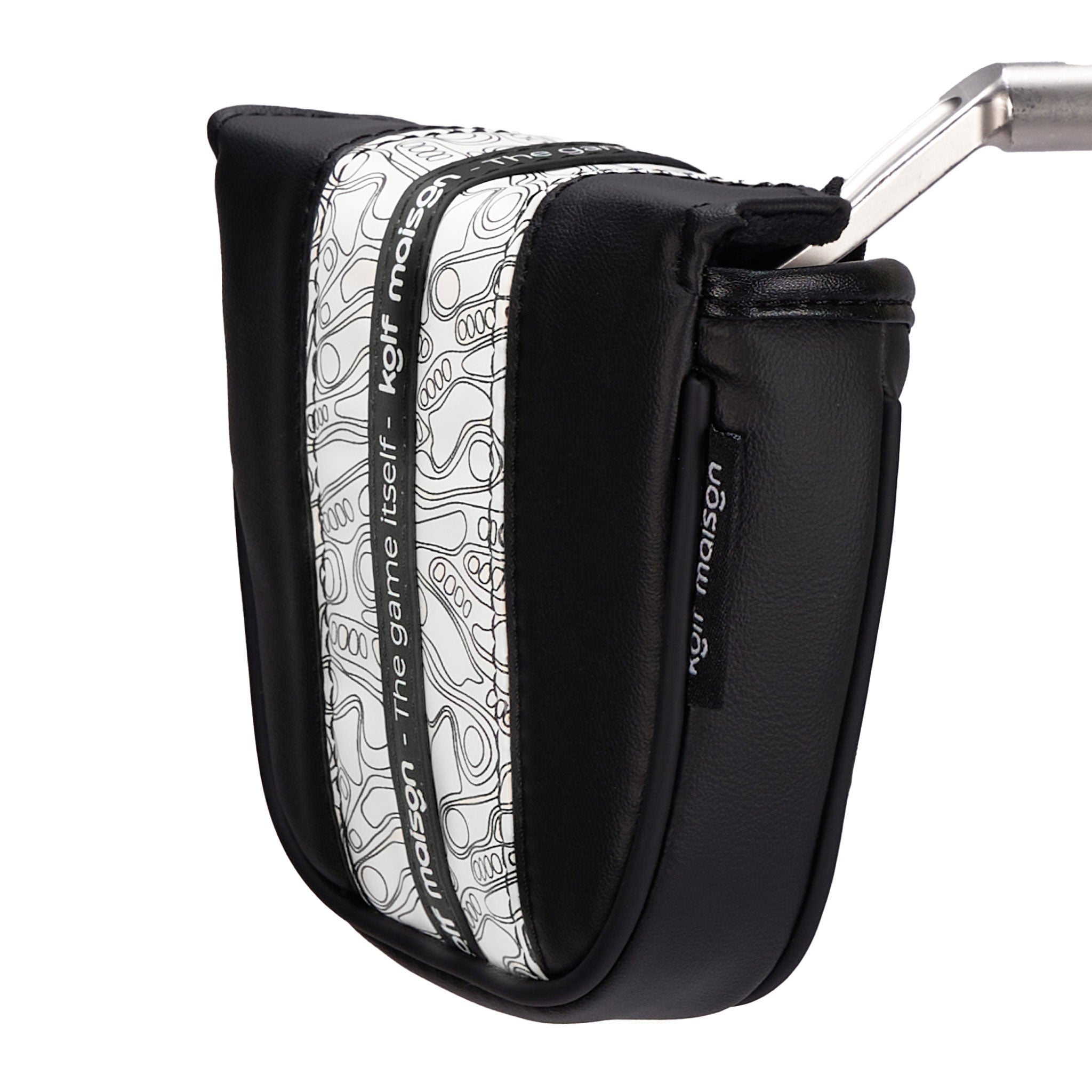
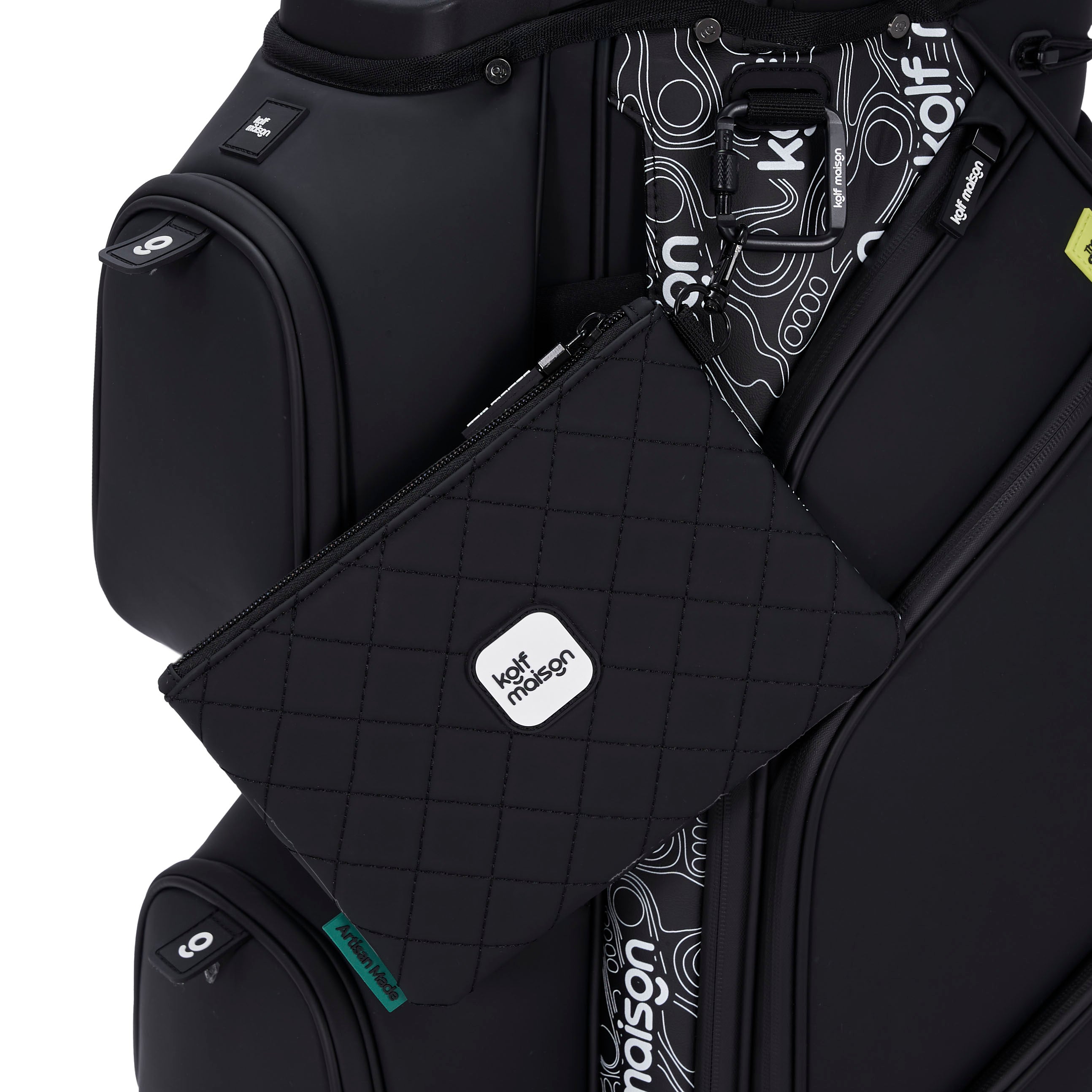
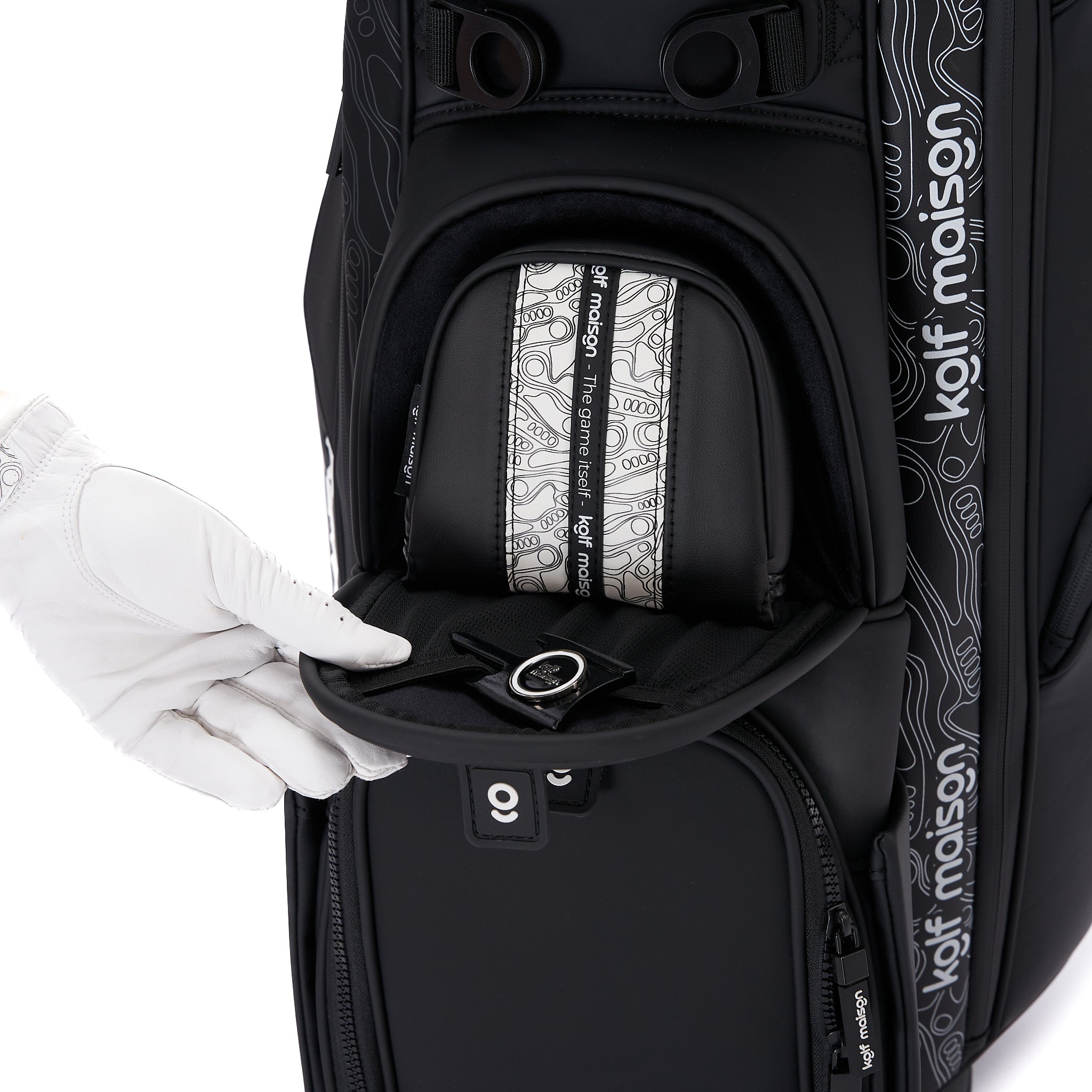
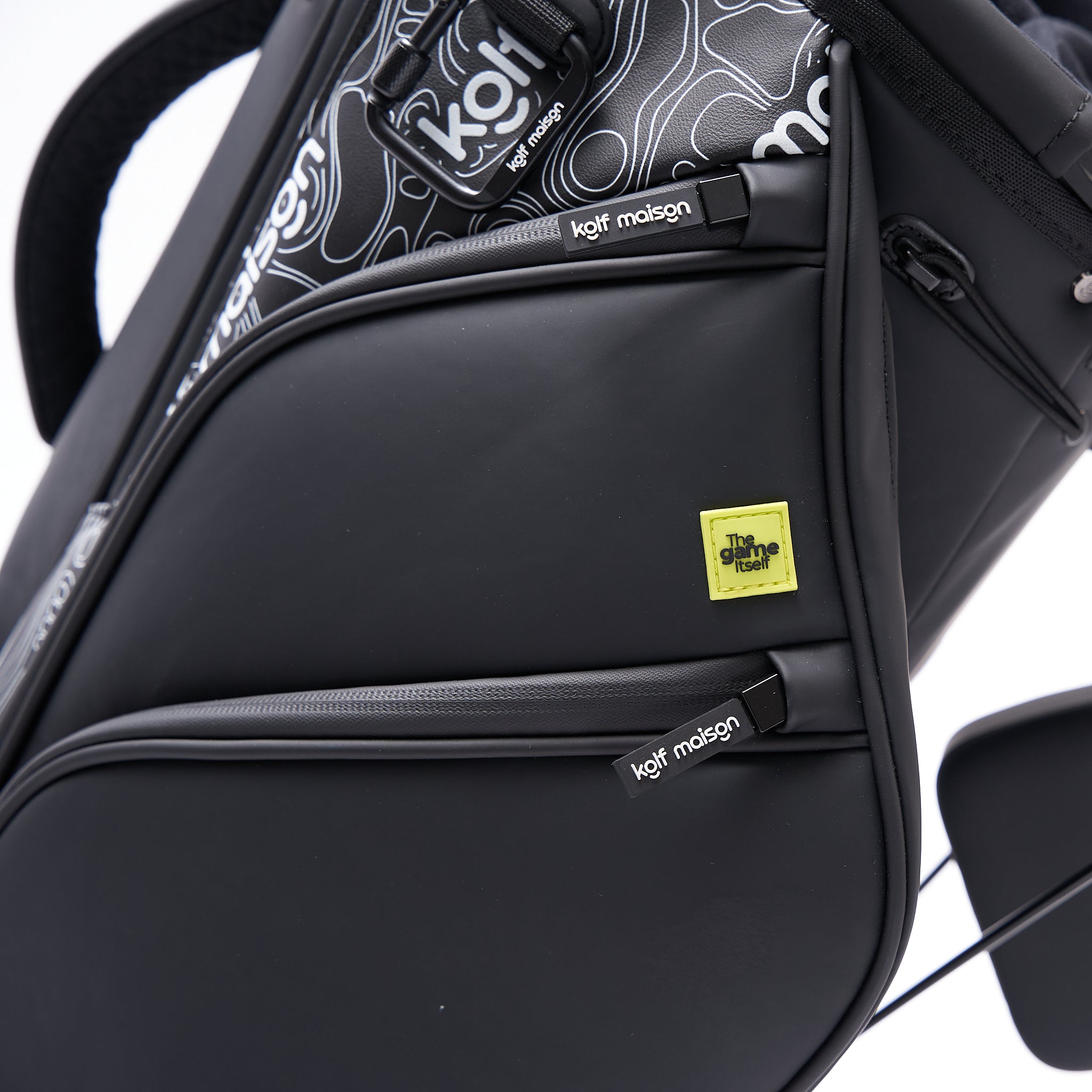
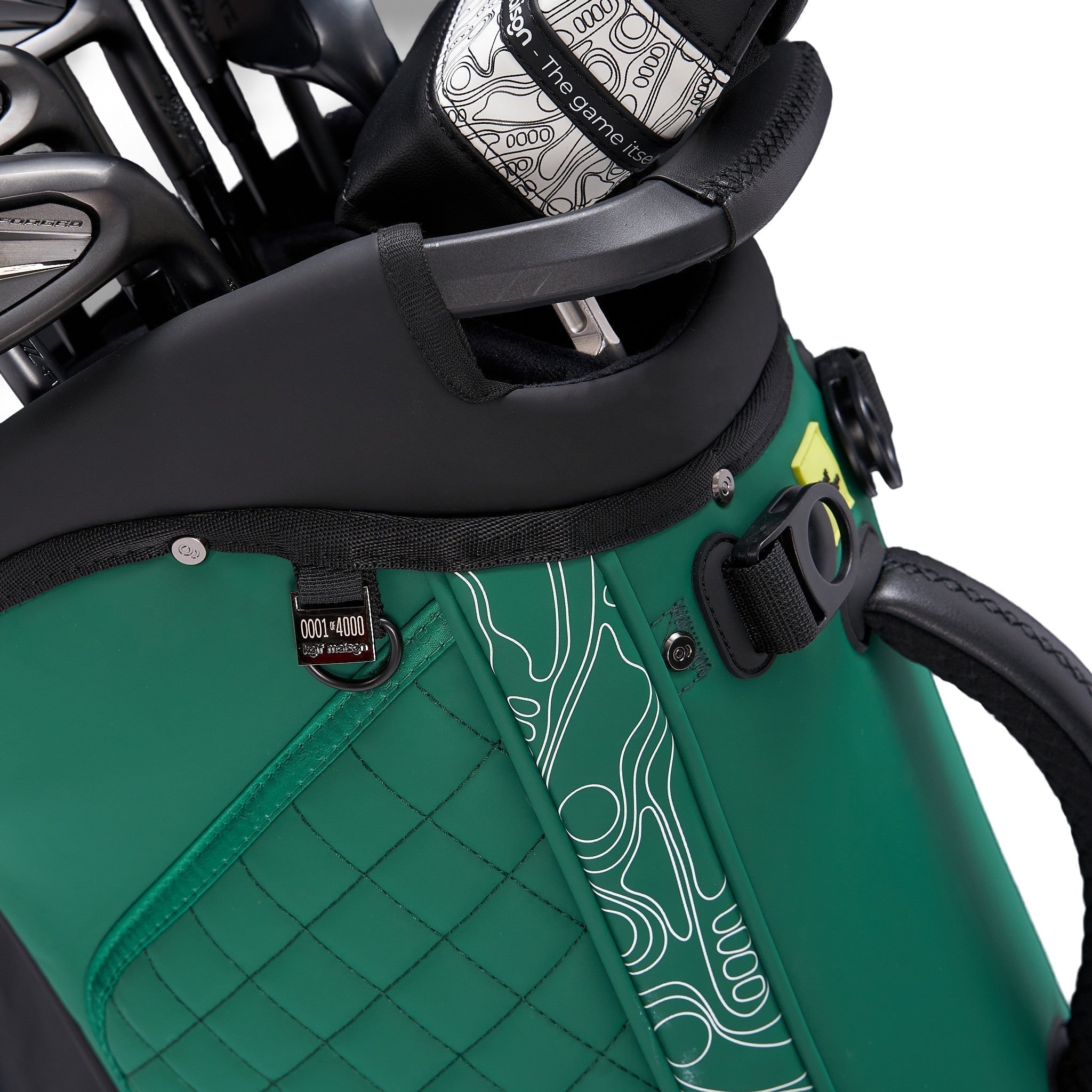
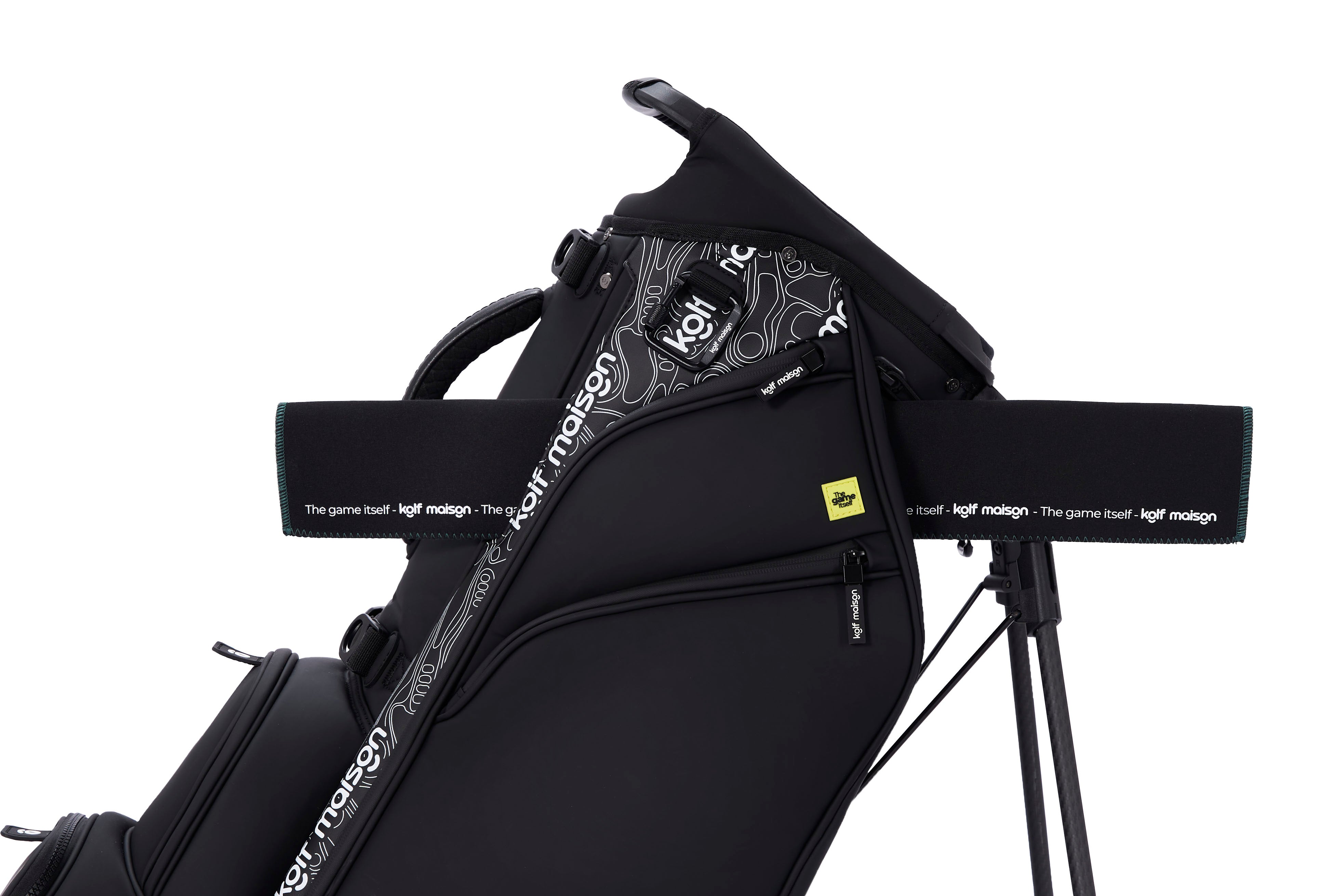
The matte finish is not an aesthetic afterthought. It is a functional decision. By reducing reflectivity, the surface disguises micro abrasion and resists visible wear. Gloss highlights imperfections. Matte absorbs them.
The result is a material that feels denser, warmer, and quieter in hand, while maintaining visual composure over extended use.
⸻
Durability Is Designed, Not Claimed
Durability is often discussed in abstract terms. In reality, it is measurable.
Conventional PU leather frequently fails in predictable ways. Repeated flexing at stress points causes surface cracking. Friction at contact zones leads to premature wear. Exposure to heat and humidity accelerates hydrolysis, resulting in peeling and surface breakdown.
Matte Microfiber Composite Leather is validated specifically against these failure modes.
High adhesion and peel strength ensure the coating remains bonded under load. Flex endurance testing confirms resistance to cracking through thousands of cycles. Abrasion resistance testing demonstrates that the material retains structure rather than sacrificing surface integrity. Hydrolysis testing verifies stability in high humidity environments where lower grade PU systems deteriorate.
These are not cosmetic differences. They determine whether a bag maintains its shape and presence after years of use or degrades into something visibly compromised.
⸻
Sensory Quality and Perceived Value
Luxury is as much about what is felt as what is seen.
Lower grade PU materials often feel hollow or rigid, particularly in colder conditions. Compression produces audible squeak. The surface feels disconnected from the structure beneath it. These signals undermine confidence, even when the product is otherwise well designed.
A microfiber composite behaves differently. Density creates weight. Interlocked fibers dampen sound. The surface feels warm rather than cold. The material responds predictably to pressure.
The matte finish further reinforces this perception. By absorbing light and suppressing visual noise, it communicates restraint. It looks deliberate rather than imitative.
This is why matte materials dominate automotive interiors, professional equipment, and environments where longevity matters more than initial shine.
⸻
Aging Behavior Tells the Truth
Materials reveal their quality over time.
Glossy synthetic leathers often look their best on day one. As scratches accumulate, the reflective surface exaggerates wear. Color shifts become more visible. The material demands constant attention to maintain appearance.
Matte Microfiber Composite Leather ages differently. Reduced reflectivity minimizes visual fatigue. Micro wear blends into the surface rather than standing out. The material holds its shape without hardening or cracking.
The goal is not to remain pristine forever. It is to age with dignity.
⸻
Why Many Brands Still Use Generic PU Leather
Cost efficiency and manufacturing familiarity drive many material decisions. Generic PU leather is widely available, easy to work with, and inexpensive at scale. For brands focused on rapid turnover rather than long term ownership, this tradeoff may seem acceptable.
Even in the luxury segment, many manufacturers rely on ordinary PU systems or thin synthetic leathers with engraved grain patterns designed to mimic traditional hides. These materials prioritize appearance over performance and often rely on surface treatments rather than structural integrity.
The result is a product that photographs well and sells quickly, but does not reward long term use.
⸻
Material Choice Is a Statement
Choosing Matte Microfiber Composite Leather is not about rejecting synthetic materials. It is about refusing to treat them as commodities.
A composite is not a compromise. It is a system. Carbon fiber is a composite. High performance laminates are composites. What matters is how they are engineered and why.
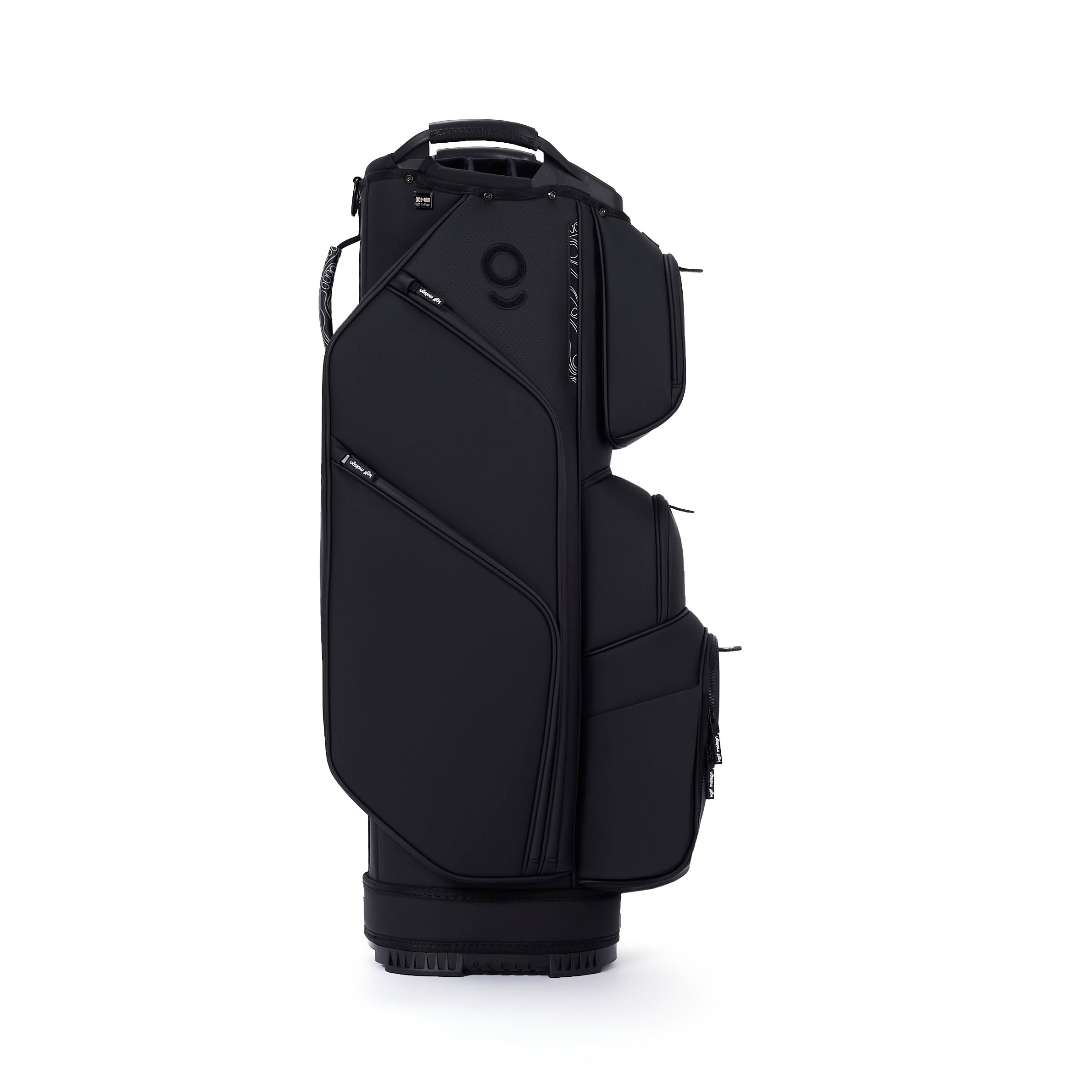
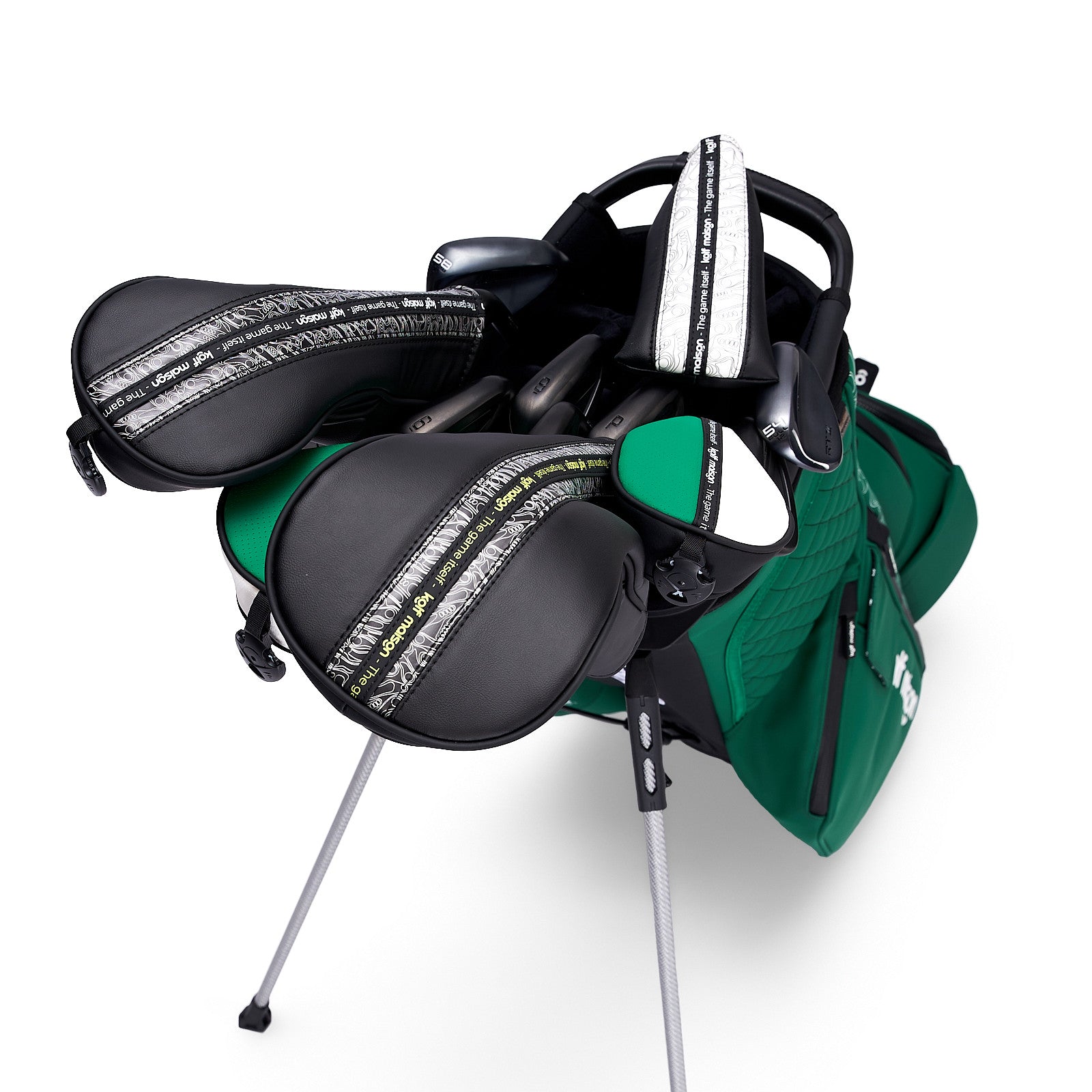
Matte Microfiber Composite Leather represents a higher material standard, one built for structure, longevity, and controlled aesthetics. It is not designed to imitate leather briefly. It is designed to perform consistently.
That difference is felt immediately when the bag is lifted.
It becomes obvious after repeated use.
And it is remembered years later, when the material still holds its presence.
⸻
Why the Distinction Matters
When all synthetic leathers are labeled “PU leather,” meaningful differences disappear. Entry level coatings and high performance composites are treated as equivalents when they are not.
This flattening benefits speed and scale, but it does not benefit the user.
Matte Microfiber Composite Leather restores clarity. It acknowledges material engineering rather than hiding it. It replaces vague terminology with structure, performance, and intent.
In a market crowded with familiar language, precision becomes an advantage.
⸻
Final Thought
Materials are not just surfaces. They are decisions about how a product will live in the world.
In golf, where equipment is exposed to friction, weather, transport, and time, those decisions matter. Matte Microfiber Composite Leather is the result of choosing restraint over gloss, structure over imitation, and longevity over novelty.
That choice defines everything that follows.
For a complete breakdown of how luxury golf bags are defined by structure, material integrity, and long term performance, explore our full guide on luxury golf bags.
For a deeper look at what determines long-term performance, material behavior, and structural stability, explore our guide to golf bag durability.
Structured Comparison
For a complete evaluation of how premium golf bags compare across structure, materials, and long-term performance, refer to our premium golf bag comparison.


Share:
Are Premium Golf Bags Worth It? An Honest 2026 Answer
Best Golf Bags for Serious Golfers 2026