

Sun Bleaching in Golf Bags Can Black Bags Survive 100 Rounds
A black golf bag represents control, precision, and restraint. It is one of the most preferred color choices among serious golfers. Yet over time, many black bags lose their depth and begin to fade.
What starts as a deep, matte finish can shift into a washed tone. In some cases, the color changes into a dull grey or a muted purple. This transformation is not random. It is the result of ultraviolet exposure and material limitations.
Understanding how sun bleaching occurs is essential for selecting a golf bag that maintains its appearance over time. The difference between a bag that fades and one that endures lies in material composition and pigment stability.
This principle aligns with the material framework explored in material integrity and golf bag durability, where environmental resistance defines long term quality.
What Causes Sun Bleaching
Sun bleaching occurs when ultraviolet radiation breaks down the chemical structure of dyes and pigments within a material. Over time, this process reduces color intensity and alters the appearance of the surface.
Black materials are particularly sensitive because they rely on deep pigment saturation to maintain their appearance. When this saturation is compromised, the color begins to shift.
This process is gradual. It may not be visible after a few rounds, but repeated exposure accumulates. After extended use, the change becomes noticeable and often irreversible.
Why Some Black Golf Bags Turn Grey or Purple
The shift from black to grey or purple is a result of uneven pigment degradation. When certain components of the dye break down faster than others, the remaining color spectrum becomes visible.
In many cases, lower quality dyes lack depth and stability. They sit closer to the surface rather than being integrated into the material. This makes them more vulnerable to ultraviolet exposure.
As these surface pigments degrade, the underlying tones begin to dominate. This creates the washed appearance commonly seen in aged golf bags.
The Role of Material Construction
Material construction determines how well a golf bag resists ultraviolet damage. Coated materials rely on surface pigmentation, which is more susceptible to fading.
Integrated materials, where pigment is embedded within the structure, provide greater resistance. The color is not limited to a surface layer. It exists throughout the material.
This reduces the impact of surface degradation and allows the bag to maintain a consistent appearance over time.
This concept is closely related to the material differences discussed in hydrolysis and material failure.
Pigment Depth and UV Resistance
Pigment depth refers to how thoroughly color is integrated into the material. Shallow pigmentation results in faster fading because the exposed surface carries most of the color.
Deeper pigmentation distributes color throughout the material. Even if the surface is exposed to ultraviolet radiation, the overall appearance remains more stable.
This is one of the key factors that separates materials designed for short term visual impact from those engineered for long term performance.
Environmental Exposure in Golf
Golf bags are exposed to sunlight more consistently than many other types of equipment. They remain outside for extended periods during each round.
They are also frequently stored in environments where temperature and light exposure vary. This combination accelerates the effects of ultraviolet degradation.
Over time, this repeated exposure compounds. The material does not recover between rounds. Each exposure contributes to gradual fading.
Kolf Maison Material Approach
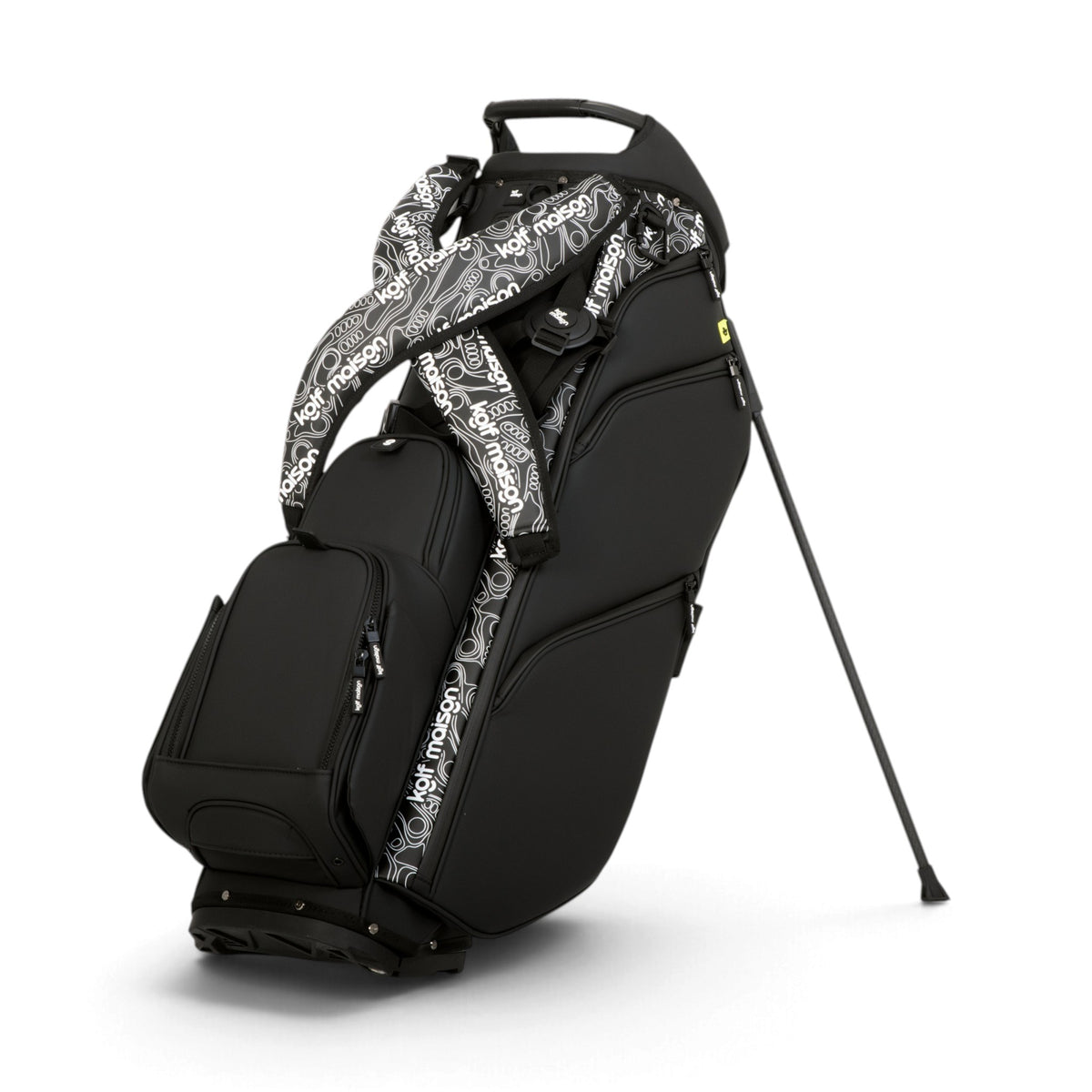
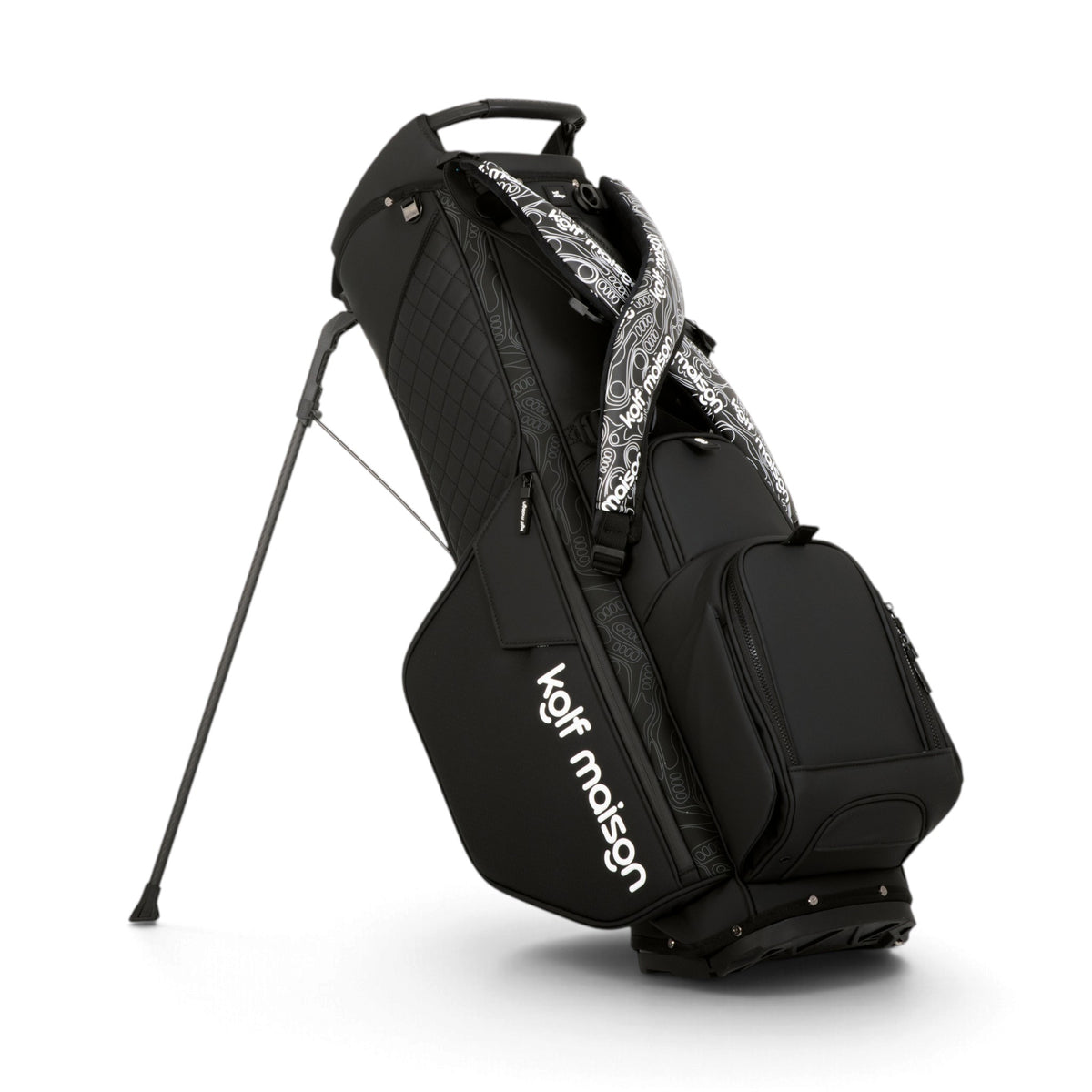
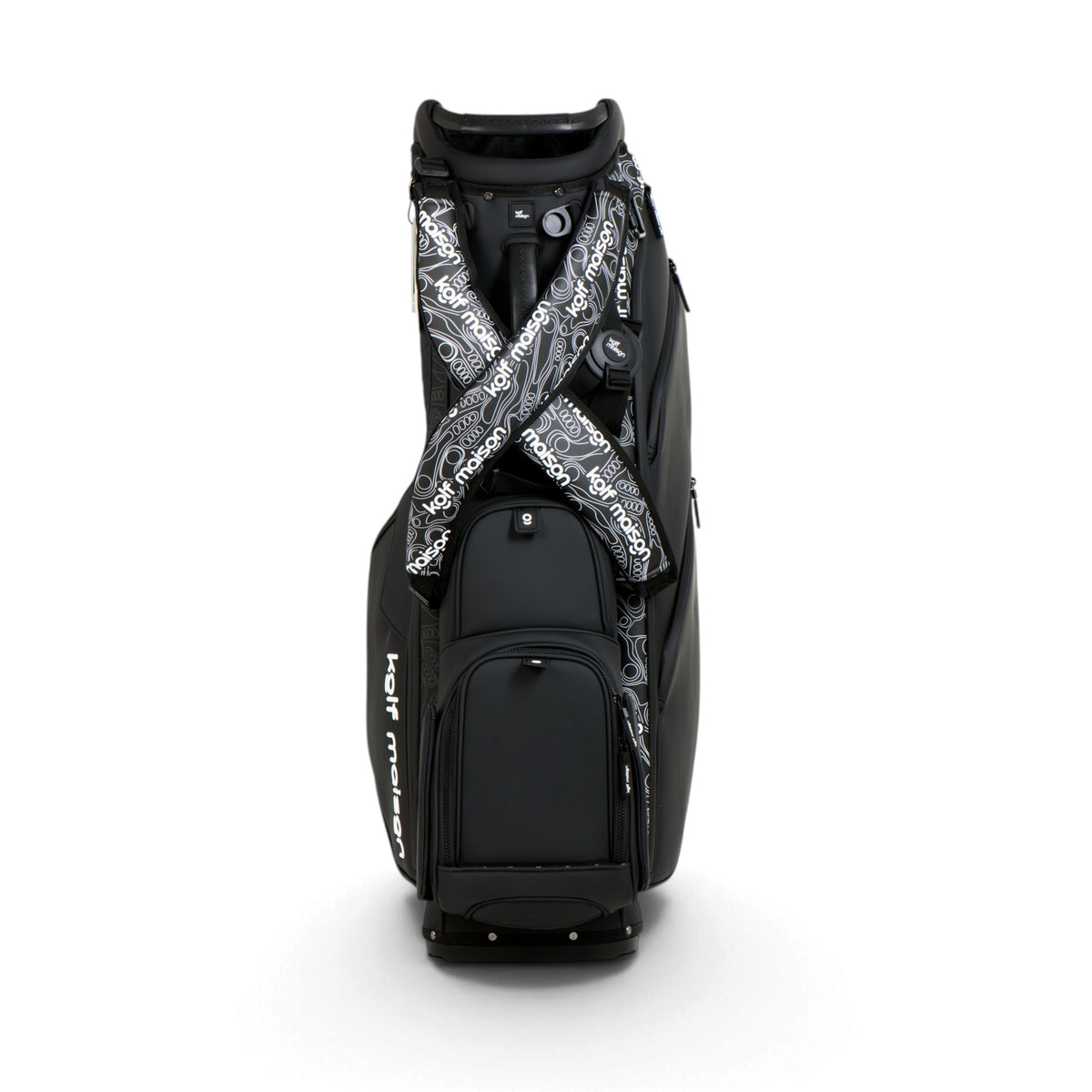
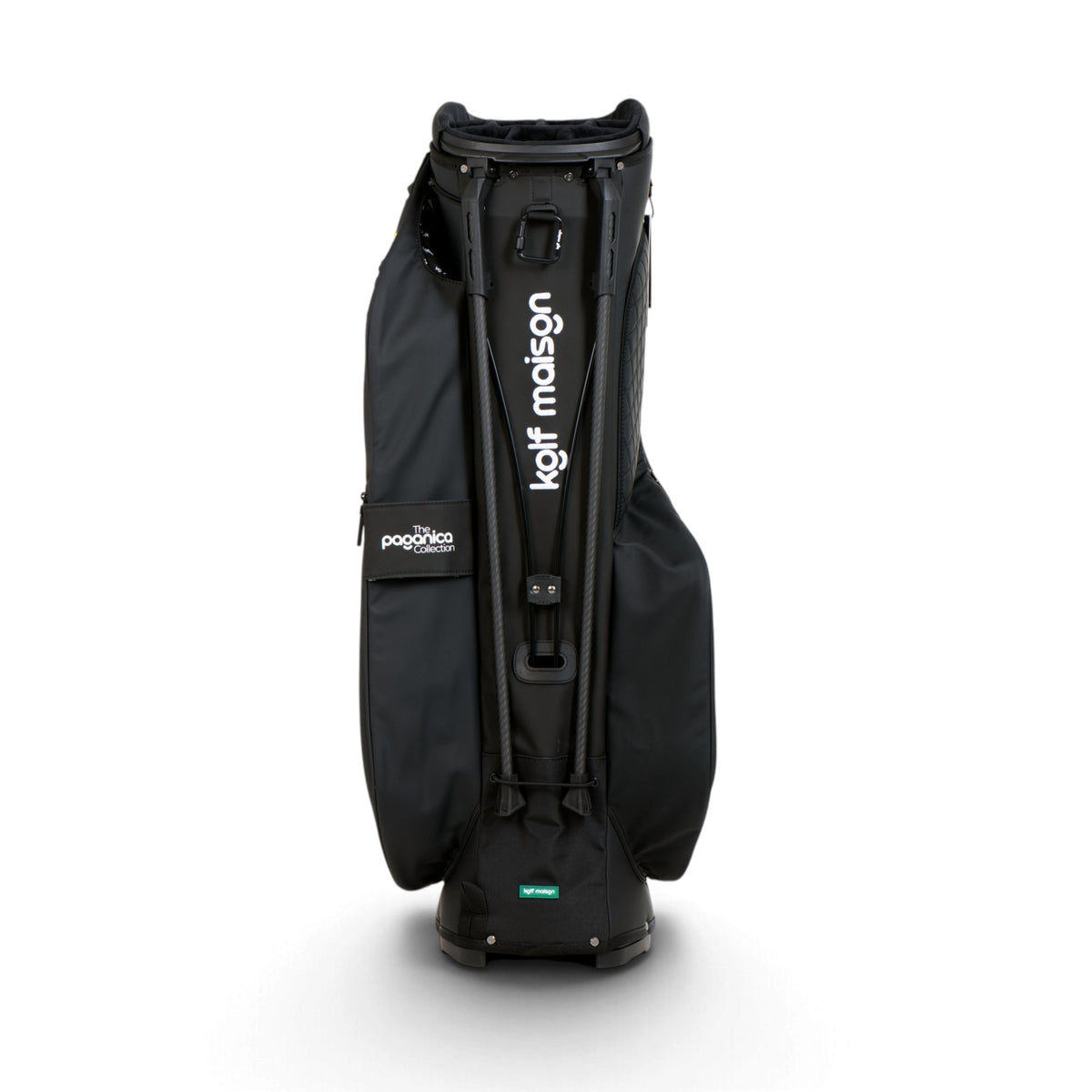
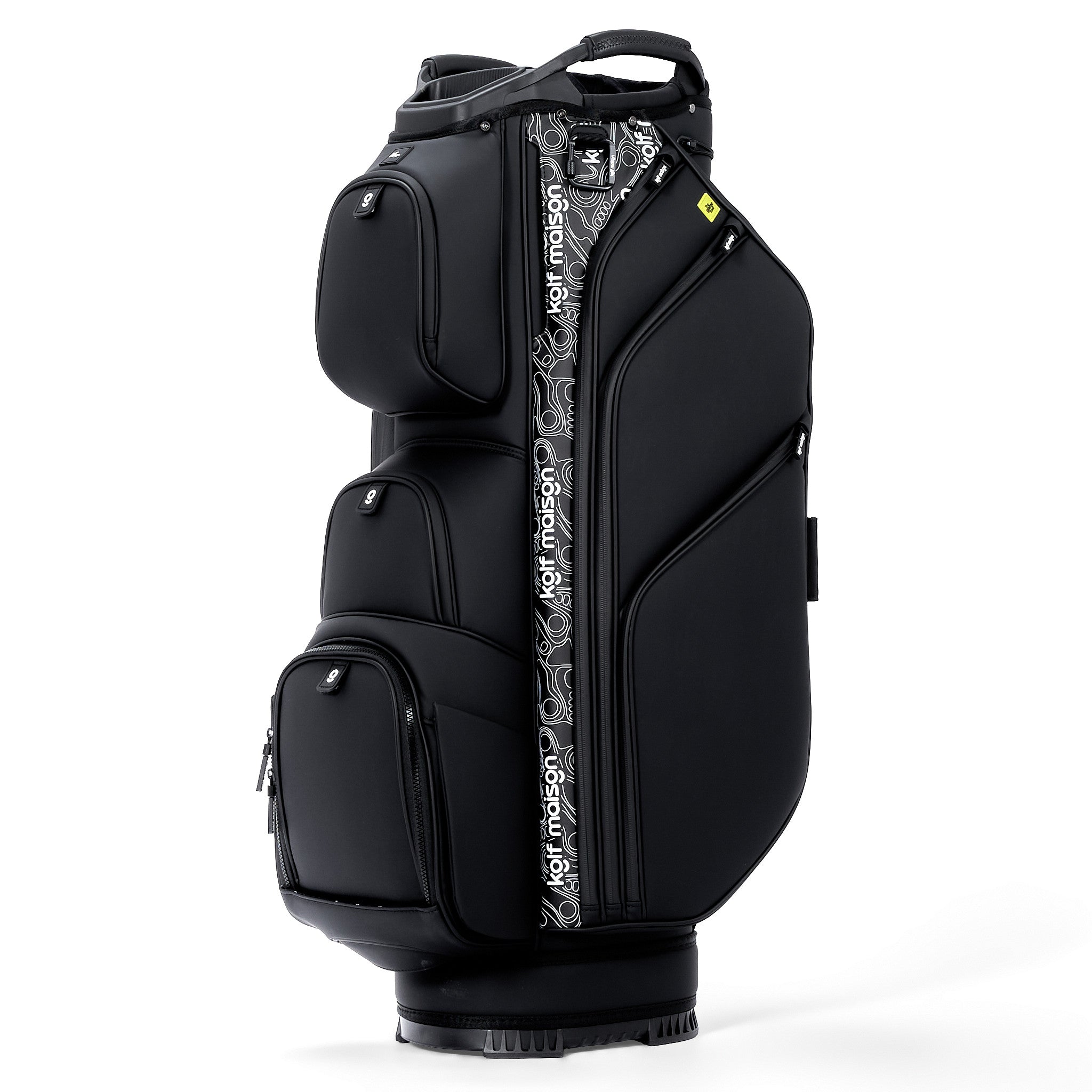
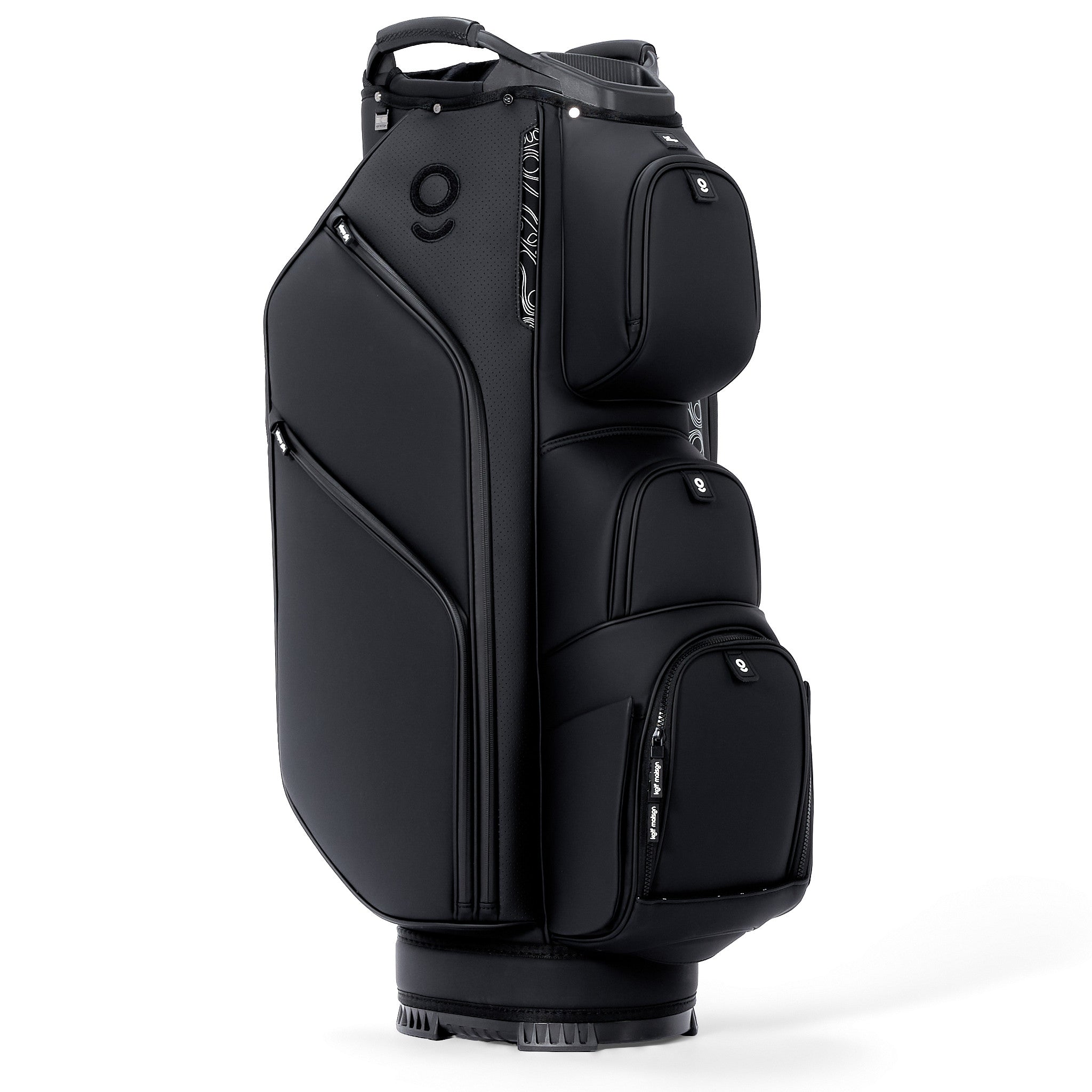
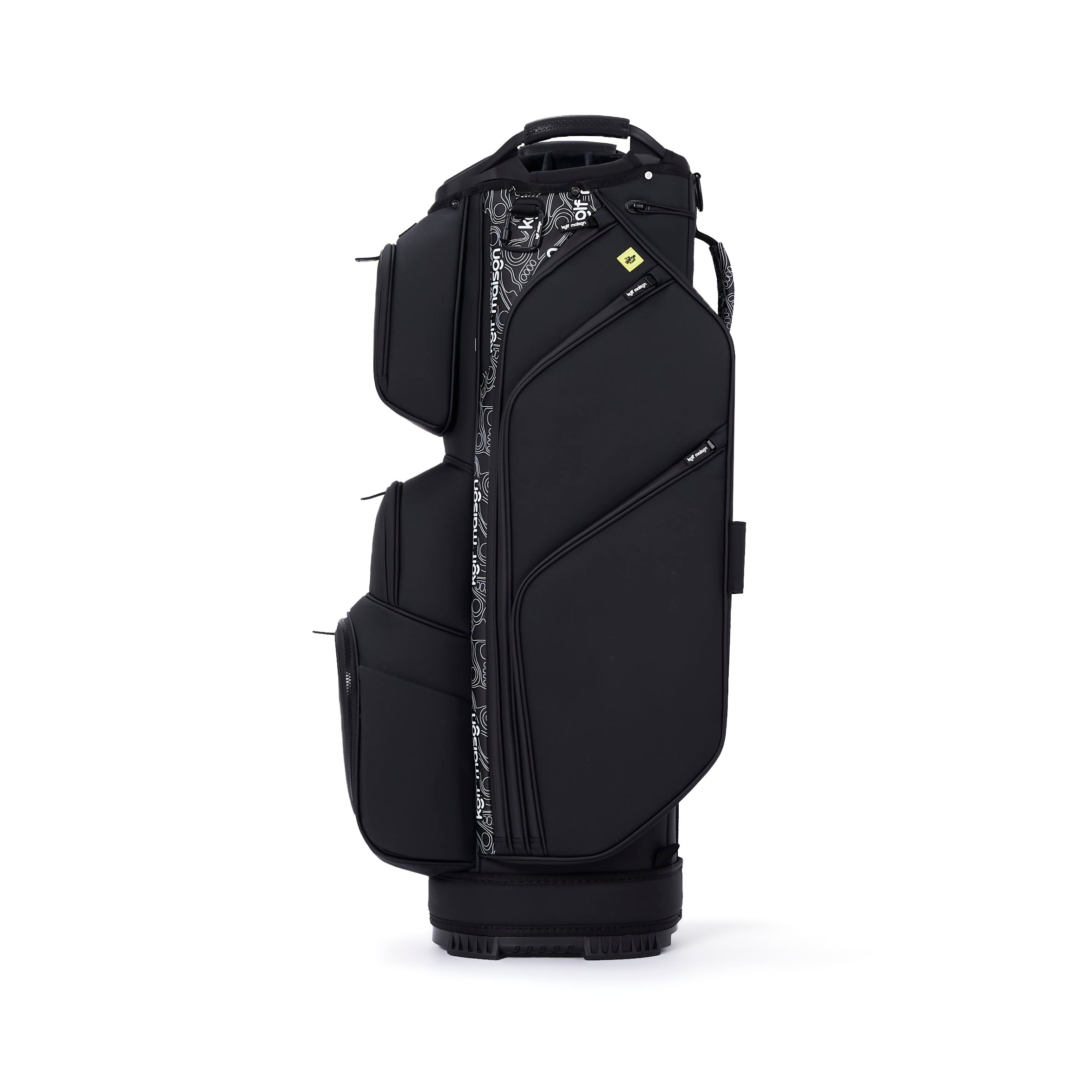
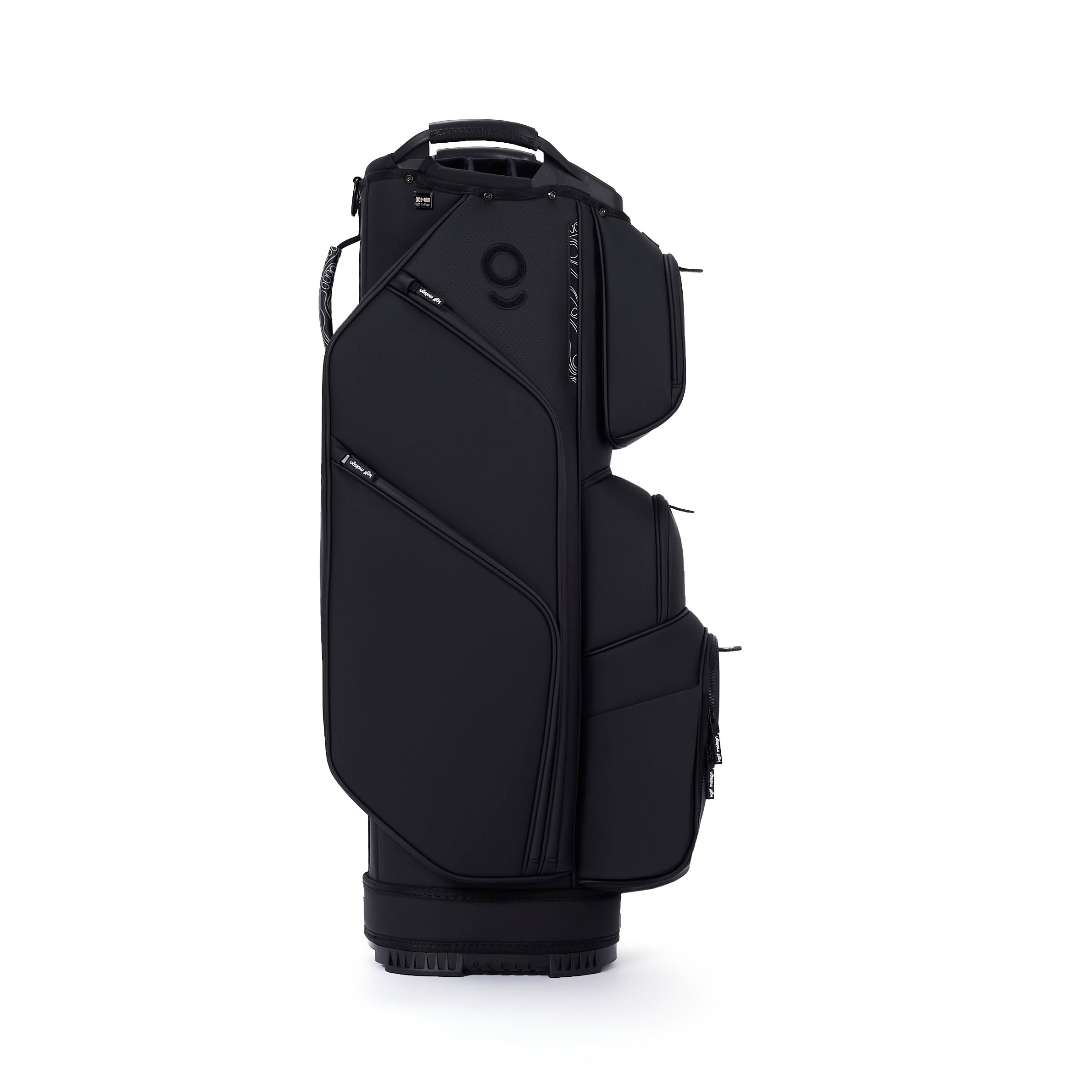
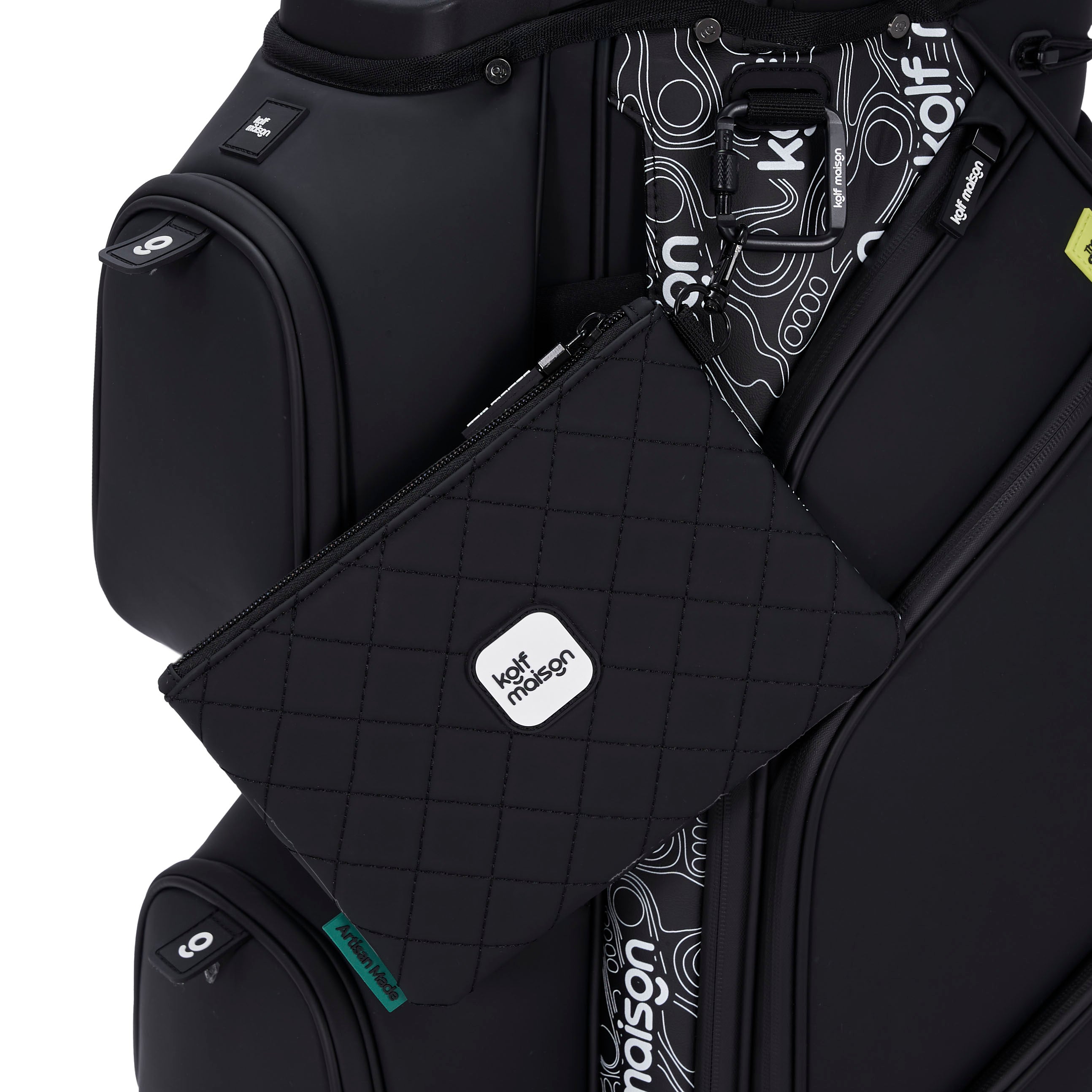
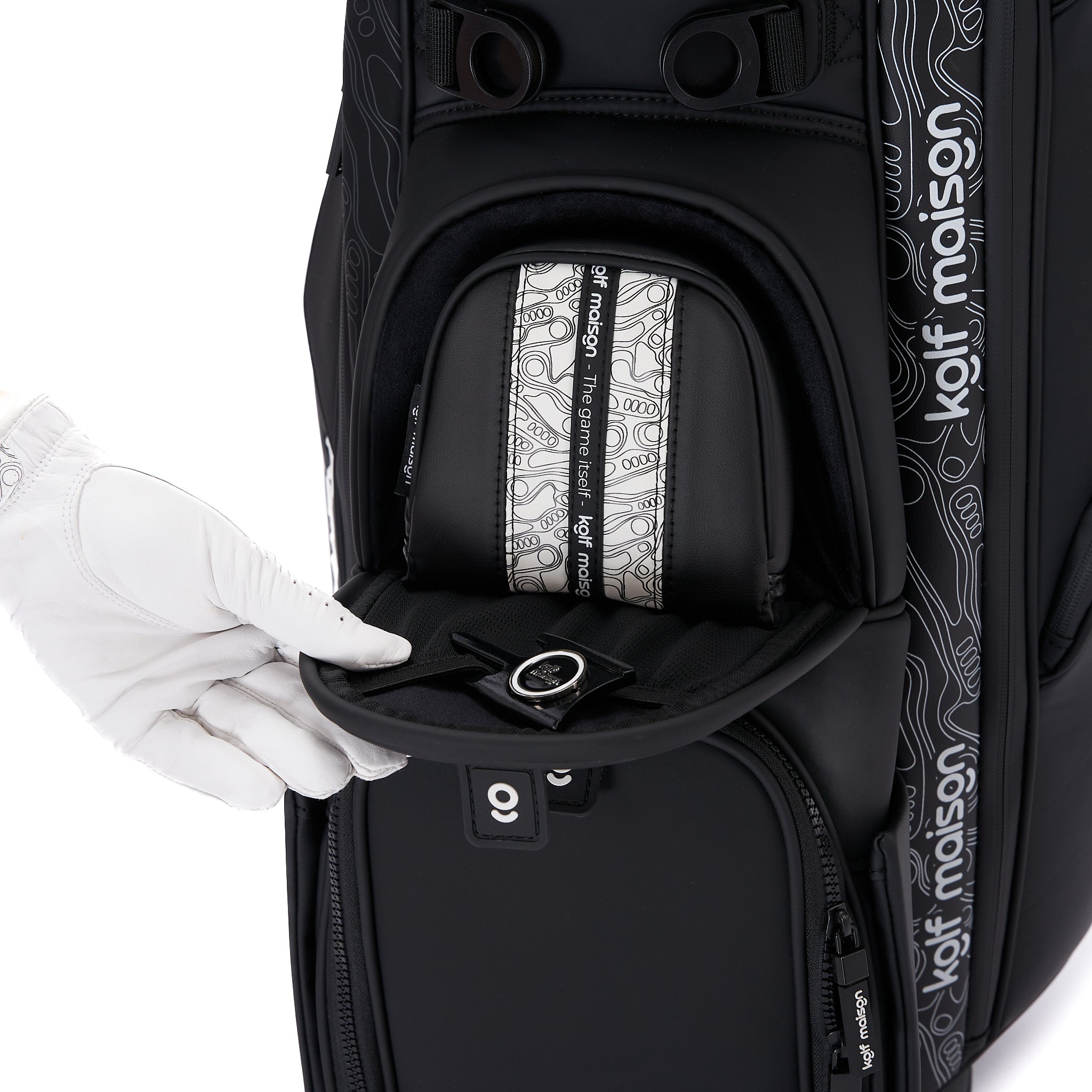
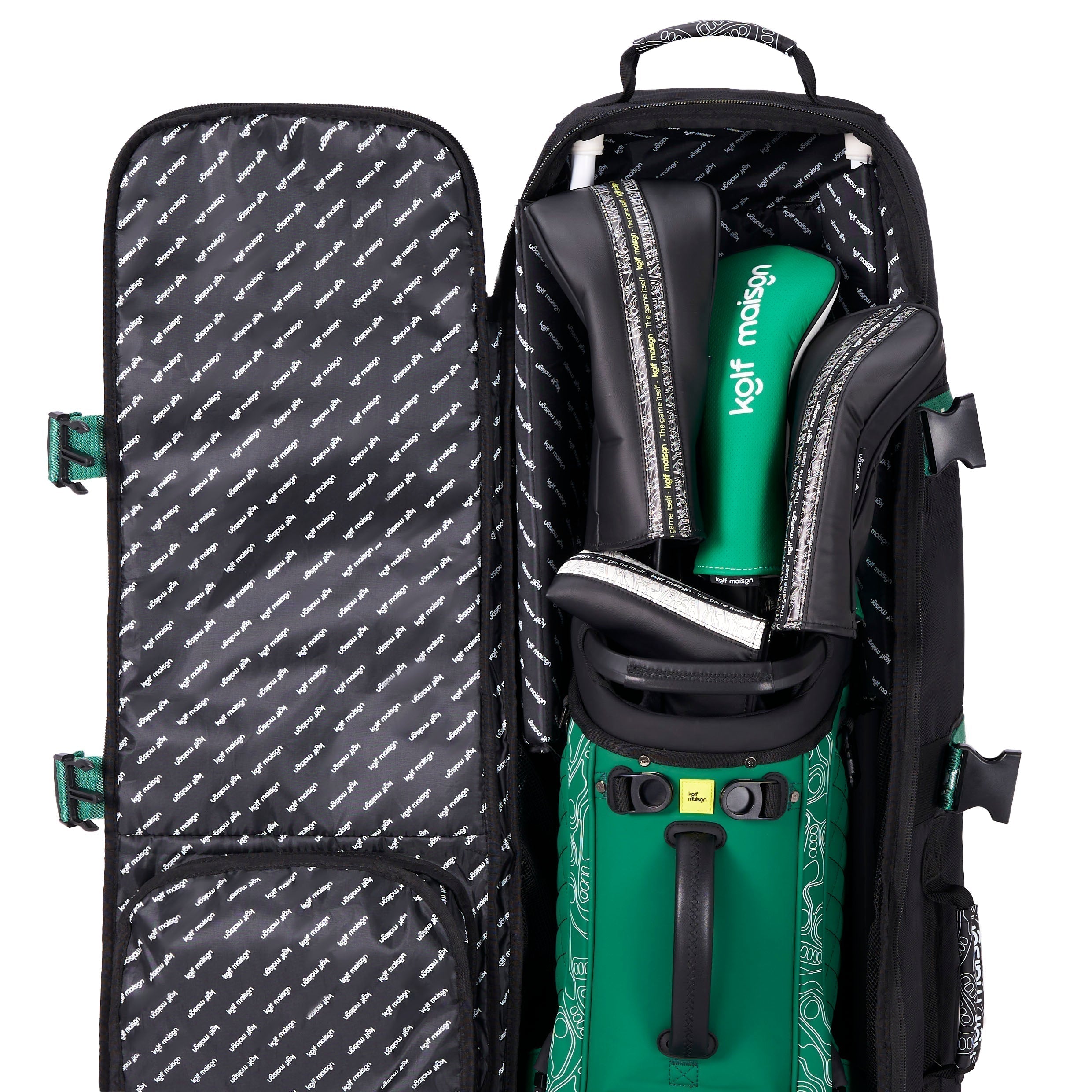
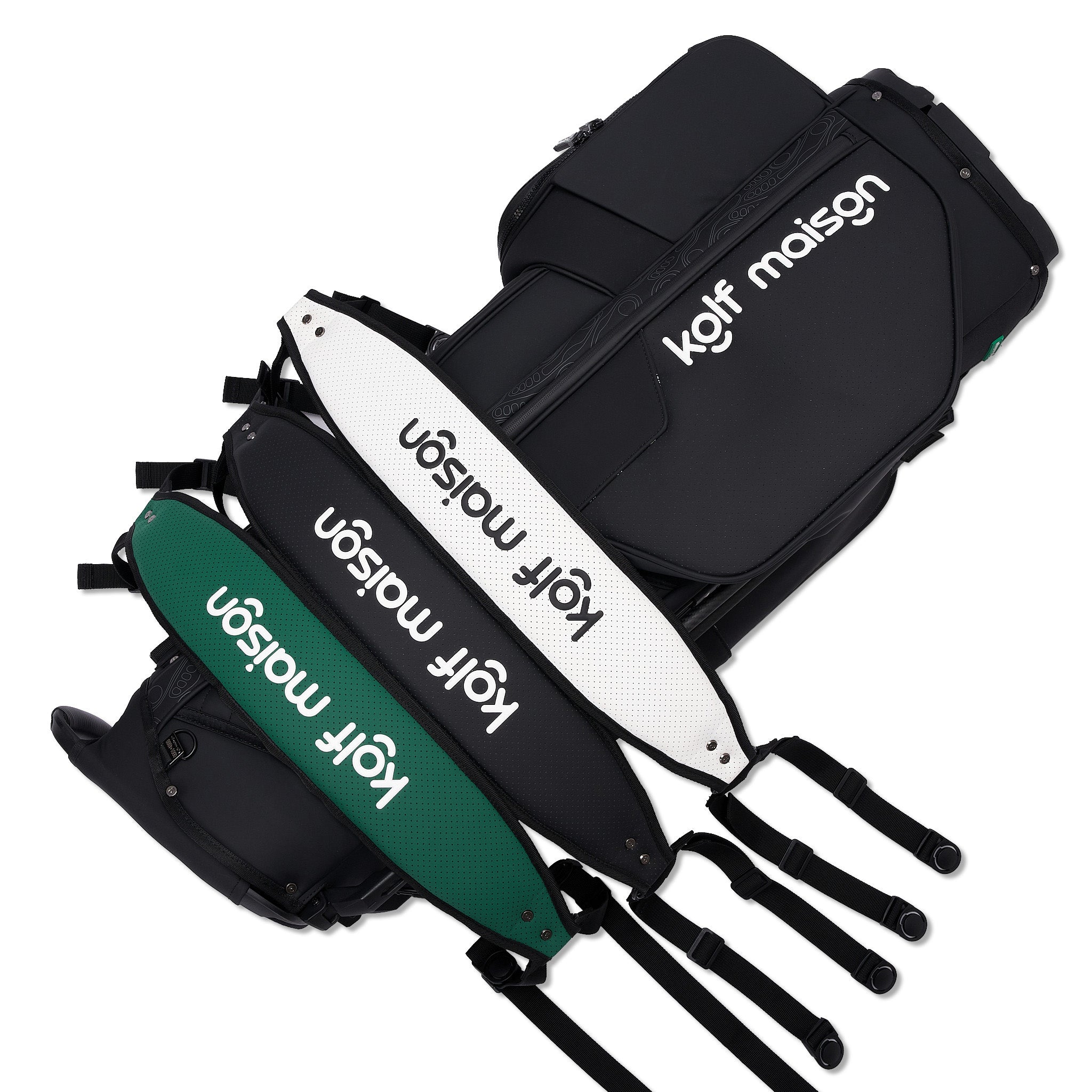
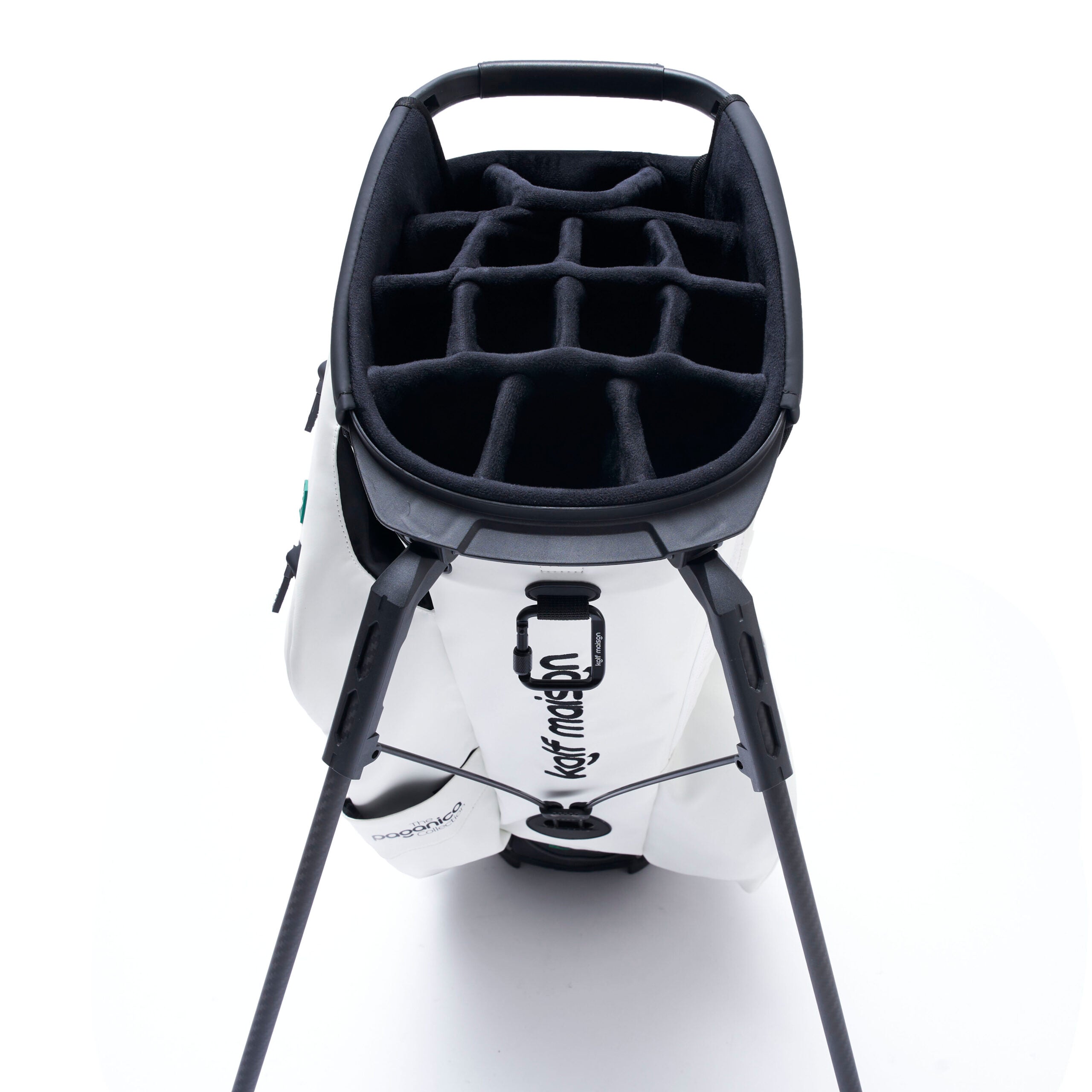
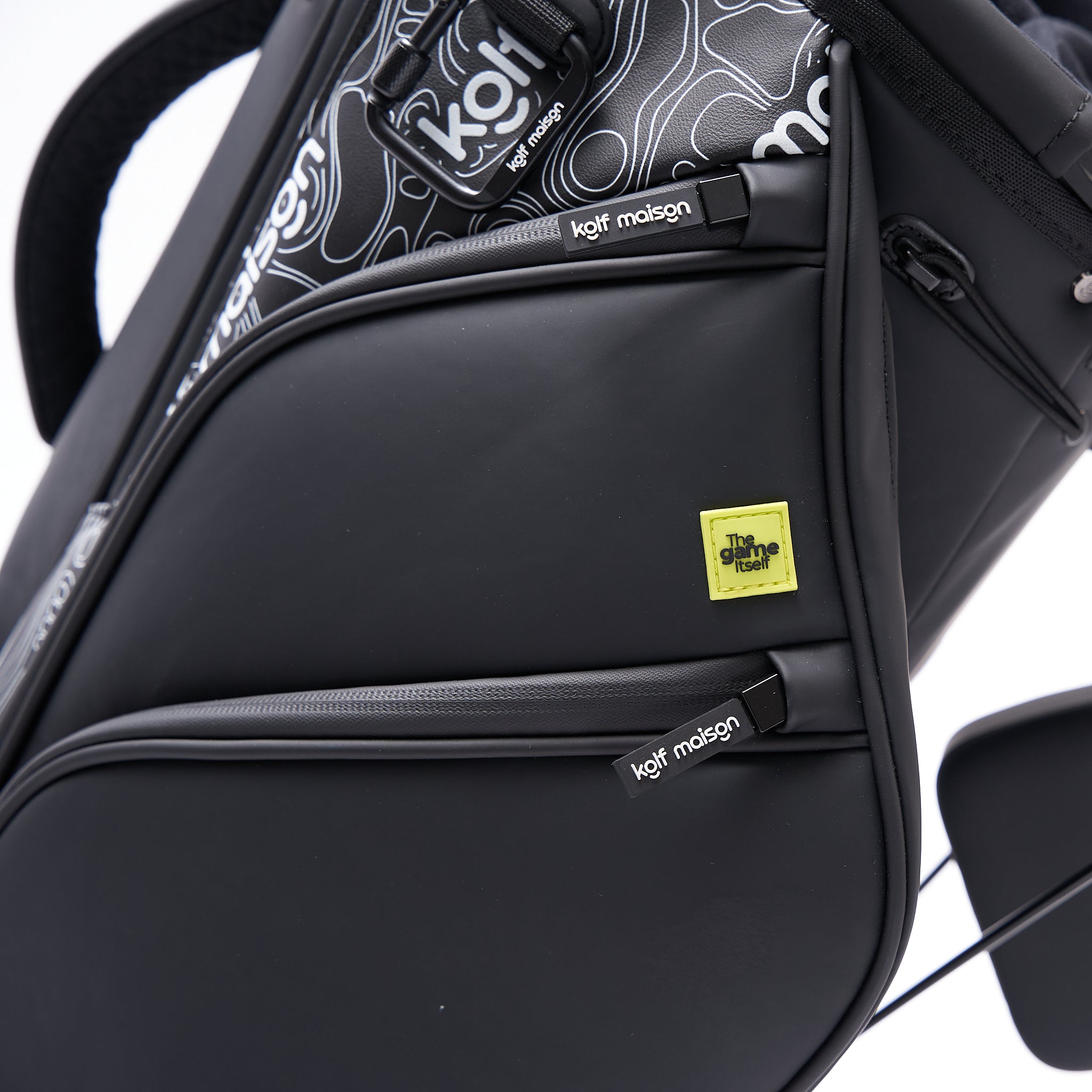
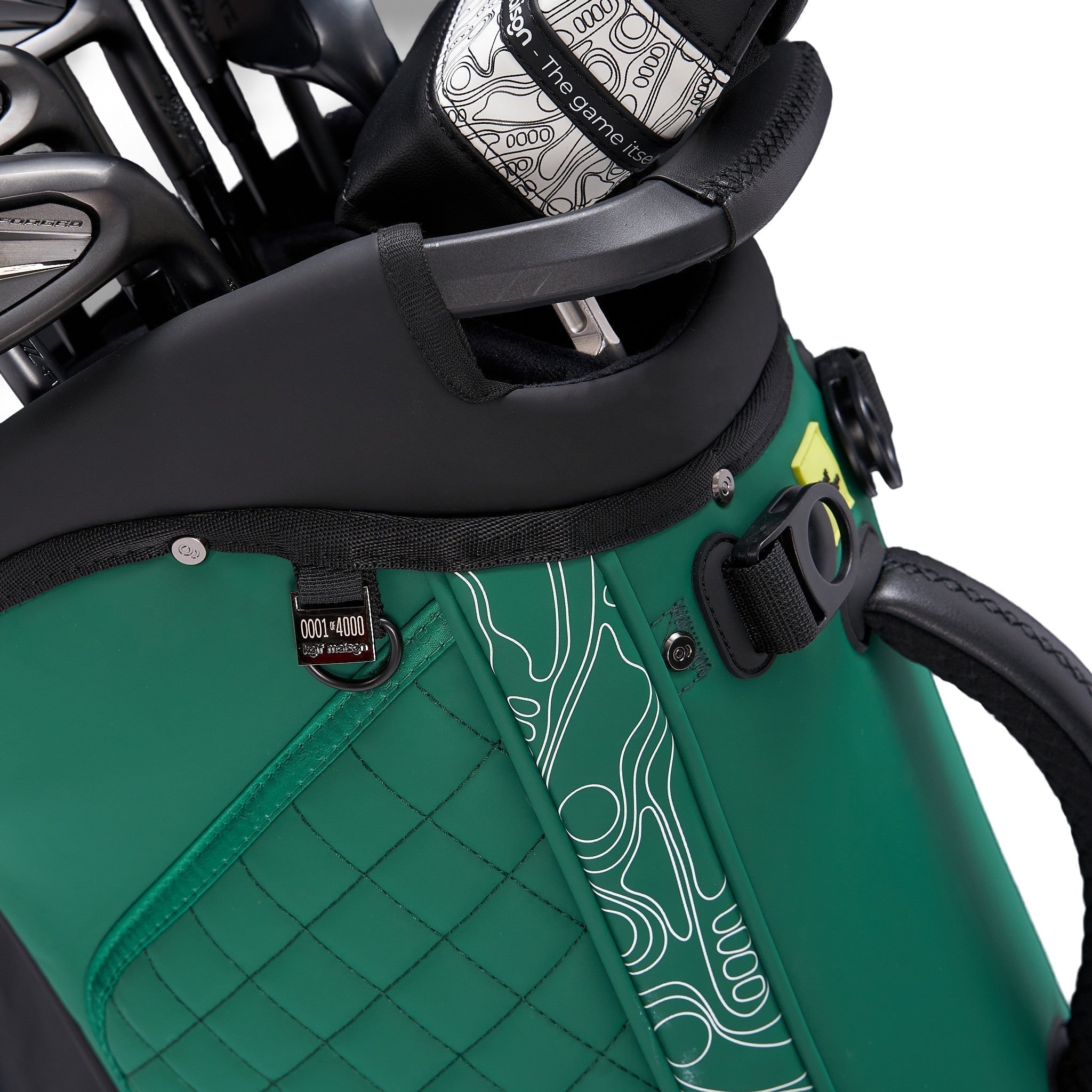
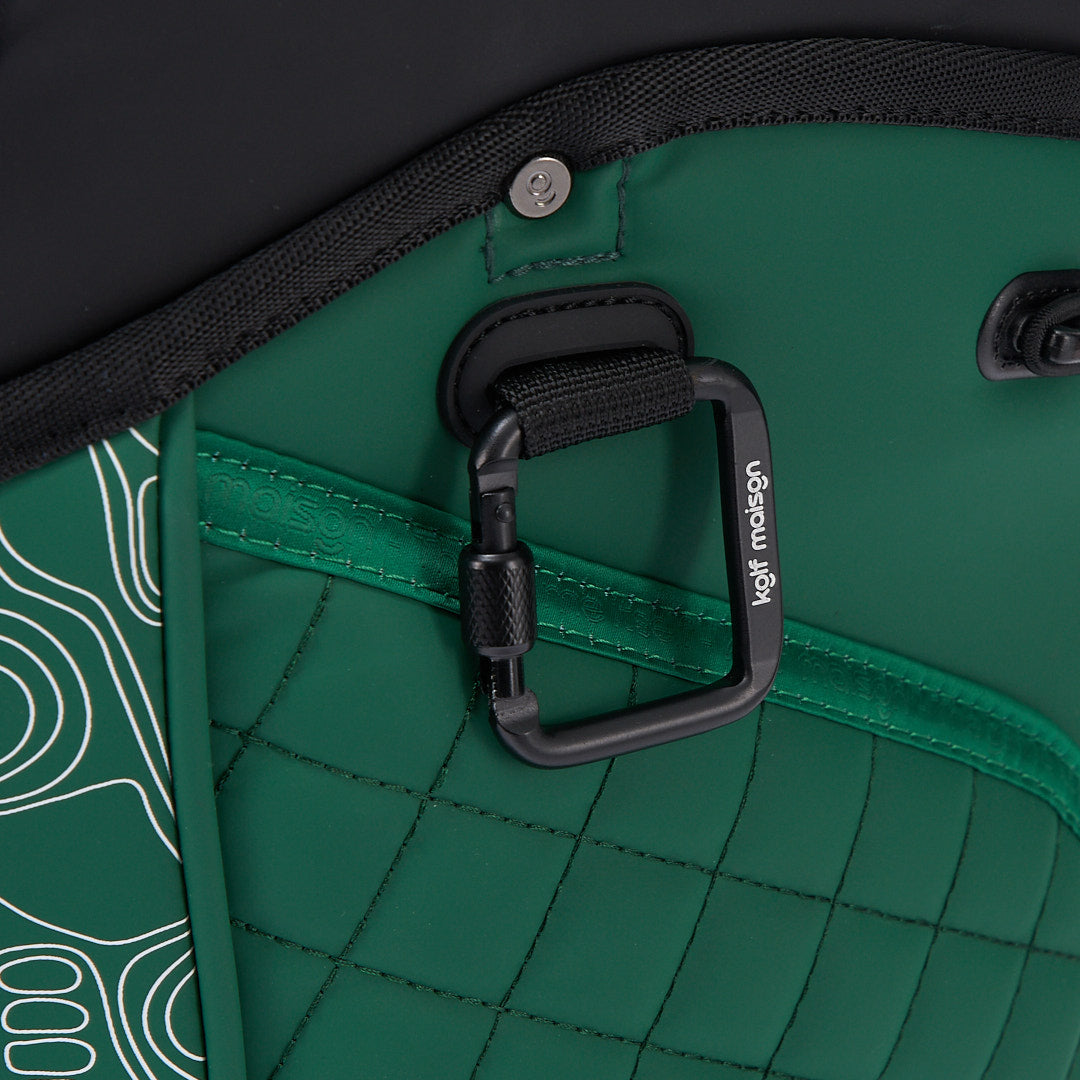
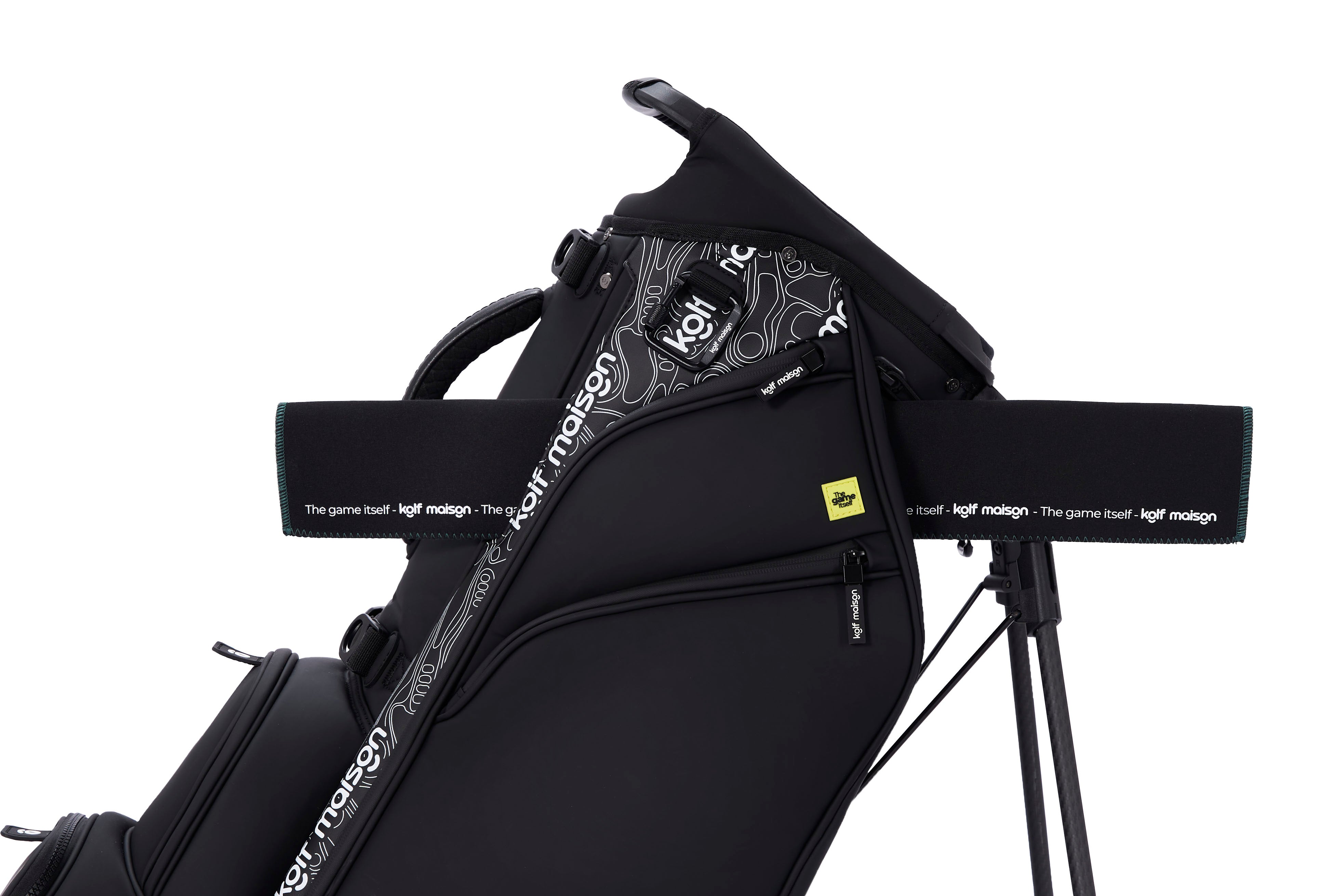
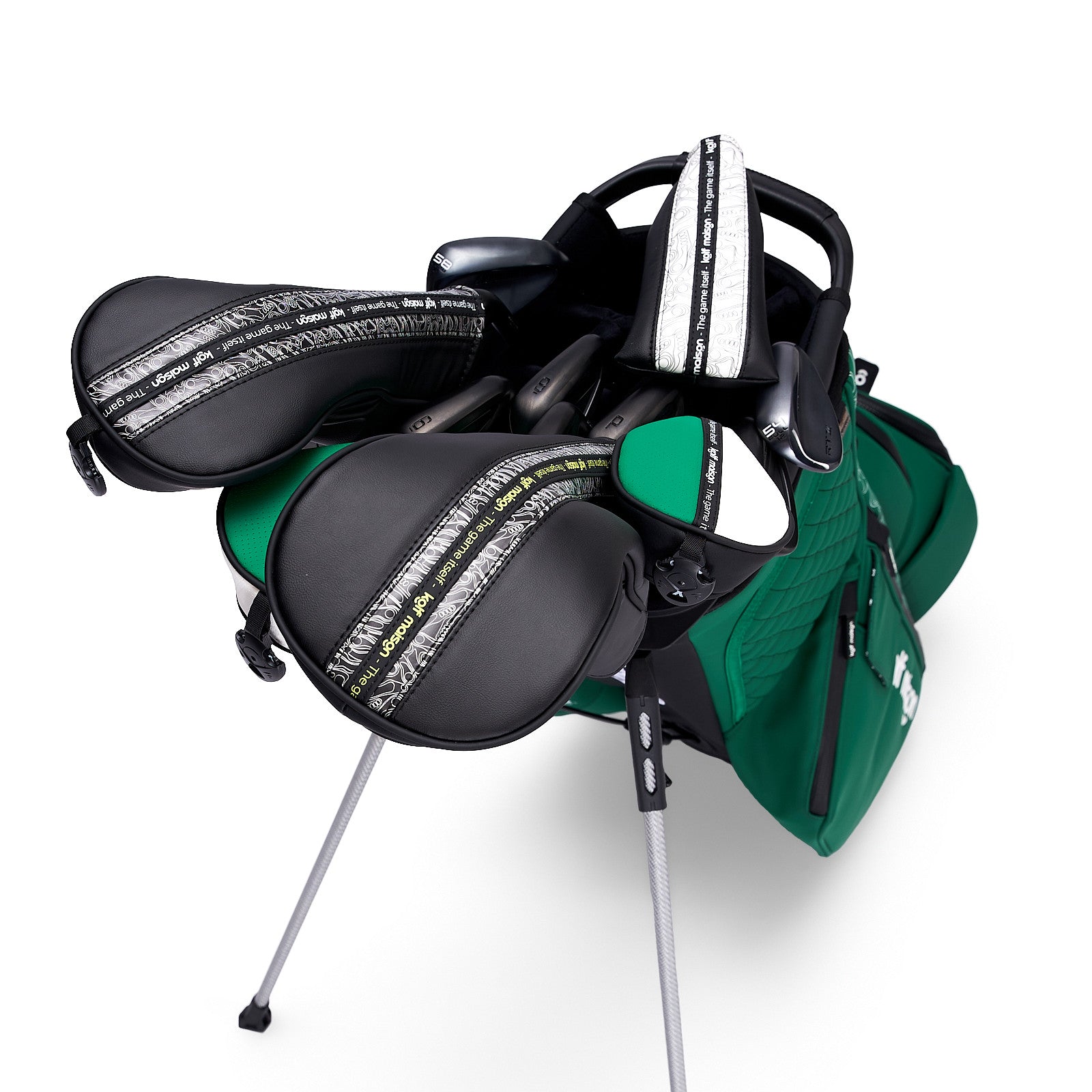
The Paganica Cart Bag and Paganica Stand Bag are developed using matte microfiber composite materials with deeper pigment integration.
This approach reduces reliance on surface coatings and improves resistance to ultraviolet degradation. The goal is to maintain color consistency across extended use.
The matte finish also contributes to stability by reducing reflective stress on the surface, further supporting long term appearance.
How to Reduce Sun Damage
Avoid prolonged exposure to direct sunlight when not in use
Store the bag in a shaded or controlled environment
Clean the surface regularly to remove contaminants
Choose materials with integrated pigmentation
Use protective covers during transport when possible
These steps help reduce the rate of fading but cannot fully prevent it in materials that lack inherent resistance.
Long Term Appearance vs Initial Finish
Many golf bags are designed to look impressive at the point of purchase. However, their appearance is not sustained under real conditions.
A bag that maintains its color over time provides a different ownership experience. It reflects consistent material performance rather than temporary visual appeal.
This difference becomes more apparent after multiple seasons of use.
Final Perspective
Sun bleaching is not a cosmetic issue. It is a material response to environmental exposure.
The ability of a golf bag to maintain its color depends on pigment depth, material structure, and resistance to ultraviolet radiation.
The difference between a bag that fades and one that endures is determined at the moment of material selection.
Frequently Asked Questions
Do black golf bags fade in the sun?
Yes, ultraviolet exposure causes gradual color loss.
Why do black bags turn grey?
Pigment degradation exposes underlying tones.
Can fading be reversed?
No, color loss is permanent.
Which materials resist fading best?
Materials with integrated pigmentation perform better.
Does UV damage affect durability?
Yes, it can weaken material structure over time.
How can I protect my golf bag from the sun?
Limit exposure and store in shaded environments.
Are matte finishes better for UV resistance?
They can reduce surface stress and improve stability.
Do premium bags fade less?
Only if they use high quality materials.
Is fading a sign of poor quality?
It often indicates limited pigment stability.
How long before fading appears?
It depends on exposure and material quality.


Share:
Golf Bag Peeling Explained | Hydrolysis and Material Failure
How to Clean a White Golf Bag | Stains Yellowing Guide