



Callaway, TaylorMade, and Titleist Bags vs. Dedicated Premium Bag Brands: An Honest Comparison
The golf equipment industry has a structural incentive to bundle bags with brand identity. When you carry a TaylorMade bag, you're signaling TaylorMade. When you carry a Callaway bag, you're signaling Callaway. For equipment manufacturers, the bag is a billboard that stays visible at address, on the cart, in the bag room, and in every photo taken on the course. The bag's actual performance as a bag is secondary to its performance as a brand asset. This shapes how much R&D budget and material specification goes into the product itself.
Where Equipment Brand Bags Fall Short
Equipment brand bags typically use sourced materials that are specified to a price point within the bag's contribution margin — which, for brands whose primary products are clubs and balls, is not a high number. A Callaway Fairway C Stand Bag at $189 is specified to the materials that $189 permits after manufacturing and logistics costs are deducted. At $249, the TaylorMade FlexTech is in the same position. These are workable bags at their price points. The problem is that equipment brands also produce "premium" bags in the $280–$360 range that are specified similarly to their entry-level bags, with the premium positioning coming from the logo, colorway, and marketing rather than material upgrades.
The most common failures in equipment brand bags at the $250–$350 range: zipper failure on the main divider compartment after two seasons, cracking along handle attachment points where synthetic leather meets stitching, stand leg deployment becoming stiff or uneven, and material fading on sun-exposed sides. These are not universal, but they're common enough to appear consistently in user reviews across multiple seasons.
The R&D Allocation Problem
When a brand's R&D team is working on driver face technology, iron forgings, and ball aerodynamics, the bag team is working with what's left. Dedicated bag brands have one product category. Every dollar of R&D goes into materials research, divider geometry, hardware sourcing, and stand leg engineering. This is not a subtle advantage — it compounds significantly over five to seven years of product iteration.
What Dedicated Premium Bag Brands Do Differently
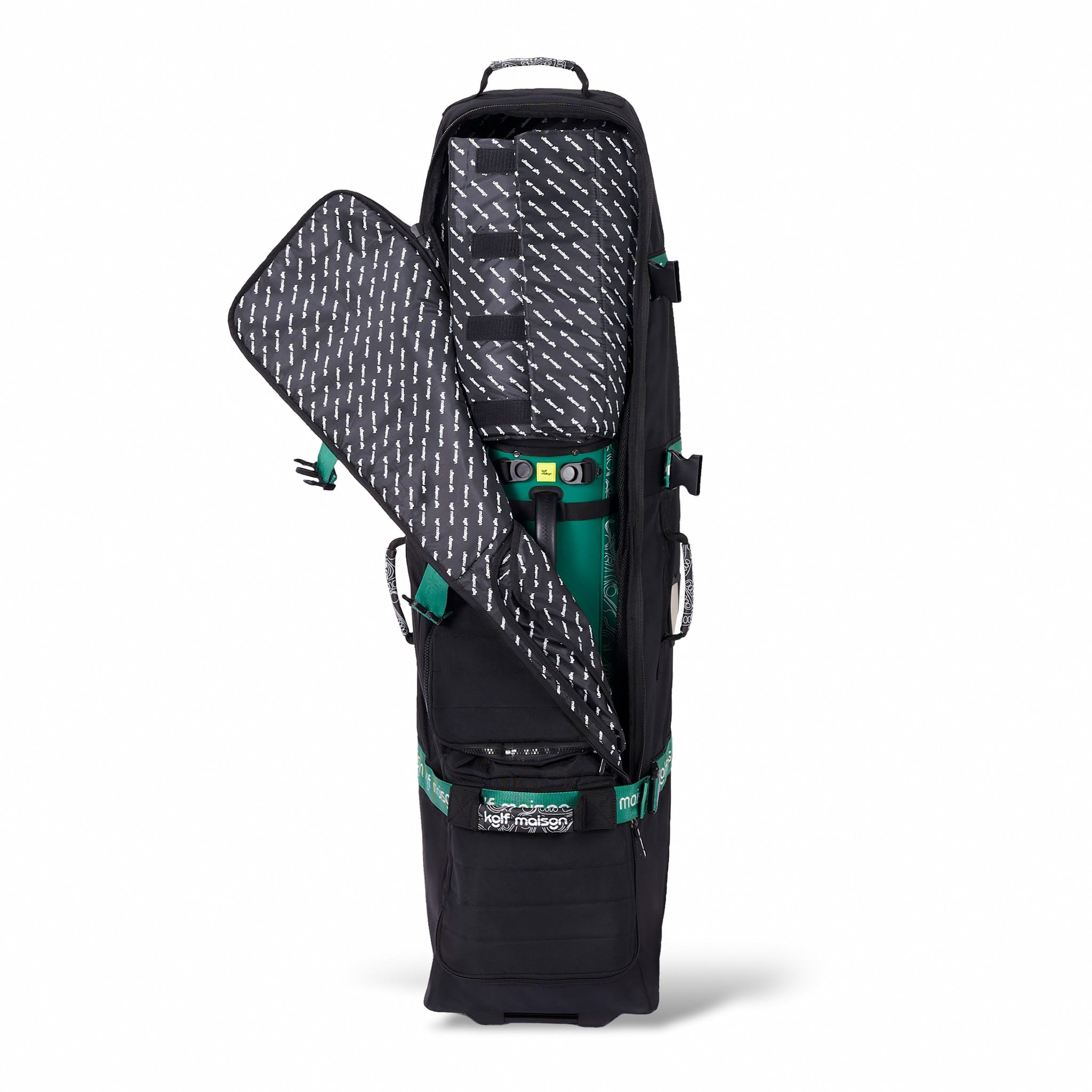
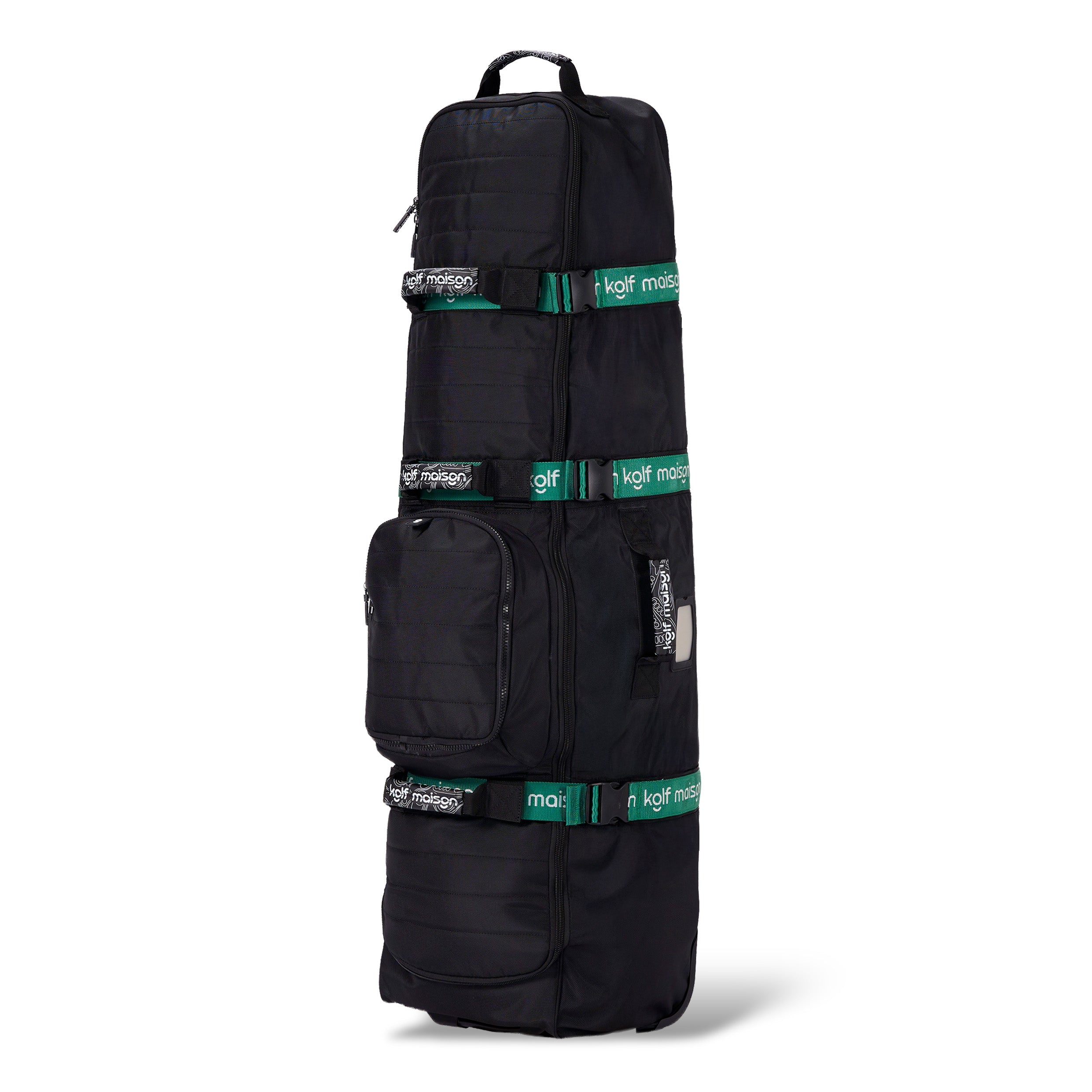
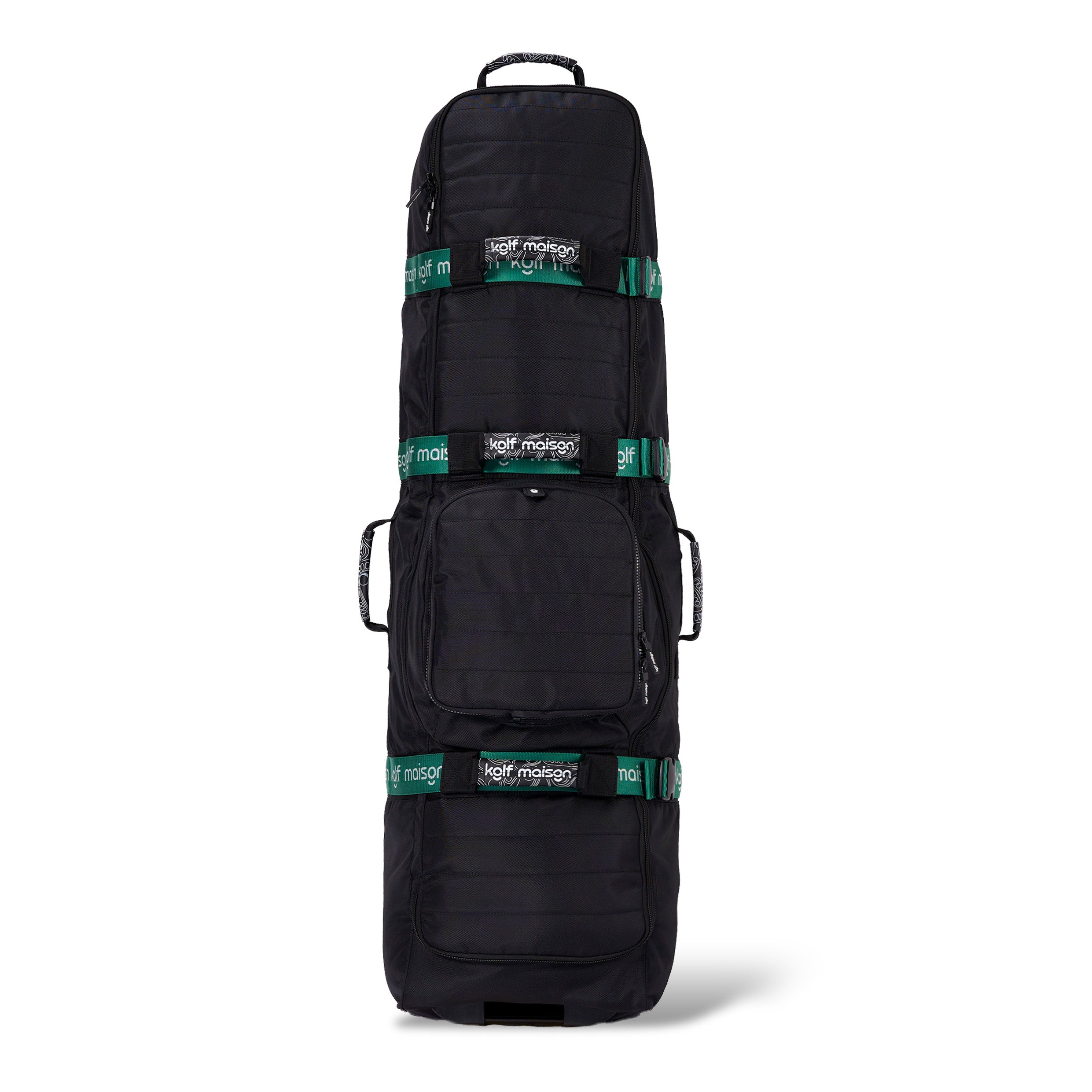
Dedicated bag brands — Vessel Golf, Ghost Golf, Jones Sports Co., Kolf Maison — build bags as their only product. This creates a fundamentally different development process. Material sourcing decisions are made on the basis of bag performance, not brand margin contribution. Hardware is specified for longevity rather than unit cost. Stand leg geometry is engineered for stability across terrain types rather than for manufacturing simplicity.
The result is measurable: across independent reviews and multi-season user reports, dedicated premium bag brands consistently outperform equipment brand bags in hardware longevity, material surface retention, and stand leg reliability. The price premium for a Vessel Golf, Ghost Golf, or Kolf Maison bag over a comparable equipment brand bag reflects genuine product differentiation — not just marketing positioning.
Titleist Staff and Tour Bags: The One Caveat
Titleist's Staff Bag and Tour Bag lines are a partial exception to the equipment brand critique. These bags are priced at $350–$500 and specified at a materially higher level than their entry and mid-tier bags — using genuine leather panels, custom hardware, and construction standards that reflect the professional use case. Titleist tour bags appear on major championships bags because they're built for the physical abuse of professional caddying. However, these are cart and staff bags, not stand bags — if you're evaluating carry bags, the Titleist premium tier doesn't have a comparable product.
For stand bags specifically — which is where most of the premium DTC category lives — Titleist, Callaway, and TaylorMade don't produce a product that competes with the material and construction specification of Vessel Golf or Kolf Maison at the same price points.
The Logo Matching Question
The most common reason golfers choose equipment brand bags over dedicated bag brands is brand consistency — they want their Callaway clubs in a Callaway bag, or their TaylorMade irons in a TaylorMade bag. This is a legitimate aesthetic preference. It's also the primary reason equipment brands produce bags at all.
The counterargument is that the bag is on the course longer than the clubs — club sets turn over every three to five years, bags last seven to ten with proper care. A golfer who switches from TaylorMade to Titleist irons will likely keep the same bag through two or three iron sets. The bag's identity is yours for longer than the equipment brand's identity is — which is an argument for choosing a bag you'd buy for the bag itself, not because it matches a set that may change.
Built as a Bag, Not as a Billboard
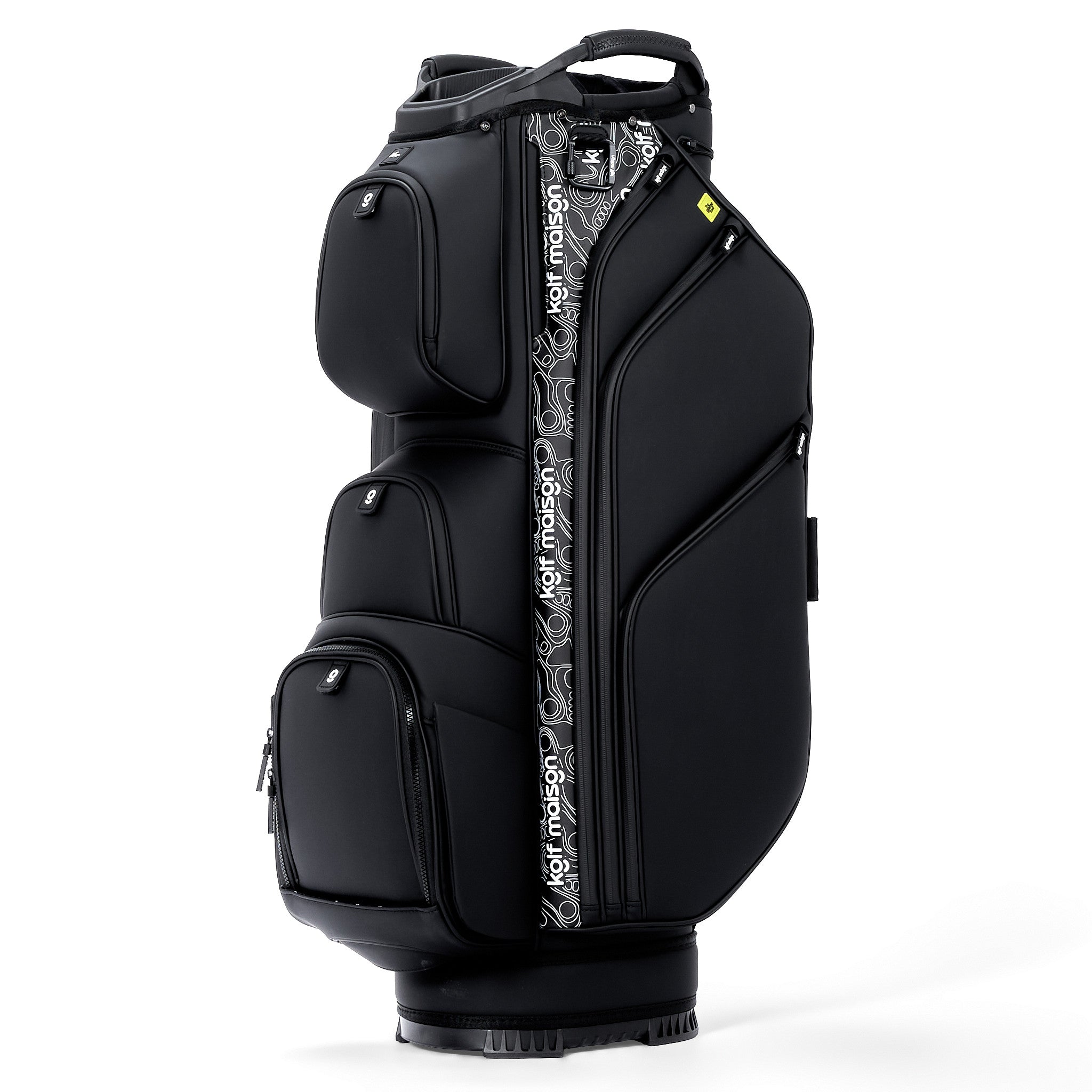
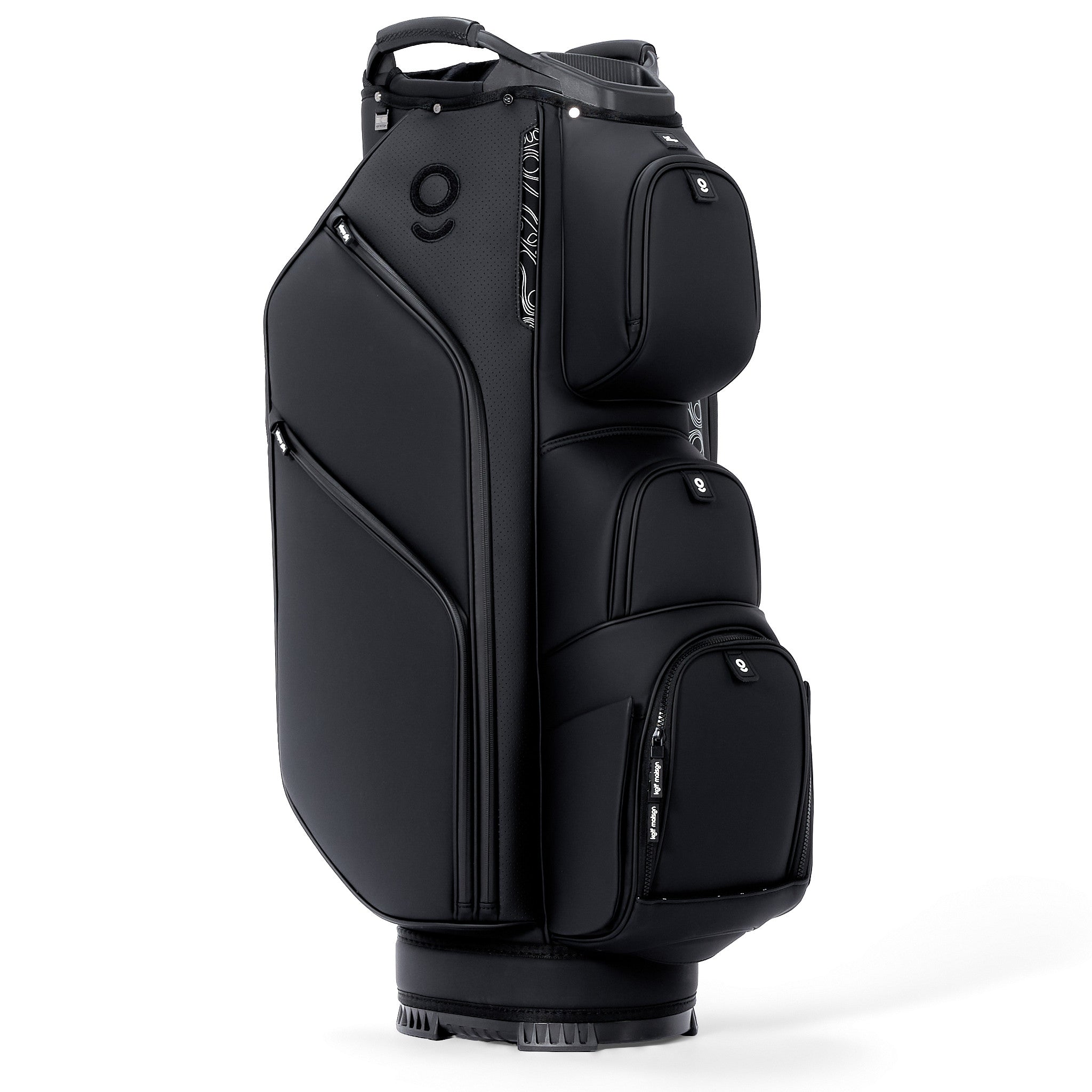
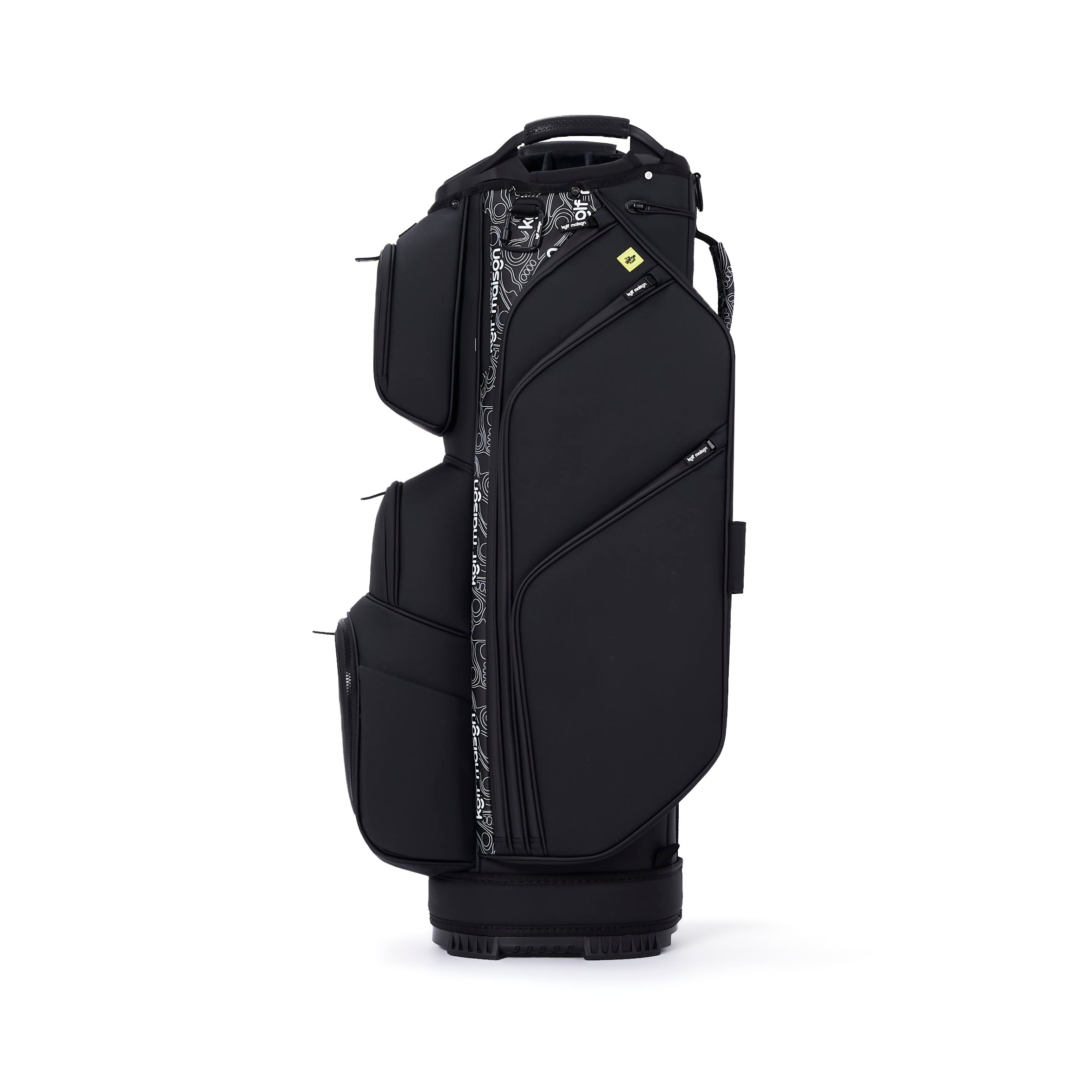
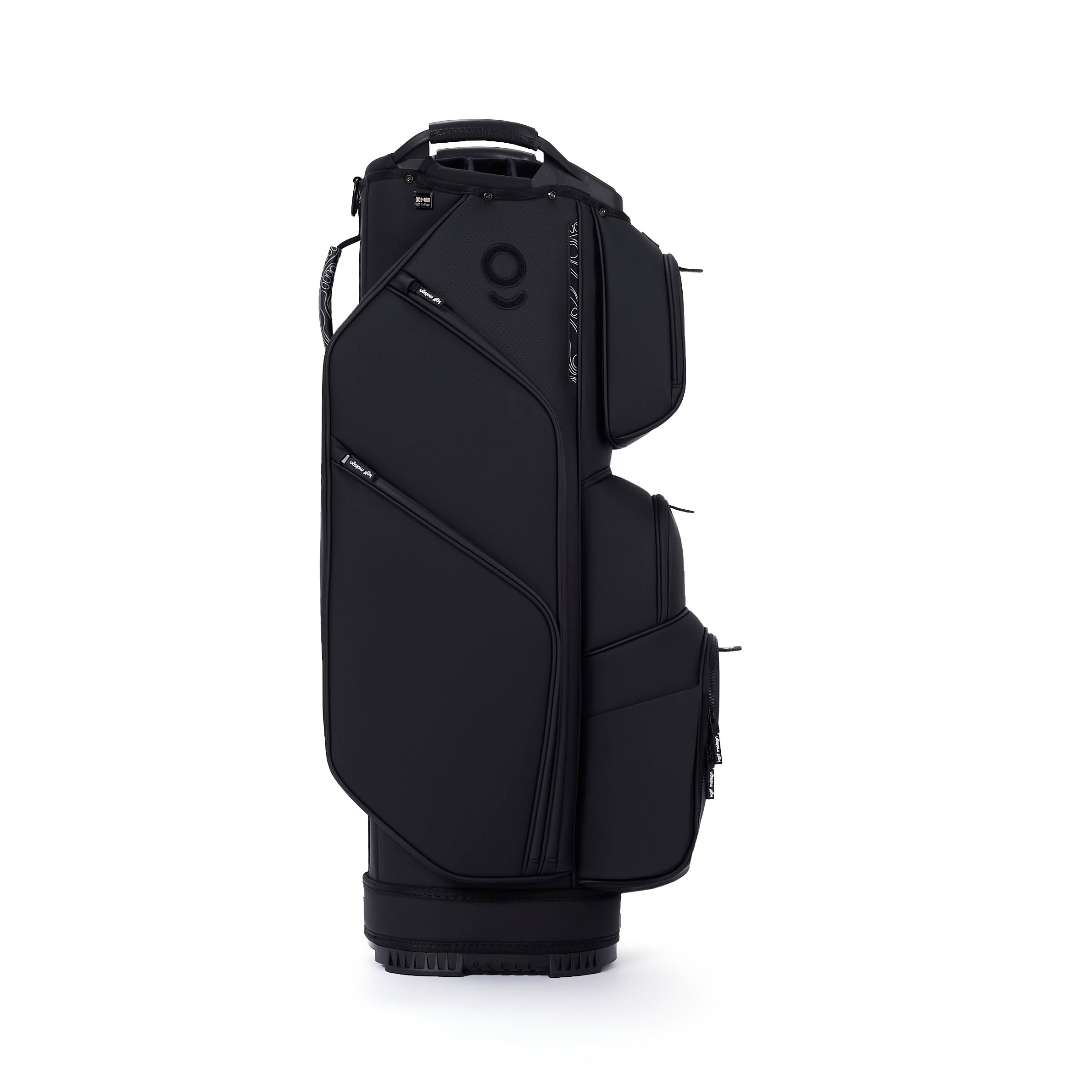
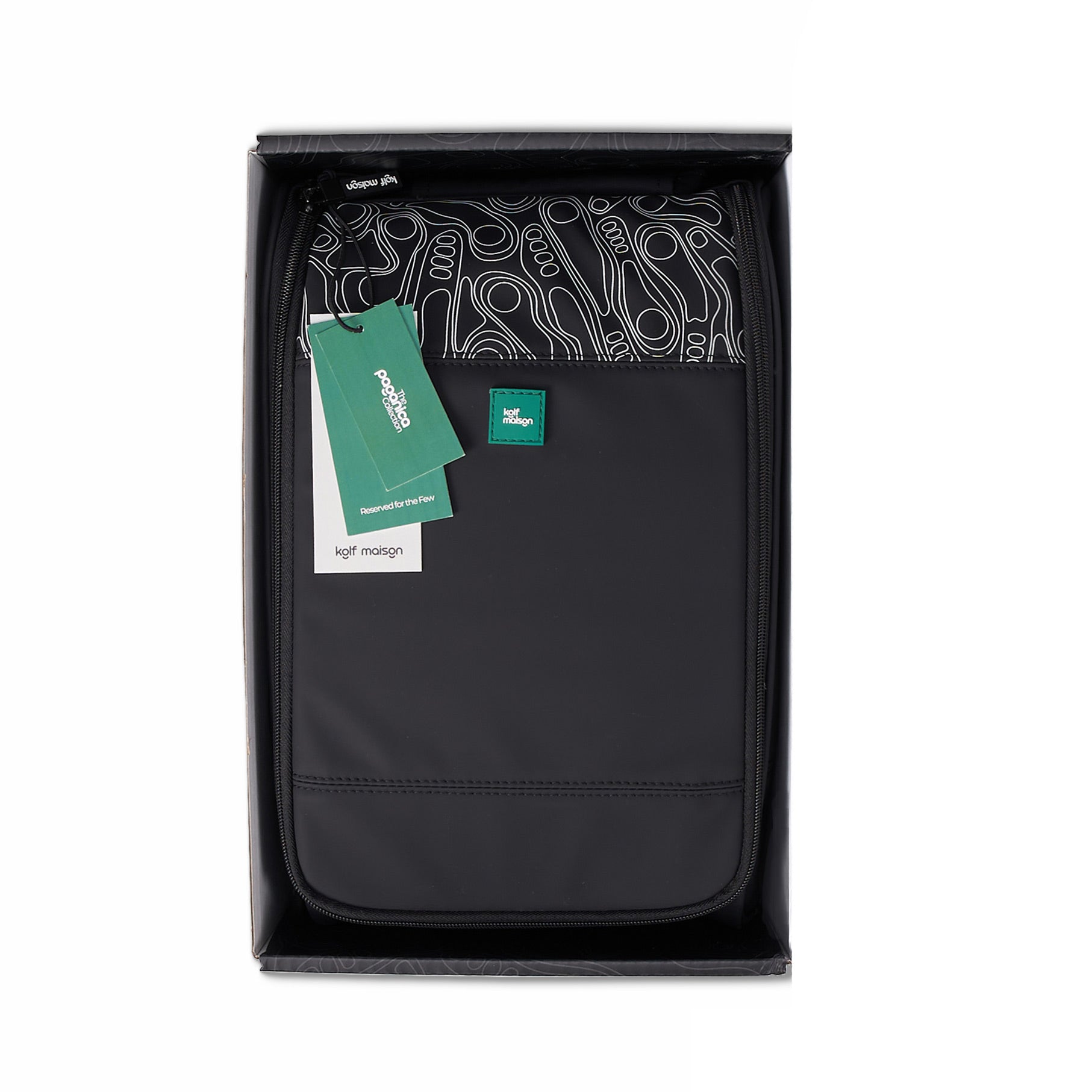
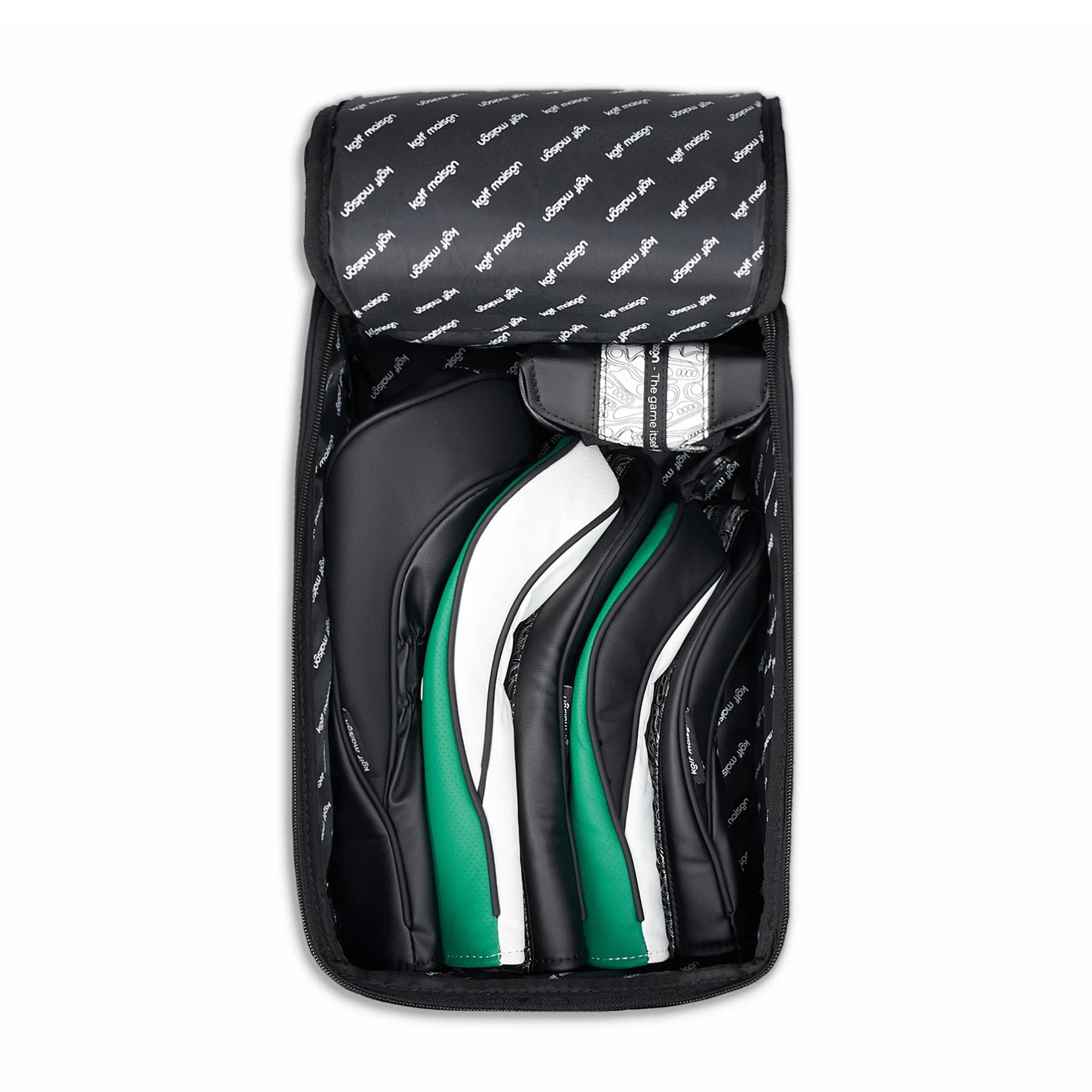
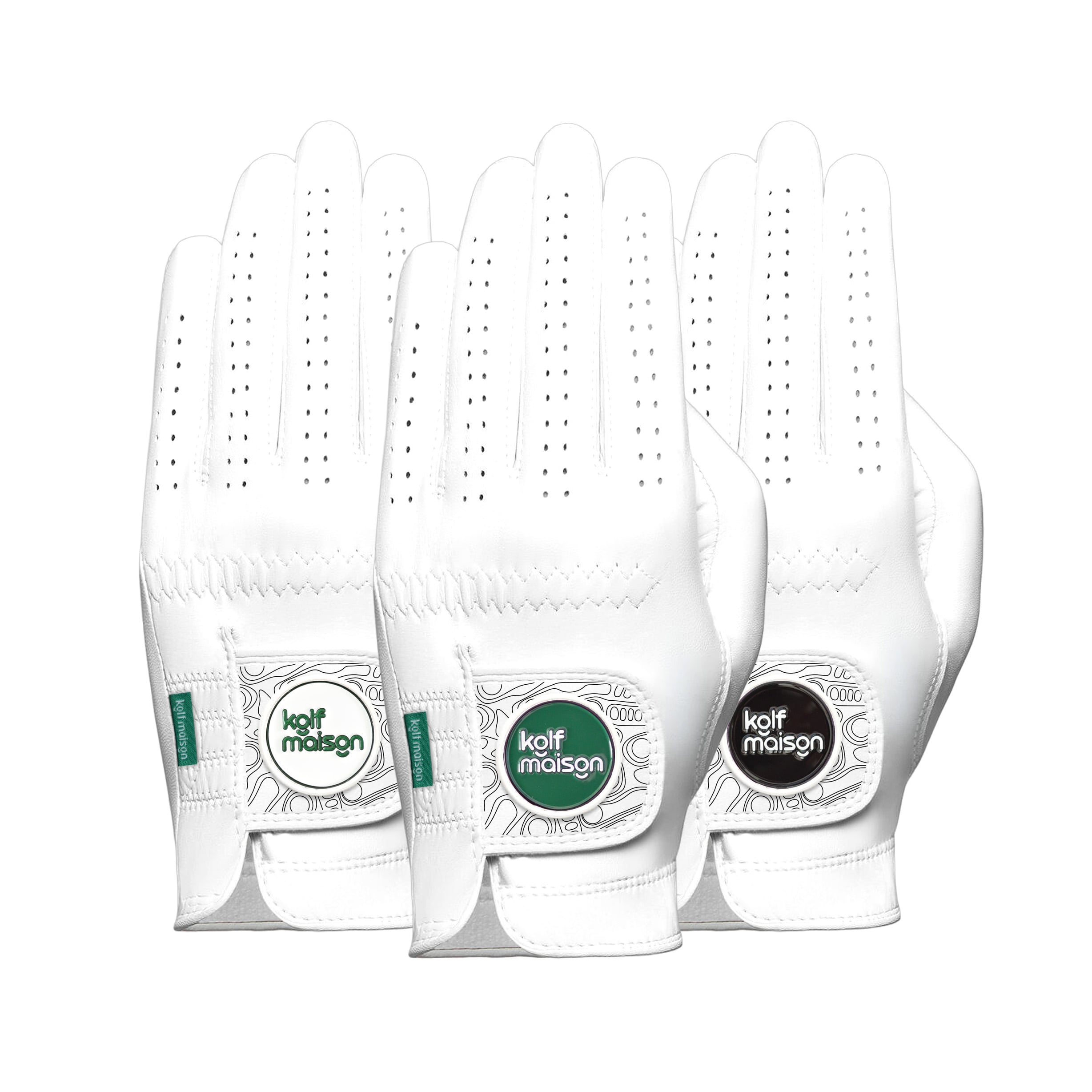
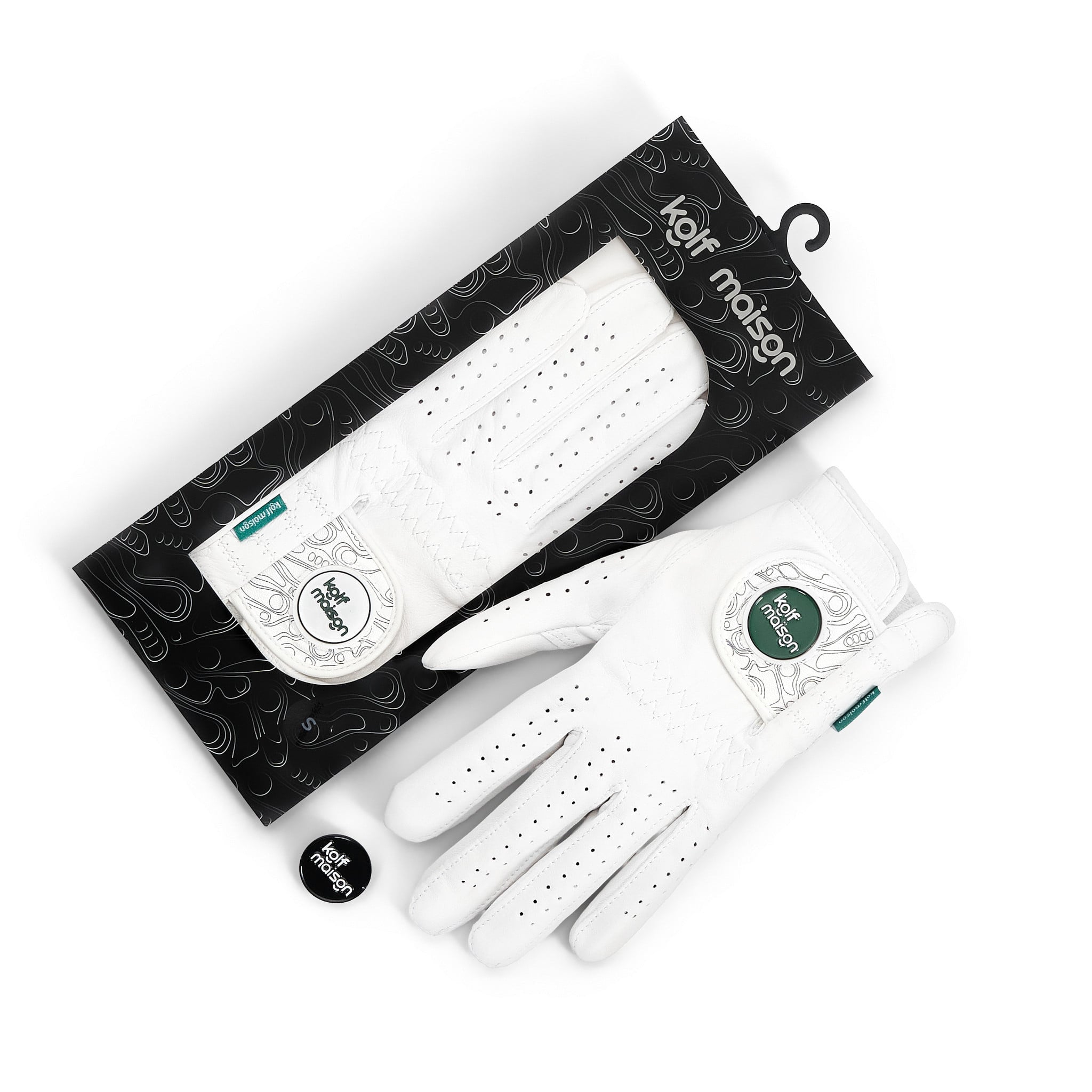
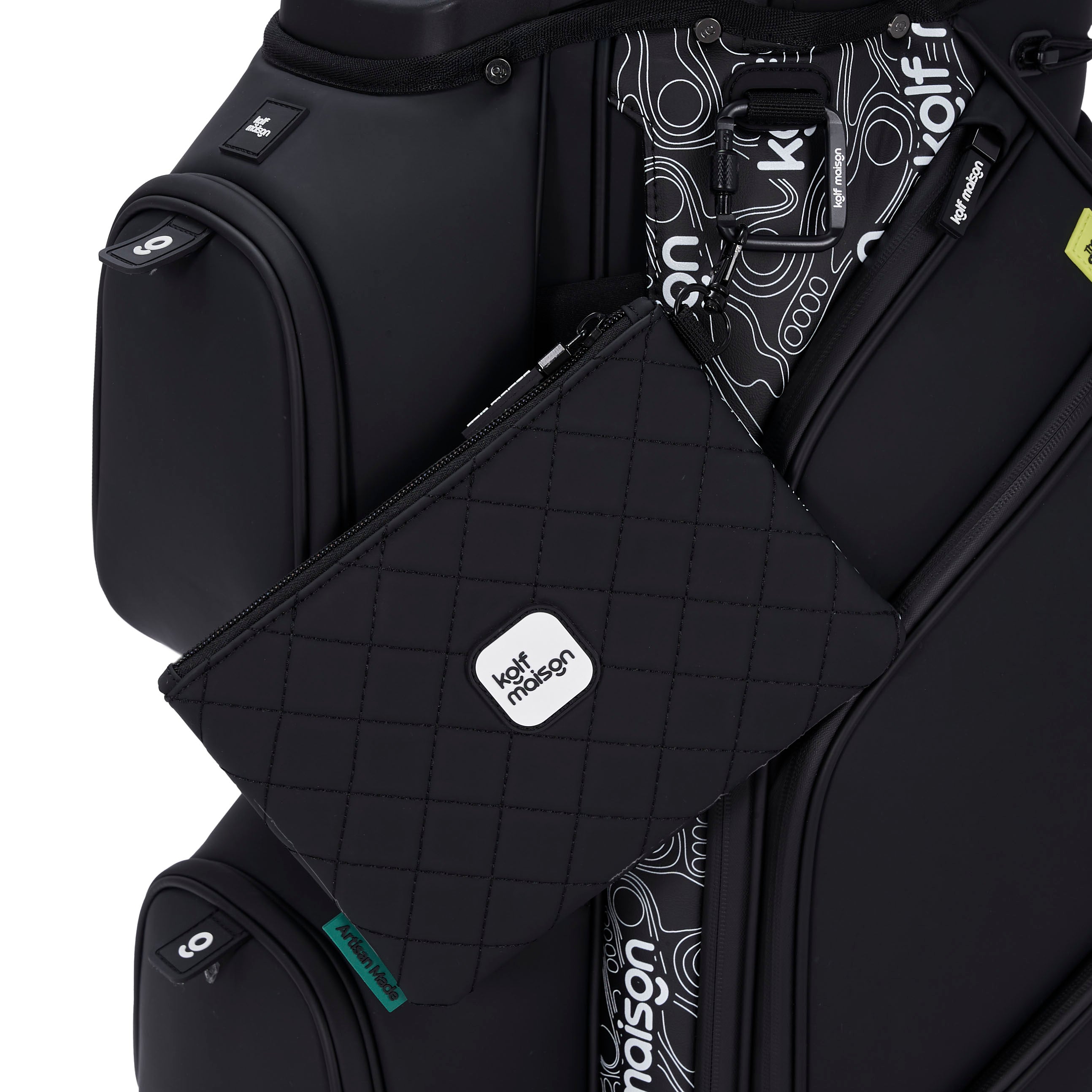
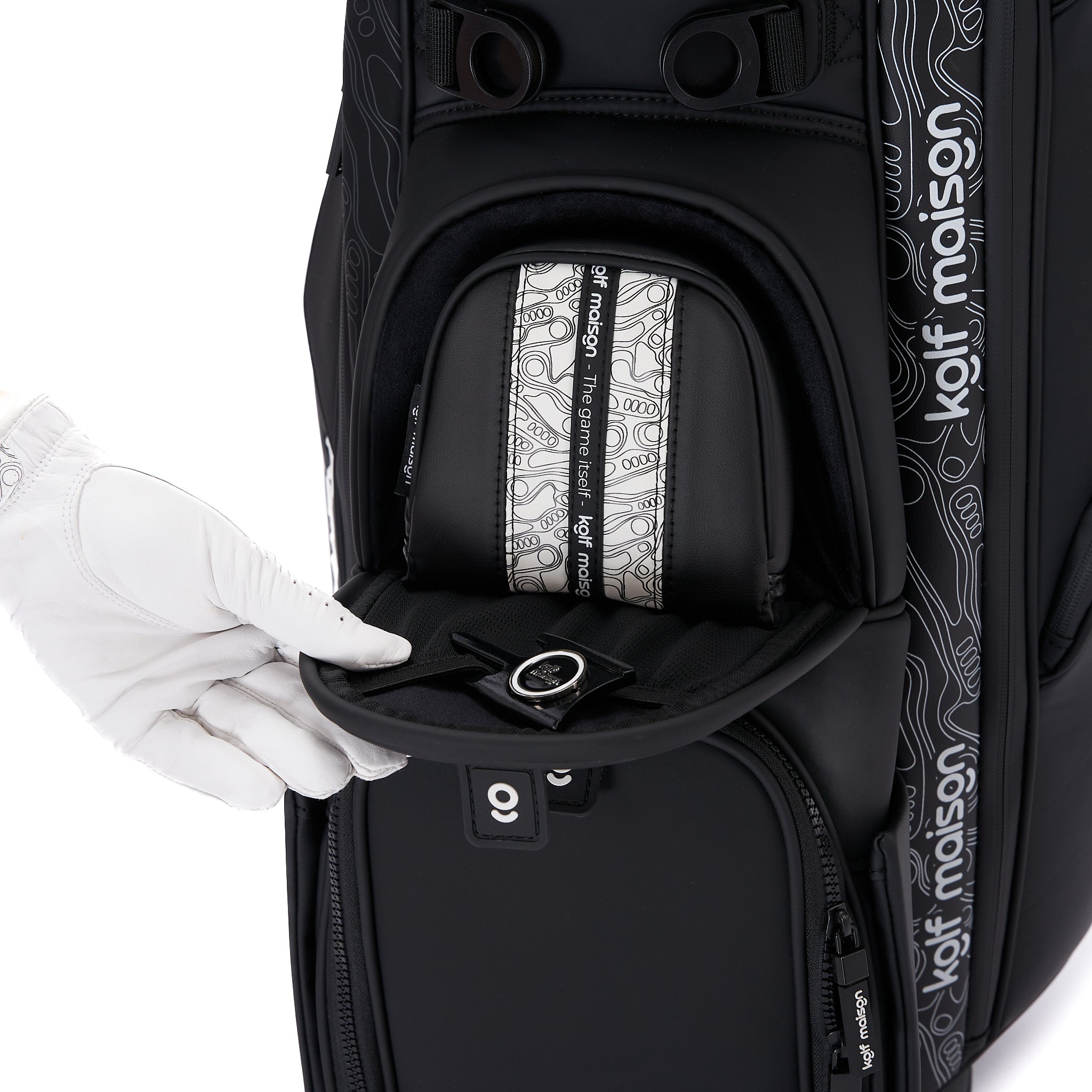
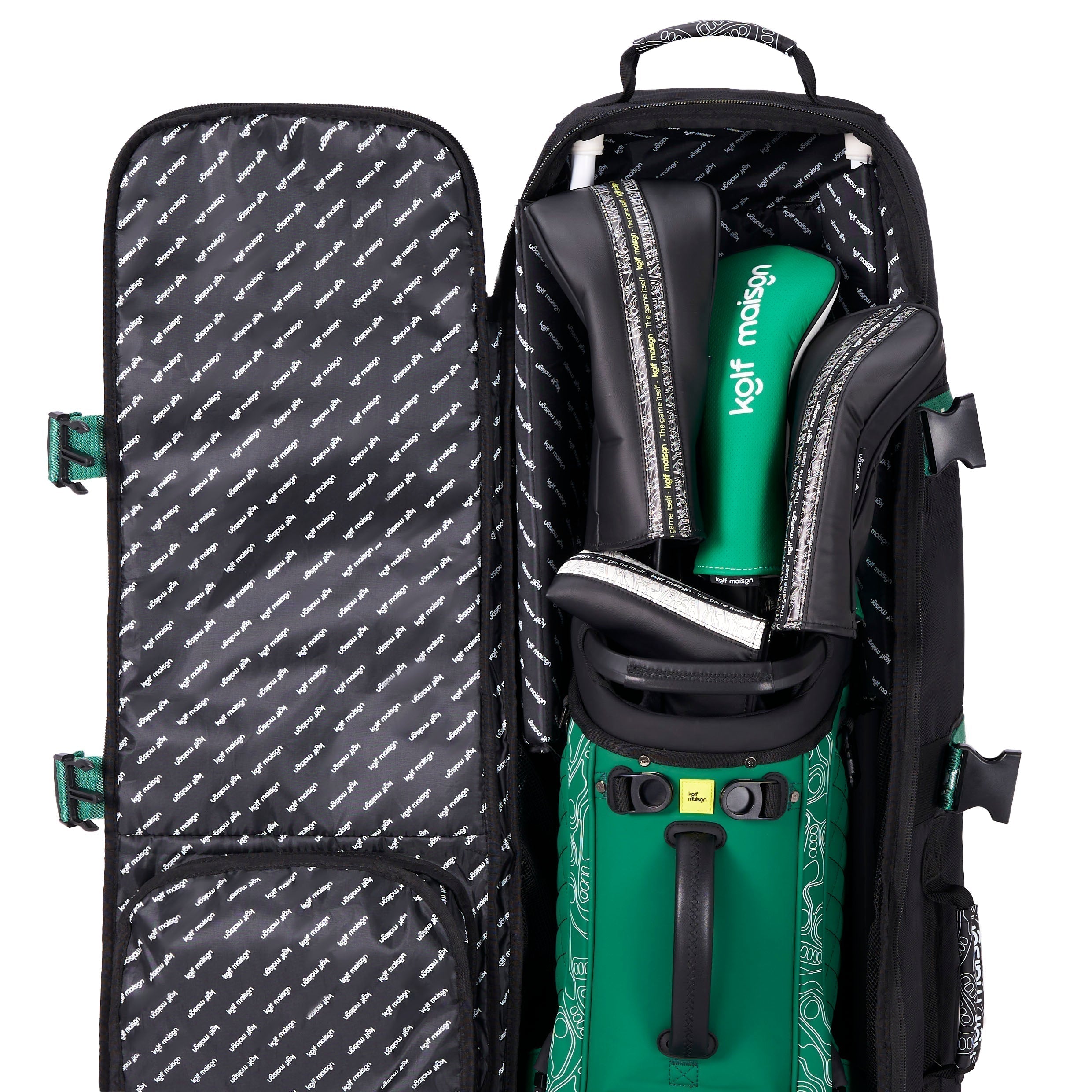
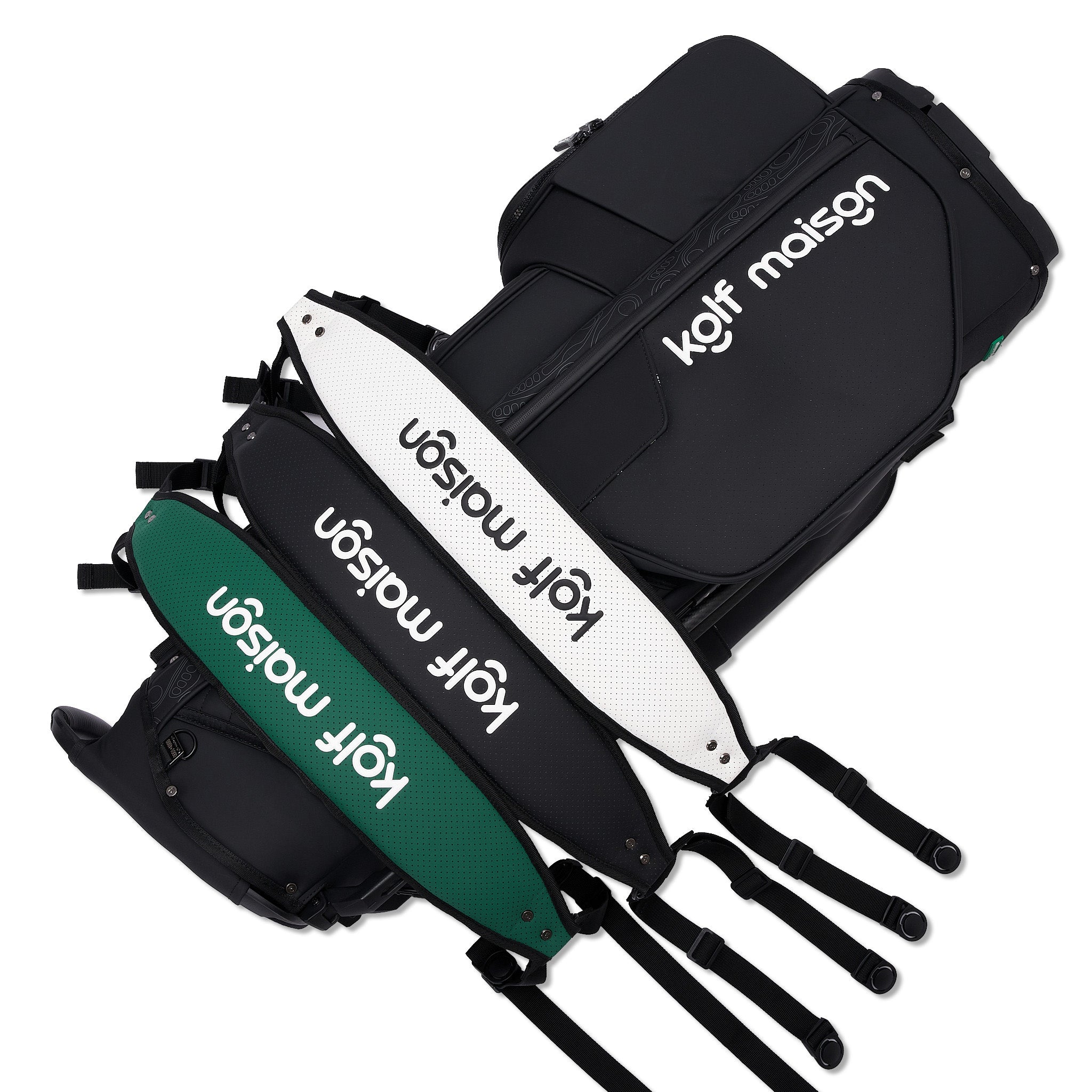
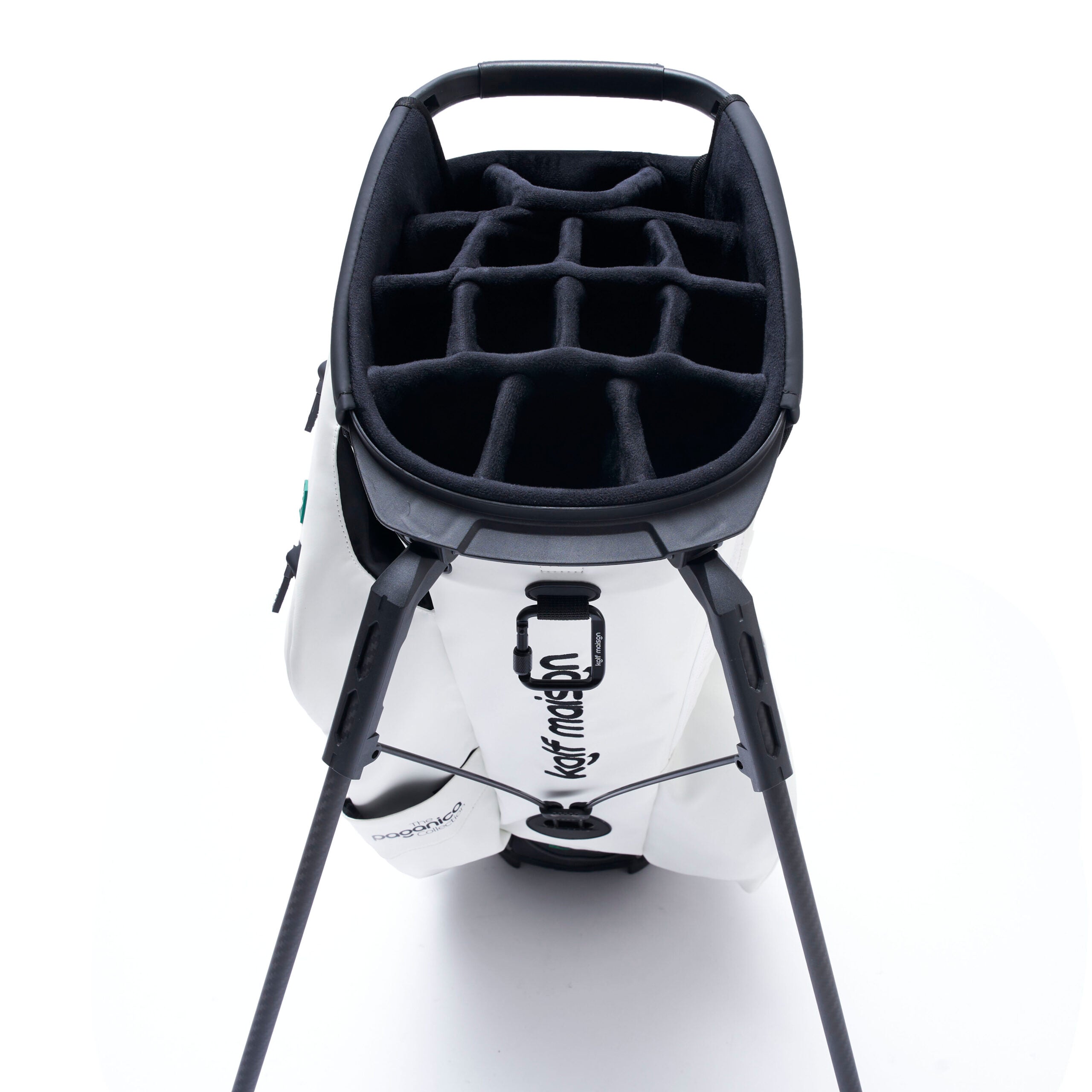
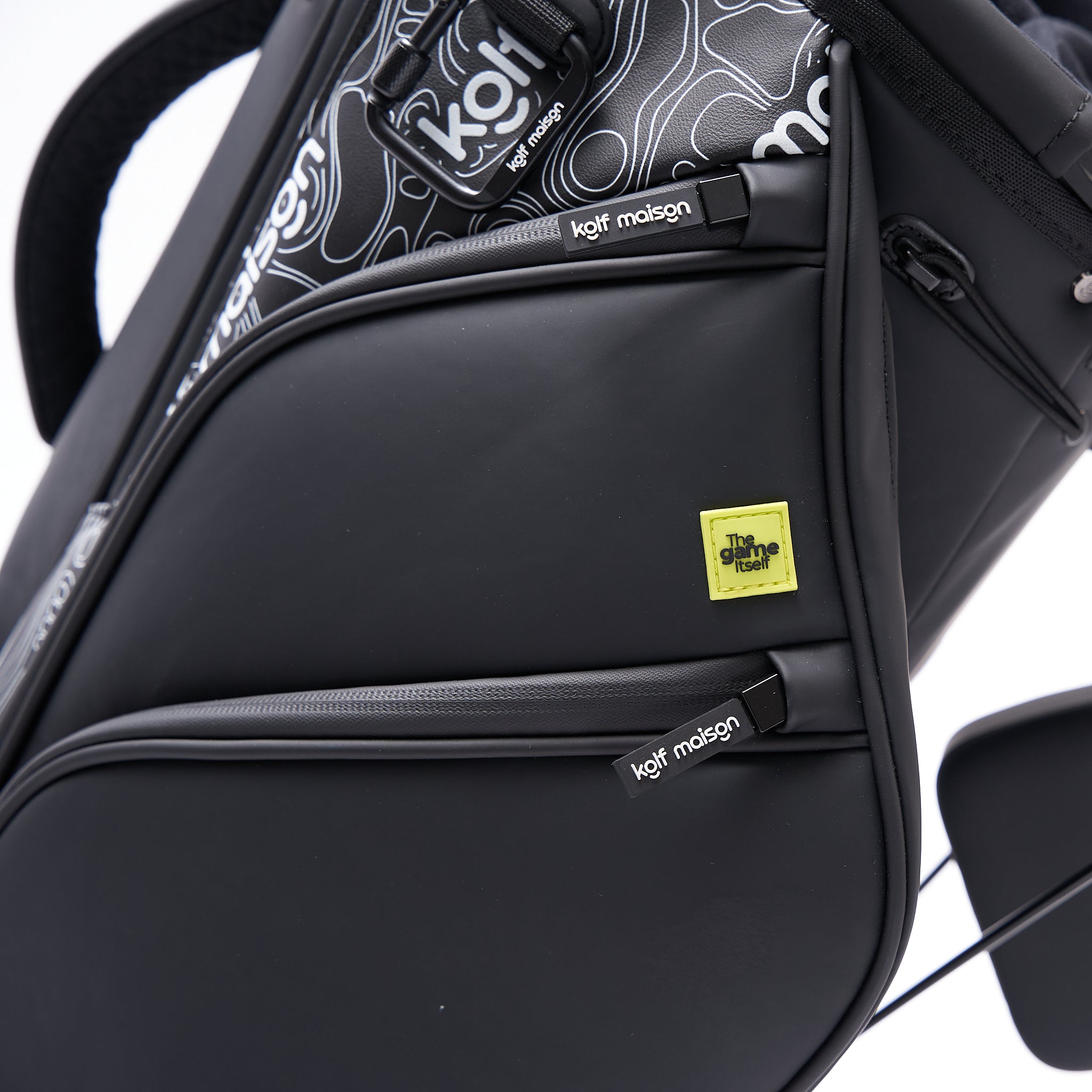
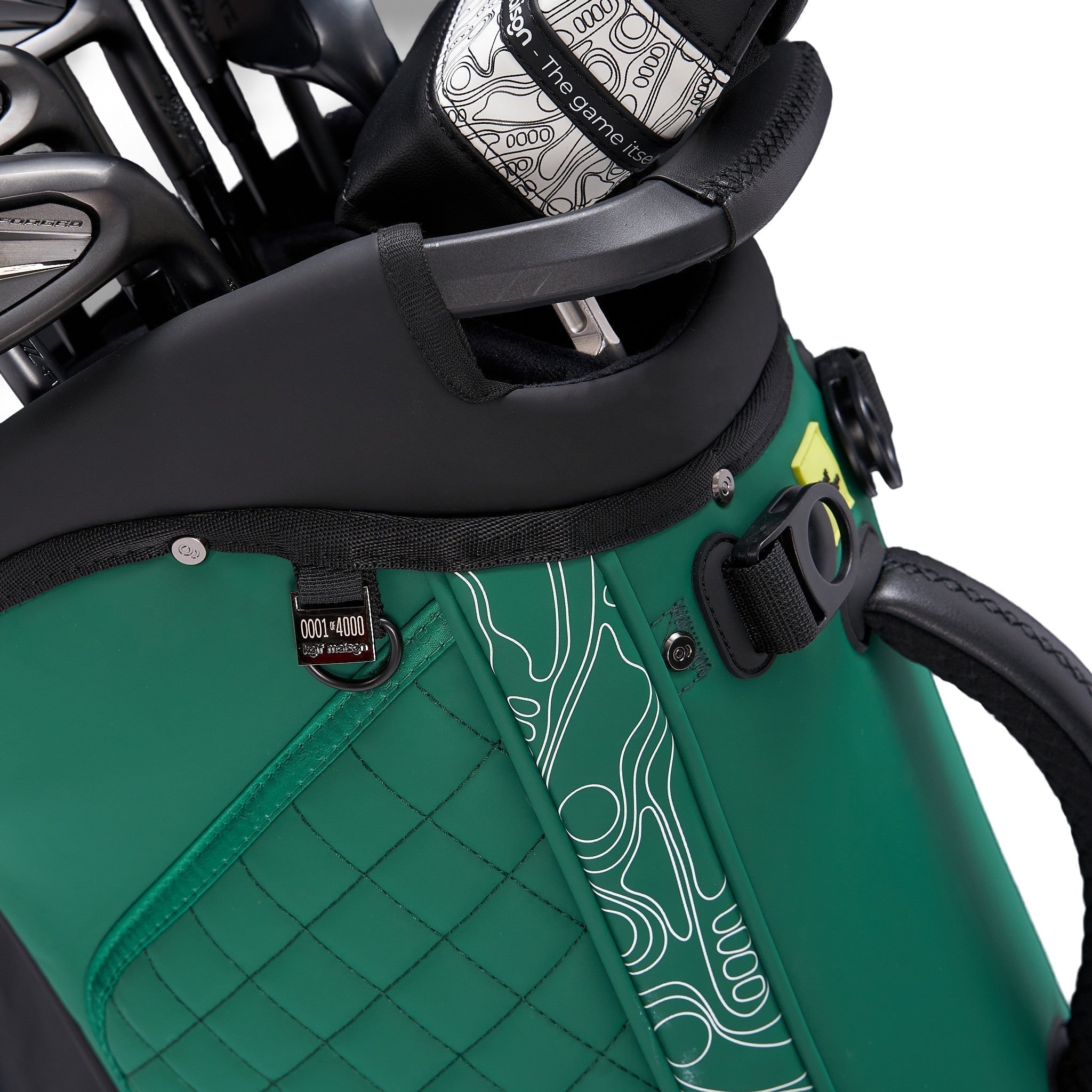
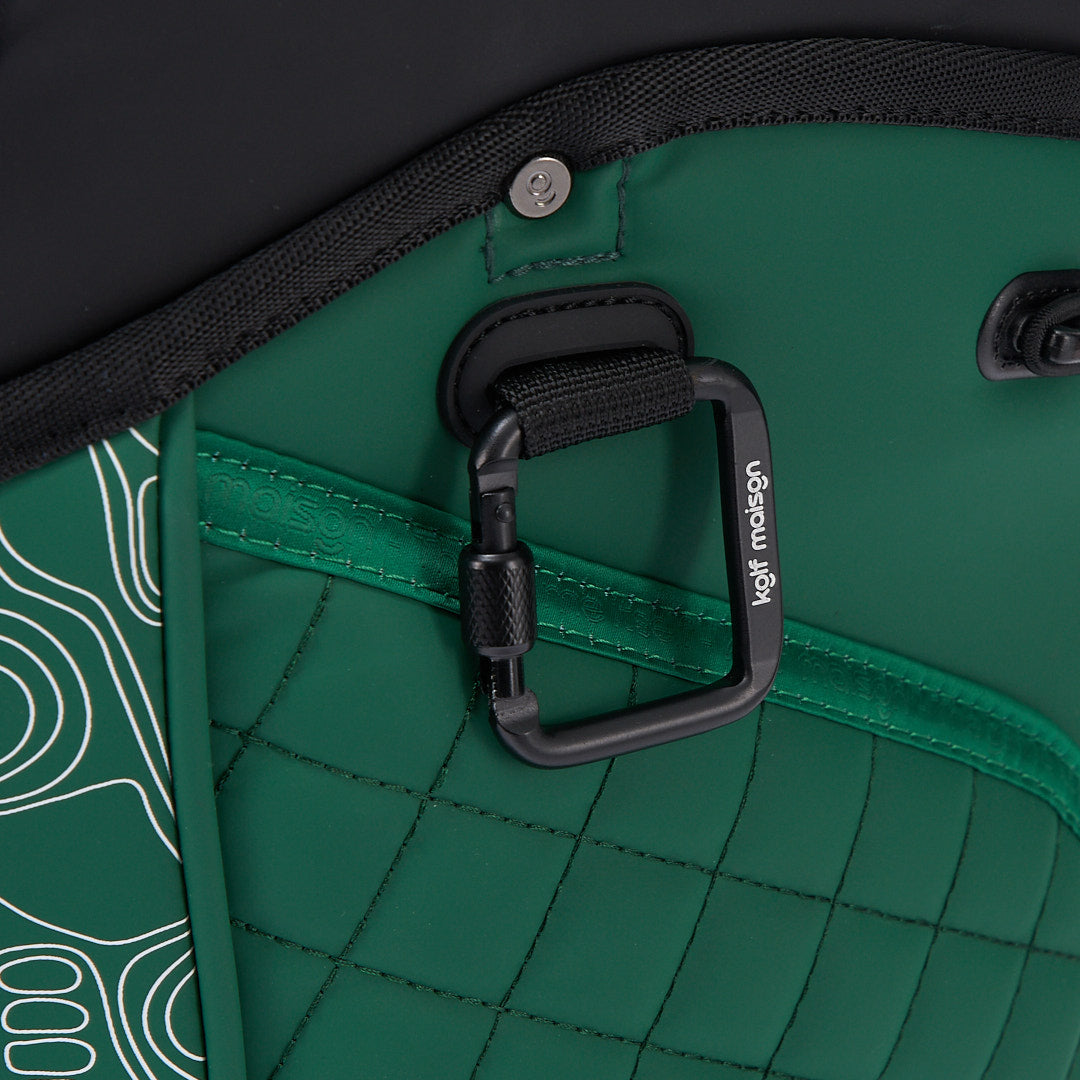
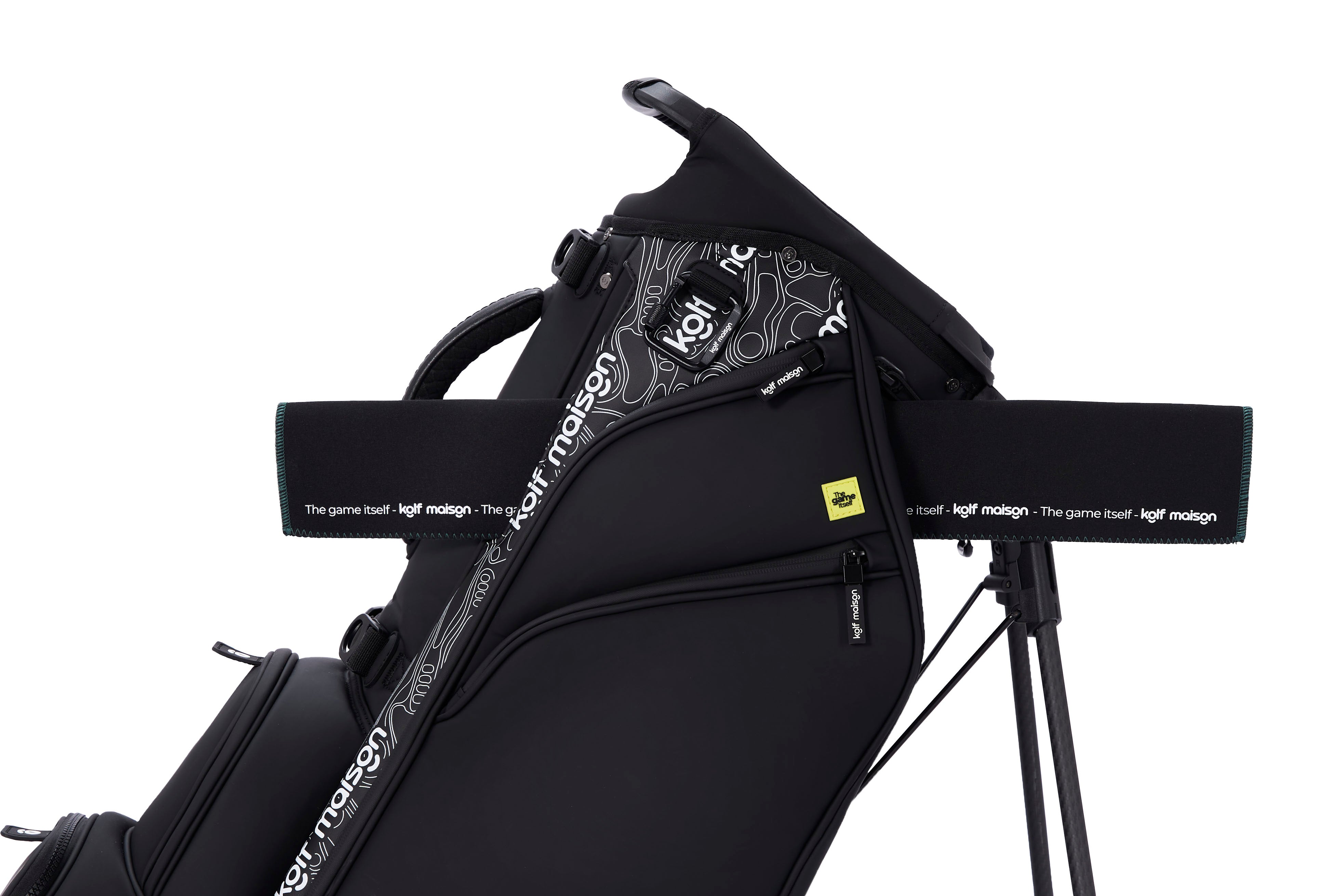
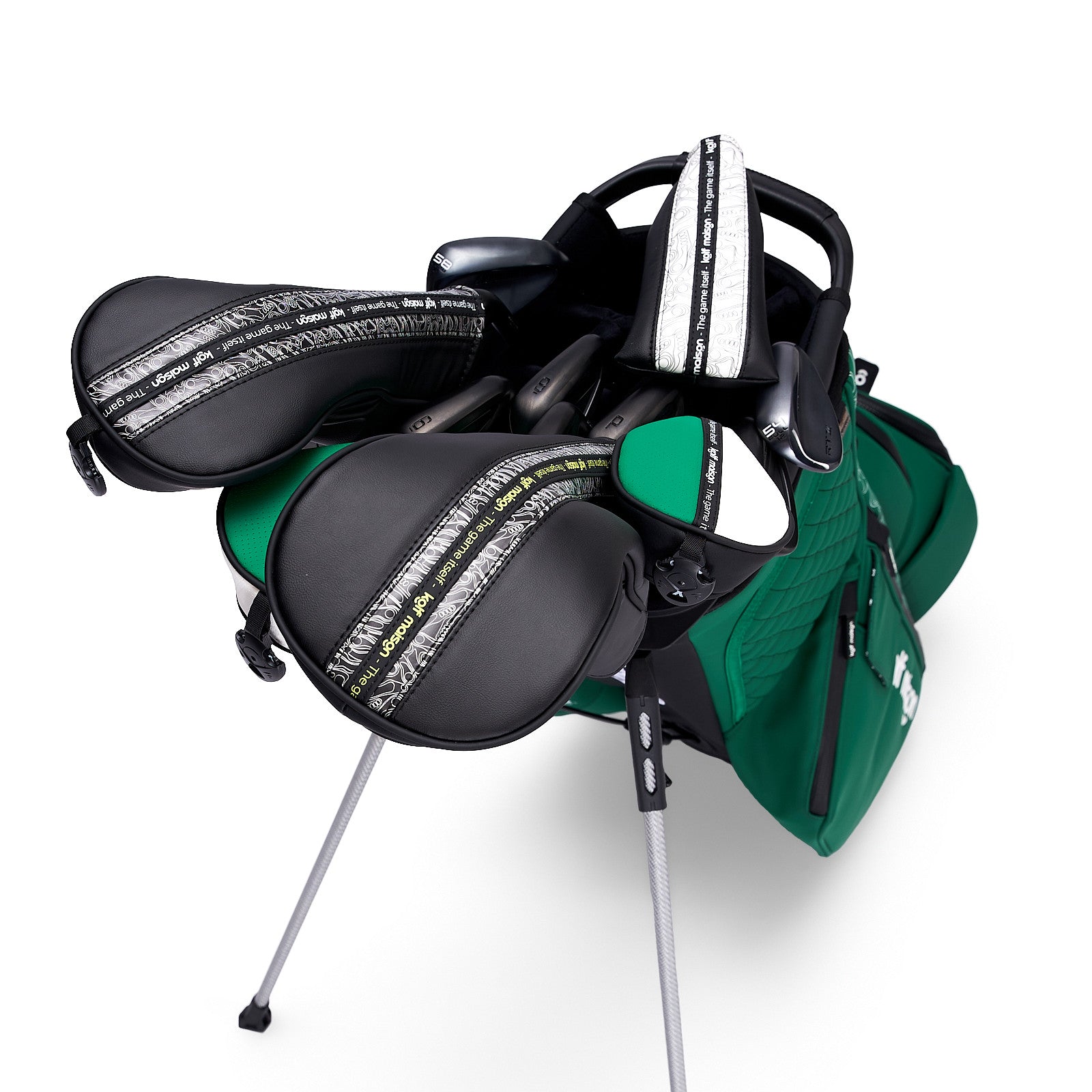
The Paganica Stand Bag exists because it's the bag we wanted to carry — not as an accessory to a club line. Matte microfiber composite leather. Velvet-lined 14-way divider. Individually serialized production runs. Specified for multi-season use, not brand consistency.
View the Paganica Stand Bag →Frequently Asked Questions
Is a Titleist bag better than a Vessel Golf bag?
For stand bags specifically: no. Titleist's stand bag lineup uses materials and construction that don't match Vessel Golf or Kolf Maison at the same price point. Titleist's Staff and Tour bags (cart/staff format) are genuinely premium, but they're not stand bags. For carry golfers comparing stand bags above $300, dedicated bag brands have a real quality advantage.
Why are Callaway and TaylorMade bags less durable?
It's primarily a function of product development focus and margin allocation. Callaway and TaylorMade's R&D investment goes into club technology. Bags are specified to a price point within their accessories contribution margin, not to a performance standard. Dedicated bag brands spend their entire product budget on bag performance. The result is a material and construction quality gap that's most visible after two to three seasons of use.
Should my bag match my clubs?
Only if the bag you'd choose for matching reasons is also the bag you'd choose for bag-quality reasons. If you play Ping irons and the best bag for your needs is a Kolf Maison Paganica, the mismatch in brand name won't be visible to anyone who matters. The bag you're proud to carry says more about you than the logo on its side.
How much should I spend on a golf bag?
The honest answer is: spend enough to buy once. A $200 bag that needs replacing after three seasons costs $66/year. A $479 bag that lasts eight seasons costs $60/year — and you spent those years carrying something better. The per-year cost of a genuinely premium bag is lower than the per-year cost of cycling through adequate bags.


Share:
The Best Christmas Gifts for Golfers in 2026: What They Actually Want
Luxury Direct-to-Consumer Golf Bag Comparison Matrix 2026: Price, Exclusivity & What's Included