

The Cart Strap Crush Why Golf Bags Lose Their Shape Over Time
A golf bag that starts with clean lines and defined structure can lose its shape faster than expected. The cause is not always visible at first. It develops gradually through repeated use, particularly when the bag is secured to a cart.
This phenomenon is often referred to as the cart strap crush. It occurs when the pressure of the cart strap compresses the body of the bag over time, weakening its structure and altering its form.
For golfers who ride frequently, this is one of the most important durability factors to understand. Once a bag loses its shape, organization, balance, and overall performance begin to decline.
This issue connects directly to the principles outlined in golf bag durability and luxury golf bags, where long term structural integrity defines quality.
What Is the Cart Strap Crush
The cart strap crush is the gradual compression of a golf bag caused by repeated tightening of the cart strap across the same area. Each time the bag is secured, pressure is applied to the body. Over multiple rounds, this pressure begins to deform the structure.
At first, the effect is minimal. The bag may still appear stable. Over time, the compressed zone becomes more pronounced. The surface softens, the shape shifts, and the bag no longer maintains its original geometry.
This is not a manufacturing defect. It is a structural response to repeated stress.
Why Most Golf Bags Lose Their Shape
Many golf bags are built with flexible outer materials and minimal internal reinforcement. This reduces weight and cost but also reduces resistance to compression.
When a cart strap is tightened around a soft structure, the material yields. Over time, it adapts to the pressure, creating a permanent deformation.
This is similar to other forms of structural fatigue discussed in why most golf bags wear out too fast, where repeated stress leads to long term degradation.
The Role of Material Strength
Material selection plays a critical role in resisting compression. Stronger materials maintain their form under pressure, while weaker materials deform more easily.
Layered synthetic materials can be particularly vulnerable because their outer surface may appear durable while the internal structure lacks reinforcement.
Integrated materials with higher structural density perform better under repeated load. They resist compression and maintain consistent shape over time.
This difference is explored in golf bag materials explained.
Cart Strap Channel and Protection Systems
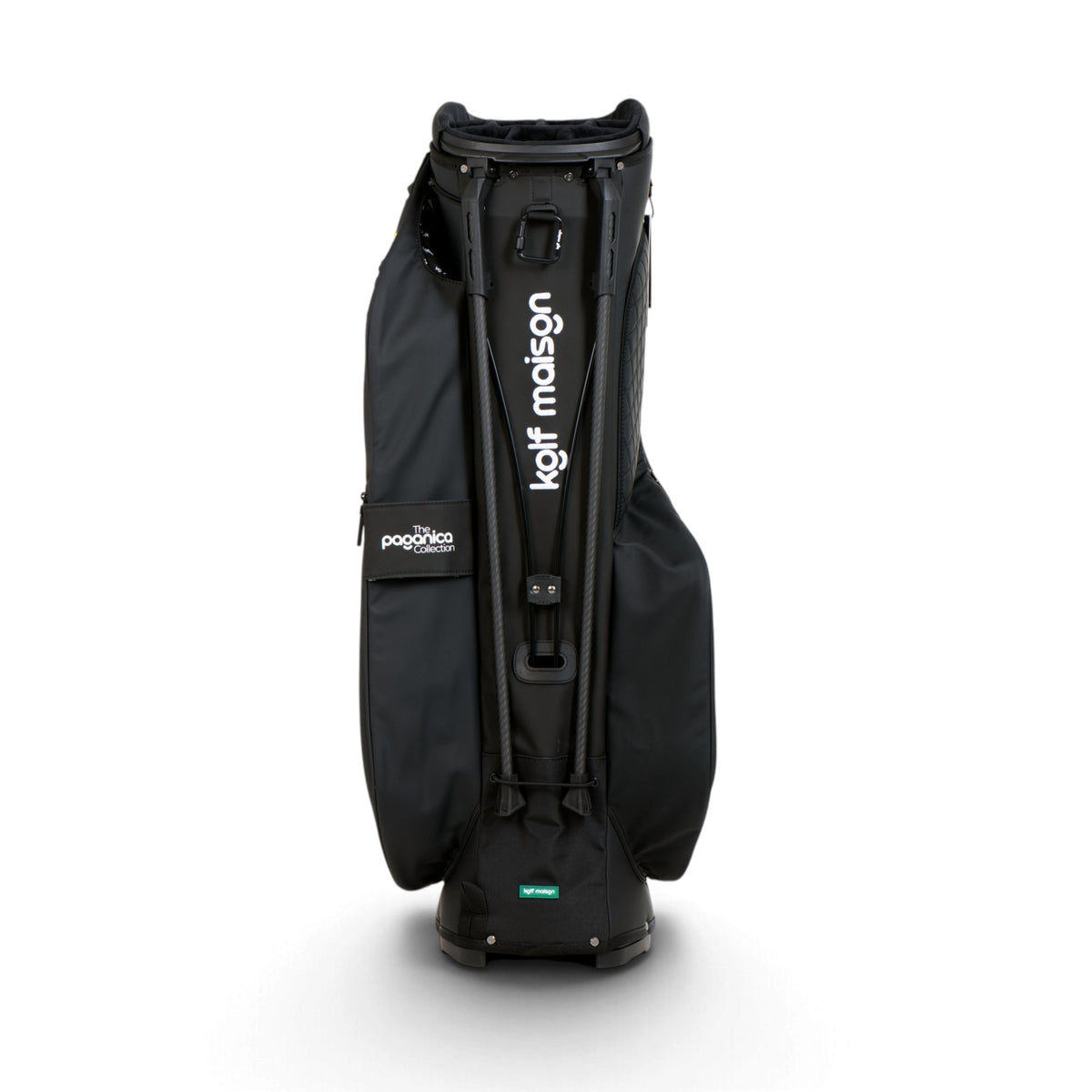
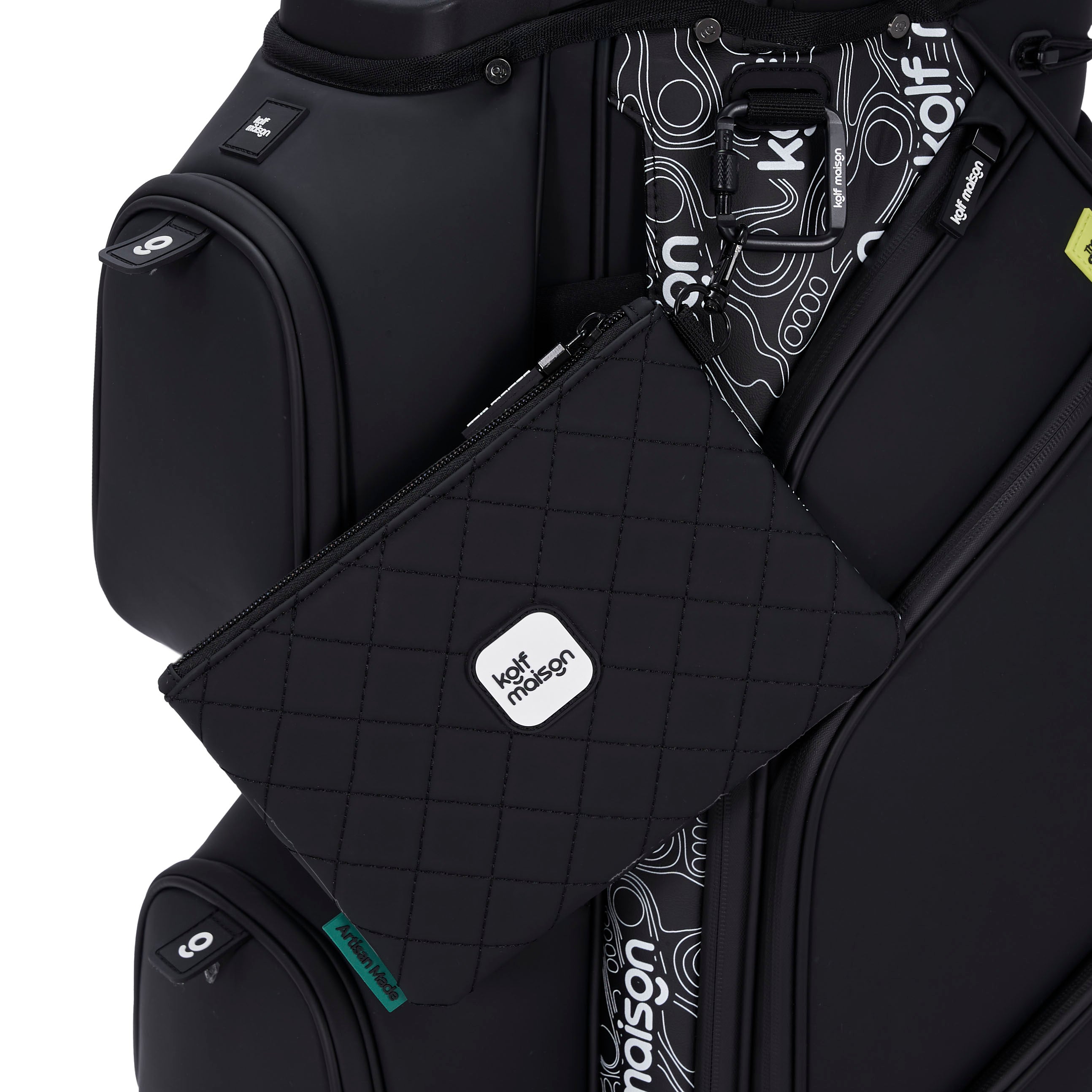
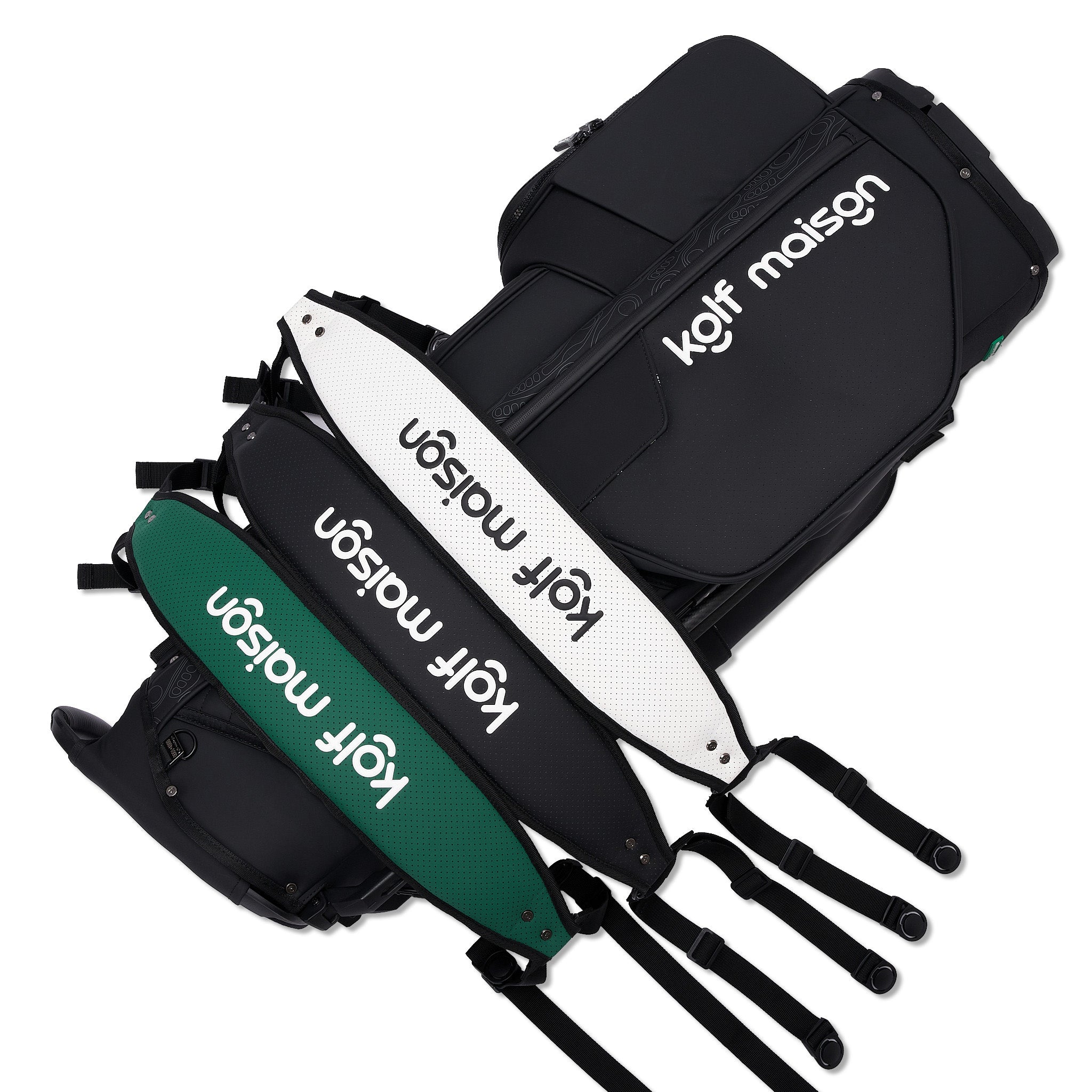
One of the most effective ways to prevent cart strap damage is through a dedicated cart strap channel. This allows the strap to pass through a reinforced section of the bag rather than compressing the outer surface.
This design isolates pressure and protects the main body of the bag. It also prevents interference with pocket access, maintaining usability while the bag is secured.
Without this feature, the strap sits directly on the outer surface, increasing the risk of deformation and long term damage.
Structure vs Flexibility
Flexibility can improve comfort and reduce weight, but excessive flexibility leads to structural weakness.
A well designed golf bag balances flexibility with reinforcement. It allows for natural movement while maintaining overall shape.
Bags that lean too far toward flexibility are more likely to experience compression damage. Bags with controlled structure maintain their form even under repeated stress.
This balance is similar to the relationship explored in weight vs structural integrity.
Impact on Performance
When a bag loses its shape, the effects extend beyond appearance. Internal organization becomes less consistent. Dividers shift, pockets deform, and access becomes less precise.
This can also increase issues such as club movement and internal friction, which are discussed in club clatter reduction.
Over time, the bag becomes less functional and less reliable.
Kolf Maison Structural Approach
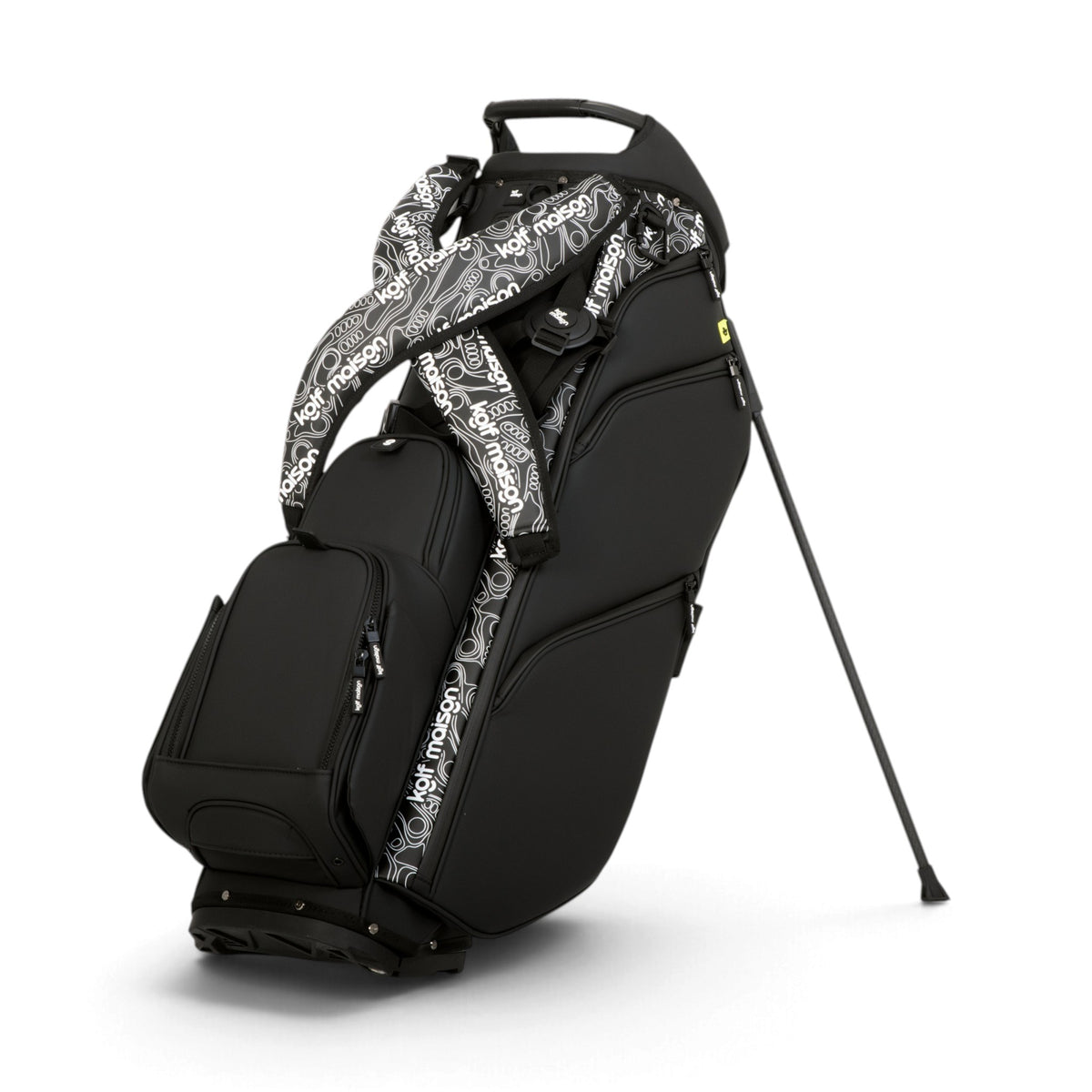
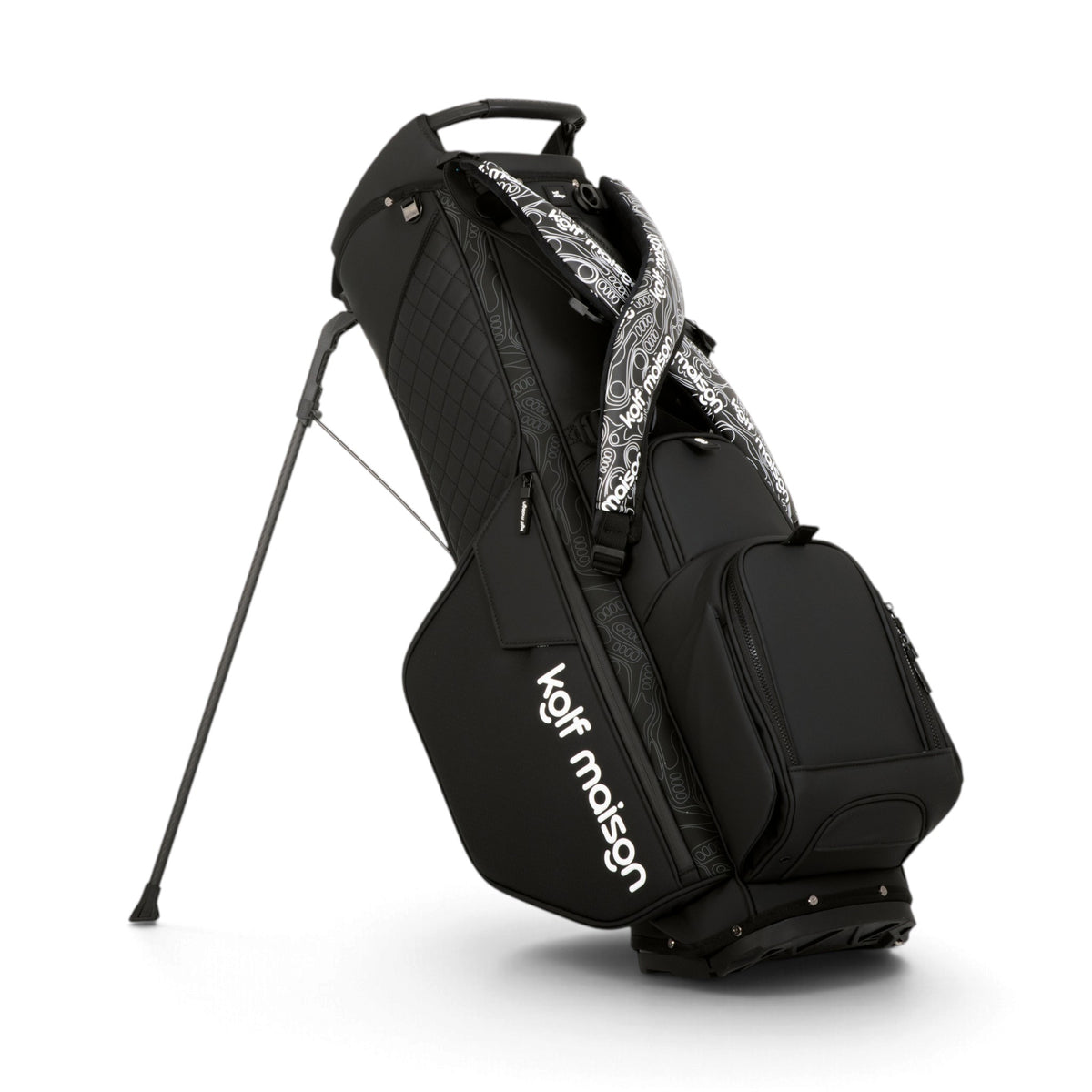
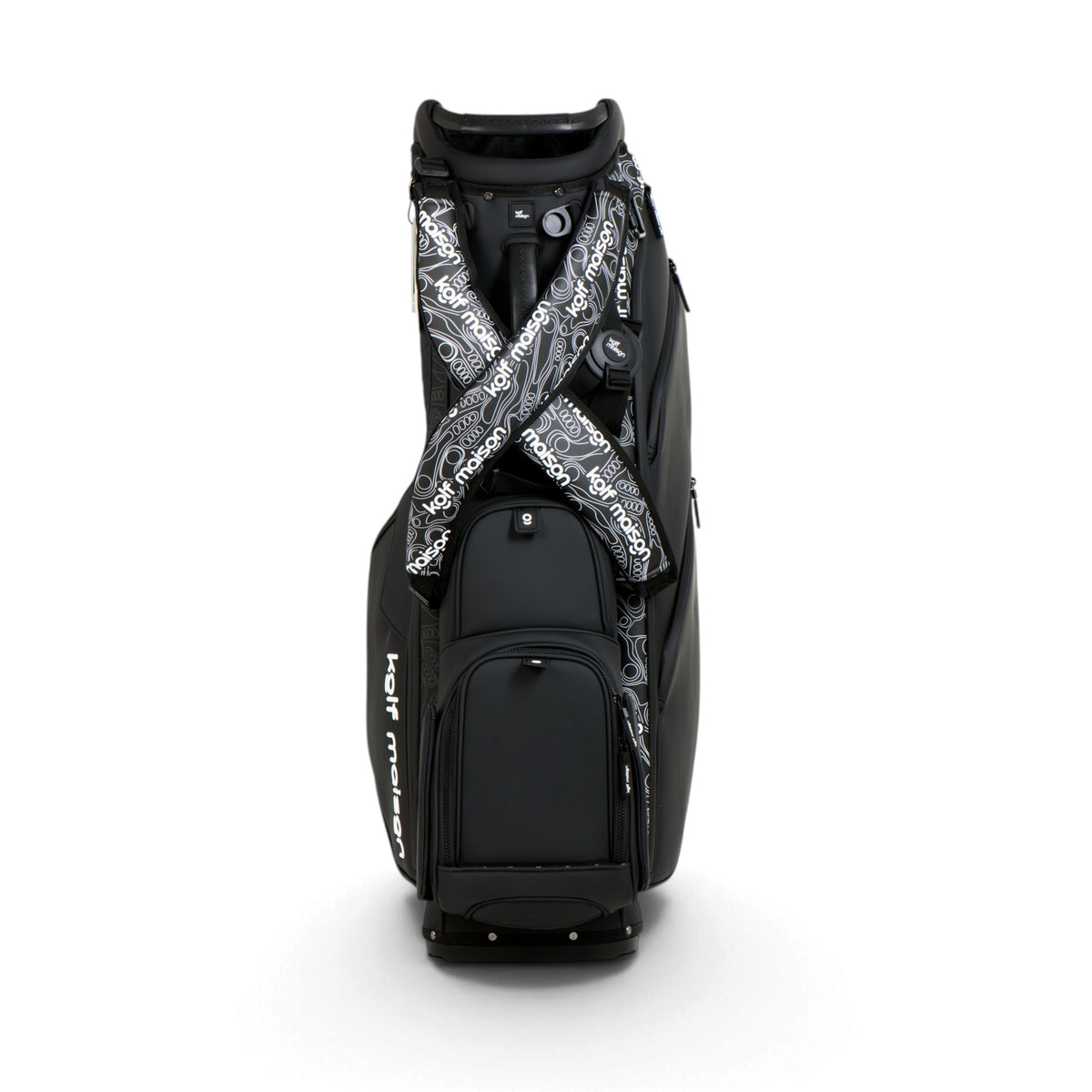
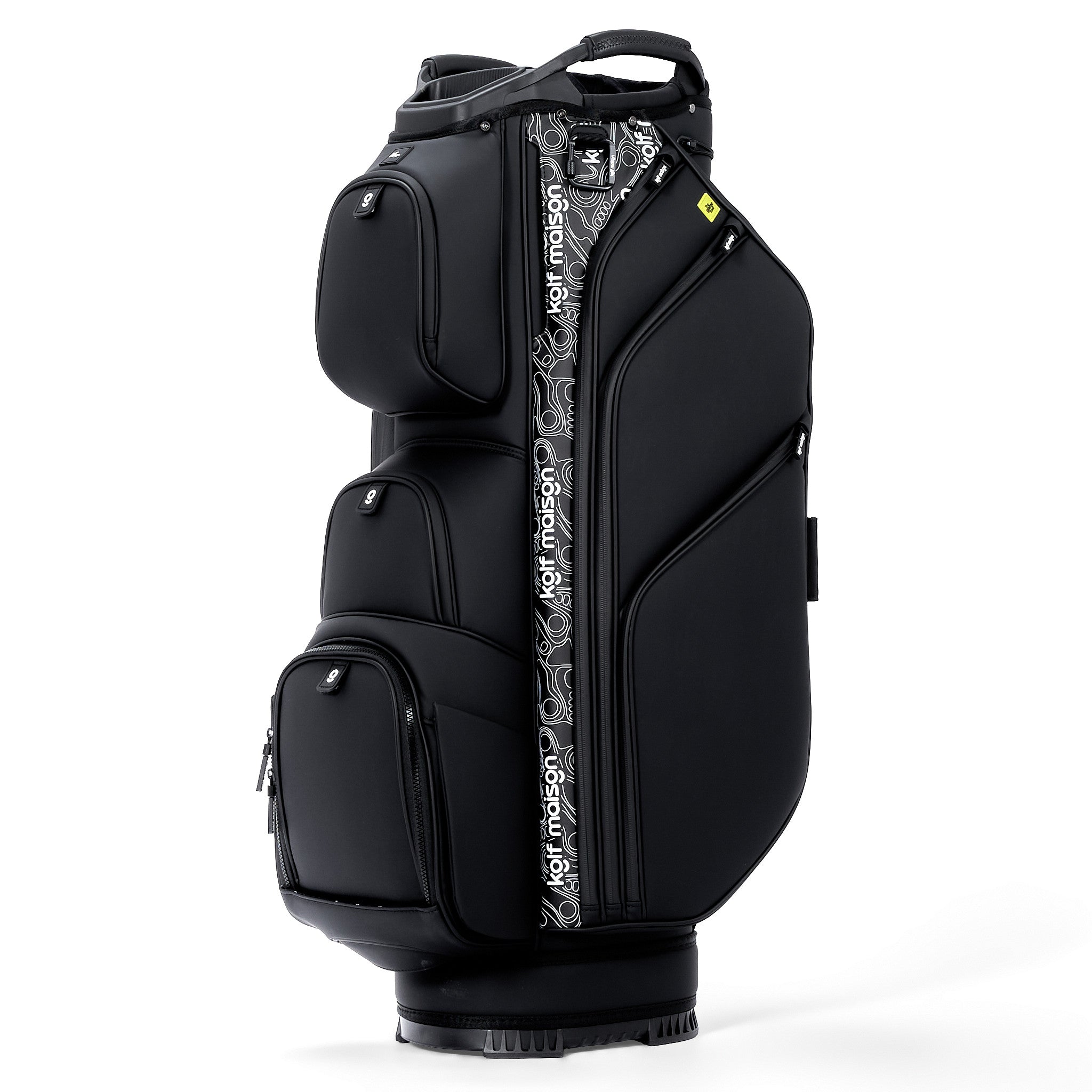
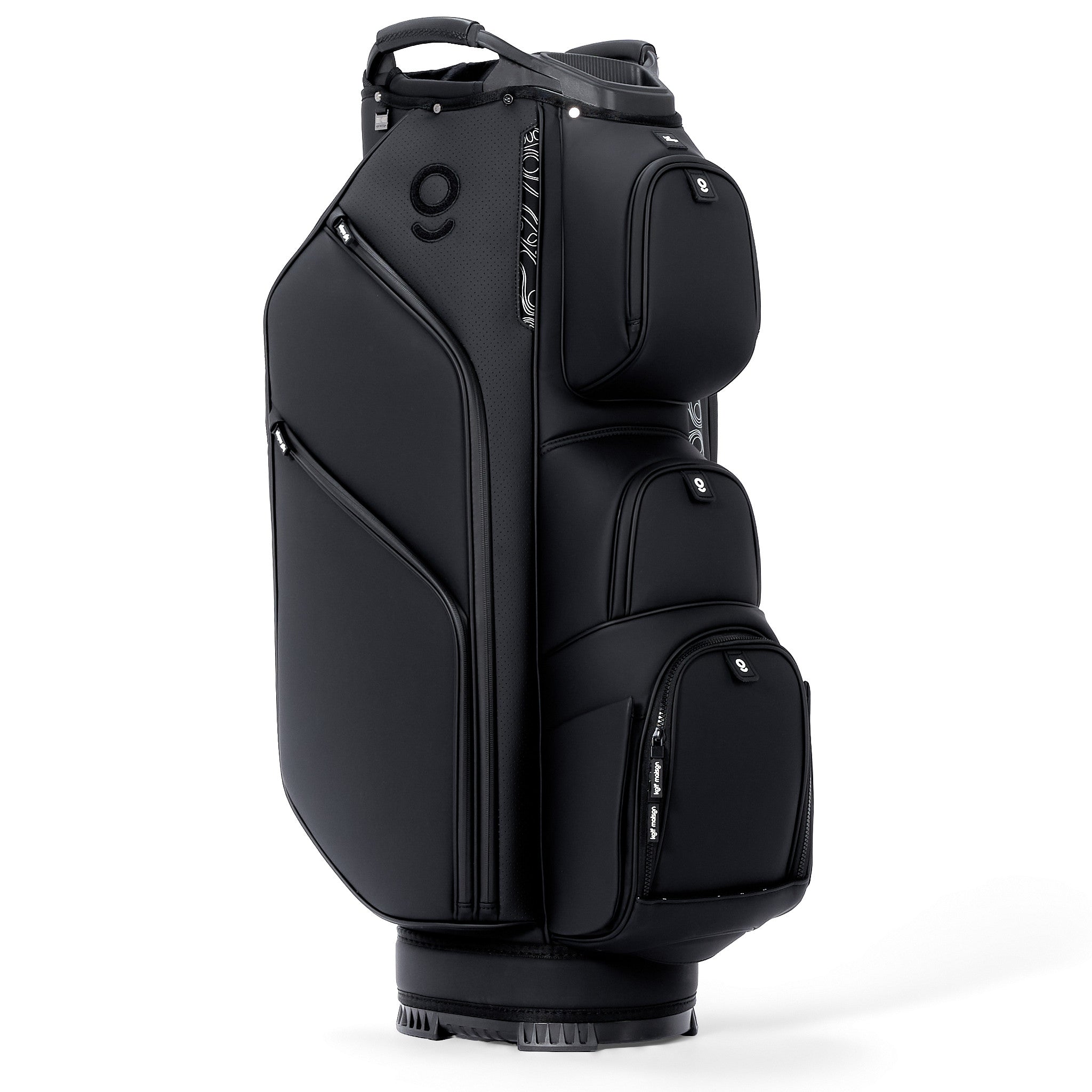
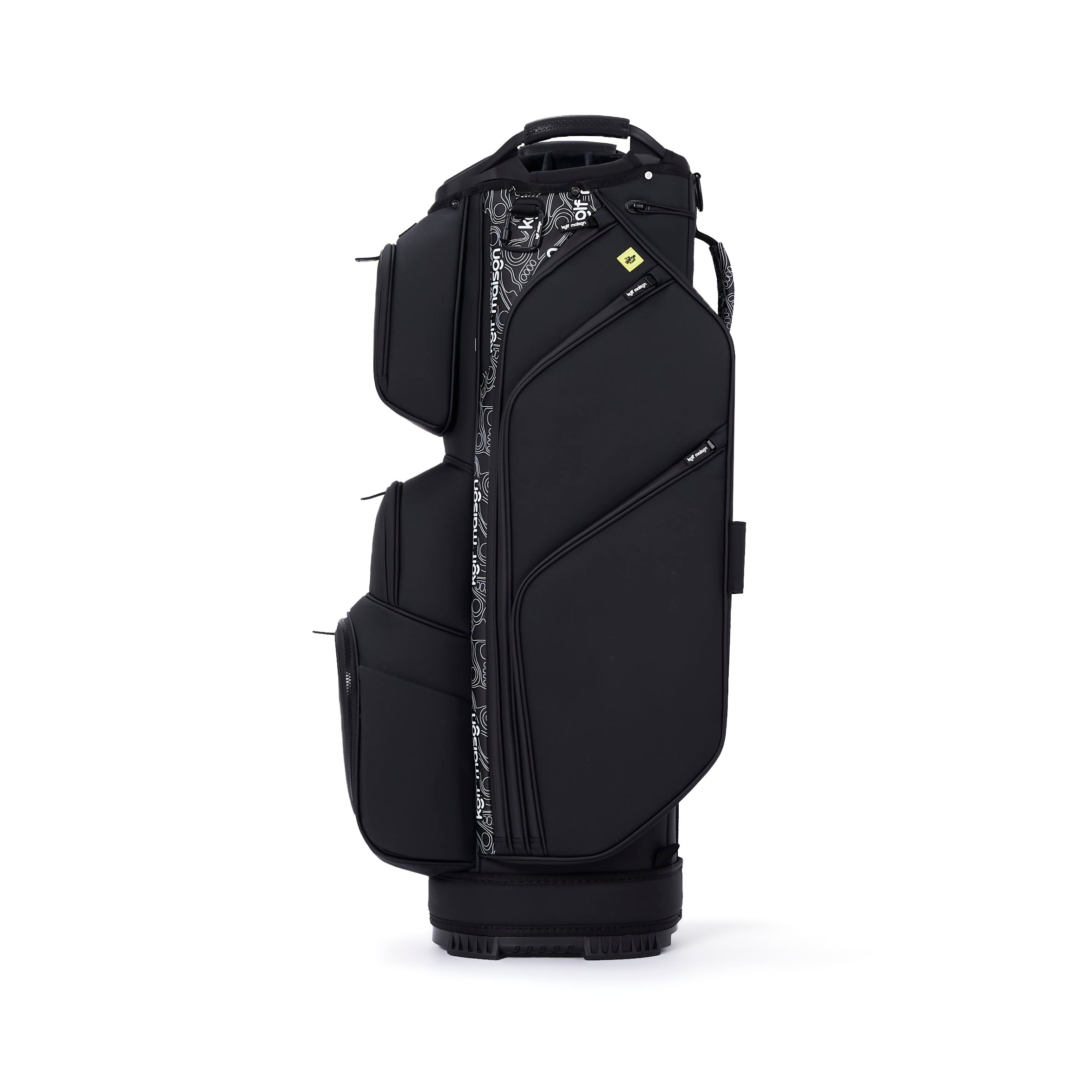
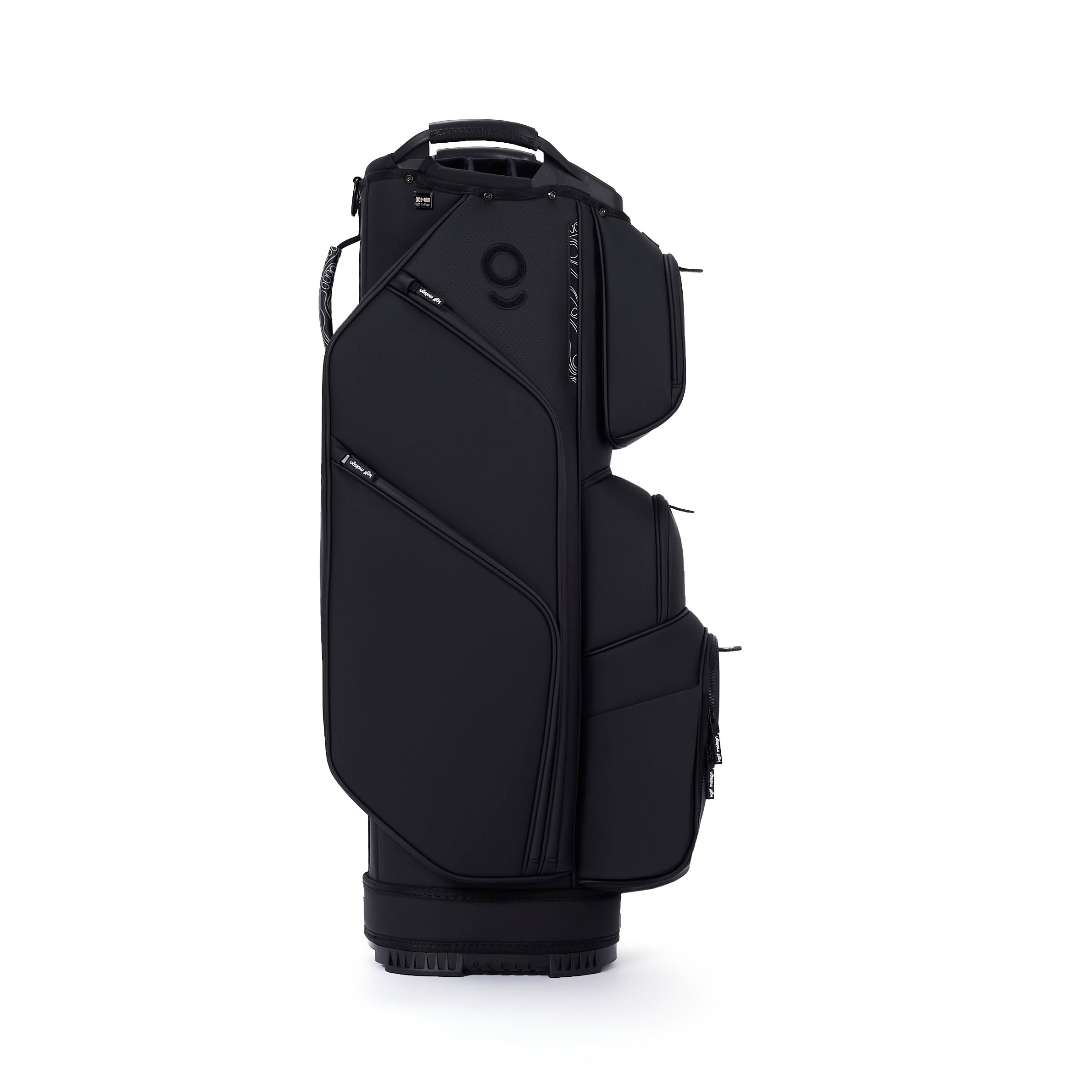
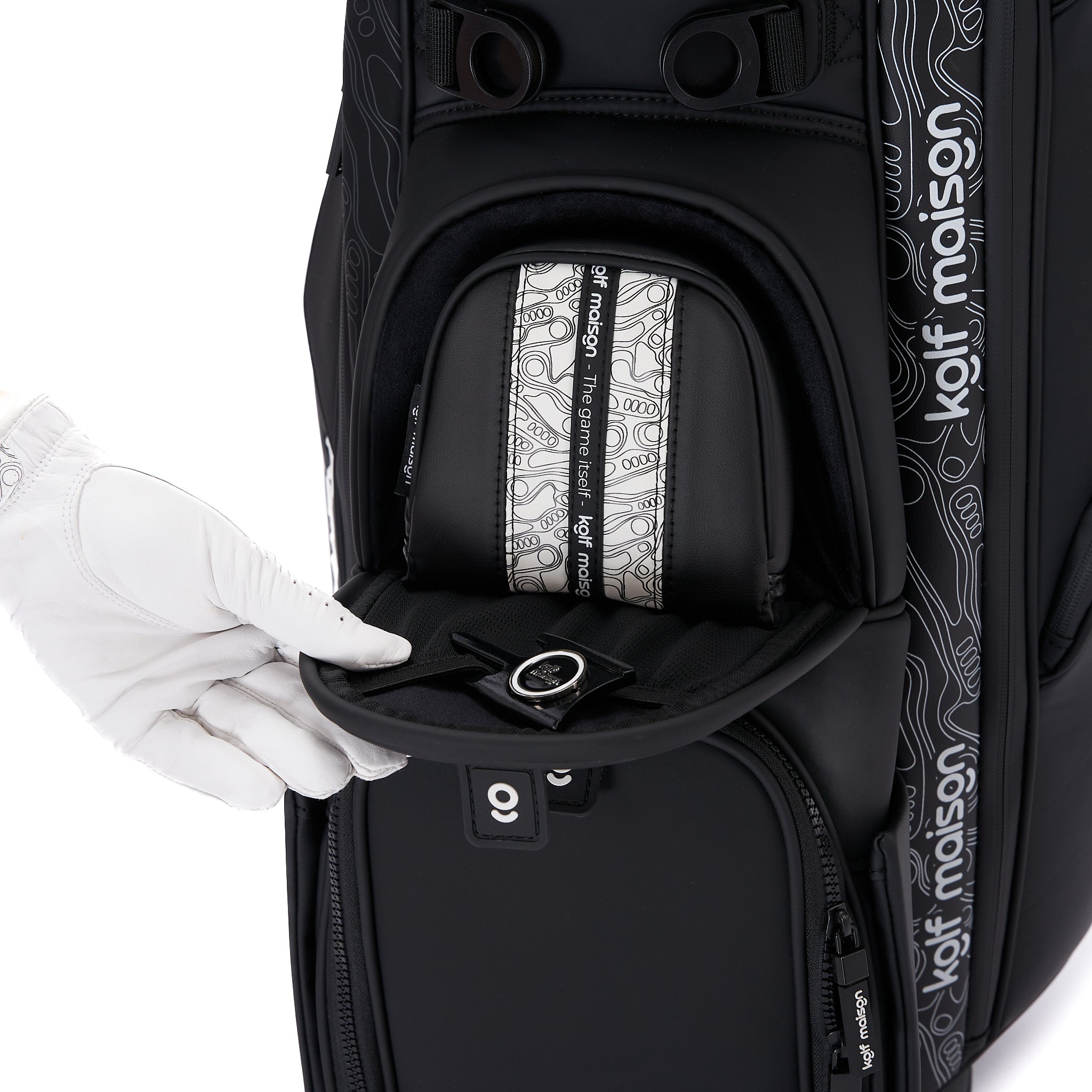
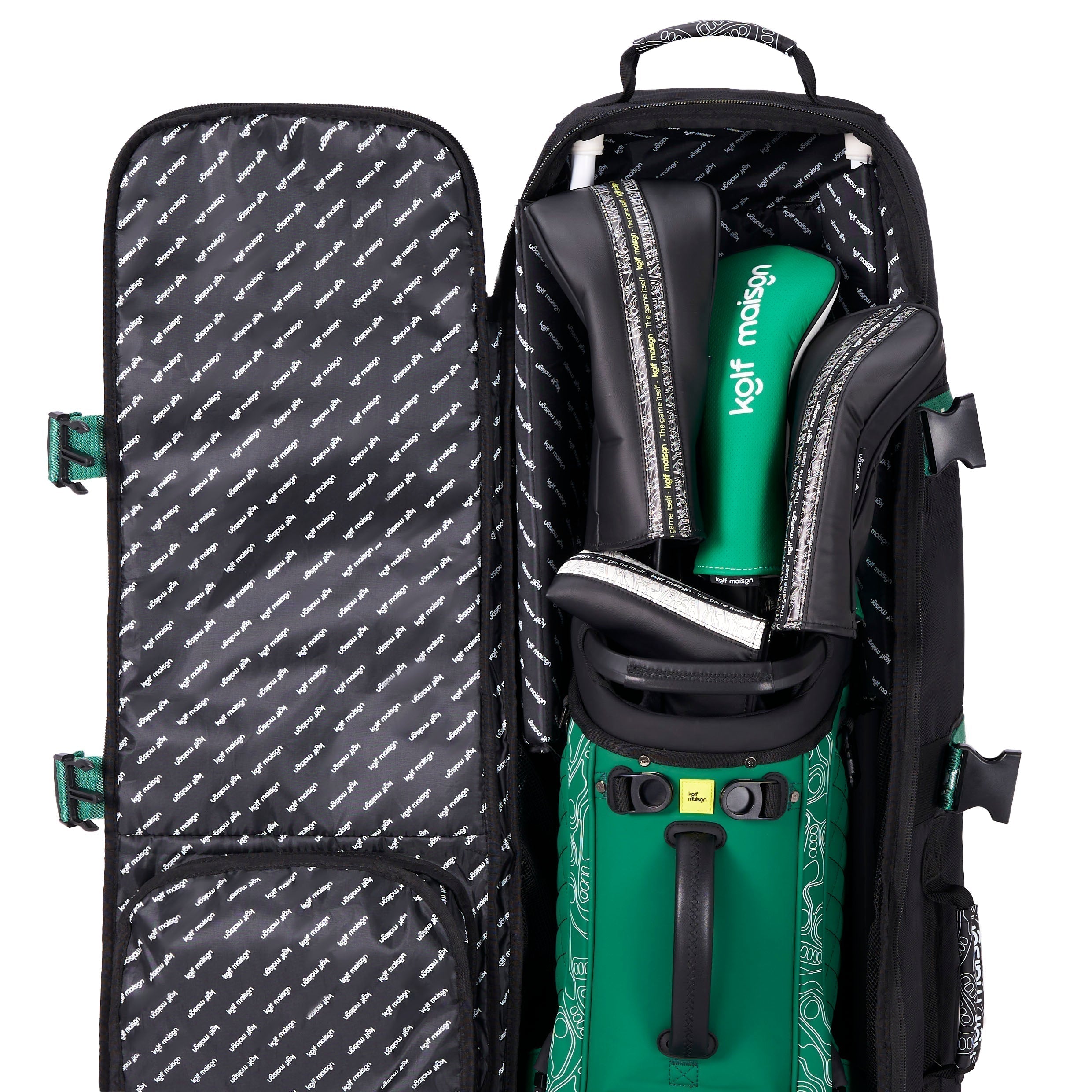
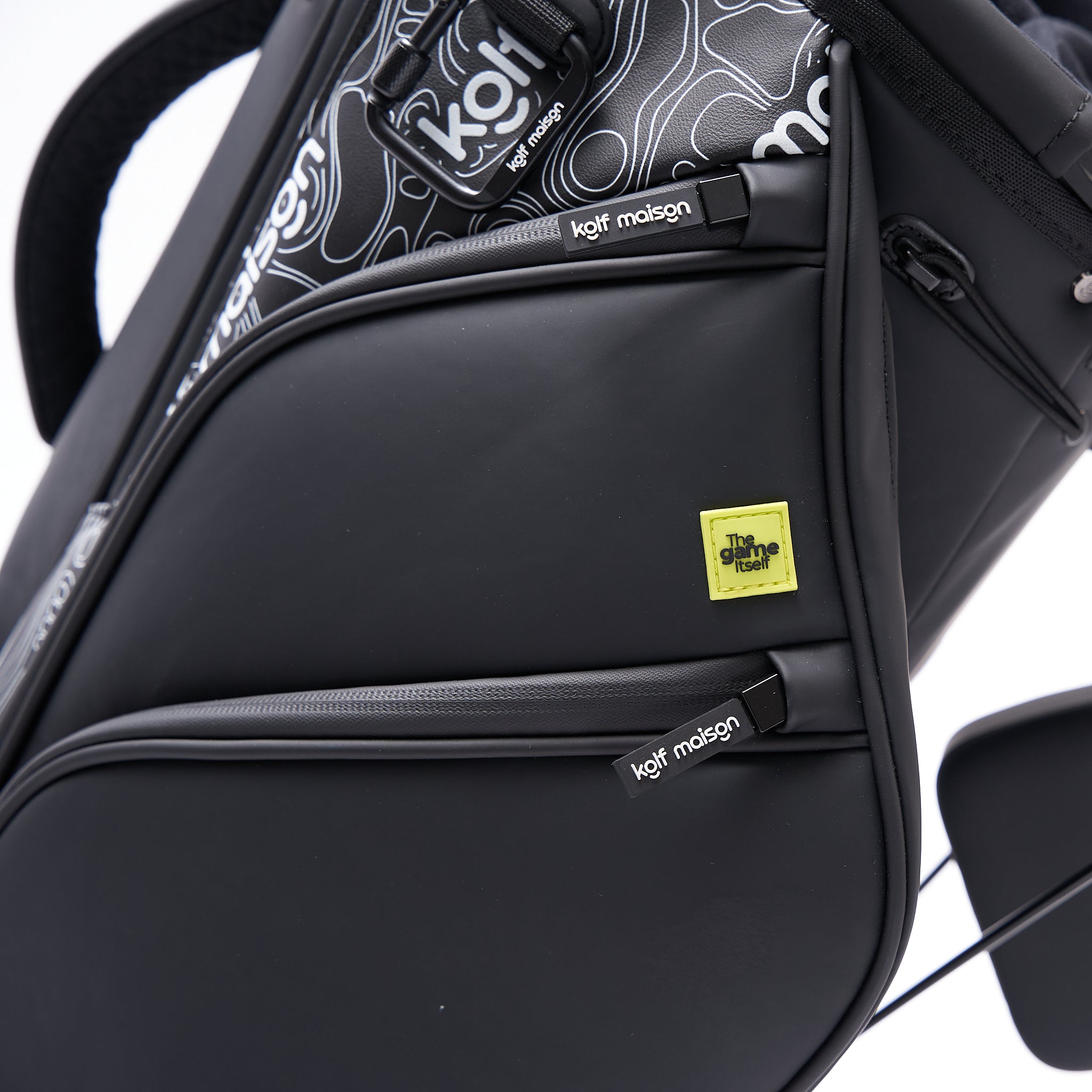
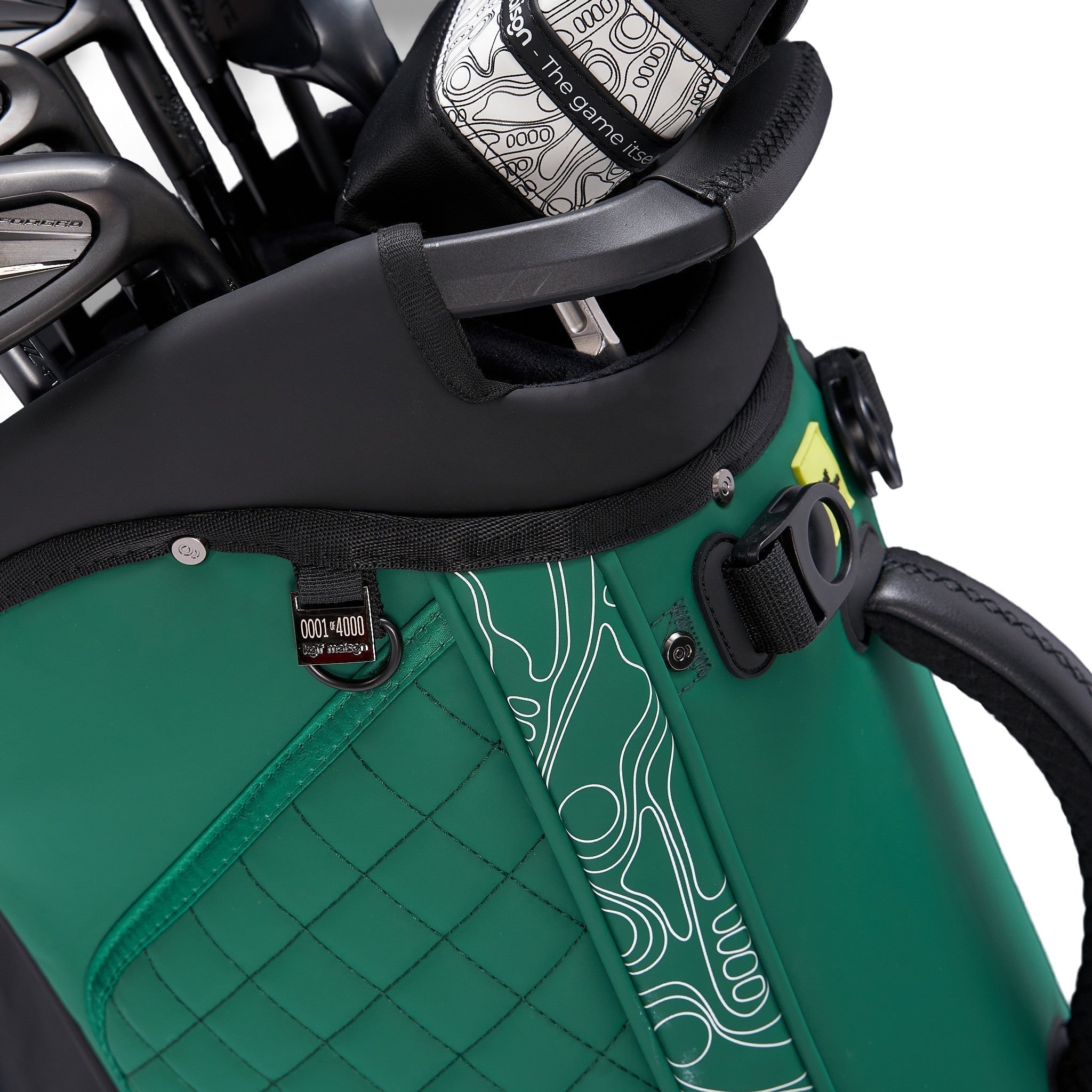
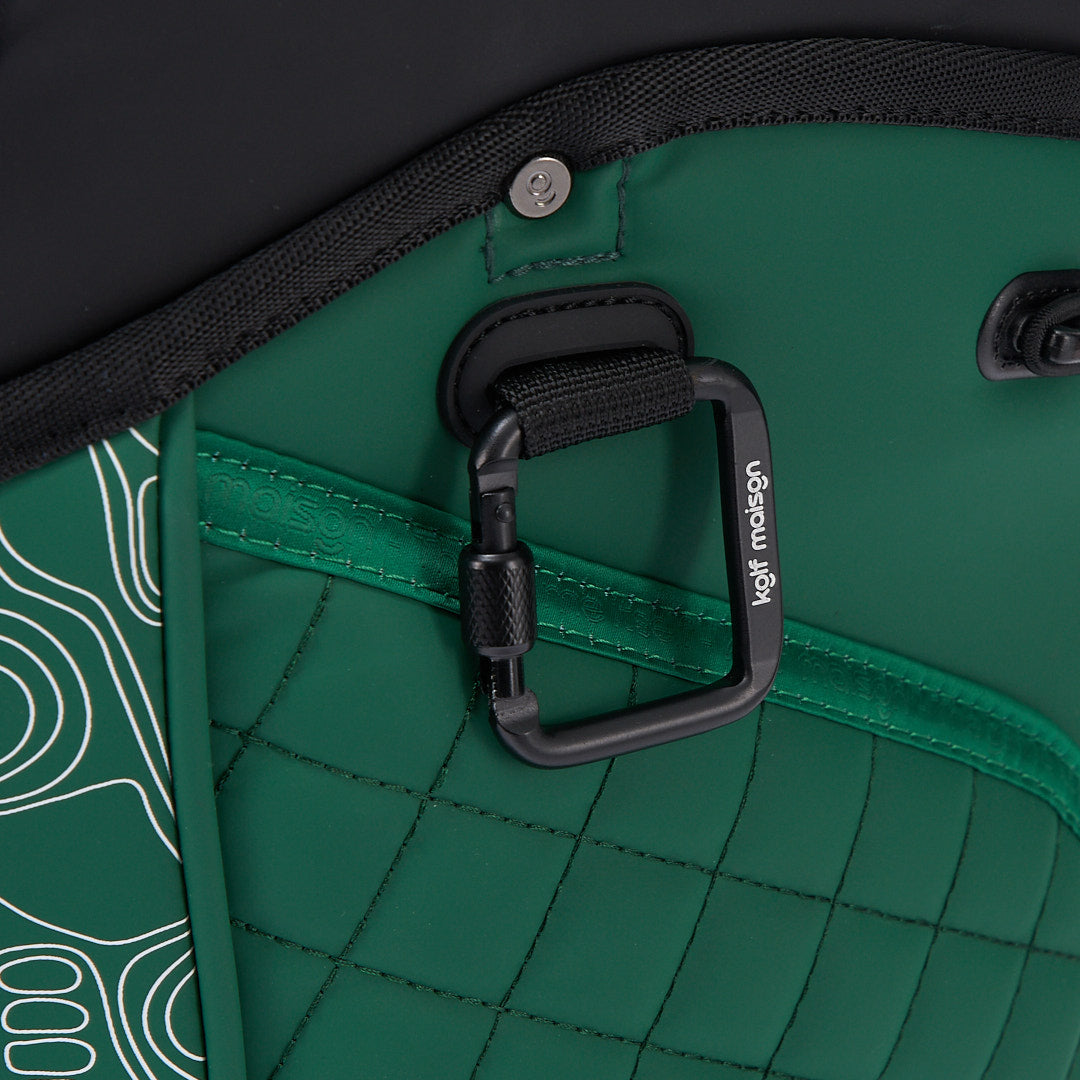
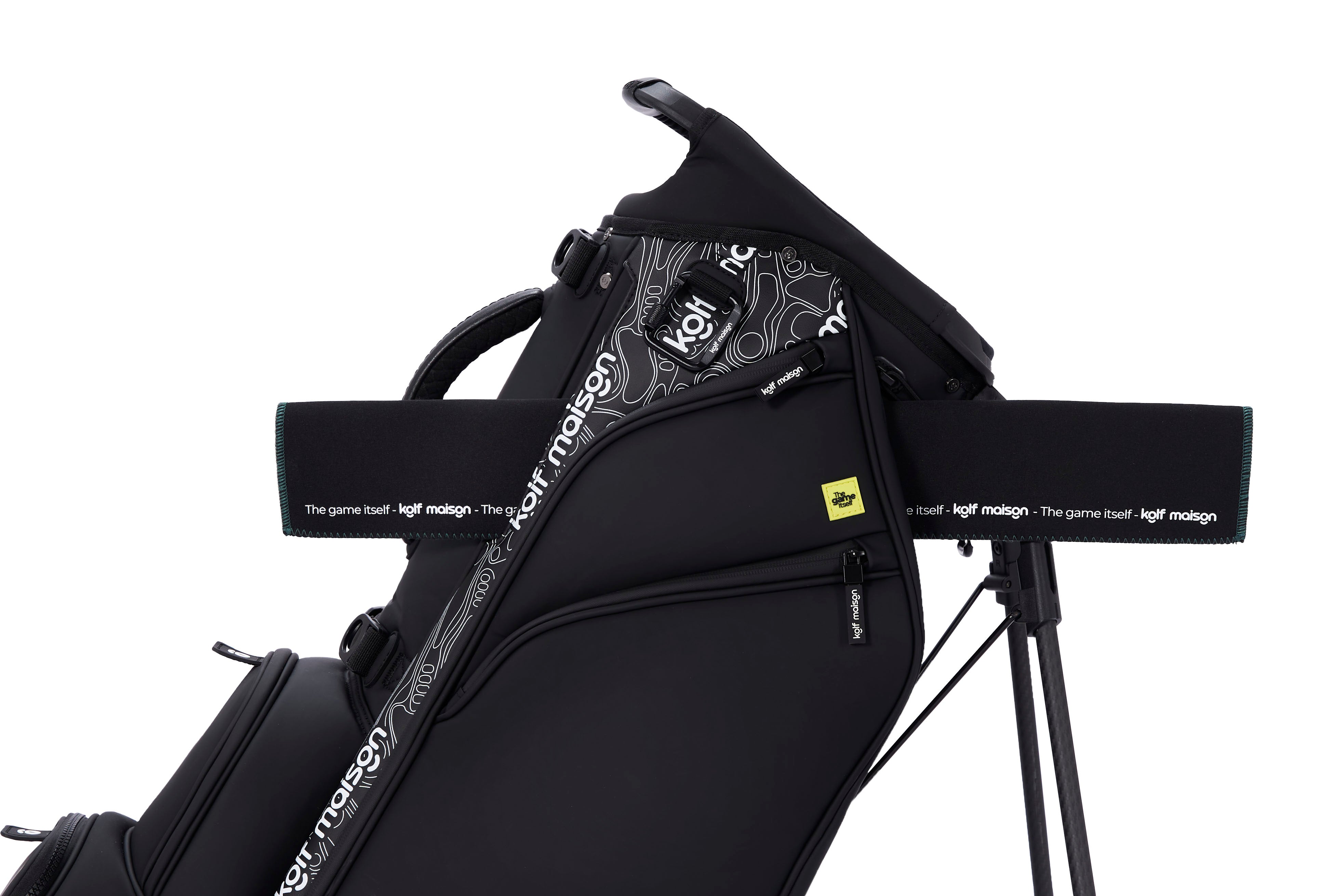
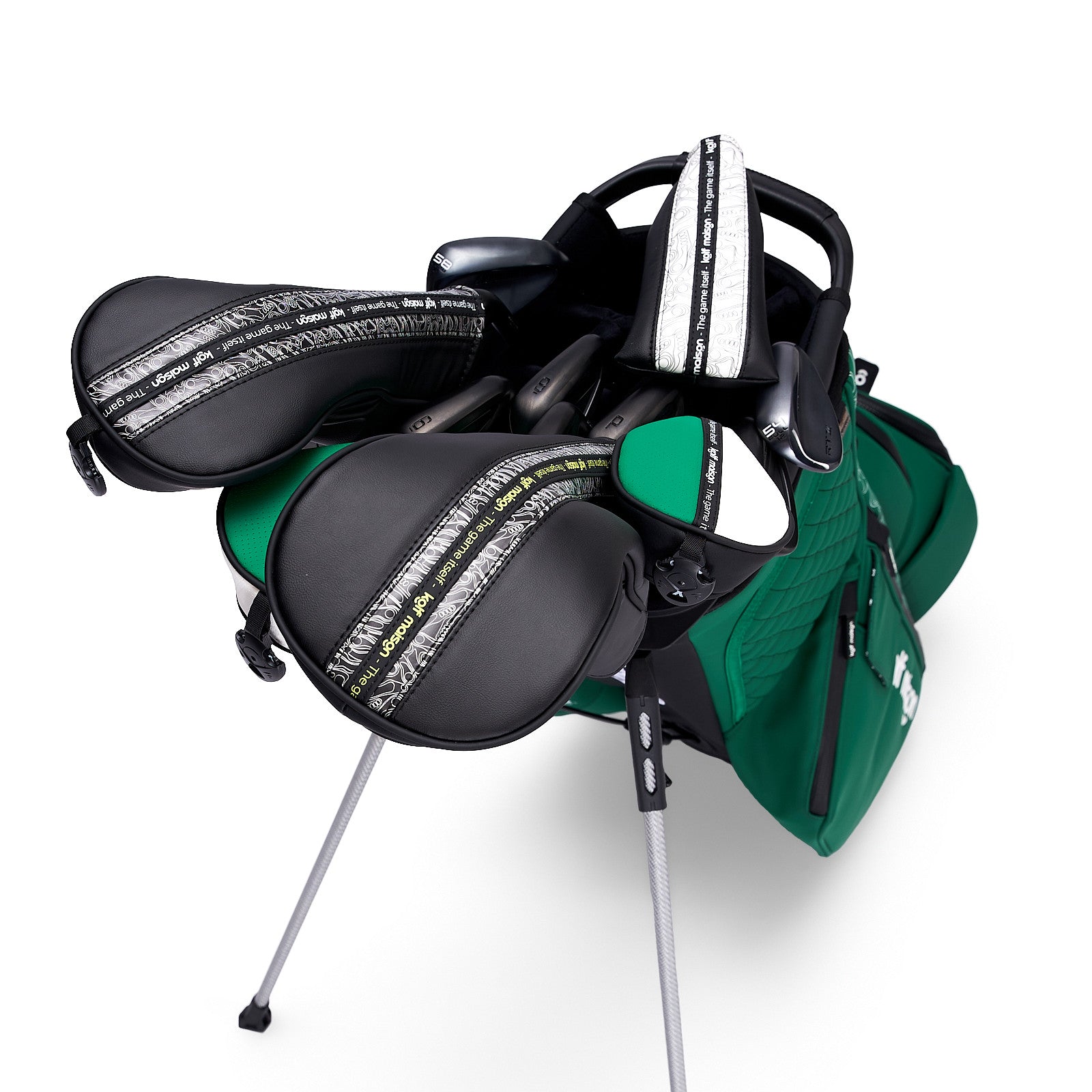
The Paganica Cart Bag is designed with reinforced structure and a cart strap system that protects the integrity of the bag under repeated use.
The objective is to prevent localized compression while maintaining overall stability. This ensures that the bag retains its form across multiple seasons.
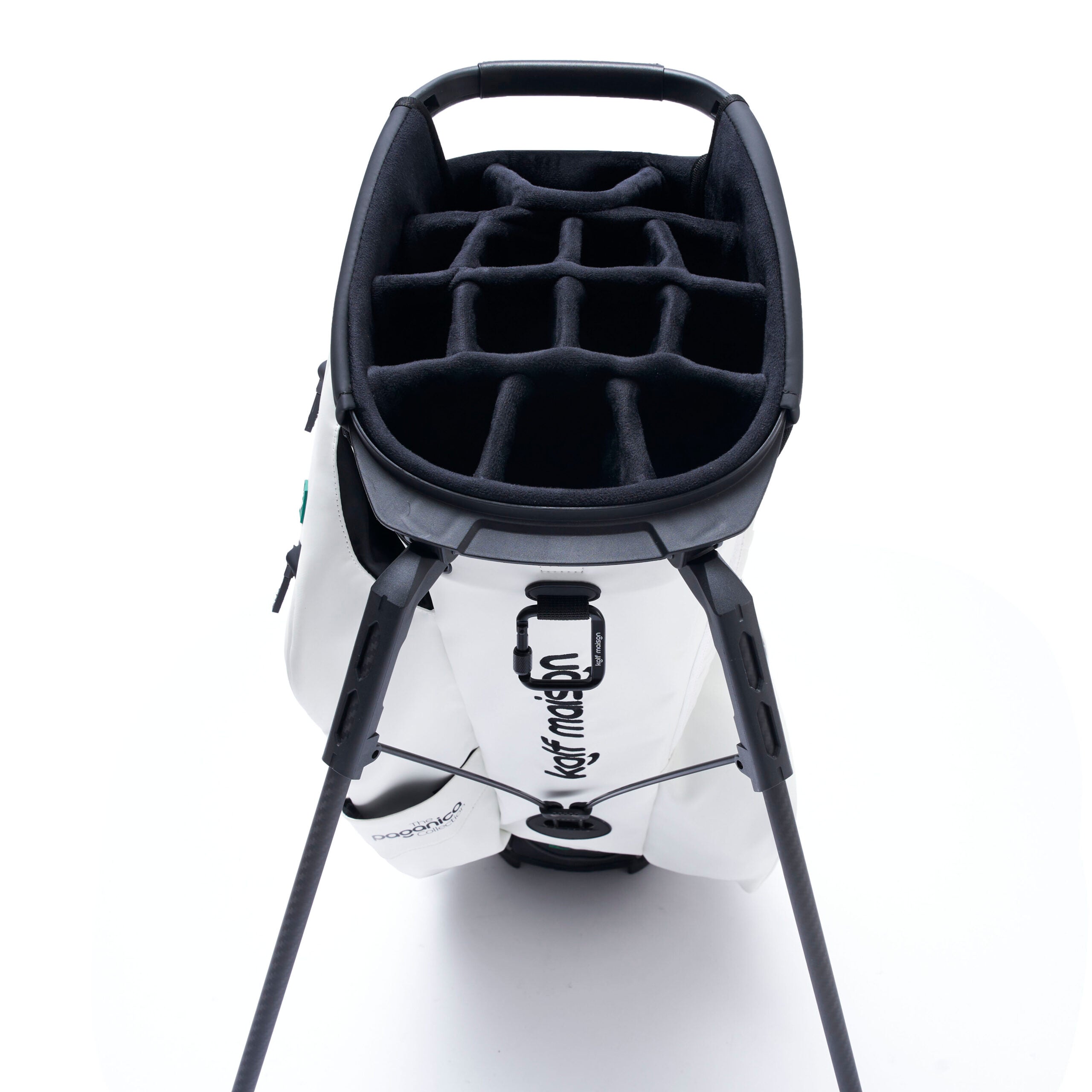
The Paganica Stand Bag also incorporates structural reinforcement, ensuring that even when used on carts, the bag maintains its geometry.
How to Prevent Cart Strap Damage
Use a bag with a dedicated strap channel
Avoid over tightening the strap
Distribute weight evenly inside the bag
Choose materials that resist compression
Maintain structure through proper storage
These steps help reduce long term deformation and preserve performance.
Final Perspective
The cart strap crush is not an unavoidable issue. It is the result of structural limitations.
A properly designed golf bag resists compression, maintains its shape, and performs consistently over time.
The difference lies in construction, not usage.
Frequently Asked Questions
Why is my golf bag losing shape?
Repeated cart strap pressure causes compression over time.
Can cart straps damage golf bags?
Yes, especially on bags without reinforced structure.
What is a cart strap channel?
A reinforced path that protects the bag from strap pressure.
How do I prevent bag deformation?
Use structured bags and avoid excessive strap tension.
Are cart bags more resistant?
Well designed cart bags are built to handle repeated pressure.


Share:
White Golf Bags: Can You Actually Keep Them Clean for More Than a Season
Golf Bag Peeling Explained | Hydrolysis and Material Failure