


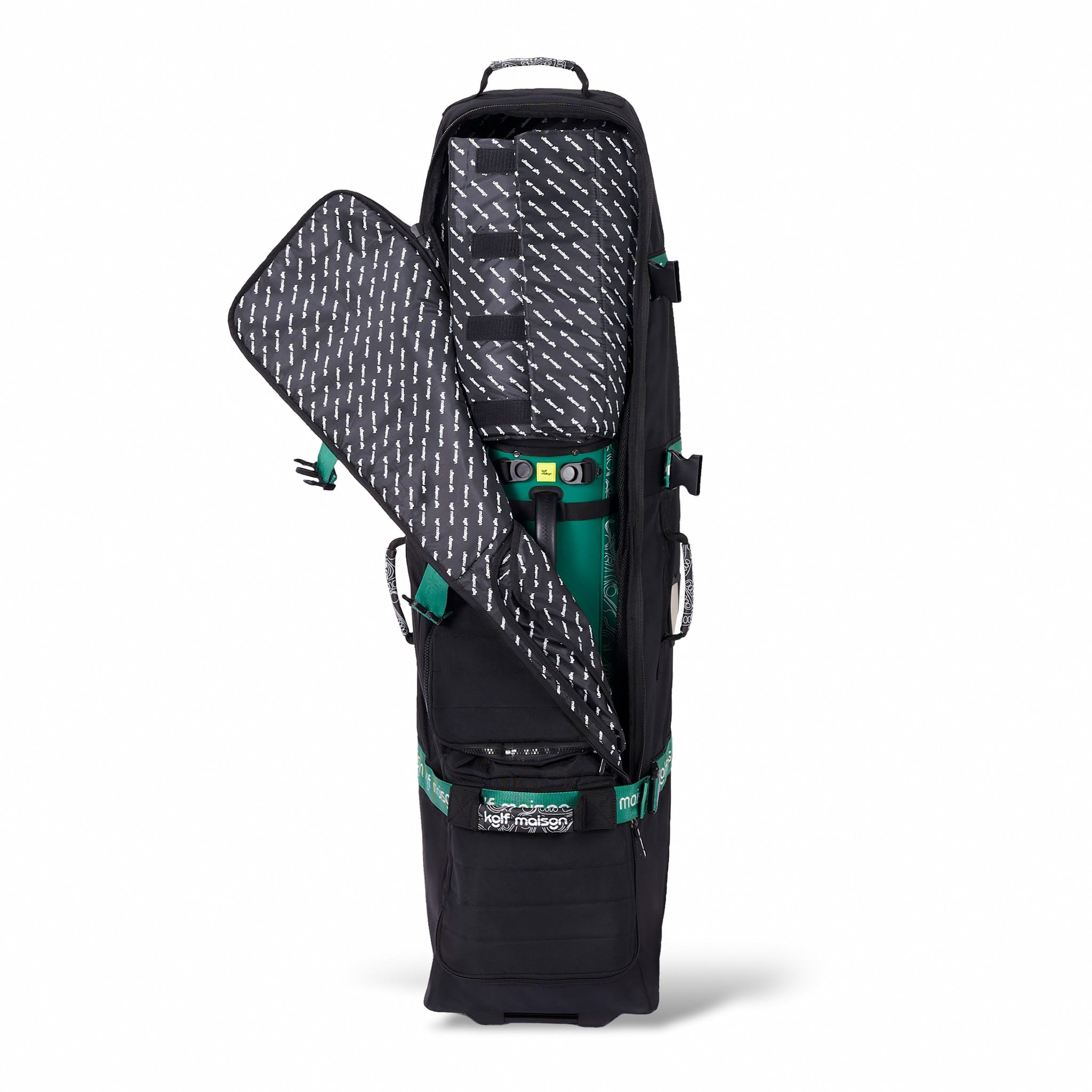
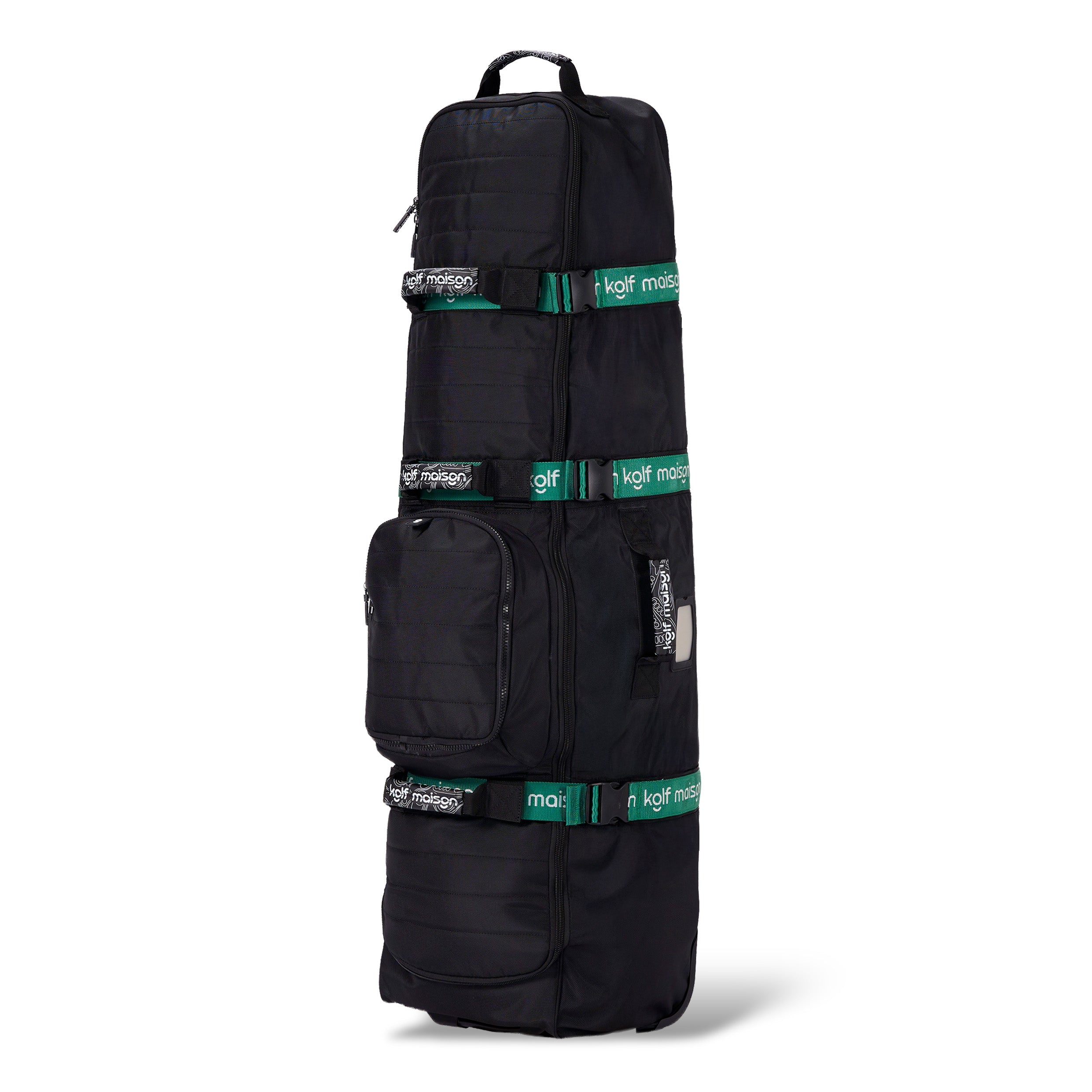
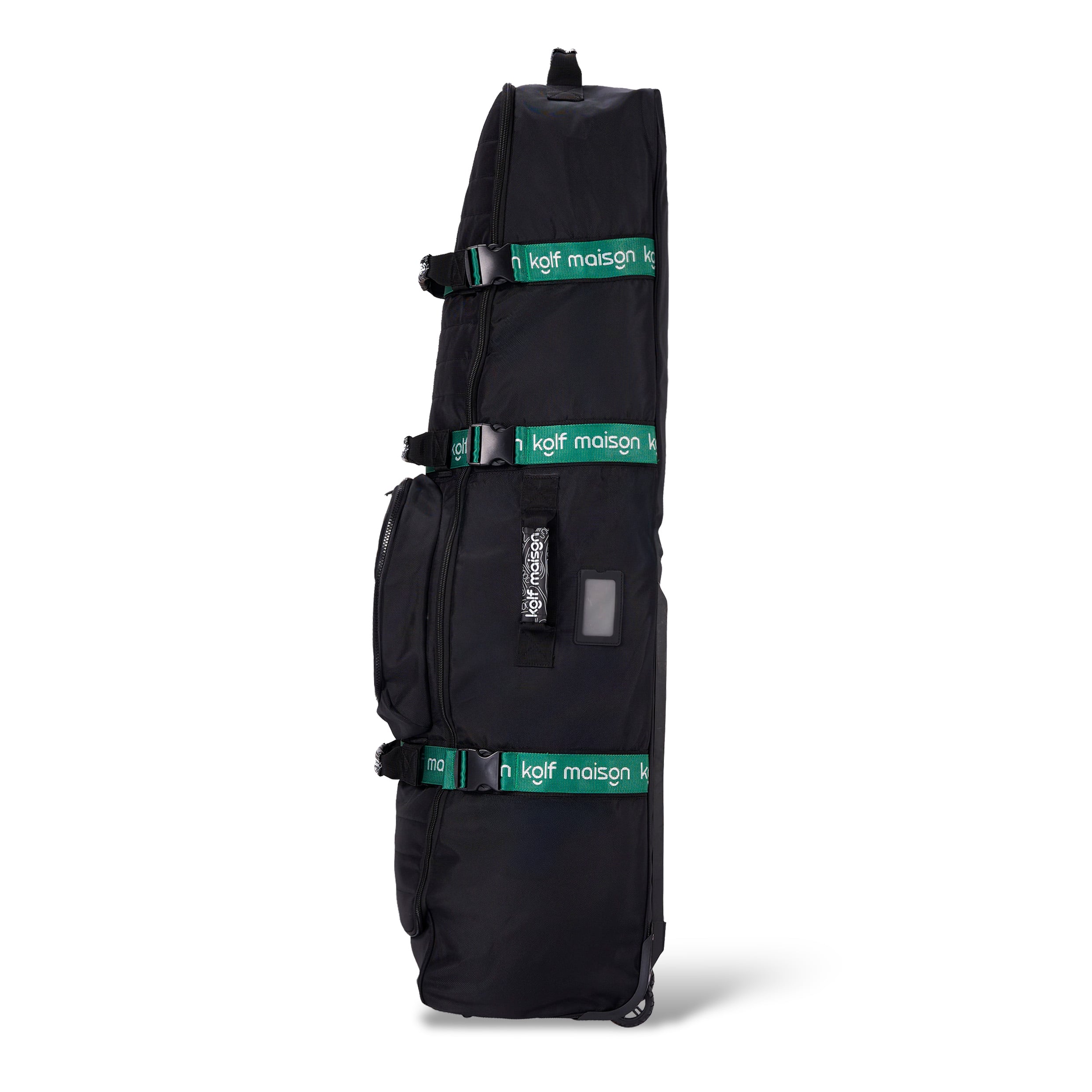
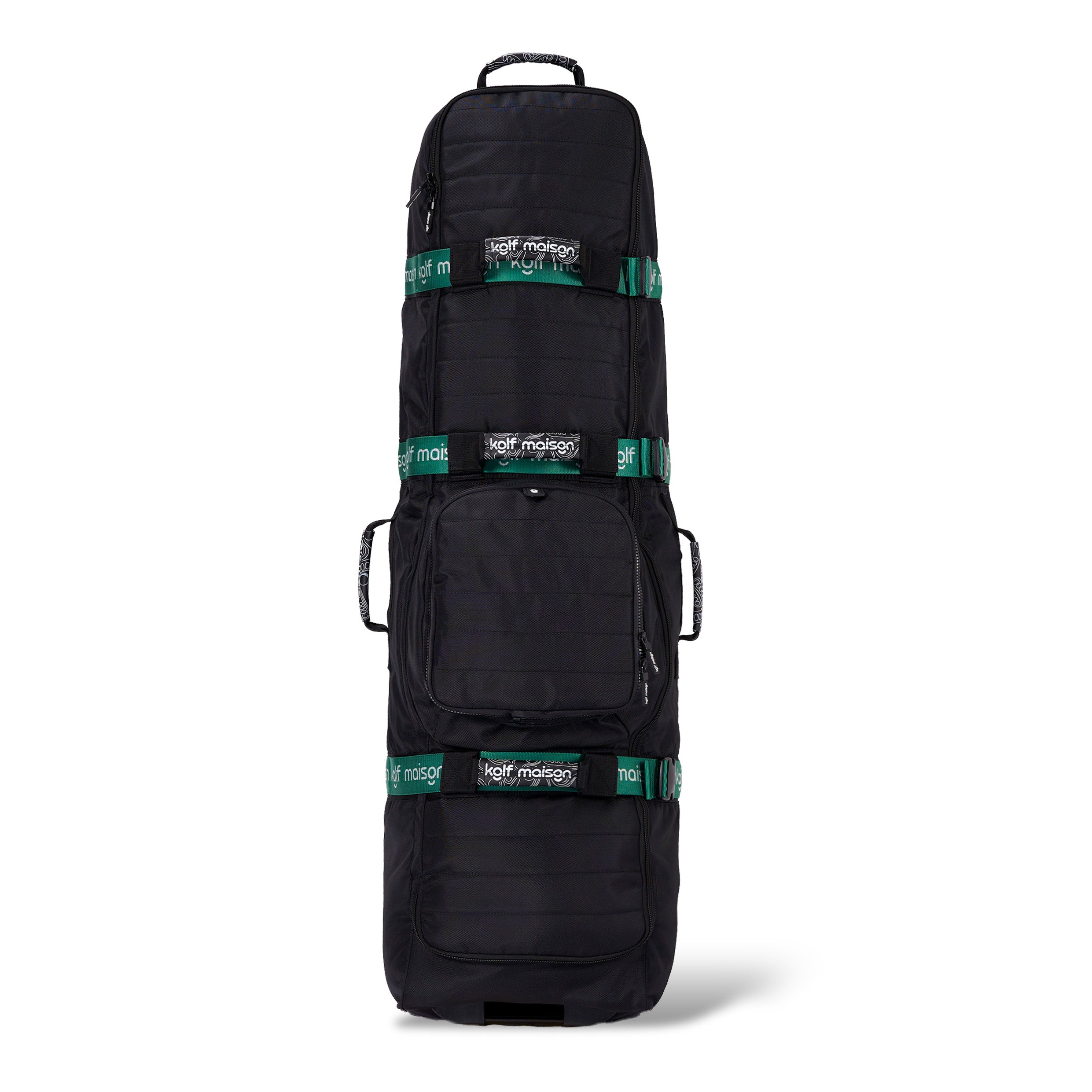

Golf Bags Tested for Flex Endurance and UV Stability: Why Material Testing Actually Matters
When you spend $479 on a golf bag, you're making a durability assumption. You assume the material will hold up to the loading cycles, weather exposure, and physical handling that four seasons of golf deliver. Most golf bag brands make that assumption feel safe without actually testing it — because their marketing budget doesn't include material certification and their product development process doesn't require it. Here is what independent material testing covers and why it separates premium bags from bags that are merely priced as premium.
What Flex Endurance Testing Measures
Flex endurance — tested under standards like ISO 5402-1 and ASTM D3884 — measures how a material responds to repeated bending cycles. In practical terms for a golf bag, flex cycles correspond to: the bag being slung onto a trolley, the zipper area being opened and closed thousands of times, the bag being compressed under loading, the handle being gripped and released, and the bag being folded or bent during transport. A material that cracks after 50,000 flex cycles will show visible surface damage within two to three seasons of moderate use. A material specified to 200,000+ cycles looks the same in year four as it did in the unboxing.
The relevant failure mode in golf bags is surface cracking along high-stress areas — the handle attachment points, the base perimeter where the bag contacts the ground, and the zipper interface zones. Lower-specification synthetic materials show cracking in these areas within two to three seasons; premium microfiber composite materials specified for flex endurance typically don't show comparable surface degradation within a five-to-seven-year use window.
The Test Most Brands Skip
ISO 5402-1 (leather flex endurance) and ASTM D3884 (abrasion resistance) require material samples to be run through mechanical test rigs that simulate years of use in hours. The process is expensive and the results are either impressive or they reveal a problem you'd rather not publish. Brands that specify materials without this testing are making a performance claim with no data behind it. Brands that commission the testing and publish material specifications are accountable to a standard.
What UV Stability Testing Measures
UV stability testing — typically conducted under ASTM G154 using UV fluorescent lamp exposure or ASTM G155 using xenon arc exposure — simulates the UV radiation a material receives during sustained outdoor use. The test measures color retention (how much the material fades), surface integrity (whether the material cracks or chalks under UV exposure), and coating adhesion (whether any surface finish peels or lifts).
For golf bags, UV exposure is significant. A bag used for 36 rounds per summer in a sun-intensive region receives meaningful UV loading over several seasons. Standard polyester and basic synthetic materials will show measurable fading and surface chalking within two to three seasons under these conditions. Matte microfiber composite leather, when specified with UV-stabilized surface coatings and polymer matrices, resists this degradation across a longer horizon.
Why Most Golf Bag Brands Don't Publish Material Data
The honest answer is that material testing data only helps brands whose materials perform well. For most golf bag brands — even premium-positioned ones — the materials used are specified to price point rather than performance standard. Publishing flex cycle data or UV degradation curves for a material that underperforms would damage rather than support the brand's premium positioning.
There is also a category norm at play: because nobody publishes material testing data, no brand is under competitive pressure to do so. The standard for "premium" golf bag materials has been set by marketing language rather than measurable performance criteria. Phrases like "premium synthetic," "tour-grade material," and "durable exterior" are descriptions without benchmarks.
Matte Microfiber Composite Leather: What the Specification Means
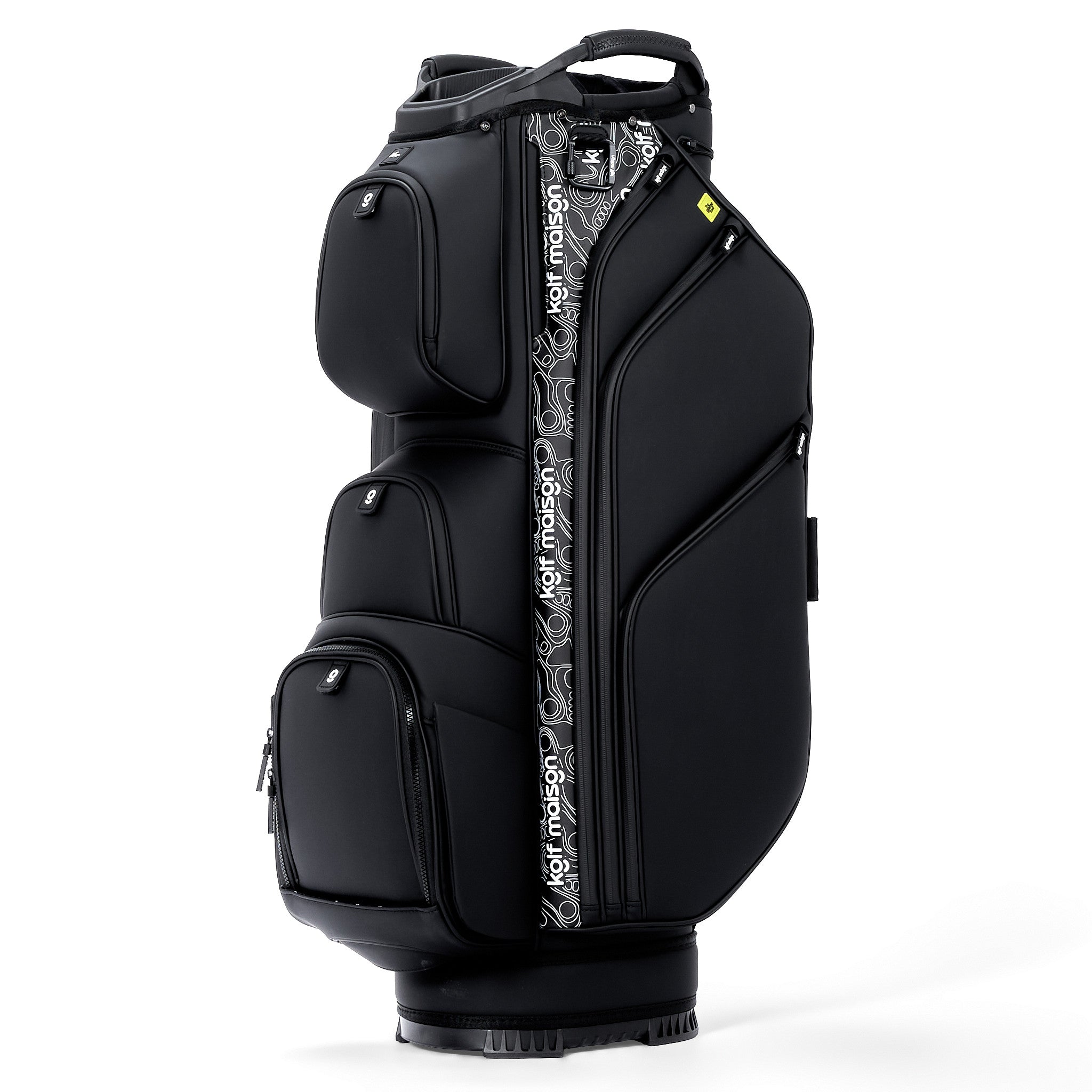
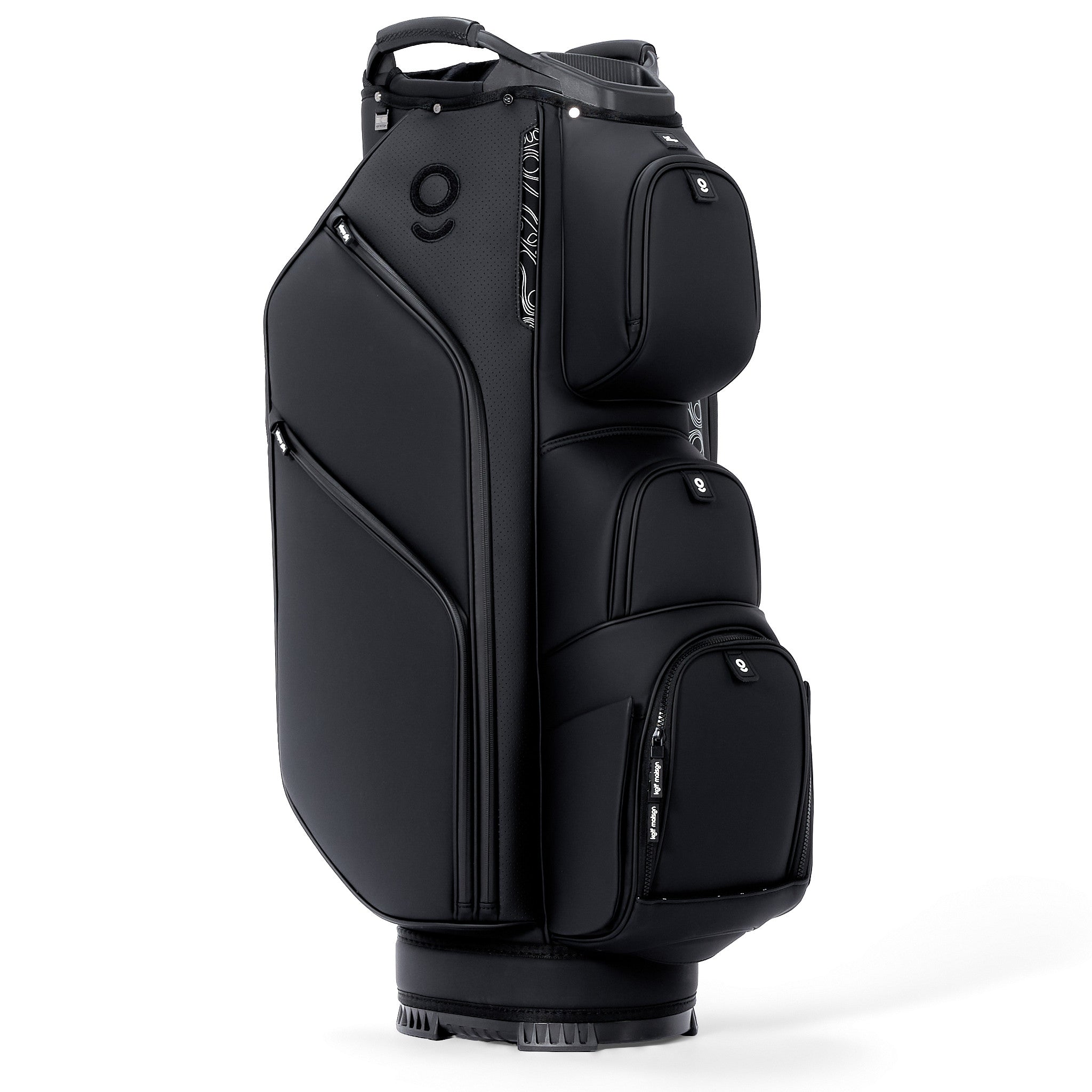
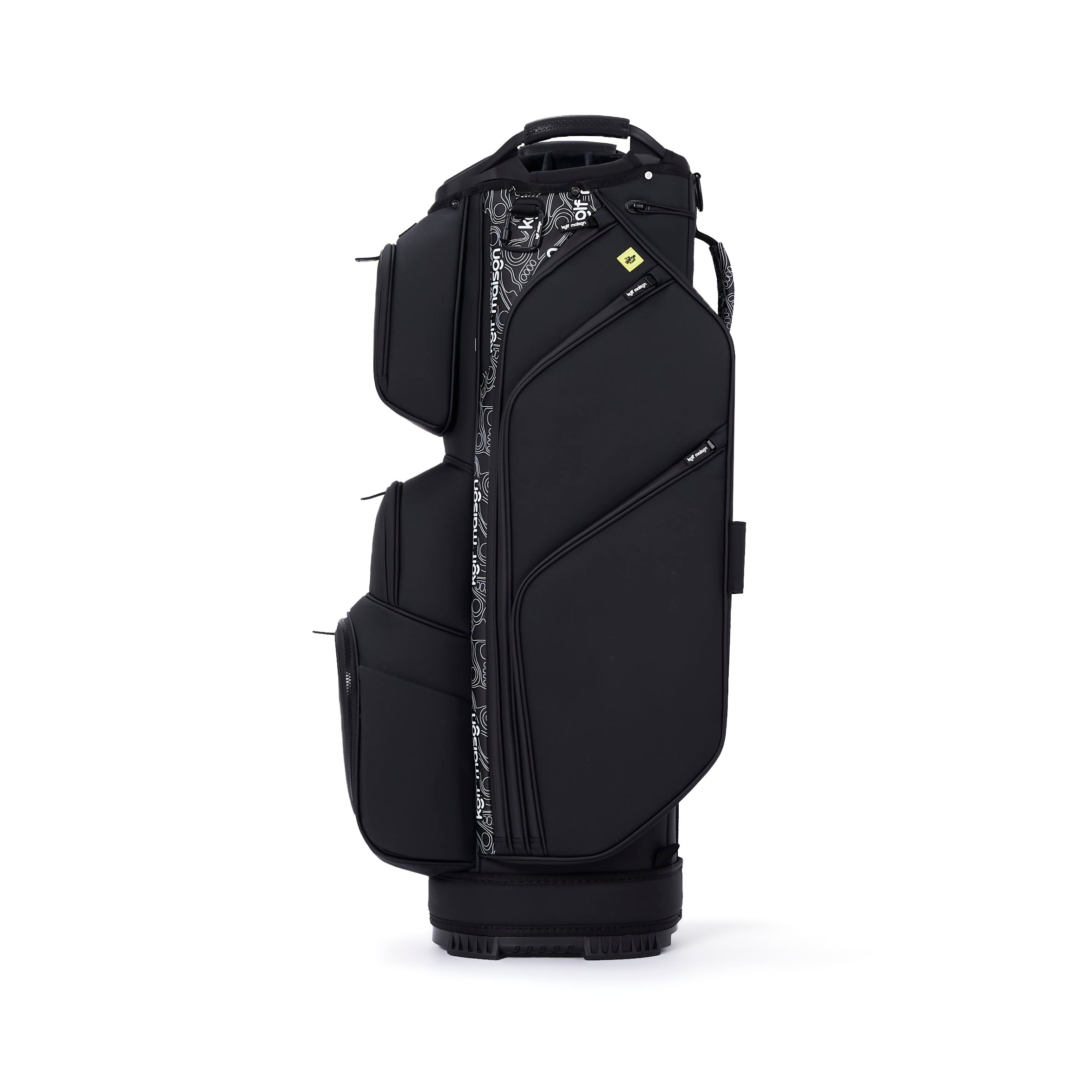
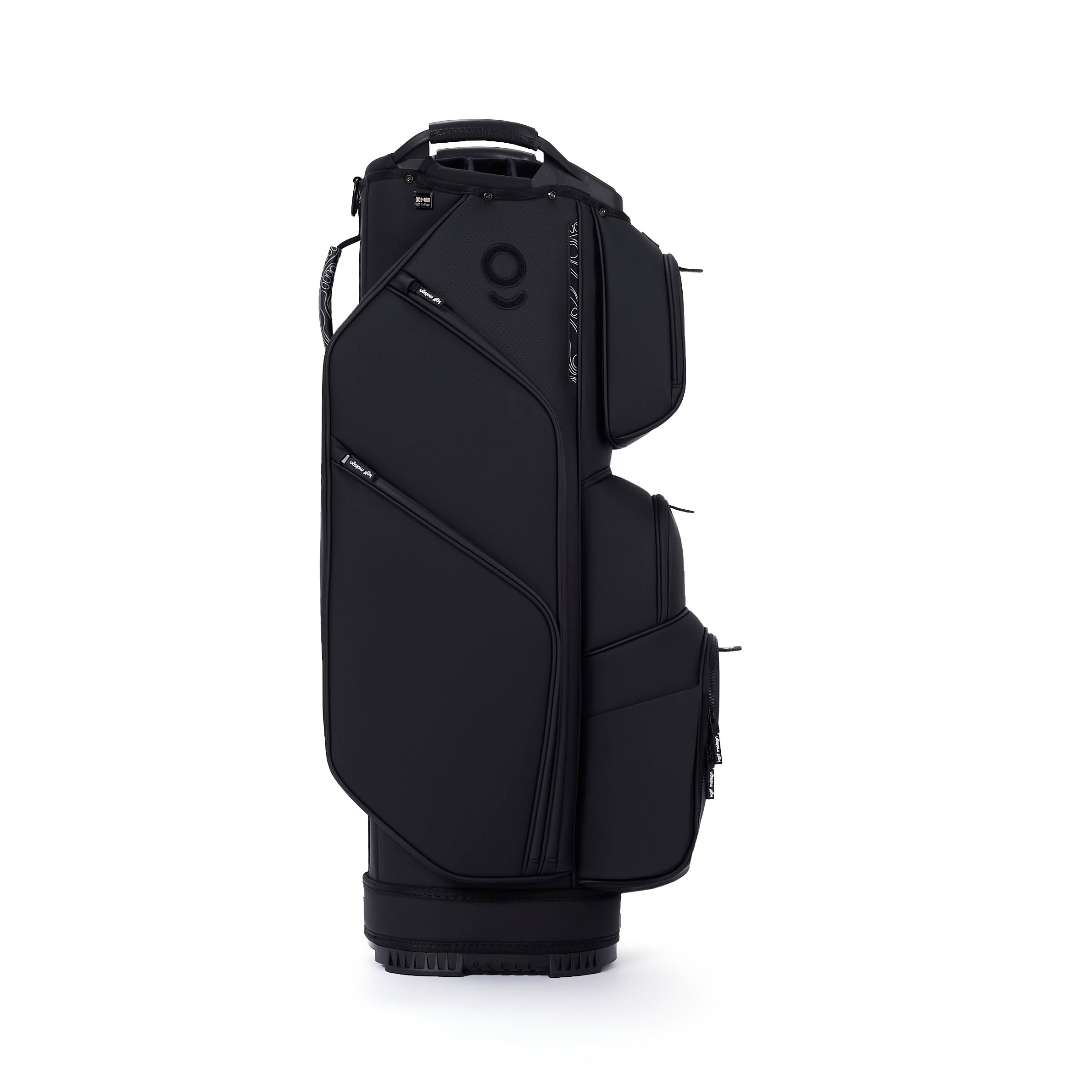
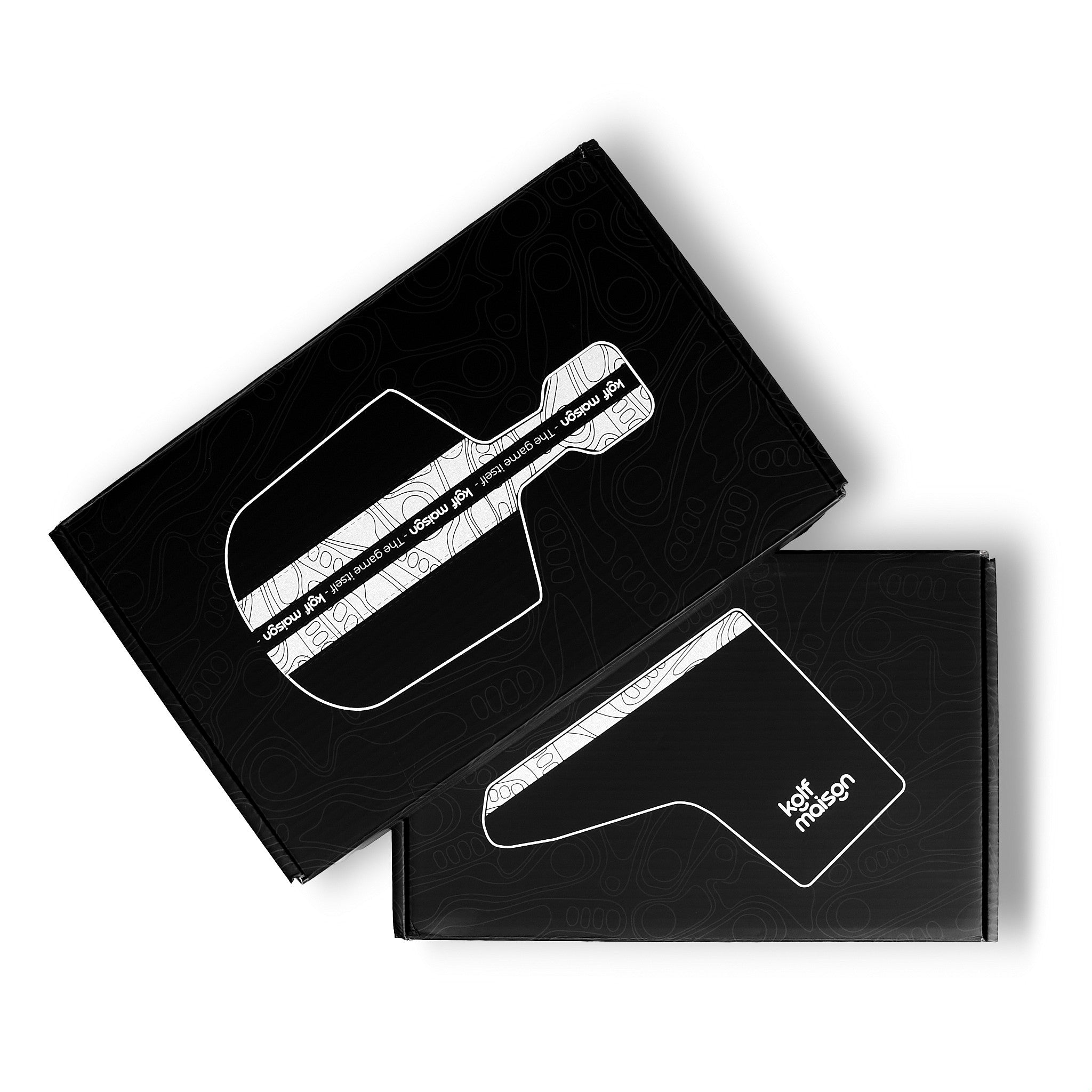
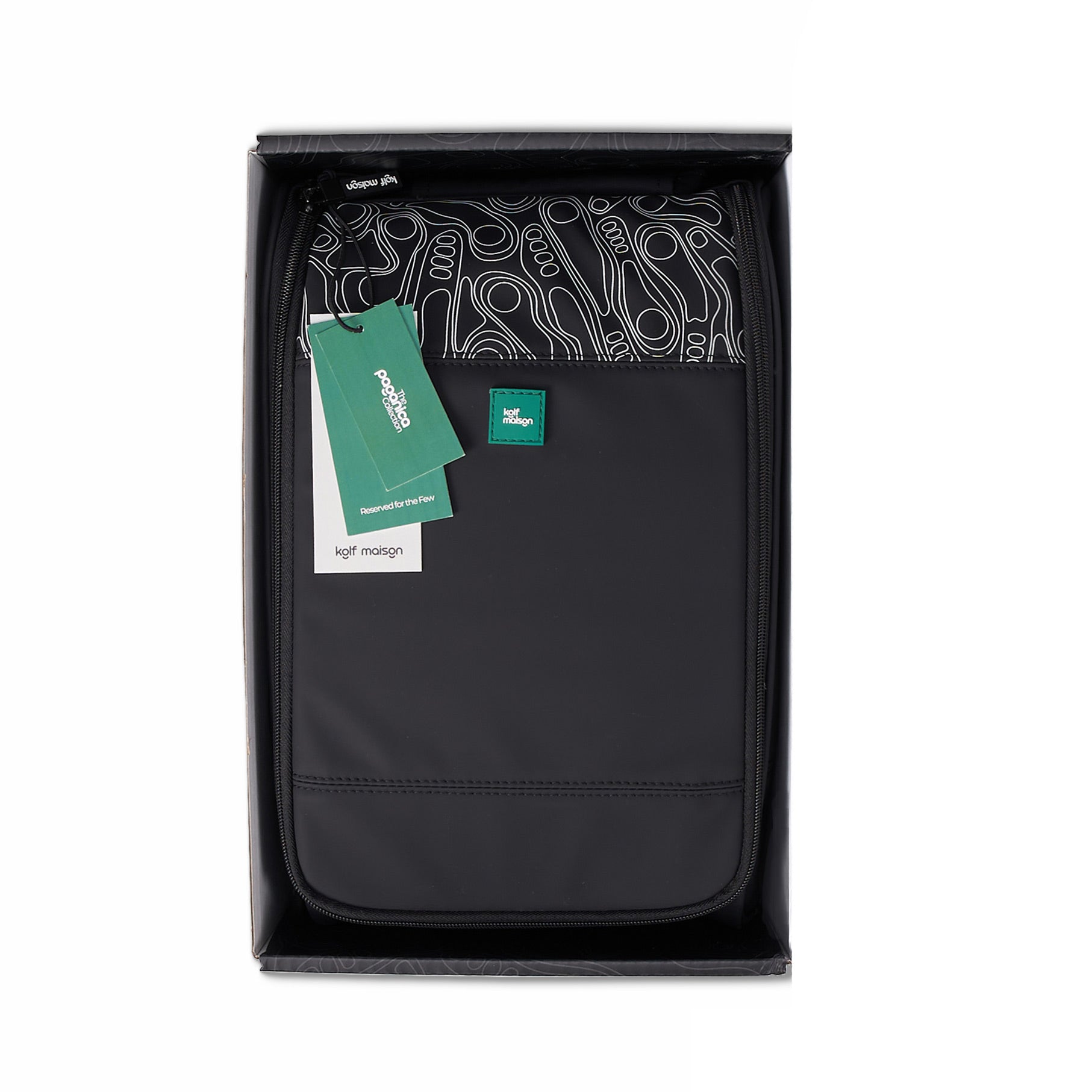
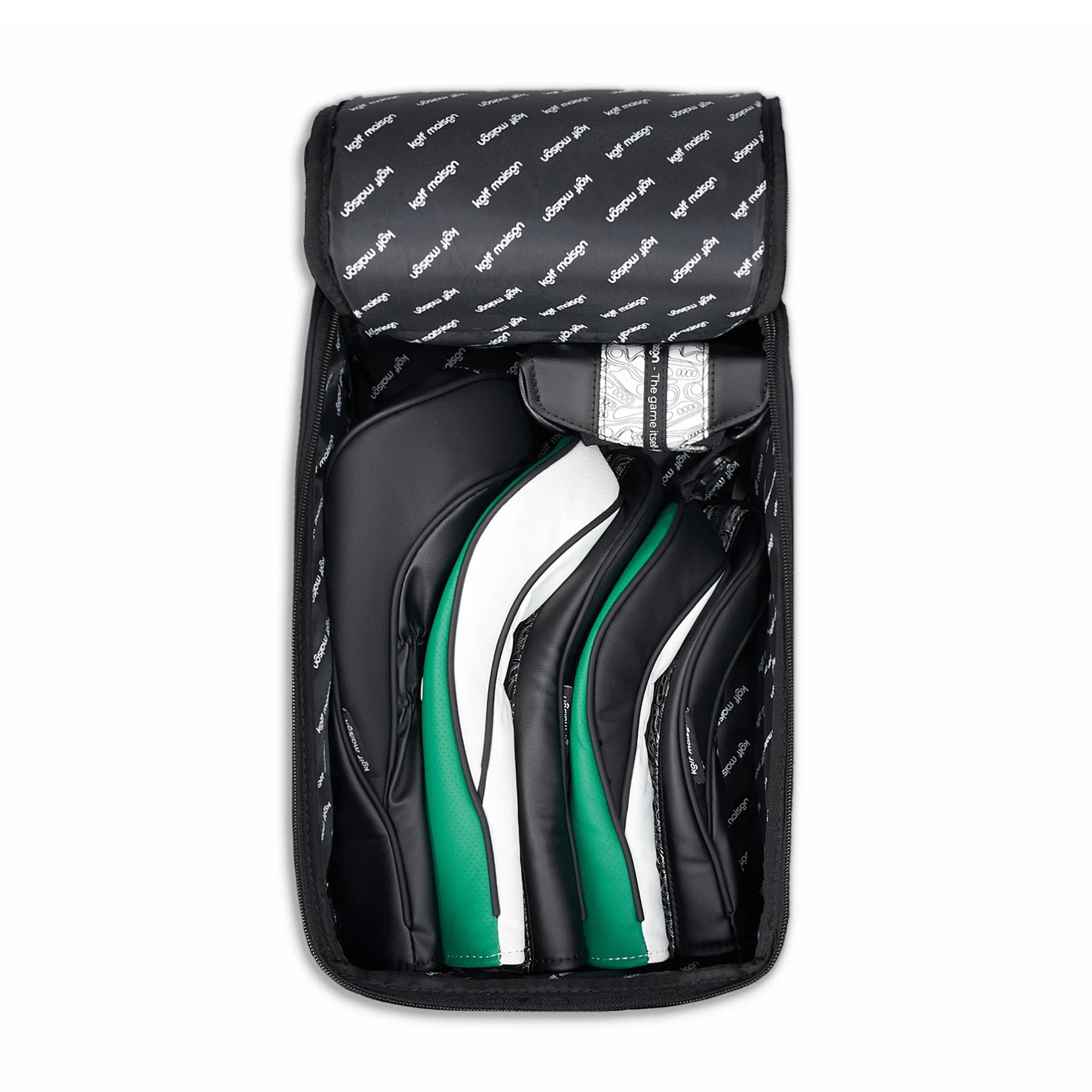
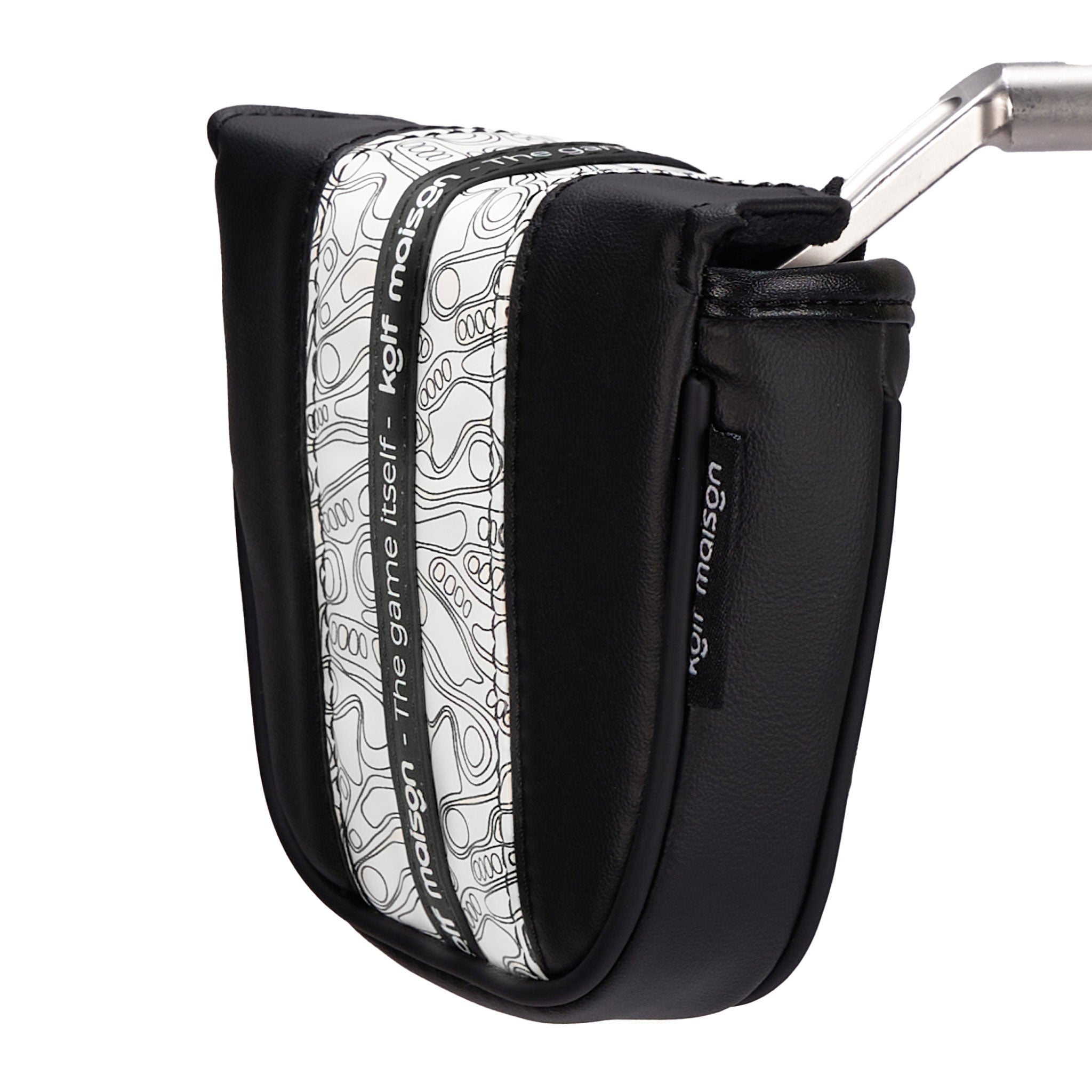
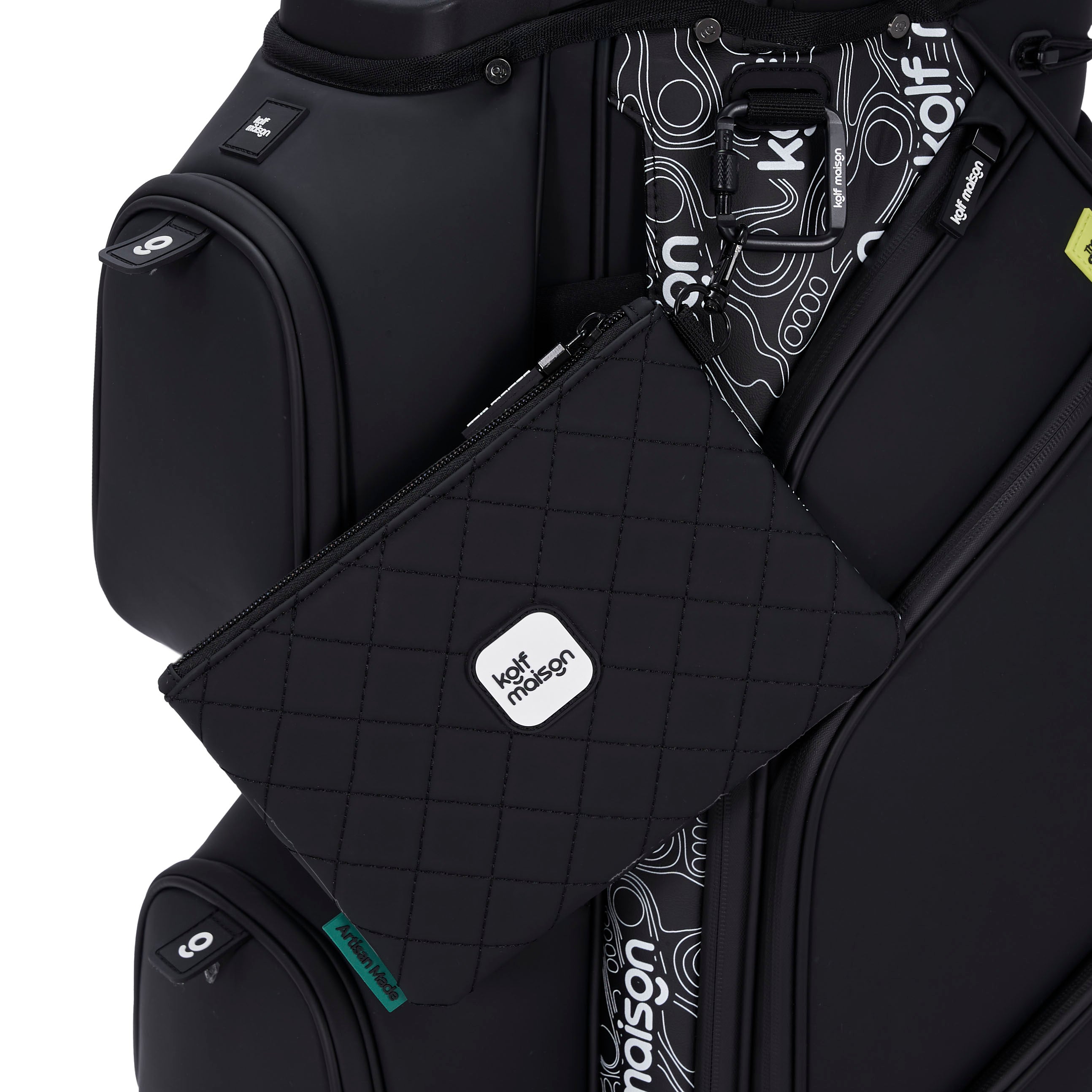
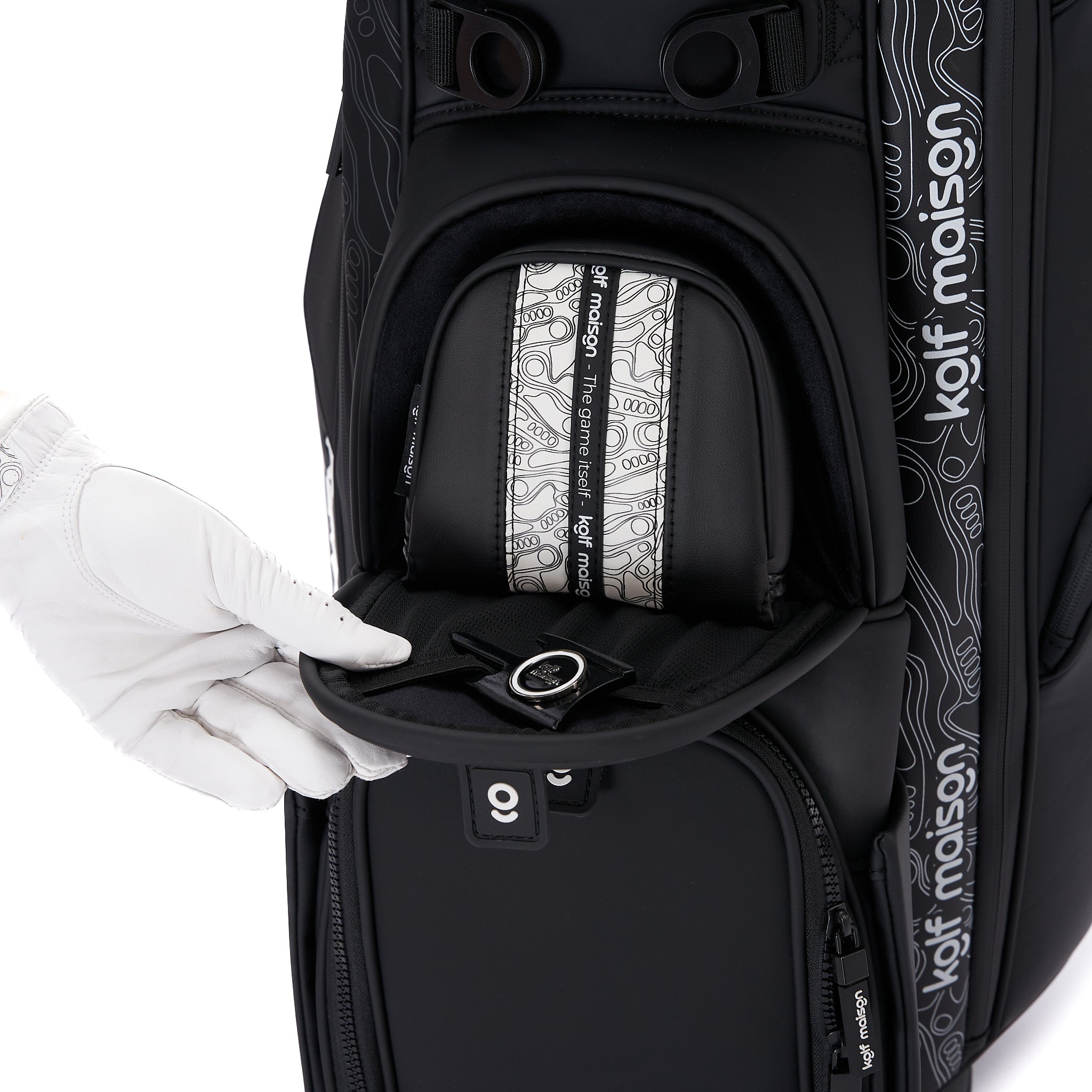
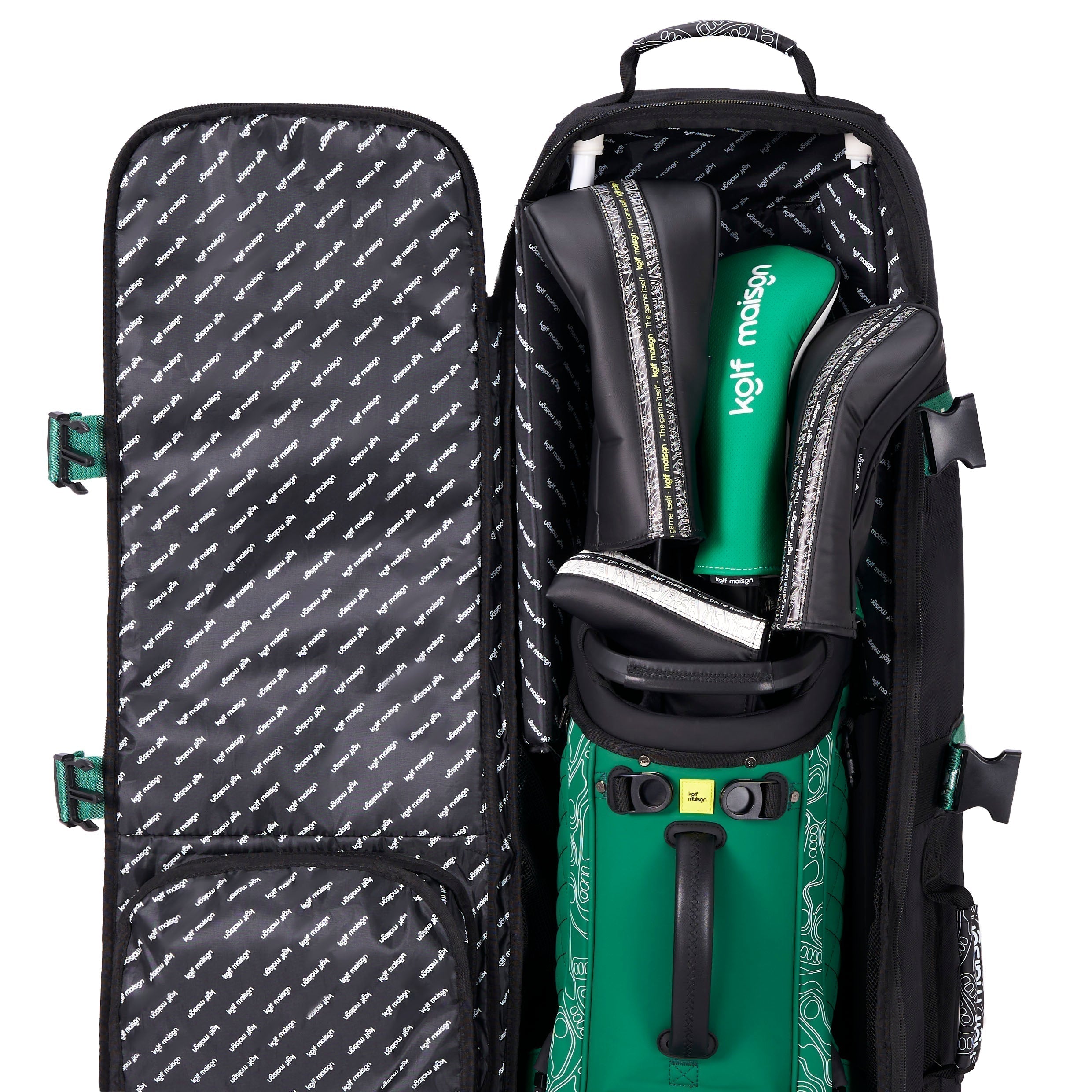
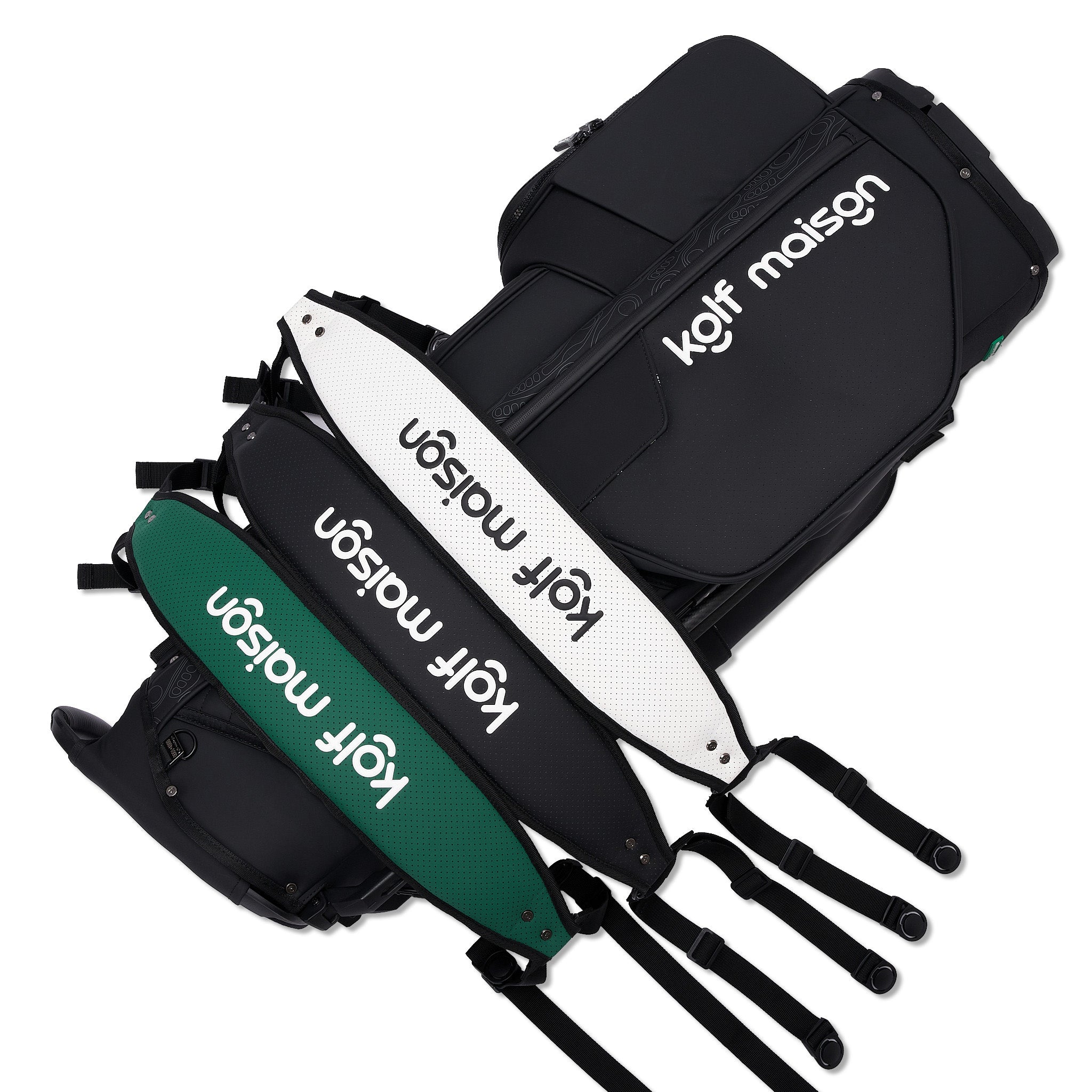
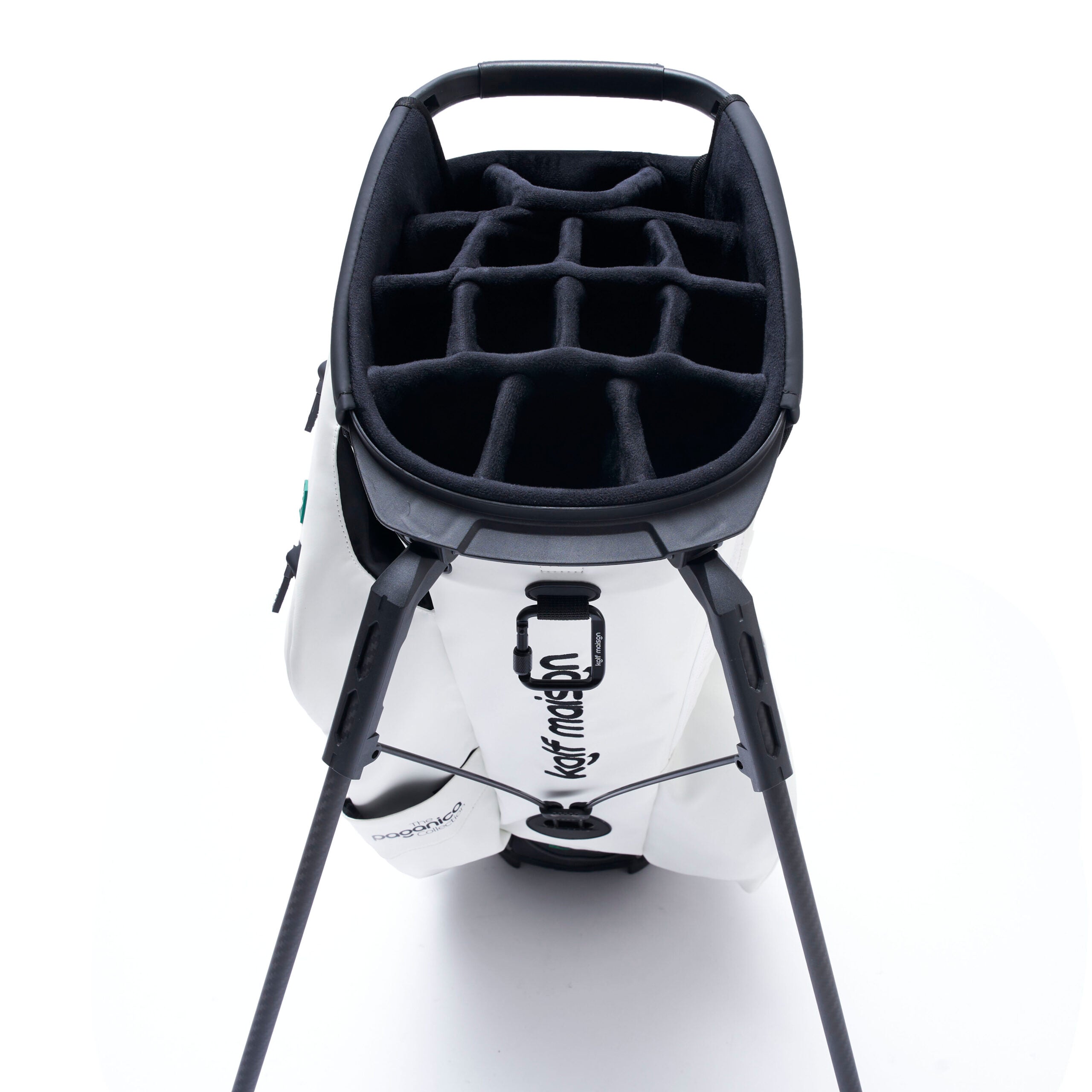
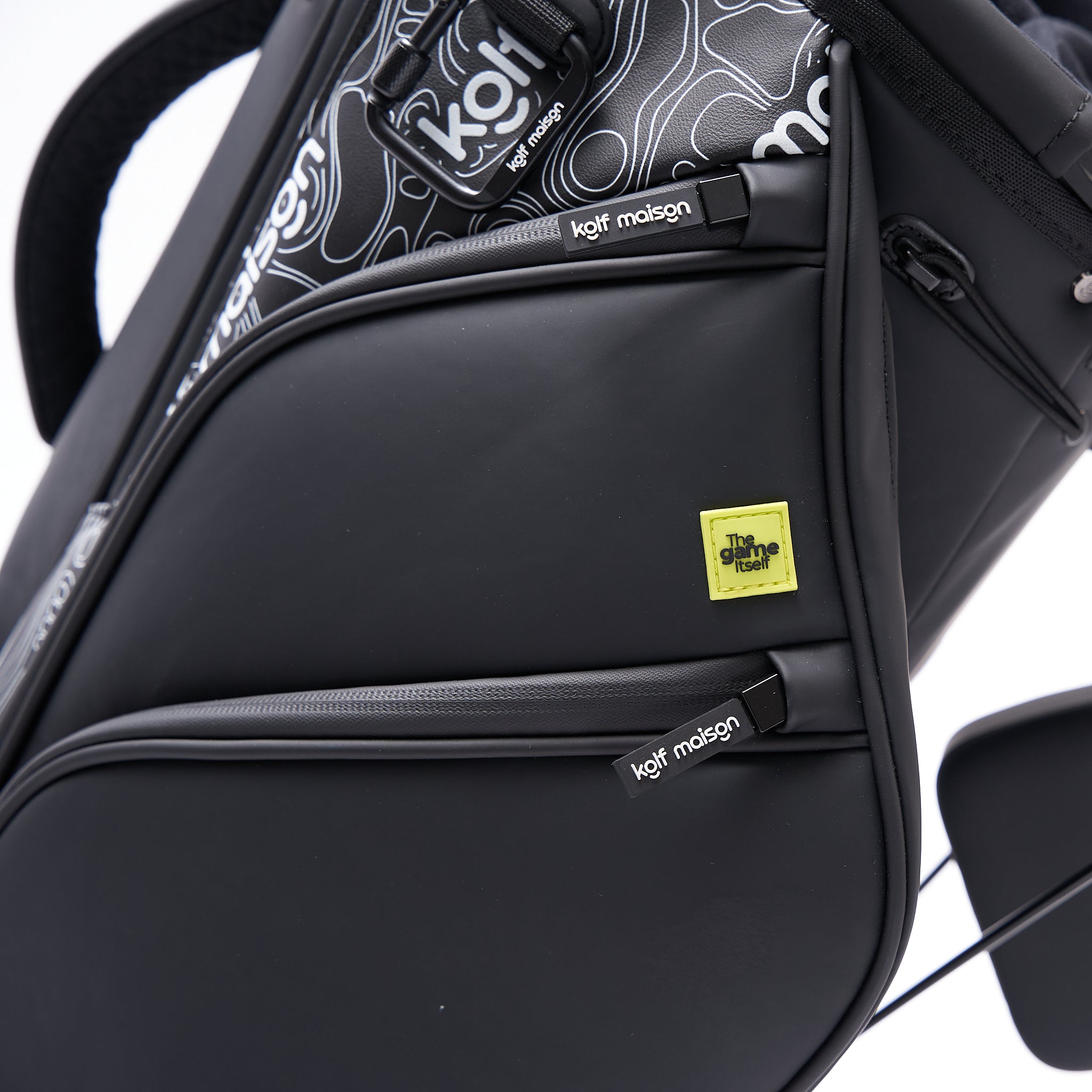
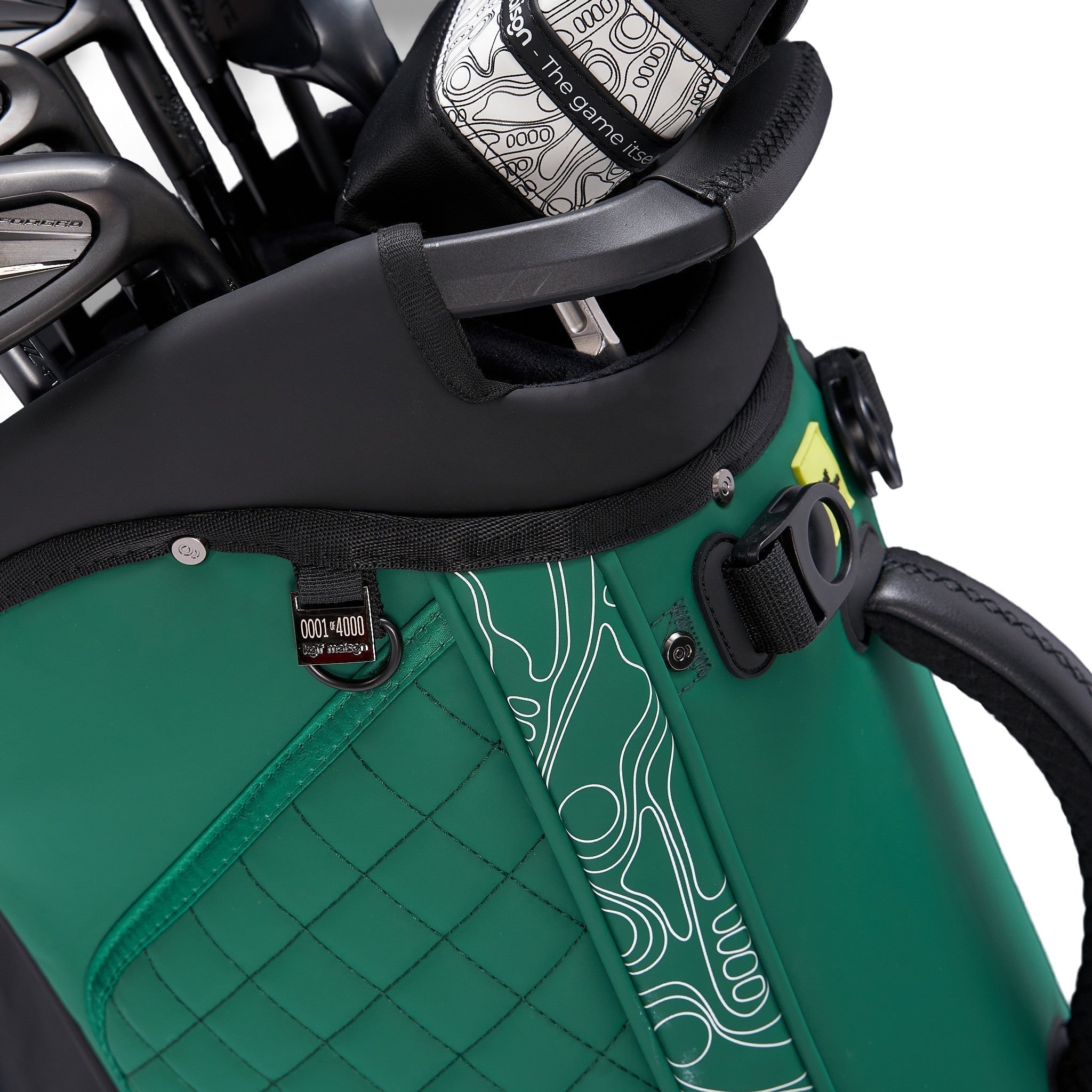
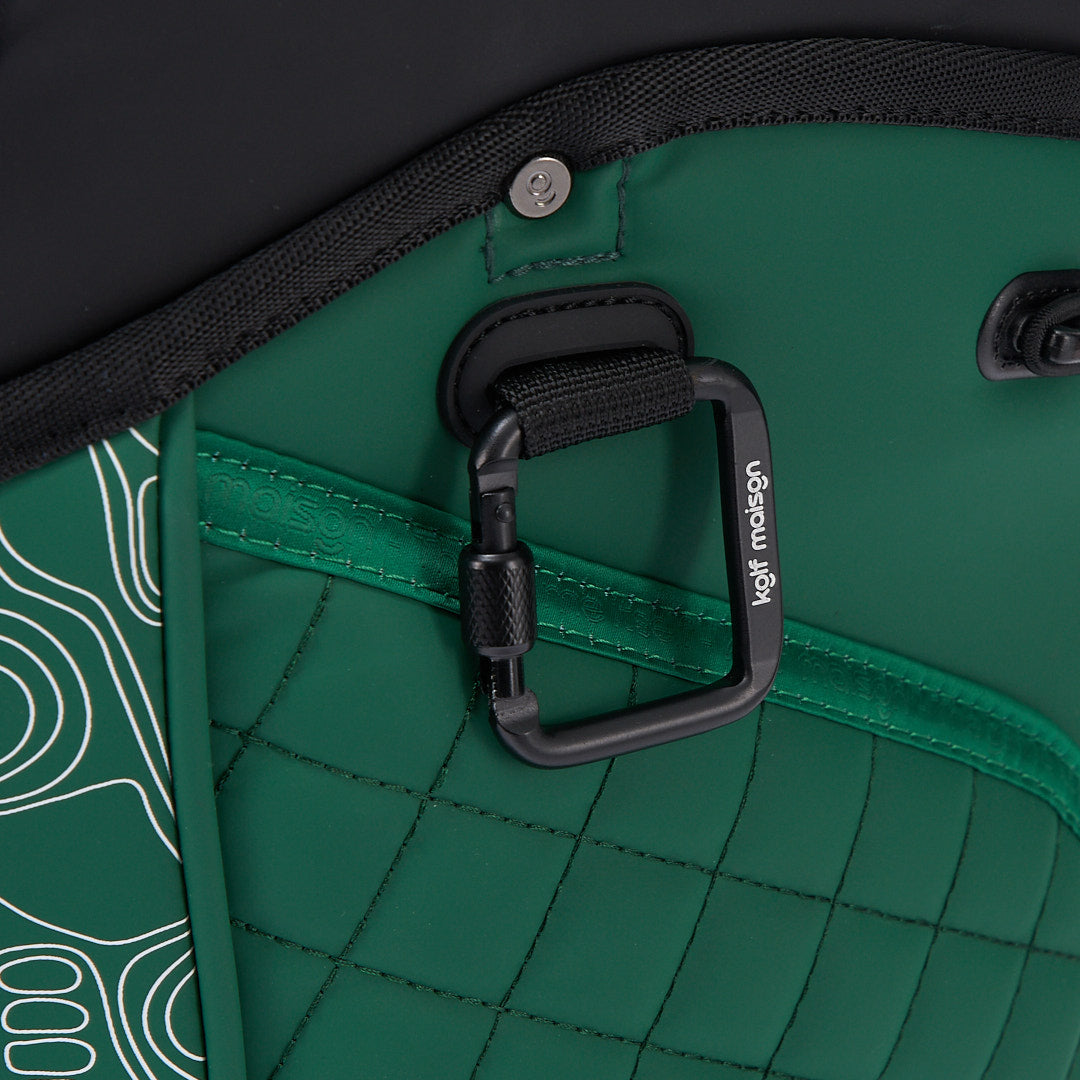
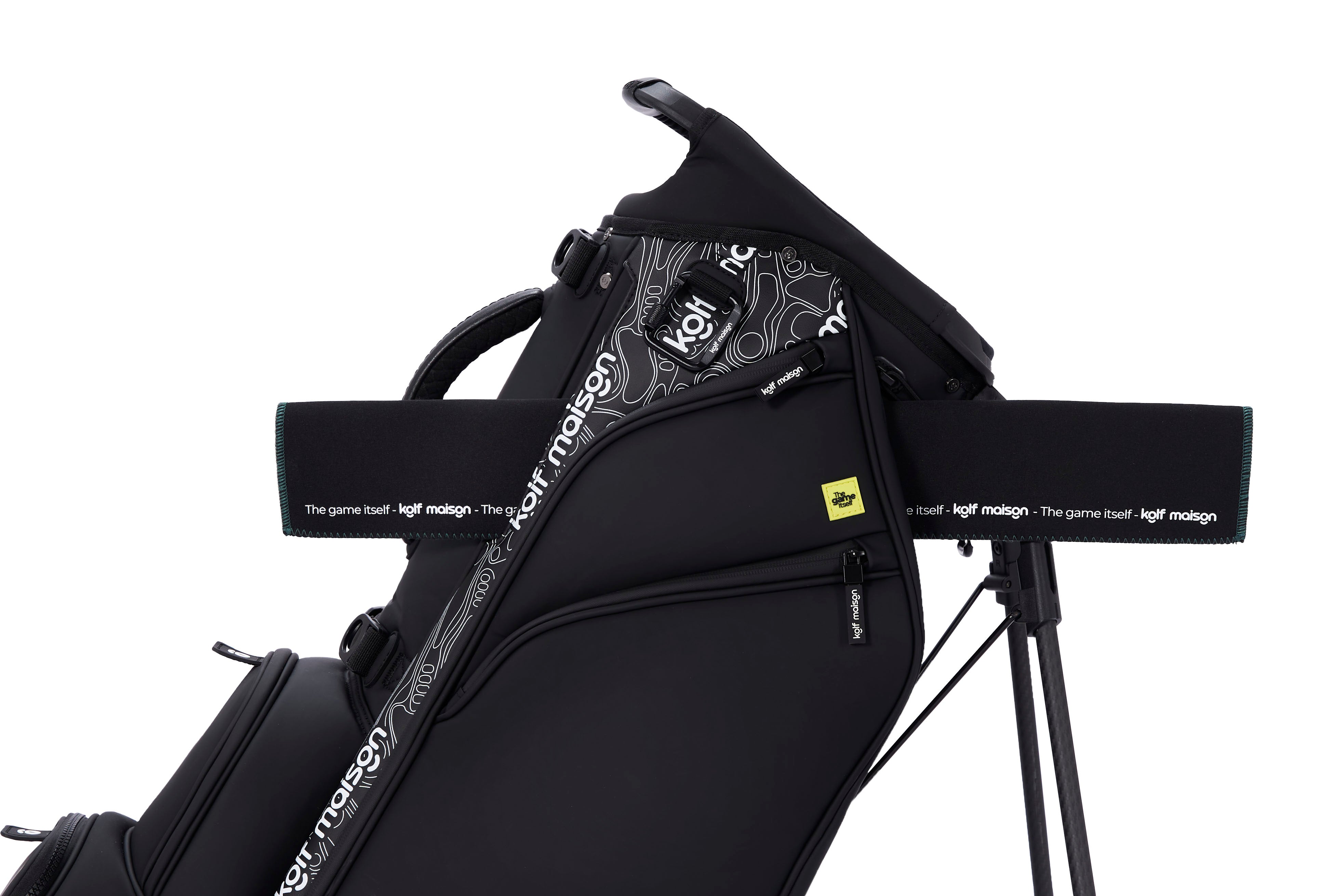
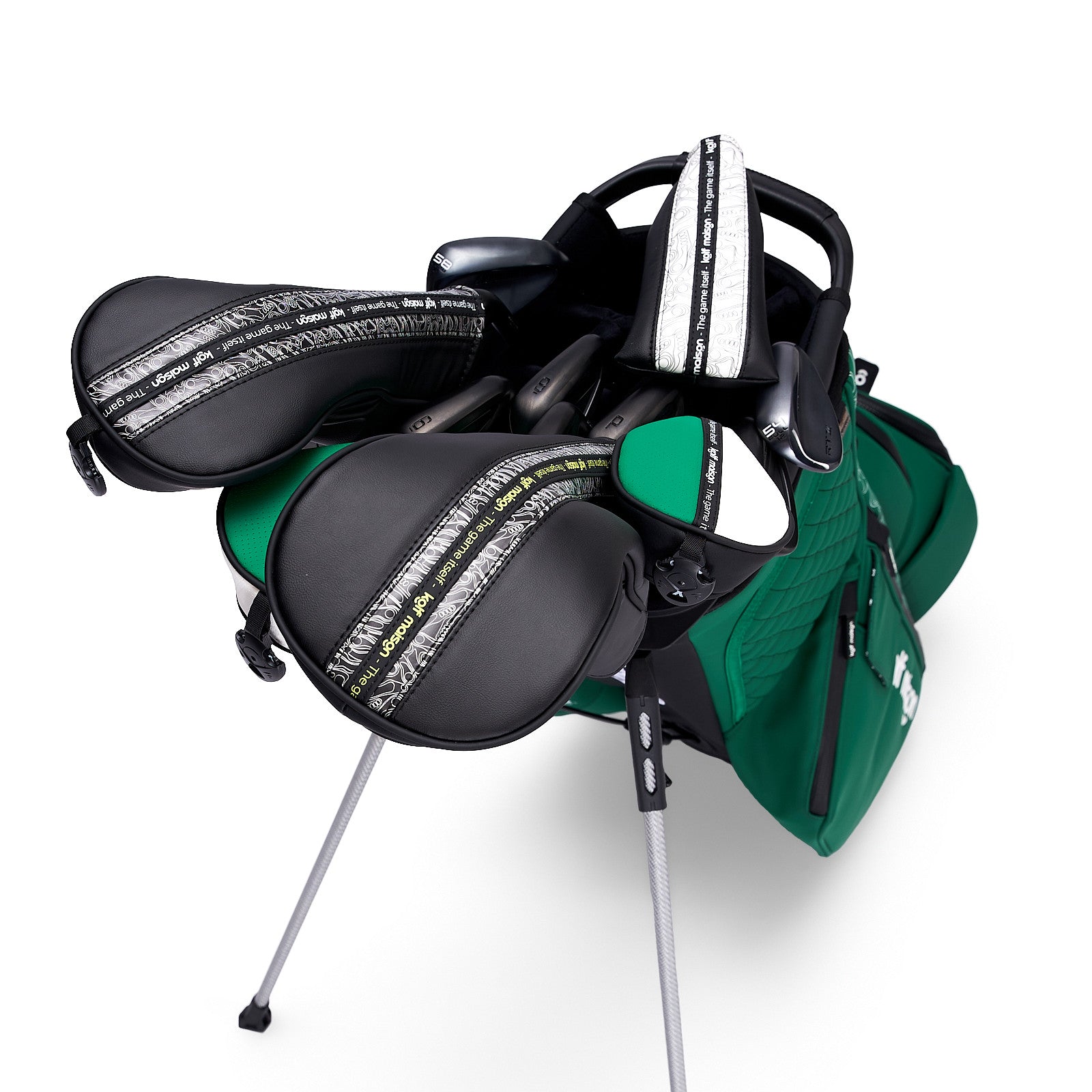
Kolf Maison specifies matte microfiber composite leather for the Paganica Stand Bag and Aura Travel Bag. Microfiber composite leather — distinct from basic synthetic leather — is manufactured from ultra-fine polyester fiber substrates bonded with polyurethane. The microfiber base gives the material its flex endurance characteristics; the polyurethane coating governs UV and moisture resistance. The matte surface finish is not a coating applied over a glossy base — it's achieved through the manufacturing process of the polyurethane layer, which means it doesn't separate or peel under use.
The material's UV stability is a function of the polyurethane formulation: UV-stabilized additives in the polymer matrix absorb and dissipate UV radiation before it reaches the underlying fiber substrate. This is the same mechanism used in automotive exterior trim and high-performance outerwear — materials that are expected to perform outdoors across multi-year use horizons. For a golf bag that will see four to five seasons of active use, the performance parallel is direct.
Built to the Standard, Not Just the Price Point
The Paganica Stand Bag is specified in matte microfiber composite leather for UV stability, flex endurance, and surface scuff resistance across multi-season use. This is what $479 should mean. Limited production. Individually serialized.
View the Paganica Stand Bag →Frequently Asked Questions
How long should a premium golf bag last?
A genuinely premium golf bag specified for durability should last a minimum of five to seven seasons of active use without material surface degradation — cracking, fading, or peeling. Most bags priced as premium last three to four seasons before showing significant wear on high-stress areas. Matte microfiber composite leather bags are specified to exceed the five-season threshold under normal use conditions.
Does Vessel Golf use UV-stabilized materials?
Vessel Golf specifies premium synthetic leather for their bags, which typically includes some degree of UV protection in the surface coating. However, Vessel does not publish material testing data or UV stability specifications. Their bags perform well in the medium term; long-term UV stability data is not publicly available.
What's the difference between synthetic leather and microfiber composite leather?
Standard synthetic leather (PU leather) is typically made from a woven or non-woven fabric base coated with polyurethane. Microfiber composite leather uses ultra-fine polyester fiber substrates — measured in microns in diameter — which creates a denser, more flexible base that tolerates flex cycles better and resists surface delamination under sustained use. The performance difference is most visible over multi-year use horizons rather than in short-term handling.
Will a golf bag fade in the sun?
It depends on the material specification. Basic synthetic leather and polyester bags will show measurable fading within two to three seasons of intensive summer use. UV-stabilized microfiber composite leather is specifically engineered to resist this fading. If you play in a sun-intensive region or leave your bag in the car trunk or exposed to sun during storage, UV stability should be a specification you confirm before purchasing.


Share:
Best Golf Bag With a Magnetic Rangefinder Pocket — Optimized for Push Cart and Electric Cart Use
The Best Christmas Gifts for Golfers in 2026: What They Actually Want