

Hydrolysis: Why Your Golf Bag Is Peeling Like a Sunburn
A golf bag does not fail all at once. It fails gradually, often without warning, until the damage becomes impossible to ignore. One of the most common and misunderstood forms of failure is peeling. What begins as a subtle change in texture or appearance eventually turns into visible flaking, cracking, and surface breakdown.
This process is not cosmetic. It is chemical. It is known as hydrolysis, and it affects a large portion of golf bags built with standard polyurethane coatings.
Many golfers assume peeling is the result of misuse, poor care, or environmental exposure alone. In reality, it is often built into the material itself. Once hydrolysis begins, it cannot be reversed. The structure of the surface has already started to break down.
Understanding this process is essential for anyone investing in premium equipment. It determines not only how a bag looks over time, but how long it maintains its structural integrity and performance.
This aligns directly with the broader analysis presented in material integrity in premium golf bags, where long term durability is defined by how materials behave under real conditions, not how they appear initially.
What Is Hydrolysis
Hydrolysis is a chemical reaction between moisture and the molecular structure of certain synthetic materials, particularly polyurethane. Over time, humidity, heat, and environmental exposure cause the polymer bonds to weaken and break.
As these bonds degrade, the surface layer begins to separate from its base. This is what creates the familiar peeling effect seen in many golf bags. The material does not simply wear down. It breaks apart.
This process is accelerated in environments with high humidity, temperature variation, and repeated exposure to sweat or moisture. Golf equipment is constantly exposed to these conditions, making it particularly vulnerable.
Once hydrolysis begins, there is no repair that restores the original material. Cleaning may improve appearance temporarily, but it does not stop the underlying chemical breakdown.
Why Polyurethane Golf Bags Are Vulnerable
Polyurethane is widely used in golf bags because it allows manufacturers to create a leather-like appearance at a lower cost. It can look refined when new, offering a smooth finish and consistent color.
However, this surface is typically a coating applied over a base material. It is not a fully integrated structure. Over time, this coating becomes the weak point.
As moisture penetrates the surface, the bond between layers begins to fail. The result is delamination, where the outer layer separates and peels away.
This is why many bags that appear premium at purchase begin to degrade after one or two seasons. The issue is not usage alone. It is the inherent limitation of the material system.
For a broader comparison between perceived quality and real construction, refer to manufactured versus considered luxury golf bags, where material selection is examined as a defining factor.
Early Signs of Hydrolysis
Hydrolysis does not appear instantly. It progresses in stages, often starting with subtle indicators that are easy to overlook.
The first sign is a change in texture. The surface may feel slightly tacky or uneven. This is caused by the breakdown of the outer coating.
The second sign is discoloration. Areas exposed to heat, sunlight, or moisture may begin to look dull or inconsistent.
The final stage is visible peeling. The outer layer separates, exposing the material beneath and creating a worn, damaged appearance.
At this stage, the process is irreversible. The material has already failed at a structural level.
Why Cleaning Does Not Solve the Problem
Many golfers attempt to restore a peeling bag through cleaning or conditioning. While this may improve surface appearance temporarily, it does not address the underlying issue.
Hydrolysis is not surface dirt. It is internal breakdown. Once the polymer bonds have weakened, no external treatment can rebuild them.
This is why some bags appear to improve briefly after cleaning, only to continue deteriorating shortly after. The material itself has already been compromised.
Understanding this distinction is critical when evaluating long term value. A bag that cannot resist hydrolysis is inherently limited in lifespan, regardless of how it looks initially.
Matte Microfiber Composite vs Polyurethane: The Structural Difference
The key difference between materials that peel and materials that endure lies in how they are constructed. Polyurethane based golf bags rely on a coated system. A surface layer is applied over a base, creating the appearance of leather. This layered approach is what makes them vulnerable.
Matte microfiber composite materials operate differently. They are not surface coatings. They are integrated structures. The material is formed as a consistent, non layered composition, meaning there is no outer skin to separate from the base.
This distinction is critical. If there is no coating, there is nothing to delaminate. If there is no weak surface layer, there is no peeling cycle triggered by moisture or heat.
This is why microfiber based constructions are inherently more stable over time. They do not depend on surface adhesion. They maintain their structure because the material itself is continuous.
This approach aligns with the engineering principles outlined in material integrity in premium golf bags, where durability is defined by structural composition rather than surface treatment.
Why Microfiber Does Not Peel
Peeling requires separation. Separation requires layers. Microfiber composite materials eliminate this failure point by removing the layered construction entirely.
Instead of relying on a bonded outer film, microfiber materials are engineered as a dense, interwoven structure. This creates a surface that resists abrasion, maintains consistency, and does not degrade through delamination.
Over time, all materials show signs of use. However, the way they age is what defines quality. Polyurethane tends to fail abruptly once hydrolysis progresses. Microfiber ages gradually, maintaining visual and structural consistency.
This is the difference between sudden failure and controlled wear. One disrupts the product completely. The other allows it to continue performing.
Heat, Humidity, and Real World Conditions
Golf equipment is exposed to conditions that accelerate material breakdown. High temperatures, direct sunlight, humidity, and repeated exposure to sweat all contribute to long term wear.
Polyurethane is particularly sensitive to these conditions. Heat accelerates chemical reactions. Humidity introduces moisture into the material. Together, they create the environment where hydrolysis progresses rapidly.
This is why golfers in climates such as Florida, Southeast Asia, and the Middle East often experience peeling much sooner than expected. The material is reacting to its environment exactly as its chemistry allows.
Microfiber composite materials respond differently. Their structure is more stable under thermal stress. They resist moisture penetration more effectively. This reduces the likelihood of internal breakdown.
This resistance to environmental stress is not a secondary feature. It is central to long term durability and consistent performance.
Surface Wear vs Structural Failure
It is important to distinguish between normal wear and structural failure. All materials show signs of use over time. Minor surface marks, light abrasion, or gradual changes in finish are expected.
Structural failure is different. It indicates that the material is no longer capable of maintaining its intended function. Peeling is a form of structural failure because it compromises the integrity of the surface layer.
Microfiber materials are designed to avoid this type of failure. They may show wear, but they do not collapse in the same way. This is what allows them to maintain performance across multiple seasons.
For golfers evaluating long term value, this distinction is critical. A bag that maintains its structure will always outperform one that requires replacement after visible degradation.
Application in Kolf Maison Golf Bags
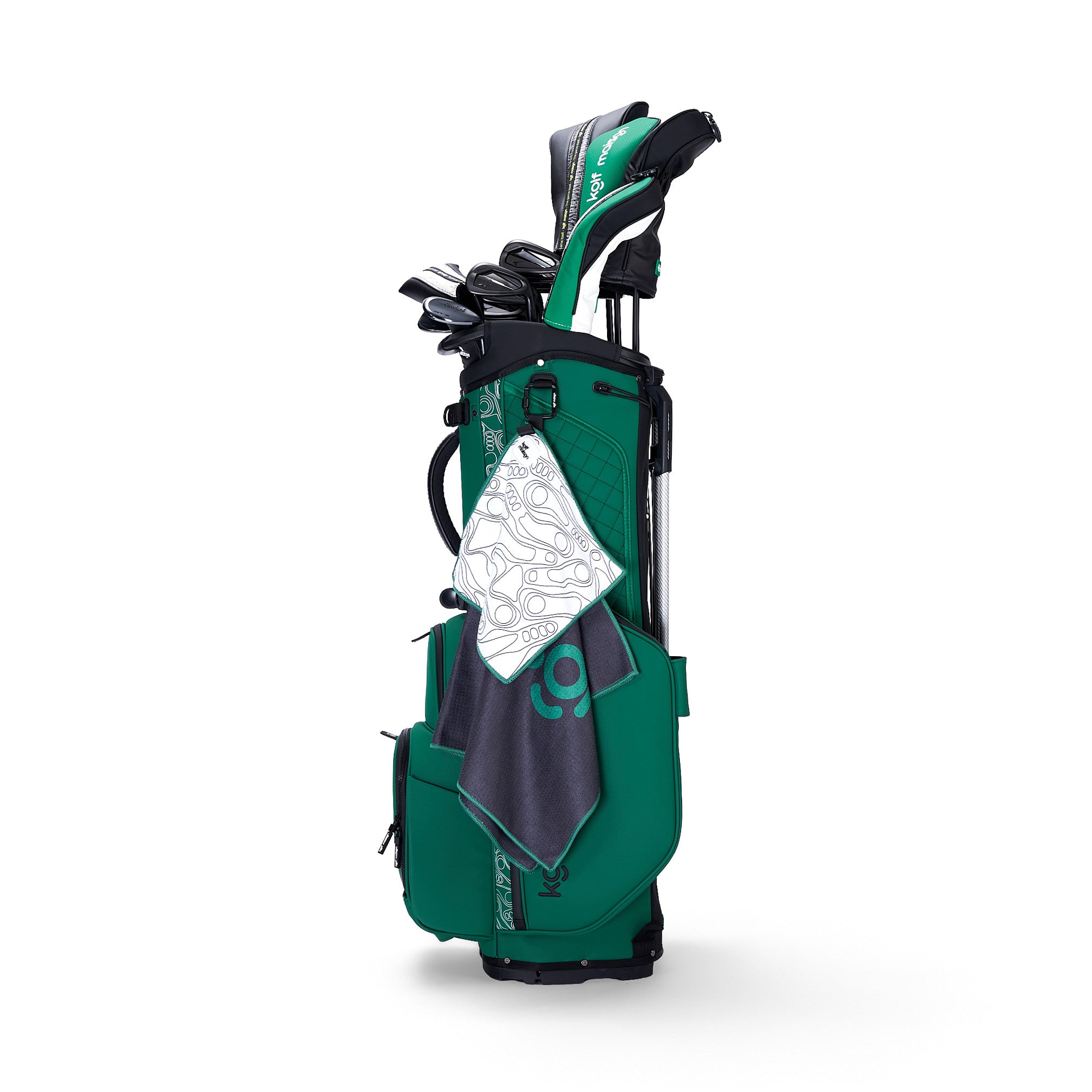
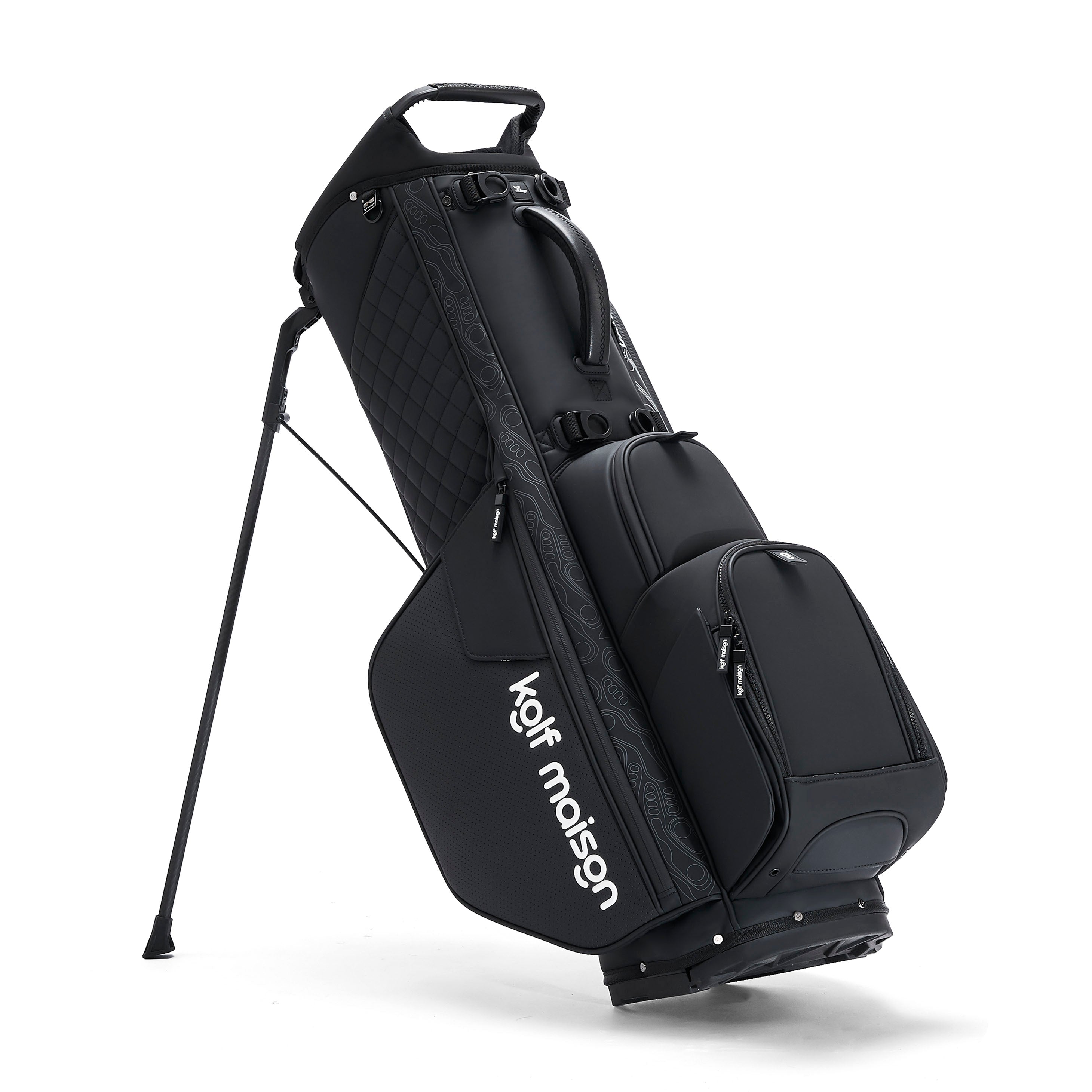
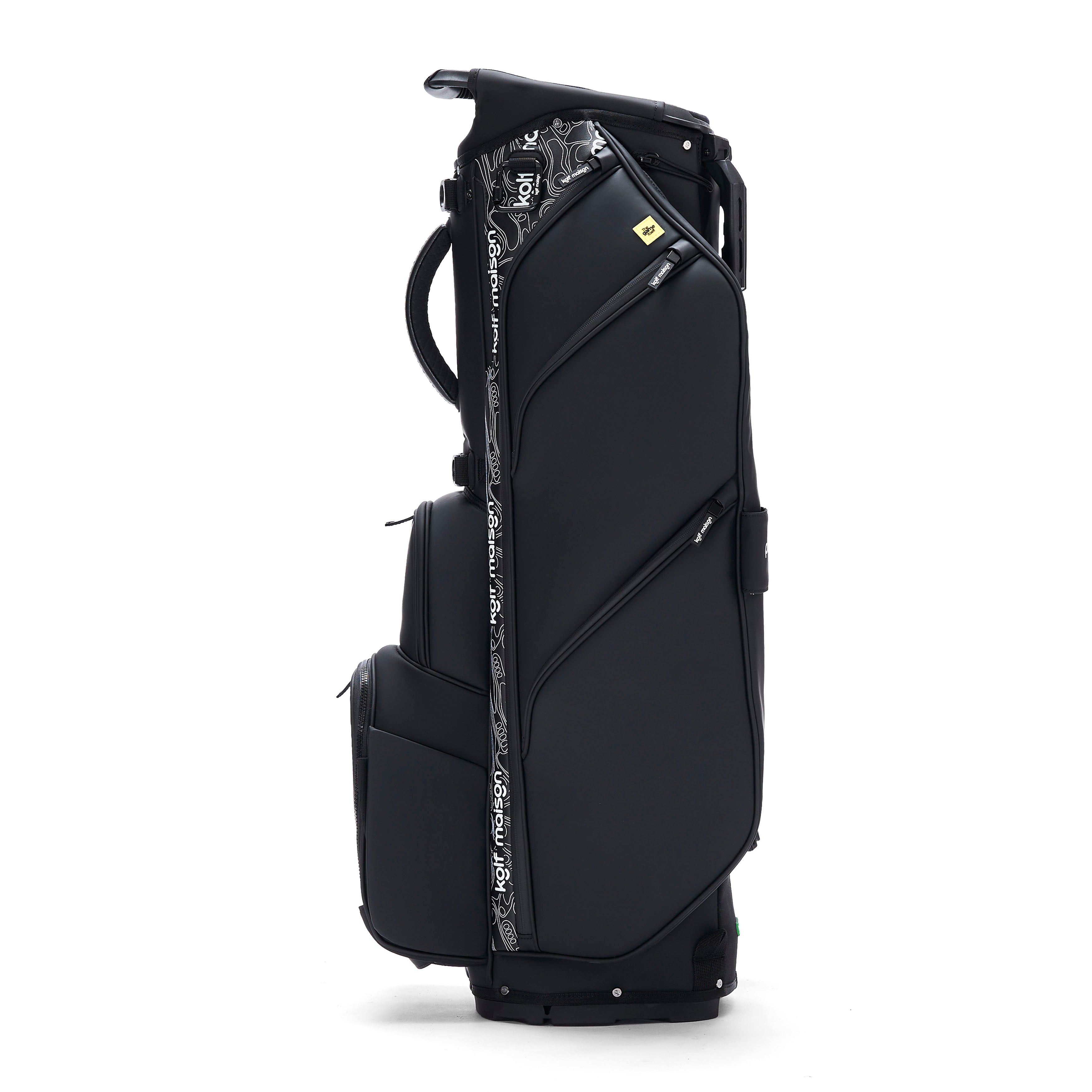
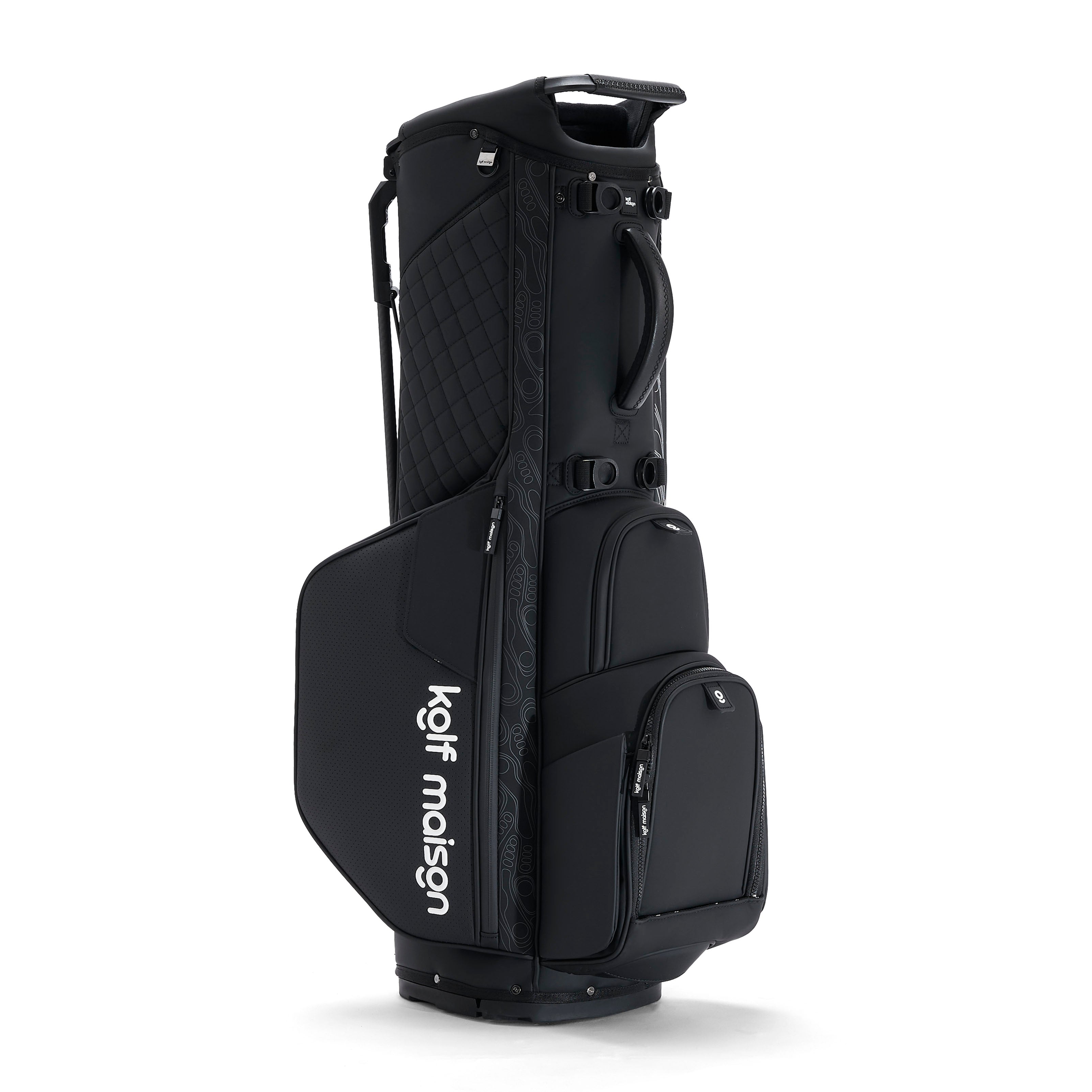
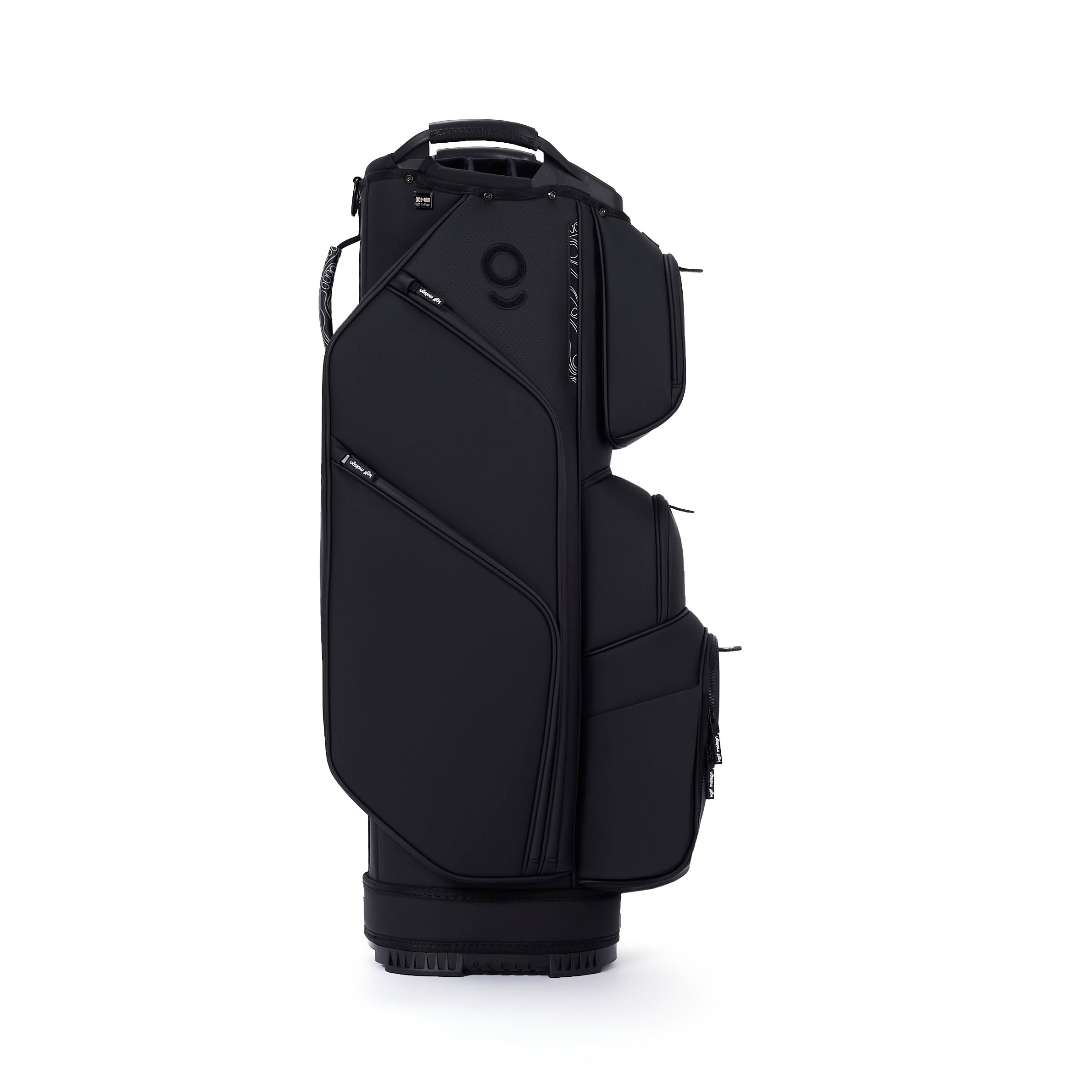
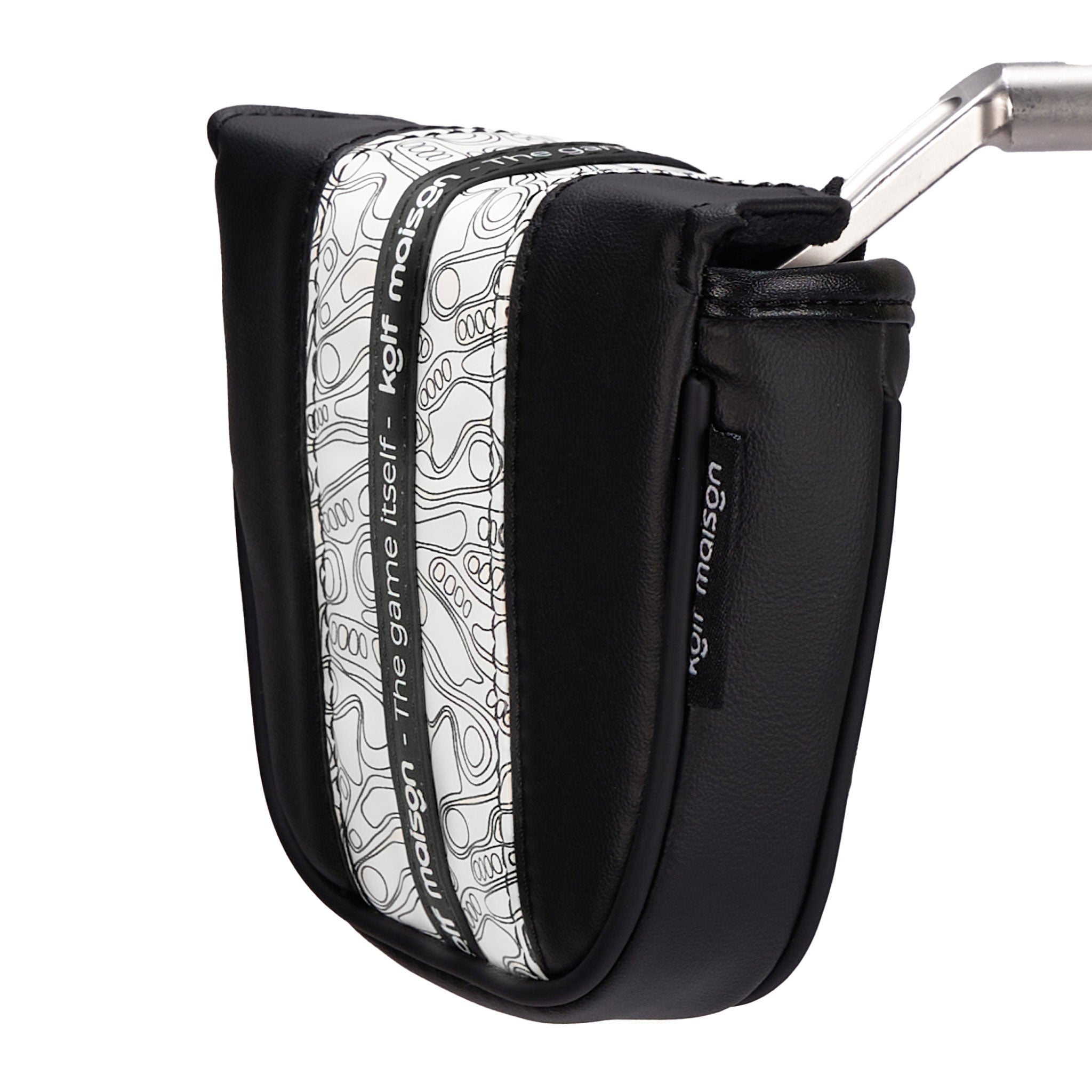
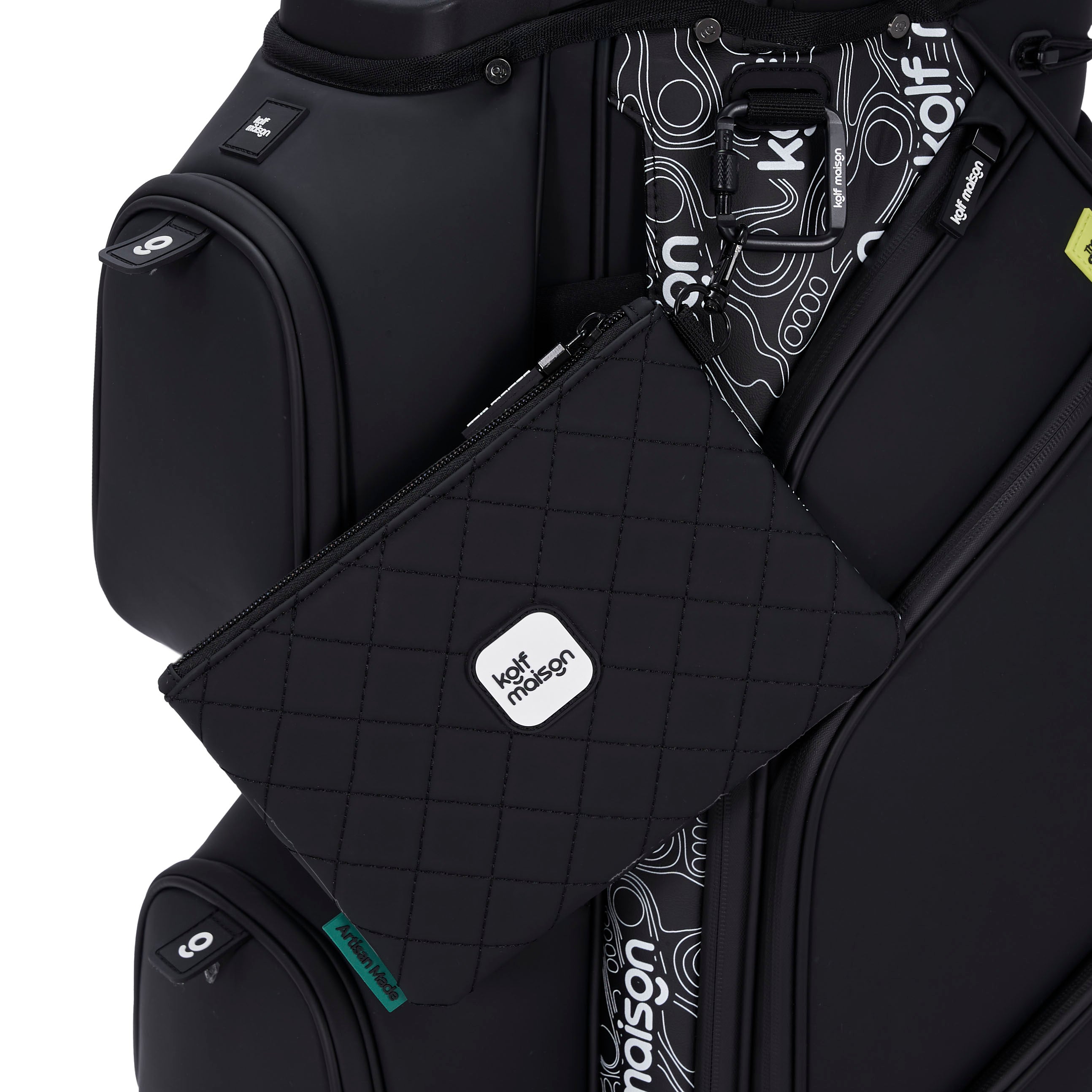
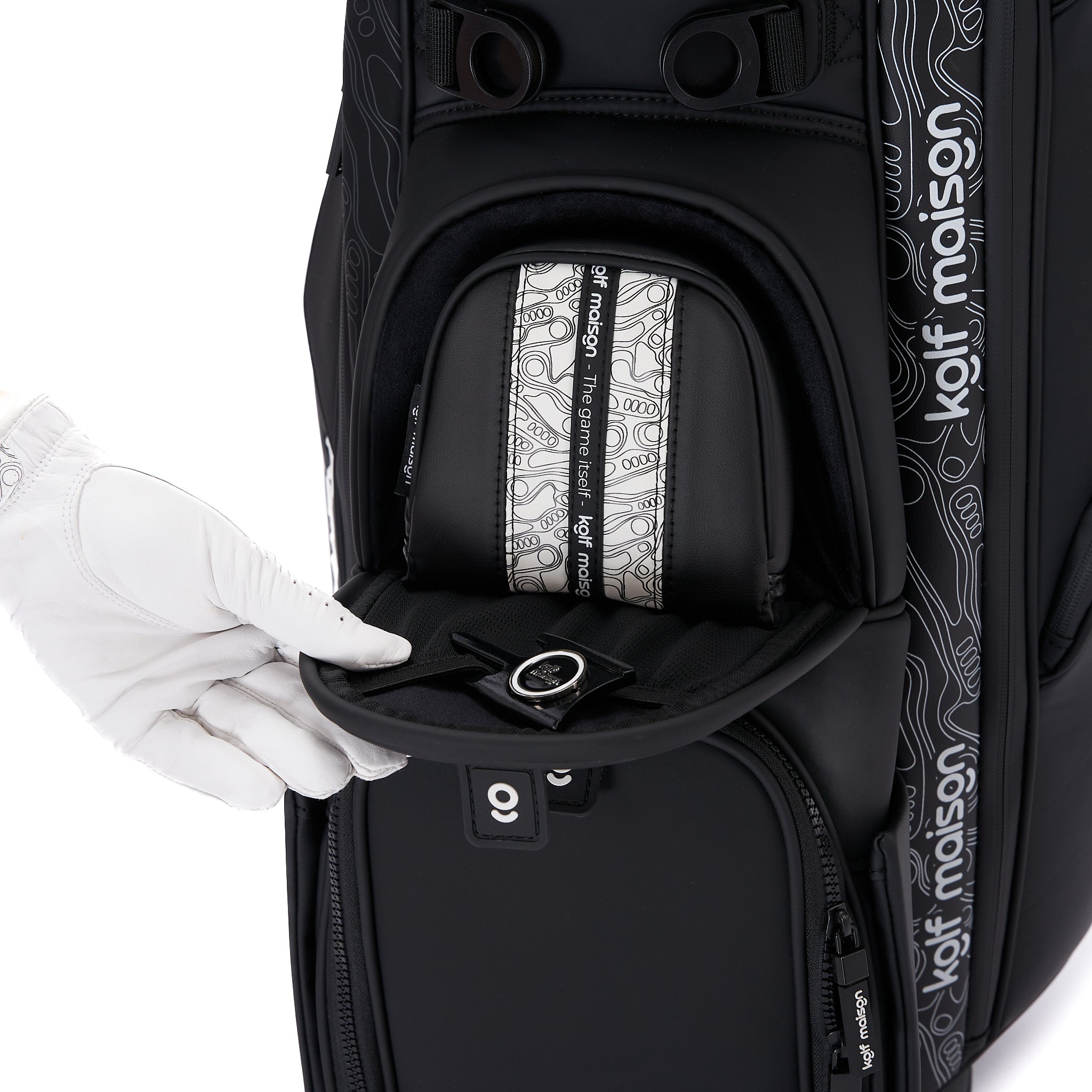
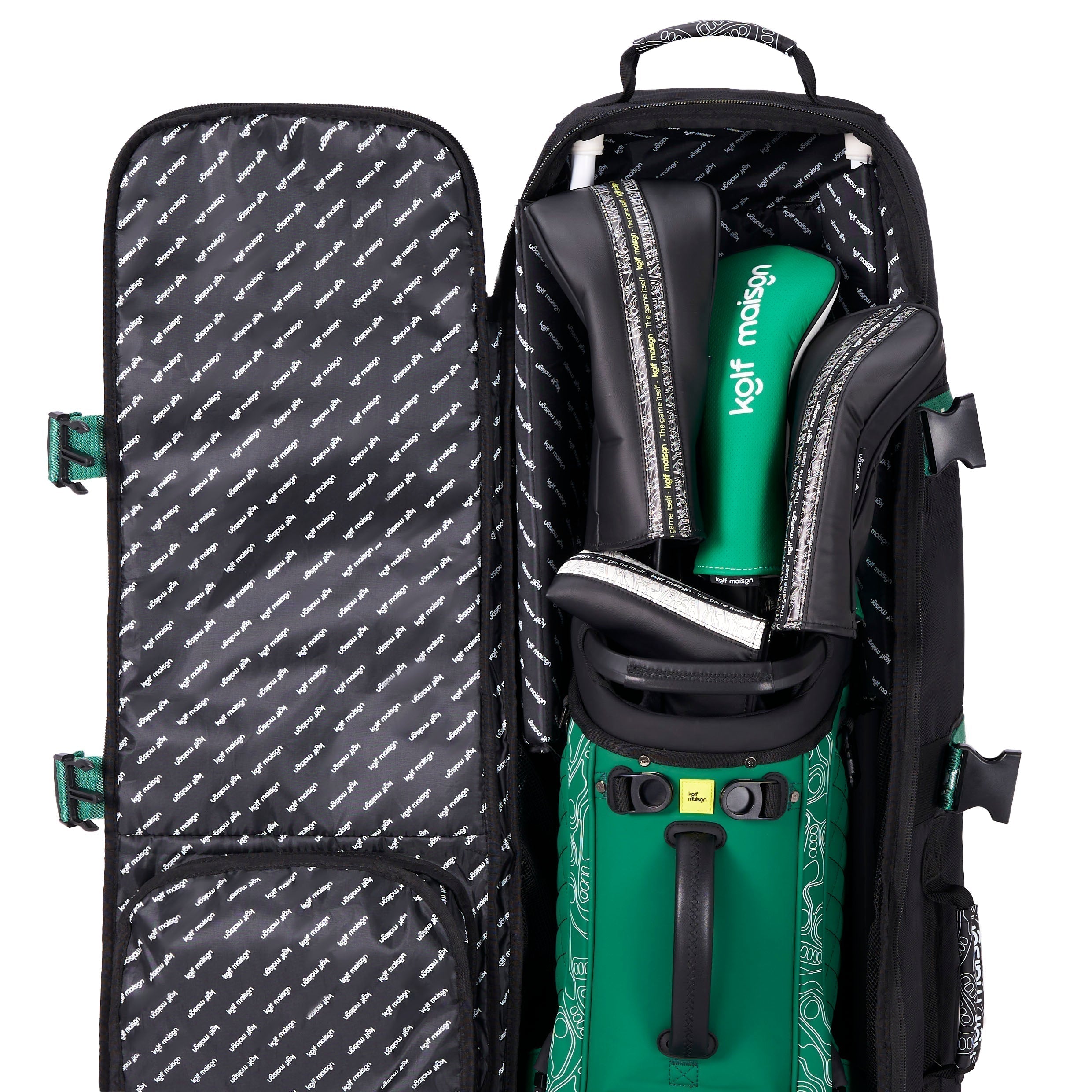
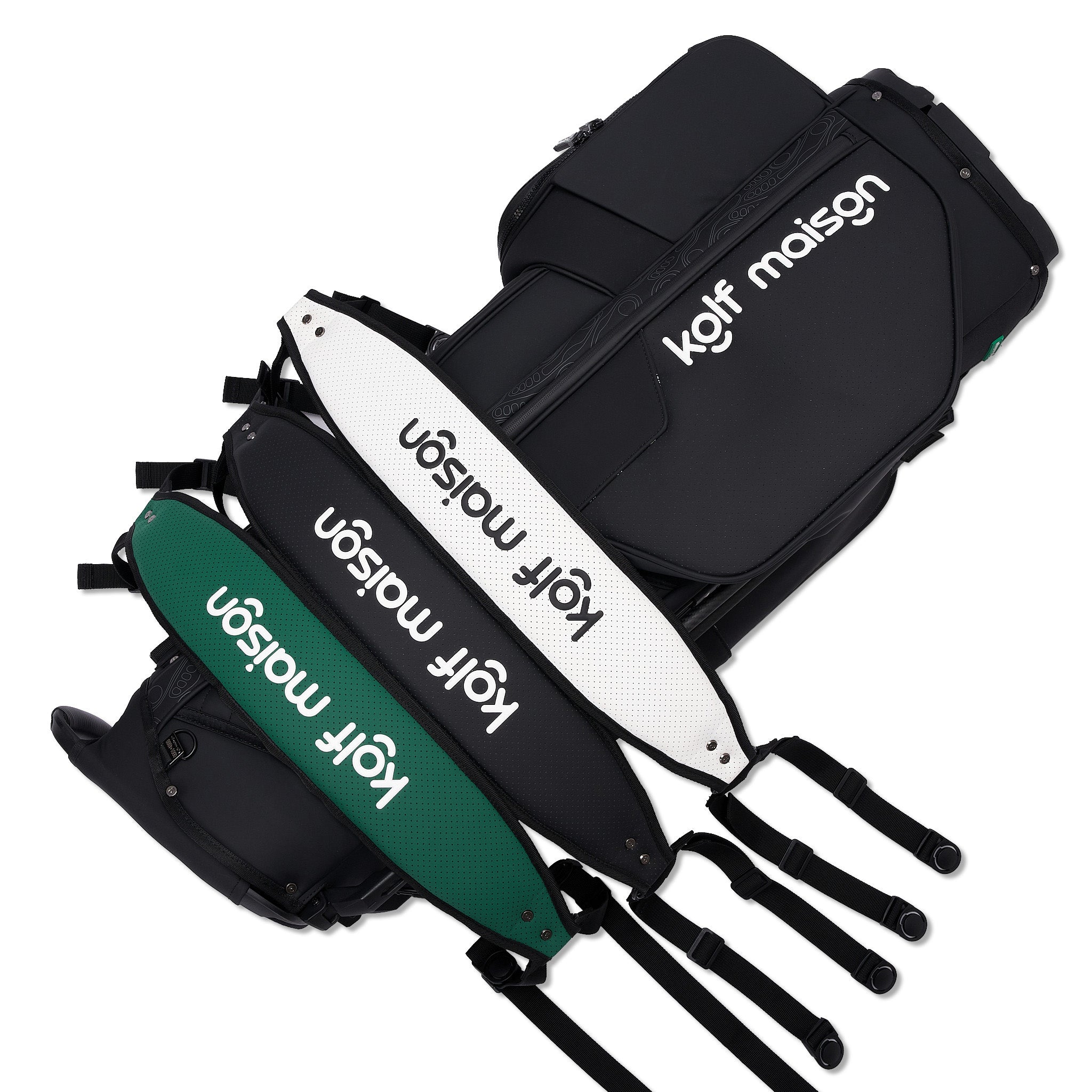
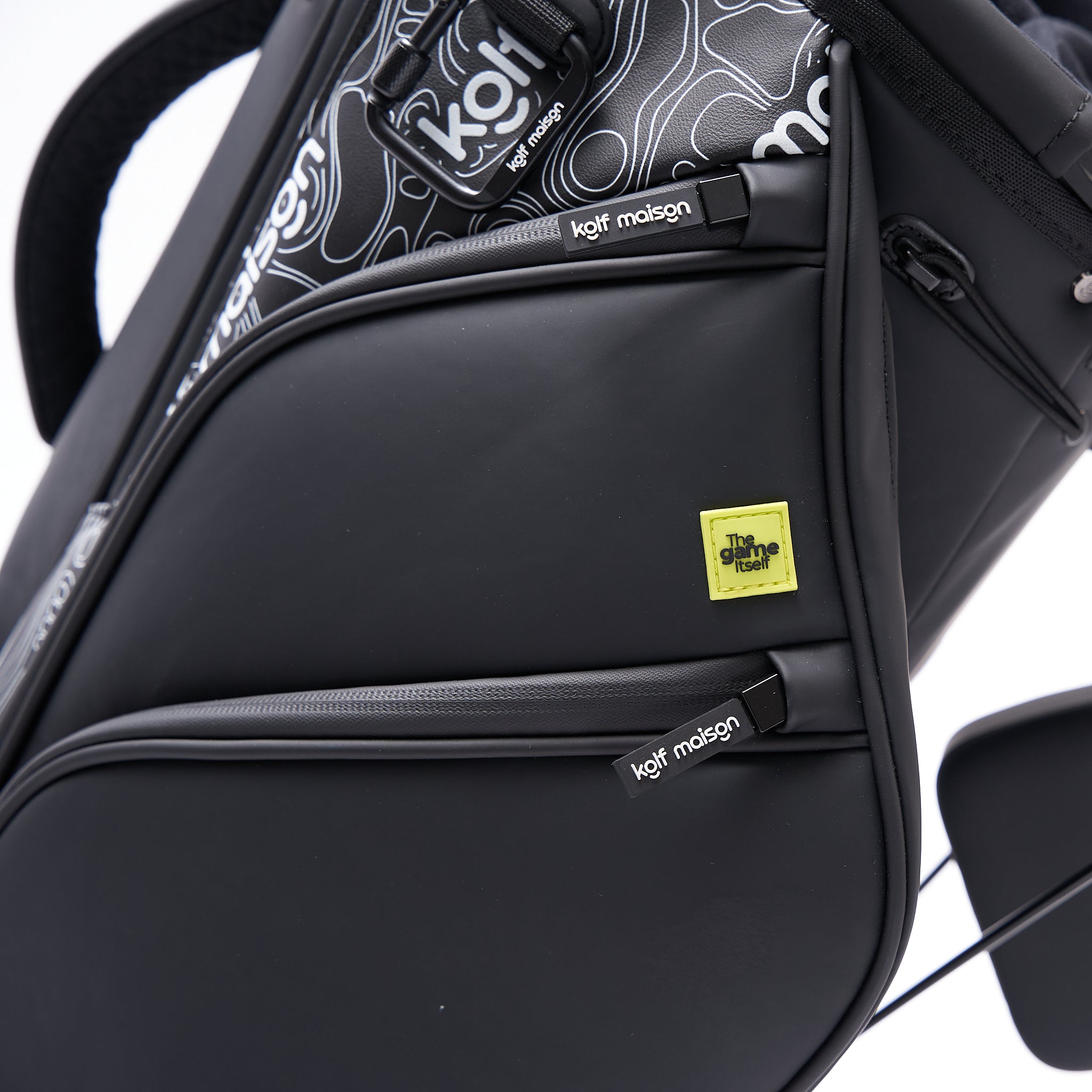
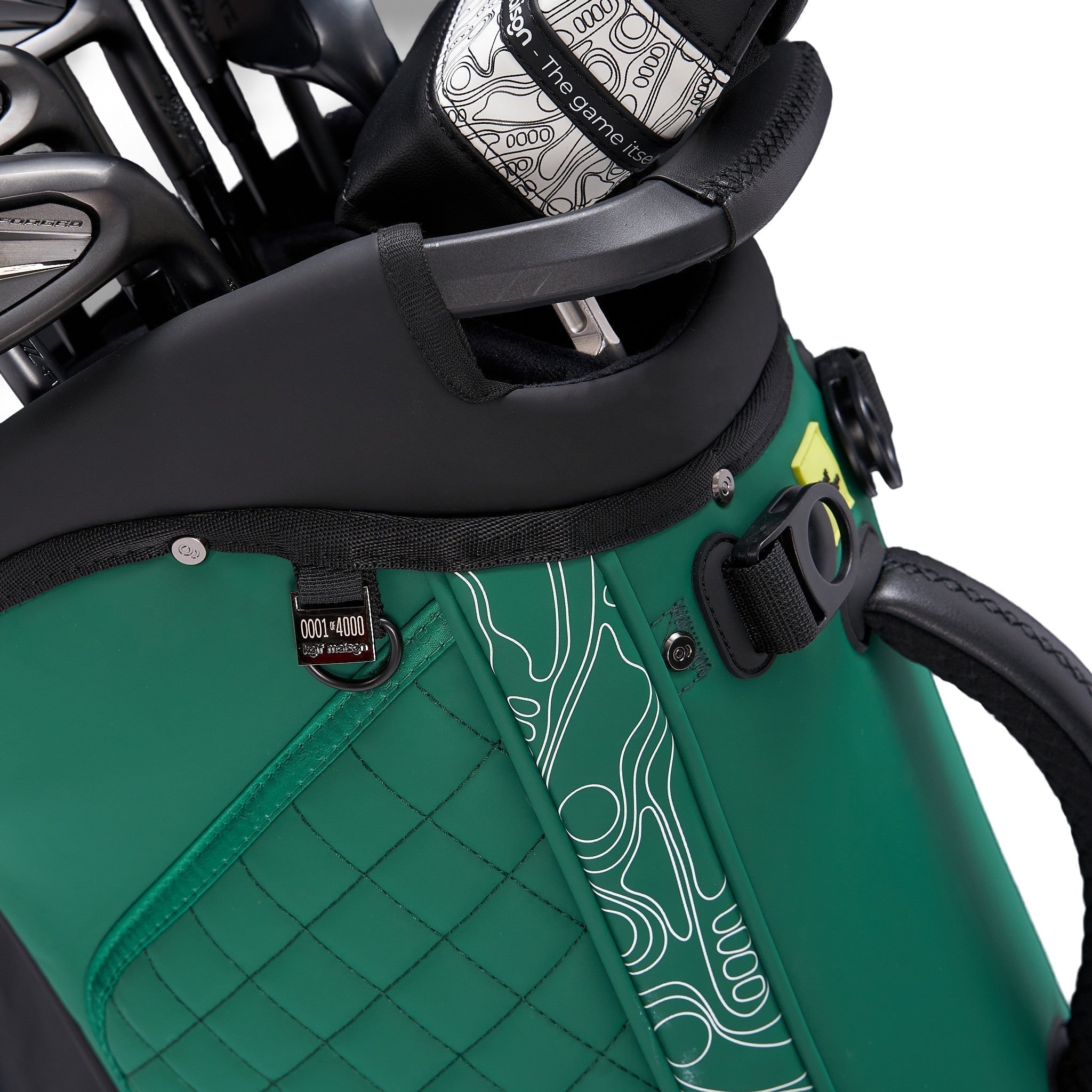
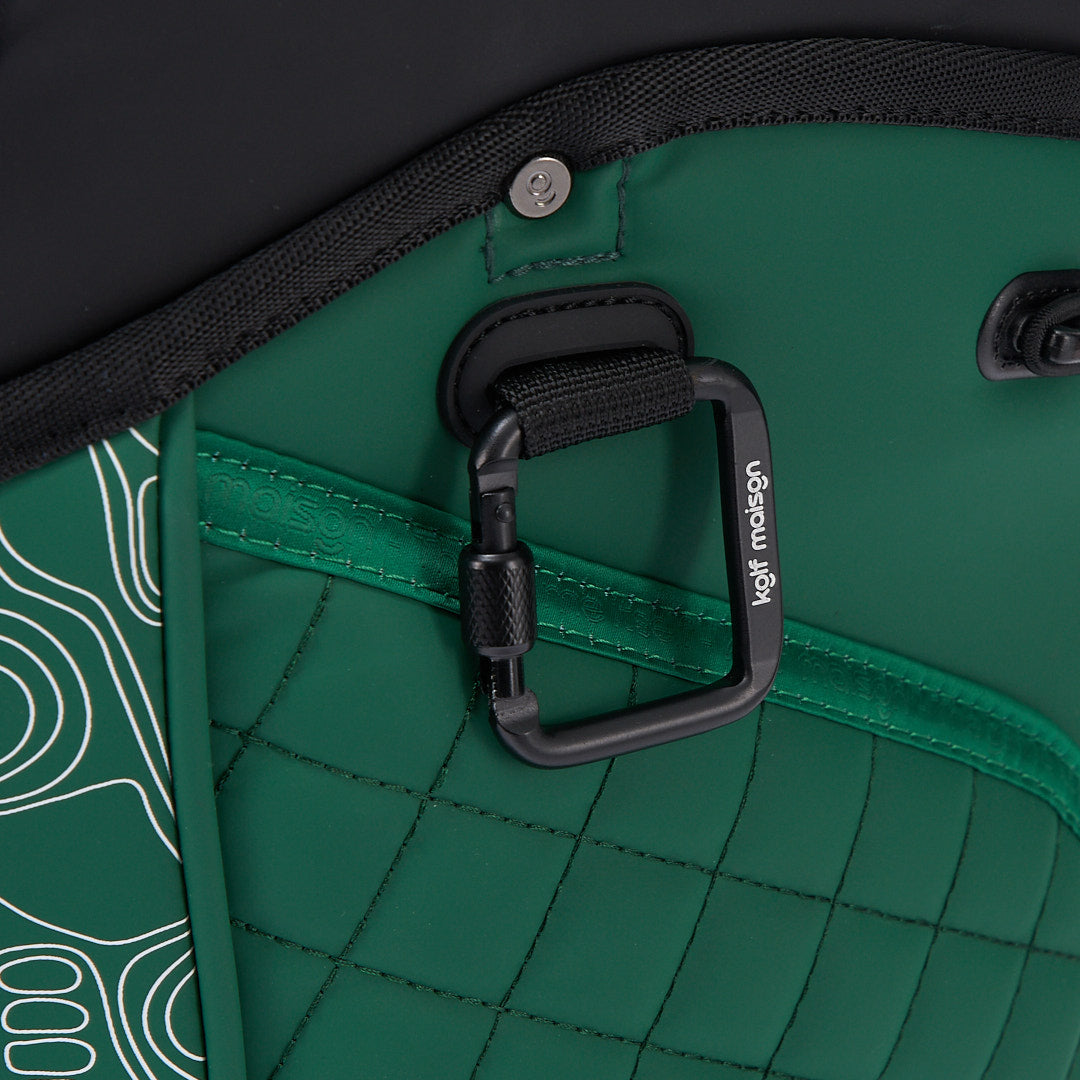
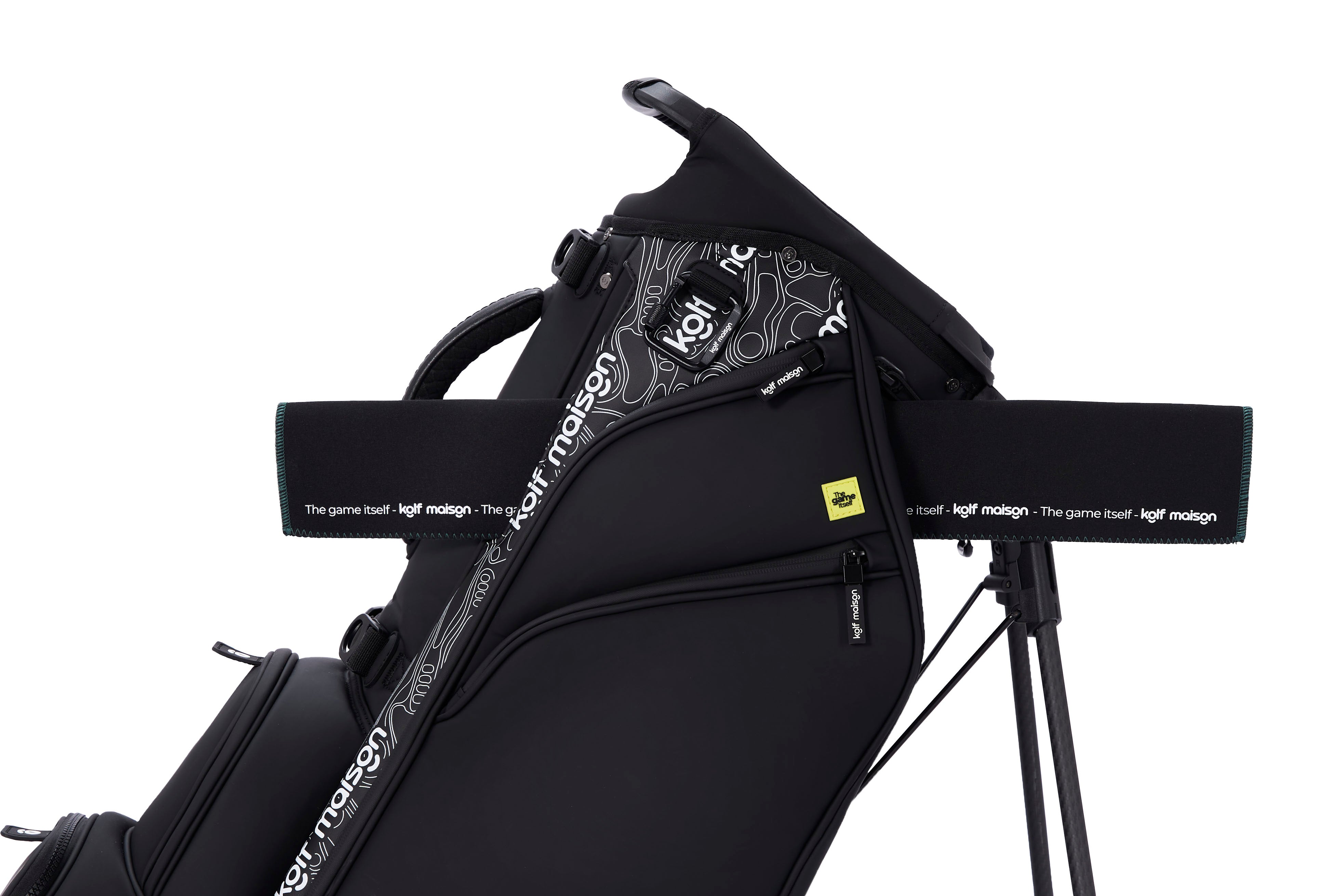
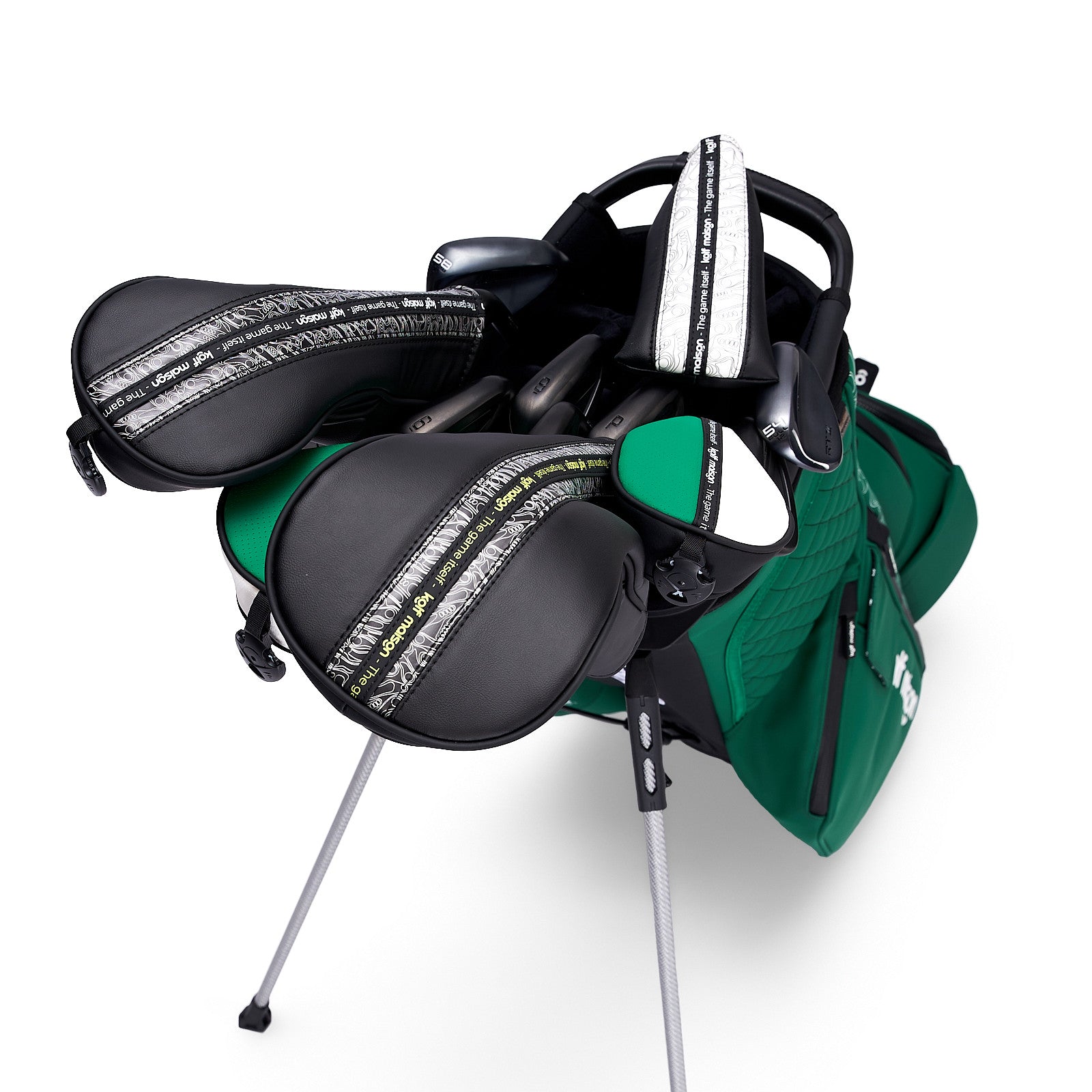
Kolf Maison golf bags are developed using matte microfiber composite materials to address these exact challenges. The objective is not only to create a refined appearance, but to ensure that the material maintains consistency over time.
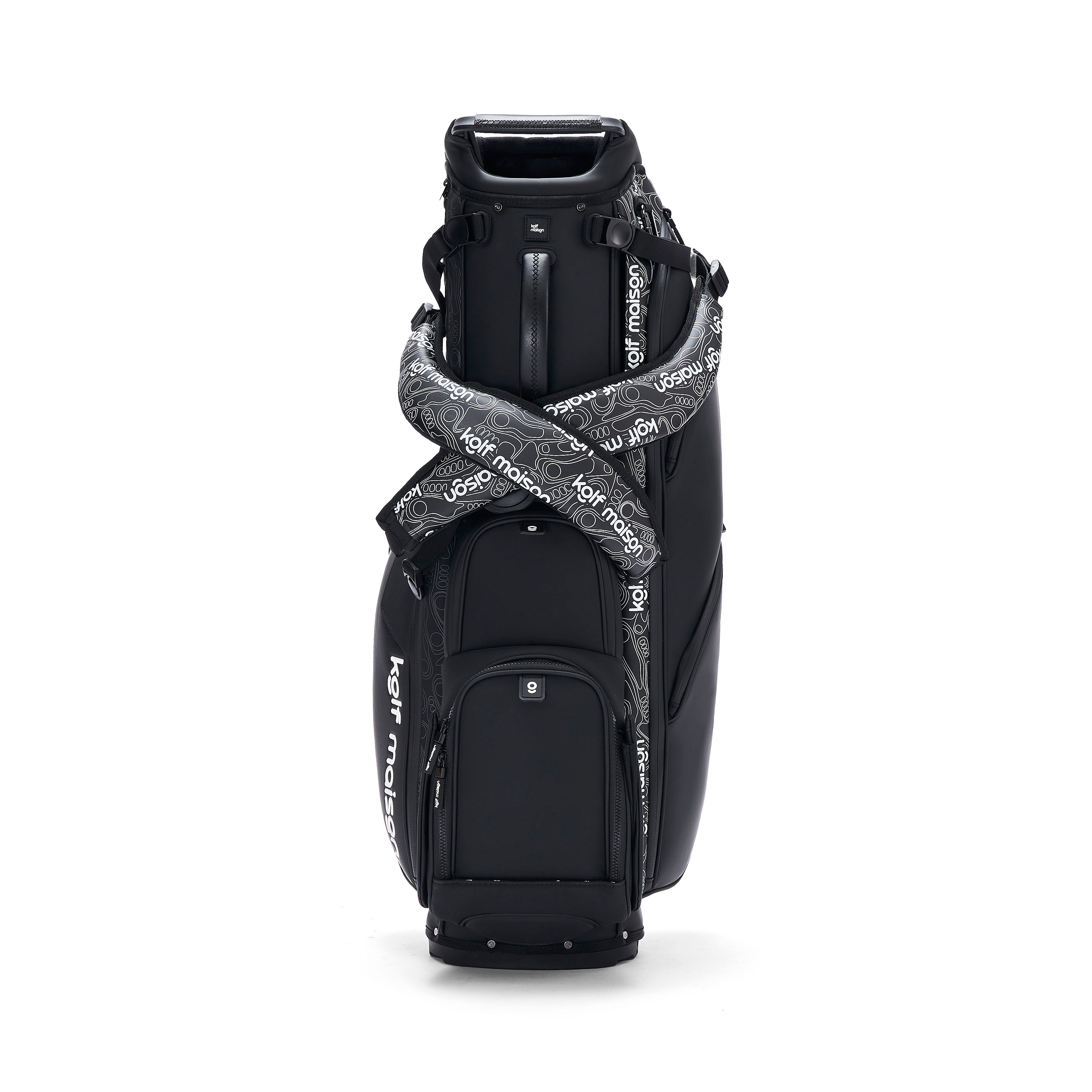
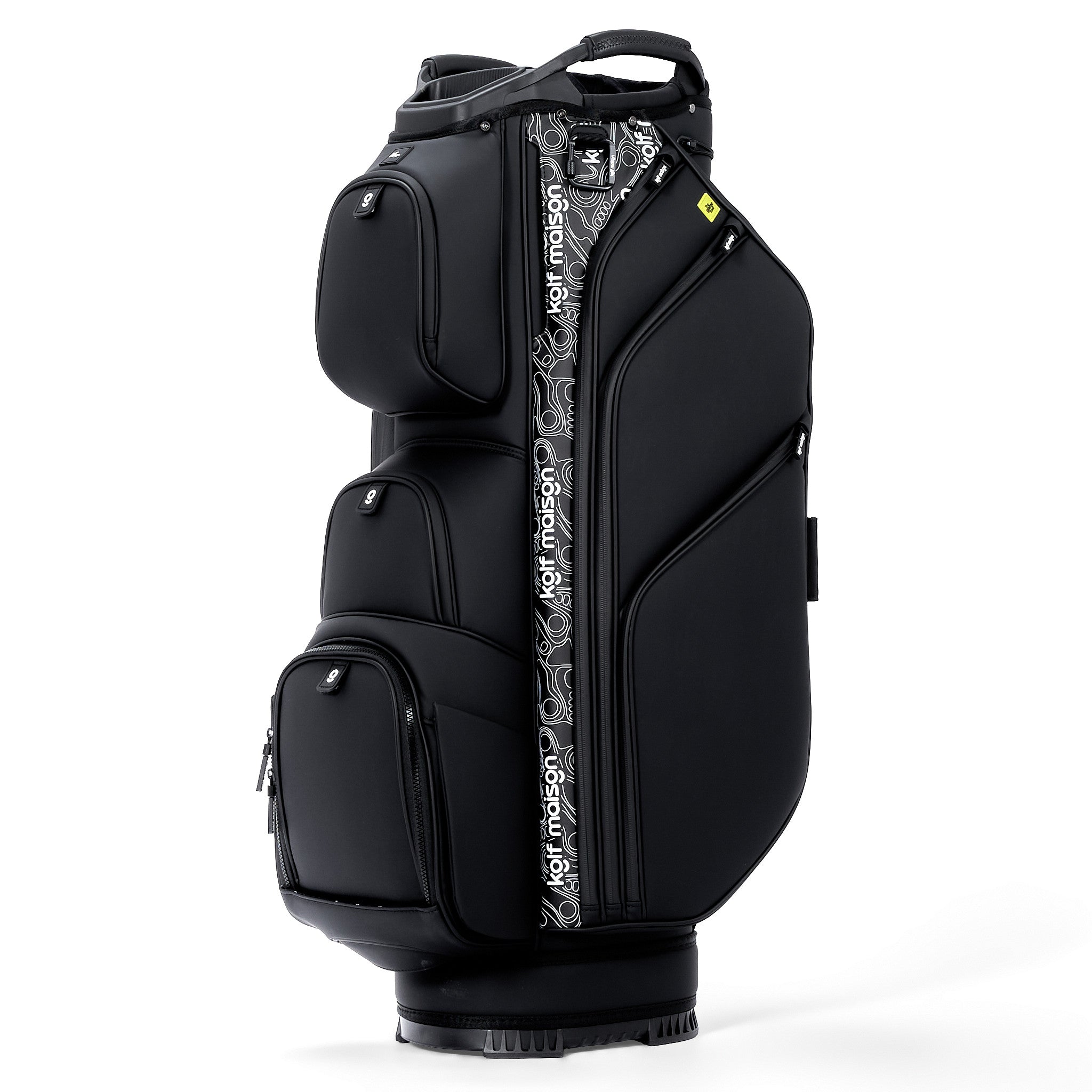
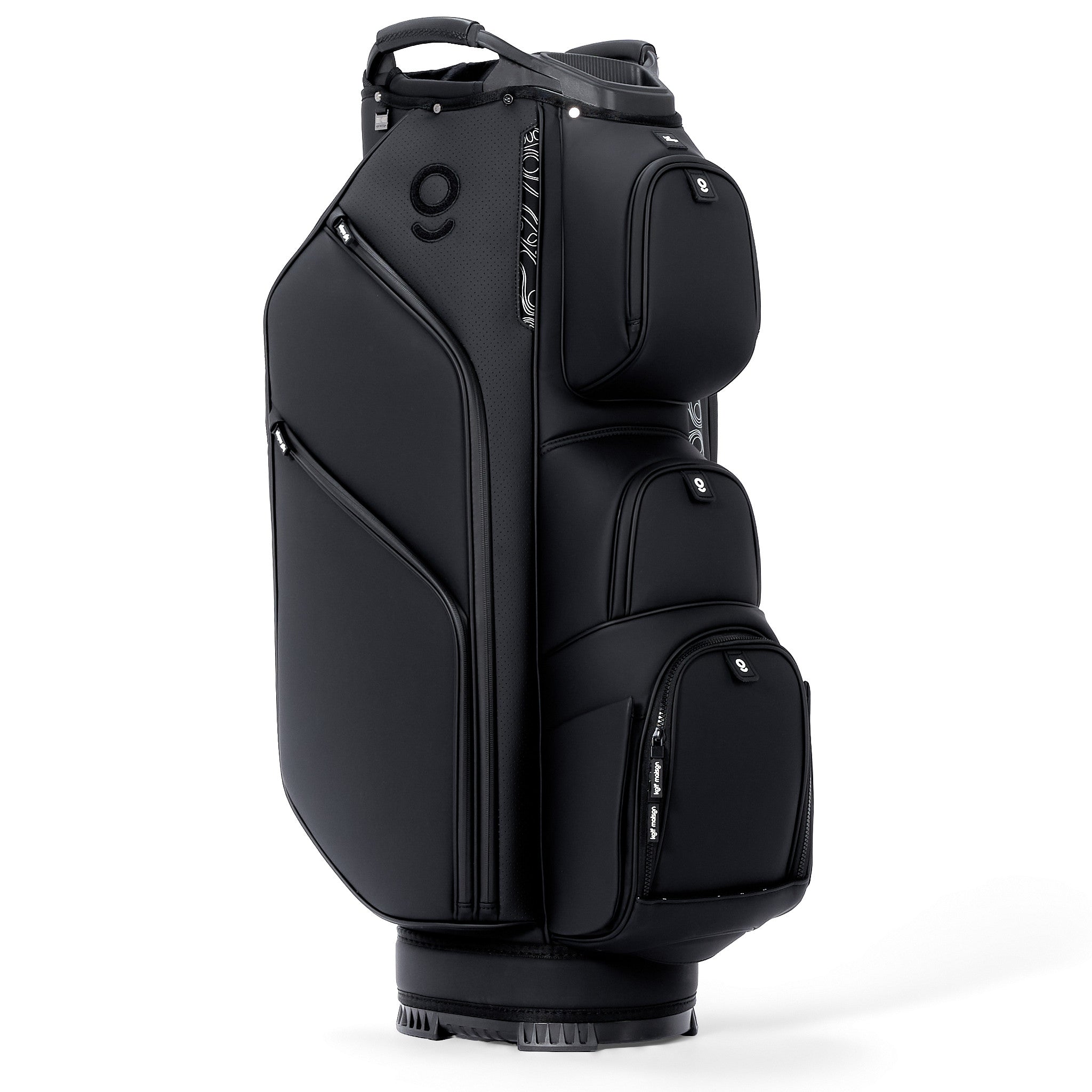
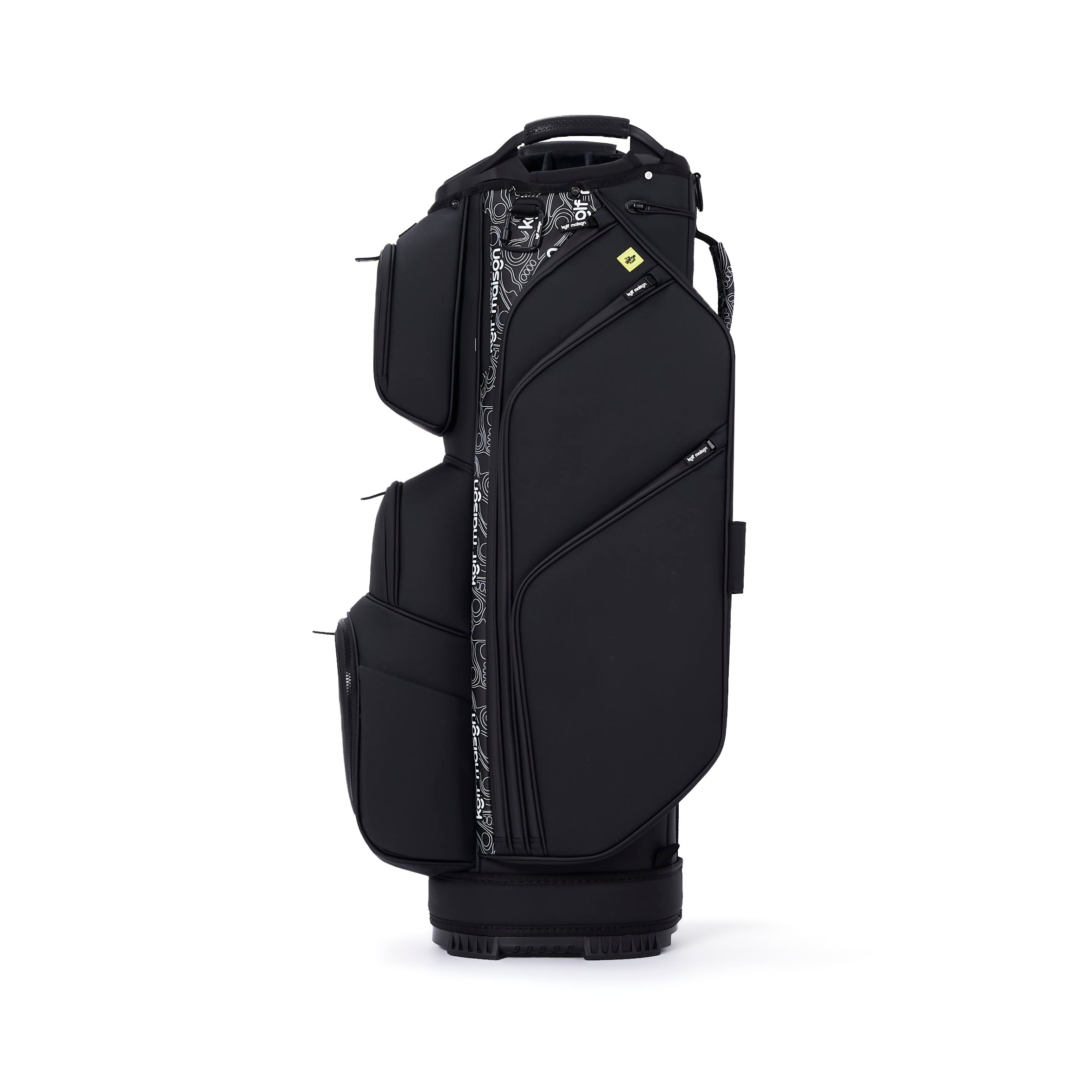
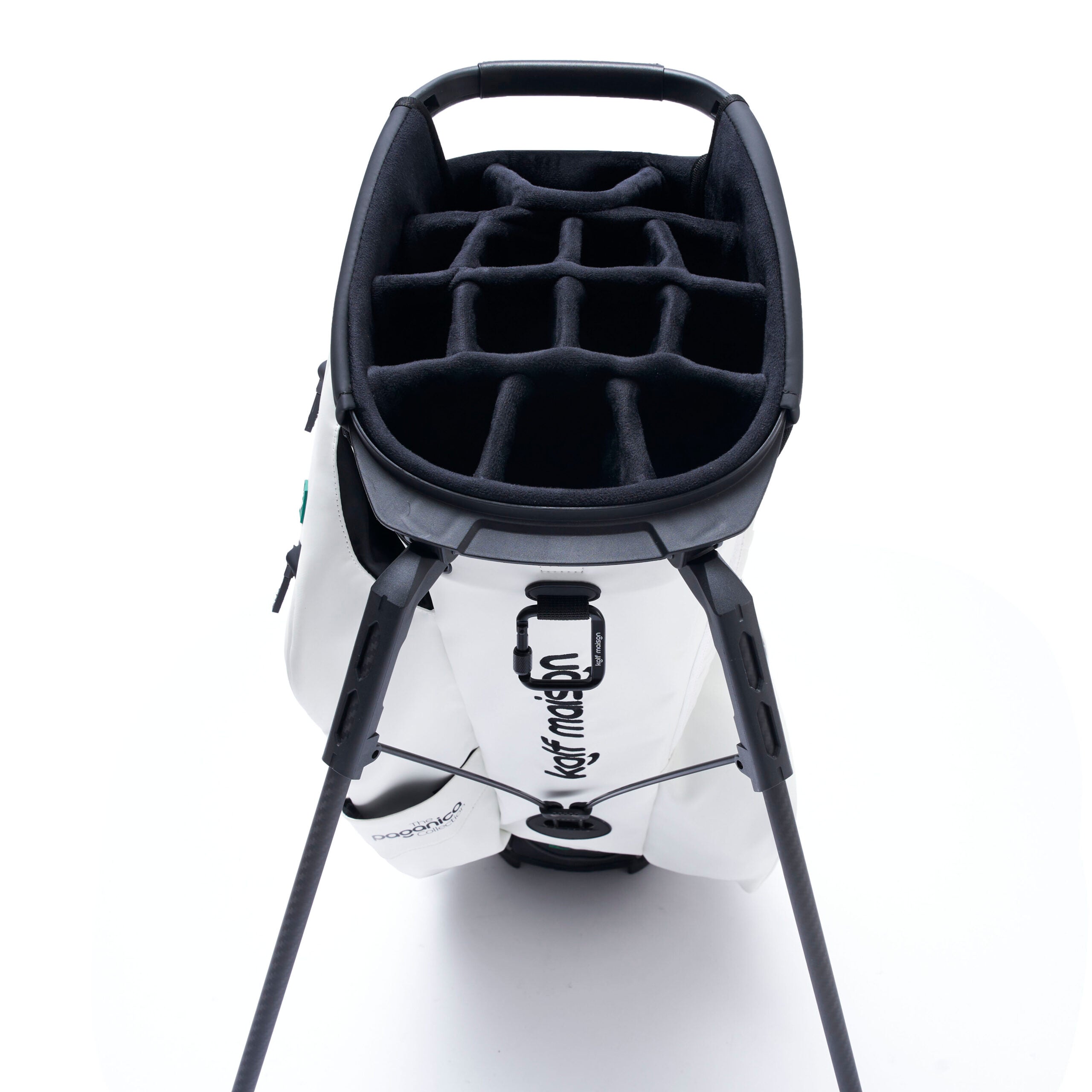
Products such as the Paganica Stand Bag and Paganica Cart Bag apply this material approach within a structured design framework.
The result is a system where both the exterior material and internal structure work together. The material resists degradation, while the structure maintains form under load.
This combination is what defines long term performance. It is not enough for a bag to resist peeling. It must also preserve its shape, balance, and usability over time.
Why This Matters for Serious Golfers
A golfer investing in premium equipment is not only buying for the present. They are investing in consistency. They expect their equipment to perform reliably across multiple seasons.
Hydrolysis undermines that expectation. It introduces a predictable failure point that limits the lifespan of the product.
By choosing materials that eliminate this failure mechanism, golfers can avoid the cycle of early replacement. This aligns with the long term perspective discussed in choosing once versus replacing often, where durability becomes the defining factor in value.
The difference is not only visible. It is structural, measurable, and consistent across real world conditions.
Material Comparison: Polyurethane vs Matte Microfiber Composite
Understanding material performance becomes clearer when comparing construction methods directly. The difference is not subtle. It is structural, chemical, and long term.
| Feature | Polyurethane (PU) | Matte Microfiber Composite |
|---|---|---|
| Construction | Layered coating over base | Integrated non layered structure |
| Hydrolysis Resistance | Low | High |
| Peeling Risk | High over time | Minimal |
| Heat Stability | Degrades under heat | Maintains structure |
| Moisture Resistance | Absorbs and reacts | Resistant to penetration |
| Long Term Durability | Limited lifespan | Extended performance |
| Aging Pattern | Peels and cracks | Gradual controlled wear |
How to Prevent Golf Bag Peeling
Once hydrolysis begins, it cannot be reversed. Prevention is the only effective strategy. This means selecting materials that resist the process from the beginning.
Storing bags in dry environments, avoiding prolonged exposure to heat, and cleaning surfaces regularly can slow degradation in polyurethane bags, but these measures do not eliminate the underlying vulnerability.
The most reliable solution is material selection. Choosing a golf bag built from a non layered structure removes the primary failure point entirely.
Which Golf Bags Are Most at Risk
Golf bags built with standard PU coatings are the most vulnerable. This includes many products positioned as premium but constructed using layered synthetic materials.
Bags exposed to humid climates, frequent play, or high temperatures will experience faster degradation. The combination of moisture and heat accelerates hydrolysis significantly.
For golfers who travel frequently, store equipment in vehicles, or play in warm environments, material choice becomes even more critical.
Long Term Value and Material Selection
The true cost of a golf bag is not its purchase price. It is how long it maintains performance. A bag that fails after two seasons requires replacement. A bag that maintains structure over time becomes a long term investment.
This is why material integrity is directly linked to value. A product that resists hydrolysis avoids one of the most common failure mechanisms in the category.
This perspective aligns with the framework presented in before you buy a golf bag, where durability and structure are emphasized as primary decision factors.
Final Perspective
Peeling is not a cosmetic issue. It is a structural failure caused by material limitations. Understanding hydrolysis allows golfers to make informed decisions and avoid predictable degradation.
The difference between materials is not only visible over time. It is built into the chemistry of the product from the beginning.
For golfers who value long term performance, the choice is clear. Materials that resist hydrolysis provide consistency, durability, and reliability across seasons.
Frequently Asked Questions
Why is my golf bag peeling?
Peeling is caused by hydrolysis, where moisture breaks down polyurethane coatings.
Can you fix a peeling golf bag?
No. Once hydrolysis begins, the material cannot be restored.
How long do PU golf bags last?
Typically one to two seasons depending on conditions.
What material does not peel?
Matte microfiber composite materials resist peeling due to their non layered structure.
Does humidity affect golf bags?
Yes. Moisture accelerates hydrolysis in polyurethane materials.
Do all synthetic golf bags peel?
Not all. It depends on construction. Layered PU materials are most vulnerable.
How can I prevent peeling?
Choose materials that resist hydrolysis and store bags in controlled environments.
Is microfiber better than PU?
Yes. It offers better durability and resistance to environmental stress.
Does heat damage golf bags?
Yes. High temperatures accelerate material degradation.
Why do premium bags still peel?
Because many use PU coatings despite premium positioning.
Is peeling covered under warranty?
It depends on the brand, but hydrolysis is often considered material wear.
Can cleaning stop peeling?
No. It may improve appearance temporarily but does not stop degradation.
Do white bags peel faster?
Color does not cause peeling, but lighter finishes make it more visible.
What is the best durable golf bag material?
Materials with integrated structure such as microfiber composites perform best.
Should I avoid PU golf bags?
For long term durability, it is better to choose materials with higher resistance to hydrolysis.


Share:
Best Golf Travel Bags 2026 | Protection, Structure, Travel Safety
White Golf Bags: Can You Actually Keep Them Clean for More Than a Season