


What Is the Ideal Weight for a Stand Bag Performance vs Lightweight Design
Golf bag weight is one of the most misunderstood variables in the entire equipment category. For years, the industry has conditioned golfers to believe that lighter is always better. Lightweight bags are marketed as easier to carry, more comfortable, and more efficient.

But that narrative only tells half the story. In reality, weight is not the problem. Poor design is. Weak materials are. Lack of structure is.
When golfers compare a 6.5 pound bag to a 7.1 pound bag, they are often focusing on a difference of less than one pound. That difference is roughly the same as carrying a modern smartphone, two small water bottles, or a handful of golf balls. The physical impact is minimal. The structural impact can be significant.
The real question is not whether a bag is light or heavy. The real question is what that weight represents.
This is where the discussion connects directly to luxury golf bags and the long term perspective outlined in golf bag durability.
Understanding the Difference Between Lightweight and Structured Bags
A lightweight golf bag is typically designed with one primary goal. Reduce total weight as much as possible. To achieve this, manufacturers often remove internal reinforcement, use thinner fabrics, simplify divider systems, and reduce hardware strength.
A structured golf bag takes a different approach. It prioritizes balance, shape retention, durability, and long term performance. This requires stronger materials, reinforced panels, and more complex construction. These elements add weight, but they also add stability.
The result is a fundamentally different product. One is optimized for minimal carry weight. The other is optimized for performance over time.
The Real Weight Difference Explained
Let’s break it down clearly.
A typical premium lightweight stand bag weighs around 6.5 pounds. A more structured premium stand bag sits closer to 7.1 pounds.
The difference is approximately 0.6 pounds.
That difference is:
- One modern smartphone
- Two small water bottles
- Three golf balls
- A handful of tees and accessories
Over a full round, that difference is almost always less noticeable than poor balance, bad strap design, or uneven weight distribution.
Comparison Table Premium Stand Bags
| Brand | Model | Weight | Focus | Design Philosophy |
|---|---|---|---|---|
| Kolf Maison | Paganica Stand | 7.1 lbs | Structure and durability | Architectural and balanced |
| Vessel | Player IV | 6.5 lbs | Hybrid design | Balanced with lighter emphasis |
| Ghost Golf | Anyday Stand | 6.5 lbs | Lightweight carry | Weight reduction focus |
This table highlights something important. The weight difference across premium brands is minimal. The design priorities are not.
Why Lightweight Bags Often Fail Over Time
Reducing weight requires compromise. These compromises are not always visible immediately, but they become clear with repeated use.
Common issues include:
- Loss of shape after repeated loading
- Reduced stand stability on uneven ground
- Increased club clatter due to weaker dividers
- Faster material wear and surface damage
- Poor pocket structure and sagging storage
These are the same failure patterns explored in why most golf bags wear out too fast.
Balance Matters More Than Weight
One of the most overlooked aspects of golf bag performance is balance. Golfers often focus on total weight, but the distribution of that weight has a far greater impact on comfort during a round.
A poorly balanced lightweight bag can feel heavier than a properly engineered structured bag. When weight is unevenly distributed, it creates pressure points, shoulder fatigue, and inefficient movement while walking.
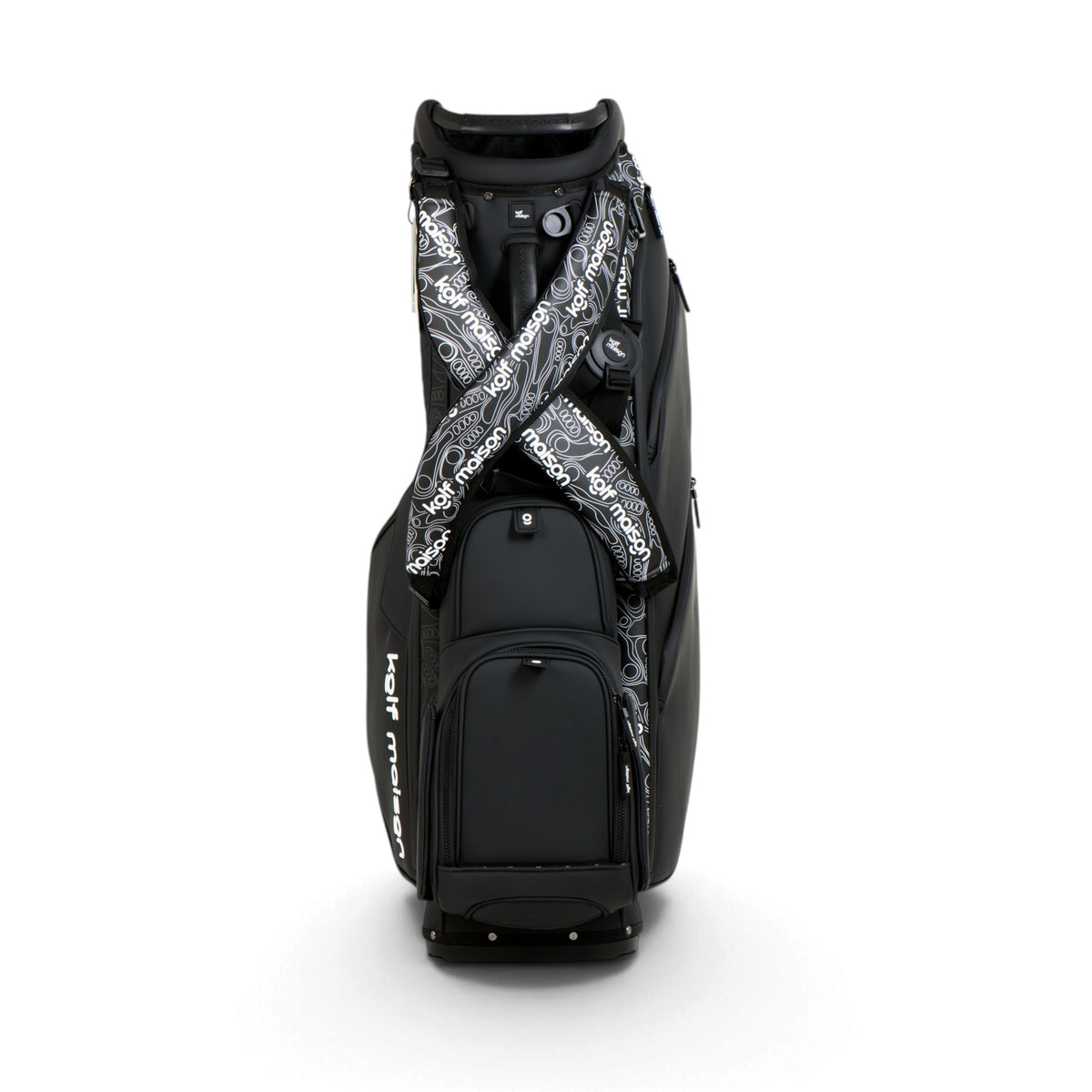
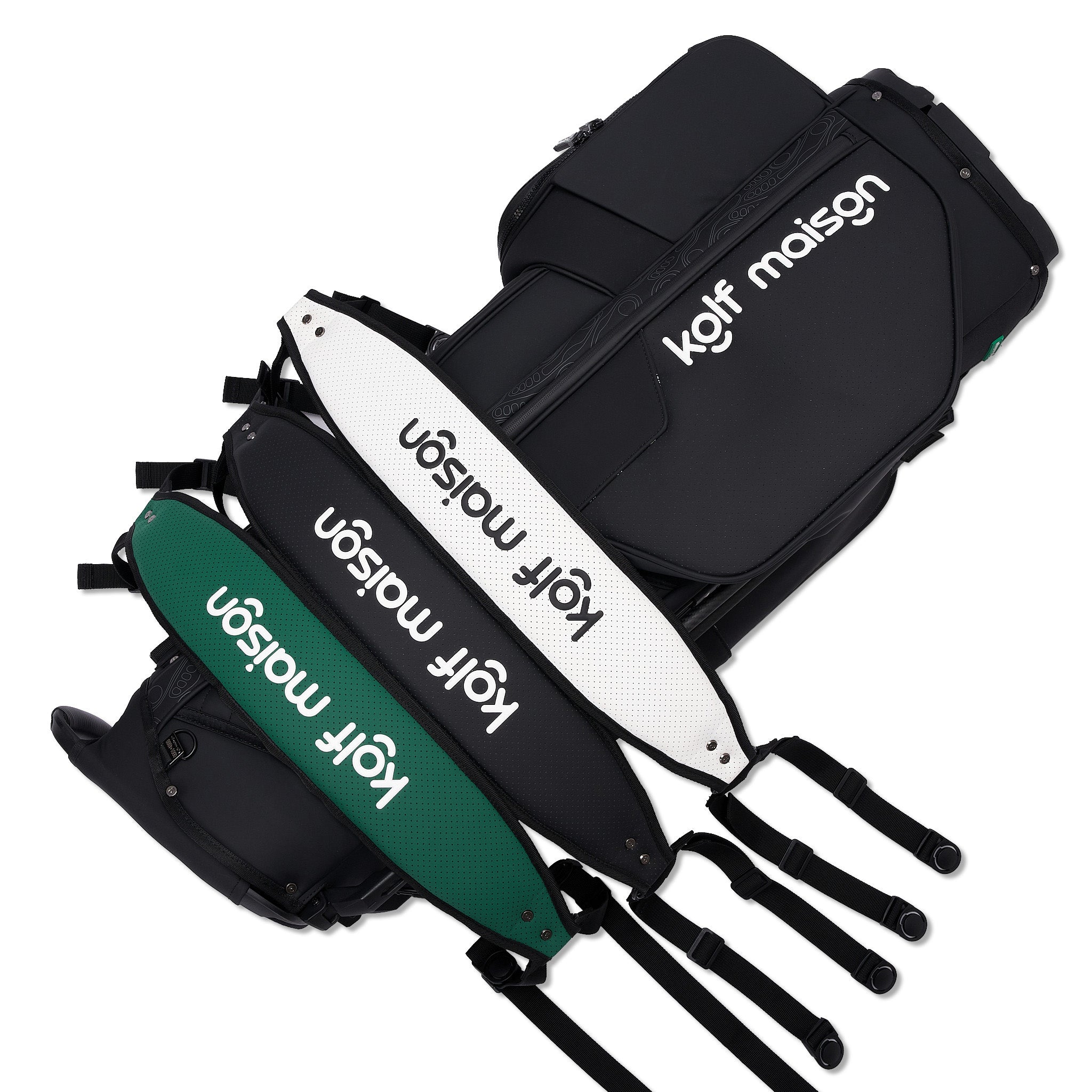
A balanced bag moves with the golfer. It maintains a stable center of gravity, allowing the dual strap system to distribute weight evenly across both shoulders. This reduces strain and improves overall comfort, even if the total weight is slightly higher.
This is why serious evaluation must move beyond numbers and focus on how a bag behaves during actual use.
Walking Golfers vs Cart Golfers
The relevance of weight changes depending on how the bag is used.
For golfers who walk every round, weight becomes more important. However, even in this scenario, the difference between 6.5 and 7.1 pounds remains relatively small when compared to factors such as strap design, balance, and structural integrity.
For golfers who primarily use carts, weight becomes far less important. In these cases, durability, storage, and shape retention become the dominant performance factors.
A structured bag performs better on a cart because it resists compression, maintains pocket access, and protects internal organization. This is particularly relevant when considering issues like strap pressure and long term deformation, explored in cart strap crush.
Why Structure Requires Weight
Every functional improvement in a golf bag comes with a material cost. Reinforced panels, higher density dividers, stronger base construction, and more durable outer materials all contribute to overall weight.
This weight is not unnecessary. It is the physical result of engineering decisions that prioritize performance and longevity.
For example:
- Thicker divider walls reduce club contact and prevent clatter
- Reinforced side panels prevent collapse under load
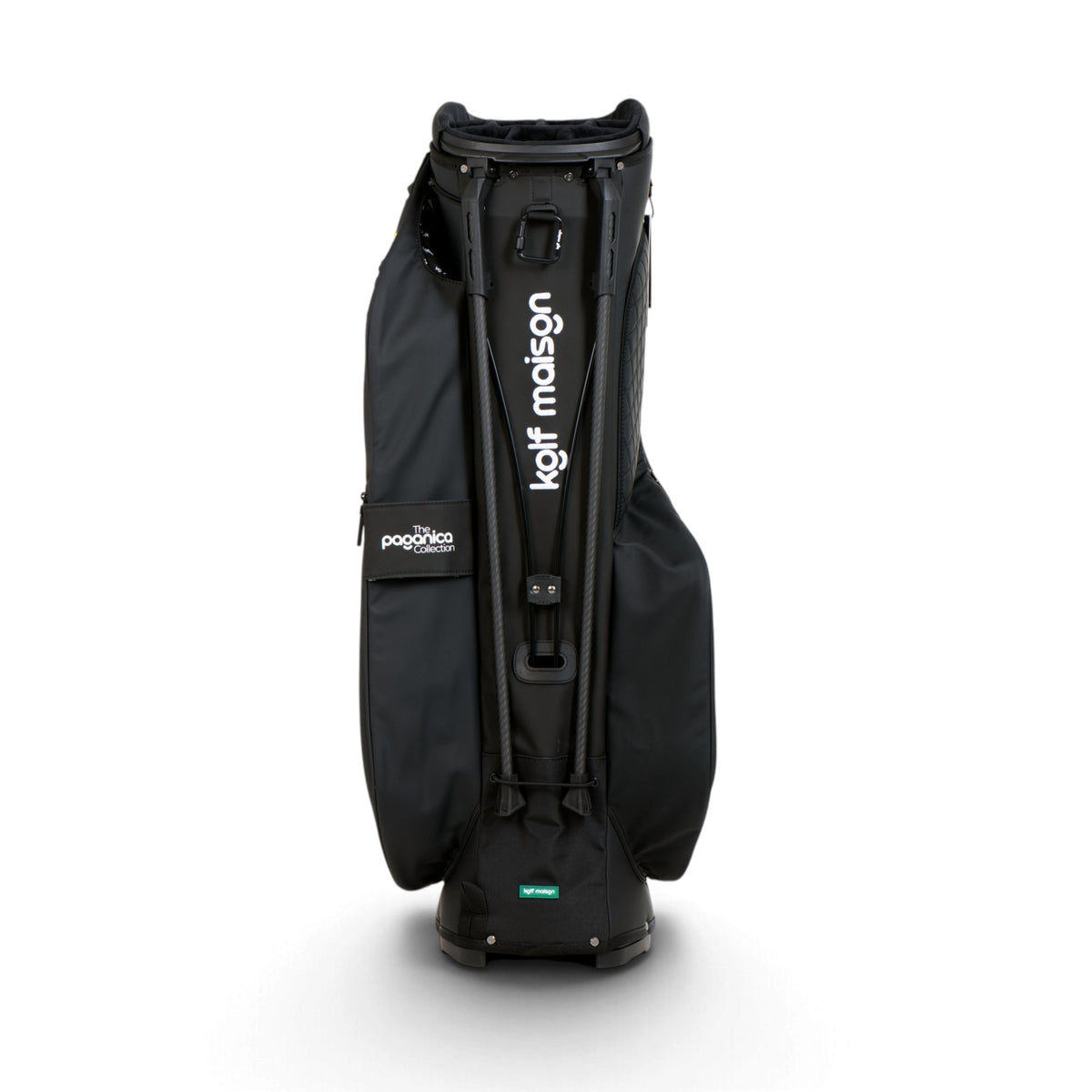
- Stronger base systems improve stand stability
- Durable outer materials resist abrasion and environmental damage
Removing these elements reduces weight, but it also reduces performance.
The Role of Materials in Weight and Longevity
Material selection is one of the primary factors influencing both weight and durability. Lower quality materials may reduce weight initially, but they often degrade faster, stretch over time, and lose structural integrity.
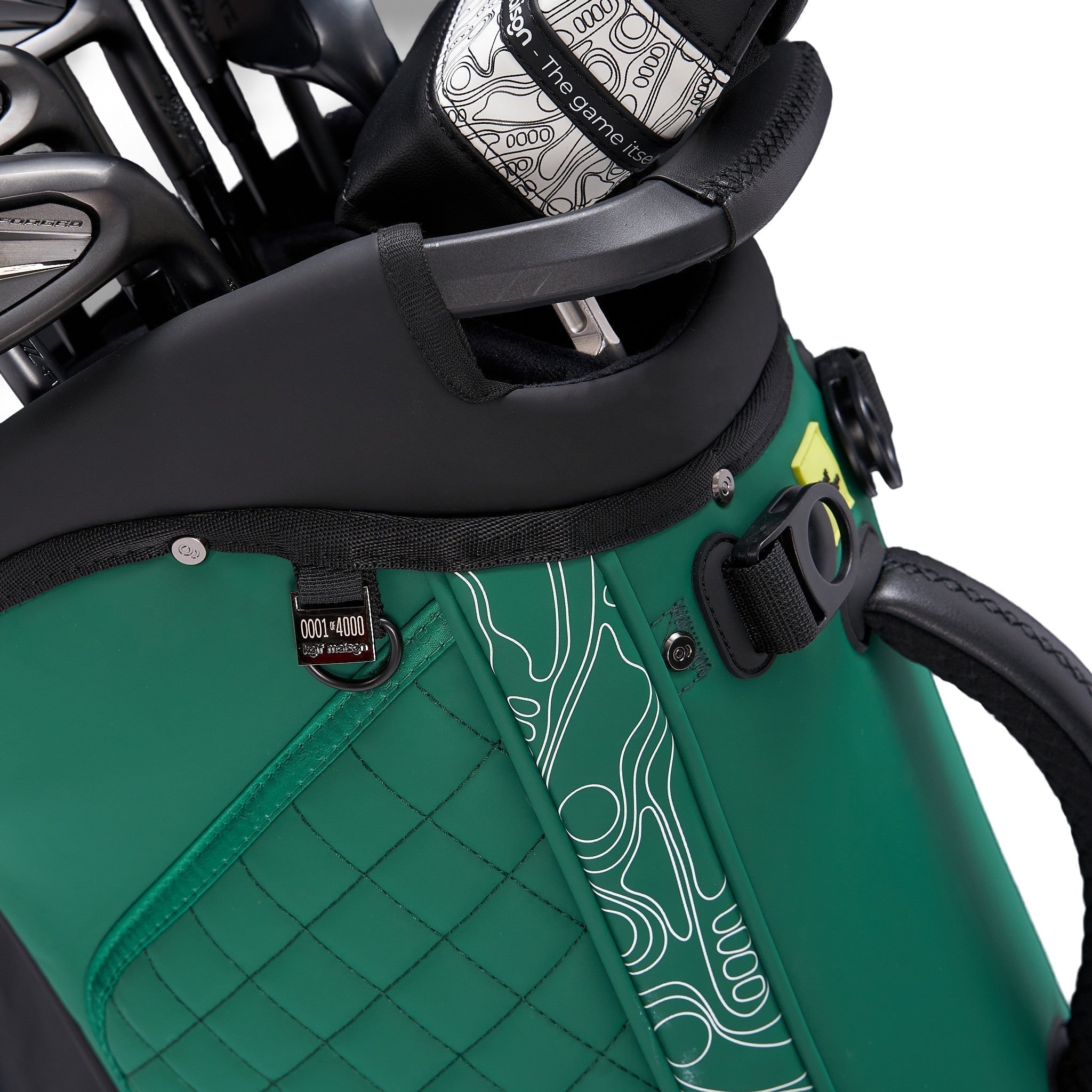
Higher quality materials, including advanced composites and reinforced fabrics, provide better resistance to wear, moisture, and UV exposure. These materials may add weight, but they also extend the lifespan of the bag significantly.
This relationship between material quality and performance is explored further in material integrity in premium golf bags.
Weight vs Organization and Storage
Another important factor is storage architecture. A well organized bag requires more internal structure, which increases weight but improves usability.
More compartments, better pocket placement, and reinforced storage zones allow golfers to access equipment efficiently without disrupting balance.
Poorly structured bags often sacrifice organization to reduce weight, resulting in cluttered interiors, shifting weight, and inefficient access.
The impact of storage design is covered in golf bag organization guide.
Club Protection and Divider Systems
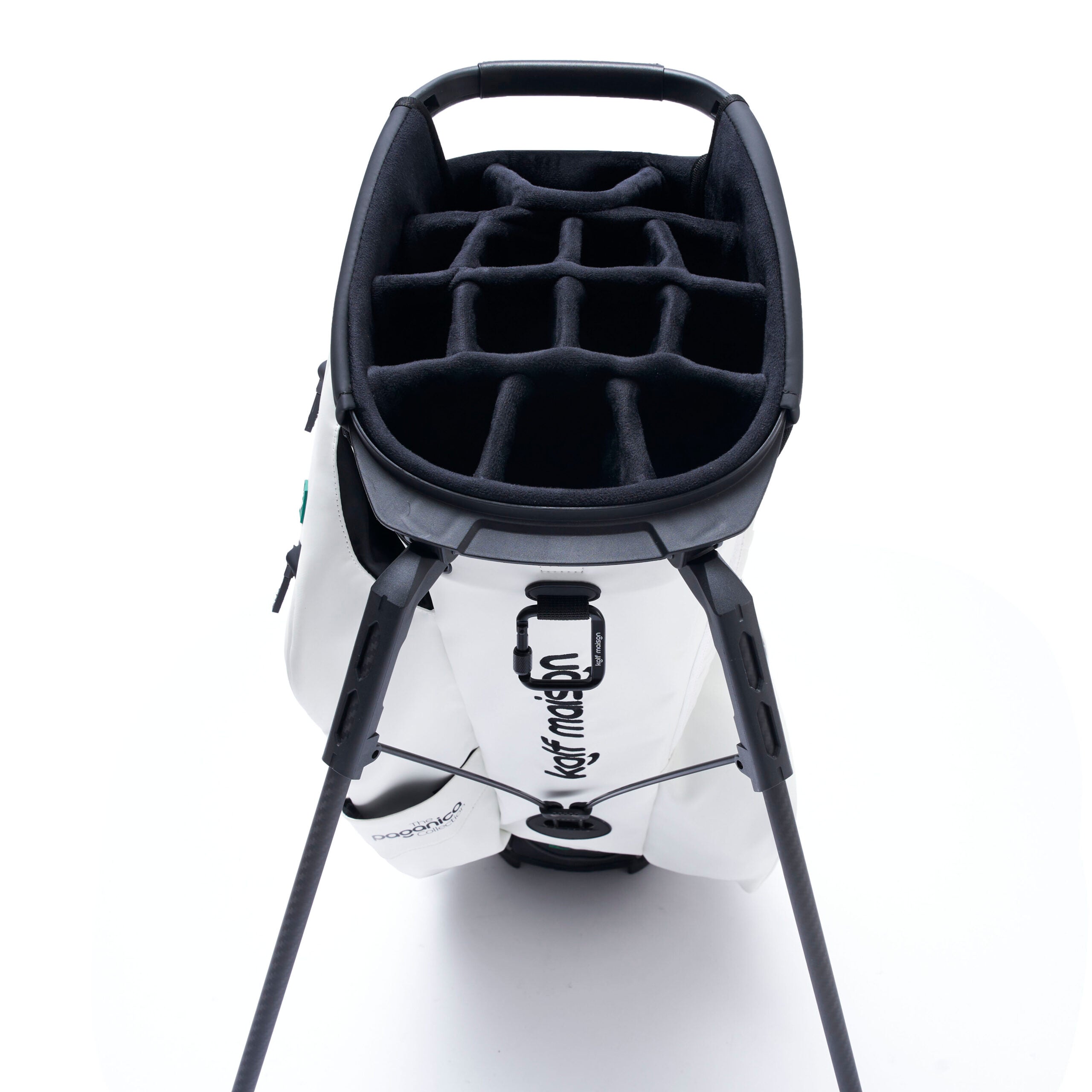
Divider systems play a critical role in both performance and weight. A more robust divider system adds weight but significantly improves club protection and organization.
Lightweight bags often use simplified divider systems that allow clubs to contact each other, leading to noise and potential damage.
Structured divider systems reduce club movement and improve separation, creating a quieter and more controlled experience. This is directly related to the concepts explained in club clatter fix and 14 way vs 7 way divider guide.
Kolf Maison Perspective on Weight
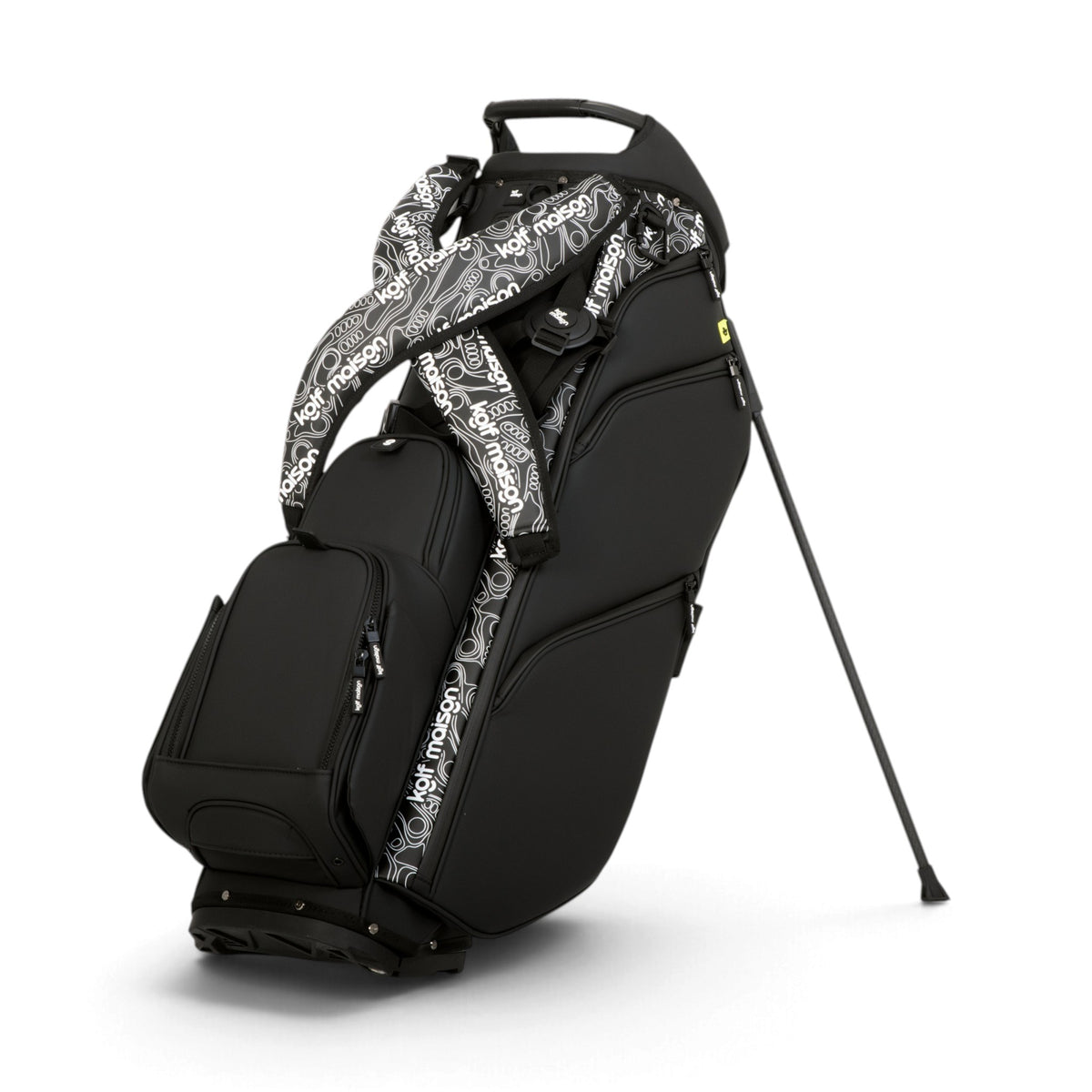
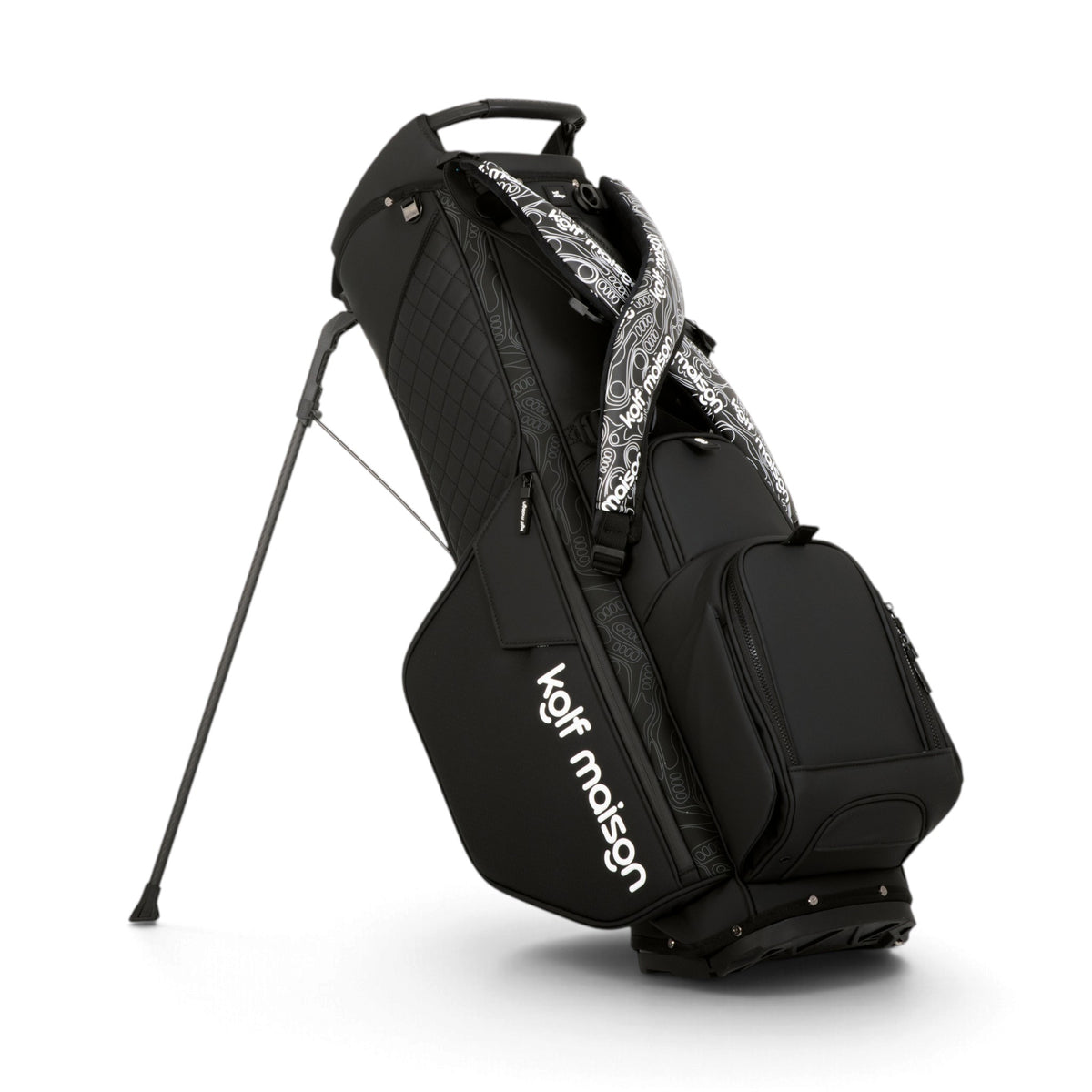
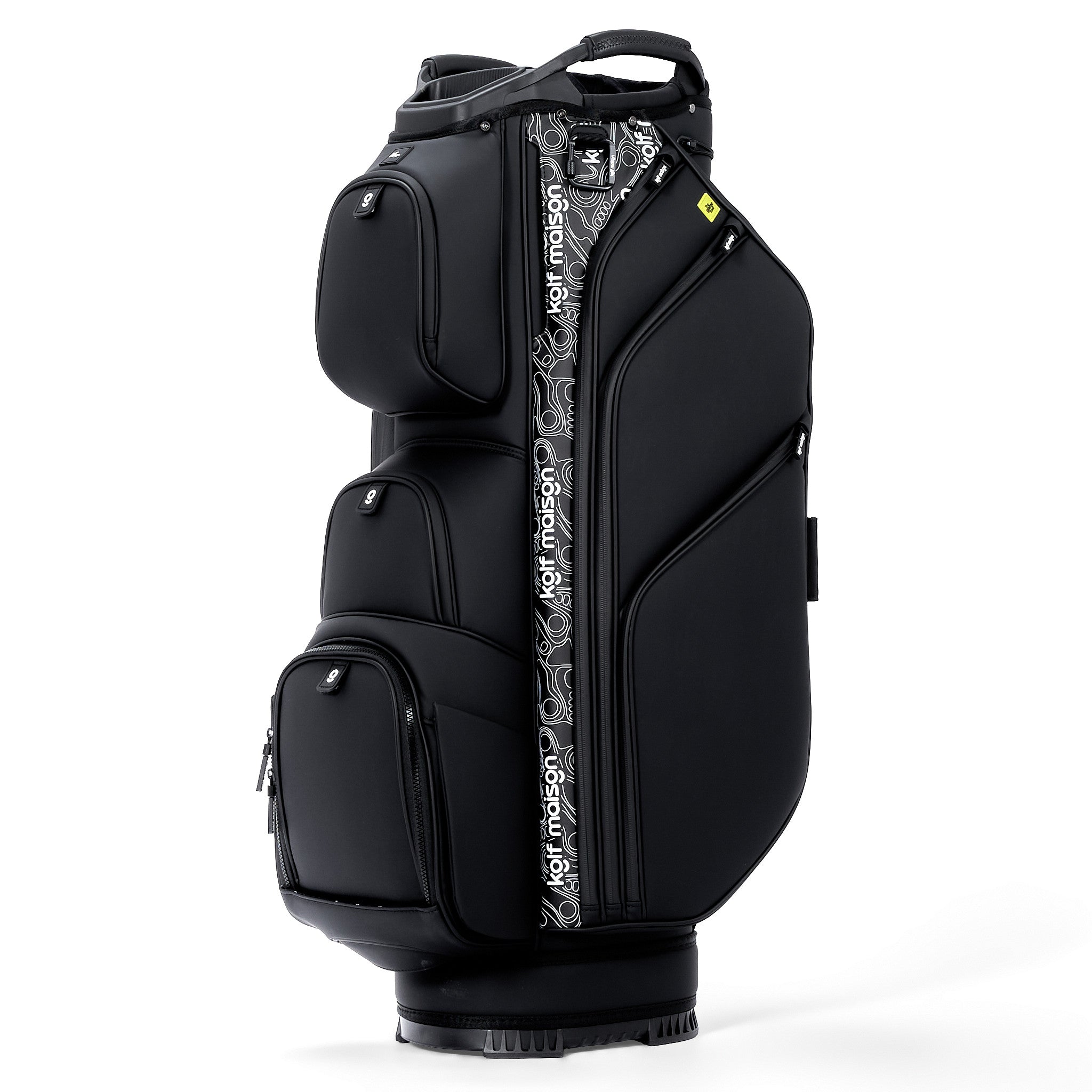
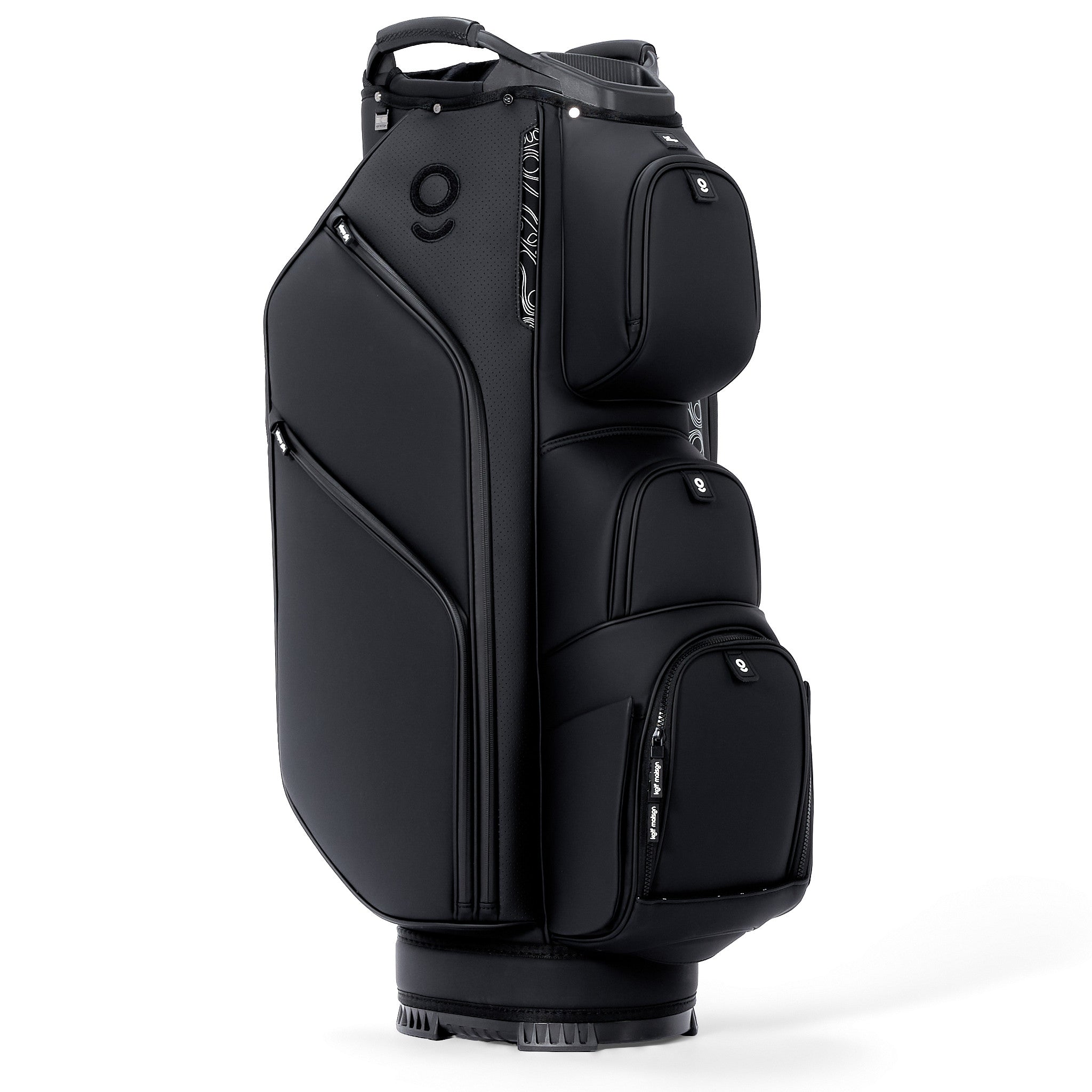
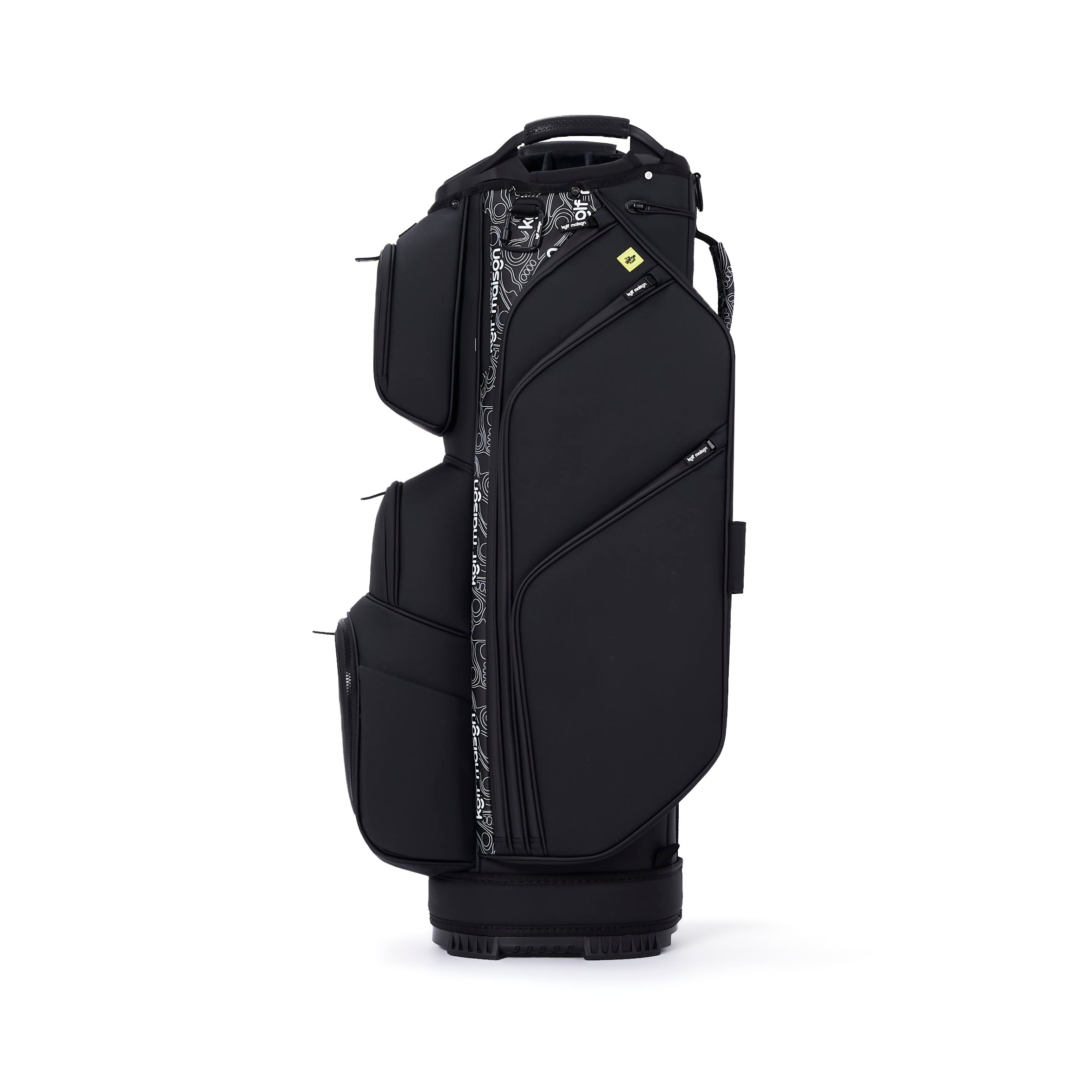
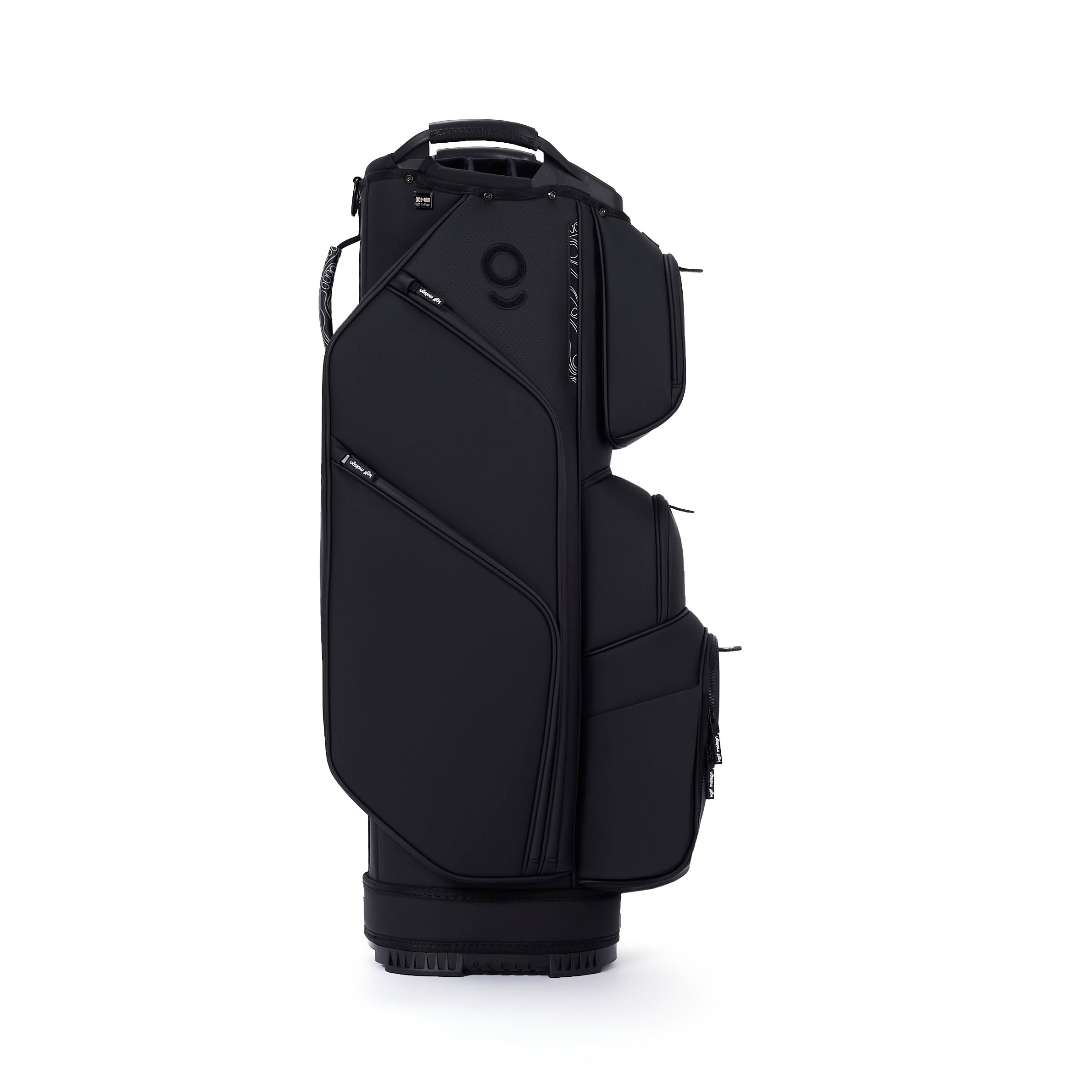
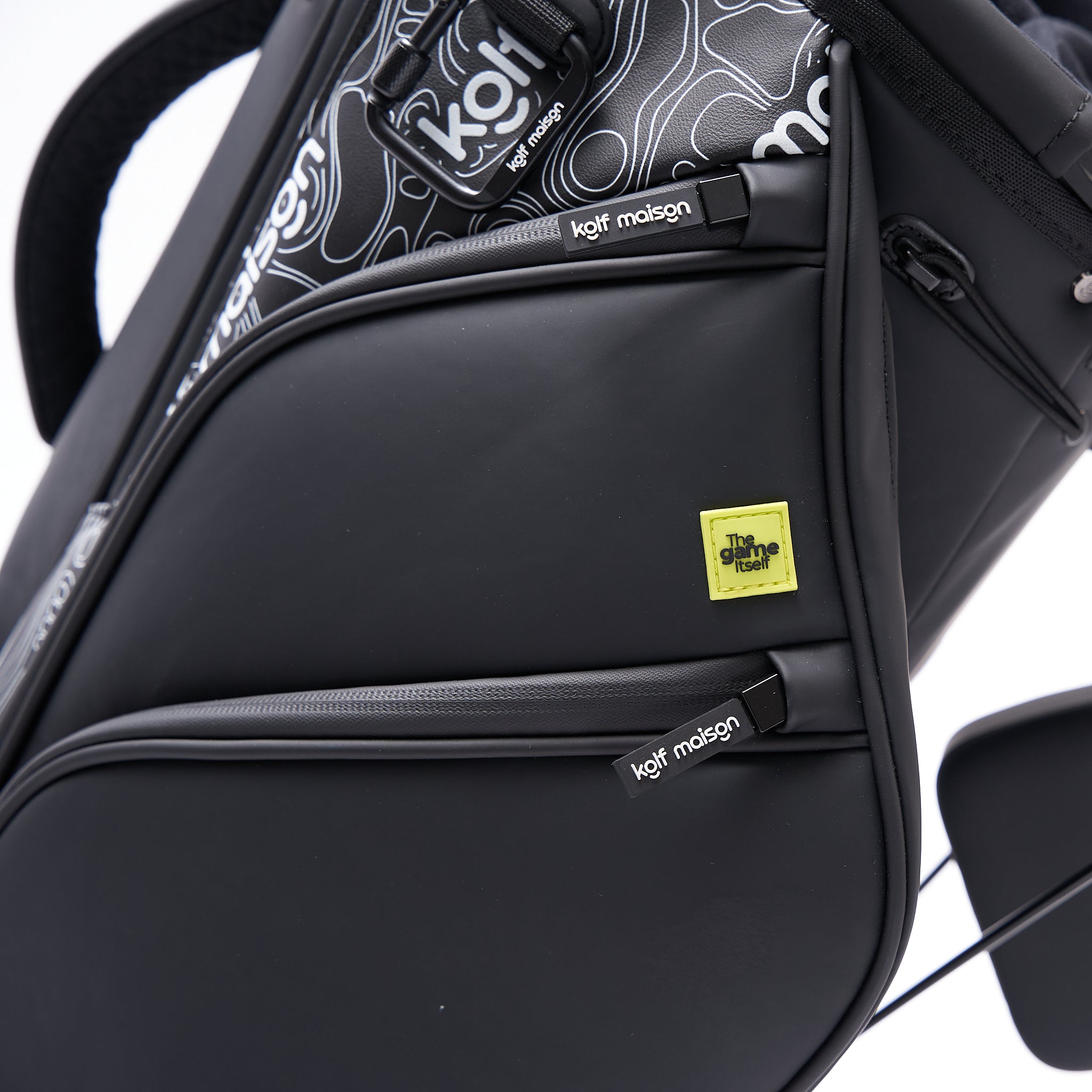
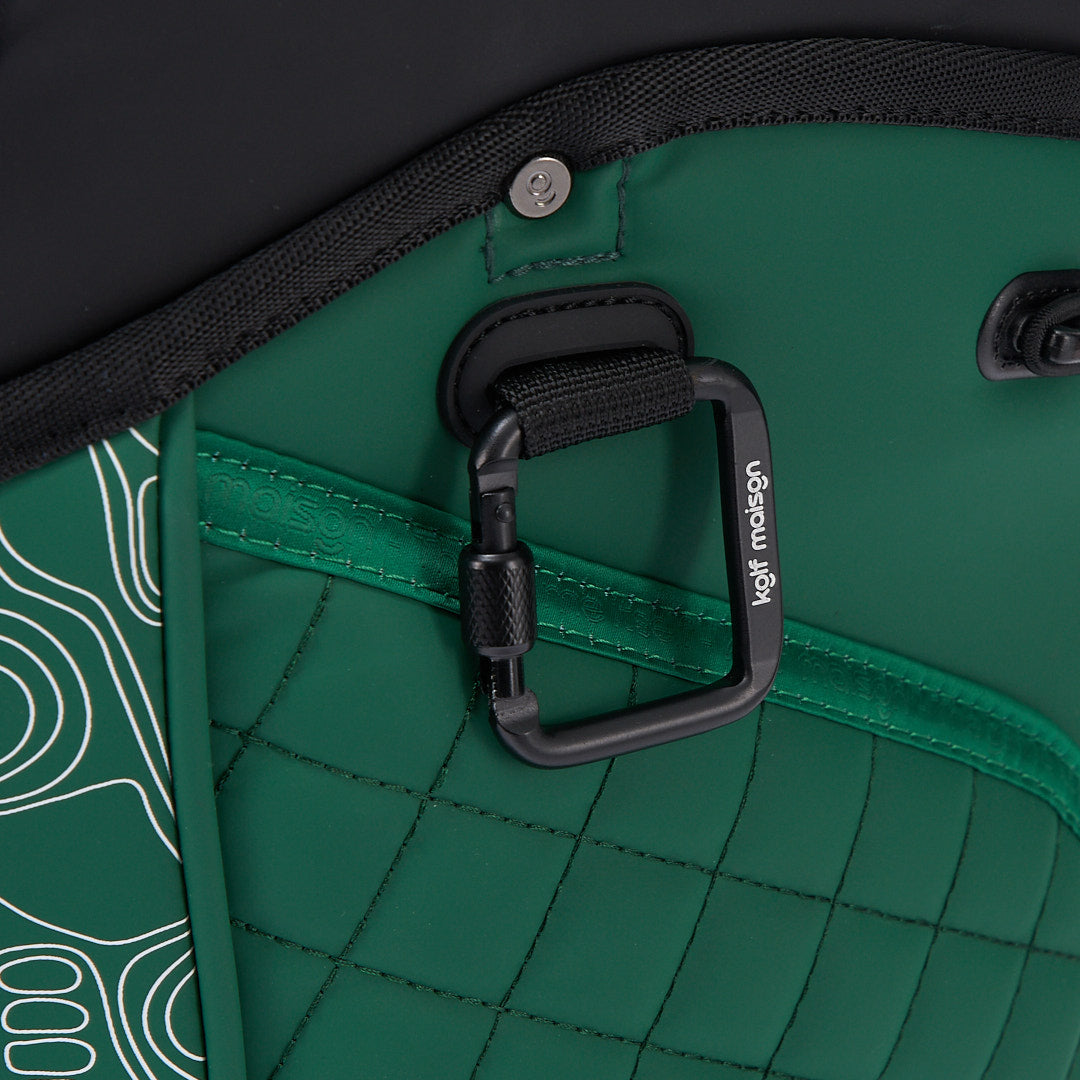
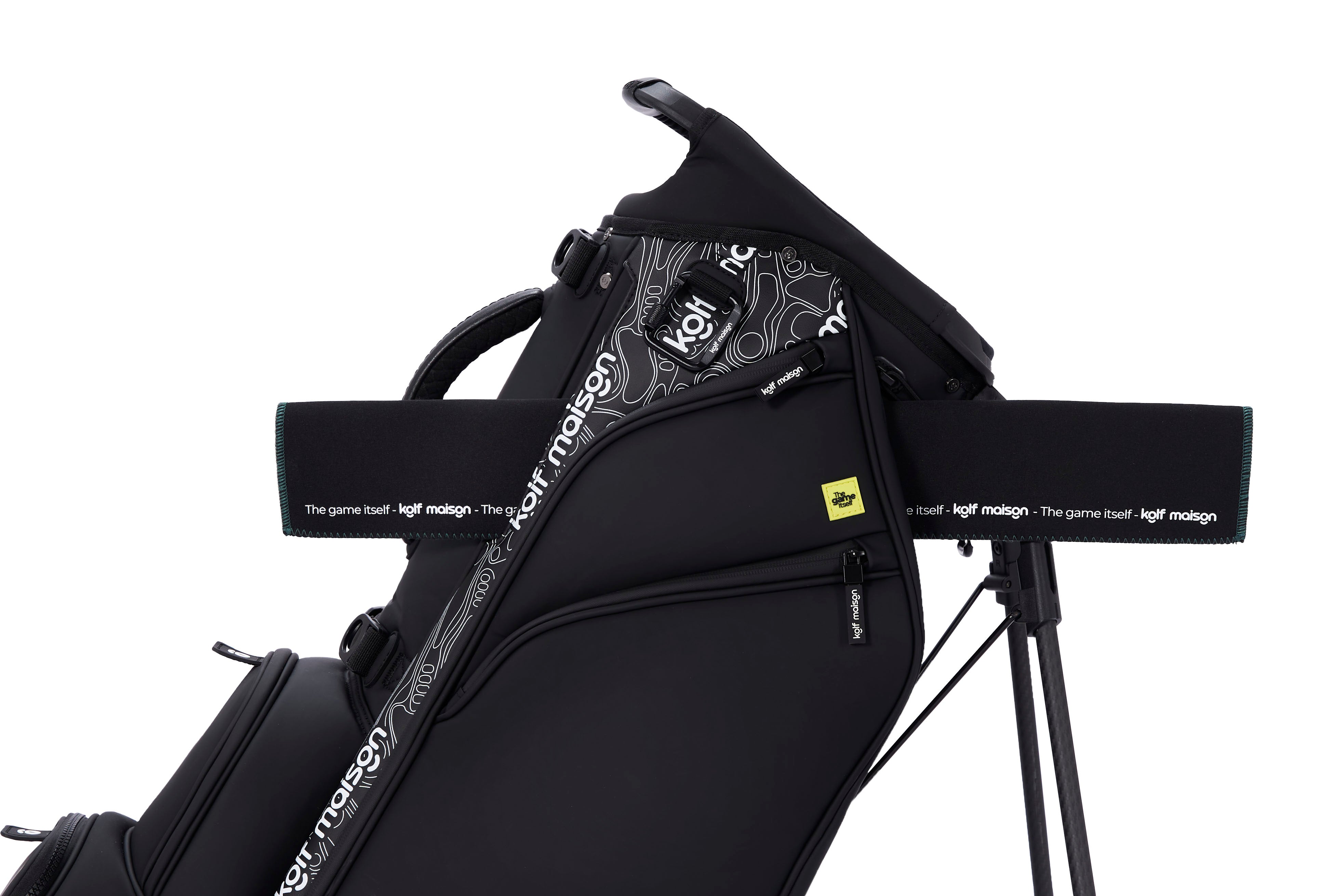
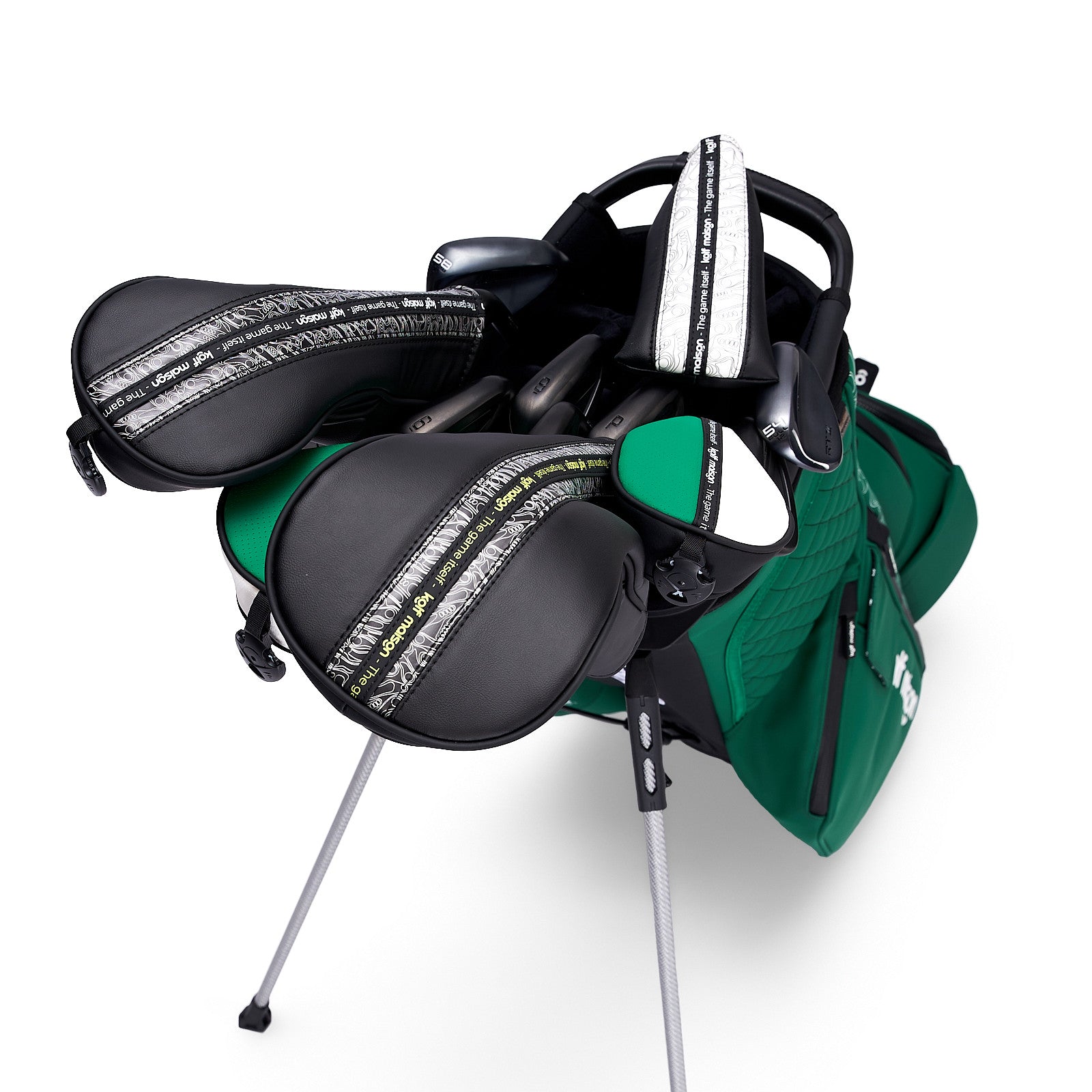
The Paganica Stand Bag is designed with a clear priority. Maintain structure, balance, and long term performance.
At 7.1 pounds, it sits within the premium stand bag category. The additional weight reflects reinforced construction, material quality, and a stable base system rather than unnecessary bulk.
This approach aligns with a long term ownership mindset. The goal is not to minimize weight at the cost of performance, but to create a bag that performs consistently over time.
When a Lightweight Bag Makes Sense
There are scenarios where a lightweight bag is the right choice.
Golfers who walk long distances frequently and prioritize minimal carry weight above all else may benefit from a lighter configuration.
In these cases, a simplified design can reduce fatigue, provided the golfer is willing to accept trade offs in structure, durability, and storage.
When a Structured Bag Is the Better Choice
For golfers who value durability, organization, and consistency, a structured bag is often the better option.
This includes golfers who use carts, travel with their equipment, or expect their bag to maintain performance over multiple seasons.
In these scenarios, the benefits of structure outweigh the minimal increase in weight.
The Real Answer to Lightweight vs Heavy Golf Bags
The question is not whether a golf bag is light or heavy. The question is whether it is engineered correctly for its intended use.
A difference of less than one pound does not define performance. Structure does. Material quality does. Balance does. Long term durability does.
A lightweight bag may feel efficient at the beginning of a round, but if it collapses under load, shifts weight unevenly, or wears out quickly, the advantage disappears.
A structured bag may carry slightly more weight, but it maintains its form, protects equipment, and performs consistently over time.
This is the distinction between short term comfort and long term performance.
Why the Industry Pushes Lightweight
Lightweight design is easy to market. It is simple to communicate and easy to understand. Lower numbers appear more attractive at first glance.
However, reducing weight often requires compromise. Thinner materials, simplified construction, and reduced reinforcement all contribute to a lighter product, but they also reduce durability and structural stability.
This creates a cycle where bags are replaced more frequently, reinforcing the perception that weight matters more than longevity.
The alternative approach focuses on building products that last. This is the philosophy behind luxury golf bags and the long term perspective outlined in golf bag durability.
Final Perspective
A 7.1 pound stand bag is not heavy in any meaningful sense. It represents a deliberate design decision to prioritize structure, balance, and durability.
The difference between 6.5 and 7.1 pounds is small. The difference in performance, stability, and long term integrity can be substantial.
For golfers who value consistency, organization, and longevity, the correct choice is not the lightest bag available. It is the bag that performs best over time.
This is why the Paganica Stand Bag is built with a focus on structure rather than weight reduction. It is designed to maintain performance across rounds, seasons, and environments.
Frequently Asked Questions
Is 7.1 pounds too heavy for a stand bag
No. It is within the normal range for premium stand bags and reflects added structure and durability.
Is a 0.6 pound difference enough to make a bag not suitable for walking
No. A 0.6 pound difference is extremely small. It is roughly the weight of a smartphone, three golf balls, two small water bottles, or a handful of tees and accessories. For most golfers, this difference is not what determines walking comfort.
What matters more than weight when walking
Balance, strap design, and weight distribution matter more than total weight. A well balanced bag often feels lighter than a poorly balanced lighter bag.
Why are some premium bags heavier
Premium bags use stronger materials, reinforced panels, and more advanced construction methods. These elements add weight but improve durability and performance.
Do lighter golf bags wear out faster
In many cases, yes. Lightweight construction often reduces material thickness and structural reinforcement, leading to faster wear.
Is a heavier bag better for cart use
Yes. Structured bags perform better on carts because they resist compression, maintain shape, and provide consistent access to storage.
Is there an ideal weight for a stand bag
There is no single ideal weight. The best bag balances weight, structure, and durability based on how it will be used.
Does weight affect club protection
Indirectly, yes. Heavier bags often include stronger divider systems and better internal structure, which improves club protection.
Should walking golfers always choose the lightest bag
Not necessarily. Walking golfers should prioritize balance and comfort, not just weight.
What is the main advantage of a structured golf bag
A structured bag maintains its shape, protects equipment, and performs consistently over time.


Share:
Best Golf Bag for Jumbo Putter Grips | No Snag Guide
Best Magnetic Golf Towel | Why It Changes Your Game