



Why Your Golf Bag Strap Hurts Your Shoulder — And What to Do About It
Shoulder discomfort after a walking round is common enough that many golfers accept it as a natural consequence of the game. It is not. The pain is almost always caused by a specific set of design failures in the bag’s strap system — failures that are well understood and entirely avoidable in a properly engineered bag.
Understanding what causes shoulder pain during carry changes how you evaluate every bag you consider buying.
The Mechanics of Shoulder Load
When a golf bag is carried on a single strap across one shoulder, the entire weight of the bag — clubs, balls, water, accessories — is transmitted through a narrow contact point on the trapezius muscle and the top of the shoulder joint. The body must actively stabilise this offset load with every step, engaging the rotator cuff and upper back muscles continuously throughout the round.
On a flat, well-maintained course this is manageable for most golfers. On undulating terrain, over eighteen holes, in warm conditions, the cumulative effect on shoulder tissue becomes significant — particularly if the bag design amplifies the problem rather than mitigating it.
Single Strap vs Dual Strap
The single-strap design concentrates load asymmetrically. One shoulder bears everything. Over a four-hour round, this creates muscle fatigue and often a characteristic ache in the carrying shoulder that persists for hours after the round ends.
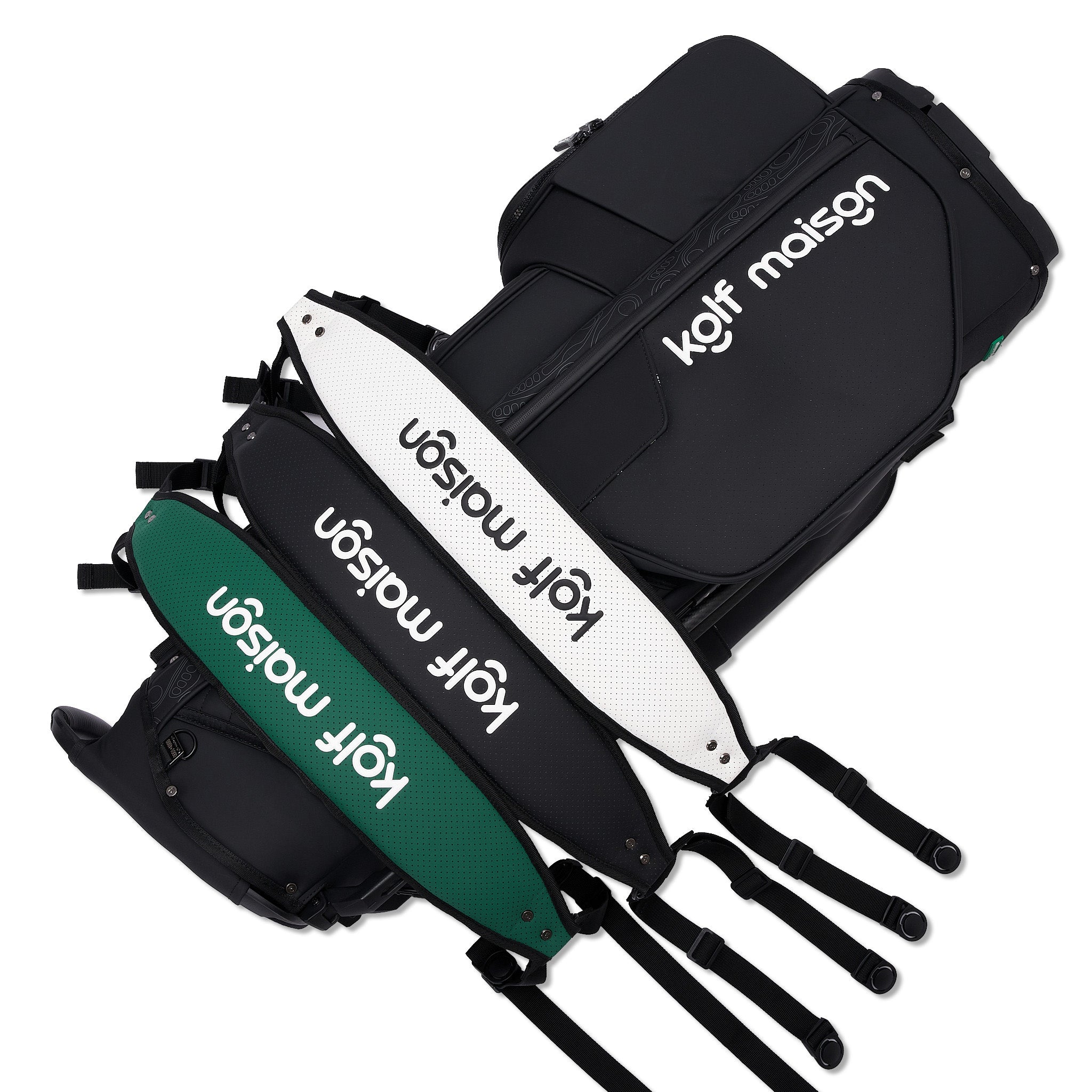
A properly designed dual-strap system distributes load across both shoulders and the entire upper back — dramatically reducing peak pressure at any single point. The weight becomes part of the body’s natural gait rather than an external load fighting against it. Most serious walking golfers who switch from single to dual strap report an immediate and significant reduction in shoulder fatigue.
The Weight Distribution Problem
Even with a dual strap, poor weight distribution within the bag creates problems. When the bag’s centre of gravity is high — which happens when the divider structure is weak and clubs bunch toward the top — the bag pulls away from the spine. This creates a lever effect that multiplies the felt weight significantly.
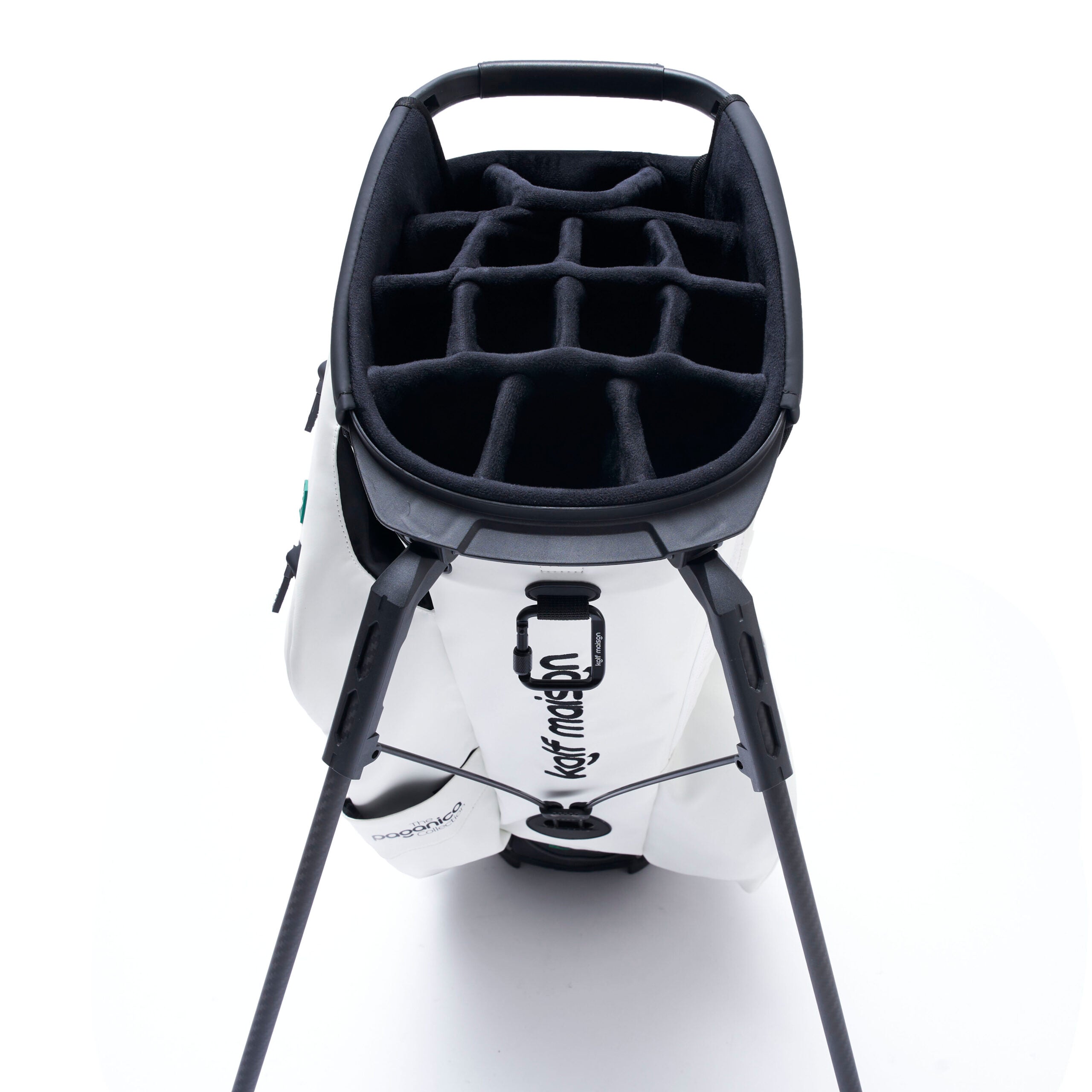
A bag with a rigid internal frame keeps the load tight against the body, aligned with the spine, and low. This dramatically reduces the effective weight the shoulder muscles need to stabilise. A soft, unstructured bag that sags under the weight of fourteen clubs will always feel heavier than it actually is, because the load is constantly shifting away from the body’s centre of mass.
Strap Width and Padding
Narrow straps concentrate pressure. A strap that is 35mm wide will press far more acutely into shoulder tissue than a strap that is 50mm wide carrying the same load. Padding material also matters — dense foam that compresses and stays compressed offers little benefit by the back nine. Quality foam that recovers its profile between holes provides consistent cushioning throughout the round.
The geometry of where the straps cross and how they sit on the back determines whether the load is centred on the back muscles or twisted to one side. Straps designed without attention to ergonomics create torsion — a rotational pull that is exhausting over distance.
The Bag’s Role in Club and Equipment Weight
The bag itself contributes to total carry weight. Most bags in the 2.5–3.5kg range — before clubs, balls, water, and accessories are added — mean a fully loaded carry setup commonly reaches 9–11kg. Building the bag lighter reduces this somewhat, but building it with better weight distribution has a far greater effect on how that weight is actually experienced.
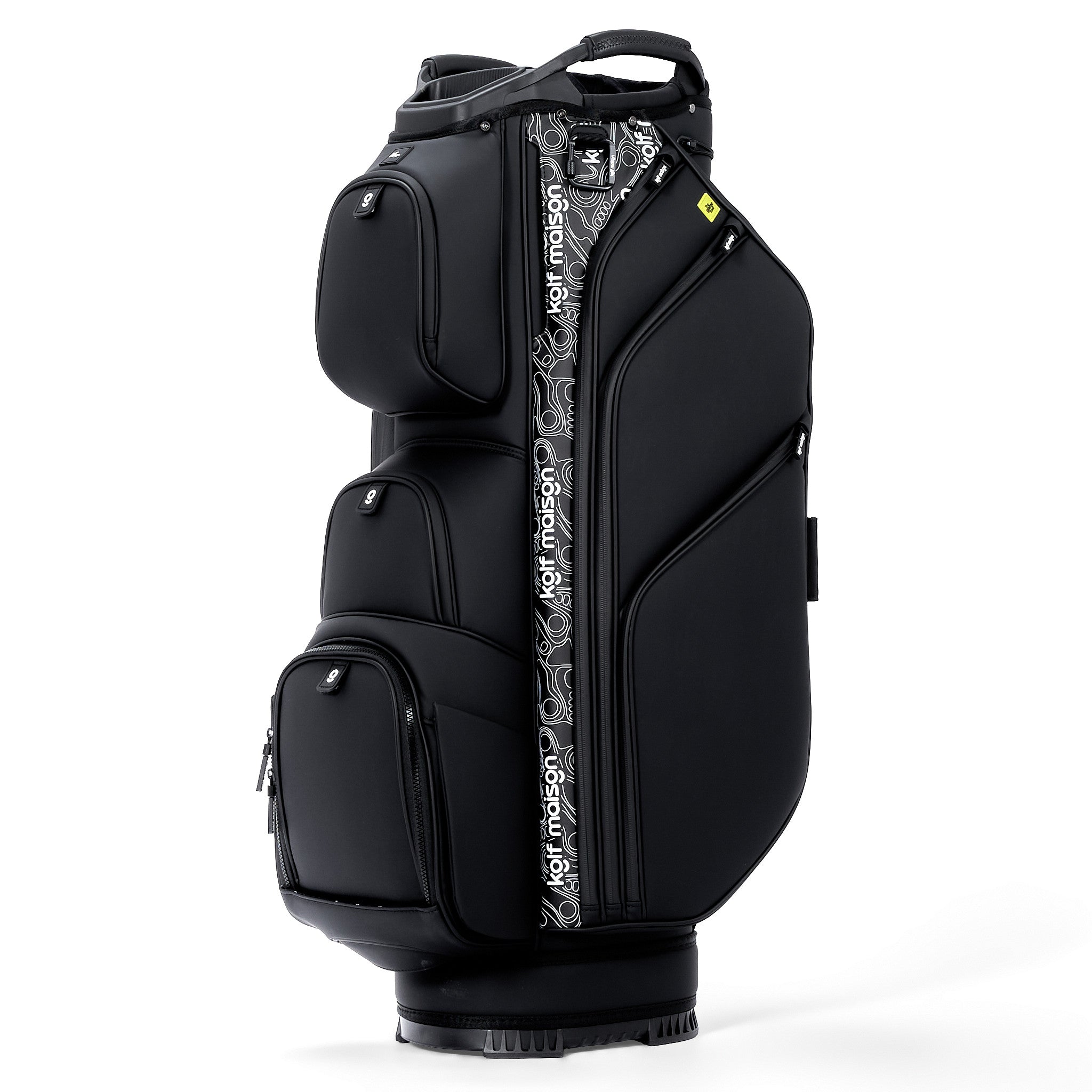
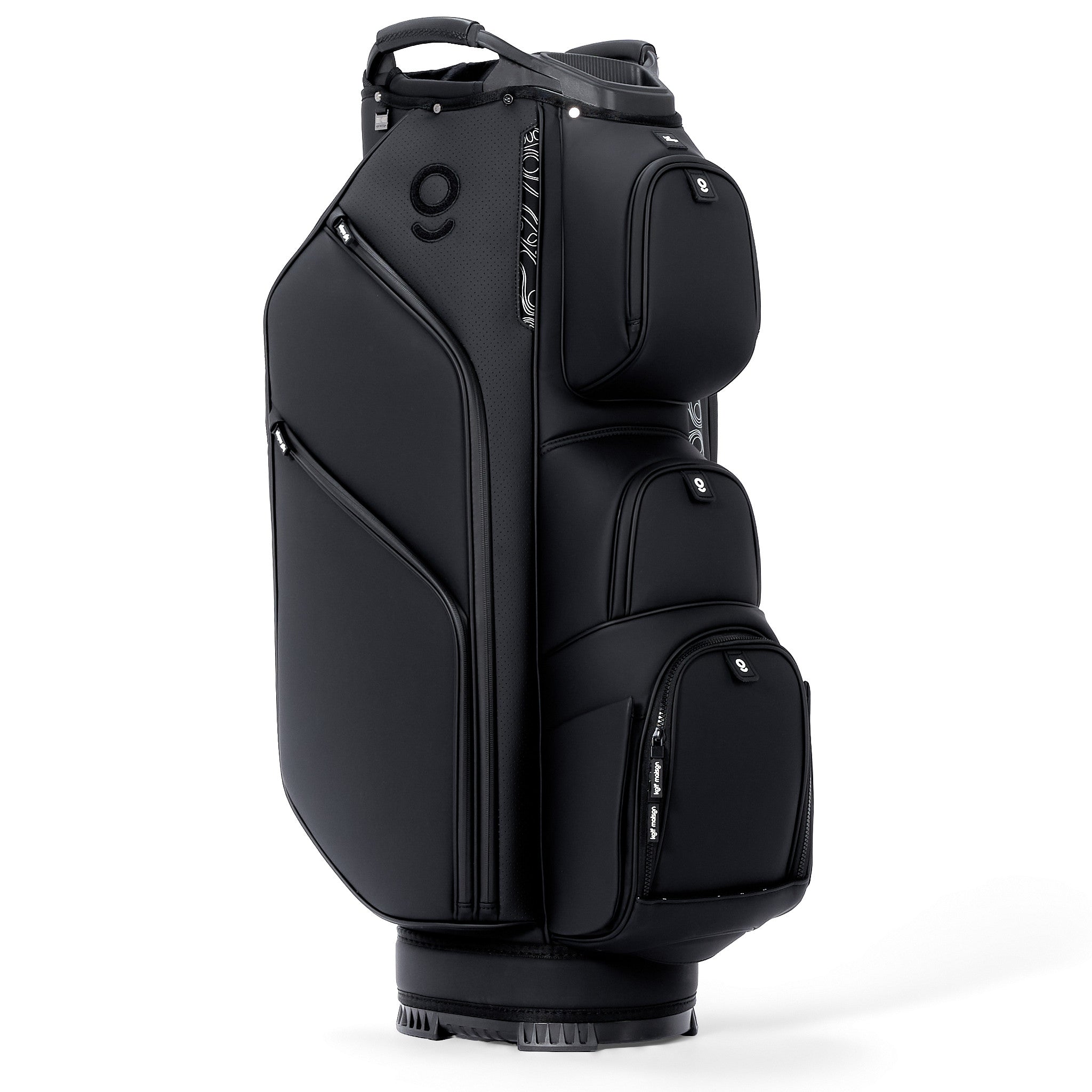
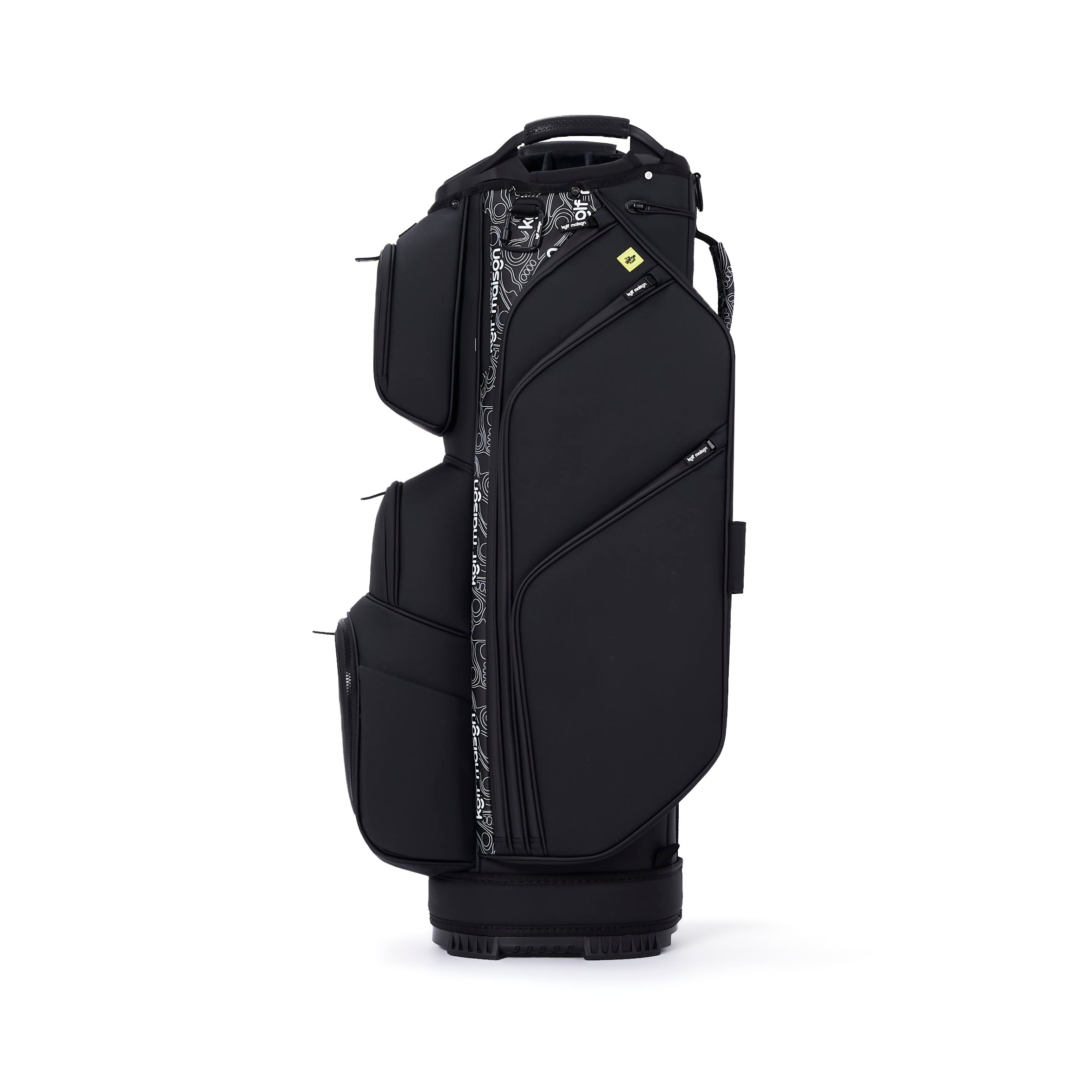
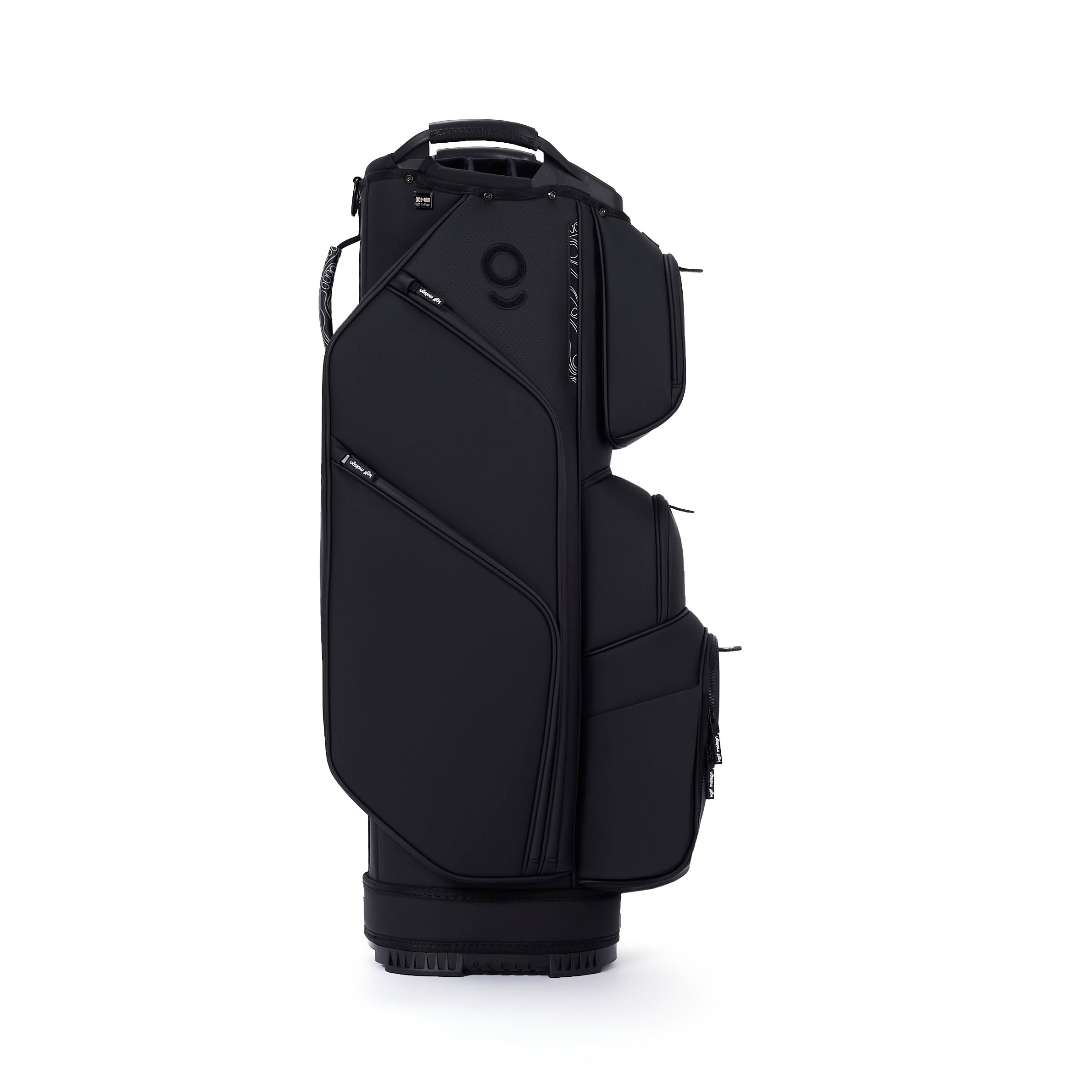
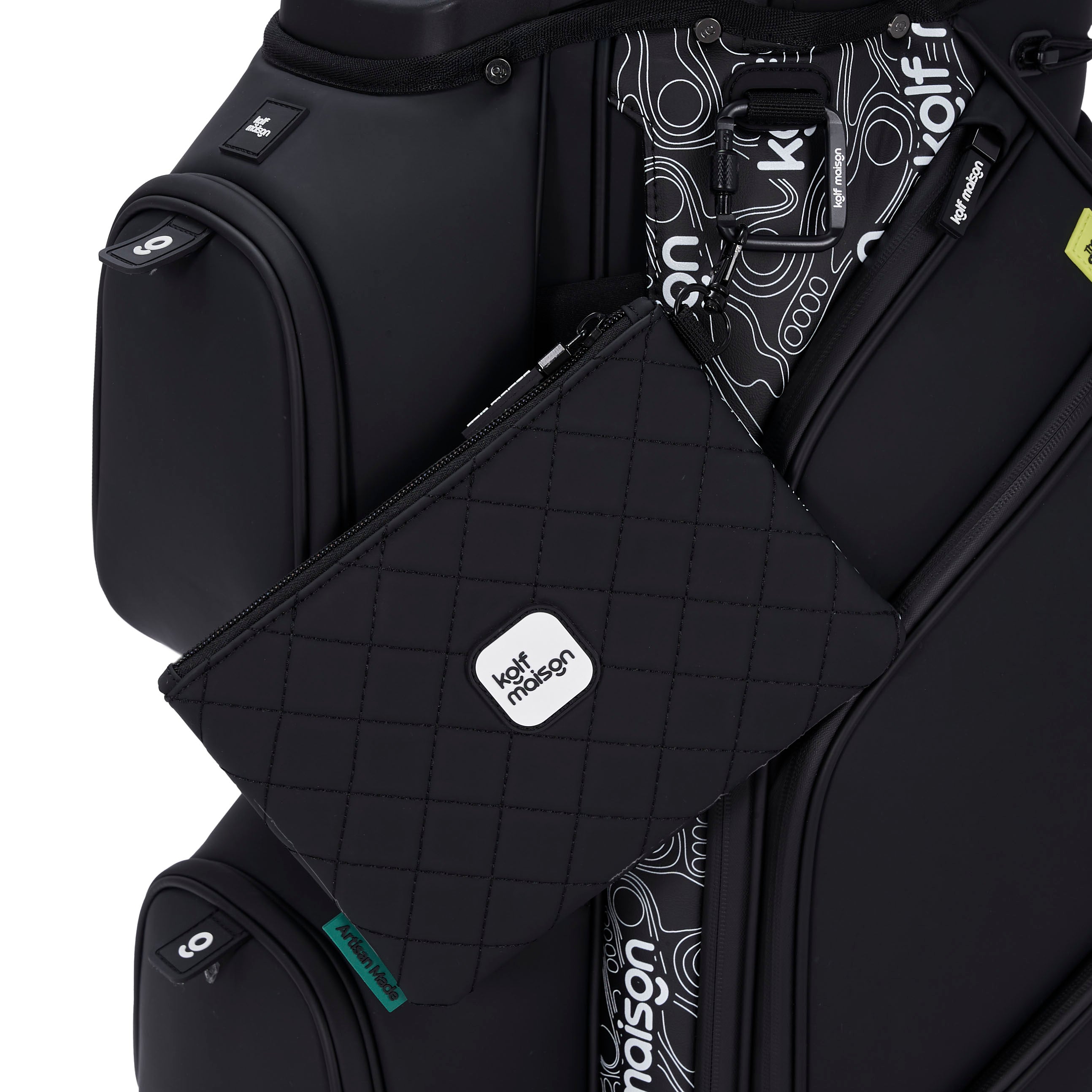
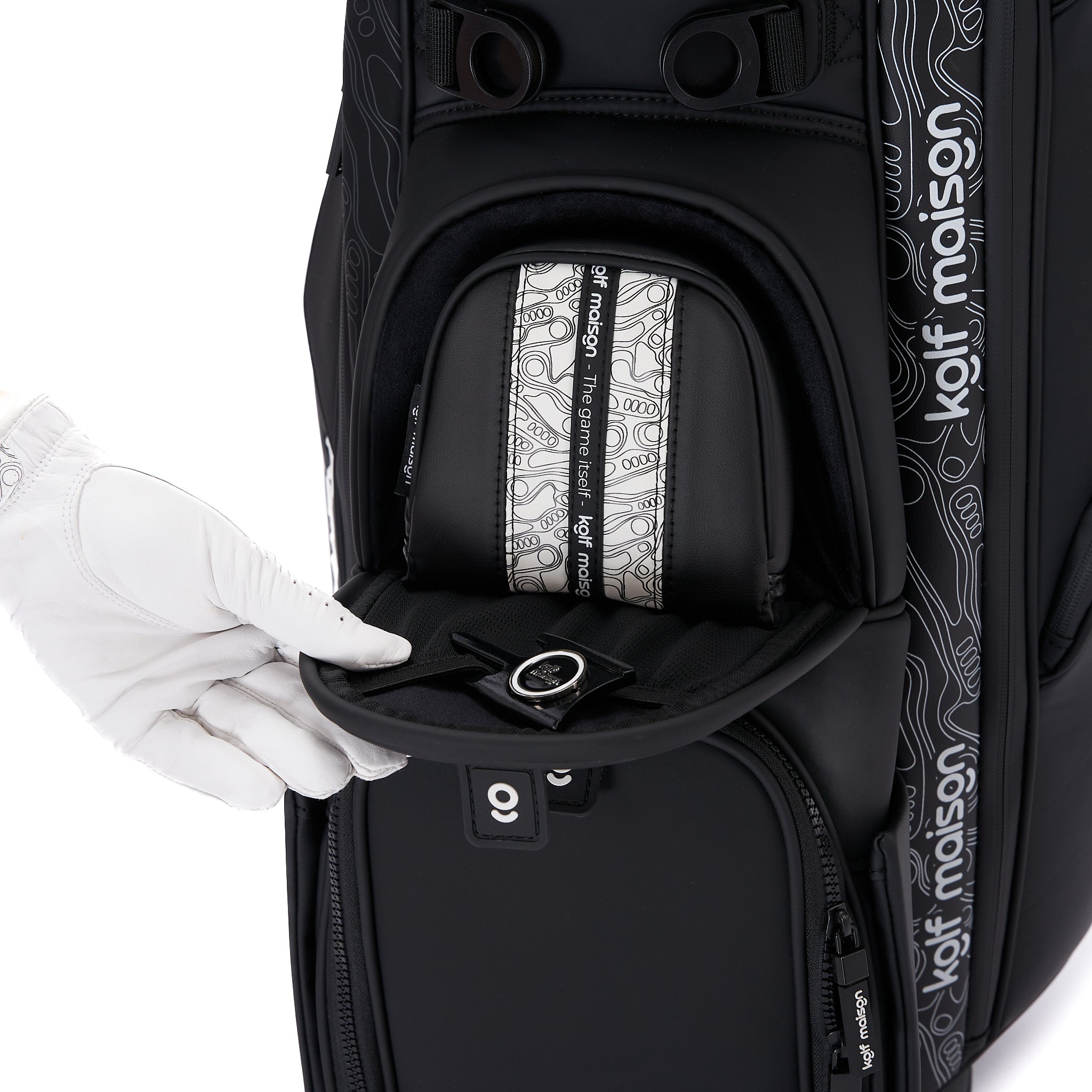
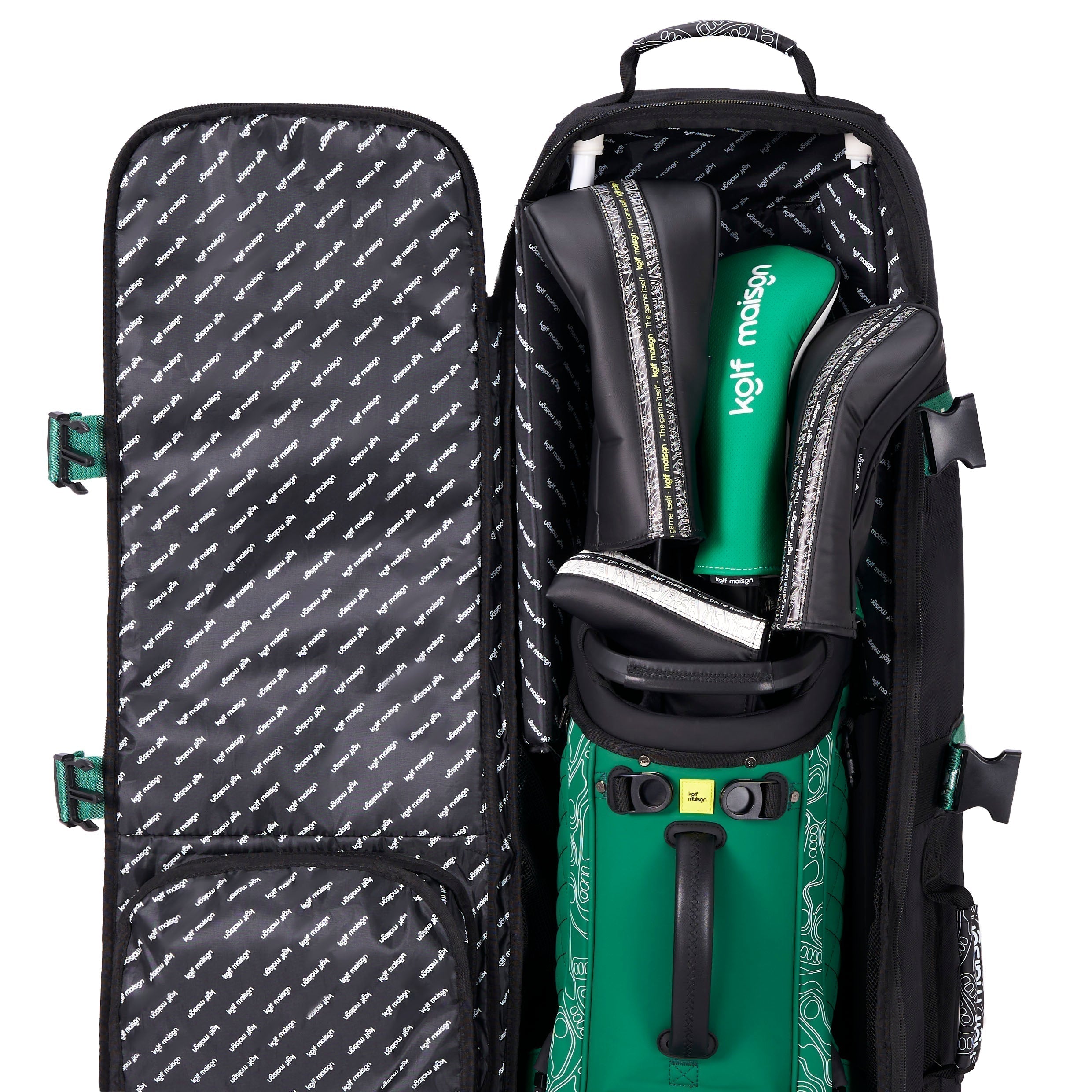
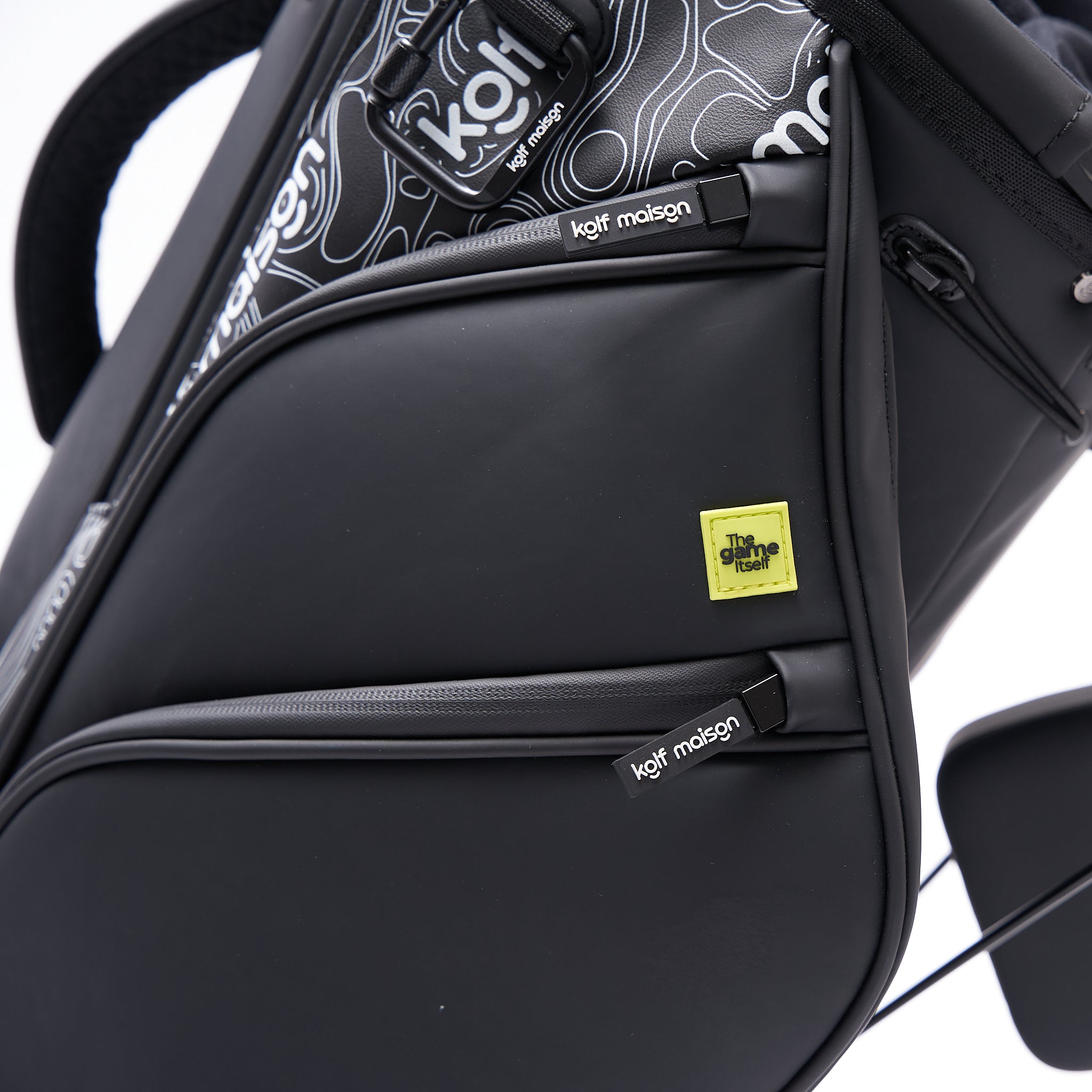
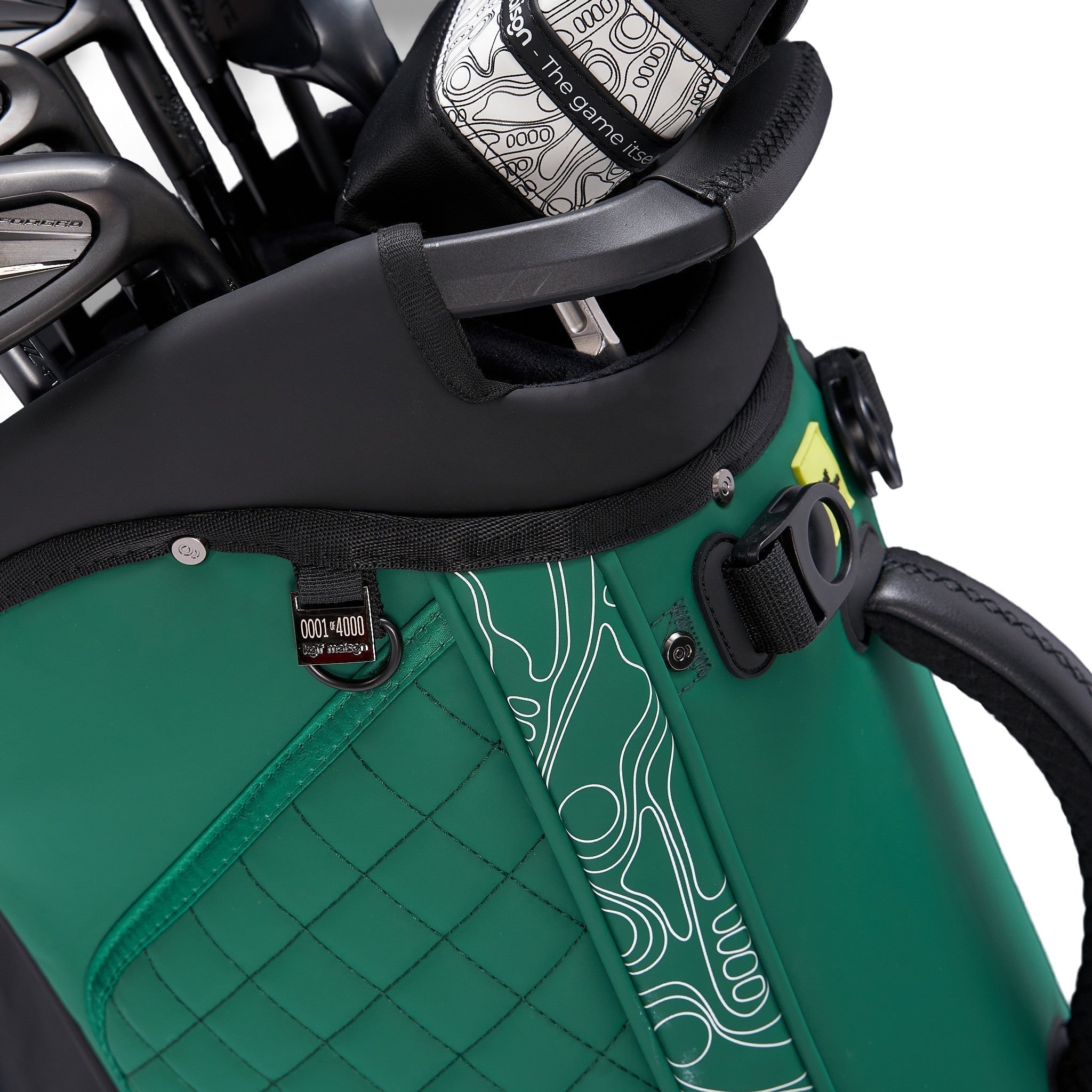
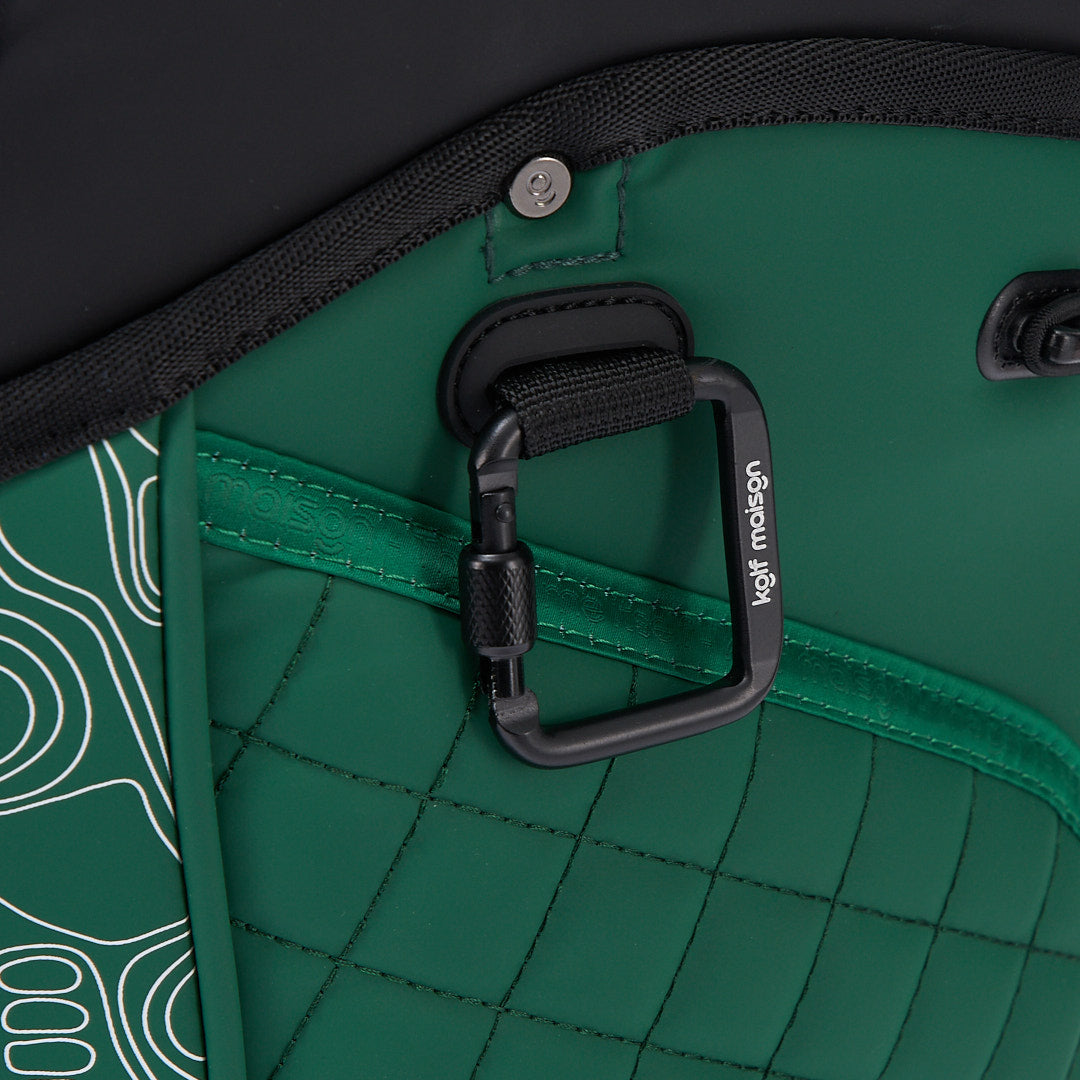
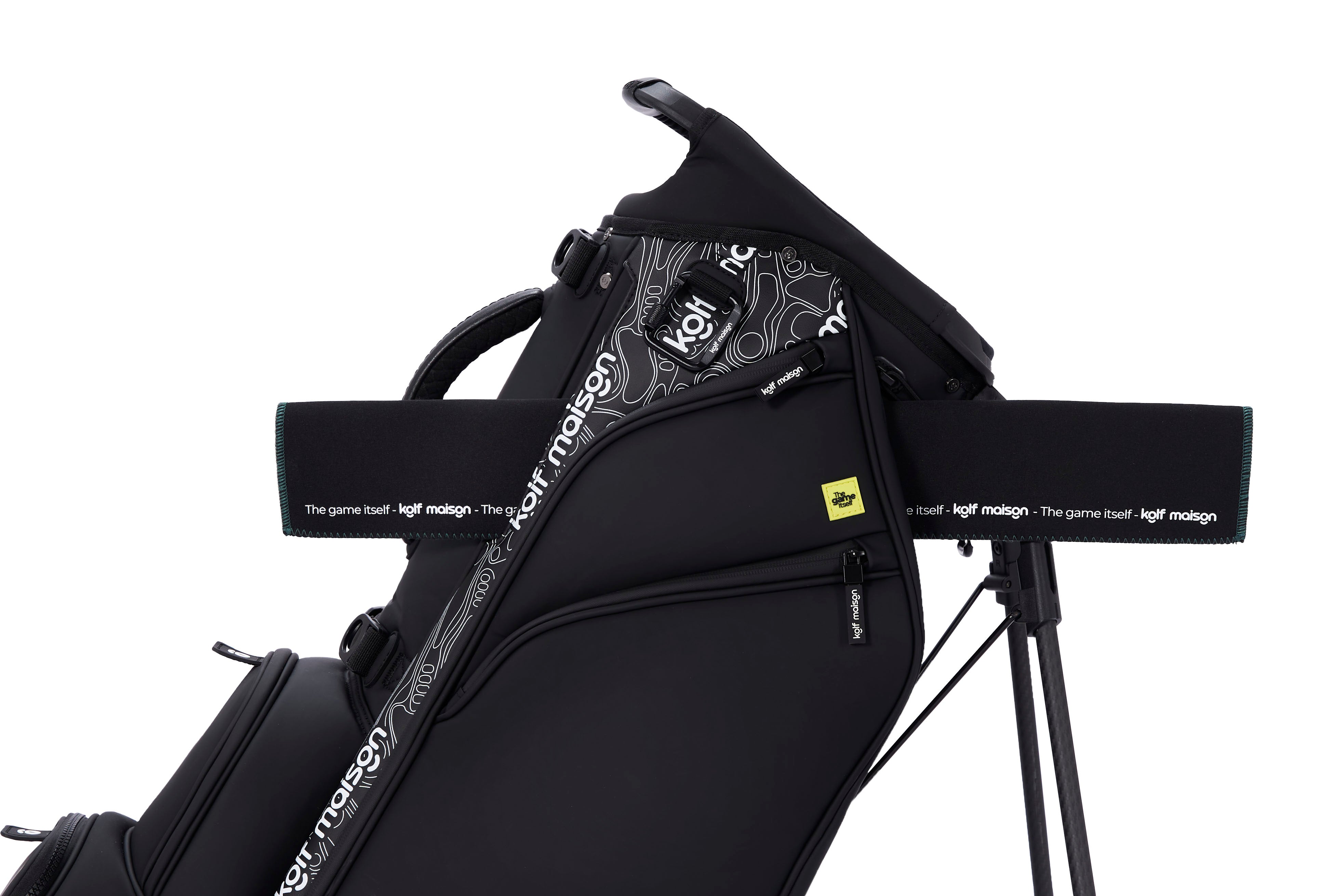
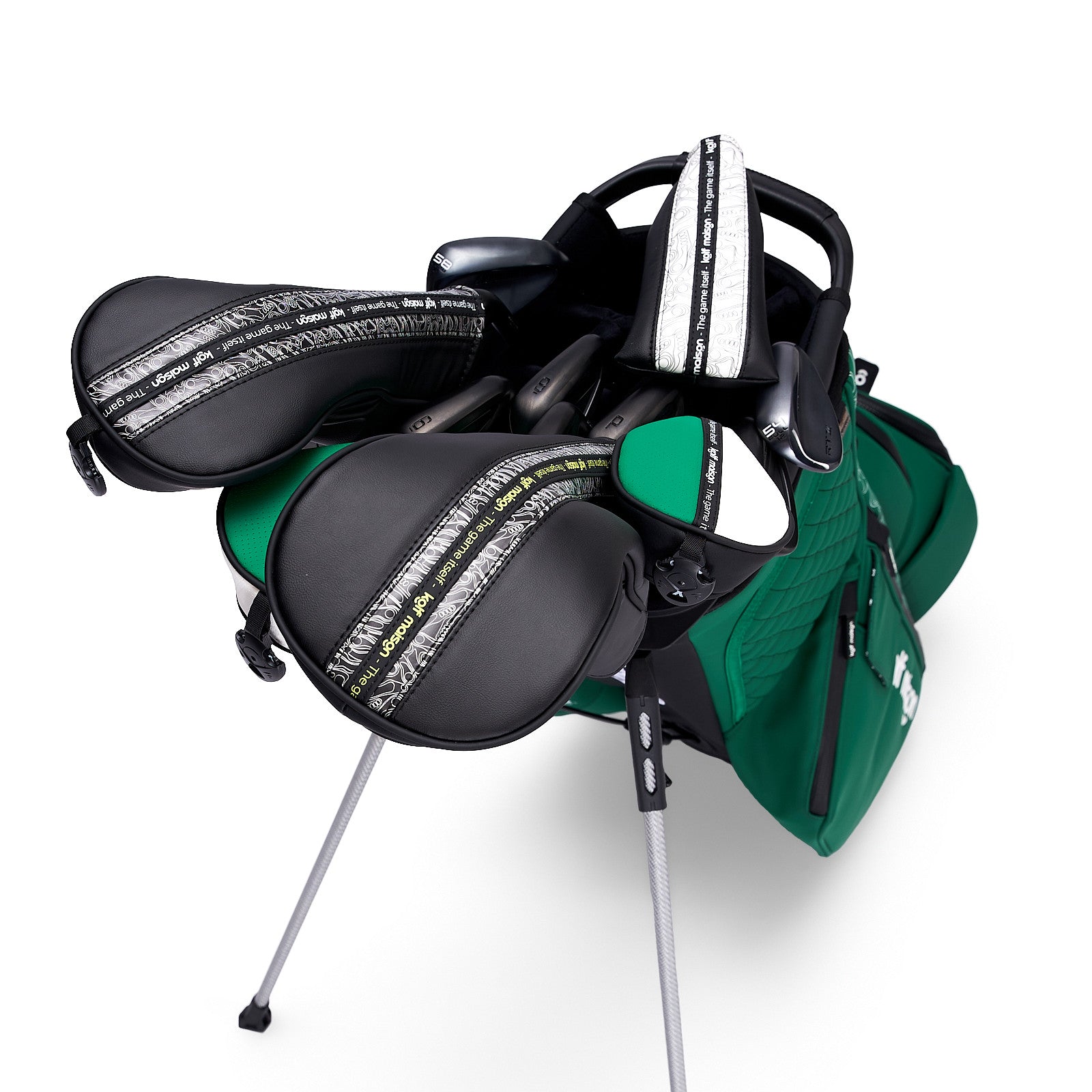
A well-engineered stand bag like the Kolf Maison Paganica Stand Bag addresses the root causes of shoulder pain through structural rigour rather than weight savings. The internal architecture keeps the load aligned and tight to the body. The dual strap system distributes weight across the entire back. The stand mechanism is calibrated so the bag deploys and retracts cleanly without requiring the golfer to fight the legs — which subtly affects how the bag sits on the shoulder during the approach to each shot.
When the Problem Is the Bag, Not the Golfer
Many golfers who experience shoulder pain attribute it to their own physical condition — age, a previous injury, lack of conditioning. In most cases, the bag is the primary variable. The same golfer in good physical condition will carry a poorly designed bag and arrive at the 18th tee with a painful shoulder. Switch to a bag with proper strap geometry, dual distribution, and structural rigidity, and the discomfort largely disappears.
This is not about carrying technique, though technique matters. It is about the engineering of the object on the shoulder.
Practical Considerations Before Buying
When evaluating a carry bag, look for genuine dual strap systems with independent adjustment. Check whether the bag has a rigid internal frame or is a soft-sided construction. Assess strap width and padding density. Ask whether the dividers and base plate maintain structural rigidity under load — squeeze the bag when it’s empty and observe whether it holds its shape.
A bag that passes these checks will almost always feel significantly better on the shoulder than one that doesn’t, regardless of what the marketing materials claim about comfort.
The Paganica Stand Bag Obsidian Edge and Paganica Stand Bag Blanc Prestige are designed with these principles applied at every stage of construction. The shoulder pays for the bag’s engineering decisions — or benefits from them.
Kolf Maison. The Game Itself.


Share:
What Is a Cart Bag Pass-Through and Why It Matters
Sun Mountain C-130 vs Kolf Maison: Walking Bag Engineering Examined