



Best Golf Bag for a Private Club Member: What the Course Actually Demands
Private club membership is a commitment — to the game, to a community, and to a standard of presence on the course. The bag you carry signals something the moment you arrive on the first tee. Not in the way a logo badge signals brand loyalty, but in the deeper way that considered objects communicate their owner's values without requiring explanation.
This guide is not a ranking of the cheapest bags that technically function. It is an assessment of what private club golf genuinely demands, and which bags meet that demand with honesty.
What Private Club Play Actually Requires
Most private clubs see a member play between 50 and 150 rounds annually. Some members exceed that. The bag is on the course multiple times a week, in all seasons, moving between riding and walking rounds, loaded and unloaded by bag room staff, transported in cart baskets, and occasionally carried on the shoulder for nine holes when the mood calls for it.
This pattern of use exposes every weakness in a bag’s construction. Materials that perform adequately in a showroom begin to soften at contact points. Zippers that feel smooth on the first season begin to stiffen in their second. Base plates that look stable on retail carpet begin to tilt when a caddie sets the bag down on uneven ground.
A bag for a private club member needs to hold its form and its finish across years — not months.
The Materials Question
The majority of bags marketed at the premium price point rely on polyester, nylon, or low-grade synthetic leatherette for their exterior. These materials have acceptable initial appearance. They photograph well. They feel appropriate at point of purchase. But under the repeated friction, UV exposure, and moisture of regular play, they begin to show their limitations within two to three seasons.
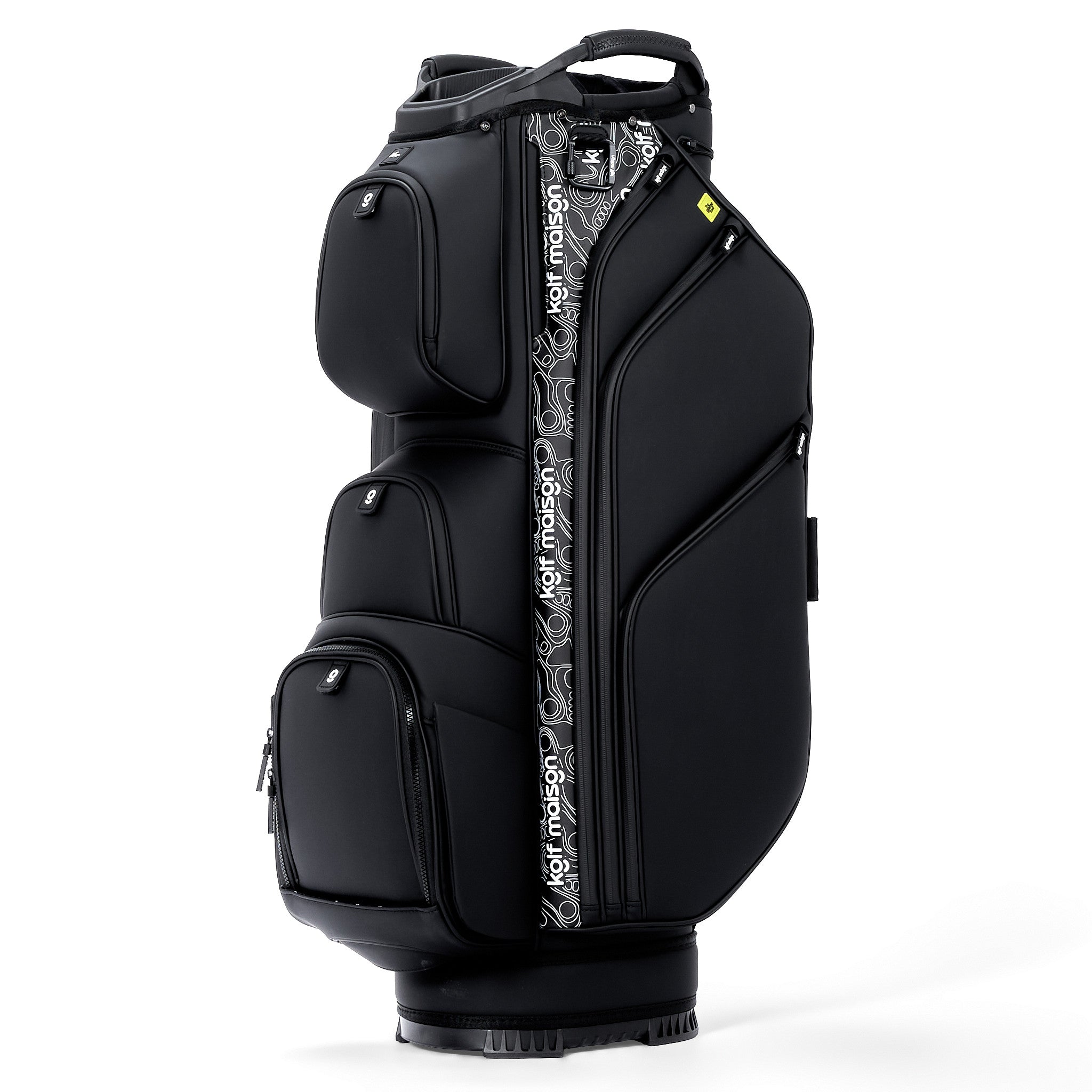
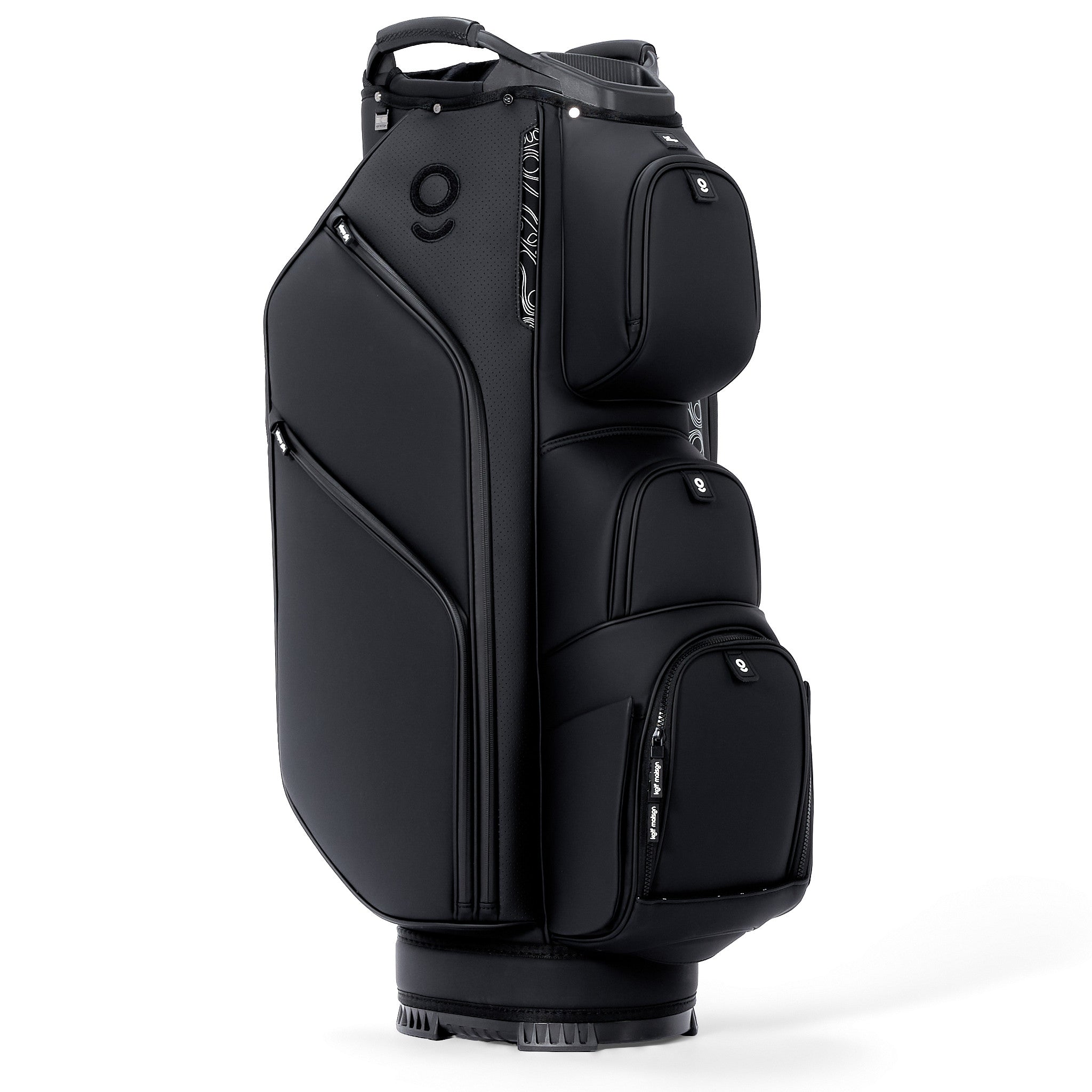
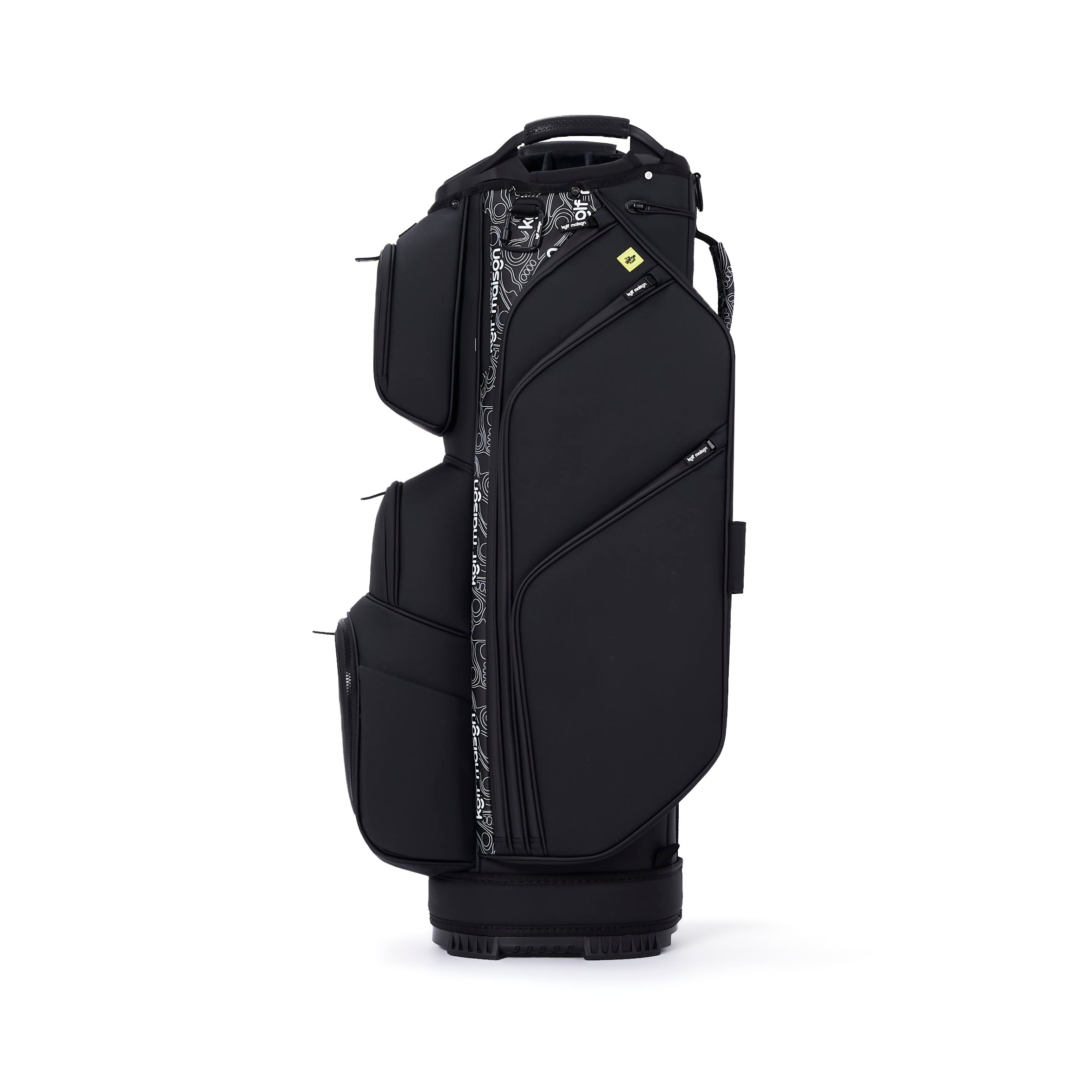
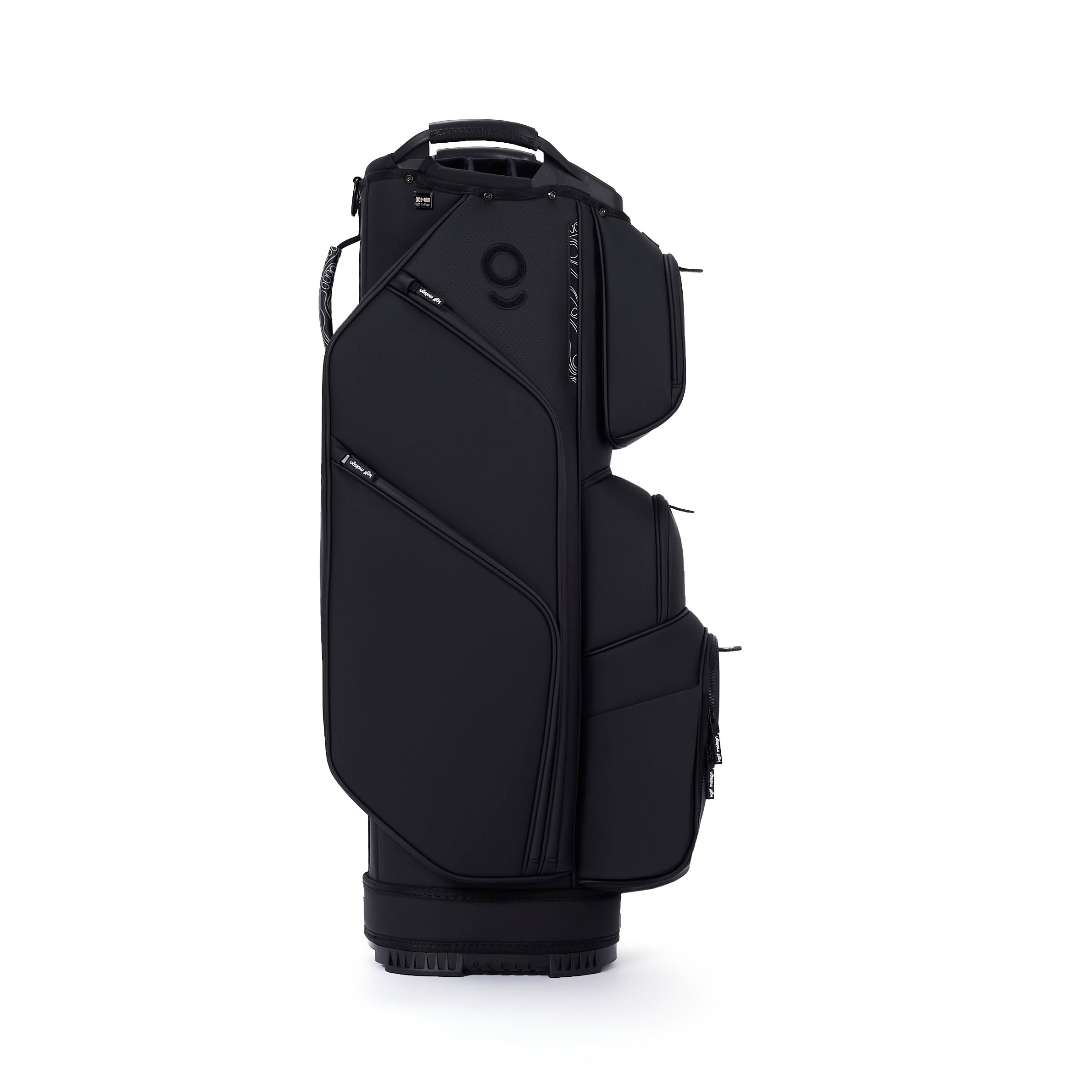
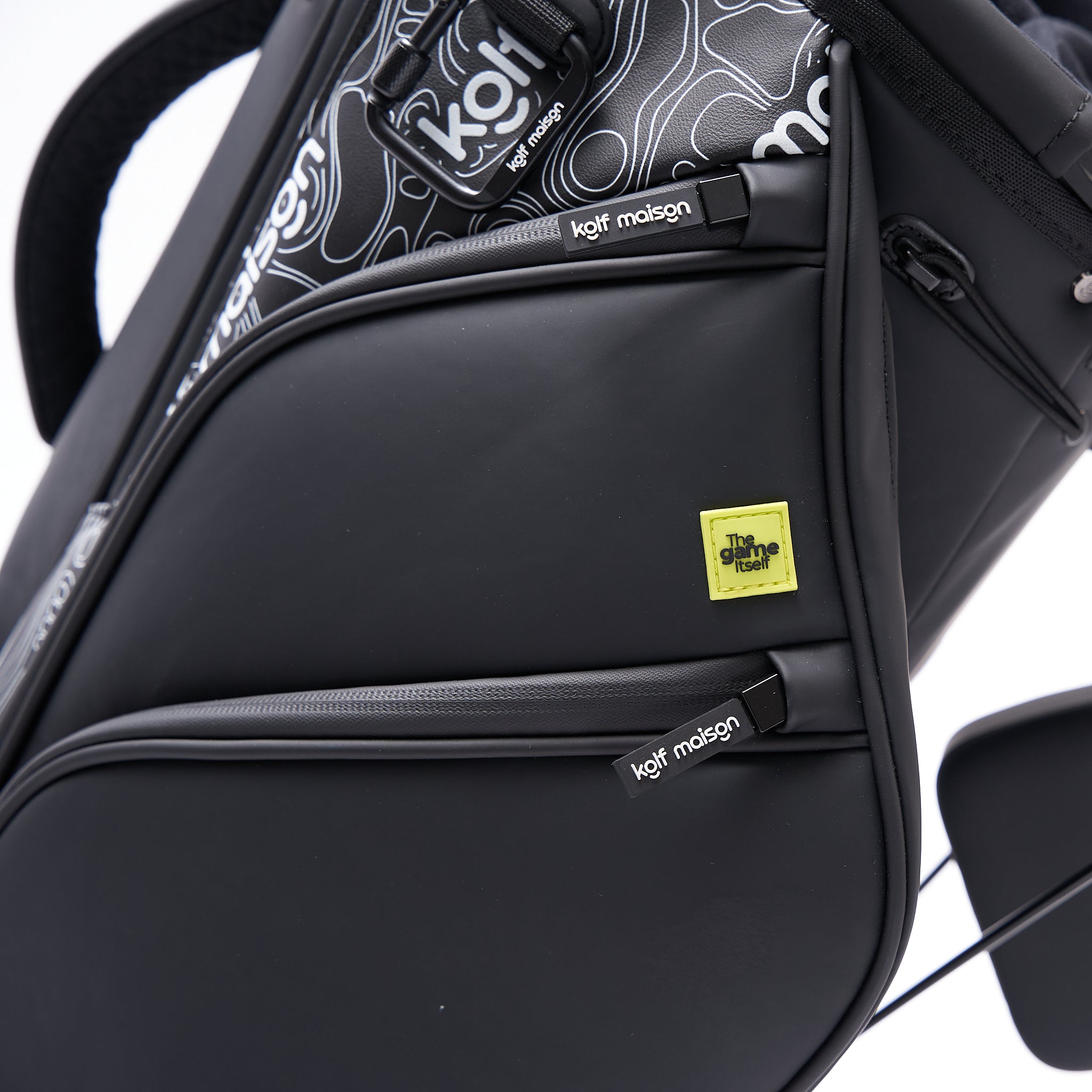
The Kolf Maison Paganica collection is built from a Matte Microfiber Composite Leather exterior. This is not a general material category description — it is a specifically engineered composite validated against measurable performance standards: flex endurance beyond 7,000 cycles under ISO 5402 without visible cracking, abrasion resistance exceeding 4,000 cycles under ASTM D3884, and UV stability verified under ISO 105 B02. Color fastness achieves 4.4 out of 5 under ISO 11640 and AATCC 8.
These numbers translate to a bag that looks the same after three hundred rounds as it did on the first day of the membership year.
The Interior: Where Daily Use Is Most Felt
Private club members carry valuables that matter. Phones, sunglasses, rangefinders, wallets. The pockets that hold these items need to protect them from the vibration, movement, and minor impacts of a regular round. Standard synthetic linings abrade surfaces over time. They allow objects to shift and knock against each other.
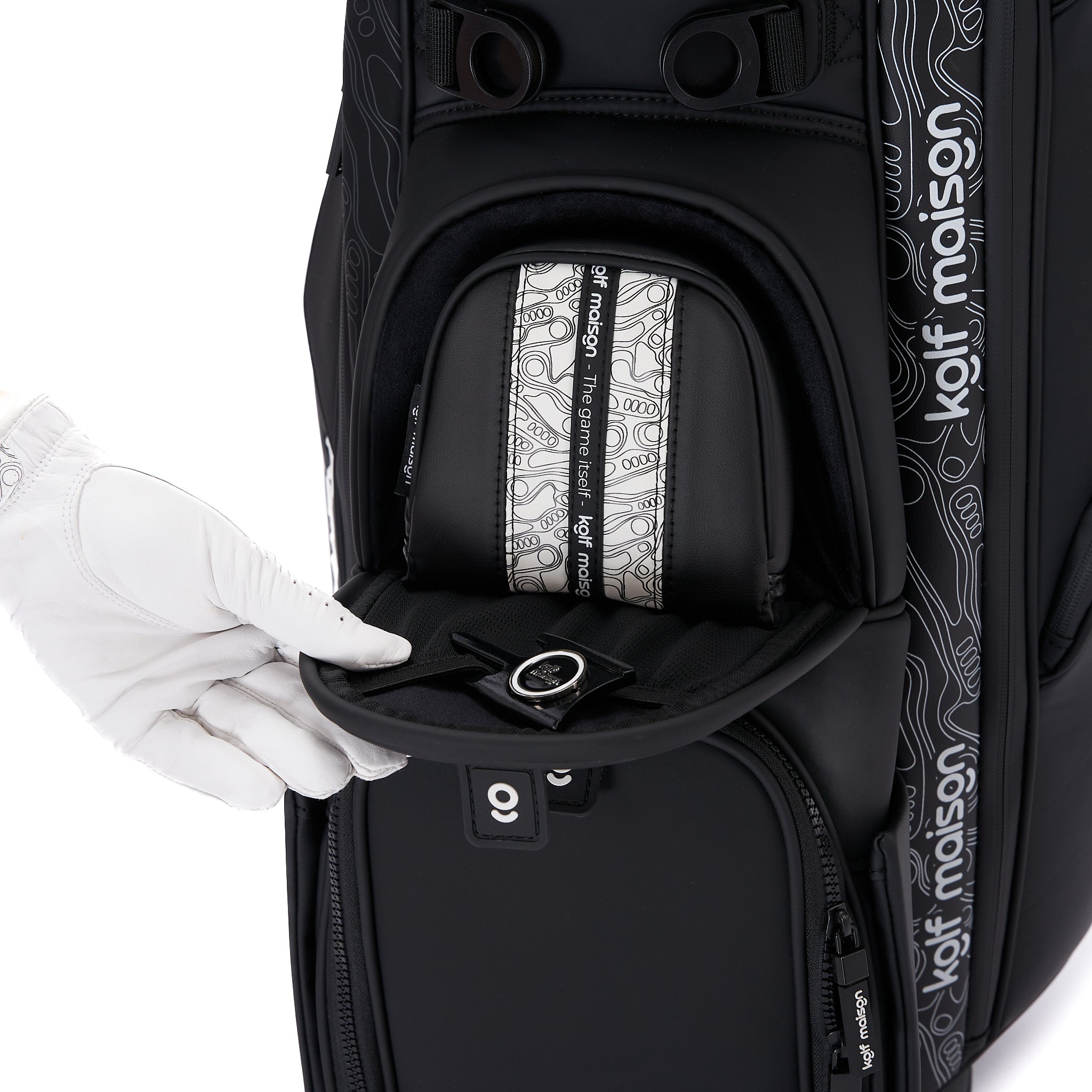
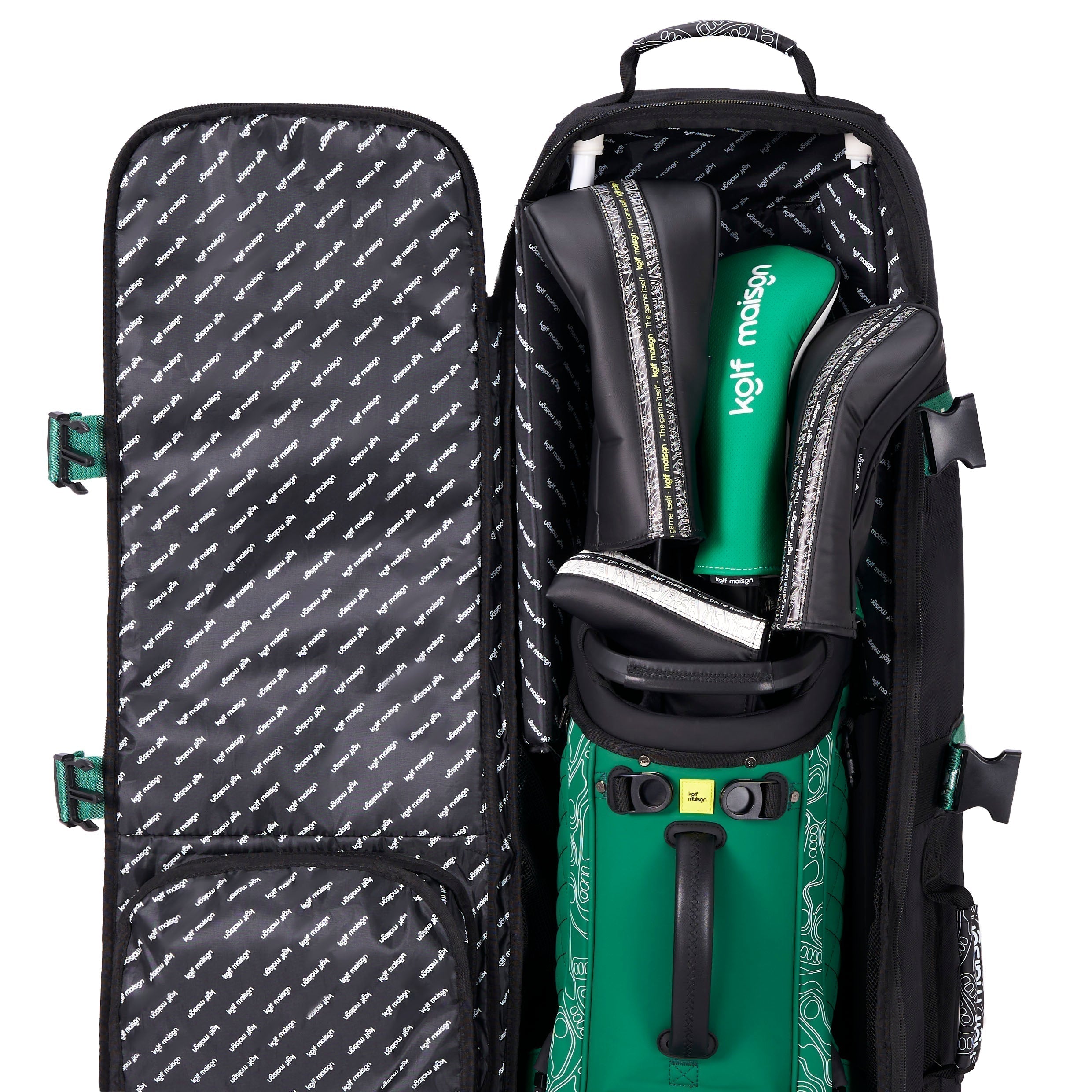
Kolf Maison lines personal pockets and dividers with velour. This eliminates club chatter, protects eyewear, and absorbs the minor impacts of everyday carrying. Antimicrobial interior treatments manage moisture and odour across consecutive rounds without requiring the bag to be aired out between uses.
Genuine leather handles replace the synthetic webbing used at primary lift points in most bags. This matters when a bag room attendant lifts your bag fifty times a season — the handle needs to hold its shape and its grip, not stretch or crack.
Production and Exclusivity
Kolf Maison limits production to 4,000 units per model per color per year. This is not a marketing position. It is a manufacturing reality: above that volume, the construction standards the Maison demands cannot be maintained without adopting the shortcuts that define mass production.
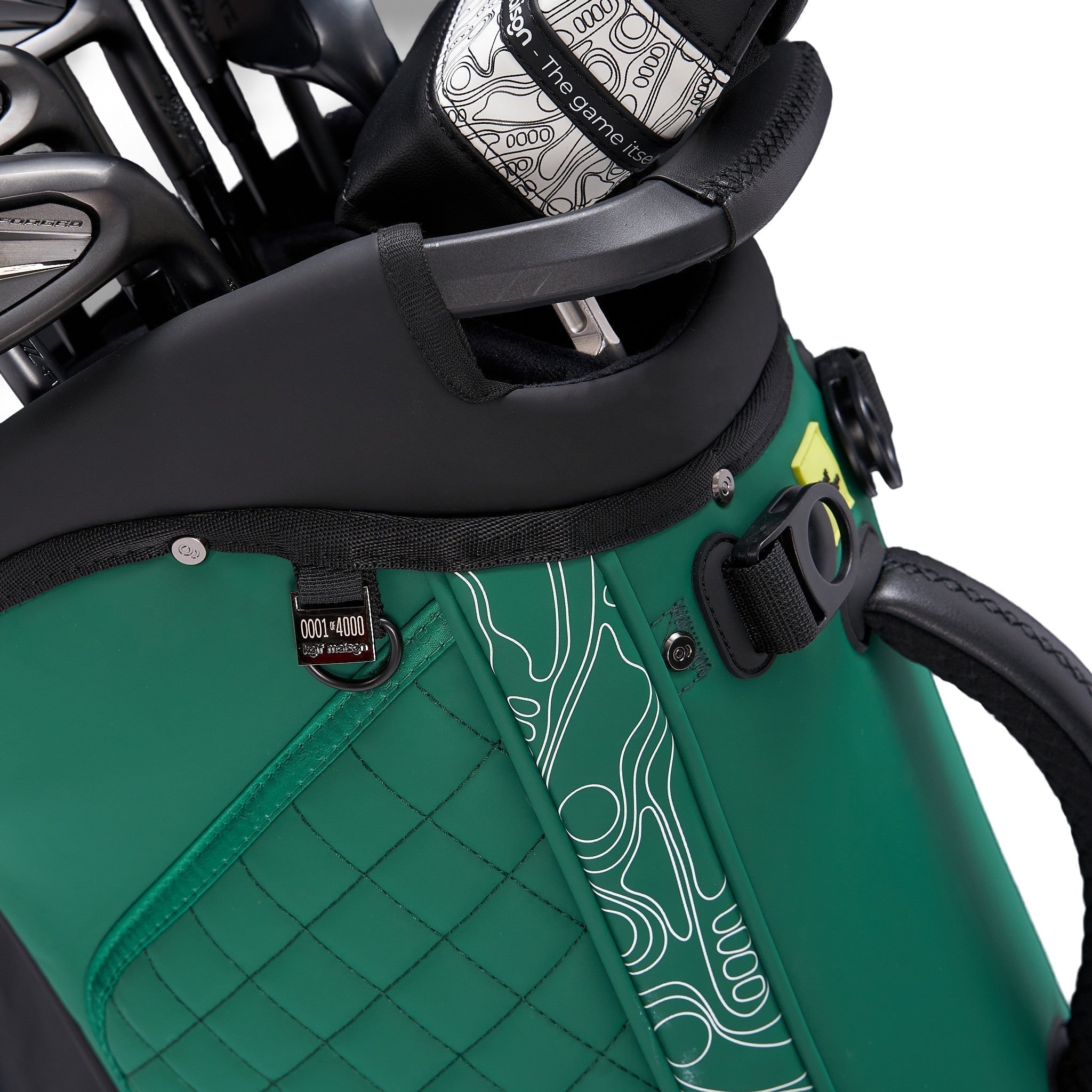
Each bag is individually assembled and serial numbered. In a private club environment where bags are seen repeatedly by the same membership, this distinction is noticeable. A bag that is architecturally distinctive and materially serious occupies a different category from the standard range visible on most racks.
The Accessory System
Private club etiquette favors a complete, considered appearance. Mismatched accessories — a premium bag paired with a cheap towel, a generic divot tool, a fraying ball pouch — undermine the overall presentation.
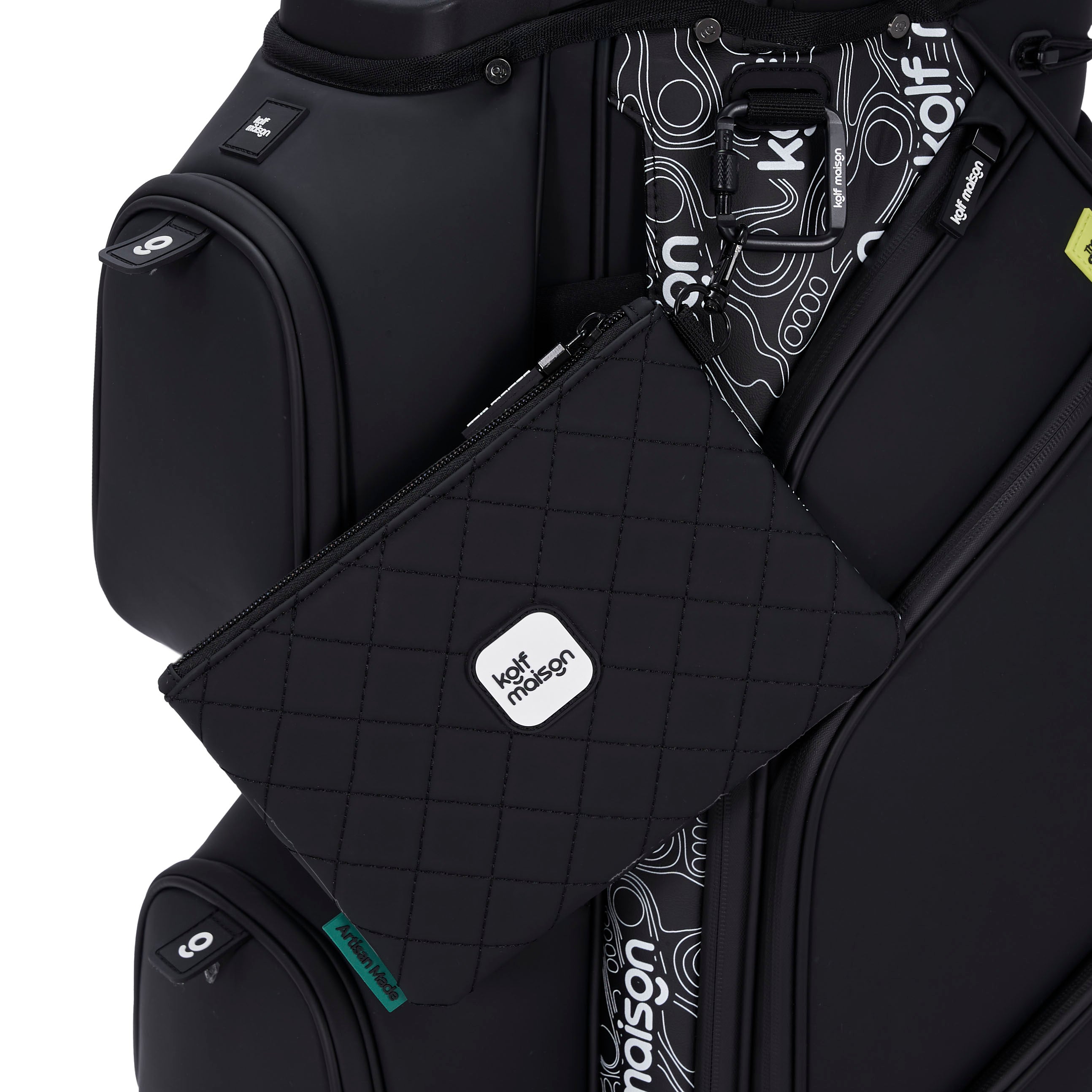
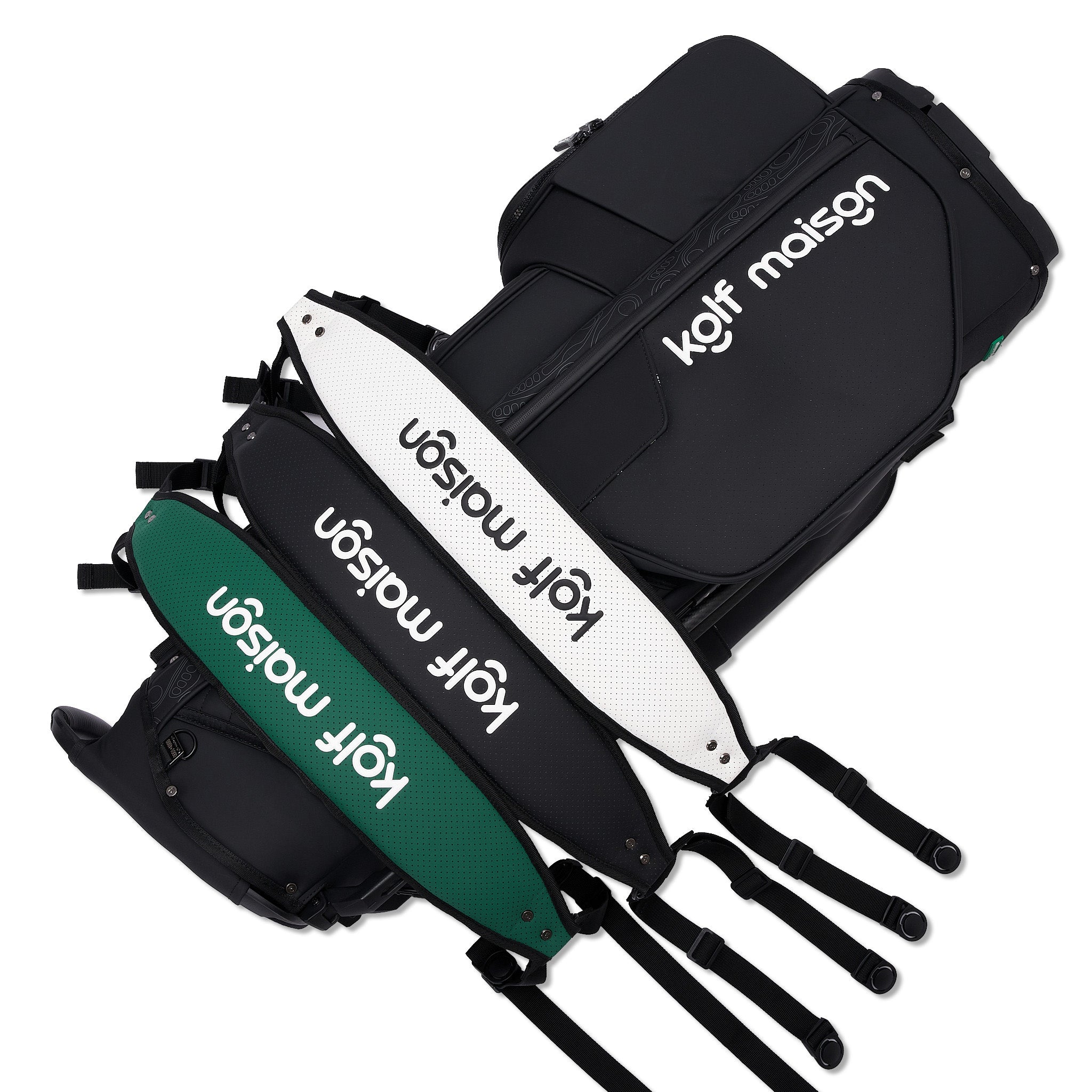
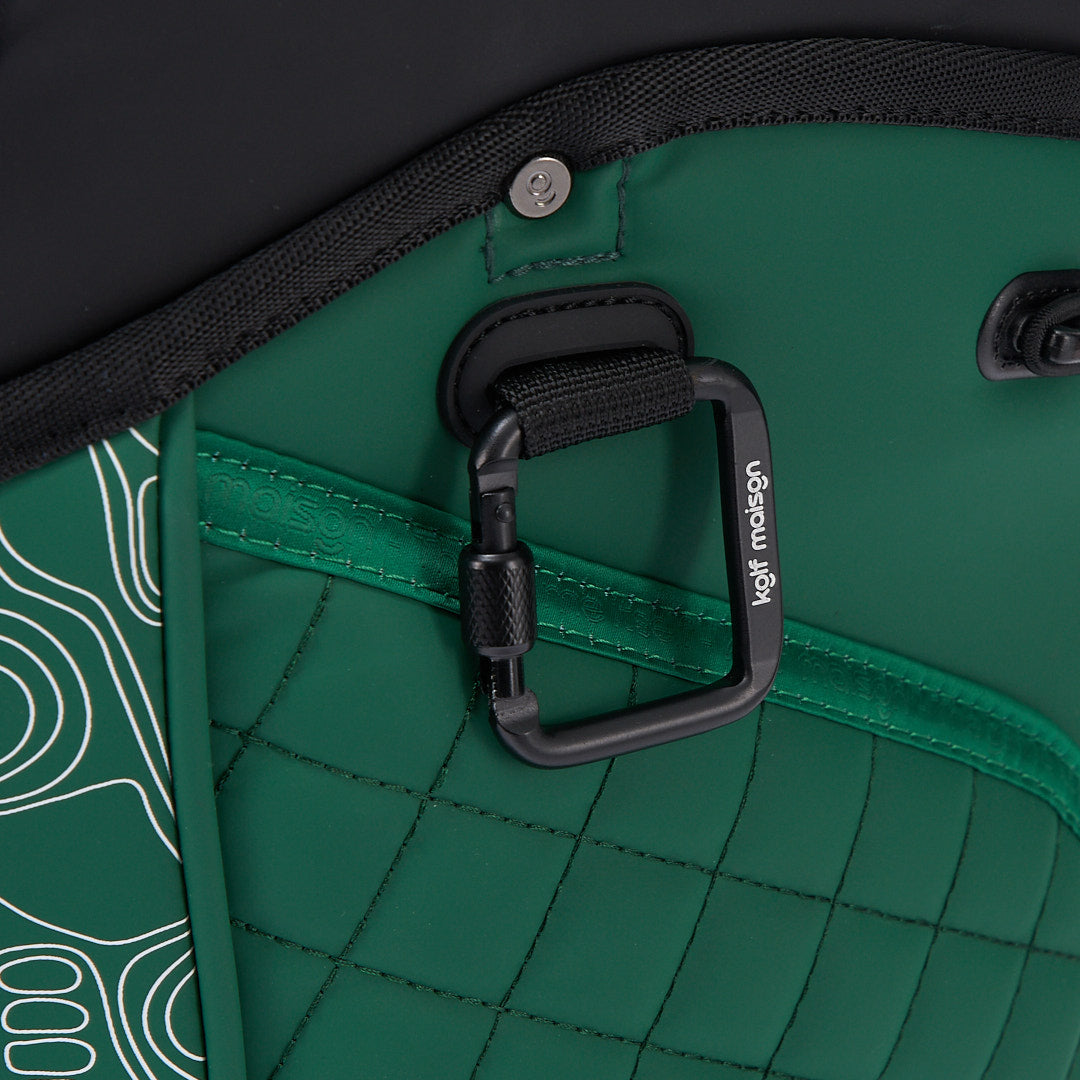
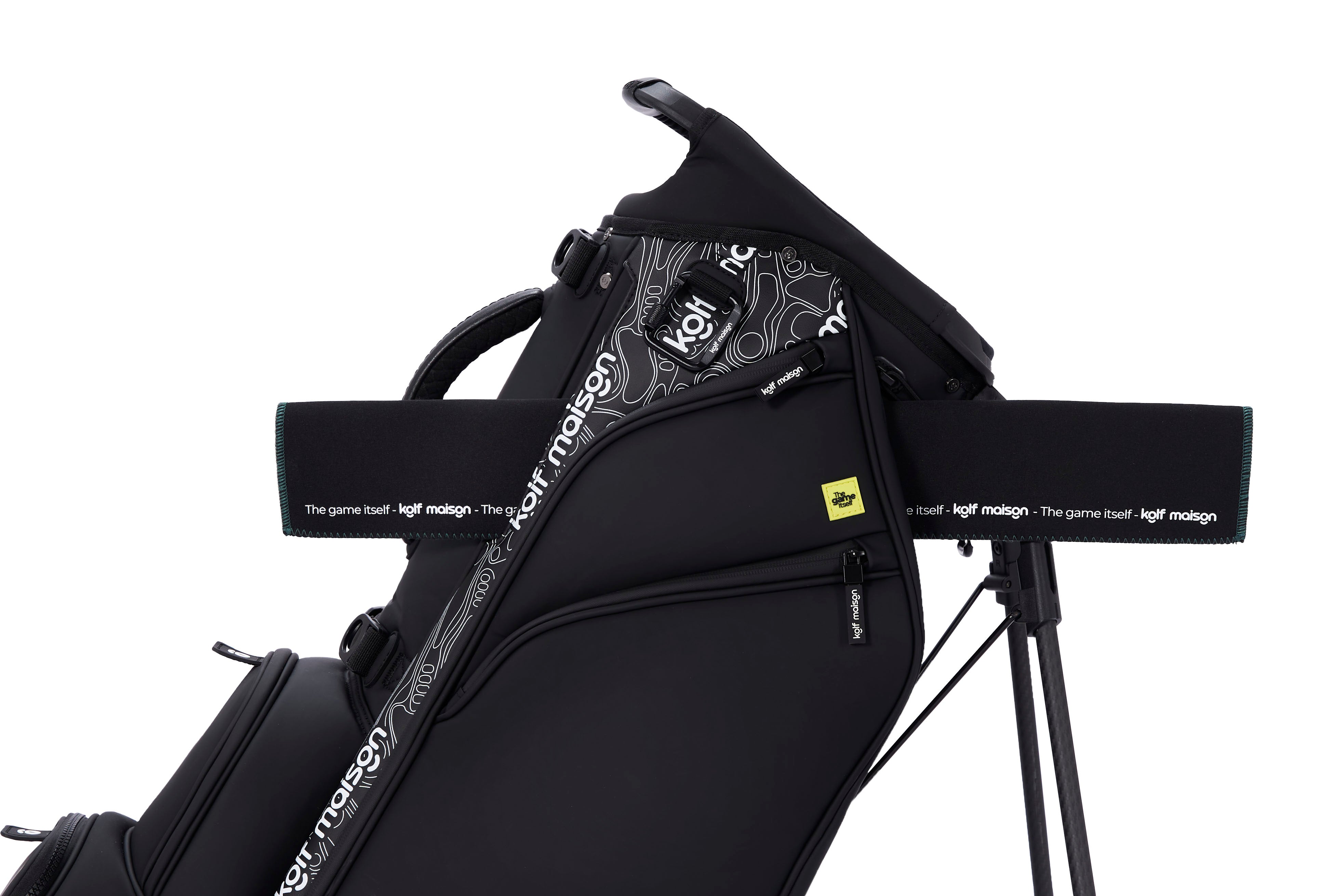
Every Paganica bag includes an integrated essentials kit: a 6-in-1 precision divot tool, ClingSnap magnetic microfiber towels, a cart strap sleeve, and a luxury valuables pouch. These are built from the same material standards as the bag itself and designed as a unified system, not individual add-ons.
Which Paganica Configuration Is Right for Club Play
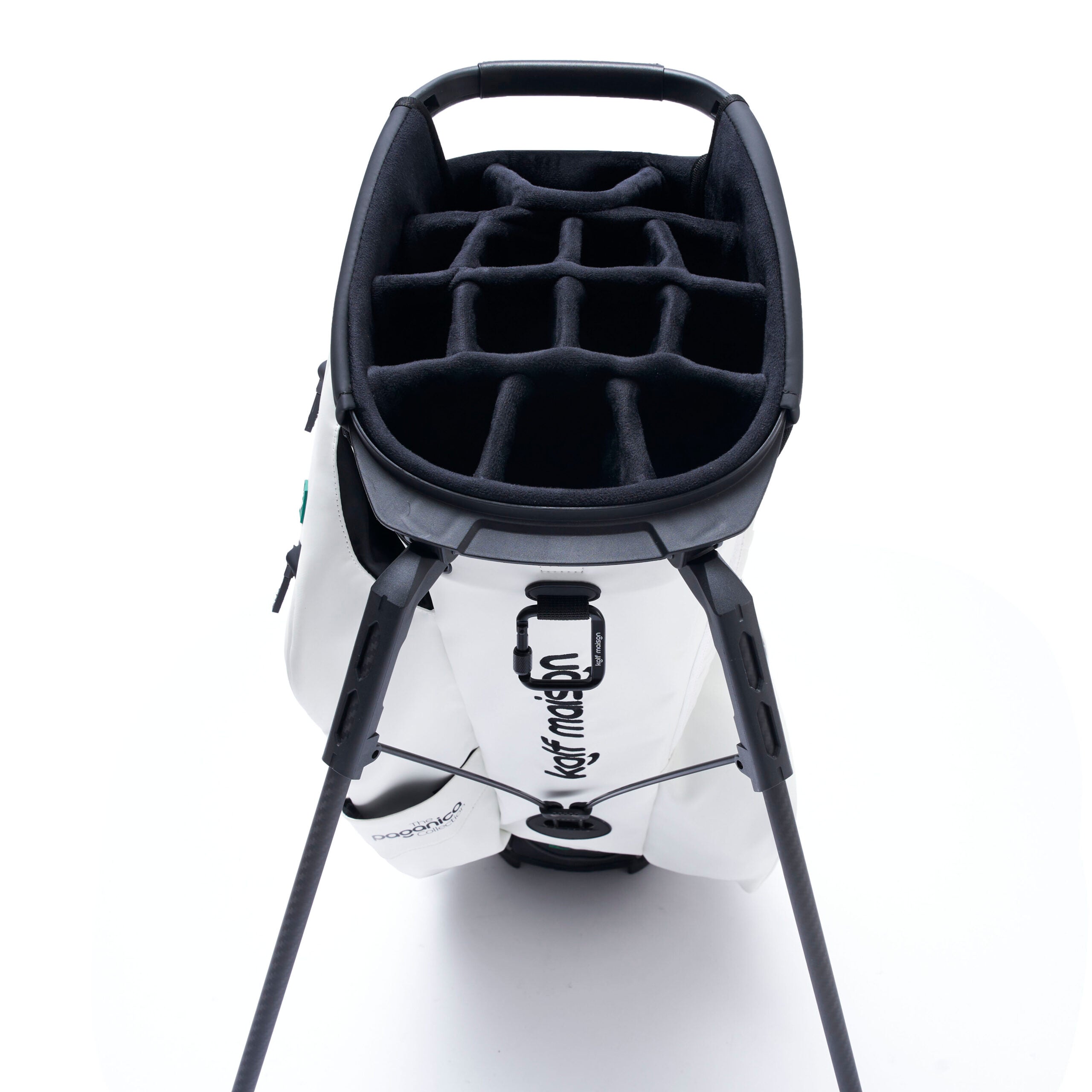
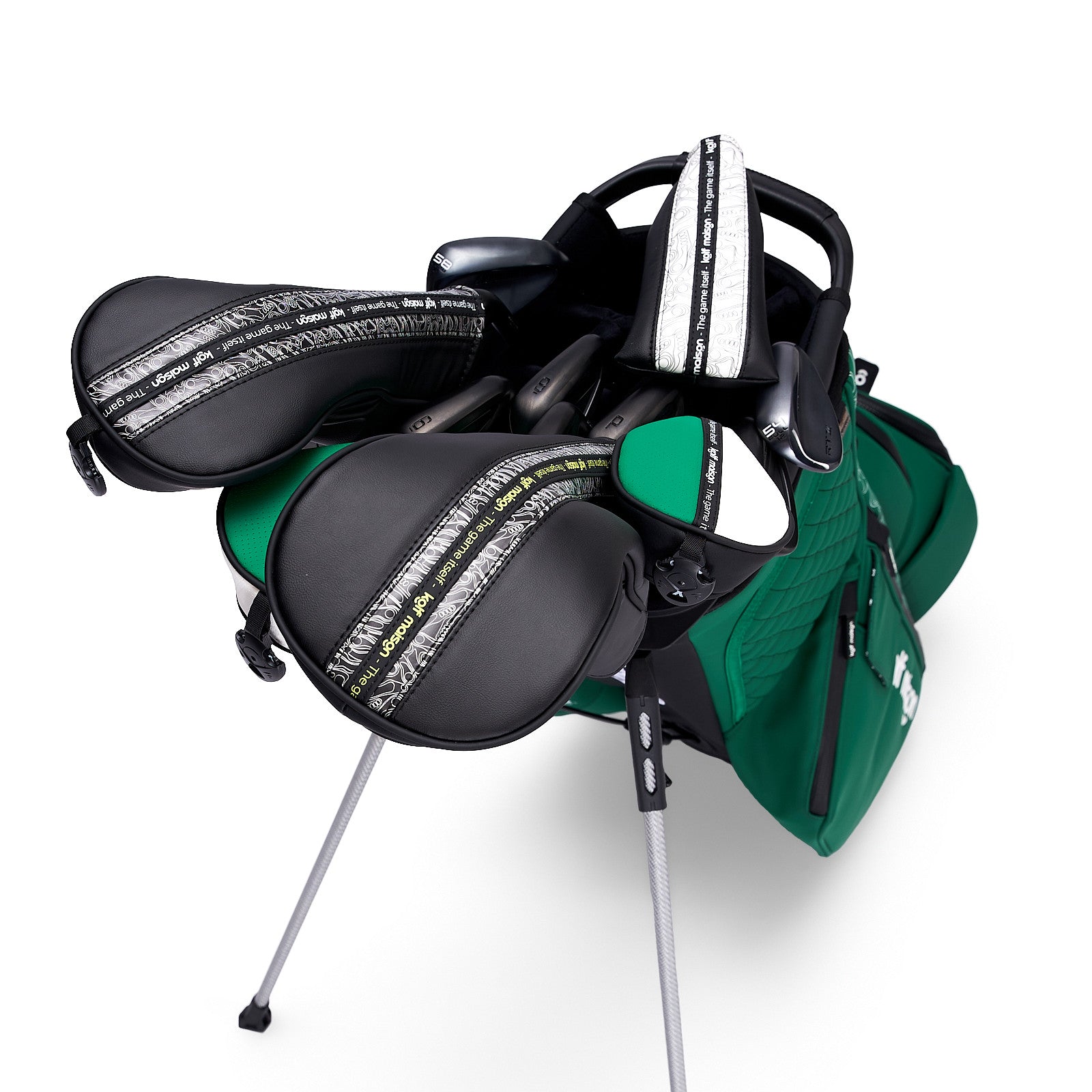
The choice between stand and cart depends on how a member plays. For members who walk frequently or alternate between walking and riding, the Paganica Stand Bag provides the versatility to move between both formats without compromise. The stand mechanism is designed for stability on uneven ground — a real consideration on courses with undulating terrain.
For members who primarily ride, the Paganica Cart Bag prioritizes full-length divider protection and pocket organisation at the dimensions that work best when mounted on a cart. The pass-through slot accommodates the widest range of cart strap systems.
Both are available in Obsidian Edge and Blanc Prestige. Neither colorway follows seasonal trends. Both hold their character across years of play.
The Honest Summary
A private club membership is not the setting for a bag that was purchased because it was on sale. It is the setting for a bag that communicates something true about the person carrying it — their attention to detail, their understanding of quality, and their commitment to the game itself.
The best golf bag for a private club member is the one that performs without apology across years of serious use and says nothing except that the person carrying it chose correctly.
Kolf Maison. The Game Itself.


Share:
Golf Bag vs Golf Club Fitting: Where to Spend First
The Quiet Luxury Golf Movement: Why Serious Players Are Ditching Logo Overload