



The Quiet Luxury Golf Movement: Why Serious Players Are Ditching Logo Overload
There is a particular kind of golfer you see at the better courses. Their equipment is not immediately recognisable. The bag does not announce its brand from across the fairway. The clothing is understated. Nothing they carry looks cheap — but nothing is clamouring for attention either. They look, simply, considered.
This is quiet luxury. And it is not a new concept — it is how quality has always been expressed at the very top of every luxury category. What is new is its arrival in golf equipment at a meaningful scale.
Where the Shift Comes From
The fashion world identified the quiet luxury movement clearly around 2022–2023, when brands associated with understated high quality — Loro Piana, Brunello Cucinelli, the Row — were suddenly being discussed in mainstream media as the defining aesthetic for a generation of affluent consumers tired of the logomania of the previous decade.
The underlying driver was generational and attitudinal: consumers who had spent years acquiring premium branded goods eventually realised that the brand signal was less interesting to them than the quality underneath it. They moved toward goods that assumed the buyer already knew what they were looking at — and did not need the logo to be told.
In golf, this shift is observable in how the most experienced players at private clubs talk about their equipment. A golfer on their first premium bag wants the brand recognition — wants it to be identifiable as expensive. A golfer on their third premium bag is often looking for something else entirely.
What Loud Luxury Actually Signals
Heavy branding on premium golf equipment serves a specific communication purpose: it tells people who might not otherwise know that you are carrying something expensive. This is a rational strategy at a certain stage of a buyer's relationship with premium goods.
It has a ceiling. Among a peer group of serious golfers who all carry premium equipment, the visible logo becomes redundant information — everyone in the fourball already knows the landscape. At that point, a bag that announces its premium status reads differently: not as a signal of quality, but as a signal of needing to signal quality.
The article on what your golf bag says about you at a private club explores this social dynamic in a specific context. The short version: at the level where this distinction matters, restraint reads as confidence.
The Design Philosophy of Quiet Luxury in Golf Equipment
A quiet luxury golf bag is not simply a bag with a small logo instead of a large one. It is a bag whose design language is governed by proportion, material quality, and finish consistency rather than by brand identity expression.
| Loud Luxury Approach | Quiet Luxury Approach |
| Prominent logo placement at multiple points | Single restrained brand mark, or none visible from a distance |
| Trend-driven seasonal colourways | Classic palette that remains appropriate across multiple seasons |
| Design anchored to a cultural moment | Design that will look as good in year eight as in year one |
| Material quality communicated through visual cues | Material quality communicated through touch, weight, and use |
| Recognition from across the room | Recognition only from people who look closely |
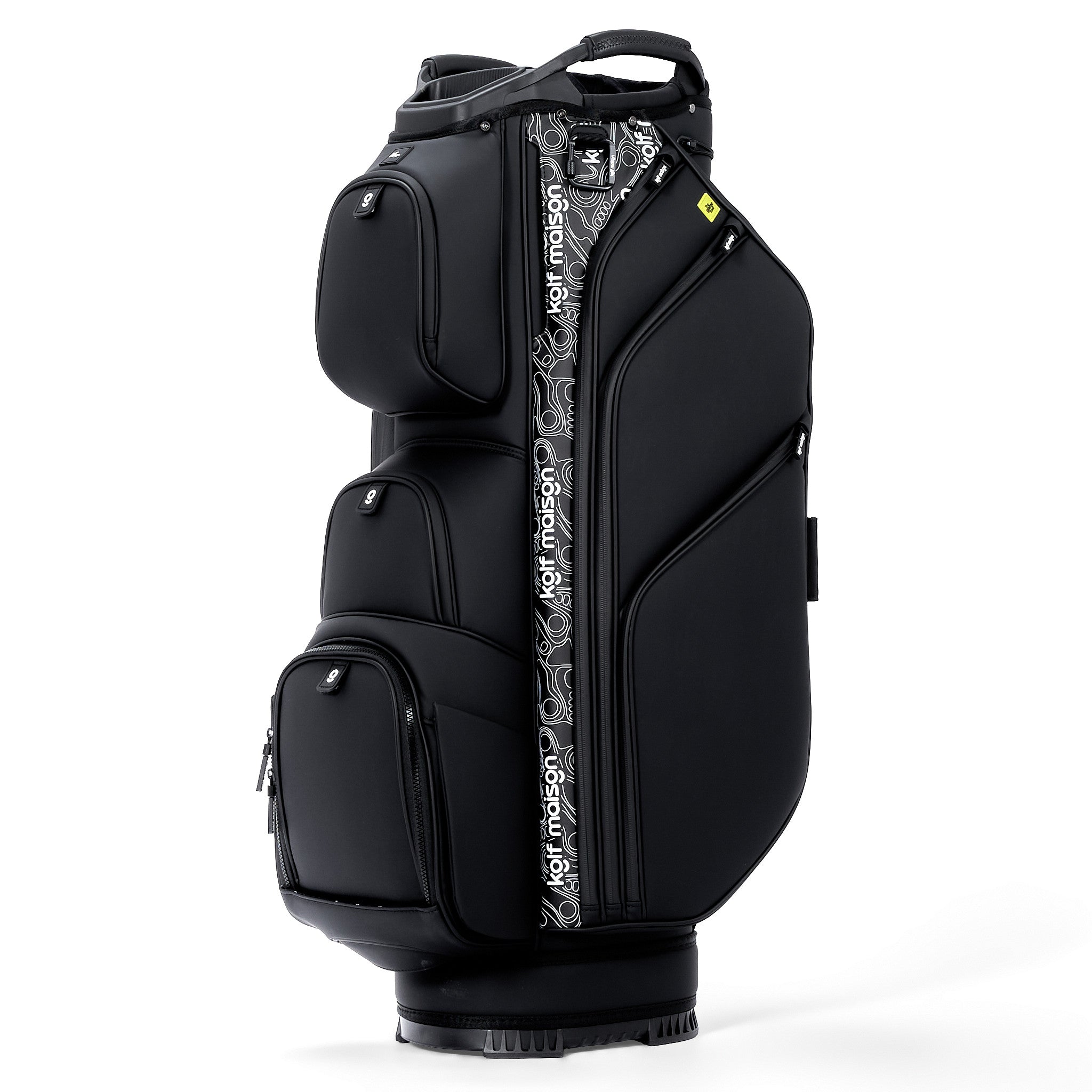
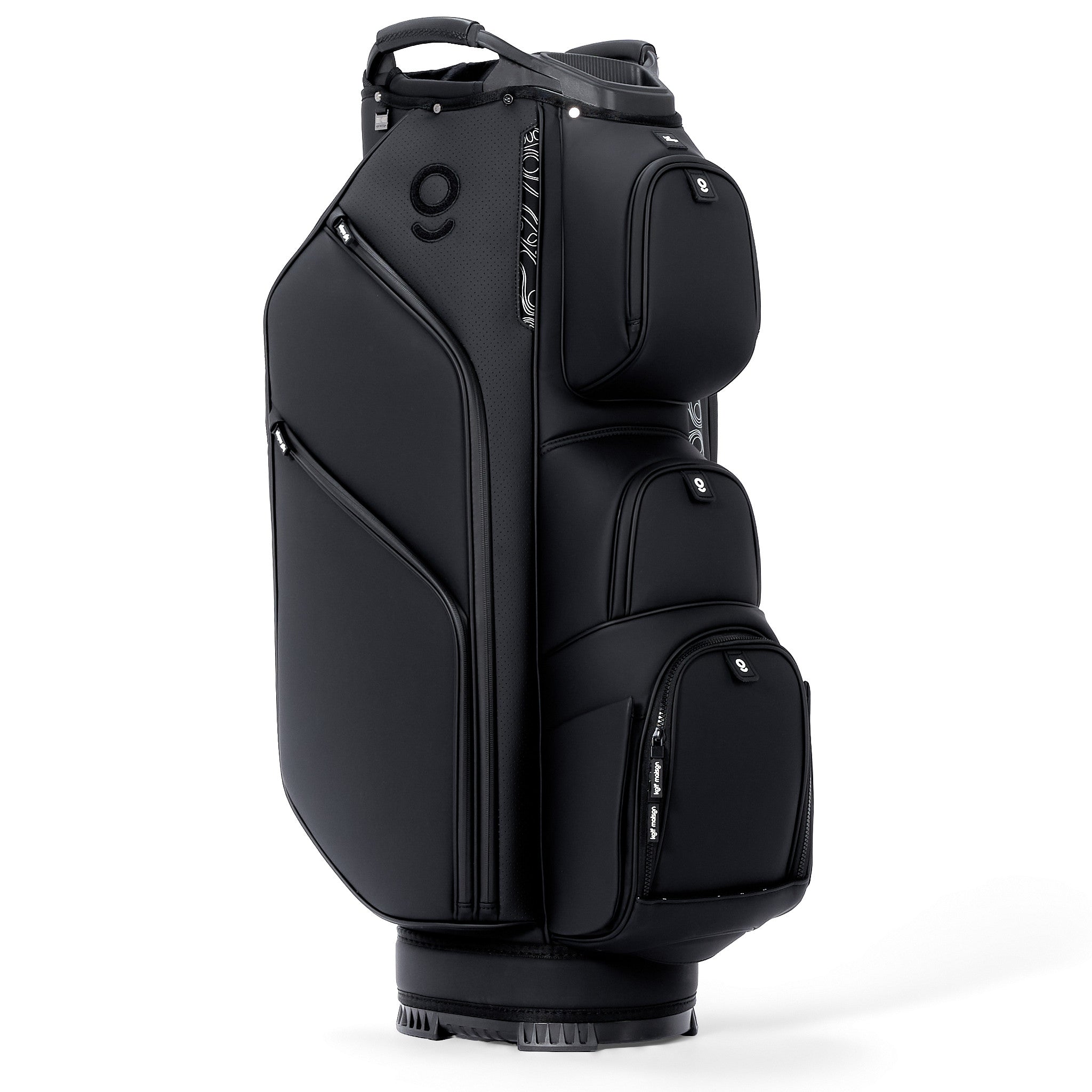
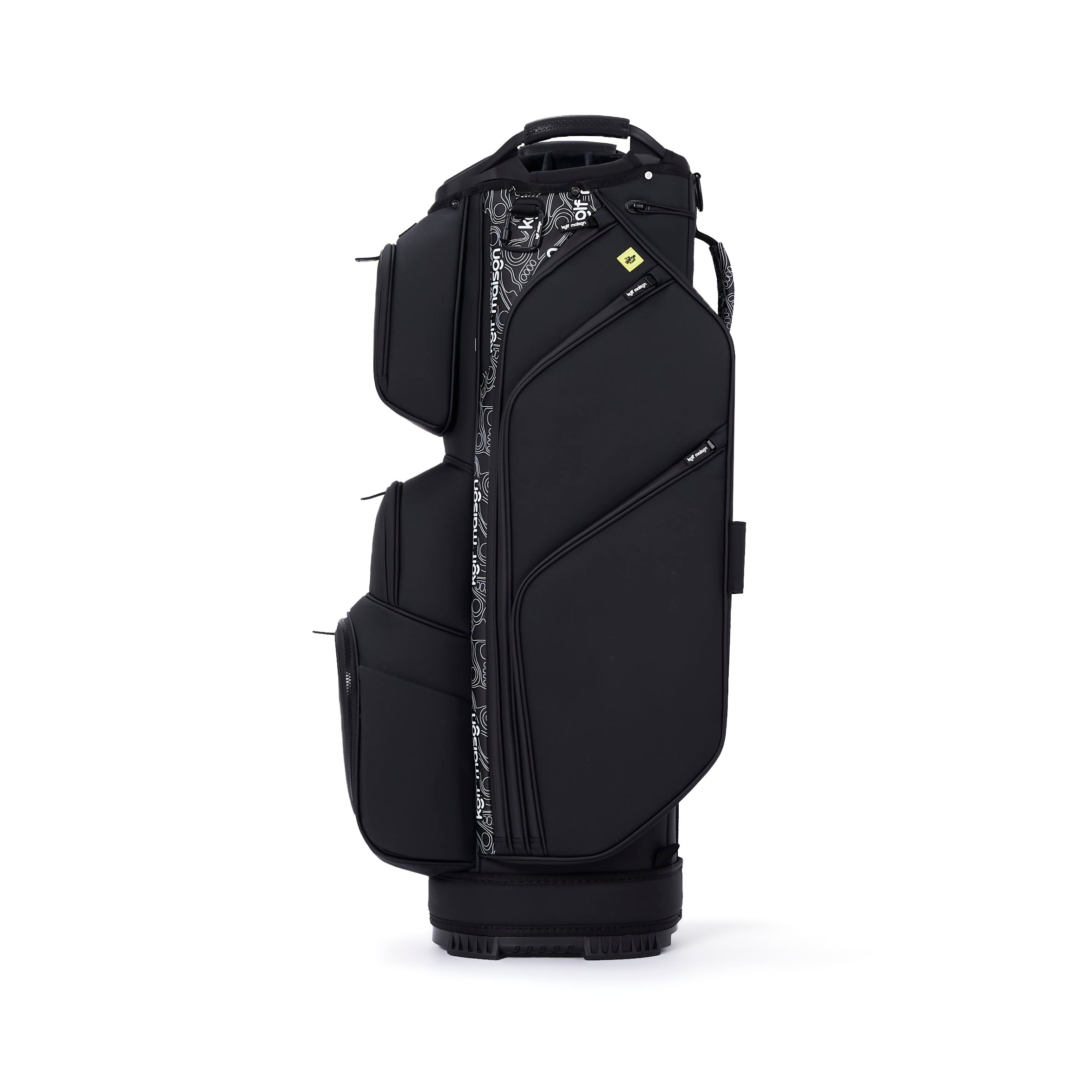
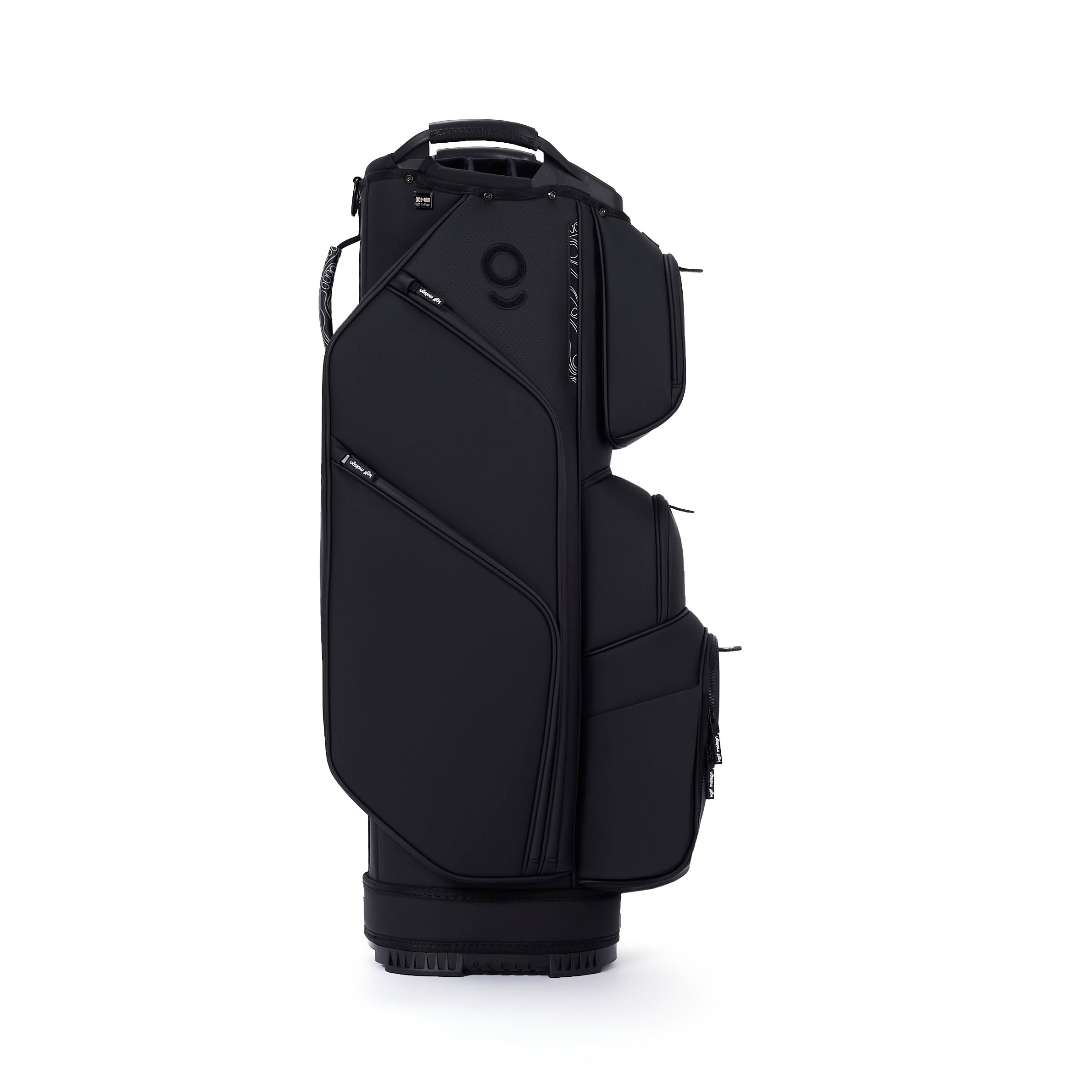
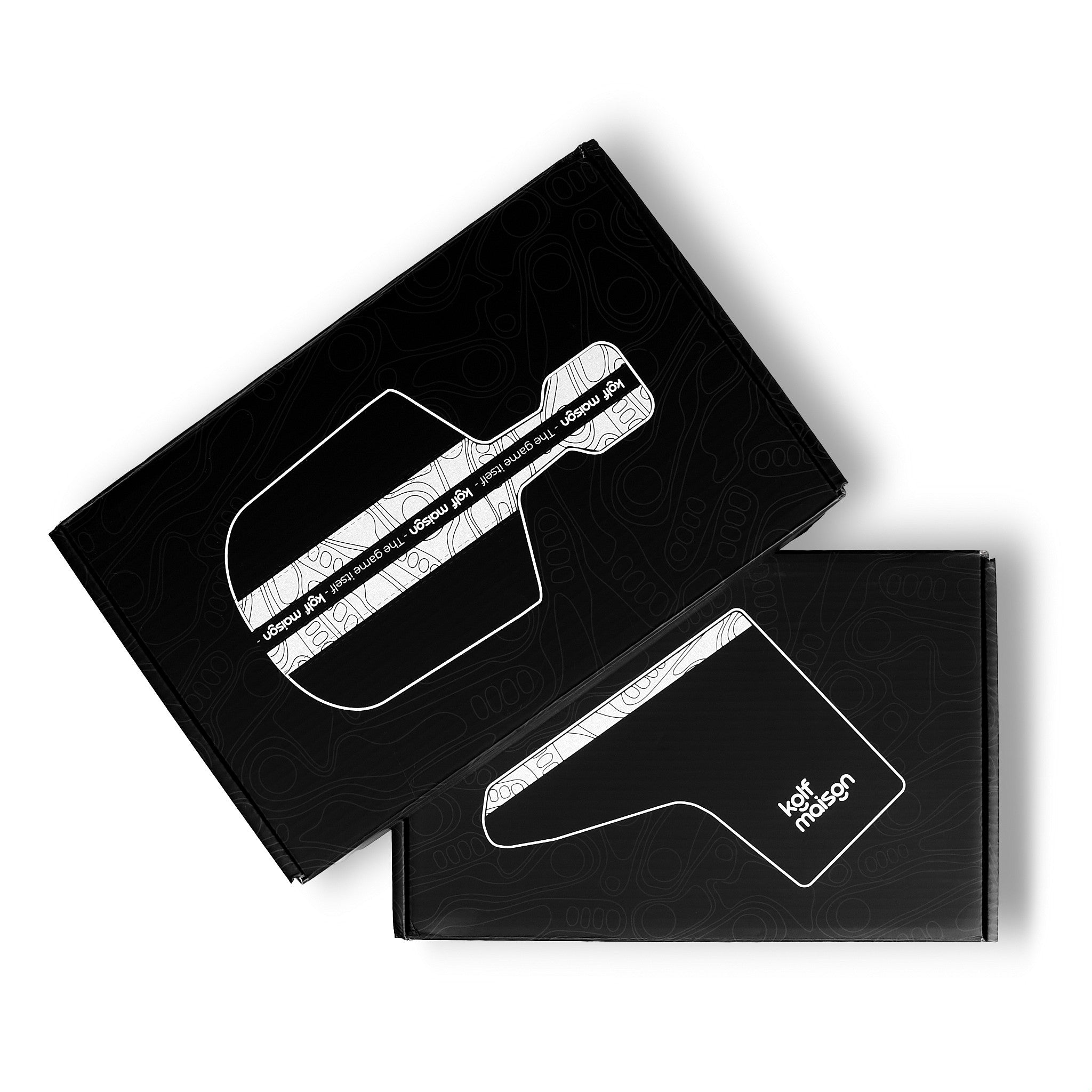
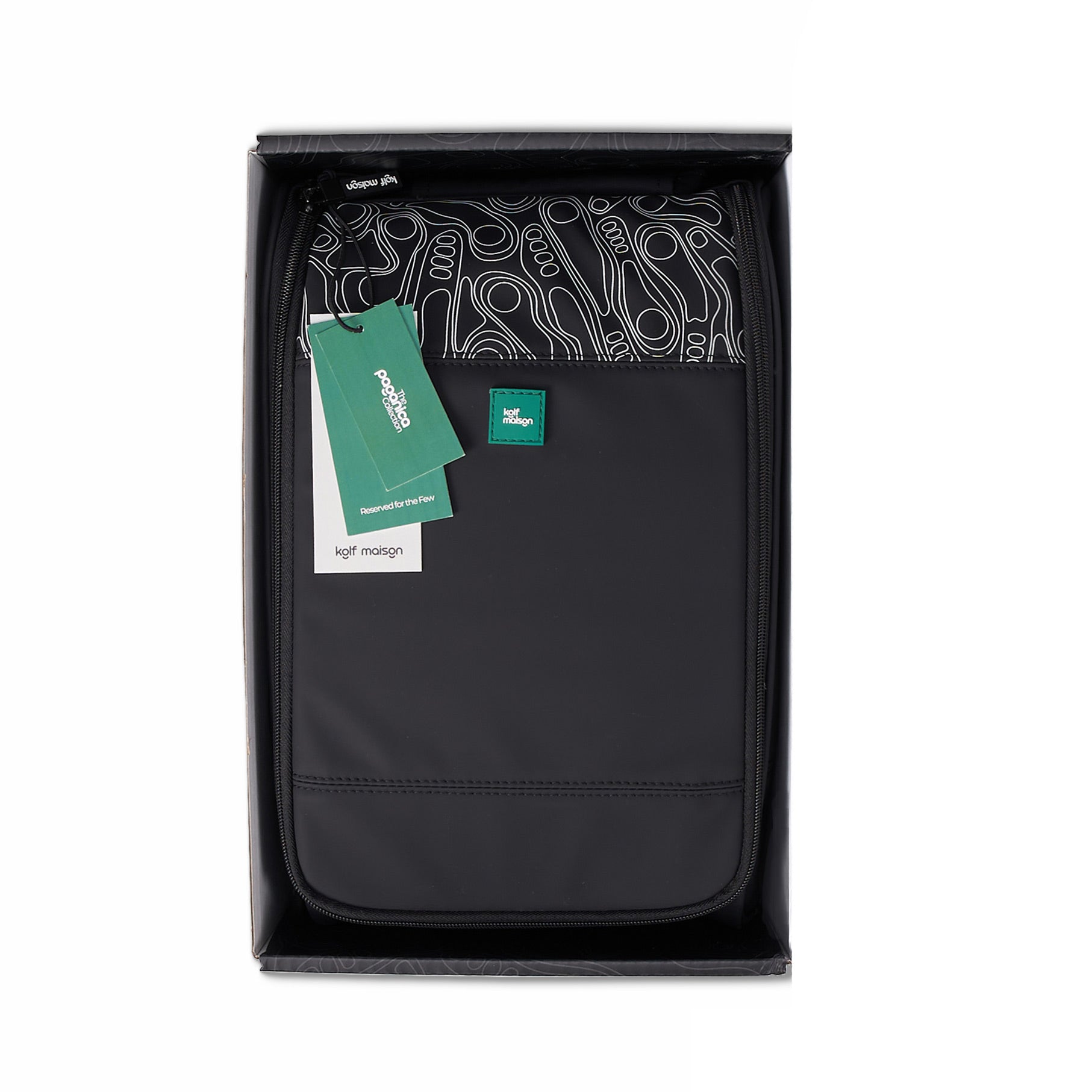
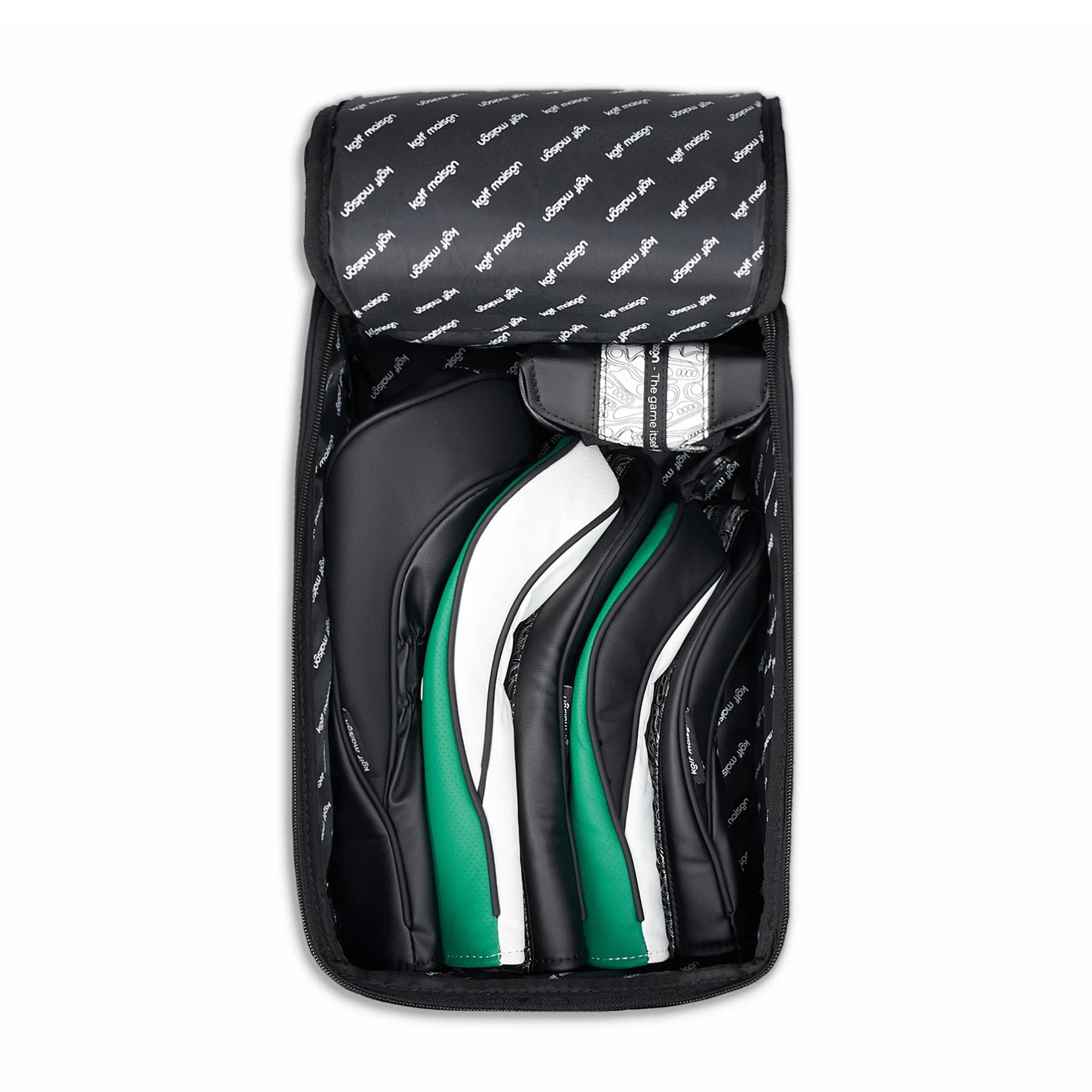
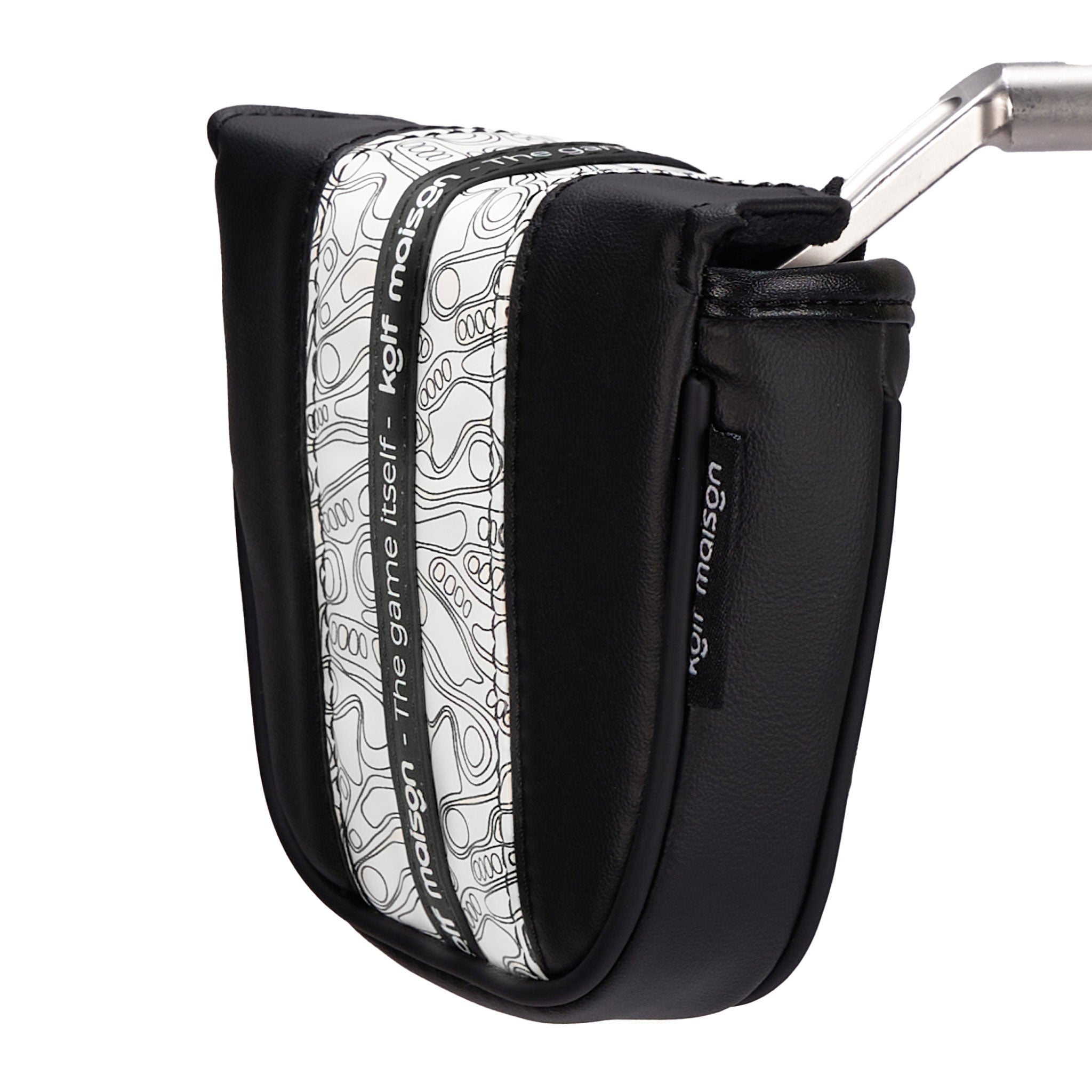
MyGolfSpy described the Kolf Maison Paganica as “A Piece Of Art That Belongs On The Course.” That language is itself a quiet luxury assessment: it evaluates the bag as an object with aesthetic and functional integrity, not as a brand identity exercise.
Who This Movement Is For
Quiet luxury is not for every golfer, and it does not need to be. It suits a specific profile:
The golfer who has played seriously for ten or more years and has already been through multiple premium bag brands. The golfer who plays at private clubs where the peer group has long moved past equipment as status signalling. The golfer who thinks about their equipment as a long-term commitment rather than a seasonal purchase — and whose approach to the investment dimension of gear reflects that thinking. The golfer who, when they do talk about equipment, talks about construction and materials rather than branding and colourways.
This is not a small group. It is, arguably, the most commercially valuable group in premium golf — the experienced, high-frequency player with the budget and the discernment to make a considered purchase rather than a trend-driven one.
Quality That Reveals Itself
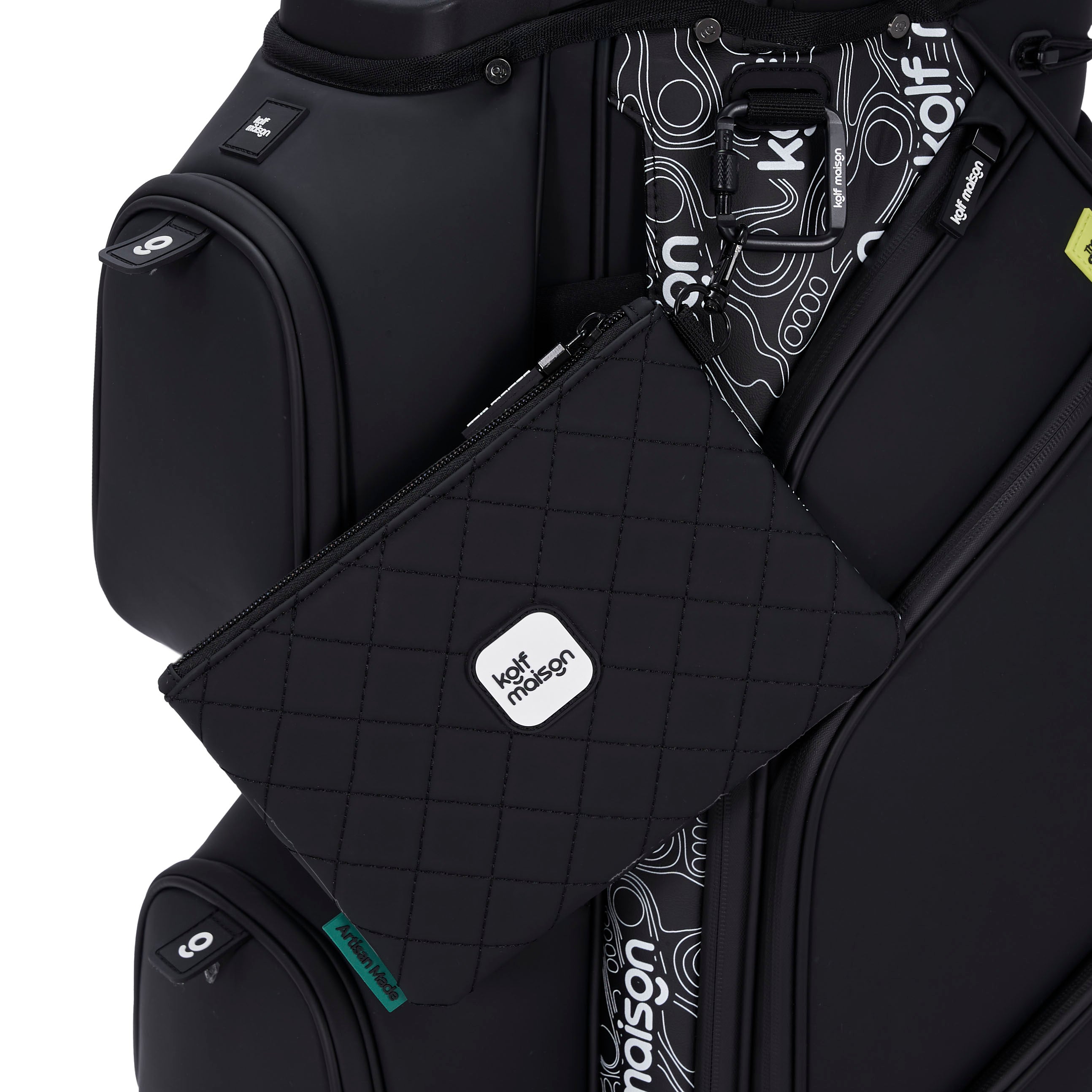
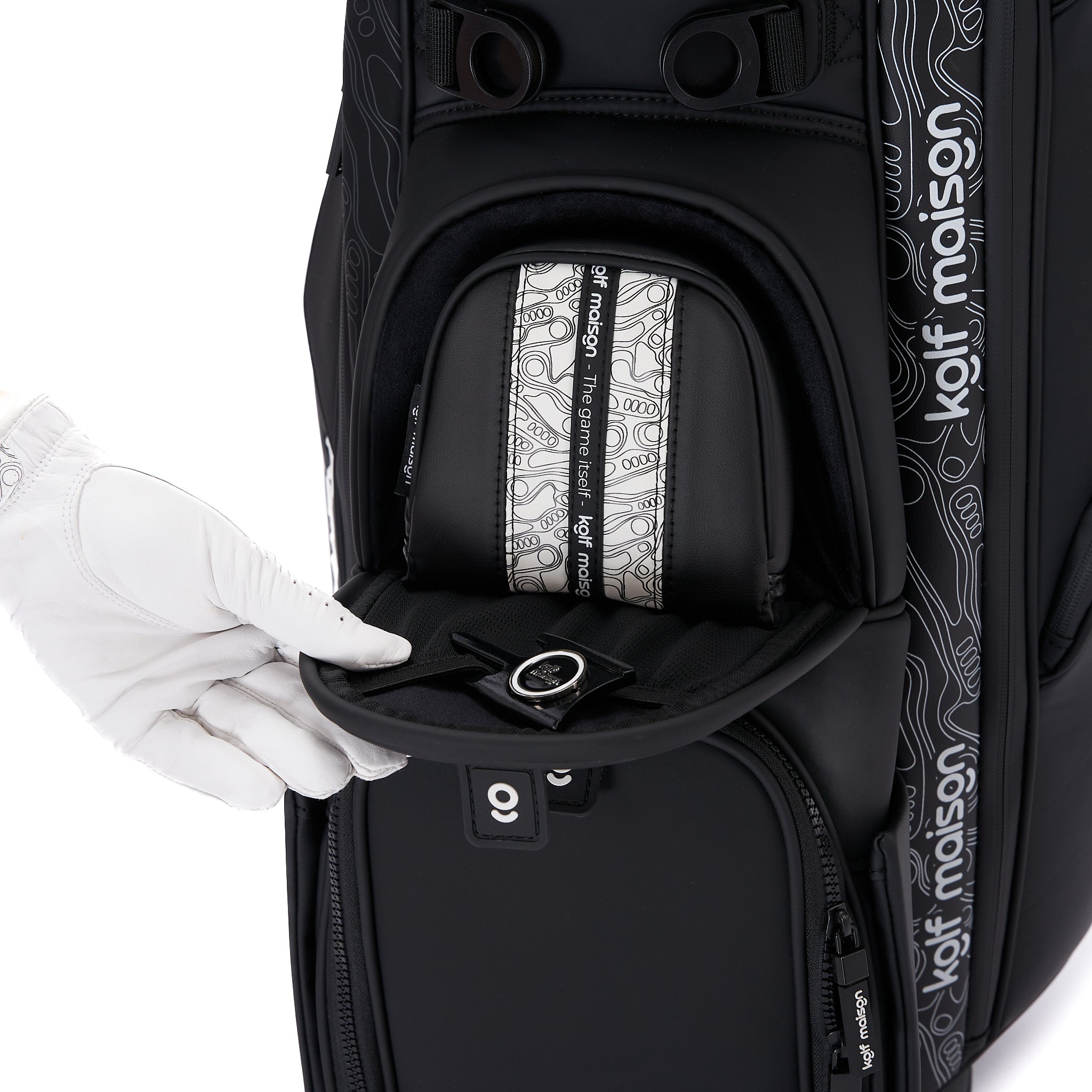
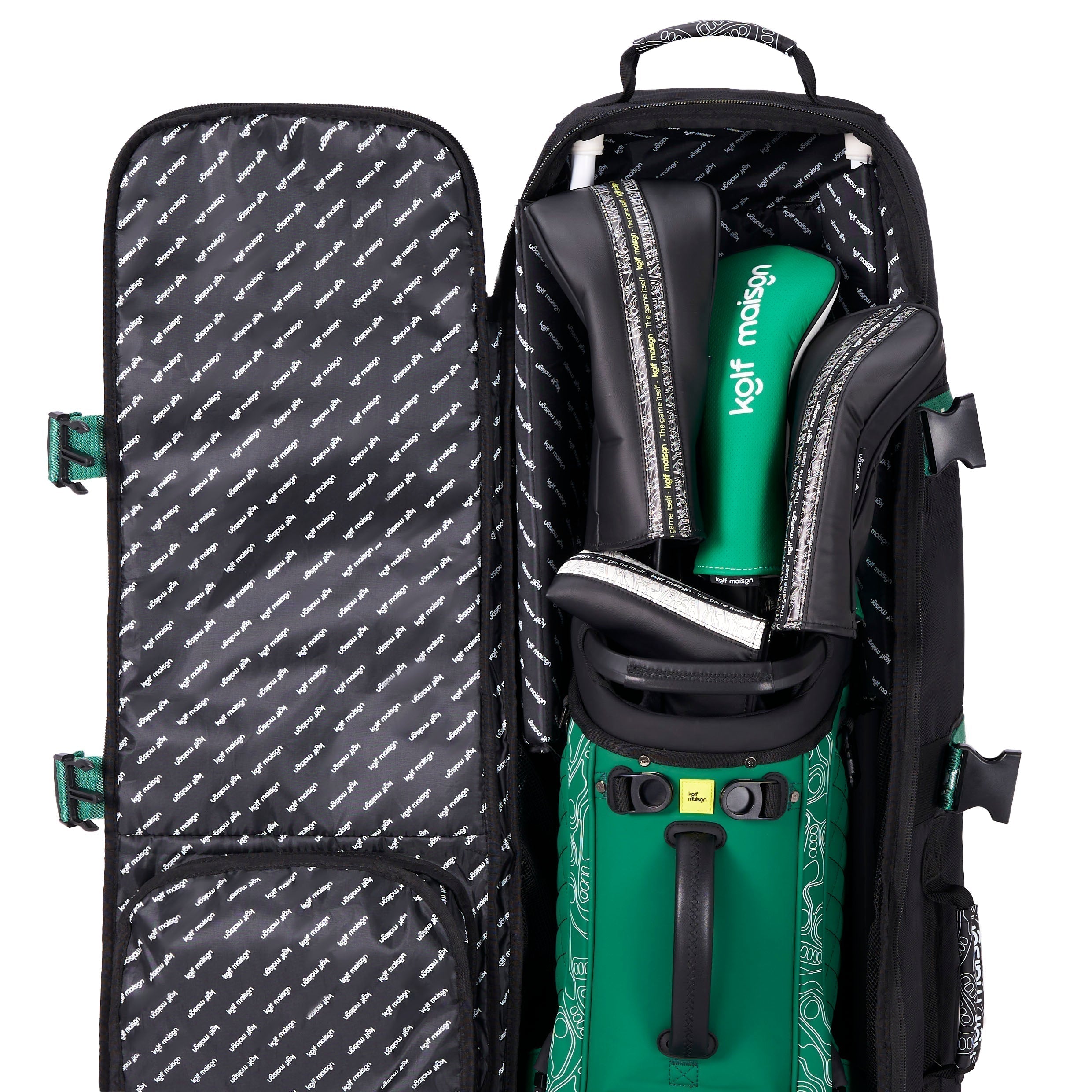
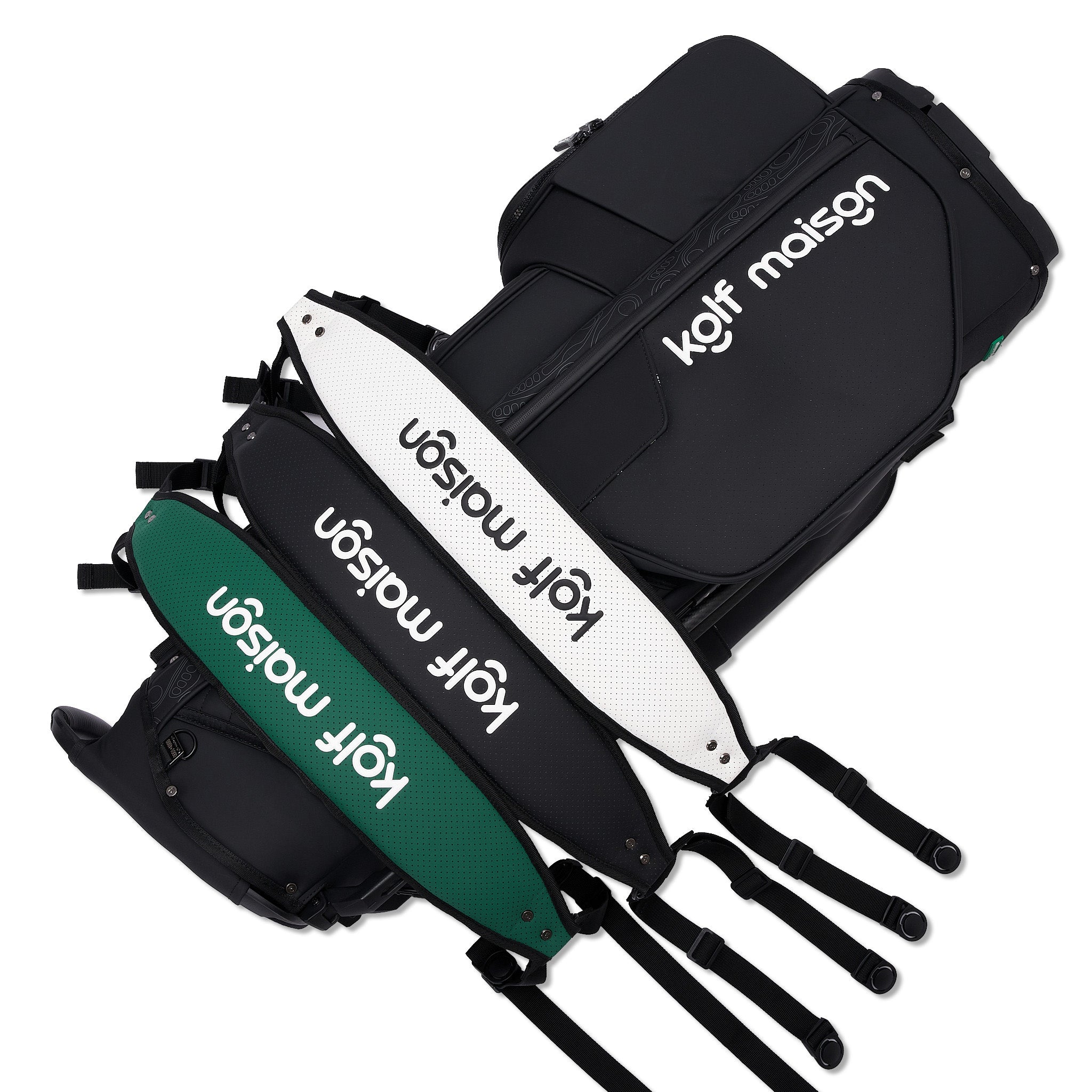
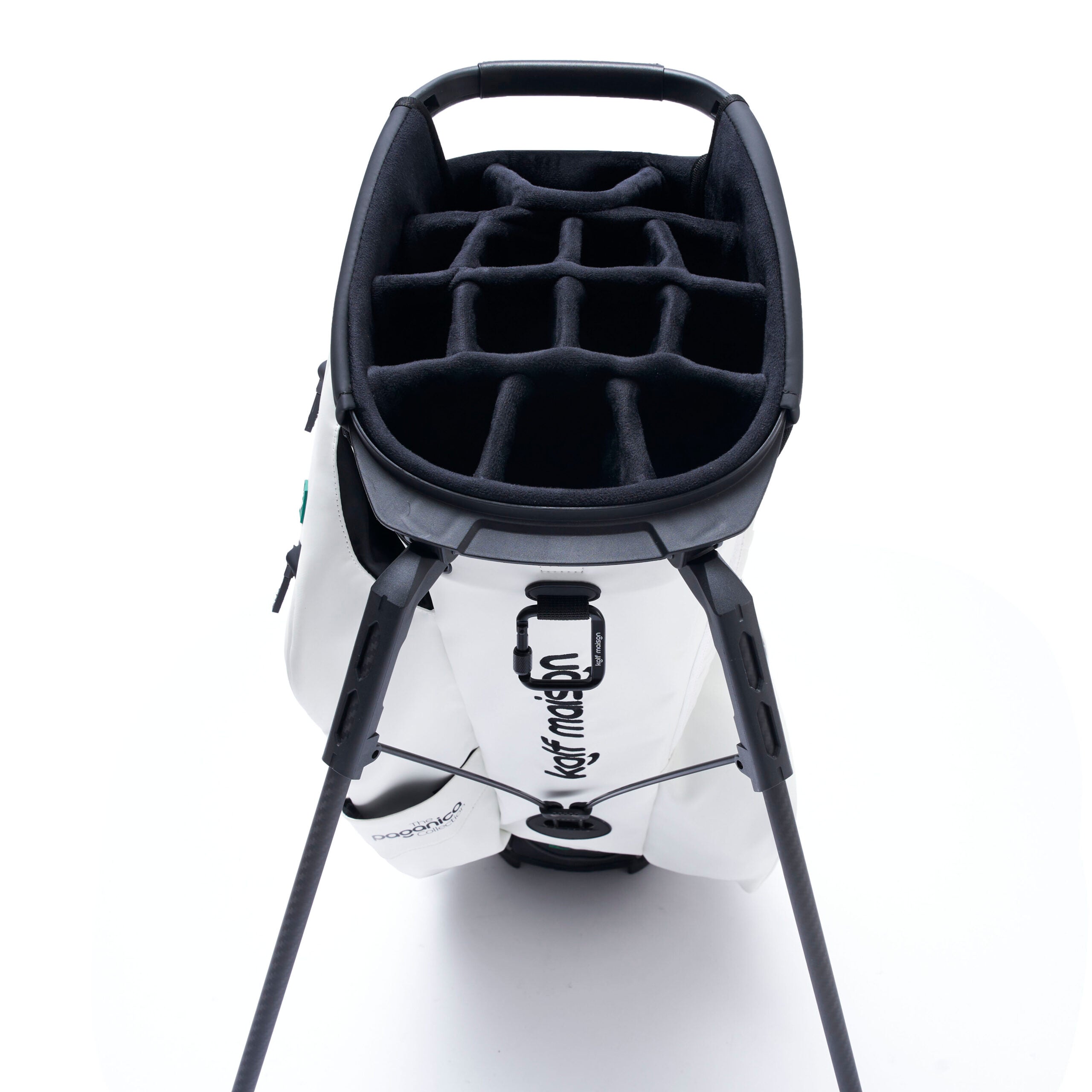
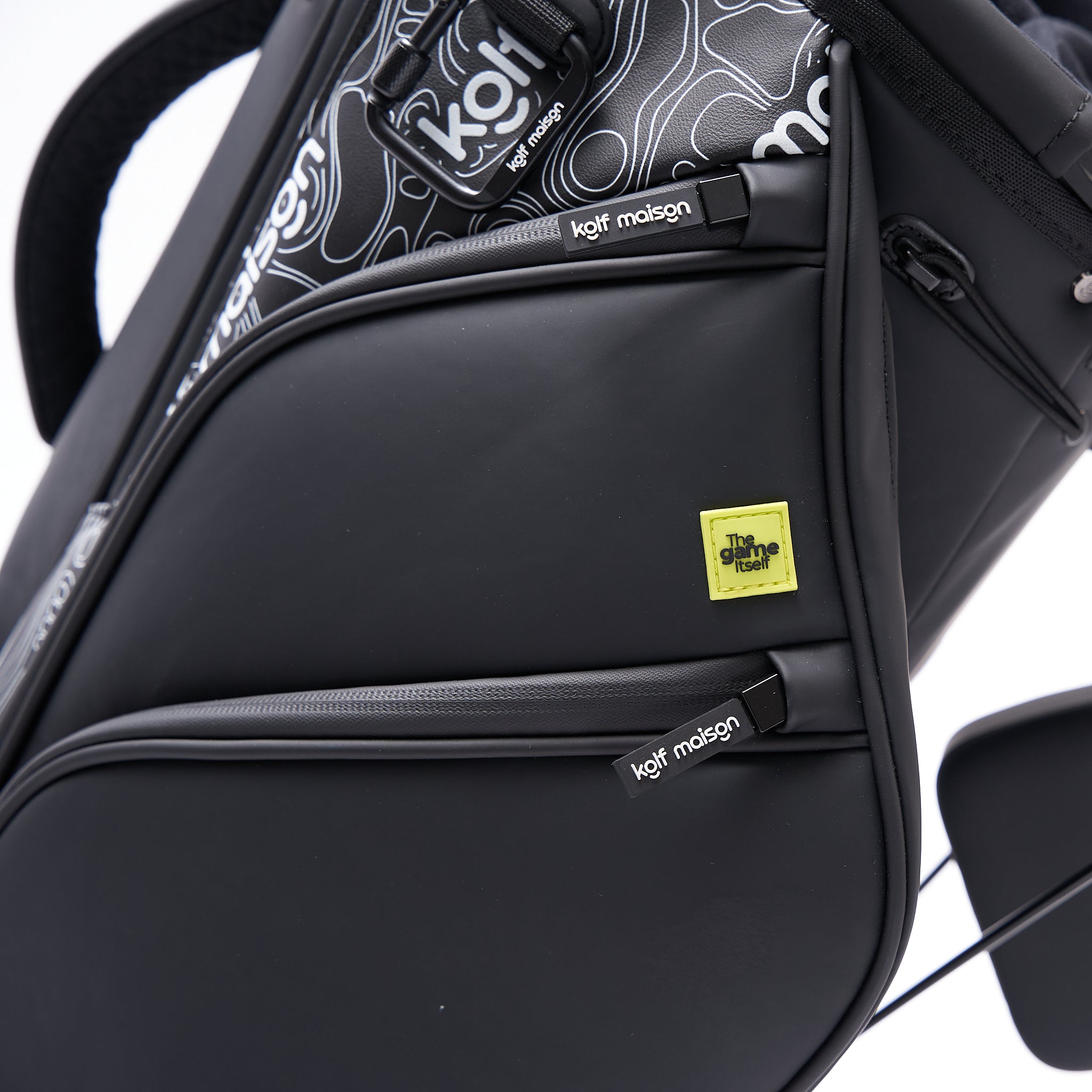
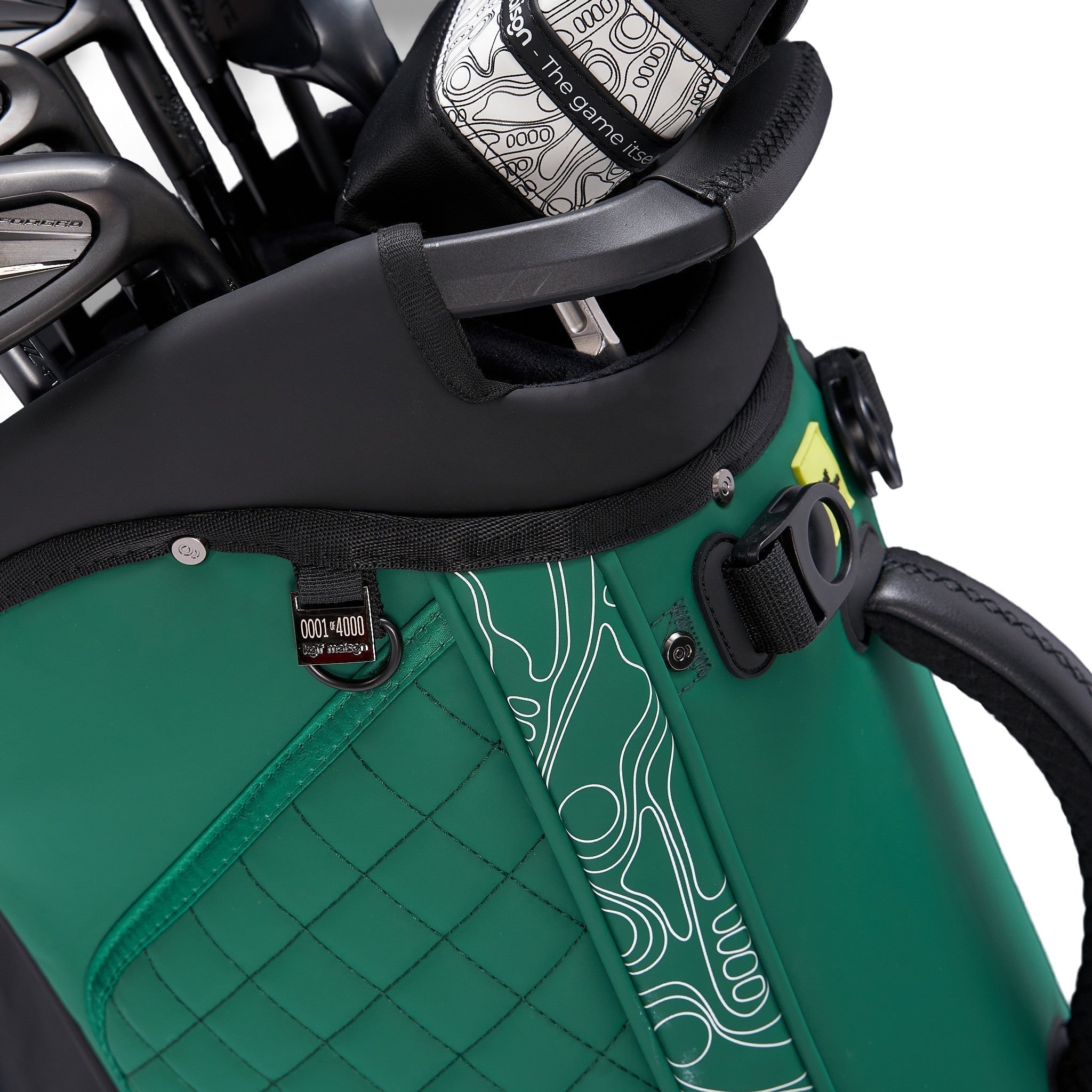
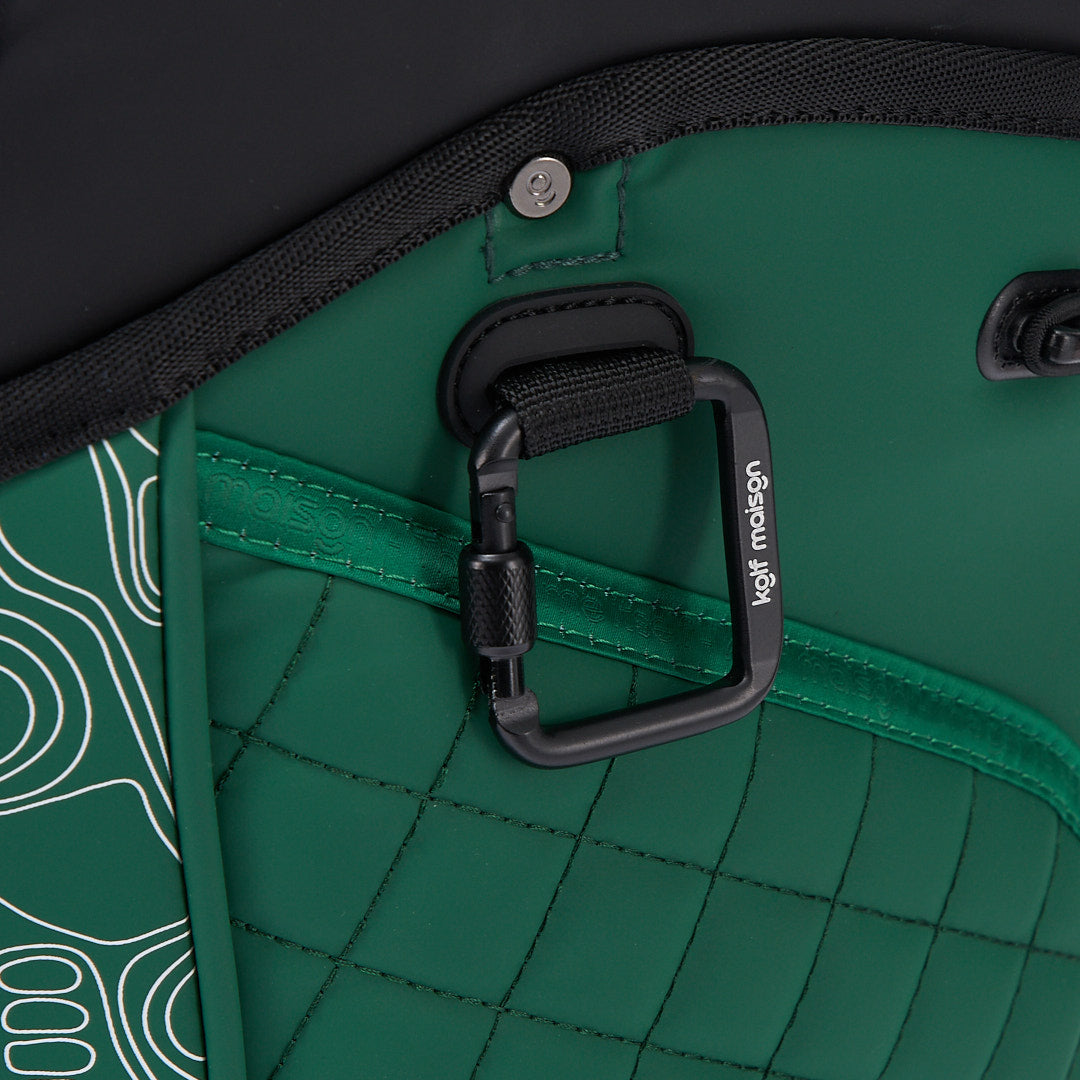
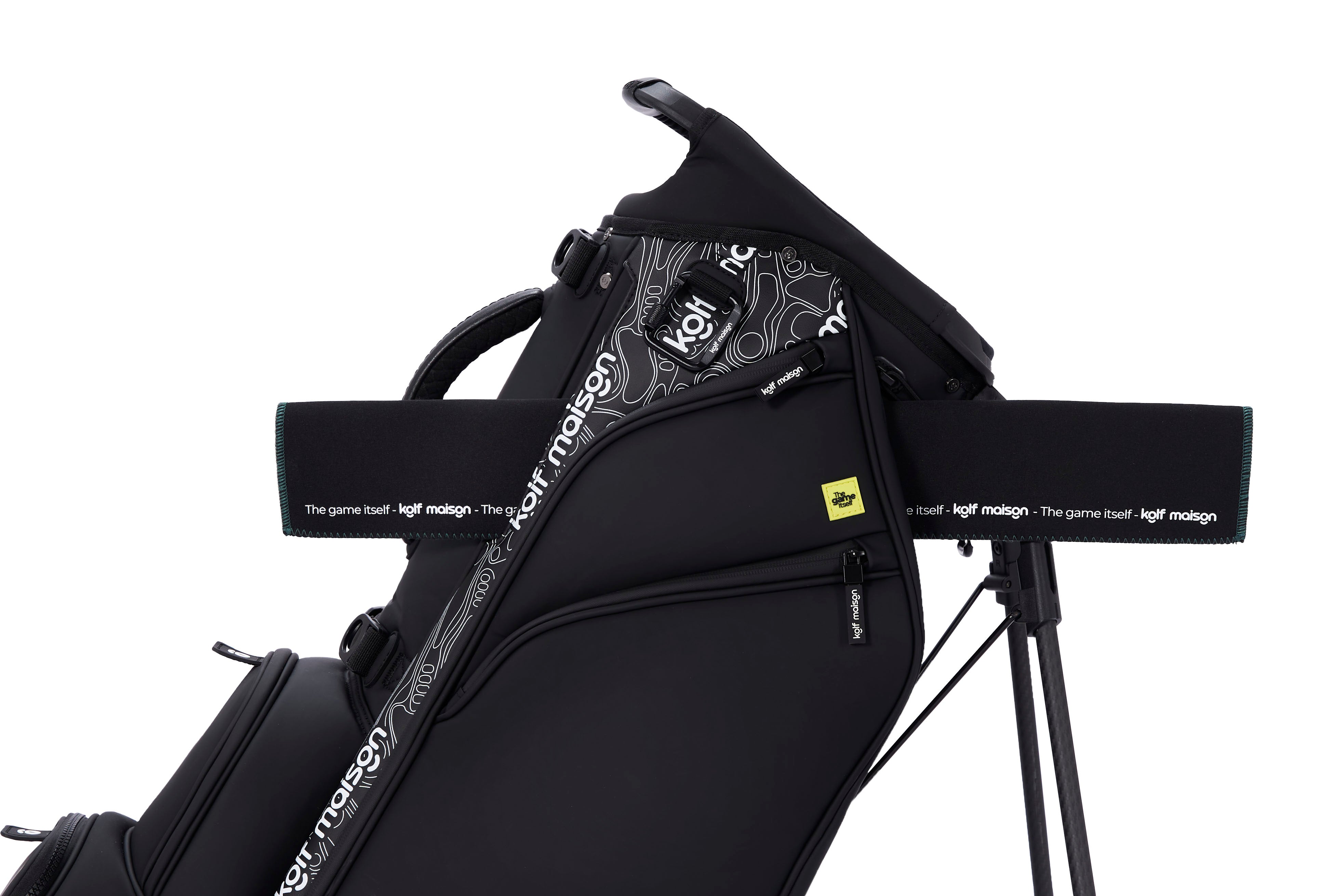
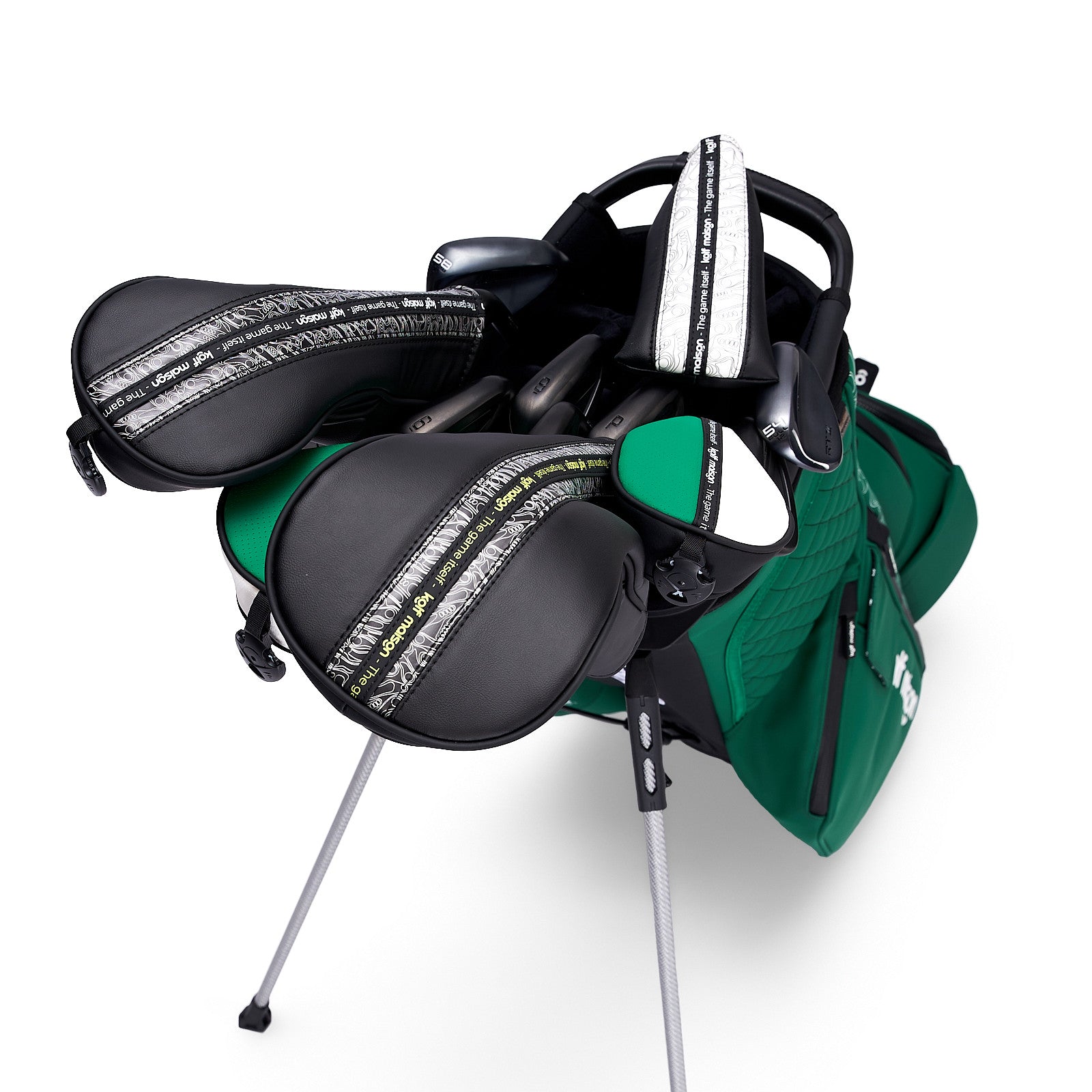
The Kolf Maison Paganica is not designed to announce itself. It is designed to reward the person who picks it up, carries it for 18 holes, and looks at it closely at the end of the round. That is the quiet luxury standard applied to a golf bag — and it is a fundamentally different product from one designed to read as expensive from across the car park.
Quiet Luxury and the Comparison Landscape
When you look at the premium stand bag landscape through a quiet luxury lens, the differentiation becomes clearer. Ghost Golf is built around bold visual identity — a deliberate aesthetic choice that serves a specific buyer. The detailed comparison in the article on Kolf Maison vs. Ghost Golf examines what each brand is designed to communicate and who each serves best.
Vessel Golf sits somewhere between — cleaner than Ghost Golf's aesthetic, still more brand-forward than Kolf Maison. The Kolf Maison vs. Vessel comparison covers this distinction in detail. Both are good bags; they serve different points on the spectrum from loud to quiet luxury.
Kolf Maison sits at the quiet end deliberately. Serial-numbered, limited to 4,000 units, with independent media recognition from MyGolfSpy, Plugged In Golf, and Independent Golf Reviews: it is designed to be understood by the golfer who knows what they are looking at, not by the golfer who needs to be told.
The Bag for Those Who Know
Serial numbered. 4,000 per year. 4.98/5 from 81 verified buyers. A Piece Of Art That Belongs On The Course — MyGolfSpy. Top 3 Golf Bag of 2026 — MODRN GOLF.
View the Paganica Stand Bag →Frequently Asked Questions
What is quiet luxury in golf?
Quiet luxury in golf refers to equipment chosen for construction quality, material excellence, and design restraint rather than for prominent branding or trend-led aesthetics. It is the approach of experienced players who want their gear to reflect discernment rather than the need to signal wealth through visible brand marks.
Why are golfers moving away from logo-heavy bags?
Experienced players who have been through multiple premium brands tend to reach a point where the brand signal feels redundant or counterproductive. Among their peer group, everyone already plays premium equipment, so the logo provides no new information. Restrained, quality-first equipment then becomes a more meaningful signal of genuine taste.
Is quiet luxury more expensive than premium branded golf gear?
Not necessarily. Quiet luxury is a design and production philosophy, not a price point. Some quiet luxury goods cost more than loud luxury equivalents; others cost less. The key difference is where the budget is allocated — quality-first production spends on components and materials rather than on brand communication.
Does a quiet luxury bag look better over time?
Yes, relative to trend-driven alternatives. A bag designed around a specific cultural moment will look dated as that moment passes. A bag with a restrained, proportional design in quality materials looks appropriate across multiple seasons — and the materials themselves often improve in character with use in ways that synthetic or trend-surface materials do not.
Which golfer does quiet luxury suit?
The golfer who plays regularly at private or high-quality courses, who has already worked through one or two premium brands, and who values carrying something genuinely uncommon over carrying something recognisably expensive. The buying guide will help you identify whether this describes your relationship to equipment.


Share:
Best Golf Bag for a Private Club Member: What the Course Actually Demands
Best Golf Gifts for Men: The Premium Buyer's Guide