



Best Stand Bags for Walking Golfers Who Demand Balance and Comfort
Walking a golf course changes the entire relationship between the player and the bag. Weight is no longer static. Every step compounds pressure, every transition exposes imbalance, and every inefficiency becomes magnified over 18 holes.
A stand bag is not simply a lighter alternative to a cart bag. It is a dynamic system designed to move with the golfer. The difference between a well-engineered stand bag and a poorly designed one is felt progressively, not instantly. What feels acceptable on the first hole becomes fatigue by the fifteenth.
For serious golfers who walk regularly, selecting the right stand bag directly impacts endurance, rhythm, and performance. Balance, structural integrity, and long-term comfort define the experience far more than weight alone.
These principles align with the broader framework of luxury golf bags and the long-term performance standards explored in golf bag durability.

What Makes a Stand Bag Ideal for Walking Golfers
Most golfers assume that lighter automatically means better. This is not accurate. A poorly balanced lightweight bag creates more fatigue than a properly structured bag with slightly higher weight.
The best stand bags are defined by how they distribute load, how they move during walking, and how consistently they maintain structure under real use.
Weight Distribution
The bag must distribute weight evenly across both shoulders. Any imbalance forces compensation, leading to fatigue and inconsistent movement.
Dynamic Strap System
A dual strap system must adapt to movement rather than resist it. The bag should remain stable without shifting during transitions.
Stand Mechanism Stability
The leg system must deploy consistently across different terrain types. Instability creates friction during play and reduces confidence when placing the bag.
Structural Integrity
The bag must maintain its shape when loaded. Collapse affects internal organization and weight distribution.
Storage Efficiency
Pockets must be positioned to avoid disrupting balance. Poor placement shifts weight during walking and affects comfort.
Why Most Stand Bags Fail Over Time
Stand bags often fail not because of initial design, but because of how they degrade with use. Materials weaken, structure softens, and balance shifts.
Lightweight construction frequently sacrifices reinforcement. Over time, this leads to deformation, uneven weight distribution, and reduced usability.
Strap systems lose tension, causing the bag to sit unevenly on the shoulders. Leg mechanisms weaken, reducing stability on uneven ground.
This progressive failure mirrors what is analyzed in why most golf bags wear out too fast, where structural fatigue becomes the limiting factor.
The Role of Divider Systems in Walking Performance
Divider systems affect more than organization. They influence weight distribution and internal stability.
A 7 way divider system reduces internal structure and lowers overall weight. This improves balance and makes the bag feel less top heavy during walking.
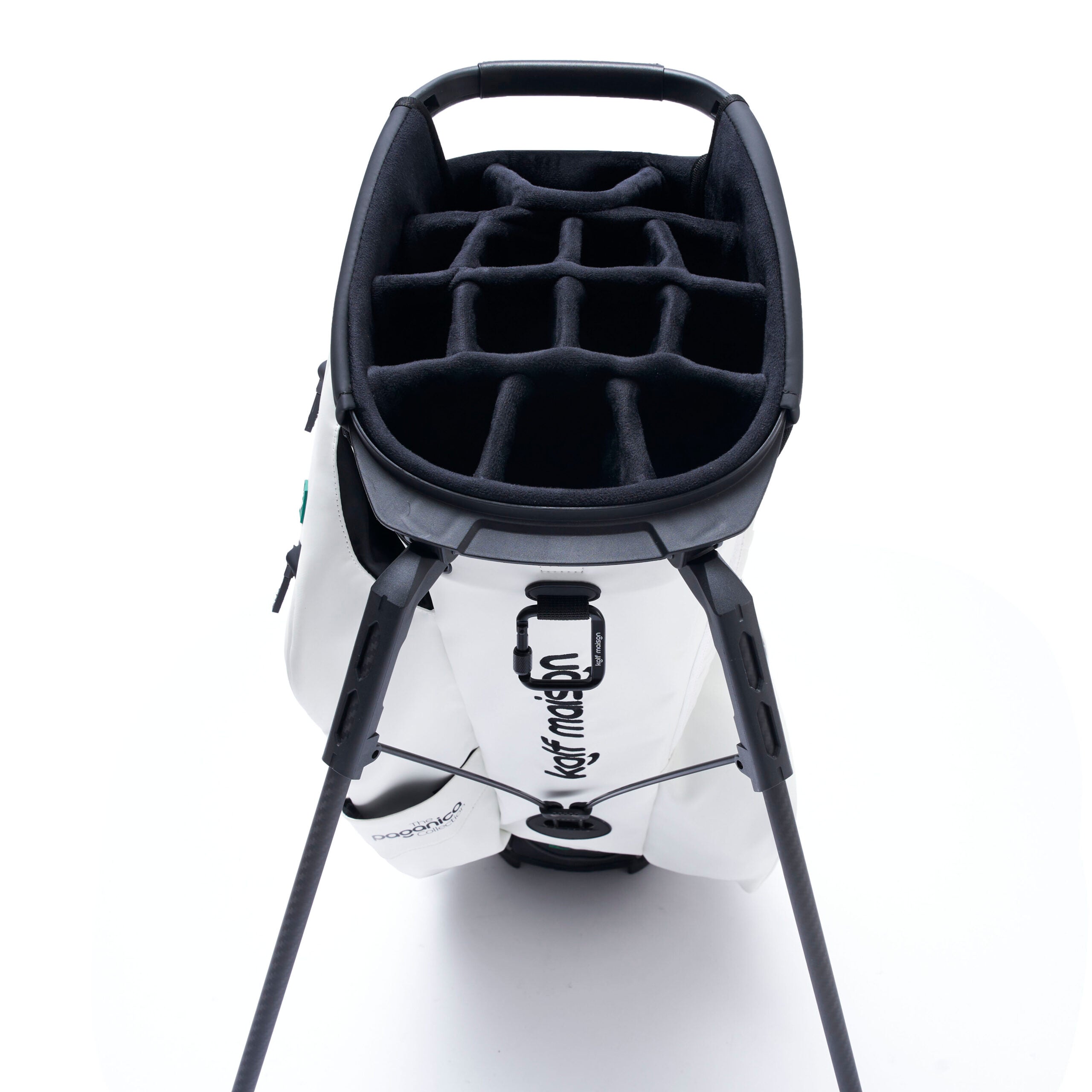
A 14 way divider system provides full club separation, improving organization and reducing shaft contact. However, it adds structural weight to the top of the bag.
For walking golfers, this trade-off is critical. The decision between 7 way and 14 way depends on whether the golfer prioritizes balance or full separation.
This difference is explored in depth in 14 way vs 7 way golf bag guide.
Weight vs Balance: The Most Misunderstood Factor
Reducing weight without maintaining balance creates instability. A bag that is light but poorly distributed feels heavier over time.
Balance determines how efficiently weight is carried. A properly balanced bag moves naturally with the golfer, reducing strain.
The goal is not the lowest weight. The goal is controlled weight distribution that remains consistent across an entire round.
Real Walking Scenarios and Bag Behavior Over 18 Holes
The true performance of a stand bag is not measured in the first few holes. It is revealed progressively as fatigue builds and movement patterns repeat. A bag that feels balanced early must remain stable under prolonged use.
During a full round, a walking golfer will lift, carry, set down, and reposition the bag dozens of times. Each of these movements exposes weaknesses in strap tension, weight distribution, and structural stability.
On uneven terrain, the stand mechanism becomes critical. The bag must deploy consistently without shifting weight unpredictably. Instability in this moment disrupts rhythm and introduces unnecessary effort.
As rounds extend beyond 12 holes, shoulder fatigue begins to reveal imbalance. A poorly distributed load creates pressure points, forcing the golfer to adjust posture. This affects both comfort and performance.
The best stand bags maintain consistent behavior from the first hole to the last. They do not require adjustment. They remain predictable.
Dual Strap Systems and Load Distribution
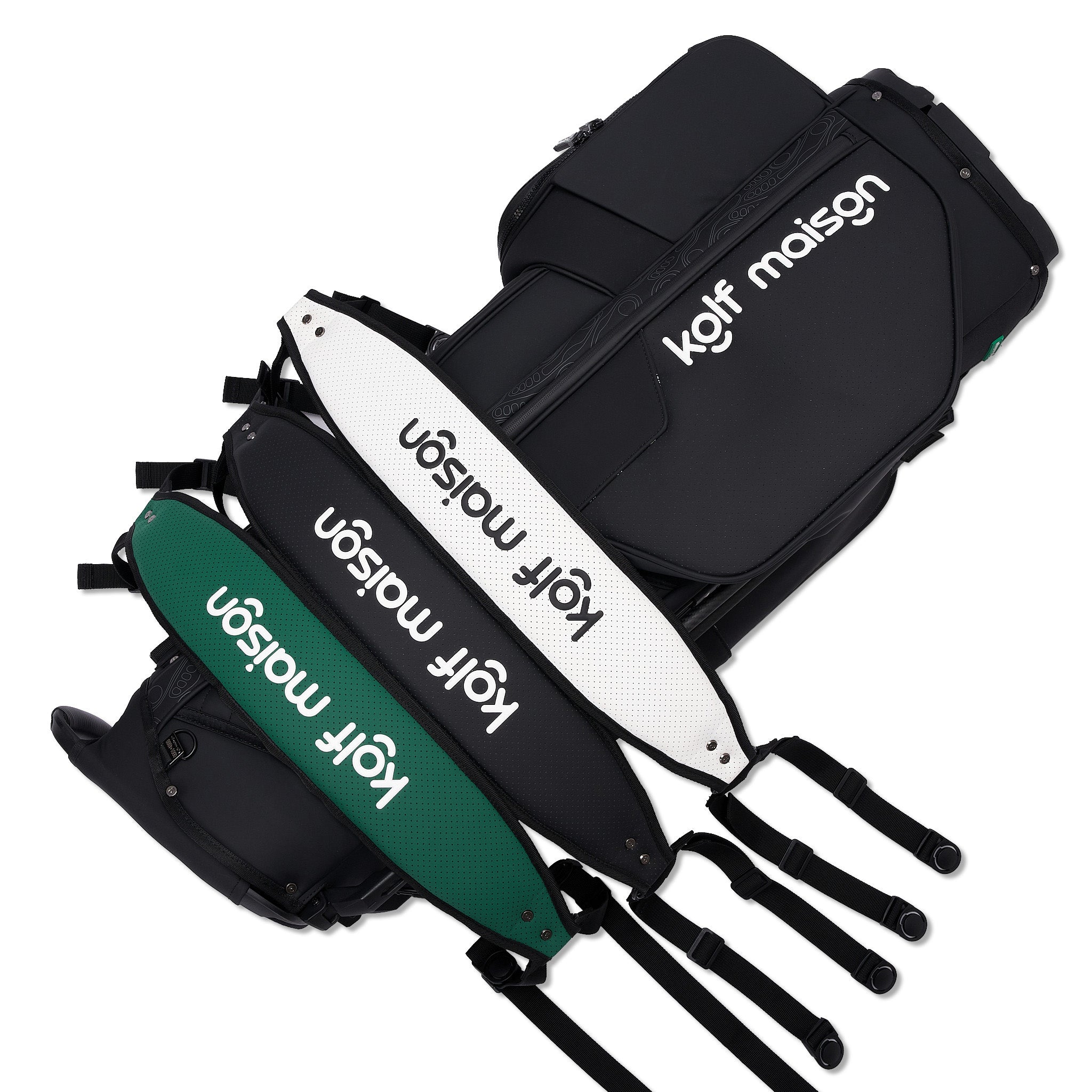
The strap system is one of the most critical components in a stand bag. It determines how weight is transferred across the body and how the bag moves during walking.
A properly engineered dual strap system distributes weight evenly across both shoulders. This reduces localized pressure and allows the golfer to maintain a natural posture.
Poor strap systems create imbalance. The bag shifts during movement, forcing constant micro-adjustments. Over time, this leads to fatigue and inefficiency.
The strap system must also adapt dynamically. It should allow slight movement without losing stability. A rigid system creates tension, while an overly loose system creates instability.
Balance and adaptability must coexist for the system to perform effectively.
Kolf Maison Paganica Stand Bag: Structural Breakdown
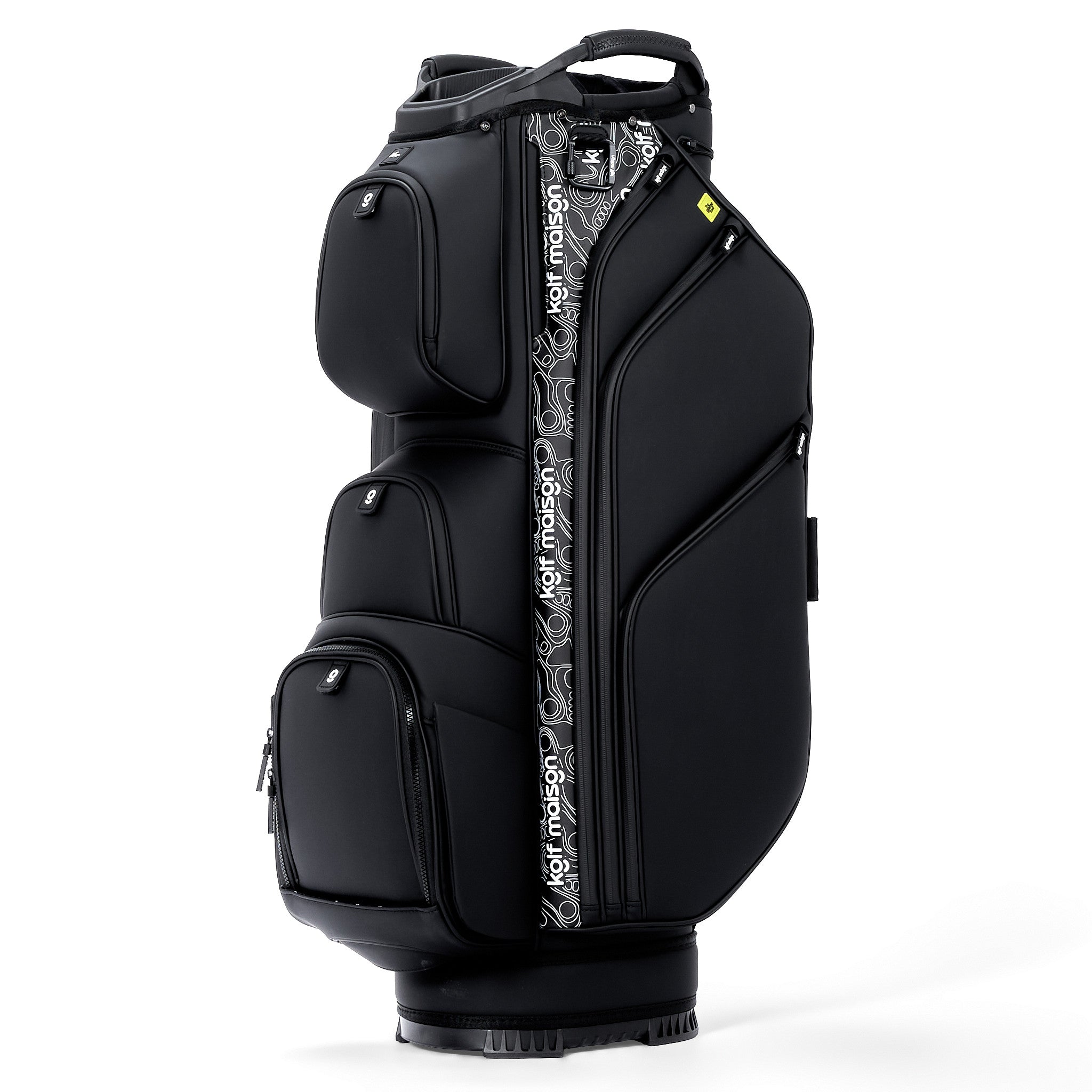
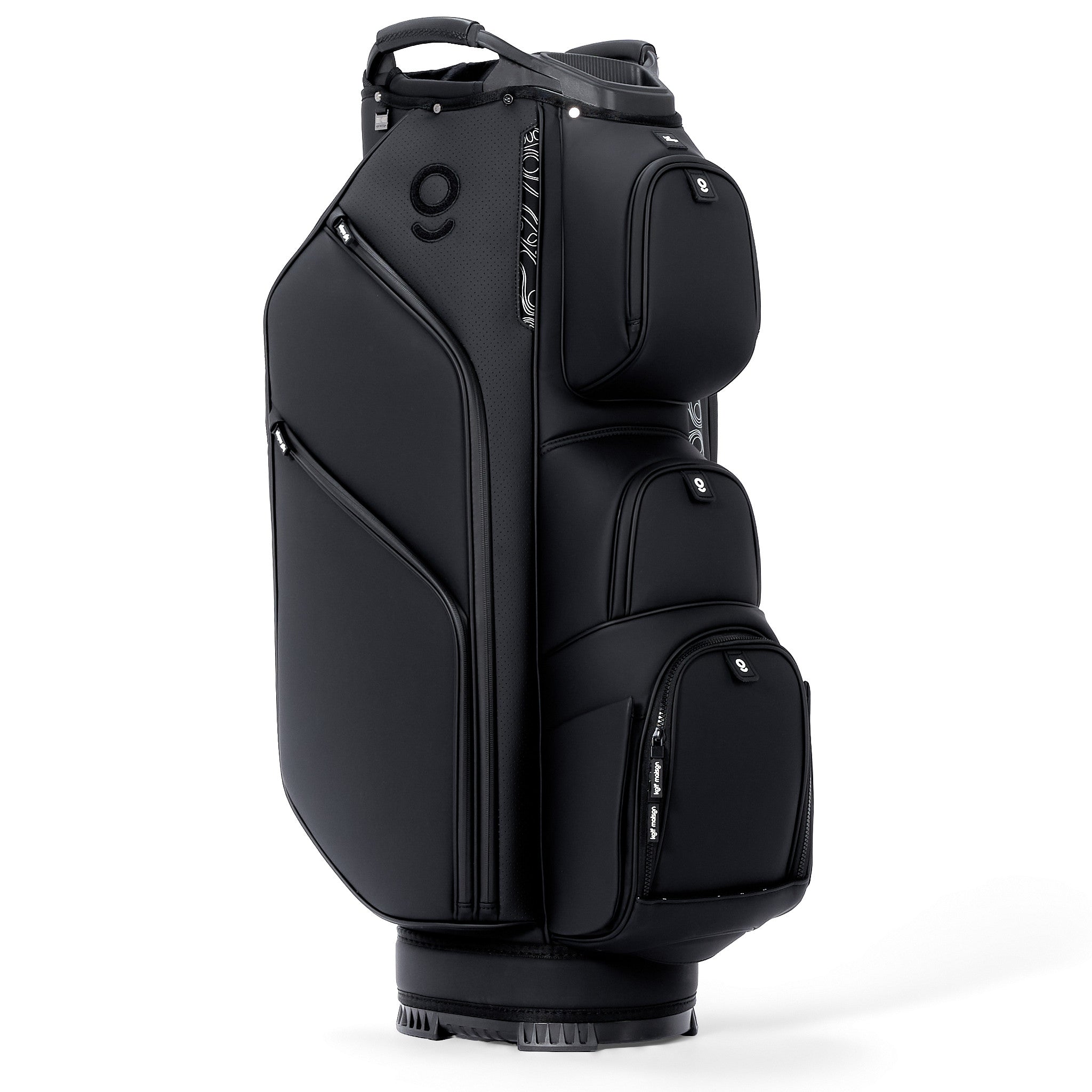
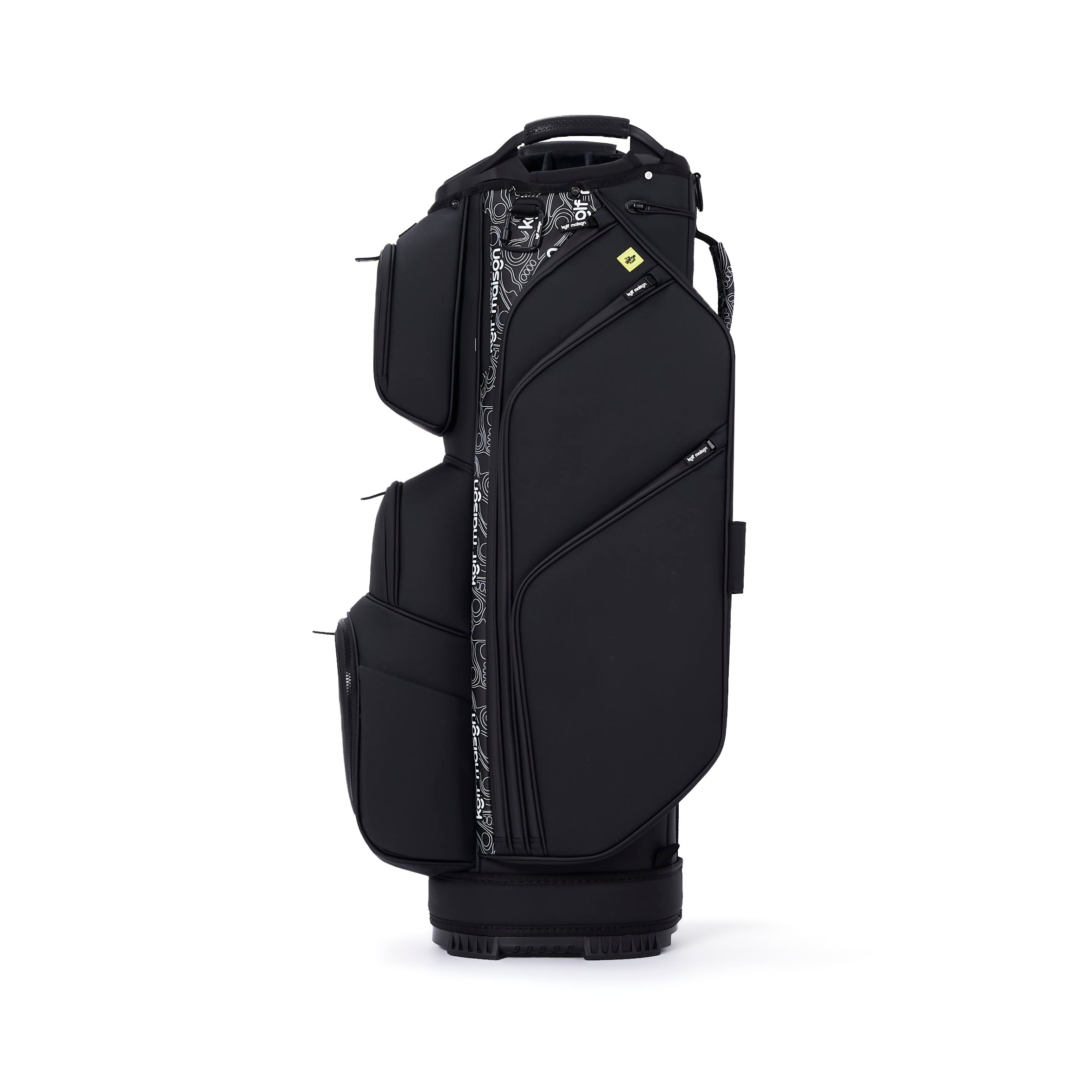
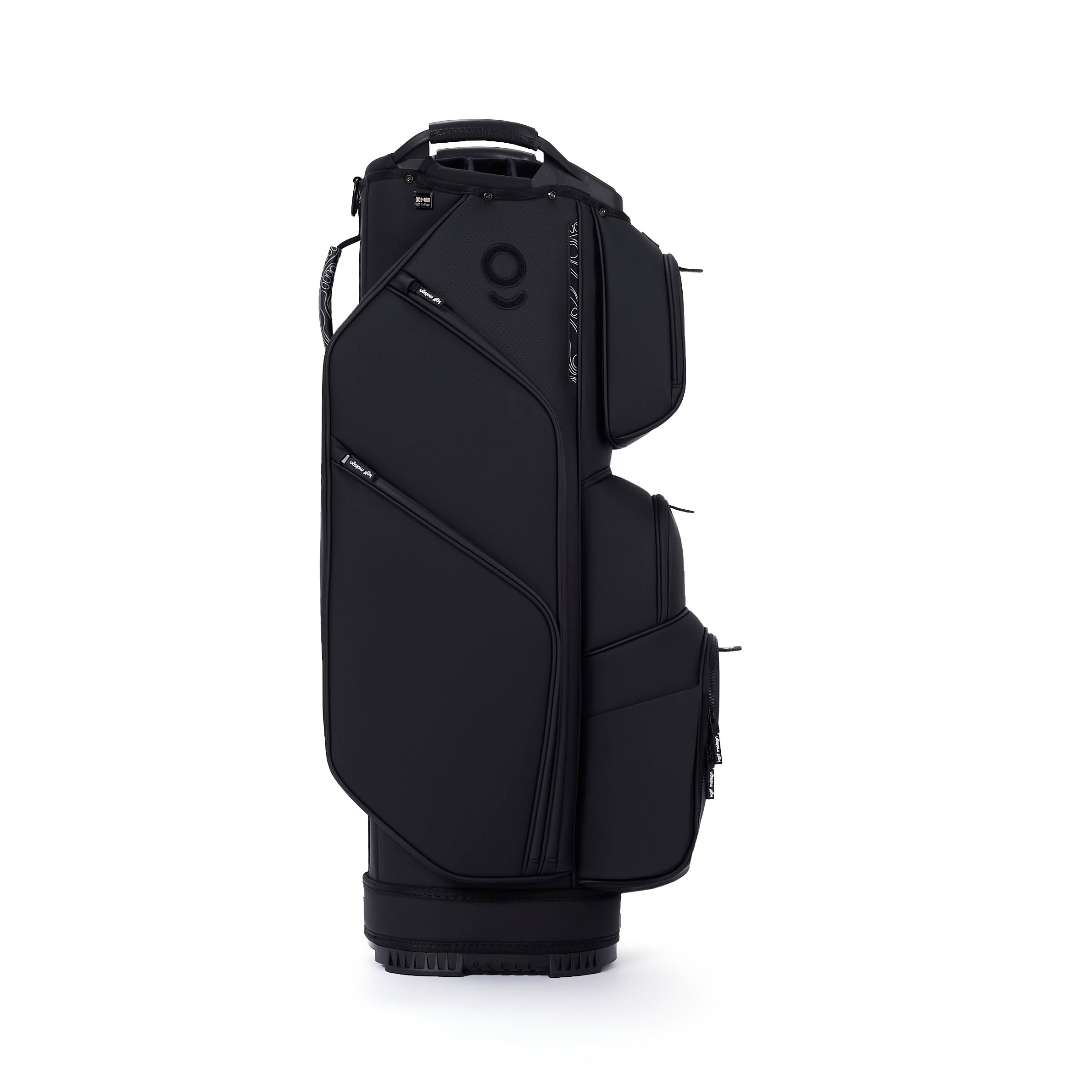
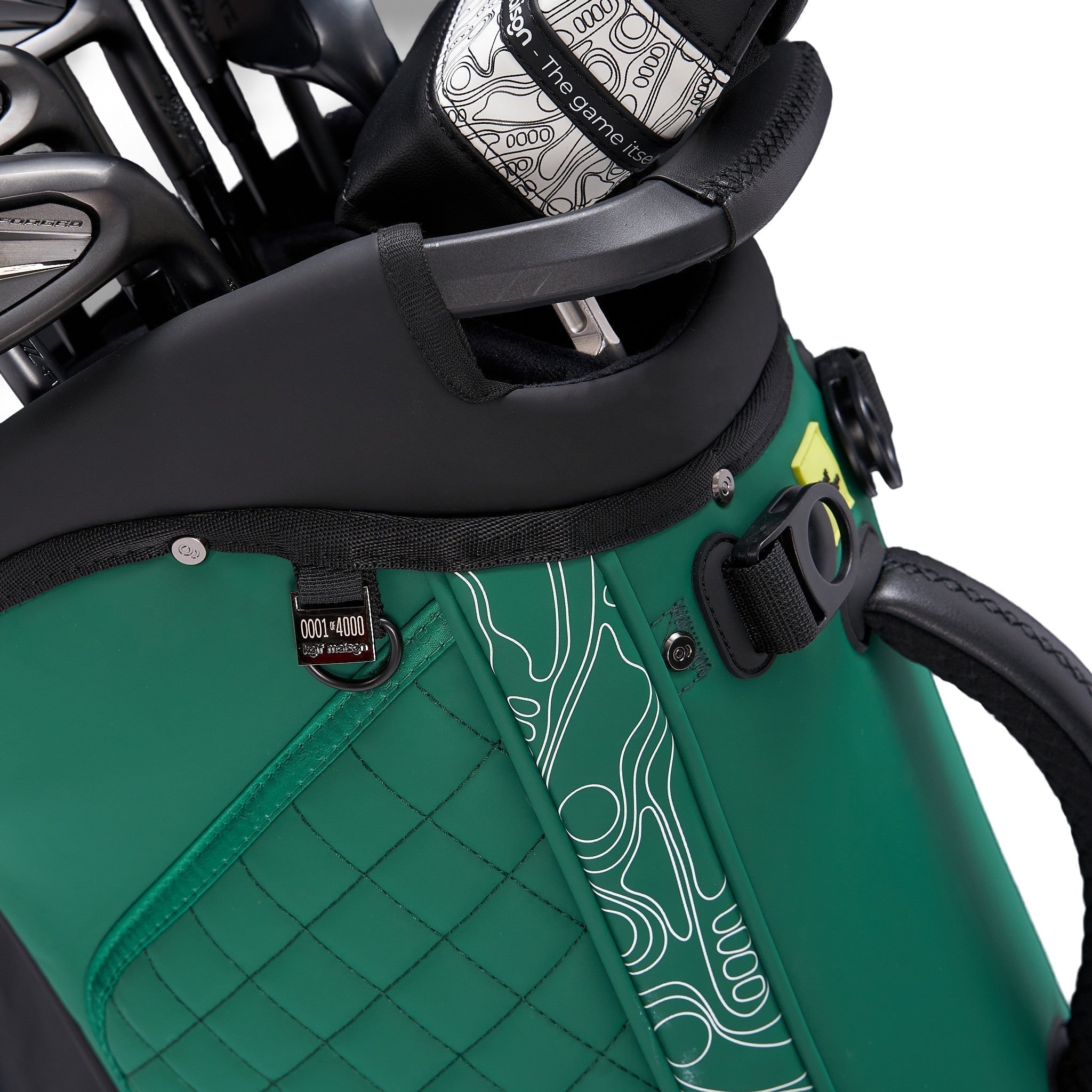
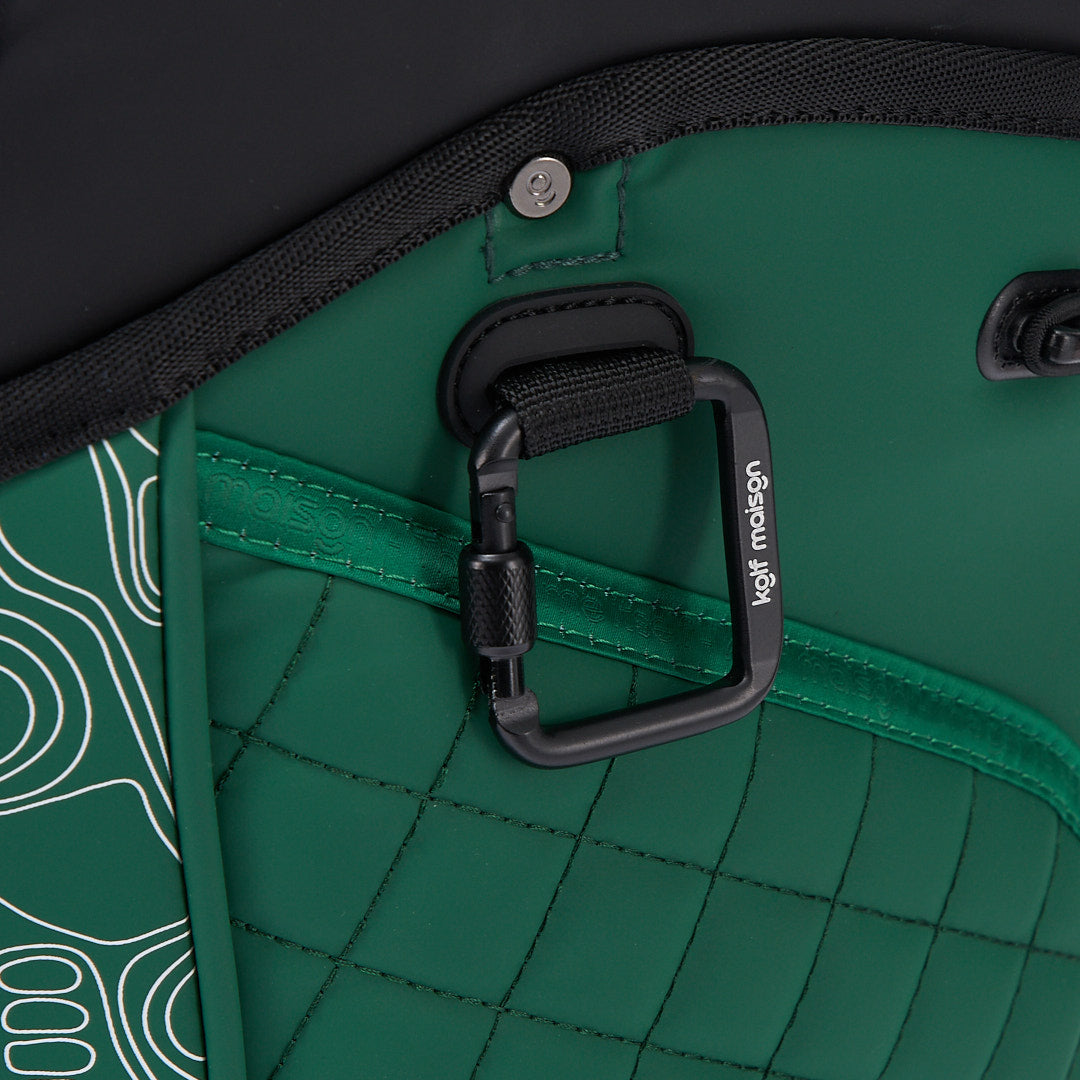
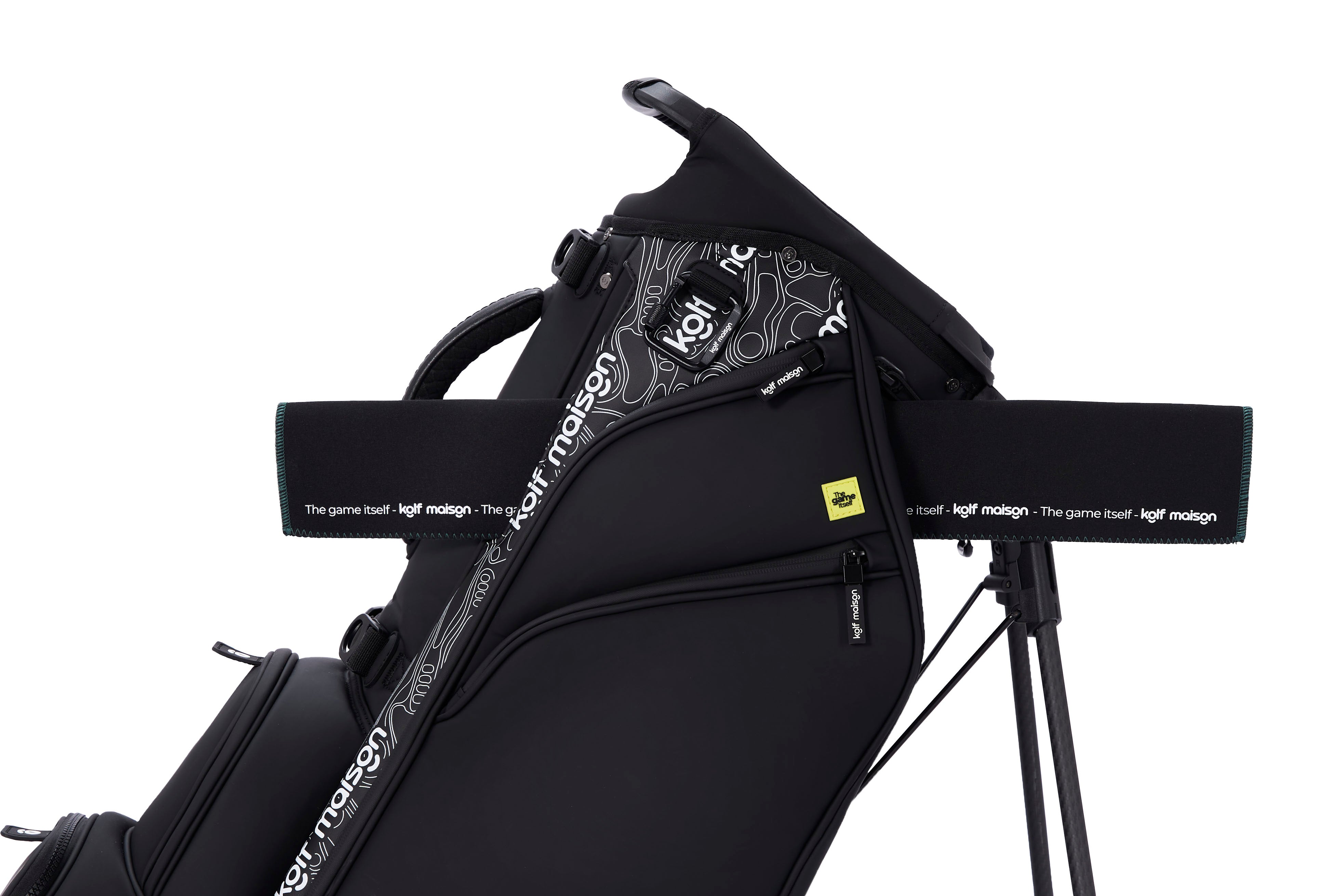
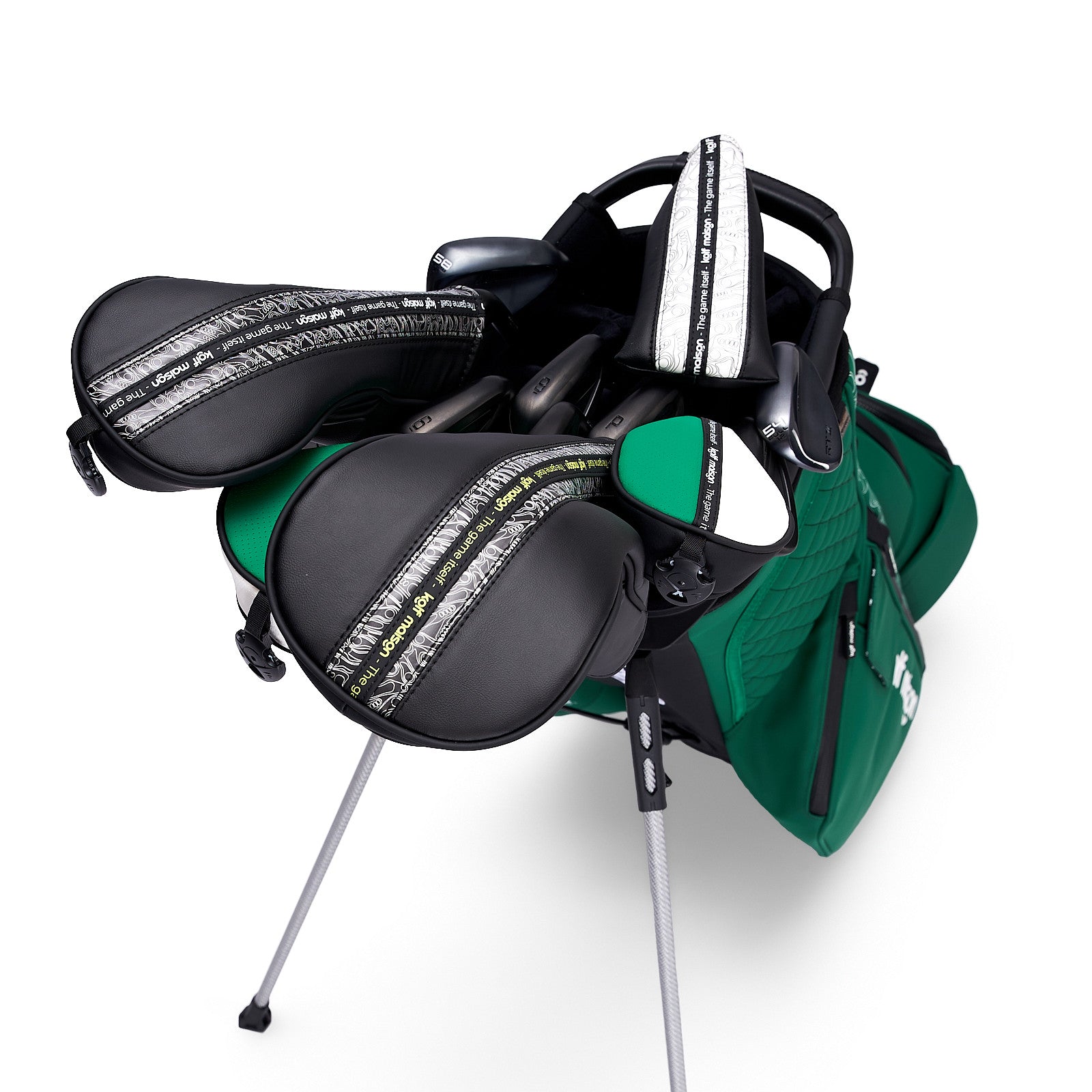
The Paganica Stand Bag is developed with a focus on controlled balance, structural integrity, and long-term walking performance.
It is available in both 7 way and 14 way configurations, allowing golfers to select a divider system that aligns with their playing style and walking preference.
The 7 way version weighs approximately 6.7 pounds, prioritizing reduced top weight and improved balance during extended walking rounds. The 14 way version weighs approximately 7.1 pounds, offering full club separation with slightly increased structure.
The dual strap system is designed to distribute weight evenly, minimizing fatigue over long distances. The bag maintains stability without excessive movement during transitions.
The carbon fiber leg system provides consistent deployment and stability across varying terrain, ensuring reliable positioning on uneven surfaces.
The internal structure is reinforced to maintain shape under load, preventing collapse and preserving organization. This is essential for maintaining consistent weight distribution.
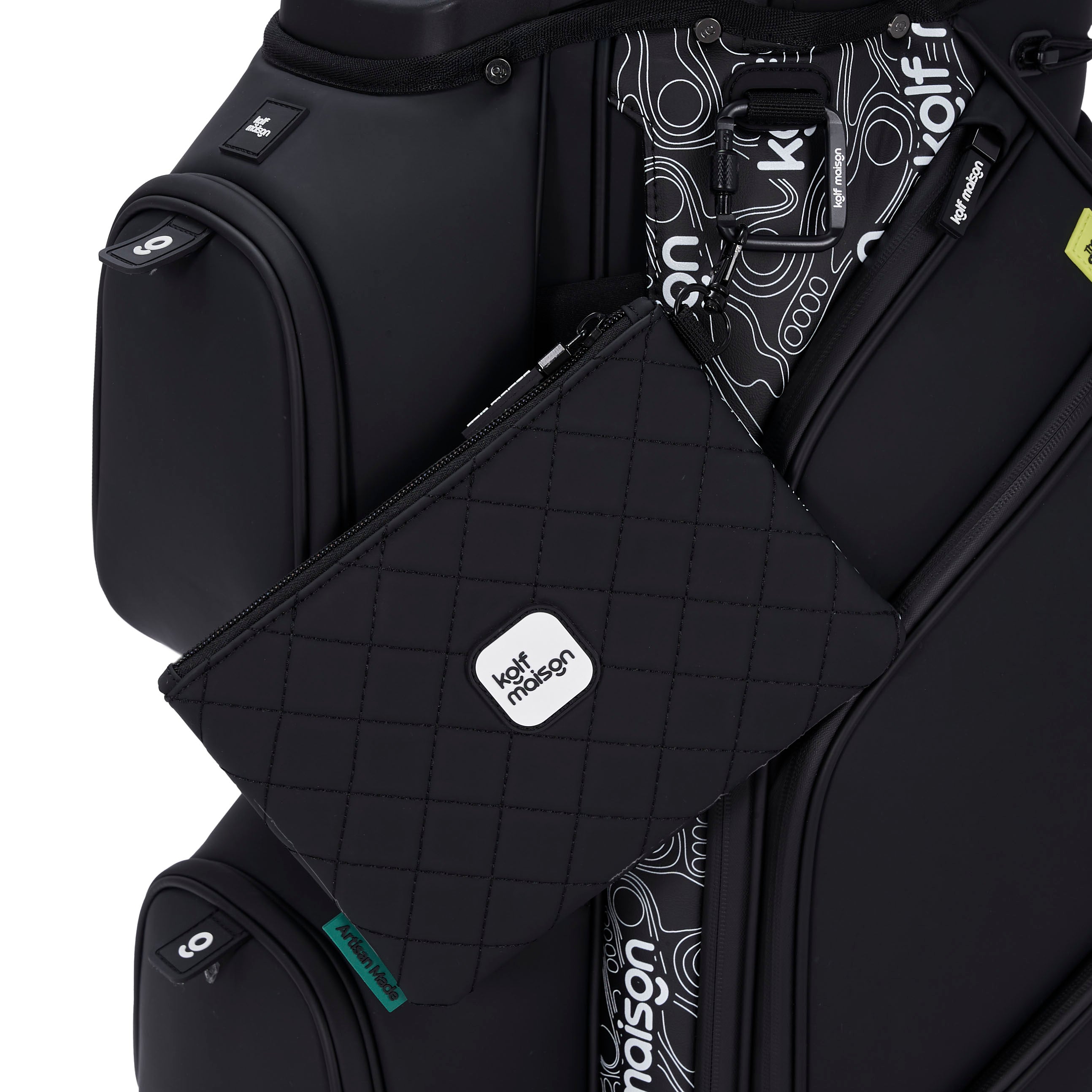
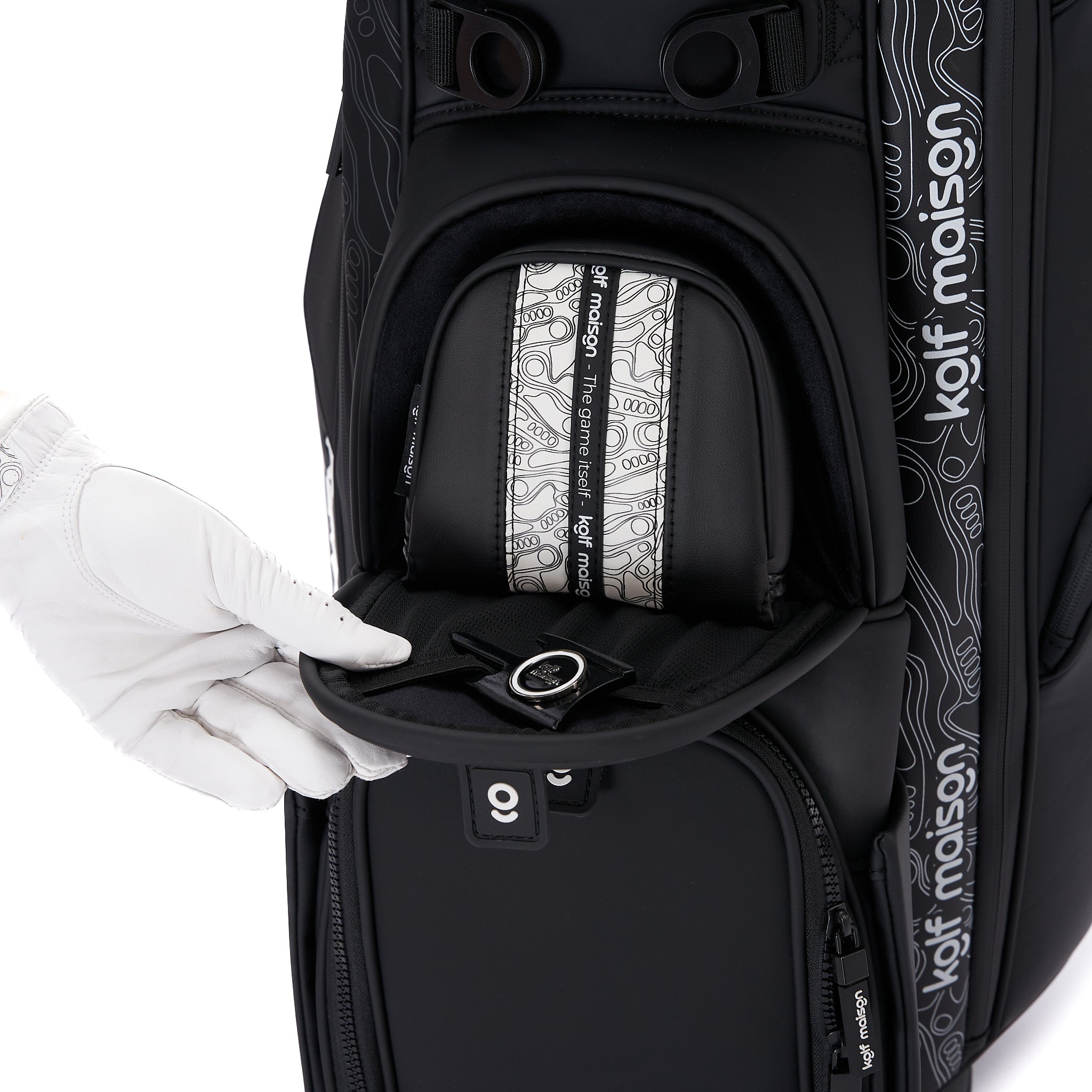
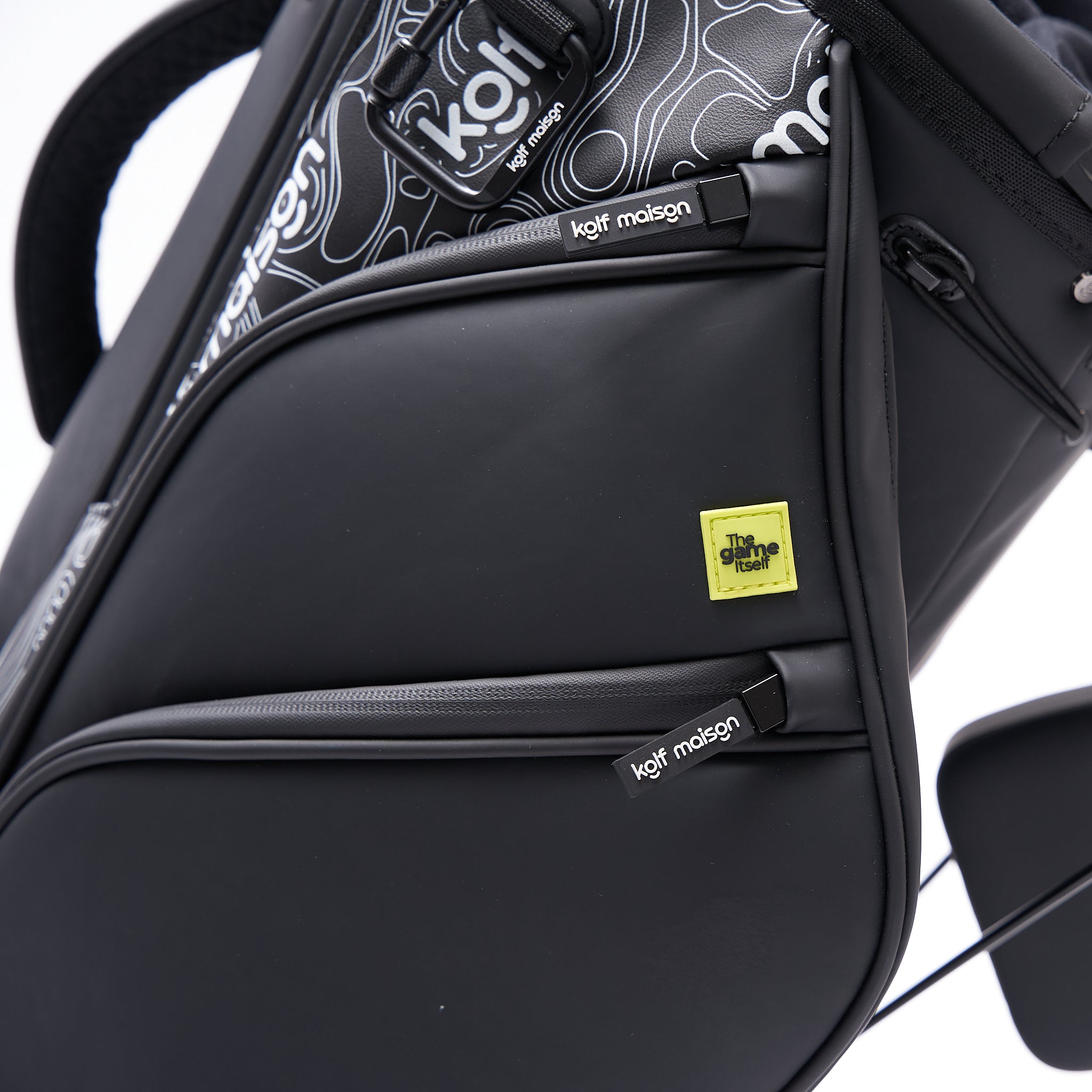
The bag includes a structured storage system with multiple compartments, allowing efficient access without disrupting balance.
Material selection focuses on long-term durability. The Matte Microfiber Composite Leather exterior resists wear and maintains structural integrity over repeated use.
Storage and Balance Interaction
Storage design directly affects balance. Poorly placed pockets create uneven weight distribution, even if the overall bag weight is low.
Heavy items placed high or on one side shift the center of gravity. This creates imbalance during walking and increases strain.
A well-designed stand bag positions storage to maintain equilibrium. Valuables pockets, ball storage, and apparel compartments must be aligned with the bag’s center.
The goal is not maximum storage. The goal is controlled storage that preserves balance.
This concept aligns with the structured design approach explored in the anatomy of a modern golf bag.
7 Way vs 14 Way for Walking Golfers
For walking golfers, the decision between 7 way and 14 way systems becomes more nuanced.
A 7 way system reduces structural weight and allows more fluid interaction with clubs. This often results in better balance and less fatigue during long rounds.
A 14 way system provides superior organization and shaft protection but adds weight to the top of the bag. This can affect balance if not properly engineered.
Golfers who prioritize simplicity and movement often prefer 7 way systems. Golfers who prioritize organization and precision often prefer 14 way systems.
The optimal choice depends on how the golfer values balance versus separation.

How to Choose the Right Stand Bag for Your Game
Selecting the right stand bag is not about choosing the lightest option available. It is about choosing the system that maintains balance, structure, and comfort across an entire round.
The decision should be based on how you play, how often you walk, and how your equipment is configured.
Choose a 7 way stand bag if:
You walk most of your rounds
You prioritize balance and reduced fatigue
You prefer a lighter, more fluid carry experience
You carry fewer than 14 clubs or prefer grouped organization
Choose a 14 way stand bag if:
You carry a full 14 club setup
You want precise club separation
You use premium shafts and want reduced contact
You prefer structured organization over fluid access
For most walking golfers, the decision comes down to balance versus precision. Neither system is universally better. The advantage comes from alignment with your playing style.
When a Cart Bag May Still Be the Better Choice
Not every golfer benefits from a stand bag. If you primarily ride, a cart bag offers superior storage and organization.
A structured option such as the Paganica Cart Bag provides a 14 way divider system combined with a fully structured storage layout, making it ideal for stationary use.
Understanding when to choose a stand bag versus a cart bag is essential for building a complete system. This distinction is explored further in stand bags vs cart bags.
Long Term Performance and Durability
A stand bag must maintain performance over time. Materials, structure, and internal reinforcement determine whether the bag remains balanced after repeated use.
Lower quality bags degrade quickly. Structure softens, straps lose tension, and balance shifts. This leads to increased fatigue and reduced usability.
A properly engineered stand bag maintains its form, ensuring consistent performance across multiple seasons.
This long-term perspective aligns with the principles outlined in golf bag durability and the concept of choosing once versus replacing often.
Integration Within a Complete Setup
A stand bag does not exist in isolation. It is part of a complete golf system that includes clubs, accessories, and travel solutions.
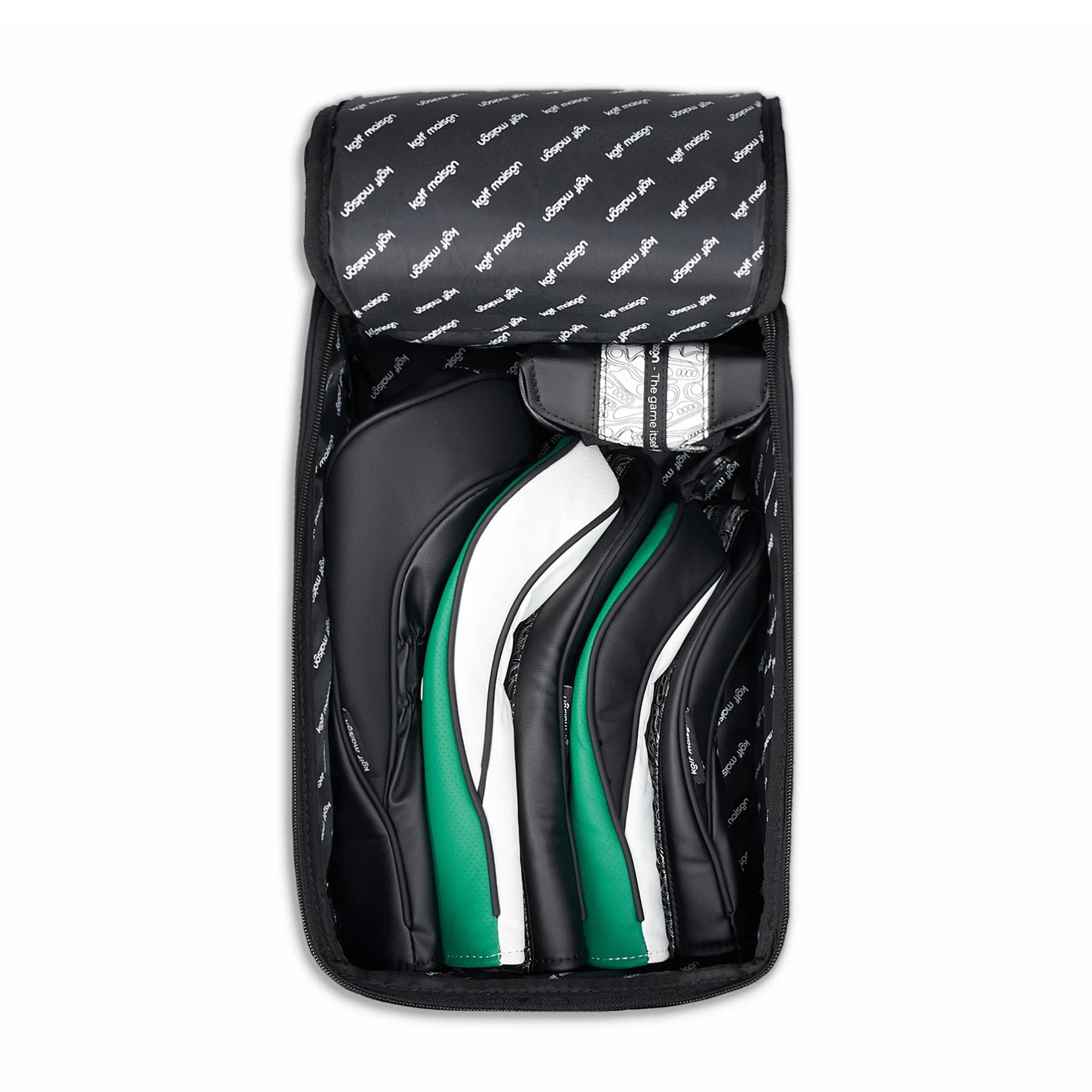
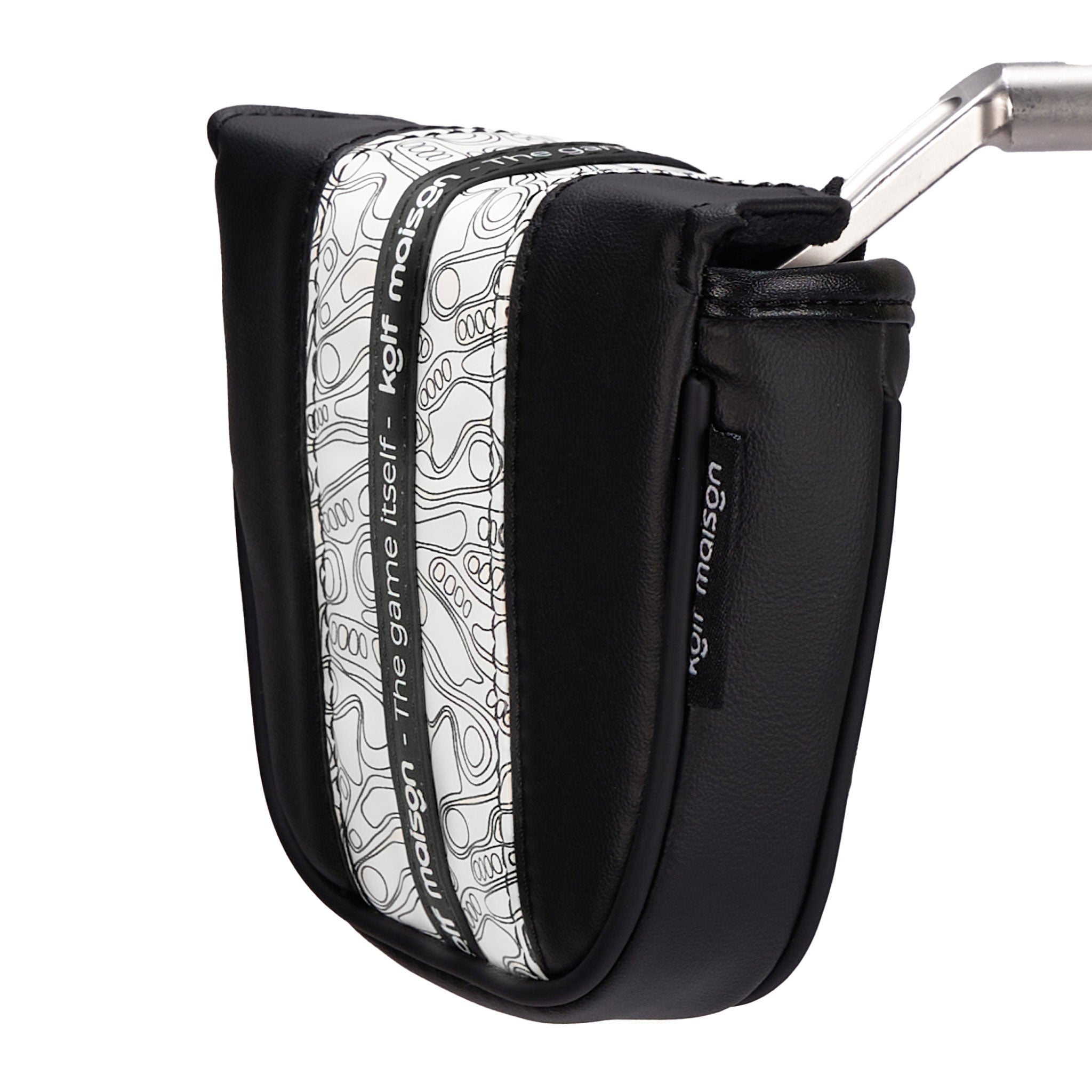
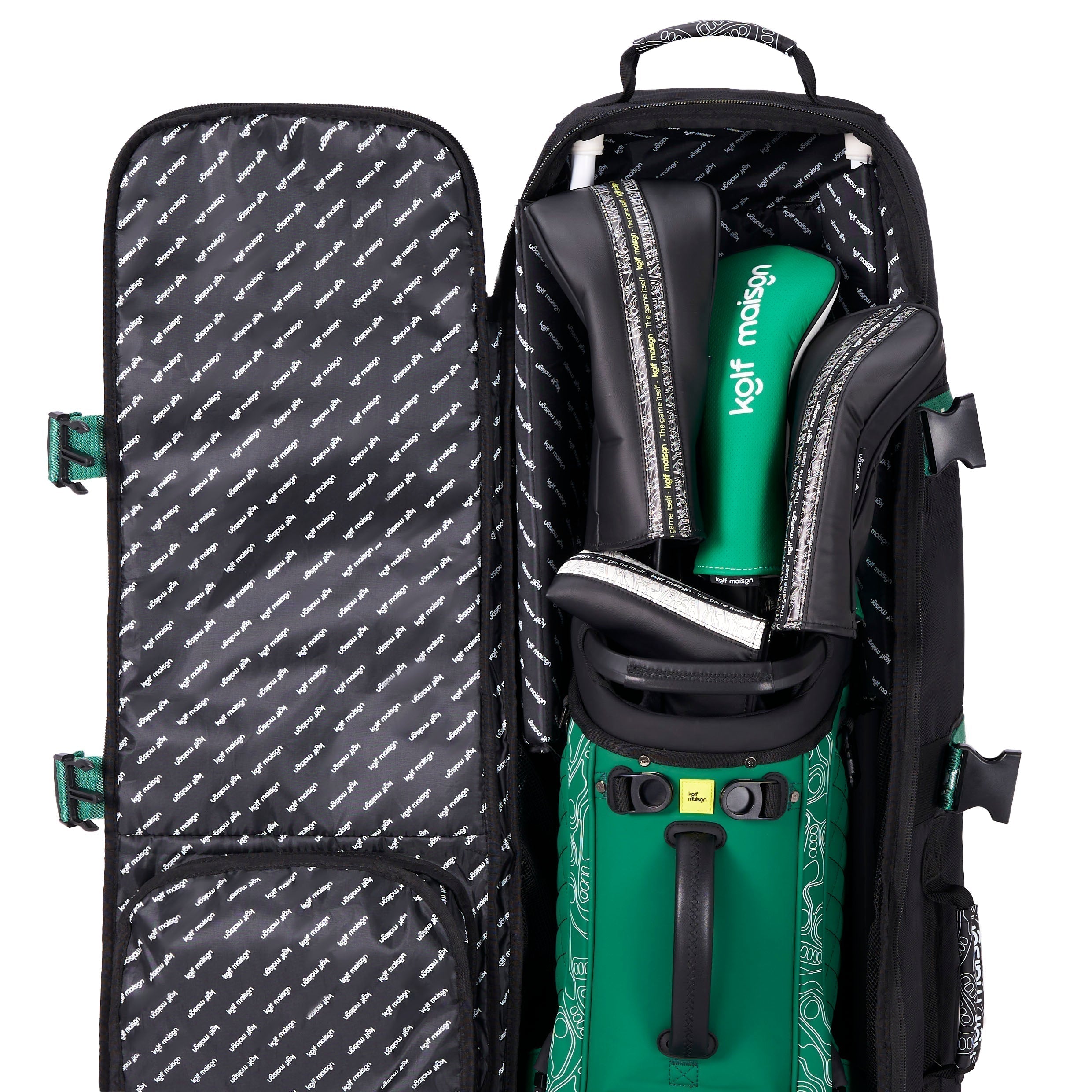
Pairing a structured stand bag with protective accessories such as the Paganica Head Cover Set ensures consistent protection during both play and transport.
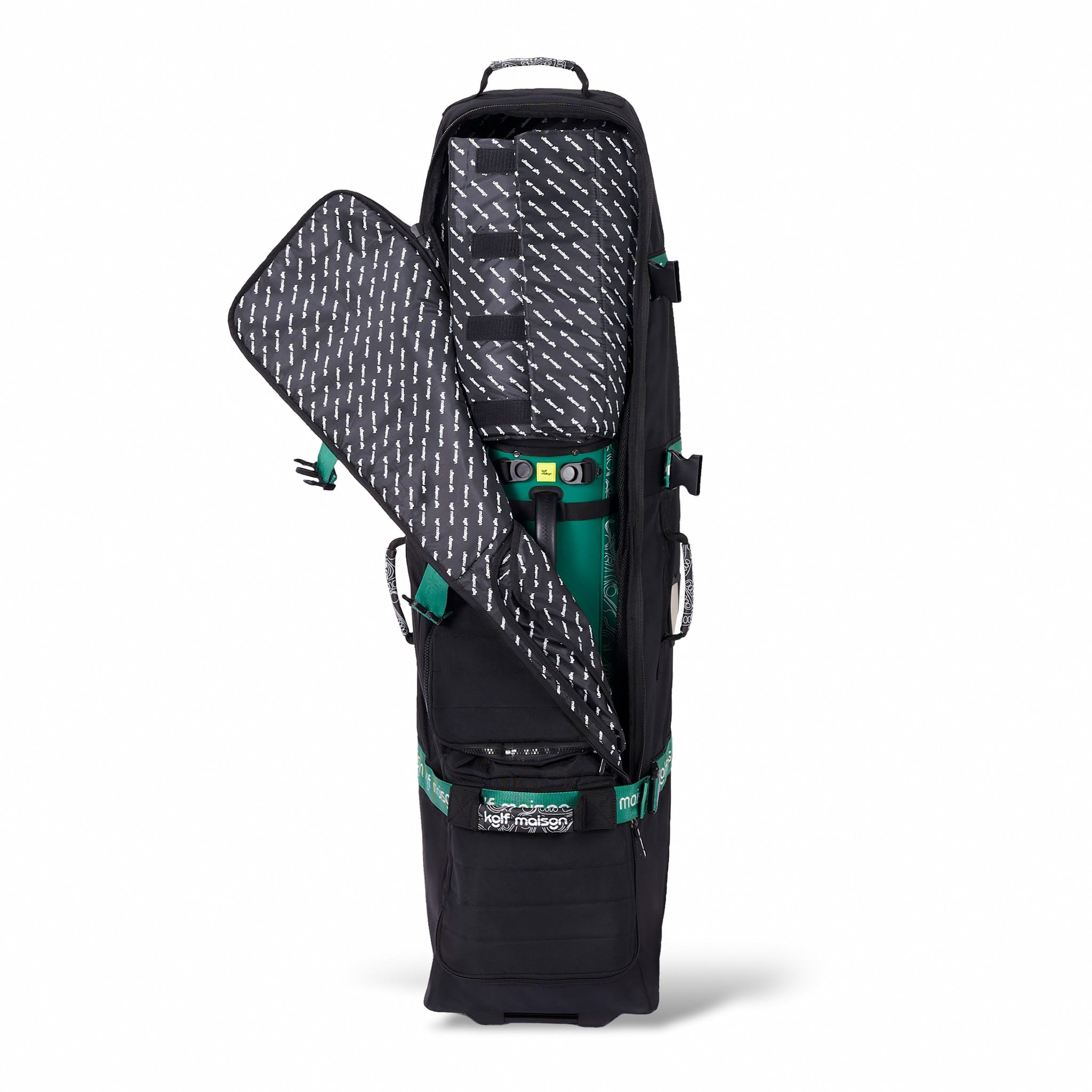
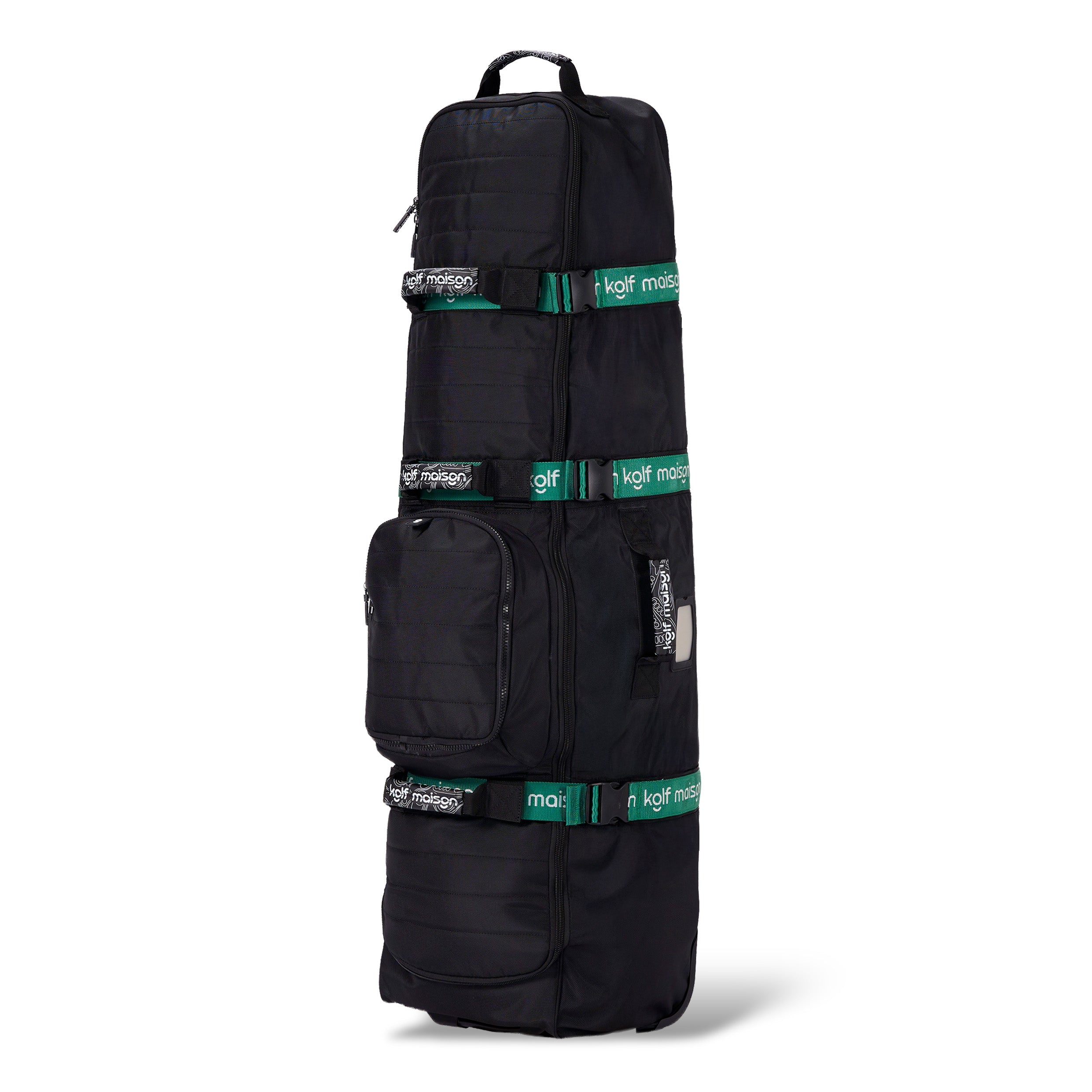
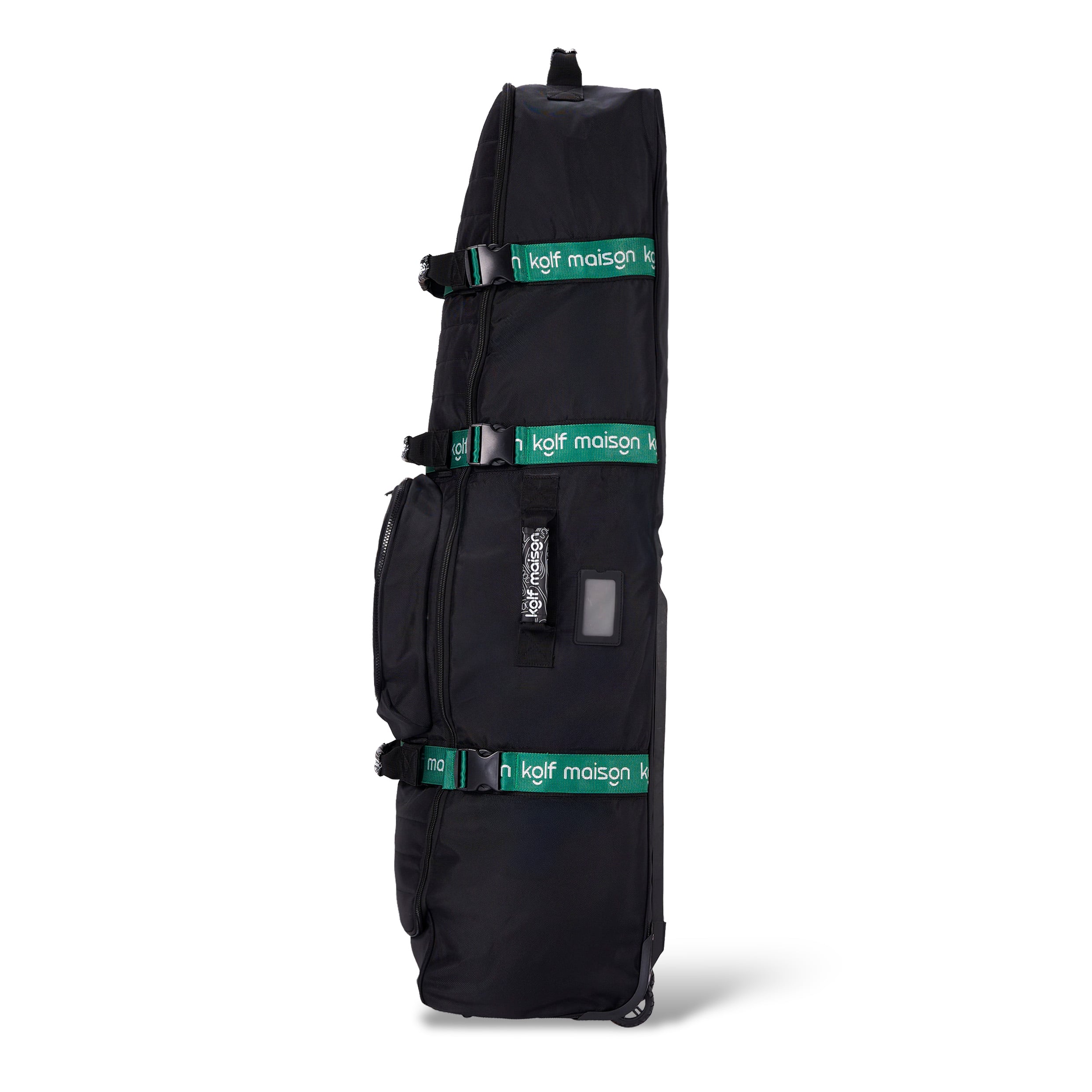
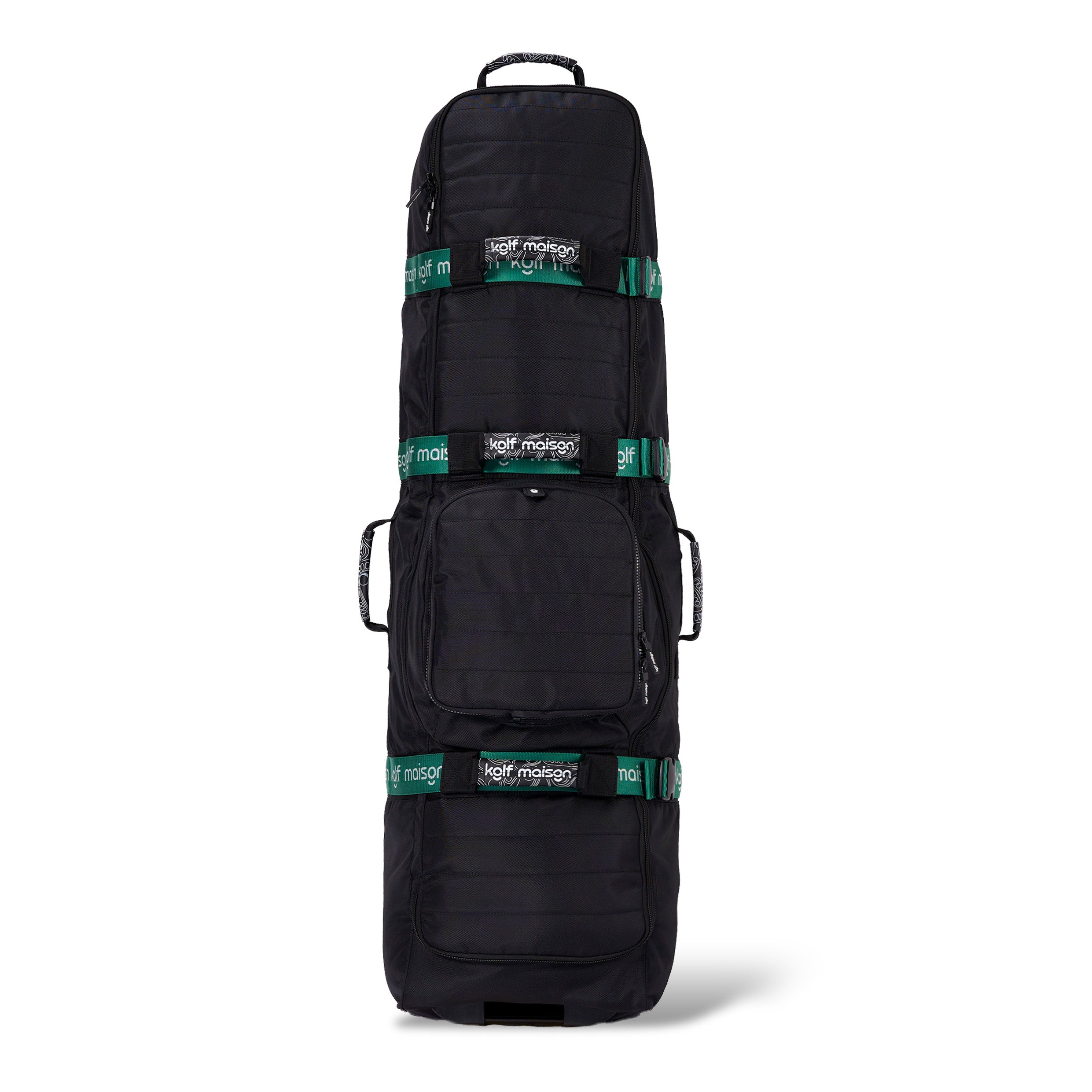
For golfers who travel, combining a stand bag with the Aura Travel Bag maintains structural integrity and organization even under transit conditions.
This system-based approach is outlined in the complete setup.
Final Perspective
The best stand bags for walking golfers are not defined by weight alone. They are defined by balance, structure, and their ability to perform consistently over time.
A well-designed stand bag becomes an extension of the golfer. It moves naturally, maintains stability, and supports performance across every hole.
For golfers who walk with intent, the right stand bag is not just equipment. It is part of the rhythm of the game.
Frequently Asked Questions
What is the best stand bag for walking golfers?
The best stand bag balances weight, structure, and comfort across a full round, maintaining stability and reducing fatigue.
Are lighter stand bags always better?
No. Balance and weight distribution matter more than overall weight. A poorly balanced lightweight bag can increase fatigue.
Is a 7 way stand bag better for walking?
In many cases yes, because it reduces top weight and improves balance, but it depends on the golfer’s preference for organization.
Do 14 way stand bags affect walking comfort?
They can add weight to the top of the bag, which may affect balance if not properly designed.
How long should a stand bag last?
A high-quality stand bag should maintain structure and performance across multiple seasons without degradation.


Share:
Why Manufacturing Kolf Maison Bags Costs More Than Most Golf Brands
Best Cart Bags for Storage and Organization 2026 | 14 Way Golf Bags