


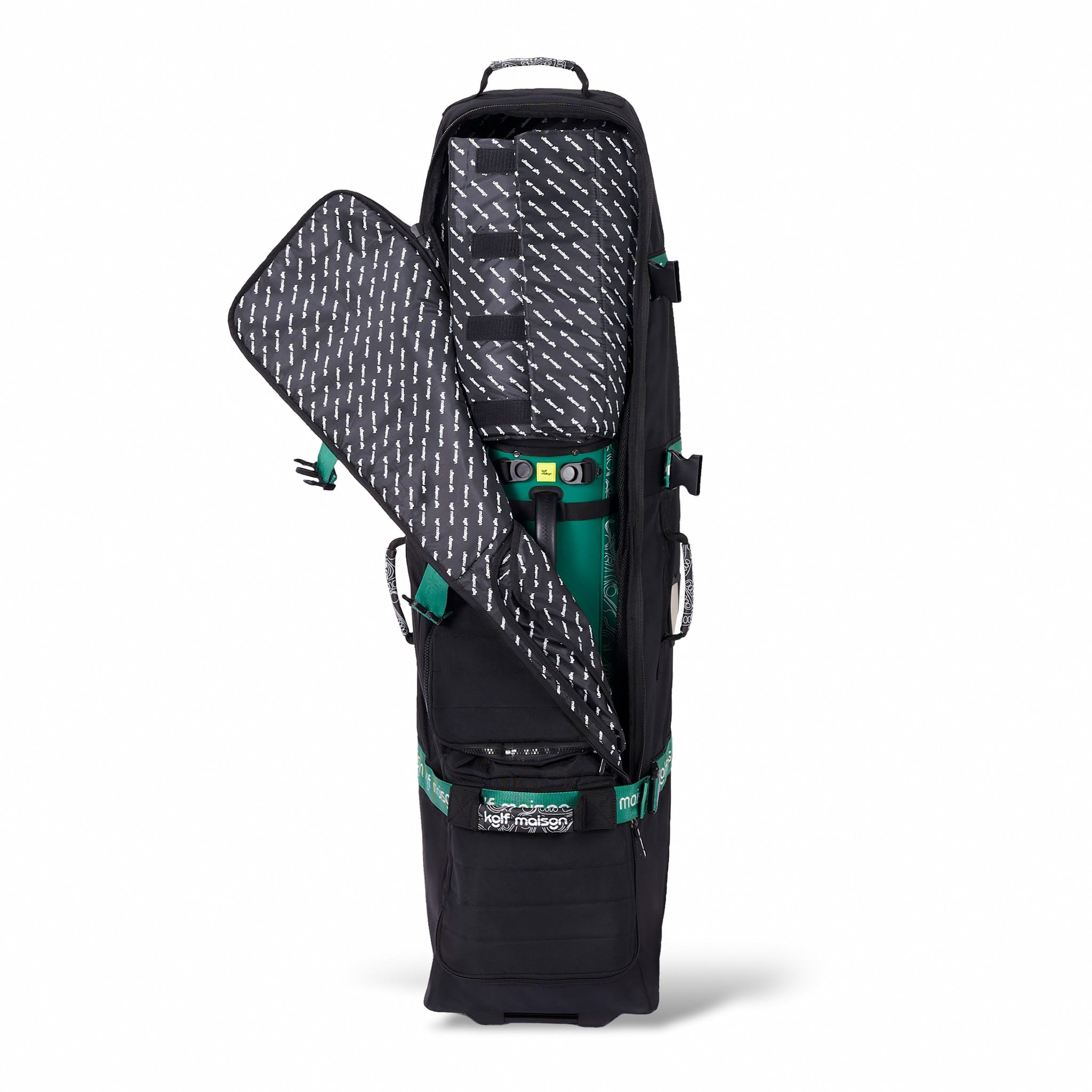
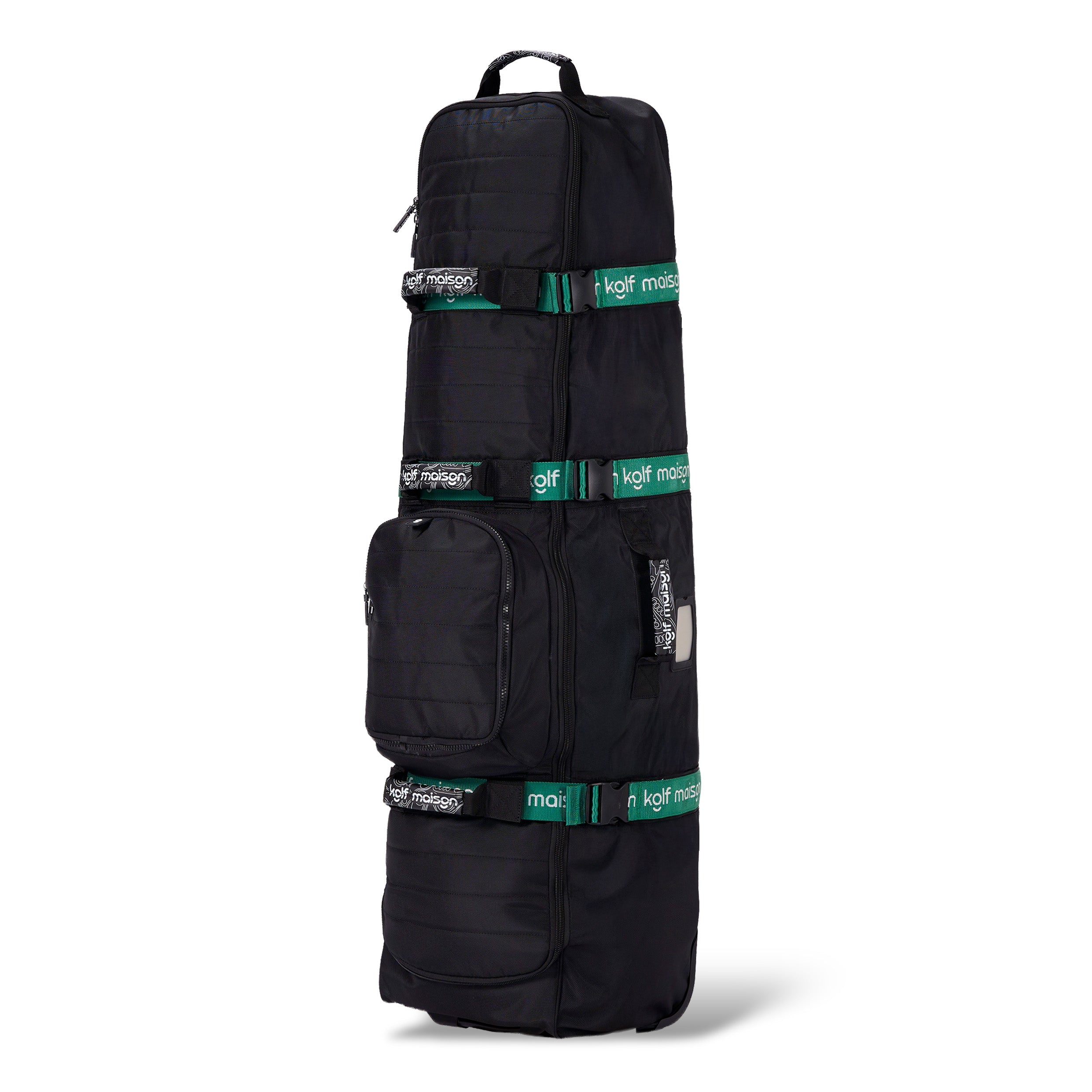
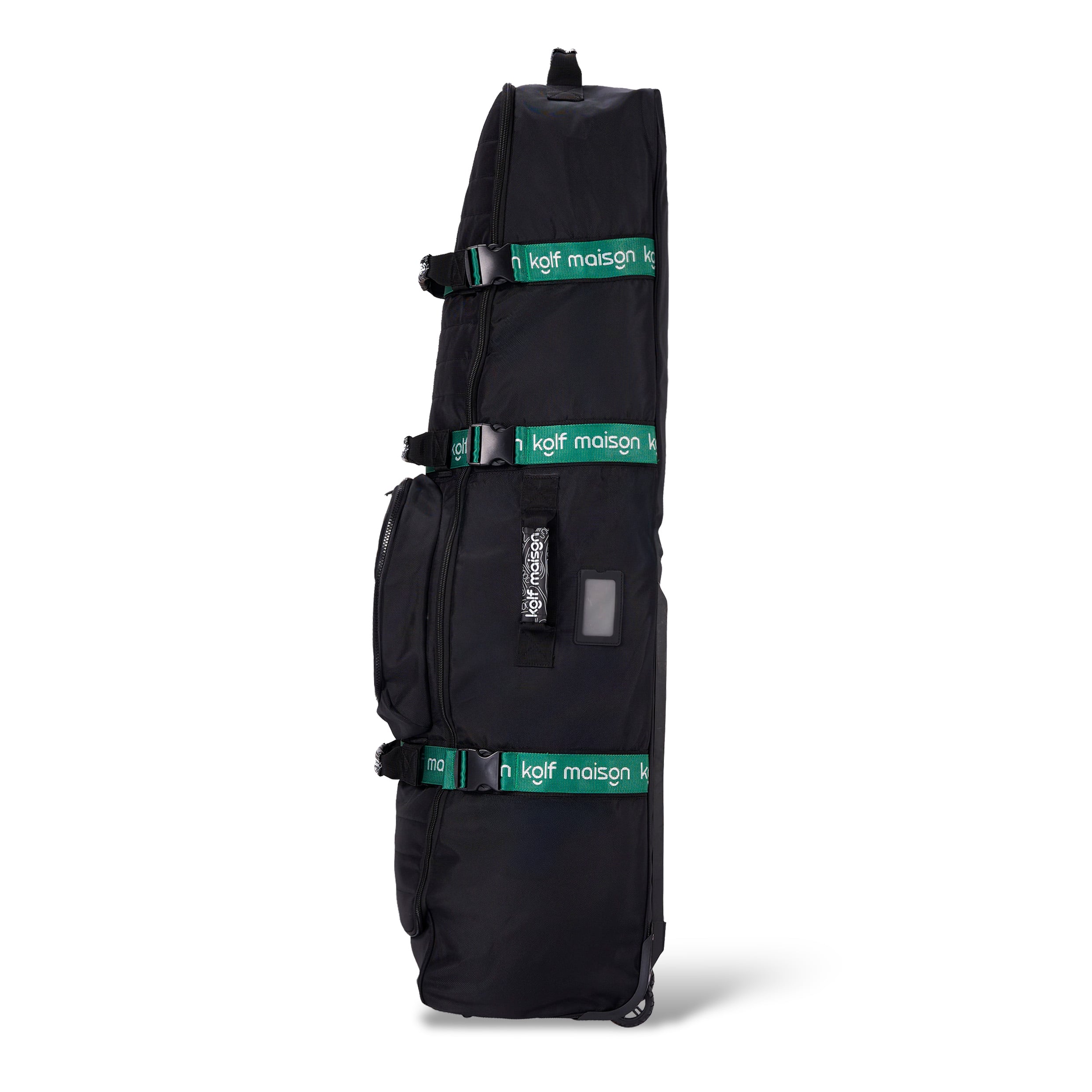
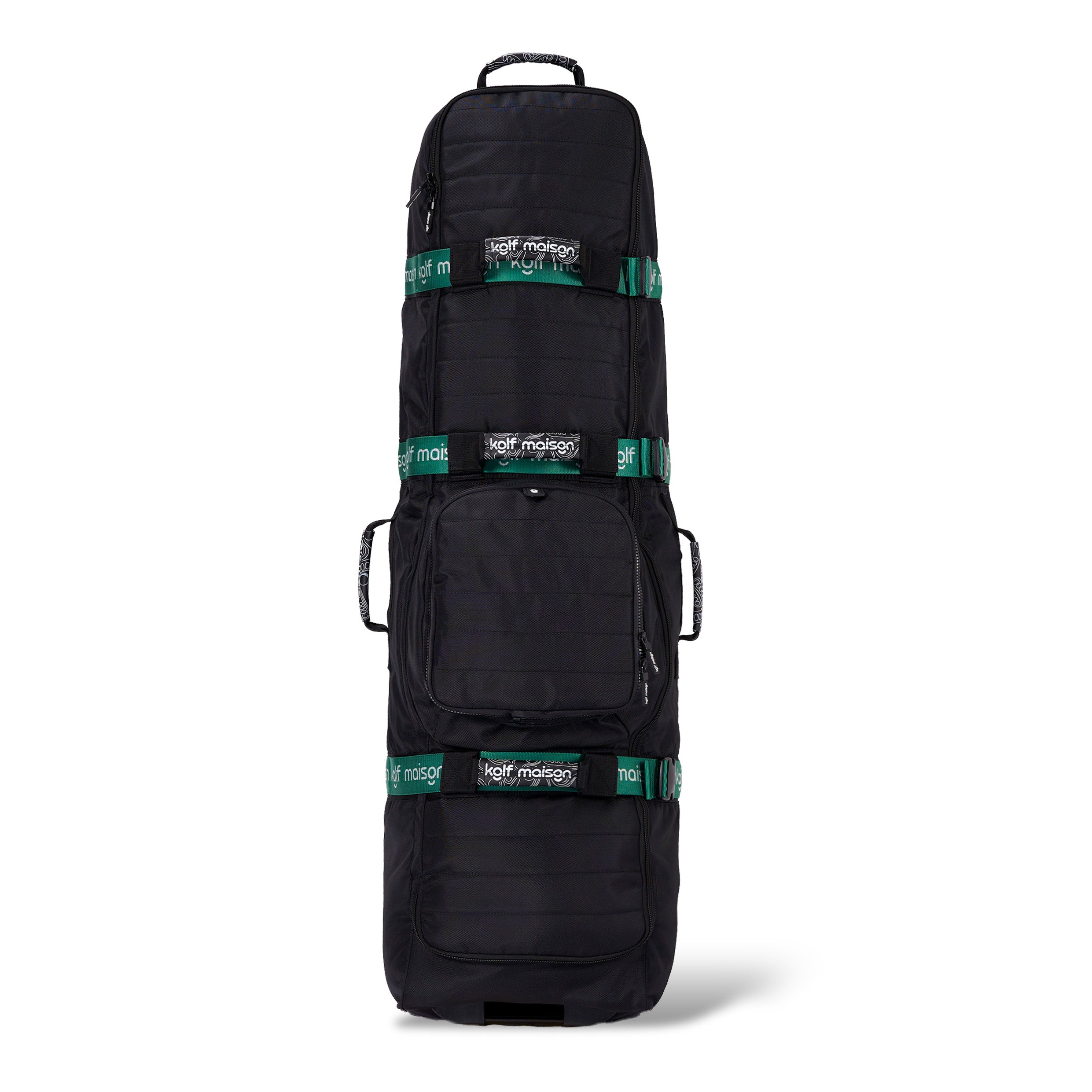

Why Manufacturing Kolf Maison Bags Costs More Than Most Golf Brands

The Cost of True Luxury in Golf Bags Explained
Luxury in golf is often misunderstood. Price is mistaken for branding. Visibility is mistaken for quality. And in many cases, mass production is disguised as refinement.
This is precisely where the distinction begins.
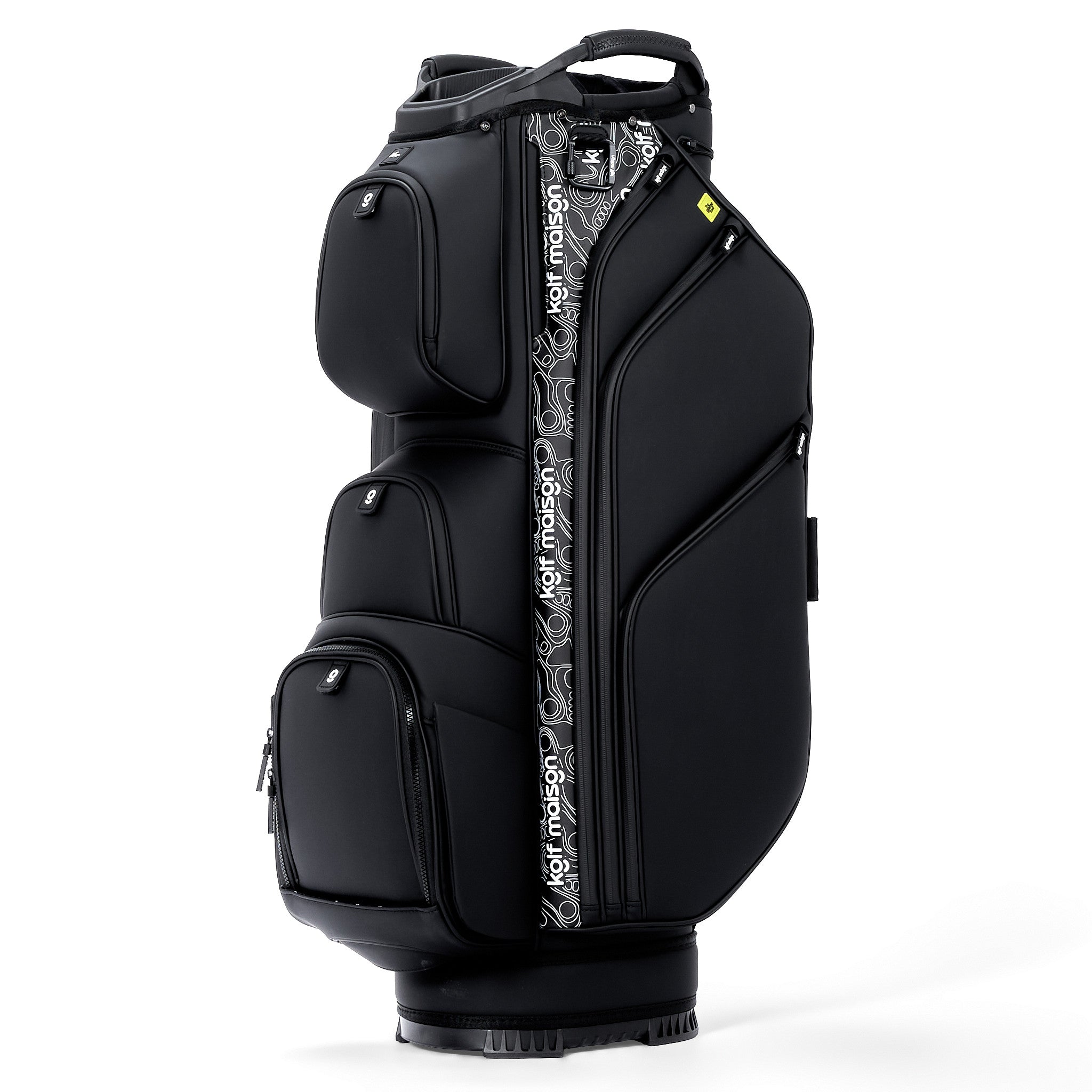
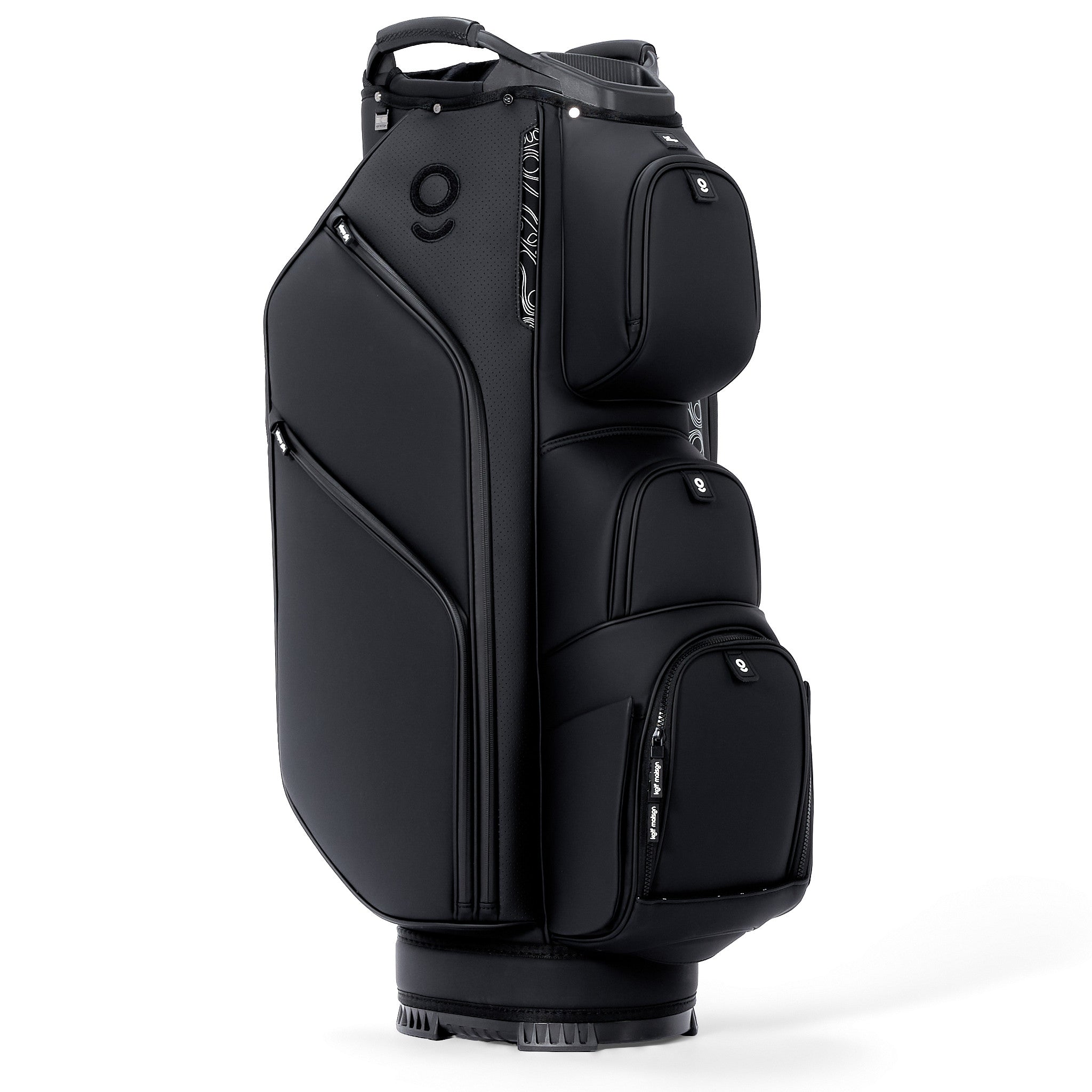
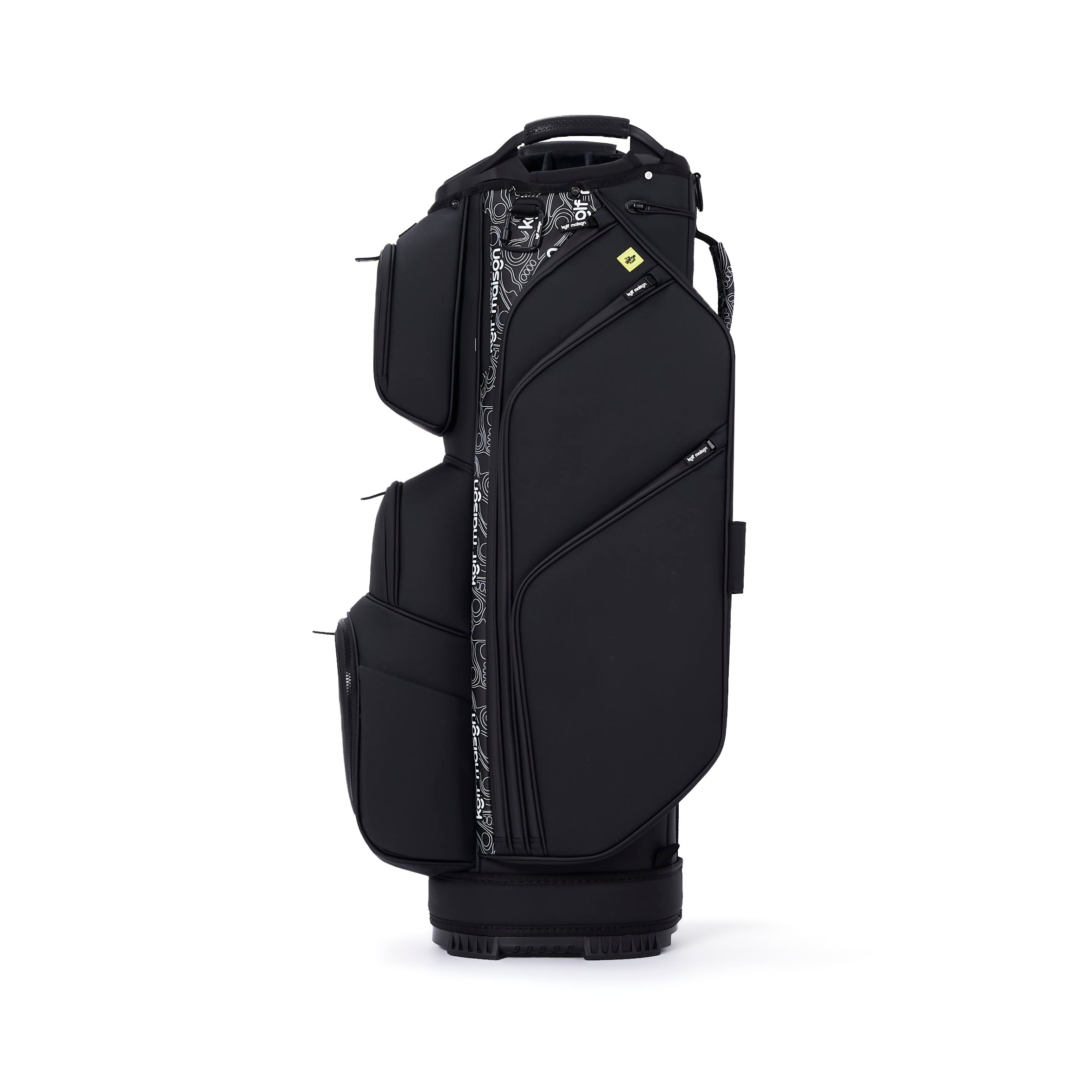
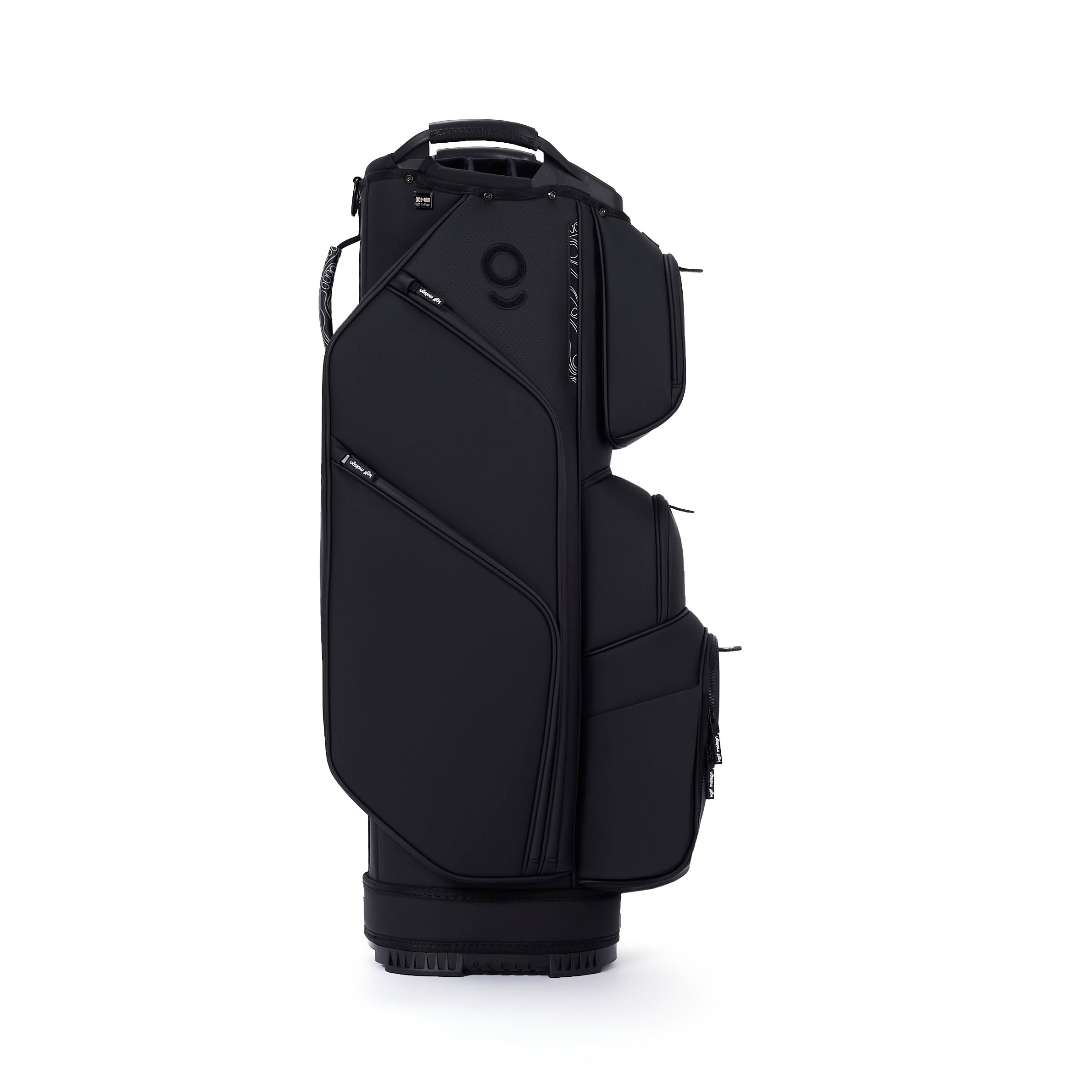
A Kolf Maison golf bag is not priced higher because of positioning. It is priced higher because it is built differently from the ground up. From material selection to production scale, from engineering decisions to quality control, every layer introduces cost not commonly found in most golf bags available today.
This is not a matter of perception. It is a matter of structure.
For those researching luxury golf bags, premium golf bags, or asking whether premium golf bags are actually worth the higher price, the answer does not begin with branding. It begins with manufacturing reality.
Why Some Golf Bags Cost More
The cost of a golf bag is primarily determined by four factors: material quality, production scale, construction complexity, and quality control. Brands that optimize for volume reduce cost at each of these layers. Brands that optimize for longevity, structure, and precision increase cost at every step. This is why truly engineered golf bags are more expensive to produce and significantly more durable over time.
1. Material Reality: Not All Premium Materials Are Equal
Most golf bags today use what is broadly labeled as PU leather or synthetic materials. On paper, this sounds identical across brands. In reality, the difference is substantial.
Mass-market bags, including those commonly found on Temu or AliExpress, typically use low-density PU coatings, thin backing layers, minimal abrasion resistance, and surface finishes designed for appearance rather than endurance. These materials are optimized for cost and visual appeal in the short term.
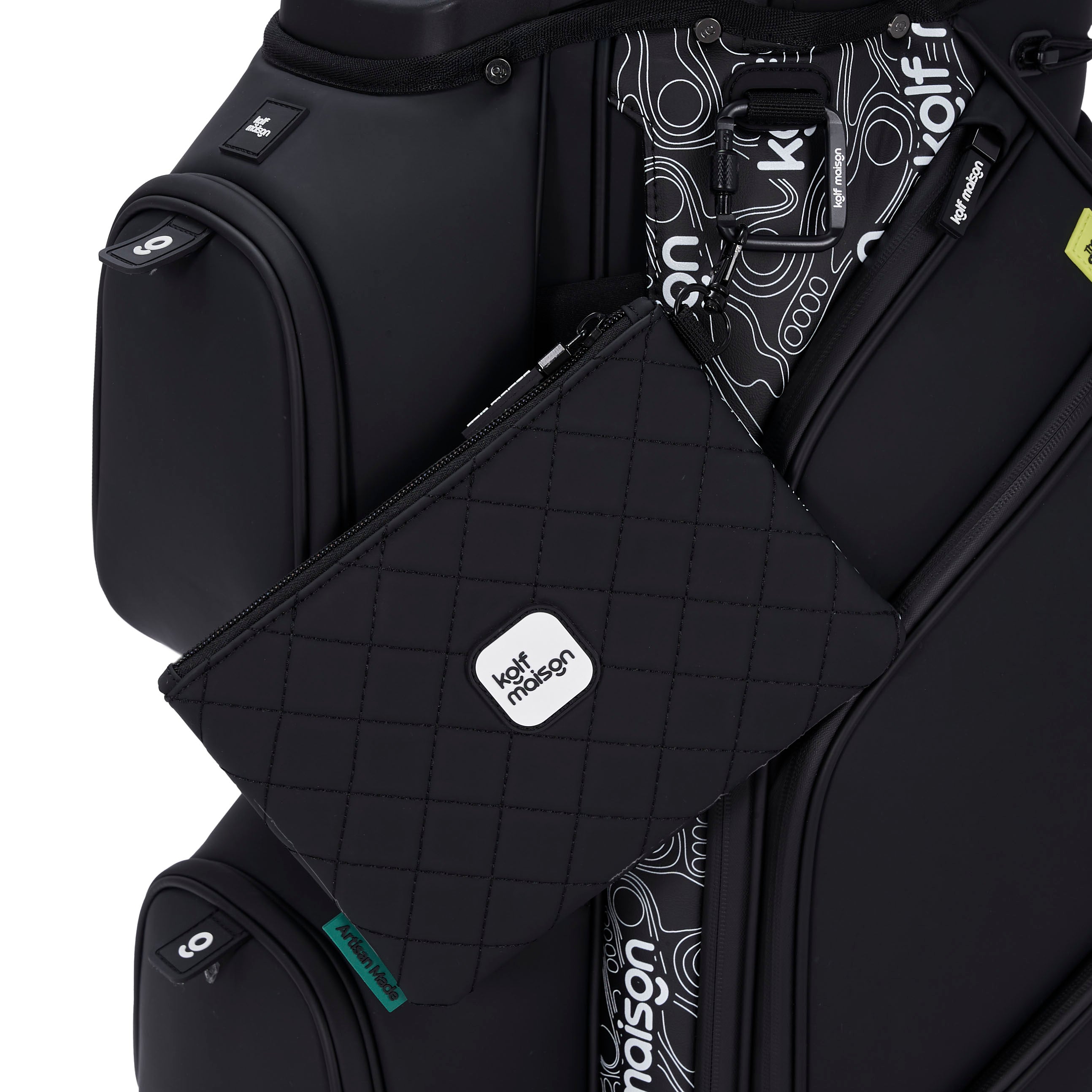
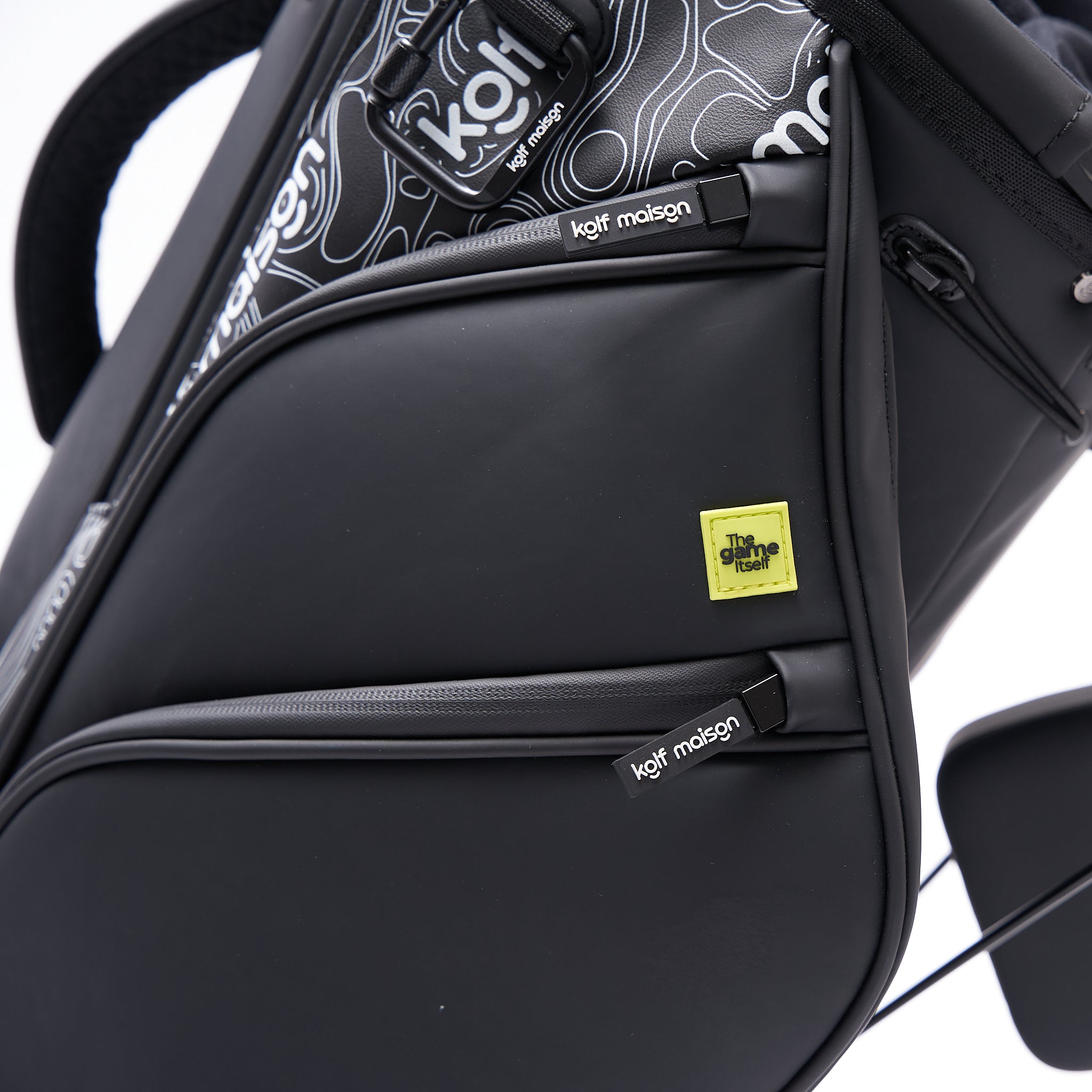
In contrast, Kolf Maison utilizes a matte microfiber composite structure engineered specifically for abrasion resistance over repeated use, structural stability under load, long-term surface integrity, and controlled aging without peeling or gloss breakdown.
This difference is not visible in a product listing. It becomes visible after months of use.
Material Comparison
Mass market bags use low thickness materials, gloss or coated finishes, low abrasion resistance, and tend to peel or crack over time with structural collapse. Standard premium brands improve slightly with medium thickness and moderate durability. Kolf Maison uses high-density composite materials with engineered matte finishes, high abrasion resistance, controlled aging, and structural integrity that maintains form.
2. Production Scale: The Hidden Driver of Cost
The largest cost difference in golf bag manufacturing is not materials. It is scale.
Mass-produced brands operate under a volume model with tens of thousands of units per run, automated assembly lines, minimal inspection time per unit, and standardized construction templates. This allows for aggressive cost reduction.
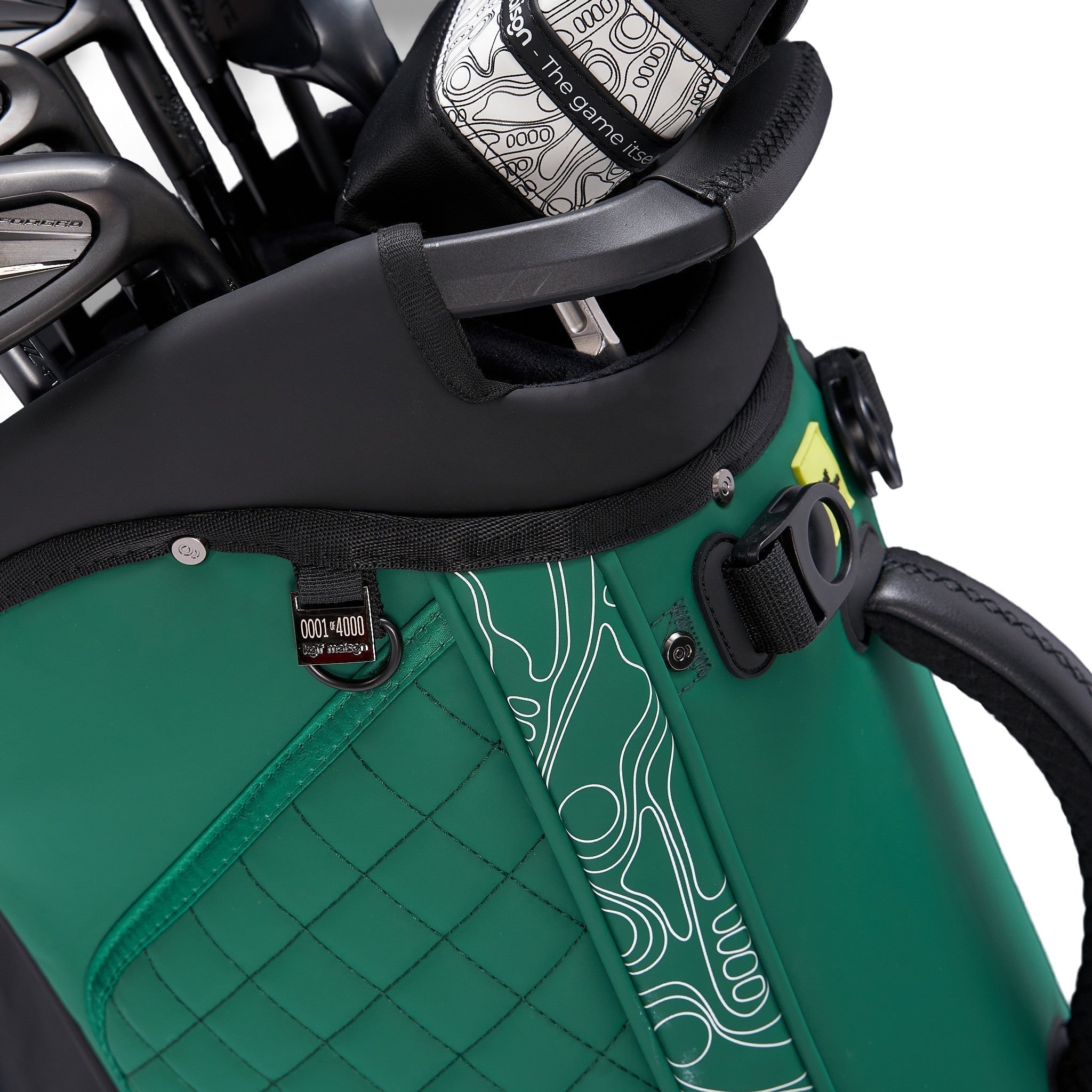
Kolf Maison operates under a controlled production structure with a maximum of 4,000 units per model per year, individually serialized production, multi-phase inspection processes, and controlled assembly environments.
Limiting production does not increase margin. It increases cost.
Every unit receives more time, more attention, and more manual verification. This is why scarcity is not a marketing concept. It is a manufacturing consequence.
Production Comparison
Mass market brands produce at scale with no serialization, automated assembly, and minimal inspection. Premium brands operate at mid-scale with hybrid processes. Kolf Maison limits production, applies individual serialization, conducts multi-phase quality control, and operates within controlled precision environments.
3. Construction Complexity: Where Cost Multiplies
A golf bag is not a simple product. It is a multi-layer system.
Most brands simplify construction to reduce cost by using fewer internal compartments, simplified divider systems, reduced stitching complexity, and standardized pocket layouts.
Kolf Maison increases complexity intentionally.
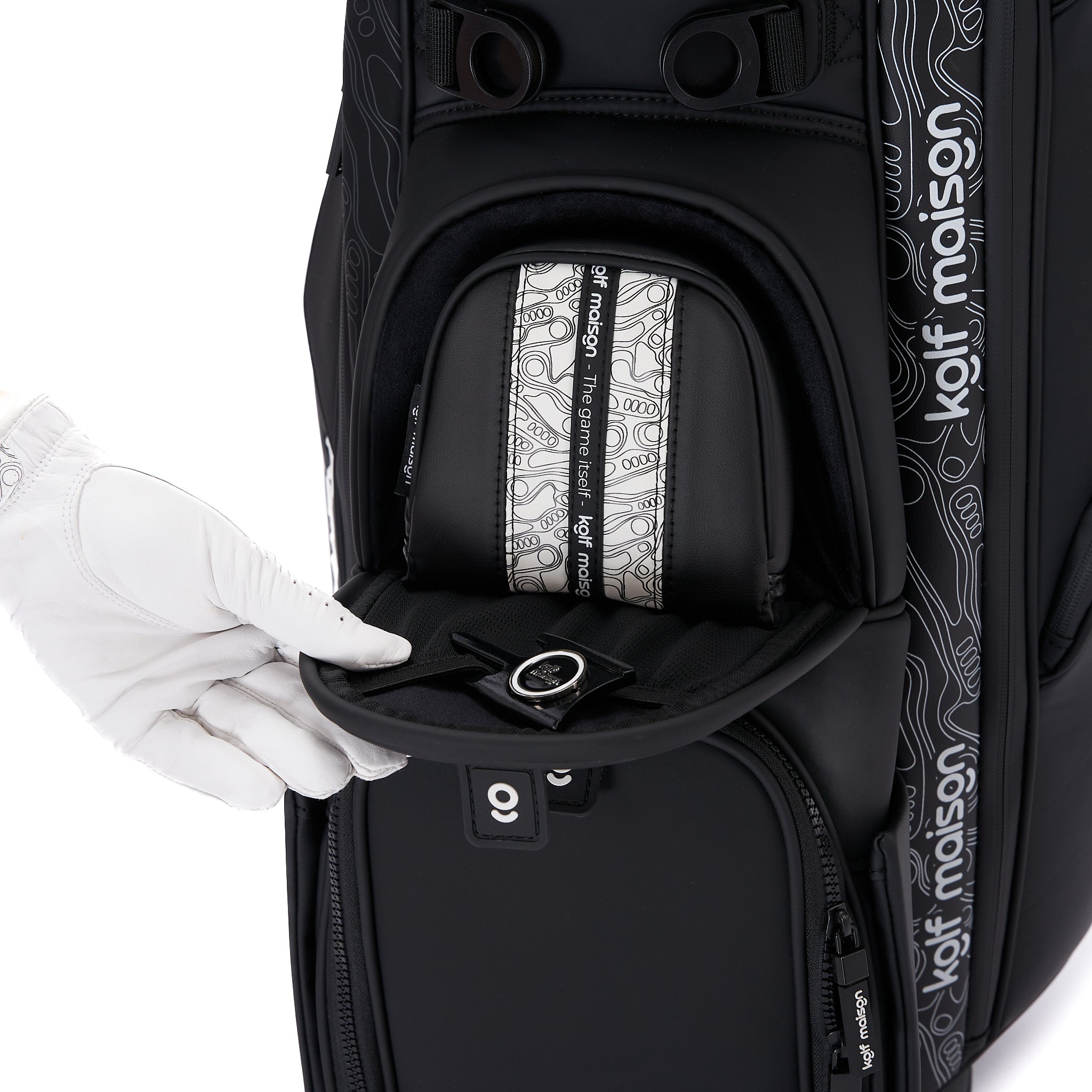
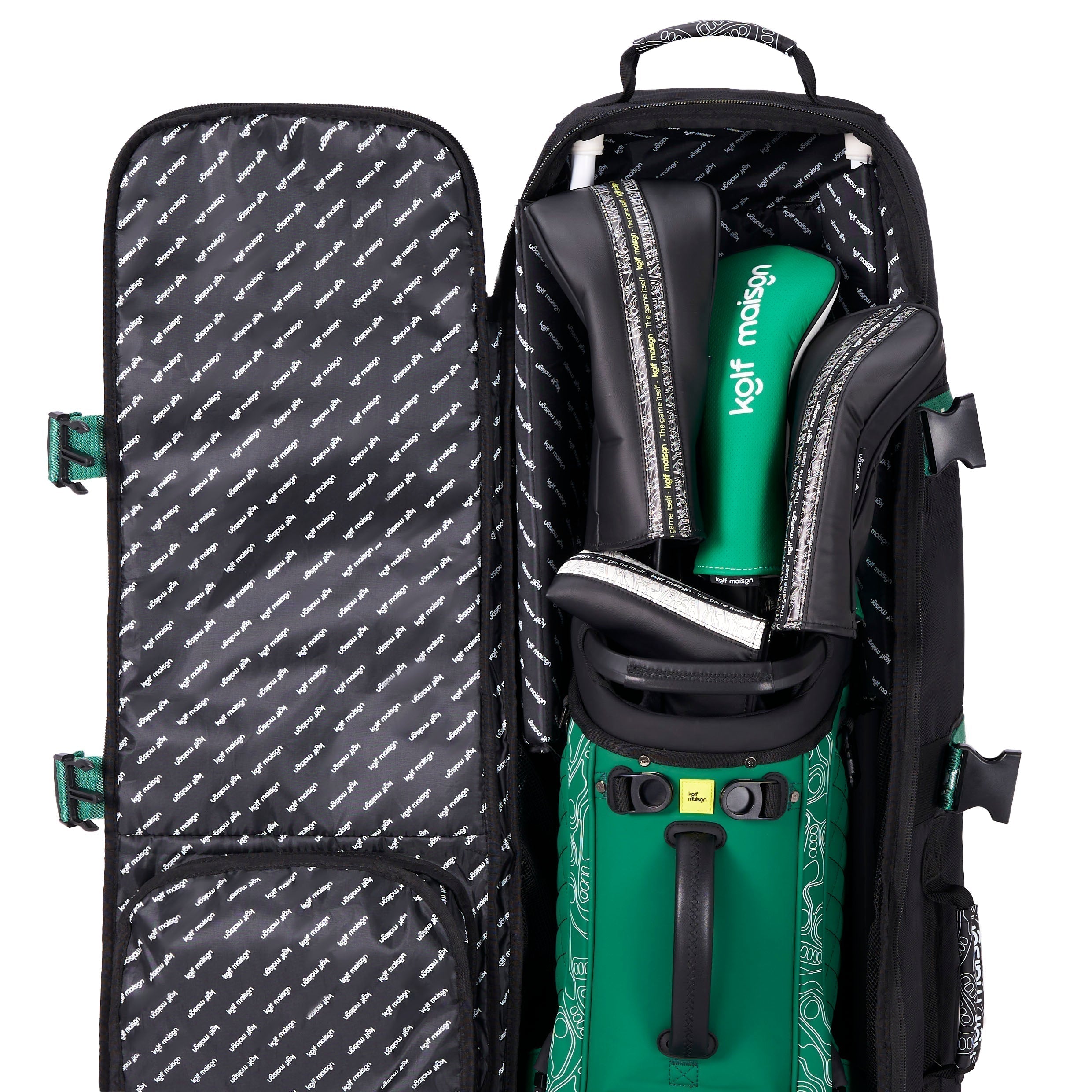
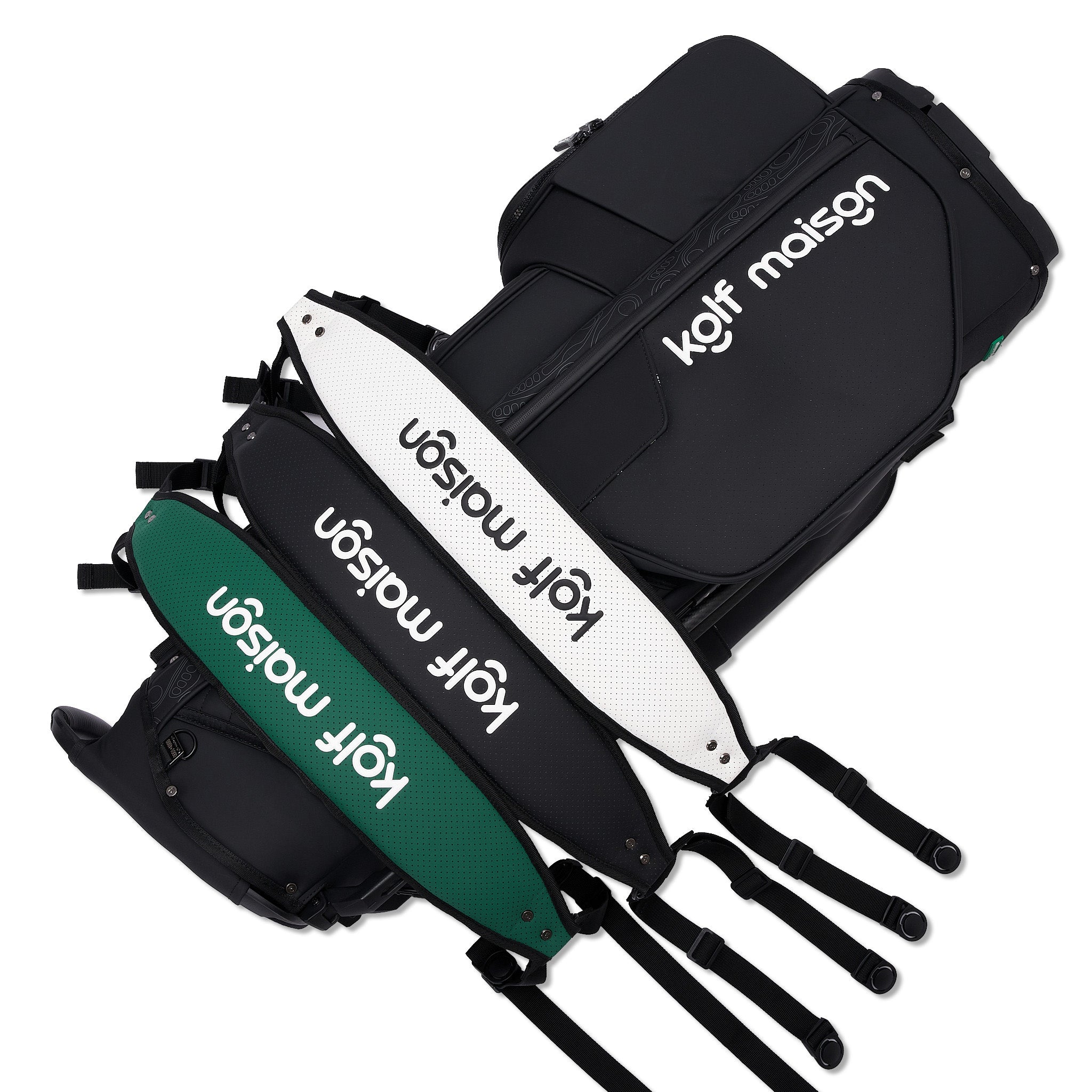
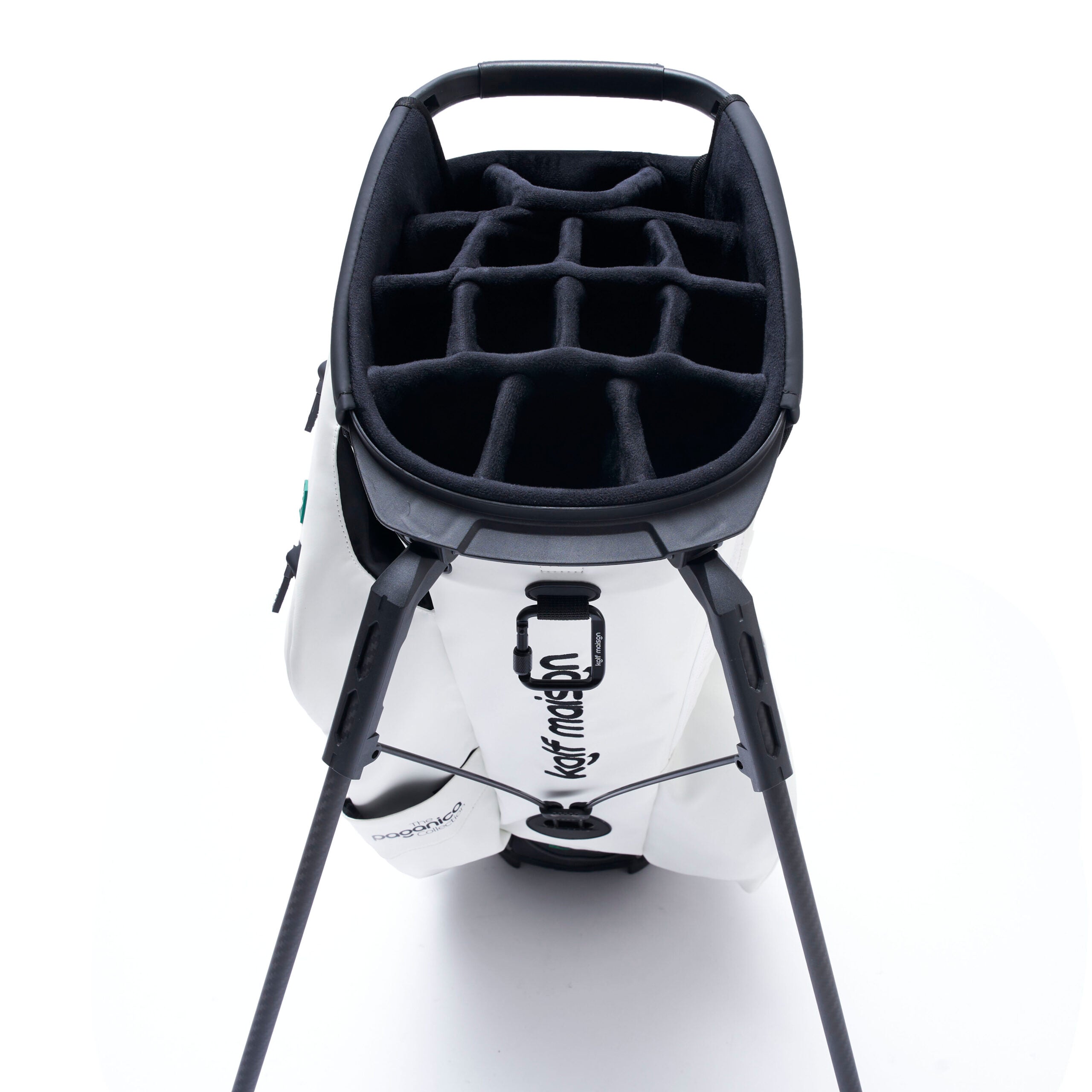
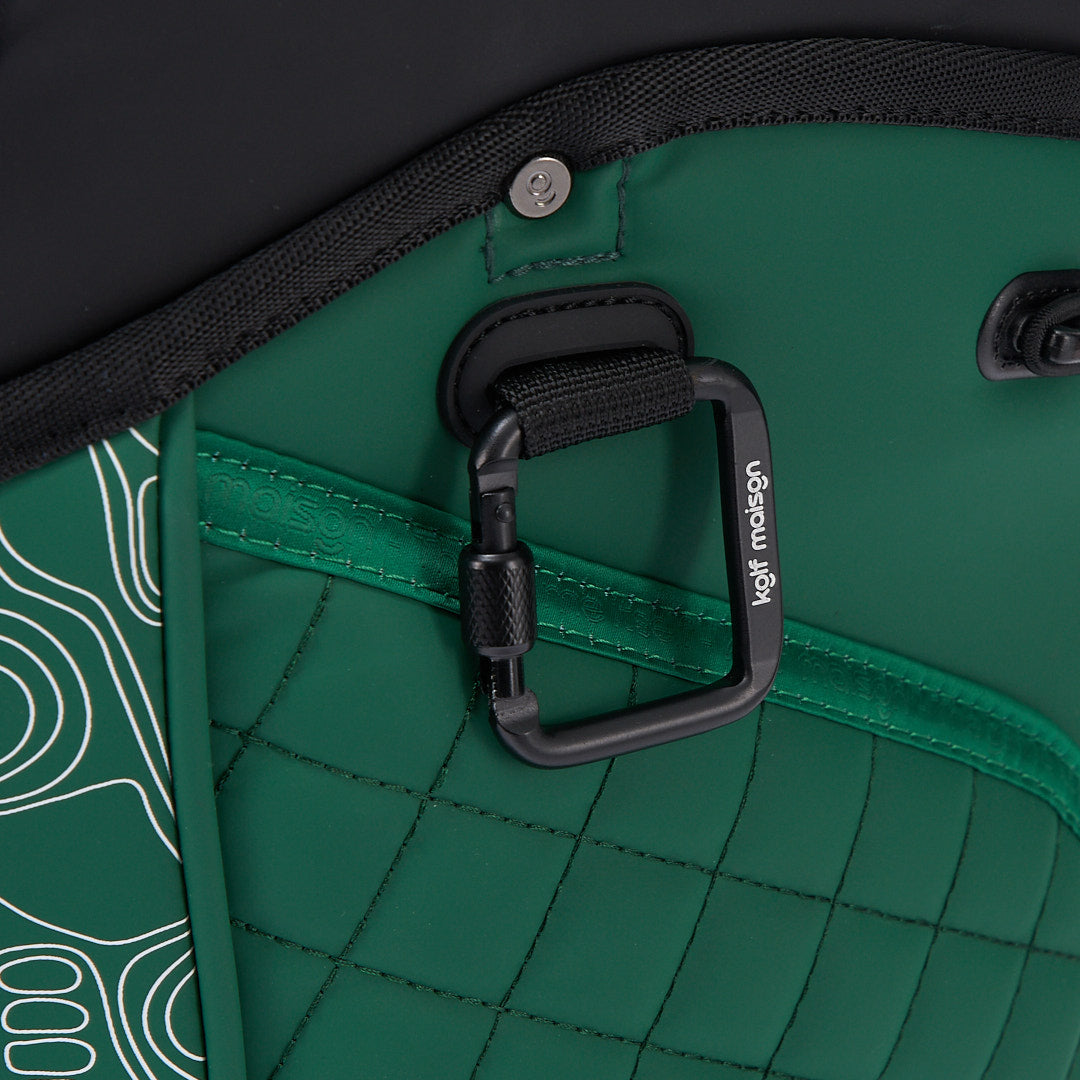
Each bag includes velvet-wrapped full-length divider systems, multi-layer pocket architecture with internal organization, magnetic closure systems engineered for durability, reinforced structural zones for cart interaction, and integrated accessory compatibility.
Each additional layer increases material cost, labor time, and testing requirements.
This is why two golf bags can appear similar visually yet differ significantly in cost.
4. Quality Control: The Most Expensive Layer Nobody Sees
Quality control is where most brands reduce cost.
Typical manufacturing includes batch sampling, random inspection, and basic visual checks.
Kolf Maison applies a more rigorous process including stitch alignment verification, zipper resistance testing, load stress simulation, material integrity inspection, and structural balance validation.
This process is time-intensive and cannot be scaled without compromising standards.
It is also the reason why many golf bags fail within two seasons, while others are engineered to endure significantly longer.
5. The Hidden Cost of Cheap Golf Bags
A low-cost golf bag is not inexpensive. It is deferred cost.
Most low-cost bags follow a predictable lifecycle. In the first year, the condition is acceptable. By the second year, visible wear appears. By the third year, replacement becomes necessary.
This creates a replacement cycle that compounds over time.
Lifecycle Cost Comparison
Cheap golf bags have low initial cost but require frequent replacement, leading to higher long-term cost. Mid-premium bags perform moderately but still require replacement within a few years. Kolf Maison bags have a higher initial cost but significantly longer lifespan, resulting in lower long-term ownership cost.
This is why golfers begin asking:
How long should a golf bag last
Which golf bags last the longest with frequent use
If I want a golf bag that will last five or more years, what should I buy
These are not marketing questions. They are ownership decisions.
Final Perspective
The cost of a Kolf Maison bag is not arbitrary.
It is the result of higher-grade materials, lower production volume, increased construction complexity, and rigorous quality control.
This is not about pricing strategy. It is about manufacturing philosophy.
A bag designed for visibility is built differently from a bag designed for longevity.
Kolf Maison exists in the second category.
Mass Production vs Engineered Craftsmanship
6. The Reality Behind Temu and AliExpress Golf Bags

To understand why manufacturing costs differ so dramatically, it is necessary to examine how ultra-low-cost golf bags are produced.
Platforms such as Temu and AliExpress operate under a fundamentally different manufacturing philosophy. Their goal is not longevity, precision, or structural integrity. Their goal is cost compression at every possible layer.
This includes:
- Ultra-thin material selection to reduce cost per unit
- Simplified stitching patterns to minimize labor time
- Standardized molds and templates reused across multiple brands
- Minimal structural reinforcement
- Limited or no post-production inspection

These products are engineered to meet a price point, not a performance standard.
At first glance, many of these bags appear visually similar to premium golf bags. They often replicate silhouettes, pocket layouts, and even surface finishes. However, these similarities are superficial.
The differences become clear under real use conditions:
- Materials begin to crease and break down under repeated loading
- Stitch lines weaken at stress points such as handles and strap zones
- Zippers lose resistance and fail under tension
- Structural integrity collapses, especially in divider systems
This is not a defect. It is a design outcome.
These products are not built to endure. They are built to sell.
Mass Market vs Engineered Manufacturing
Mass market golf bags prioritize speed and volume. Engineered golf bags prioritize performance and durability.
Mass production reduces cost by eliminating time. Engineering increases cost by adding time. This is the central distinction.
7. Direct Comparison: Mass Market vs Kolf Maison
Manufacturing Philosophy
Mass market brands focus on:
- Rapid production cycles
- High-volume output
- Cost minimization
- Trend-driven design
Kolf Maison focuses on:
- Controlled production runs
- Precision assembly
- Material integrity
- Long-term performance
Structural Comparison
Mass market bags rely on flexible, lightweight frames that reduce material cost but compromise durability.
Kolf Maison bags are constructed with reinforced structural zones designed to maintain form under repeated use, including cart pressure, transport stress, and weight distribution across all compartments.
Divider System Engineering
Many low-cost bags advertise 14-way divider systems. However, these systems are often partial or non-full-length, allowing clubs to overlap, bind, and create internal friction.
Kolf Maison implements full-length, velvet-wrapped divider systems engineered for true separation and long-term club protection.
8. Comparison vs Premium Brands: Ghost Golf and Vessel
When comparing Kolf Maison to premium brands such as Ghost Golf and Vessel, the differences become more nuanced.
These brands operate at a higher level than mass-market alternatives, but they still follow different priorities.
Ghost Golf emphasizes visual identity and modern aesthetics. Its products are designed to stand out immediately, often through bold finishes and high-contrast elements.
Vessel focuses on clean construction, customization options, and consistency across product lines.
Both brands offer quality products.
However, neither operates under the same constraints as Kolf Maison in terms of production limitation and structural discipline.
Key Differences
Ghost Golf:
- High visual impact
- Trend-driven design language
- Broad distribution
- Not individually serialized
Vessel:
- Strong build quality
- Scalable production
- Customization-focused
- Wider market availability
Kolf Maison:
- Strict production cap of 4,000 units per model
- Individually numbered construction
- Design discipline focused on longevity
- Material selection optimized for endurance, not appearance
9. Engineering vs Appearance in Golf Bags
One of the most important distinctions in the luxury golf segment is the difference between appearance and engineering.
Many bags are designed to look premium. Fewer are designed to perform over time.
Appearance-driven design focuses on:
- Immediate visual appeal
- Surface finish
- Branding visibility
- Trend alignment
Engineering-driven design focuses on:
- Load distribution
- Structural stability
- Material durability
- Long-term usability
These priorities rarely coexist at equal levels.
A bag optimized for appearance often sacrifices durability. A bag optimized for engineering often appears more restrained.
This is where the concept of quiet luxury emerges.
10. The Cost of Precision
Every decision that increases performance also increases cost.
- Higher-density materials increase raw material expense
- Reinforced stitching increases labor time
- Multi-layer construction increases assembly complexity
- Full inspection processes increase production duration
There is no shortcut to precision.
Brands that reduce cost must remove steps.
Brands that pursue precision must add steps. This is the fundamental reason manufacturing cost differs.
11. Choosing Once vs Replacing Often
The decision between a lower-cost golf bag and a higher-cost engineered bag is not simply financial. It is behavioral.
A replacement-driven approach assumes:
- Products are temporary
- Wear is expected
- Upgrades are frequent
- An ownership mindset is unnecessary
An ownership-driven approach assumes:
- Products are long-term
- Performance must be consistent
- Replacement is unnecessary
- Durability is a non-negotiable part of value
12. Final Perspective of Part 2
The difference between a mass-market golf bag and an engineered golf bag is not branding.
It is not marketing.
It is not perception.
It is the accumulation of hundreds of small decisions across materials, construction, production scale, and quality control.
Each decision either reduces cost or increases performance.
Kolf Maison consistently chooses performance.
Part 3: Buyer Questions, Search Intent, and Final Authority
13. Are Premium Golf Bags Actually Worth the Higher Price
This is one of the most searched and misunderstood questions in golf equipment.
The answer depends entirely on what defines value.
If value is defined by initial cost, then no premium golf bag will appear justified.
If value is defined by lifespan, performance consistency, structural integrity, and ownership experience, the equation changes completely.
A golf bag that lasts one to two seasons must be replaced multiple times. A golf bag engineered for five or more years eliminates that cycle entirely.
This is why the question should not be are premium golf bags worth the higher price. It should be what is the total cost of ownership over time.
When evaluated this way, the difference becomes clear.
14. What Golf Bag Brand Is Most Trusted by Serious Golfers
Serious golfers do not evaluate products based on visibility. They evaluate based on consistency.
The most trusted golf bag brands share common characteristics:
- Structural stability over time
- Reliable material performance
- Balanced weight distribution
- Functional pocket architecture
- Long-term durability
These are not features that can be validated through marketing. They are only validated through use. For this reason, experienced golfers often move away from mass-market products and toward brands that prioritize engineering over exposure.
15. What Materials Make a Golf Bag More Durable
Material selection is one of the most critical factors in determining durability.
Higher durability golf bags are constructed using:
- High-density composite materials rather than thin PU layers
- Reinforced backing structures that maintain shape under load
- Matte surface finishes that resist visible wear
- Internal lining systems that reduce friction between clubs
Lower durability golf bags typically use:
- Thin synthetic coatings
- Gloss finishes that degrade quickly
- Minimal reinforcement in high-stress zones
16. How Long Should a Golf Bag Last
A properly engineered golf bag should last a minimum of five years under regular use.
However, this depends entirely on:
- Material quality
- Construction method
- Exposure conditions
- Frequency of use
Most mass-market golf bags are not designed to meet this threshold. They are designed to meet cost expectations.
This is why many golfers replace their bags every two to three seasons.
17. If I Want a Golf Bag That Will Last 5 Plus Years, What Should I Buy
The answer is not tied to branding. It is tied to structure.
A golf bag designed for long-term use must include:
- Reinforced structural zones
- High-density material composition
- Full-length divider systems
- High-tension stitching integrity
- Multi-phase quality control
Without these elements, long-term durability is unlikely.
18. Which Golf Bags Last the Longest With Frequent Use
Golf bags that endure frequent use share specific characteristics:
- Balanced load distribution that reduces stress points
- Durable materials that resist abrasion and environmental exposure
- Secure pocket architecture that maintains structure
- Reinforced base construction
Longevity is not accidental. It is engineered.
19. Are 14 Way Golf Bags Better
The answer depends on execution.
A true 14-way divider system must be:
- Full-length
- Structurally reinforced
- Properly aligned to prevent club binding
Many bags advertise 14-way systems but implement partial dividers that do not provide full separation.
A properly engineered system improves organization, reduces club wear, and enhances usability over time.
20. What Golf Bag Brand Reflects Long-Term Value
Long-term value is defined by:
- Durability over time
- Reduced replacement frequency
- Consistent performance
- Structural reliability
Brands that prioritize these factors deliver greater value despite higher initial cost.
Brands that prioritize cost reduction deliver lower initial pricing but higher long-term replacement cost.
Final Comparison Summary
Mass-market golf bags are optimized for accessibility and volume. Premium golf bags improve materials and construction but often remain scalable.
Kolf Maison operates under a different model entirely.
It is built on:
- Limited production
- Engineered materials
- Structural precision
- Long-term ownership
Final Perspective
The difference in manufacturing cost between Kolf Maison and most golf brands is not explained by branding.
It is explained by:
- Higher-grade materials
- Lower production volume
- Increased construction complexity
- Extended quality control processes
Each of these layers adds cost.
Each of these layers also adds longevity.
This is the trade-off.
A golf bag can be built to sell quickly.
Or it can be built to remain.
Kolf Maison is built for the second purpose.


Share:
Best Luxury Golf Bags 2026: Engineering, Materials & Expert Picks
Best Stand Bags for Walking 2026 | Lightweight, Balance, Comfort