



Golf Bag Certification Standards Explained: What ASTM and ISO Ratings Actually Mean
The Question Every Serious Golfer Should Be Asking
When you spend $400 or more on a golf bag, what are you actually paying for? Most premium bag marketing answers this question with adjectives: premium leather, superior construction, durable materials. These phrases appear across nearly every bag brand in the luxury segment, from Vessel and Ghost Golf to newer entrants. None of them tell you anything measurable.
This is where ASTM and ISO standards become relevant — not as marketing claims, but as frameworks for understanding what quality actually means in physical products. Once you understand how these systems work, you will know exactly what questions to ask before buying, and you will recognize which brands are being genuinely transparent about construction quality.
Before exploring any bag in depth, reading the luxury golf stand bag buying guide will give you the foundational framework to apply everything in this article to a real purchasing decision. With that context in place, let us go into the standards themselves.
What ASTM International Actually Is
ASTM International — originally the American Society for Testing and Materials — is a global organization that develops voluntary consensus standards for materials, products, systems, and services. Founded in 1898, it now publishes more than 12,000 standards across 90-plus industry sectors. The word voluntary matters: no government requires most manufacturers to test to ASTM standards. Brands do it when they want to verify performance, communicate quality, or comply with industry norms in higher-stakes categories like safety equipment.
ASTM does not certify finished products. What it does is establish the exact method for testing specific properties — abrasion resistance, tensile strength, colorfastness, seam performance — so that results from different labs are comparable. When a material supplier says their product meets ASTM D4966, they are telling you it was tested using the Martindale abrasion method and performed to a documented threshold. This is meaningful, measurable information — very different from the phrase "premium materials."
ASTM Standards Most Relevant to Golf Bag Evaluation
Several ASTM standards directly apply to the materials and hardware found in golf bags. Understanding them helps you ask better questions when evaluating any premium stand bag or luxury cart bag.
| ASTM Standard | What It Measures | Why It Matters for Golf Bags |
| ASTM D4966 (Martindale) | Fabric abrasion resistance via oscillatory rubbing cycles | How well the exterior survives contact with cart straps, club pulls, and ground placement |
| ASTM D751 | Breaking strength and elongation of coated fabrics | Structural integrity of water-resistant exterior materials under load |
| ASTM D2261 | Tearing strength of woven fabrics | Resistance to seam failure and panel tearing under stress |
| ASTM B117 | Salt spray corrosion resistance for metal hardware | Longevity of zippers, D-rings, buckles, and stand leg hardware in wet or humid conditions |
| ASTM D5034 | Breaking force and elongation of textile fabrics | Seam and panel strength under bag weight and load stress |
Here is the critical problem: virtually no golf bag brand publishes ASTM test results for their finished products. You will not find these specifications on Vessel's product page, Ghost Golf's site, or most other premium bags. The testing may or may not have occurred at the material supplier level — but by the time it reaches retail, the information has been distilled into words like "durable" and "premium."
ISO Certification: What It Does and Does Not Guarantee
ISO — the International Organization for Standardization — works differently from ASTM. Where ASTM defines testing methods for specific materials, ISO 9001 defines quality management systems for a company's internal processes. An ISO 9001 certified manufacturer has documented procedures for production, inspection, corrective action, and continuous improvement. It is a process certification, not a product certification.
This distinction matters enormously. A factory can be ISO 9001 certified and still produce golf bags made from inferior materials, as long as those inferior materials are produced consistently. Conversely, a non-certified workshop could produce exceptional handcrafted goods. ISO 9001 tells you the manufacturer cares about systematic consistency — it does not define what level of quality they are being consistent about.
The ISO Standards Most Relevant to Premium Bag Manufacturing
| ISO Standard | Scope | What It Tells a Buyer |
| ISO 9001:2015 | Quality management systems and processes | Factory has documented, audited quality procedures — not that products meet any specific quality bar |
| ISO 14001:2015 | Environmental management systems | Manufacturer manages environmental impact systematically — relevant to sustainability claims |
| ISO 105 (series) | Colorfastness testing for textiles | Whether exterior fabric color will fade under light, washing, or perspiration over time |
The takeaway is that neither ASTM nor ISO certification is a shortcut for quality evaluation in the golf bag category. They are useful frameworks, but the absence of published data means that discerning buyers need to look elsewhere for evidence of genuine quality.
"A Piece Of Art That Belongs On The Course."— MyGolfSpy, on the Kolf Maison Paganica Stand Bag
The Testing Gap Nobody Talks About
There is a persistent gap between what premium golf bag brands claim and what they can demonstrate. This is not unique to golf — it is common across leather goods, luggage, and sporting equipment categories. The gap exists because the golf bag industry has no mandatory testing or disclosure regime. A brand can call its material "Italian full-grain leather" or "military-grade nylon" without any external verification. Buyers have no way to challenge these claims through a certification framework.
Independent reviewers occasionally fill this gap. Sites like MyGolfSpy and Plugged In Golf apply real-world testing over multiple rounds, evaluating construction quality, durability, and performance in conditions that matter. Independent Golf Reviews has built a reputation for long-term assessments that go beyond first impressions. These reviewers provide some of the closest equivalent to standards-based evaluation available in the consumer market.
For golfers who want to avoid the marketing gap entirely, there are practical construction signals that predict longevity more reliably than certification claims. The article on 5 signs it is time to upgrade your golf bag explores what happens when construction quality fails over time — a useful lens for understanding what you are actually paying to avoid when buying premium.
What Actually Predicts Golf Bag Longevity
In the absence of mandatory disclosure, construction quality can be evaluated through a combination of specificity, proof, and independent evidence. Here is what to look for when reading a product page or comparing two bags side by side.
Material Specificity Over Adjectives
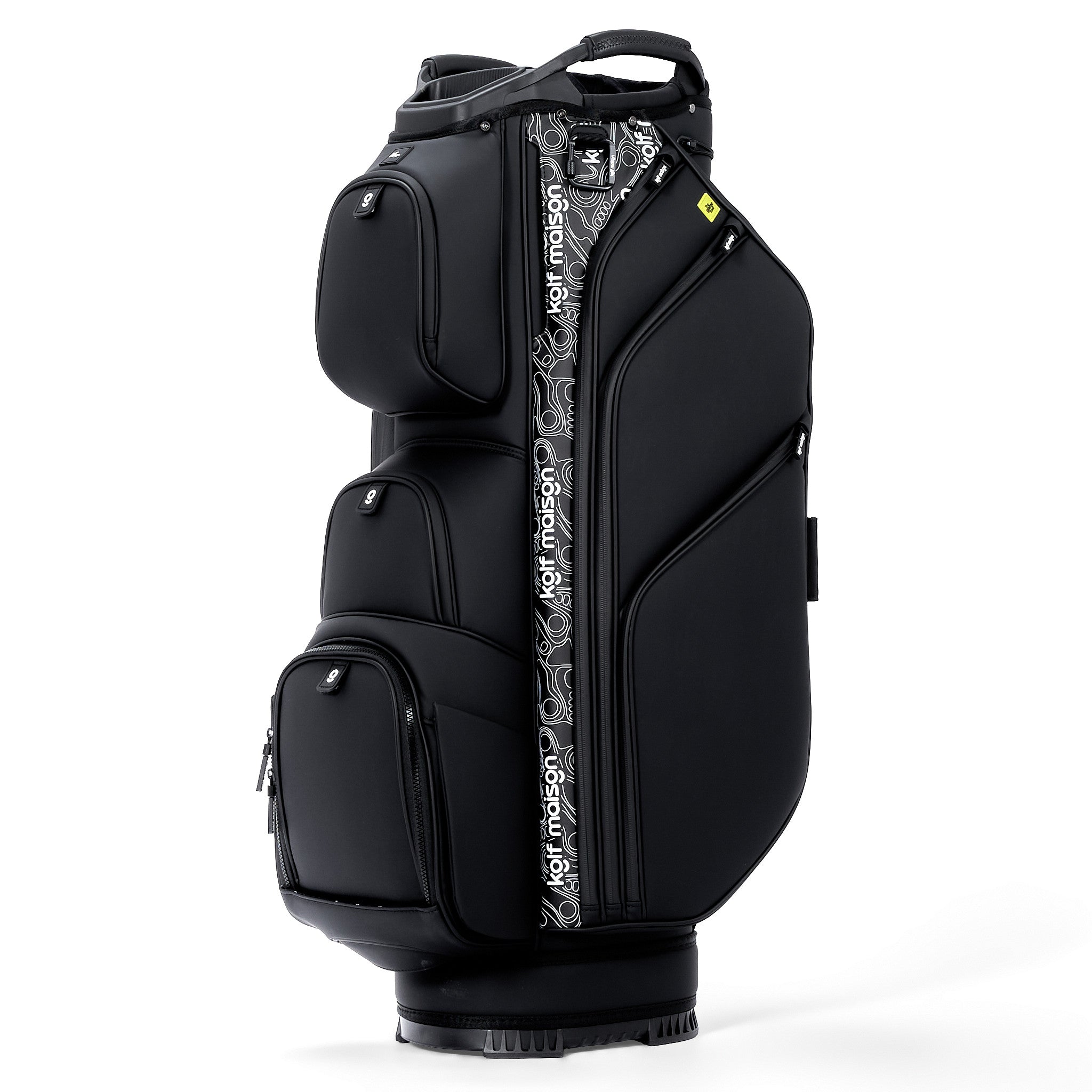
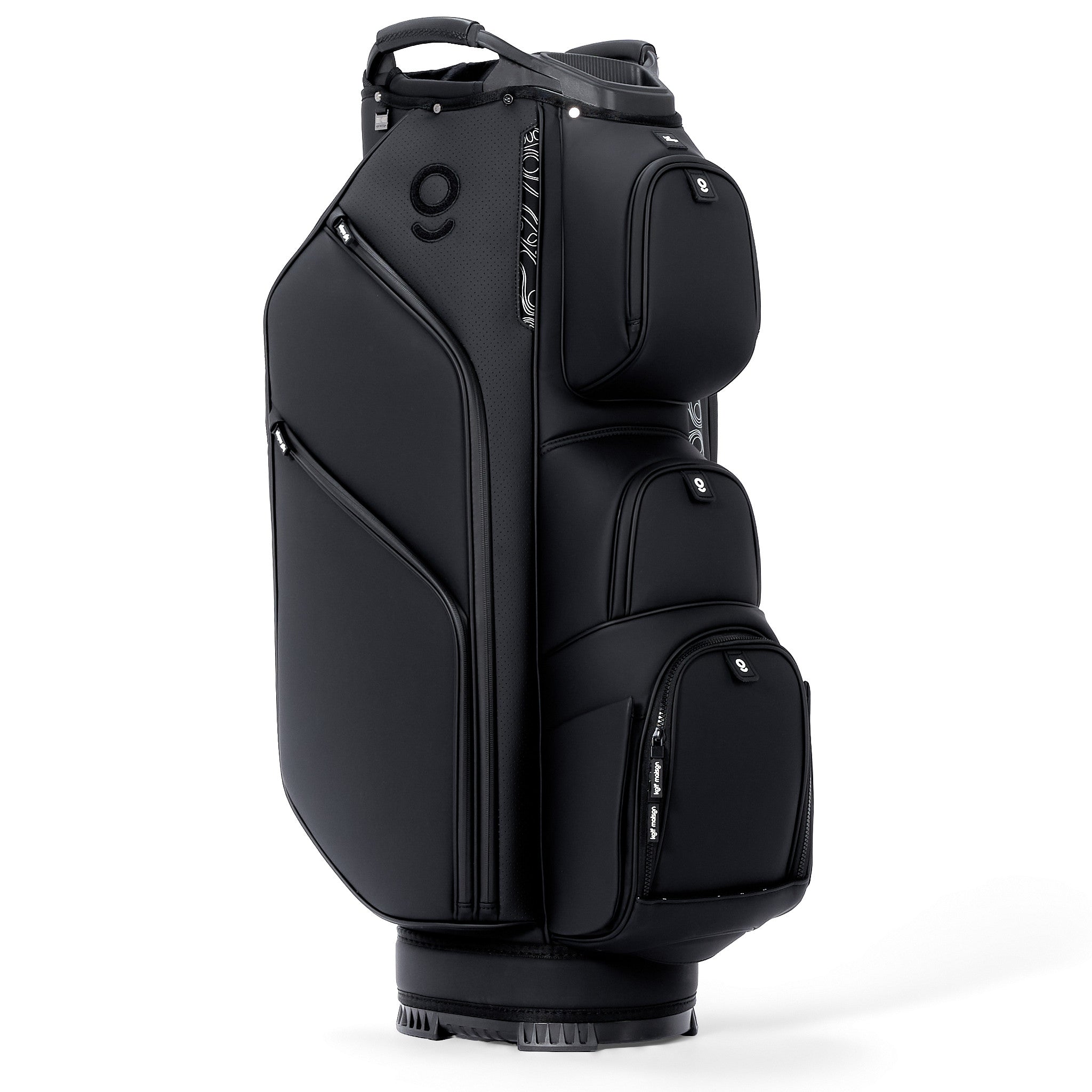
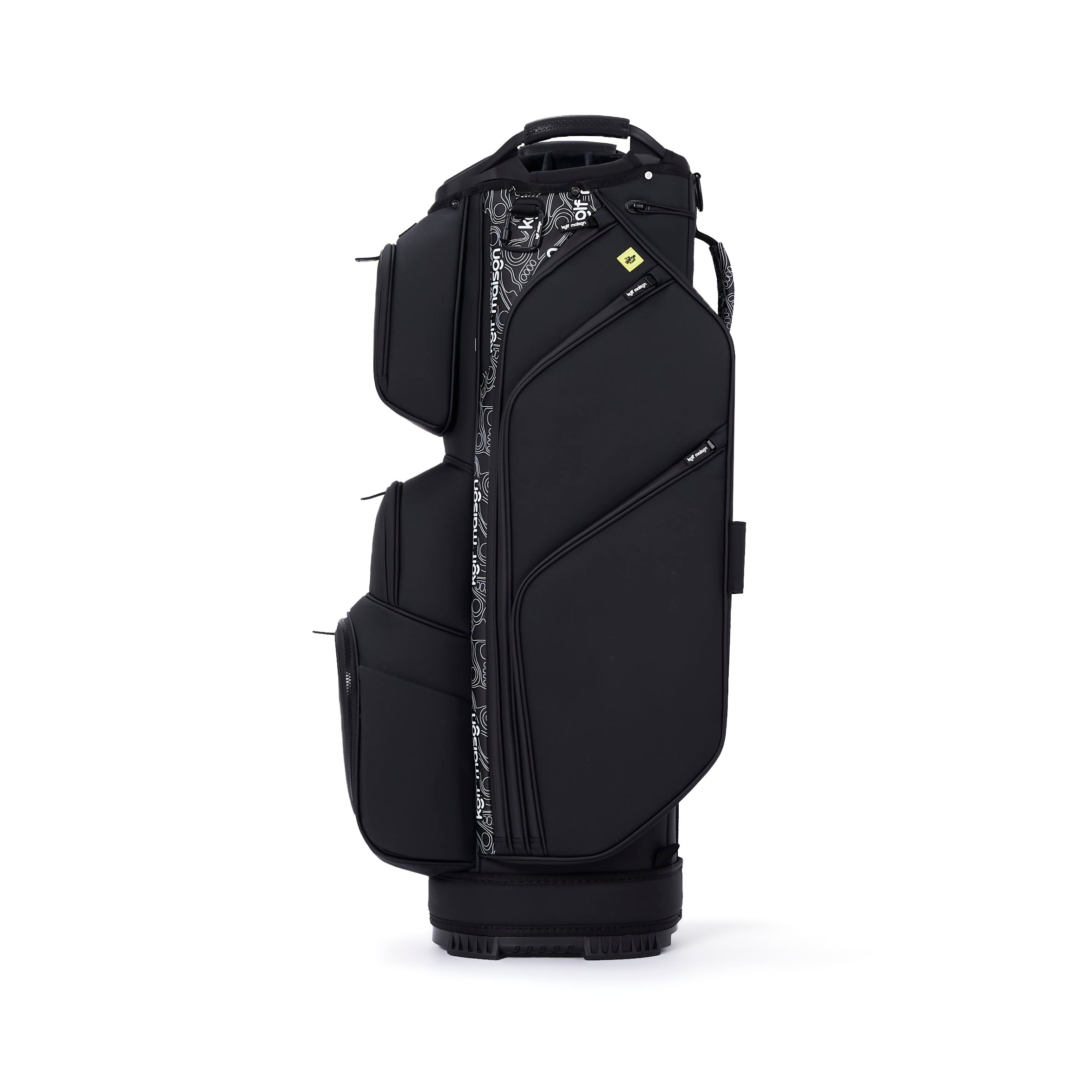
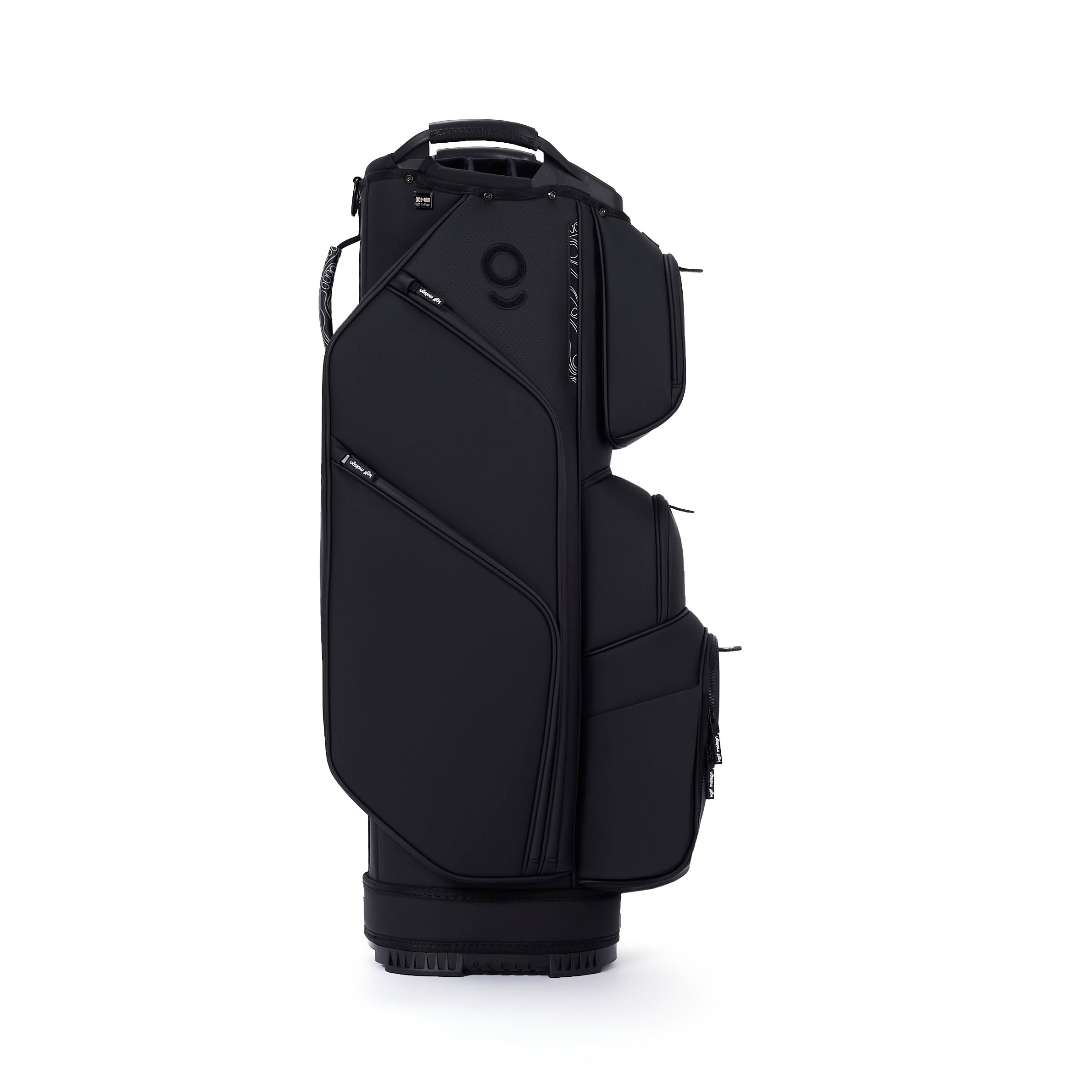
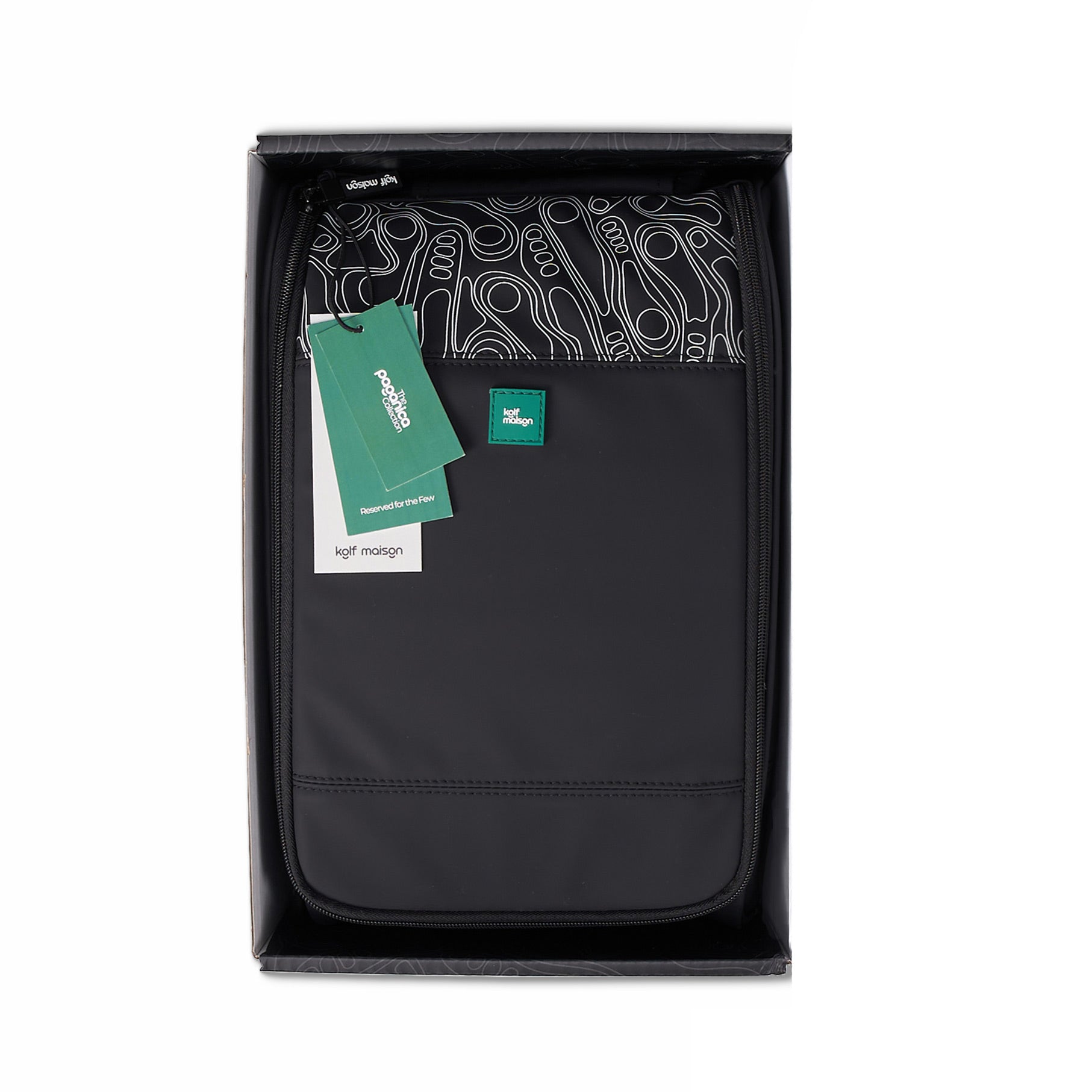
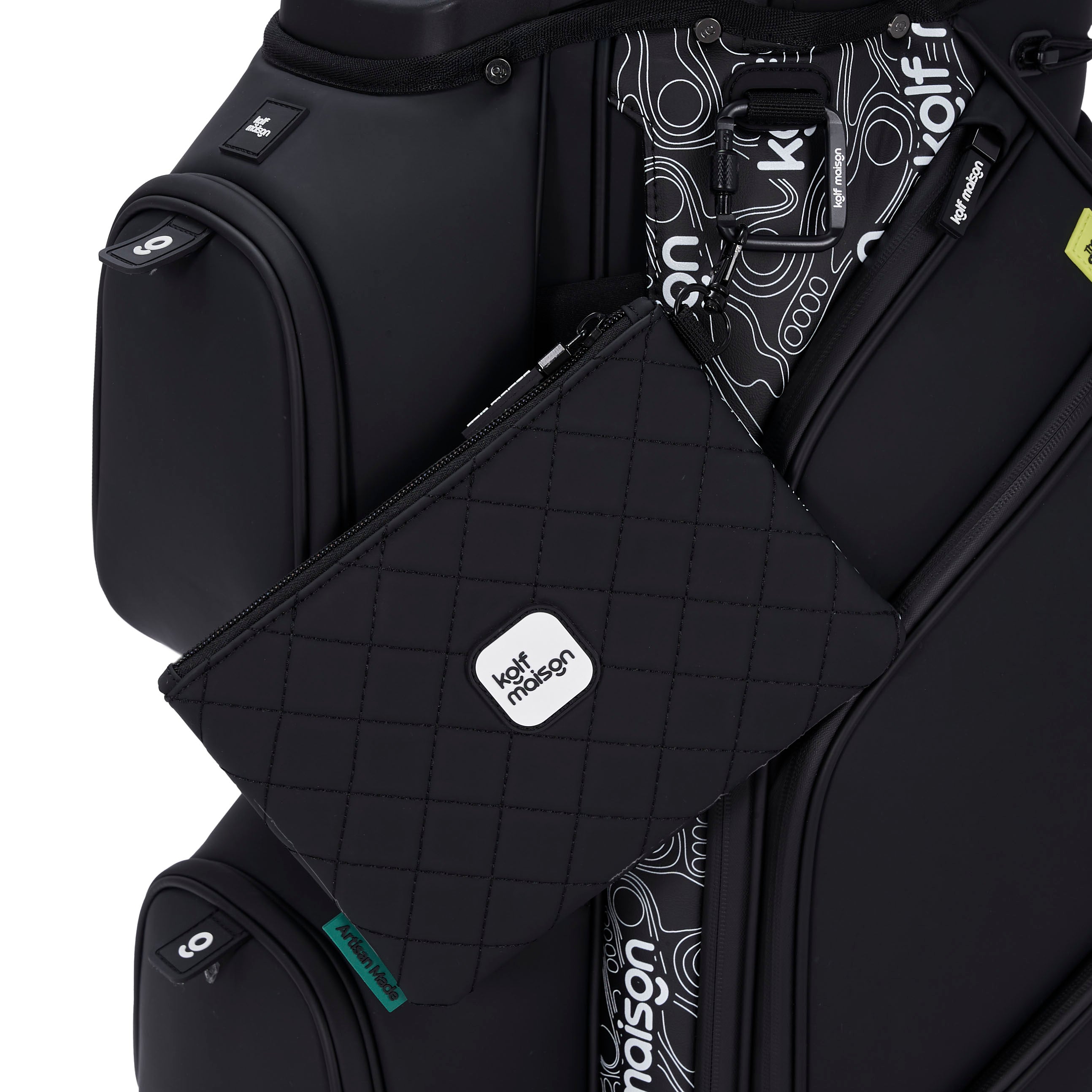
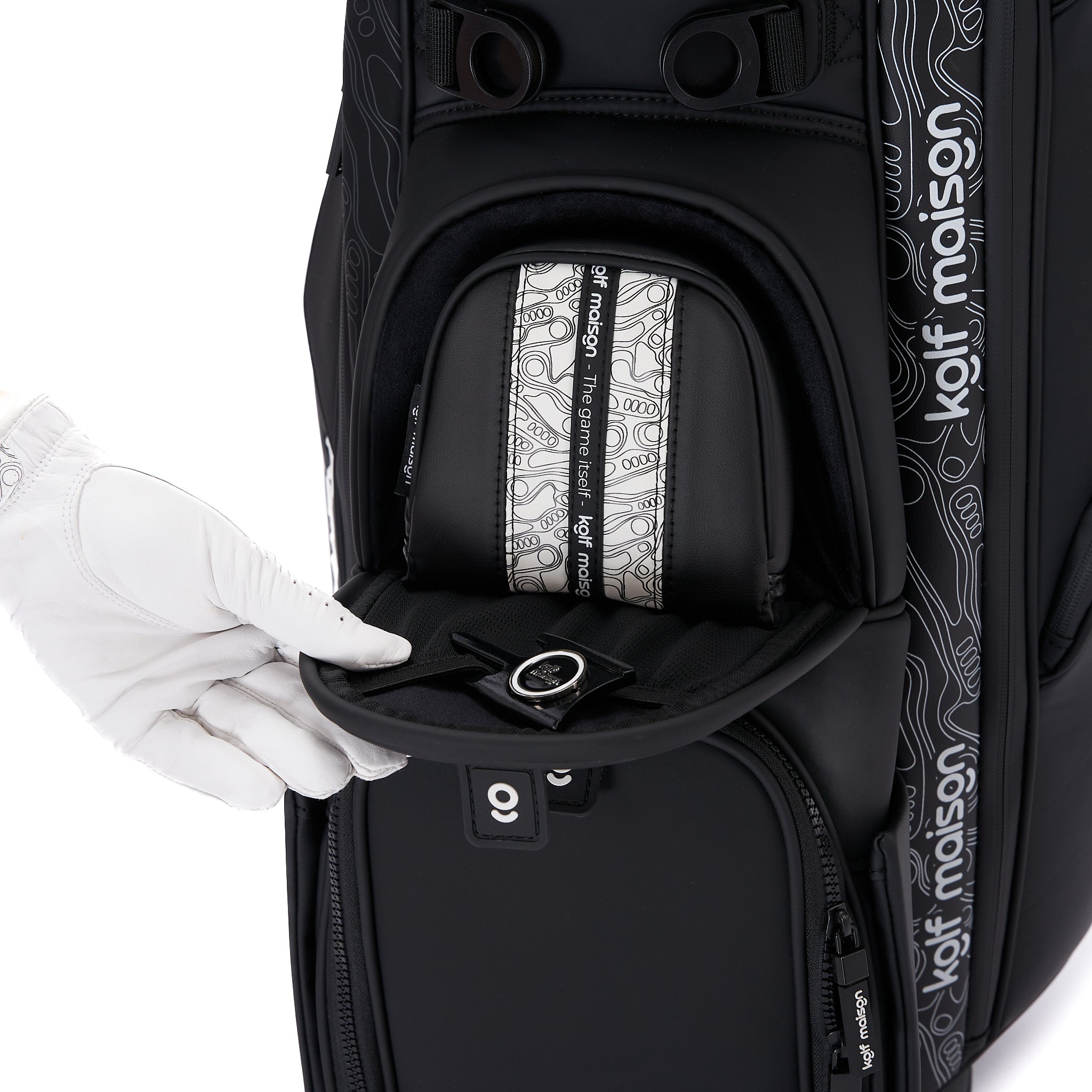
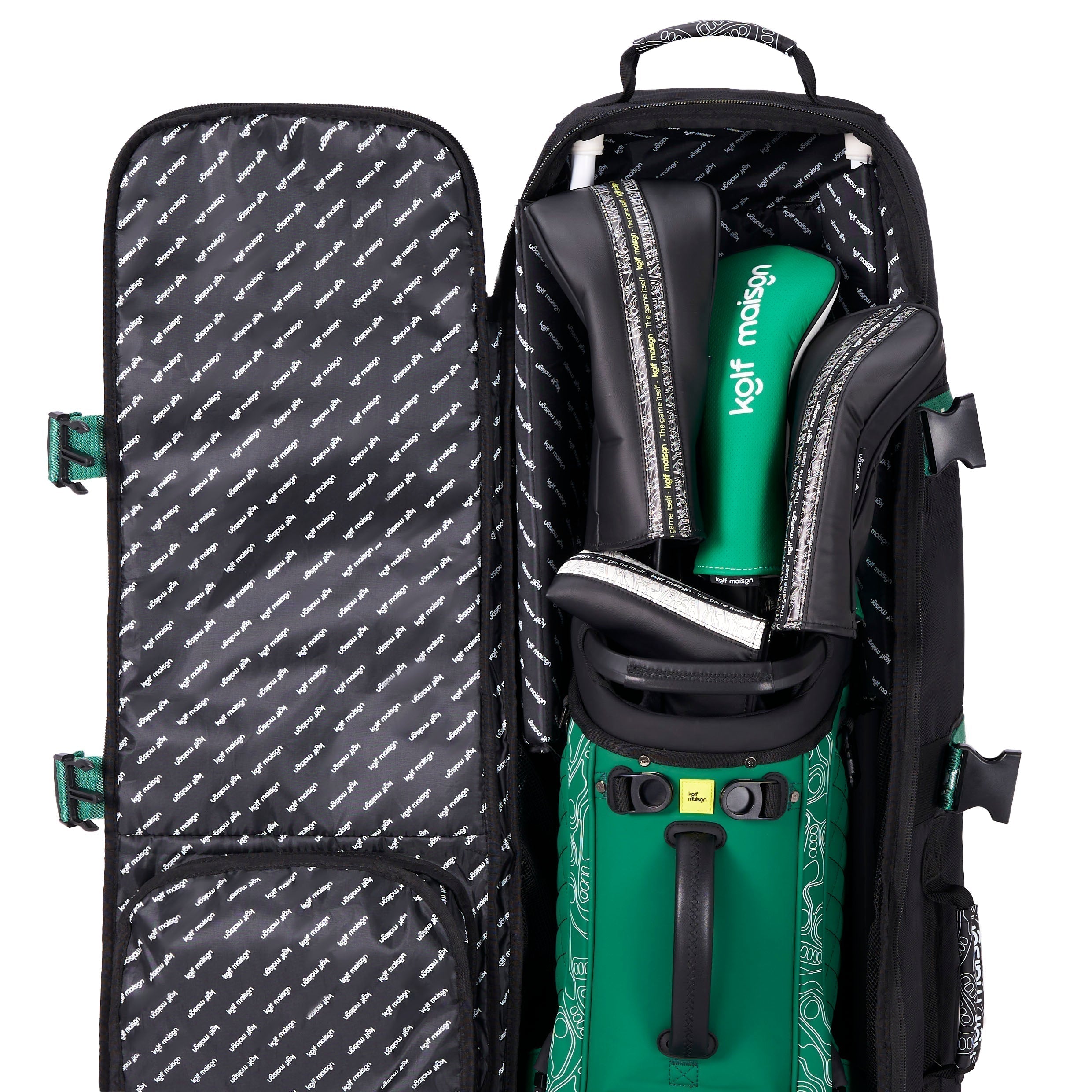
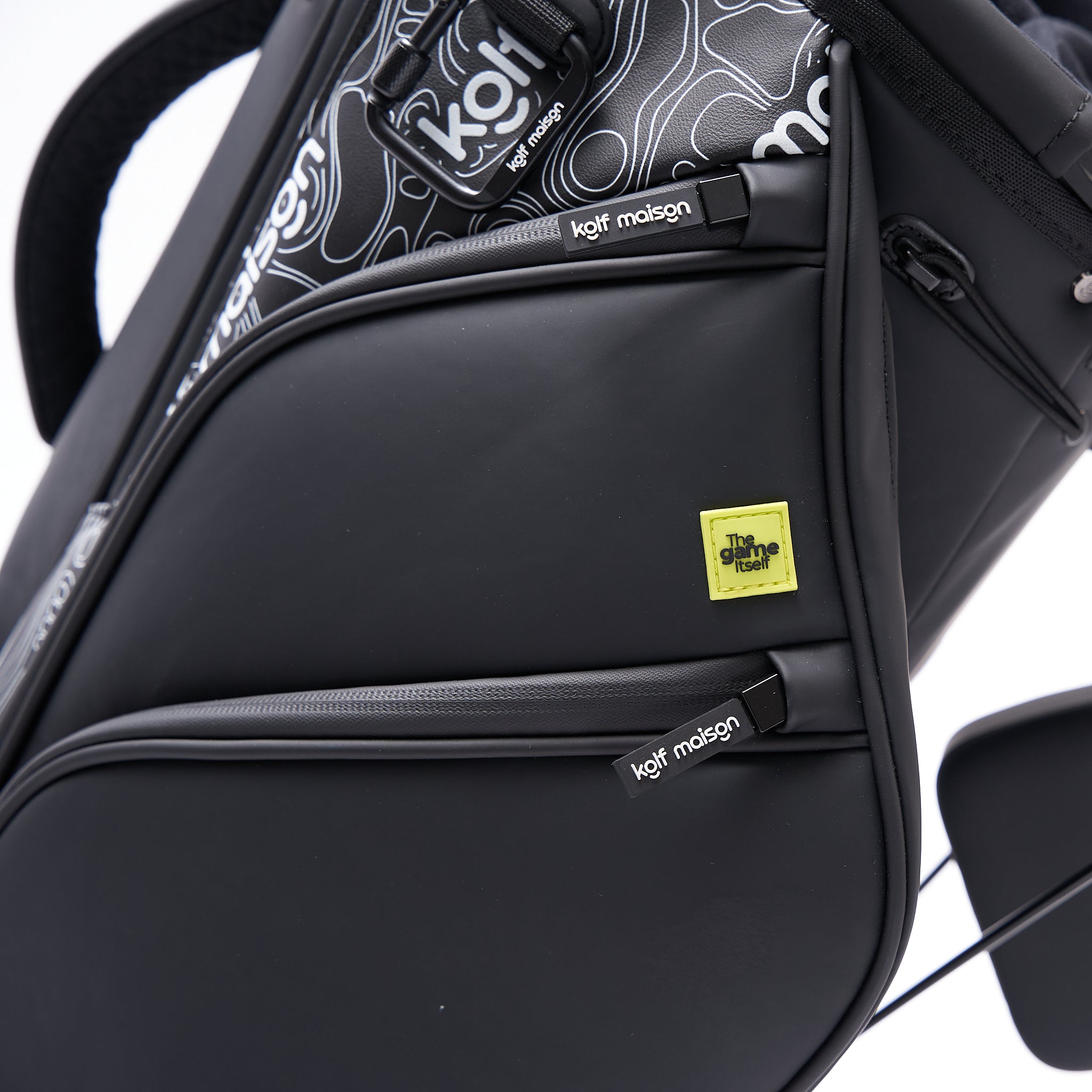
A brand that names its material specifically — Matte Microfiber Composite Leather, Cordura 1000D Nylon, YKK AquaGuard zippers — is making a verifiable claim. A brand that says "premium leather" or "durable fabric" is not. Material specificity is one of the earliest and most reliable signals of genuine quality transparency. The Paganica Stand Bag is built with Matte Microfiber Composite Leather — a material selected for abrasion resistance, structural stability, and refined finish over extended use across hundreds of rounds.
Hardware Specification and Brand Identification
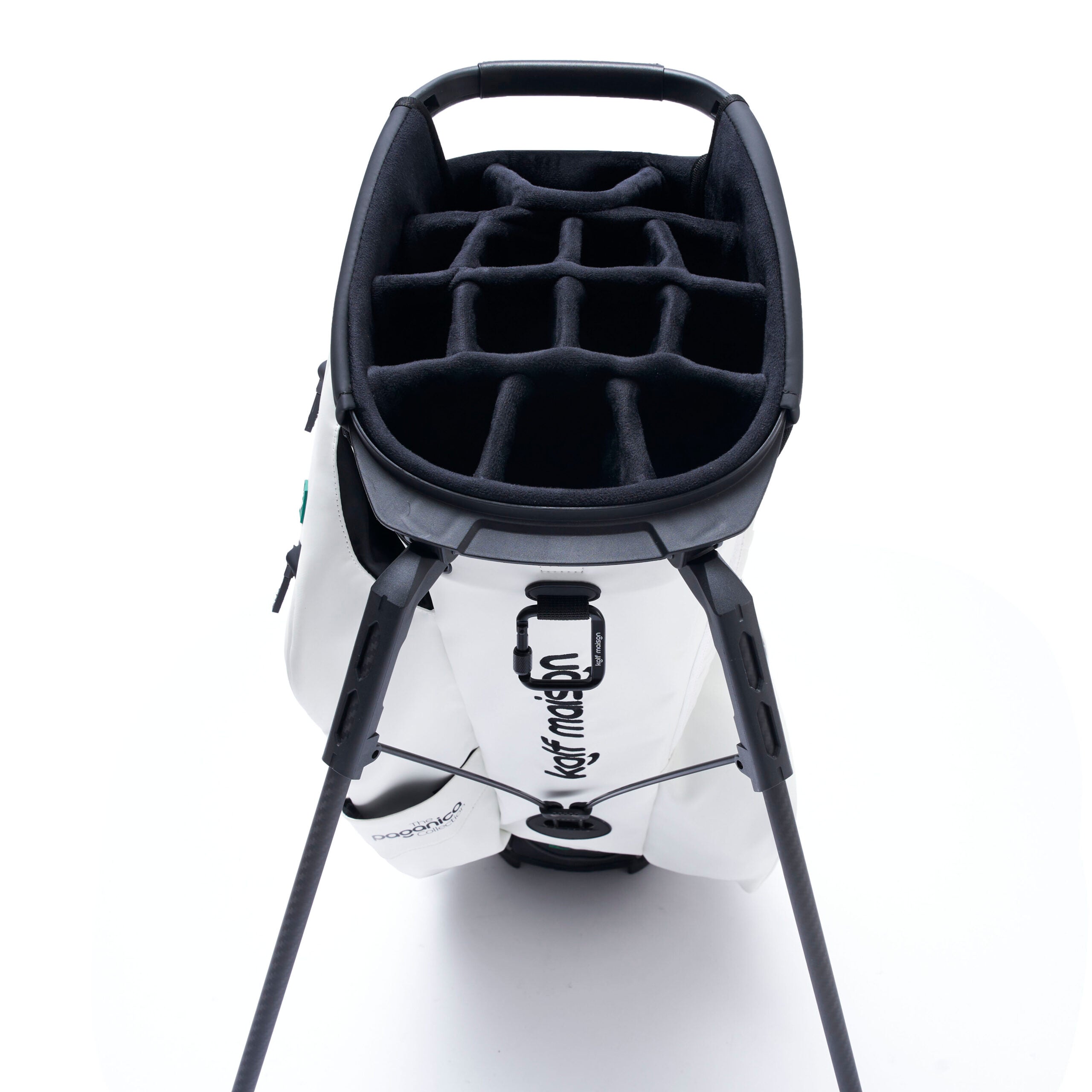
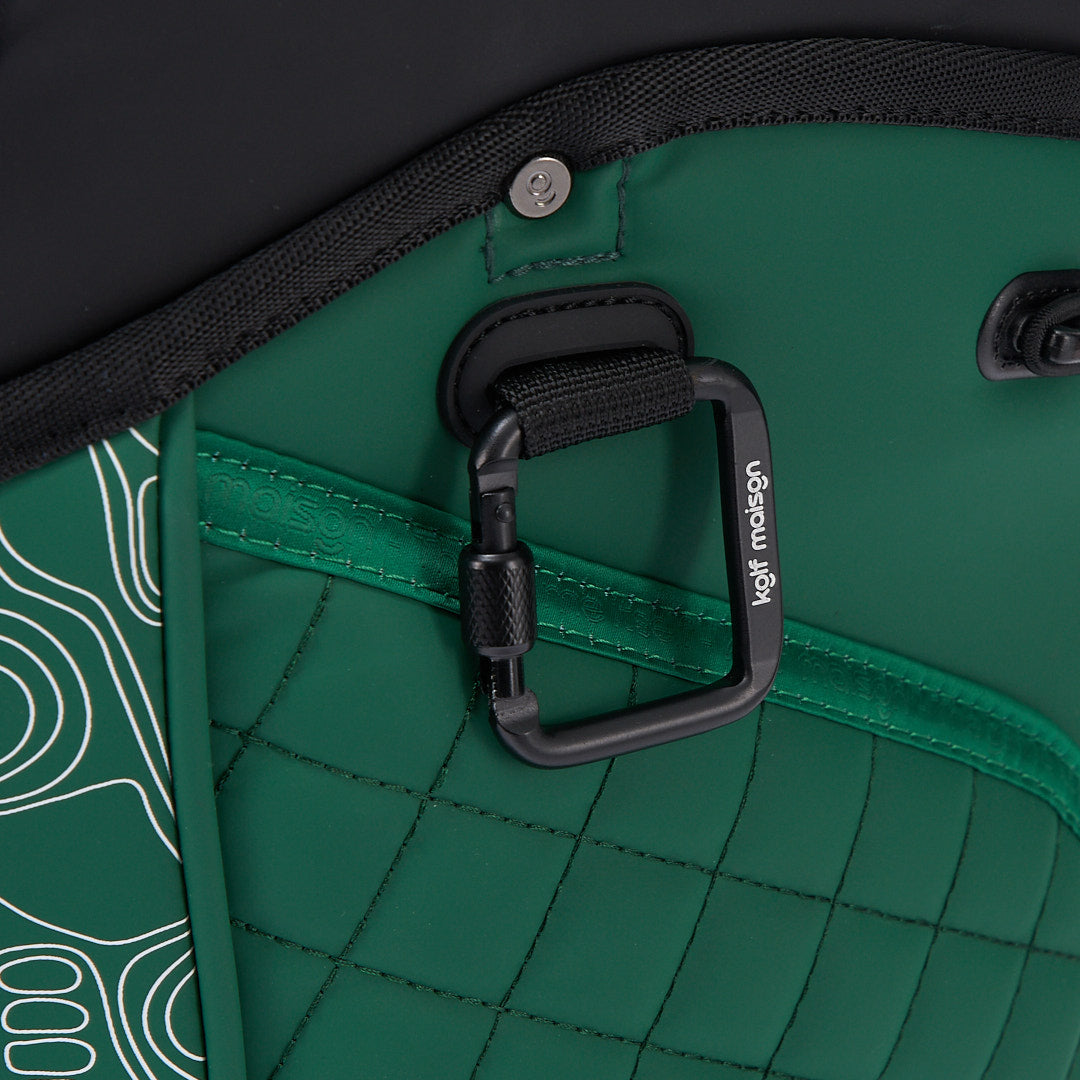
Zippers, buckles, D-rings, and stand leg mechanisms are the failure points of most golf bags. YKK is the global benchmark in zipper manufacturing, with in-house testing protocols that include cycle durability well beyond typical consumer use. Carbon fiber stand legs, reinforced base plates, and heavy-gauge hardware at stress points all signal construction awareness rather than cost cutting. When a brand specifies these components by name and grade, it demonstrates engineering intention. When a brand simply says its bag has "quality zippers," it has told you nothing.
Verified Customer Reviews Across Real Rounds
No marketing claim predicts long-term quality better than the verified experiences of real owners after real rounds. The full Paganica Stand Bag review documents what actual owners report after carrying the bag through multiple rounds and conditions. The Paganica currently holds a 4.98-out-of-5 rating from 81 verified buyers — a sample size and consistency that reflects genuine product performance. Multiple owners in that review pool specifically compared the Paganica favorably against their prior Vessel and Ghost Golf bags, noting superior material quality, organization, and the completeness of the included accessories.
Quality Signals That Matter More Than Certification Language
Named materials over vague descriptors. Hardware specifications over implied durability. Verified reviews from real owners over editorial praise alone. Serial numbered production over mass distribution. Limited annual output over seasonal overruns. These are the signals that distinguish true premium construction from premium pricing.
Why Serial Numbering Is a Stronger Quality Signal Than Most Buyers Realize
There is a quality signal in the luxury goods market that receives very little attention in the golf equipment category: individual serial numbering combined with controlled production volume. When a brand limits annual output and assigns each unit a unique serial number, it creates a form of accountability that is structurally different from mass or semi-mass production.
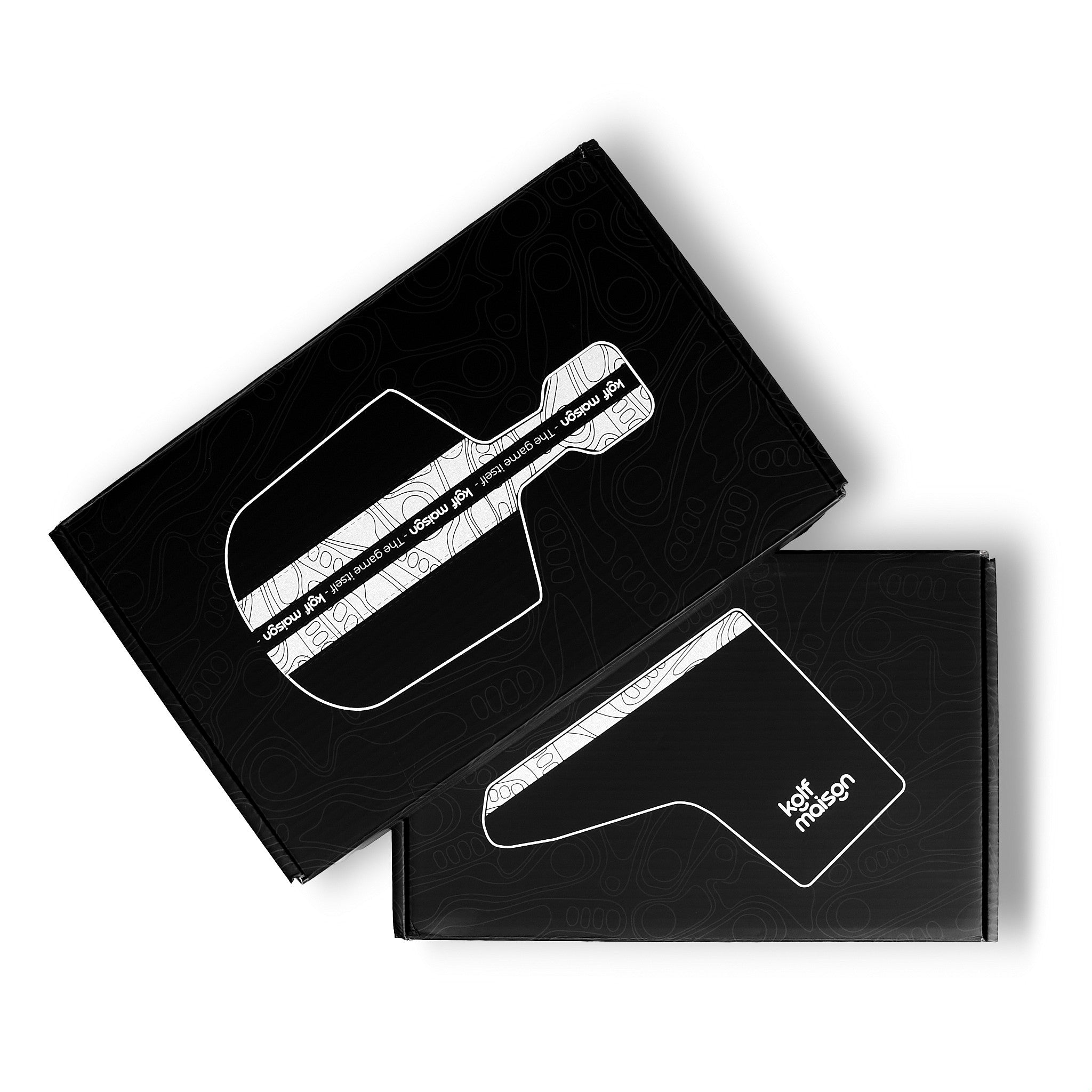
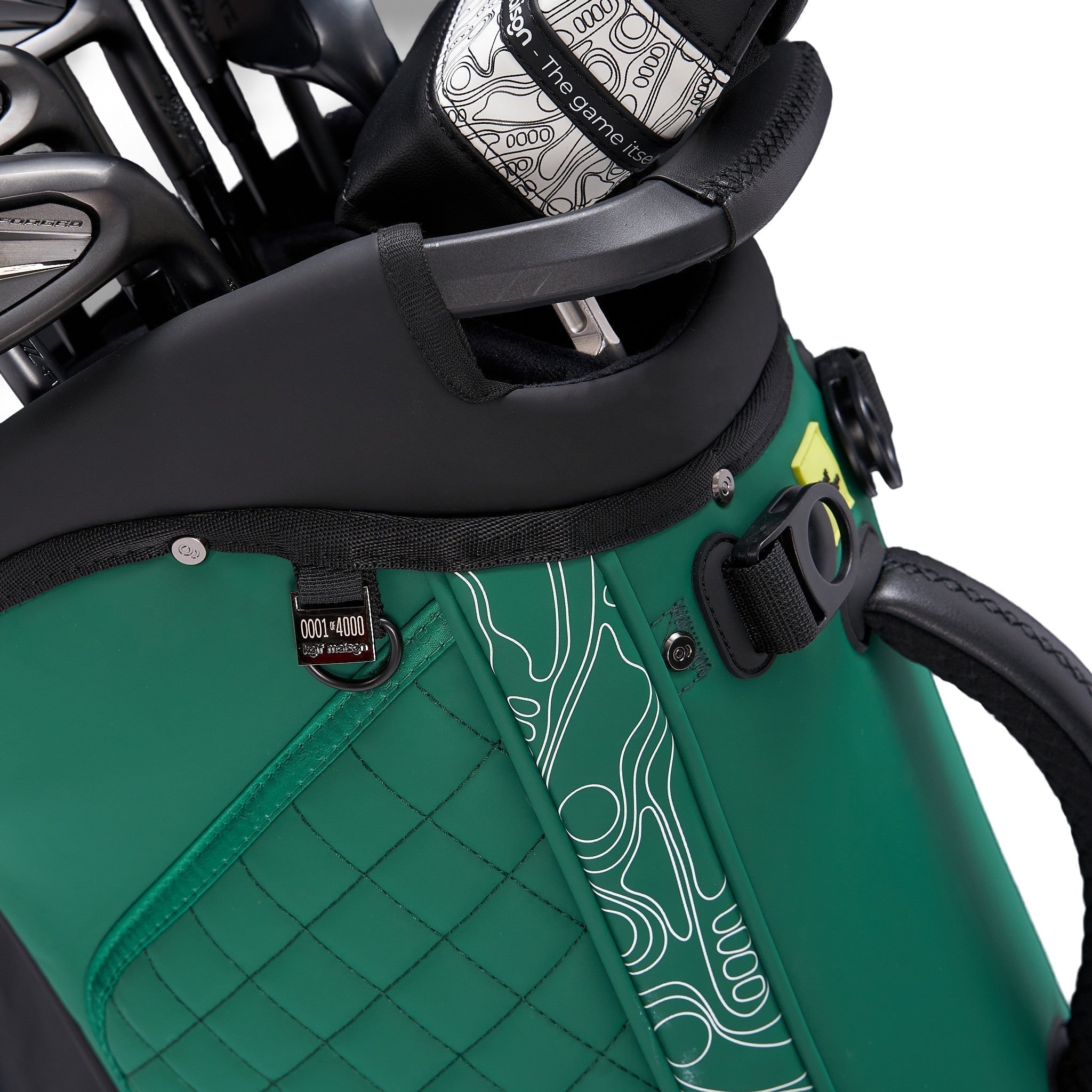
Each Kolf Maison bag is individually numbered and limited to 4,000 units per model annually. This limitation is not a marketing concept — it is a production constraint that demands consistent quality at every unit because failures in a limited run are proportionally more damaging, commercially and reputationally, than defects in a mass run. When a brand has 4,000 units to stand behind rather than 400,000, quality control carries a different kind of weight.
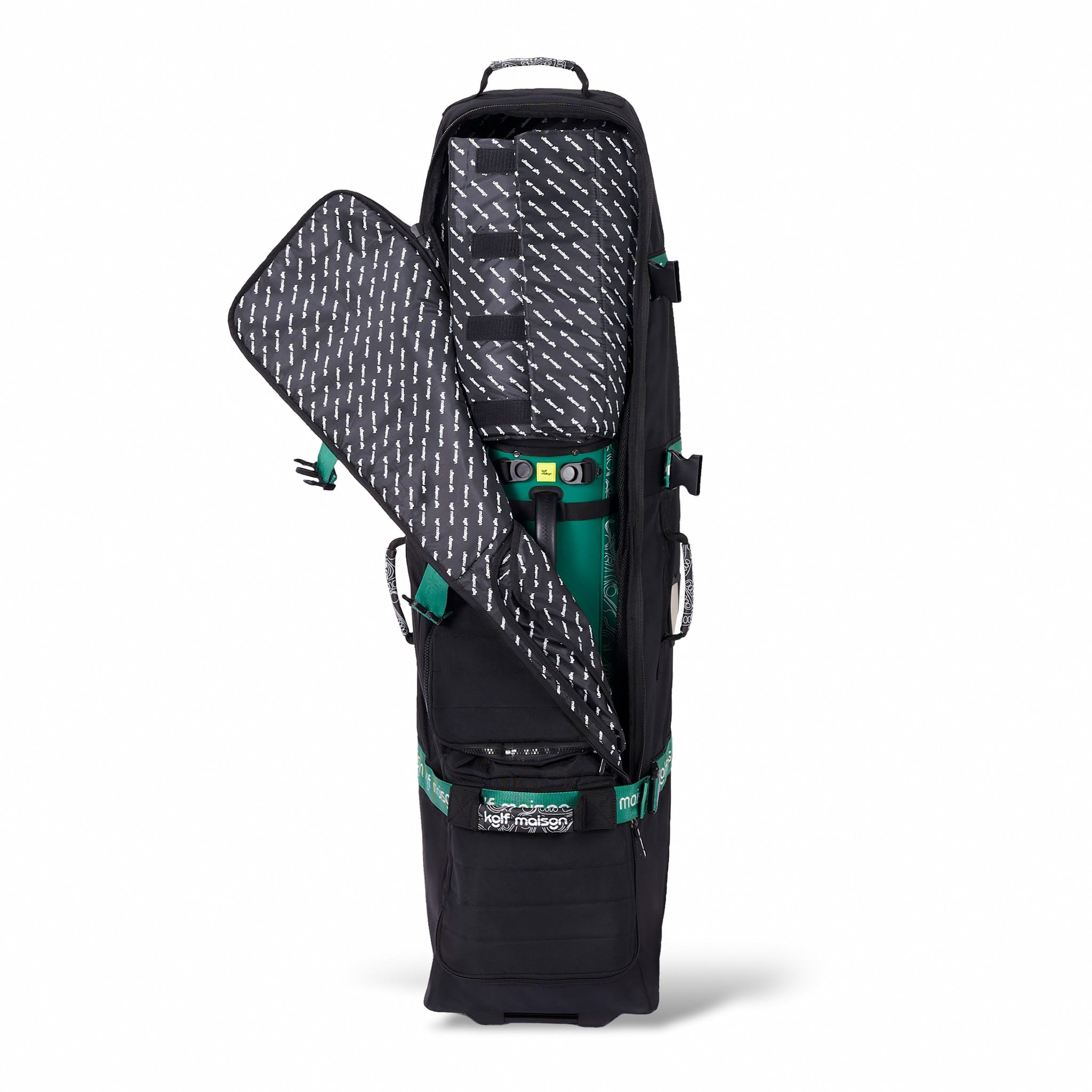
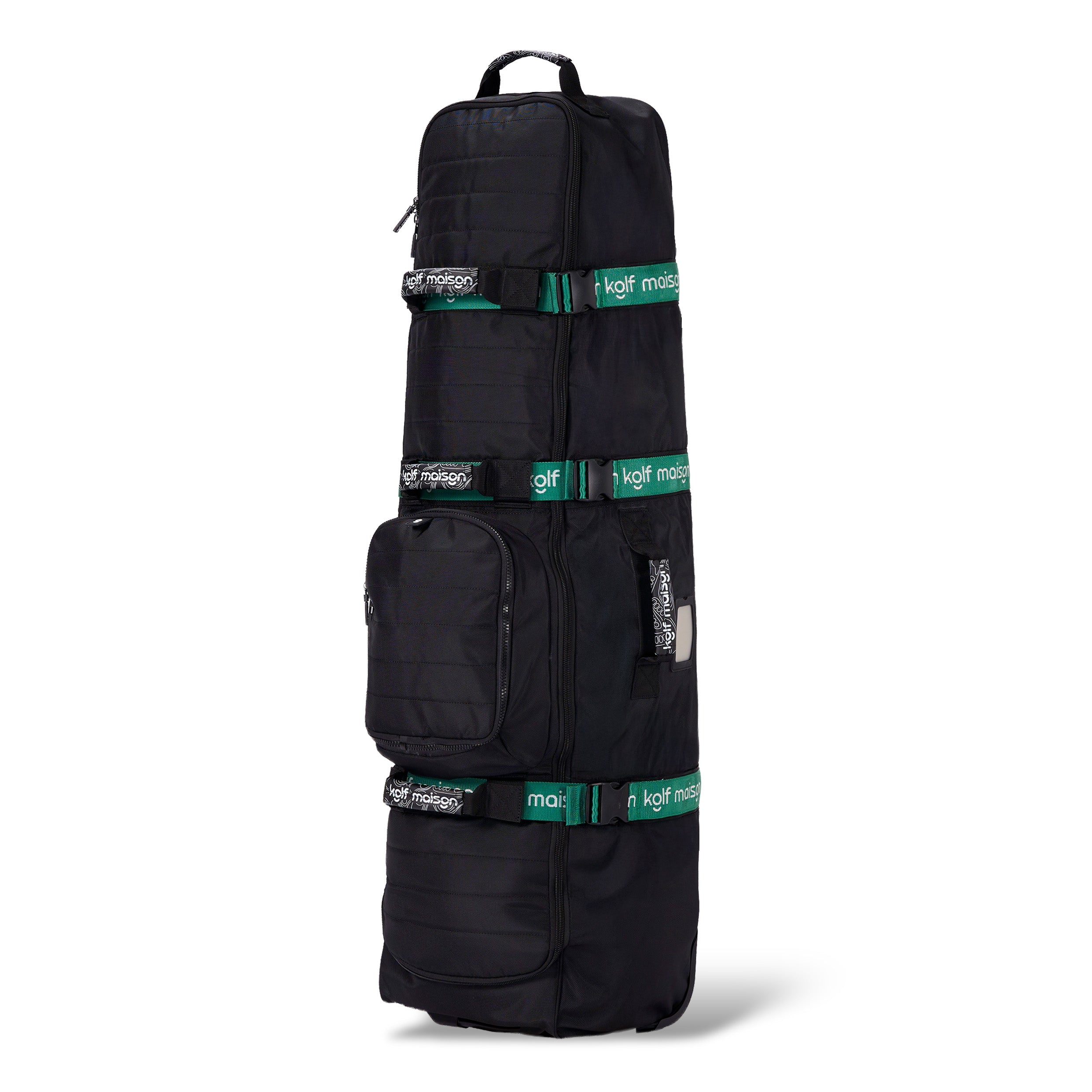
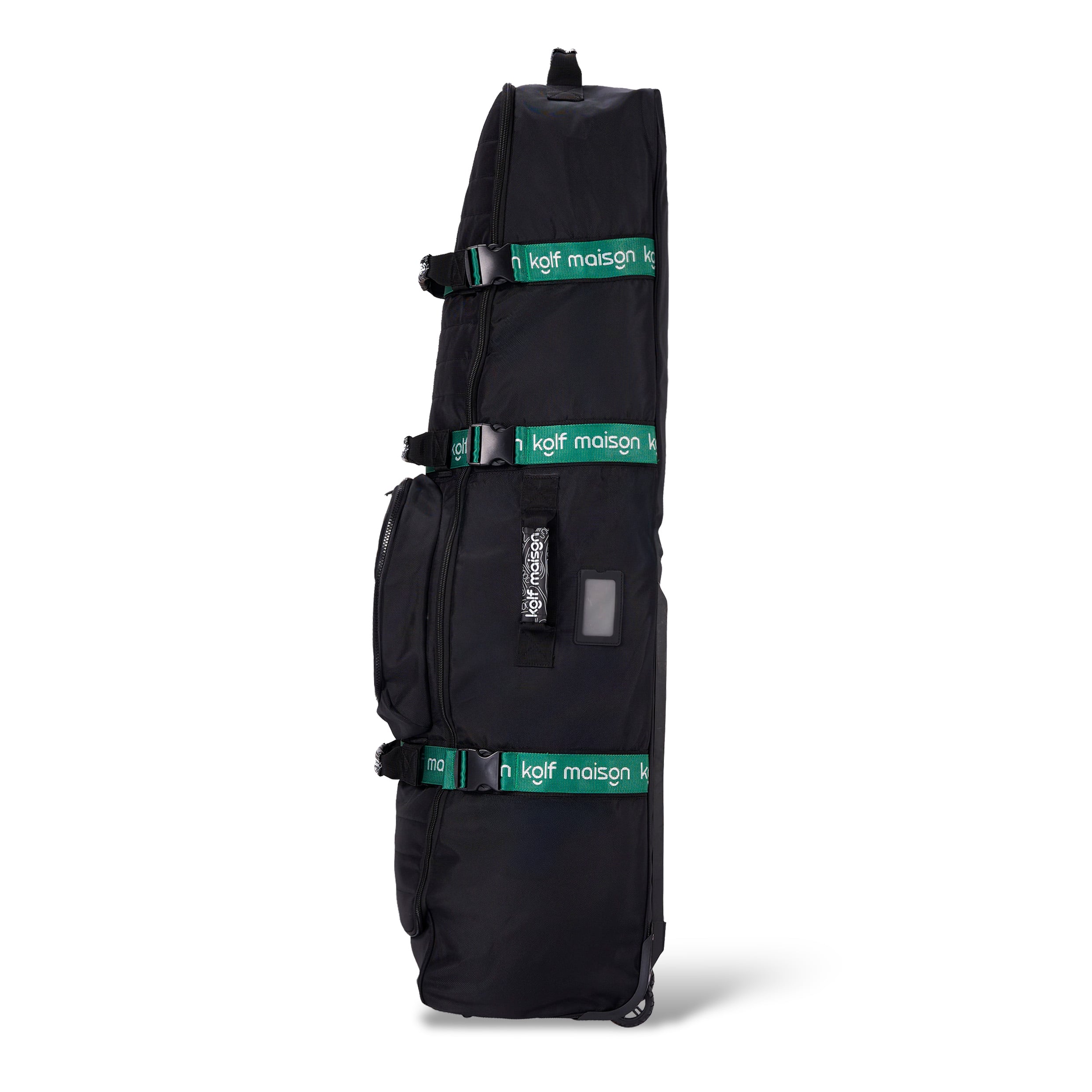
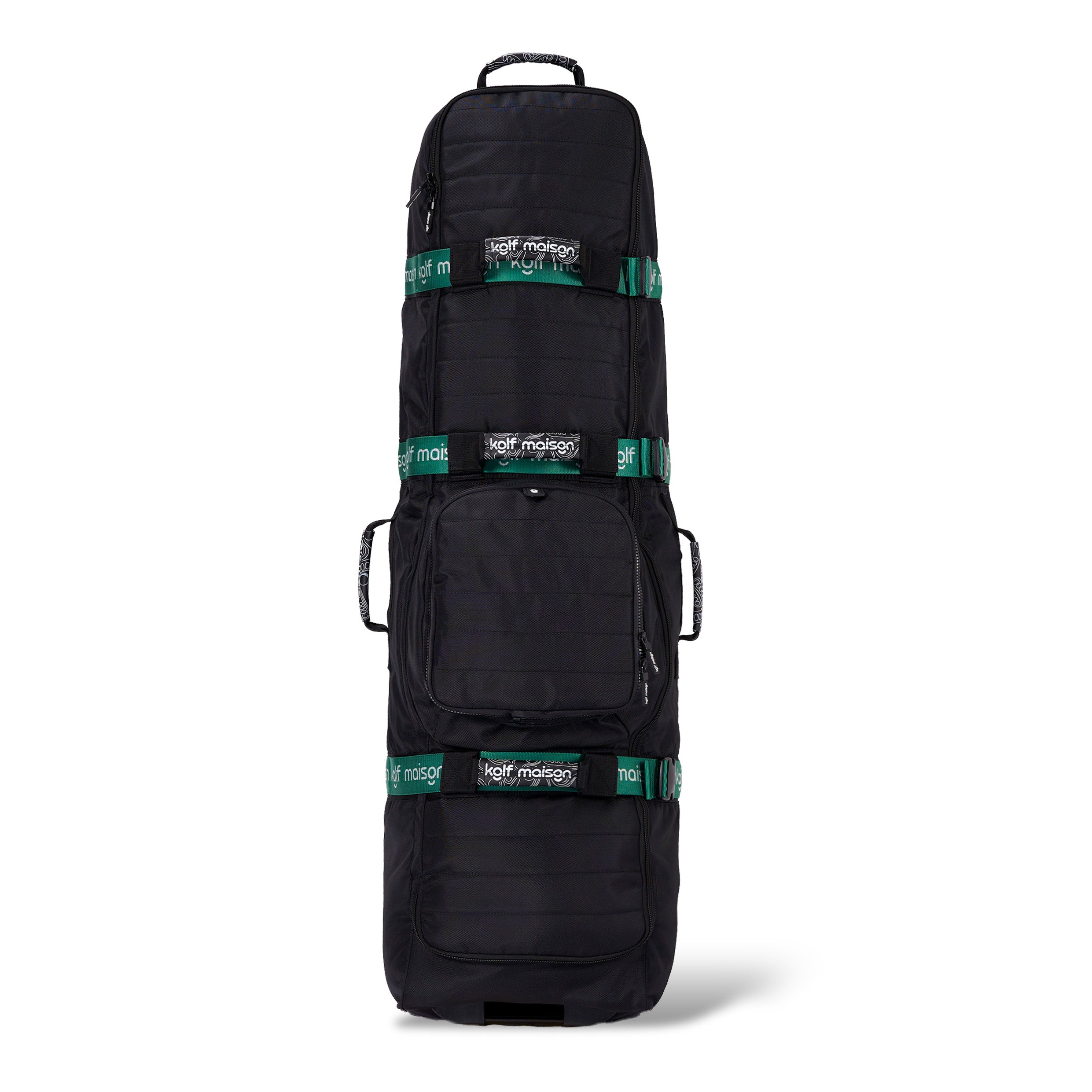
This is a quality accountability mechanism that ISO 9001 describes in principle but serial numbering enforces in practice. You can experience the Kolf Maison ownership approach across the full product range, including the Paganica Cart Bag and Aura Travel Bag, both of which share the same controlled production and numbered ownership philosophy as the stand bag.
How to Compare Quality Without Lab Access
Most golfers will never commission material testing before buying a bag. The practical approach is to combine multiple quality signals into a composite picture. The table below applies the logic of standards-based thinking without requiring laboratory access.
| Quality Signal | Strength | How to Evaluate It |
| Named material specification | High | Look for specific material names, not vague adjectives like "premium" or "durable" |
| Verified owner reviews (50+ sample) | Very High | Average rating plus consistency of specific quality mentions across reviewers |
| Independent editorial testing | High | Multi-round reviews from credible sources like MyGolfSpy, Plugged In Golf, and IGR |
| Serial numbered limited production | High | Controlled annual volume creates structural quality accountability per unit |
| Hardware brand specification | Medium–High | Named zipper brands (YKK), carbon fiber legs, reinforced base plate details |
| "Premium materials" without specification | Low | Unverifiable marketing language — meaningful only when backed by specifics |
| ISO 9001 manufacturer certification | Medium | Confirms consistent manufacturing processes — not a specific quality level guarantee |
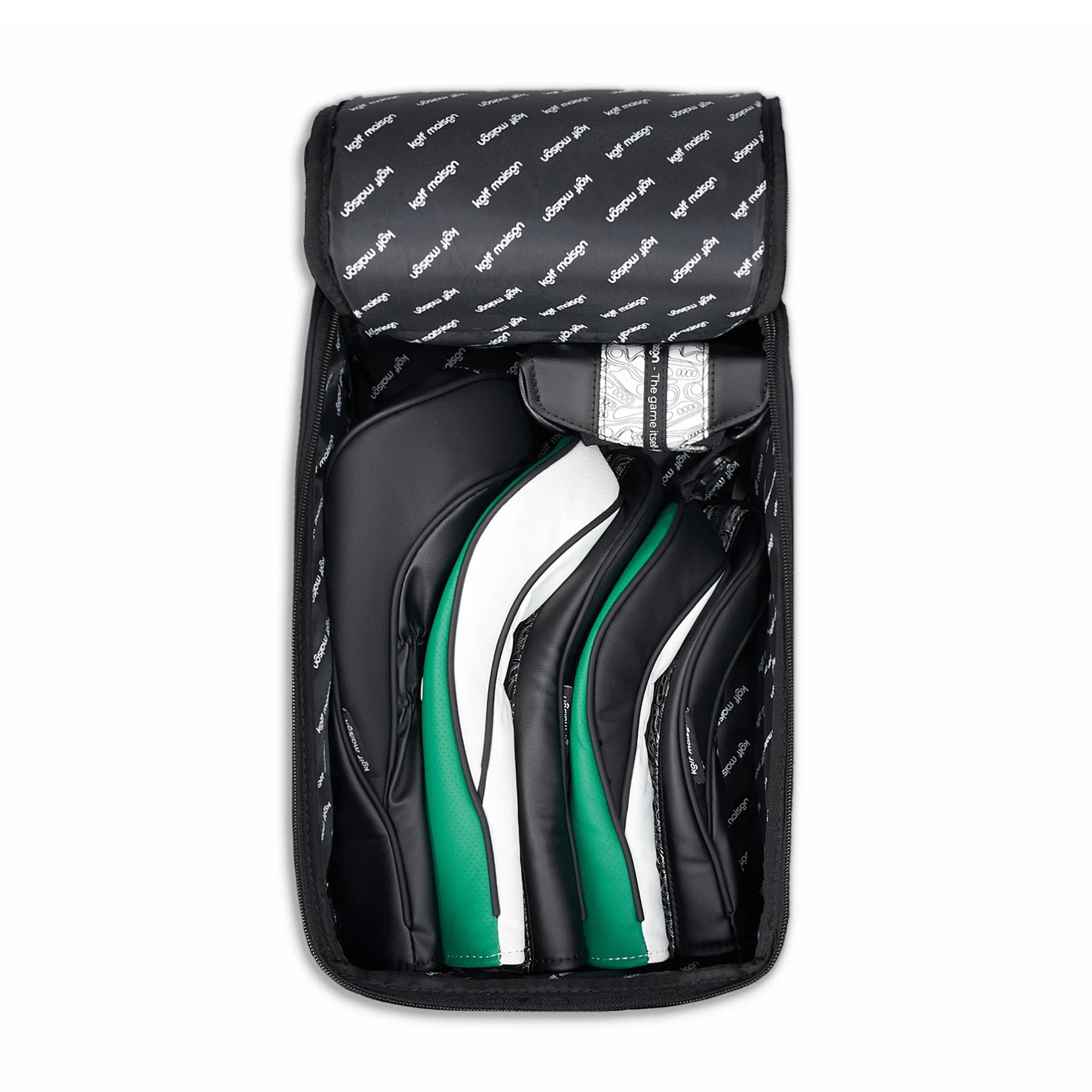
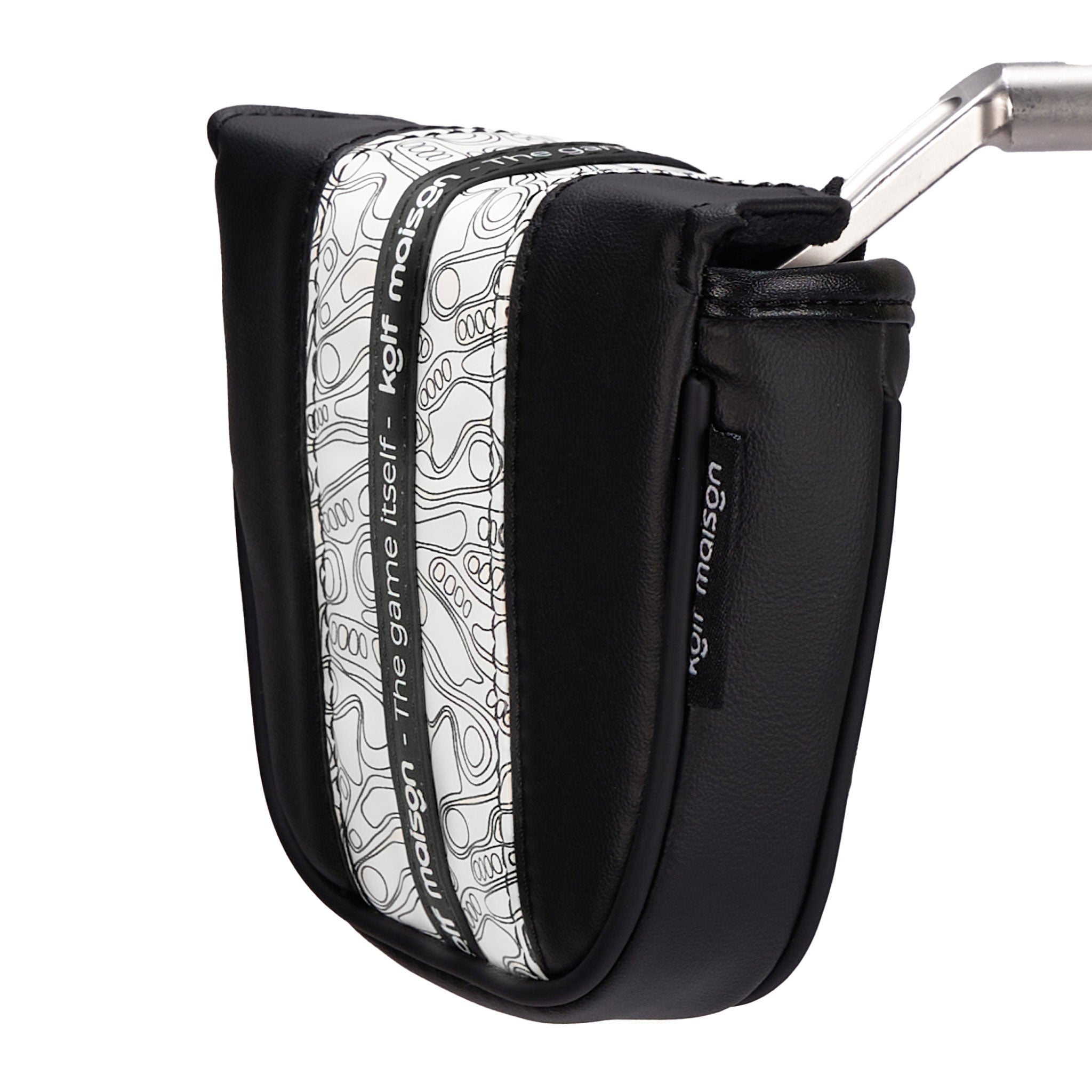
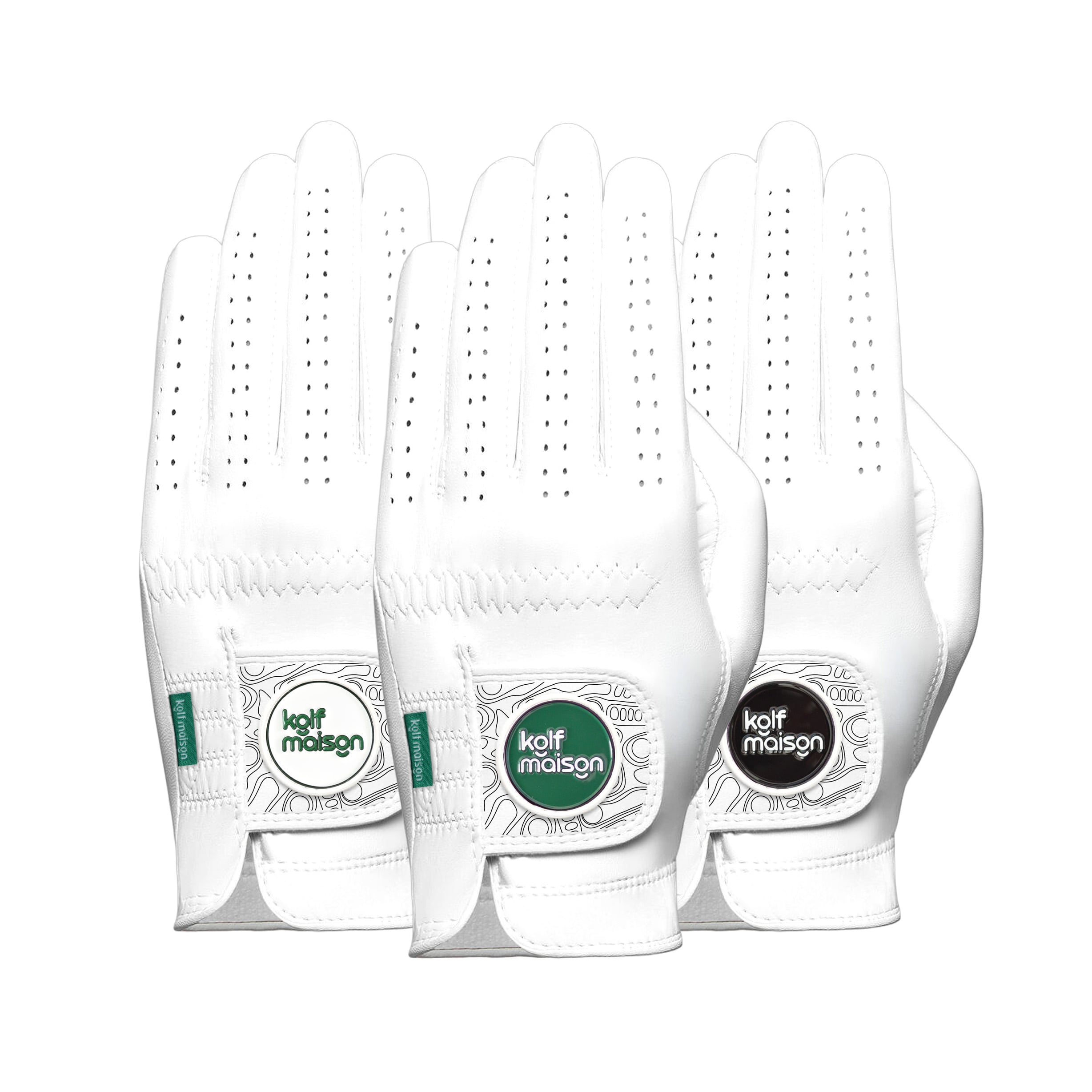
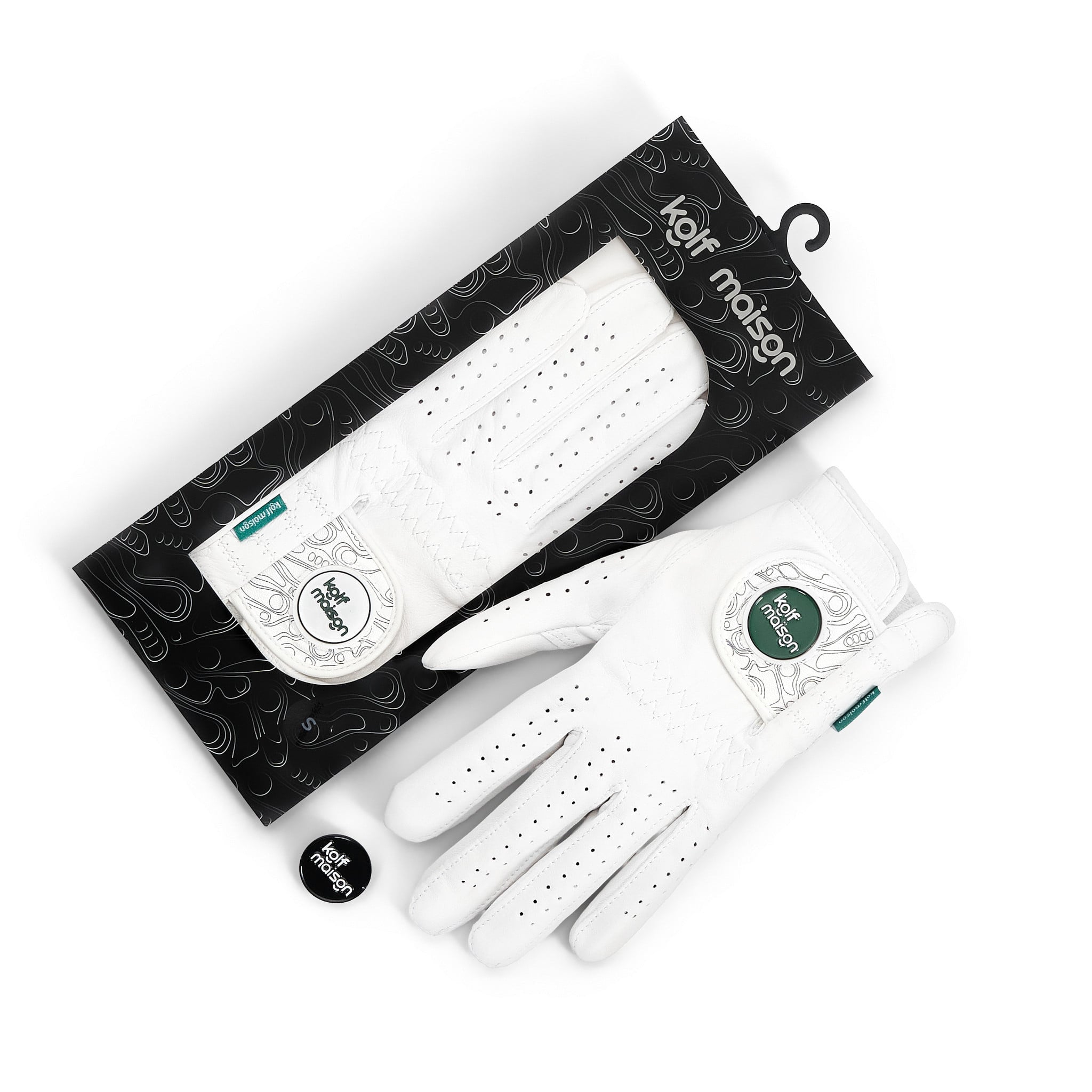
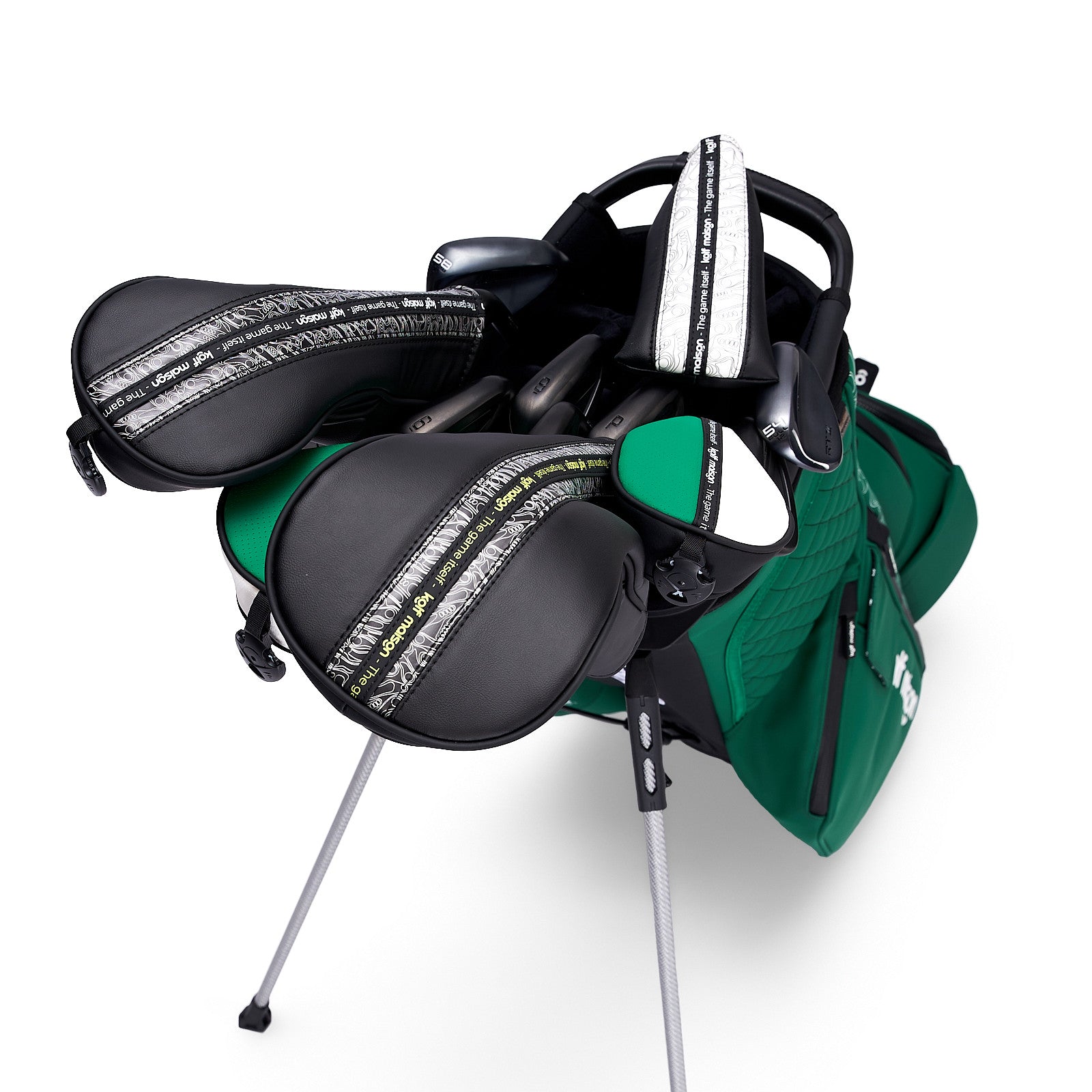
Applying this framework across the full Kolf Maison range — including the Paganica Head Cover Set and Majesta Golf Glove — gives you a clear picture of how a brand that takes quality seriously presents its products, versus one that relies on vague language to fill the gap where specifics should be.
For a deeper look at how to apply these criteria when choosing between specific bag categories and price tiers, the luxury golf stand bag buying guide walks through seven specific evaluation criteria with enough practical depth to apply across any premium purchase decision.
A Bag Built to the Standards That Actually Matter
4.98 out of 5 from 81 verified owners. Named materials. Serial numbered production. Limited to 4,000 per year. Independent editorial recognition. Every quality signal checked.
Explore the Paganica Stand Bag →Frequently Asked Questions
Do golf bags need ASTM or ISO certification to be sold?
No. Unlike safety equipment such as helmets or climbing harnesses, golf bags are not subject to mandatory ASTM or ISO certification requirements. Brands are free to describe their bags as premium or durable without independent testing verification. This makes buyer-side due diligence — verified reviews, independent editorial coverage, and specific material claims — significantly more important than it would be in a regulated category.
Which ASTM standards are most relevant when evaluating a golf bag?
The most practically relevant are ASTM D4966 (Martindale abrasion resistance — how the exterior handles repeated friction and contact), ASTM D751 (breaking strength of coated fabrics), and ASTM B117 (corrosion resistance for metal hardware including zippers and stand leg components). Most brands do not publish results for these tests, but asking whether their material supplier has tested to these standards is a useful indicator of how seriously a brand approaches quality transparency.
Does ISO 9001 certification mean a golf bag is high quality?
Not directly. ISO 9001 certifies that a manufacturing facility operates consistent, documented quality management processes — not that its products meet any particular quality threshold. A factory producing cost-cut bags with unspecified materials can be ISO 9001 certified if its processes are systematically documented. The certification is a signal of operational discipline, not product excellence. Always combine it with material specifications and owner review data when evaluating any premium bag purchase.
What is the most reliable way to evaluate golf bag quality without laboratory testing?
The strongest composite approach is: verified owner reviews from 50 or more buyers with specific quality mentions, named material claims rather than adjectives, hardware brand identification, independent editorial review from credible sources, and limited serial numbered production as a proxy for quality control accountability. No single signal is definitive, but when all five align — as they do with the Kolf Maison Paganica Stand Bag — the confidence level is very high.
Why does serial numbering matter for quality assurance in golf bags?
Serial numbering combined with limited annual production creates a structural quality incentive that matters in practice. When a brand produces 4,000 individually numbered units per year rather than tens of thousands of anonymous units, each bag carries proportionally greater weight in the brand's reputation. Defects in a limited run are more damaging and more traceable than defects spread across mass production. This means brands choosing intentional production limits with individual numbering are effectively self-imposing quality accountability — a mechanism ISO 9001 describes in principle but numbered limited production enforces in economic reality.


Share:
Is Your Golf Bag Ruining Your Clubs? 5 Signs It's Time to Upgrade
Kolf Maison vs. Vessel Golf: An Honest Feature-by-Feature Comparison