



Is Your Golf Bag Ruining Your Clubs? 5 Signs It’s Time to Upgrade
Equipment Guide · 2026 Edition
Most golfers never blame the bag. When a grip wears faster than expected, when clubs feel scuffed after a season, when a shaft finish dulls — the bag is rarely the first suspect. But a golf bag that was designed cheaply is in contact with your equipment on every single round. The damage is quiet, cumulative, and entirely avoidable. Understanding what makes a golf bag truly luxury starts with understanding what a bad one actually costs you.
Sign 1: Your Grips Are Tangling — and Getting Marked
The most common cause of premature grip wear isn’t weather or use — it’s the bag. Specifically: a top divider that doesn’t run the full length of the bag. Partial dividers (a top section only) mean your clubs share space at the bottom. Shafts cross. Grip edges press against each other on every bump of the cart, every step of a carry round. Over a season, the scuffing accumulates.
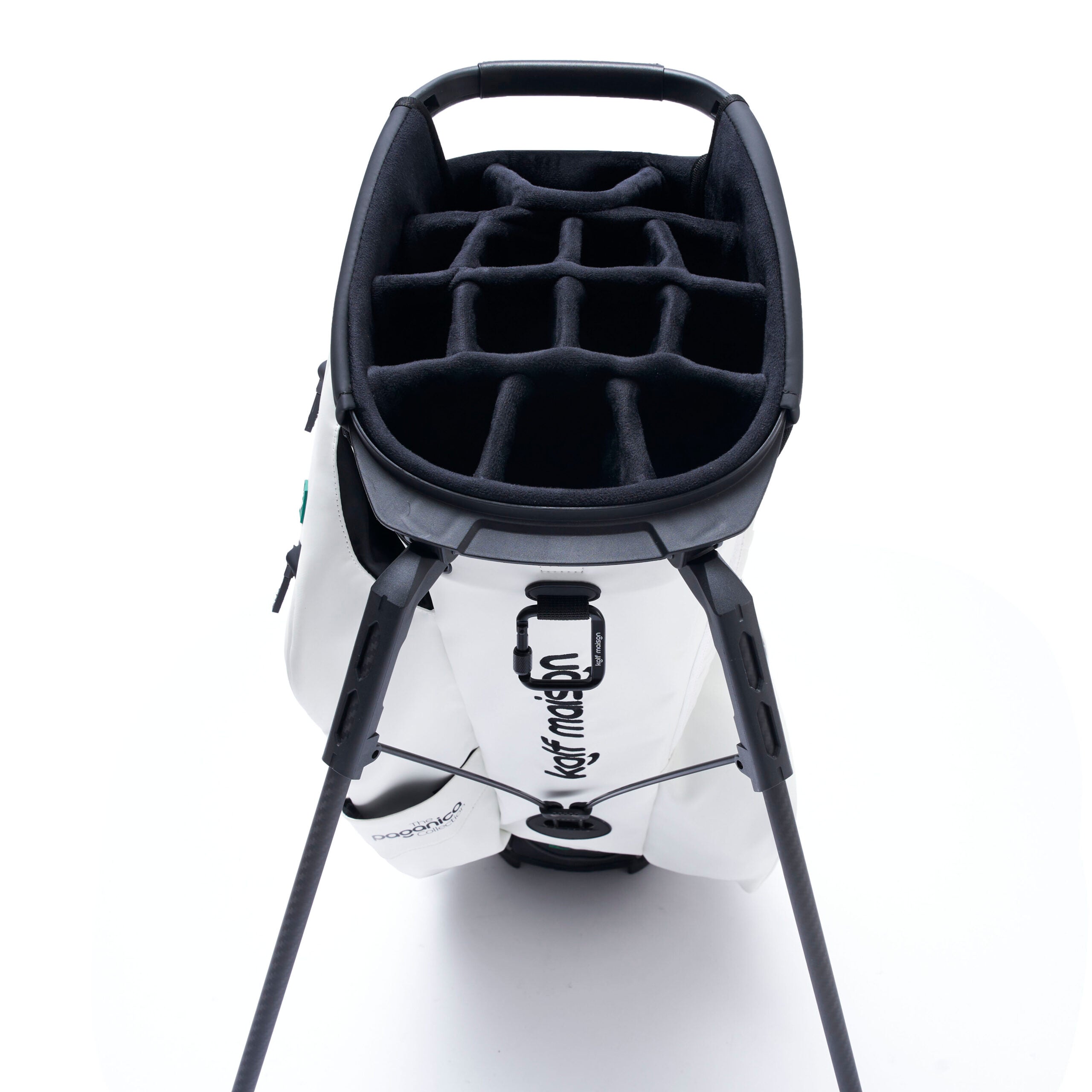
Full-length dividers give each club its own channel from top to base — no contact, no rubbing. In a truly premium bag, those dividers are also velvet or velour-wrapped, so even the occasional brush doesn’t leave a mark. Not sure whether 14-way or 7-way suits your setup? Our 14-Way vs. 7-Way Divider Guide explains exactly what each configuration does to your clubs between rounds.
If your current bag uses a partial divider system, you are paying for grip replacements — and potentially shaft refinishes — that a better bag would have prevented.
Sign 2: The Exterior Is Cracking, Peeling, or Fading
Surface degradation on a golf bag isn’t cosmetic. It signals that the material used was not designed for outdoor use at this frequency. Most mid-range bags use a single-layer synthetic coated in a matte or gloss finish — this coating separates from the base under UV exposure and repeated flex cycles. The result is flaking that starts at corners and seams and spreads inward.
Premium bags use multi-layer composite materials certified to published international standards. The difference is measurable: ISO 5402 tests flex durability to 100,000+ cycles without surface failure. ISO 105 B02 tests UV and colorfast stability across seasons. A bag without these certifications will show degradation — the only question is when. Our full breakdown: Kolf Maison Materials: The Core of Luxury Golf Bags. For a side-by-side comparison of materials at this price tier, read our Matte Microfiber vs. Nylon guide.
A bag that looks good after three seasons is not an accident — it is the result of a material selection decision made before the bag went into production. If yours is cracking in year two, that decision was made for you by a manufacturer optimizing for price, not longevity. See how long a golf bag should actually last — and what determines the answer.
Sign 3: The Stand Won’t Hold on Any Lie But a Flat One
A stand bag that tips over on anything but a level fairway is not a stand bag — it’s a bag with legs. The distinction is in the mechanism. Most budget and mid-range stand bags use a single foot-trigger system: one pivot point under tension that deploys the legs when the bag is set down. That pivot fatigues. The spring weakens. Within two seasons, the legs no longer snap cleanly and the bag begins to tip on any slope.
The correct architecture is a hinged base — legs activated by the bag tilting back rather than by a single pressure point. A hinged base distributes load across the whole base structure, deploys with more authority on uneven ground, and does not degrade at the same rate. Carbon fiber legs compound the advantage: stiffer, lighter, and more resistant to lateral bending than aluminum alternatives.
Before your next purchase, run the tests in our guide: 5 Structural Tests Every Golfer Should Do Before Buying a Golf Bag. And if you’re reconsidering whether a stand bag is the right format altogether, see Stand Bags vs. Cart Bags: The Quiet Distinctions.
Sign 4: You Can Never Find Anything — or Keep It Safe
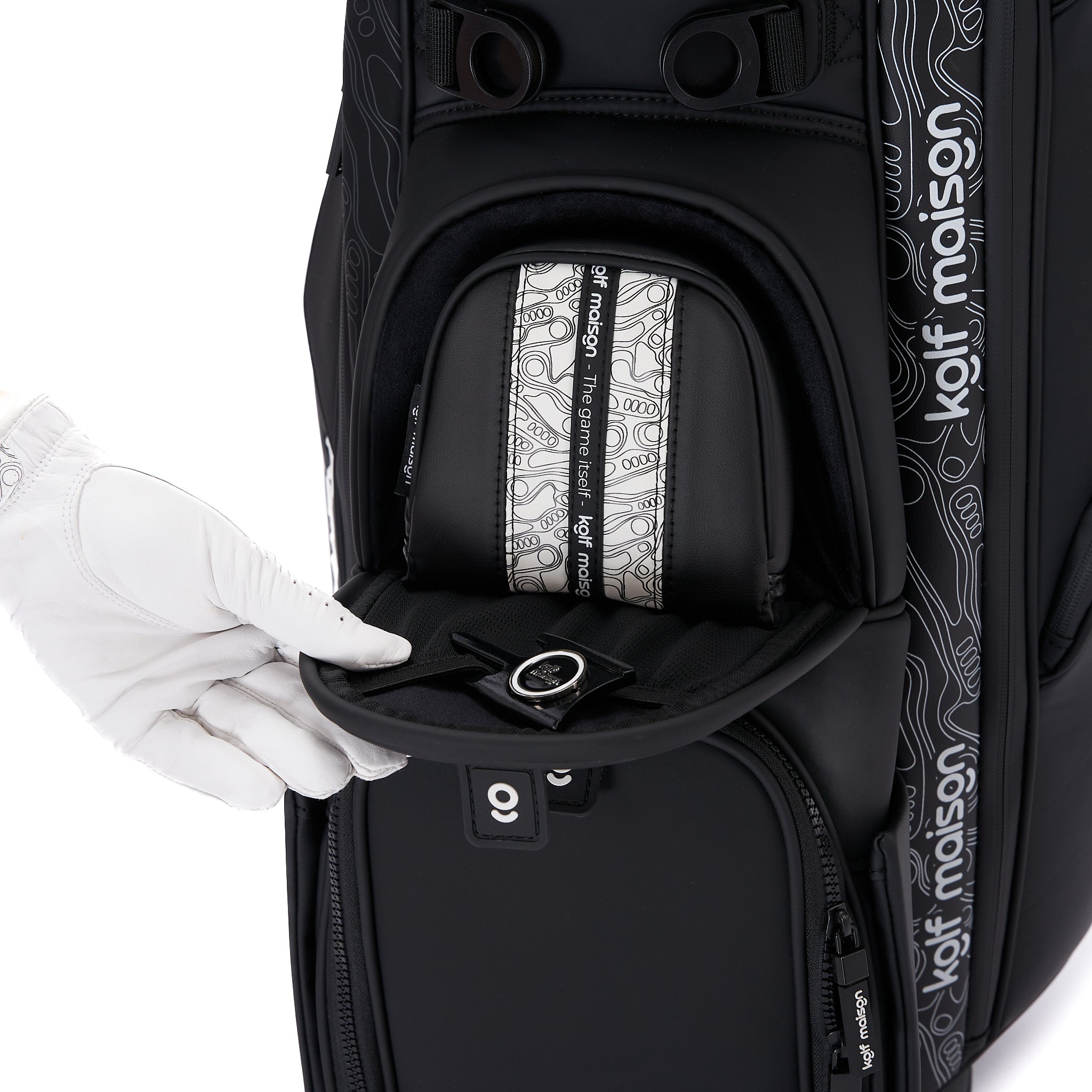
Poor pocket design costs you time on every round and causes damage you can’t see. A valuables pocket without a velvet lining scratches sunglasses, watch faces, and phone screens — round by round. A rangefinder that has to be pulled from a rear pocket every time you need a yardage slows your pace and risks dropping it. A single large pocket with no interior organizers turns into a rotating pile of tees, gloves, ball markers, and whatever else you threw in six weeks ago.
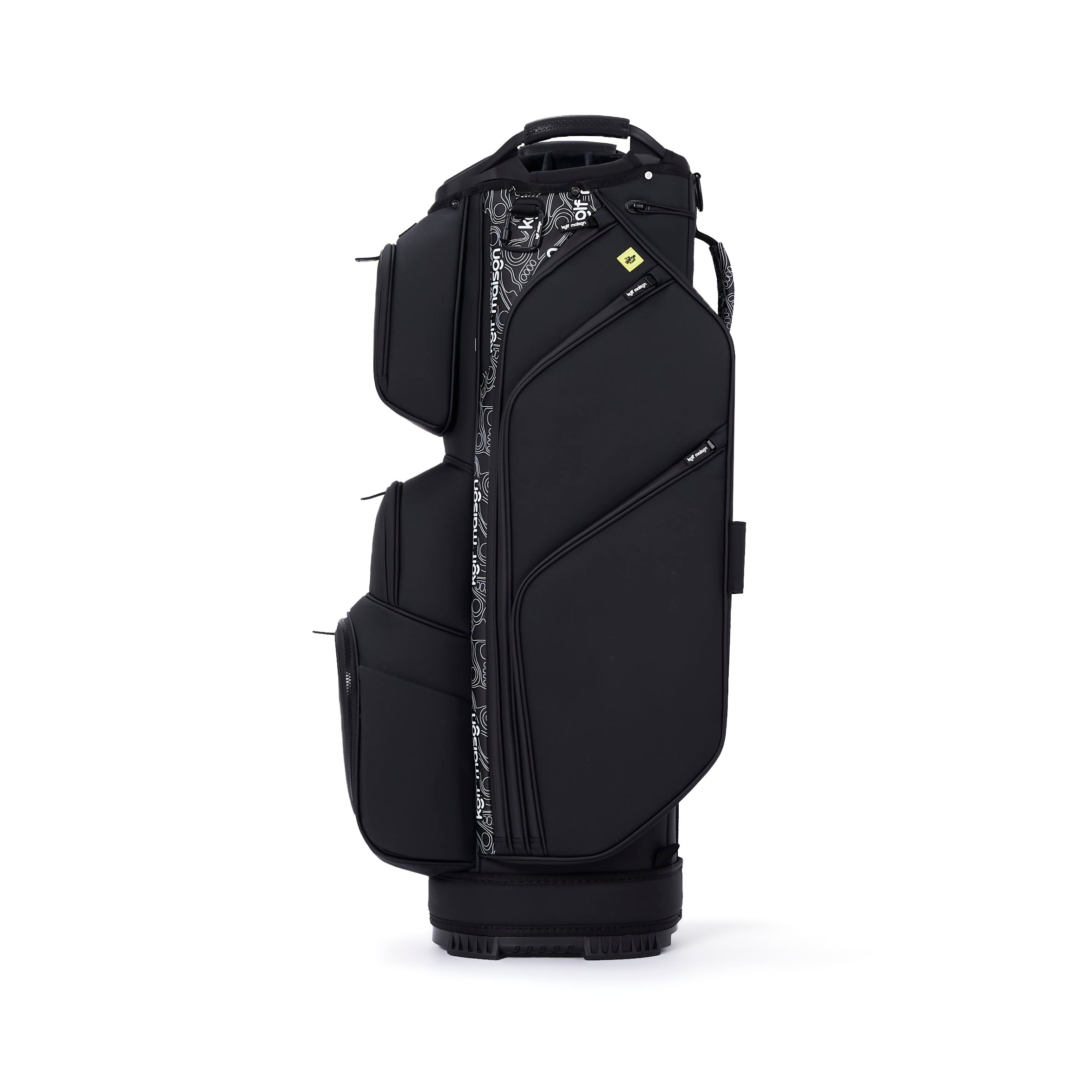
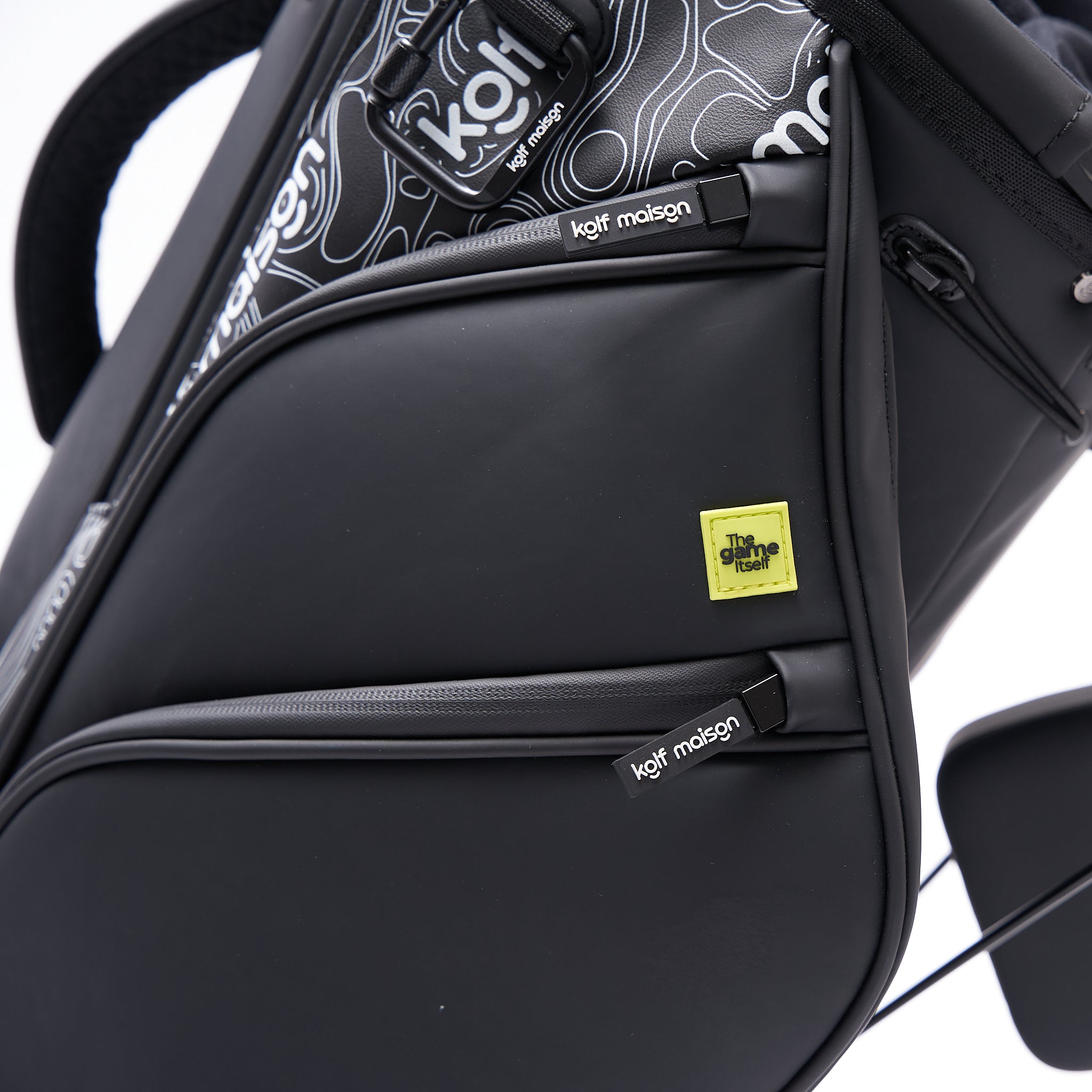
What to look for: velvet-lined valuables pocket with a magnetic closure, a rangefinder sleeve positioned on the side of the bag for shoulder-carry access, interior organizers in the ball pocket, and expandable drink holders on the sides rather than the front. For zipper vs. magnetic pocket reliability over time, see our Magnetic vs. Zipper Pocket guide.
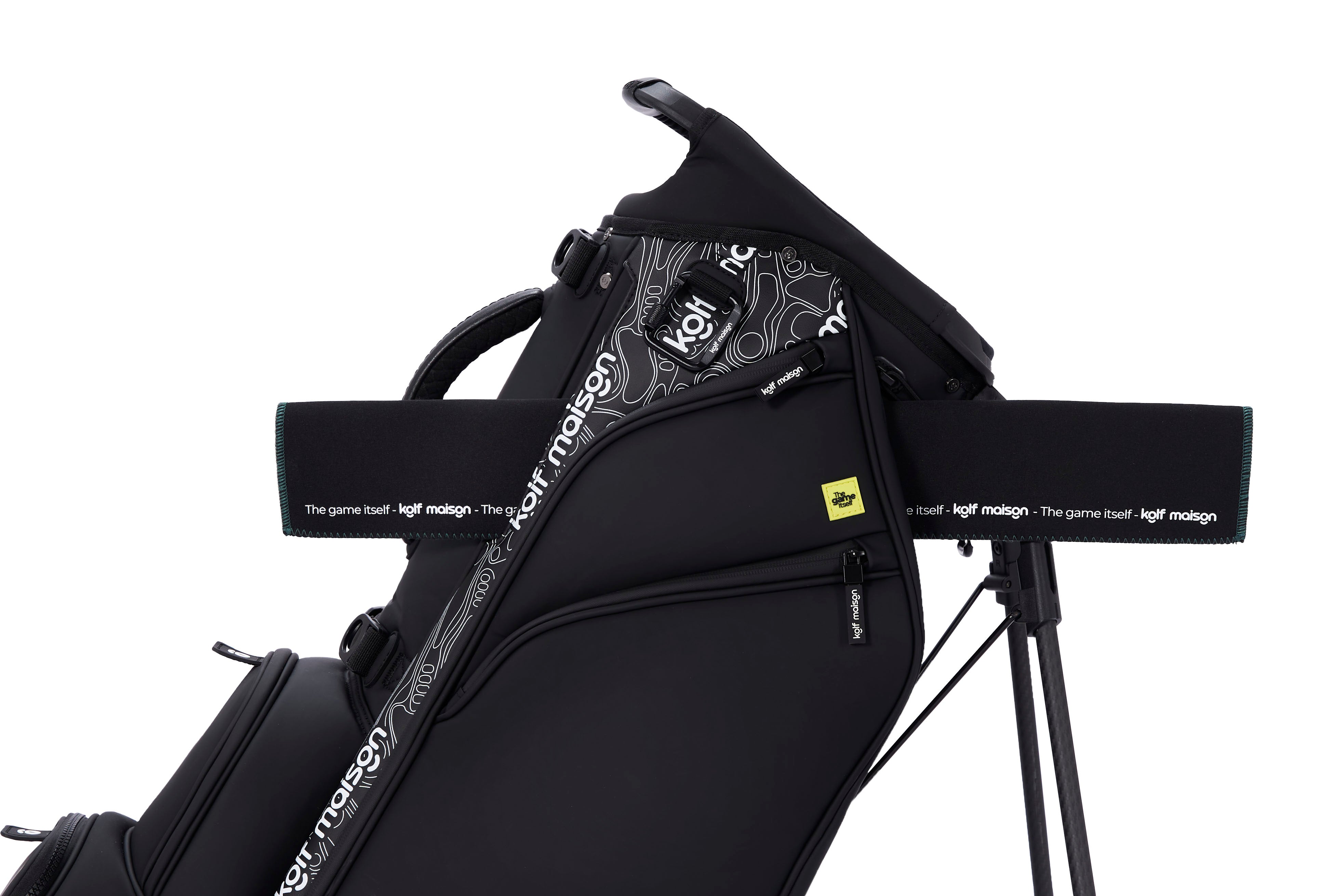
A well-designed bag also ships with the accessories needed to complete the system — a magnetic towel that stays put, a divot tool that clips rather than falls in a pocket, a valuables pouch for items the bag’s exterior doesn’t protect. Here’s why Kolf Maison includes a full accessories bundle with every bag while most brands treat these as upsells.
Sign 5: Your Clubs Get Wet When It Rains
A matching rain hood should come with any bag at this price tier. If yours didn’t ship with one — or if the hood it came with is a generic polyester pull-over that bags in the wind and lets water in at the edges — your clubs are being exposed to moisture in conditions that a proper bag would handle. Carbon steel shafts rust at exposed nicks. Leather grips degrade faster when wet. Club faces can pit over time if the drying process is slow.
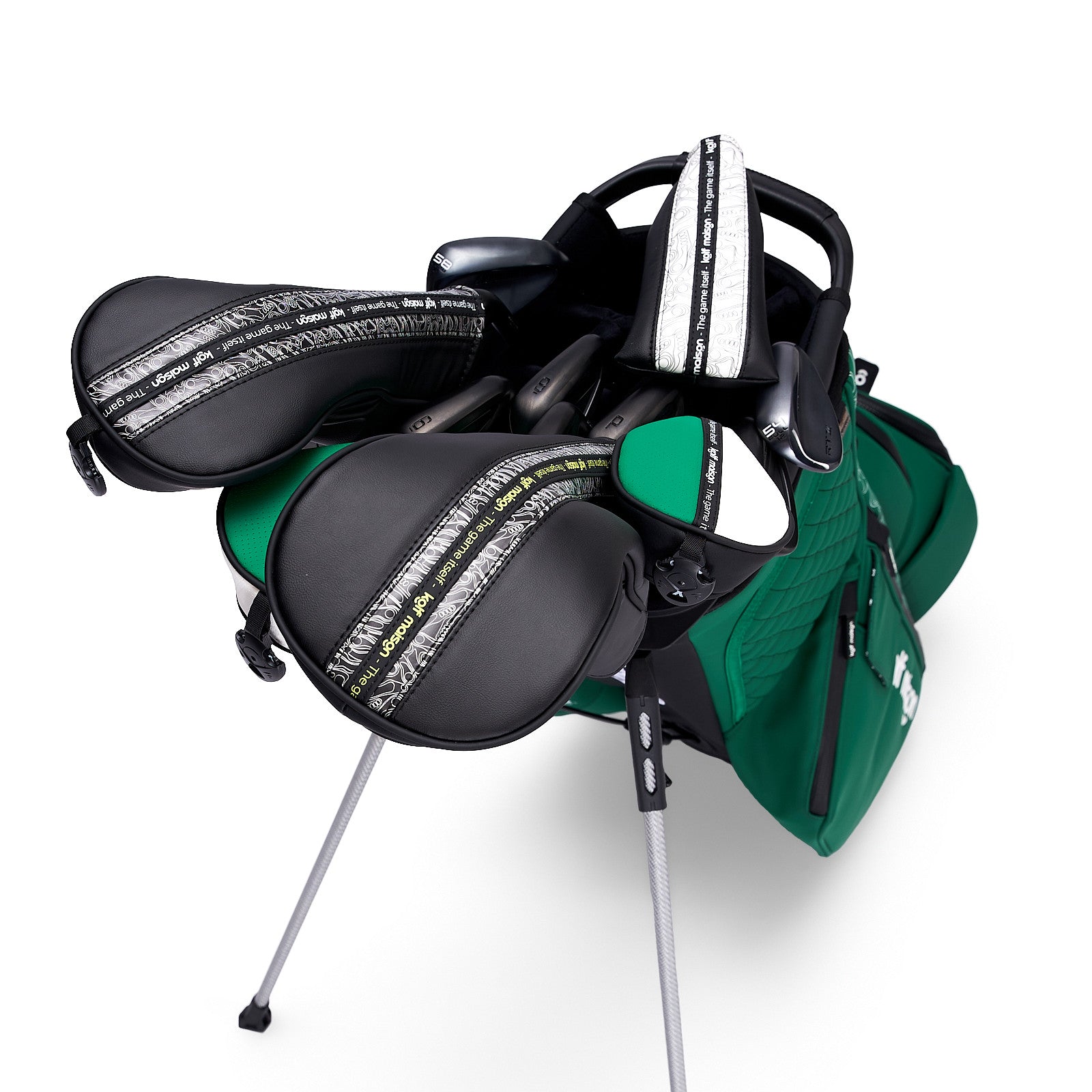
A color-coordinated, fitted rain hood is both a style statement and a practical necessity. Choosing a bag that didn’t include one means either buying one separately or accepting the exposure. This is one of the quiet costs that make a cheap bag more expensive over time than it appears at purchase. For the full breakdown: The Hidden Costs of Cheap Golf Bags and What Makes a Golf Bag Durable?
What to Look for in a Bag That Won’t Cause These Problems
✓ Full-length velvet-wrapped dividers with a dedicated putter well
✓ Exterior material certified to ASTM D751, ISO 5402, ASTM D3884, ISO 105 B02
✓ Hinged-base stand mechanism with carbon fiber legs
✓ Velvet-lined valuables pocket + side-access rangefinder sleeve
✓ Matching rain hood included at purchase
✓ Complete accessories bundle — no add-ons required
What a Real Upgrade Looks Like
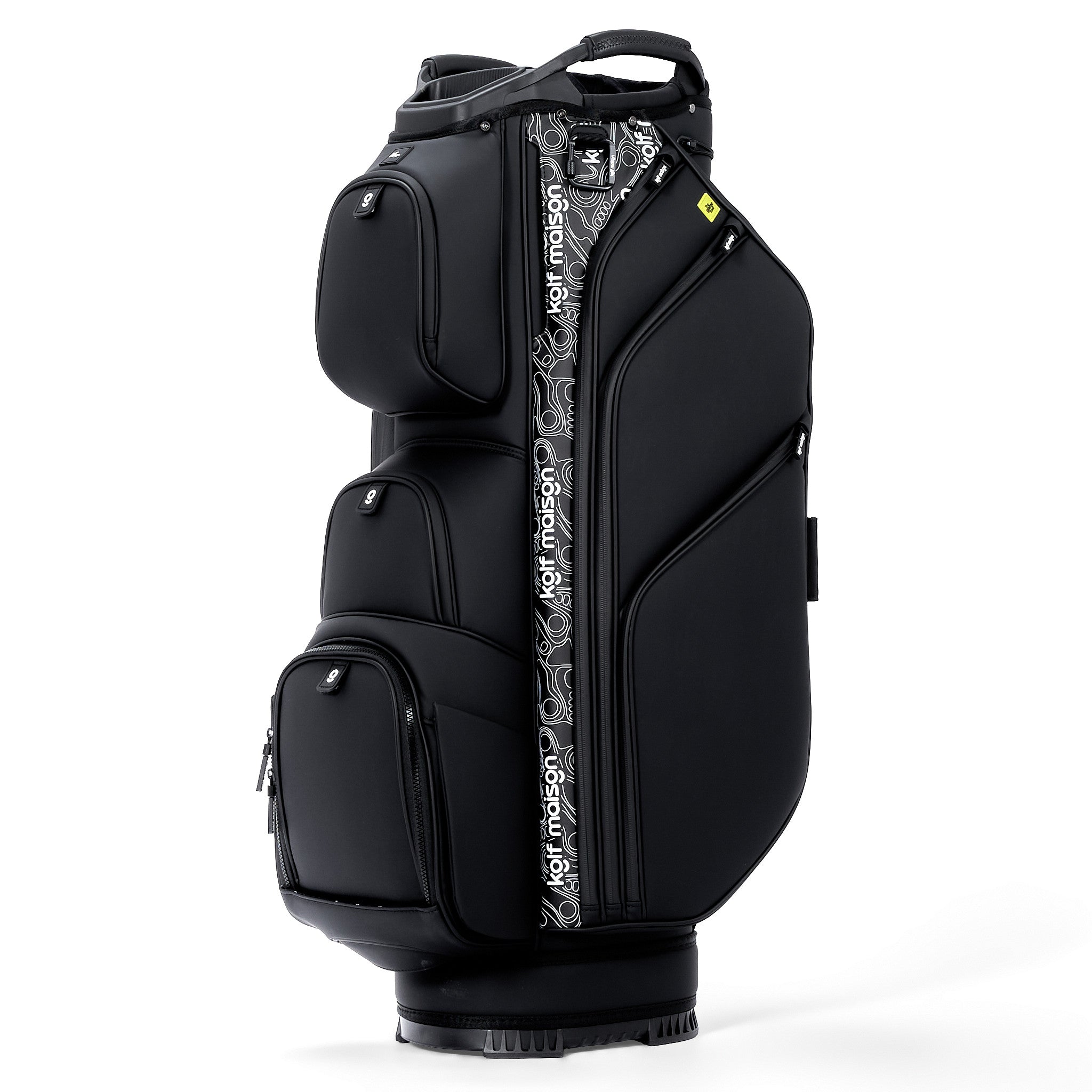
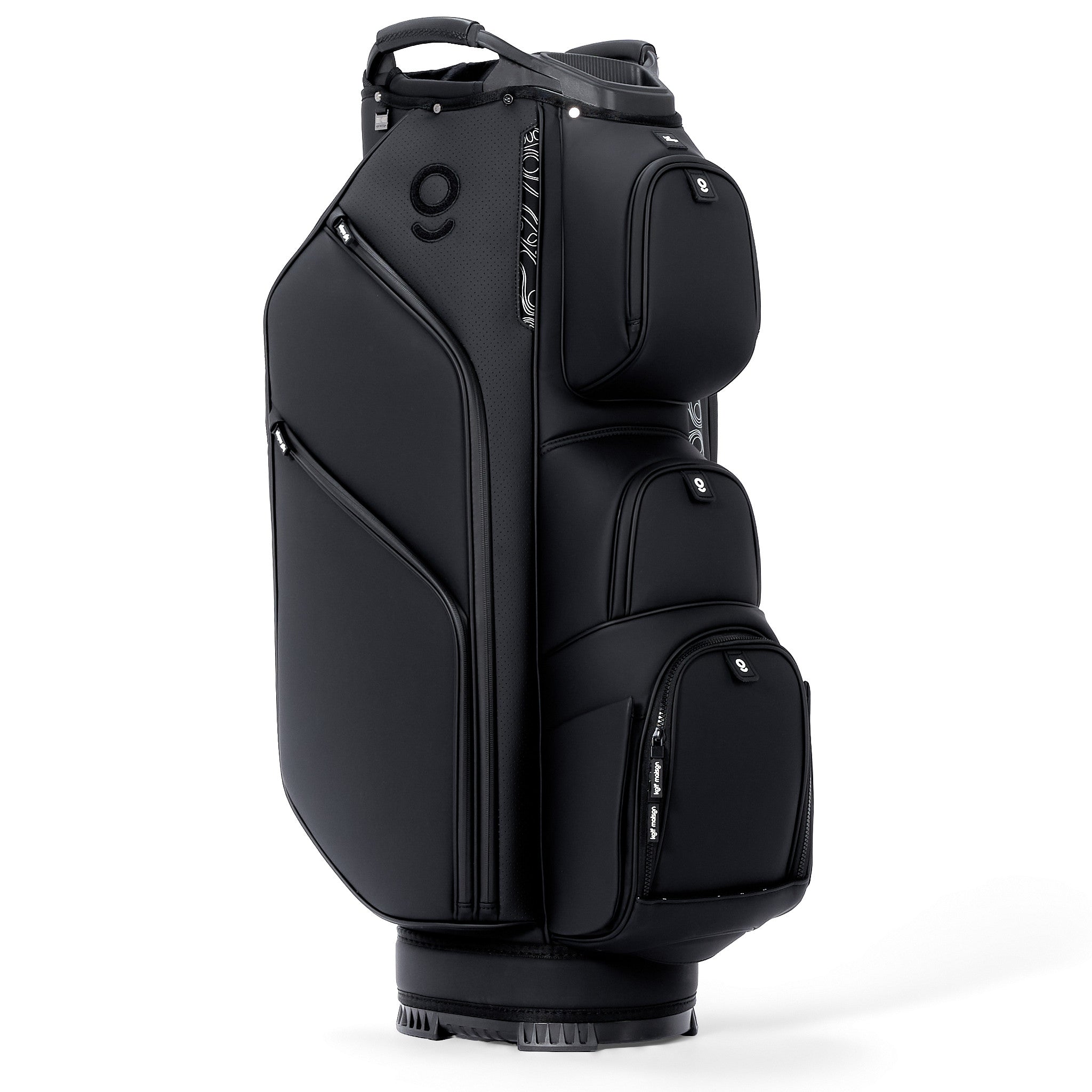
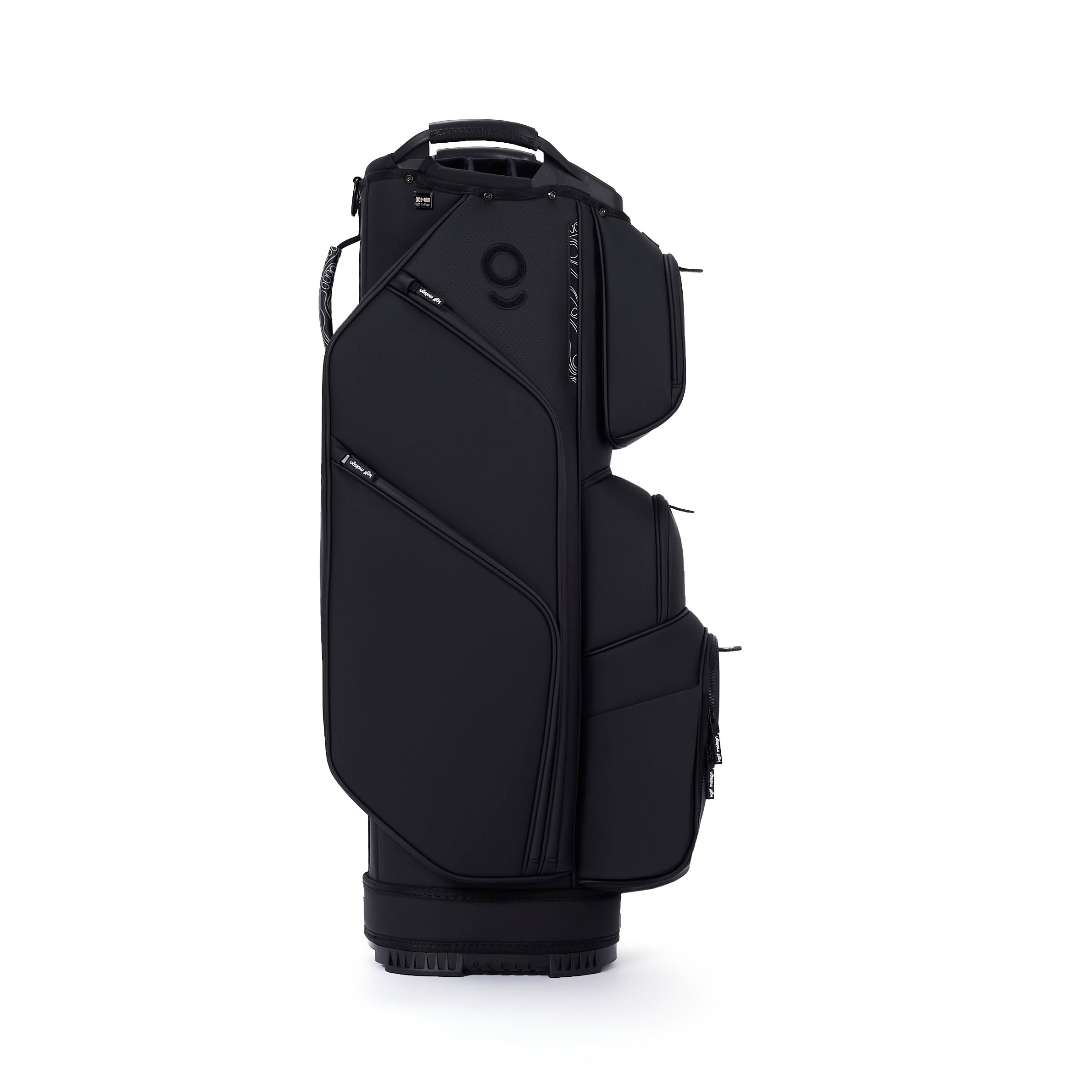
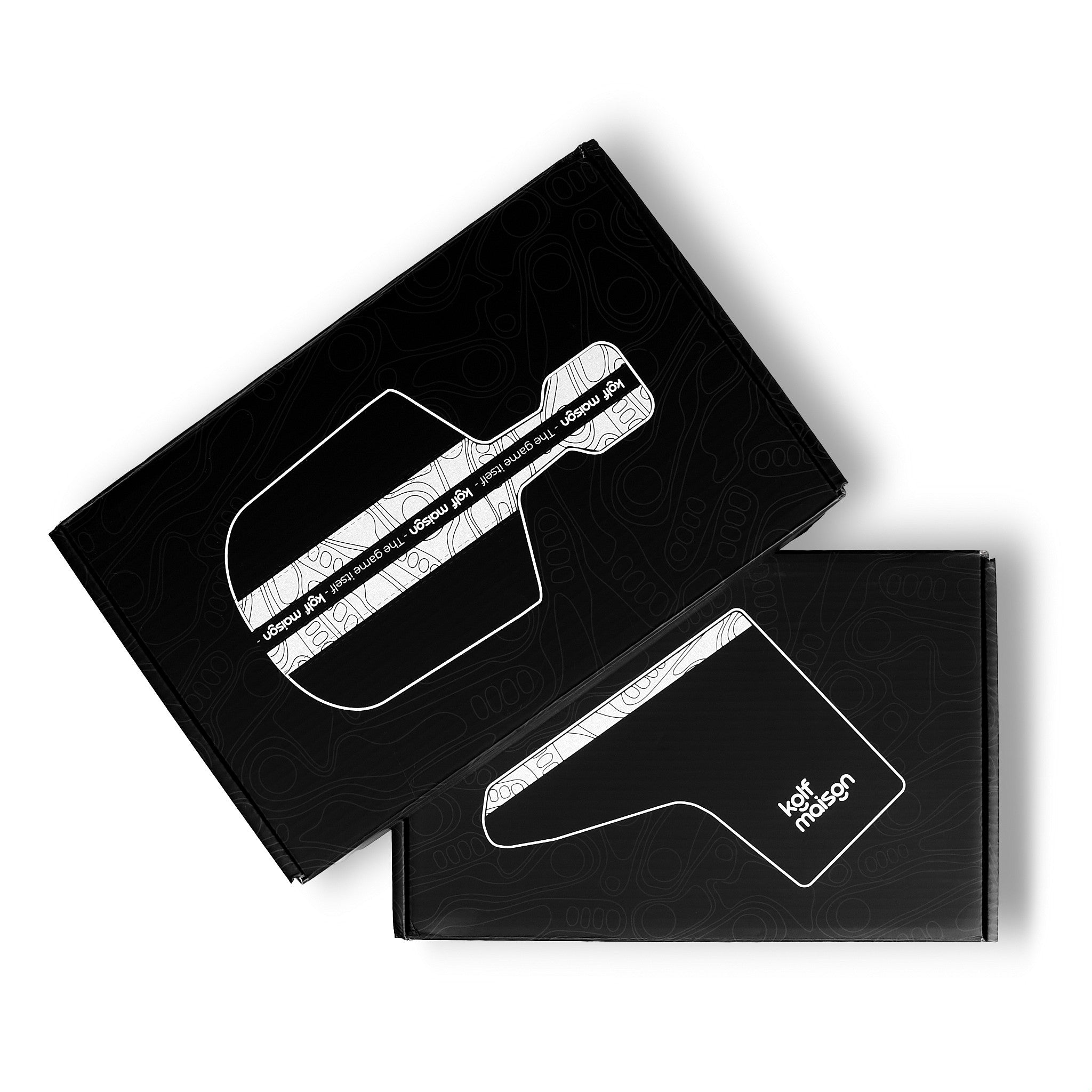
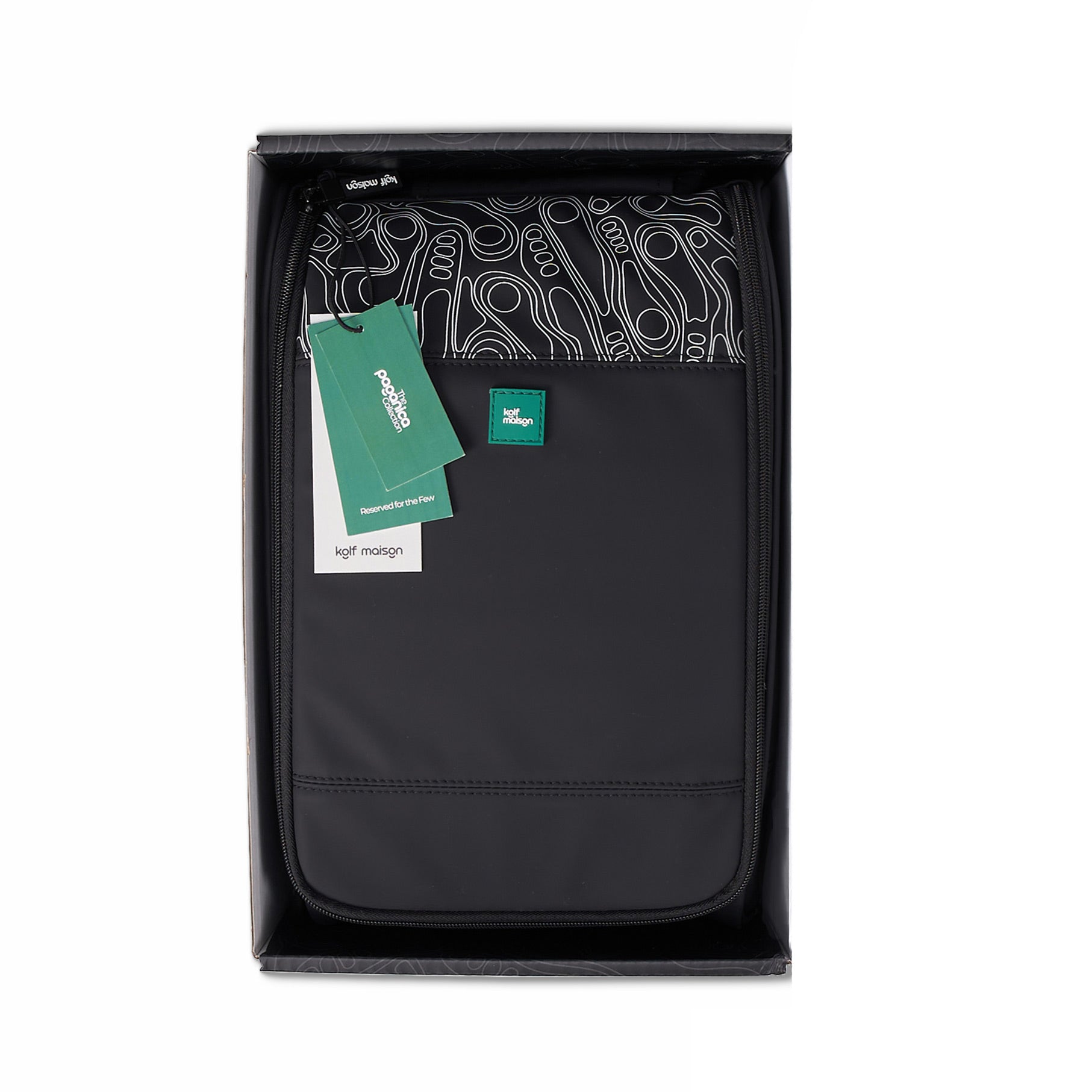
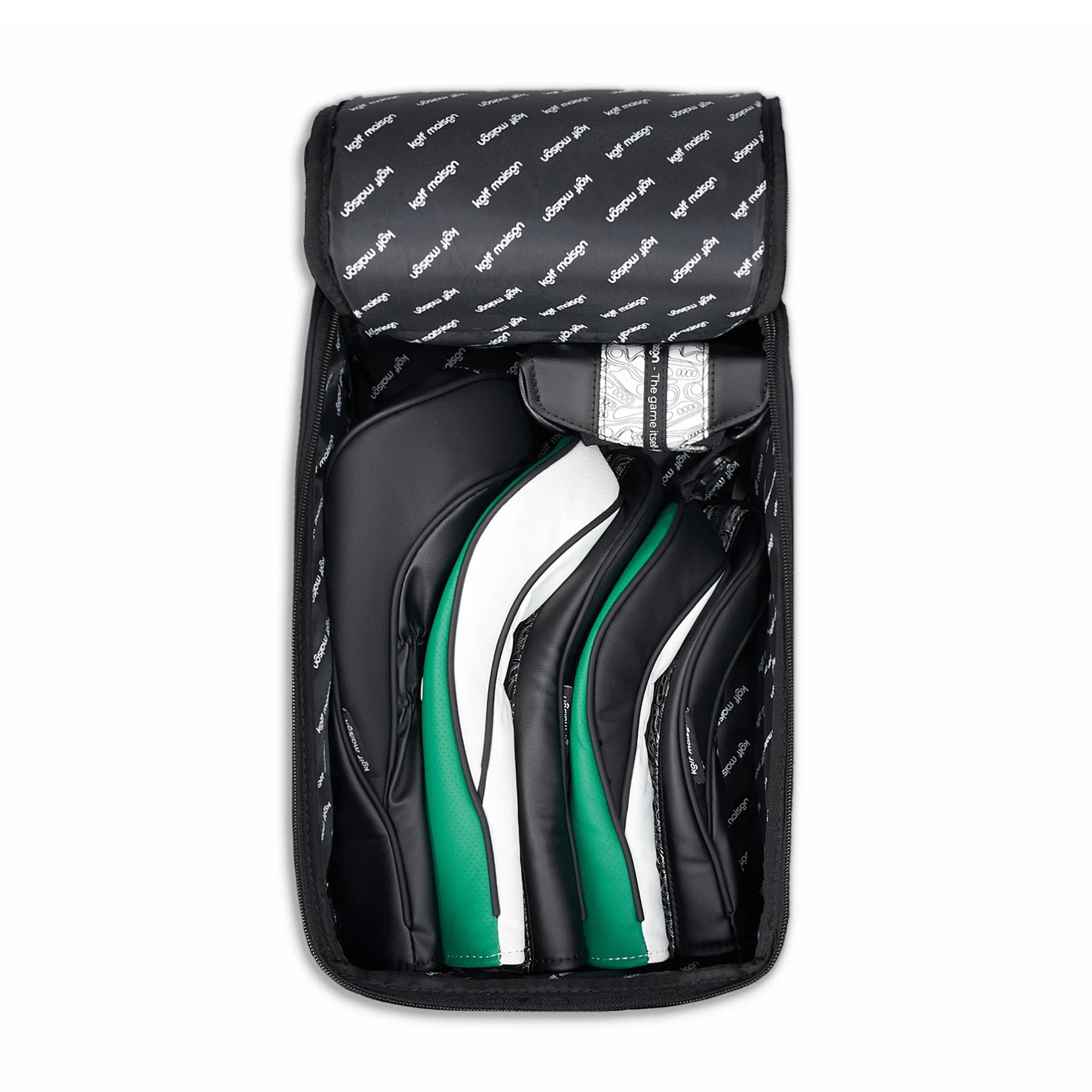
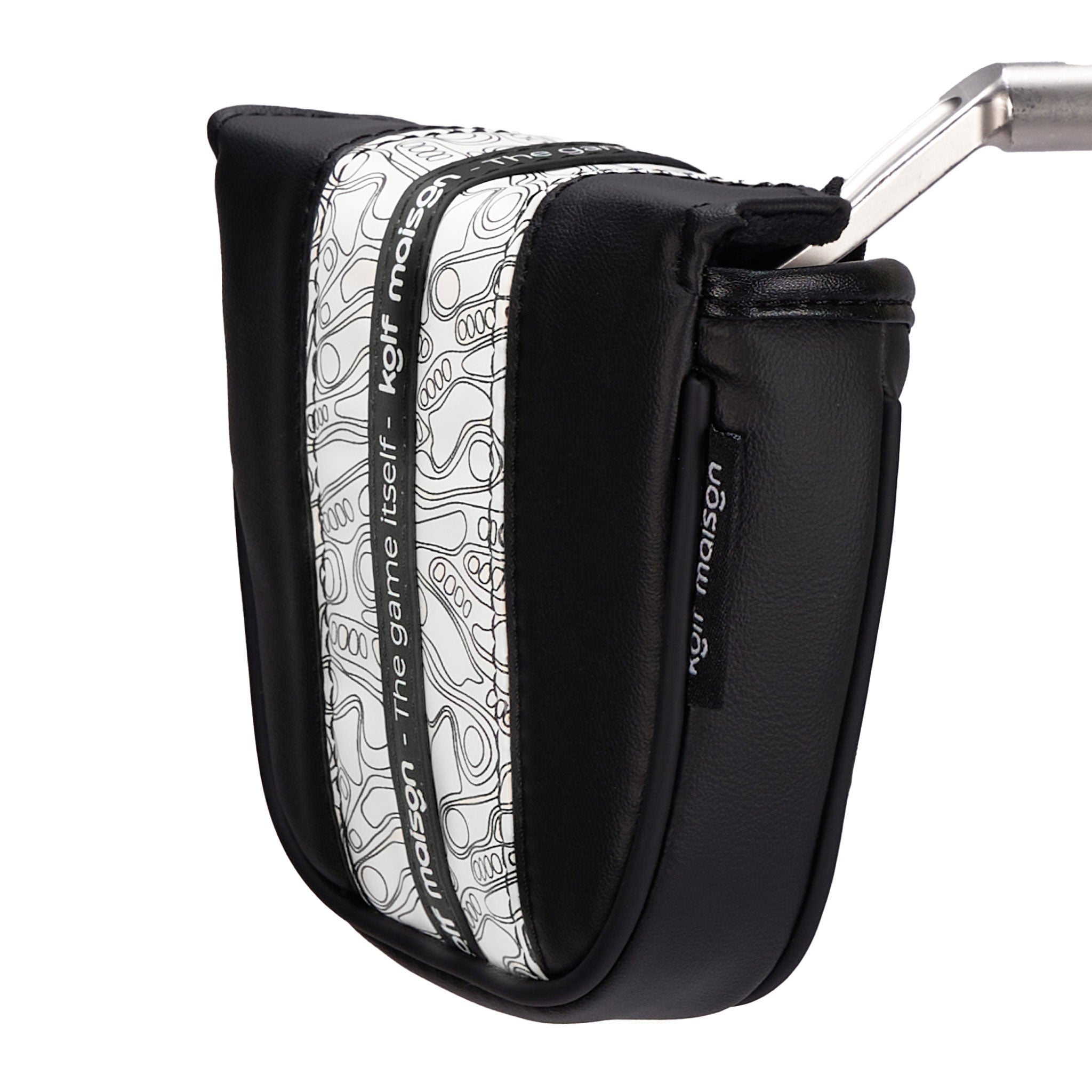
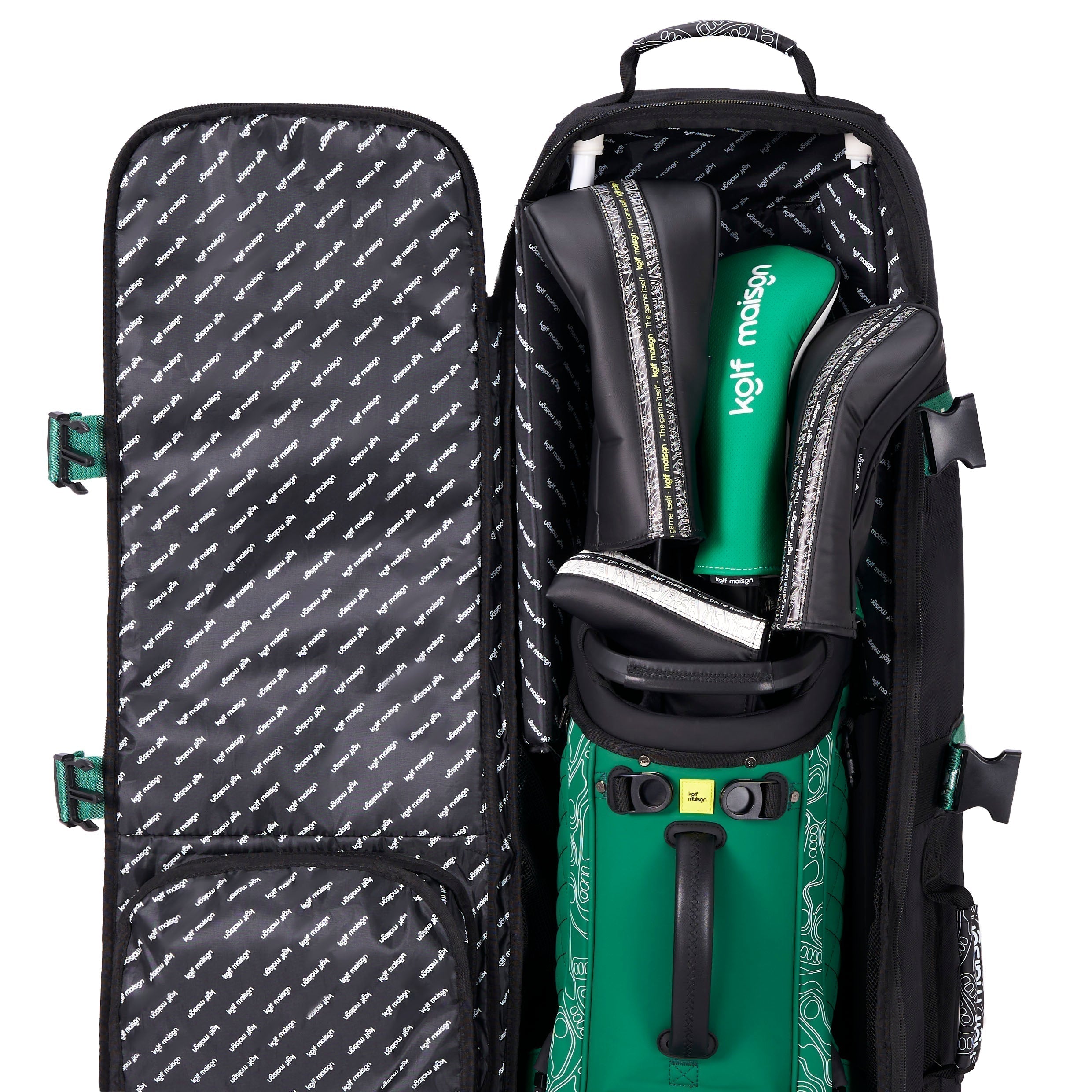
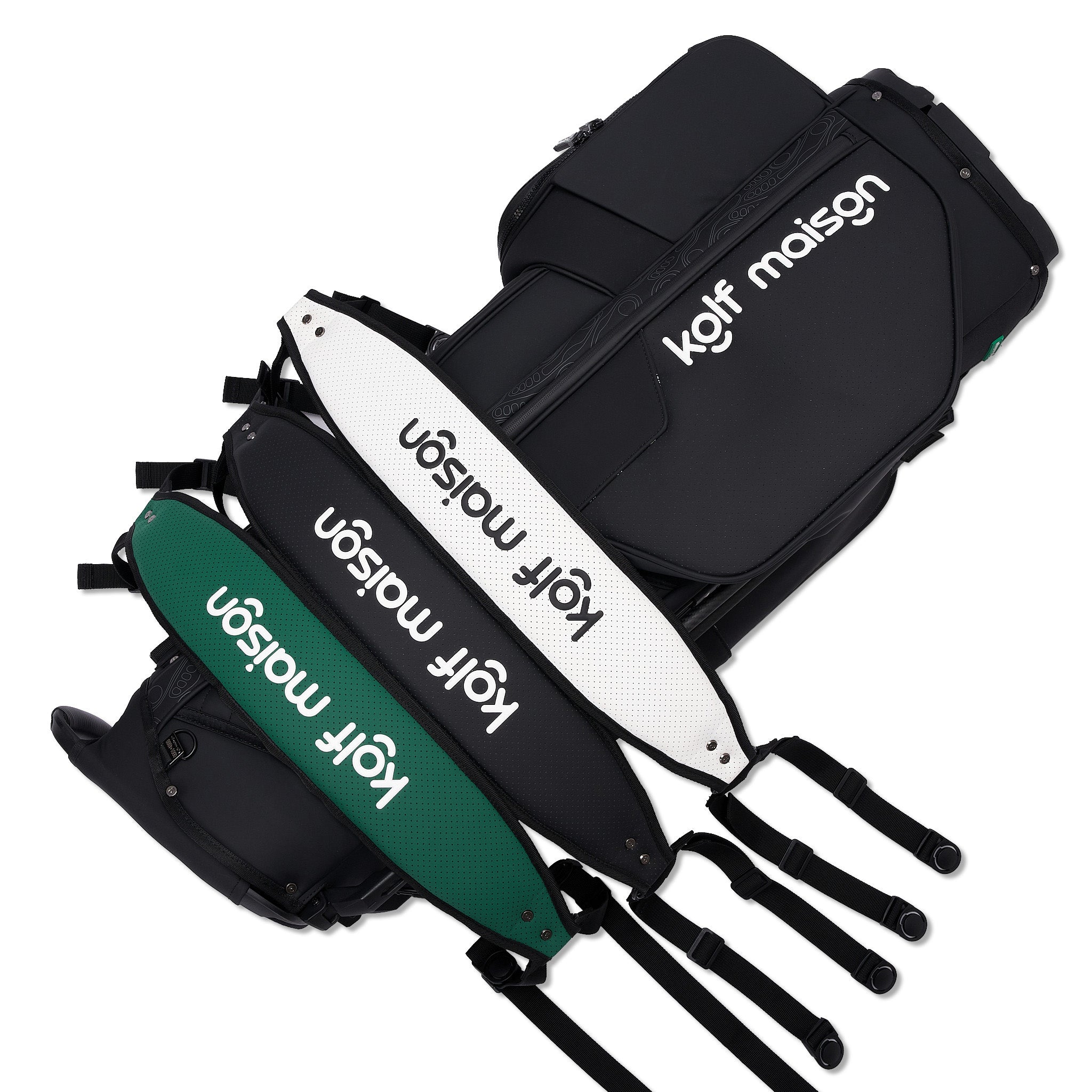
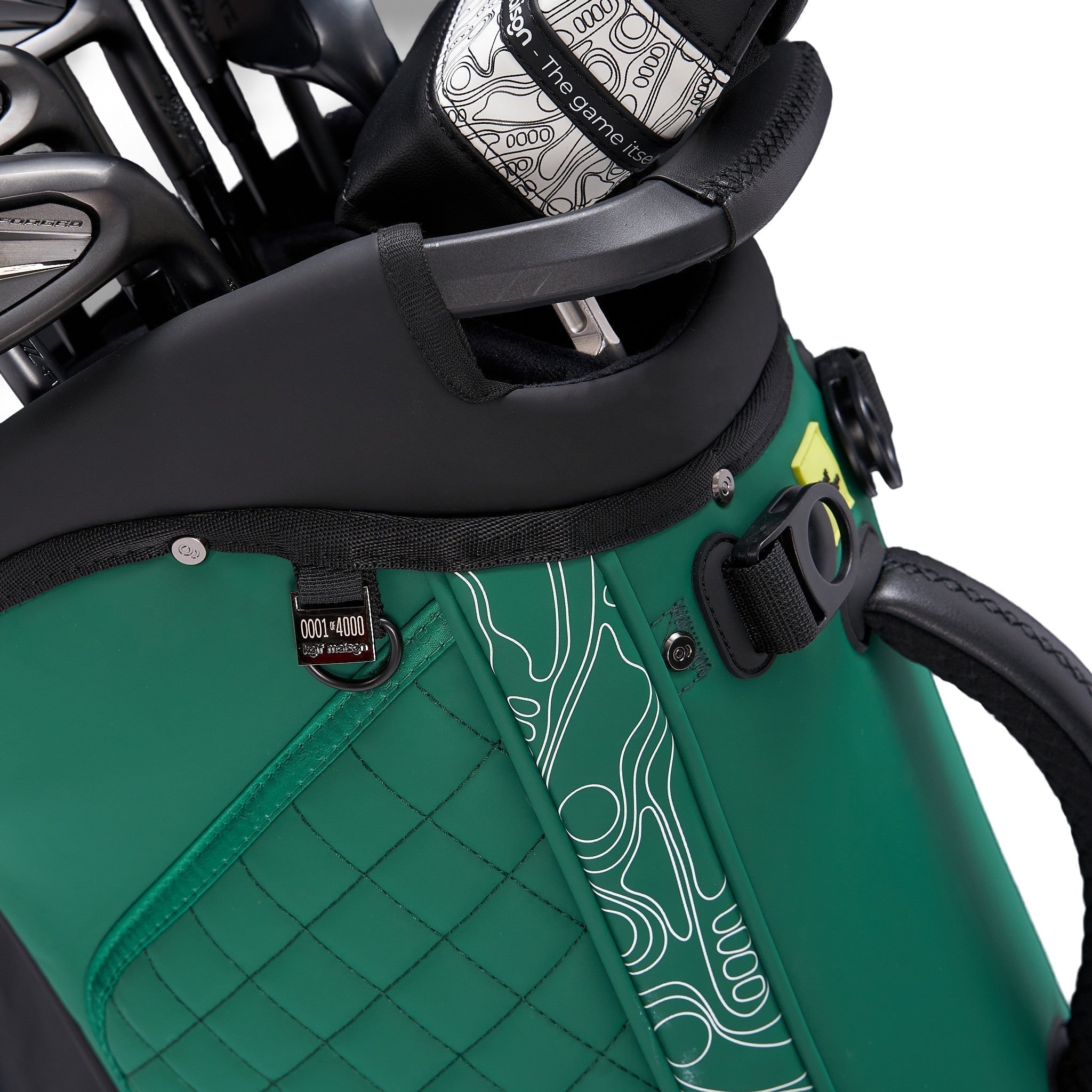
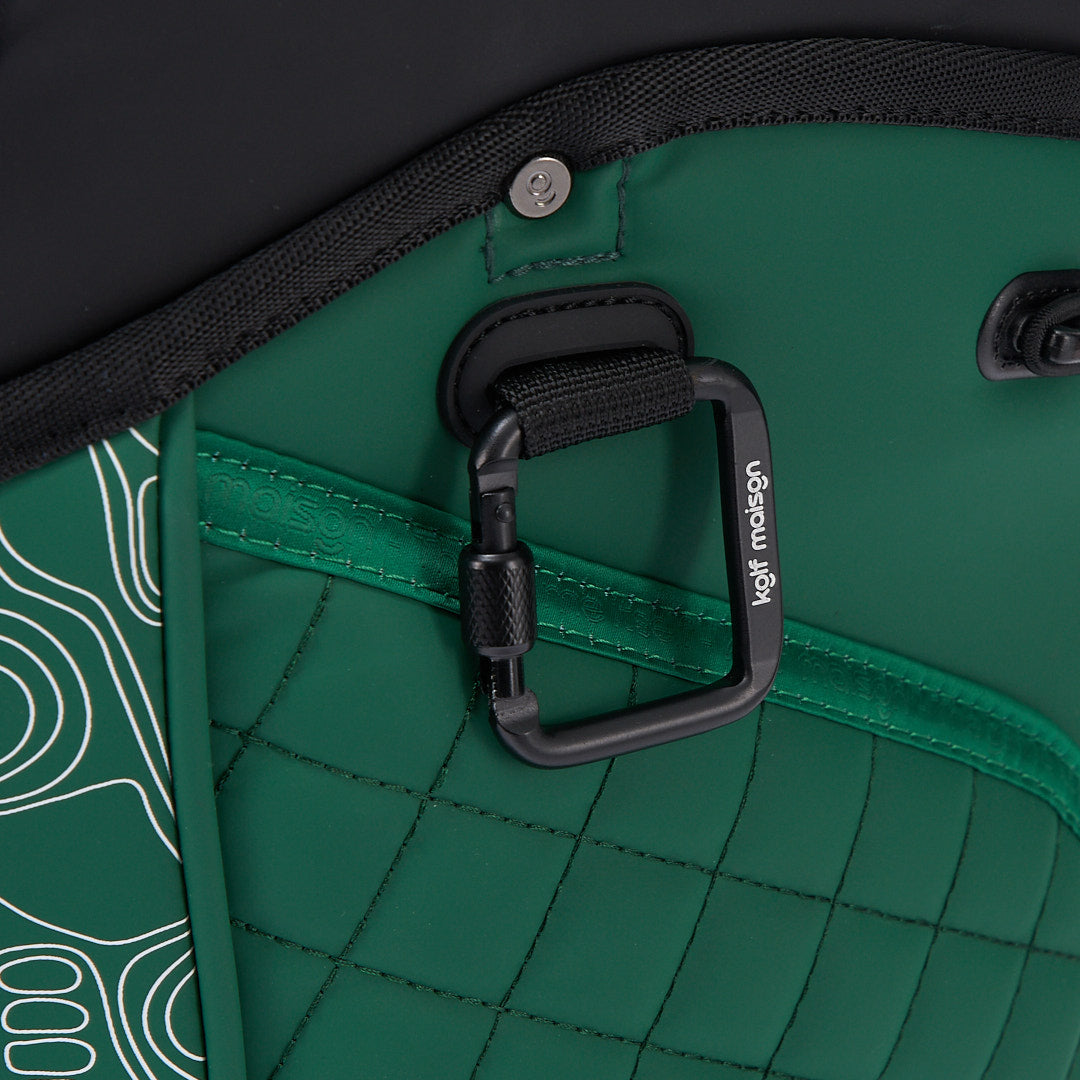
The Kolf Maison Paganica Stand Bag was designed against every one of these failure points. Full-length velvet-wrapped dividers with a dedicated putter well. Matte Microfiber Composite Leather certified to four ASTM and ISO standards. Carbon fiber legs on a hinged base. Velvet-lined valuables pocket, side-mounted rangefinder sleeve, interior ball pocket organizers. Color-coordinated rain hood in every box — along with the magnetic towel set, divot tool, valuables sack, and dual strap system.
MyGolfSpy, Plugged In Golf, and Independent Golf Reviews reviewed it independently and reached the same conclusion — it is the most thoughtfully designed bag in the luxury stand bag category. Independent Golf Reviews’ founder called it “one of the last bags you’ll ever need to buy.”
Limited to 4,000 serial-numbered units per colorway. Blanc Prestige from $449. Obsidian Edge from $479. Read the full Paganica Stand Bag Review, or work through the full checklist in our Luxury Stand Bag Buying Guide 2026 before you decide. Not sure if the investment is justified? Read Are Premium Golf Bags Worth It?
Frequently Asked Questions
Can a golf bag actually damage clubs?
Yes. Partial dividers allow grips and shafts to rub together on every movement. Unlined interior pockets scratch faces and ferrules. Bags without rain hoods expose clubs to moisture that causes rust on carbon steel shafts and degradation on leather grips. The damage is slow and cumulative — which is why most golfers don’t connect it to the bag.
How do I know if my bag has full-length dividers?
Remove your clubs and look inside the top. If you see divider walls that extend all the way to the base of the bag, they are full-length. If you see dividers only at the top opening with open space below, the dividers are partial. A full-length divider system will keep clubs separated regardless of how the bag is carried or set down. See our 14-Way vs. 7-Way Guide for the complete breakdown.
What is the most durable material for a golf bag exterior?
Multi-layer Matte Microfiber Composite Leather certified to ISO 5402 (flex durability: 100,000+ cycles) and ISO 105 B02 (UV/colorfast stability) is the benchmark for premium stand bag exteriors in 2026. Single-layer synthetic coatings — which cover most bags under $350 — typically begin showing surface separation within two to three seasons. Full breakdown: What Makes a Golf Bag Durable?
How often should I replace my golf bag?
A bag with certified materials and a well-engineered stand mechanism should last 7–10+ years under regular use. Most golfers replace bags every 3–4 years because of material degradation, stand mechanism failure, or zipper failures — all signs of a bag that was not built for longevity. See our full guide: How Long Should a Golf Bag Last?
Is the Kolf Maison Paganica worth the upgrade from a mid-range bag?
Three independent reviewers — MyGolfSpy, Plugged In Golf, and Independent Golf Reviews — concluded it is the most complete luxury stand bag in the category. At $449–$479 with a full accessories bundle included, the Paganica addresses every failure point on this list. For a structured buying decision, see our Luxury Golf Stand Bag Buying Guide 2026.
Ready to Stop Settling for a Bag That Costs You More Over Time?
The Paganica Stand Bag was built to fix every issue on this list — and reviewed independently by three publications who confirmed it. Limited to 4,000 serial-numbered units per colorway. Blanc Prestige from $449. Obsidian Edge from $479. Complete accessories bundle in every box.
Shop the Paganica Stand Bag →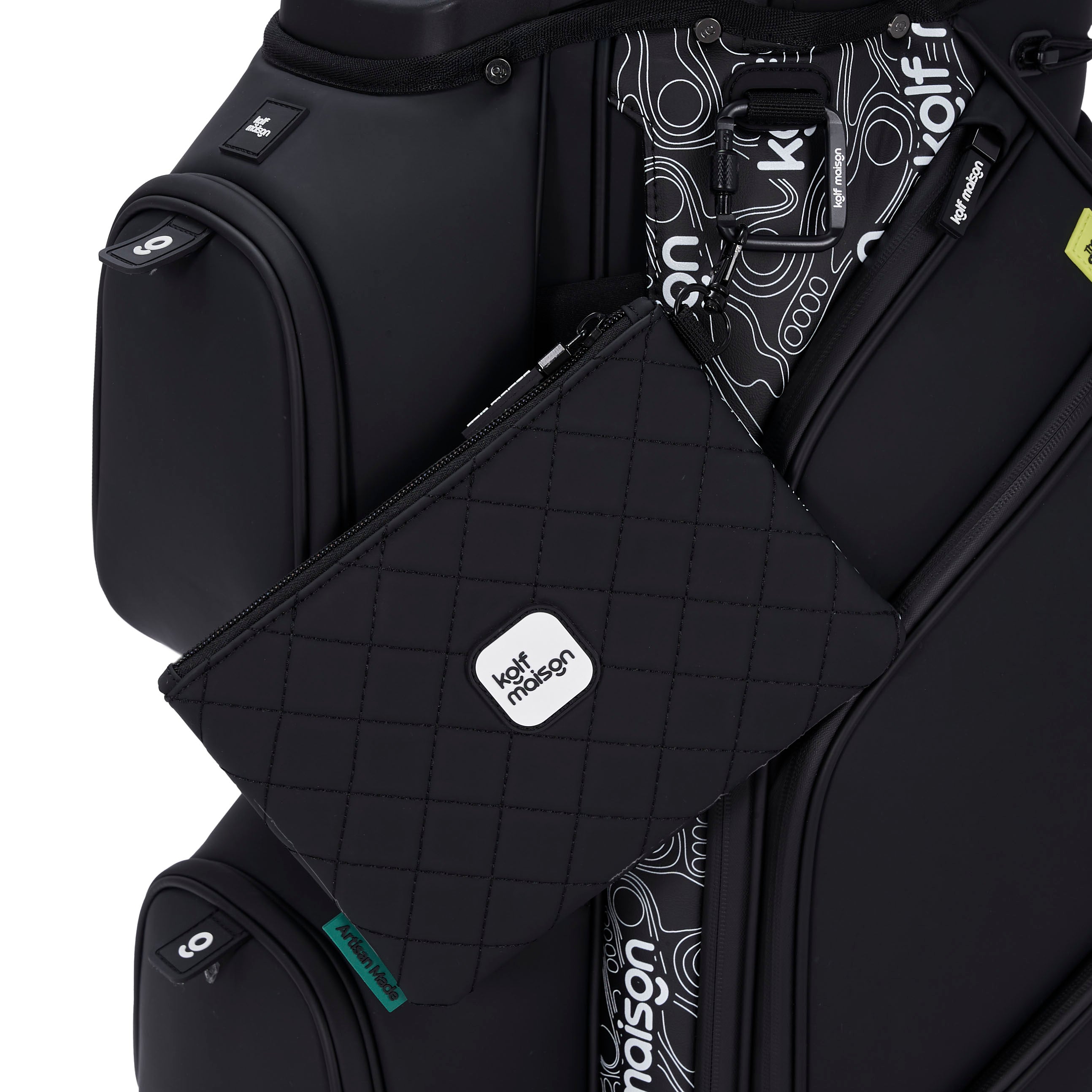


Share:
Luxury Golf Stand Bag Buying Guide 2026: 7 Things to Look for Before You Buy
Golf Bag Certification Standards Explained: What ASTM and ISO Ratings Actually Mean