

Hydrolysis in Golf Bags Why Synthetic Leather Peels Over Time
A golf bag that begins to peel is not experiencing cosmetic wear. It is undergoing material failure. The process behind this failure is known as hydrolysis, and it is one of the most common and least understood issues in modern golf bag construction.
Many golf bags described as premium or tour grade use synthetic leather coatings that degrade over time. This degradation often appears as cracking, flaking, or peeling of the outer surface. What begins as a minor visual imperfection quickly becomes irreversible.
Understanding hydrolysis is essential for any golfer who values long term durability. It explains why some bags maintain their structure and appearance across multiple seasons, while others deteriorate rapidly despite similar use.
This topic connects directly to the broader framework explored in golf bag durability and material integrity, where long term performance is defined by construction rather than appearance.
What Is Hydrolysis
Hydrolysis is a chemical reaction that occurs when moisture interacts with certain polymers. In synthetic leather materials, particularly polyurethane based coatings, this reaction breaks down the molecular structure of the material.
Over time, this breakdown weakens the bond between layers. The outer surface begins to separate from the underlying structure, resulting in visible peeling.
This process is accelerated by heat, humidity, and repeated environmental exposure. Golf bags are particularly vulnerable because they are regularly exposed to outdoor conditions and stored in environments where temperature and moisture fluctuate.
Why Synthetic Leather Golf Bags Peel
Most synthetic leather golf bags are constructed using a layered system. A polyurethane coating is applied to a fabric base to create a smooth, leather like surface.
This construction provides an appealing appearance initially. However, it introduces a structural weakness. The coating and the base material behave differently under environmental stress.
As hydrolysis progresses, the coating begins to detach. This leads to flaking and peeling, often starting in high stress areas such as pockets, seams, and handle zones.
This failure pattern is consistent across many products in the category and is often mistaken for normal wear rather than material breakdown.
The Role of Heat and Humidity
Heat and humidity are the primary accelerators of hydrolysis. When a golf bag is stored in a warm, enclosed environment such as a vehicle or garage, the internal temperature rises significantly.
Moisture from the air or from previous use becomes trapped within the material. This creates the ideal conditions for chemical degradation.
Over time, repeated exposure to these conditions weakens the material structure. The process may not be visible immediately, but it continues beneath the surface until failure becomes apparent.
This is similar to other environmental effects discussed in white golf bag discoloration, where exposure leads to long term changes in material behavior.
Early Signs of Hydrolysis
Hydrolysis does not begin with visible peeling. It starts with subtle changes in the material.
The surface may feel slightly tacky or less smooth. Minor discoloration may appear. In some cases, the material may begin to lose its firmness.
These early signs are often overlooked. By the time peeling becomes visible, the internal structure has already been compromised.
At this stage, the process cannot be reversed.
Why This Problem Is Often Misunderstood
Hydrolysis is frequently misinterpreted as poor maintenance or excessive use. In reality, it is a material limitation.
Even with proper care, materials that are susceptible to hydrolysis will eventually degrade. Maintenance can slow the process, but it cannot eliminate the underlying vulnerability.
This is why some golf bags fail despite careful handling, while others maintain their performance under similar conditions.
The difference lies in material selection, not usage.
Matte Microfiber Composite vs Polyurethane
The difference between materials that fail and materials that endure is not subtle. It is structural. To understand why some golf bags peel while others maintain their integrity, it is necessary to compare how these materials are constructed.
Polyurethane based synthetic leather relies on a layered system. A coating is applied to a base fabric to create the appearance of leather. This coating is the primary point of failure because it is separate from the underlying structure.
Matte microfiber composite materials are different. They are not coatings. They are integrated structures where the material itself carries the performance characteristics rather than relying on a surface layer.
This distinction determines whether a bag will degrade through peeling or maintain its form over time.
Why Polyurethane Coatings Fail
Polyurethane coatings are vulnerable because they exist as a separate layer. When exposed to moisture and heat, the chemical bonds within this layer begin to break down.
As hydrolysis progresses, the coating loses adhesion to the base fabric. This leads to visible separation, cracking, and eventual peeling.
The failure is progressive. It does not occur all at once. The material weakens gradually until the outer surface can no longer remain intact.
This layered construction is the fundamental limitation of many synthetic leather golf bags, regardless of how they are positioned in the market.
Why Microfiber Composite Materials Do Not Peel
Matte microfiber composite materials do not rely on a surface coating. The structure is consistent throughout the material. There is no separate layer that can detach.
Because of this, hydrolysis cannot produce the same type of failure. The material may experience normal wear over time, but it does not peel in the way coated systems do.
This is the critical difference. Peeling is not a feature of all synthetic materials. It is a feature of layered construction.
This approach aligns with the structural principles outlined in material integrity, where integrated materials outperform coated alternatives under long term use.
Resistance to Environmental Stress
Materials are constantly exposed to environmental stress. Heat, humidity, ultraviolet radiation, and repeated handling all influence how a golf bag ages.
Polyurethane coatings are sensitive to these factors because their chemical structure changes under exposure. This accelerates degradation and increases the likelihood of failure.
Microfiber composites provide greater resistance because their structure is more stable. They do not rely on surface adhesion, and they are less affected by moisture penetration.
This results in more consistent performance across different climates and storage conditions.
Long Term Appearance vs Initial Finish
Many golf bags are optimized for initial appearance. They look refined at purchase but are not designed to maintain that appearance over time.
Polyurethane coatings can achieve a smooth, uniform finish initially, but this finish degrades as the material breaks down.
Microfiber composites may appear more controlled and less glossy, but they maintain their appearance more consistently because they do not rely on a fragile surface layer.
This difference becomes more visible after extended use. One material begins to show failure, while the other maintains stability.
Application in Kolf Maison Construction
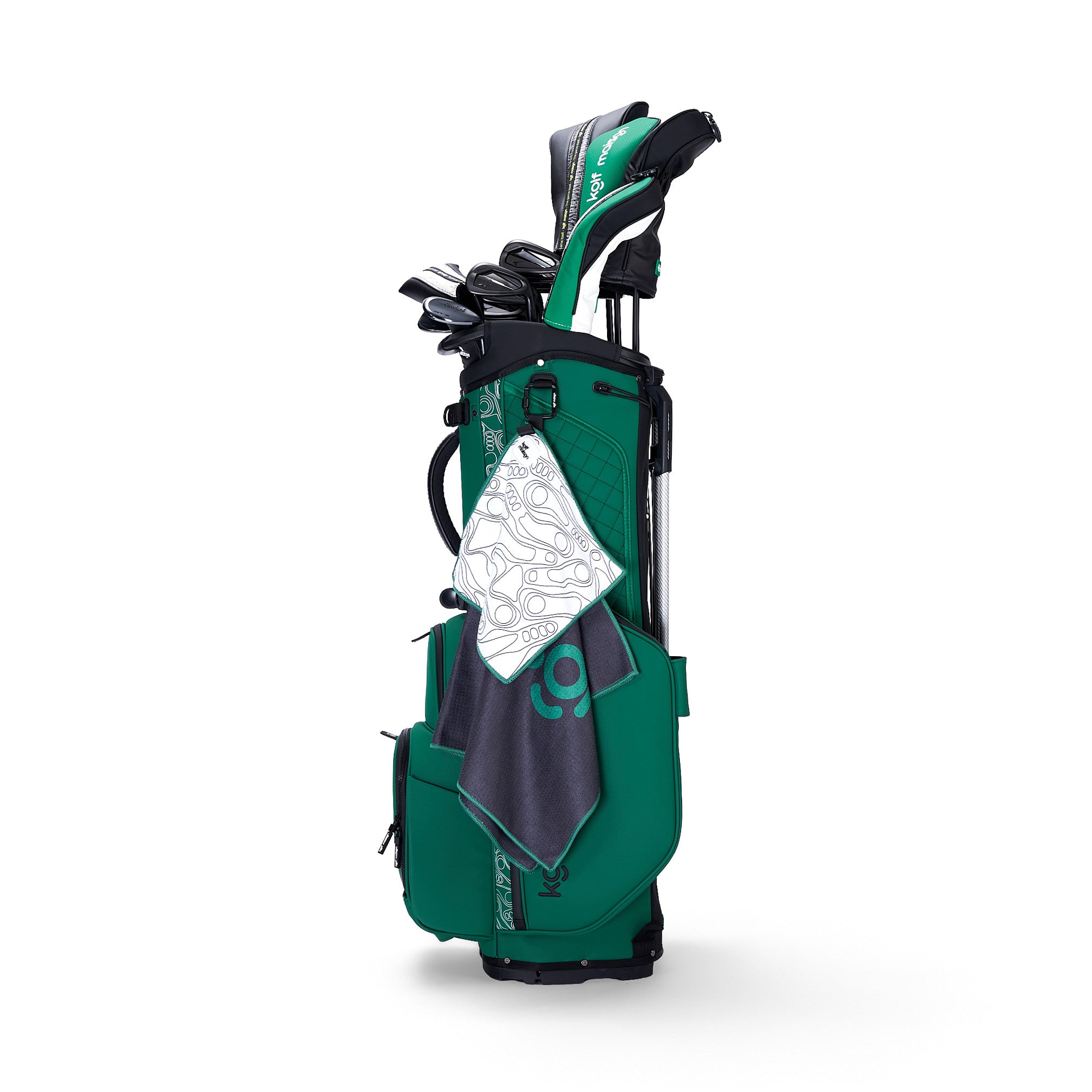
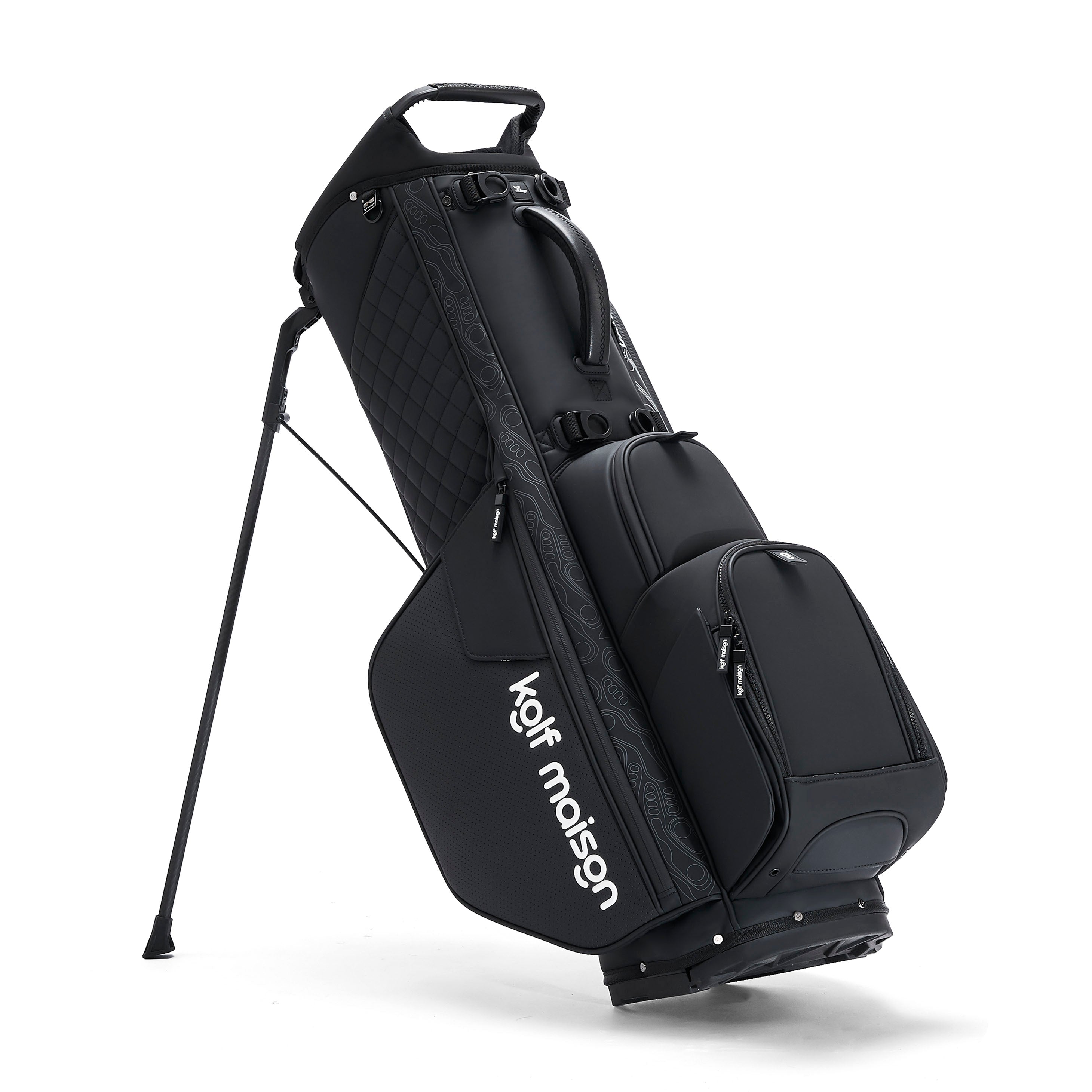
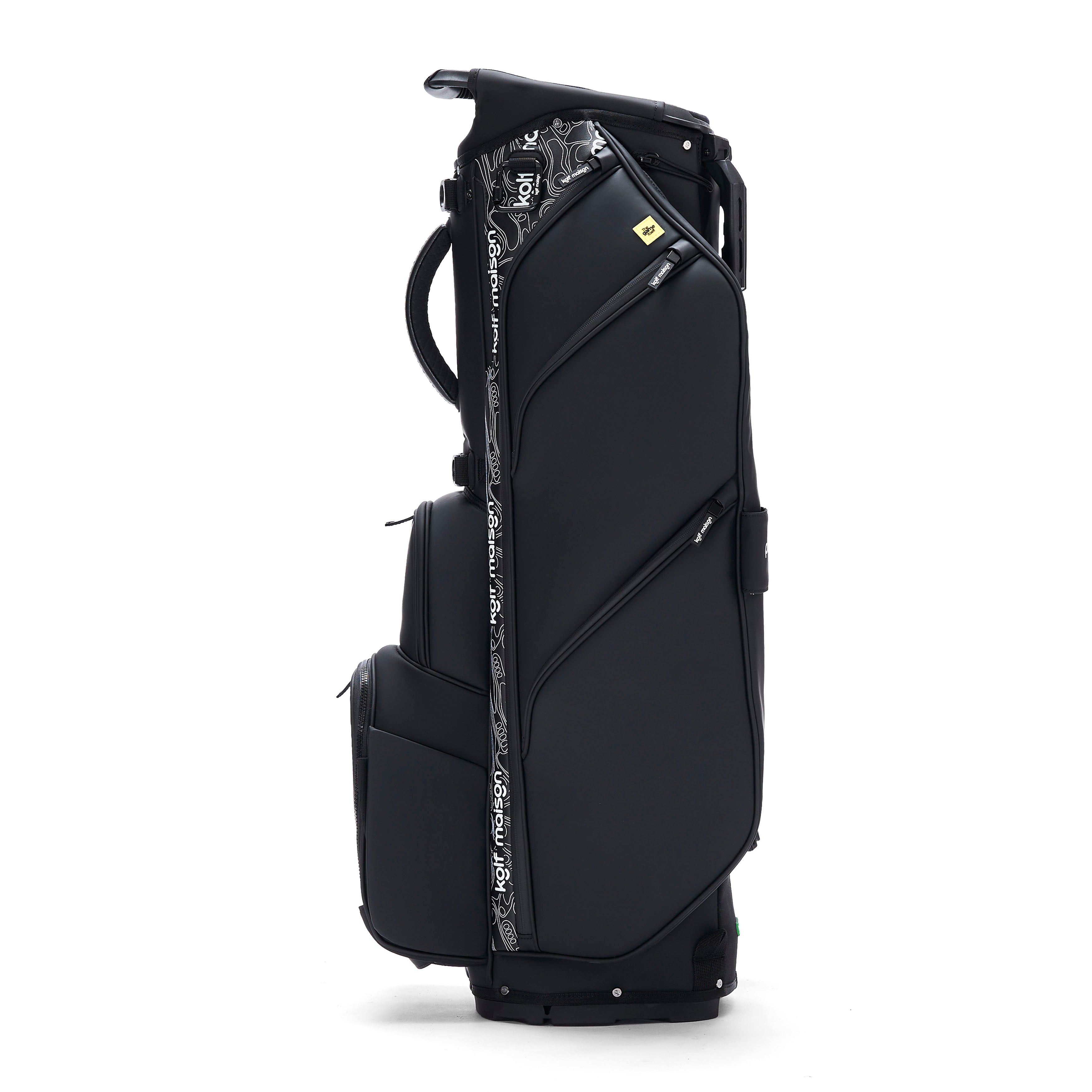
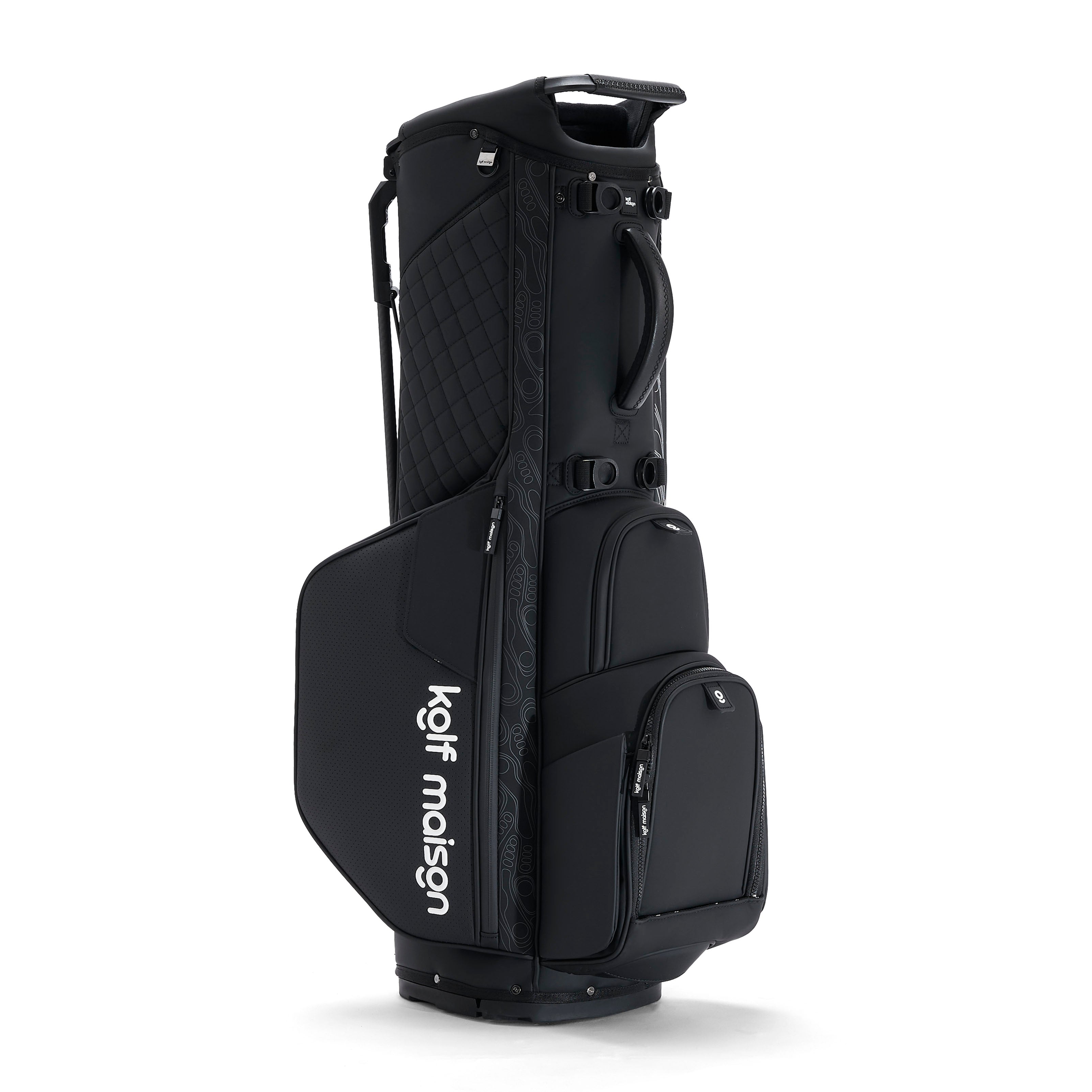
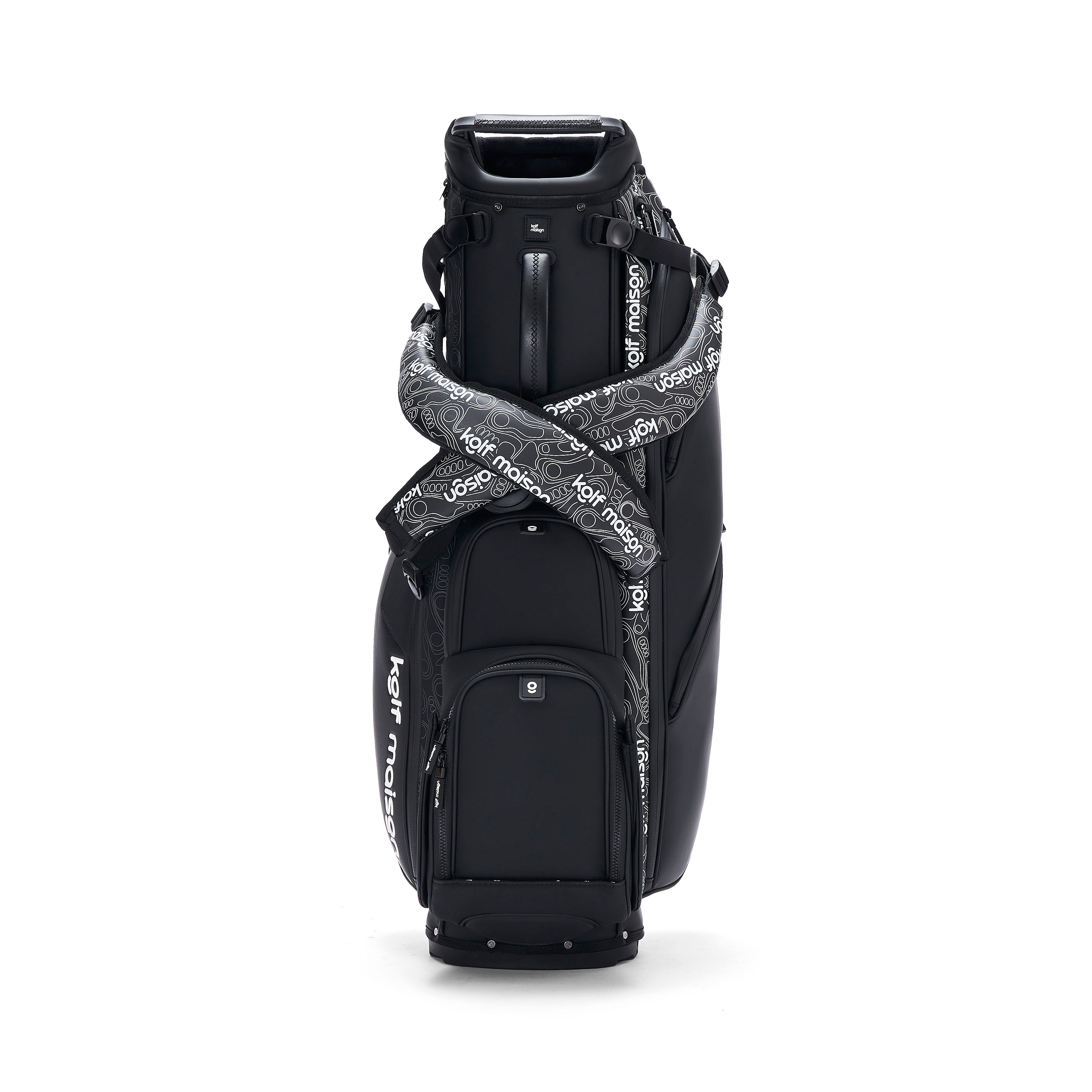
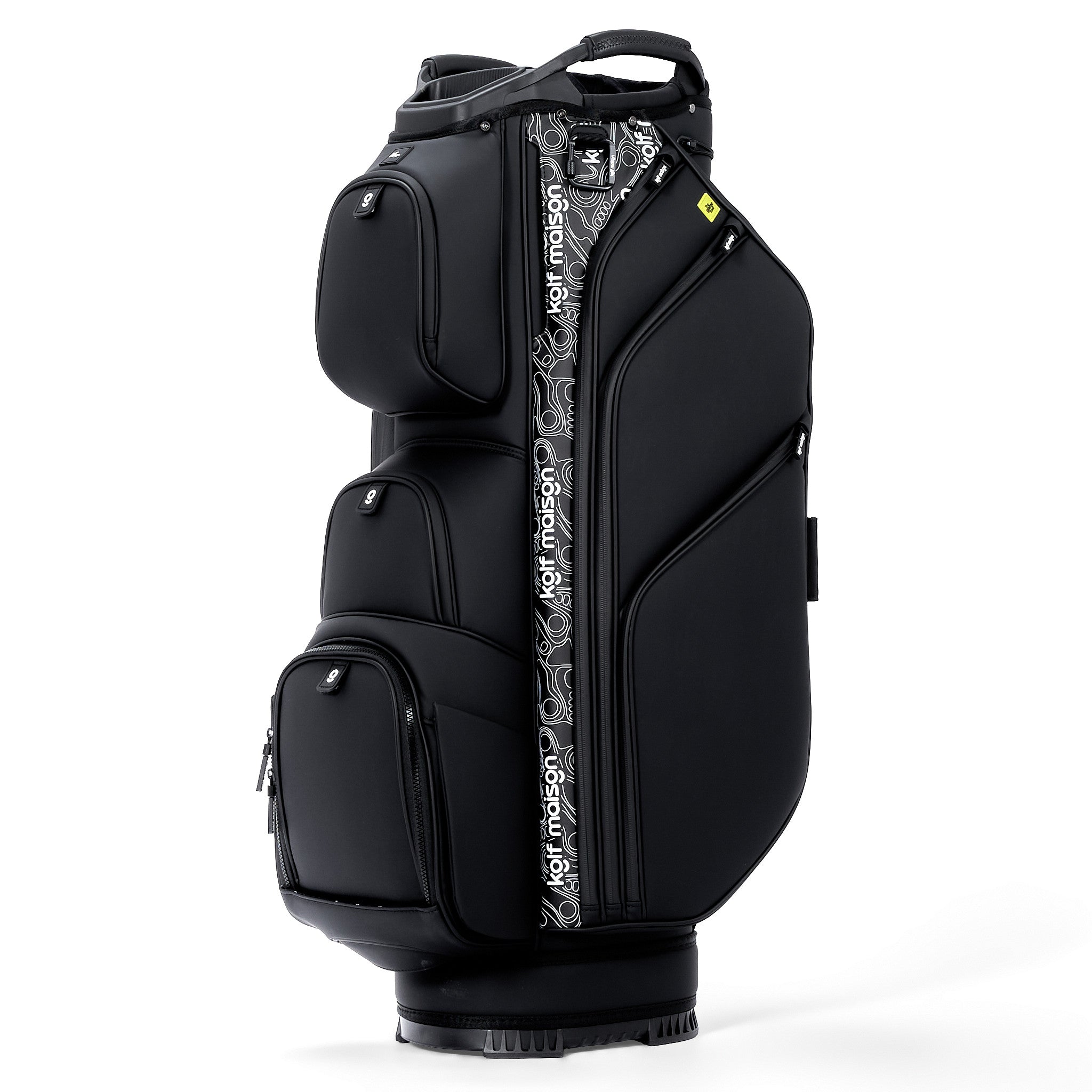
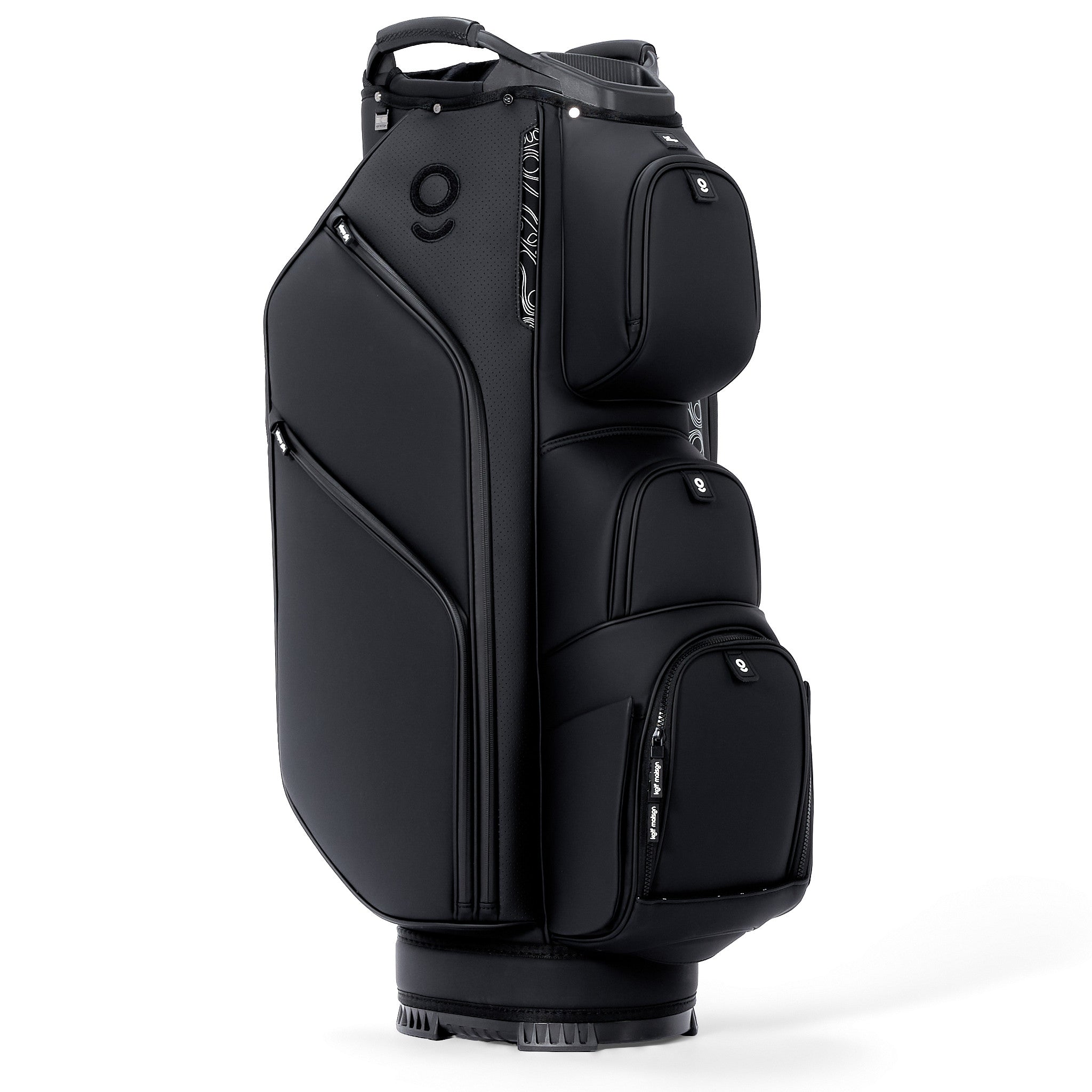
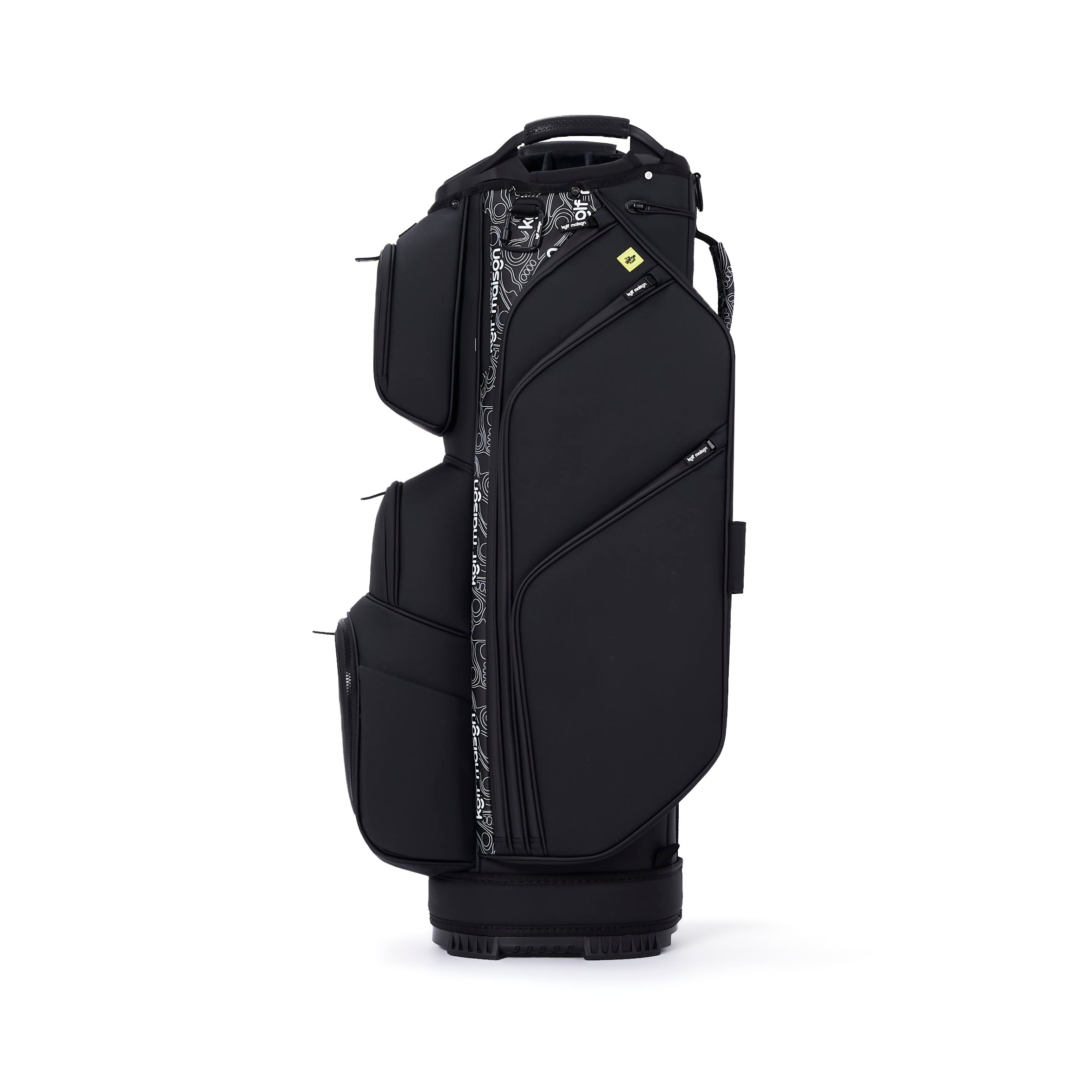
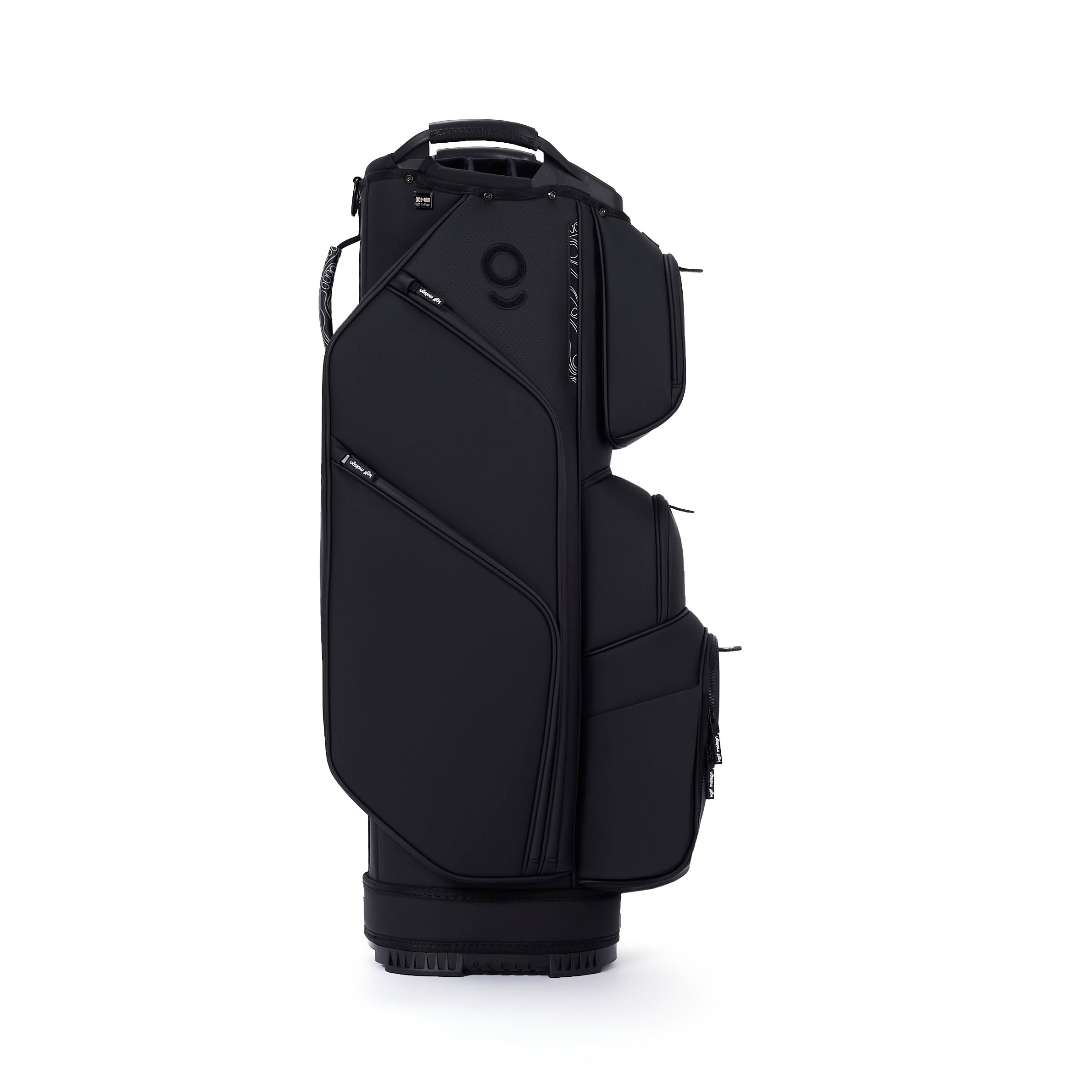
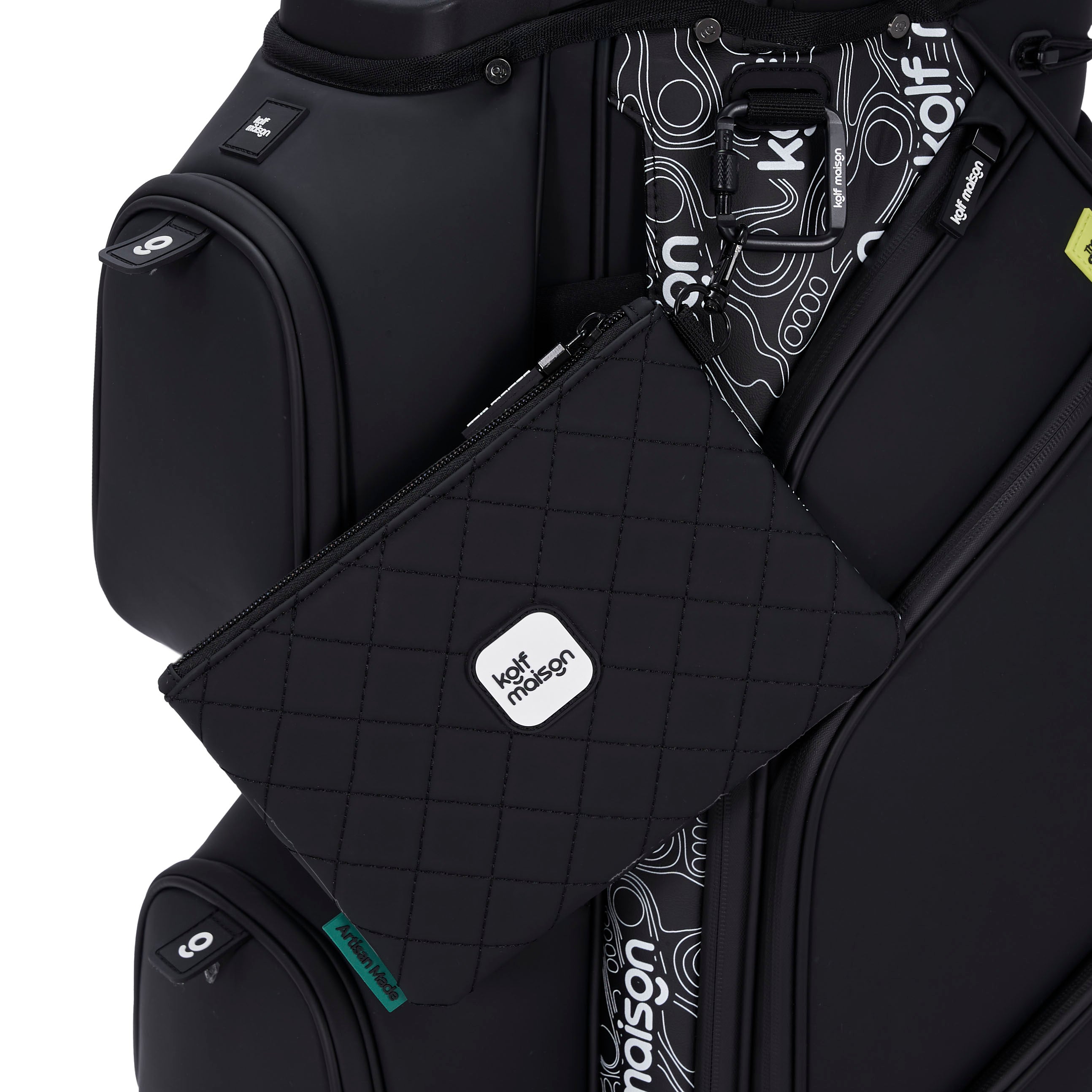
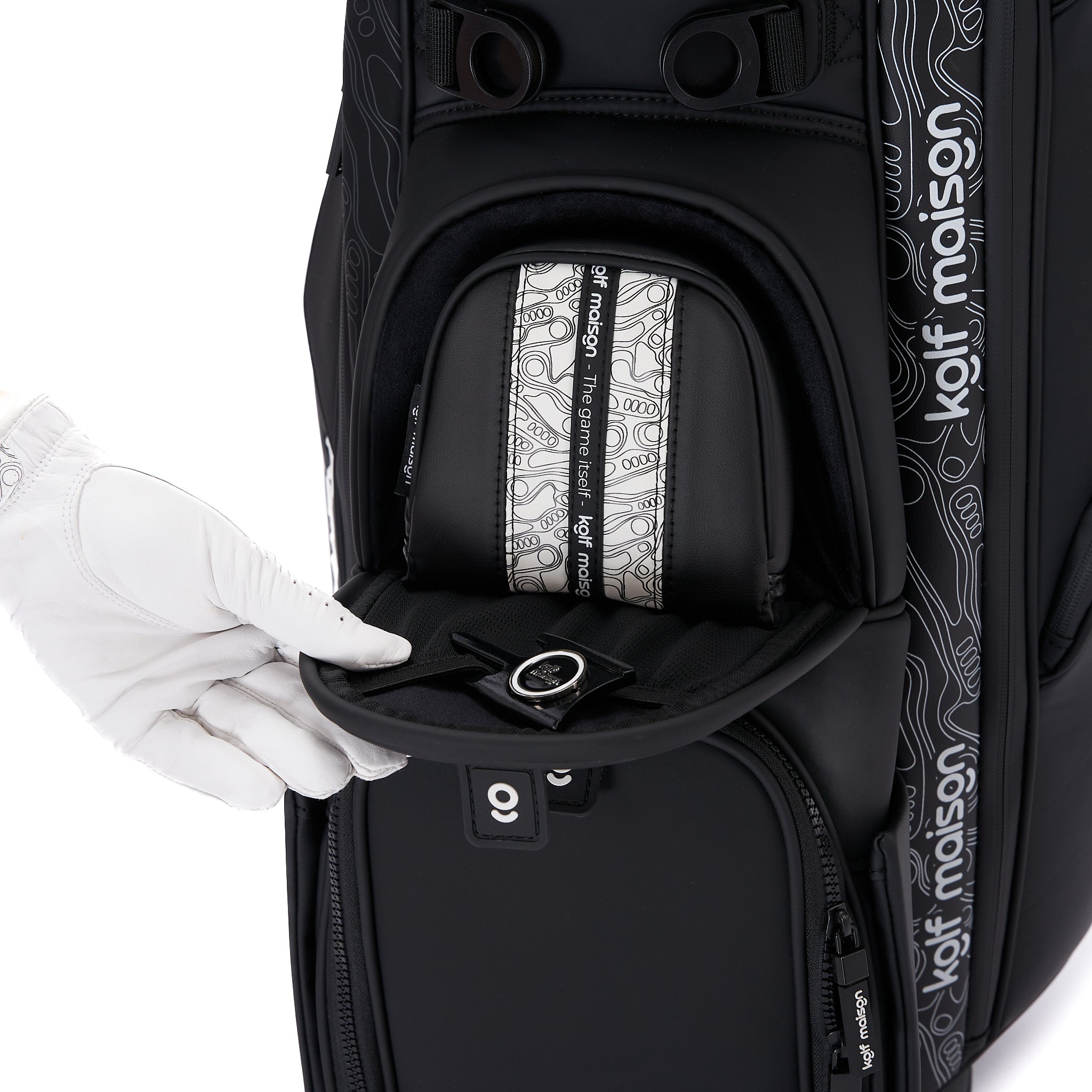
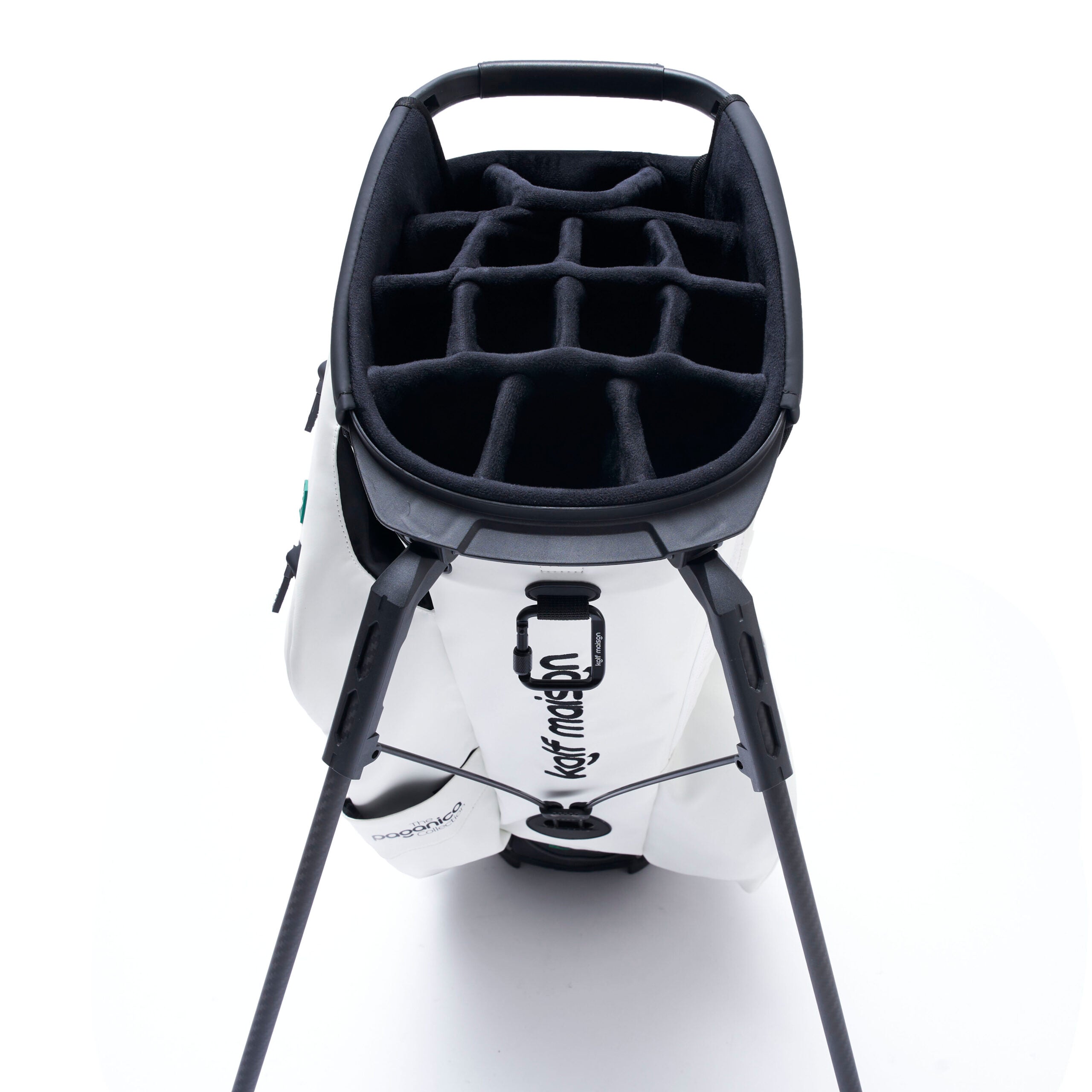
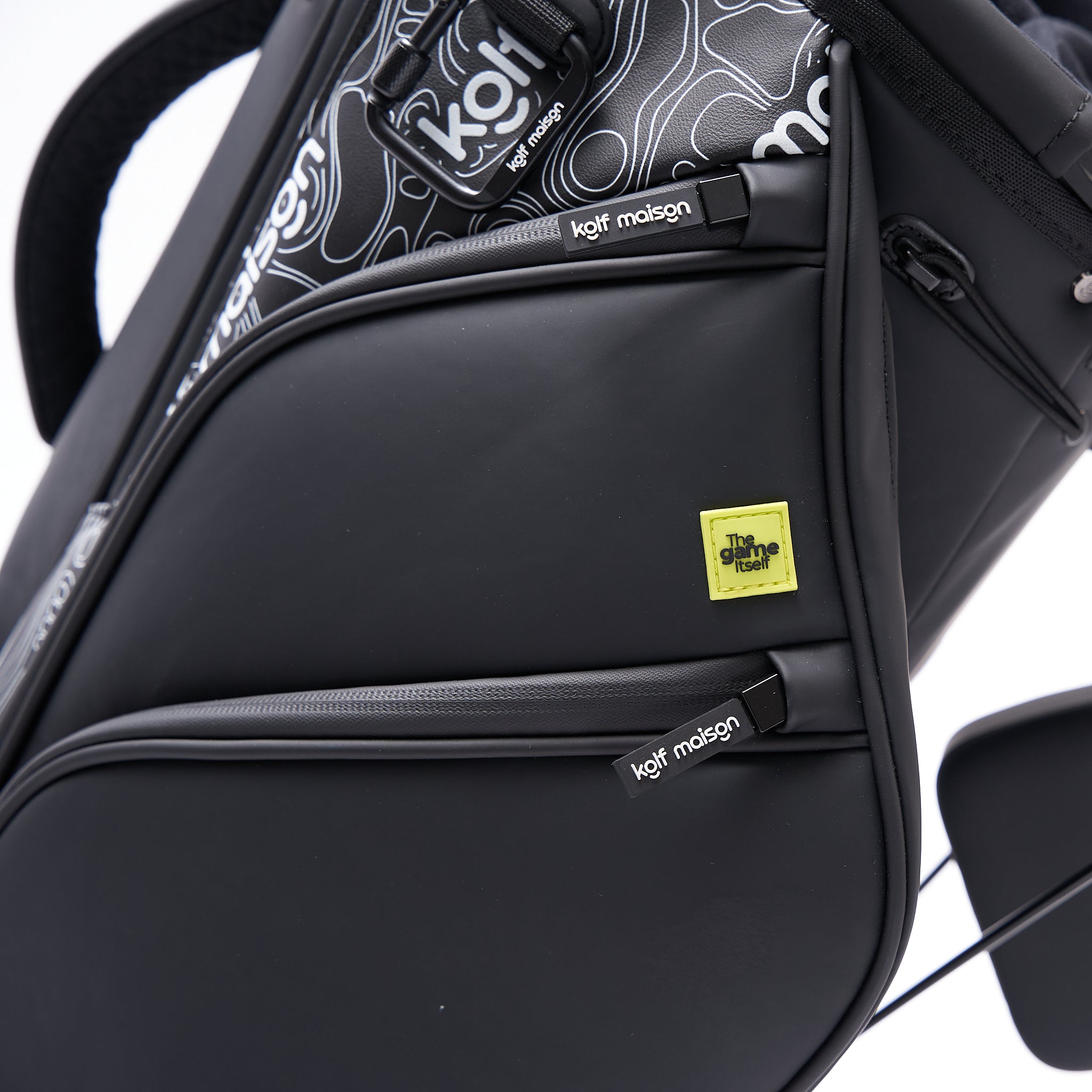
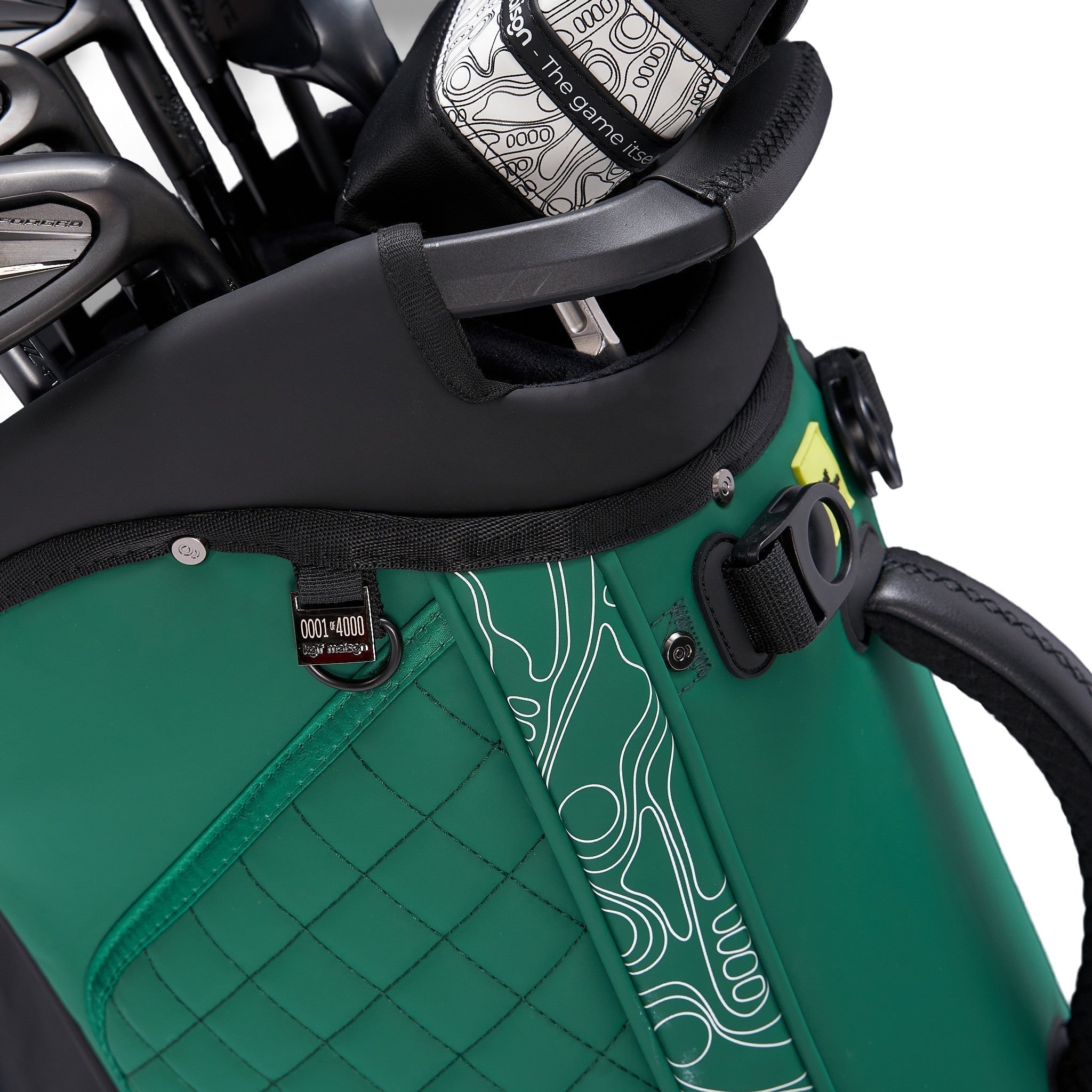
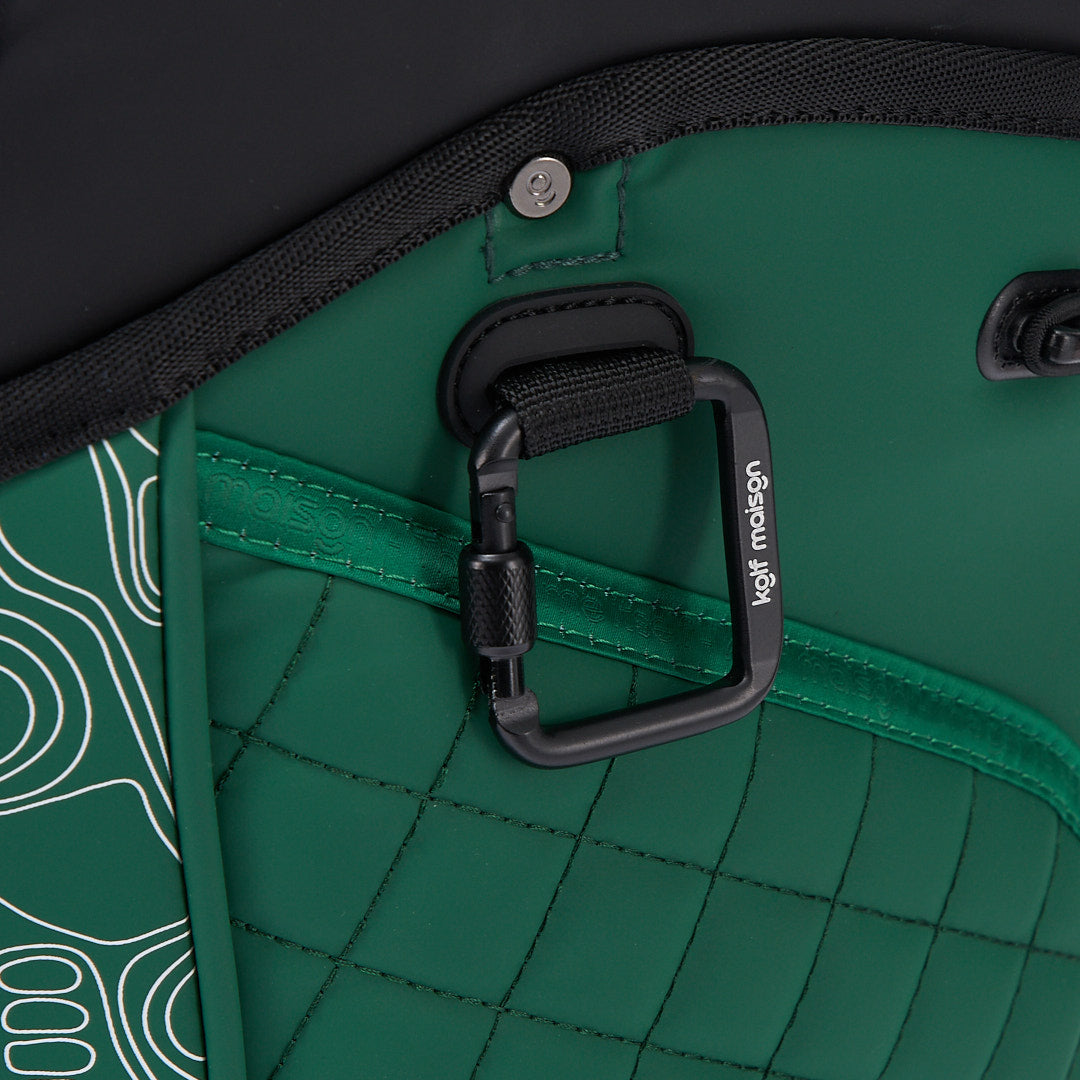
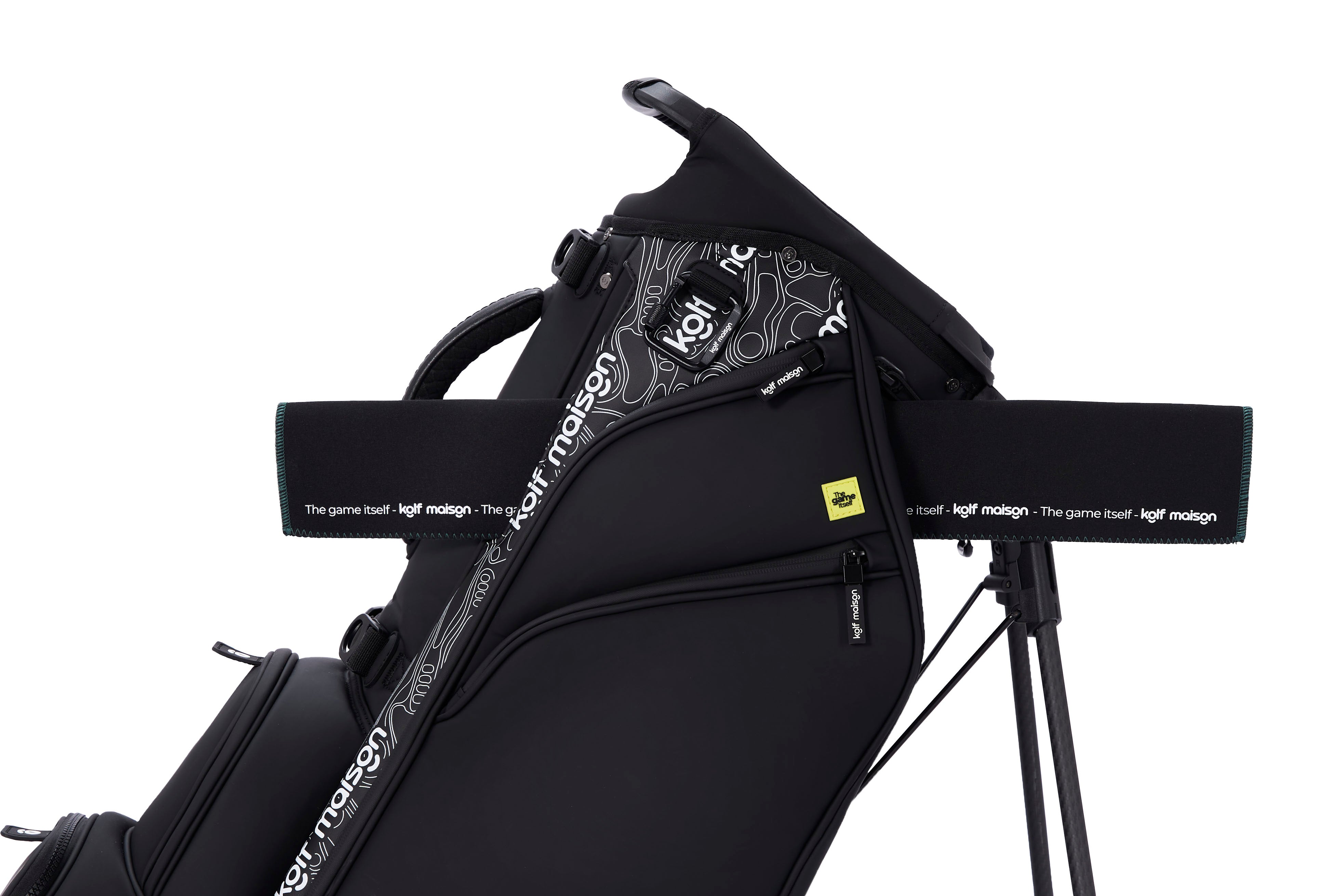
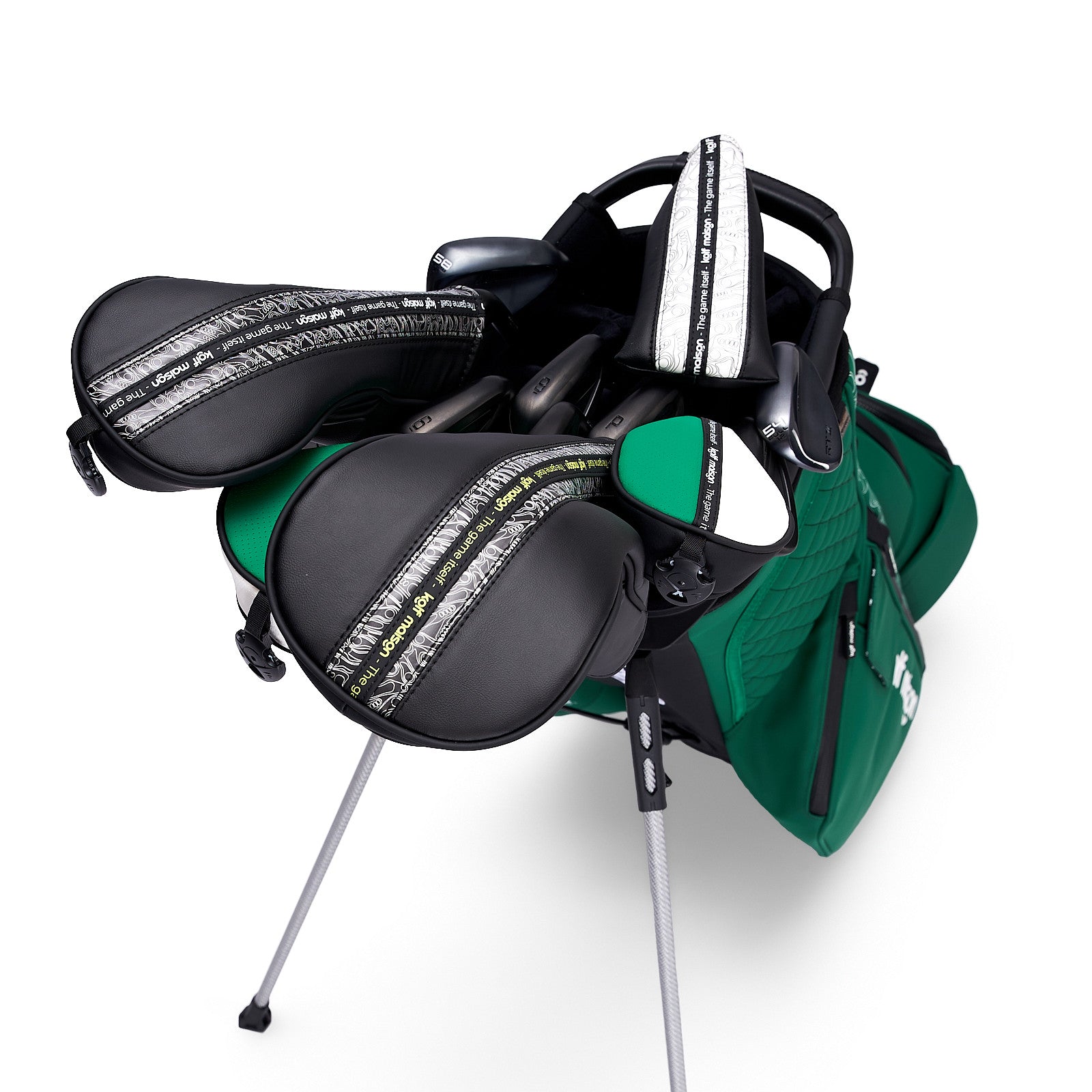
The Paganica Cart Bag and Paganica Stand Bag use matte microfiber composite materials to avoid the limitations of coated systems.
The objective is to eliminate the primary failure point associated with hydrolysis. By using an integrated structure, the material maintains consistency under repeated environmental exposure.
This ensures that the bag does not degrade through peeling and maintains both performance and appearance across multiple seasons.
Why This Matters for Long Term Ownership
Hydrolysis is not a short term issue. It defines the lifespan of a golf bag.
A bag that begins to peel cannot be restored. Once the material has failed, replacement becomes the only option.
Choosing a material that resists this process changes the ownership experience. It shifts the focus from replacement to long term use.
This perspective aligns with the principle discussed in choosing once versus replacing often, where durability defines value.
Material Comparison: Polyurethane vs Matte Microfiber Composite
The performance difference between coated synthetic materials and integrated composite materials becomes most visible over time. A direct comparison highlights why certain golf bags fail while others maintain their structure.
| Factor | Polyurethane Coated Material | Matte Microfiber Composite |
|---|---|---|
| Construction | Layered coating over fabric | Integrated non layered structure |
| Hydrolysis Resistance | Low | High |
| Peeling Risk | High over time | Minimal |
| Moisture Response | Absorbs and reacts | Resists penetration |
| Heat Stability | Degrades under heat | Maintains structure |
| Long Term Appearance | Cracks and flakes | Controlled aging |
| Durability | Limited lifespan | Extended performance |
How to Prevent Golf Bag Peeling
Once hydrolysis begins, it cannot be reversed. Prevention is the only effective approach.
The most important factor is material selection. Choosing a bag that does not rely on a polyurethane coating eliminates the primary failure point.
Storage conditions also matter. Avoid prolonged exposure to heat and humidity. Do not leave the bag in enclosed environments where temperature can rise significantly.
Regular cleaning can help maintain the surface, but it does not prevent hydrolysis. Maintenance supports appearance, not structure.
The most reliable solution is selecting materials that are inherently resistant to degradation.
Which Golf Bags Are Most at Risk
Golf bags constructed with polyurethane coatings are the most vulnerable. This includes many products positioned as premium based on appearance rather than material performance.
Bags used in humid climates or stored in high temperature environments are at increased risk. The combination of heat and moisture accelerates hydrolysis significantly.
Frequent use also contributes, as repeated exposure to sweat and environmental contaminants introduces additional moisture into the material.
Long Term Value and Ownership
The lifespan of a golf bag is defined by its resistance to material failure. A bag that peels after two seasons requires replacement, increasing long term cost.
A bag that maintains its structure over time provides greater value, even if the initial investment is higher.
This perspective aligns with the principle of choosing once versus replacing often, where durability defines true cost.
Final Perspective
Hydrolysis is not a minor issue. It is one of the primary causes of material failure in synthetic golf bags.
Understanding this process allows golfers to make informed decisions and avoid predictable degradation.
The difference between materials is built into their structure. One relies on a surface layer that can fail. The other is designed to maintain integrity from within.
The outcome is determined at the moment of selection, not after years of use.
Frequently Asked Questions
Why is my golf bag peeling?
Peeling is caused by hydrolysis breaking down polyurethane coatings.
Can peeling be fixed?
No, once the material has degraded it cannot be restored.
How long do synthetic golf bags last?
It depends on material quality, but coated materials typically degrade faster.
What material does not peel?
Integrated materials such as microfiber composites resist peeling.
Does humidity affect golf bags?
Yes, moisture accelerates hydrolysis.
Does heat damage golf bags?
Yes, high temperatures accelerate material breakdown.
Are premium bags immune to peeling?
No, only materials that resist hydrolysis avoid this issue.
Can cleaning prevent peeling?
No, cleaning does not stop chemical degradation.
What is hydrolysis?
A chemical reaction where moisture breaks down polymer structures.
Should I avoid polyurethane golf bags?
For long term durability, materials with higher resistance are preferable.
Do all synthetic materials peel?
No, only those with layered coatings are prone to peeling.
What is the best material for durability?
Materials with integrated structure perform best over time.
Is peeling covered under warranty?
It depends on the manufacturer, but often considered wear.
Can I slow down hydrolysis?
Proper storage can reduce exposure but cannot eliminate the process.
Why do expensive bags still peel?
Because price does not guarantee material quality.


Share:
Golf Bag Losing Shape | Cart Strap Damage Explained
Do Black Golf Bags Fade | UV Damage Explained