



Golf Gloves for Wet and Rainy Conditions: What Actually Works
Summary: Wet-weather golf performance is directly tied to grip — and grip is directly tied to glove choice. This guide covers how different glove materials perform in the rain, what to look for in a rain-specific glove, how Cabretta leather holds up in light drizzle vs. a full rainstorm, and the practical strategies serious golfers use to maintain grip and consistency in wet conditions.
Frequently Asked Questions
What is the best golf glove for rain?
All-weather synthetic golf gloves specifically engineered for wet conditions are the best choice for rain. These gloves use a polyurethane or synthetic fabric construction with textured grip zones that actually grip better when wet than when dry — the moisture activates the grip texture rather than reducing it. Major brands offer rain-specific gloves; they typically feel stiffer than Cabretta leather when dry but provide far superior grip in a full downpour.
Can I use Cabretta leather gloves in the rain?
Cabretta leather holds up acceptably in light drizzle or damp conditions, but becomes significantly slippery when fully saturated. The natural skin tightens with moisture and loses the soft grip texture that makes it excellent in dry conditions. If you play in rain more than occasionally and your primary glove is Cabretta, a dedicated pair of all-weather rain gloves is a practical addition to your bag. In light damp conditions, Cabretta is still usable — in a genuine downpour, it is not the right tool.
Should I wear one glove or two in the rain?
Two gloves in the rain is a legitimate strategy for golfers who play serious competitive rounds in wet conditions. The trail hand (right hand for right-handed players) is equally exposed to grip slippage in wet weather, and wearing a rain glove on both hands eliminates the grip asymmetry that can develop between the gloved and bare hand in heavy rain. Tour players in rain events commonly wear two all-weather gloves for this reason.
How do I keep my gloves dry during a rain round?
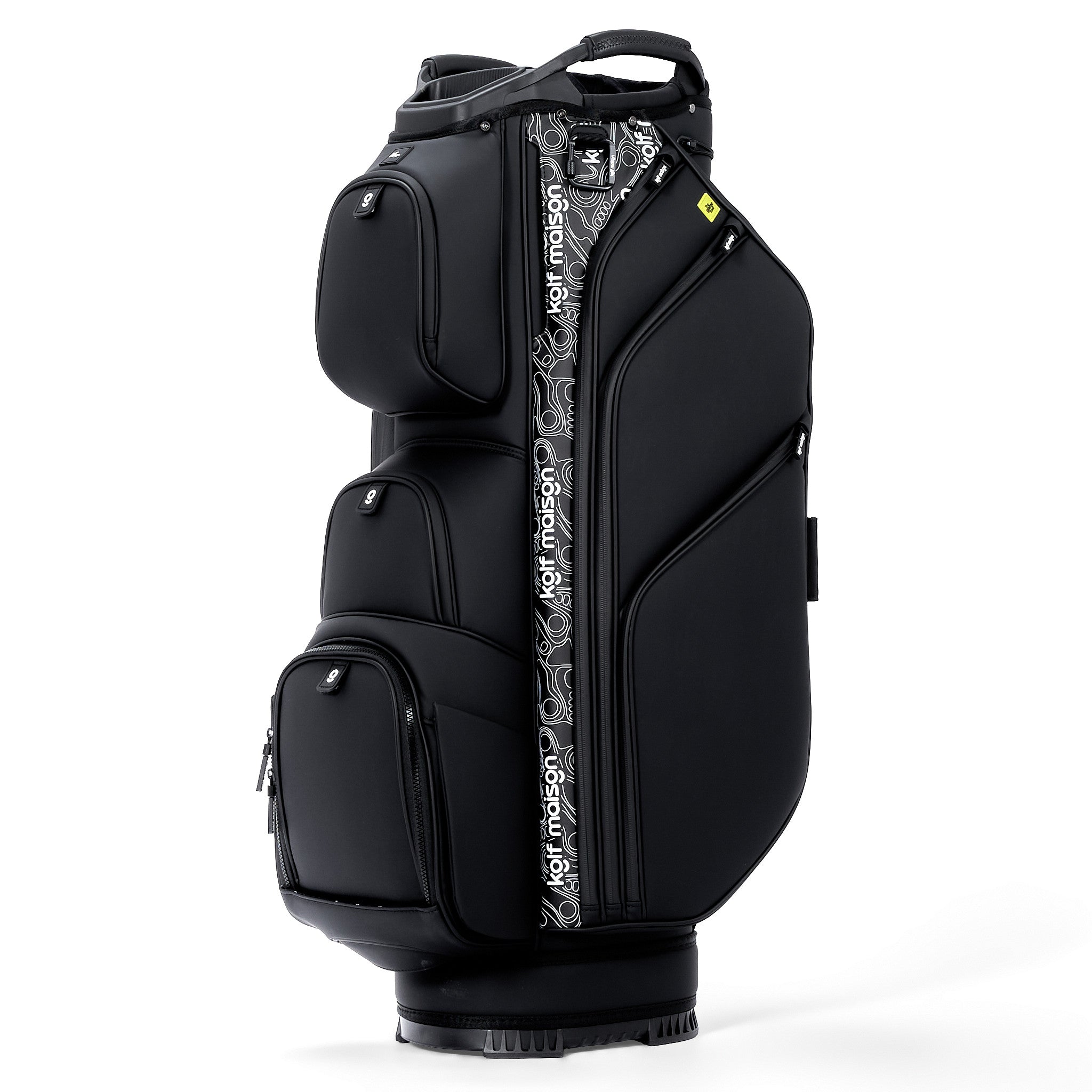
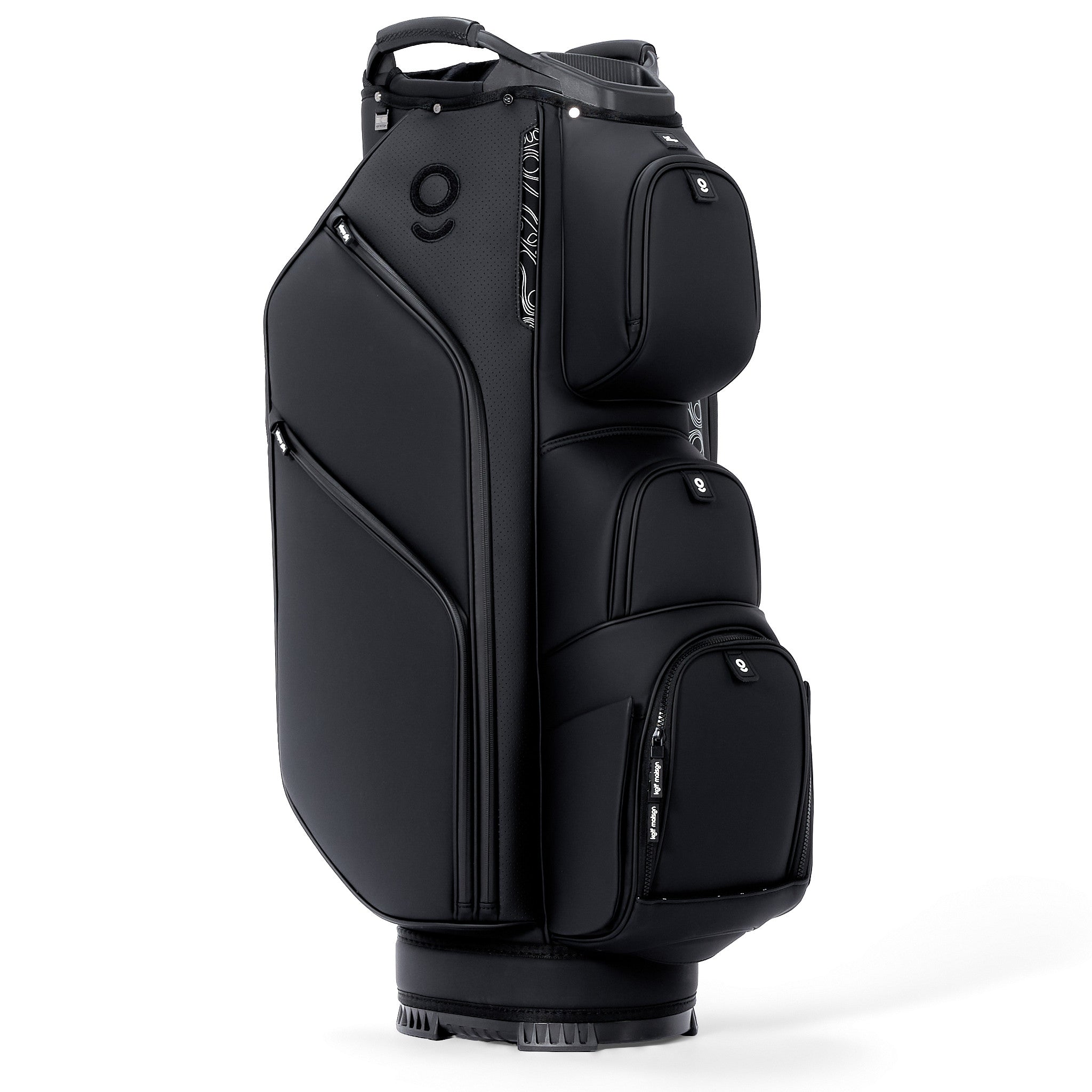
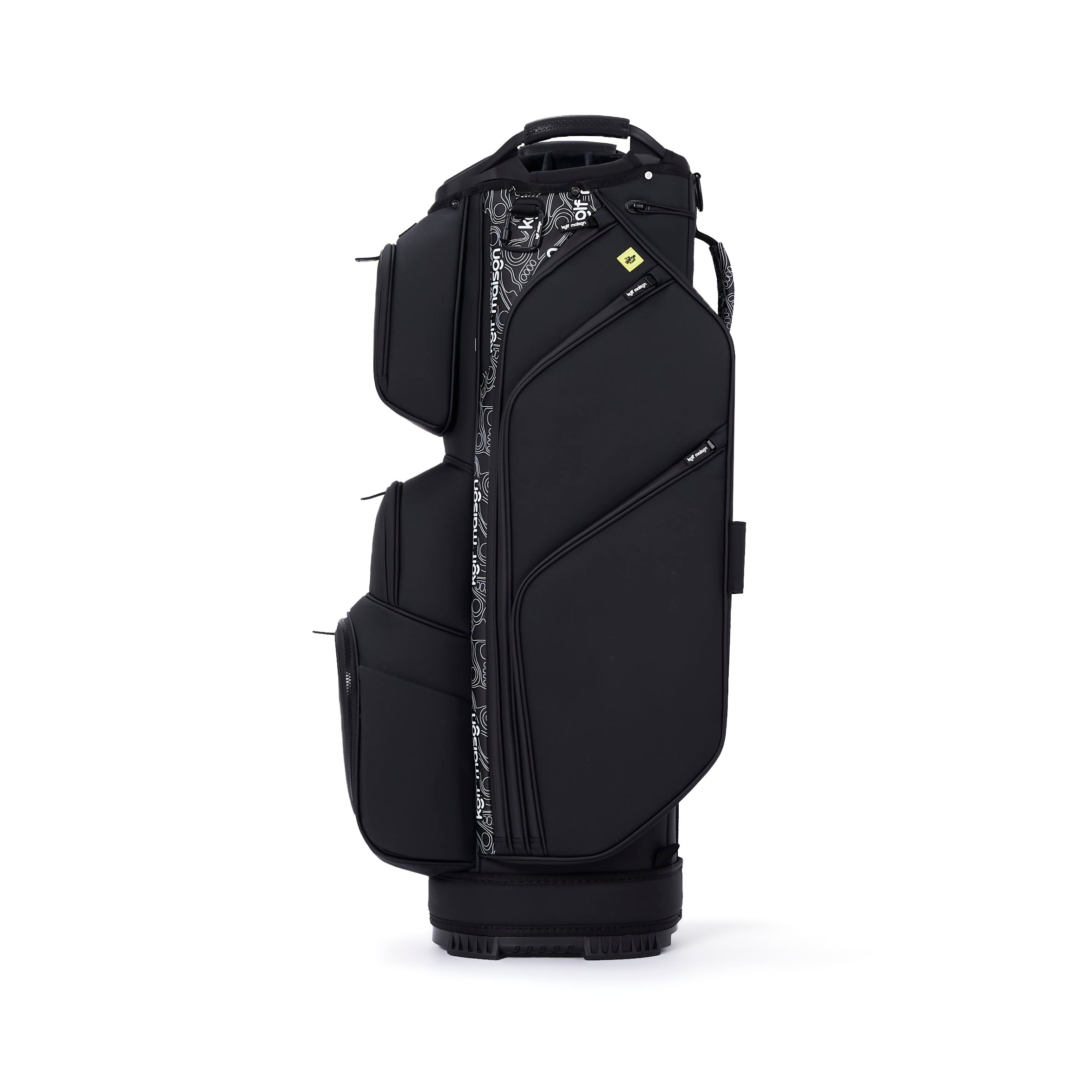
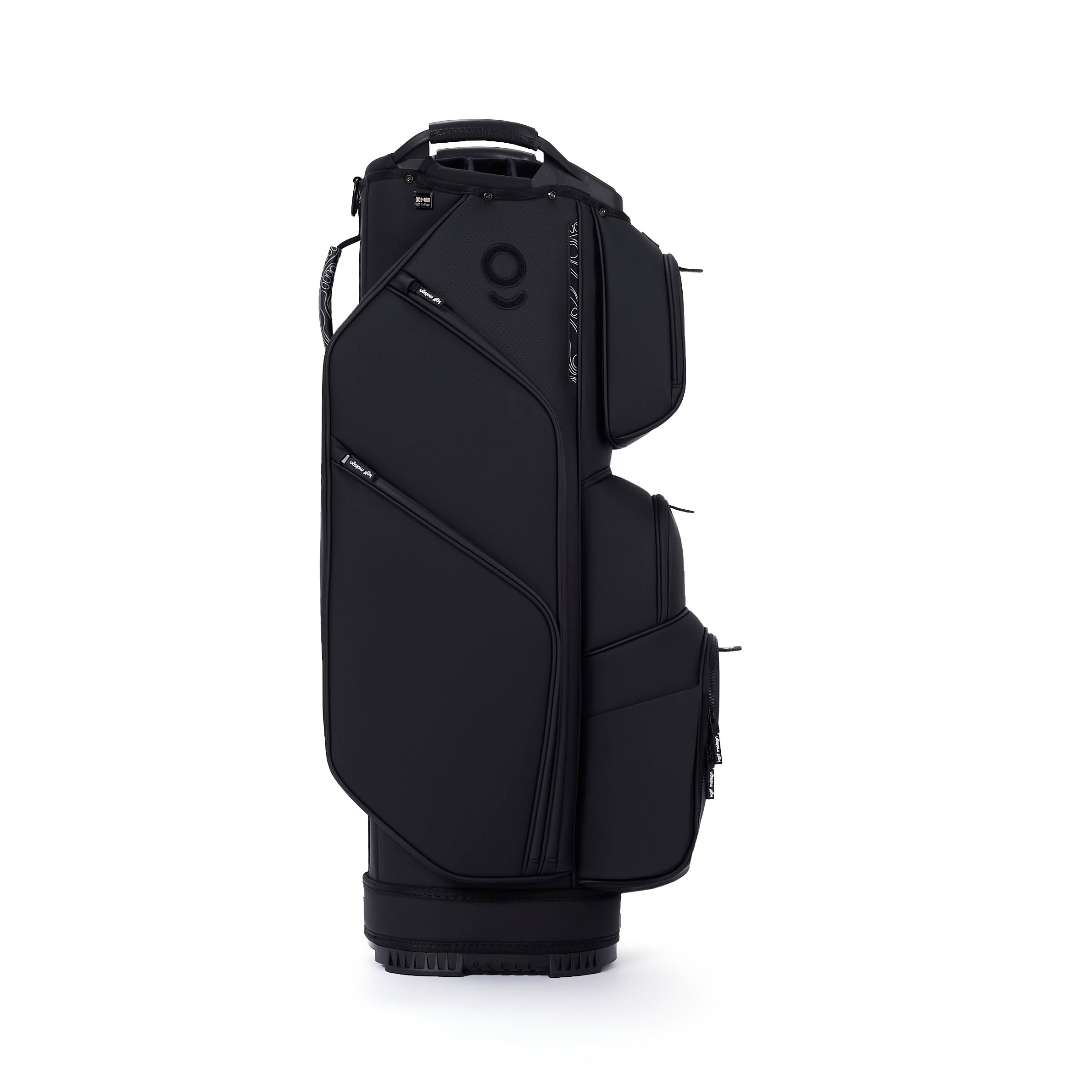
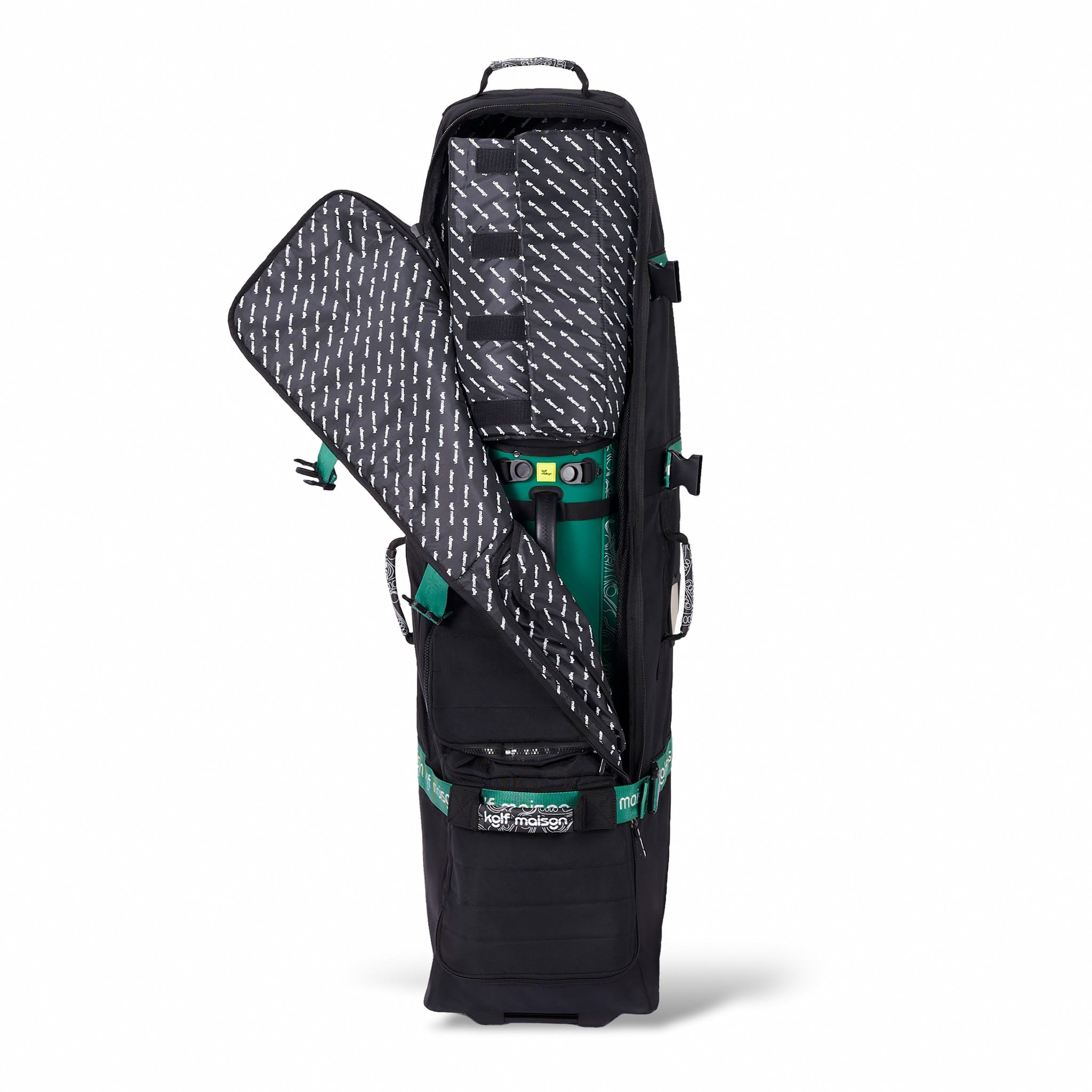
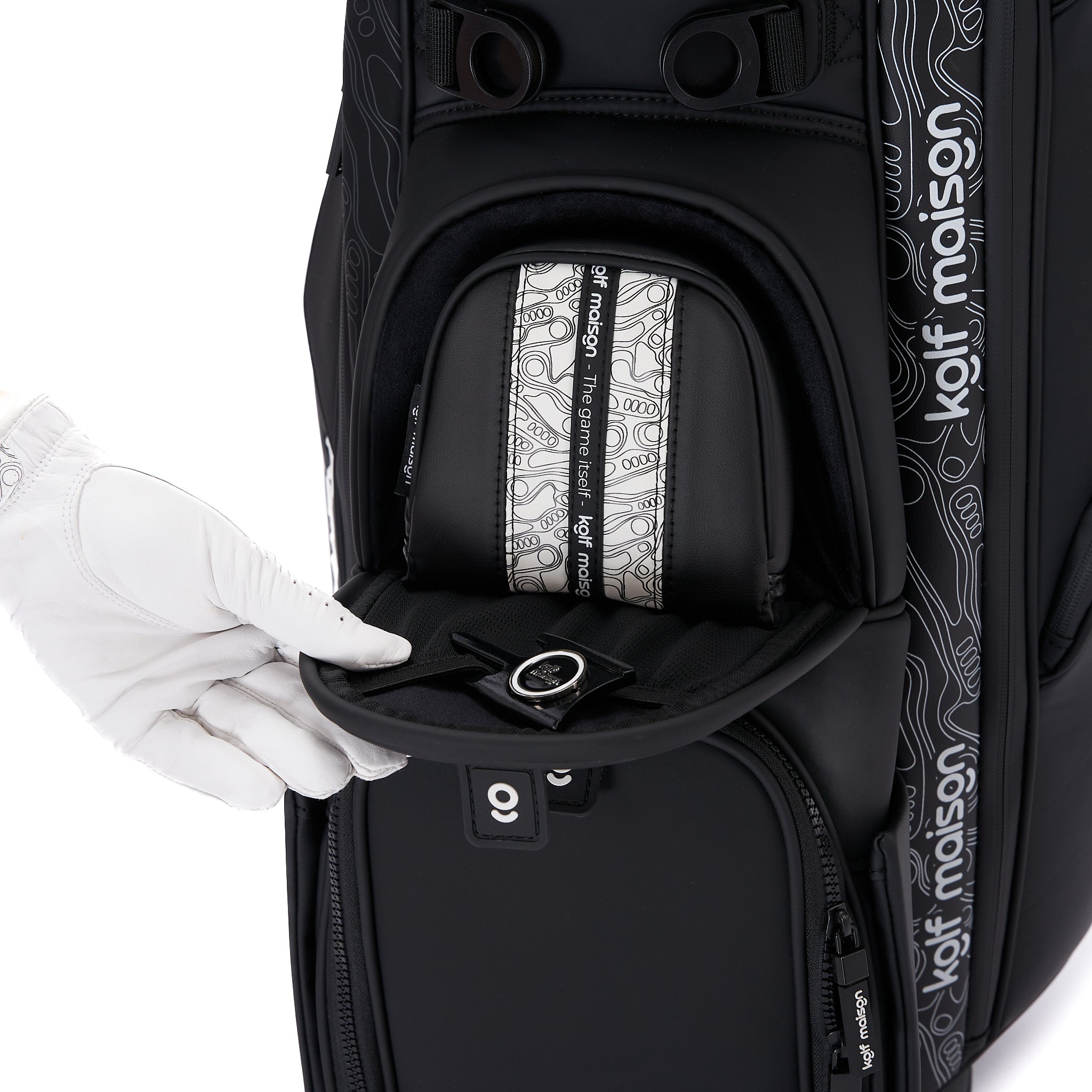
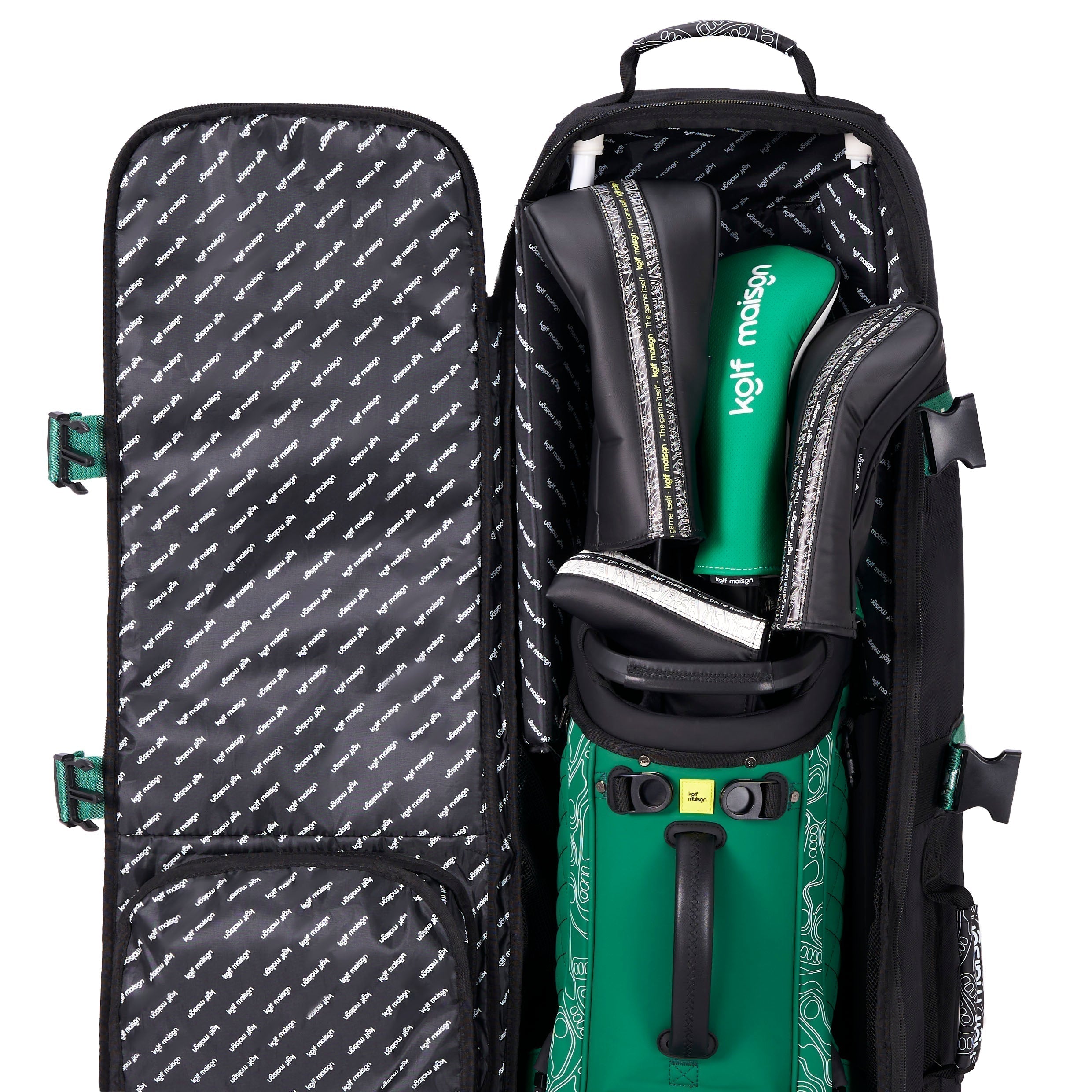
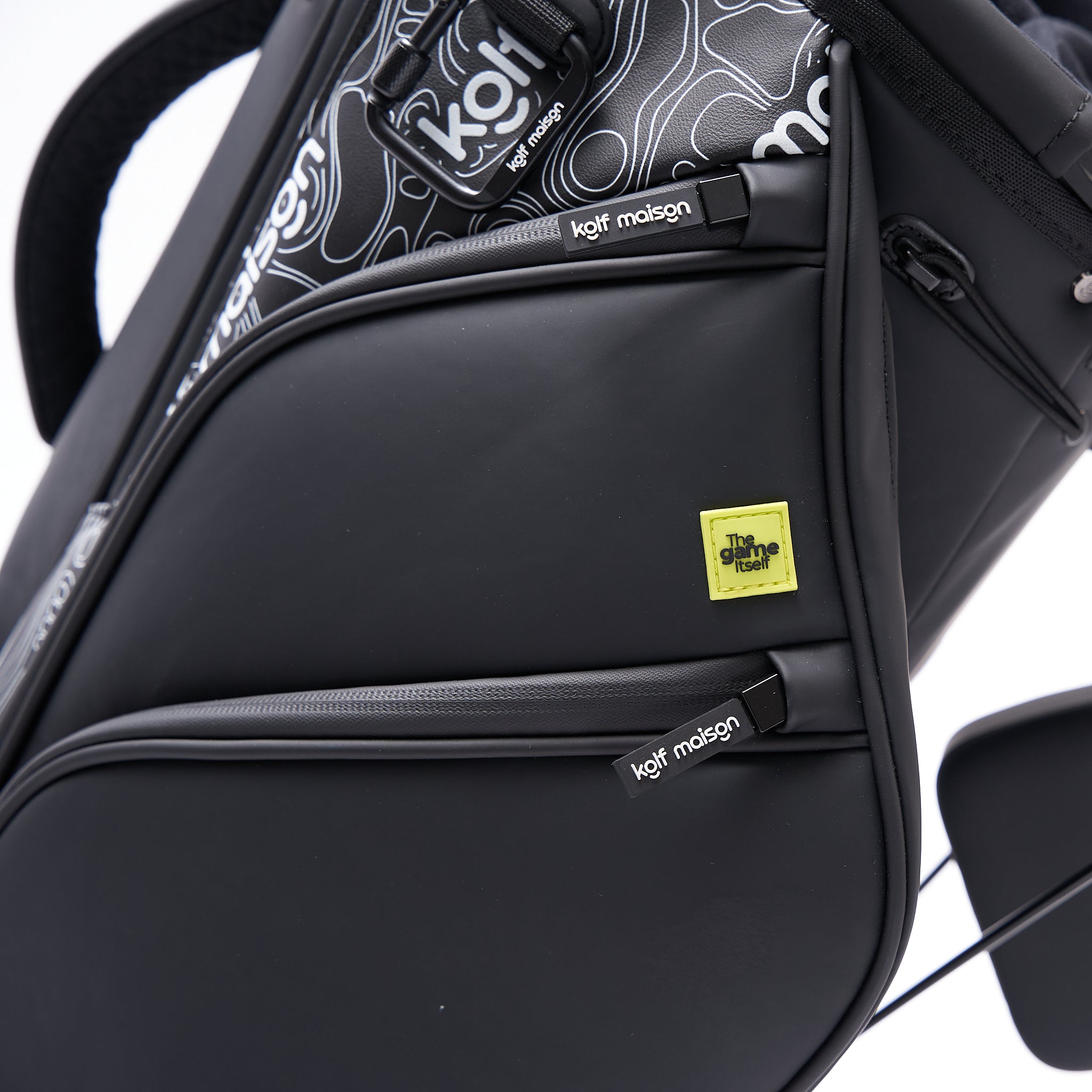
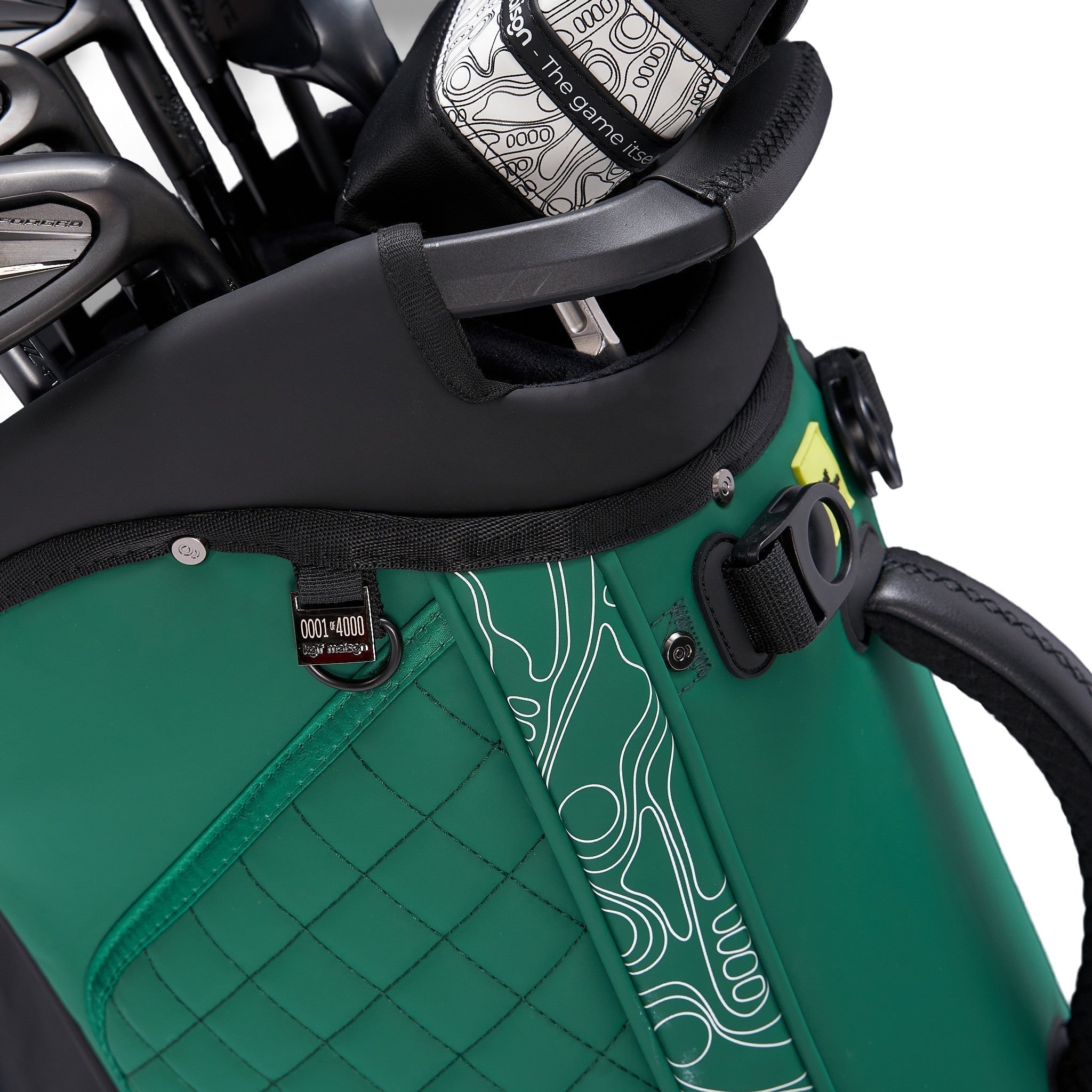
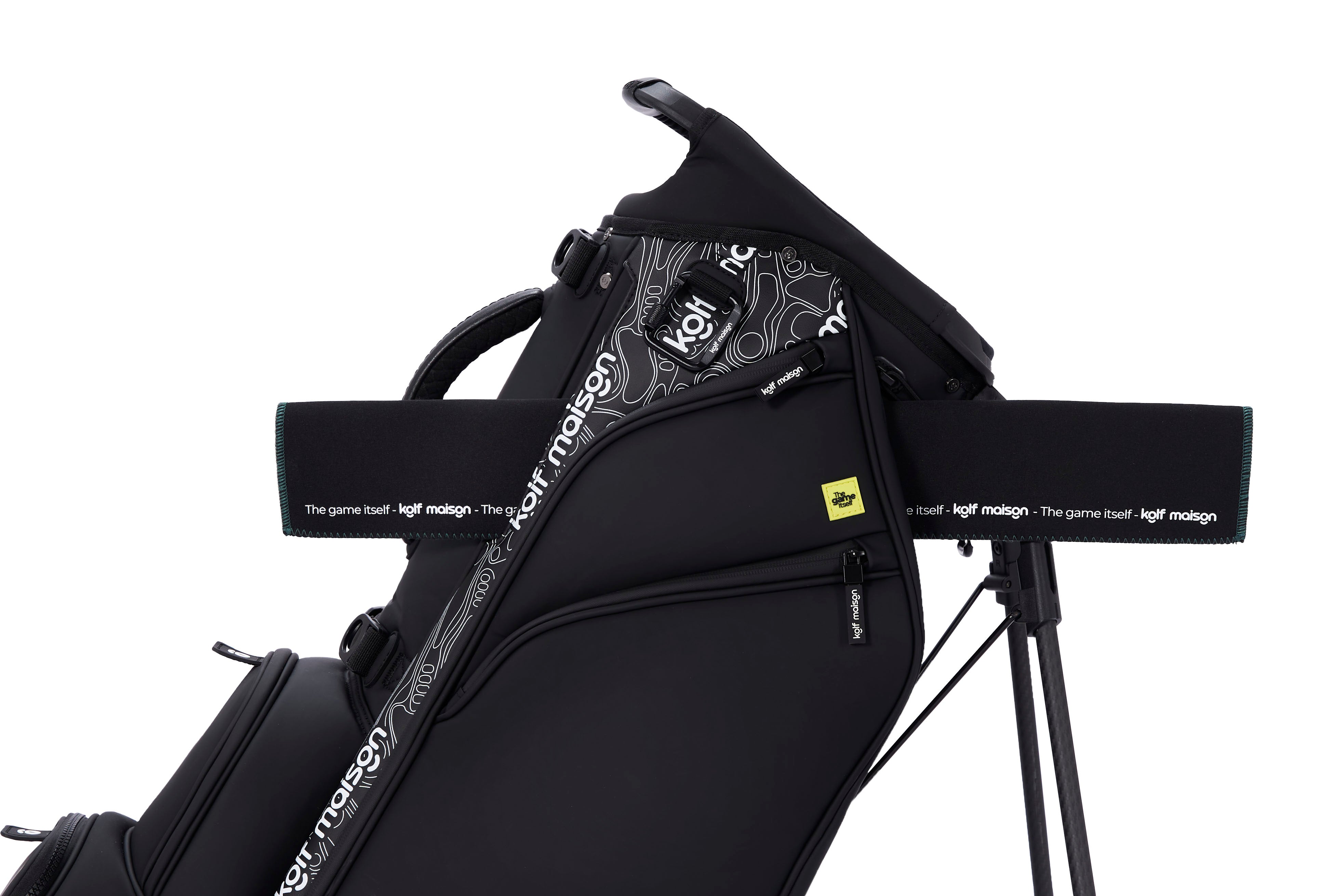
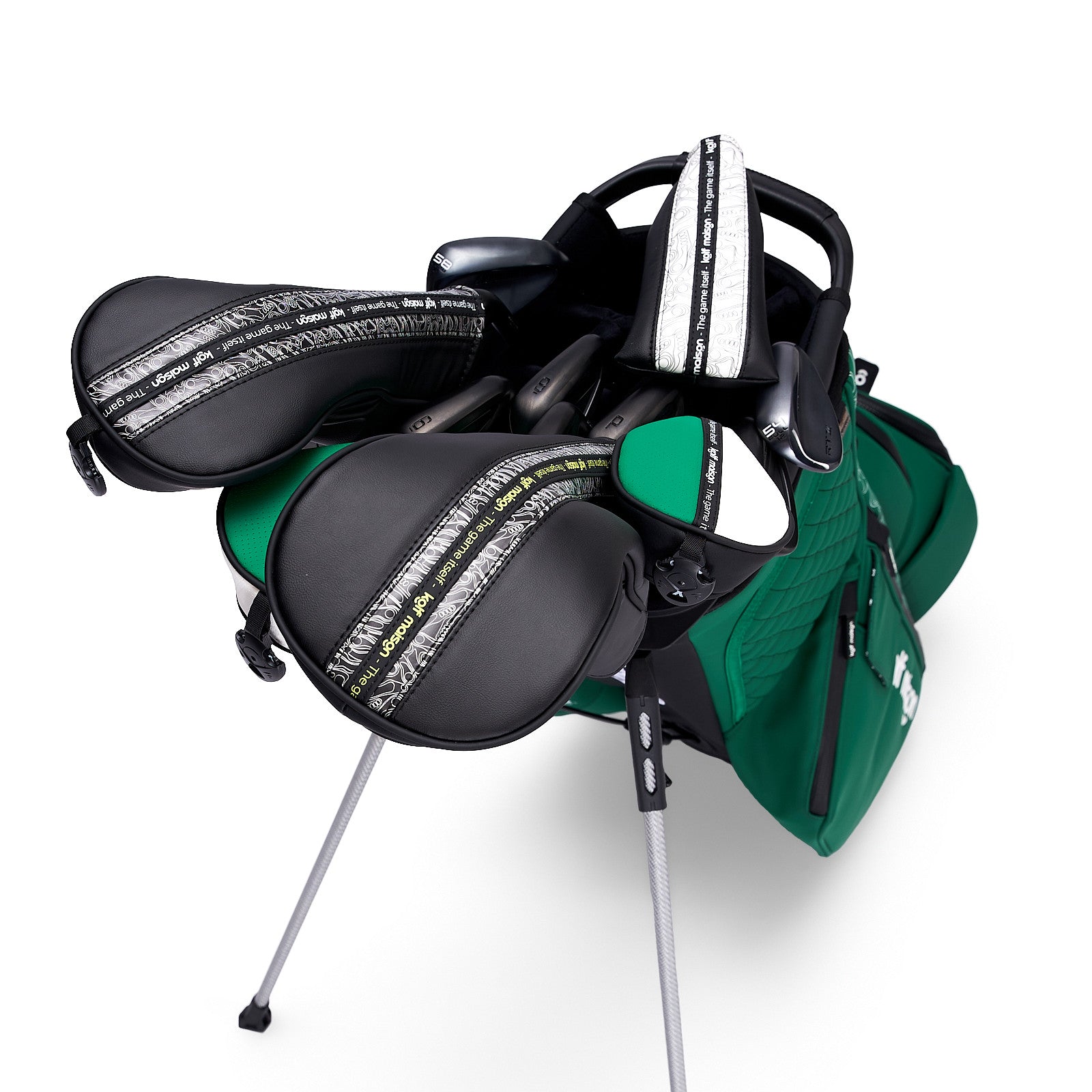
Rotate through multiple pairs during the round. A common professional strategy is to carry four or more dry gloves in sealed plastic bags inside a dry towel pocket, swapping to a fresh dry glove every two to three holes. Between shots, store the used glove in the same sealed bag to dry slightly. A golf bag with a waterproof-lined fleece pocket — like the fleece-lined valuables pocket on the Kolf Maison Paganica — provides a protected storage point for backup gloves that stays drier than open pockets.
What makes a glove grip better in wet conditions?
Three features: a hydrophilic surface texture that channels water away from the contact zone rather than pooling on it; a material construction that maintains flexibility and grip force when wet (unlike leather, which tightens); and textured grip zones on the palm and fingers that create mechanical friction independent of moisture level. All-weather rain gloves are typically engineered with all three of these properties in combination.
Does glove size change in wet conditions?
Cabretta leather shrinks slightly when wet and then re-expands when dry — a glove that fits perfectly dry may feel tighter on a wet hand. All-weather synthetic gloves typically maintain their size more consistently through moisture changes. For wet-weather play with Cabretta, some golfers size up by half a size to account for the wet contraction. With all-weather gloves, standard sizing is generally consistent. See our glove sizing guide for hand measurement details.
How does the Majesta Cabretta glove perform in light rain?
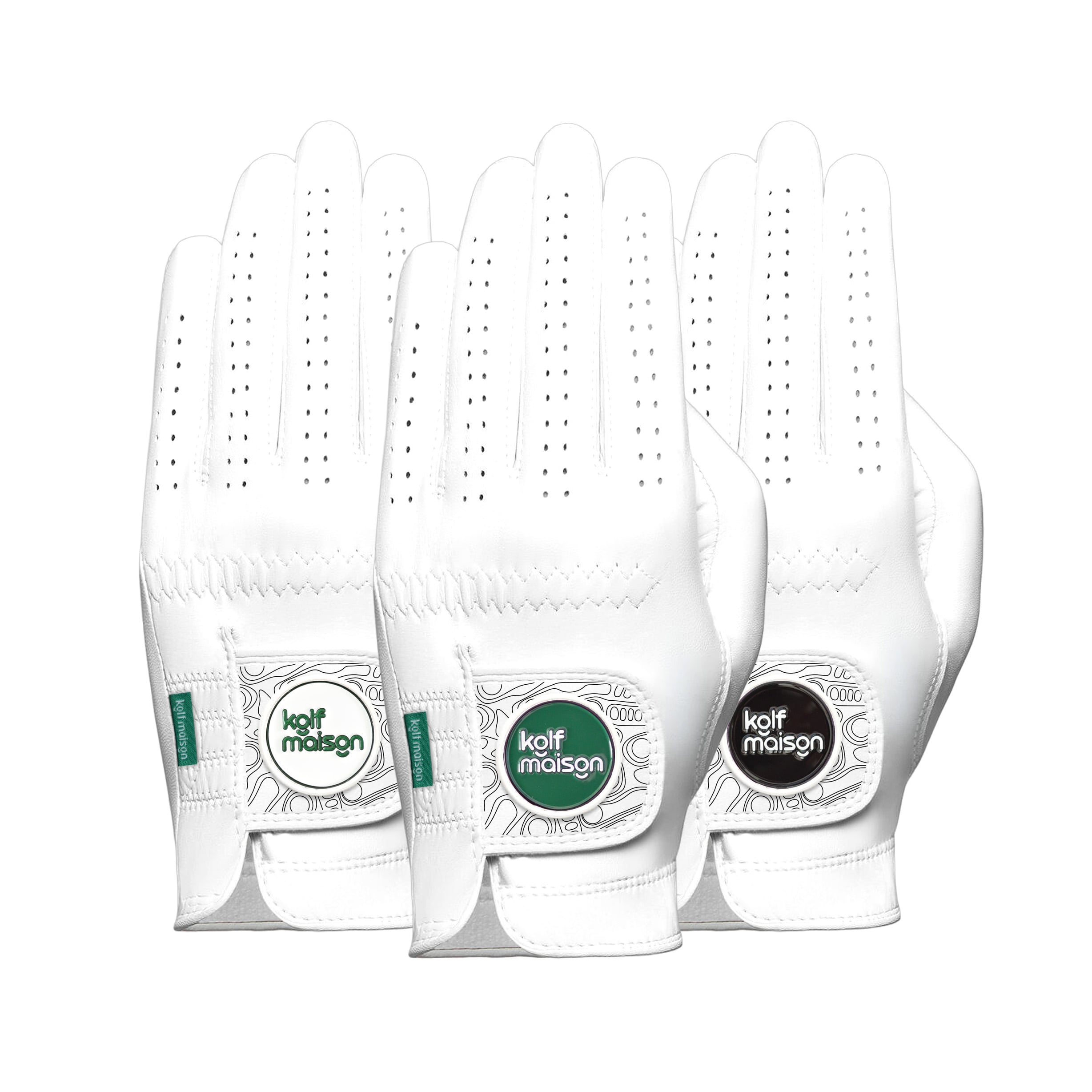
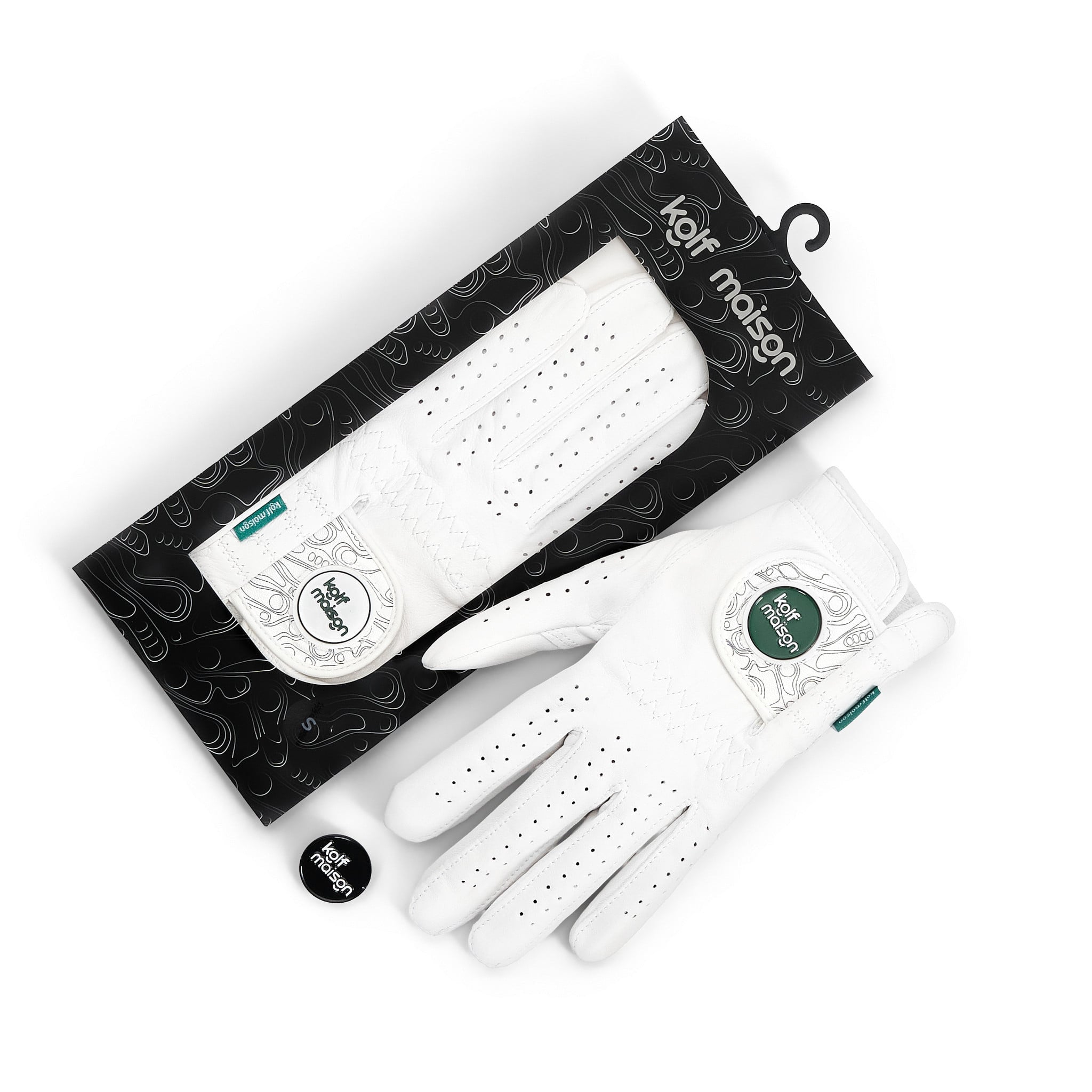
The Kolf Maison Majesta Cabretta glove performs well in light damp conditions and light drizzle — Cabretta leather maintains reasonable grip at low moisture levels. In sustained heavy rain or when the glove is fully soaked, we recommend supplementing with a dedicated all-weather rain glove for competitive rounds. For casual play in light rain, the Majesta is a practical choice; for tournament conditions in a downpour, pair it with an all-weather backup.
How do I care for a glove after a wet round?
Remove the glove immediately after your round and lay it flat — do not ball it up or stuff it wet into a pocket. Lay it on a towel or hang it in a ventilated area at room temperature to dry completely before the next use. Do not use direct heat (hair dryer, radiator) on Cabretta leather — it will cause the material to dry brittle and crack. For all-weather synthetic gloves, the same flat-dry approach applies. Proper drying after wet rounds is the single most important factor in extending glove life. See our complete glove lifespan guide for the full care protocol.
The Wet-Weather Glove Setup That Works
Baseline Setup
Carry your primary Cabretta glove for normal conditions, two all-weather rain gloves (one left, one right hand) in sealed plastic bags in your fleece-lined pocket, and a dry towel with a split wet/dry side. If rain begins mid-round, switch to the all-weather gloves immediately — do not wait until the Cabretta is saturated and your grip has already degraded.
Rotation Strategy
In sustained heavy rain, rotate through a minimum of four dry gloves — swap every two holes to maintain grip quality. A fully saturated glove loses 30–40% of its effective grip force regardless of glove type. Fresh glove every two holes during a rain round is the difference between consistent shot-making and grip slippage that affects both distance and trajectory.
The Majesta — Premium Cabretta Leather
The Kolf Maison Majesta Cabretta glove. S/M/L/XL. $25. Open Allocation. The finest feel in dry and light-damp conditions — pair with a dedicated rain glove for sustained wet-weather rounds.
The Majesta Cabretta Glove
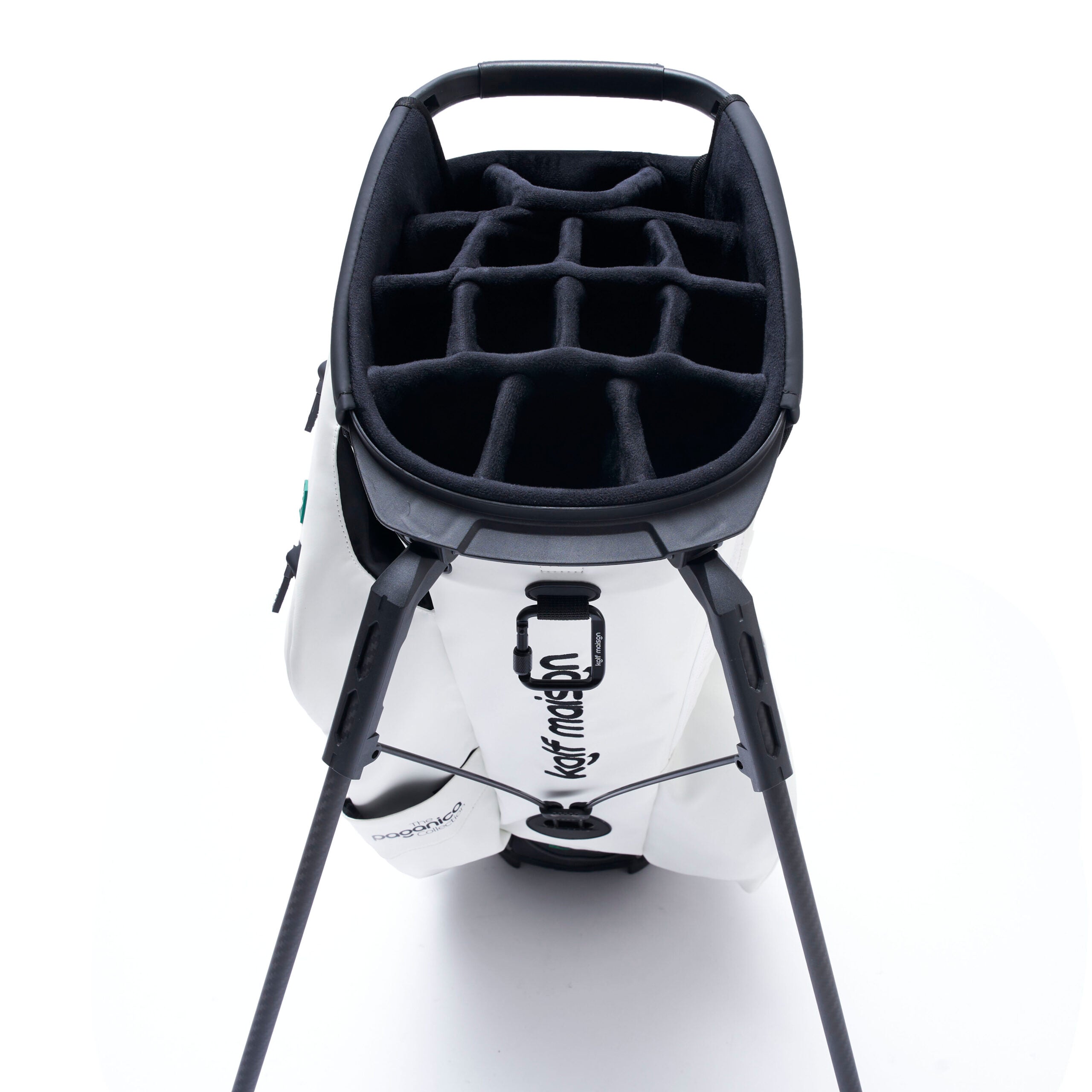
Premium Cabretta leather. $25. S/M/L/XL. Open Allocation. Pairs with the Paganica — complete from day one.
Shop the Majesta → Shop the Paganica →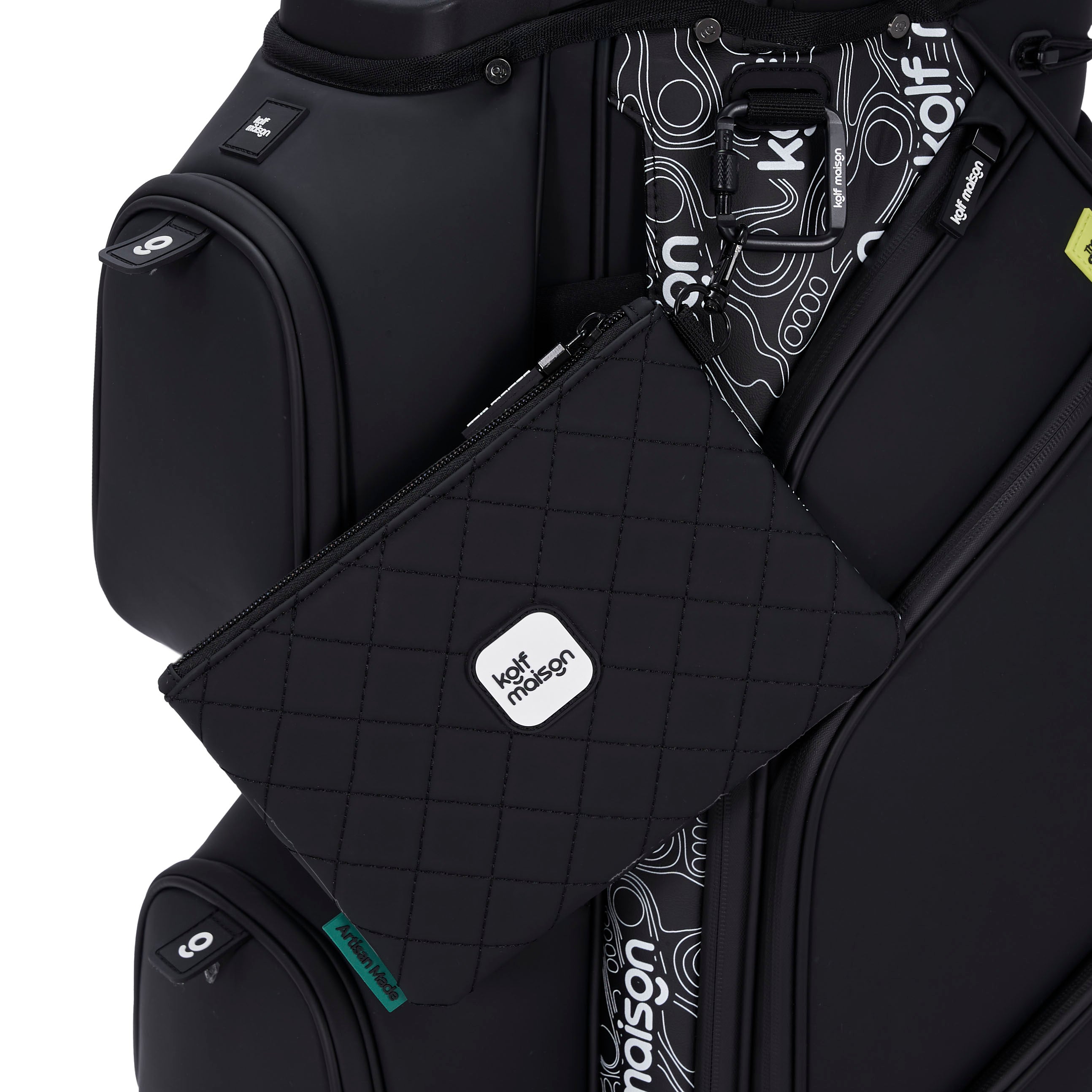


Share:
Best Luxury Golf Bag as a Corporate Gift: What the Category Actually Demands
How Long Does PU Leather Last on Golf Bags? The Complete Answer