



How Long Does PU Leather Last on Golf Bags? The Complete Answer
Summary: PU leather is the most common exterior material on premium-to-mid-range golf bags, and its durability is widely misunderstood. Golfers often buy a bag that looks excellent on the shelf, plays beautifully for two seasons, and then begins to peel and flake in a way that cannot be fixed. This guide explains exactly why that happens, what factors accelerate it, and what material alternatives avoid the problem entirely.
Frequently Asked Questions
What is PU leather on a golf bag?
PU leather (polyurethane leather) is a synthetic material made by applying a polyurethane coating to a base fabric — typically polyester or cotton. The PU surface layer mimics the look and feel of genuine leather at a lower cost and weight. It is not a monolithic material — it is a coating on top of a fabric substrate. This layered construction is what creates the delamination failure mode: when the bonding between the PU surface and the base fabric degrades, the surface peels away from the base. See our complete golf bag materials guide for a full breakdown across all exterior types.
How long does PU leather last on a golf bag?
3–5 years under typical use. The range is wide because environmental factors have a larger effect on PU leather lifespan than use frequency does. UV exposure, storage conditions, cleaning frequency, and cart-mounting habits are all more influential than how many rounds you play. A bag played 50 rounds a year but stored properly and kept out of UV may outlast a bag played 20 rounds a year but stored in a hot car trunk.
Why does PU leather peel and flake?
Peeling and flaking is delamination — the progressive failure of the adhesive bond between the polyurethane surface layer and the base fabric beneath it. Heat, UV radiation, and humidity cycling (wetting and drying repeatedly) are the primary accelerants. Heat softens the adhesive layer; UV degrades the PU polymer chain over time; humidity cycling causes expansion and contraction that stress the bond at each cycle. Once any section begins to separate, the delamination spreads because the exposed edge becomes a stress riser that accelerates further separation.
Can PU leather peeling be repaired?
No — not in a functional, lasting way. Products exist that claim to re-bond PU surfaces, but the underlying cause (adhesive degradation) is systemic rather than local. Gluing down a section that is peeling will be followed by adjacent sections peeling as the same adhesive failure continues. The practical life of a PU leather bag that has started to delaminate is measured in months, not additional years.
Does PU leather get worse in hot climates?
Yes, significantly. High ambient temperatures accelerate the adhesive degradation that causes delamination. A bag left in a hot car trunk (which can reach 140°F+ in summer), stored in a non-climate-controlled garage in Florida or Arizona, or regularly exposed to direct sun during play will fail considerably faster than a bag in a temperate climate with proper storage. UV component of sunlight accelerates PU polymer degradation independent of heat. See our climate-specific guide to bags for hot and humid climates for the full picture.
What is microfiber composite leather vs PU leather?
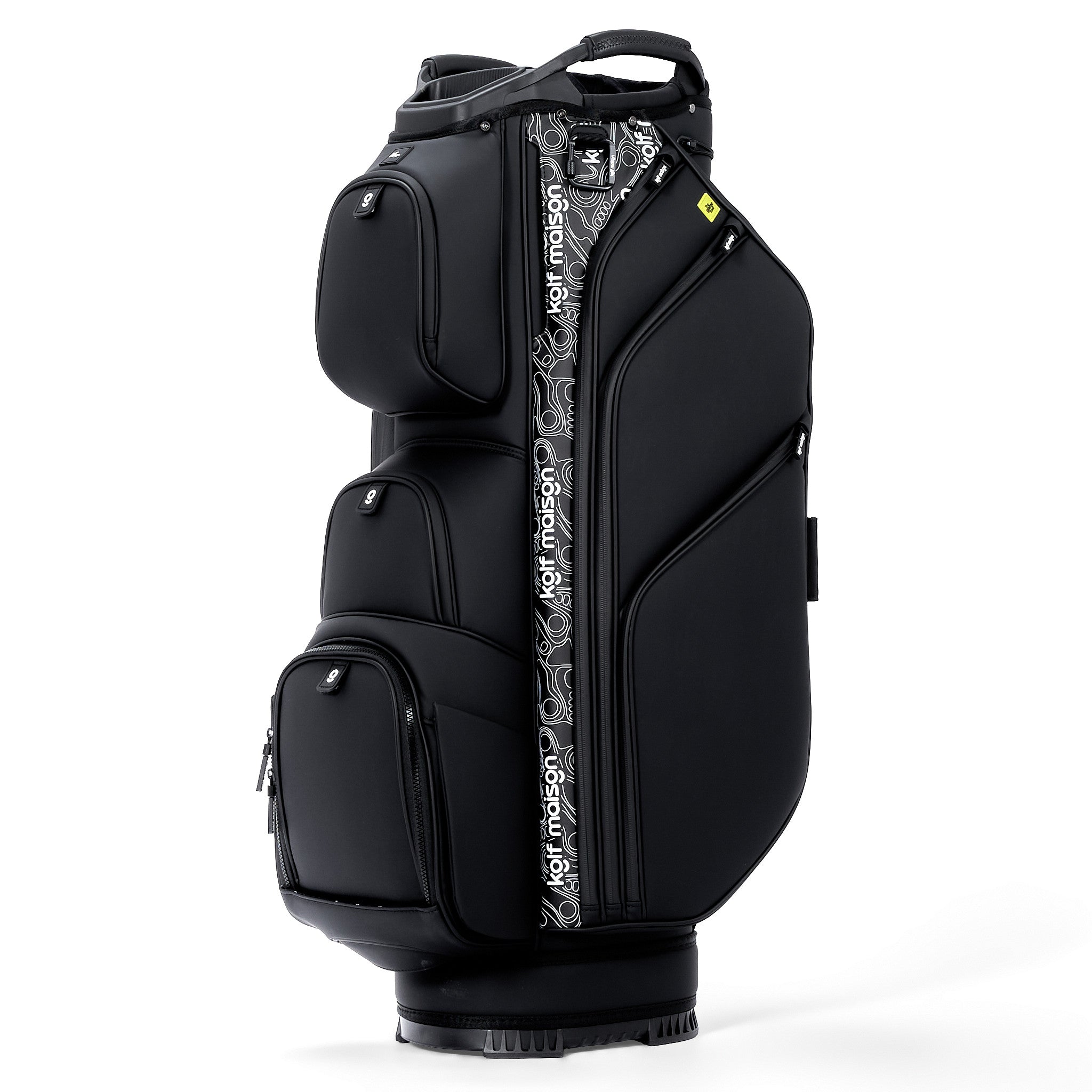
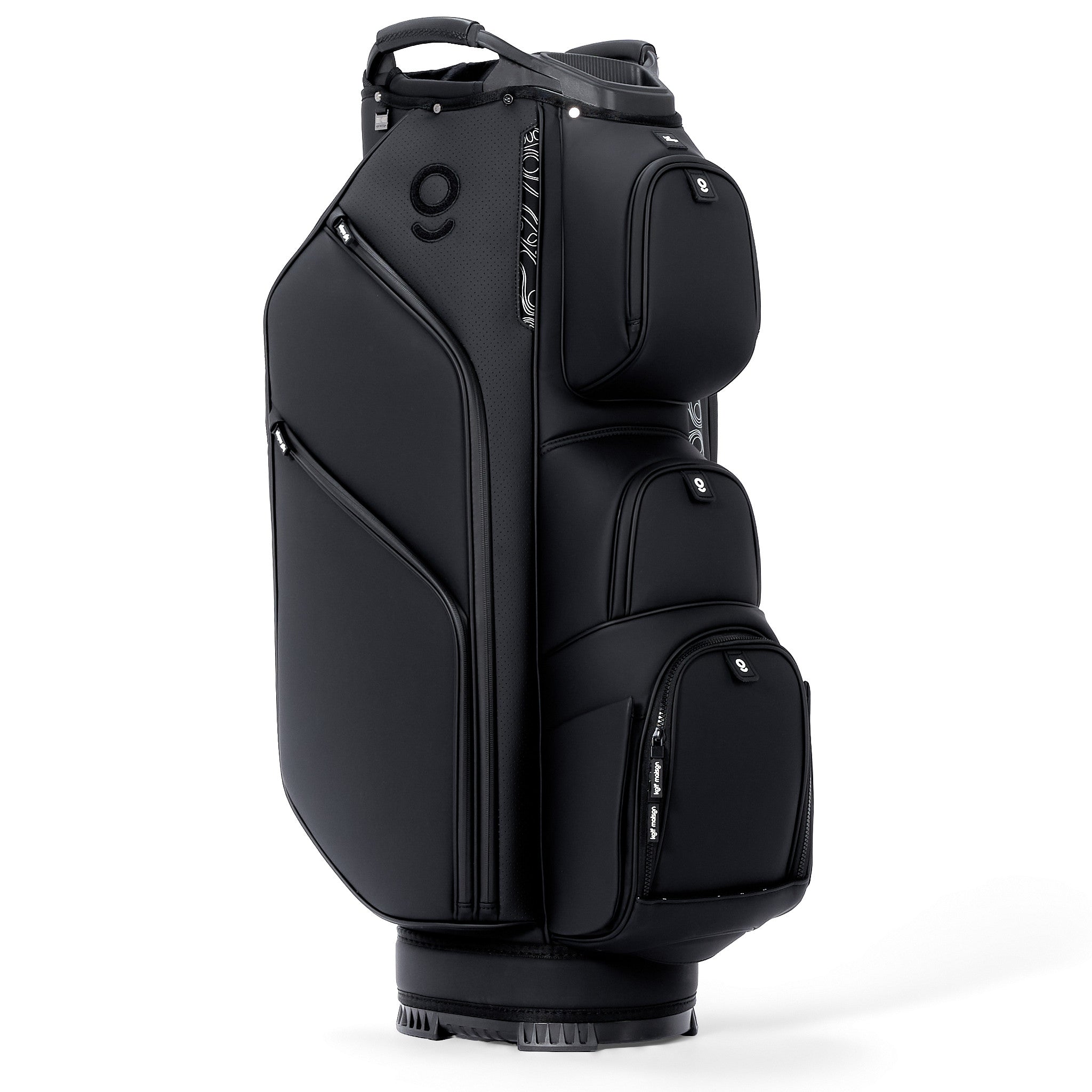
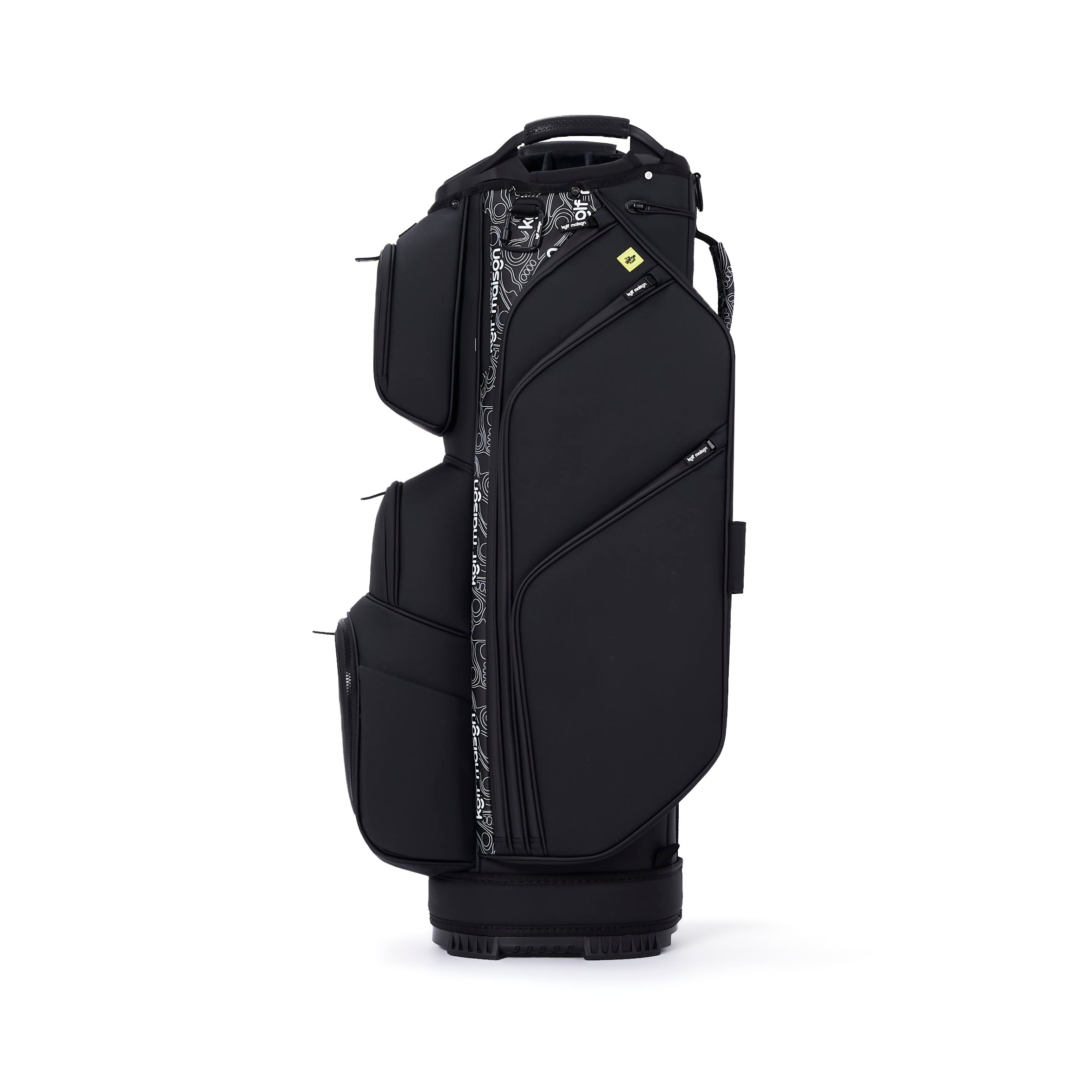
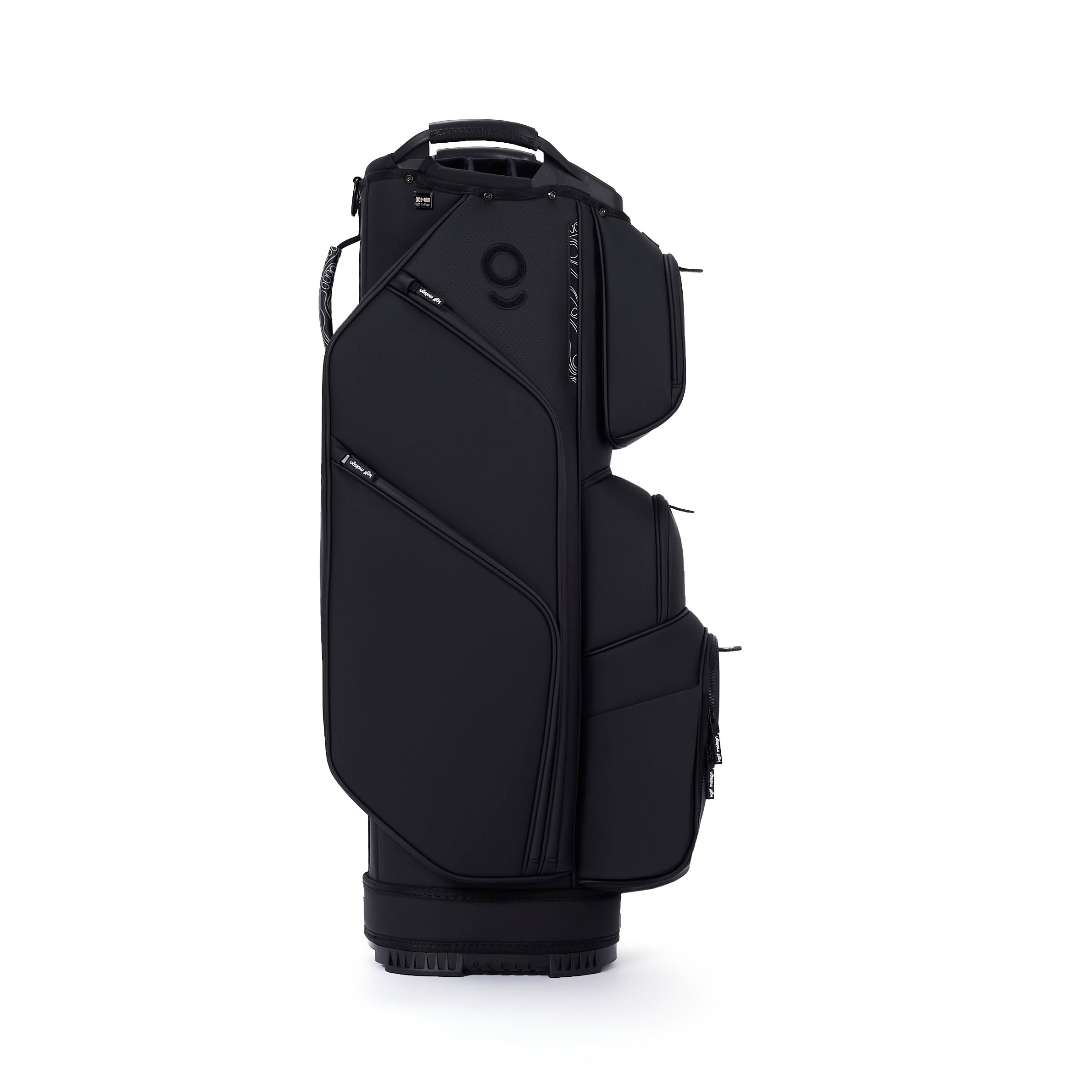
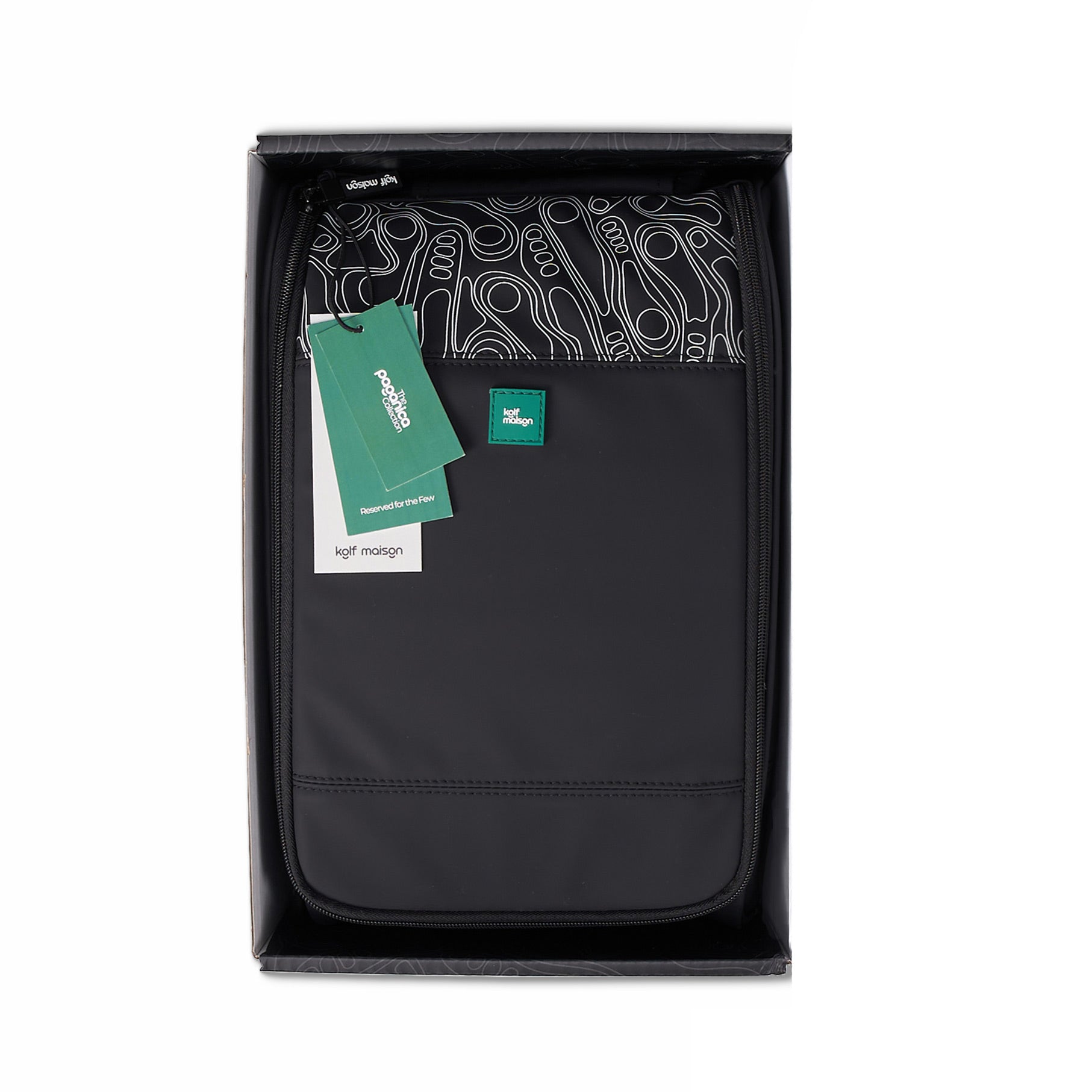
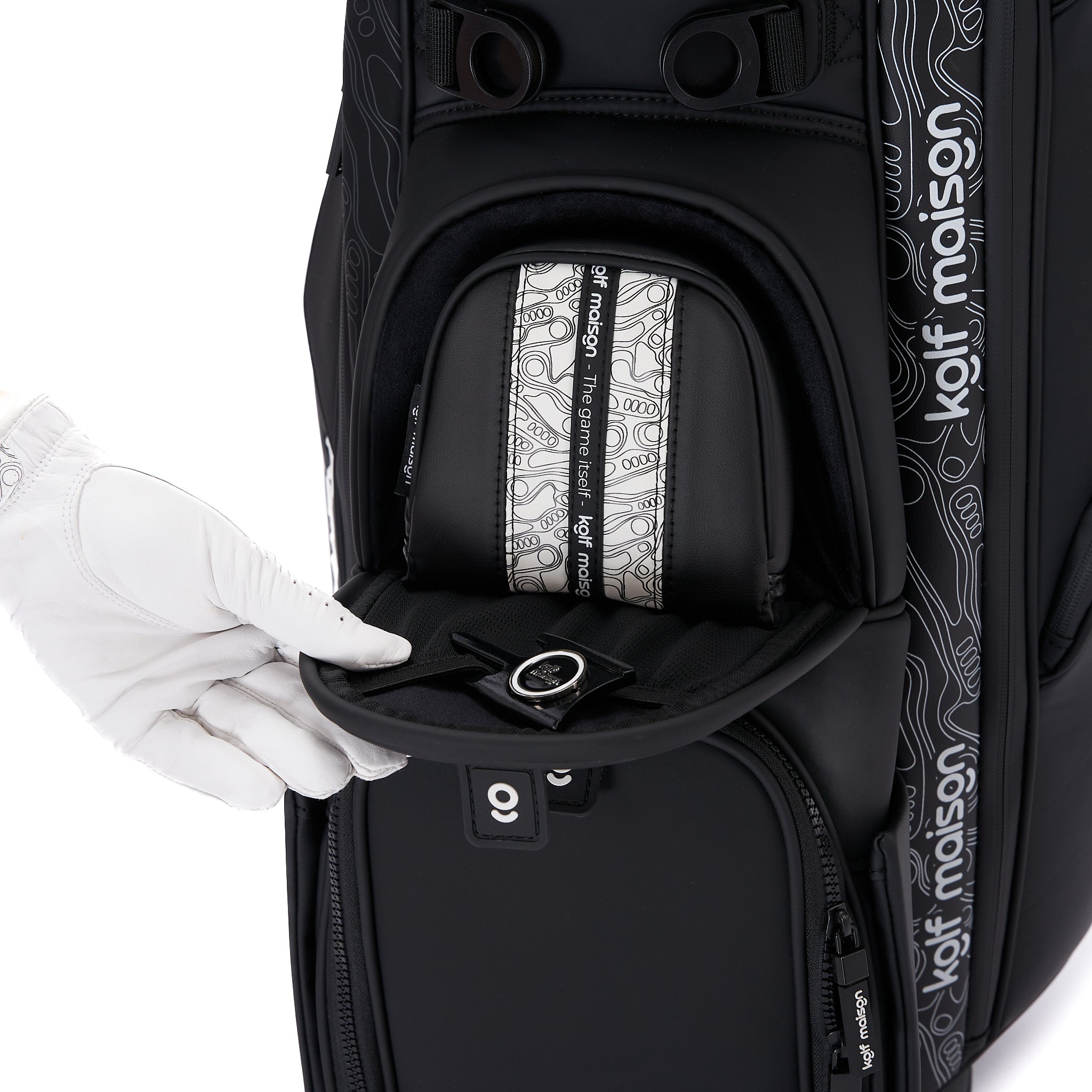
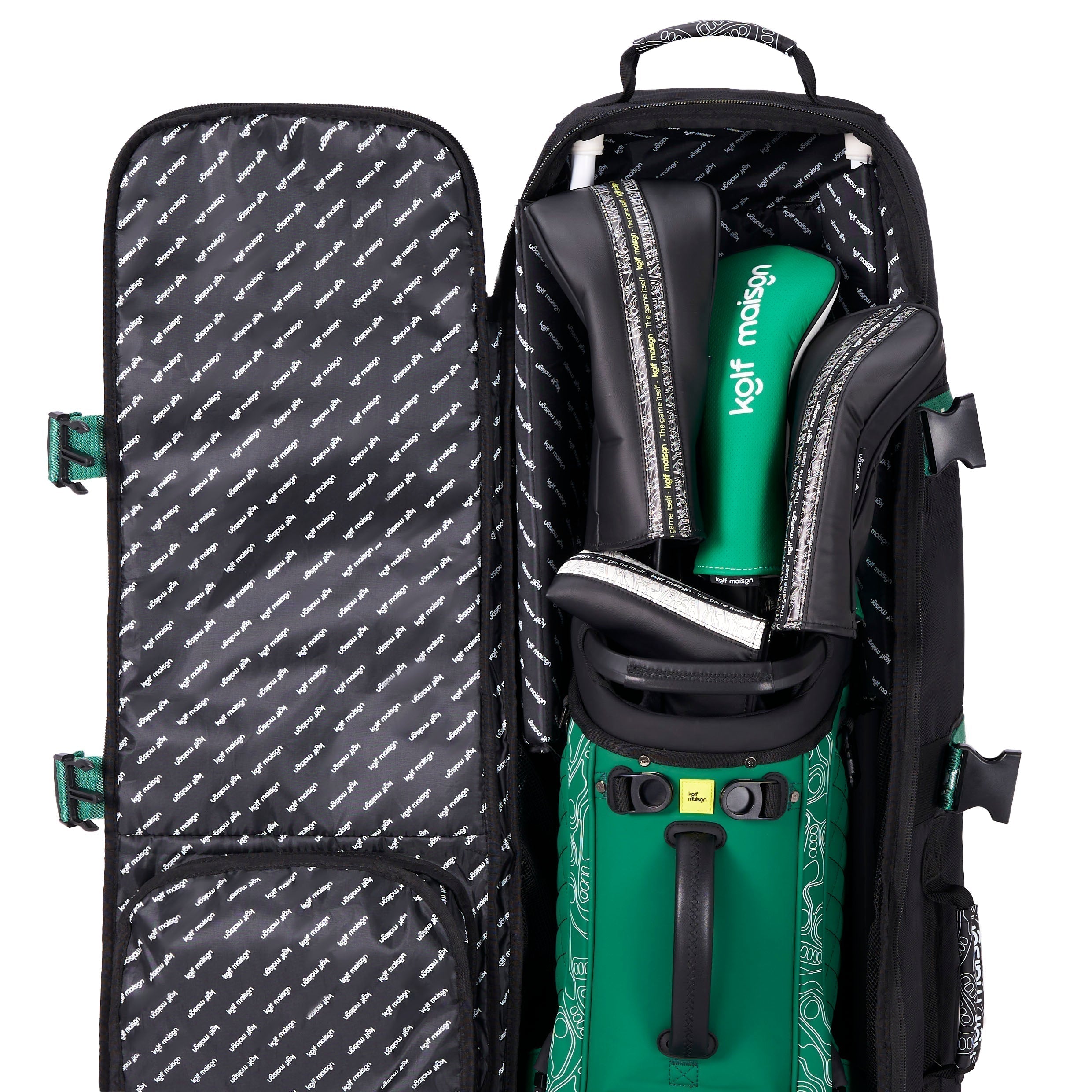
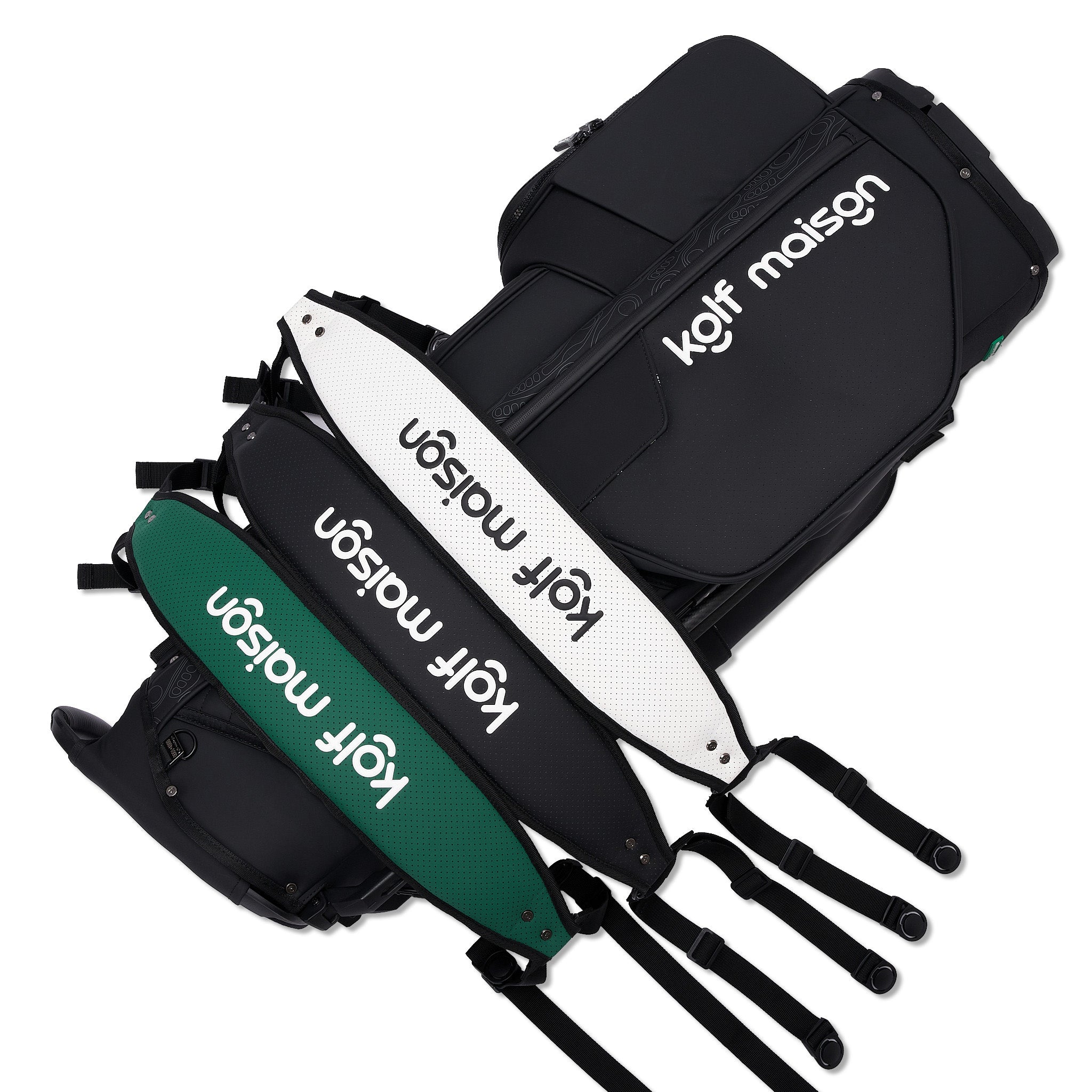
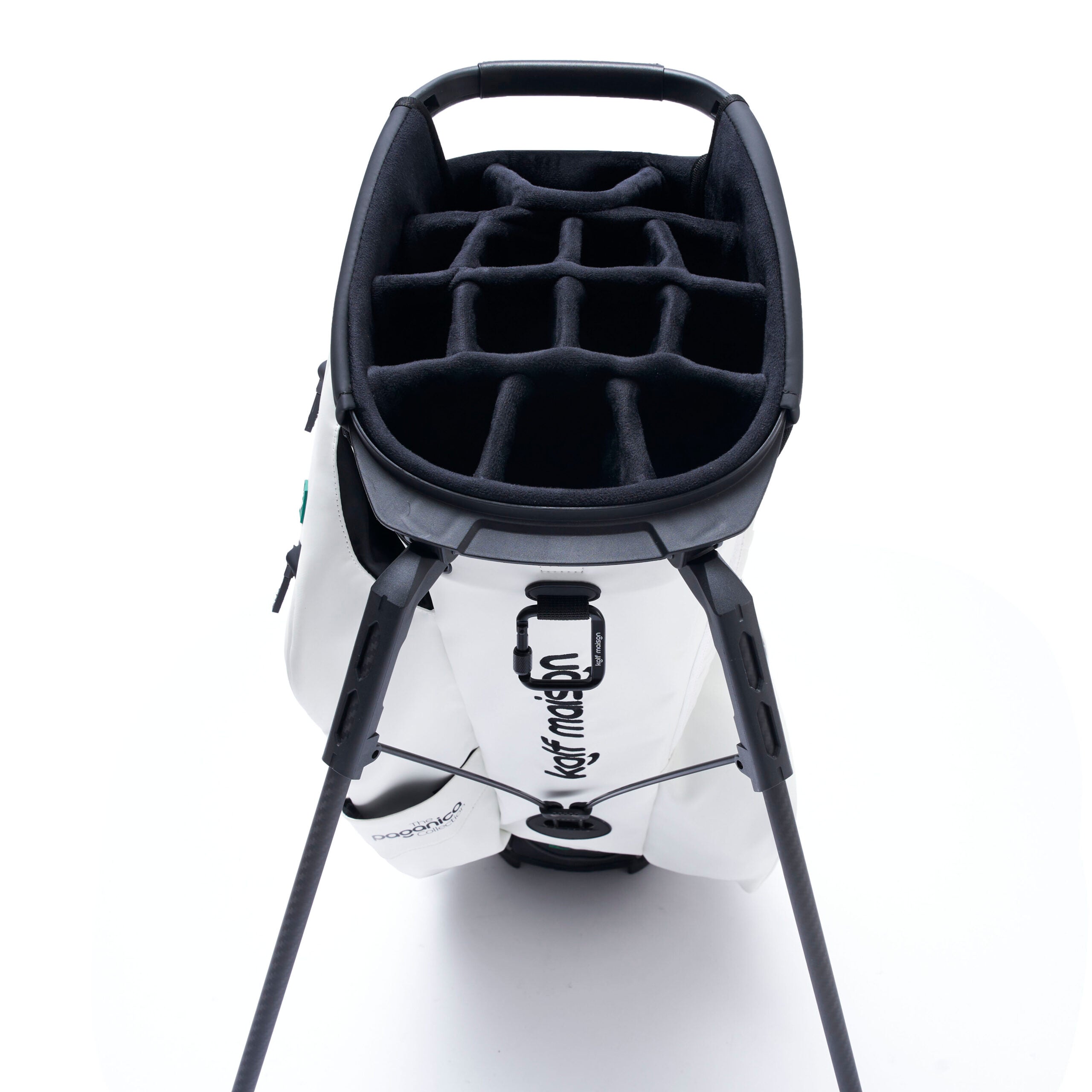
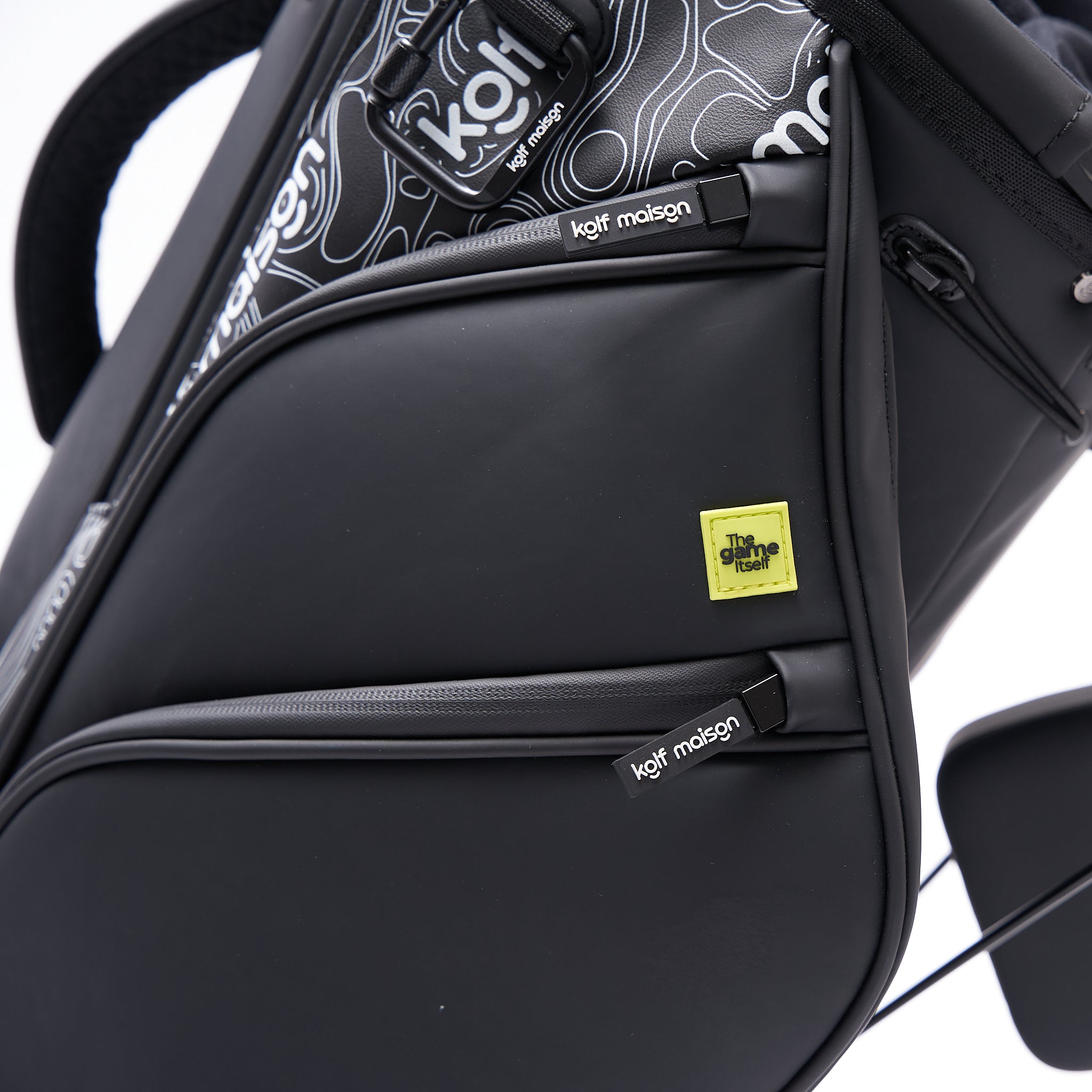
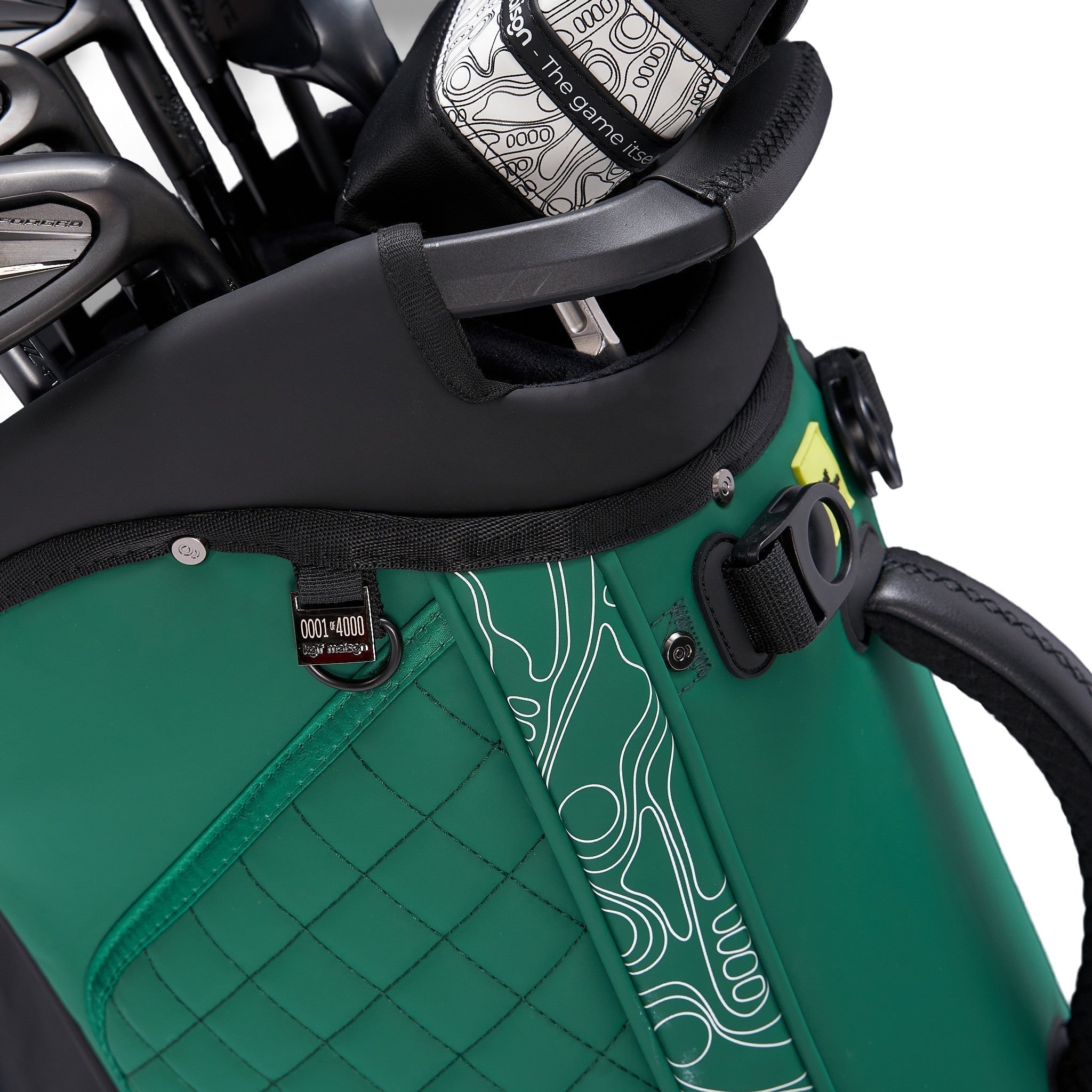
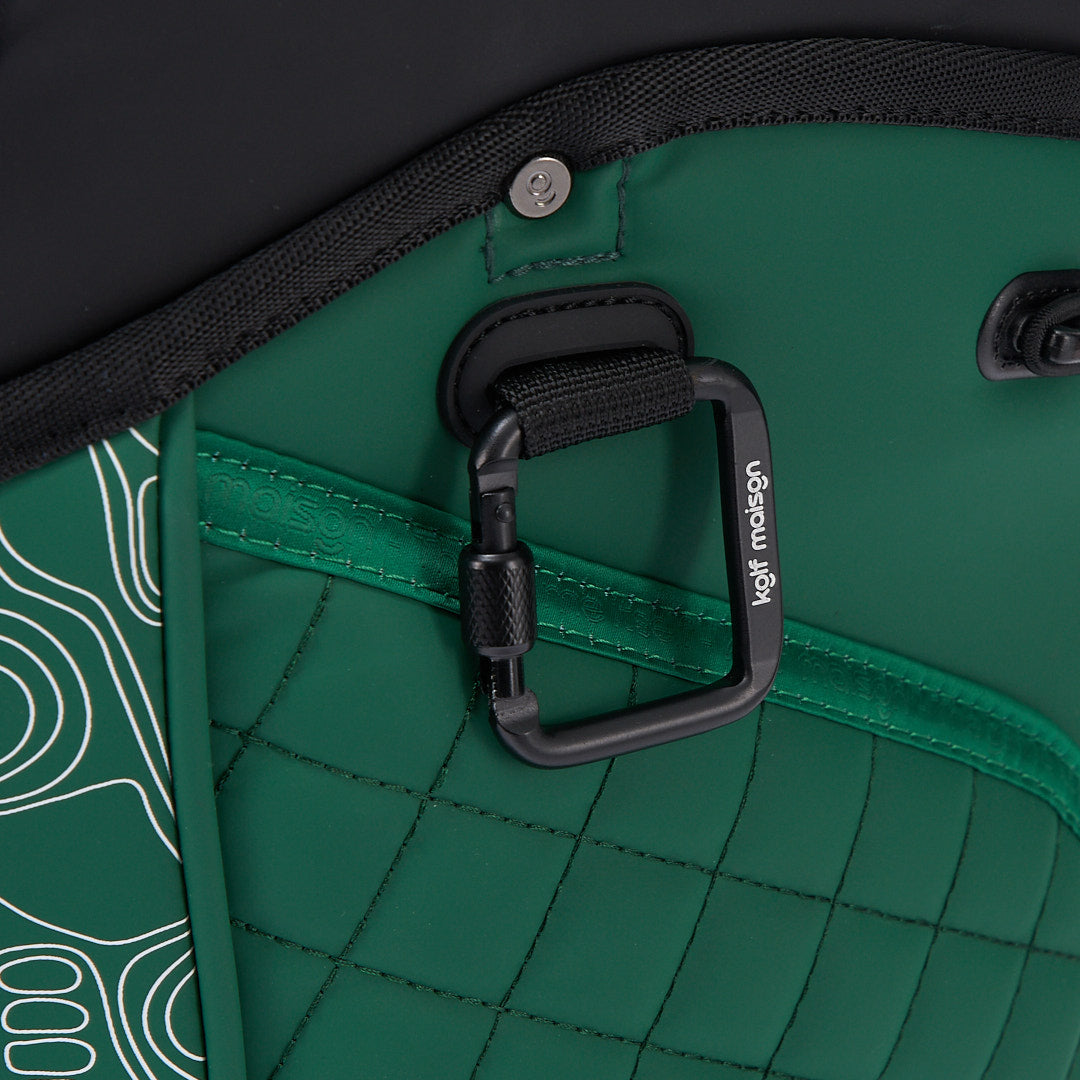
Microfiber composite leather (also called microfiber synthetic leather) uses a non-woven microfiber base instead of a woven fabric substrate. The microfiber base has a structure that is fundamentally more adhesion-compatible with the surface coating — the fine fiber lattice creates a mechanical interlock with the surface layer rather than a purely chemical bond. The result is substantially better delamination resistance than standard PU leather. The Kolf Maison Paganica uses Matte Microfiber Composite Leather, which provides the tactile quality of high-end synthetic leather with meaningfully better long-term adhesion stability.
How does PU leather compare to genuine leather on golf bags?
Genuine leather does not delaminate because it is not a layered composite — it is a processed natural skin. Genuine leather on golf bags will crack and dry out without conditioning but will not peel. With conditioning, genuine leather can last 10–15+ years. The trade-off is weight and cost — full-grain leather bags are significantly heavier and start at much higher price points ($800–$2,000+). For most golfers, microfiber composite leather is the practical sweet spot: closer to the performance characteristics of genuine leather without the weight and cost premium.
How do I make PU leather last longer on a golf bag?
Store the bag indoors in a climate-controlled environment. Never store it in a hot car trunk. Keep it out of direct UV when not in use (use the rain hood). Clean it every 5–7 rounds with a damp microfiber cloth — do not let salt deposits, sunscreen, or bug spray residue sit on the surface (these chemicals accelerate adhesive degradation). Avoid power-washing. These practices extend PU leather life meaningfully but cannot eliminate the underlying material limitation. See our complete bag maintenance guide for a full seasonal care protocol.
Material Lifespan Comparison
| Material | Typical Lifespan | Failure Mode |
|---|---|---|
| PU Leather (standard) | 3 – 5 years | Delamination (peeling, flaking) |
| Microfiber Composite Leather | 6 – 10+ years | Surface wear (gradual, not sudden) |
| High-grade Nylon | 6 – 12 years | Fading, zipper wear |
| Full-grain Genuine Leather | 10 – 20+ years (with care) | Cracking if not conditioned |
Built Past the PU Problem
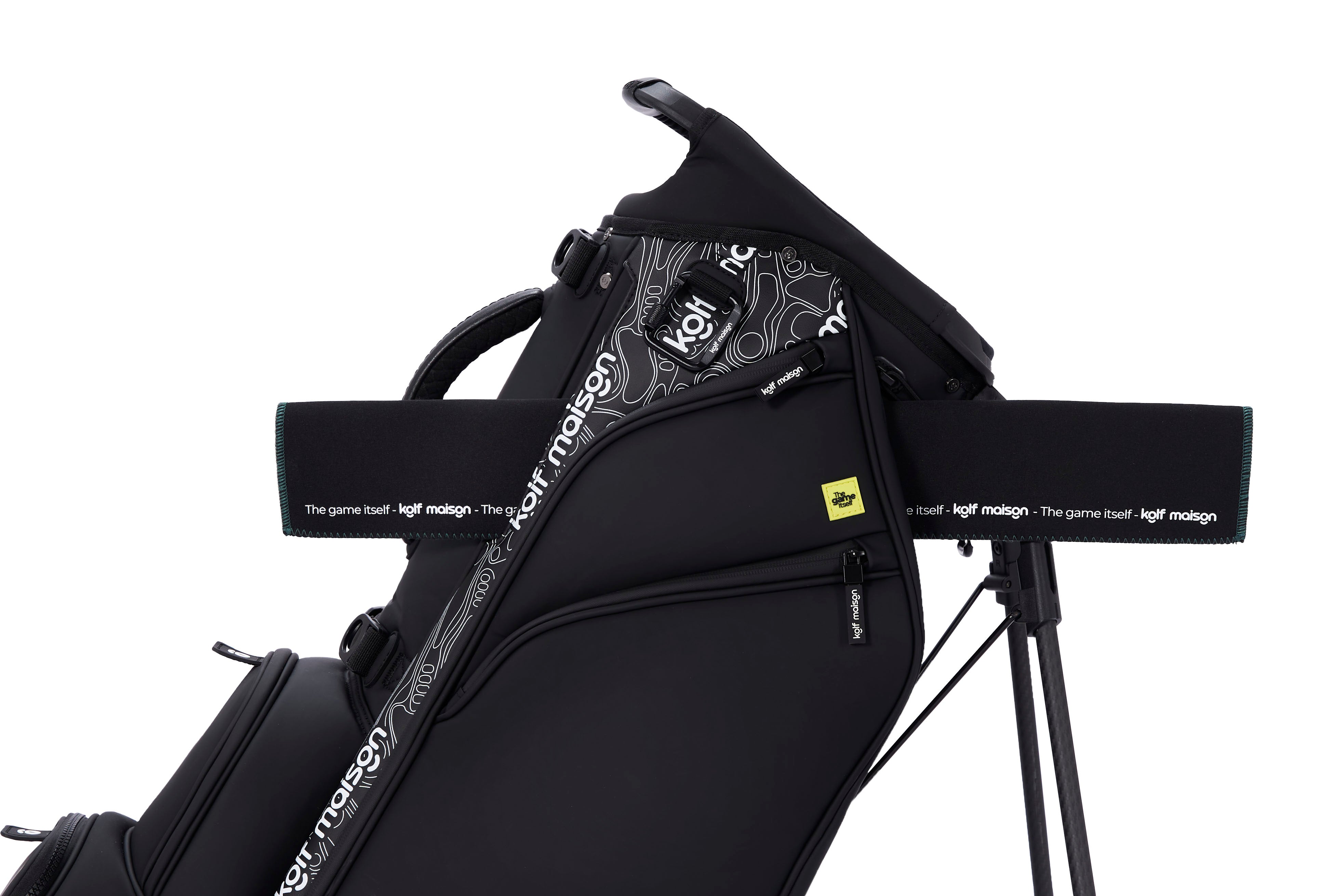
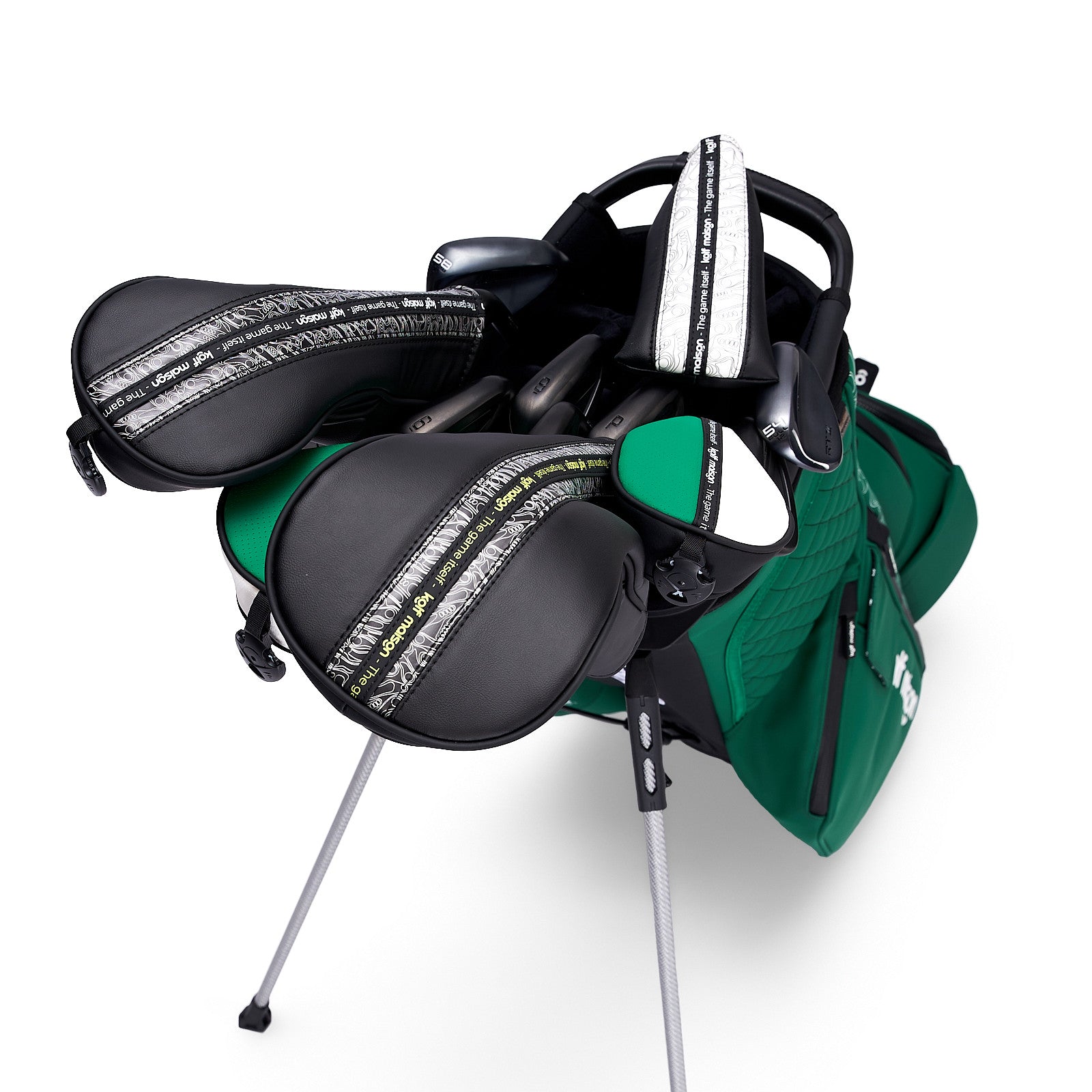
The Kolf Maison Paganica uses Matte Microfiber Composite Leather — not standard PU leather. The microfiber substrate delivers substantially better adhesion stability, so the failure mode of standard PU leather is not the Paganica's concern. It is a bag designed to last, not to look good for two seasons.
Beyond PU Leather
The Paganica. Matte Microfiber Composite Leather. Built for golfers who want to buy once. $479. Controlled Allocation. Serial numbered.
Shop Stand Bag → Shop Cart Bag →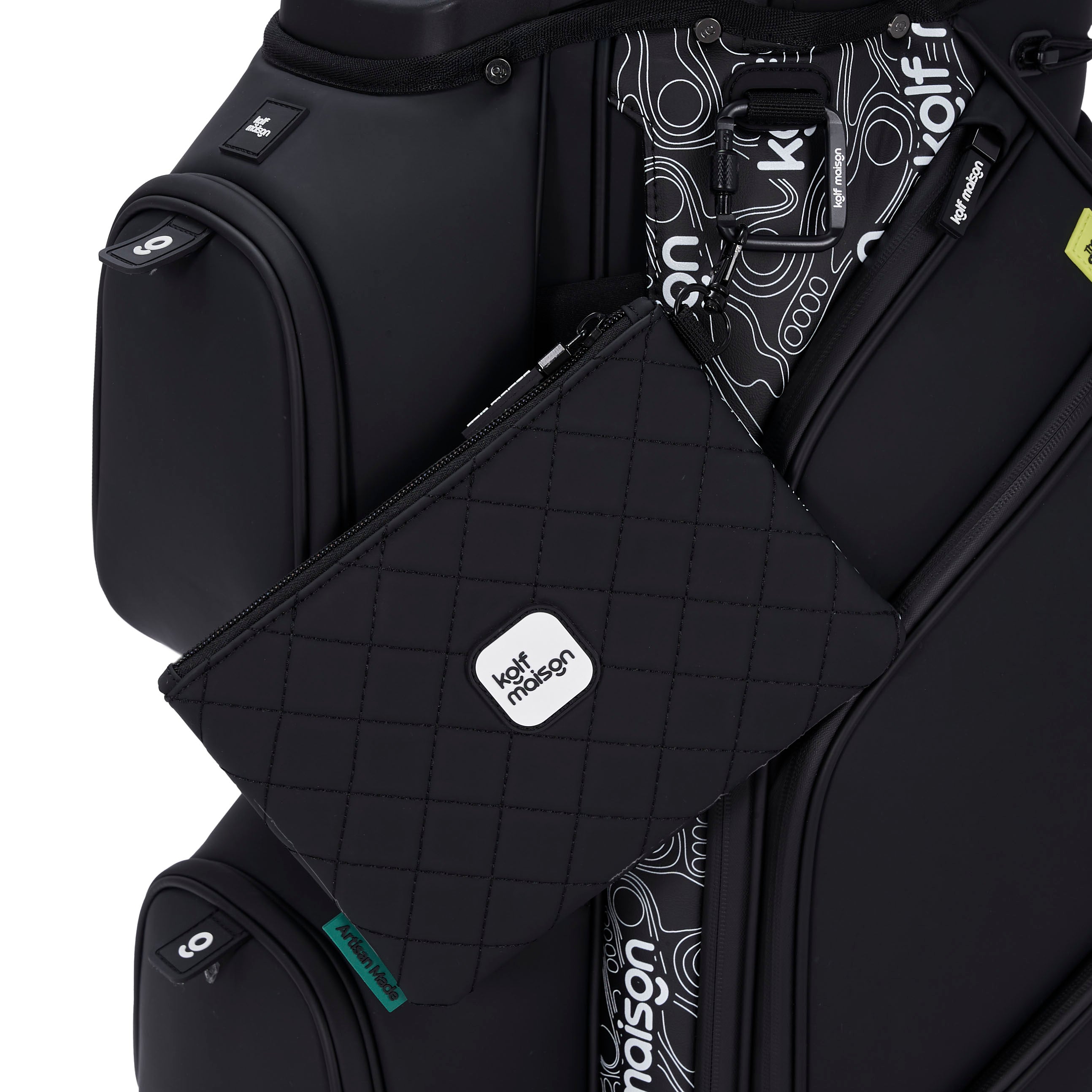


Share:
Golf Gloves for Wet and Rainy Conditions: What Actually Works
How to Clean Golf Head Covers: The Complete Guide