



How to Store a Golf Bag Between Seasons Without Damaging It
For golfers in seasonal climates, there are typically two or three months per year when the bag sits rather than plays. What happens during those months has a significant effect on the bag's condition when the season restarts — and on how long the bag lasts overall.
The golfer who puts the bag away clean, dry, and properly stored emerges in spring with a bag that looks and functions as it did in autumn. The golfer who leans it against a garage wall with damp clubs inside and a half-eaten energy bar in the ball pocket emerges with a different story.
This guide covers the complete off-season storage protocol, step by step.
Step 1: Remove Everything
Before any cleaning or conditioning, completely empty the bag. Every pocket. Balls, tees, gloves, divot tools, scorecards, business cards, receipts, protein bars, loose change, and anything else that has accumulated over the season. Check the valuables pocket last — rings and watches have been found in off-season bags months after the owner thought they lost them.
Remove the clubs and store them separately. Clubs should not be stored in a bag for extended periods — any moisture on the club faces or shafts will transfer to the divider material and bag interior over months of storage. Clean club faces and dry the grips thoroughly before any long-term storage regardless of where they end up.
The optimal divider layout for loading and unloading is covered in the bag organisation guide. This is a good moment to reset the organisation so the bag is ready to use correctly from day one of the new season.
Step 2: Clean the Exterior
The exterior fabric of a premium bag accumulates a season's worth of grass clippings, sand, mud, sunscreen residue, and general outdoor contamination. Left in contact with the fabric through the off-season, these materials can cause premature wear, discolouration, and degradation of any water-resistant treatment.
| Area | Cleaning Method | What to Avoid |
| Outer fabric | Soft brush to remove dry debris, then damp cloth with mild soap; rinse with clean water, air dry fully | Harsh detergents, bleach, pressure washer |
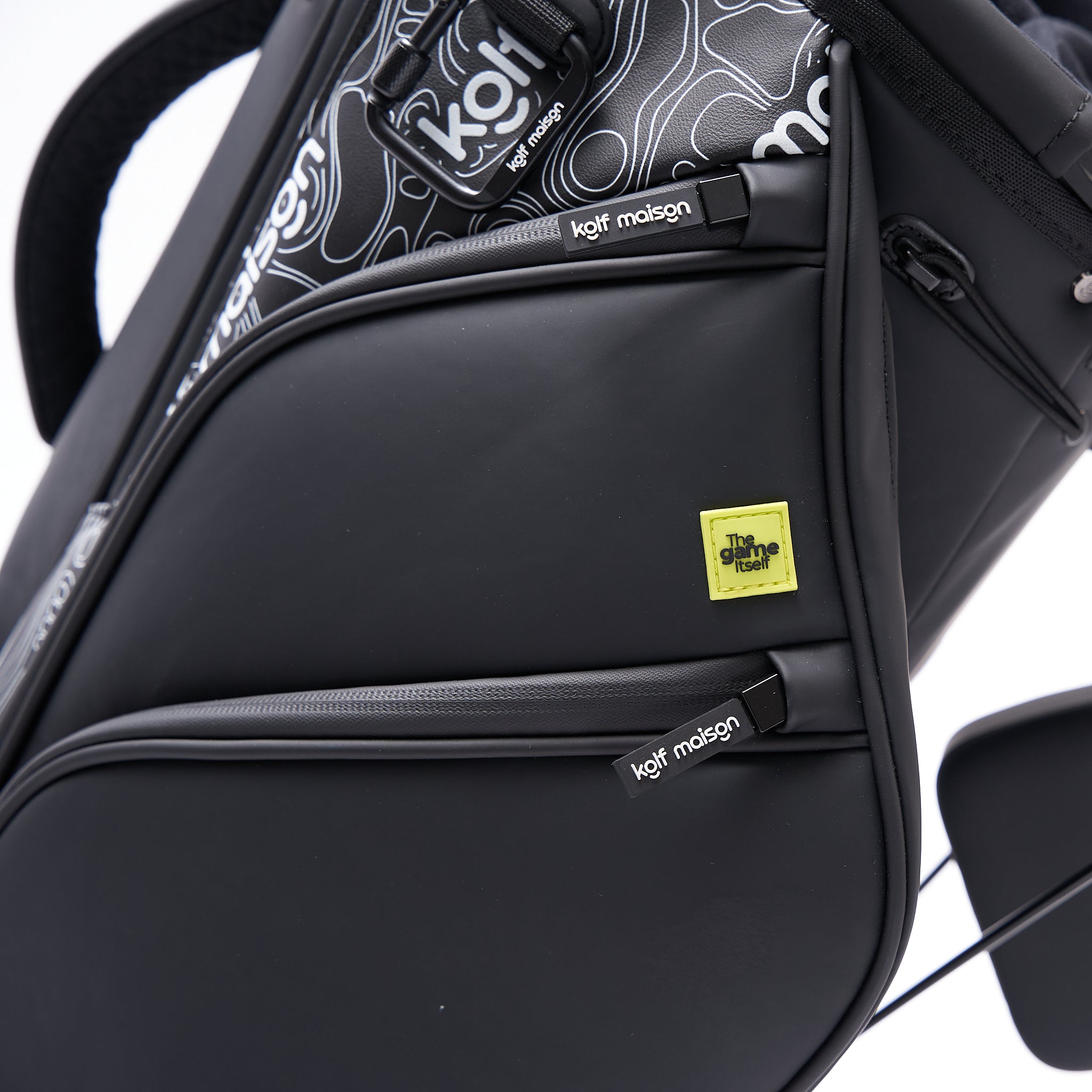
| Zippers | Soft brush along teeth; apply zipper lubricant (wax-based) to keep teeth moving freely | WD-40 or petroleum-based lubricants (degrade zipper material over time) |
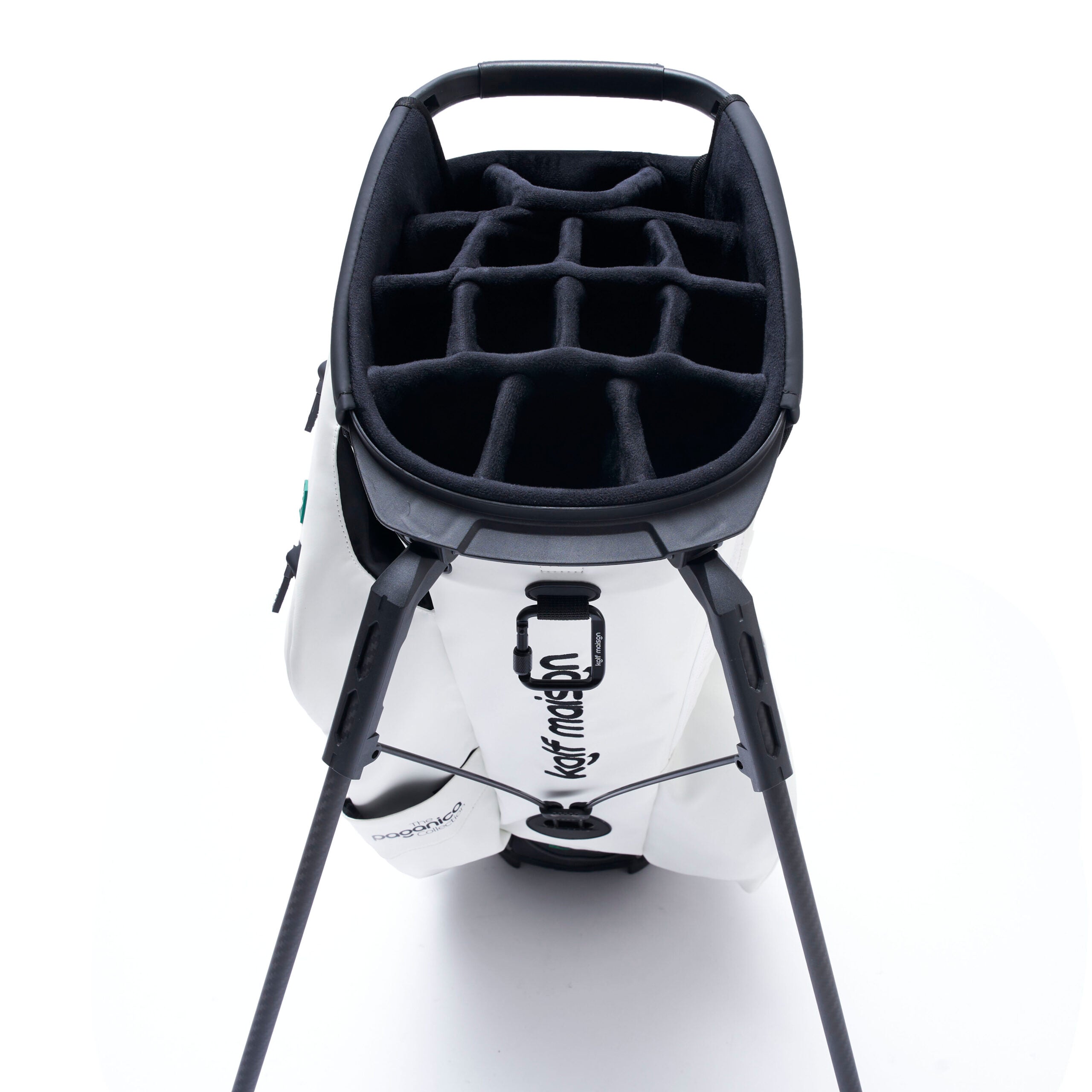
| Stand mechanism | Wipe legs and pivot area with damp cloth; deploy and retract several times to clear any debris from the spring channel | Do not lubricate the pivot with heavy oil — attracts grit |
| Pocket interiors | Turn inside out if possible; brush out crumbs and debris; wipe with lightly damp cloth; allow to dry completely | Do not use wet cloth on interior fabric — must dry fully before closing |
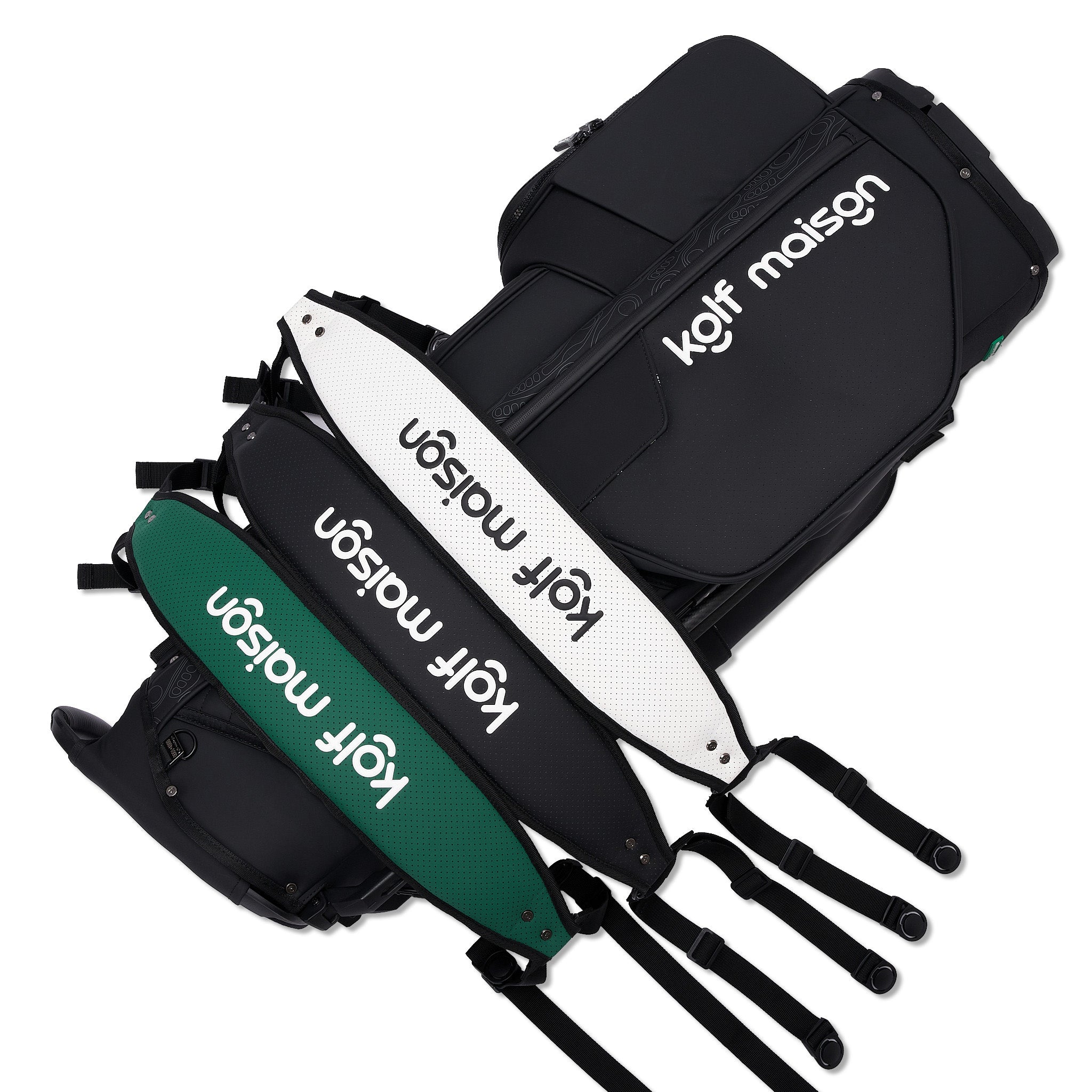
| Straps | Wipe with damp cloth; check padding for compression and attachment points for stitching wear | Soaking — padding may not dry completely if saturated |
Step 3: Restore Water Resistance
Most premium bag fabrics use a DWR (Durable Water Repellent) treatment that causes water to bead and run off rather than soaking in. This treatment degrades with use and washing. The off-season is the optimal time to reapply it — the bag will be ready for the season's first wet round from day one.
Apply a spray-on DWR treatment designed for synthetic fabrics (available from outdoor equipment retailers) to the clean, dry exterior. Allow to dry completely — ideally 24 hours — before storage. This is a ten-minute task that protects the bag's weather performance for the entire following season.
Step 4: The Storage Environment
Where you store the bag matters as much as how you prepare it. The three environmental enemies of premium golf bags in storage are humidity, direct light, and temperature extremes.
Humidity causes mildew in fabric interiors, accelerates metal corrosion on zippers and hardware, and promotes rubber and foam degradation in stand mechanism components. If your storage area runs humid, use a dehumidifier or silica gel packets inside the bag to manage moisture.
Direct sunlight causes UV-driven colour fade in exterior fabric and can degrade synthetic materials over an extended storage period. Store in a dark area or cover the bag with a breathable fabric cover if light cannot be avoided.
Temperature extremes — particularly freeze-thaw cycles — stress adhesives, foam, and rubber components. An unheated garage in a cold climate is not a suitable long-term storage environment for a premium bag. A climate-stable room, wardrobe, or bag rack in the house is significantly better.
The Storage Checklist
1. Empty completely. 2. Clean exterior, zippers, stand mechanism, and pocket interiors. 3. Air dry fully. 4. Reapply DWR treatment. 5. Open zippers. 6. Store vertically in climate-stable, dark location. 7. Check humidity and temperature. Done. Your bag will emerge next season exactly as you left it.
Step 5: Store Vertically, Zippers Open
Store the bag standing on its base, as it would sit on the course. Horizontal storage causes long-term shape distortion in the bag body and puts uneven pressure on the stand mechanism legs. Vertical storage is how the bag is designed to rest — it distributes pressure correctly through the base and allows any residual moisture to settle rather than pool.
Leave the zippers open. Closed zippers under no load for months develop set — the teeth stay in position and the zipper can become harder to run smoothly when reopened. Open zippers during storage releases this tension and keeps the mechanism in better condition.
The Accessories During Off-Season
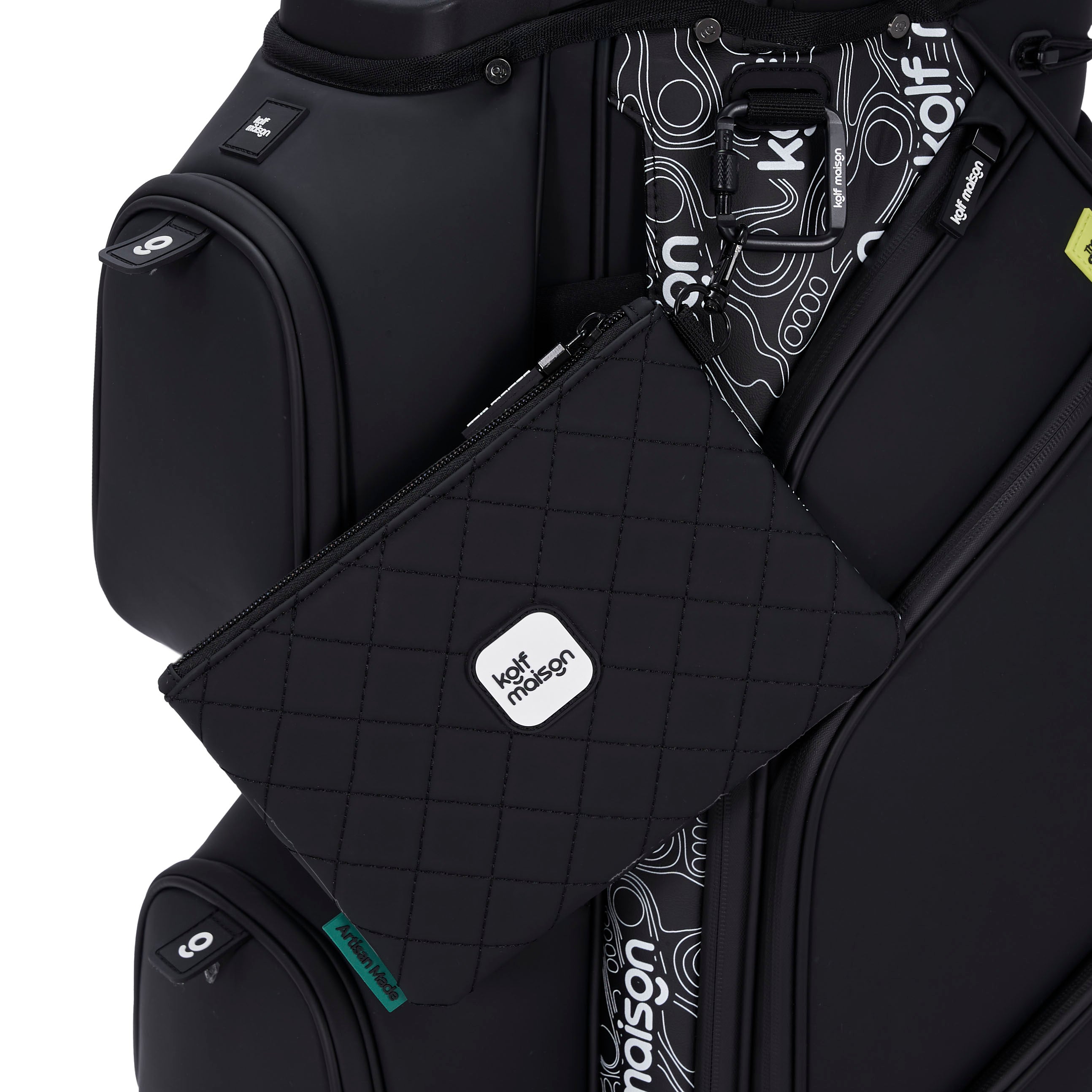
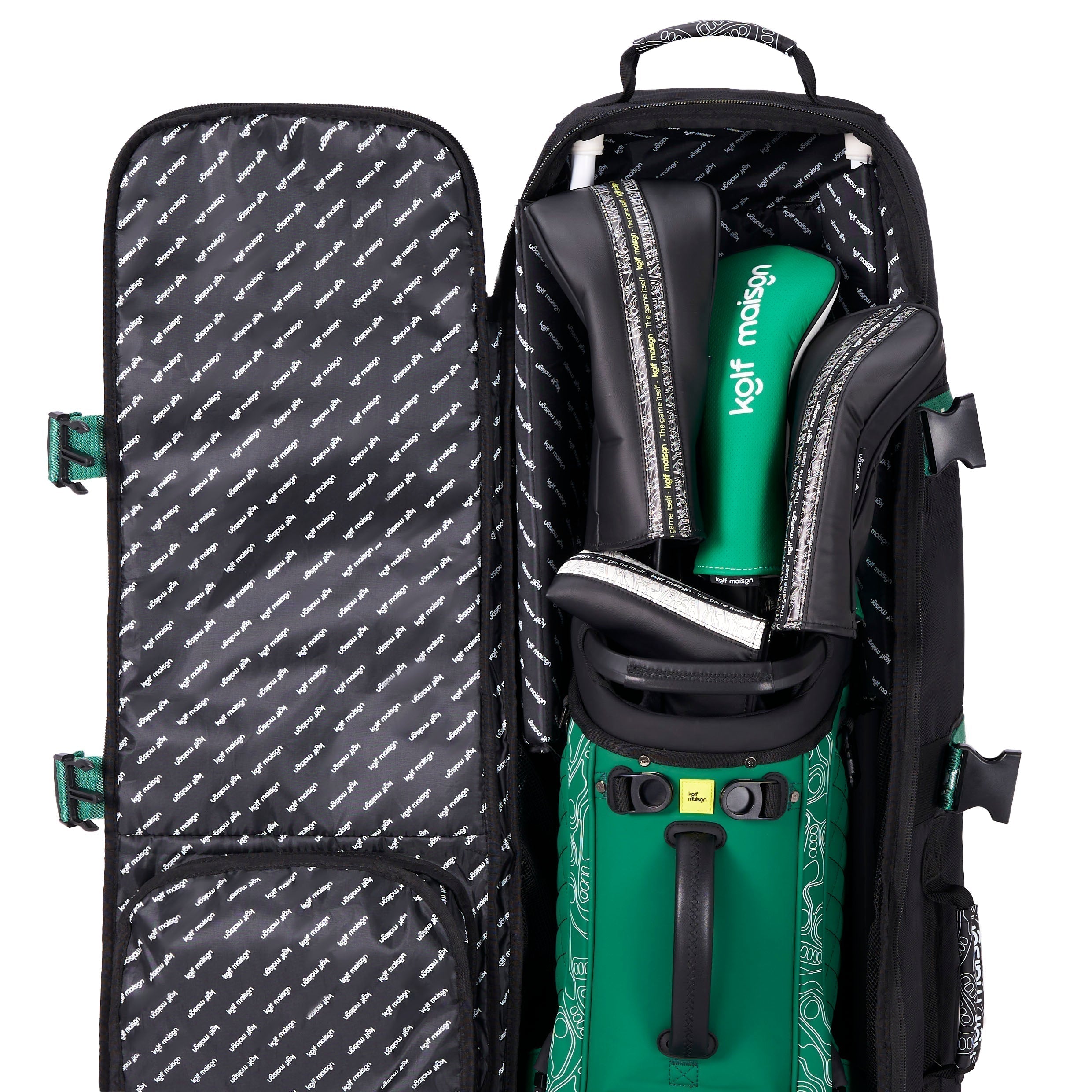
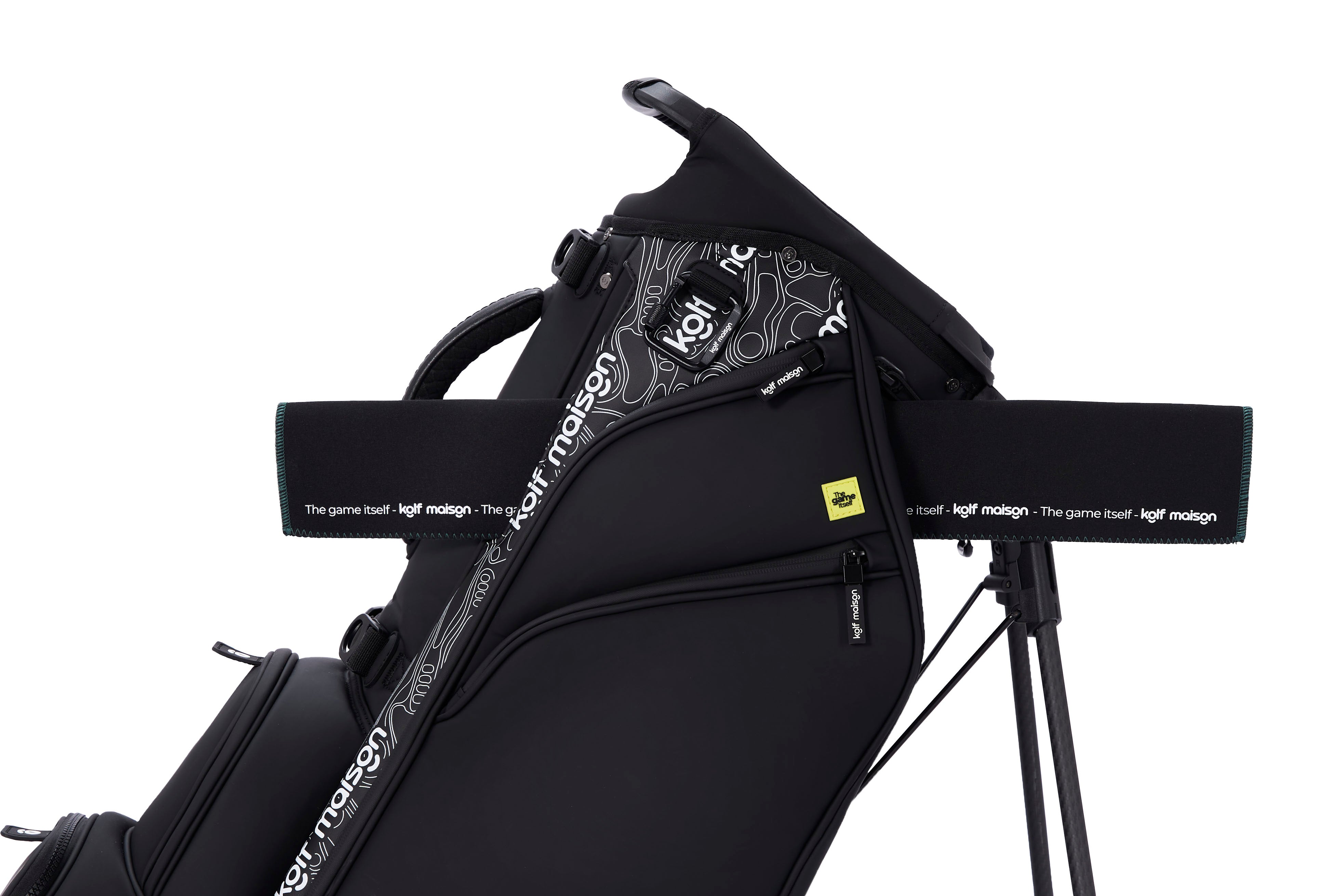
The Kolf Maison accessories — divot tool, ClingSnap towel set, valuables pouch, and cart strap sleeve — should be stored separately from the bag during the off-season. This allows each item to be cleaned individually and ensures nothing in the accessory set transfers moisture, odour, or contamination to the bag interior during storage.
The ClingSnap magnetic towel set should be washed and fully dried before storage. Magnetic attachments and textiles stored damp can develop mould in folded areas that is difficult to remove without damaging the fabric. The valuables pouch interior should be wiped clean and left with the zip open.
Built to Last Decades, Not Seasons
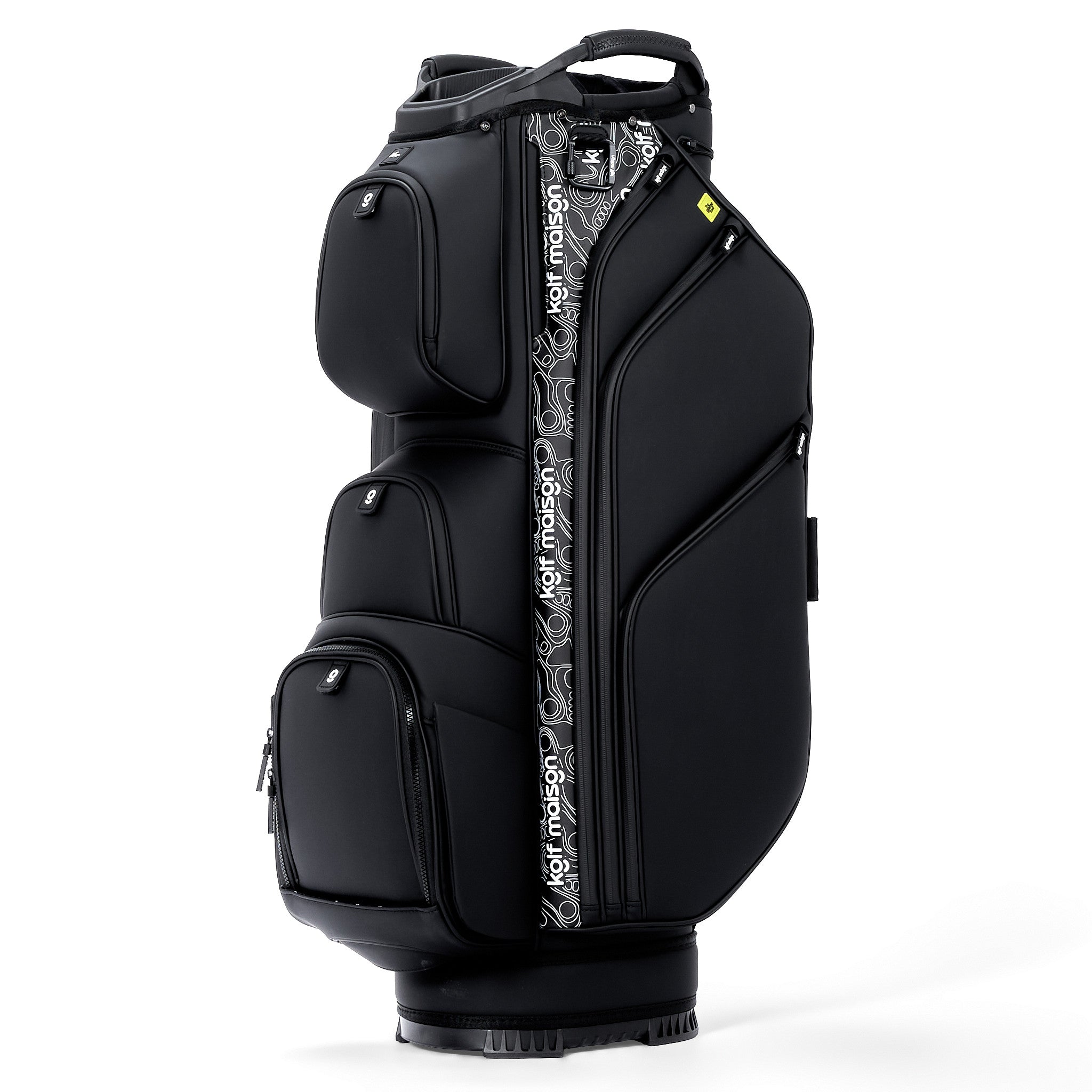
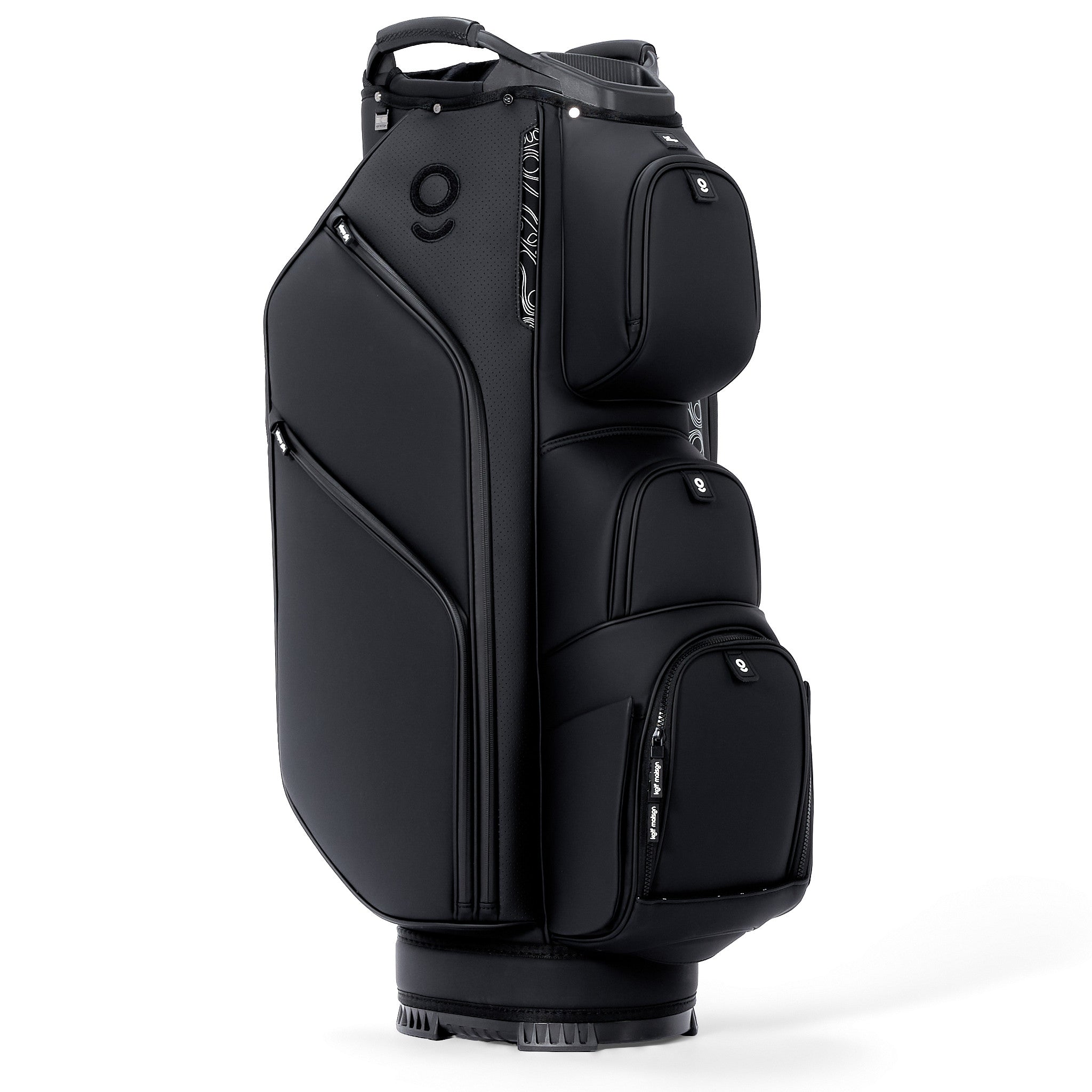
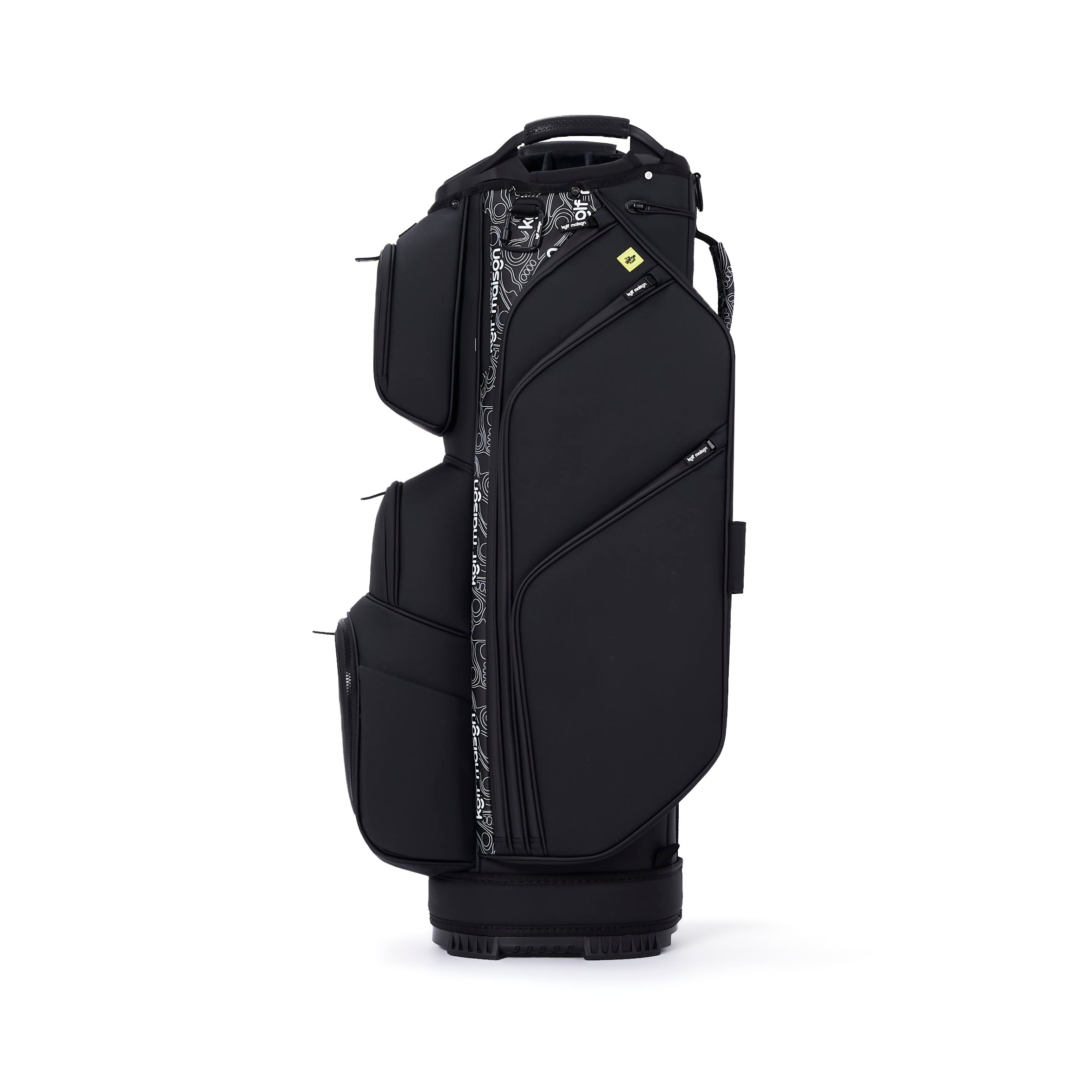
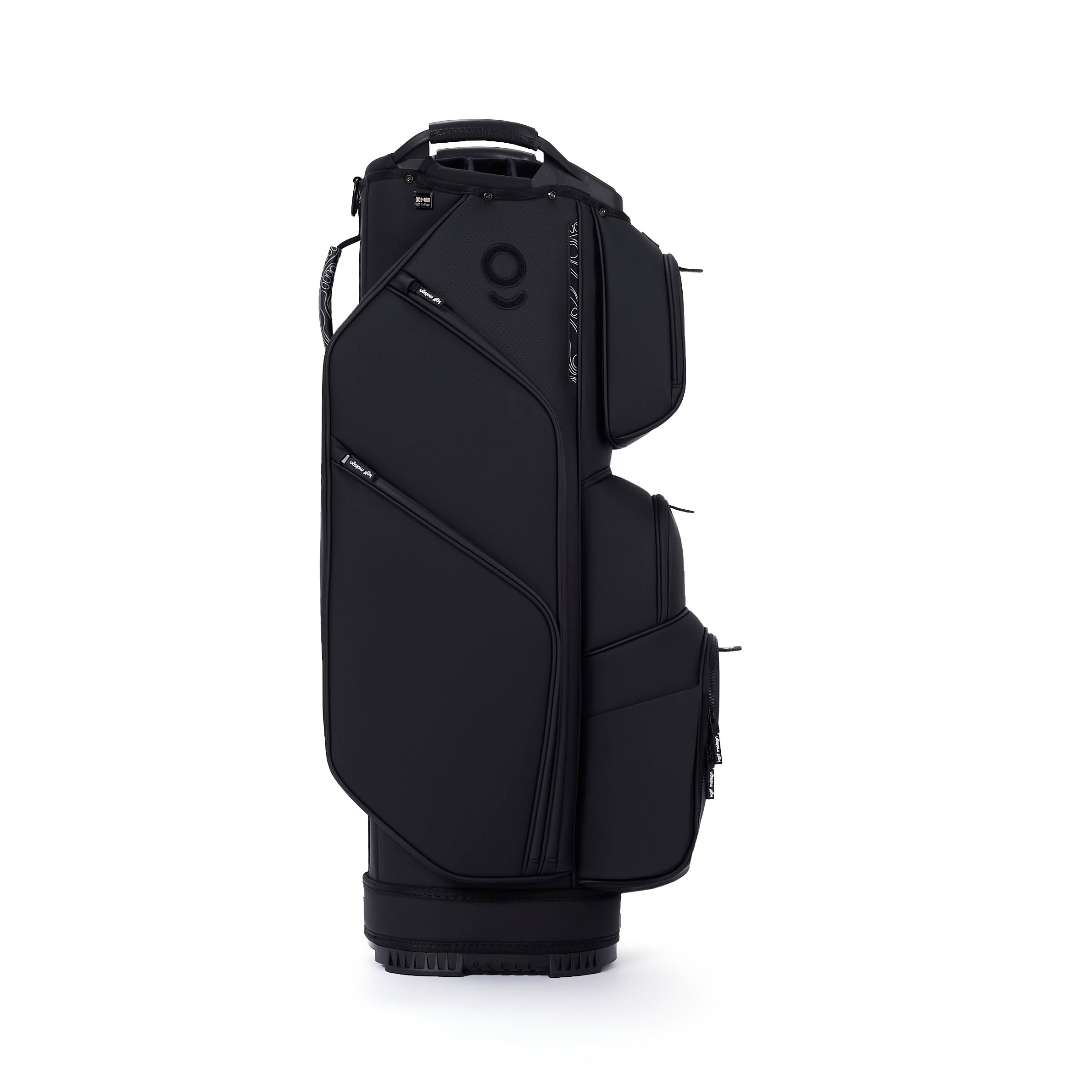
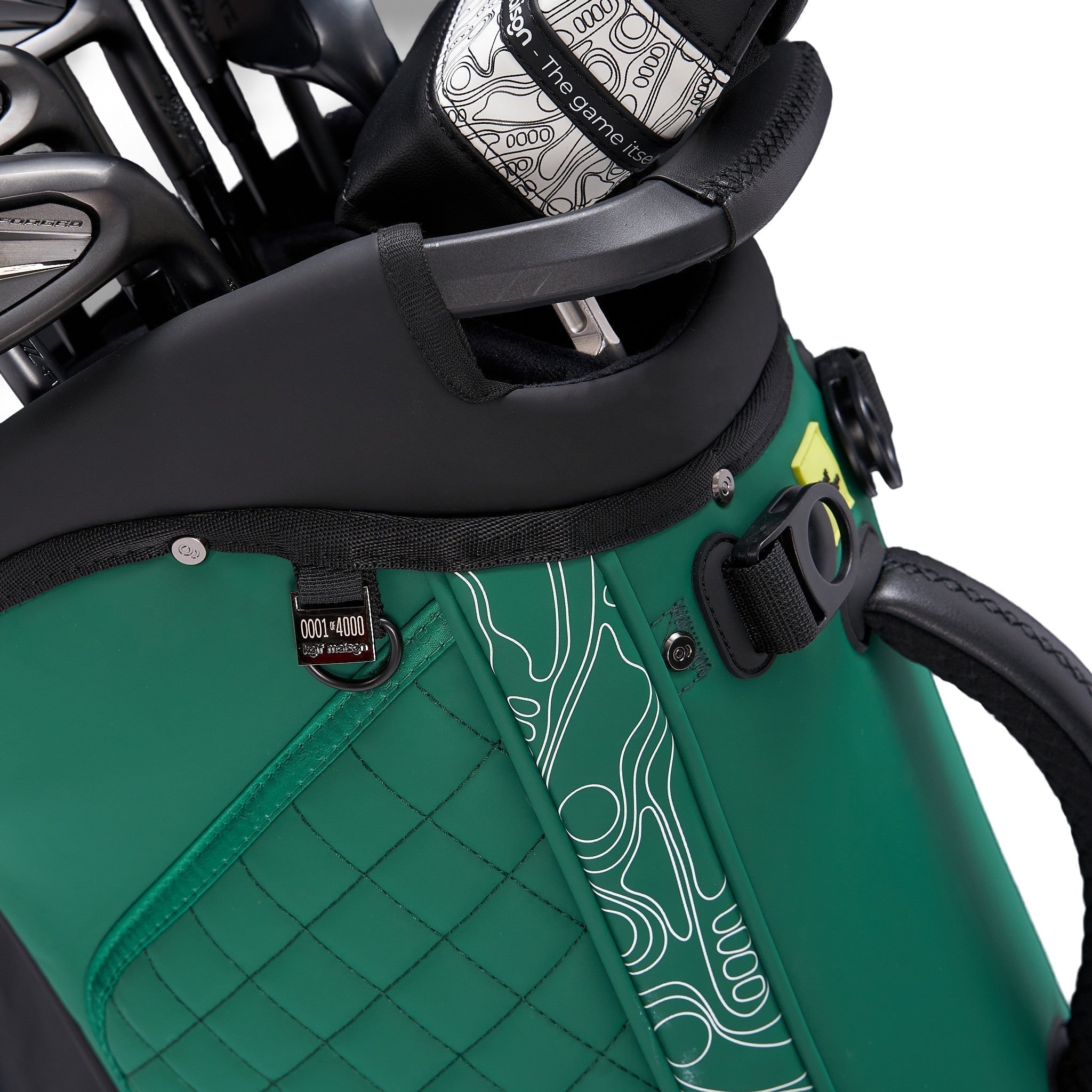
The Kolf Maison Paganica is designed for the golfer who treats their equipment as a long-term investment. Serial numbered. Limited to 4,000 per year. Rated 4.98/5 by 81 verified buyers. The bag that looks the same in year ten as year one — if you store it right.
View the Paganica Stand Bag →Frequently Asked Questions
Should I leave my clubs in the bag during off-season storage?
No. Clubs should be removed, cleaned, and stored separately. Any moisture on club faces or shafts will transfer to the divider material and bag interior over an extended storage period and can cause mildew, odour, and fabric degradation.
Is a garage suitable for golf bag storage?
Only if the garage is climate-stable. An unheated, uninsulated garage in a cold or damp climate exposes the bag to humidity, freeze-thaw cycles, and temperature extremes that degrade fabric, foam, and rubber components. A climate-stable indoor space is significantly better for long-term storage of a premium bag.
How do I clean golf bag zippers for storage?
Brush along the teeth with a soft brush to remove grit, then apply a wax-based zipper lubricant along the teeth and run the zip several times to distribute it. Leave zippers open during storage to release tension. Avoid petroleum-based lubricants, which degrade zipper material over time.
Does storing a golf bag horizontally cause damage?
Over months of storage, horizontal storage can cause shape distortion in the bag body and puts uneven load on the stand mechanism legs. Vertical storage on the bag base is how the bag is designed to rest and is the correct orientation for any extended period.
How do I restore the water resistance of my golf bag?
Apply a spray-on DWR (Durable Water Repellent) treatment to the clean, dry exterior fabric before storage or at the start of the new season. Products designed for synthetic outdoor fabrics are widely available from outdoor equipment retailers. Allow 24 hours to cure before use. This restores the water-beading performance of the original fabric treatment.


Share:
The Best Luxury Golf Stand Bags: Ranked and Reviewed
Corporate Golf Gift Ideas: Premium Bags and Accessories for Client Entertainment