



PING Golf Bags vs Kolf Maison: Engineering Philosophy Compared
PING occupies a distinctive position in golf. The brand built its reputation on engineering precision — the original Ping putter and Beryllium Copper irons were genuinely different products, not just marketing. That engineering identity carries through to how golfers perceive PING bags. The question here is whether the engineering story applies to the bag category with the same rigour it applies to the equipment category.
The PING Bag Range
PING produces the Hoofer and Traverse lines for carry and cart configurations, with prices between $200 and $400 depending on model and configuration. The Hoofer line has been a consistent performer in the stand bag category for many years — the stand mechanism is well regarded, the divider system handles modern equipment without difficulty, and the weight-to-function ratio is competitive.
Materials across the PING range are primarily nylon and polyester, standard for the category at this price tier. The bags are not visually aggressive — PING’s design language tends toward function over fashion, which has earned genuine respect from golfers who value equipment that doesn’t shout.
PING’s Strengths in the Bag Category
The Hoofer stand mechanism has a strong reliability record. The base design allows the bag to sit stably on uneven ground without the forward tipping that affects some competitors’ stand designs. The divider systems provide good club separation without the grip-catching that affects some full-length divider implementations.
For golfers who prioritise engineering function over aesthetic distinction, PING bags deliver a product that performs as stated. The brand’s reputation for standing behind their products adds genuine value — PING customer service has a strong track record.
Where the Engineering Comparison Gets Interesting
PING’s engineering identity in clubs is based on metallurgical precision and fitting science. In bags, the engineering story is primarily about stand mechanism reliability and structural weight distribution — relevant considerations, but not the same depth of differentiation as in the club category.
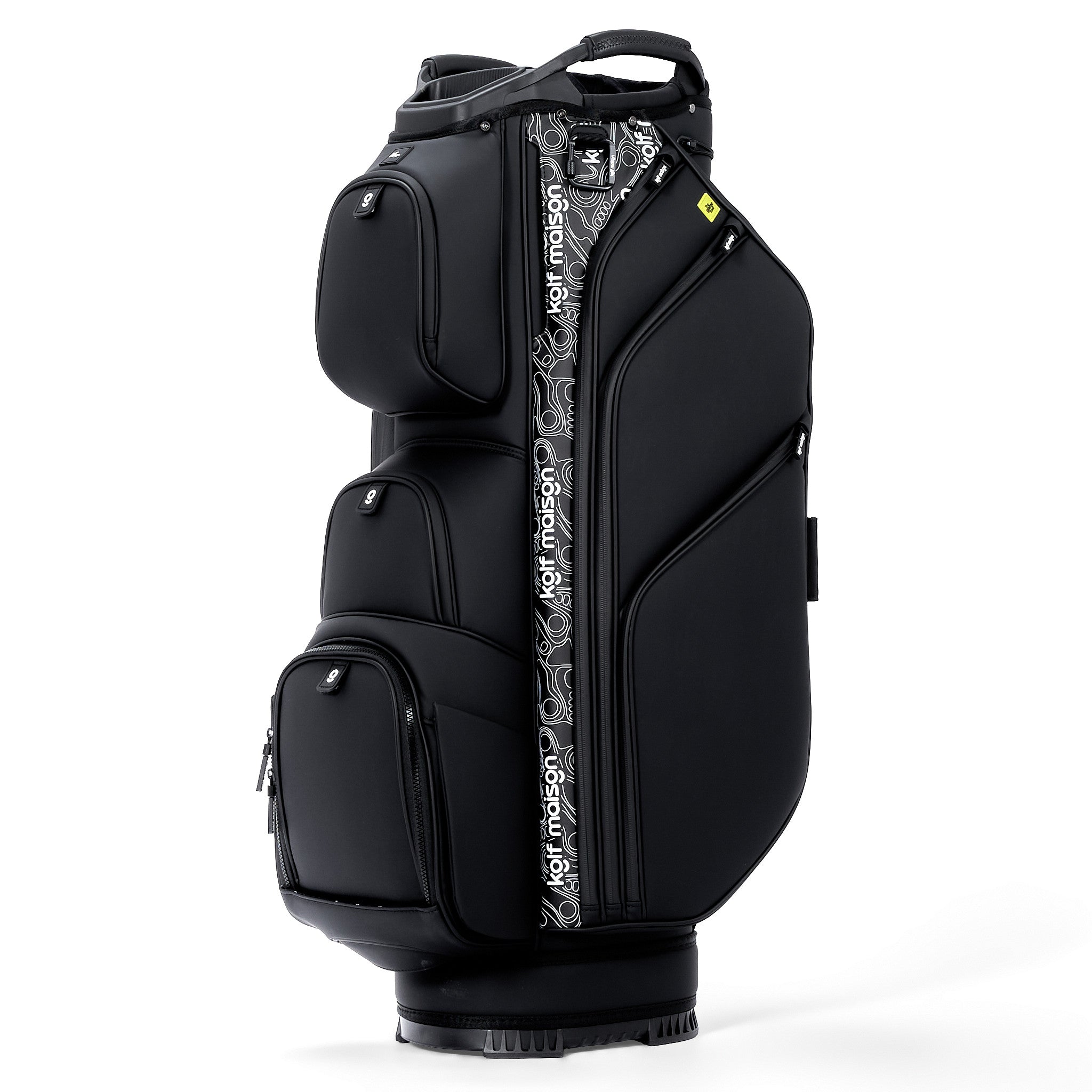
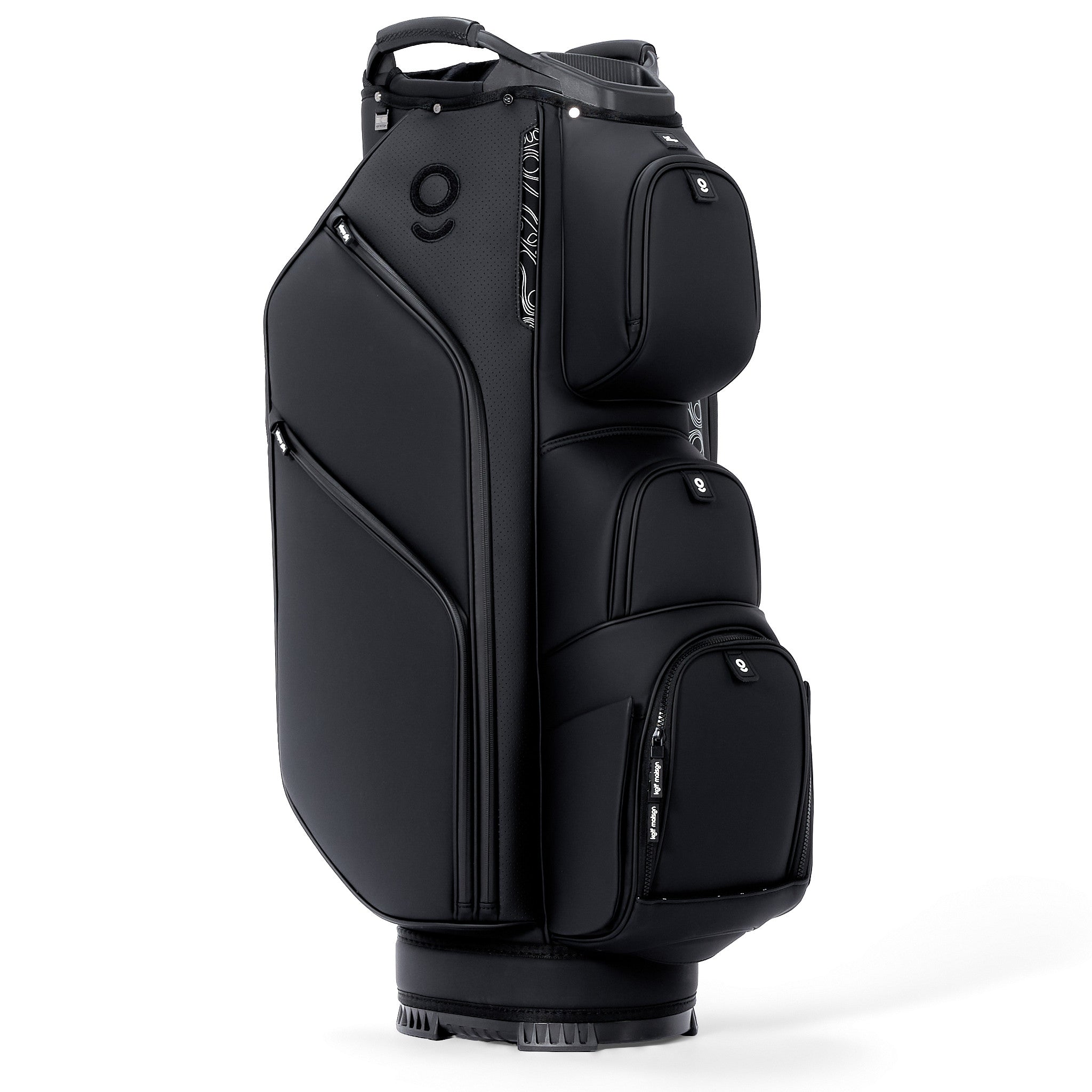
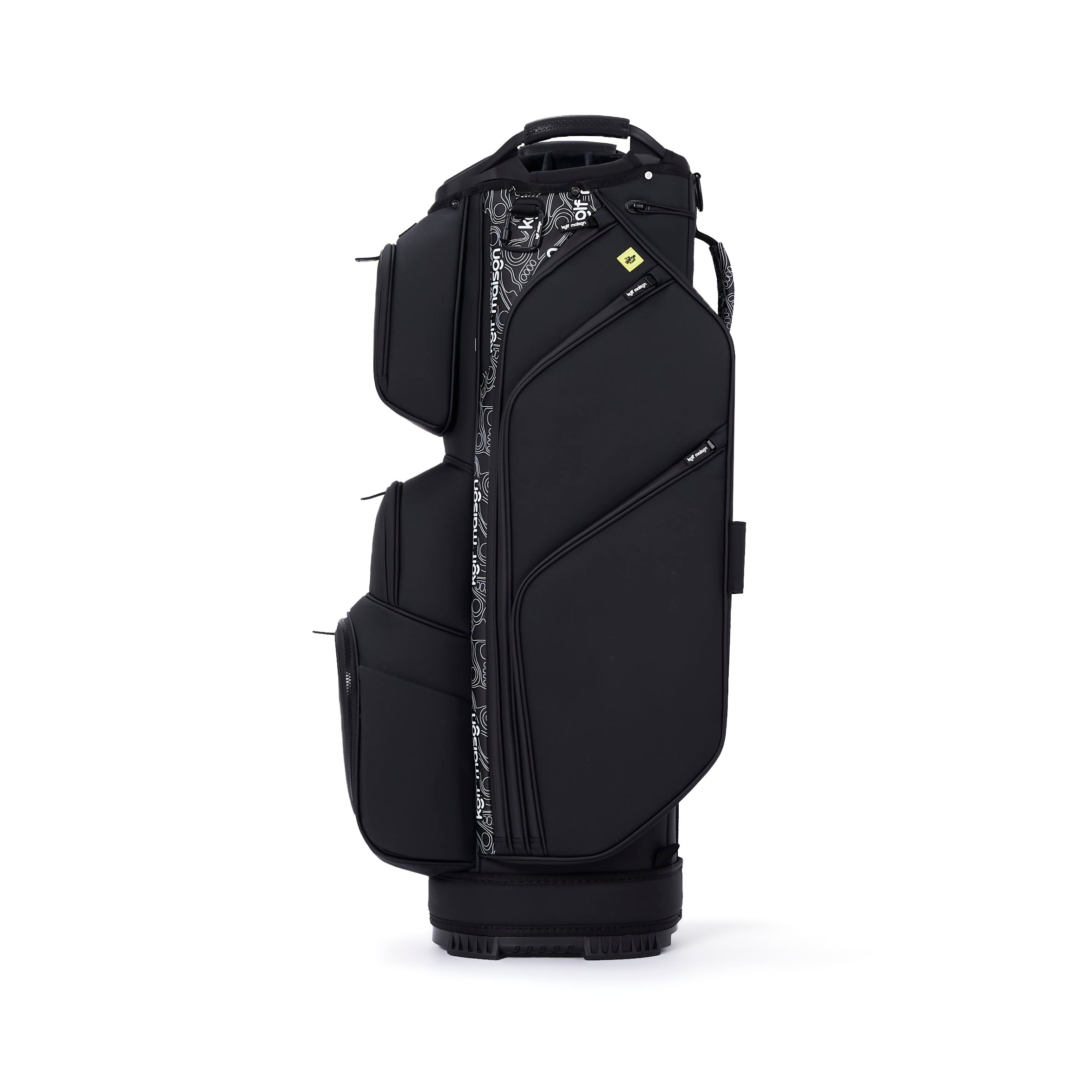
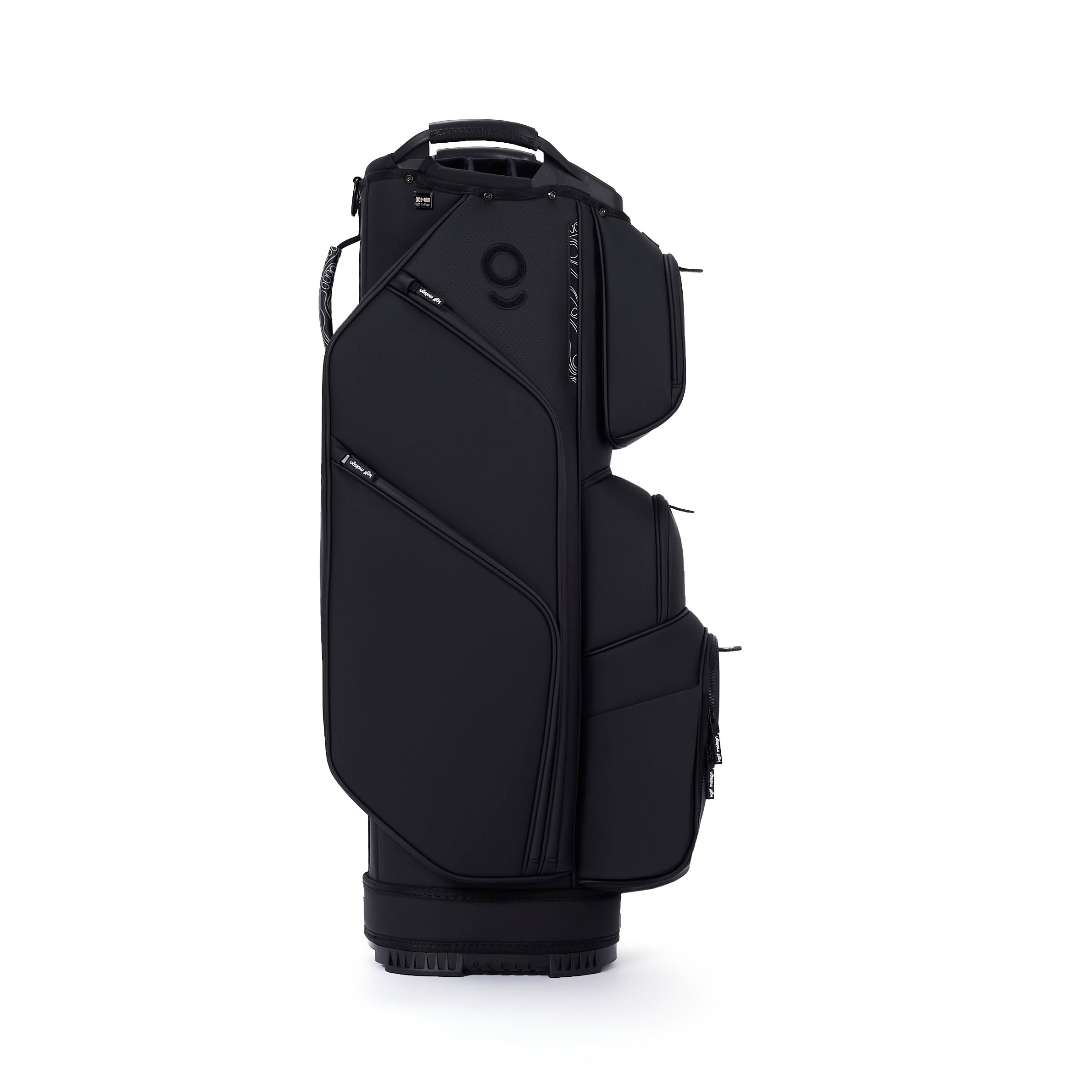
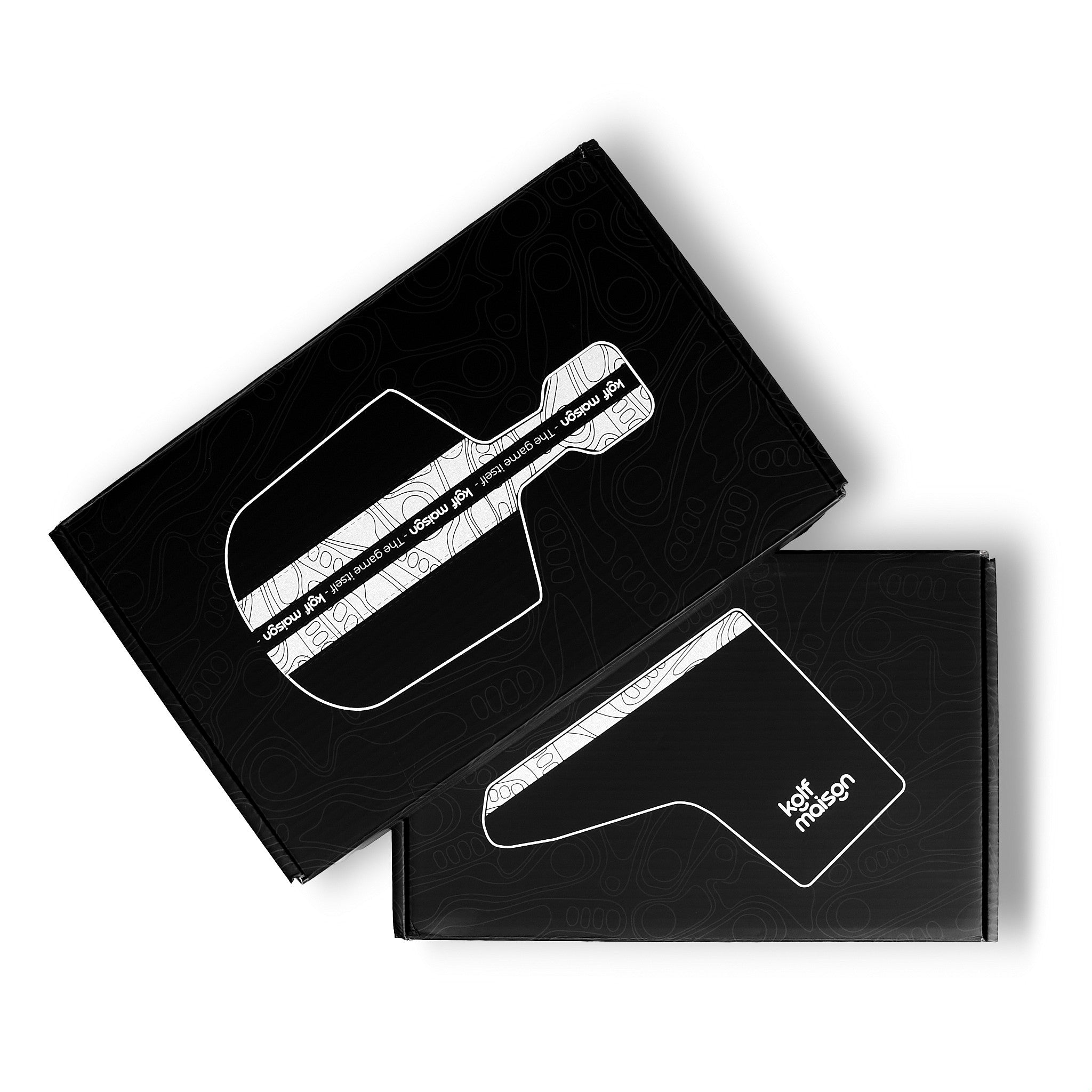
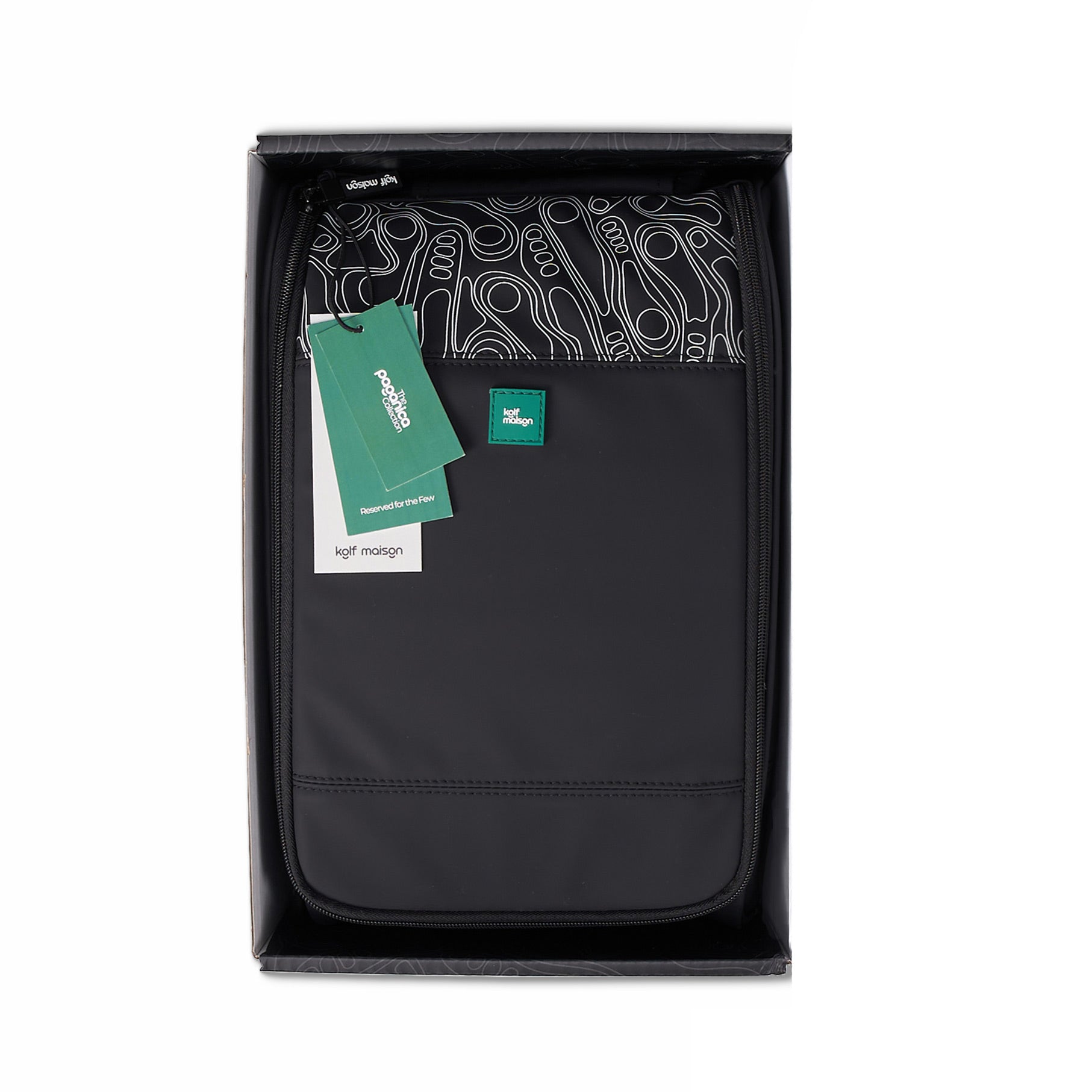
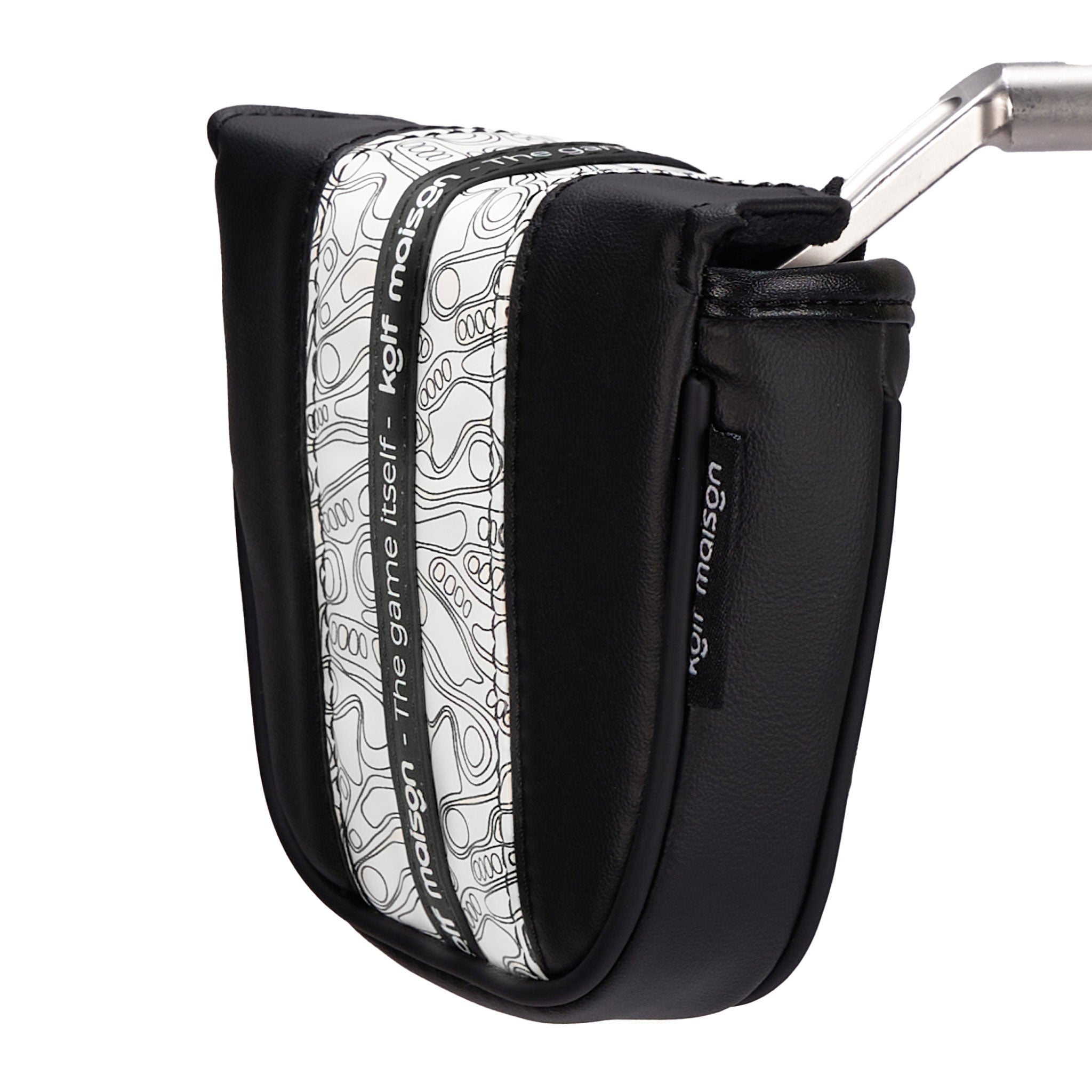
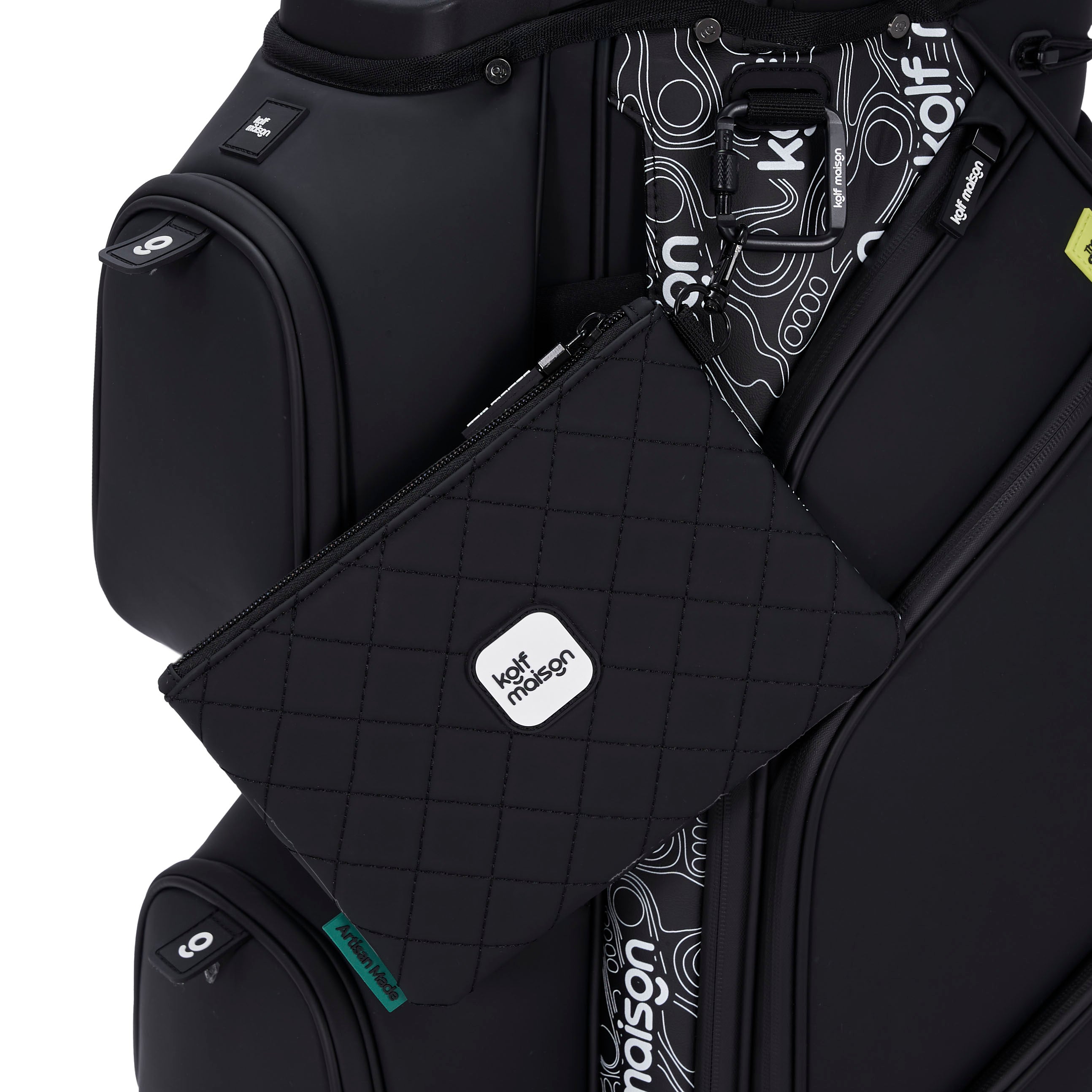
Kolf Maison’s engineering story in bags addresses a different set of problems: what happens to the bag’s materials and structure after years of serious use, not just seasons. The Paganica collection’s material validation goes to a level of specificity that most bag brands simply do not publish.
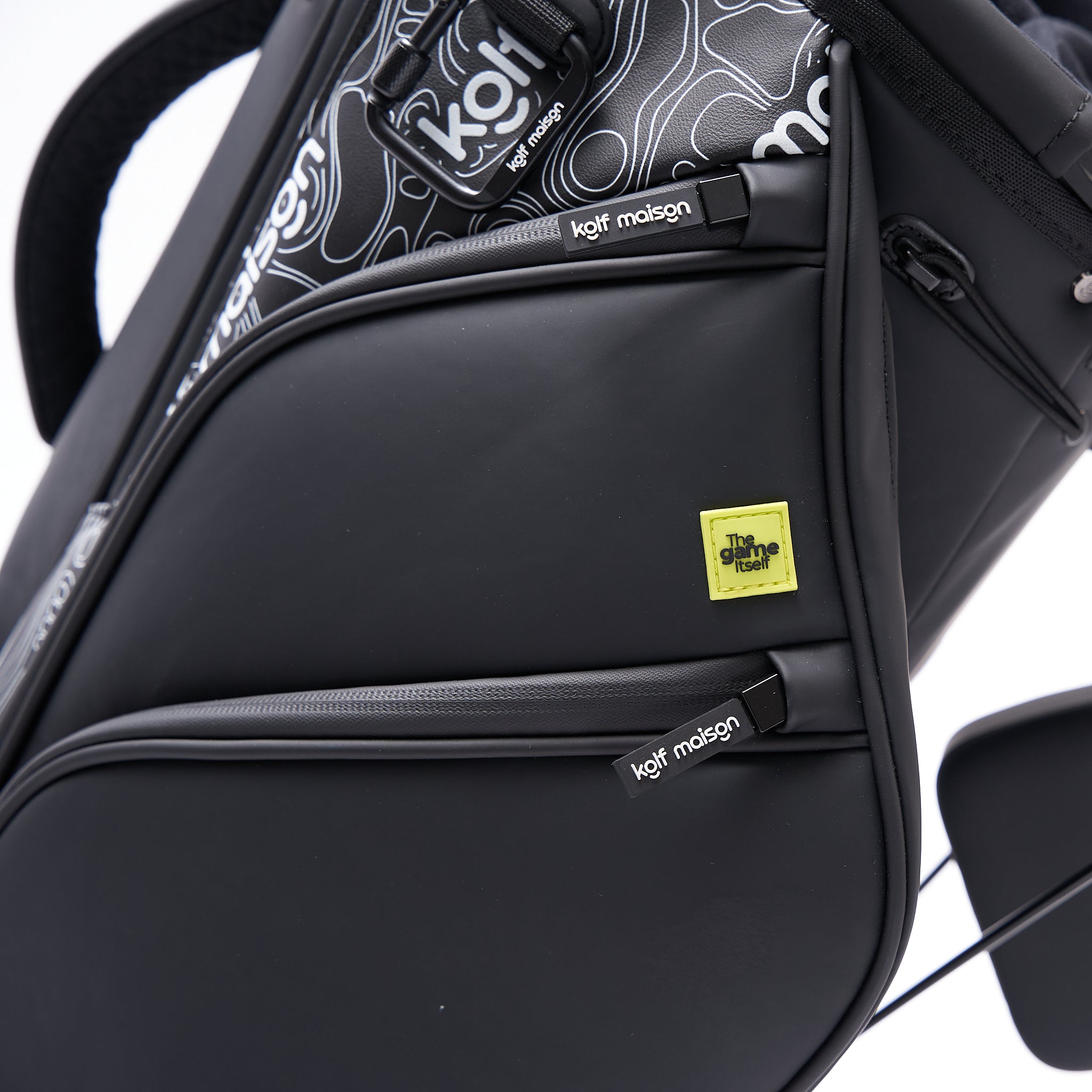
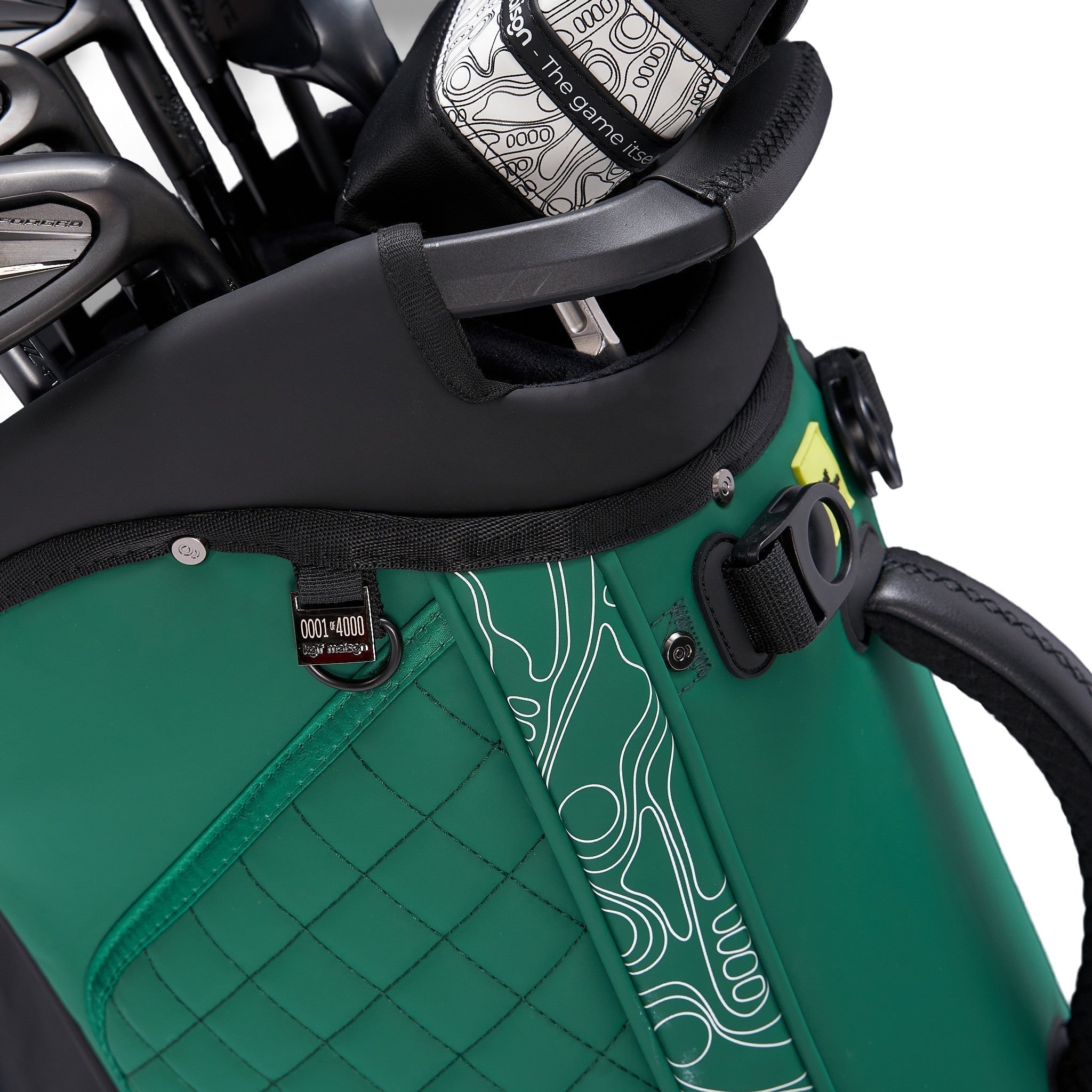
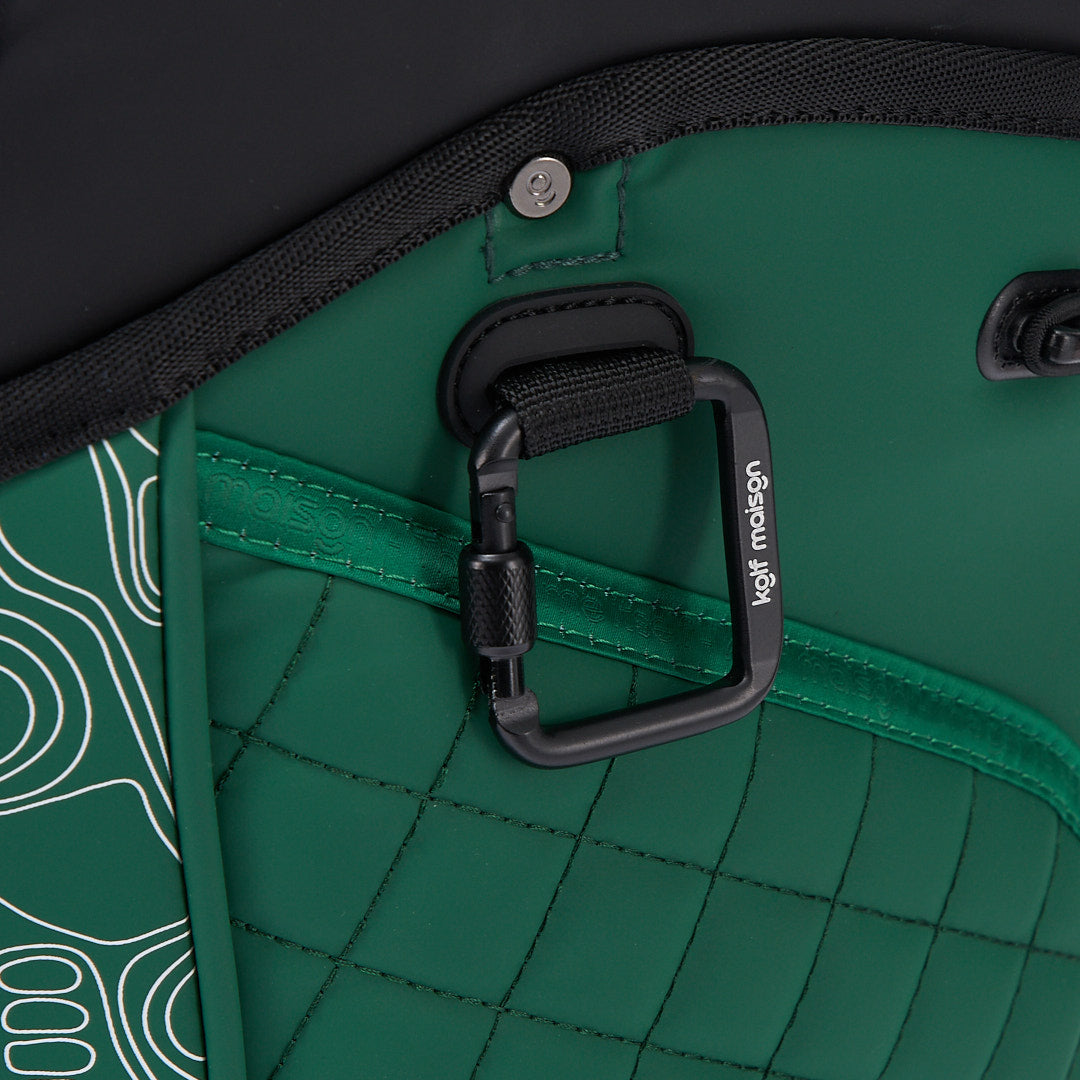
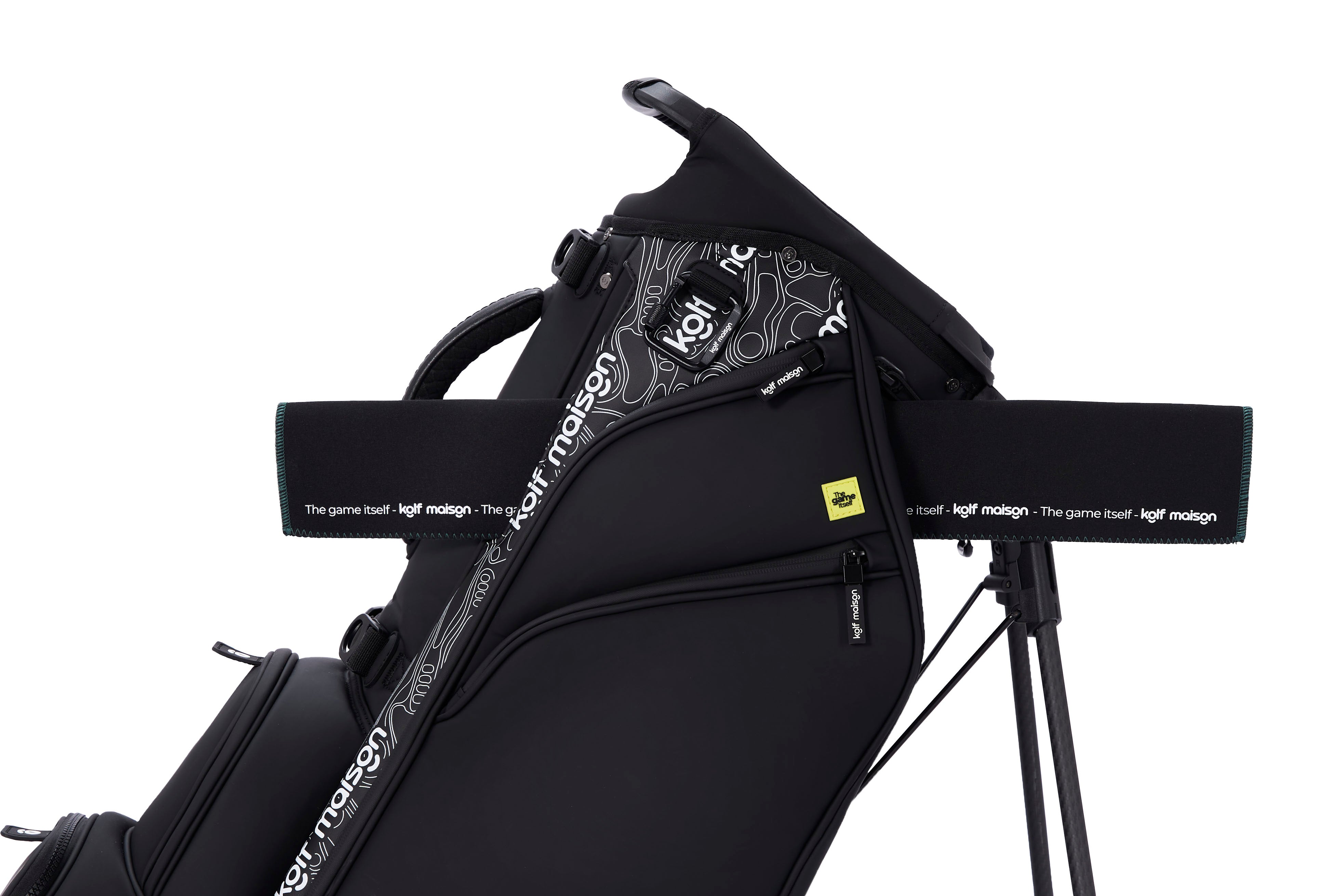
Matte Microfiber Composite Leather exterior: flex endurance beyond 7,000 cycles under ISO 5402 without visible cracking. Abrasion resistance exceeding 4,000 cycles under ASTM D3884. Adhesion and peel strength exceeding 27 newtons per 24 millimetres under ASTM D751. UV stability verified under ISO 105 B02. Color fastness achieving 4.4 out of 5 under ISO 11640 and AATCC 8. Hydrolysis resistance under sustained heat and humidity per ISO 20344.
This is the engineering story that applies to bag longevity in the same way that metallurgical precision applies to club performance. PING solves the club problem exceptionally well. Kolf Maison solves the bag permanence problem.
Interior Construction
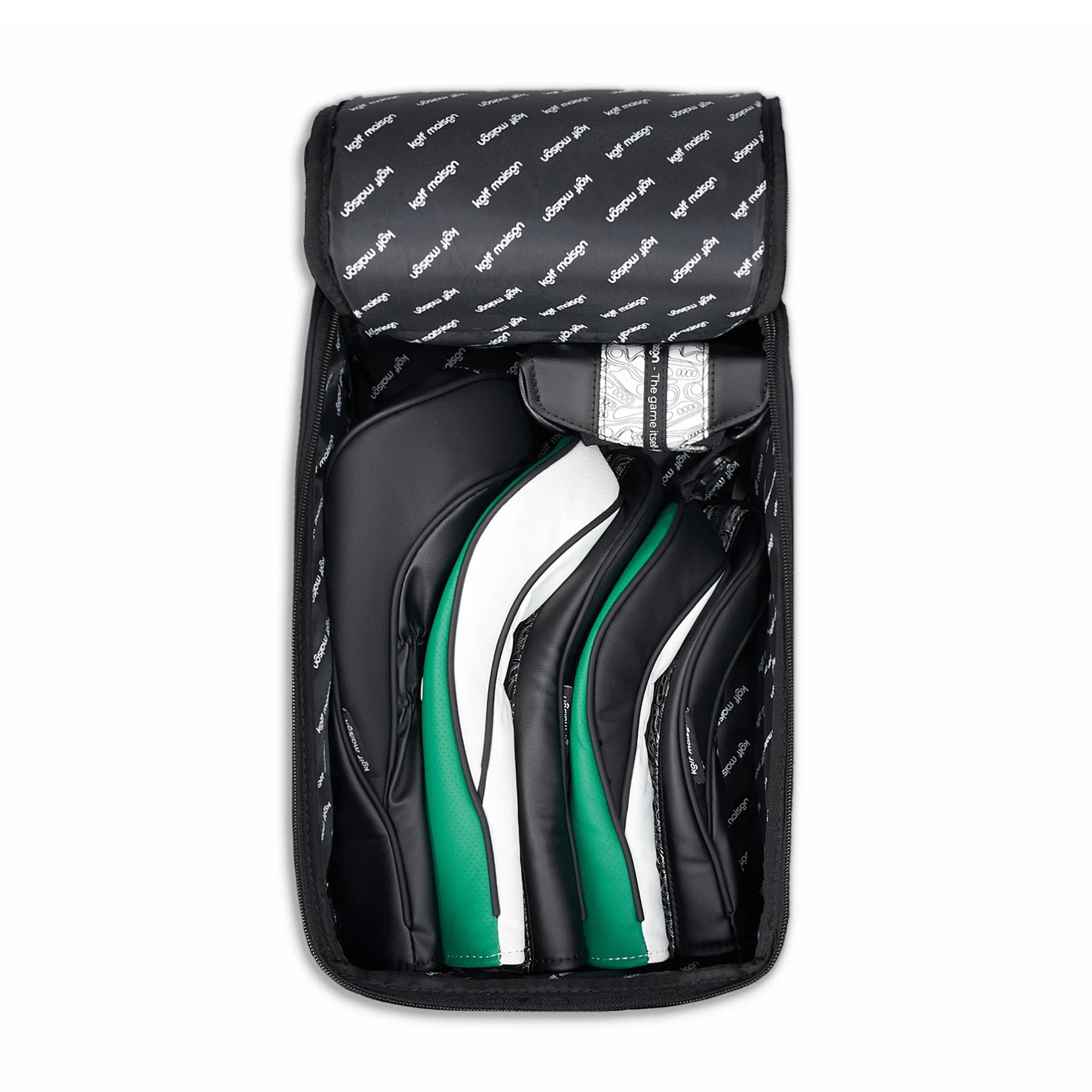
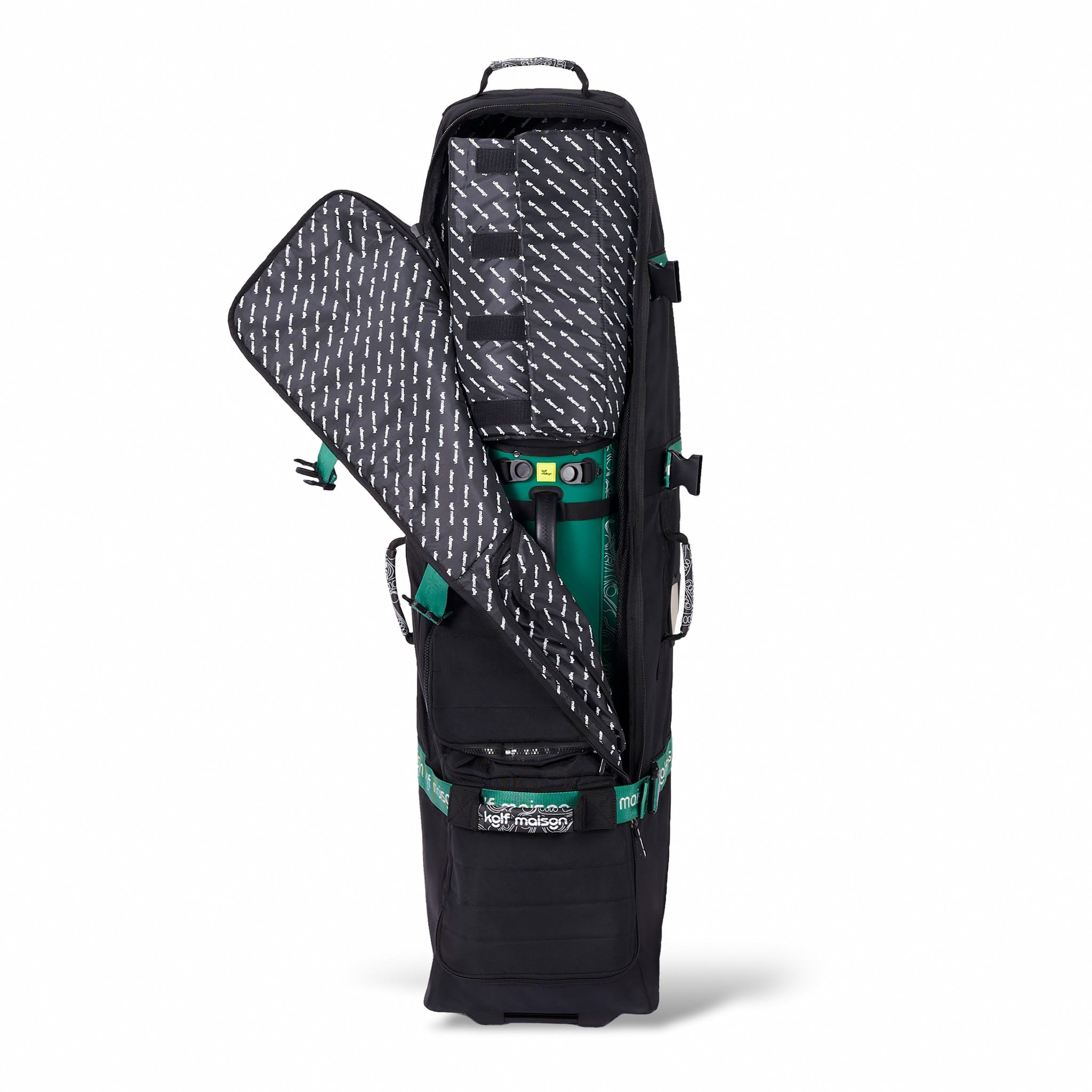
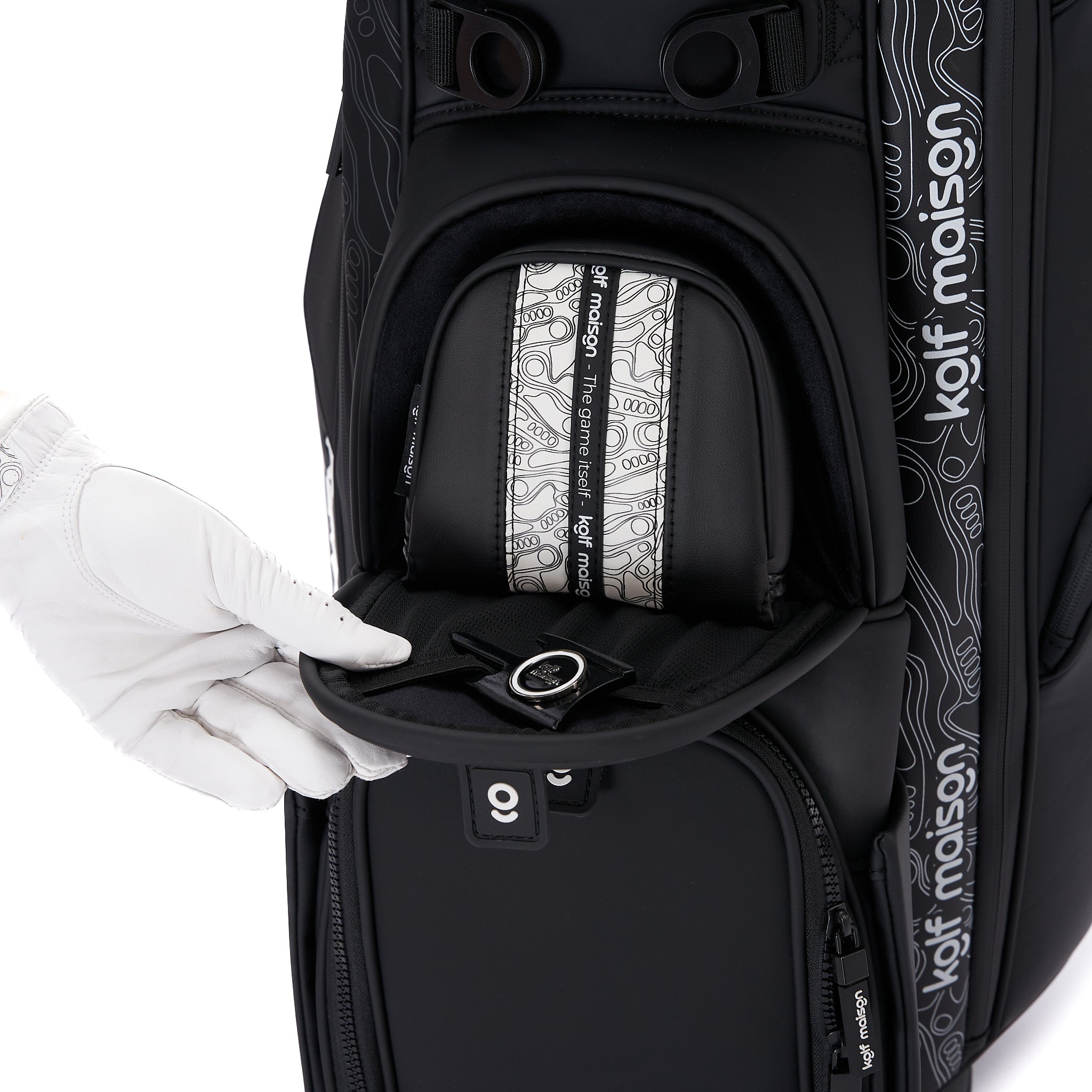
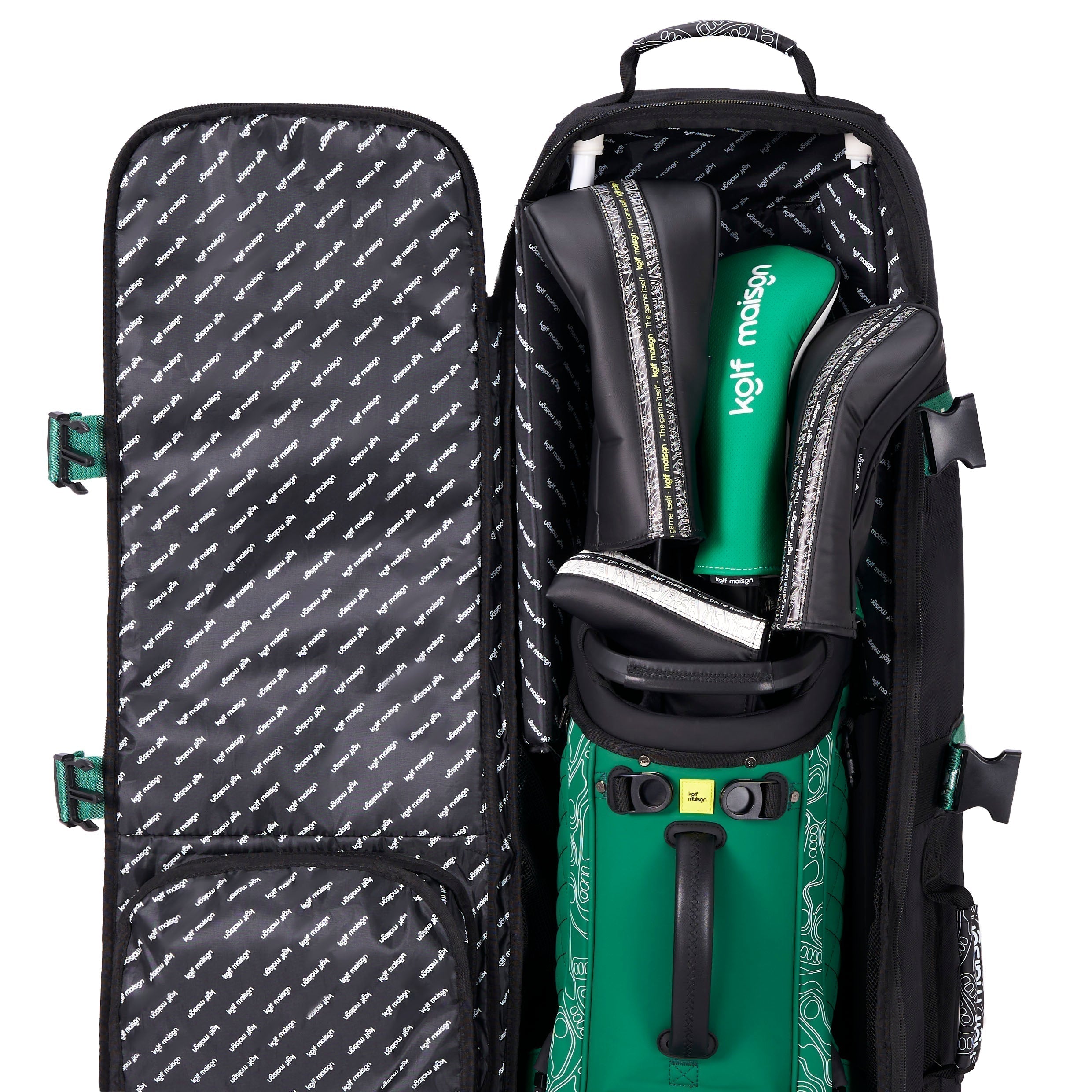
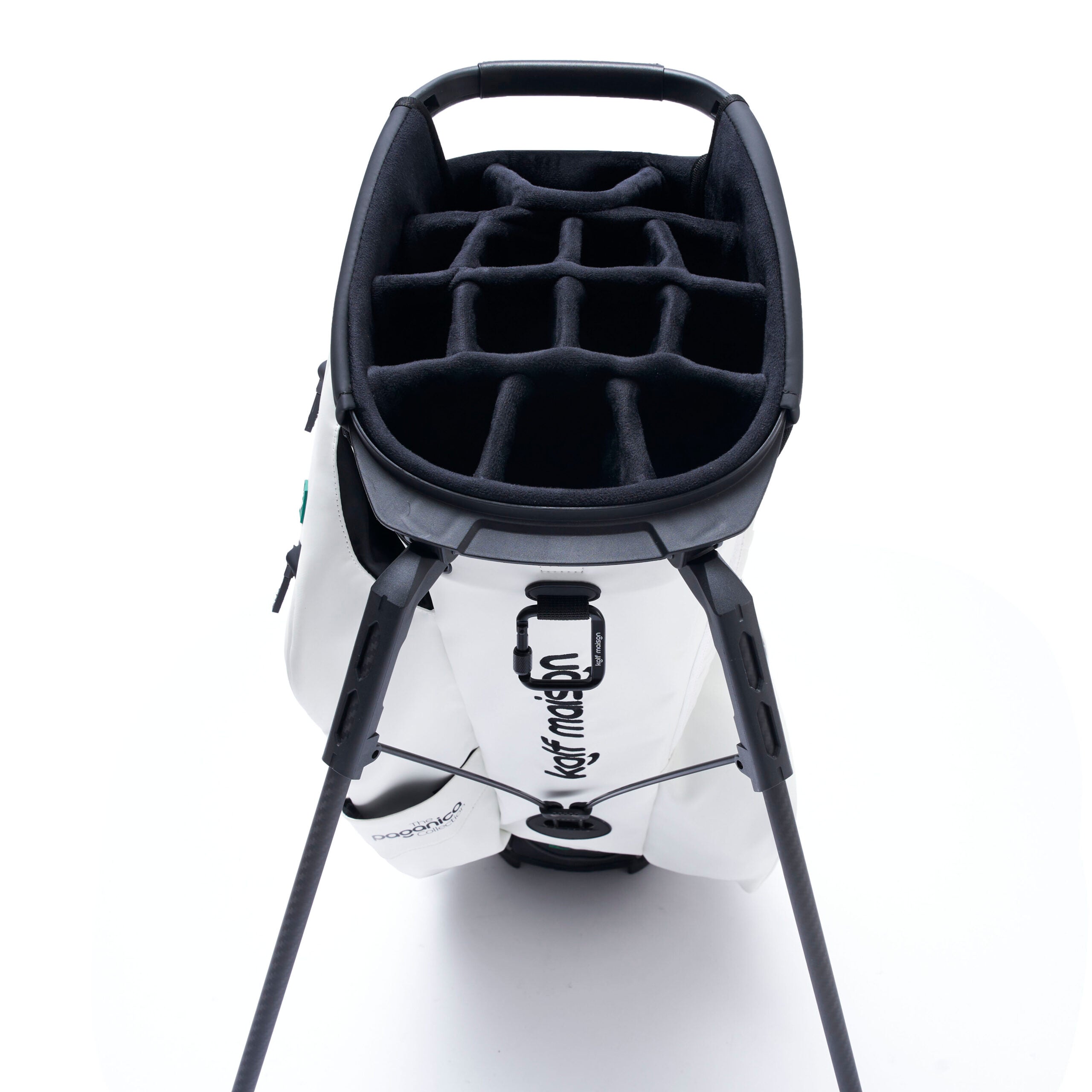
PING uses standard nylon interior linings throughout. Functional, clean, adequate for the purpose. Kolf Maison lines personal pockets and dividers with velour — a material that eliminates club chatter during carry and cart use, protects grips and finishes from abrasion, and provides a tactile quality that reinforces the sense that the interior was considered with the same seriousness as the exterior.
Antimicrobial interior treatments address moisture and odour across consecutive rounds. Genuine leather handles at primary lift points provide grip and structural resilience that synthetic webbing loses over time. These are detail-level decisions that do not appear in a spec sheet but are experienced in every round.
Production Scale and Individual Quality
PING produces bags at volume consistent with their retail presence — thousands of units across their product lines, distributed through pro shops and golf retailers globally. Individual quality is managed statistically at this scale.
Kolf Maison limits production to 4,000 bags per model per color per year. Each bag is individually assembled and serial numbered. The production limit is the mechanism that makes individual quality assurance possible. It is not a marketing limitation — it is the threshold below which the construction standards the Maison demands can be genuinely maintained.
Pricing Transparency
PING bags are available at their stated retail price and, periodically, at promotional discount. The pricing is fair and transparent for the category.
Kolf Maison bags are priced to reflect the actual cost of the materials and construction methodology. They are never discounted. The price does not change. For golfers who have experienced the quiet frustration of seeing a recently purchased bag marked down in the same season, this consistency is meaningful.
The Right Choice for the Right Golfer
PING is the right choice for golfers who want a well-engineered functional bag with a brand they trust for equipment and an excellent service record. For golfers who run PING clubs and value functional coherence in their setup, the Hoofer and Traverse lines deliver exactly what they promise.
Kolf Maison is the right choice for golfers who have moved past the question of function — function is assumed — and are asking about what the bag looks and feels like in year five, and whether the object they carry represents who they are on the course.
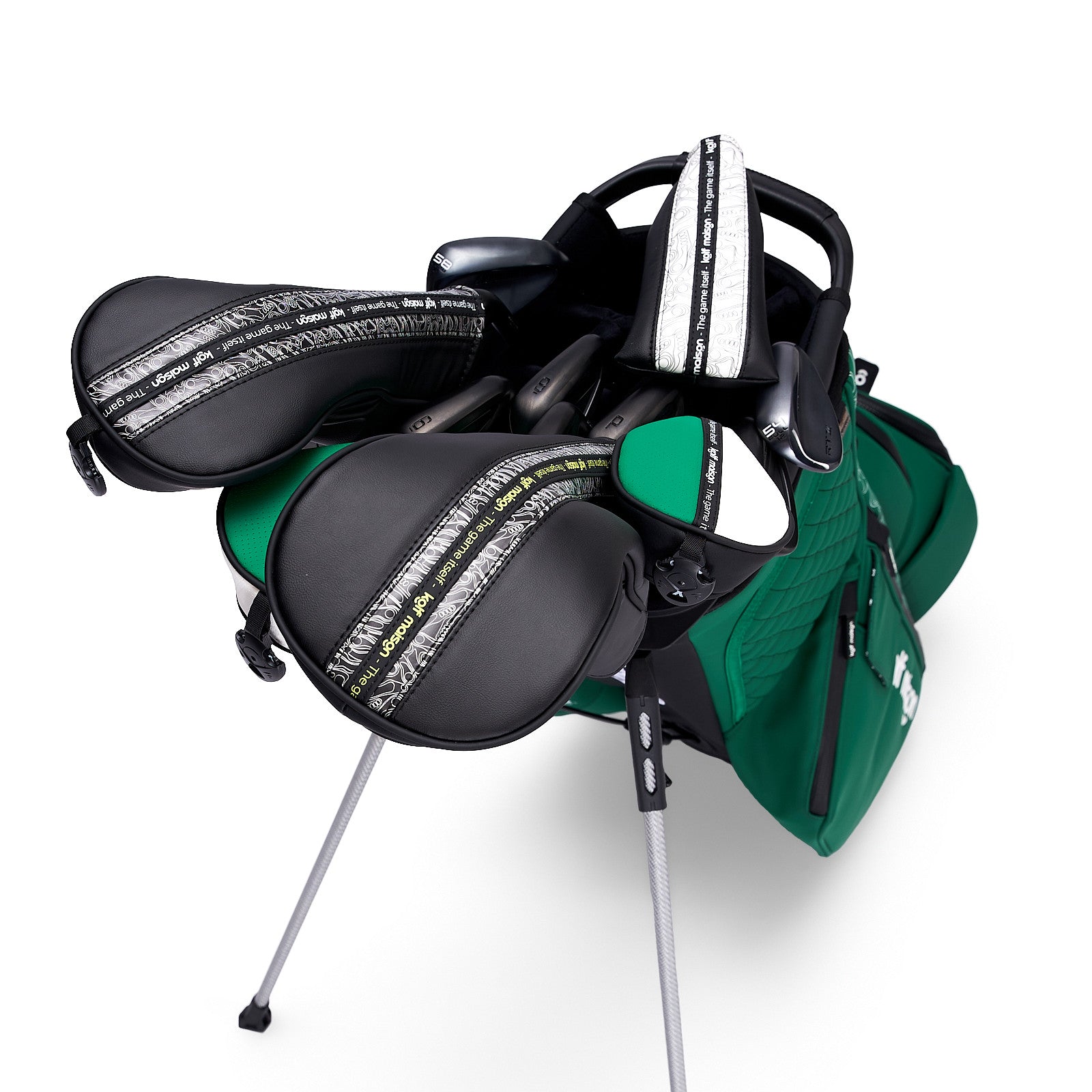
Explore the Paganica Stand Bag and Paganica Cart Bag in Obsidian Edge and Blanc Prestige.
Kolf Maison. The Game Itself.


Share:
The Golf Bag as a Long-Term Investment: The True Cost Over 10 Years
Best Luxury Golf Bag as a Corporate Gift: What the Category Actually Demands