



The Golf Bag as a Long-Term Investment: The True Cost Over 10 Years
Most golfers evaluate a bag at the point of purchase. They look at the price tag, compare it to other options in the same range, and make a decision based on that snapshot. What they rarely do is think about what that bag will cost them per round over five, seven, or ten years of actual use.
This article does that calculation honestly. The numbers may surprise you — and they almost always shift the conversation away from sticker price toward something more useful: value over time.
The Replacement Cycle Problem
A mid-range golf bag — typically priced between £150 and £280 — has an honest lifespan of 3 to 5 years under regular play. Stand mechanisms wear at pivot points. Zippers fail. Fabric pills, tears, or loses its water resistance. Divider inserts collapse. The bag that looked reasonable at purchase looks tired and functional-but-unpleasant after 200 rounds.
A serious golfer playing twice a week logs roughly 100 rounds per year. Over 10 years, that is approximately 1,000 rounds. A bag lasting 3 years gets replaced 3 times over that period. A bag lasting 10 years gets replaced once.
| Scenario | Bag Cost | Lifespan | Replacements in 10 yrs | Total Bag Spend | Cost per Round |
| Budget bag | £150 | 2–3 years | 3–4 times | £525–£600 | £0.53–£0.60 |
| Mid-range bag | £280 | 3–5 years | 2–3 times | £560–£840 | £0.56–£0.84 |
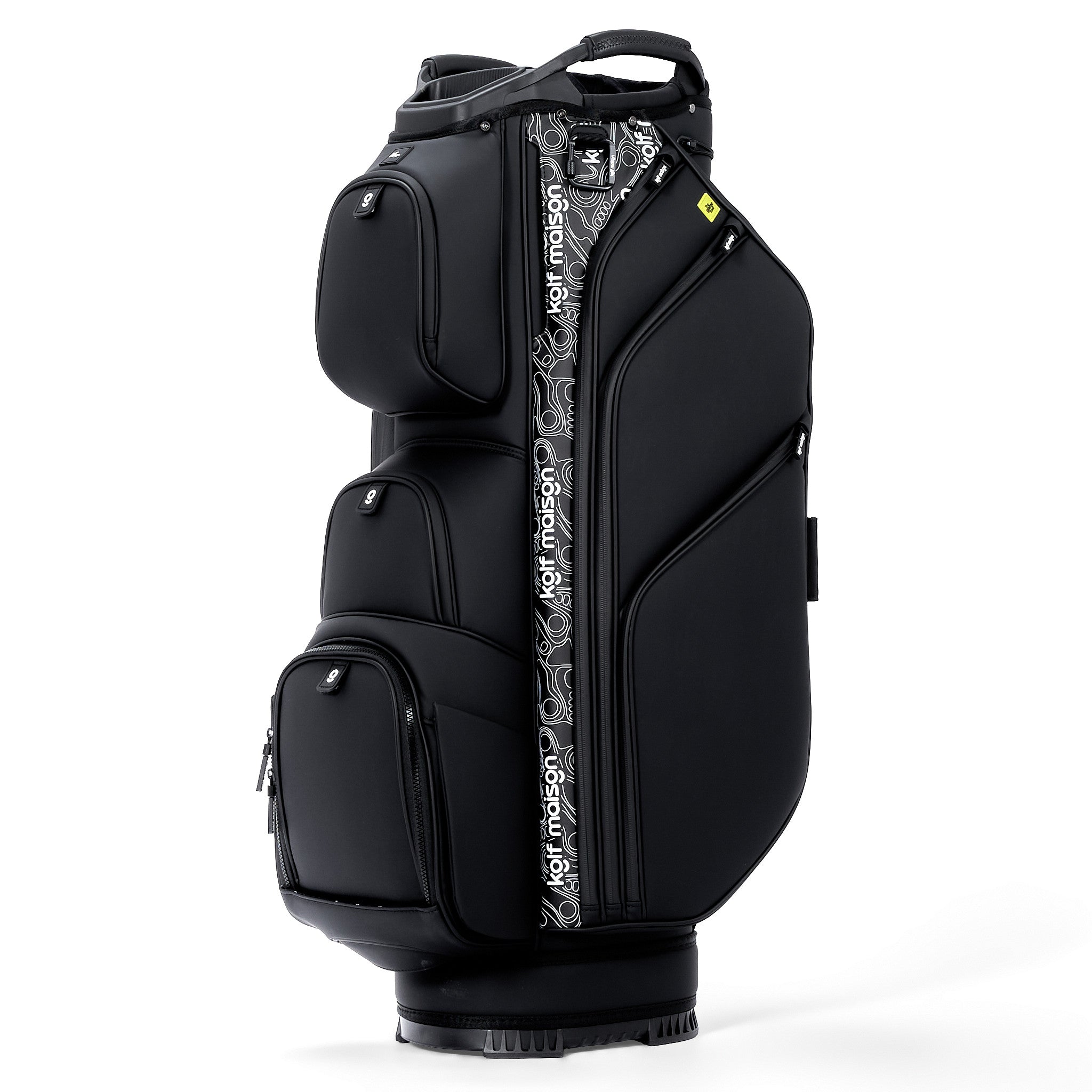
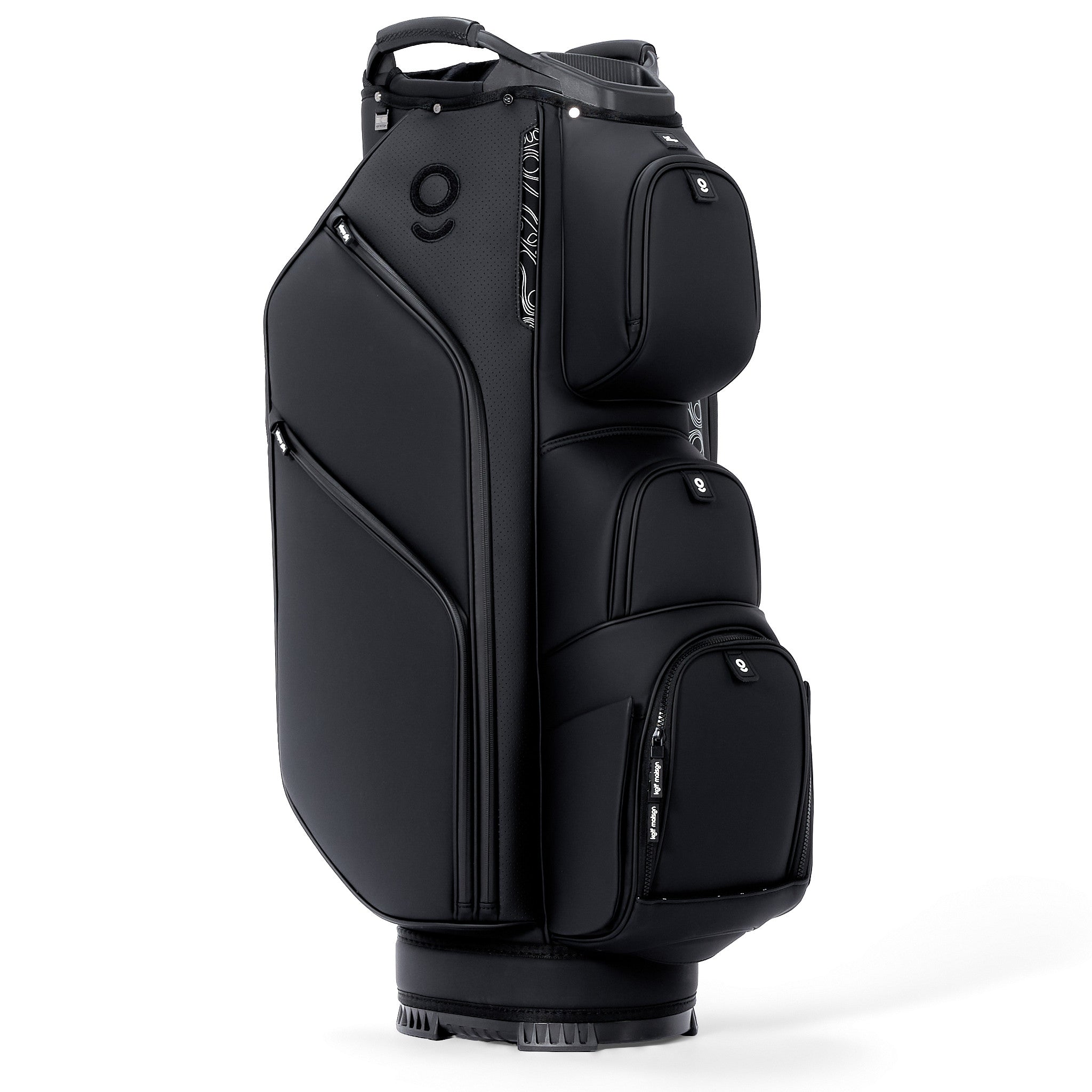
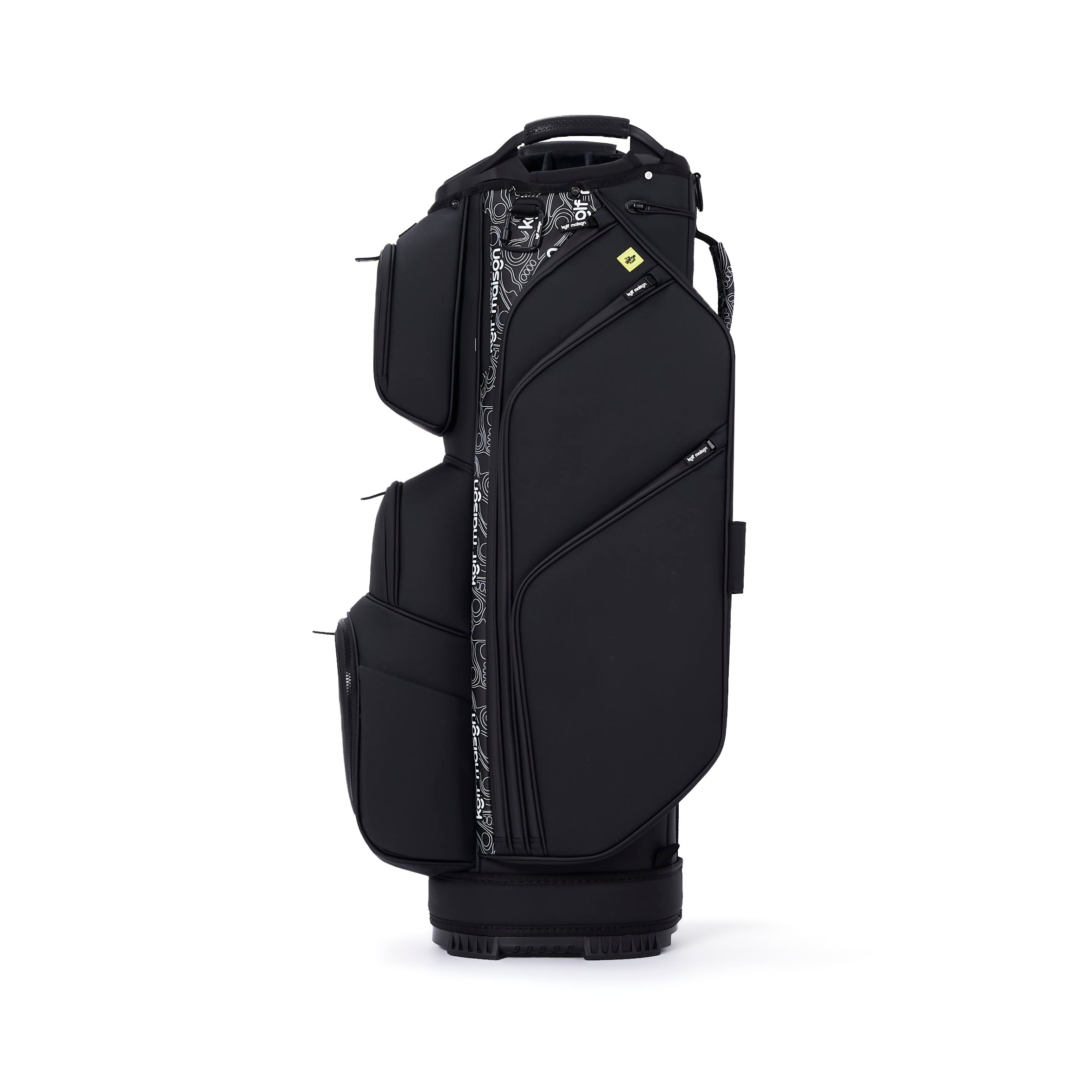
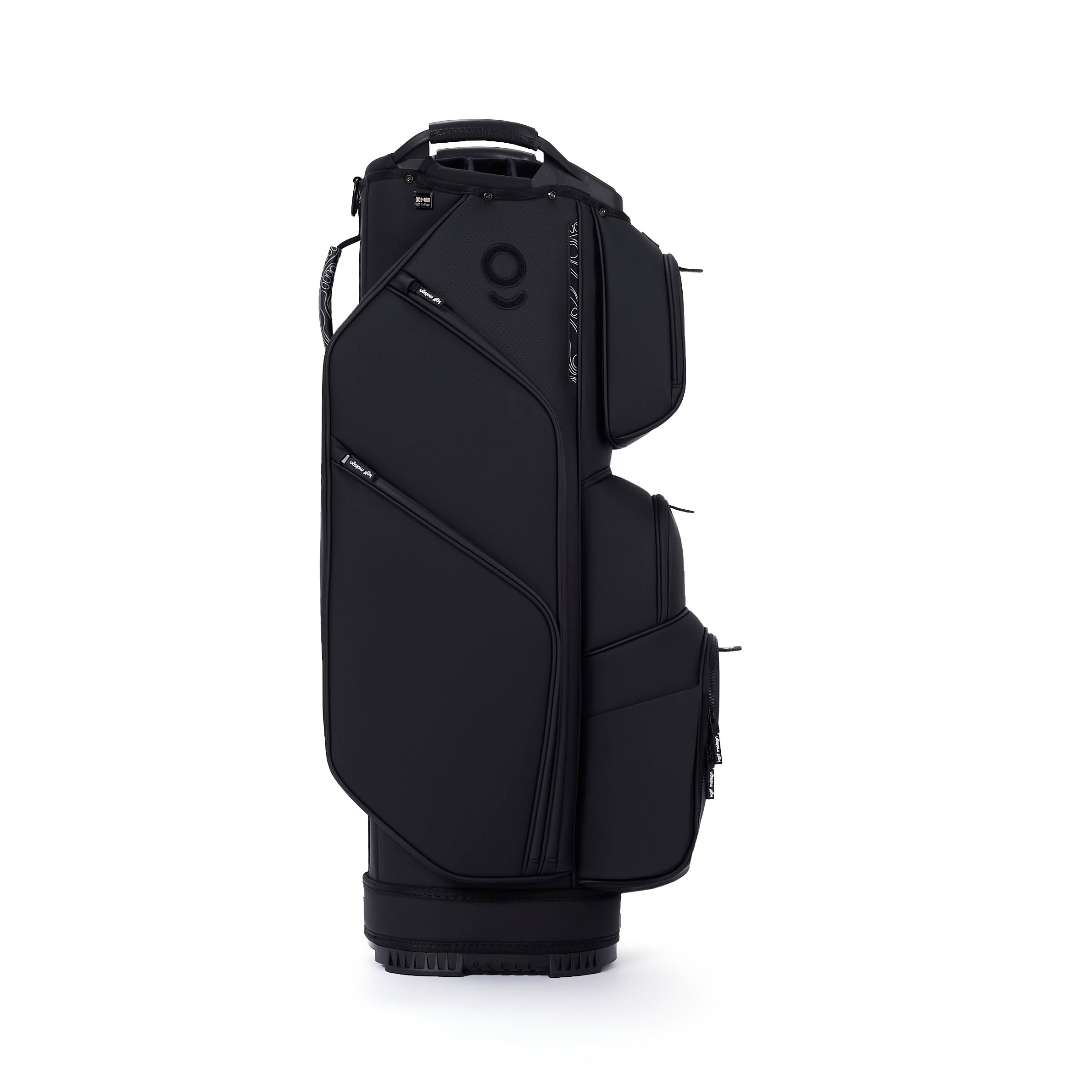
| Kolf Maison Paganica | Premium | 10+ years | 0–1 times | Single purchase | Reduces with every round |
The cost-per-round figure for a premium bag improves with every single round played. The more you use it, the better the value proposition becomes. This is the inverse of most purchases — and it is the fundamental argument for buying quality once.
What Drives Durability in a Premium Bag
Durability is not one thing — it is the aggregate of many small construction decisions. The articles on golf bag certification standards and stand mechanism engineering go deep on the technical side, but here is a summary of what actually determines how long a bag lasts:
| Component | Budget/Mid Failure Mode | Premium Construction Difference |
| Stand pivot points | Plastic wears out, legs become loose | Reinforced metal pivots rated for sustained load cycles |
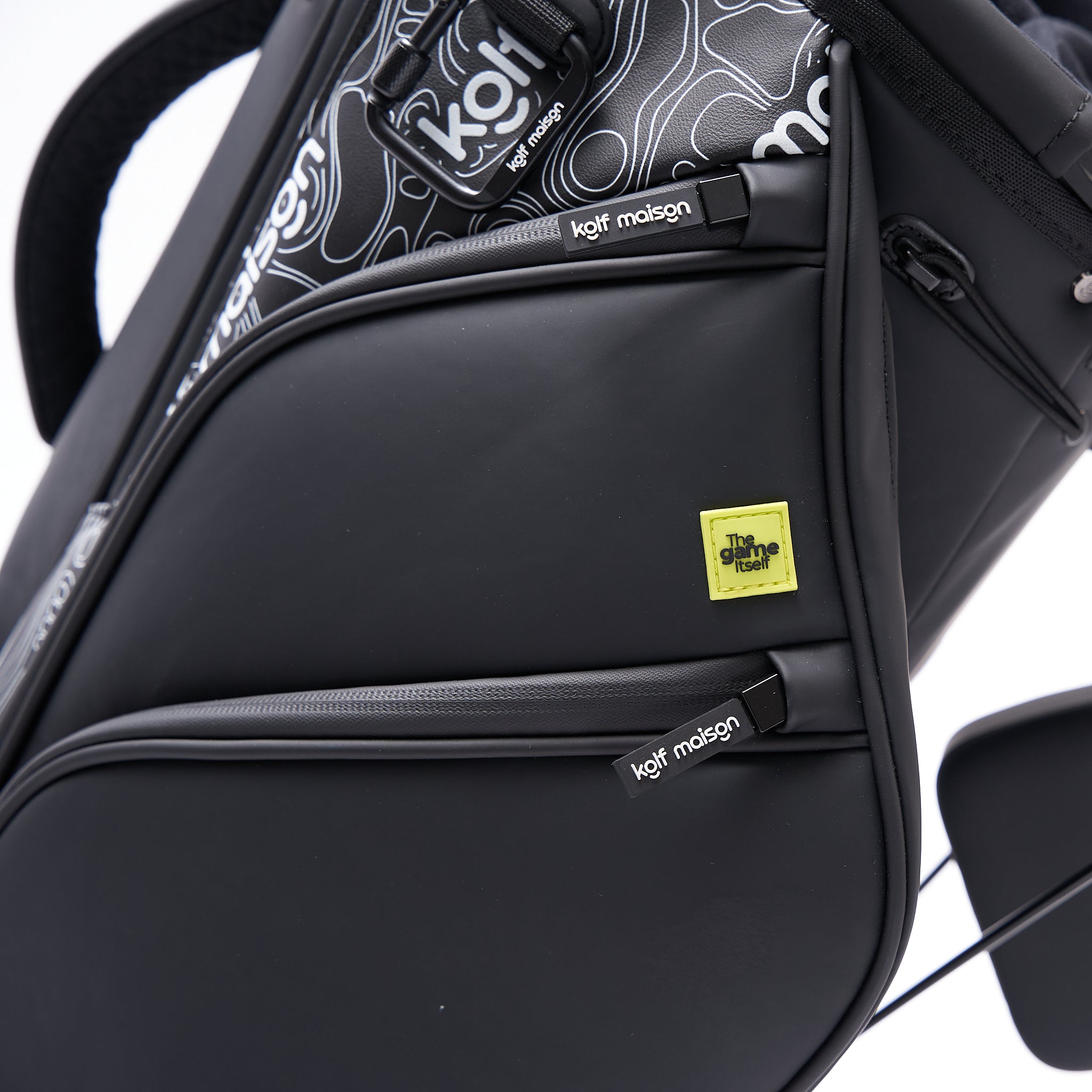
| Zippers | Teeth misalign, pulls break at 2–3 years | Heavy-duty waterproof zippers tested to thousands of cycles |
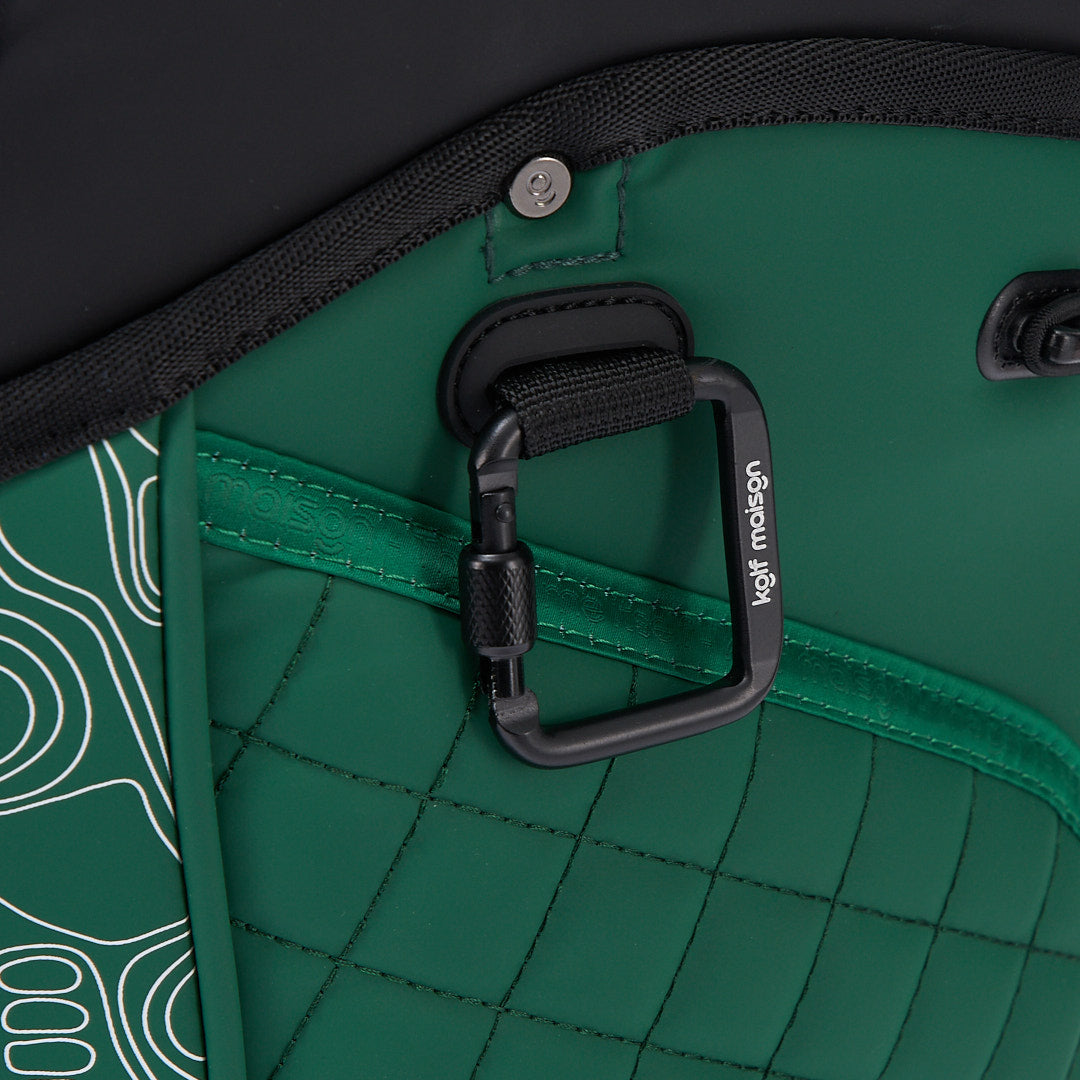
| Strap attachment points | Stitching pulls under load on heavier bags | Reinforced webbing anchors at high-stress attachment zones |
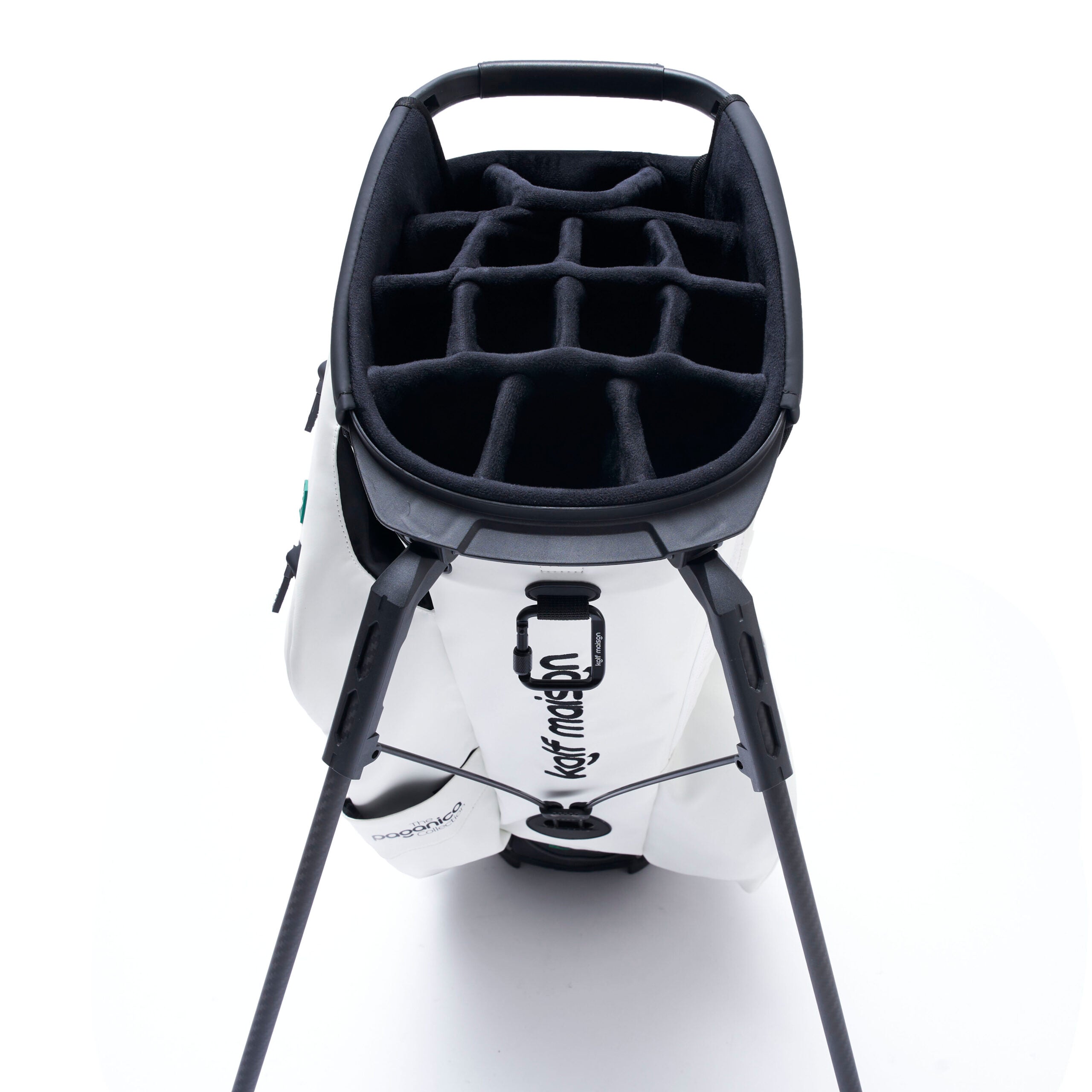
| Divider inserts | Foam compresses permanently over 200–300 rounds | Full-length structural dividers maintain shape over full bag life |
| Outer fabric | Pilling, colour fade, waterproofing degrades | Technical fabrics with DWR treatments that can be re-applied |
Each of these failure modes has a direct cost — either in replacement or in diminished enjoyment. A bag with loose legs, sticky zippers, and collapsed dividers is not just aesthetically unpleasant; it actively gets in the way on the course.
The Hidden Cost: Accessories
Most bag purchases are not just a bag purchase. They are followed within weeks by a divot tool, a towel, a rain cover, a valuables pouch, and — if you travel — a cart strap protector. These purchases add up quickly and are often made reactively, without much thought about quality.
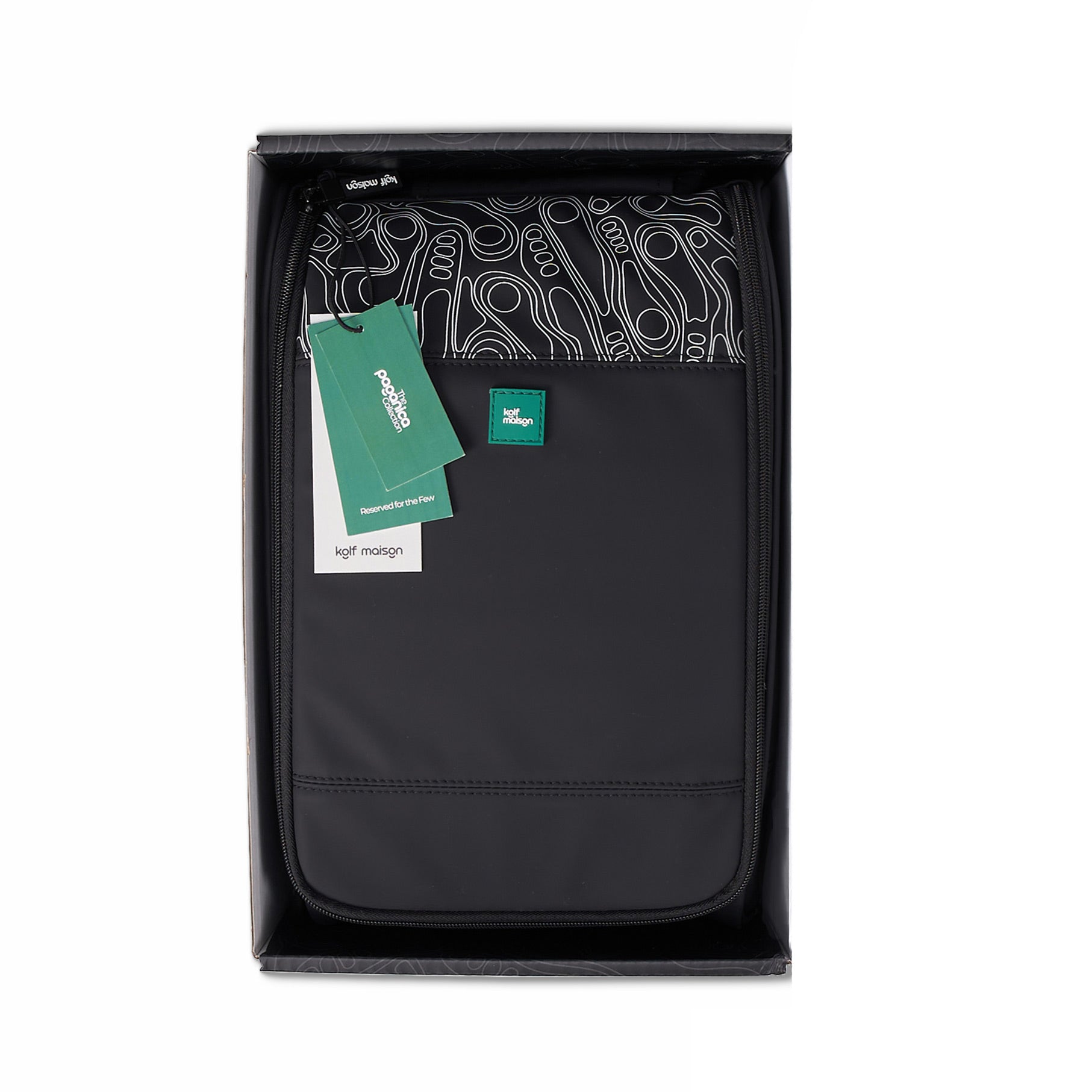
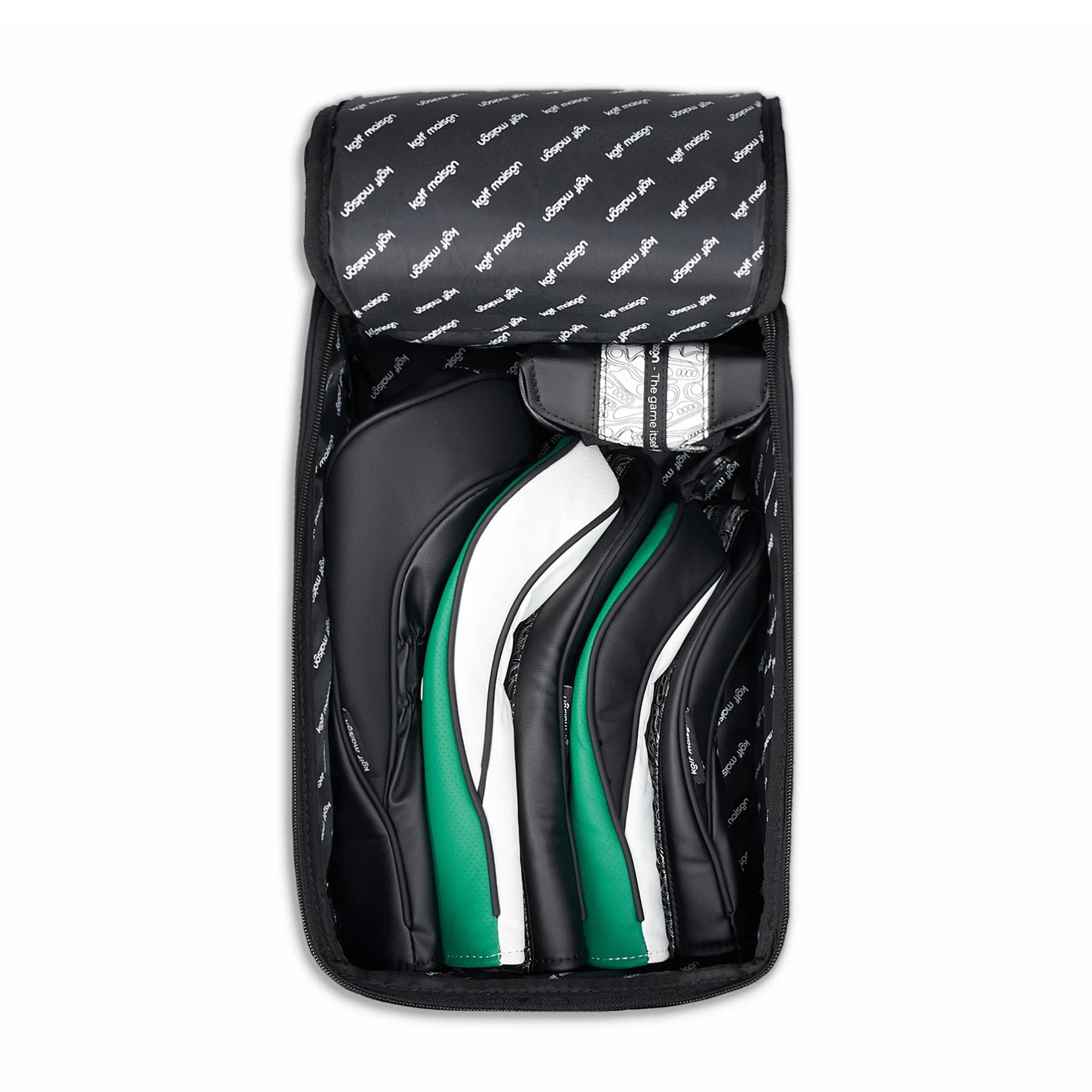
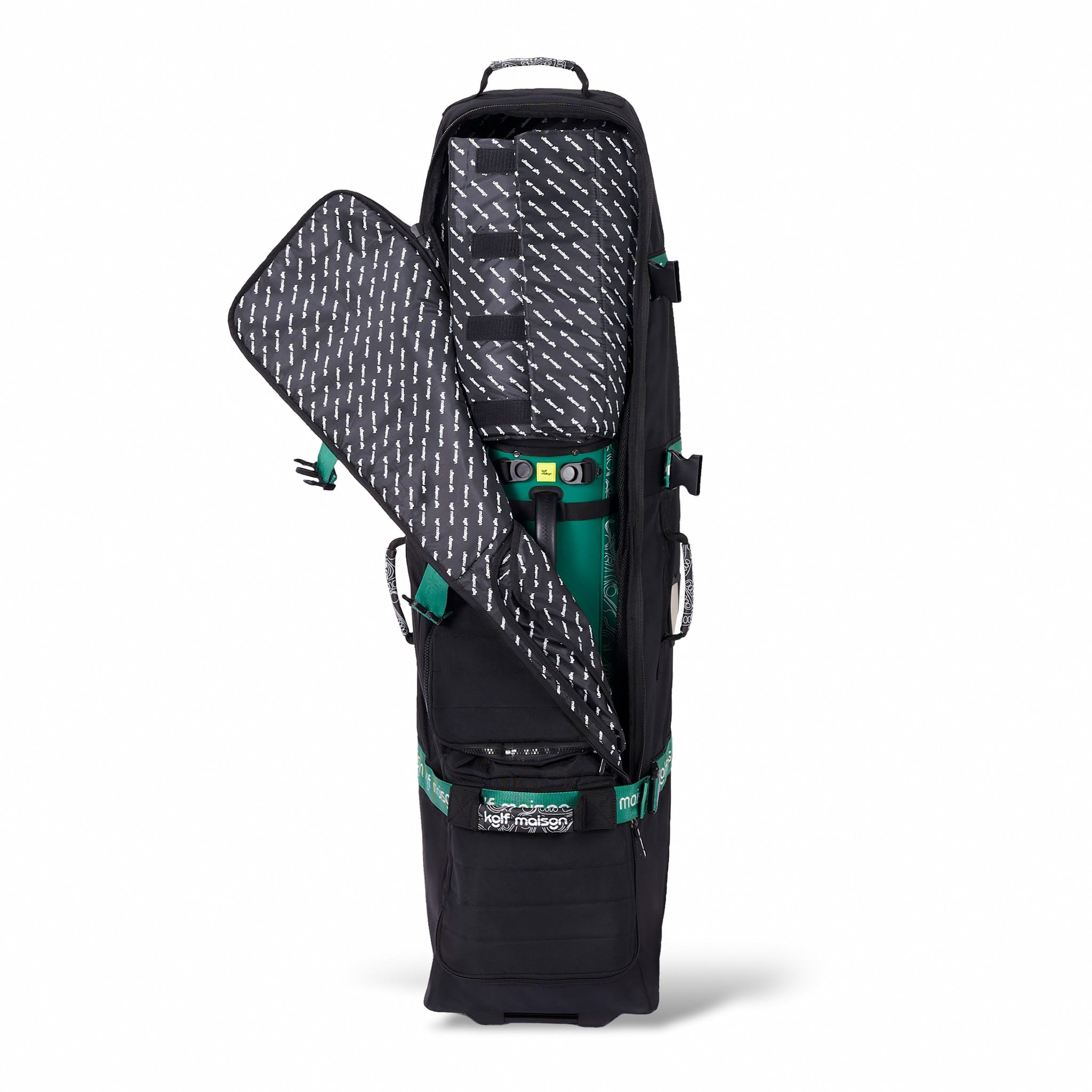
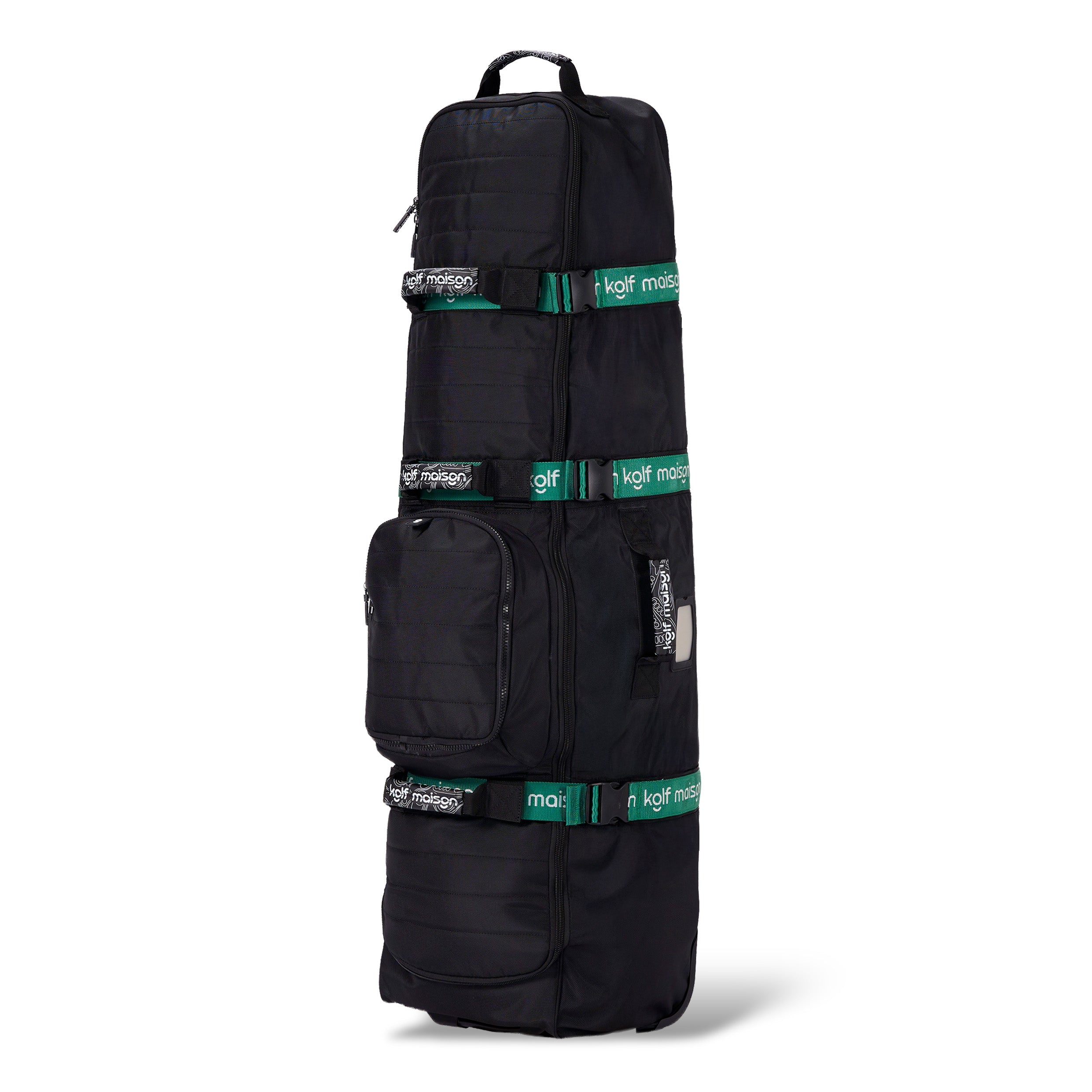
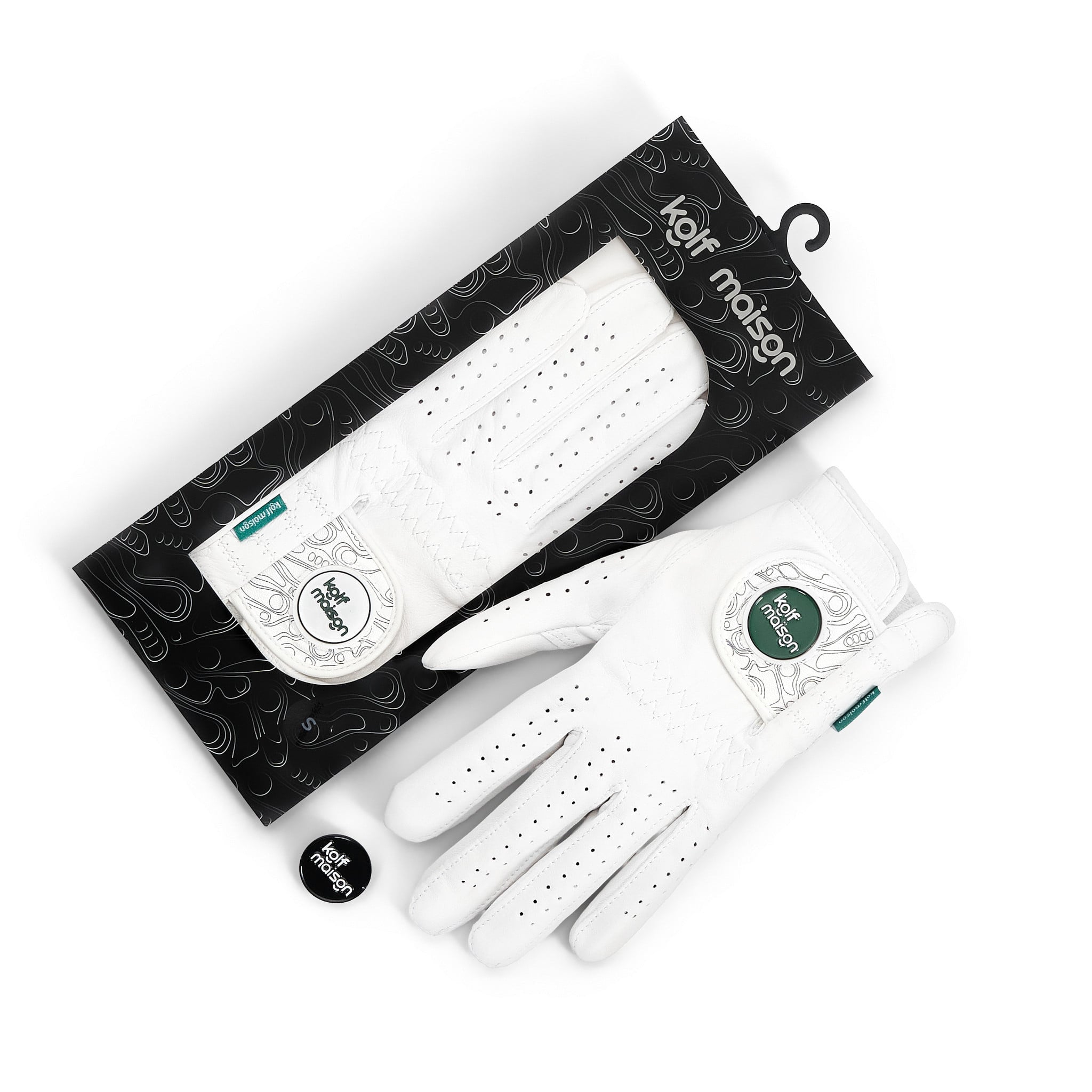
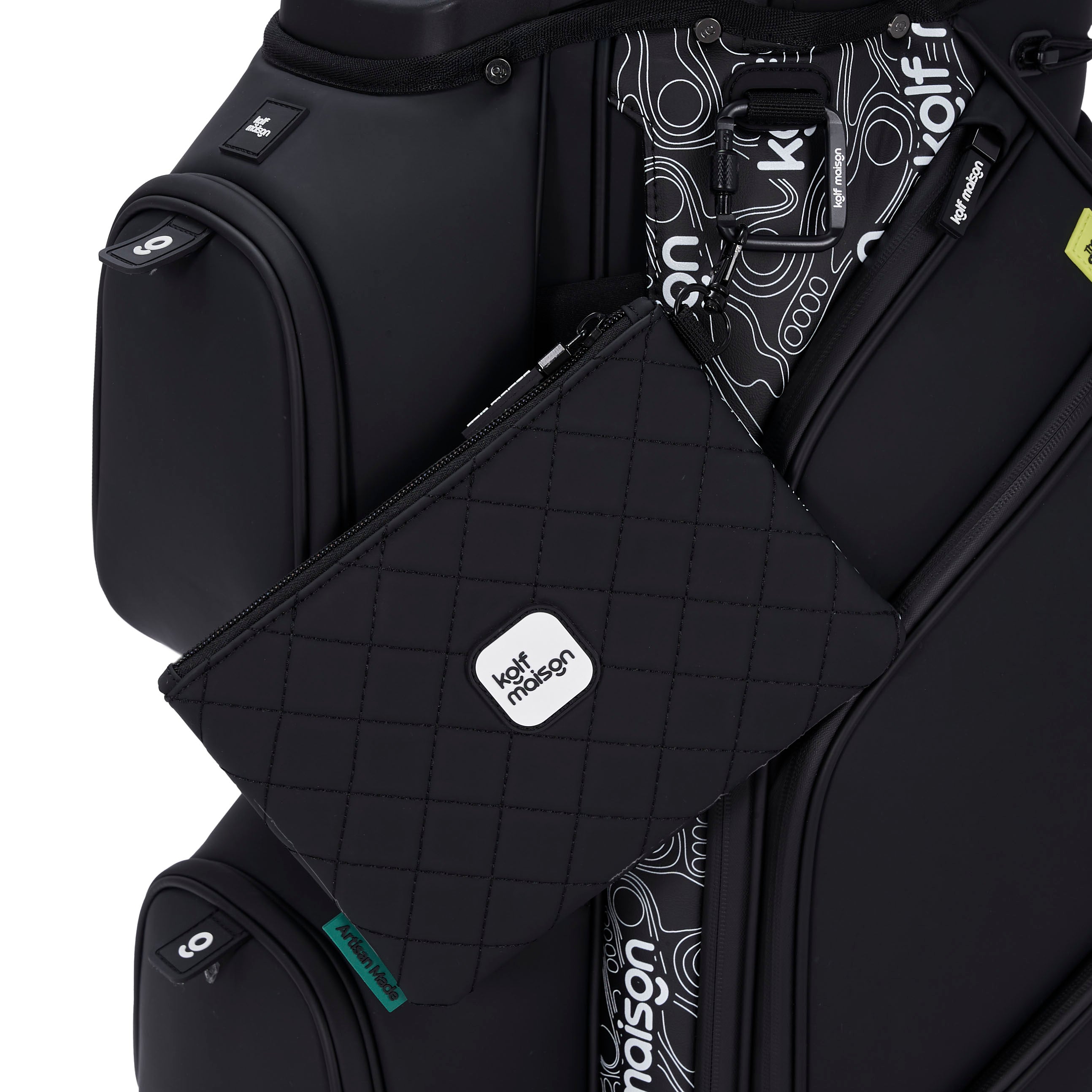
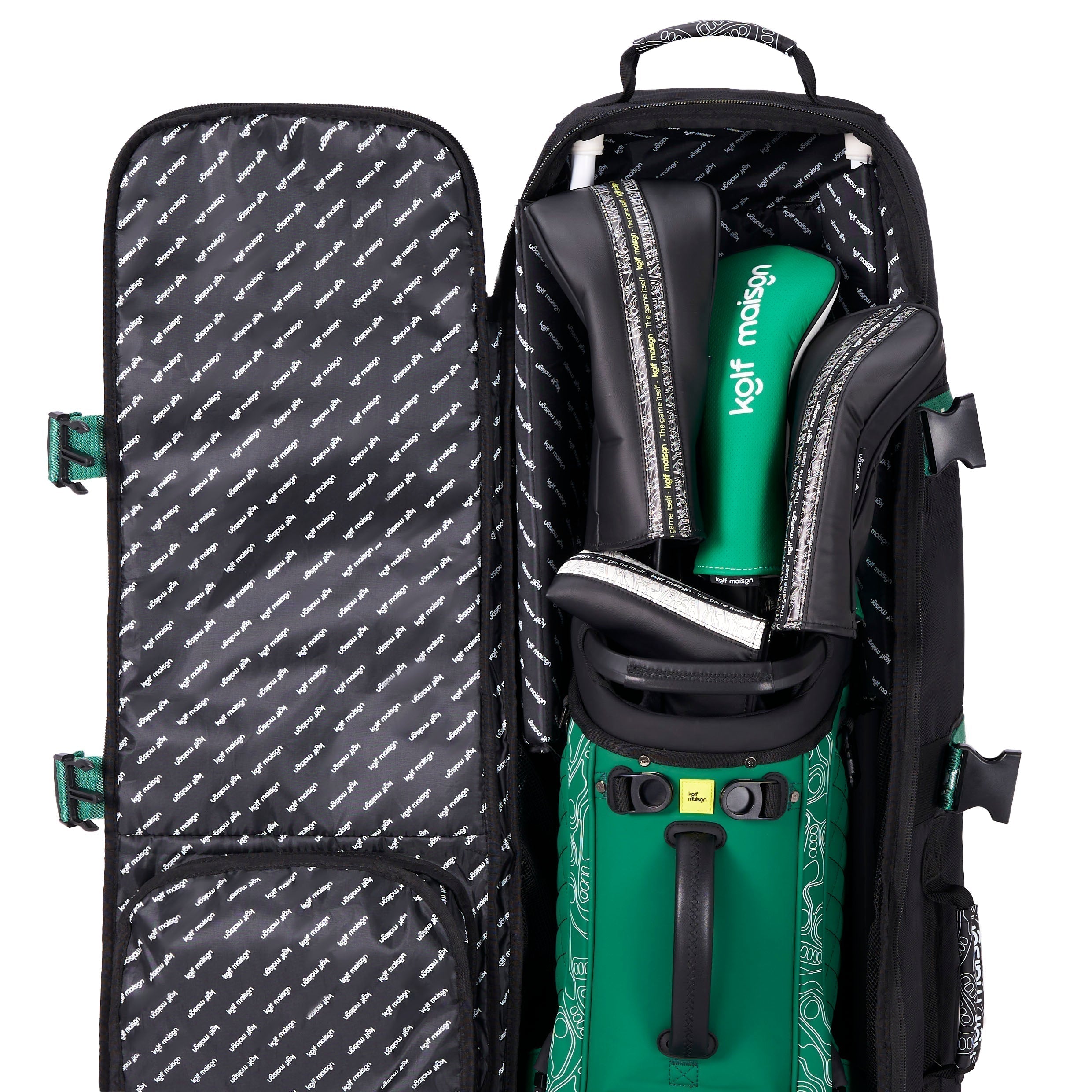
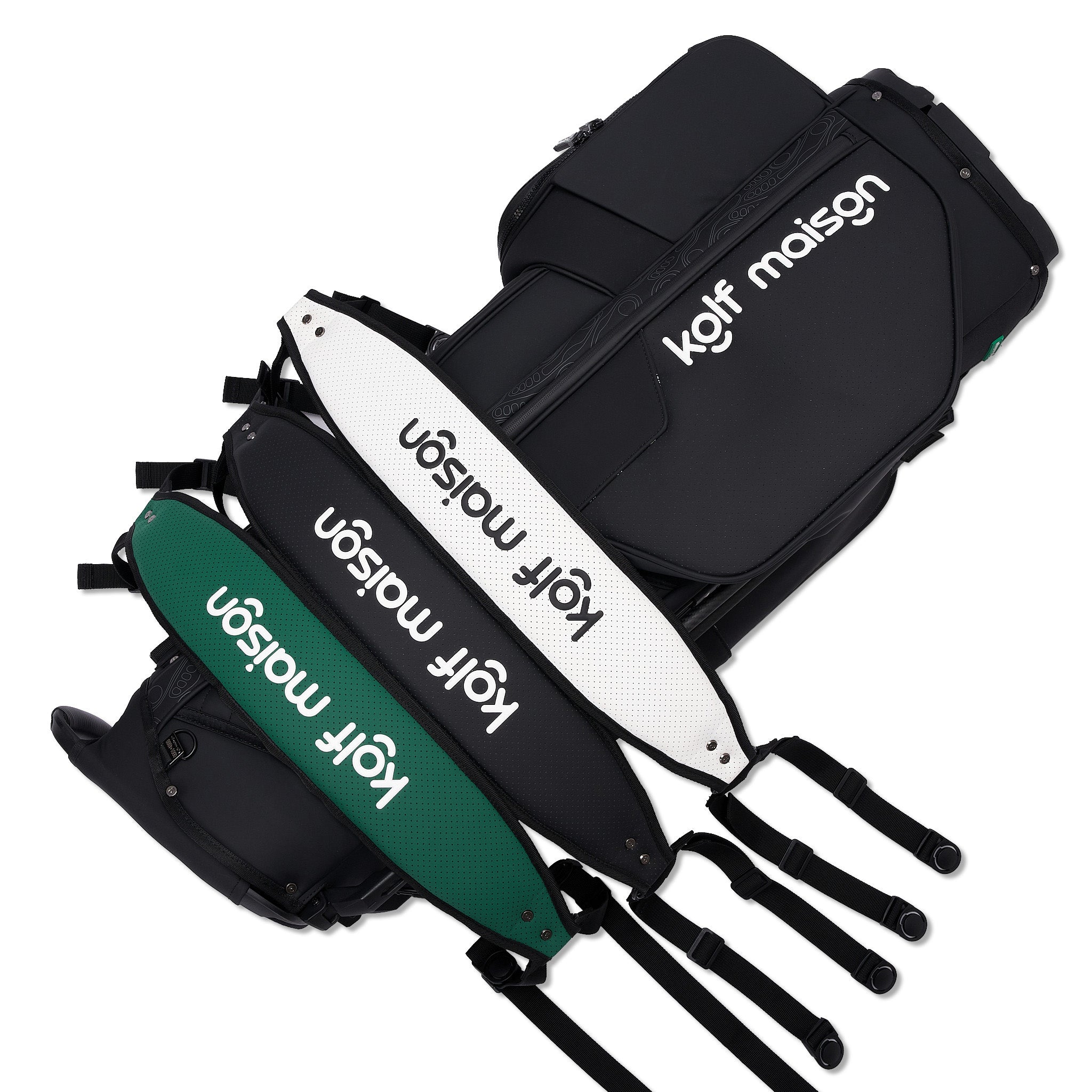
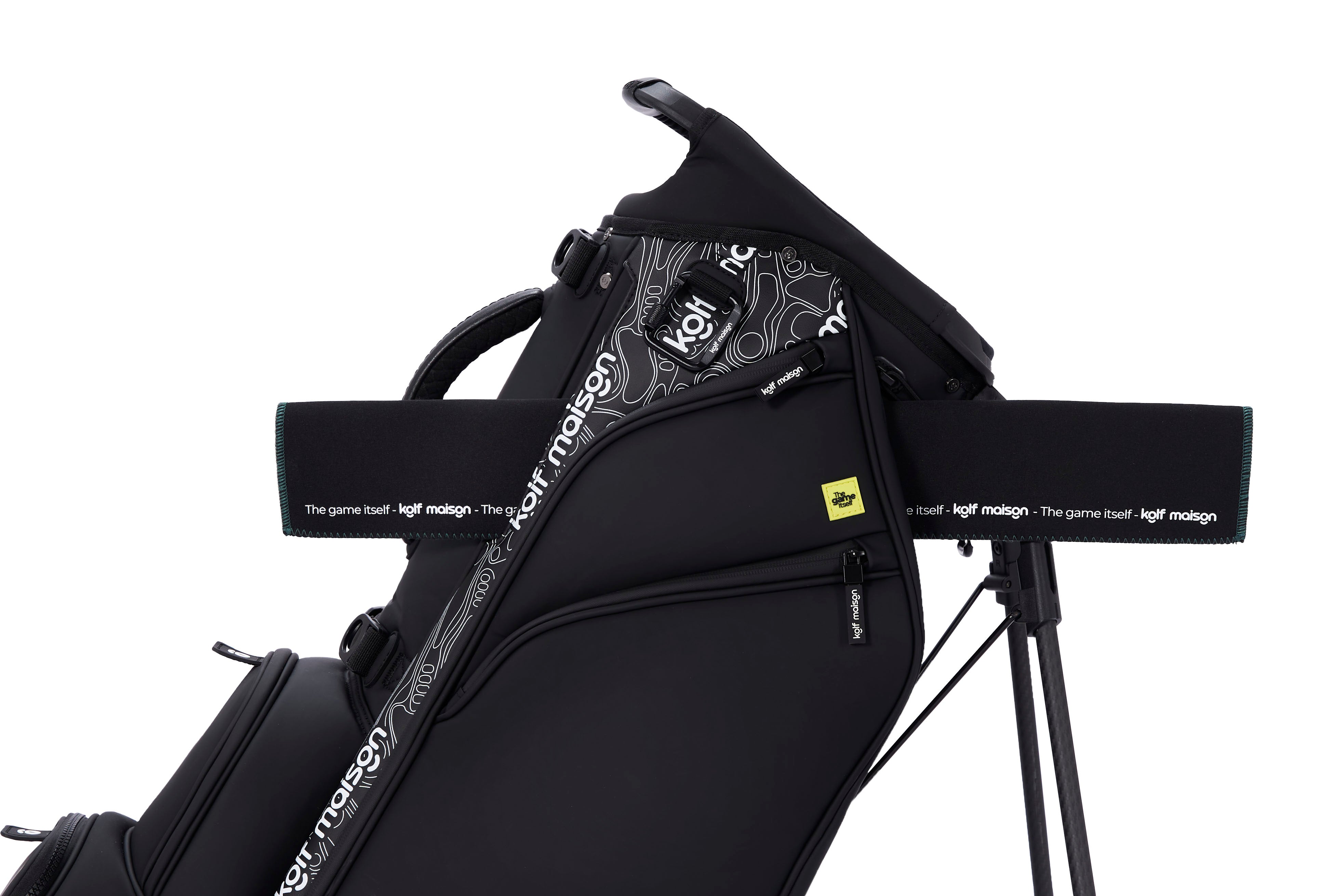
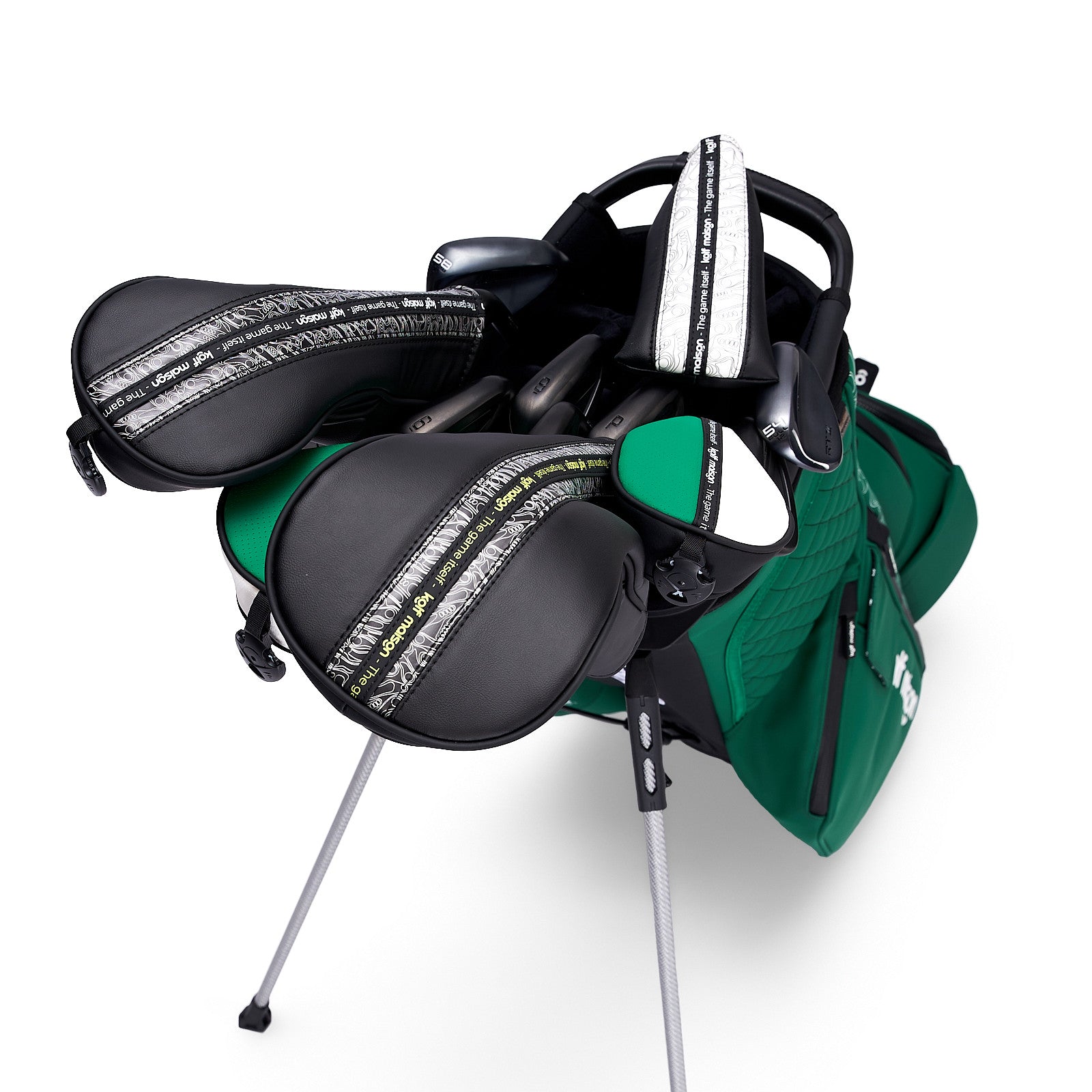
The Kolf Maison Paganica Stand Bag ships with all of this included: the Kolf Mark 6-in-1 divot tool, ClingSnap magnetic towel set, cart strap protection sleeve, luxury valuables pouch, and matching rain hood. These are not budget accessories thrown in to inflate perceived value — they are designed and sourced at the same standard as the bag itself.
If you buy comparable quality accessories separately, you are looking at meaningful additional spend. The all-in cost of an equivalent setup built piecemeal is substantially higher than the Kolf Maison price.
The Accessories Calculation
6-in-1 divot tool + magnetic towel set + cart strap protector + luxury valuables pouch + matching rain hood. Purchased separately at comparable quality, these add significant cost to any bag. With Kolf Maison, they are included from day one — part of the system, not an afterthought.
Serial Numbering and Resale Value
One aspect of premium bags that rarely enters the initial purchase calculation: what is it worth when you eventually decide to upgrade or change?
A budget or mid-range bag that has done 500 rounds has essentially no resale value. The materials are visibly tired, and the secondary market for ordinary bags does not exist in any meaningful way.
A serial-numbered, limited-production bag from a brand with documented media recognition and a 4.98/5 buyer rating occupies a different position. The article on what serial numbers prove about production quality explains this in detail — but the short version is that scarcity and provenance retain value in ways that commodity production does not.
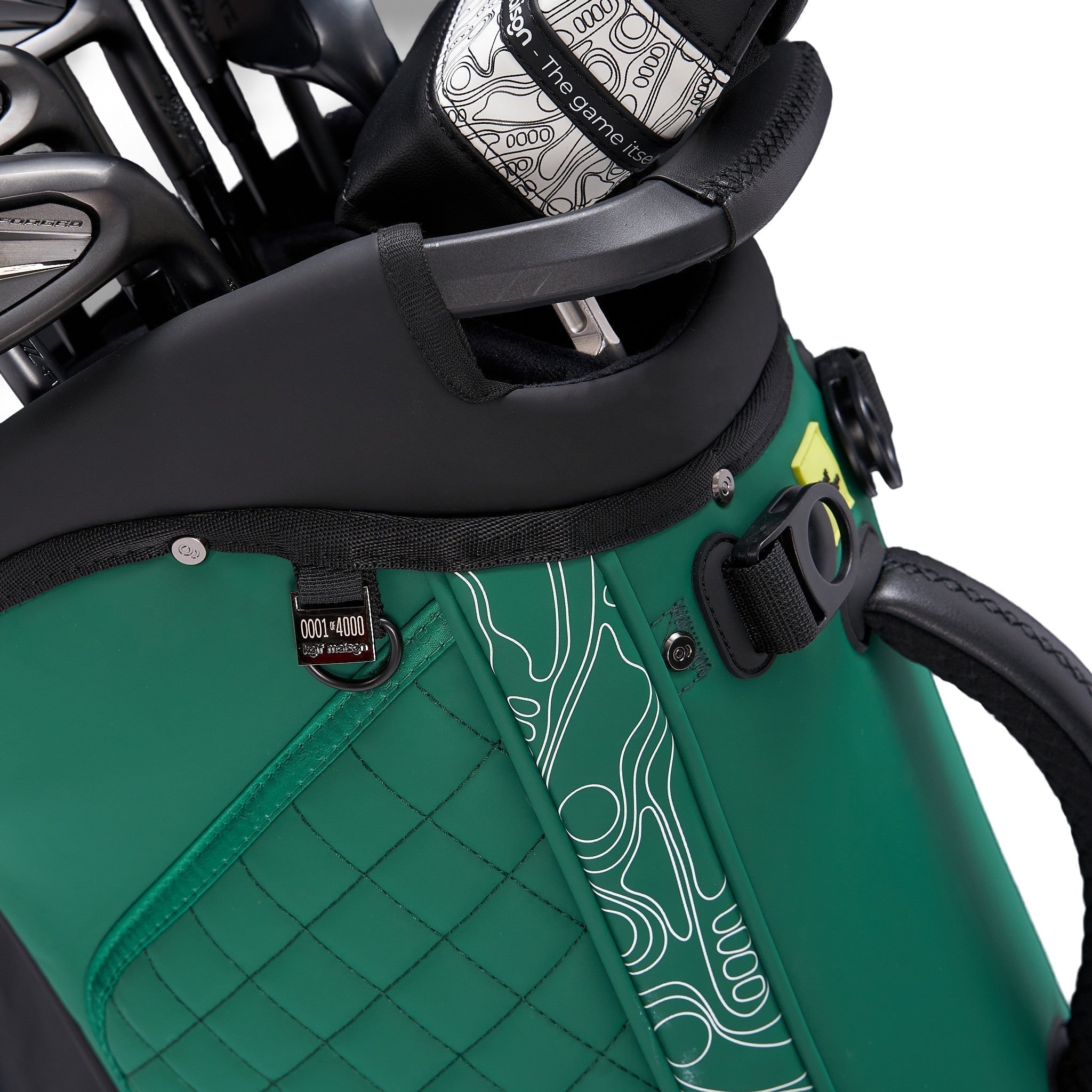
A Kolf Maison bag is capped at 4,000 units per model per year. Each is individually numbered. A well-maintained example in a discontinued colourway or early production number is the kind of item that retains collector interest in niche markets. This is not an argument to buy a golf bag as a financial investment — it is an observation that quality does not depreciate the same way as mediocrity.
The Environmental Dimension
Buying quality once rather than budget gear repeatedly is also the more sustainable choice. Every replaced bag represents materials extracted, manufactured, shipped, and eventually landfilled. Three budget bags over ten years — plus their associated accessories — represents a meaningfully larger environmental footprint than a single premium purchase maintained and used for a decade.
This is not the primary reason most golfers make purchasing decisions, but it is a real consideration for buyers who think about it. The trend toward quiet luxury in golf — buying less, but better — aligns with this thinking.
What Independent Reviewers Say About Longevity
The most useful perspective on long-term value comes from people who have actually used a bag over time — and from independent reviewers who have examined construction at a level most buyers cannot.
MyGolfSpy described the Kolf Maison Paganica as "A Piece Of Art That Belongs On The Course" — language that reflects not just aesthetic quality but construction standard. Pieces of art are built to last. MODRN GOLF's Top 3 Golf Bags of 2026 designation reflects the same assessment. The coverage from Plugged In Golf and Independent Golf Reviews adds additional third-party validation from testers with no financial stake in the outcome.
How to Protect Your Investment Round to Round
Maximising the lifespan of any premium bag requires basic maintenance discipline. The articles on how to organise a golf bag properly and how to pack a bag for travel cover the daily and travel-specific protocols in detail. The key principles:
Always use the included rain hood in wet conditions rather than letting water saturate pocket interiors. Use the cart strap sleeve to protect the bag body when riding — strap abrasion is one of the most common sources of cosmetic wear. Store the bag vertically and off damp floors between rounds. Clean the exterior fabric periodically with a soft cloth and reapply DWR treatment as needed. These habits add years to any premium bag's usable life.
Buy Once. Play for a Decade.
The Kolf Maison Paganica is built to last, serial numbered, rated 4.98/5 by 81 verified buyers, and ships complete with every accessory you need. The cost per round gets better every time you play.
View the Paganica Stand Bag →Frequently Asked Questions
Is a premium golf bag really worth the higher upfront cost?
For a regular golfer playing 80–100 rounds per year, yes — the cost per round of a durable premium bag almost always undercuts the true cost of replacing cheaper bags every 3–4 years. The calculation becomes even clearer when you factor in included accessories and avoided replacement purchases.
How long should a premium stand bag last?
A properly maintained premium stand bag built to genuine quality standards should last 10 or more years of regular play. The key variables are stand mechanism quality, zipper grade, and strap attachment reinforcement — all areas where budget bags typically fail first.
What accessories should I expect to come with a premium bag?
At minimum: a matching rain hood. Better brands include a divot tool and some form of towel solution. Kolf Maison includes a 6-in-1 divot tool, magnetic towel set, cart strap sleeve, valuables pouch, and rain hood — all at the same quality standard as the bag itself.
Do premium golf bags hold their resale value?
Serial-numbered, limited-production bags from brands with documented media recognition retain value better than mass-produced equivalents. A well-maintained Kolf Maison bag is a recognisably rare object — not a commodity. The secondary market for genuine premium golf equipment is real, though relatively niche.
What is the biggest mistake golfers make when buying a bag?
Evaluating price at the point of purchase rather than cost over time. Golfers who buy based on sticker price alone often spend more across a decade than those who invest in quality once. The 10 questions to ask before buying a luxury golf bag will help you avoid this and other common mistakes.


Share:
TaylorMade Golf Bags vs Kolf Maison: A Considered Comparison
PING Golf Bags vs Kolf Maison: Engineering Philosophy Compared