



Single Strap vs Dual Strap Golf Bags: The Definitive Walking Guide
The strap configuration of a carry bag is one of the most consequential decisions in the golf bag category, yet most buyers focus on features, materials, and price while treating the strap system as a secondary consideration. For walking golfers who carry their bag for four to five hours in every round, the strap system is the primary interface between the bag and their body. It deserves more attention than it typically receives.
Single Strap: How It Works and Who It Suits
The single strap system involves one strap running from the top of the bag to the base on one side, crossing the body diagonally and resting on one shoulder. The entire weight of the loaded bag — clubs, balls, water, accessories — is transmitted through this single contact point.
Single strap bags are typically lighter than their dual strap equivalents, because the single strap hardware is simpler. They are faster to don and doff — useful for golfers who frequently remove and replace the bag during a round. They allow complete freedom of movement on the side opposite the strap, which some golfers prefer during practice swings and address.
The primary disadvantage is asymmetric load. One shoulder bears everything. Over a full round, this creates muscle fatigue in the trapezius, deltoid, and rotator cuff on the carrying side. Golfers who walk frequently and carry regularly on a single strap often develop muscle imbalances over time — tighter on the carrying side, compensation patterns in the swing that develop as fatigue accumulates across the back nine.
Who Benefits From Single Strap
Golfers who walk fewer than 30 rounds per year carrying their bag. Golfers with physical conditions that make dual strap awkward. Golfers who value the slightly lower weight and faster deployment over the ergonomic benefits of load distribution. For occasional carry use, the difference is minimal and the simplicity of the single strap is a legitimate advantage.
Dual Strap: The Ergonomic Case
A properly designed dual strap system distributes the bag’s load across both shoulders and the full width of the upper back. Instead of concentrating pressure at a single shoulder contact point, the load is spread — significantly reducing peak pressure and engaging the larger, more fatigue-resistant muscle groups of the mid and upper back rather than the smaller shoulder muscles.
The practical effect is significant. Most golfers who switch from single to dual strap report immediate reduction in shoulder fatigue after walking rounds. By the 16th and 17th holes, when a single-strap golfer is managing genuine shoulder discomfort, a dual-strap golfer with a well-designed system often feels as comfortable as they did on the first tee.
Dual strap systems also provide better weight balance, keeping the load tighter to the spine and reducing the lever effect that causes a bag to feel heavier than it actually is.
The Caveat: Not All Dual Strap Systems Are Equal
A poorly designed dual strap system can be worse than a good single strap. Issues to watch for: straps that cross at the wrong point on the back, creating torsion. Buckle placement that digs into the collarbone. Padding that compresses immediately and provides no cushioning by the middle of the round. Adjustment systems that slip during the round, causing the bag to ride low and pull the shoulders backward.
A well-engineered dual strap system addresses each of these through precise strap geometry, padding density and distribution, adjustment hardware quality, and the relationship between strap attachment points and the bag’s centre of gravity when loaded.
Kolf Maison Paganica: The Dual Strap Implementation
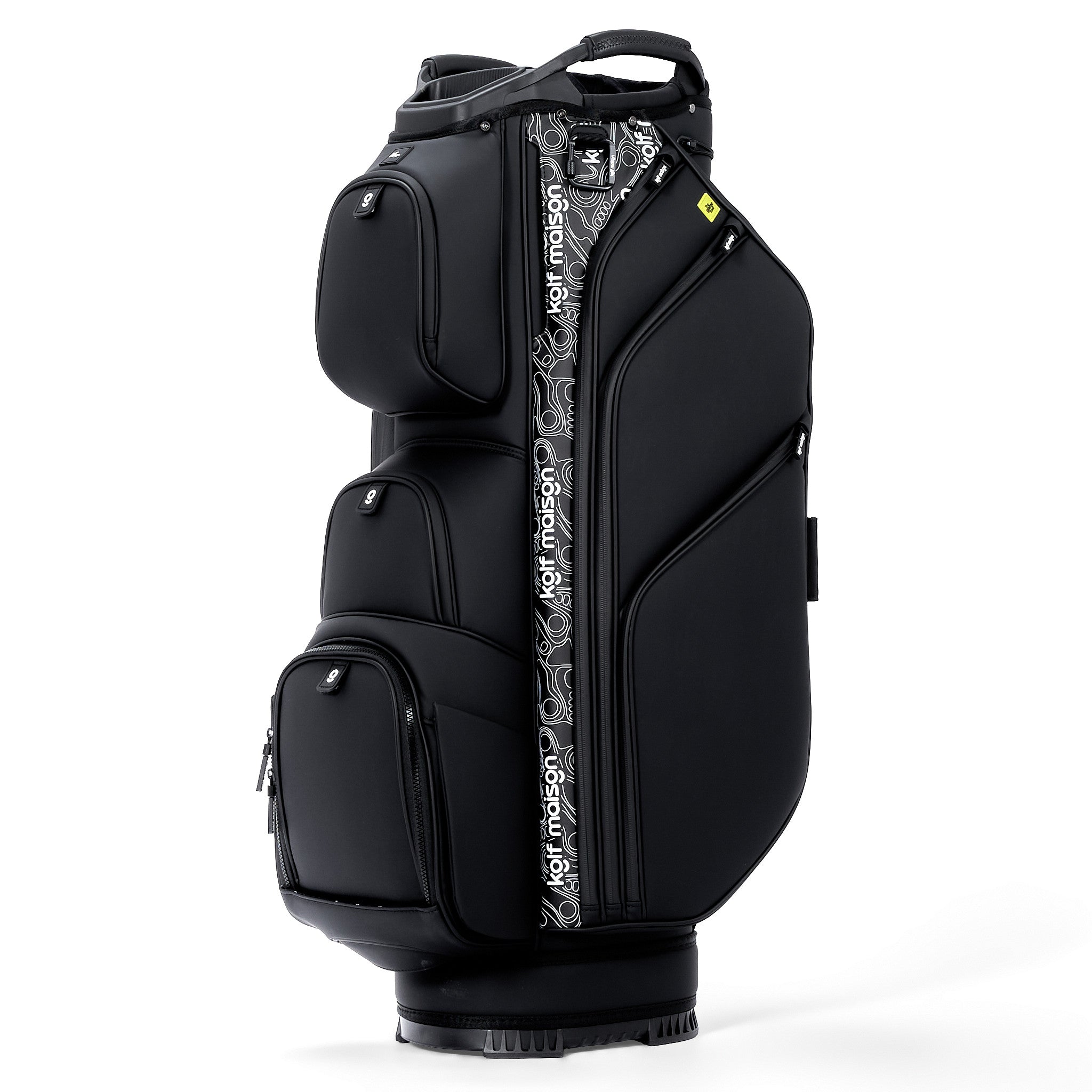
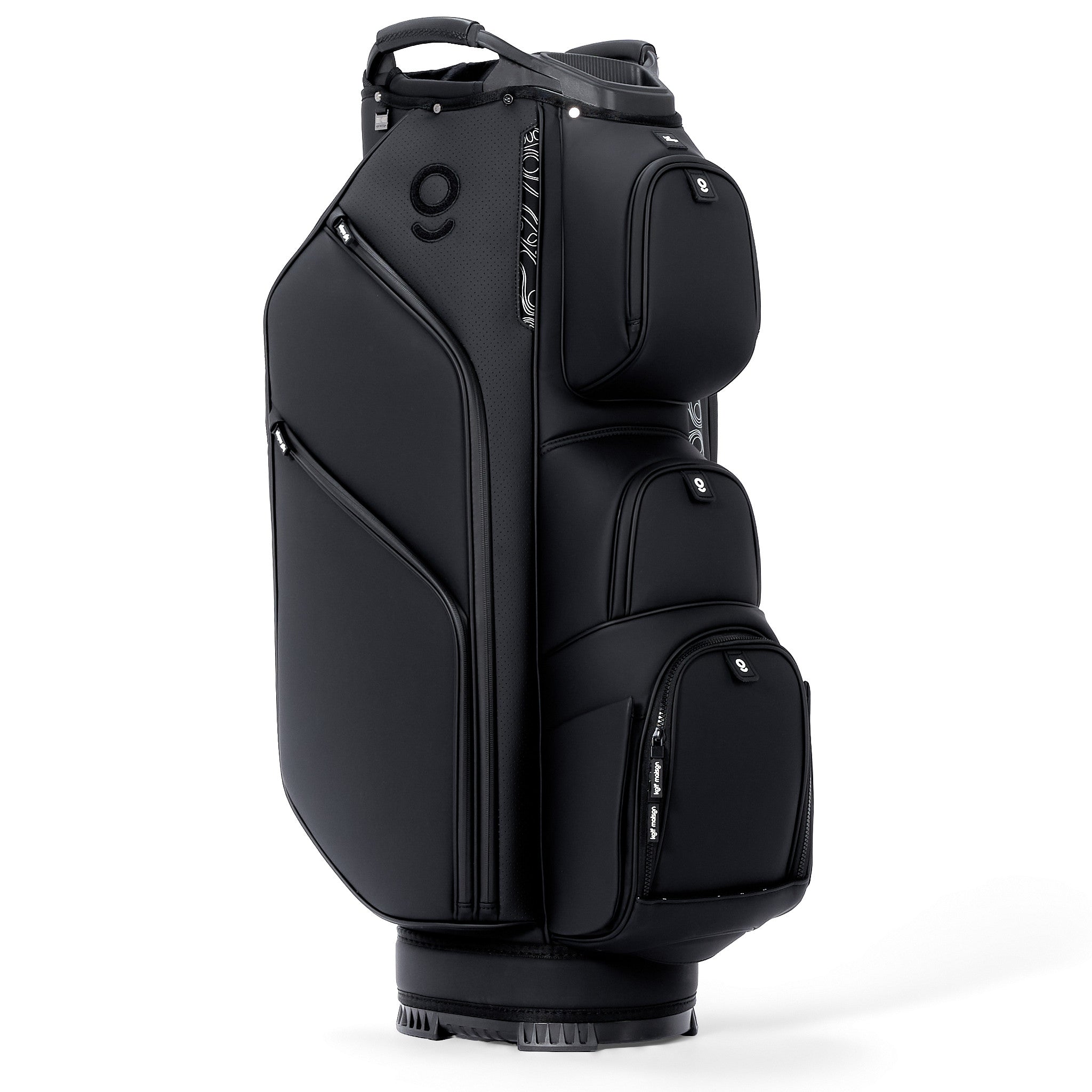
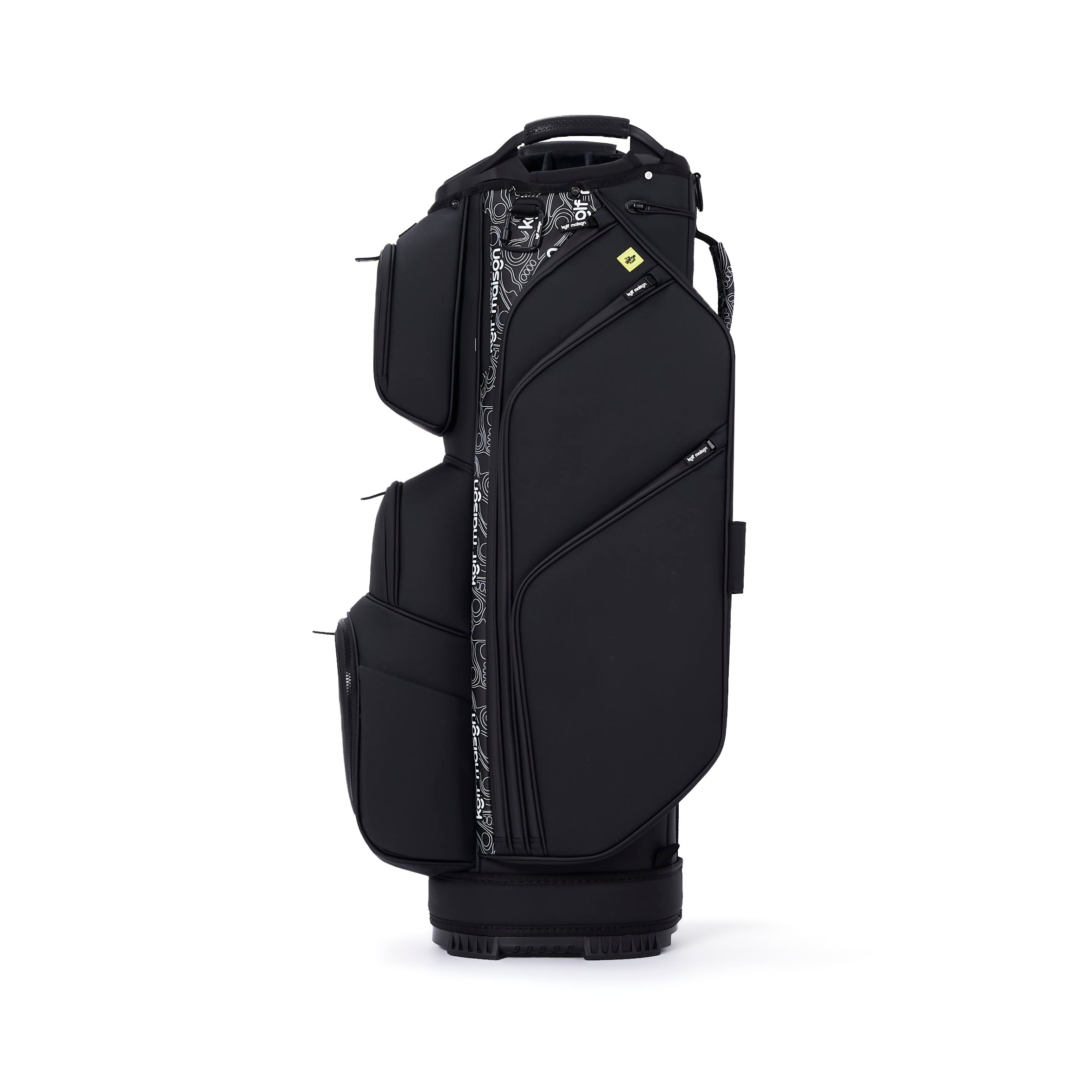
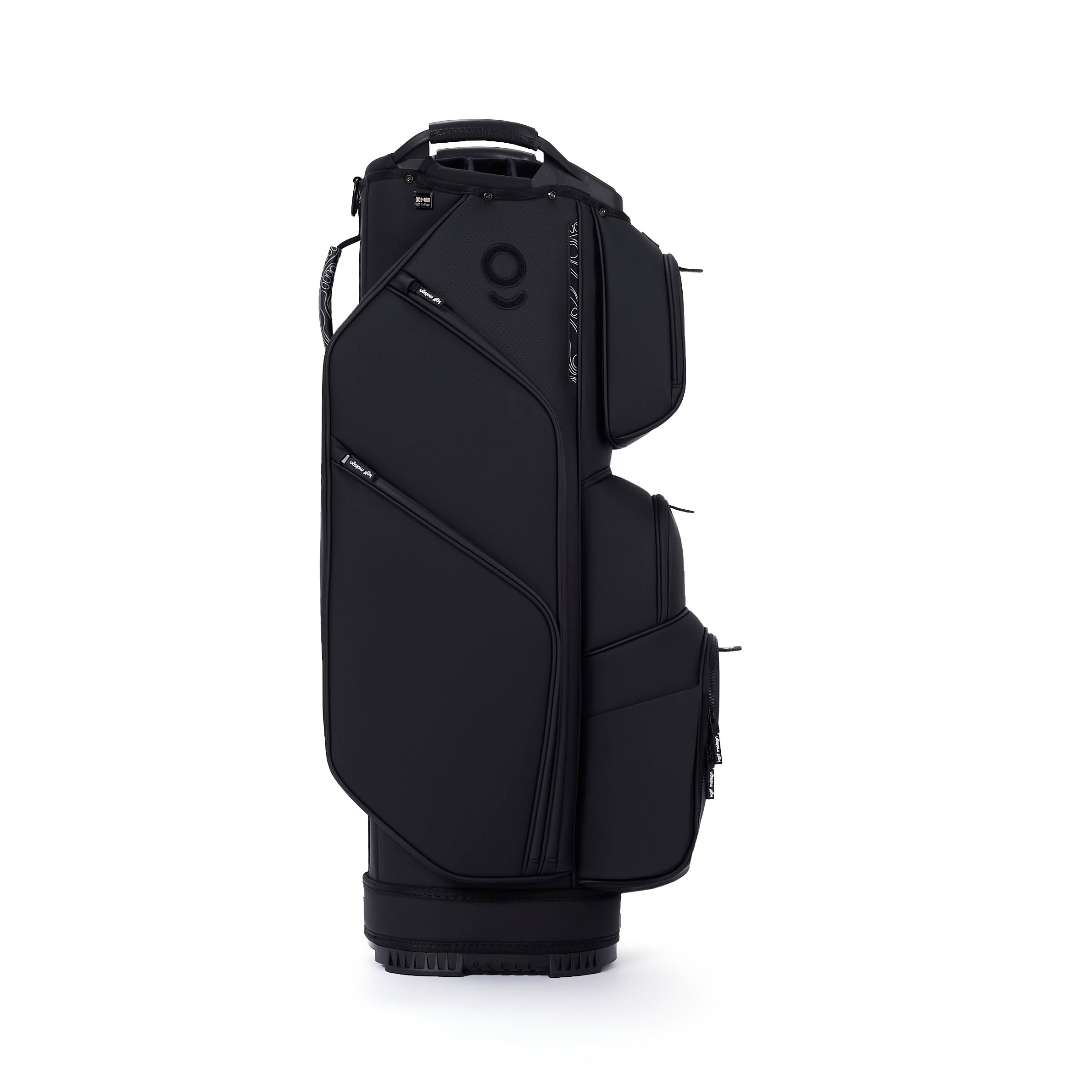
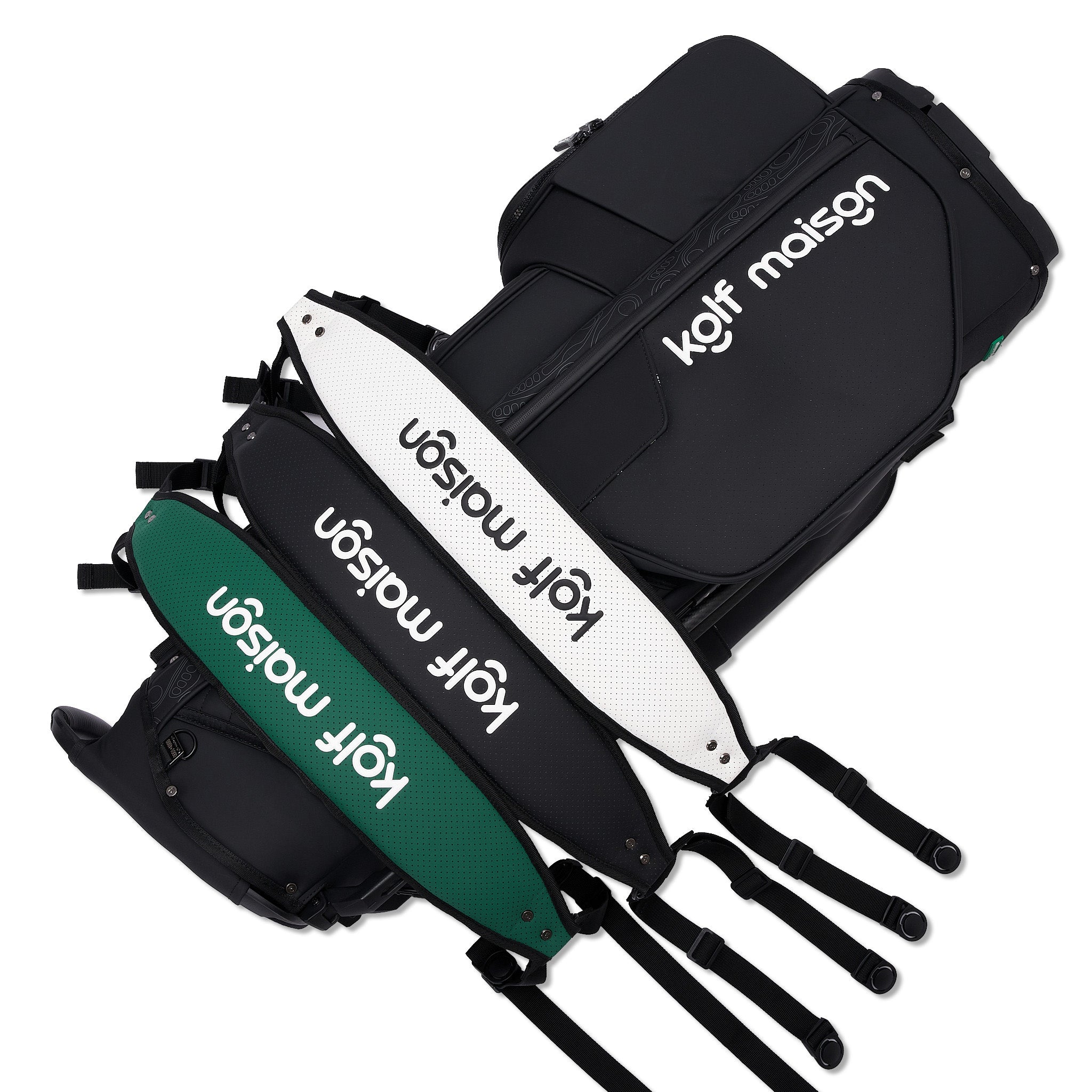
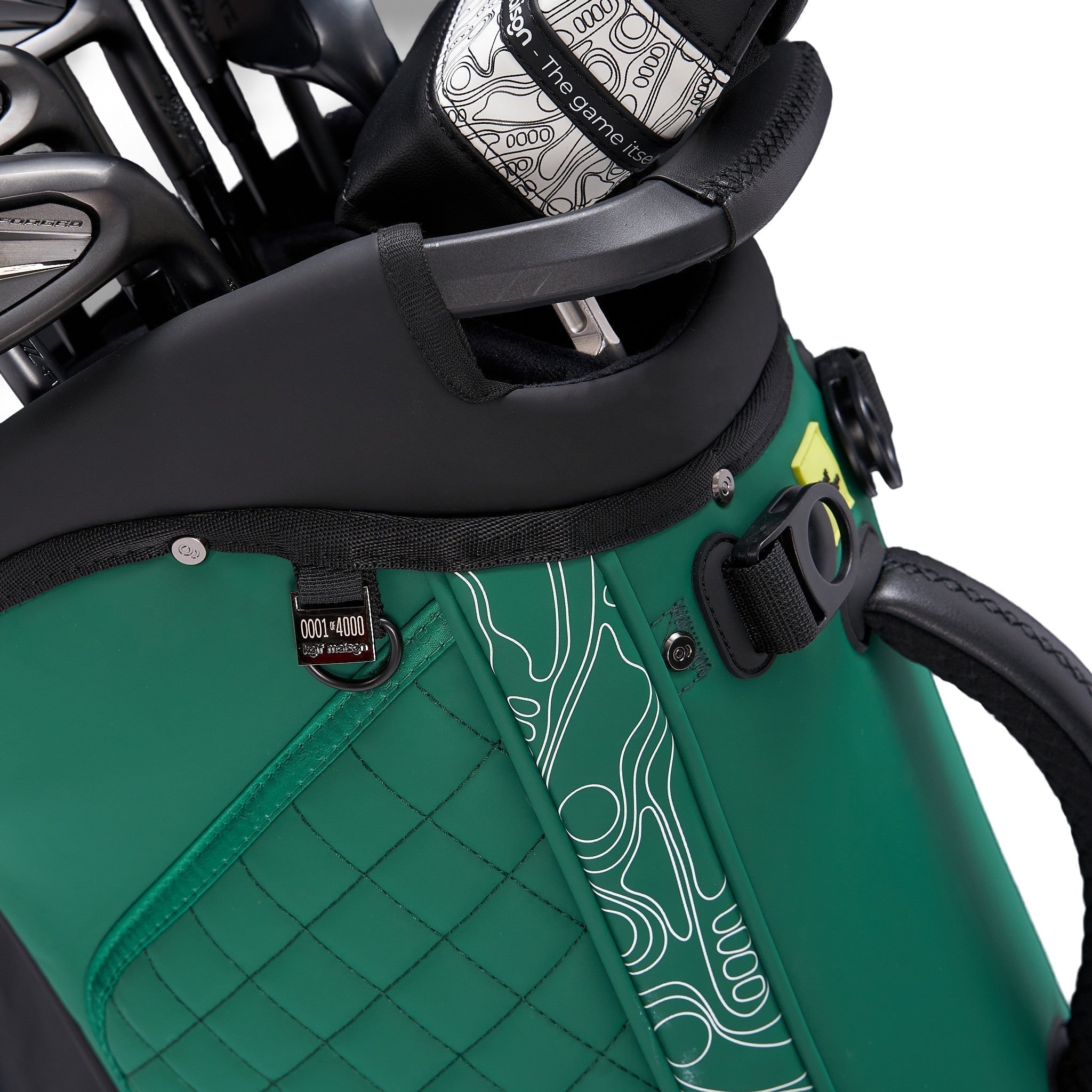
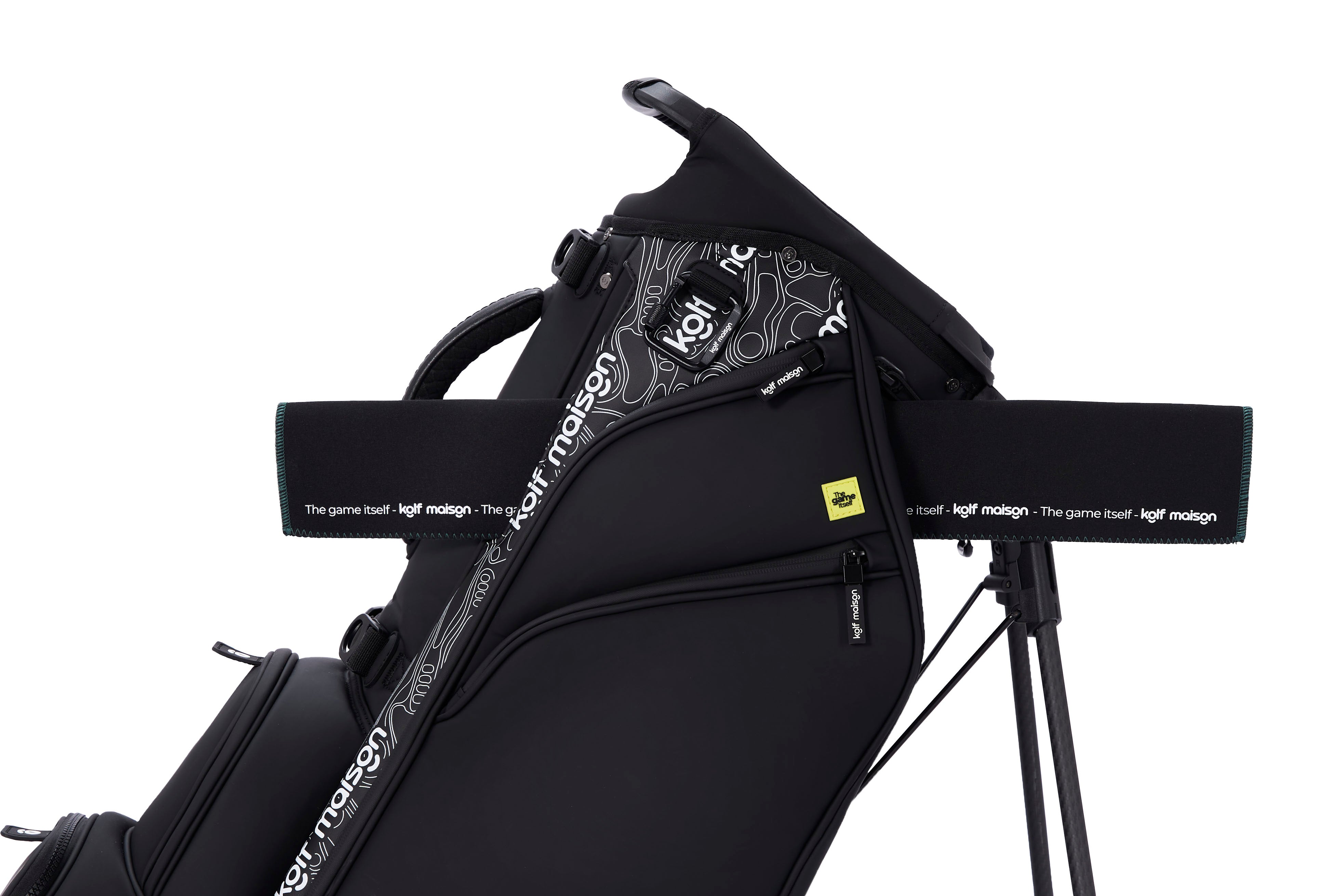
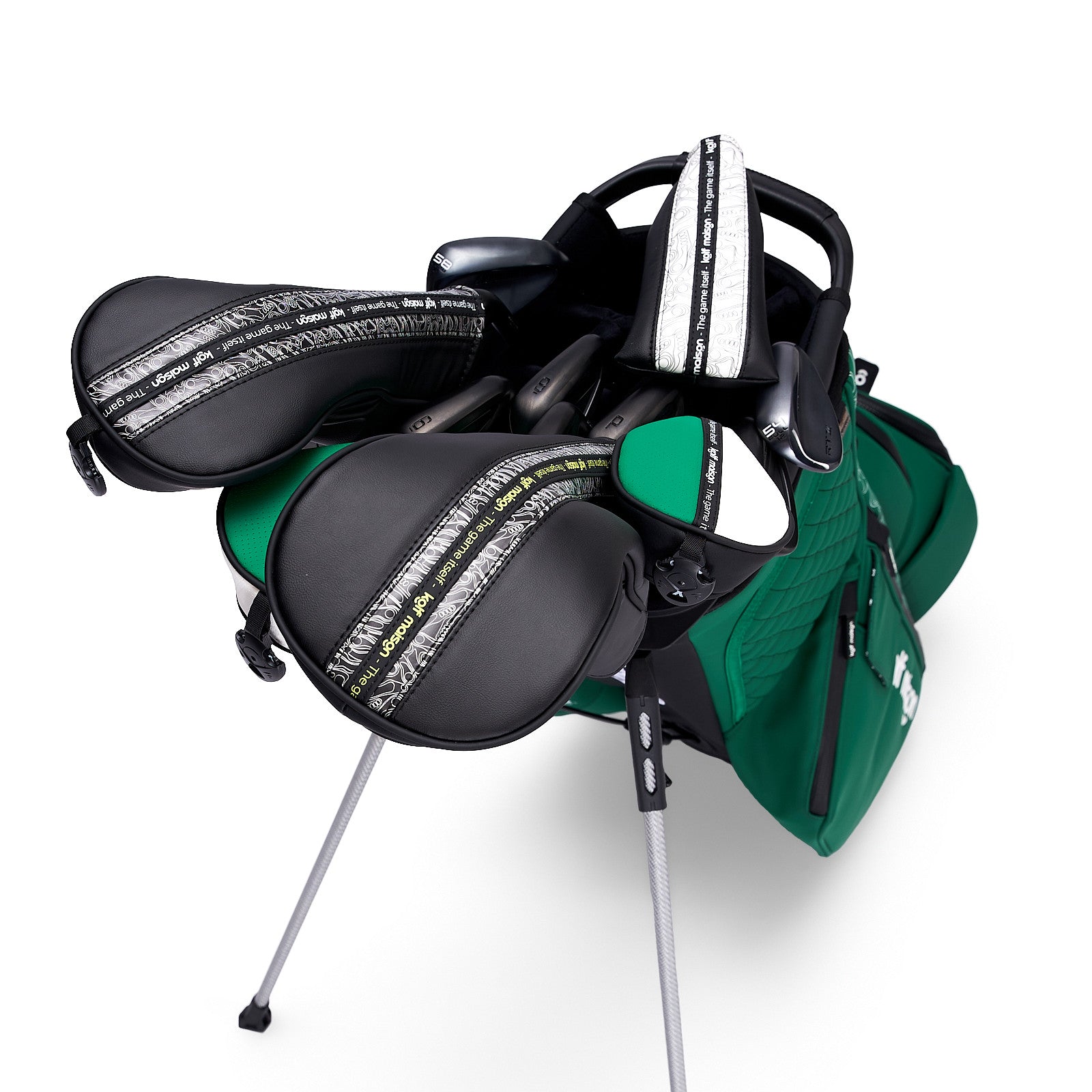
The Paganica Stand Bag uses a dual strap system calibrated around the bag’s internal architecture. The load paths within the bag — the reinforced channels that direct the weight of fourteen clubs toward the base and the bag’s structural frame — are designed to work with the strap system, not independently of it. When the bag is carried, the internal and external systems work together to keep the load centred, tight to the body, and aligned with the spine.
The strap padding uses foam density that maintains its profile over an 18-hole round, not just the first three holes. Adjustment hardware is set once and holds position through the round without slipping. Strap attachment points are positioned relative to the bag’s loaded centre of gravity — a detail that sounds technical but translates directly into the bag sitting vertically on the back rather than pulling forward or backward during the walk.
The Honest Summary
For golfers who walk occasionally and want simplicity, a single strap is adequate. For golfers who walk regularly — more than 30 carrying rounds per year — a properly designed dual strap system is not a luxury. It is the ergonomically correct choice. The shoulder will communicate the difference within the first season if the wrong choice is made.
The Paganica Stand Bag Obsidian Edge and Paganica Stand Bag Blanc Prestige implement the dual strap system at the standard that walking golf demands.
Kolf Maison. The Game Itself.


Share:
The Executive Golfer's Complete Bag Setup for Corporate Golf Days
Why Your Golf Bag Won't Stand Up Straight — And What It Tells You