



Why Your Golf Bag Won’t Stand Up Straight — And What It Tells You
A golf bag that leans, tips, or refuses to stand upright is one of the most practically frustrating equipment problems on the course — and one of the most informative. The stability of a bag on the ground is not a trivial feature. It reflects the quality of the base plate engineering, the stand mechanism calibration, and the structural integrity of the bag’s architecture. A bag that won’t stand straight is usually a bag that is compromising in ways that go beyond this single inconvenience.
Why Golf Bags Fall Over: The Root Causes
The most common cause of tipping is a base plate that is either too narrow or too flexible. Golf bags carry their weight high — fourteen clubs create a centre of gravity that sits in the upper half of the bag. Without a sufficiently wide, rigid base, the slightest surface irregularity tilts the bag past its tipping point.
Standard polyester and nylon bags often use thin plastic base plates that flex under the weight of a full club set. This flex causes the base to deform over time — what started as a flat base develops a slight concavity that makes contact with the ground unpredictable. On any surface other than perfectly level ground, the bag finds its own tipping angle rather than staying where it was placed.
The Stand Mechanism Problem
On stand bags, the stand mechanism is the primary stability system on anything other than flat ground. A stand mechanism that deploys at the wrong angle, that doesn’t extend far enough to create a stable tripod base, or that retracts unevenly will produce a bag that tips on slopes and uneven fairways — which describes most of the interesting holes on most good courses.
Stand mechanisms that are manufactured to tight tolerances and calibrated to the bag’s loaded centre of gravity will hold position reliably. Mechanisms that are designed to spec but manufactured with loose tolerances — acceptable from a cost perspective at volume production — will produce inconsistent behaviour. The bag might stand reliably on the range but tip on the first hill of the course.
What a Bag That Won’t Stand Tells You
A bag that tips is almost always a bag with other structural compromises. The base plate weakness that causes tipping is typically accompanied by divider panels that compress under load, pockets that deform after a season of use, and exterior materials that soften at contact points. These are not isolated failures — they are symptoms of a design philosophy that prioritised initial visual appeal over structural engineering.
The base plate is the foundation. If the foundation flexes, everything built on it reflects that instability.
The Engineering Answer: High-Density Base Plates
A properly engineered base plate uses high-density material that resists flex under the weight of a full set of clubs. The footprint is calibrated to the bag’s loaded centre of gravity — wide enough and positioned correctly relative to the bag’s body to create inherent stability on surfaces up to a significant gradient.
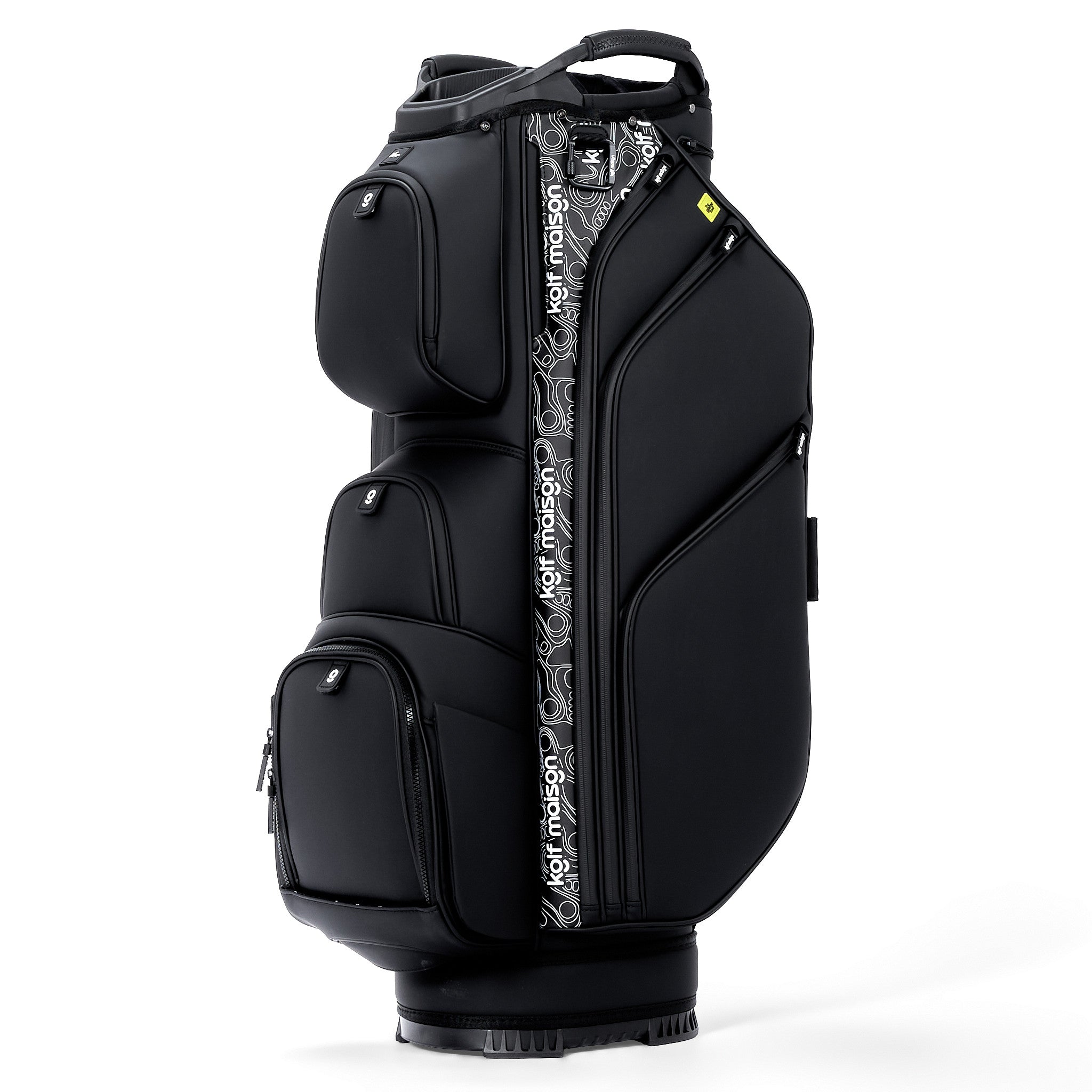
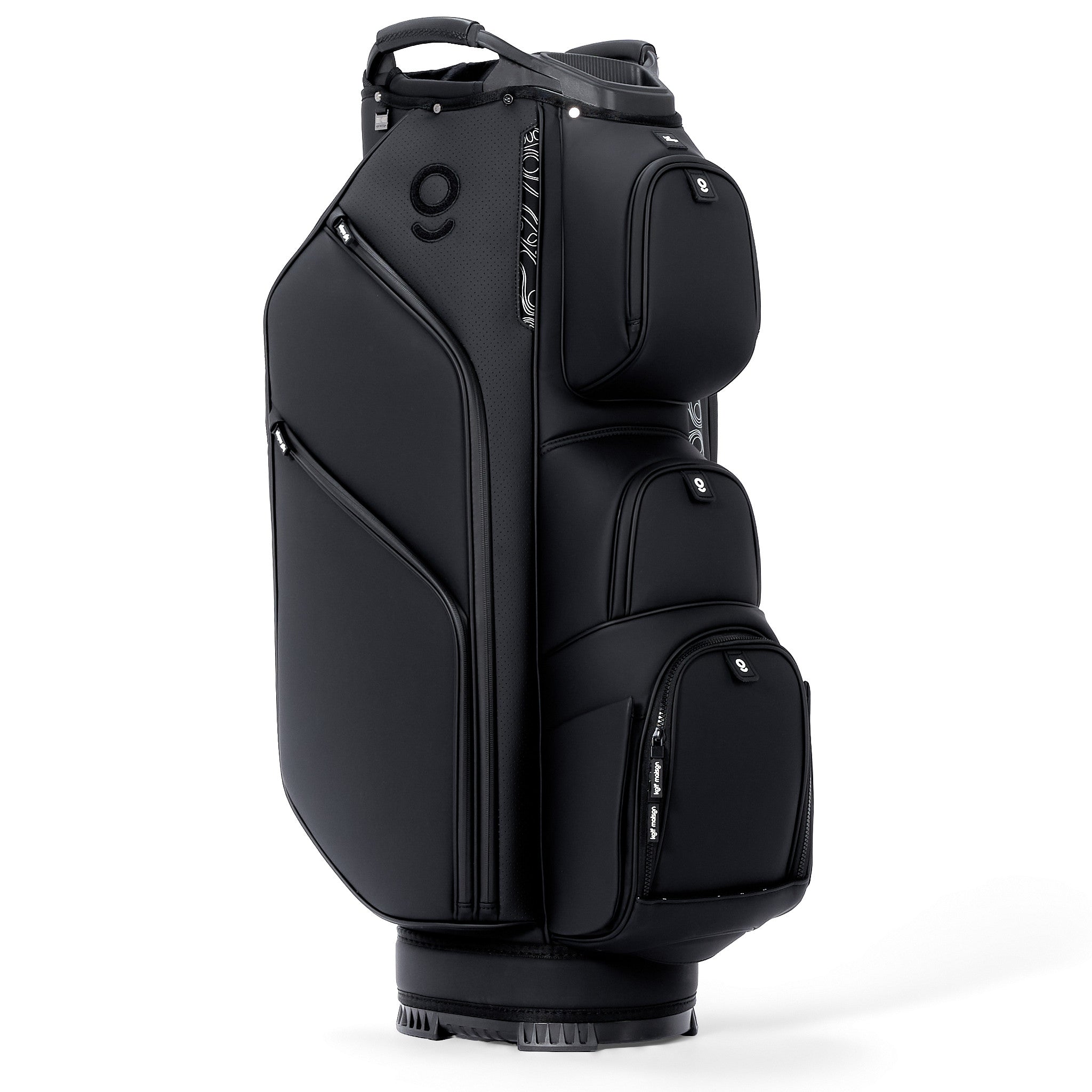
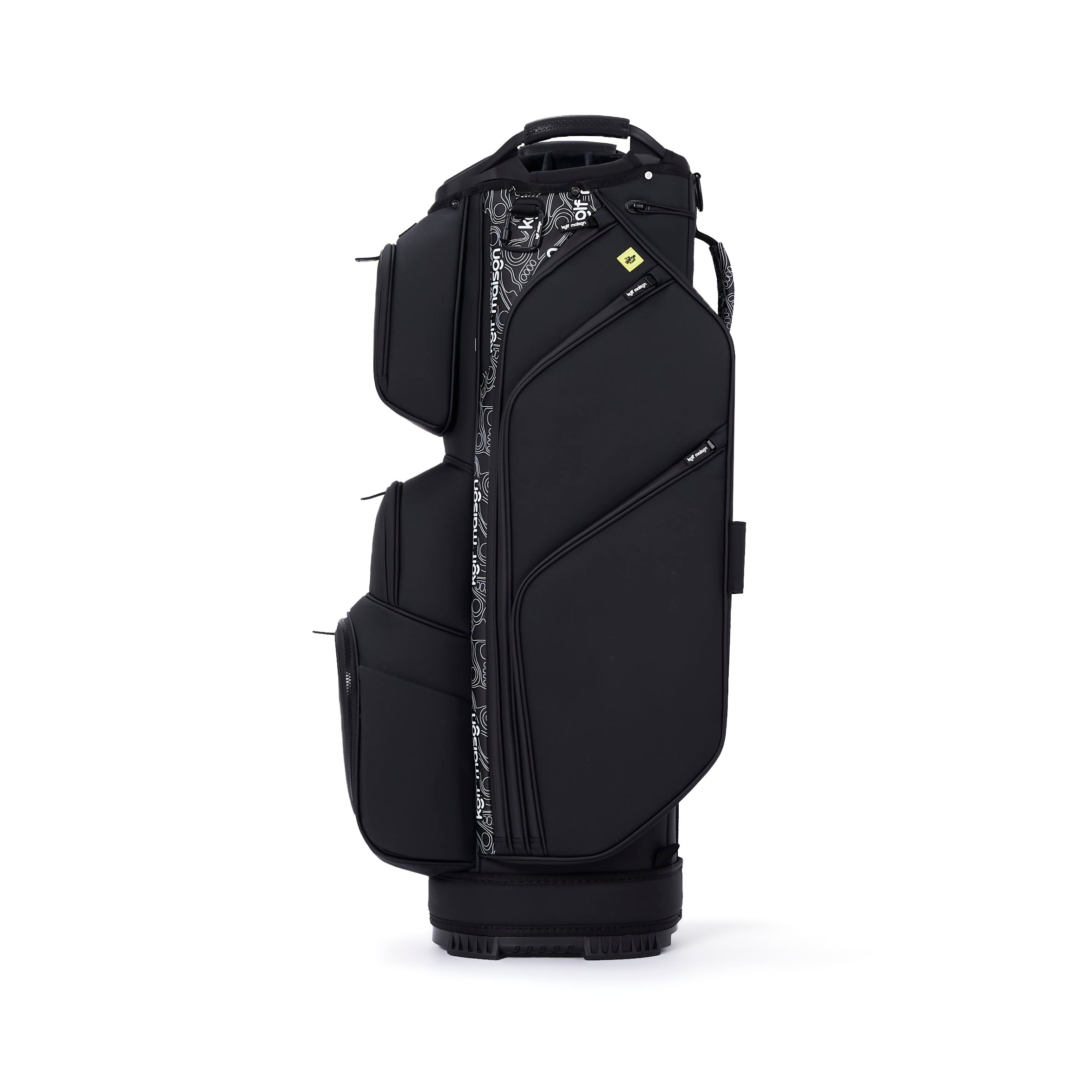
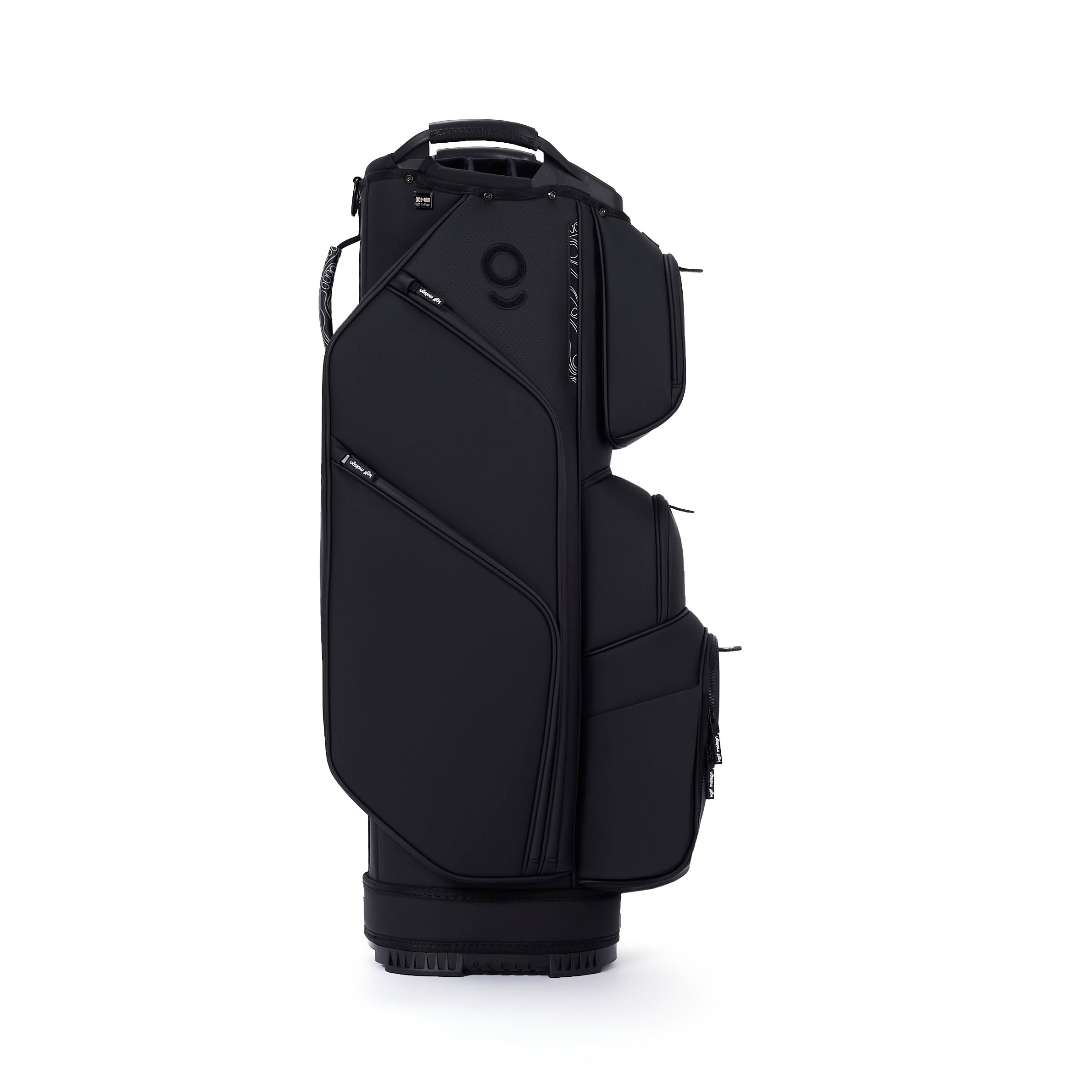
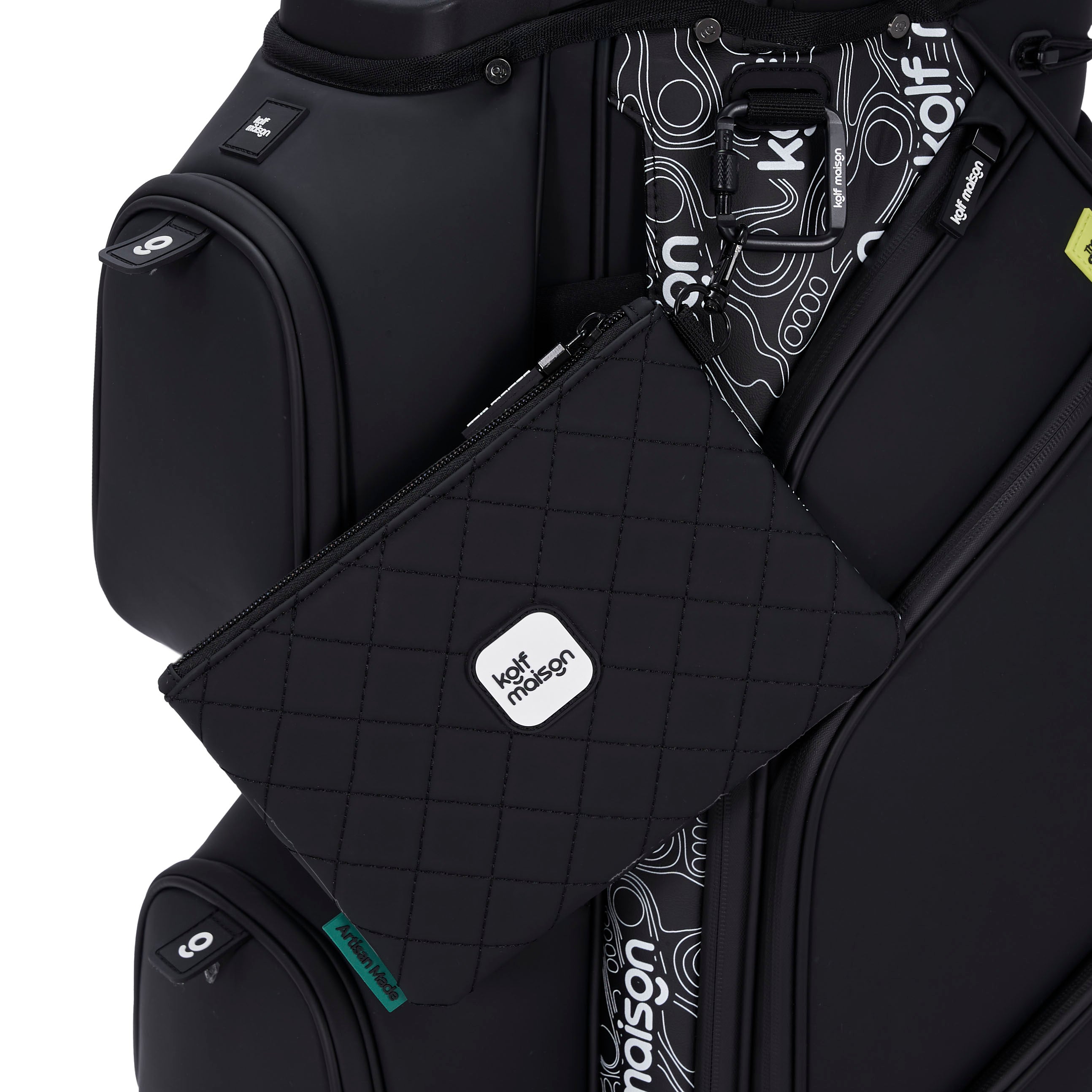
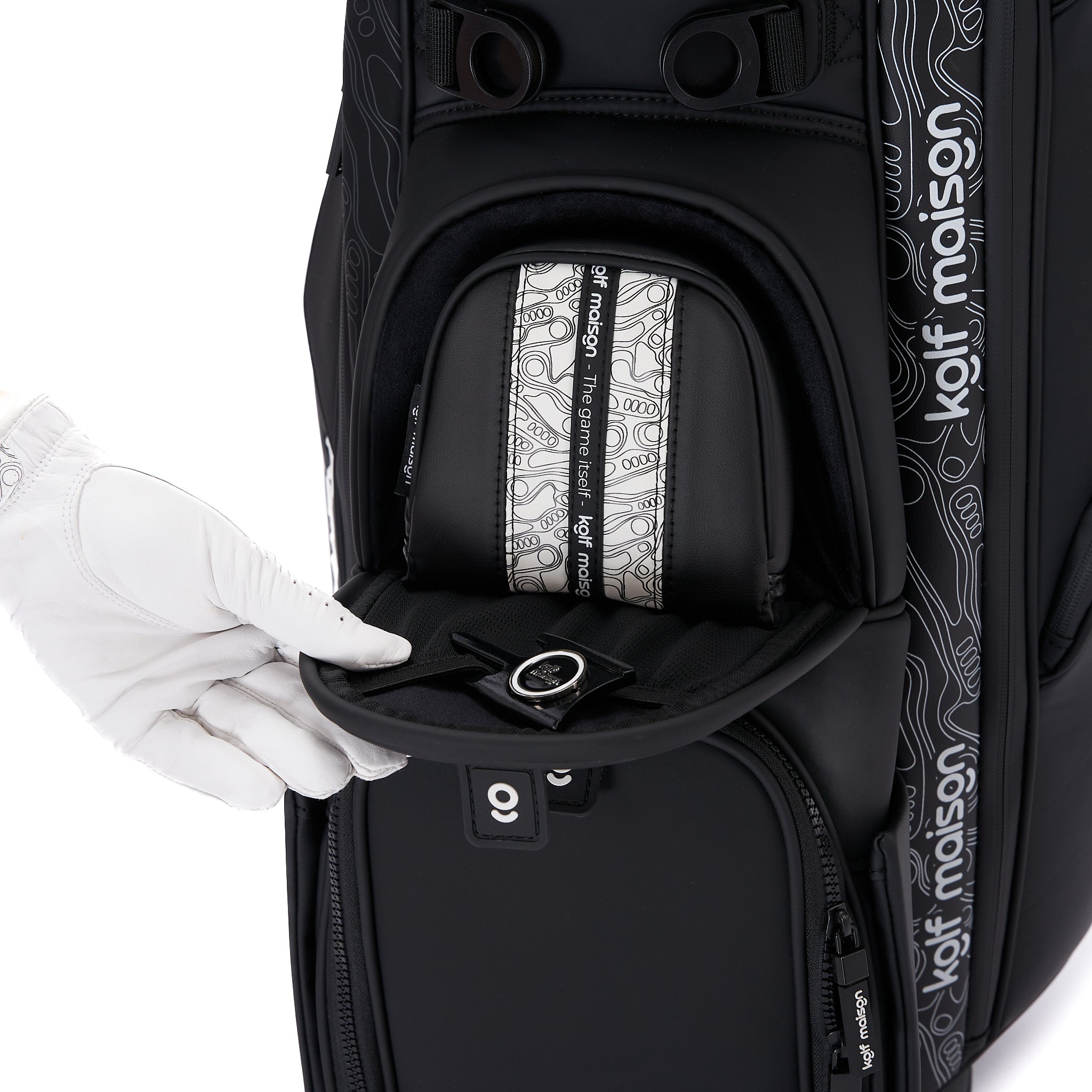
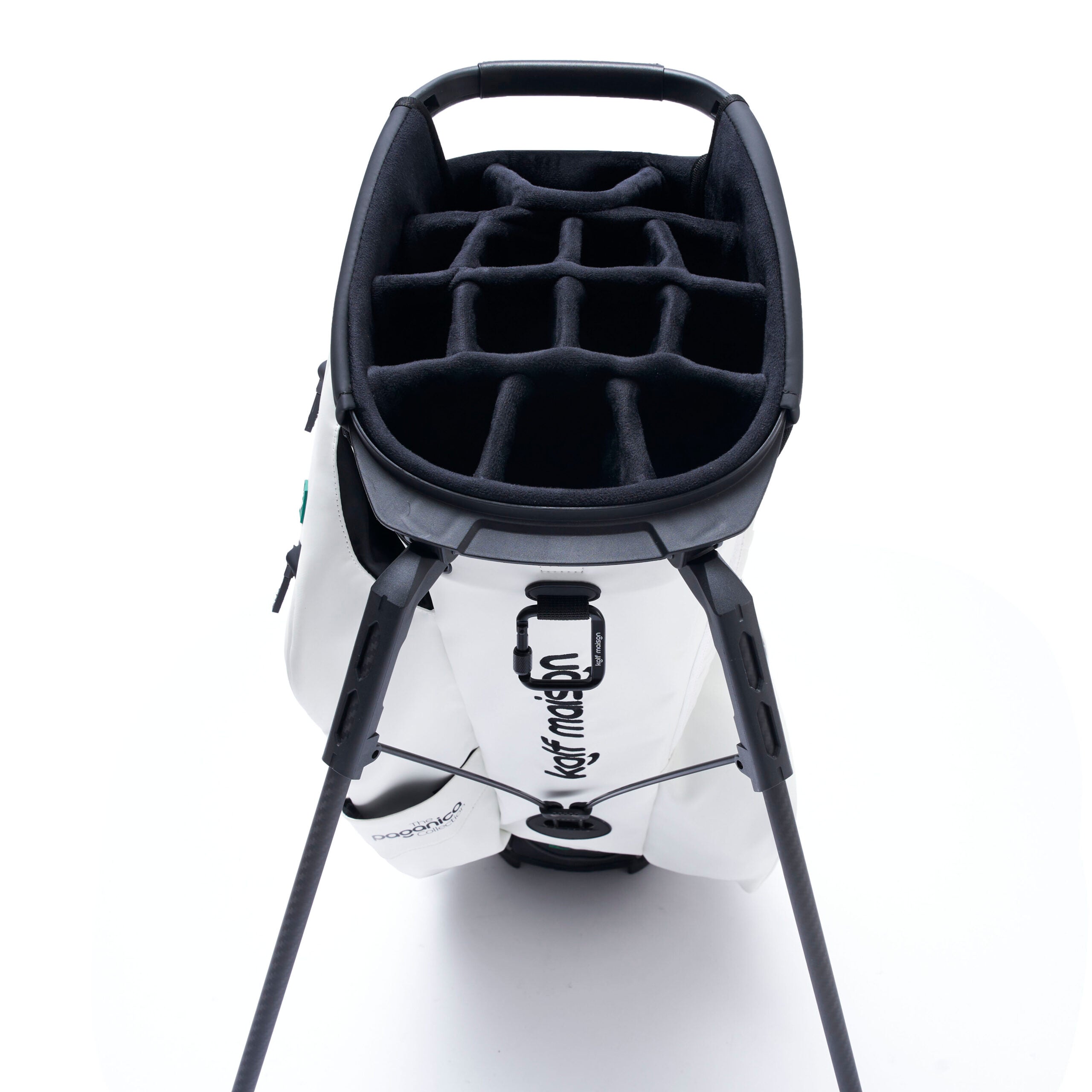
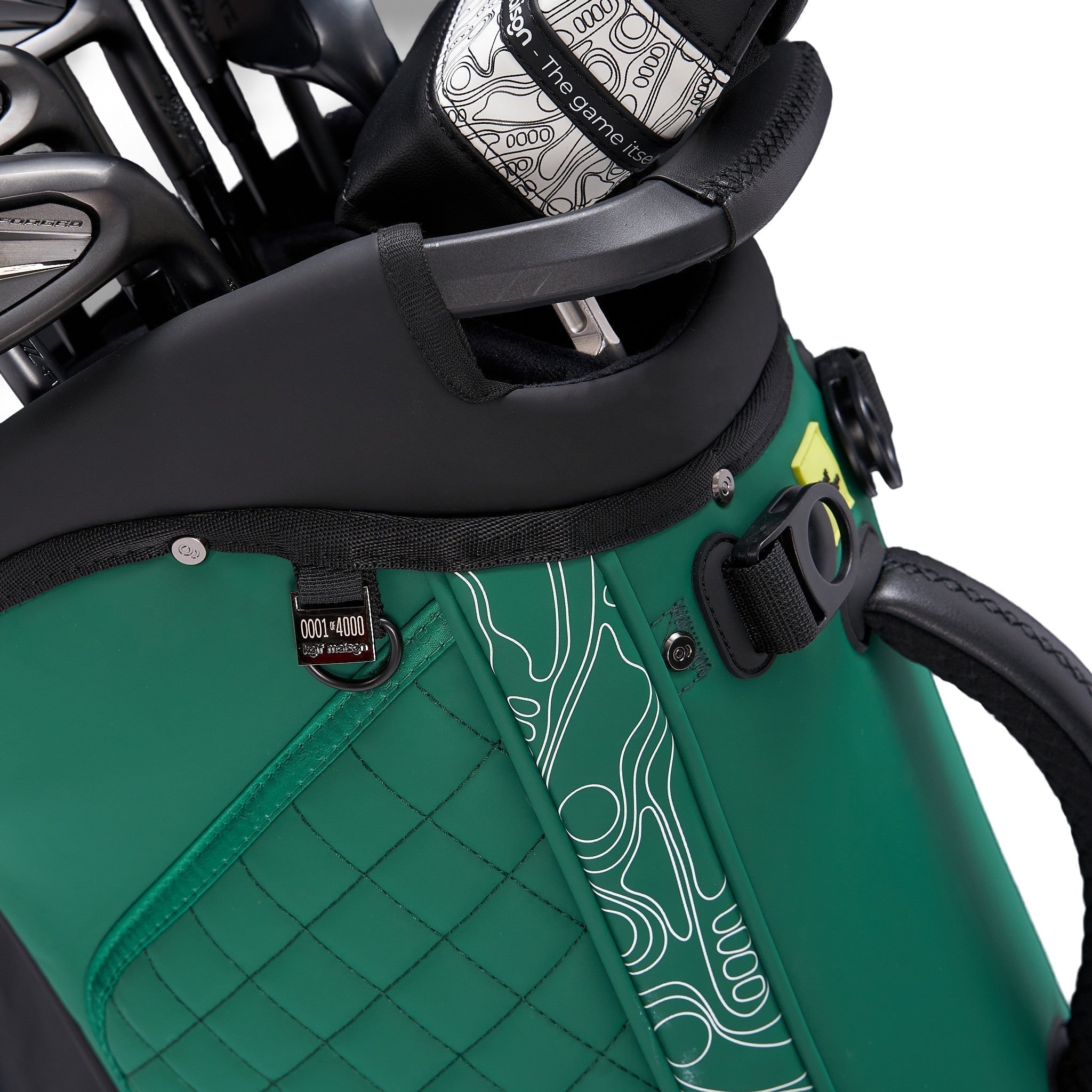
The Kolf Maison Paganica collection uses anti-flex base plates engineered to keep the bag upright on realistic course terrain, not just flat testing surfaces. The internal frame of the bag works in conjunction with the base — the structural load paths direct weight toward the base in a way that keeps the centre of gravity low and the base fully engaged with the ground.
Stand Bag Calibration
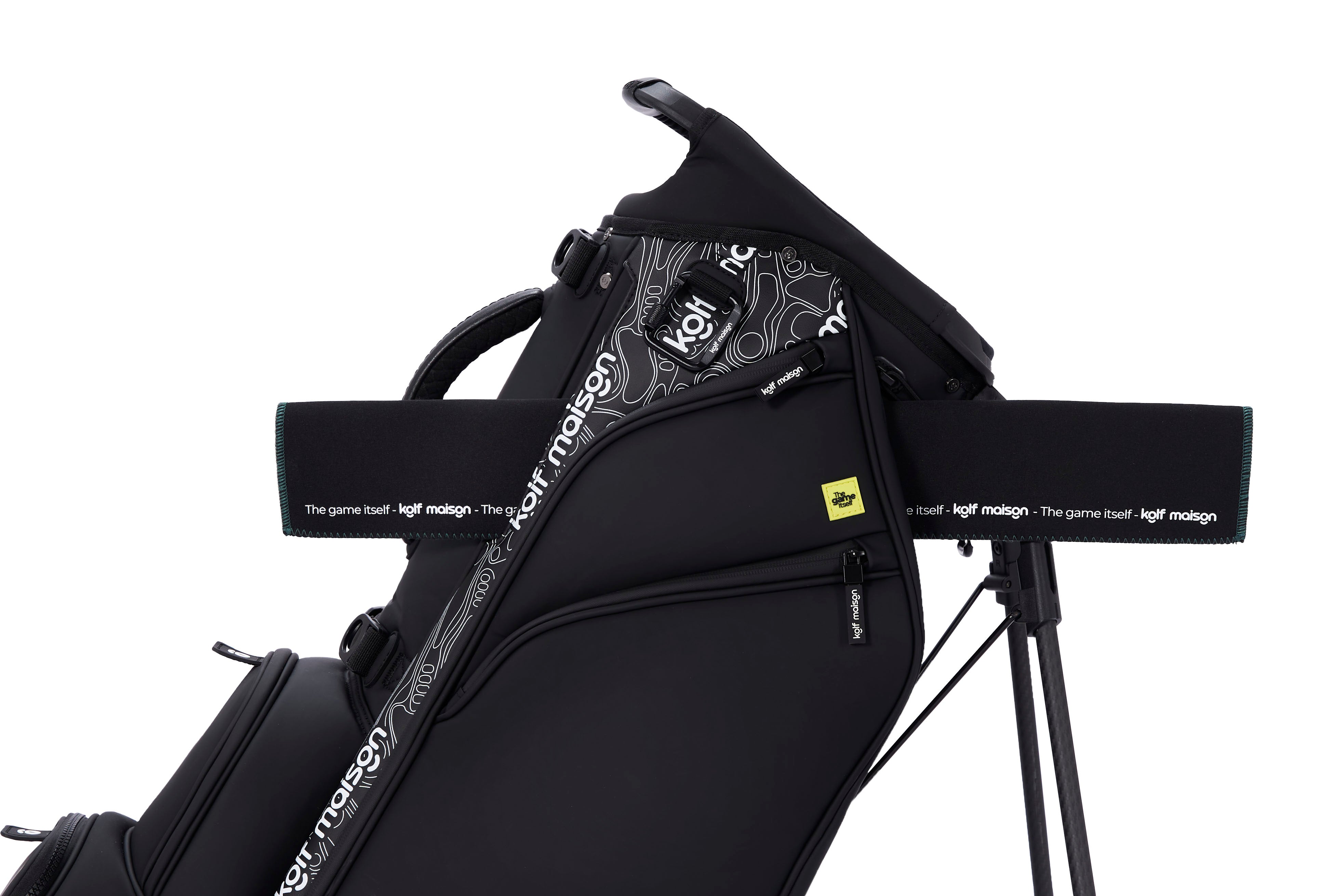
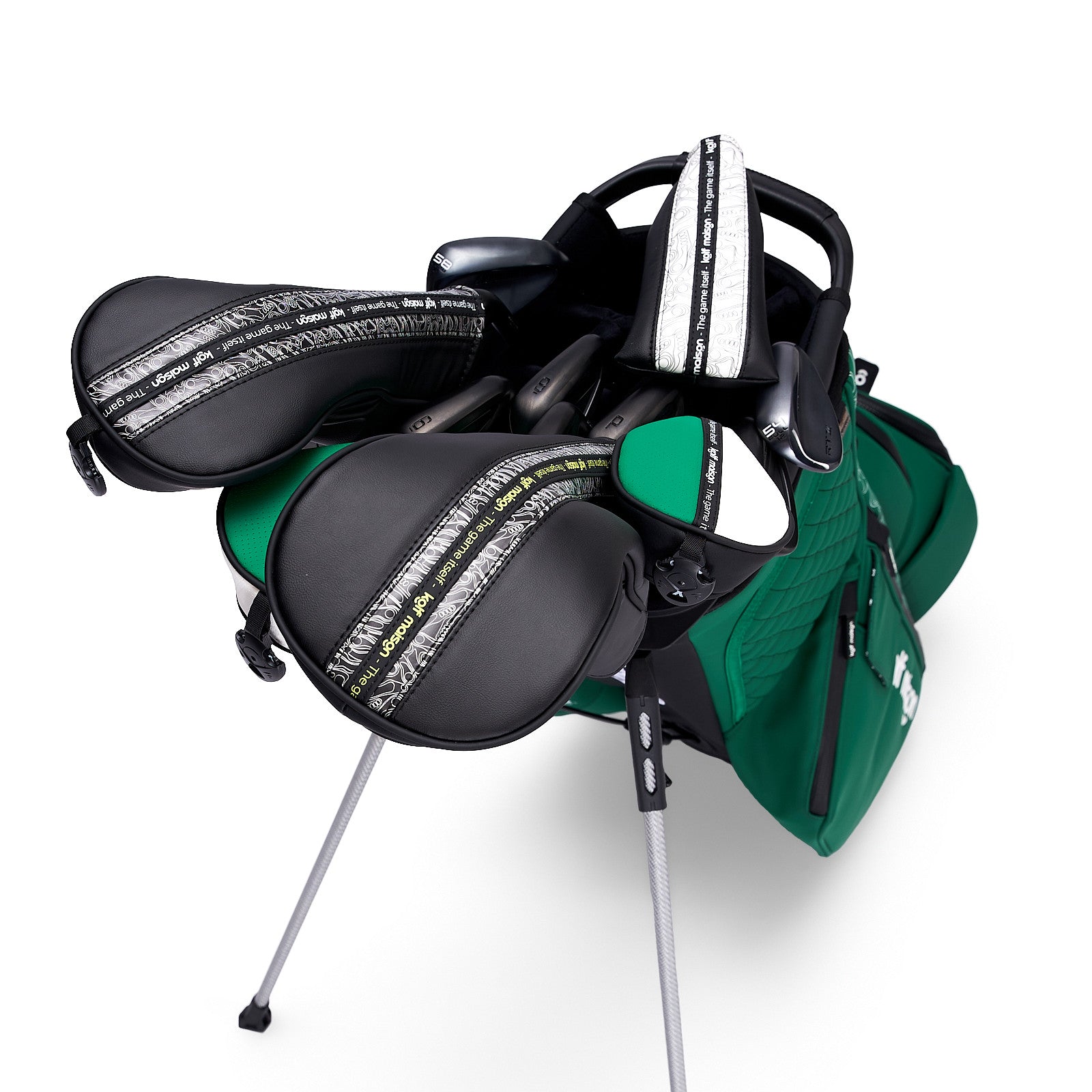
The Paganica Stand Bag’s stand mechanism is calibrated to the bag’s actual loaded weight distribution — the position and geometry of the legs are not generic stand bag components but are tuned to the specific architecture of the Paganica. This means the mechanism creates a genuinely stable tripod across the terrain conditions that characterise real course play, including the slopes around greens where most bags are placed most often.
The Practical Test
Before purchasing a stand bag, fill it with a representative load — fourteen clubs, a few balls, water, the usual accessories. Place it on a slight slope (a few degrees of gradient, representing a typical fairway situation) and observe whether it holds position. Then place it on short grass near a slope and step back. A bag with well-engineered base geometry and stand calibration will stay where you put it. A bag with base or mechanism compromises will start moving almost immediately.
This test takes thirty seconds and reveals more about a bag’s structural integrity than an hour of showroom inspection.
Cart Bag Stability
For cart bags, the stability question is different. The bag doesn’t need to stand independently — it needs to sit correctly on the cart rack and stay there during movement across terrain. A cart bag with a properly proportioned base and pass-through channel sits centred and vertical on the rack. A bag with a poorly designed base or no pass-through channel sits at an angle or shifts during the round.
The Paganica Cart Bag’s base proportions and pass-through implementation are designed for the cart rack, not for the showroom shelf. They hold position because the engineering was applied to the correct problem.
Explore the full Paganica collection at kolfmaison.com.
Kolf Maison. The Game Itself.


Share:
Single Strap vs Dual Strap Golf Bags: The Definitive Walking Guide
Budget Luxury vs. Real Luxury: How to Tell the Difference in a Golf Bag