


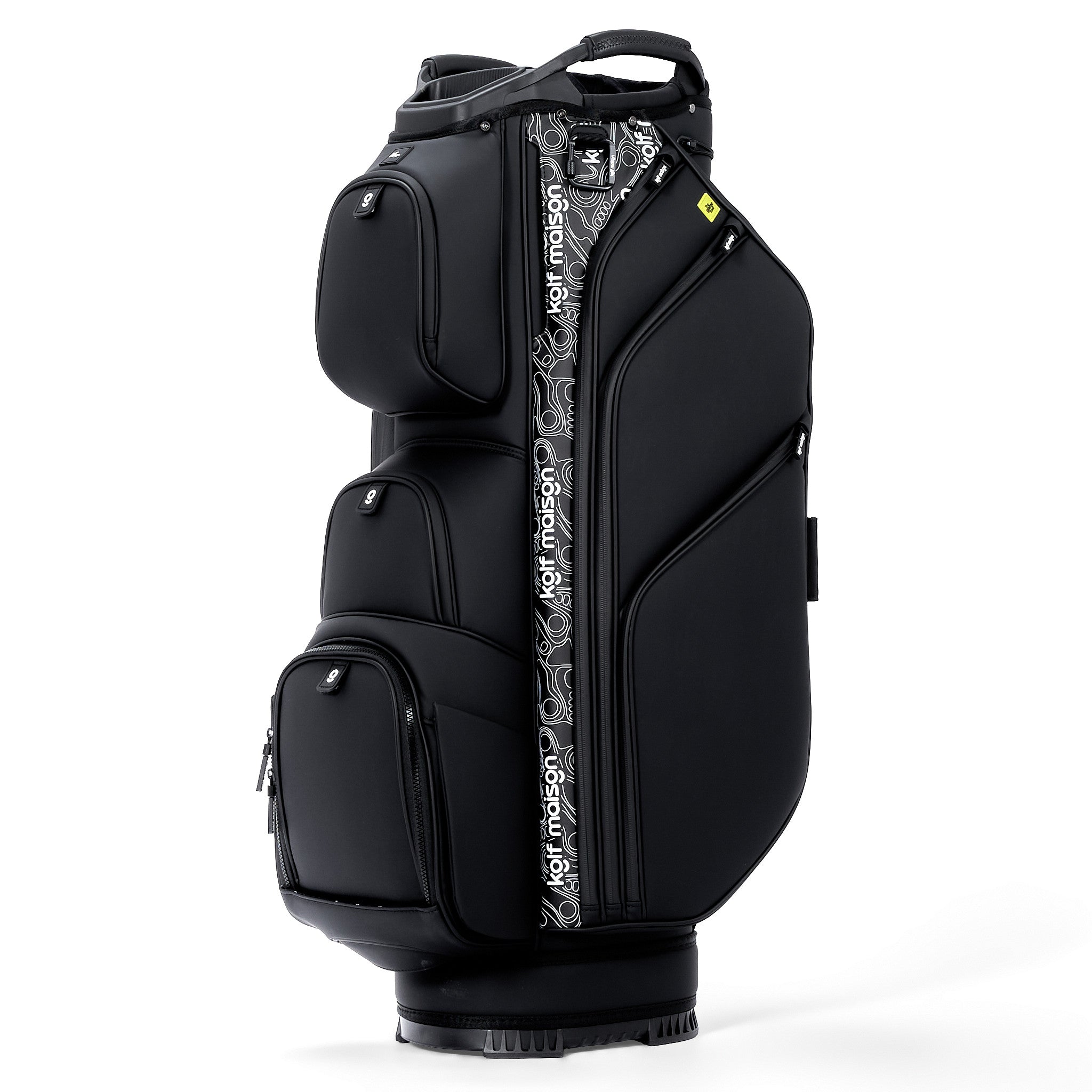
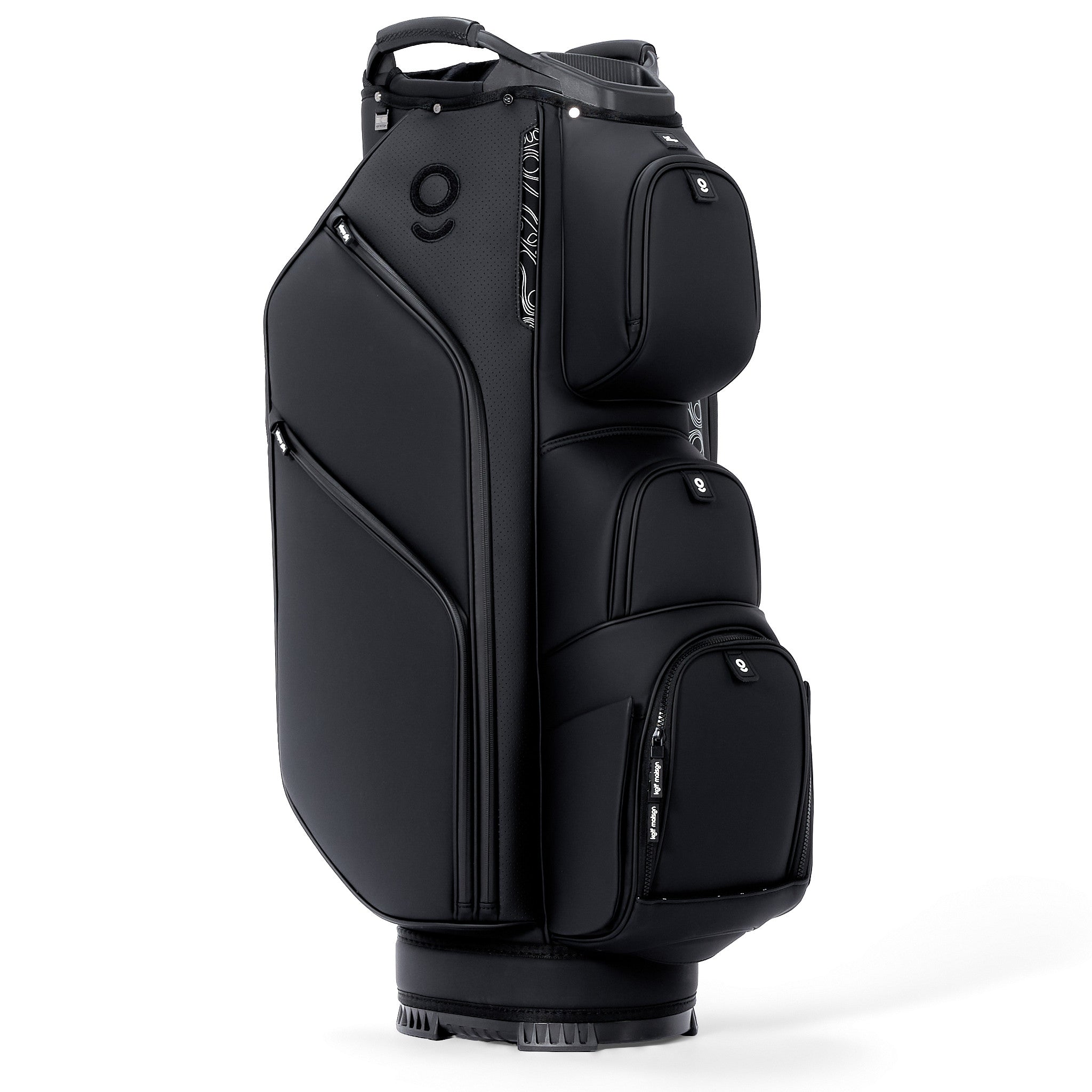
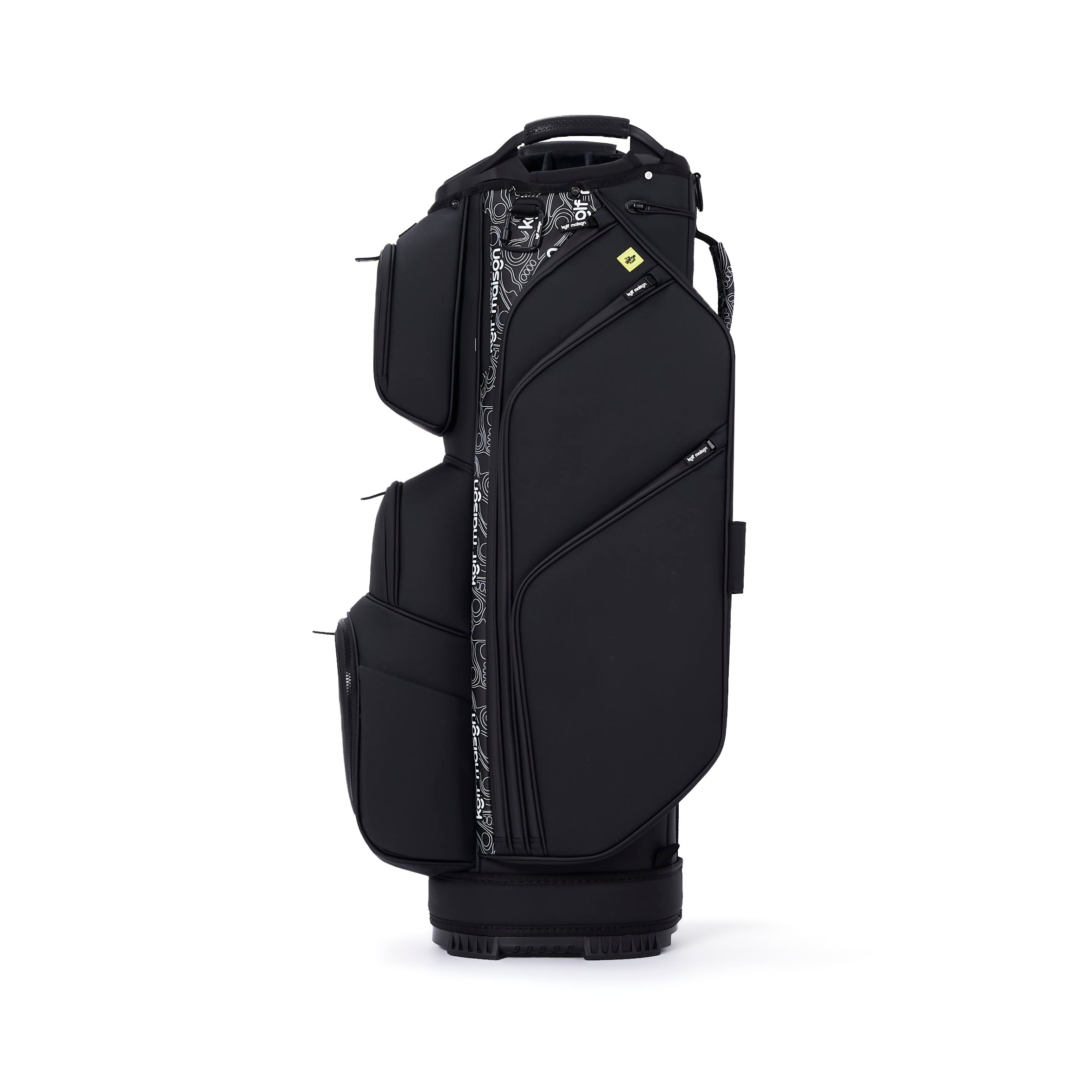
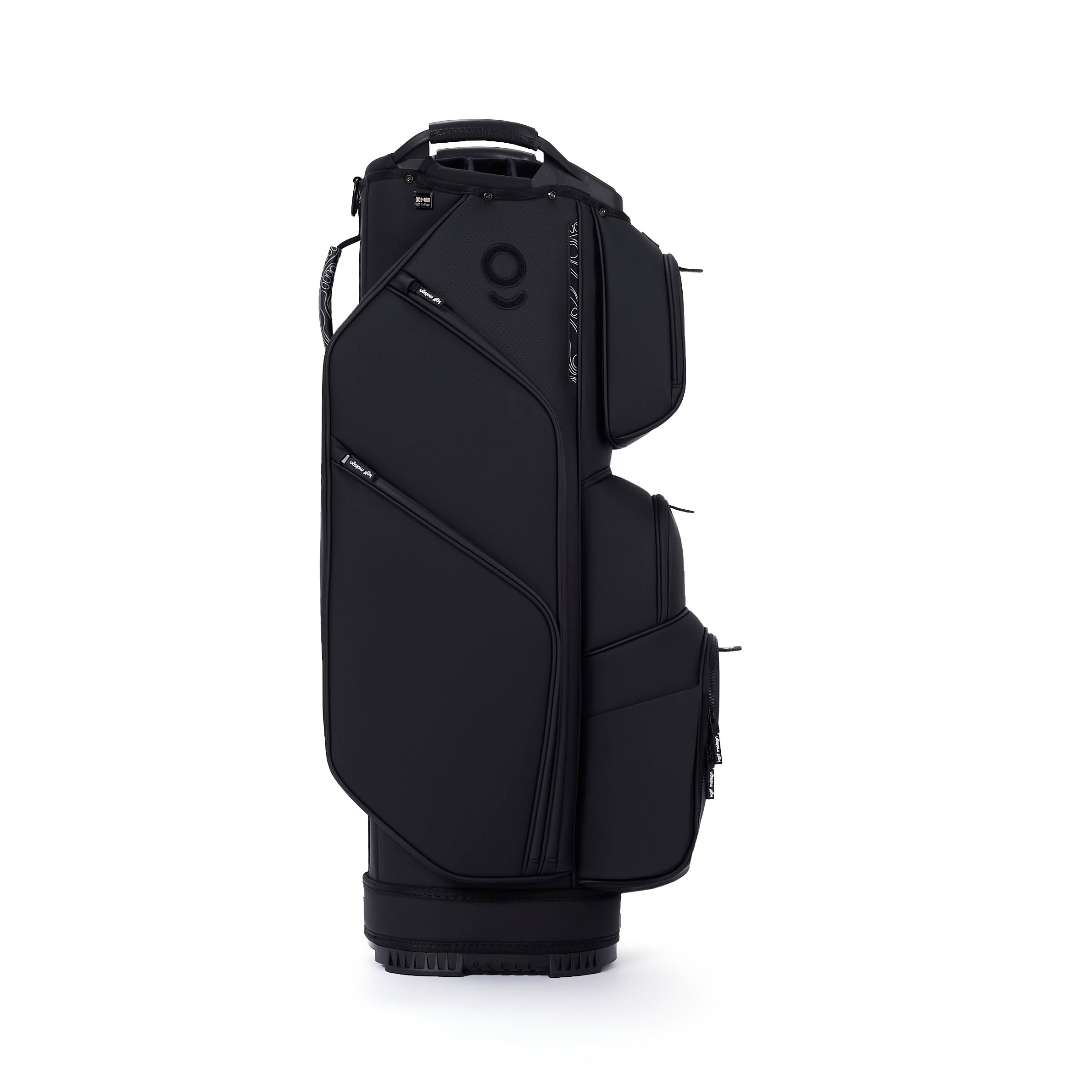
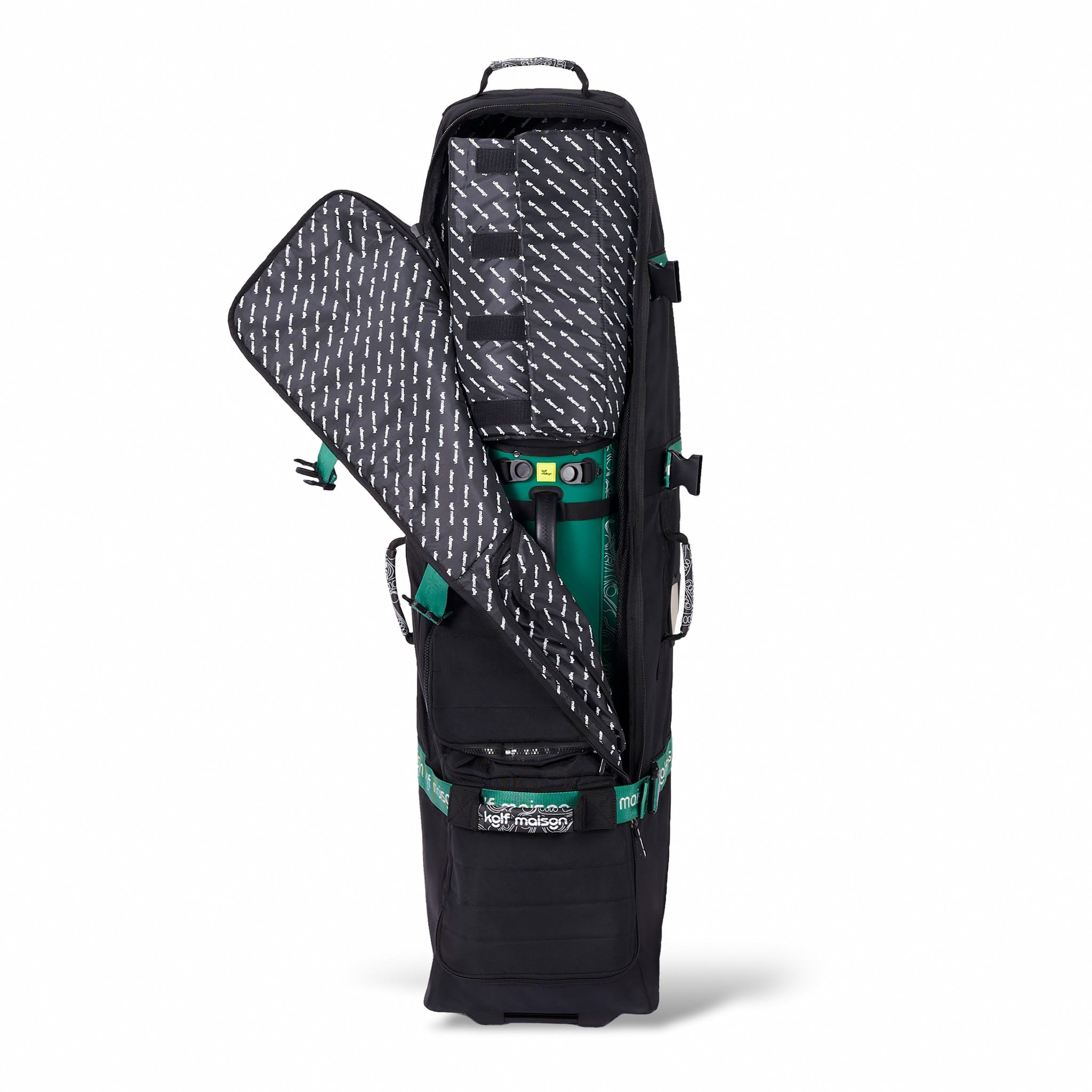
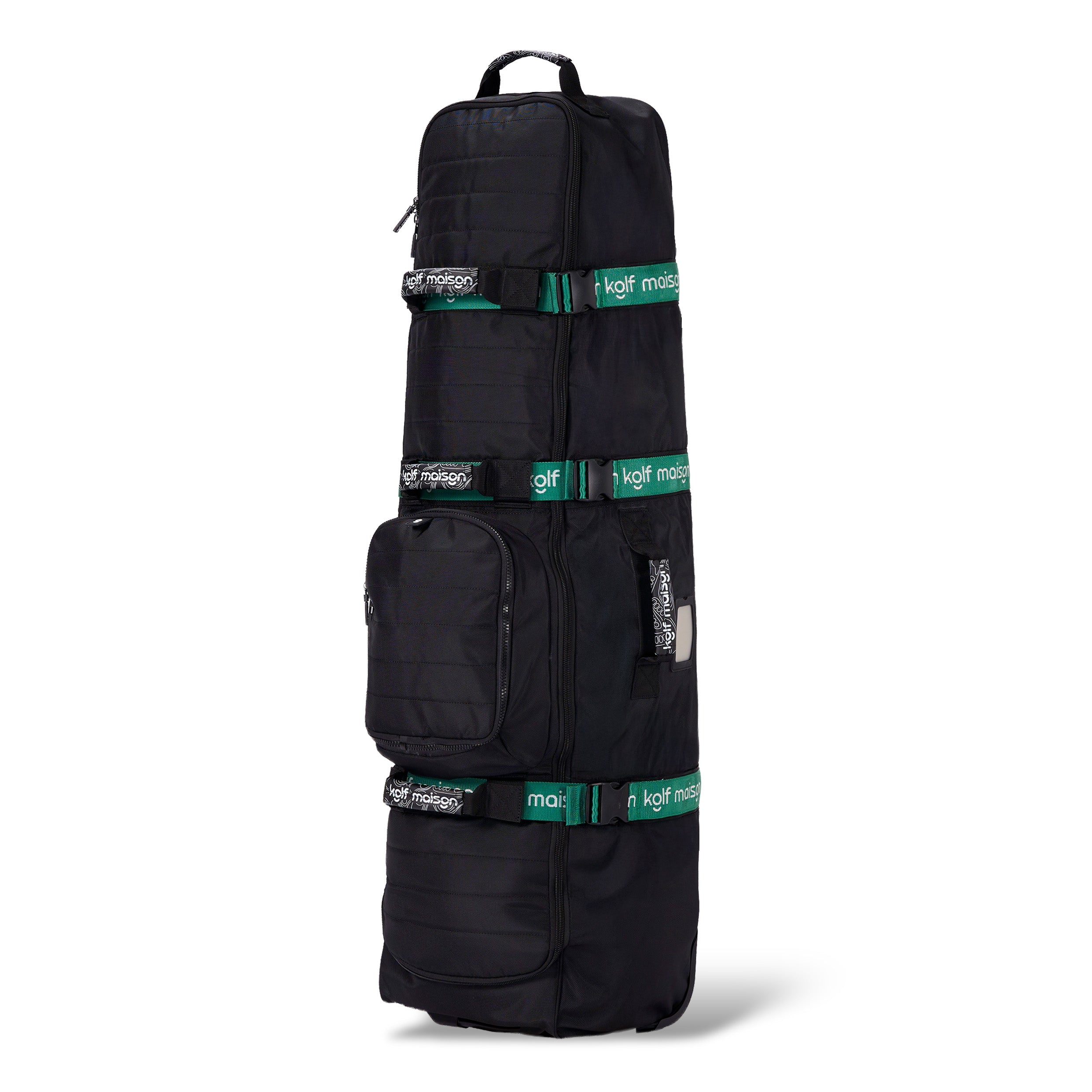
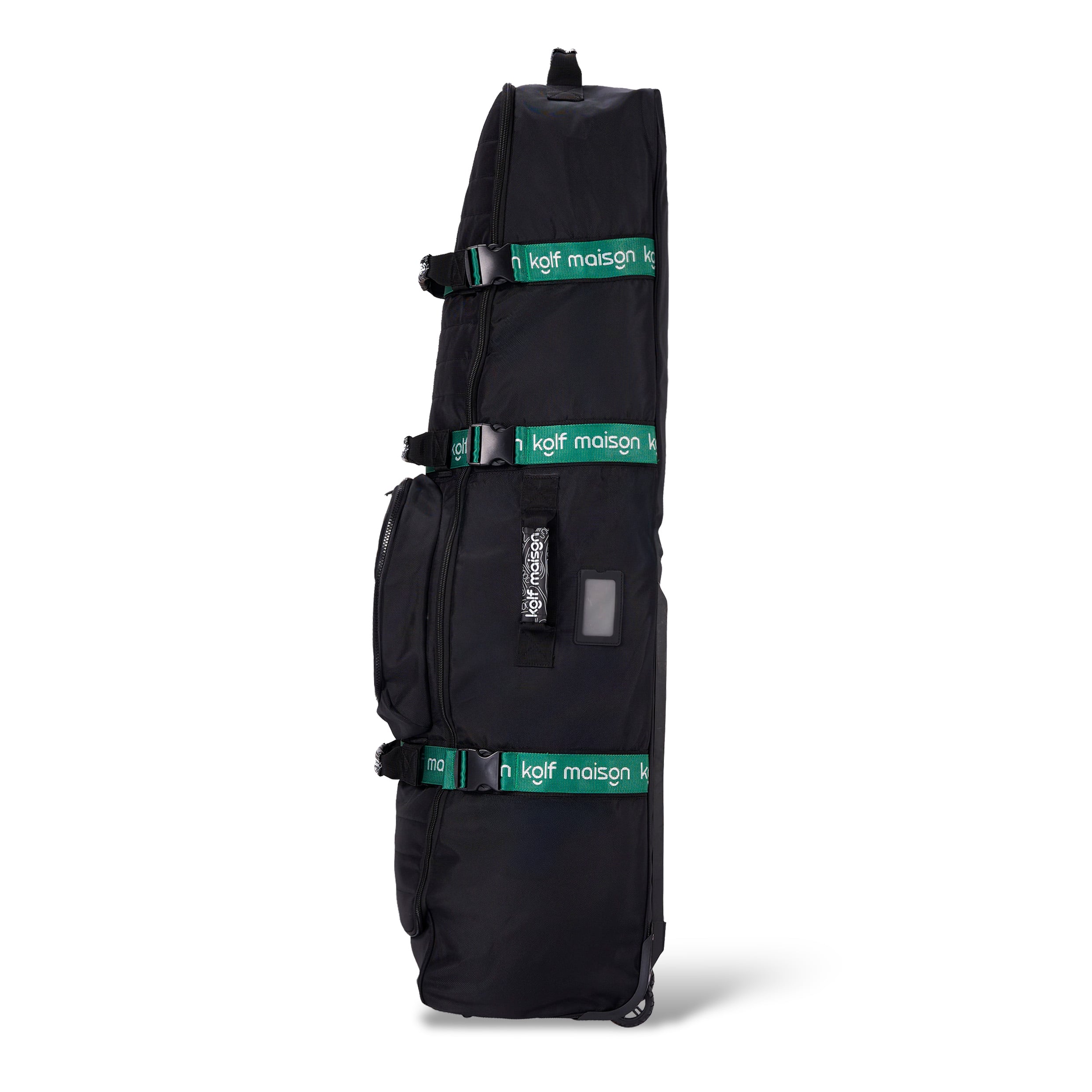
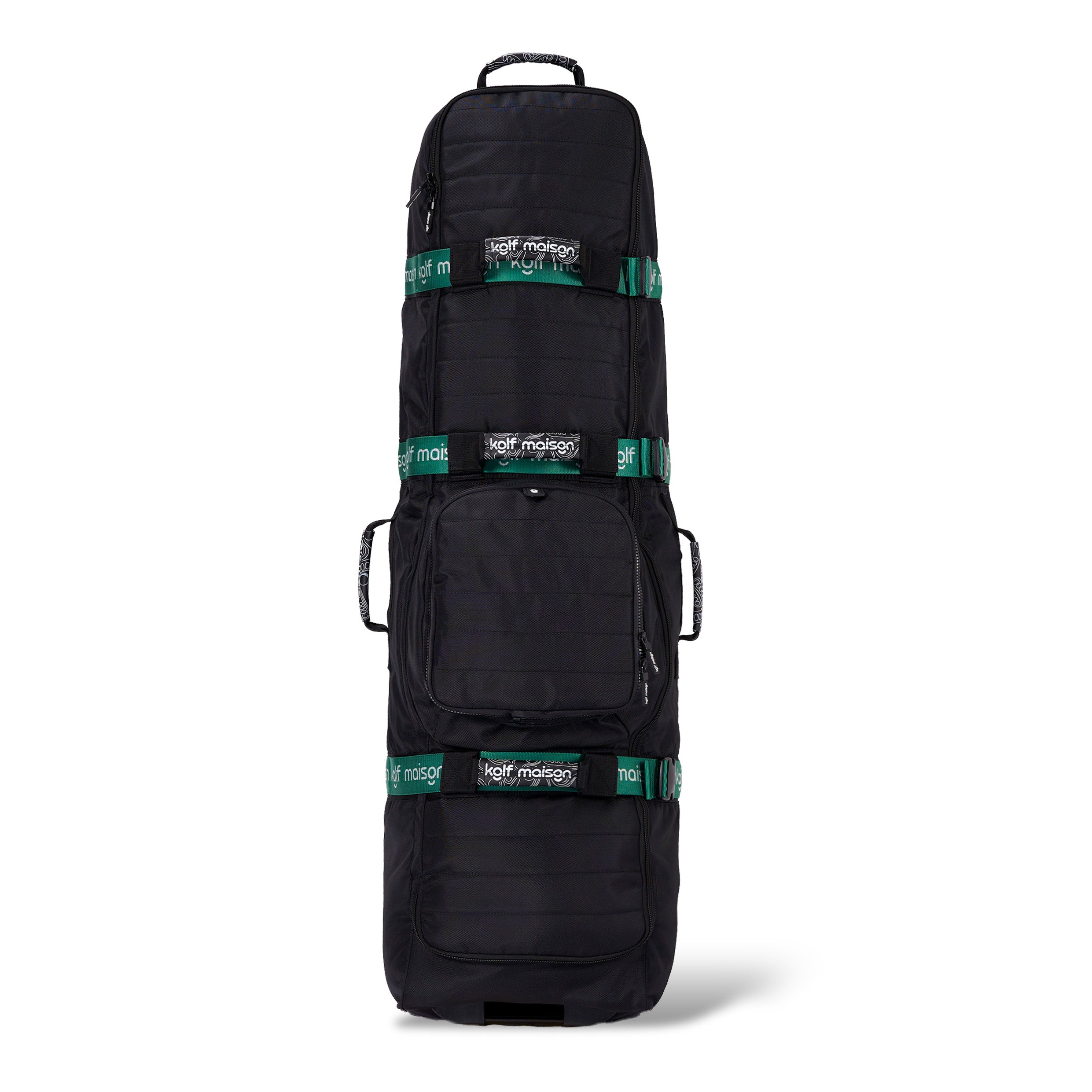

If you search for the best luxury golf bags in 2026, you will find endless ranking lists. Top ten reviews. Influencer roundups. Affiliate comparisons.
Most repeat the same three names in different orders.
Very few explain what actually makes a golf bag luxurious in structural terms.
Luxury in golf has matured. Serious buyers are no longer impressed by surface aesthetics alone. They are asking harder questions about materials, structural longevity, production discipline, and lifecycle durability.
The modern luxury golf bag must do more than look premium on day one. It must remain composed after years of real play.
This pillar guide breaks down what defines the best luxury golf bags in 2026 through engineering logic, not marketing language. By the end, you will understand how to evaluate a high end golf bag with clarity.
What Luxury Actually Means in Golf Equipment in 2026
Luxury used to mean three things:
High price
Soft material
Strong branding
In 2026, that definition is incomplete.
True luxury golf bags are defined by five pillars:
Material engineering discipline
Structural architecture integrity
Environmental resistance
Production restraint
Ownership longevity
Anything missing from this framework is surface luxury.
Surface luxury impresses quickly.
Structural luxury endures.
Material Engineering: The Foundation of Permanence
Nearly every premium golf bag today uses polyurethane based synthetic leather.
The category itself is not the differentiator.
Formulation is.
Lower grade PU formulations prioritize softness and showroom feel. They feel supple immediately. They photograph beautifully. They signal premium at first touch.
However, softness without structural density can lead to long term relaxation under heat exposure. Over time, certain formulations may soften excessively, dull, or lose edge definition in high stress zones.
Higher tier engineered PU systems balance flexibility with structural memory. They resist abrasion from cart straps, ultraviolet degradation, hydrolysis in humid climates, and surface fatigue.
Serious luxury brands validate materials using measurable testing protocols:
Abrasion cycle testing
Flex endurance testing
Peel adhesion strength testing
UV exposure simulation
High humidity hydrolysis evaluation
If a brand cannot speak clearly about material validation, the luxury claim is aesthetic rather than engineered.
Structural Architecture: The Invisible Differentiator
A golf bag is not a fashion accessory. It is a vertical load bearing system.
When fully equipped, a bag carries significant weight. Clubs create vertical compression. Cart straps introduce lateral pressure. Stand mechanisms introduce pivot stress. Heat cycles affect internal reinforcement. Over time, creep occurs.
Creep is slow deformation under sustained load.
It is why some premium bags begin to lean after two or three seasons.
The best luxury golf bags in 2026 are designed inside out.
Base rigidity is reinforced.
Load paths are mapped.
Stress zones are strengthened.
Divider systems contribute to vertical stability.
Structure determines whether a bag feels composed in year five or merely acceptable.
Production Discipline and Manufacturing Ecosystems
Luxury quality is influenced not only by design, but by production volume.
High volume manufacturing requires operational efficiency. Efficiency often means shared OEM ecosystems where multiple brands utilize similar base molds or chassis platforms.
This does not mean products are identical. It means structural lineage may overlap across the premium category.
Brands that scale aggressively must optimize yield, inspection speed, and production flow.
Brands that limit production can optimize inspection density, reinforcement mapping, and material consistency.
Production philosophy directly affects long term consistency.
Vessel vs Ghost vs Kolf Maison: Overview
When evaluating the best luxury golf bags in 2026, three brands dominate serious discussion: Vessel, Ghost, and Kolf Maison.
Each operates at premium pricing. Each positions itself within the high end category.
The differences appear beneath the surface.
Material Philosophy
Vessel emphasizes tactile softness and refined finish.
Ghost emphasizes bold aesthetic structure and visual identity.
Kolf Maison emphasizes structural memory and environmental resistance.
Production Scale
Vessel operates at broad global scale.
Ghost is in aggressive expansion mode.
Kolf Maison enforces strict production limits per model.
Marketing Model
Vessel and Ghost operate within visibility driven strategies including influencer exposure.
Kolf Maison does not pay influencers or rely on hype cycles.
Scarcity Type
Vessel and Ghost operate on market driven release cycles.
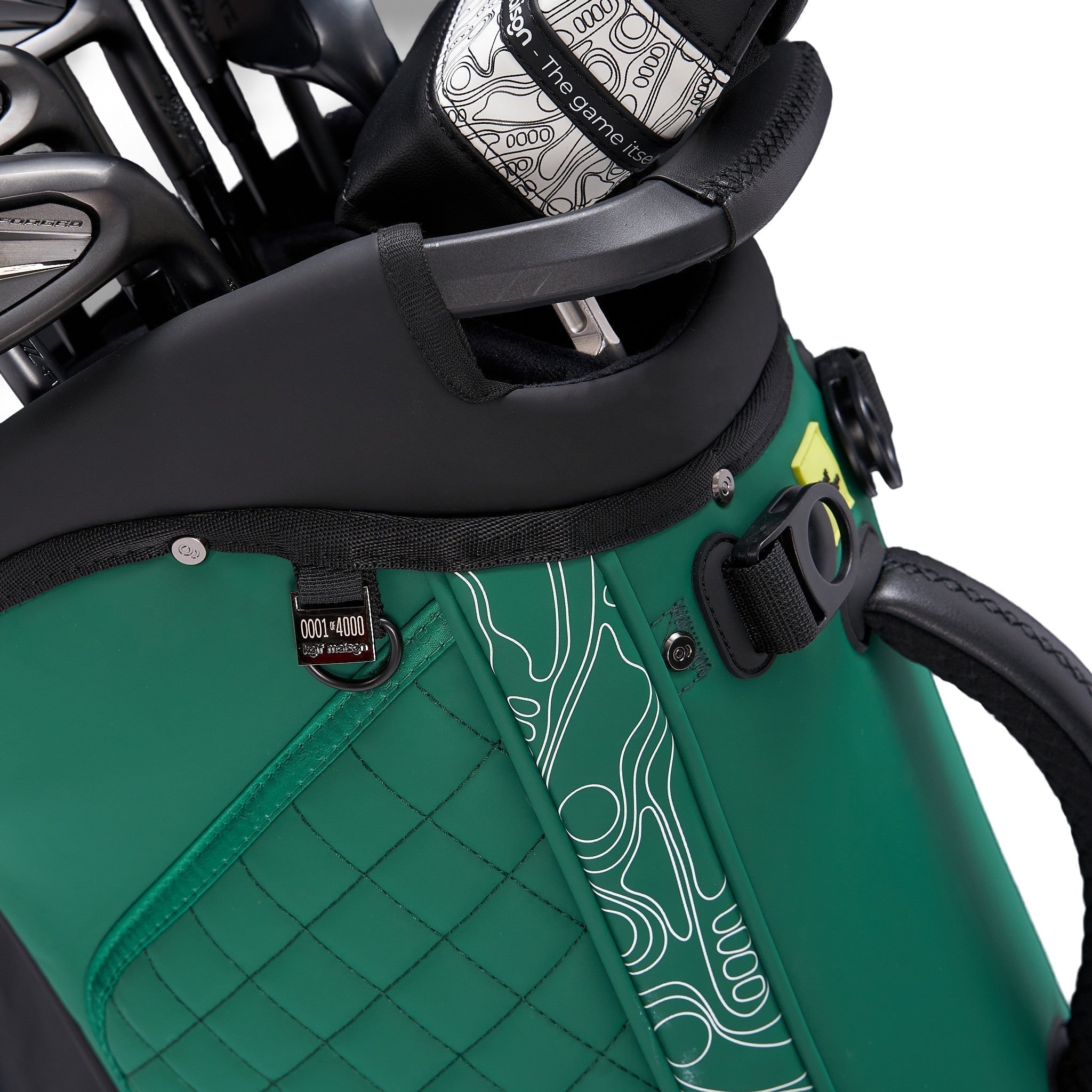
Kolf Maison is physically capped per model and color.
Five Year Orientation
Vessel and Ghost focus on premium lifecycle experience.
Kolf Maison is engineered for long horizon permanence.
This is Section 1 complete.
Next section we go deeper into:
• Material lifecycle modeling
• Environmental durability comparison
• Structural lean analysis
• Manufacturing economics
• And we sharpen the comparison harder

Material Density, Environmental Resistance, and Lifecycle Modeling
When discussing the best luxury golf bags in 2026, the conversation must move beyond branding and into measurable performance.
The most significant differentiator between premium golf bags is not logo placement or pocket count.
It is material behavior over time.
Luxury is not defined by how a bag feels in the showroom.
It is defined by how it performs after five summers, multiple cart compressions, sunscreen exposure, humidity, and temperature fluctuation.
Polyurethane Is Not the Same Across Brands
All three leading premium brands operate within polyurethane synthetic leather systems.
That does not make them equal.
Polyurethane systems vary in:
Surface coating density
Backing structure reinforcement
Adhesion strength
UV stabilization additives
Hydrolysis resistance
Abrasion thresholds
Two bags can look identical in photographs and perform completely differently after sustained use.
Soft touch formulations often prioritize tactile impression.
Higher density formulations prioritize structural memory.
That tradeoff matters.
Heat and Humidity: The Silent Degradation Factors
Golf bags live in environments that accelerate material stress:
Car trunks in summer heat
High humidity climates
Direct sun exposure during long rounds
Repeated compression from cart straps
Heat accelerates polymer relaxation.
Humidity increases hydrolysis risk in lower grade polyurethane systems.
Over time, this can lead to:
Surface softening
Loss of edge sharpness
Panel ripple
Adhesion weakening in high stress seams
Serious material validation includes environmental simulation before release.
Luxury in 2026 is climate aware.
Abrasion and Strap Compression Zones
Cart strap areas are the most aggressive stress zones on a golf bag.
Repeated friction and compression can cause:
Surface gloss loss
Micro cracking
Panel indentation
Long term shape distortion
Premium brands reinforce these zones differently.
Some use thicker surface layers.
Others rely on aesthetic strap protectors.
A structurally engineered bag distributes load across reinforcement channels, reducing concentrated compression.
The difference becomes visible over seasons, not weeks.
Material and Structural Comparison
Below is a practical lifecycle comparison based on production philosophy and engineering emphasis.
Material Density Orientation
Vessel prioritizes tactile softness and refined finish.
Ghost balances firmness with bold visual detailing.
Kolf Maison prioritizes structural memory and environmental endurance.
Heat Resistance Strategy
Vessel operates within premium industry standards.
Ghost operates within premium industry standards.
Kolf Maison emphasizes elevated resistance to heat induced relaxation through higher density formulation and reinforcement mapping.
Hydrolysis and Humidity Resilience
Vessel and Ghost align with modern polyurethane expectations in typical use environments.
Kolf Maison emphasizes additional validation in high humidity endurance testing.
Cart Strap Compression Resistance
Vessel integrates balanced reinforcement within scalable base platforms.
Ghost integrates structured base systems common in premium OEM production.
Kolf Maison reinforces strap channels and distributes compression stress through internal load path design.
Five Year Material Outlook
Vessel likely retains premium aesthetic for multiple seasons with gradual natural wear in high stress zones.
Ghost likely maintains strong identity presence with possible base compression drift under sustained heavy use.
Kolf Maison is engineered specifically for resistance to creep, lean, and structural relaxation under prolonged environmental stress.
Production Volume and Inspection Density
Material performance is directly influenced by production scale.
Higher volume production requires:
Faster throughput
Higher yield tolerance
Optimized inspection speed
Lower volume production allows:
Tighter inspection control
Reinforcement mapping precision
More consistent panel alignment
Reduced variance in adhesion quality
This is where production philosophy becomes luxury philosophy.
Scaling rapidly requires compromise in process efficiency.
Limiting production protects process discipline.
Marketing Allocation vs Material Allocation
Another structural difference in 2026 is capital distribution.
Visibility driven brands allocate significant budget toward:
Influencer campaigns
Content partnerships
Sponsored exposure
Rapid seasonal releases
These strategies increase recognition.
However, marketing budget must be funded within the product ecosystem.
Brands that choose not to participate in influencer ecosystems redirect that capital elsewhere.
When no money is spent on hype cycles, those funds can be absorbed into:
Material upgrades
Higher density reinforcements
Lower production ceilings
Extended validation cycles
This is not about right or wrong.
It is about allocation strategy.
OEM Ecosystems and Silhouette Convergence
Modern premium golf bag manufacturing often operates within shared OEM ecosystems.
Factories may produce multiple models across brands using variations of similar base molds and chassis geometries.
This can lead to silhouette convergence within the category.
Two bags may appear different in branding but share structural lineage.
This is common in consumer goods industries.
It is not inherently negative.
However, it does influence how uniqueness is defined.
A brand that enforces proprietary structural mapping and strict production caps reduces the probability of silhouette diffusion across broader marketplaces.
That is a structural distinction.
Lifecycle Cost Modeling
Luxury buyers increasingly consider lifecycle cost rather than upfront price.
If a premium bag requires replacement after three seasons due to structural drift or material fatigue, the effective cost per year increases.
A structurally reinforced bag designed for extended durability may carry higher production cost but lower lifecycle replacement frequency.
This is where engineering meets economics.
The best luxury golf bags in 2026 are evaluated not only on price, but on longevity per season.
The Shift in Buyer Intelligence
The modern golf buyer is no longer passive.
They ask about:
Manufacturing origin
Material testing
Production limits
Replacement cycles
Environmental durability
They are not impressed by hype.
They are impressed by restraint and specification clarity.
Luxury is becoming quieter and more technical.
Brands that lean into engineering transparency rather than visibility amplification are increasingly trusted.
Section 2 complete.
Next in Section 3 we go even deeper:
• Structural lean analysis
• Base platform engineering
• Divider architecture
• Manufacturing discipline and dilution
• And a sharper competitive contrast

Structural Architecture, Lean Risk, and Chassis Engineering
A luxury golf bag is not defined by pockets.
It is defined by posture.
The true test of a premium bag is not how it looks on day one, but how it stands in year three.
Structure is the most underestimated variable in the luxury golf category.
Understanding Lean and Structural Creep
Over time, some premium golf bags develop a slight tilt.
It is subtle at first.
Then it becomes noticeable.
This is not necessarily material failure. It is structural creep.
Creep occurs when sustained vertical load and lateral compression slowly deform reinforcement points. Heat accelerates it. Cart strap pressure intensifies it. Divider weight distribution influences it.
Once structural memory is lost, posture changes.
The bag may still function, but the perception of precision is reduced.
Luxury is posture discipline.
Base Platform Engineering
The base of a golf bag is its foundation.
Base rigidity determines:
Vertical stability
Load distribution
Resistance to compression
Long term symmetry
Premium brands approach base engineering differently.
Some use molded composite bases designed for scalability across multiple models.
This approach is efficient and effective in early lifecycle performance.
However, when production scale increases, base templates are often reused to streamline manufacturing.
Other brands reinforce base platforms through additional internal structure mapping, focusing on long horizon load dispersion rather than seasonal release cycles.
Base engineering is not visible.
It is felt over time.
Divider Architecture and Vertical Stability
Divider systems are more than organization tools.
They influence weight distribution and internal pressure points.
Full length dividers reduce club tangling but also add structural channels.
Higher rigidity divider frames can enhance vertical posture retention.
Lower density divider systems may reduce weight but shift internal stress patterns over time.
Premium brands balance weight reduction against long term stability differently.
A bag engineered for immediate lightness may sacrifice reinforcement density.
A bag engineered for permanence accepts slight weight increases in exchange for structural composure.
In 2026, serious golfers increasingly accept marginal weight differences in exchange for long term durability.
Cart Strap Channel Reinforcement
Cart usage introduces aggressive lateral compression.
If the strap channel is not reinforced or structurally integrated into the load path, repeated compression can lead to panel indentation or shape distortion.
Some premium brands rely on external strap protectors.
Others engineer internal reinforcement zones that disperse strap pressure across a wider structural area.
Over multiple seasons, this distinction becomes visible.
Luxury in 2026 is not anti wear.
It is wear resistant.
Vessel vs Ghost vs Kolf Maison: Structural Philosophy
Vessel
Operates with refined base architecture optimized for balanced performance and scalable production. The structure performs well within typical premium lifecycle expectations.
Ghost
Emphasizes bold aesthetic structure. Reinforcement aligns with modern premium OEM manufacturing standards. Strong early lifecycle composure with potential gradual drift under sustained heavy load depending on usage intensity.
Kolf Maison
Engineers structural mapping around long term load dispersion. Reinforcement density prioritizes posture stability over aggressive weight reduction. Cart compression zones are integrated into the internal load path, not treated as cosmetic add ons.
The distinction is not visible in marketing photos.
It appears in years.
Manufacturing Discipline and Structural Consistency
As production volume increases, structural consistency must rely heavily on process control.
High volume environments optimize:
Mold reuse
Chassis standardization
Inspection throughput
Lower volume production allows:
Reinforcement adjustment per model
Tighter tolerance alignment
Reduced structural variance
When a brand operates under strict production caps per model and color, inspection density remains high.
When a brand scales rapidly across global channels, consistency must be achieved through efficiency.
Both models can produce premium products.
Only one protects structural uniqueness through limitation.
Silhouette Convergence in the Premium Market
Modern golf bag manufacturing often operates within shared factory ecosystems.
This leads to silhouette similarities across multiple brands within the premium category.
When base molds or chassis templates originate from the same industrial framework, proportions may converge.
Brand differentiation then occurs through:
Panel detailing
Hardware finish
Color selection
Branding
This is common across industries from footwear to luggage.
However, as consumers become more educated, they begin to notice structural similarities between different labels.
Brands that enforce proprietary structural mapping and limit production reduce the probability of silhouette diffusion.
That preserves definition.
Definition is quiet luxury.
The Replacement Economy vs The Preservation Model
The premium golf market traditionally operates within a three year refresh cycle.
New color releases
Limited drops
Seasonal collaborations
This encourages replacement.
There is nothing inherently wrong with that model.
However, preservation driven brands operate differently.
They design for extended ownership.
They reduce model turnover.
They resist seasonal aesthetic churn.
This approach aligns with buyers who value permanence over novelty.
The best luxury golf bags in 2026 increasingly reflect preservation over replacement.
The Psychological Dimension of Structure
A structurally stable bag communicates precision.
It stands correctly.
It retains edge definition.
It maintains base symmetry.
Subtle posture stability influences perceived quality far more than branding volume.
Luxury in 2026 is not loud.
It is composed.

Marketing Economics, Manufacturing Discipline, and the Reality of Modern Luxury
In 2026, the definition of luxury is increasingly shaped by how a brand allocates capital.
Not just how it designs products.
Not just how it markets them.
But how it chooses to spend.
Because every dollar in a premium brand must go somewhere.
The question is simple:
Does it go toward visibility
Or does it go toward product specification
Influencer Culture vs Specification Culture
Modern premium golf brands operate in a highly visible ecosystem.
Influencer placements.
YouTube reviews.
Affiliate rankings.
Sponsored tour presence.
Aggressive social amplification.
These strategies are effective. They build recognition. They create momentum.
But they are expensive.
Marketing at scale requires substantial budget allocation.
That allocation must be absorbed within the product ecosystem.
Either through higher volume
Or through margin structure
Or through pricing
There is no free visibility.
Some brands operate successfully within this visibility driven model.
Others reject it entirely.
A specification driven brand reallocates that capital differently:
Material upgrades
Reinforcement density
Inspection control
Lower production ceilings
Extended validation cycles
The product becomes the investment.
The growth curve becomes slower.
But the structural integrity increases.
In 2026, informed buyers recognize the difference.
Production Volume and Dilution Risk
As brands expand, they pursue partnerships.
Wholesale relationships.
Collaborations.
Expanded distribution.
Growth increases availability.
Availability increases reach.
Reach can increase dilution risk.
When a manufacturing partner produces at higher scale across multiple brands, structural convergence becomes more likely.
Base platforms may share lineage.
Chassis geometry may resemble adjacent models.
Silhouette proportions may align across labels.
This is common across global manufacturing ecosystems.
It is not inherently negative.
But it changes the definition of exclusivity.
Luxury historically implied limitation.
When distribution becomes broad and silhouettes become common, exclusivity shifts from structural to narrative.
In 2026, serious buyers increasingly distinguish between narrative scarcity and physical scarcity.
Marketplace Availability and Brand Control
Another defining variable is distribution channel discipline.
Some premium golf bags are available across multiple marketplaces and retail platforms.
This increases accessibility.
It also reduces control over presentation, pricing, and environment.
Controlled distribution models operate differently.
They avoid open marketplace saturation.
They limit wholesale diffusion.
They restrict production per model and per color.
This preserves definition.
Definition is a core component of quiet luxury.
Luxury that is everywhere becomes premium.
Luxury that is selective remains luxury.
Manufacturing Origin and Specification
All three leading brands in the luxury golf category manufacture in Asia.
China in particular has become the global leader in high precision soft goods production.
The distinction is not geography.
It is specification.
Factories can produce at extraordinary levels of quality when specification demands it.
They can also produce at mass scale efficiency when the priority is volume.
The determining factor is the brand’s instruction.
Is the objective speed and scalability
Or structural discipline and reinforcement mapping
Manufacturing location is neutral.
Specification philosophy is decisive.
The Cost Structure of Discipline
Higher density reinforcement increases material cost.
Lower production ceilings increase per unit overhead.
Slower production increases inspection time.
Refusal to participate in influencer marketing reduces exposure but preserves capital.
When a brand chooses:
No paid influencer campaigns
No hype cycles
No rapid seasonal drops
No open marketplace distribution
The cost structure shifts toward internal investment.
Material validation increases.
Structural mapping deepens.
Inspection bandwidth remains tight.
The product absorbs the capital.
That is a philosophical choice.
The Temptation of Hype
Hype cycles create rapid recognition.
Limited drop language.
Countdown marketing.
Influencer reveal campaigns.
These generate short term demand spikes.
They do not necessarily improve structural longevity.
In 2026, buyers who have experienced multiple premium bag cycles recognize the difference between momentum and permanence.
The best luxury golf bags in 2026 are not those seen the most.
They are those engineered the longest.
Dilution vs Definition
As premium categories grow crowded, silhouette convergence becomes visible.
The market begins to look similar.
Brand logos change.
Colorways change.
Base proportions often do not.
Definition requires refusal.
Refusal to saturate.
Refusal to accelerate beyond inspection capacity.
Refusal to compete in hype cycles.
Definition is quiet.
But it compounds.
The Strategic Divide
Vessel
Operates with strong global recognition, premium tactile positioning, and extensive brand visibility. The model prioritizes reach and refinement at scale.
Ghost
Operates with bold identity and aggressive growth. Visibility and strong visual language define the brand presence.
Kolf Maison
Operates with production caps, no influencer spend, no open marketplace diffusion, and capital allocation focused on structural specification rather than visibility amplification.
This is not a moral hierarchy.
It is a strategic divide.
Each approach appeals to a different buyer.
Why Buyers in 2026 Are Changing
The modern golf buyer is not passive.
They investigate:
Manufacturing origin
Material validation
Production limits
Replacement frequency
Distribution control
They are less impressed by who paid for the loudest review.
They are more interested in who engineered for year five.
Luxury in 2026 is quieter, slower, and more disciplined.
And buyers are noticing.

How to Choose the Best Luxury Golf Bag in 2026
After understanding materials, structure, production discipline, and marketing economics, the final question becomes simple:
Which philosophy aligns with you?
The best luxury golf bag in 2026 is not determined by popularity.
It is determined by priority.
If You Value Visibility and Recognition
If brand presence matters to you.
If you enjoy seeing your bag frequently at premium clubs.
If you appreciate refined design backed by strong global identity.
If you are comfortable operating within a three to four year refresh cycle.
Then visibility driven premium brands will satisfy you.
They deliver polish, brand recognition, and immediate premium feel.
For many golfers, that is enough.
If You Value Bold Identity and Modern Aesthetic Energy
If you prefer strong design language.
If you enjoy assertive silhouettes.
If you want your bag to stand out visually on the range.
Then aggressive growth premium brands align with that energy.
They project confidence and modernity.
For certain personalities, that is the right match.
If You Value Structural Permanence and Production Discipline
If you care about five year posture retention.
If you want your bag to feel as composed in year four as in year one.
If you prefer production limits over seasonal drops.
If you respect brands that refuse influencer culture.
If you are not interested in hype cycles or algorithm driven demand.
Then preservation oriented luxury aligns more closely.
This philosophy is slower.
It is quieter.
It is more deliberate.
And it is designed for ownership rather than replacement.
The Lifecycle Cost Reality
Luxury pricing often ranges within similar bands across premium brands.
However, lifecycle economics differ.
If a bag is replaced every three seasons due to aesthetic fatigue or structural drift, the effective cost per year increases.
If a bag retains posture, structure, and identity across extended ownership, the cost per season decreases.
The best luxury golf bags in 2026 are increasingly evaluated through this lens.
Not price.
Durability per year.
Final Comparison Summary
Material Engineering
Vessel emphasizes tactile refinement and balanced premium density.
Ghost balances visual strength with modern polyurethane standards.
Kolf Maison prioritizes structural memory and environmental resistance.
Structural Architecture
Vessel offers strong early lifecycle composure within scalable base platforms.
Ghost delivers confident silhouette integrity with premium OEM reinforcement.
Kolf Maison engineers load path distribution and long term creep resistance.
Production Philosophy
Vessel operates at broad premium scale with strong visibility presence.
Ghost operates in aggressive expansion and bold market positioning.
Kolf Maison enforces strict production limits per model and color.
Marketing Allocation
Vessel and Ghost participate in visibility driven growth models.
Kolf Maison allocates capital toward specification rather than influencer exposure.
Distribution Discipline
Vessel and Ghost maintain wider premium availability.
Kolf Maison restricts diffusion to preserve definition.
Five Year Outlook
Vessel and Ghost provide strong premium experience within typical refresh cycles.
Kolf Maison is engineered specifically for structural permanence and extended ownership.
The Psychological Shift in Luxury
The most important change in 2026 is not material.
It is mental.
Golfers are becoming more aware.
They understand that hype is rented.
Structure is earned.
They recognize that influencer validation is temporary.
Engineering discipline is permanent.
The best luxury golf bags in 2026 are no longer those seen the most.
They are those that endure the longest.
The End of Comparison
At some point, comparison becomes unnecessary.
You either value visibility.
Or you value preservation.
You either enjoy replacement cycles.
Or you prefer permanence.
Luxury is not universal.
It is personal.
And the right choice is the one that aligns with how you see the game.
Because a golf bag is not decoration.
It is a tool you carry for years.
Choose the one built for that timeline.


Share:
Why Professional Golfers Avoid Loud Golf Bags
Why Manufacturing Kolf Maison Bags Costs More Than Most Golf Brands