



Weather Resistant Golf Head Covers: What Makes Them Worth It and How to Choose the Right Set
Summary: Head covers are one of the most underinvested areas in a golfer’s equipment setup. Most golfers use mismatched, low-grade covers that fail to protect club heads properly and look out of place against a premium bag. This guide explains what separates genuinely weather resistant head covers from decorative ones, how construction quality affects protection, why a complete matching set matters, and what to look for when choosing covers that work as hard as the clubs they protect.
Frequently Asked Questions
What makes a golf head cover weather resistant?
A weather resistant golf head cover uses exterior materials that repel moisture rather than absorbing it, reinforced construction that maintains structure under compression and impact, and a secure fit that does not allow the cover to fall off during transit or in wet conditions. Reinforced layering between the exterior and the soft interior lining adds an additional barrier against moisture penetration and club-to-cover impact.
Do golf head covers actually protect clubs?
Yes — significantly. Head covers protect club faces, crowns, and hosels from impact with other clubs during transit, moisture absorption in rain or dew, UV degradation over time, and friction-based scratching in the bag. For golfers with premium driver faces, painted iron finishes, or forged club heads, quality head covers are one of the highest-return protective investments available. A $200 set of covers can extend the cosmetic and functional life of a $600 driver head by multiple seasons.
What is the difference between a blade and mallet putter cover?
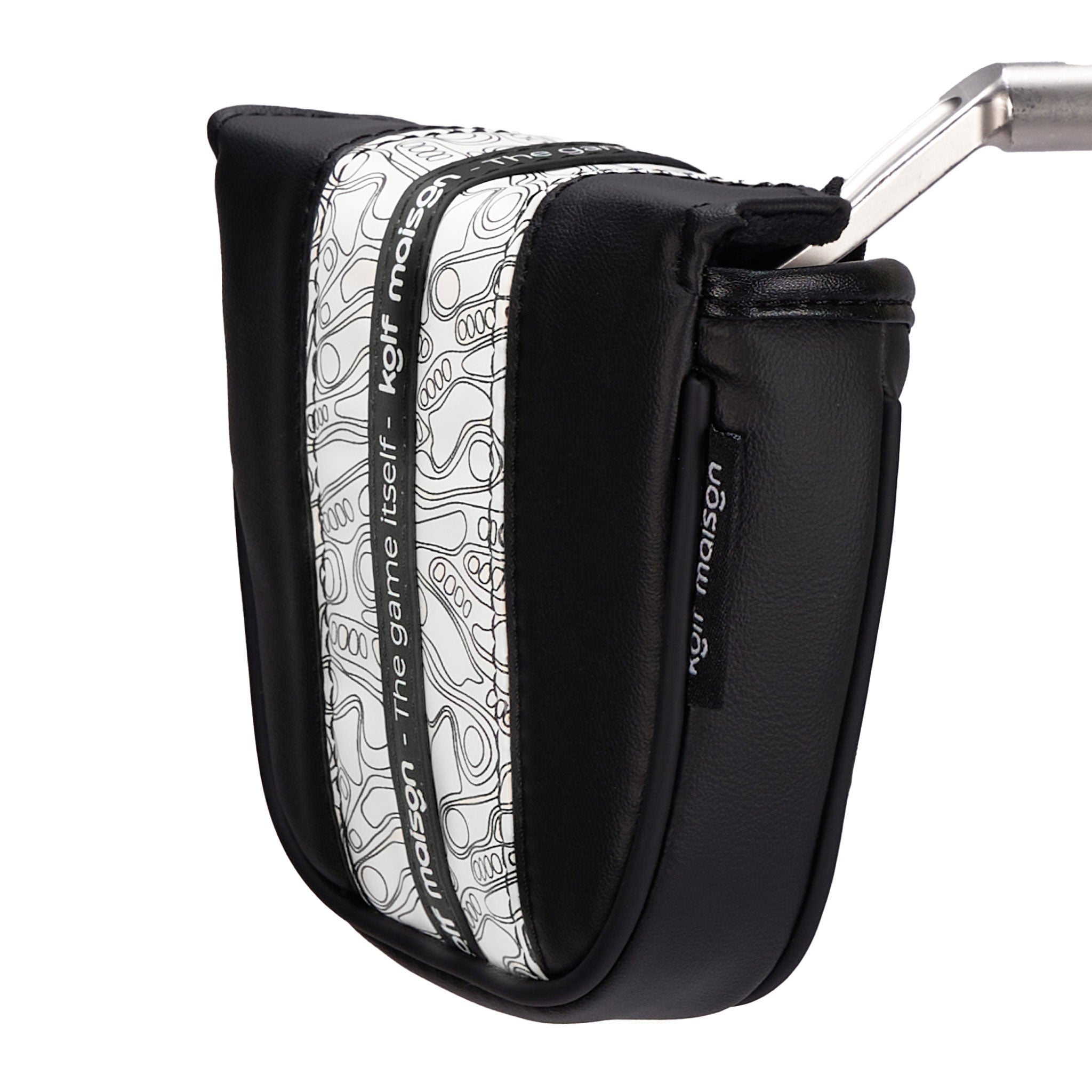
A blade putter cover is designed for traditional narrow-profile putters with a slim, elongated head shape. A mallet putter cover accommodates the wider, deeper head profiles common in modern alignment-focused and perimeter-weighted putters. Using the wrong cover type results in either a loose fit that falls off or a forced fit that damages the cover seams. The Kolf Maison Paganica Head Cover Set is available in both Blade and Mallet configurations for this reason.
Should golf head covers match my bag?
A matching set of head covers creates a coherent, intentional appearance across your full golf kit. Mismatched covers from various manufacturers or promotional giveaways undermine the presentation of even a premium bag. For golfers who carry a Kolf Maison Paganica bag, a matching Paganica Head Cover Set completes the visual and material coherence of the setup. Presentation and protection are not mutually exclusive.
How many head covers does a complete set include?
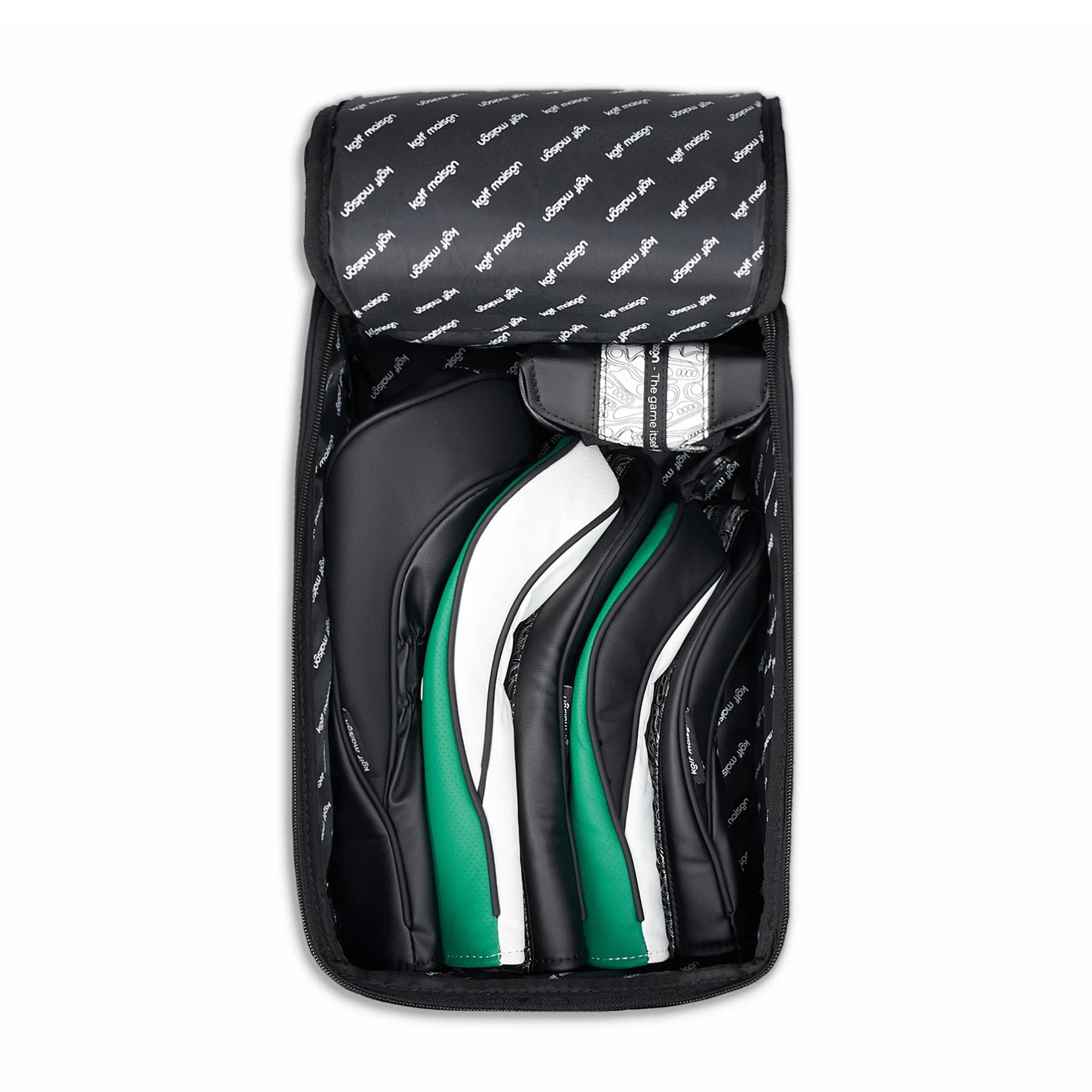
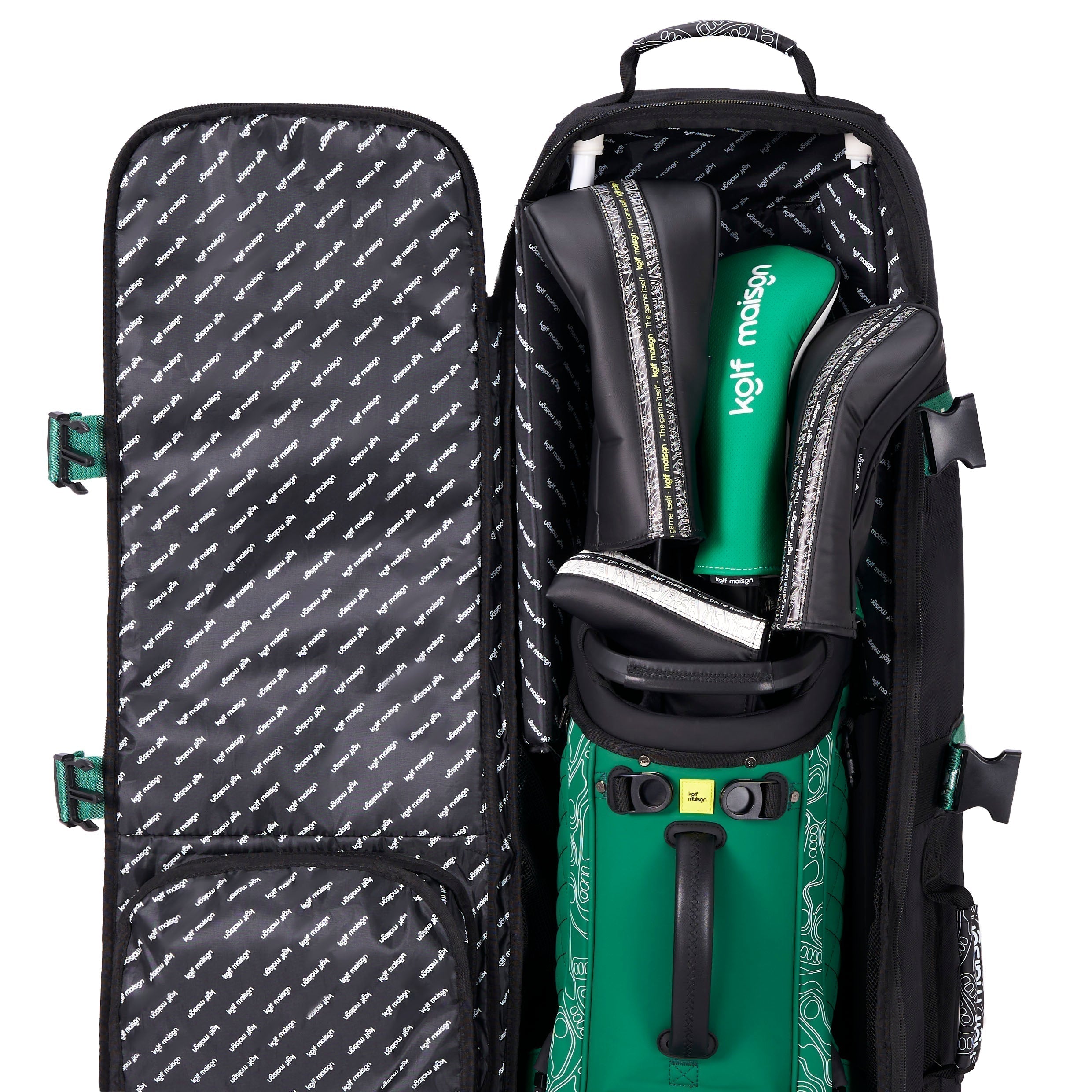
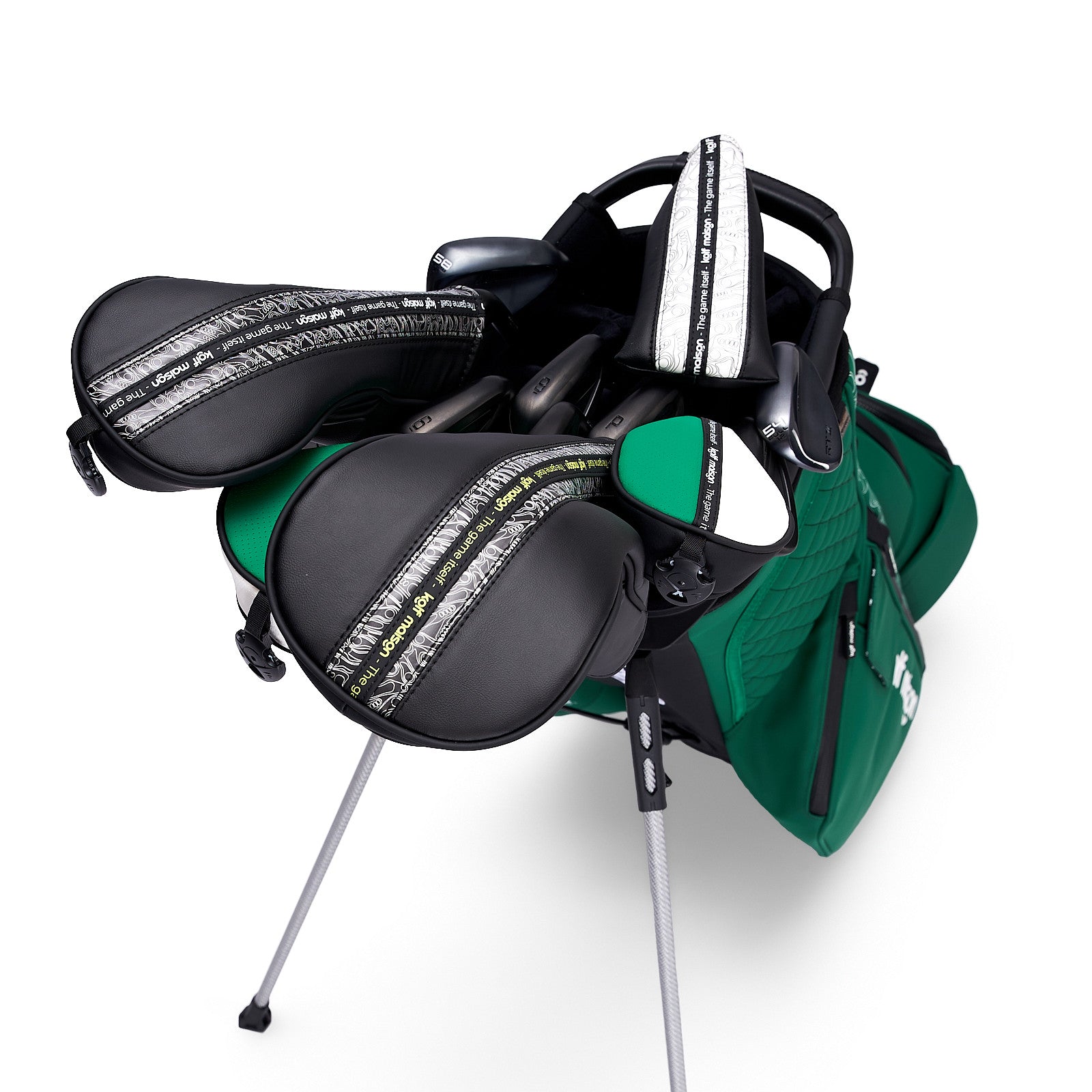
A complete head cover set typically covers the driver, fairway woods, hybrids, and the putter. The Kolf Maison Paganica Head Cover Set is a six-cover ensemble, providing comprehensive protection across the bag’s primary clubs. This ensures that every covered club in the bag has a matched, purpose-built cover rather than a mix of sizes and materials accumulated over time.
What material is best for golf head covers?
Premium synthetic composites, genuine leather, and quality microfiber materials all offer strong weather resistance and durability. The best covers combine a weather-resistant exterior with a soft, non-abrasive interior lining that protects the club face and finish from any cover-to-club contact. Reinforced layering between the exterior and interior adds impact resistance and structural integrity. The priority is a material that resists moisture on the outside while remaining soft against the club surface on the inside.
Are expensive golf head covers worth it?
For golfers who have invested in premium clubs, absolutely yes. A quality head cover set protects a $400–$600 driver from cosmetic and functional damage that accumulates in transit across every round and trip. The cost of replacing or refinishing a premium club head damaged by inadequate protection far exceeds the cost of a well-made cover set. Beyond protection, a premium matching cover set elevates the presentation of the full bag setup.
How do I clean golf head covers?
For synthetic and microfiber covers: wipe the exterior with a damp cloth after rounds where the covers have been exposed to dirt, grass, or moisture. For a deeper clean, hand-wash with cool water and mild soap, rinse fully, and allow to air-dry flat away from direct heat. Do not machine-wash head covers with reinforced layering, as the agitation can compromise internal structure and seam integrity over time.
Why Head Covers Matter More Than Most Golfers Realize
Premium golf clubs represent a significant equipment investment. A quality driver, fairway wood, or hybrid can cost several hundred dollars individually, and a full set of irons can represent thousands. Yet many golfers leave these investments partially unprotected with mismatched, deteriorating covers that were included with a club purchase years earlier or accumulated from promotional sources.
The damage that accumulates without adequate head cover protection is largely invisible until it is significant: small chips in club crown paint from impact with adjacent clubs, gradual oxidation of exposed metal surfaces, scratches across club faces from cover-to-club friction, and progressive moisture absorption that affects finish integrity over multiple seasons. Quality head covers prevent all of these failure modes at a cost that is a fraction of club replacement or refinishing.
For golfers with a premium bag, proper head covers also complete the visual coherence of the setup. A beautifully organized, serial-numbered luxury bag paired with mismatched factory covers is an inconsistency that thoughtful golfers notice — and that a matching six-cover set resolves completely. Read more about the complete kit in our executive golfer’s setup guide.
What Makes a Head Cover Genuinely Weather Resistant
Exterior Material
The exterior is the first line of defense against moisture, sun exposure, and physical impact during transit. Premium synthetic composites and quality microfiber materials repel surface moisture rather than absorbing it, maintain their appearance across temperature ranges, and resist the UV degradation that causes cheaper materials to crack, fade, or become brittle over time. Exterior material quality is the single most visible indicator of a head cover’s long-term weather resistance.
Reinforced Layering
Reinforced layering between the exterior material and the interior lining adds impact resistance and structural integrity that a single-layer cover cannot provide. When a bag is handled, loaded into a cart, or transported through an airport, clubs and covers experience repeated impact forces. Reinforced construction absorbs these forces before they reach the club surface, providing meaningful additional protection that is not visible from the outside but is critical to long-term club preservation.
Soft Protective Interior
The interior lining of a head cover contacts the club directly on every insertion and removal. A soft, non-abrasive interior prevents the micro-scratching that accumulates over hundreds of cover insertions across a season. This is especially important for painted crown finishes on drivers and fairway woods, which show fine scratch patterns from abrasive interior linings long before any other cosmetic damage becomes visible.
Secure Fit and Closure
A head cover that falls off during transit provides no protection. A quality cover maintains a secure fit across the full club head profile without requiring excessive force to install or remove. Proper fit means the cover stays in place during rough handling, travel, and cart transport without needing to be checked or repositioned between holes. Oversized covers that fit loosely shift during transit and fail to protect the club faces they are designed to cover.
Blade vs. Mallet Putter Covers: Choosing the Right Configuration
Putter head covers require matching the cover configuration to the putter head profile. Blade putters have a narrow, elongated head profile that requires a slim cover with a sock-style or fitted opening designed for that shape. Mallet putters have a wider, often deeper profile — including semi-circle, square, and spider designs — that requires a larger, shaped cover with an opening sized to accept the broader head geometry without forcing the fit.
Using the wrong configuration is a common mistake that results in damaged cover seams from overstretching or a loose fit that provides inadequate protection. The Kolf Maison Paganica Head Cover Set is available in both Blade and Mallet configurations, allowing golfers to select the exact match for their putter head shape without compromise.
The Kolf Maison Paganica Head Cover Set
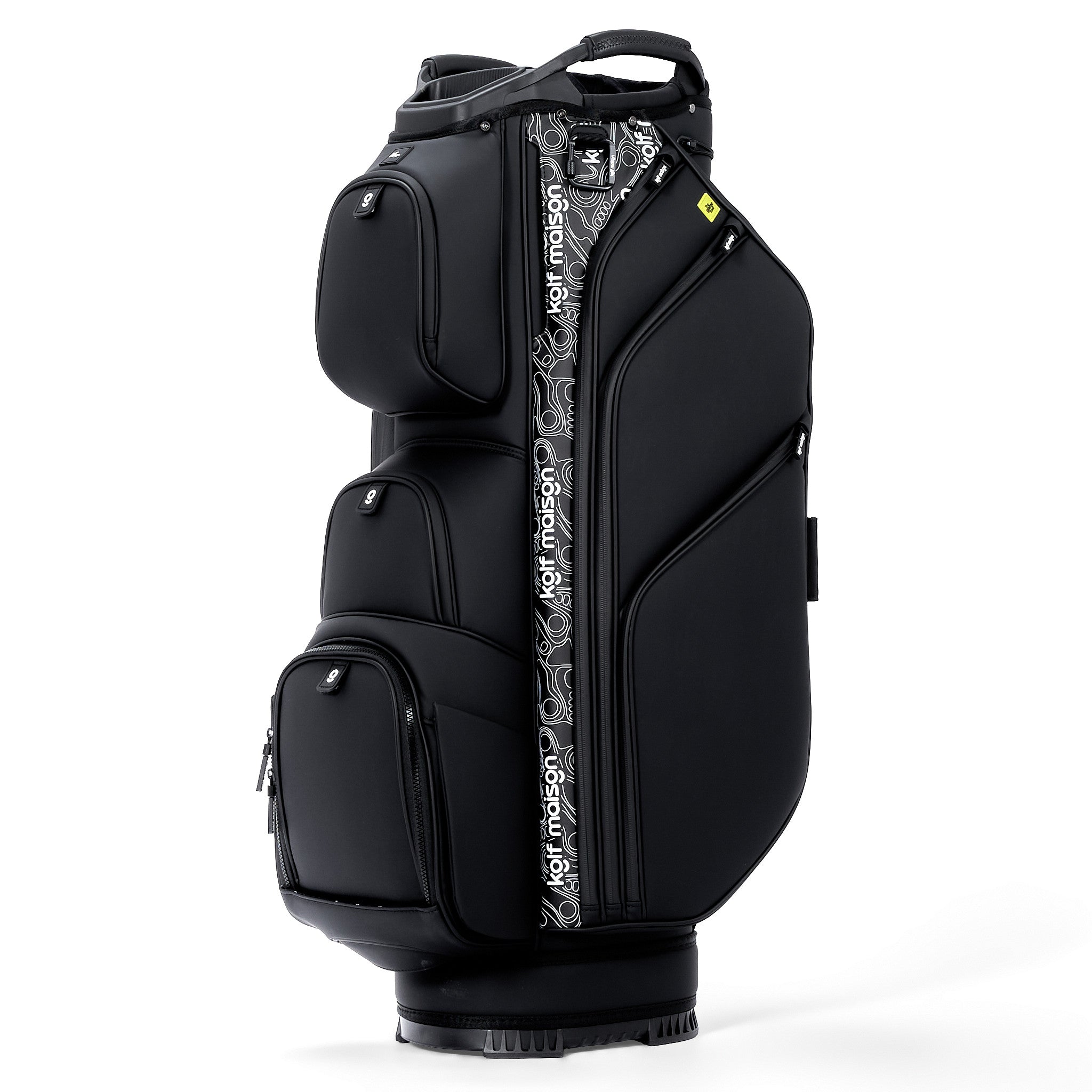
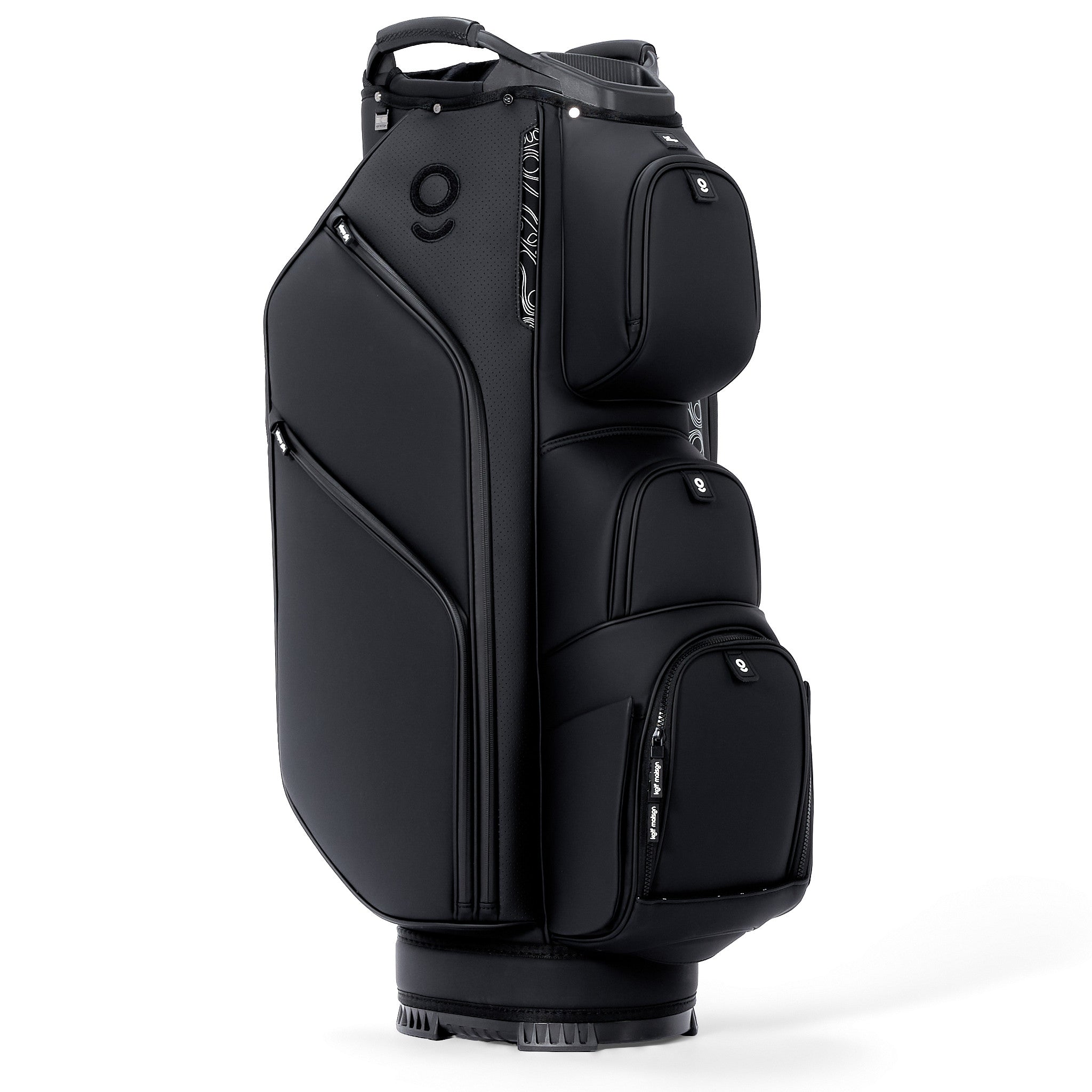
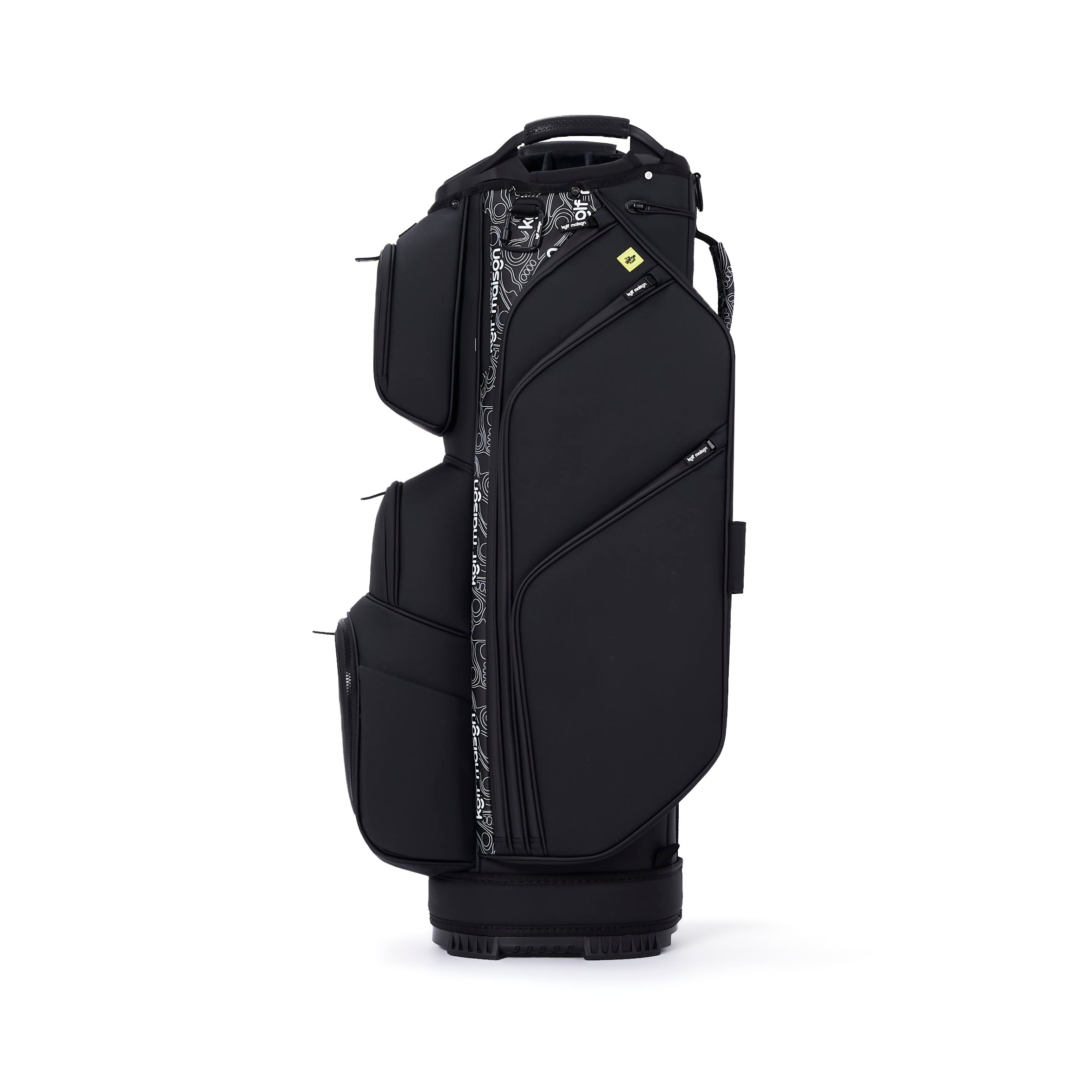
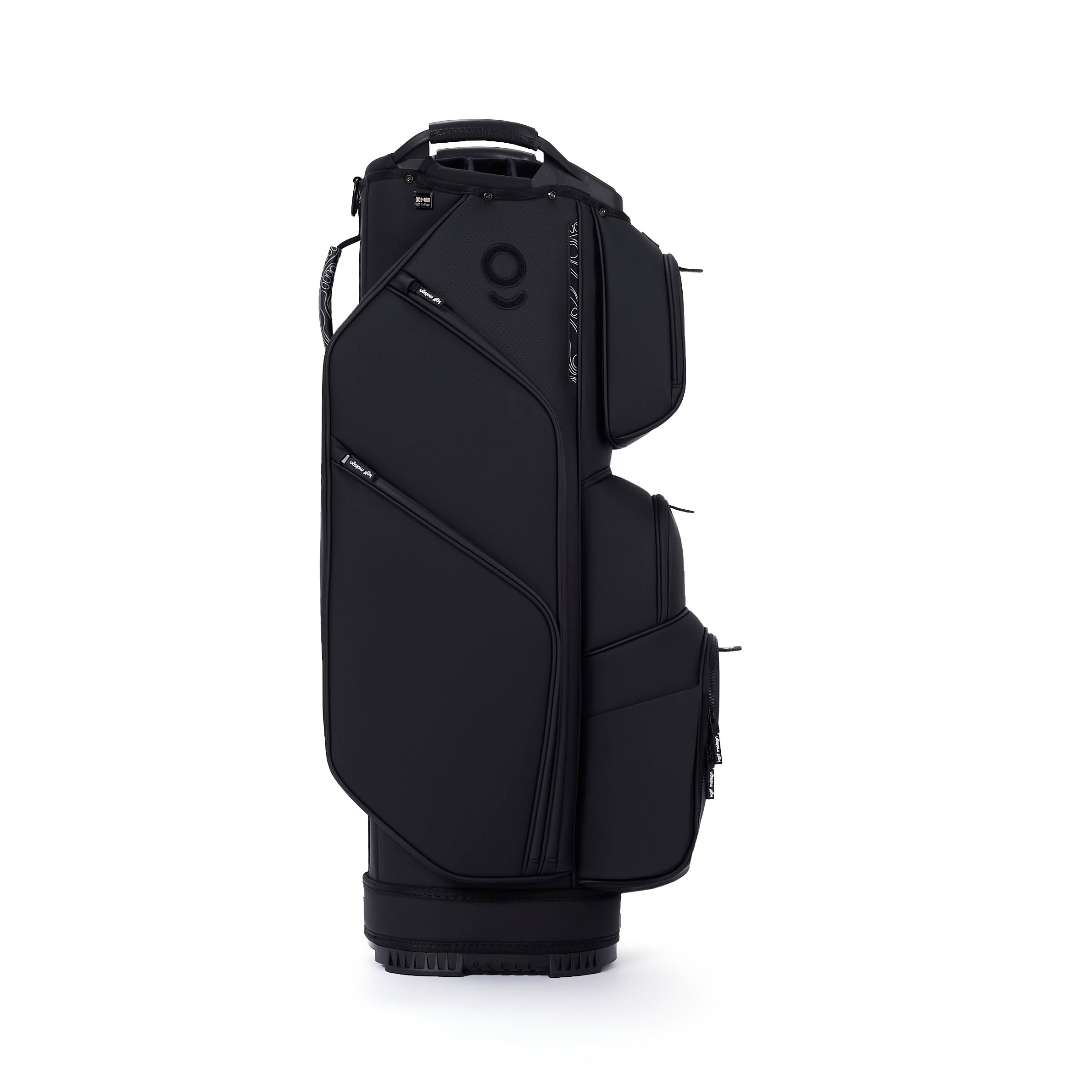
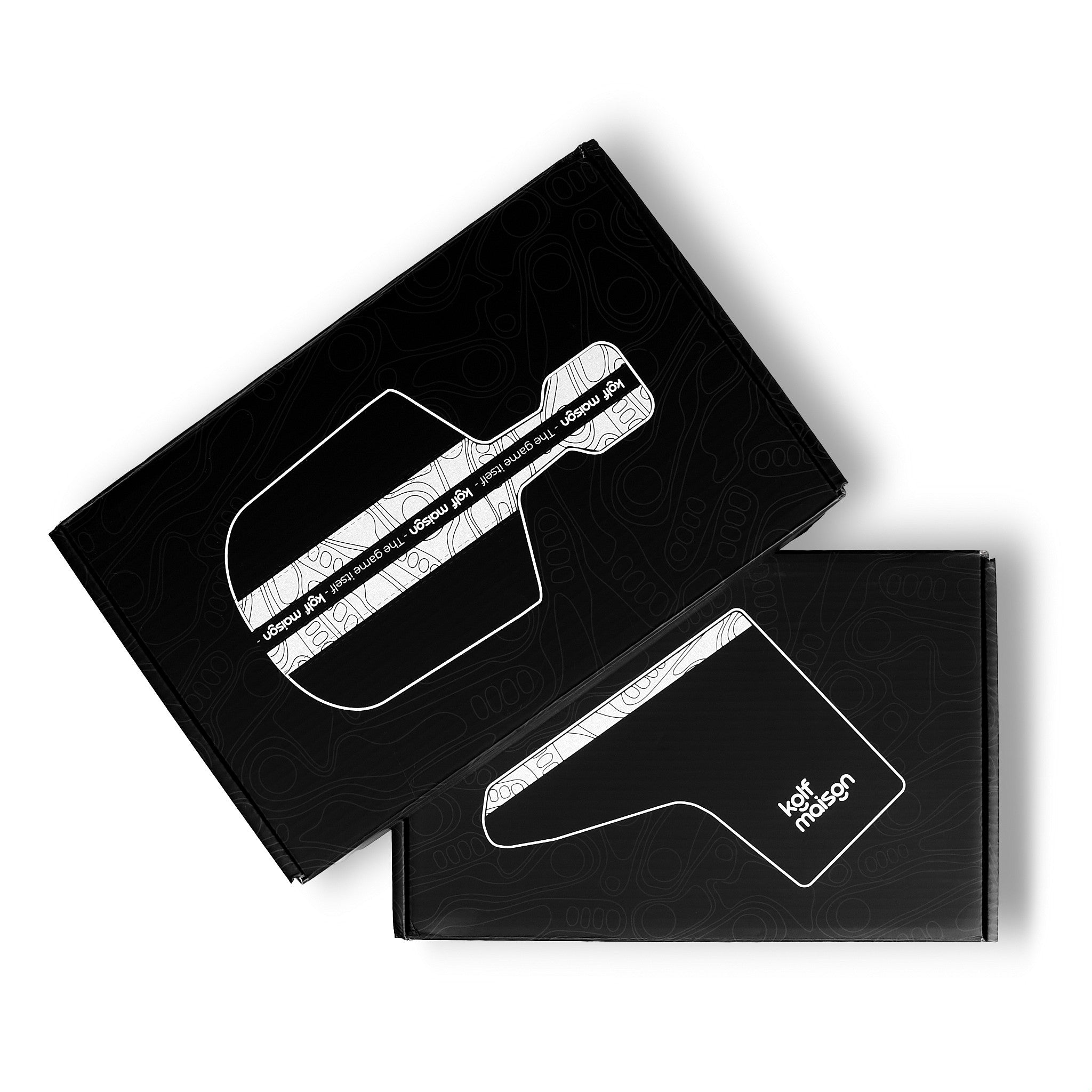
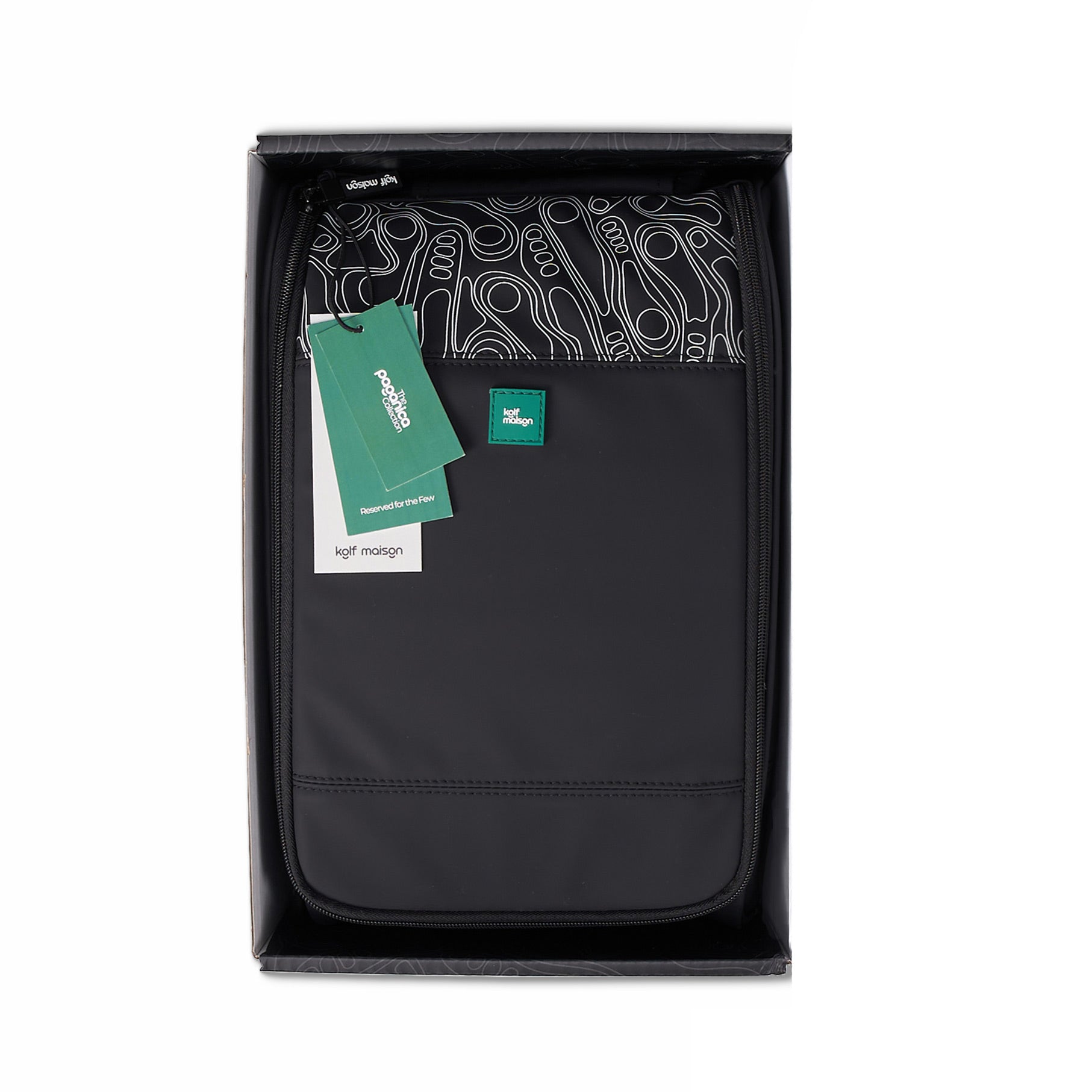
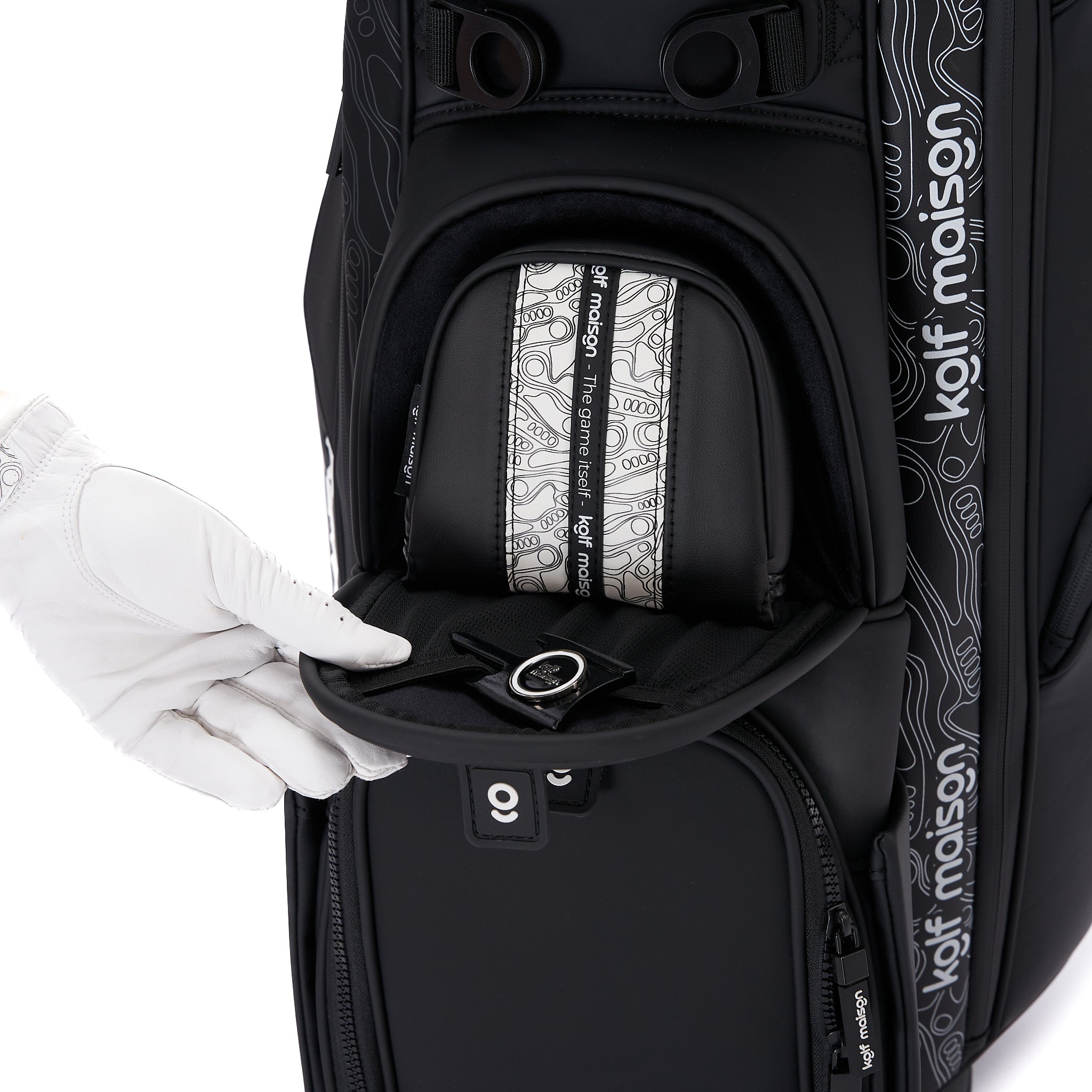
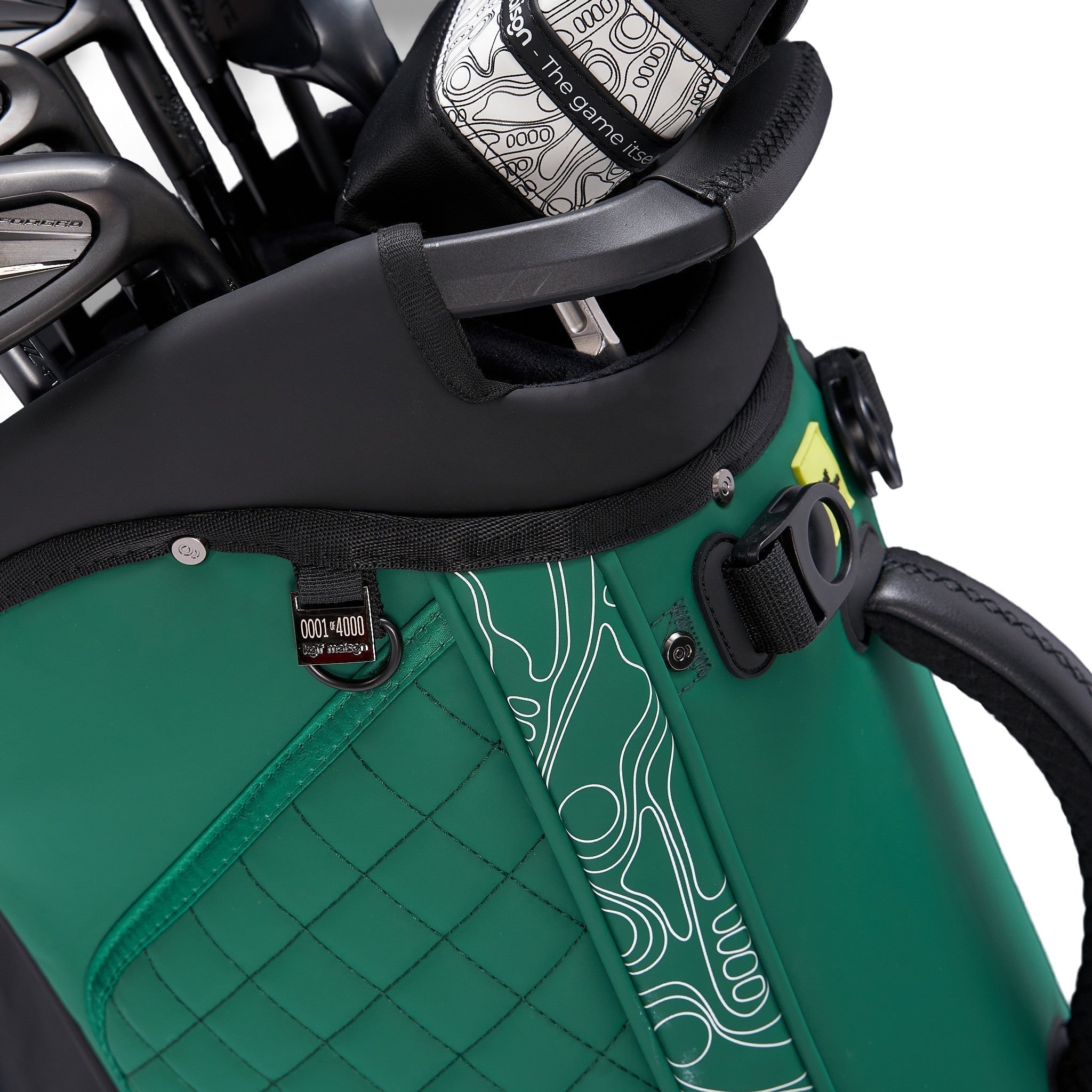
The Kolf Maison Paganica Head Cover Set is a six-cover ensemble constructed with reinforced layering, a soft protective interior, and an exterior designed to complement the Matte Microfiber Composite Leather aesthetic of the Paganica bag lineup. It is not a generic branded cover. It is a purpose-built protection system designed to be used alongside a Paganica Stand Bag or Paganica Cart Bag as part of a complete, coherent golf kit.
Each cover in the ensemble is constructed with reinforced layering for impact resistance, a soft interior that eliminates friction-based damage on insertion and removal, and exterior materials that maintain their appearance across seasons of real use. The six-cover configuration ensures that the driver, fairway woods, hybrids, and putter all have purpose-built matched protection rather than a patchwork of different materials and profiles.
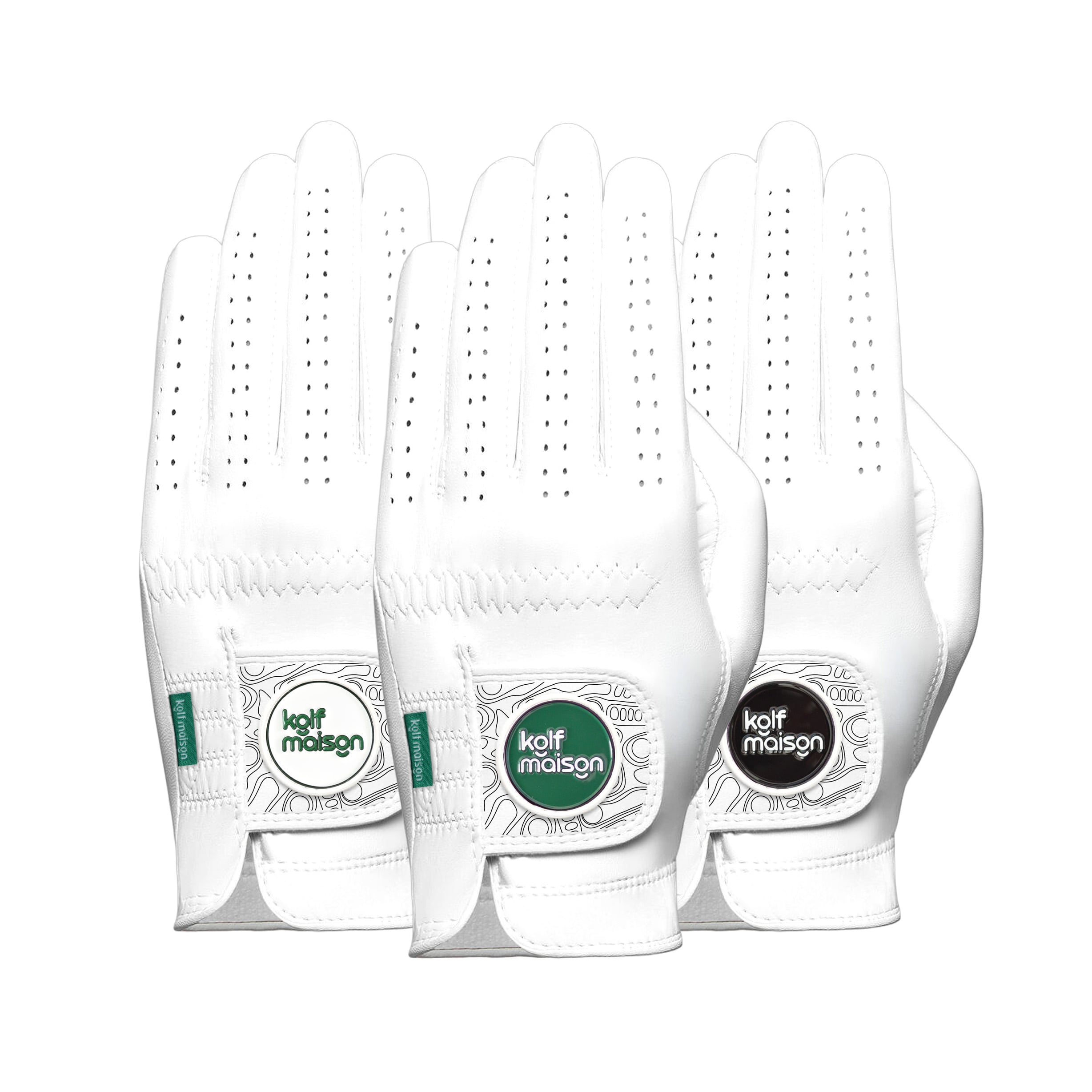
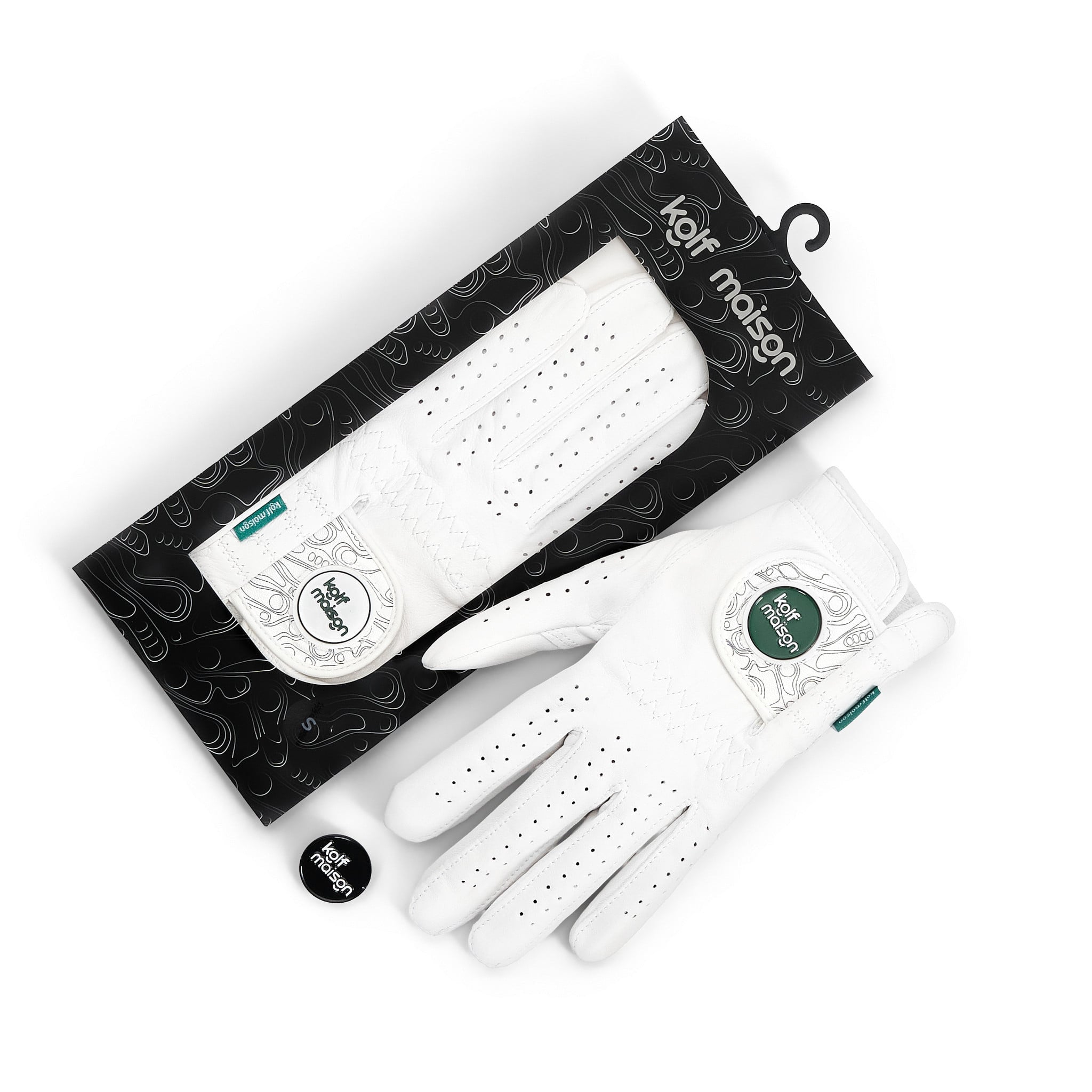
Available at $199 in Blade and Mallet putter cover configurations, the Paganica Head Cover Set is the natural complement to a complete Kolf Maison setup. Paired with the Majesta Golf Glove and the Aura Travel Bag, it completes a full protection and performance kit built around the same standard of material refinement that defines the Paganica bag. Read more about how the full kit comes together in our luxury bag comparison guide and our best golf gifts guide.
Independent coverage from MyGolfSpy, Plugged In Golf, and Independent Golf Reviews has recognized Kolf Maison’s approach to the complete ownership experience — an approach that extends from the bag itself through every accessory and protection piece in the lineup. The head cover set reflects this philosophy: not a branded afterthought, but a genuine investment in preserving what the golfer has already invested in their clubs.
How to Choose Head Covers That Match Your Setup
Start with your putter head profile. Identify whether it is a blade or mallet design and choose the corresponding cover configuration. Then work outward: confirm the number of woods and hybrids you carry and ensure the set covers all of them. A six-cover set is the standard for a complete bag, providing a cover for the driver, typically two to three fairway woods, one to two hybrids, and the putter.
Choose covers that match the material and color language of your bag. A coherent kit signals intentionality — that the golfer has considered each piece of their setup rather than assembled it accidentally. For golfers carrying a Kolf Maison Paganica bag, the matching Paganica Head Cover Set is the natural choice: the same material language, the same standard of construction, and a visual coherence that extends across the entire setup from bag to covers to glove. See how a thoughtfully assembled kit works together in our guide to what your bag says at a private club, the quiet luxury golf movement, and seasonal storage for full kit preservation.
Six Covers. One Standard. Complete Protection.
Reinforced layering. Soft protective interior. Weather resistant exterior. Matched to the Paganica bag in material and aesthetic. The Kolf Maison Paganica Head Cover Set is not a branded extra — it is a complete protection system for golfers who take their equipment seriously.
Protect What You’ve Invested In
Six matched covers. Reinforced construction. Soft interior protection. Available in Blade and Mallet configurations. The Paganica Head Cover Set — built for golfers who carry premium clubs and want premium protection.
Shop Head Cover Set → Shop the Paganica Bag →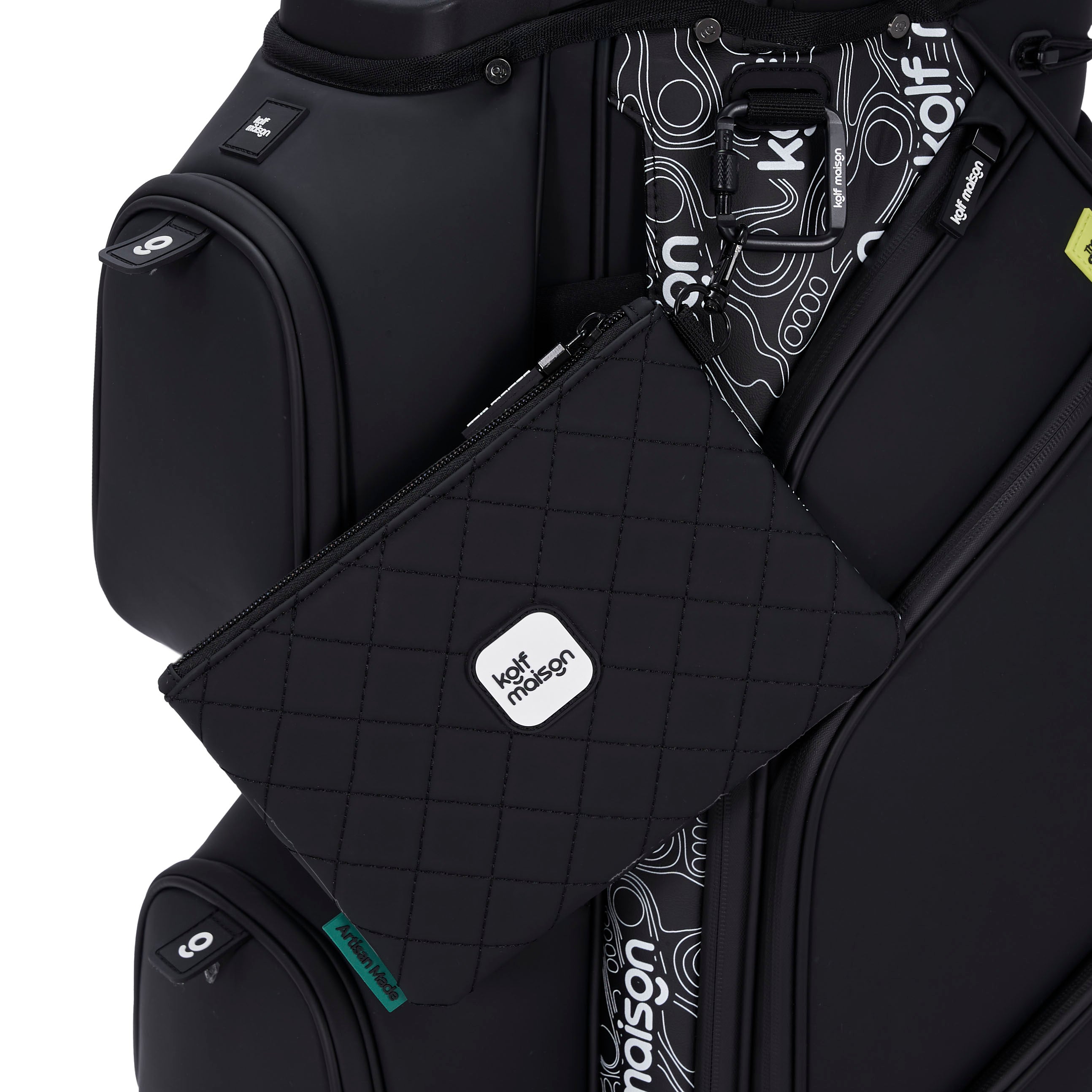


Share:
The Most Durable Golf Glove for All Conditions: What to Look For and How to Choose
How to Clean a Golf Bag: The Complete Step-by-Step Guide