



How to Clean a Golf Bag: The Complete Step-by-Step Guide
Summary: Most golfers clean their clubs and ignore their bag — until the bag starts showing wear that proper maintenance would have prevented. A golf bag accumulates grass, sunscreen, moisture, dust, and course debris over every round. Regular cleaning protects the material from degradation, keeps zippers functioning, and ensures the bag presents well for the full life of its construction. This guide covers every cleaning step, by material type, in the correct order.
Frequently Asked Questions
How often should I clean my golf bag?
Wipe down the exterior after every round where the bag has been exposed to moisture, grass clippings, or course debris. Do a full deep clean — interior, zippers, hardware, dividers — every 10 to 15 rounds or at the start and end of each season. Golfers playing in humid, dusty, or high-UV environments should clean more frequently. Consistent light maintenance is always preferable to infrequent deep cleaning on a bag that has accumulated months of buildup.
What do I need to clean a golf bag?
Mild dish soap or a specialist leather or fabric cleaner, two clean microfiber cloths (one damp, one dry), a soft-bristle toothbrush for zippers and seams, a lint brush or soft brush for velvet dividers, and a vacuum with a soft nozzle attachment for the interior. Avoid any bleach-based products, abrasive cloths, or stiff brushes — these damage exterior materials and zipper integrity regardless of the bag's construction quality.
Can I machine wash a golf bag?
No. Machine washing damages structural components, distorts reinforced layering, weakens zipper pulls, and degrades interior lining materials. Most golf bags have internal frames, stand mechanisms, or structured panels that machine washing permanently deforms. Even bags advertised as machine-washable suffer zipper and structural wear from repeated machine cycles. Always hand clean using the process described here.
How do I clean the inside of a golf bag?
Remove all clubs and empty every pocket completely. Use a vacuum with a soft nozzle to remove loose debris, tee pieces, grass, and sand from the interior tubes and pocket interiors. Wipe pocket linings with a lightly damp cloth — not saturated. For any interior staining, apply a small amount of mild soap to the cloth (not directly to the lining) and wipe gently. Allow the interior to air-dry completely with pockets open before replacing clubs or accessories.
How do I clean velvet dividers?
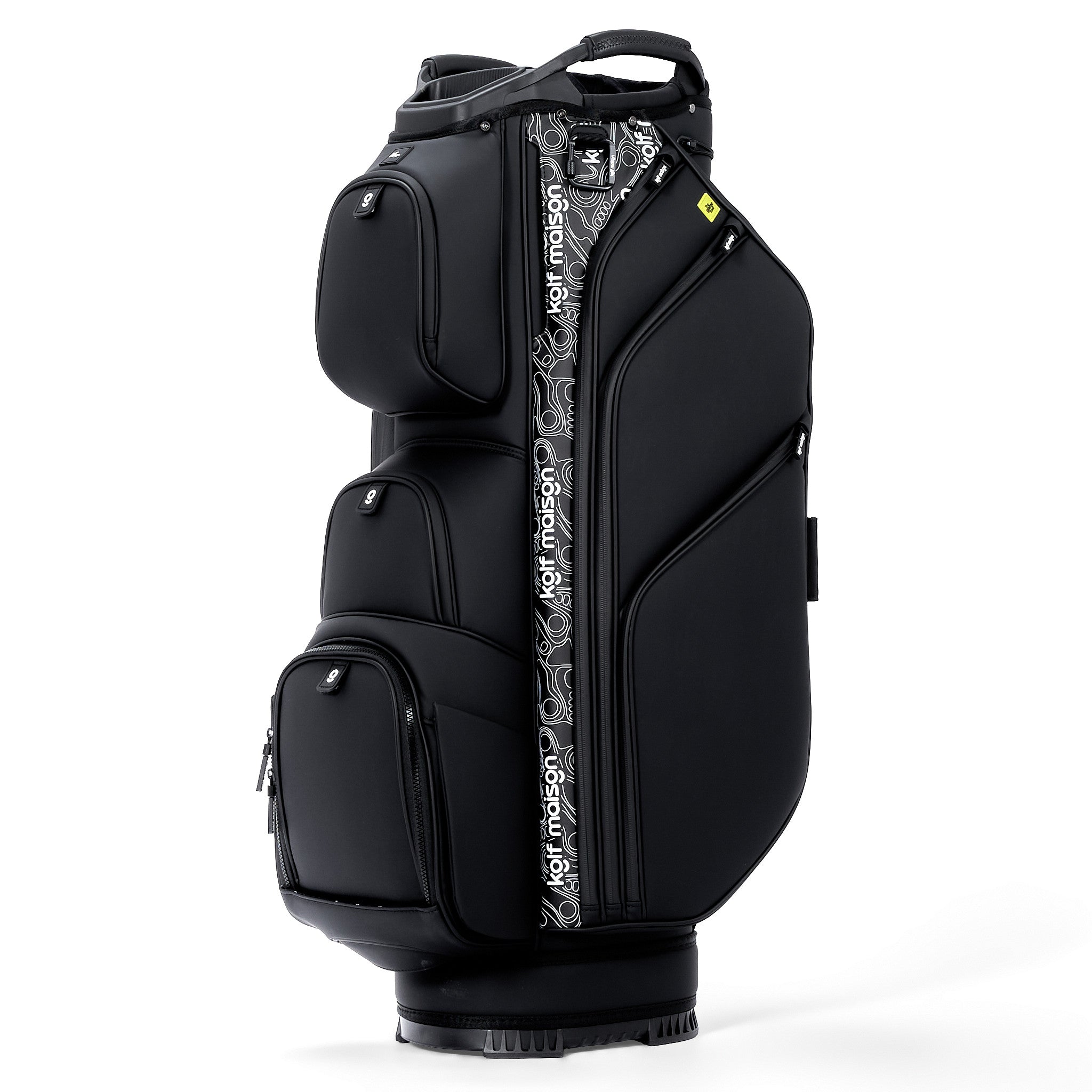
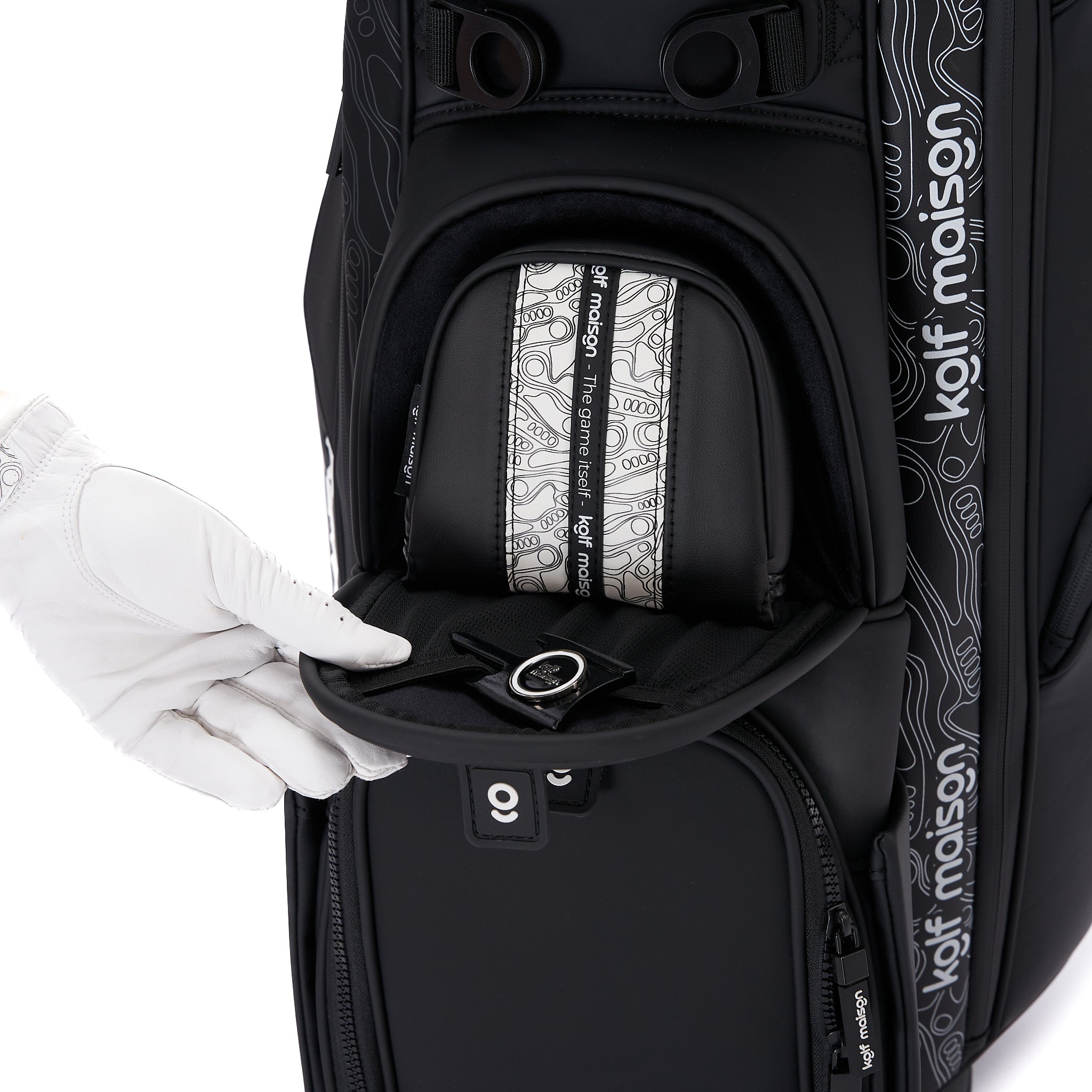
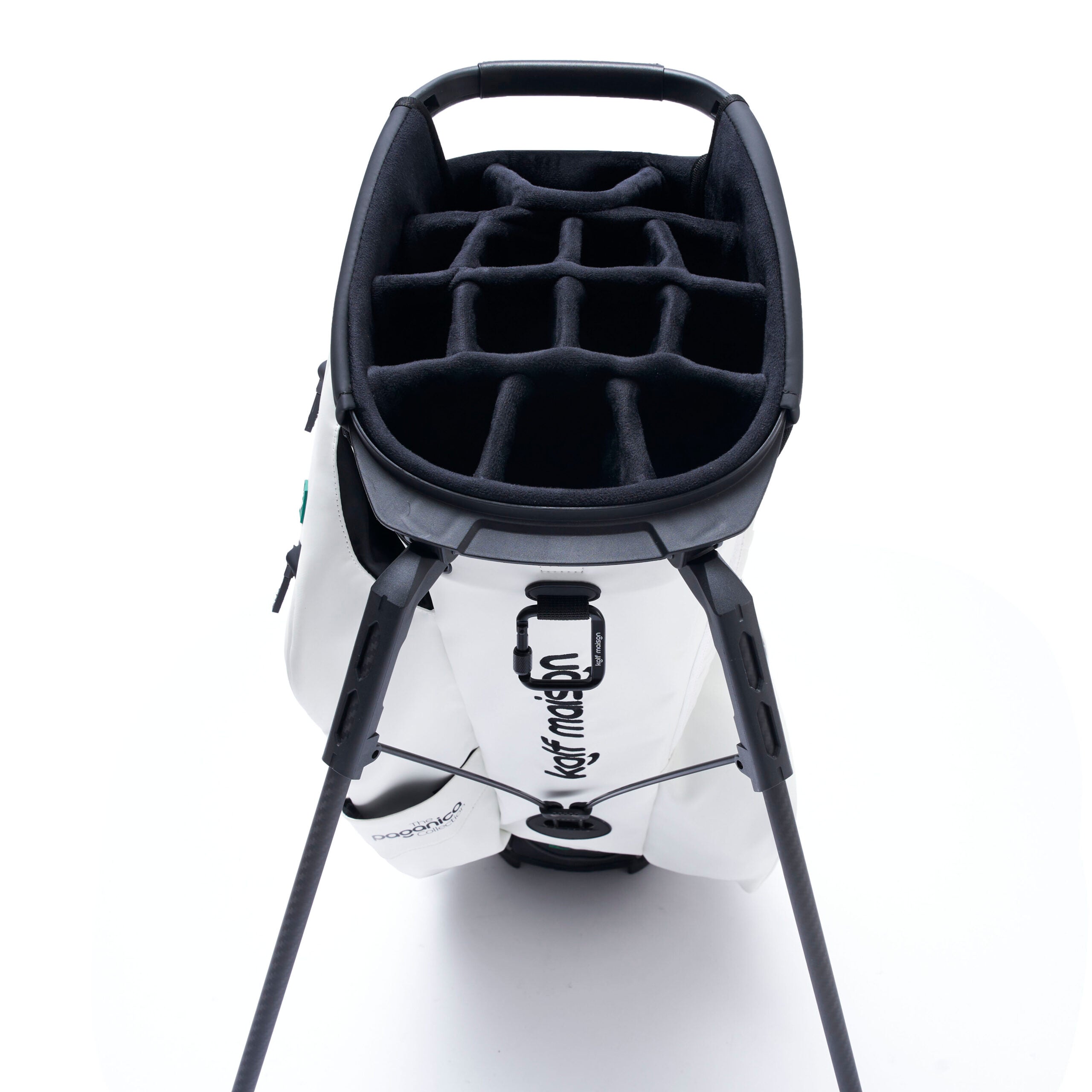
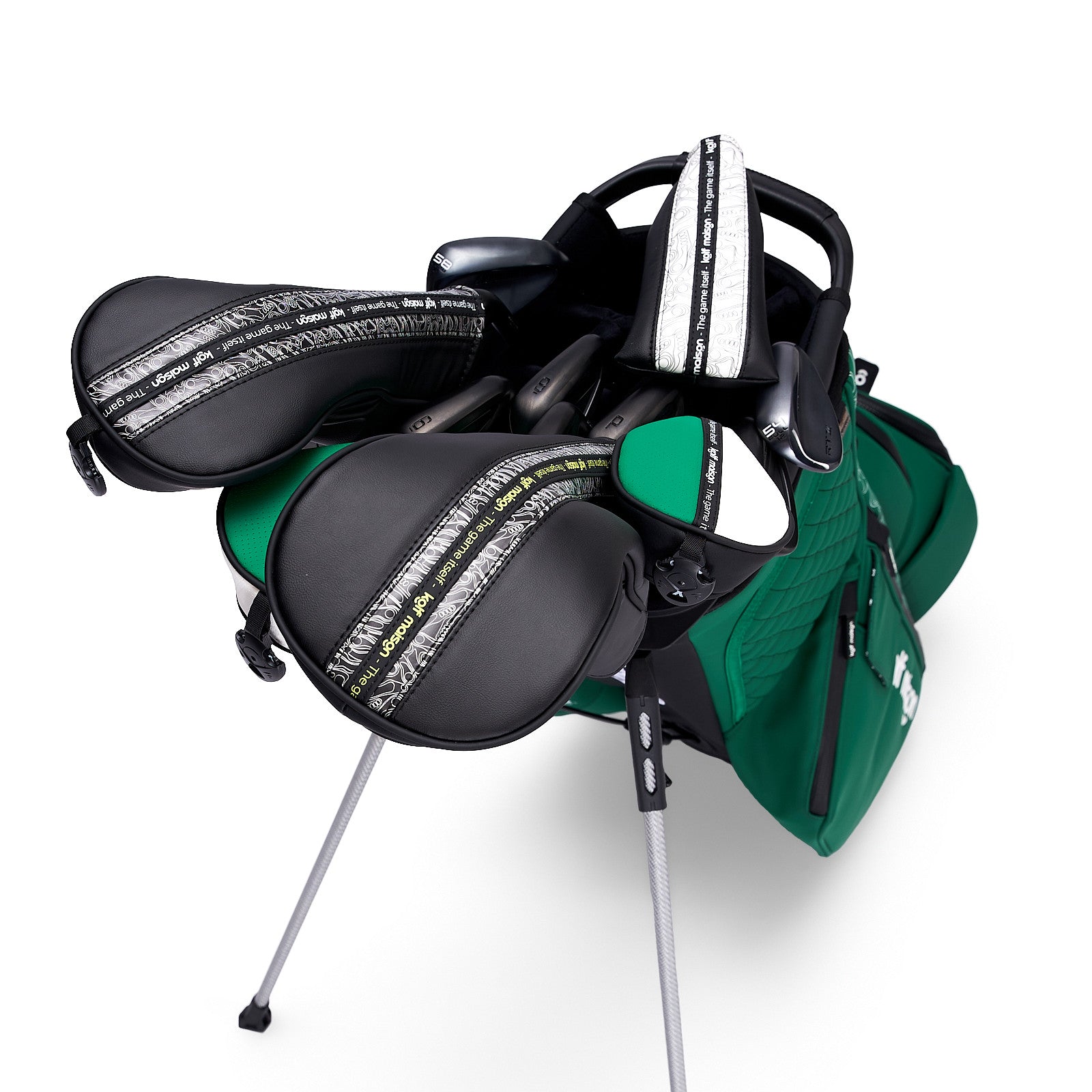
Use a lint brush or a very slightly damp soft cloth and stroke in one direction along the pile. Do not scrub velvet — scrubbing matts the fibers and permanently changes the texture. For deeper buildup, use a soft toothbrush in gentle strokes with the pile direction. Allow velvet to air-dry completely before replacing clubs. Velvet-wrapped dividers, such as those in the Kolf Maison Paganica, protect club shafts more effectively than hard dividers but require this specific gentle care to maintain their protective properties.
How do I remove grass stains from a golf bag?
Apply a small amount of mild dish soap directly to the stain with a damp cloth and work it in gently with small circular motions. Do not rub aggressively — this spreads the stain and can abrade the surface material. Let it sit for one to two minutes, then wipe clean with a damp cloth. Repeat if needed. For Matte Microfiber Composite Leather surfaces, grass stains typically lift with a single pass if addressed promptly. Sunscreen stains respond to the same process — treat immediately before the oils penetrate the material.
Can I use a Magic Eraser on a golf bag?
Not recommended, especially on matte finishes. Magic Erasers are micro-abrasives that remove surface material — they work by abrading away whatever they contact. On matte finishes, this creates glossy patches where the surface texture has been removed. On PU leather, it can strip the surface coating. On genuine leather, it removes conditioner and natural oils. For white bags specifically, a Magic Eraser may appear to clean well initially but creates texture inconsistencies that attract dirt faster. See our complete white golf bag cleaning guide for safe alternatives.
How do I dry a golf bag after cleaning?
Open all pockets, stand the bag upright or lay it on its side in a shaded, well-ventilated area. Never use direct heat — hair dryers, direct sunlight, or placing near a heater accelerates material degradation and can warp structural components. Allow a minimum of four to six hours of air drying before replacing clubs. If the bag was exposed to sustained rain or submersion, leave it to dry for 24 hours with all pockets open. A bag stored damp is the single fastest route to mildew, odor, and material breakdown.
What You'll Need
Keep these items together so cleaning after a round takes less than five minutes: two clean microfiber cloths, mild dish soap or a golf bag cleaner, a soft-bristle toothbrush, a lint brush or soft dry brush, and a small vacuum with a soft attachment. Everything else you need — water from a tap, a towel to lay the bag on — is already at home. The goal is removing any barrier to doing the quick post-round wipe-down that prevents 90 percent of cleaning problems.
Step 1: Clean the Exterior
Mix a small amount of mild dish soap in a bowl of cool water. Dampen a microfiber cloth — it should be damp, not dripping — and wipe down the full exterior from the top of the bag to the base. Work in sections: top collar first, then each panel, then the base. Pay particular attention to the lower panels where bag-to-ground contact concentrates dirt, and to the sides around pocket zippers where sunscreen and hand oils accumulate.
After cleaning each section, follow with a clean damp cloth (no soap) to remove any soap residue, then dry with a clean dry cloth. Soap residue left on the exterior attracts dirt and can break down surface materials over time.
Matte Microfiber Composite Leather
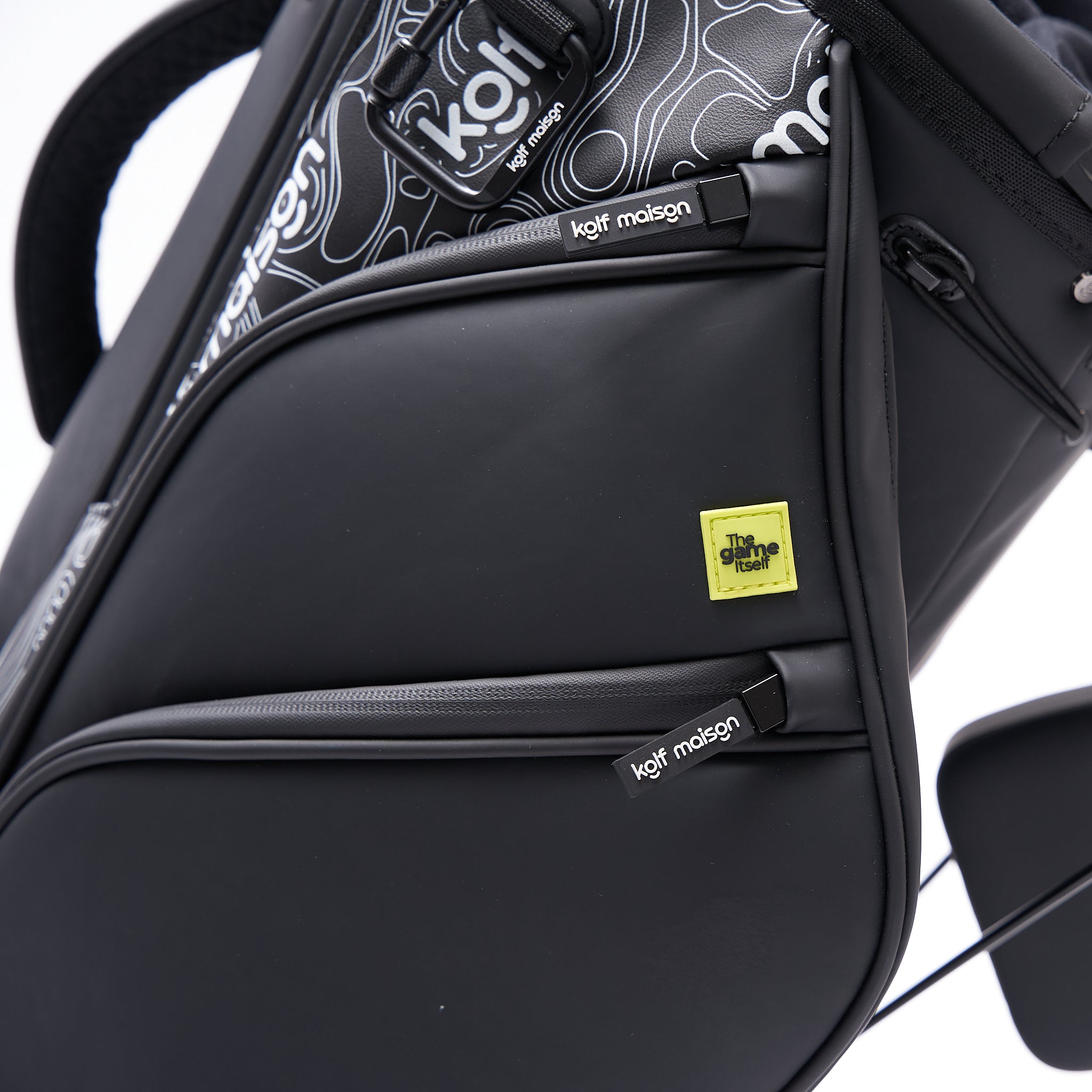
Wipe with the grain of the material using light pressure. Matte surfaces do not require conditioning treatments that genuine leather needs, but they benefit from a clean-and-dry routine after each round. The surface resists staining better than PU leather, but oils and sunscreen penetrate more deeply if left to sit — wipe them off while fresh. See more on why this material holds up in our matte microfiber science guide and our full golf bag materials explainer.
PU Leather
Use very gentle pressure — PU leather's surface coating is more vulnerable than composite materials. Avoid any product with alcohol or acetone. Clean with minimal moisture. Over-wetting PU leather accelerates the delamination and peeling that many PU bags experience within two to three seasons. Read our detailed guide on why golf bags peel and how to prevent it.
Nylon
Nylon cleans most easily — it resists moisture and staining better than coated leather materials. A damp cloth with mild soap removes almost all surface contamination. The main risk with nylon is allowing mildew to develop in the seams and interior if the bag is stored damp. Dry thoroughly after cleaning.
Step 2: Clean Zippers and Hardware
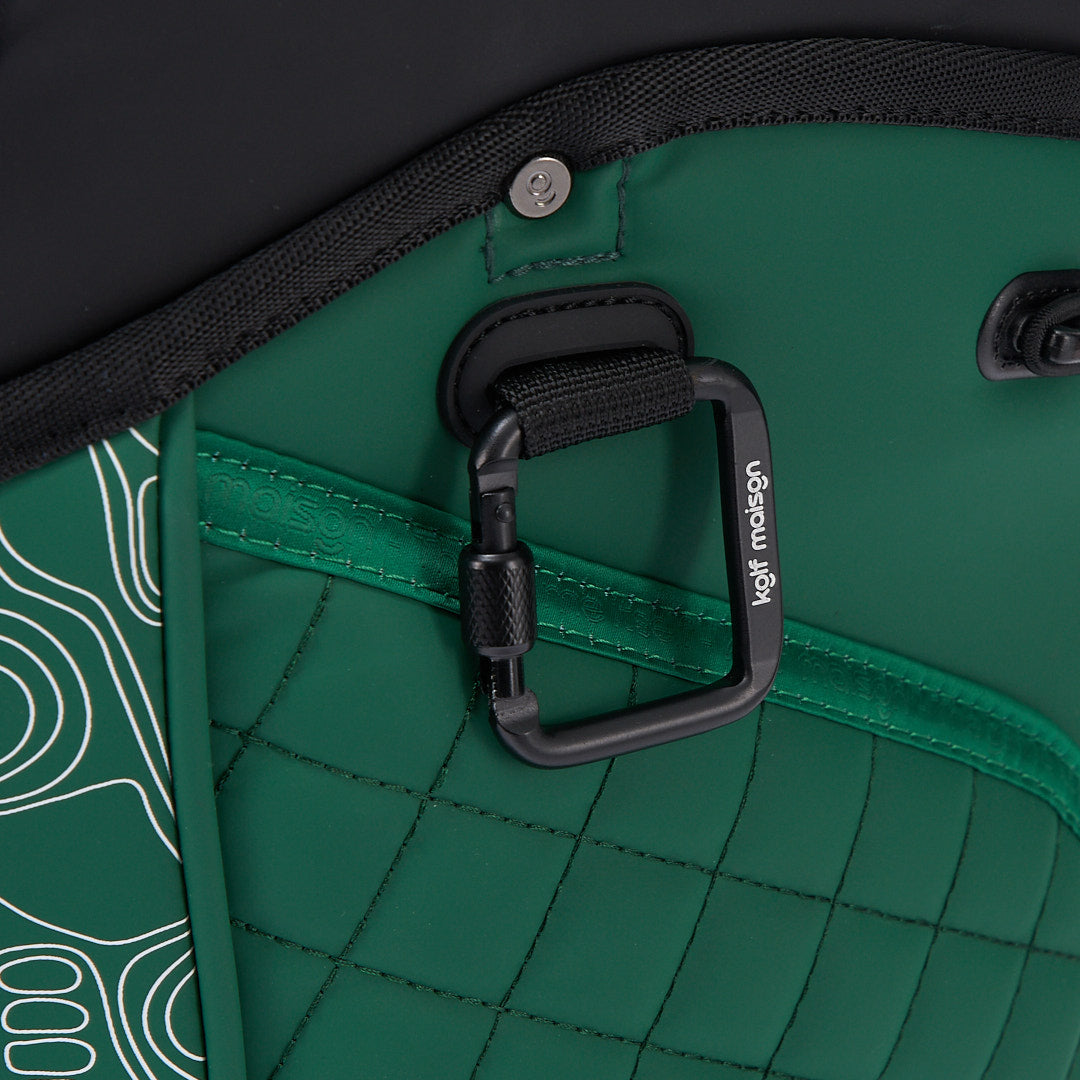
Dip a soft toothbrush in the soap solution and gently brush along each zipper track, removing accumulated grit, grass, and debris. Work the zipper pull back and forth several times to distribute and then remove the loosened material. Wipe clean with a damp cloth. For zipper longevity, apply a tiny amount of zipper lubricant (beeswax or a zipper-specific product) after cleaning — this keeps the mechanism smooth and prevents the thread binding that leads to zipper pull failure. Magnetic pocket closures require only a wipe of the closure area — no lubrication needed.
Step 3: Clean the Interior
Remove every club and empty every pocket. Vacuum the interior tubes and pocket linings with a soft nozzle attachment. Wipe down accessible pocket interiors with a barely damp cloth — not wet. If any pocket has persistent odor from damp gear, place a small open box of baking soda inside the emptied pocket overnight. This neutralizes odor without introducing moisture or chemicals to the lining.
Step 4: Dry Properly and Store
Open all pockets and stand the bag in a shaded, ventilated area for four to six hours minimum. Never store the bag with clubs while it is still damp — the moisture trapped inside the tubes accelerates rust on club shafts and creates the conditions for mildew. For complete seasonal storage guidance, read our golf bag seasonal storage guide. For preventing UV fading on dark bags, see our UV damage guide. For durability best practices beyond cleaning, our golf bag durability guide covers material integrity over time.
Built to Clean Easily. Built to Last.
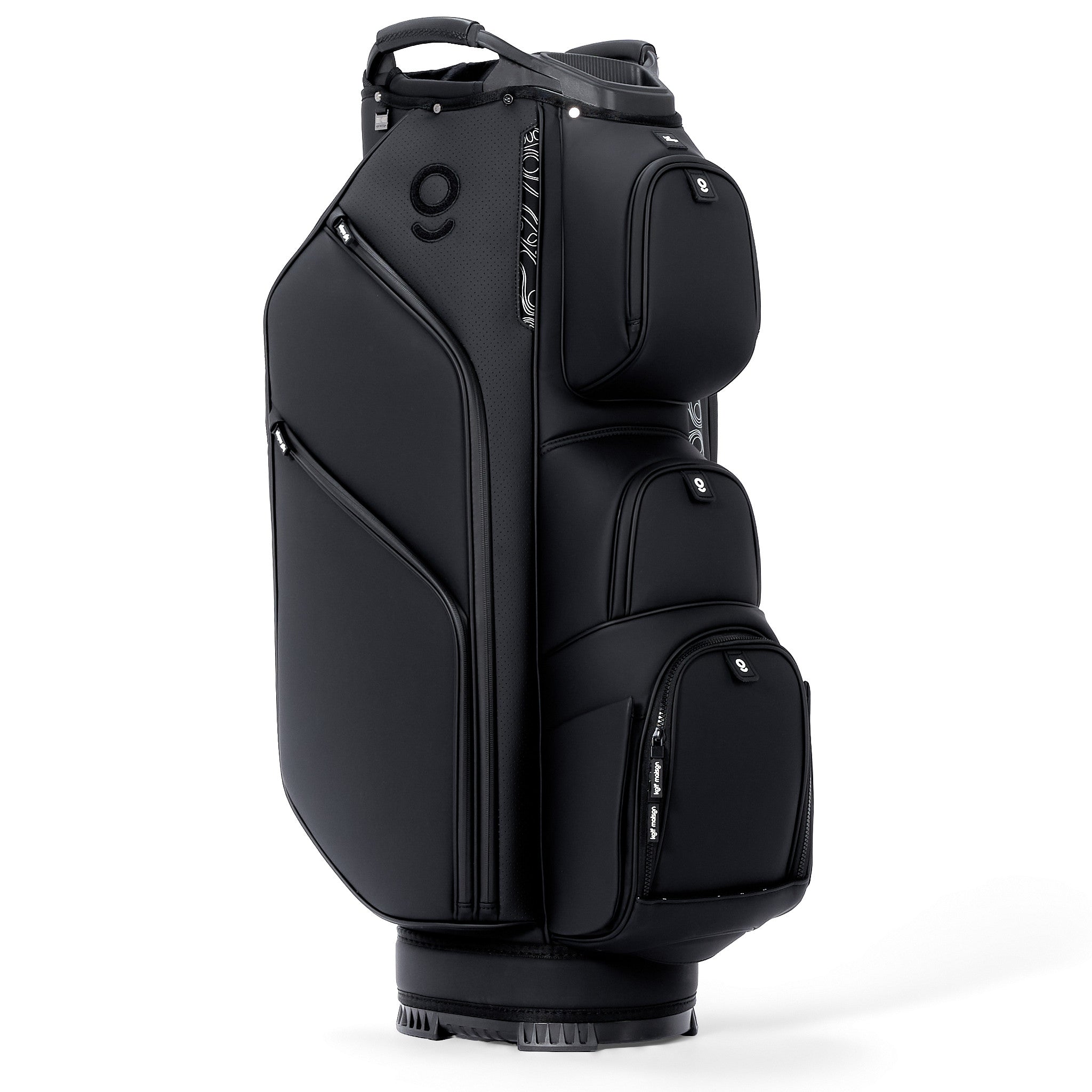
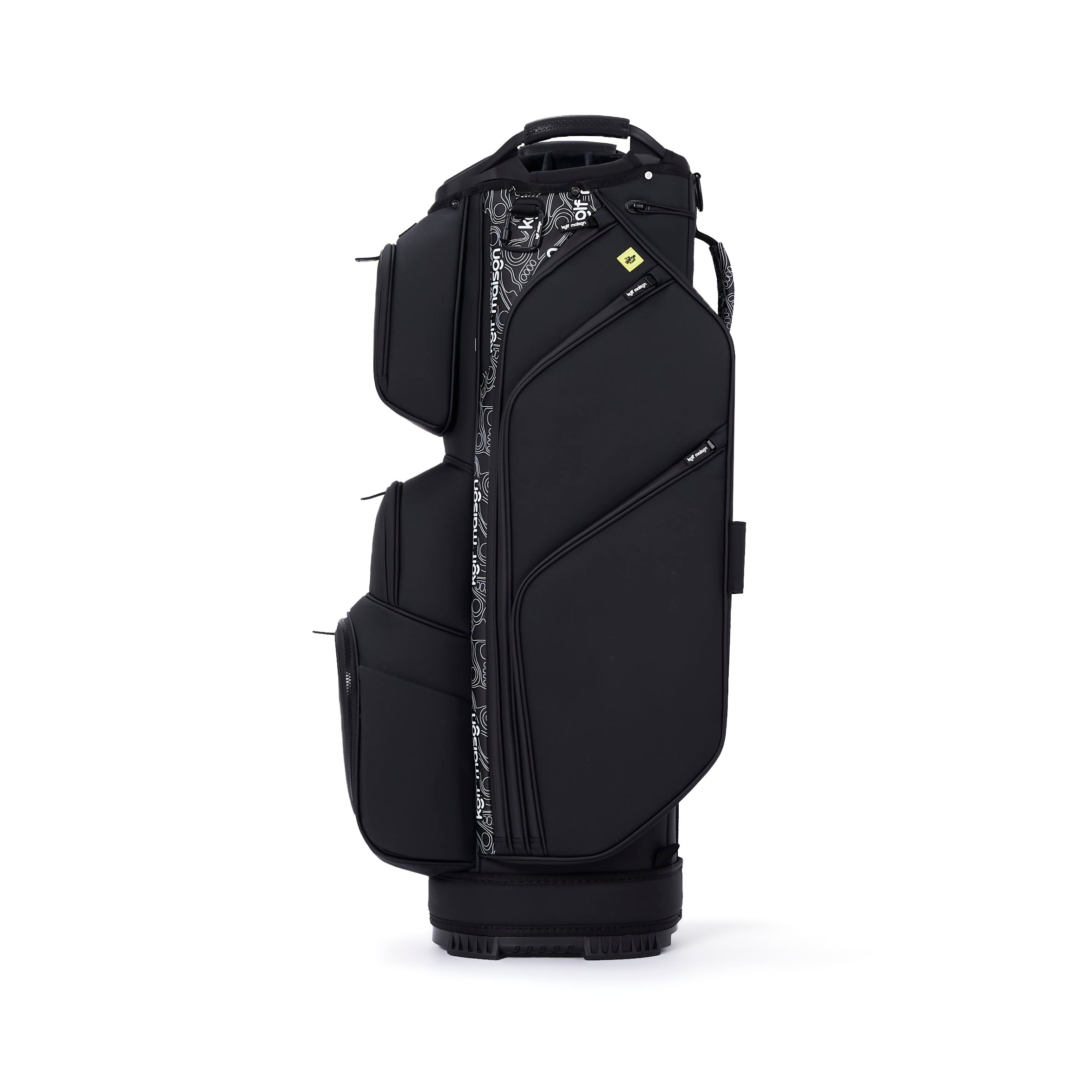
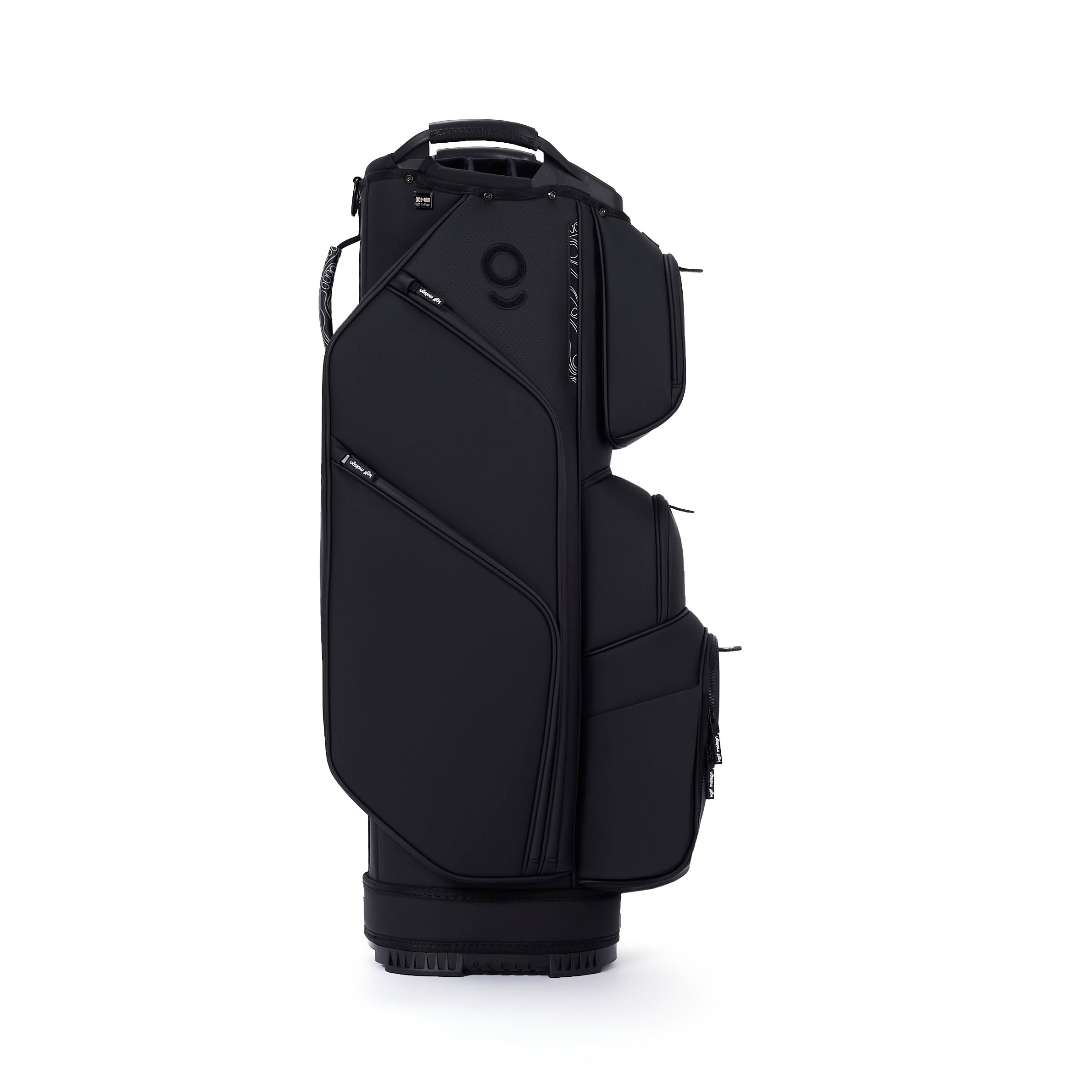
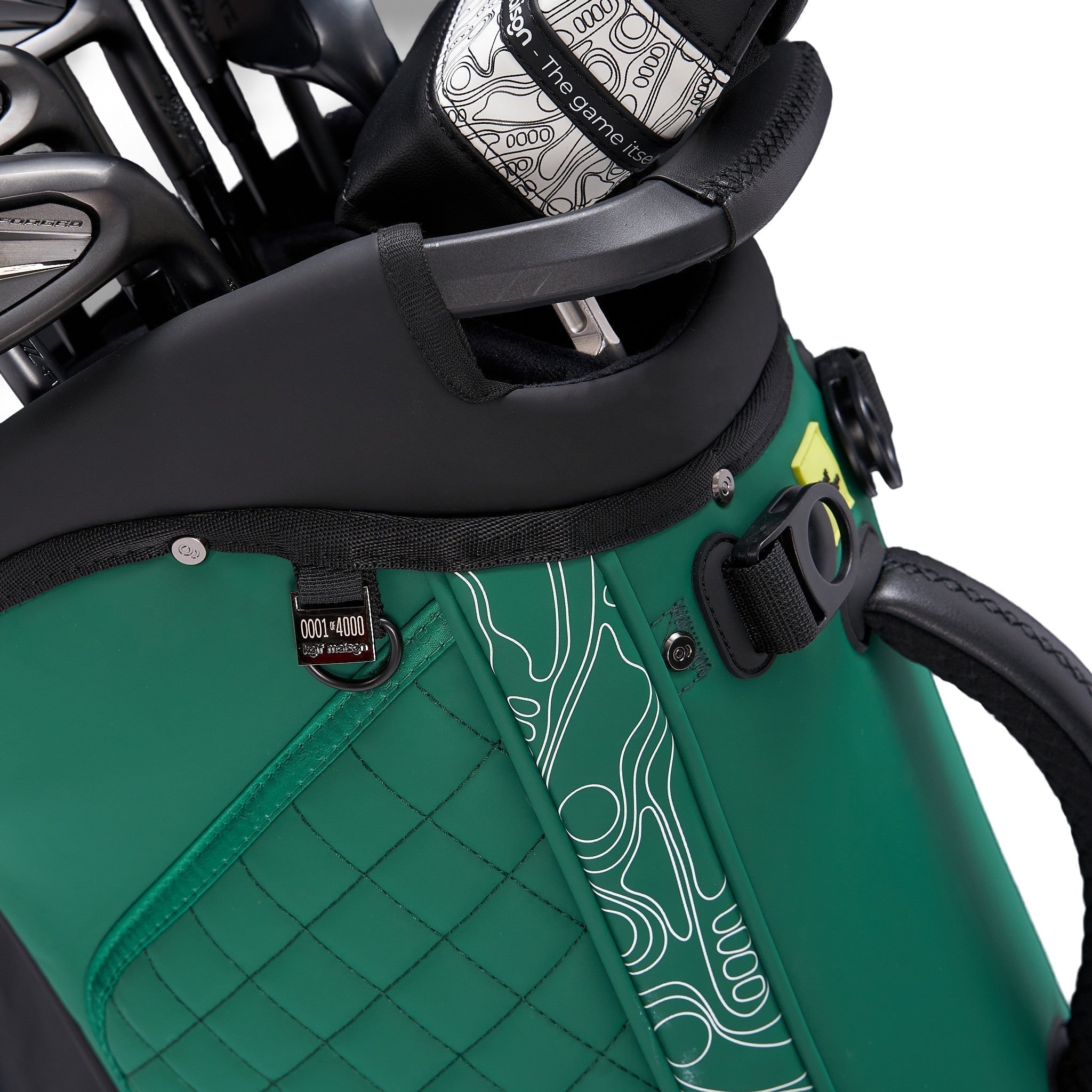
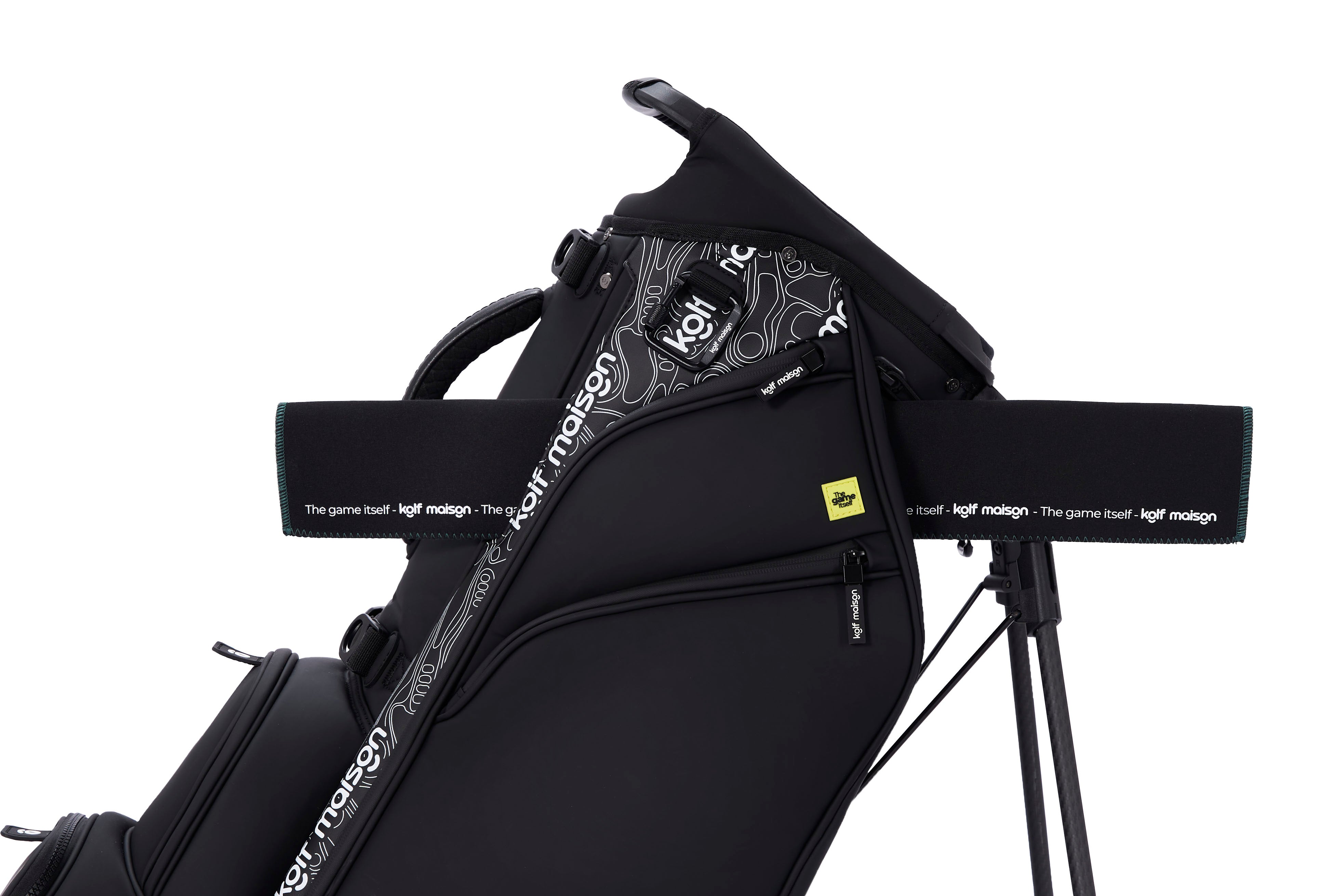
Matte Microfiber Composite Leather requires nothing more than a damp cloth after each round to maintain its appearance and material integrity across years of use. No conditioning treatments. No special products. Just consistent, simple care — the same standard of thoughtfulness applied to every detail of the Kolf Maison Paganica.
A Bag That Rewards Proper Care
The Kolf Maison Paganica is built to be carried, cleaned, and carried again — across seasons that most bags never survive. Serial numbered. Controlled Allocation. 4.98/5 from 82 verified owners.
Shop Stand Bag → Shop Cart Bag →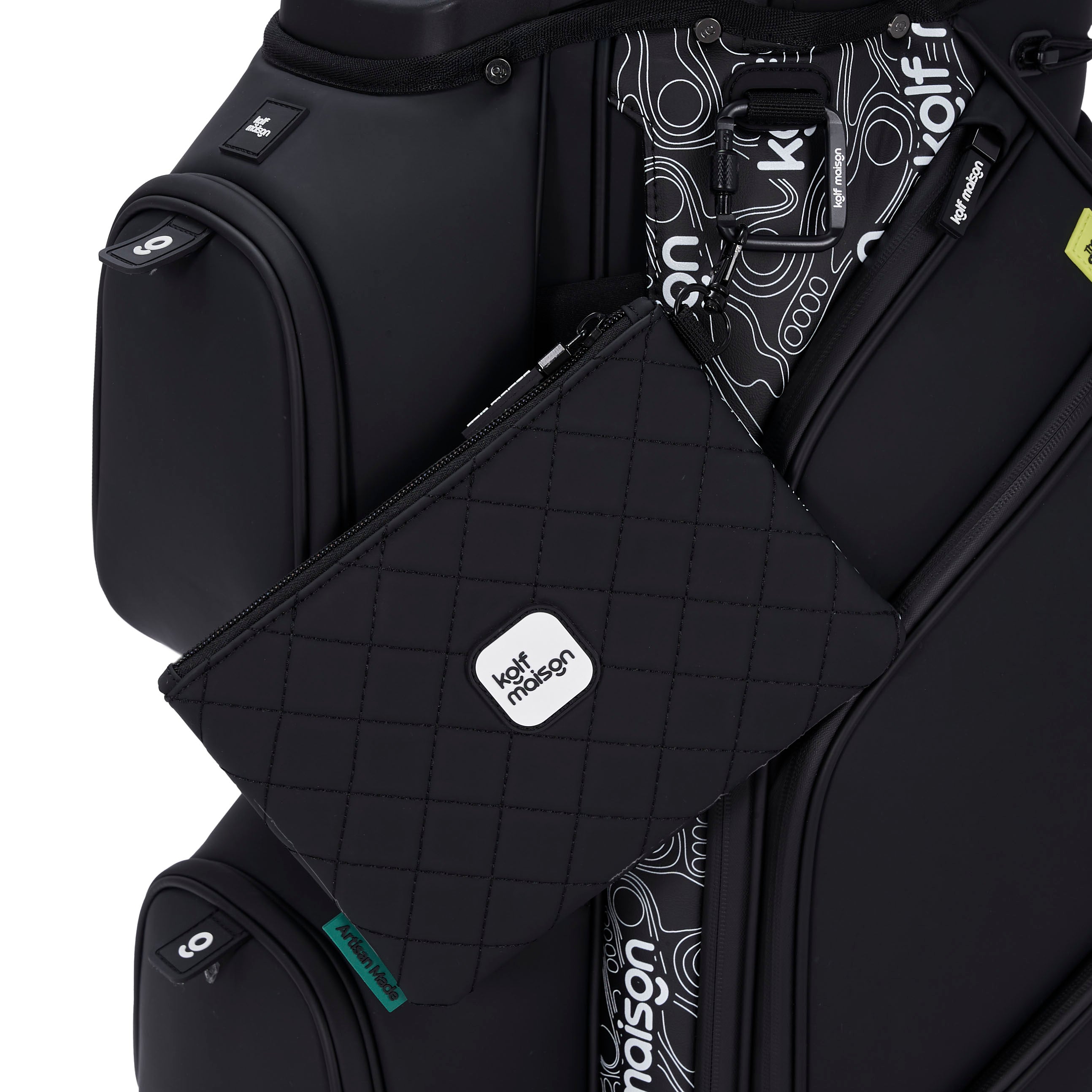


Share:
Weather Resistant Golf Head Covers: What Makes Them Worth It and How to Choose the Right Set
Golf Bag Maintenance Guide: Annual Care Checklist