



Best Golf Bag for Florida, Arizona, and Humid Climates: What Actually Holds Up
Summary: Florida golfers play more rounds per year than almost anyone. Arizona golfers play in sustained heat and UV intensity that most equipment was not designed for. Humid-climate golfers deal with moisture that works its way into materials round by round. In these environments, a bag that would last five years in temperate conditions might fail in two. This guide explains exactly why, what to look for, and which bag holds up longest when the climate works against your equipment every round.
Frequently Asked Questions
What makes a golf bag good for humid weather?
A golf bag built for humidity has exterior materials that do not absorb moisture into their structure, sealed or water-resistant zippers, a base that does not wick ground moisture upward, and interior linings that dry quickly and resist mildew. The critical factor is whether the material's internal structure remains stable when repeatedly exposed to humidity — PU leather degrades internally through hydrolysis even without visible surface damage, while Matte Microfiber Composite Leather maintains structural integrity in humid conditions.
Why do golf bags fade and peel in Florida sun?
Ultraviolet radiation breaks down the chemical structure of most synthetic coatings used in golf bag exteriors. PU leather has a polyurethane surface coating that is particularly UV-sensitive — it begins oxidizing on first exposure and visibly fades, cracks, or peels within one to three seasons of consistent Florida sun exposure. Heat compounds this by accelerating the oxidation process. For a detailed explanation of this failure mechanism, see our UV damage and fading guide.
Does heat damage golf bags?
Yes — sustained heat accelerates every material failure mode that affects golf bags. It speeds up UV oxidation, accelerates hydrolysis in PU leather, weakens adhesives used in bag construction, and causes structural components to expand and contract in ways that create micro-fractures over time. Leaving a bag in a hot car trunk repeatedly — a common habit for Florida and Arizona golfers — significantly shortens any bag's lifespan regardless of material quality.
What is the best golf bag material for hot climates?
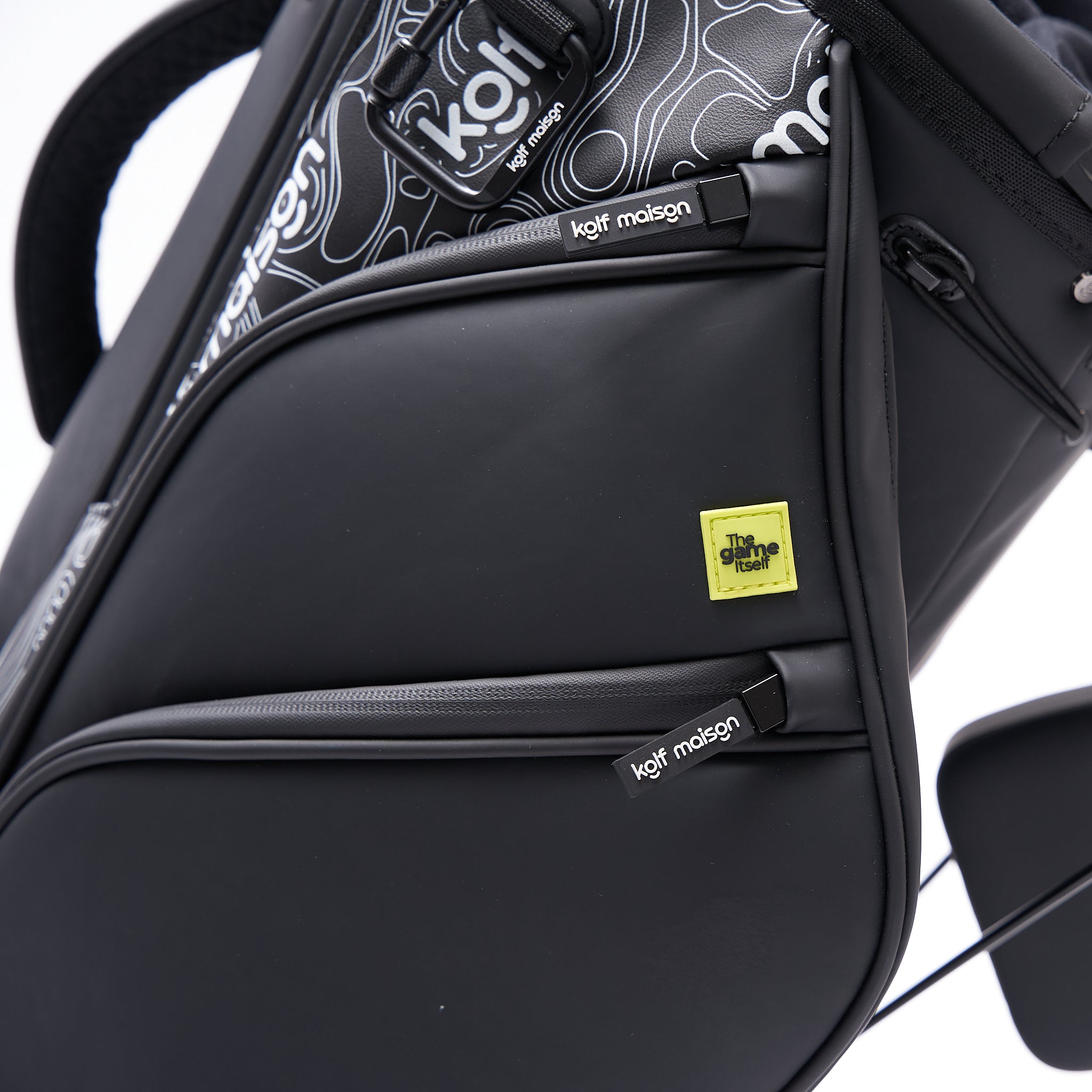
Matte Microfiber Composite Leather outperforms PU leather and standard nylon in hot, UV-intense environments. Its material structure does not rely on a polyurethane surface coating that UV degrades — it maintains color consistency and surface integrity across sustained UV exposure without the peeling, cracking, or fading that affects PU bags. High-grade nylon performs adequately in heat but lacks the structural refinement and tactile quality of composite leather. Read more in our golf bag materials guide.
What is hydrolysis and why does it affect golf bags in humidity?
Hydrolysis is the chemical breakdown of PU leather caused by moisture reacting with the polyurethane polymer chains inside the material. It happens from the inside out — the surface may look intact while the internal structure is already breaking down, which is why PU bags seem to peel suddenly without warning. Humidity accelerates this process dramatically. Florida and coastal golfers frequently see PU bags peel within 18 to 24 months of purchase. Full explanation in our golf bag peeling and hydrolysis guide.
How do I protect my golf bag from Florida sun?
Store the bag in a climate-controlled environment between rounds — never in a car trunk or outdoor storage area in direct sun. Use the rain hood between rounds to protect the top opening from UV exposure. Wipe down the exterior after each round to remove any oxidation buildup. These measures slow degradation but do not prevent it in UV-sensitive materials. The most effective protection is choosing a material that resists UV degradation from the start.
Do white golf bags show climate damage faster than dark bags?
White bags show yellowing from UV exposure more visibly than dark bags — the yellowing is equally present in both, but obvious against white and masked by dark colors. In Florida and high-UV climates, a white PU leather bag will yellow visibly within one to two seasons. A white Matte Microfiber Composite Leather bag maintains its color significantly better across the same UV exposure. For white bag care specifically, see our white golf bag cleaning and yellowing guide.
What should I look for in a golf bag for year-round Florida use?
UV-resistant exterior material, moisture-resistant construction, a base that stays stable on damp ground, quick-drying interior linings, and zippers with some degree of weather resistance. Weight matters too — Florida golfers walk in heat and humidity where a heavy bag becomes a physical burden by the back nine. The Kolf Maison Paganica Stand Bag was specifically selected by Florida-based golfers in our verified review base for its material performance in exactly these conditions.
Why Climate Destroys Bags Faster Than Wear
A golfer in Minnesota who plays 30 rounds a year and stores their bag in a climate-controlled garage will see less bag degradation in five years than a Florida golfer playing the same 30 rounds in sun, humidity, and heat. The difference is not use — it is environment. UV radiation, humidity, and heat each individually accelerate material breakdown. In combination, they create conditions that compress a bag's typical lifespan by 40 to 60 percent depending on the material.
This is why golfers in Florida and the American Southwest consistently report replacing bags more frequently than the manufacturer's expected lifespan suggests. The expectation was built for temperate-climate use. The Florida, Arizona, or coastal Gulf Course reality is a different environment entirely — and bag material choice needs to account for it. Our golf bag durability guide covers this in full detail.
The Three Climate Failure Modes
UV Degradation
Ultraviolet radiation breaks down synthetic surface coatings, fades pigment, and degrades the polymer structure of PU leather from the surface inward. In Florida and Arizona, UV intensity is sustained year-round — not seasonal. A bag that gets six months of UV per year in a northern state gets twelve in Florida. PU leather bags that would last three to four seasons in the Northeast may show visible UV damage within the first season in these states.
Hydrolysis from Humidity
Humidity penetrates PU leather and reacts with its internal polyurethane structure over time, causing it to break down and delaminate. The surface appears intact until the internal structure fails, at which point the material peels in sheets — sometimes within a single season in high-humidity coastal environments. Matte Microfiber Composite Leather does not have the polyurethane bonding layer that is vulnerable to hydrolysis, which is the fundamental reason it outperforms PU in coastal and humid environments.
Heat Acceleration
Heat does not cause a specific failure mode on its own — it accelerates all of them. At 100°F in a parked car or in direct sun on a cart, UV oxidation runs faster, humidity penetration accelerates, adhesives soften, and structural components expand. The combination of high heat plus humidity plus UV is the most aggressive environment any golf bag encounters — and it is the daily reality for Florida and Arizona golfers from spring through fall.
The Kolf Maison Paganica in Warm Climates
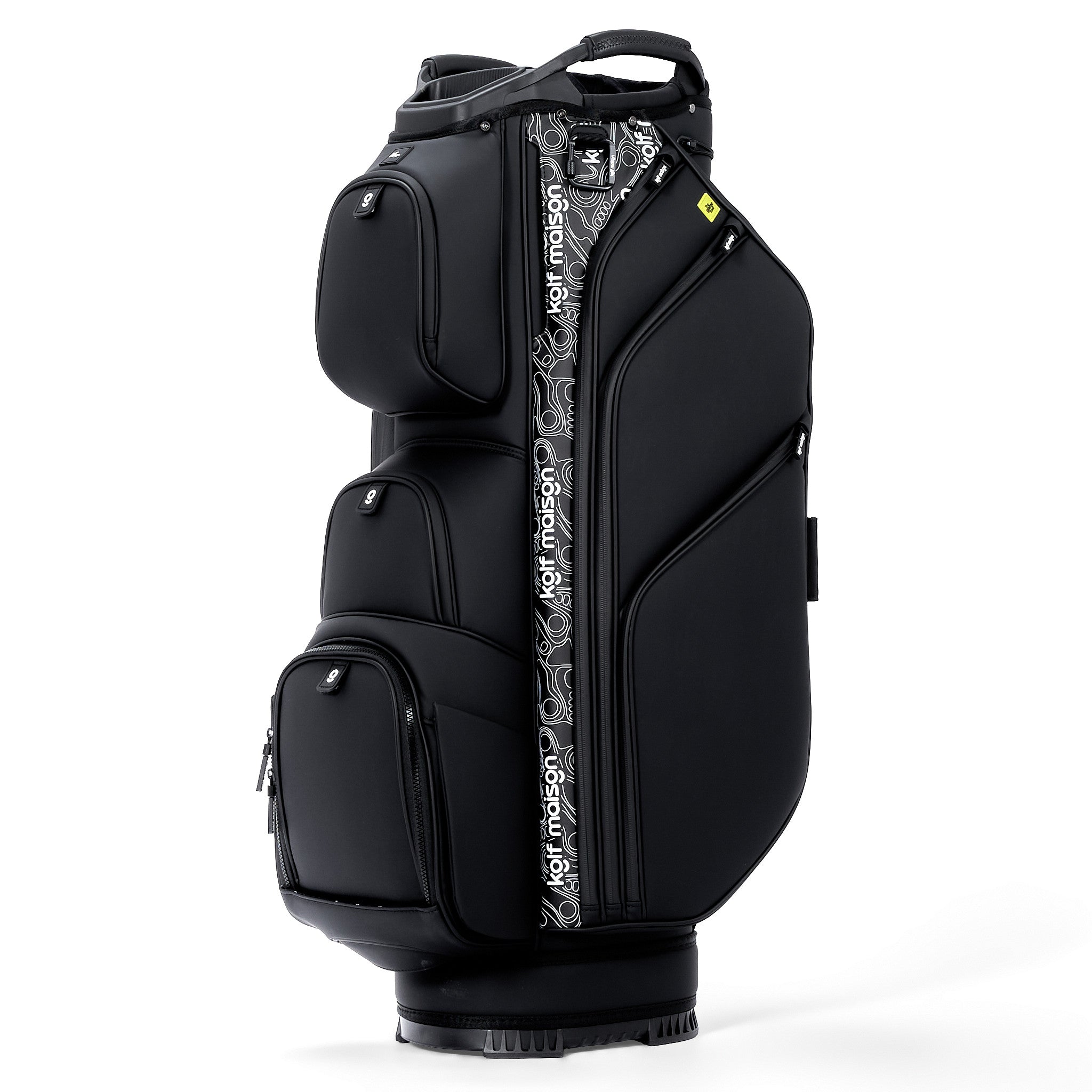
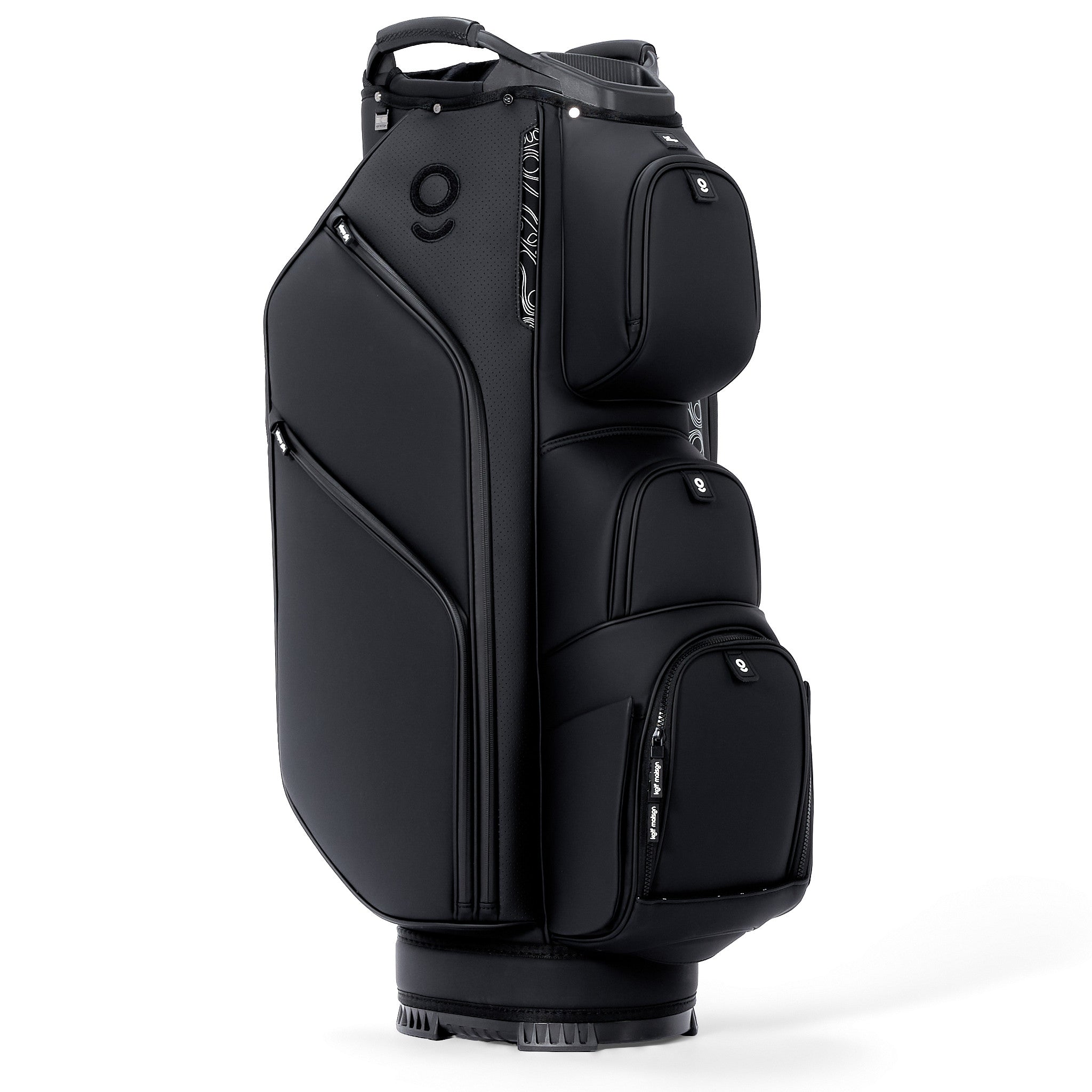
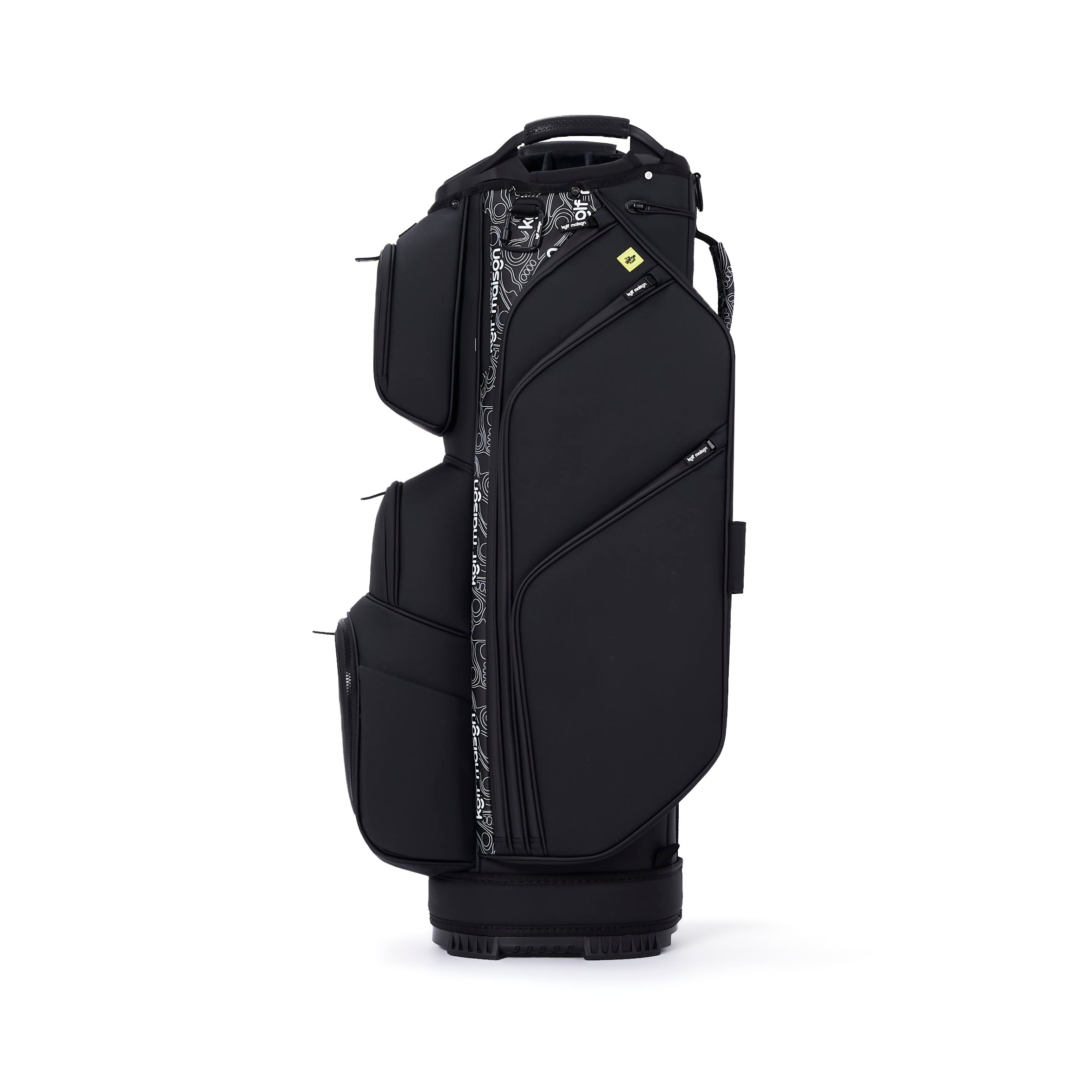
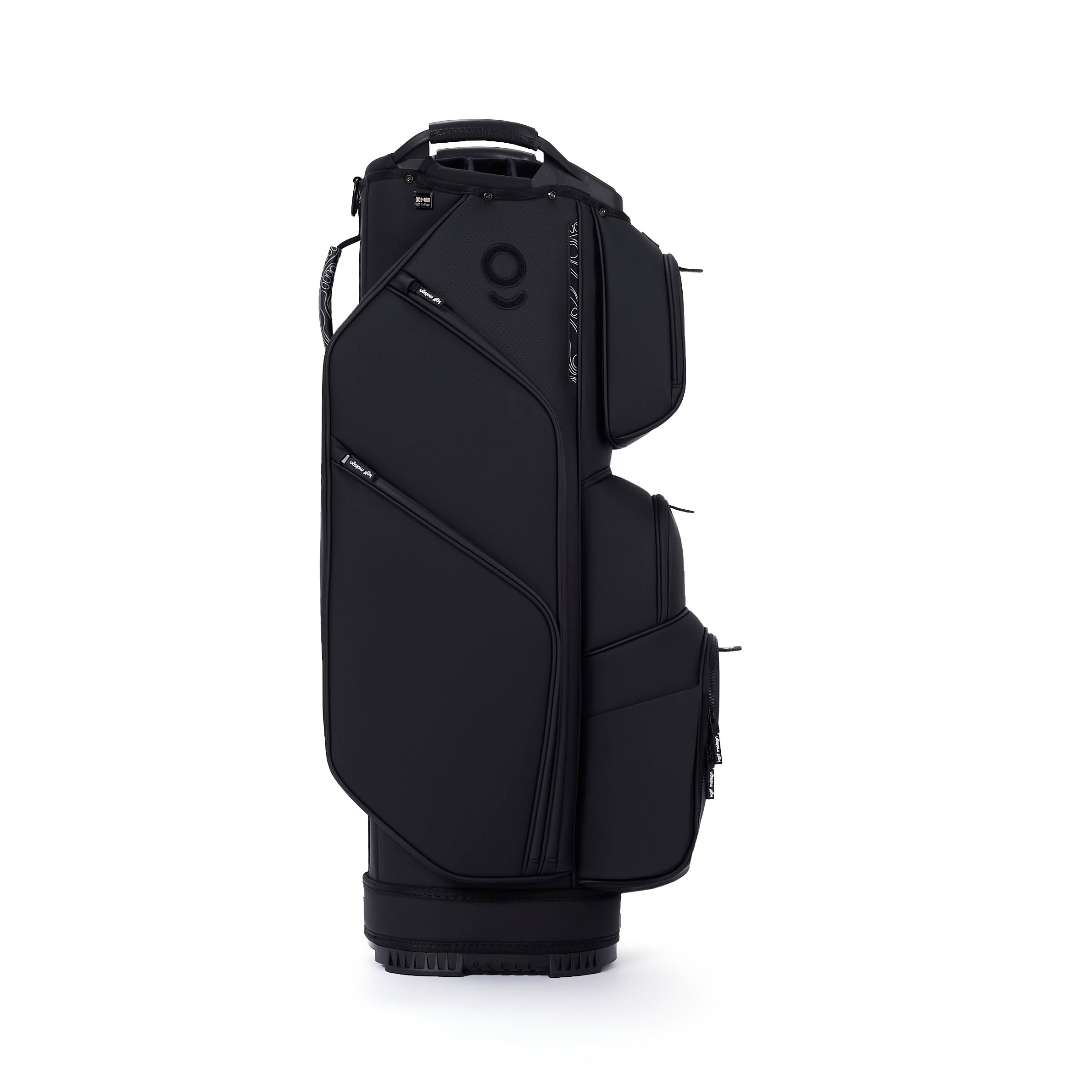
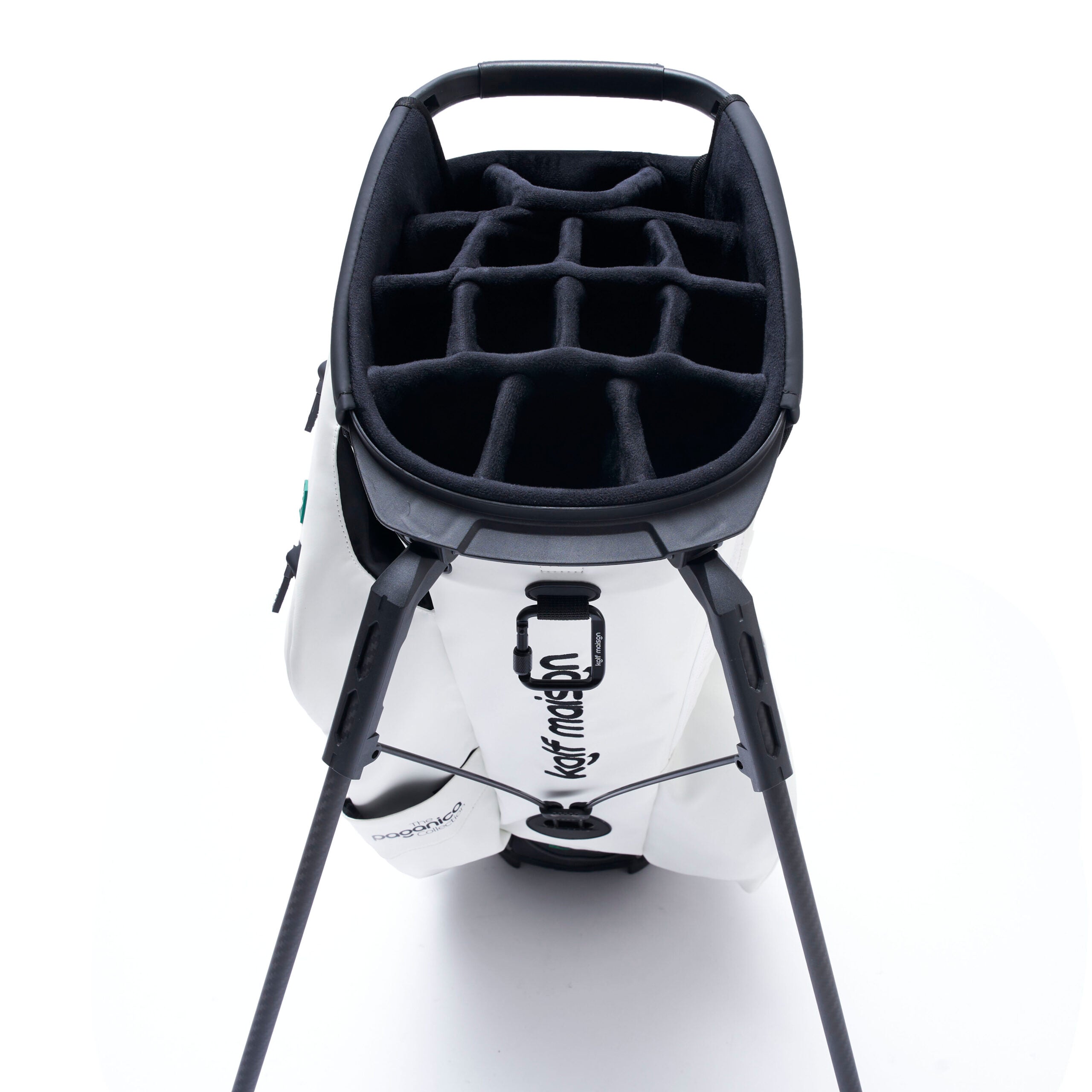
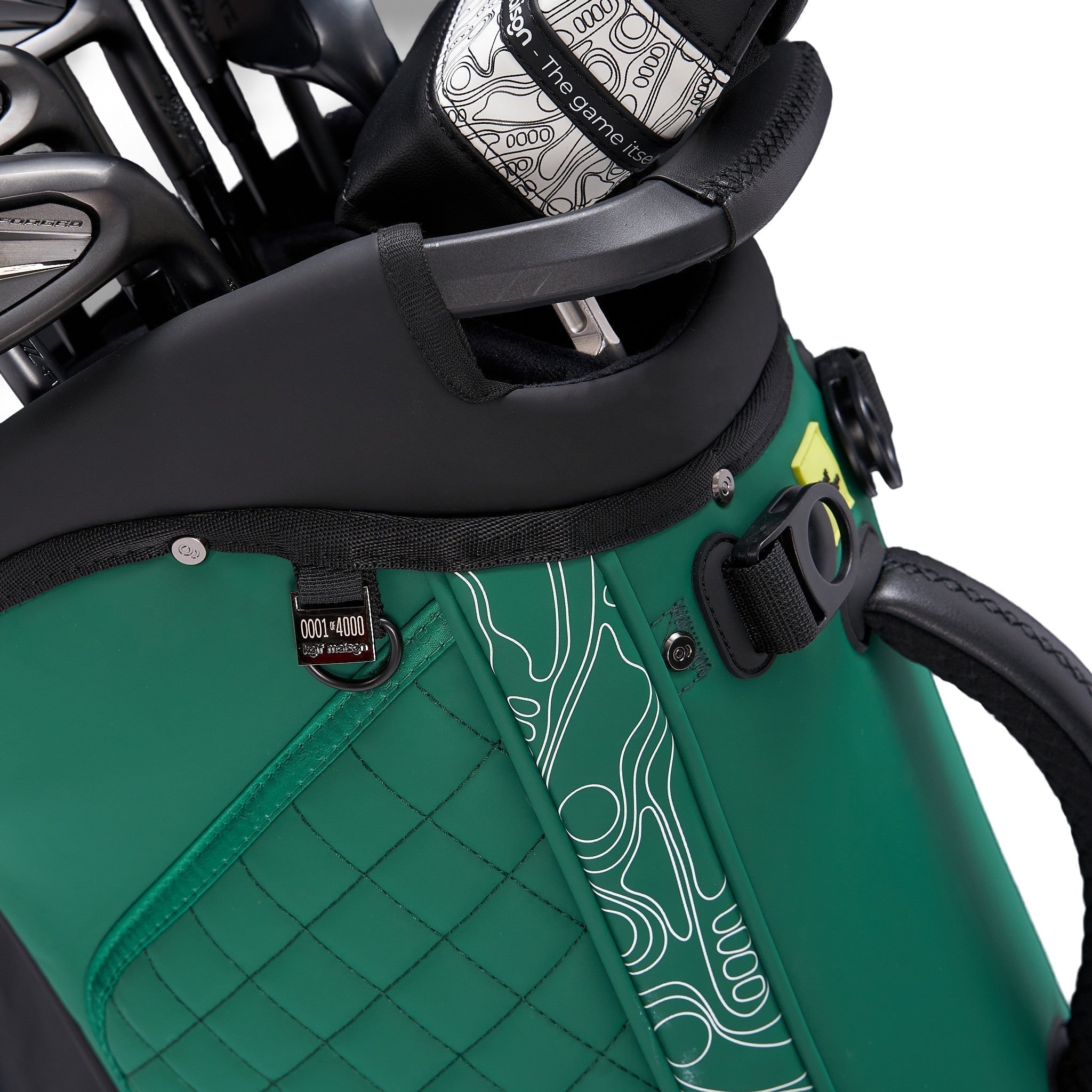
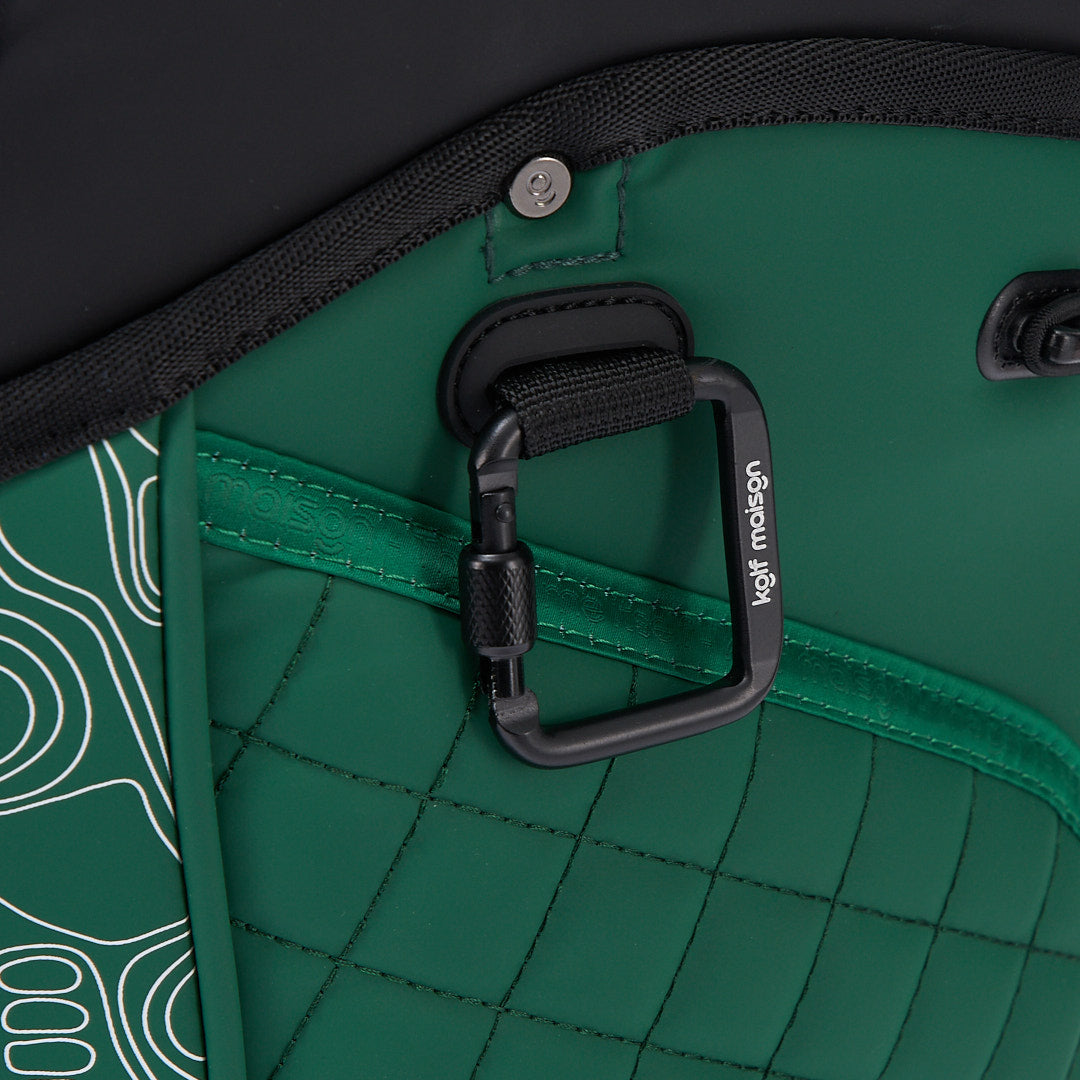
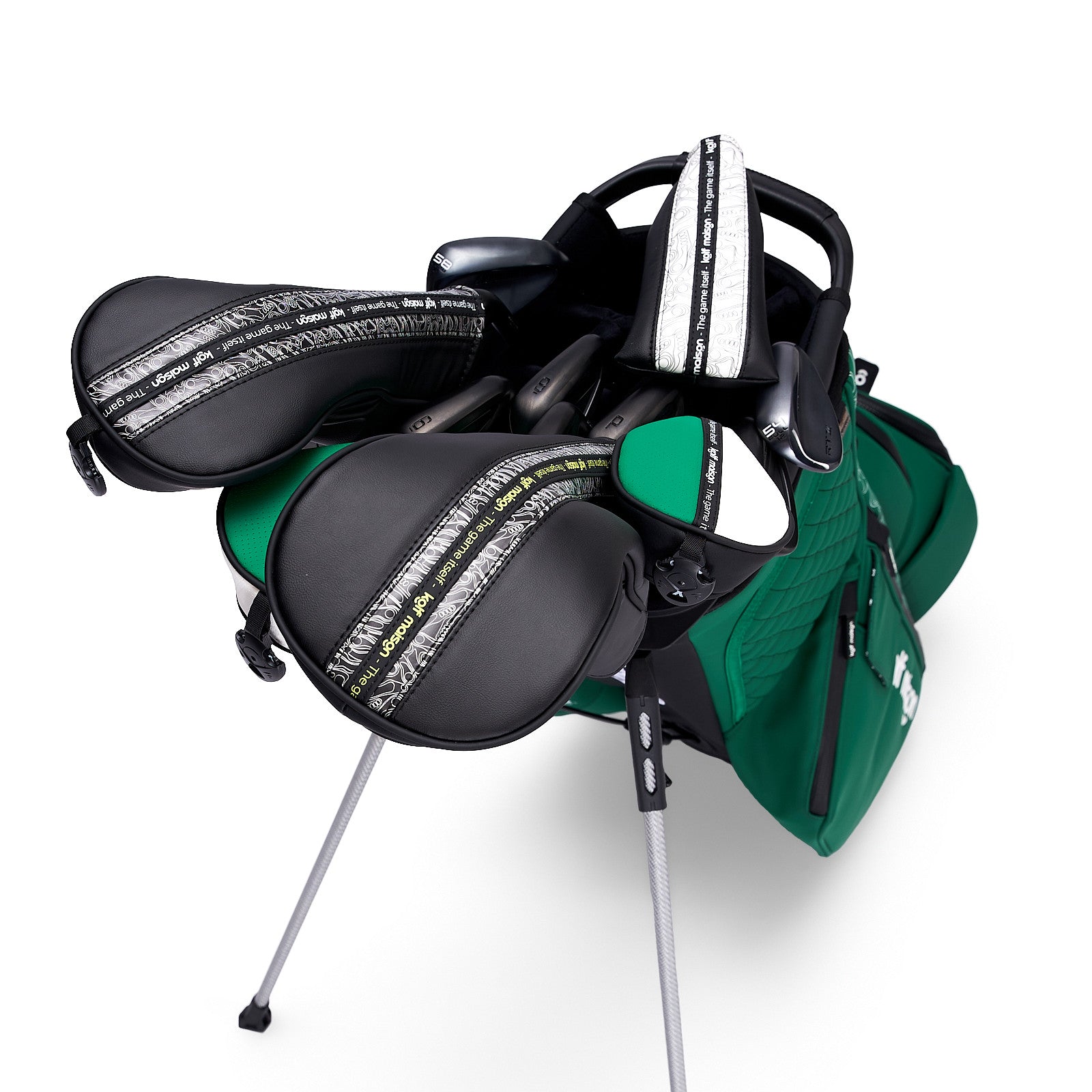
The Kolf Maison Paganica Stand Bag and Paganica Cart Bag are built from Matte Microfiber Composite Leather — a material selected in part because of how it performs in the conditions that destroy most bags fastest. Verified owner reviews from Florida-based golfers consistently note the material's resistance to the fading, yellowing, and surface breakdown they had experienced with previous bags. The Blanc Prestige (white) colorway in particular has held its appearance under Florida sun where white PU bags typically yellowed within their first season.
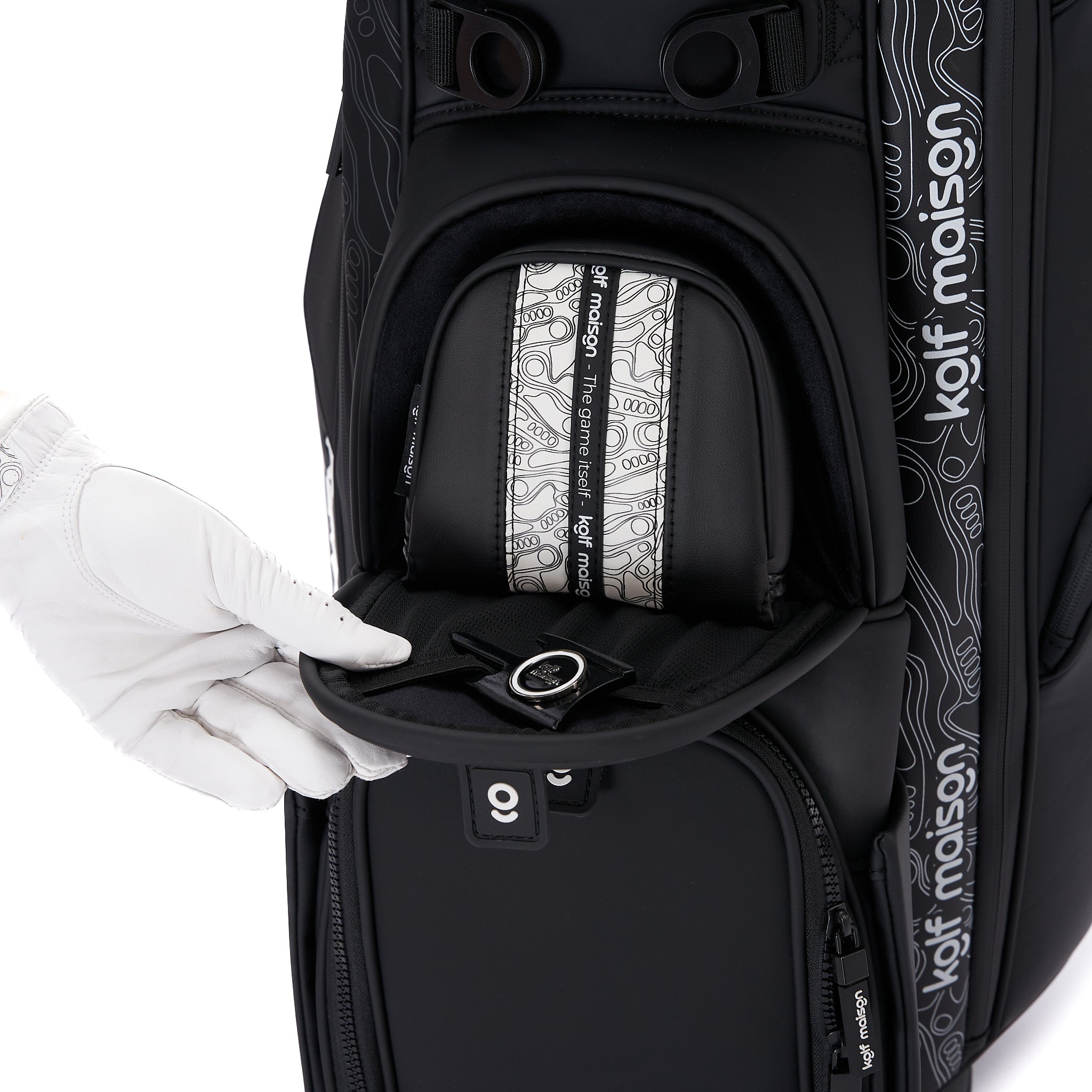
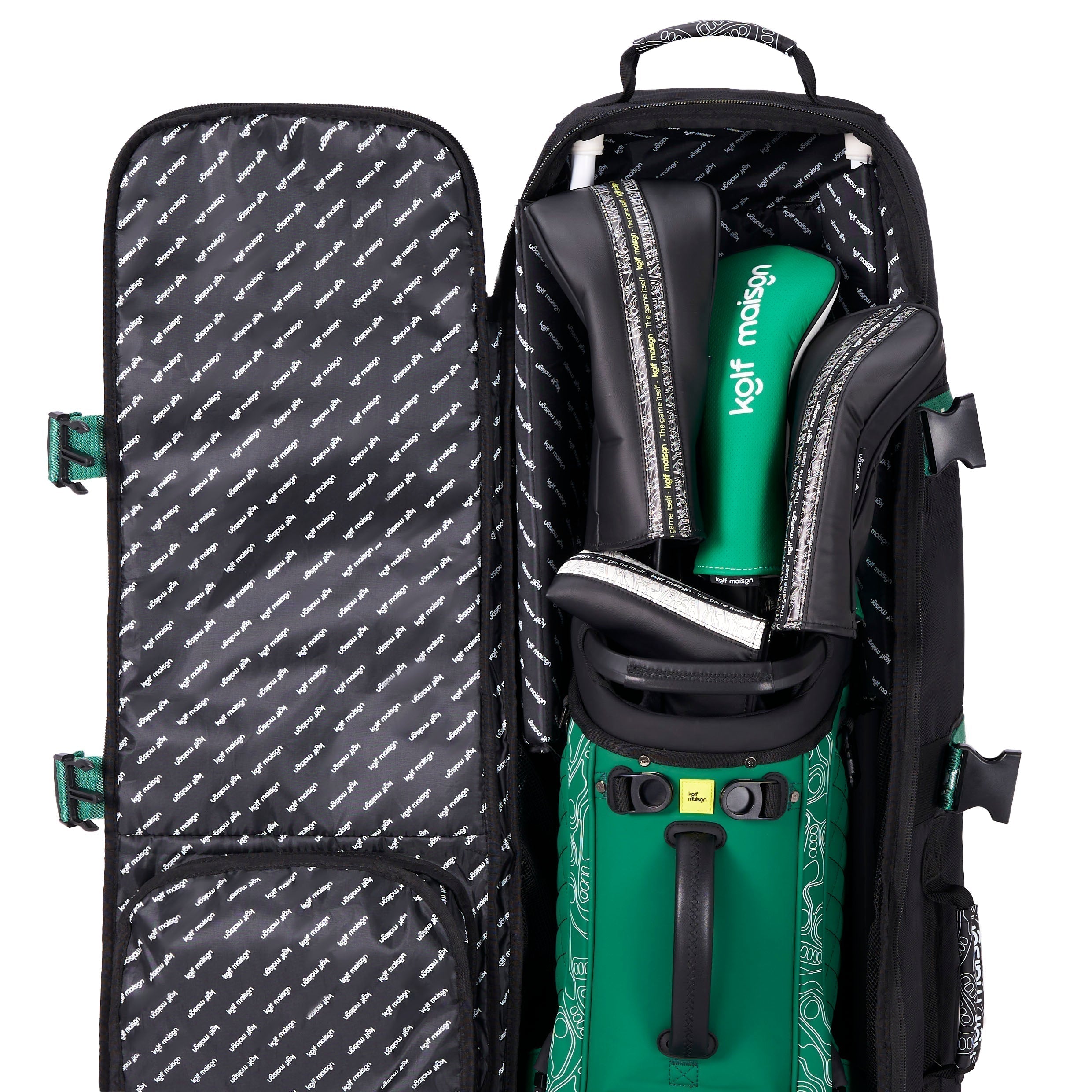
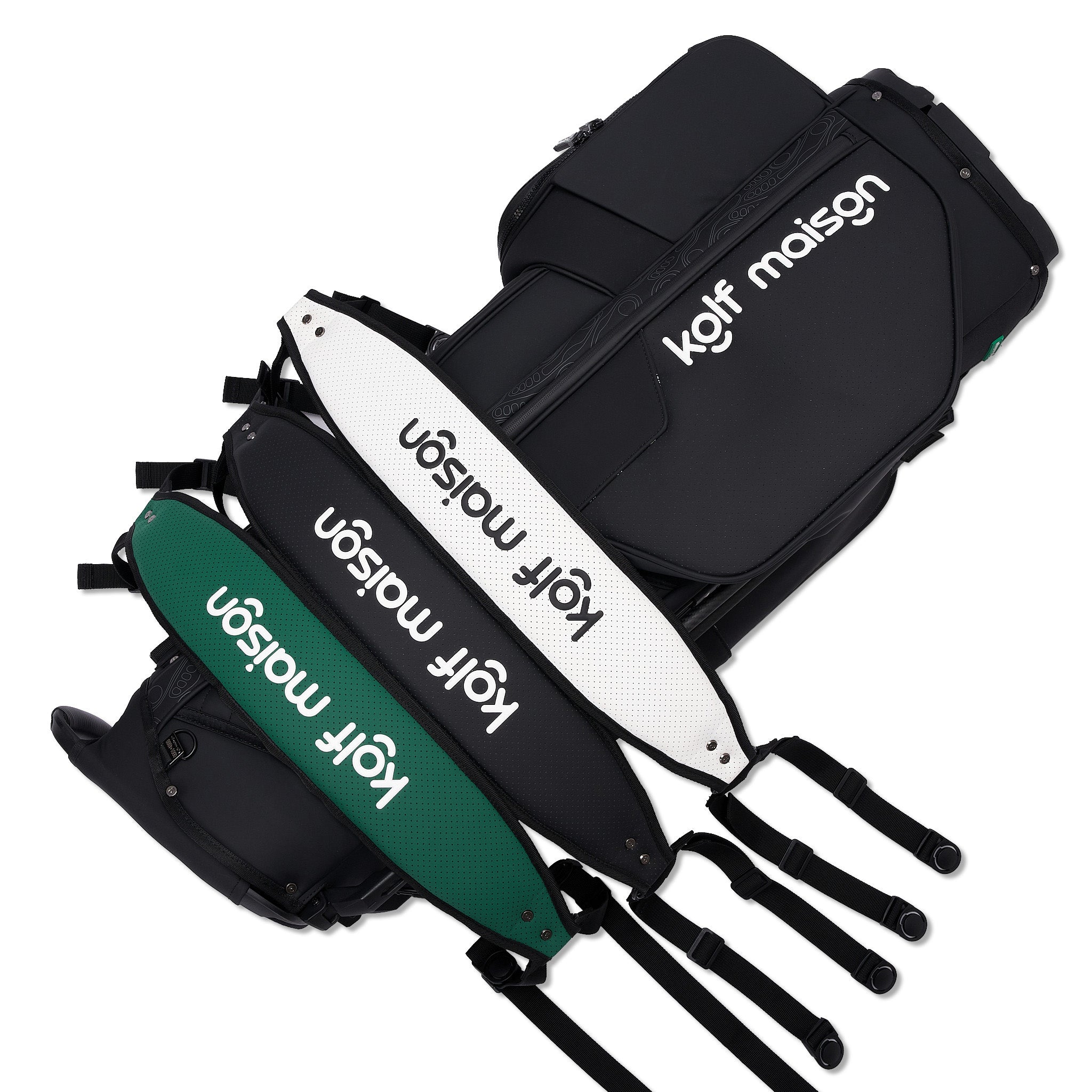
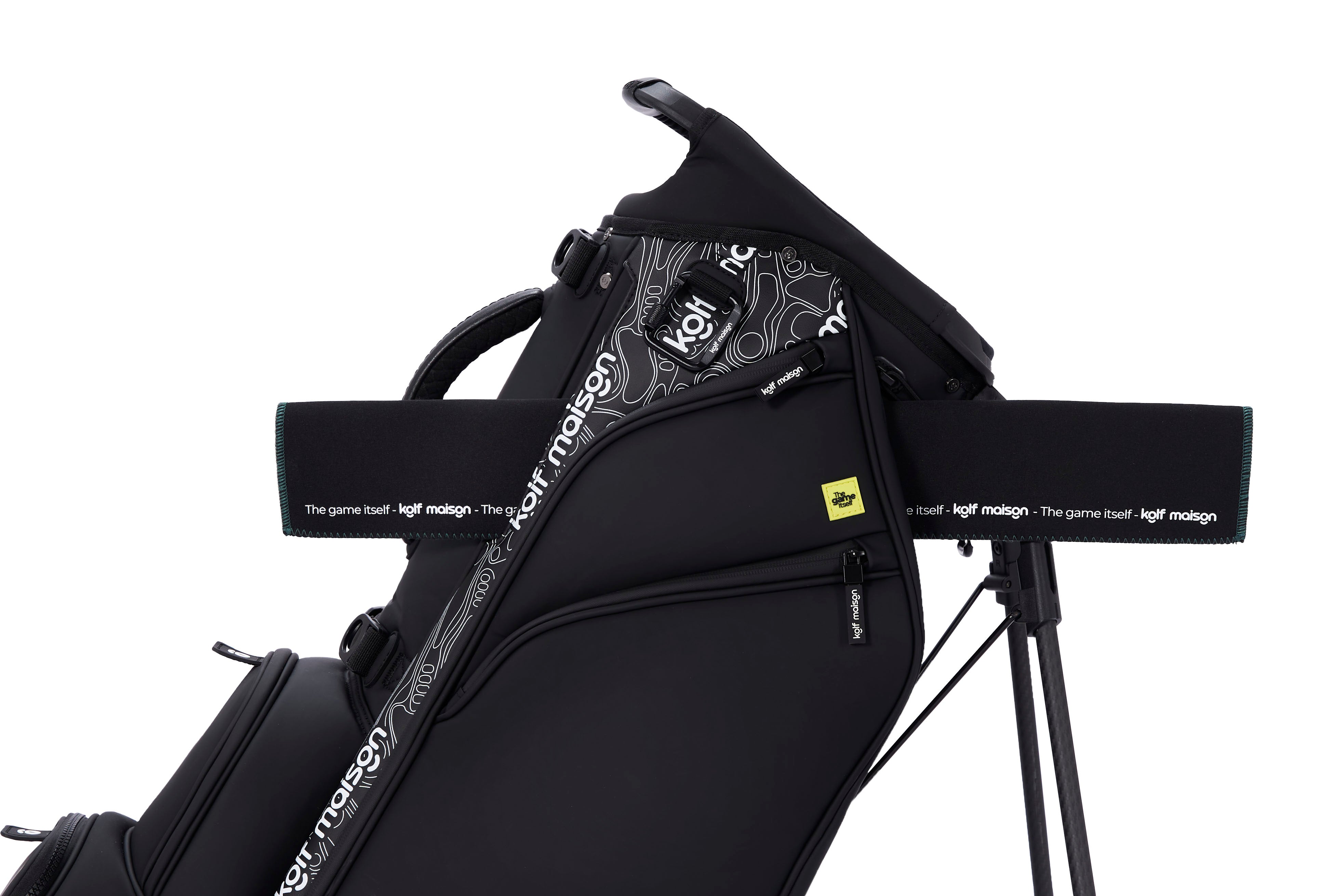
The included rain hood provides additional UV protection for the top opening between rounds. The cart strap protection sleeve prevents the strap wear that is more pronounced in humid conditions where straps absorb moisture. At $479 and limited to 4,000 bags per model annually, the Paganica is a Controlled Allocation bag designed for golfers who want to invest once and play in any climate without watching their equipment deteriorate. See our luxury golf in Florida guide and the full luxury bag comparison for further context.
Built for Climates That Break Other Bags
Matte Microfiber Composite Leather resists UV degradation, does not undergo hydrolysis, and maintains structural integrity in sustained heat and humidity. Florida and Arizona golfers in our verified owner base rate the Paganica 4.98 out of 5 — in conditions that most bags do not survive their second season.
A Bag That Performs in Any Climate
UV resistant. Humidity resistant. Heat resistant. Built from Matte Microfiber Composite Leather for golfers who play year-round in conditions that expose every weakness in lesser materials.
Shop Stand Bag → Shop Cart Bag →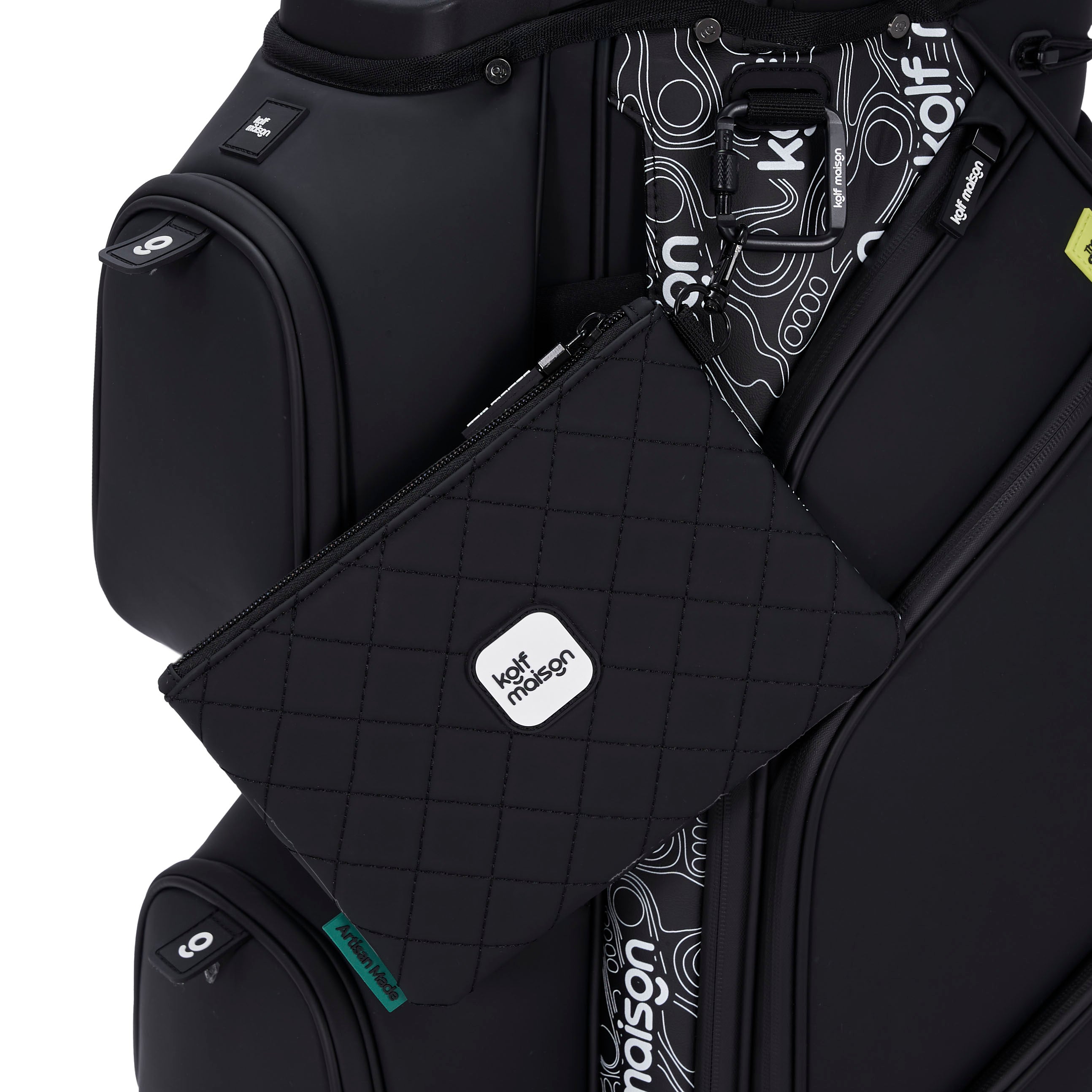


Share:
Stand Bag vs Cart Bag: Which Golf Bag Is Right for You?
Golf Glove Sizing Guide: How to Find Your Exact Fit