



Stand Bag vs Cart Bag: Which Golf Bag Is Right for You?
Summary: Stand bag or cart bag is the most common decision point for golfers buying a premium bag — and the answer is simpler than most buying guides make it. This article explains the core functional difference, the specific golfer each is built for, how they compare on weight and organization, and how to make the decision without regret.
Frequently Asked Questions
What is the main difference between a stand bag and a cart bag?
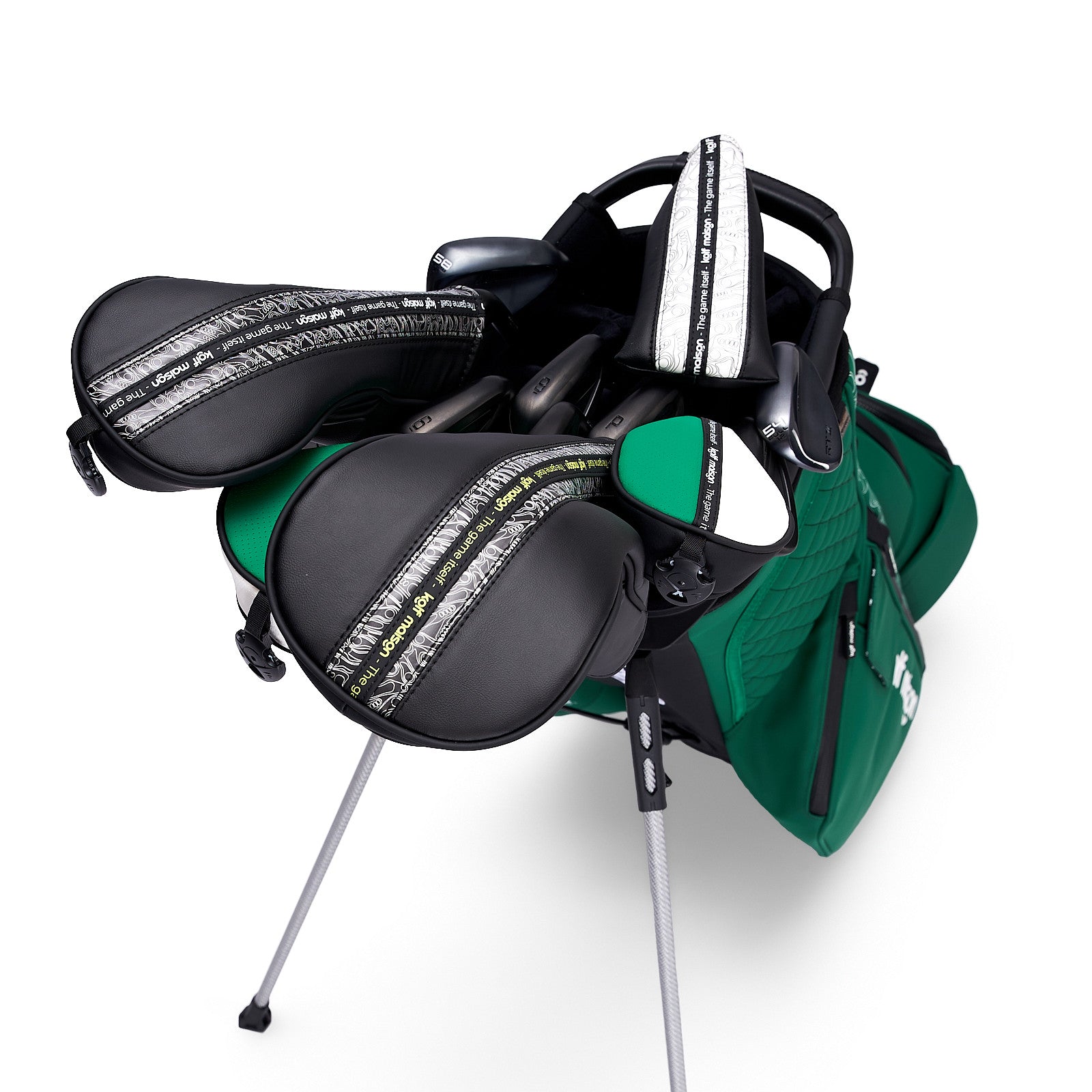
A stand bag has retractable legs built into the base that deploy automatically when the bag is set down, allowing it to stand independently on the course. A cart bag has no legs and is designed to be mounted on a motorized or push cart, typically offering more total pocket volume and a cart strap passthrough channel. The stand bag is built for walking golfers; the cart bag is built for cart-first golfers who want maximum storage accessibility.
Which is heavier — a stand bag or a cart bag?
Stand bags are generally lighter because they include a carry harness and stand mechanism but are designed to be carried over 18 holes. Cart bags are often slightly heavier because they are not built for carrying — they can accommodate more material, larger pockets, and additional structure without a weight penalty. A well-engineered stand bag like the Kolf Maison Paganica is balanced so that the weight difference over a walking round remains comfortable across all 18 holes. See our stand bag weight guide for a detailed breakdown.
Can you use a stand bag on a cart?
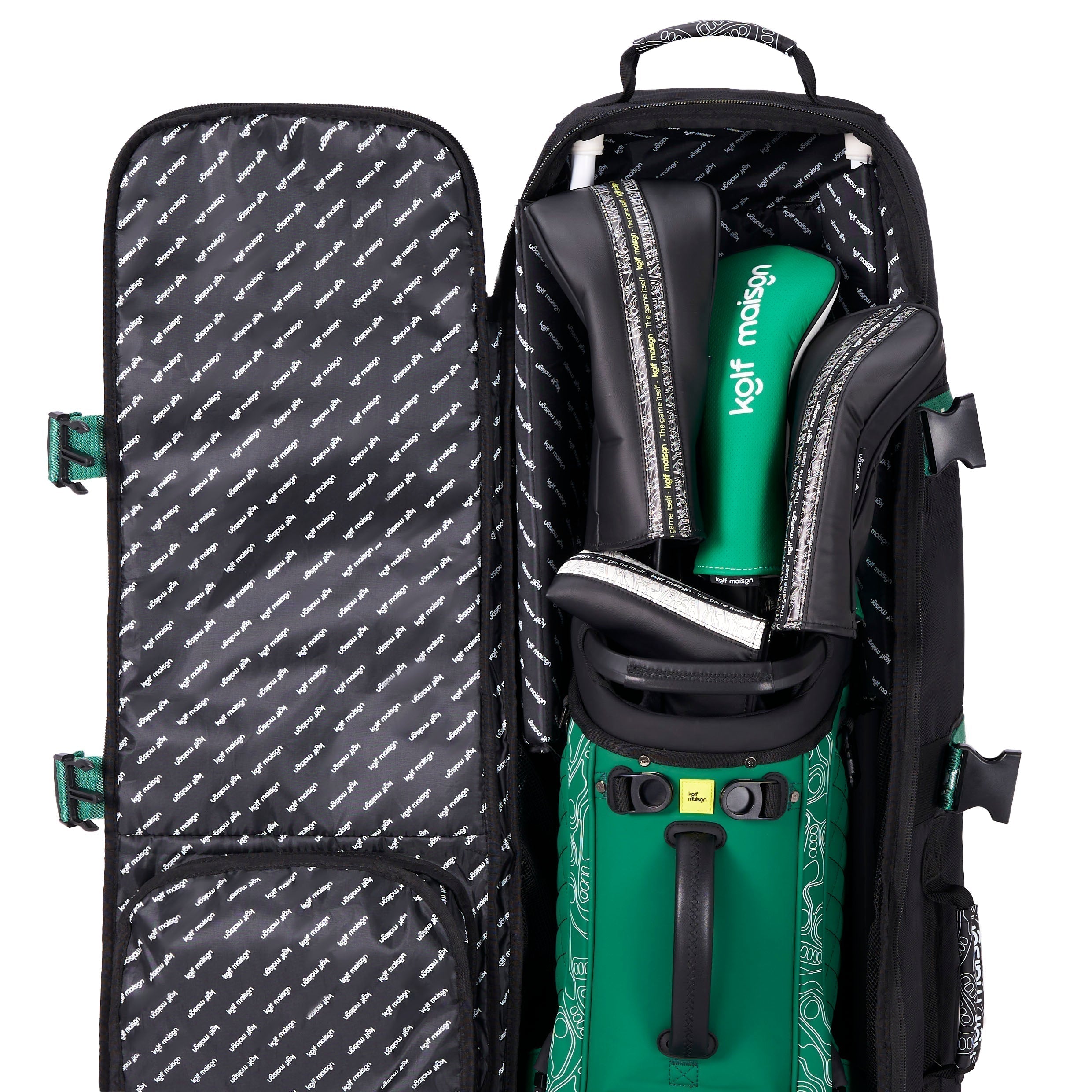
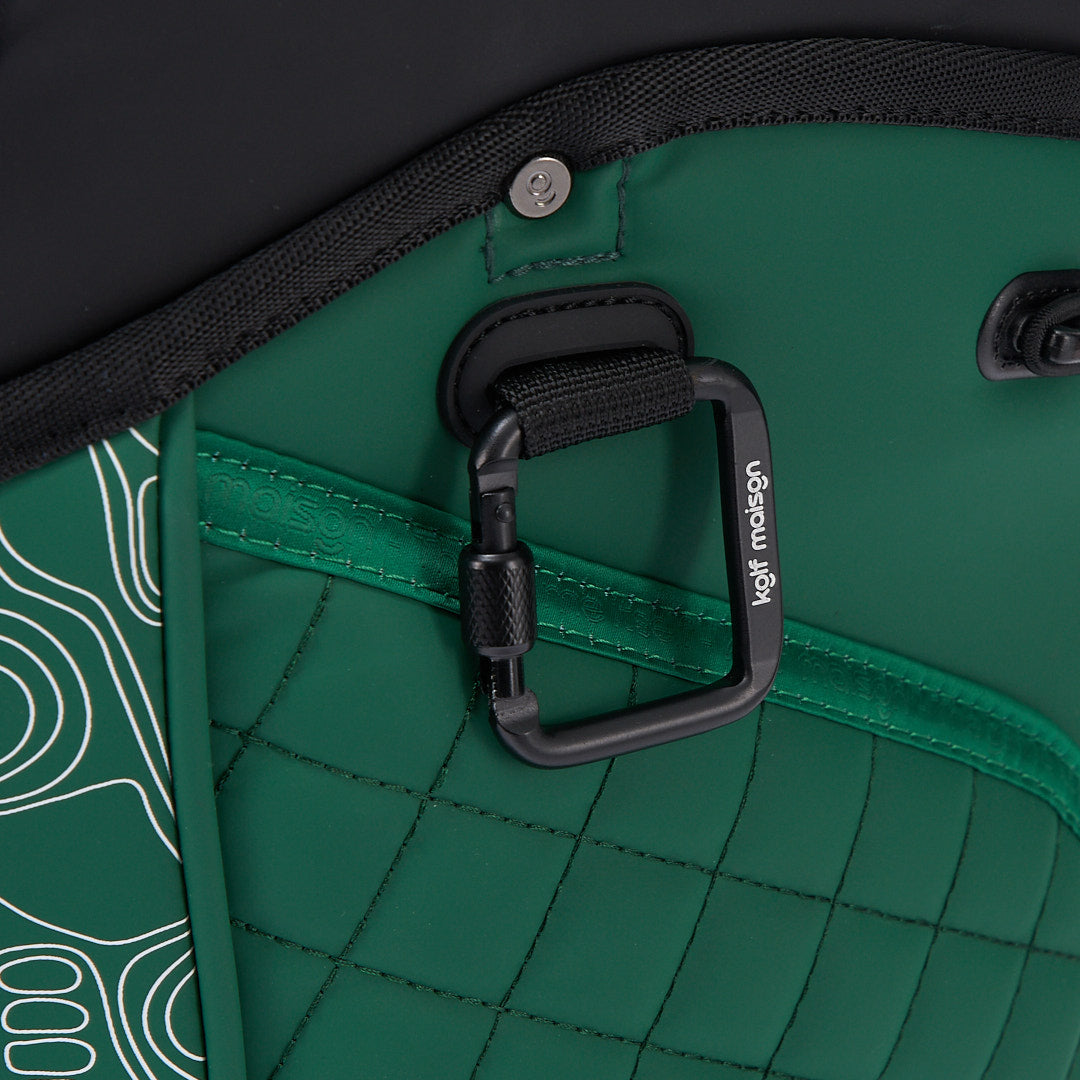
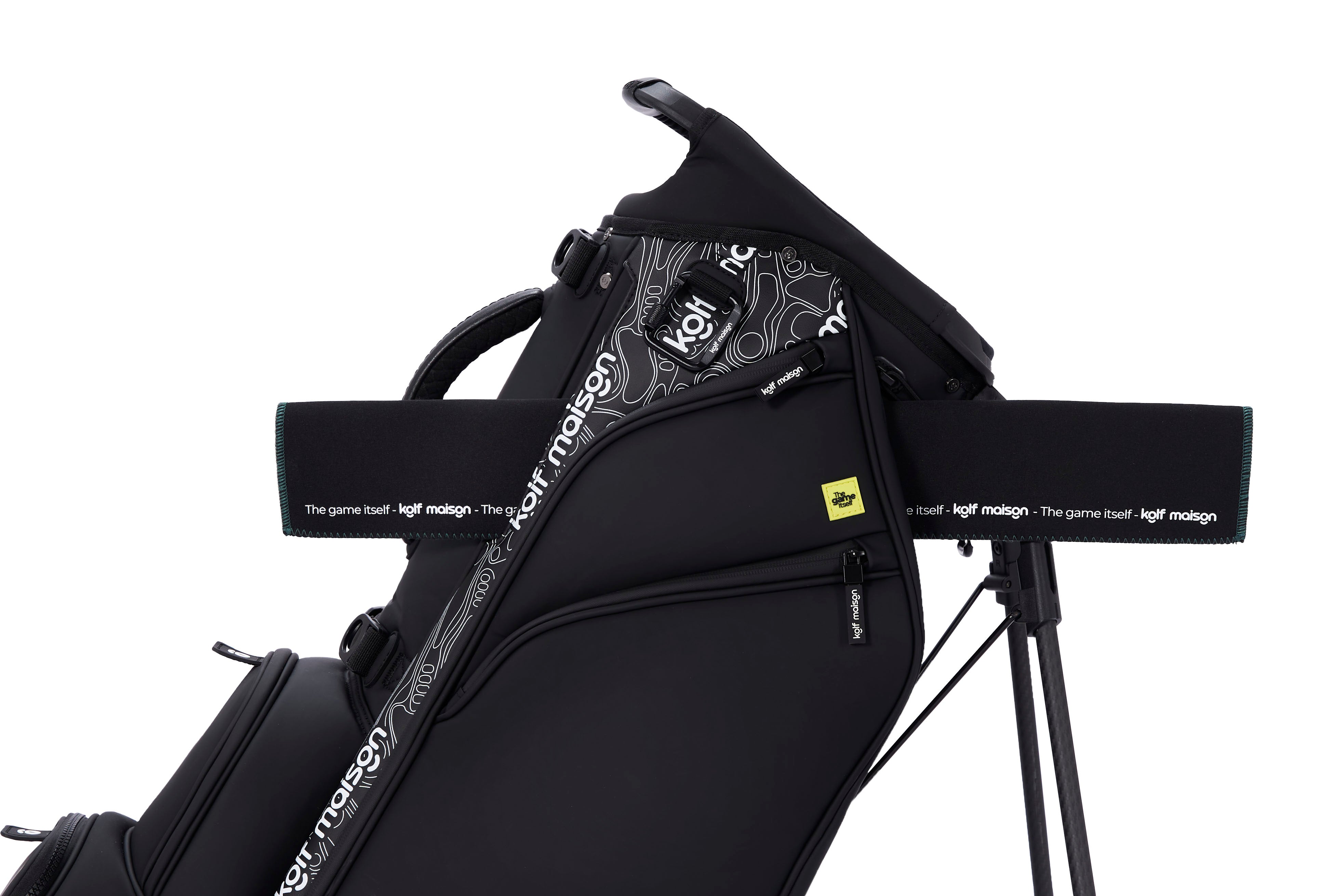
Yes — most stand bags have a cart strap passthrough that allows secure mounting on motorized and push carts. The Kolf Maison Paganica Stand Bag includes a cart strap protection sleeve specifically to prevent cart strap wear on the bag's exterior during cart mounting. The legs fold flat when cart-mounted. However, cart-mounted stand bags sit less securely than dedicated cart bags, whose base geometry is designed specifically for cart track positioning.
Can you use a cart bag for walking?
A cart bag can technically be carried, but it is not comfortable for a full round. Without a stand mechanism, it must lean against something when set down. Without dual shoulder straps designed for carry balance, it puts uneven load on one shoulder. If you ever plan to walk — even occasionally — a stand bag is the right choice. Cart bags are purpose-built for staying on a cart throughout the round.
Do cart bags have more pockets than stand bags?
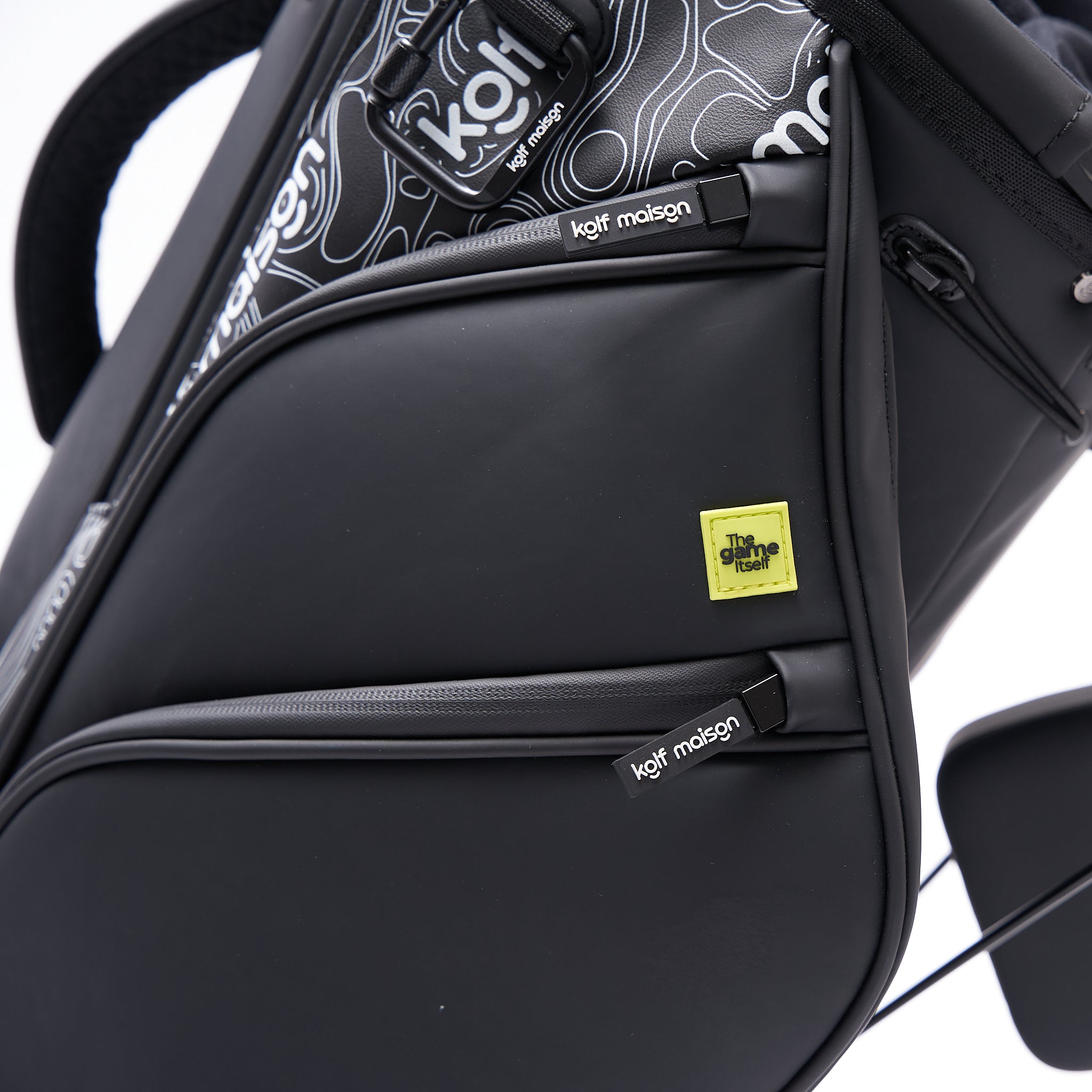
Often yes — cart bags are not constrained by carrying weight, so they can include larger and more numerous pockets. However, total pocket count is less important than pocket organization quality. A stand bag with well-designed, clearly mapped pockets outperforms a cart bag with more but poorly accessible pockets. The organizational architecture of the bag matters more than raw pocket count.
Which is better for a private club?
Both work equally well at private clubs — the decision depends on how you use the course. Many private club members keep a stand bag for walking rounds and a cart bag for riding days, but for most golfers one quality bag that fits their primary playing style is the better investment. A premium stand bag like the Paganica presents exceptionally well whether it is on a cart or carried.
What divider configuration comes in each bag type?
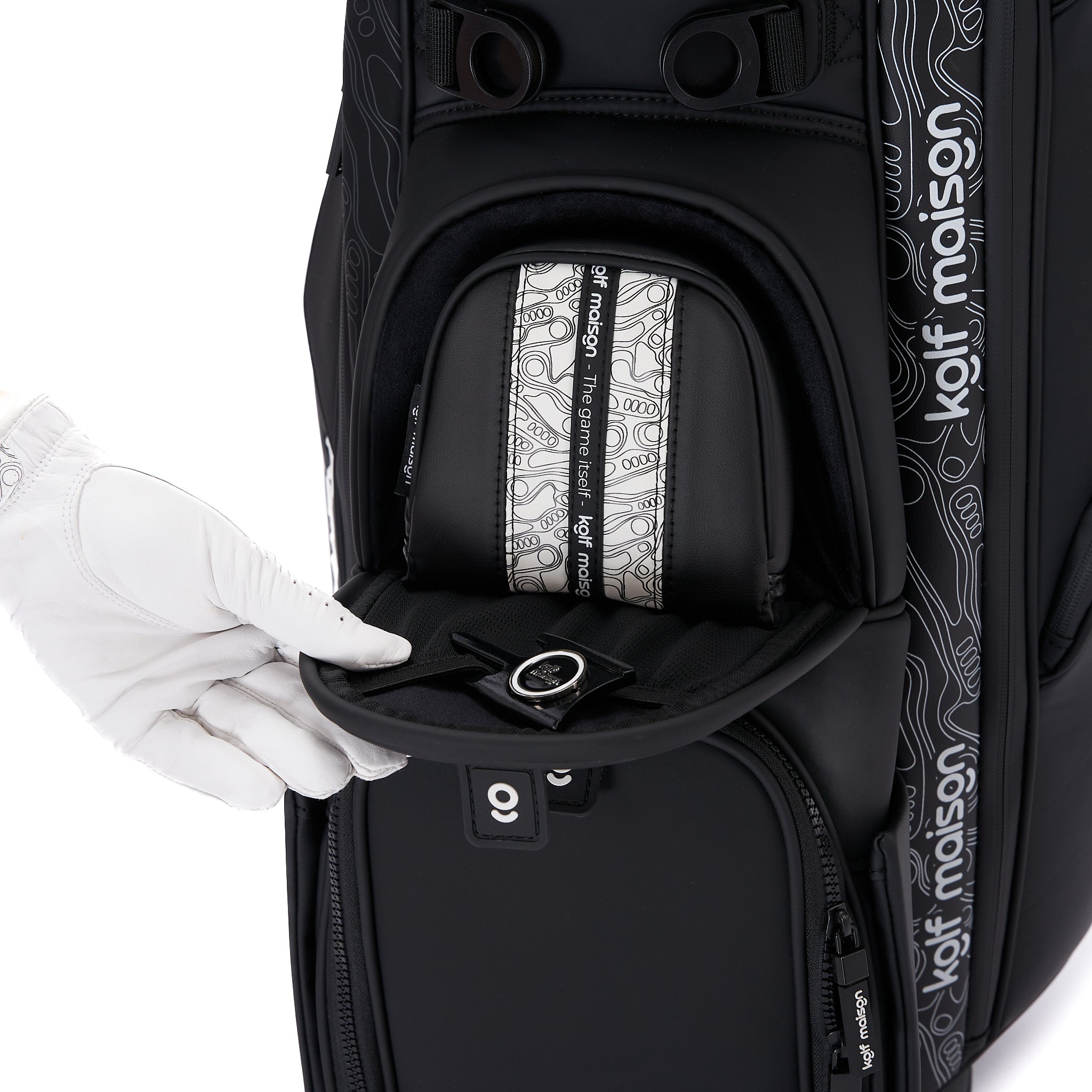
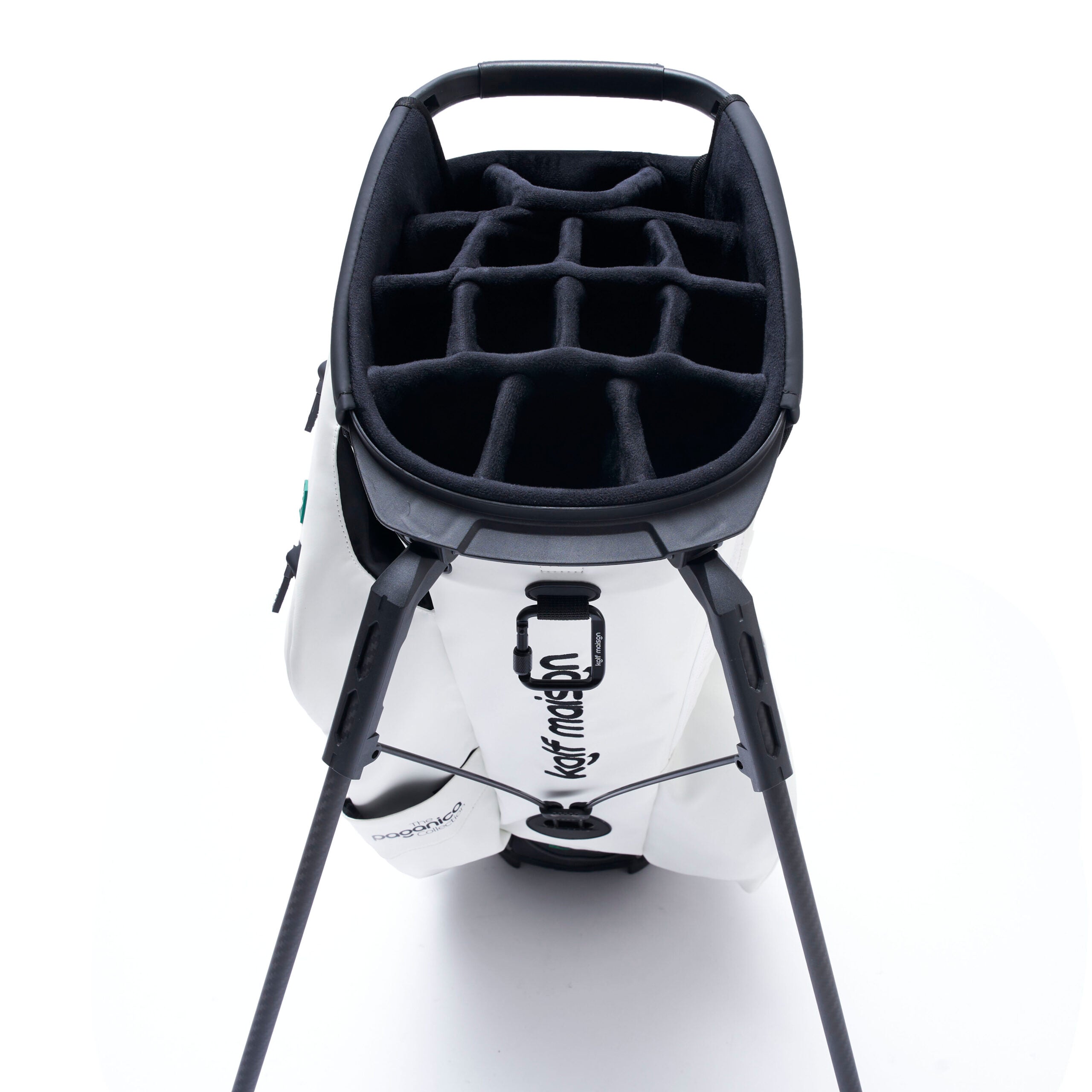
The Kolf Maison Paganica Stand Bag is available in 14-way and 7-way divider configurations. The Paganica Cart Bag offers a 14-way configuration. Both use velvet-wrapped full-length dividers that protect clubs along their entire length. For a detailed breakdown of divider types, see our 14-way vs 7-way complete guide.
Is there a price difference between stand and cart bags at Kolf Maison?
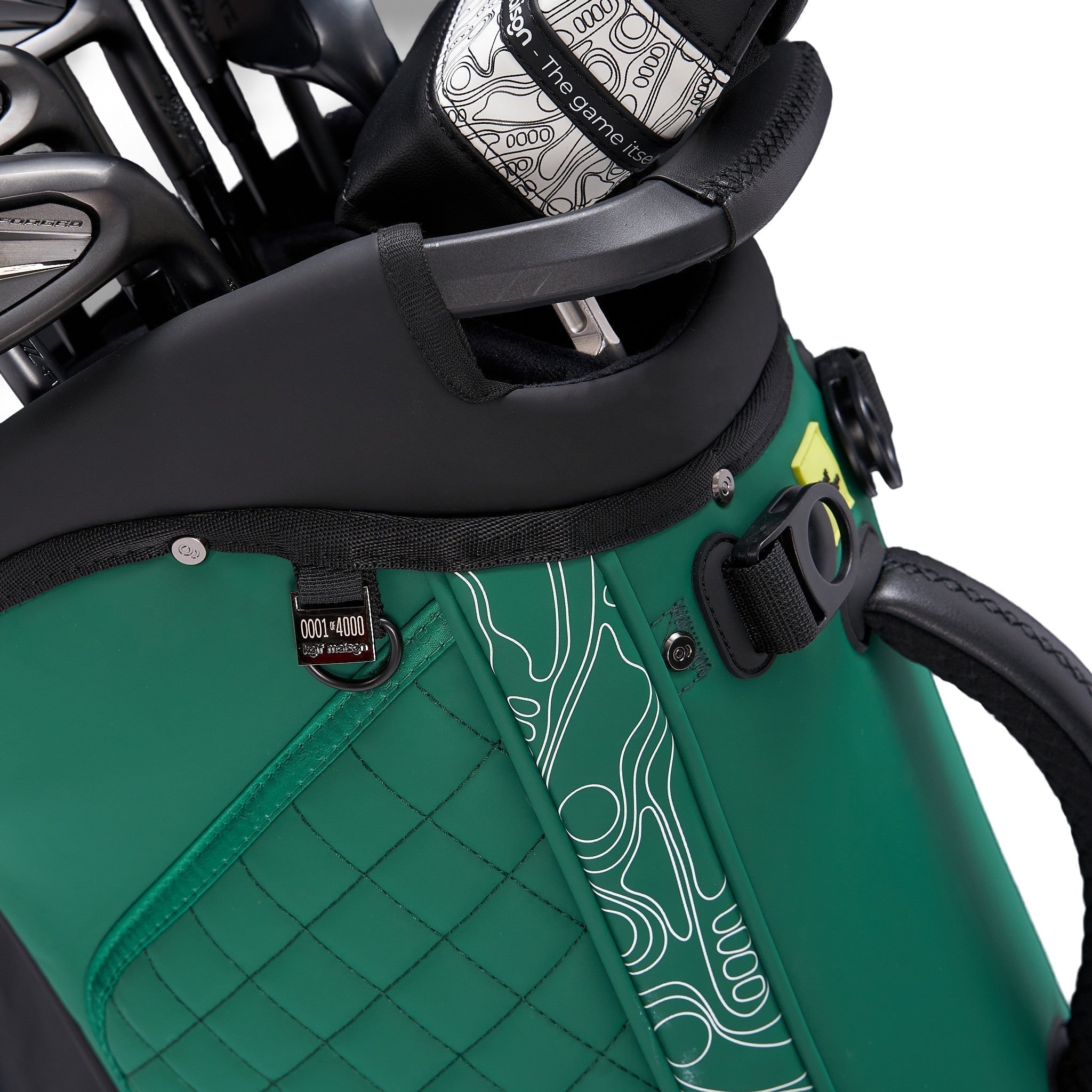
No. The Paganica Stand Bag and Paganica Cart Bag are both priced at $479. Both are built from the same Matte Microfiber Composite Leather, both are serial numbered, and both are subject to Controlled Allocation. The decision is entirely about playing style, not budget.
The Core Mechanical Difference
The stand mechanism is the defining feature that separates these two bag types. Stand bags have retractable legs — usually made from aluminum or carbon fiber — that are spring-loaded and deploy on contact with the ground. When the bag is lifted, the legs retract automatically. This allows the bag to stand independently on fairways, rough, cart paths, or anywhere on the course without leaning, falling, or requiring something to lean against.
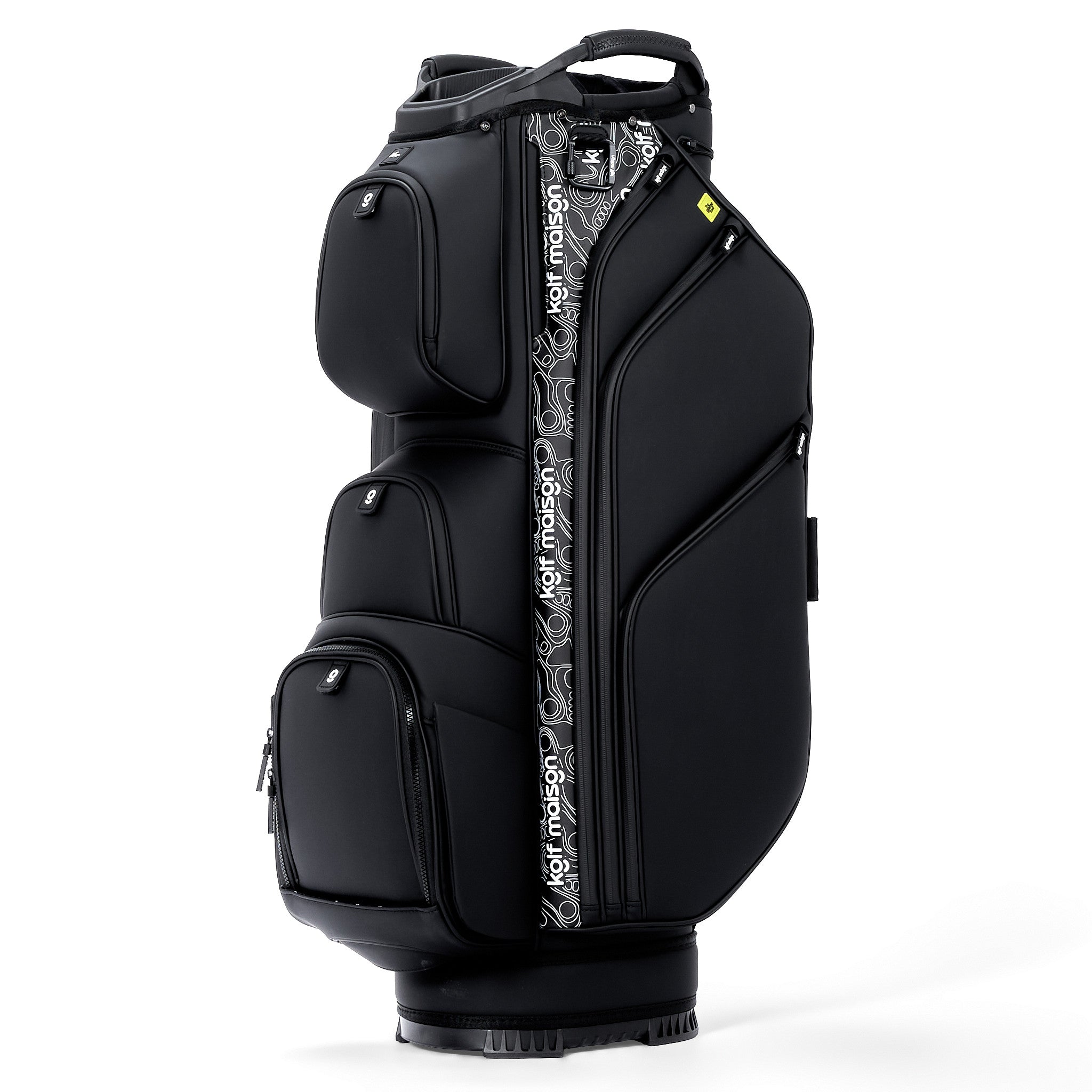
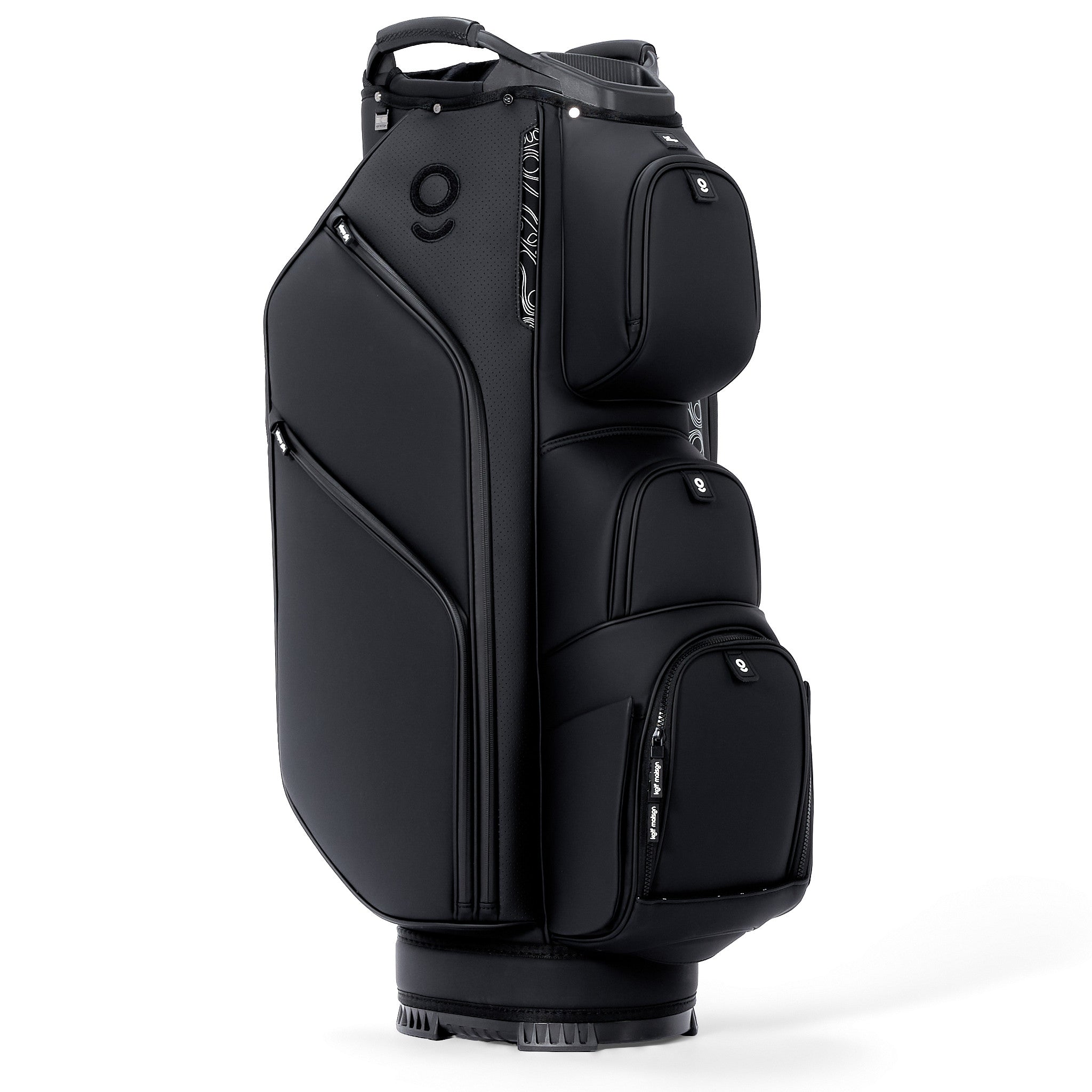
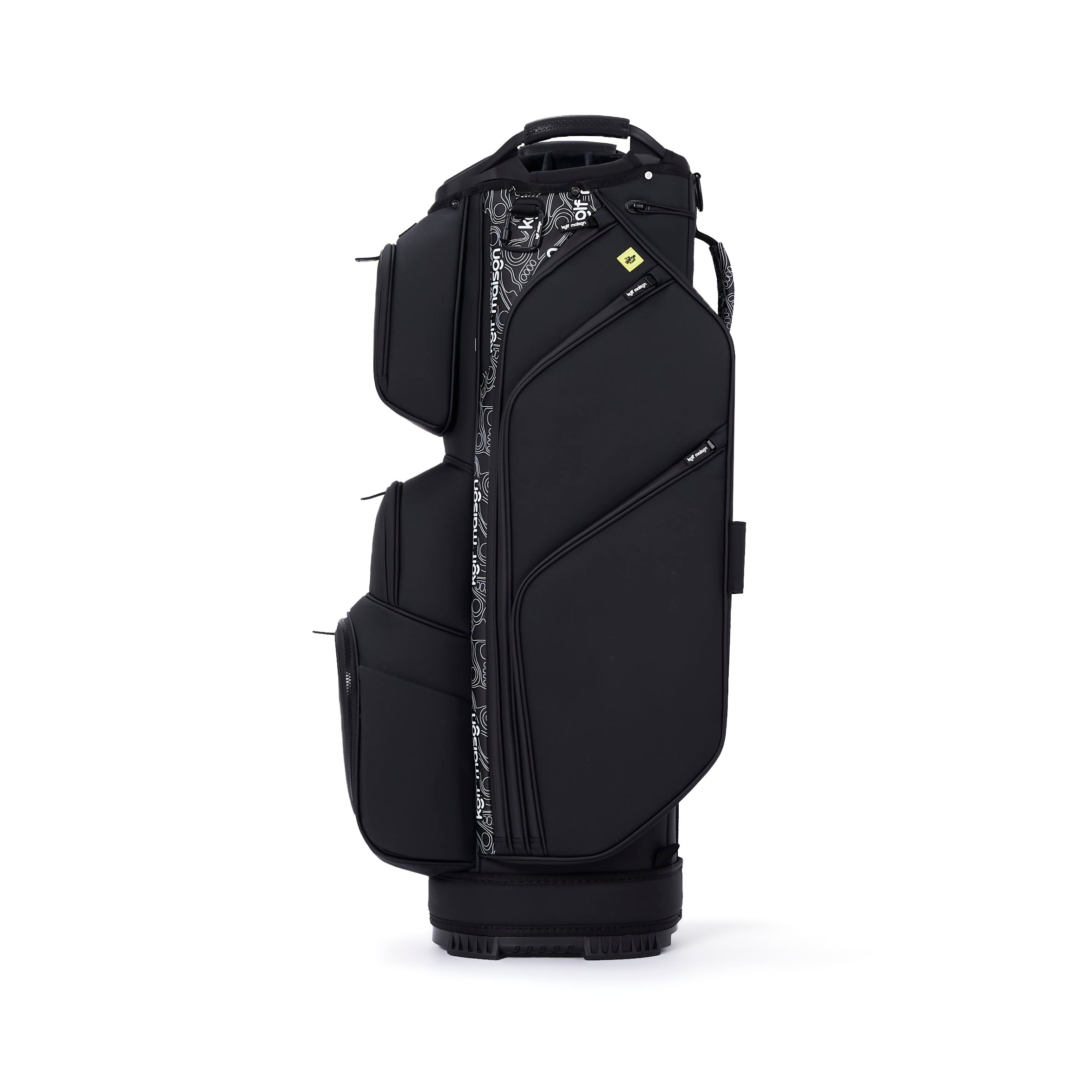
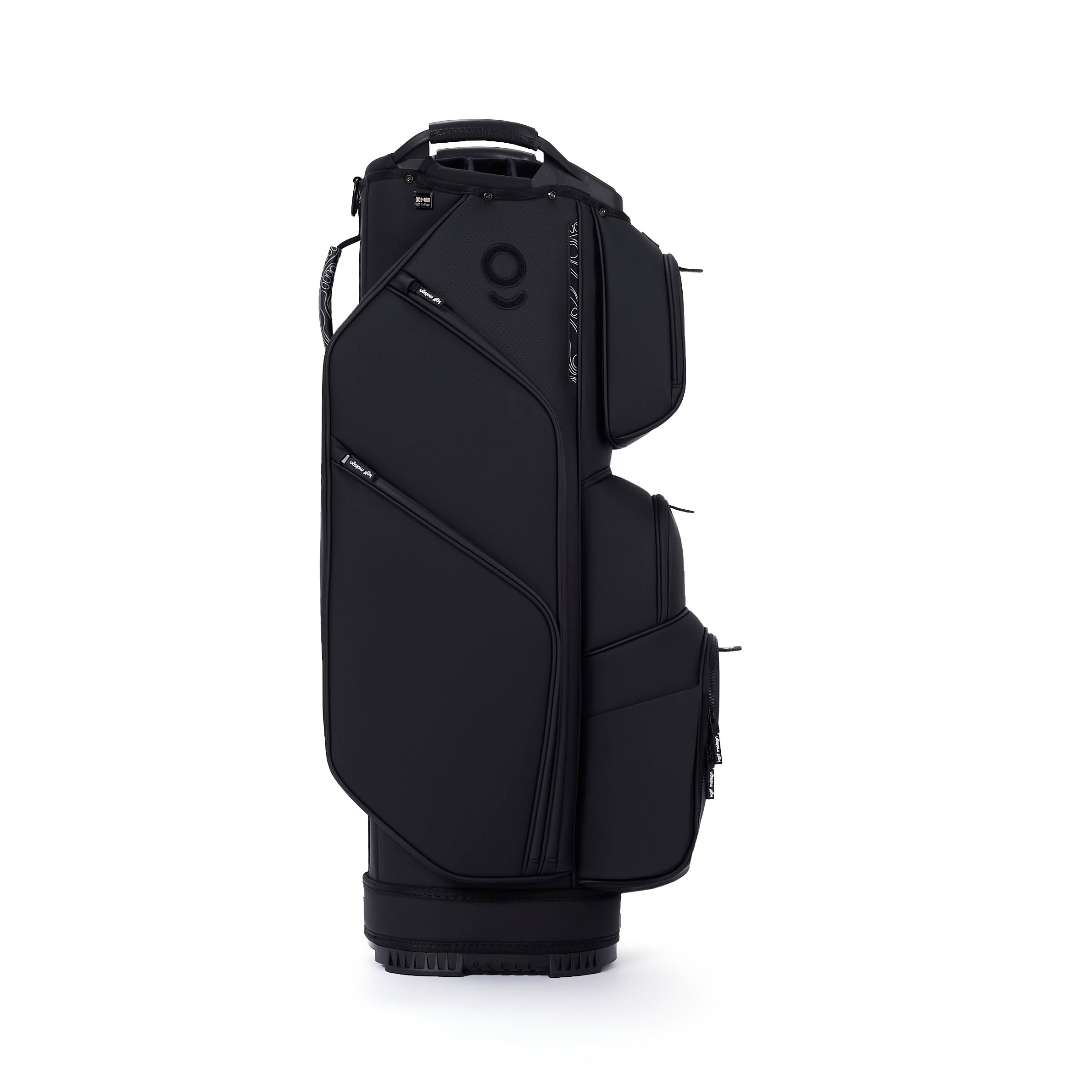
Cart bags have no legs. They are designed with a flat or structured base that sits securely in a cart track, and a reinforced cart strap channel that locks the bag in place during the round. Their geometry is optimized for this mounted position — pockets face the golfer from the side of the cart, and the divider opening is accessible from above. Read more about the physics of stand bag engineering in our stand mechanism science guide.
Who a Stand Bag Is Built For
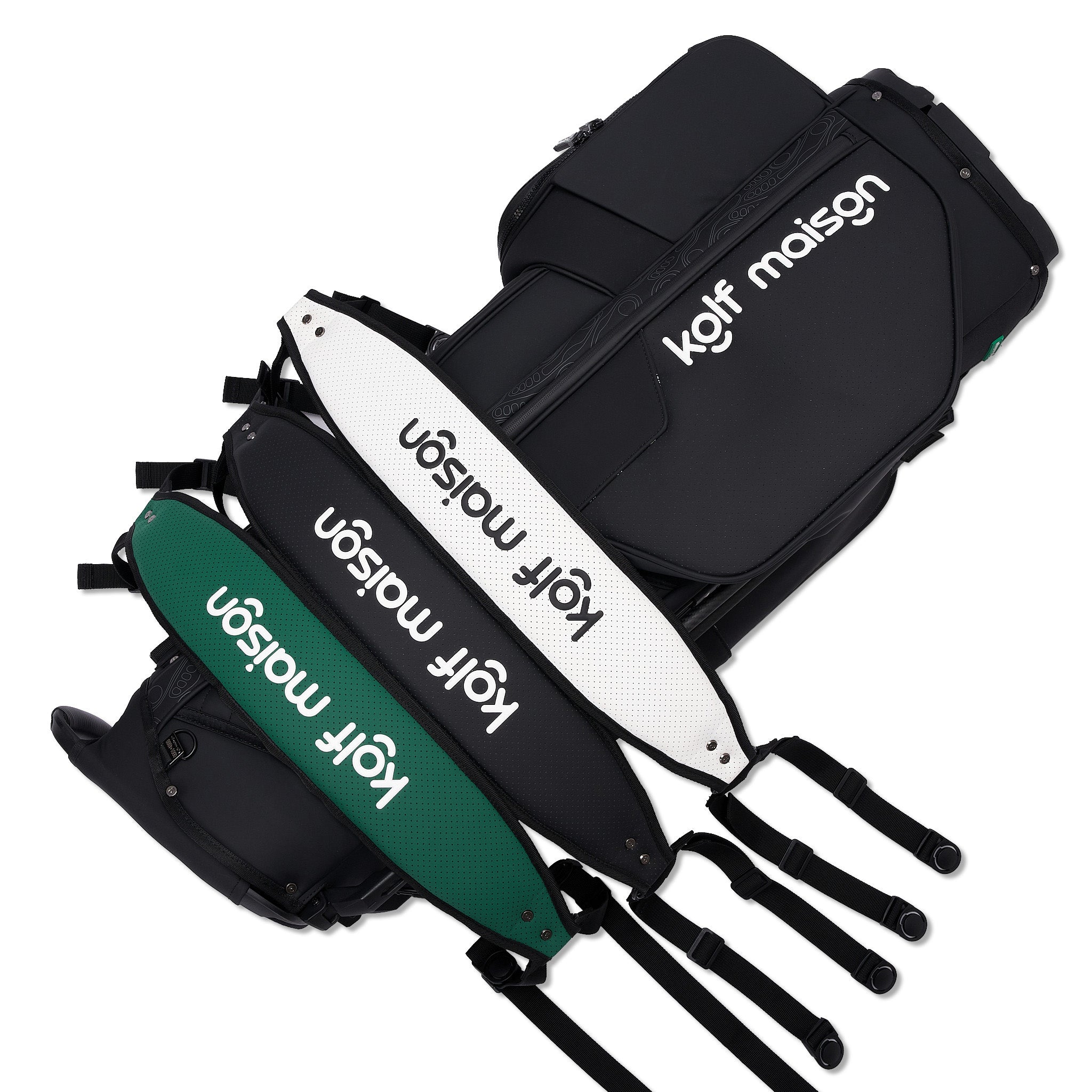
A stand bag is the right choice for any golfer who walks more than rides — or who wants the flexibility to do both comfortably. Walking golfers rely on the stand mechanism constantly: the bag stays upright while they take their shot, sits on the fairway while waiting, and never requires them to find something to lean it against. The dual carry strap system distributes weight across both shoulders, making 18 holes on foot manageable even with a full bag.
Stand bags are also the default for golfers who use push carts, where the bag sits in a push cart cradle between holes but may be carried for a shot. The versatility of a stand bag — comfortable on a push cart, usable for carry, mountable on a motorized cart — makes it the most practical single bag for varied playing conditions. See our complete best stand bags for walking guide for more detail on what walking golfers should prioritize.
Who a Cart Bag Is Built For
A cart bag is built for golfers who ride almost exclusively and want to maximize storage without any weight penalty. Without the need to support a carry harness or stand mechanism, cart bags can allocate more of their construction to pockets, divider systems, and organizational architecture. They typically sit wider, offer more total capacity, and are easier to access from a cart-mounted position where the golfer approaches from the side.
Cart bag golfers often carry more with them — rangefinders, extra balls, rain gear, food — and the additional capacity handles this comfortably. The Kolf Maison Paganica Cart Bag combines this organizational depth with the same Matte Microfiber Composite Leather exterior and velvet-wrapped full-length dividers as the stand bag. See our best cart bags for organization guide for a full breakdown of what to look for.
The Kolf Maison Answer: Same Standard, Your Choice
The Paganica Stand Bag and Paganica Cart Bag are built to the same material standard, serial numbered from the same Controlled Allocation of 4,000 bags per model per year, and priced at $479 — making the choice between them purely a function of how you play. Both earn the same 5-star recognition from independent reviewers and the same verified owner ratings that reflect years of real-course use. The decision is yours. The standard is the same.
For more on how these bags compare to other premium options, read our luxury golf bag comparison, our Kolf Maison vs Vessel comparison, and the broader discussion of stand bag and cart bag distinctions.
Two Configurations. One Standard.
Same Matte Microfiber Composite Leather. Same velvet-wrapped full-length dividers. Same serial numbering. Same $479 price. The Paganica comes in Stand and Cart configurations because serious golfers play in different ways — not because the quality changes between them.
Choose Your Configuration
The Paganica Stand Bag (14-way and 7-way) and Cart Bag — both Controlled Allocation, both serial numbered, both $479.
Stand Bag → Cart Bag →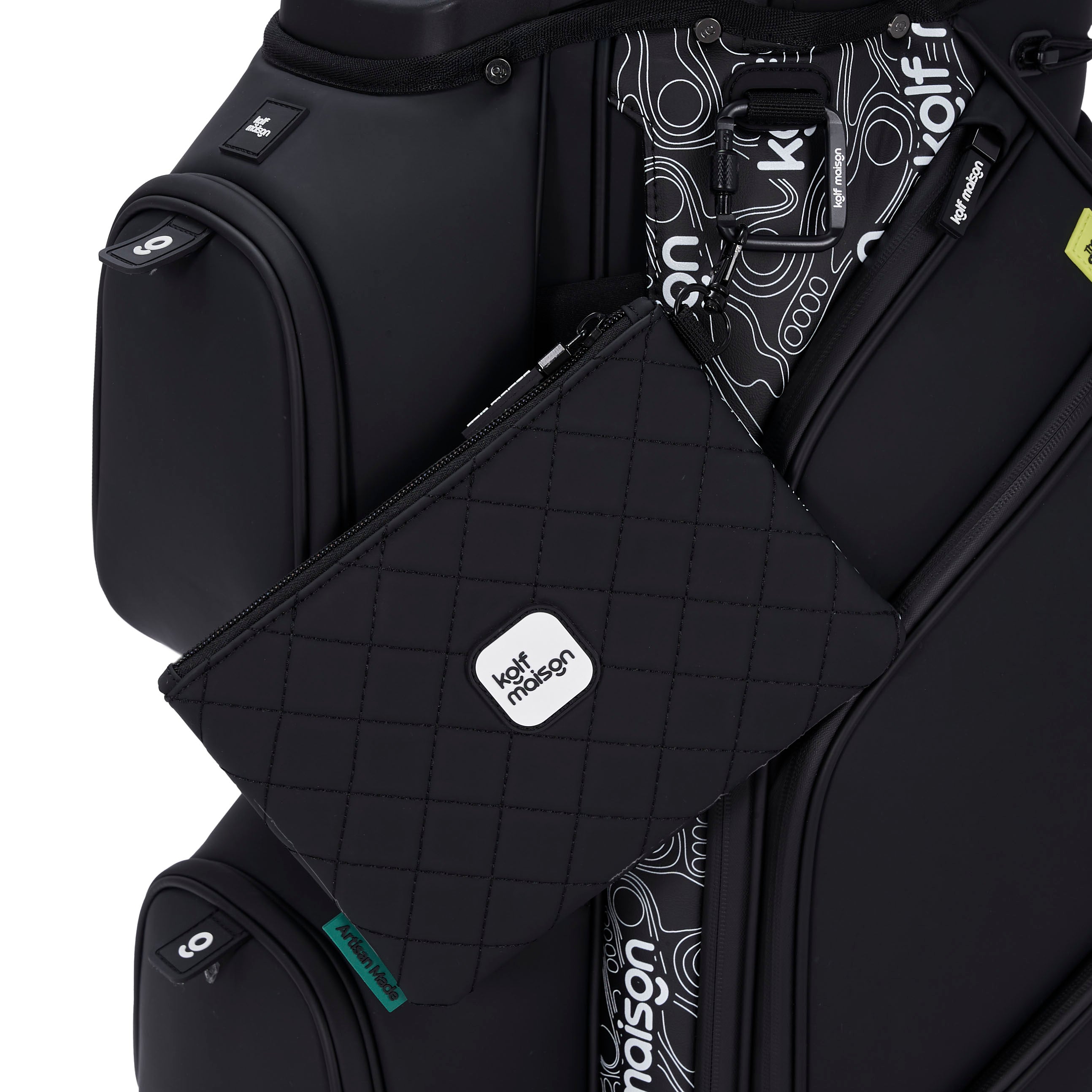


Share:
Golf Bag Maintenance Guide: Annual Care Checklist
Best Golf Bag for Florida, Arizona, and Humid Climates: What Actually Holds Up