

Golf Bag Maintenance Guide: Annual Care Checklist
Summary: Golf bags absorb a full season of UV, rain, grass, fertilizer, sunscreen, cart vibration, and rough handling. The golfers whose bags look excellent after five years and the golfers whose bags look worn after two are often using comparable-quality bags — the difference is whether they perform basic maintenance. This checklist takes 45–60 minutes once per year and is the single most effective investment in protecting a quality bag.
Frequently Asked Questions
How often should you clean a golf bag?
Light cleaning (wiping exterior surfaces with a damp cloth) should happen every 5–7 rounds during the season. Deep cleaning with zipper treatment, interior pocket cleaning, and stand mechanism inspection should happen at the start of the season, mid-season, and at the end before storage. The minimum effective maintenance schedule for a quality bag is a full deep-clean twice per year.
What is the best way to clean a golf bag exterior?
Start with a dry soft brush to remove loose dirt and debris. Follow with a damp microfiber cloth to wipe all exterior surfaces. For leather or composite leather, use a pH-neutral leather cleaner on a cloth (never applied directly to the bag). For nylon, a mild soap solution on a cloth removes embedded dirt. Rinse all soap residue with a clean damp cloth. Allow to air-dry completely before storing or using. Never use bleach, chemical stain removers, or abrasive brushes on any golf bag exterior. See our deeper guide on how to clean a golf bag for the full step-by-step process.
How do you maintain golf bag zippers?
Clean zipper teeth with a soft brush to remove embedded grit, then apply a zipper lubricant (beeswax-based or PTFE-based zipper spray) by running it along the teeth on both sides and cycling the zipper pull several times to distribute. This should be done twice per year. Grit and salt residue from sweat and fertilizer are abrasive on zipper teeth over repeated cycles — a clean, lubricated zipper lasts 5–8 years; a neglected one fails in 2–3.
How do you maintain golf bag stand legs?
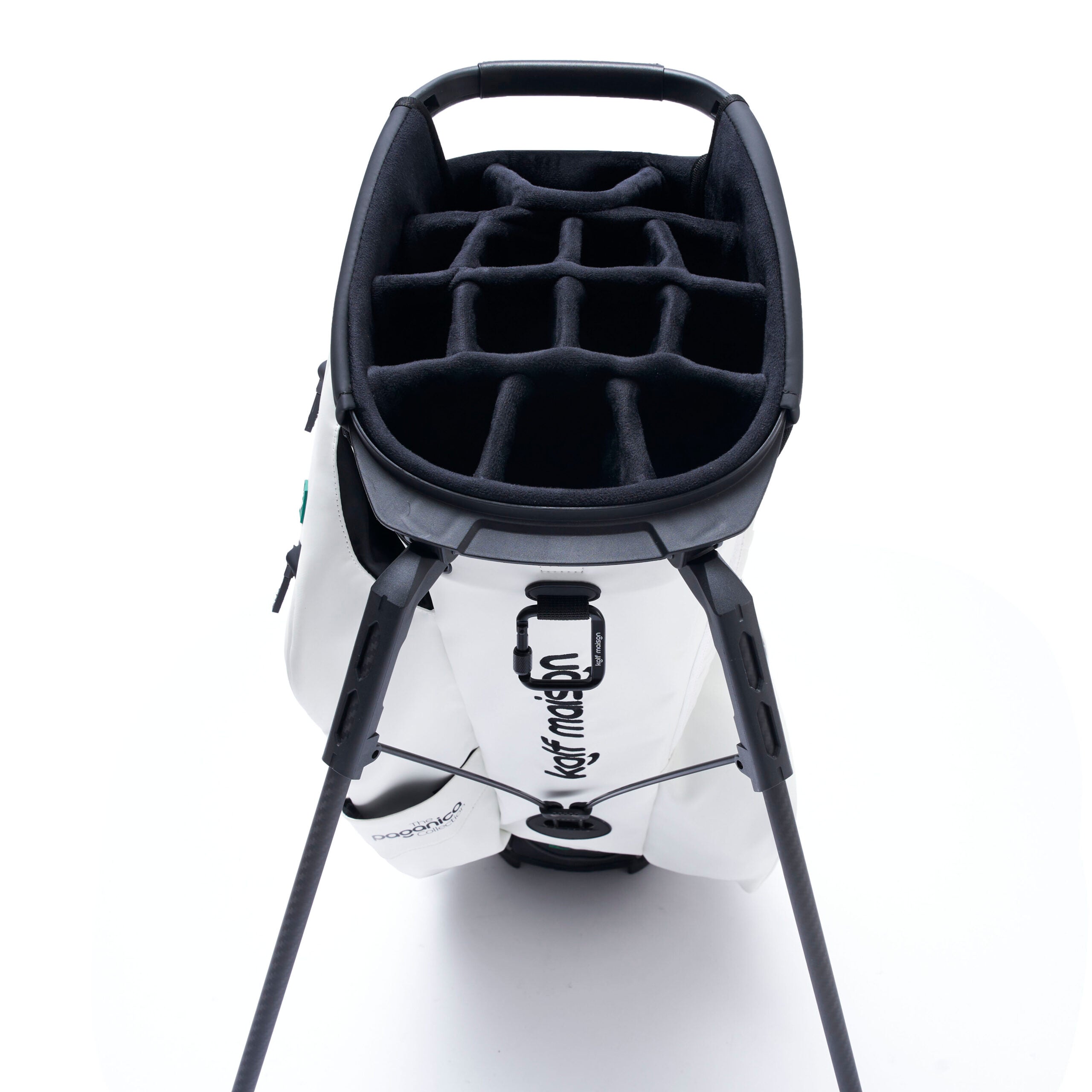
Wipe the leg tubes with a damp cloth to remove dirt and debris. Inspect the pivot point where the legs connect to the bag frame for any debris accumulation. Apply a small amount of silicone-based lubricant to the pivot point and work the legs through their full open-close range several times to distribute. Check the anti-rotation bar (the crossbar between legs on most stand designs) for bending or looseness. A stand mechanism that deploys stiffly is the first sign of a neglected pivot — lubrication is a 2-minute fix that prevents the full mechanism replacement that becomes necessary when the pivot corrodes.
How do you store a golf bag for winter or off-season?
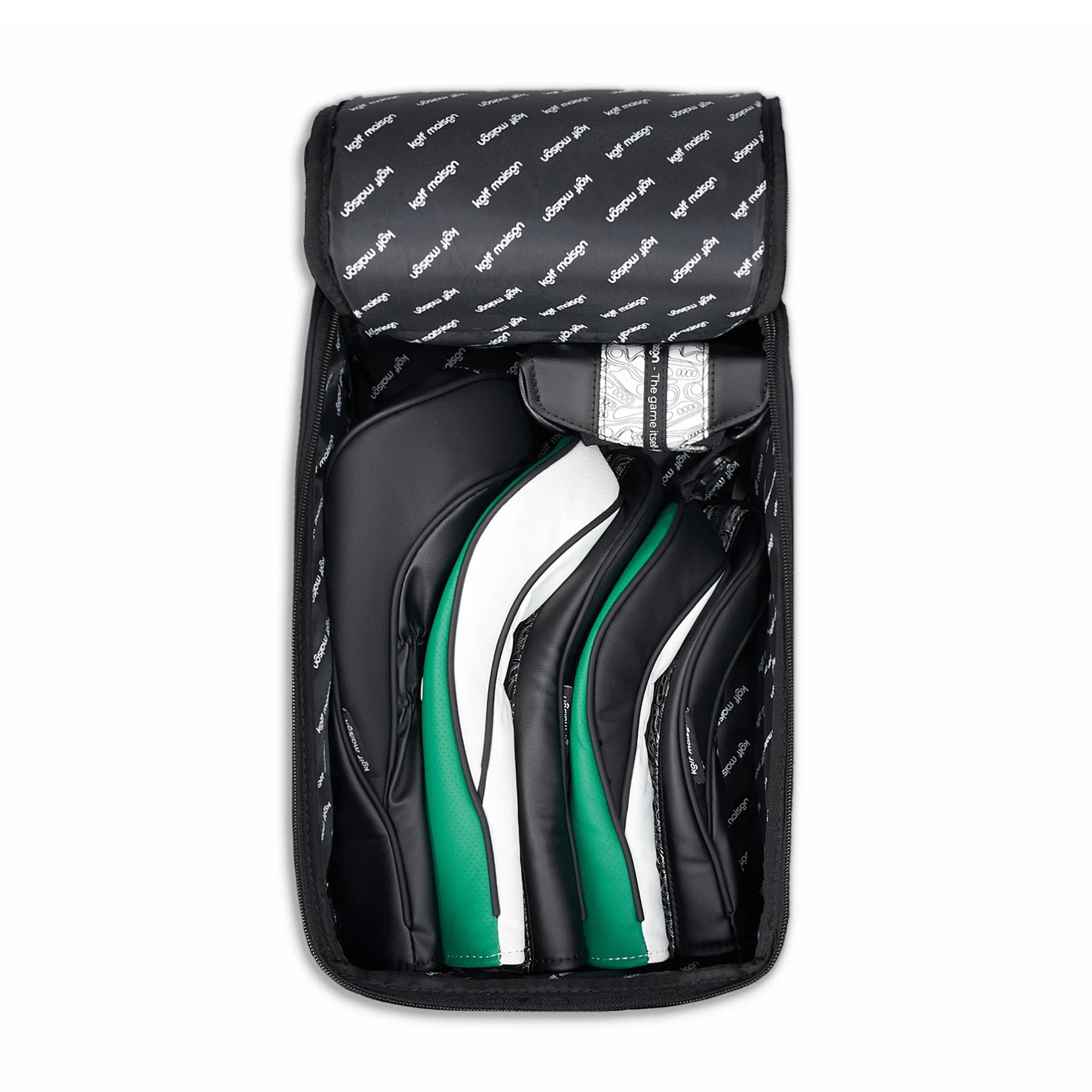
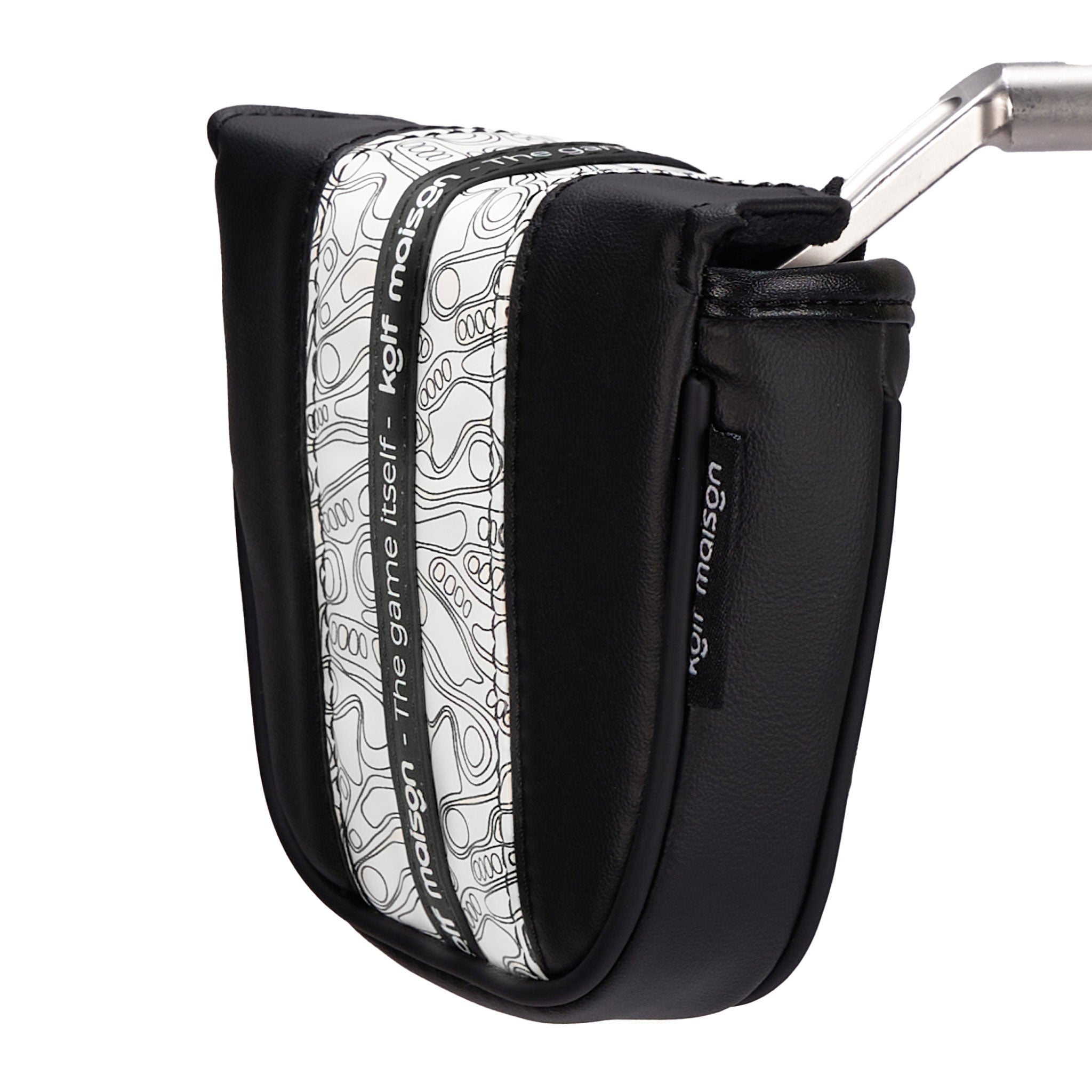
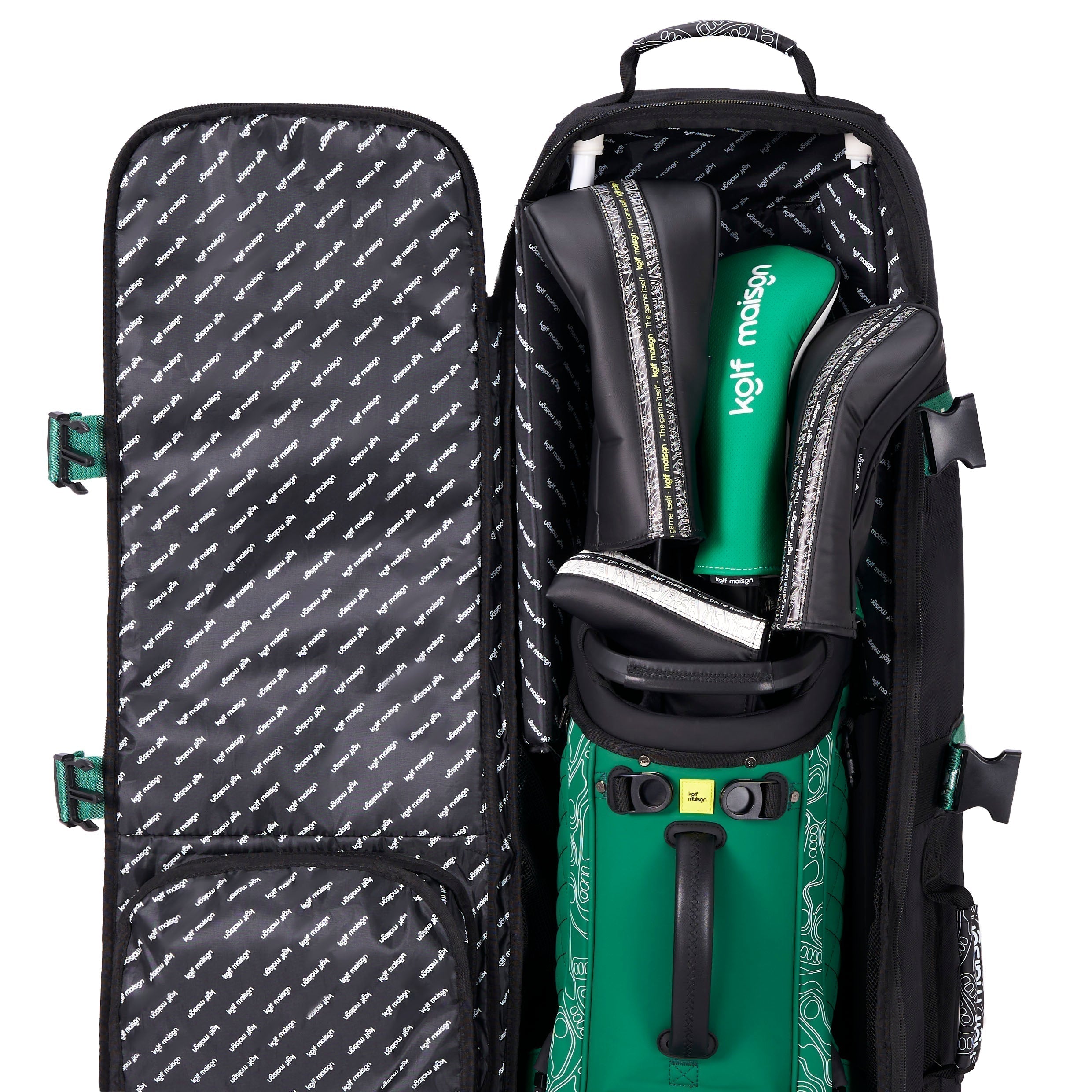
Empty all pockets completely — food residue, wet gloves, or damp towels stored over winter create mildew and odor that permeate the bag structure. Deep-clean the exterior and condition leather or composite leather panels before storage. Store upright in a cool, dry, climate-controlled environment — never in a garage that experiences temperature extremes, a car trunk, or a damp basement. A golf bag bag or original packaging provides adequate dust and moisture protection during storage. Remove head covers from clubs and store separately to prevent moisture trapping.
How do you care for Matte Microfiber Composite Leather specifically?
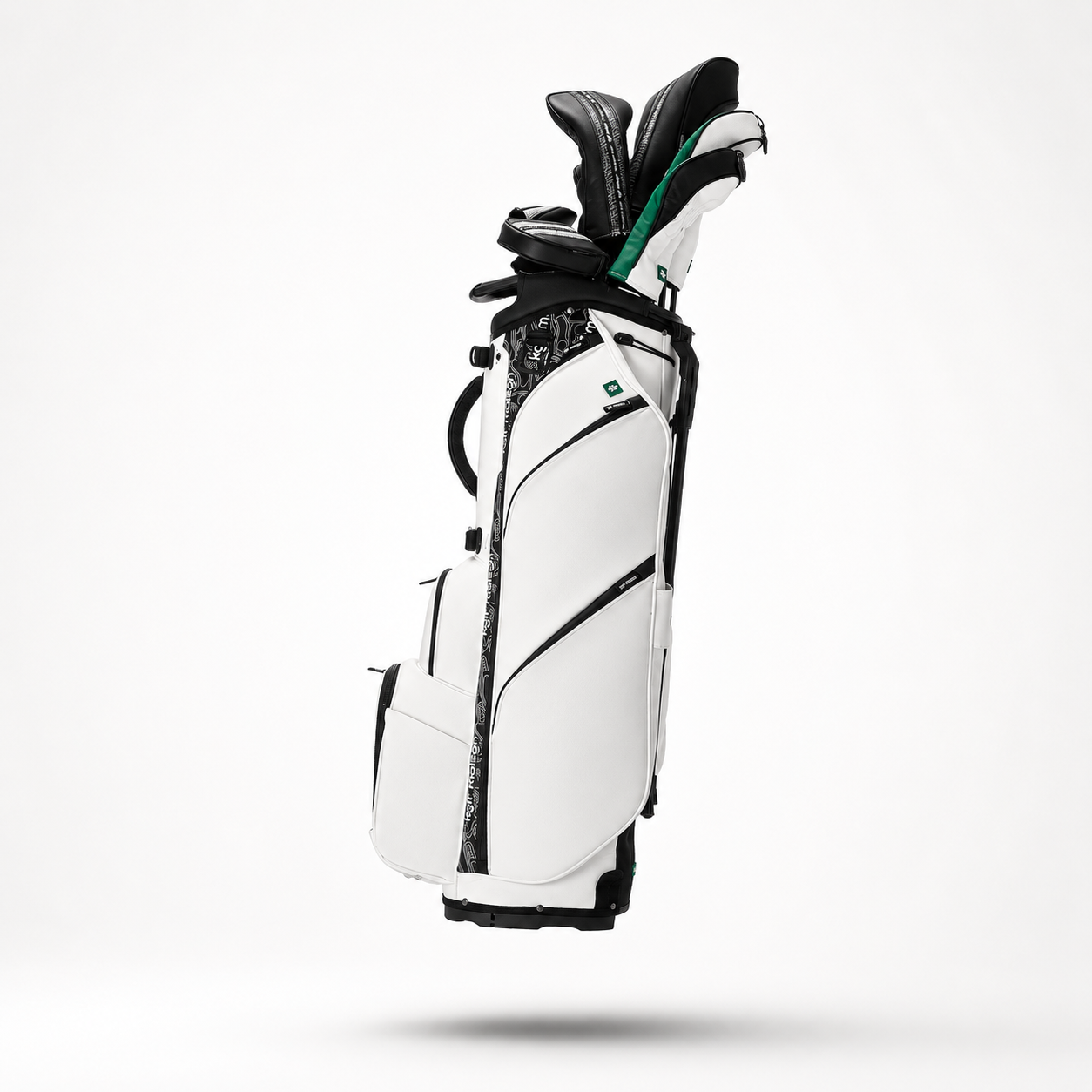
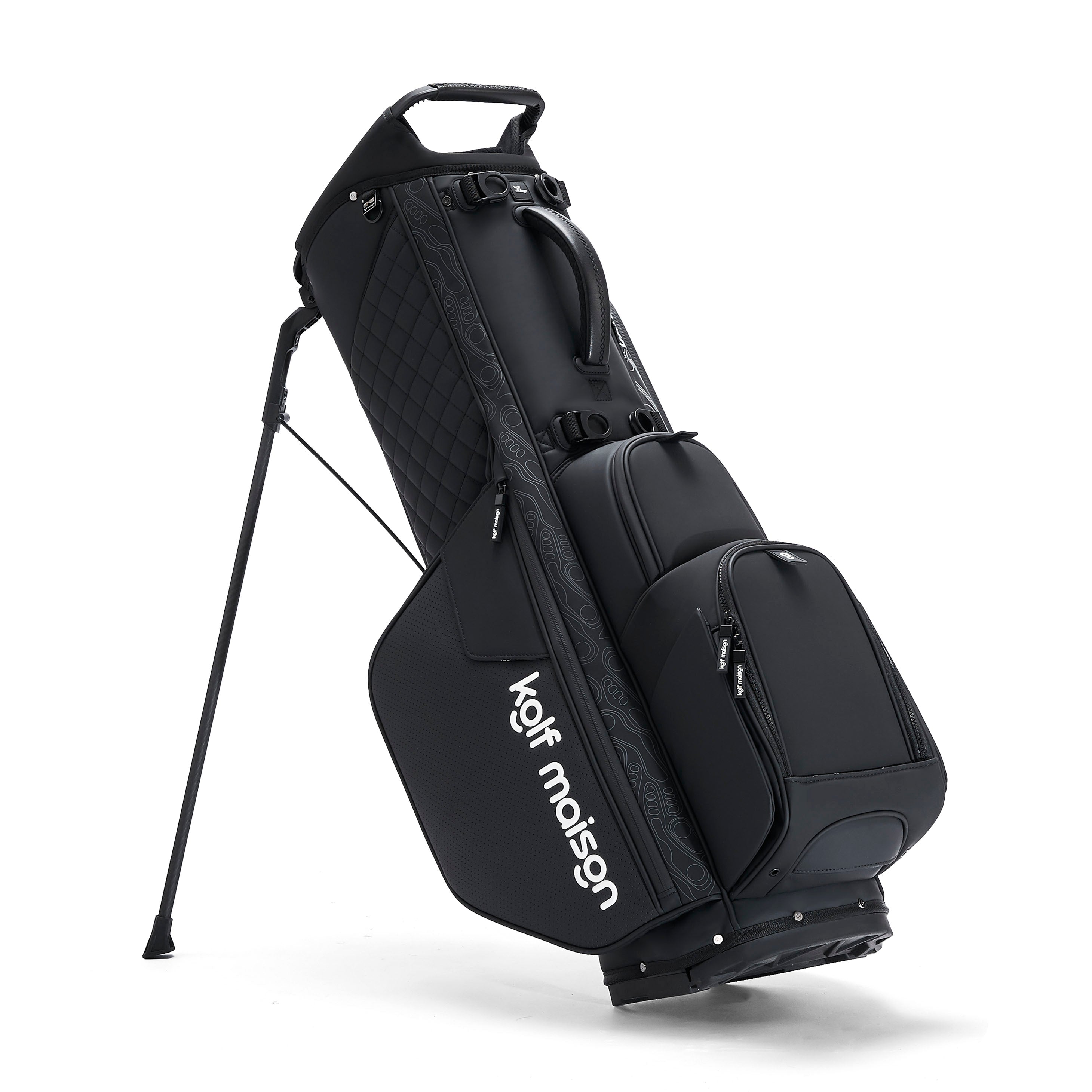
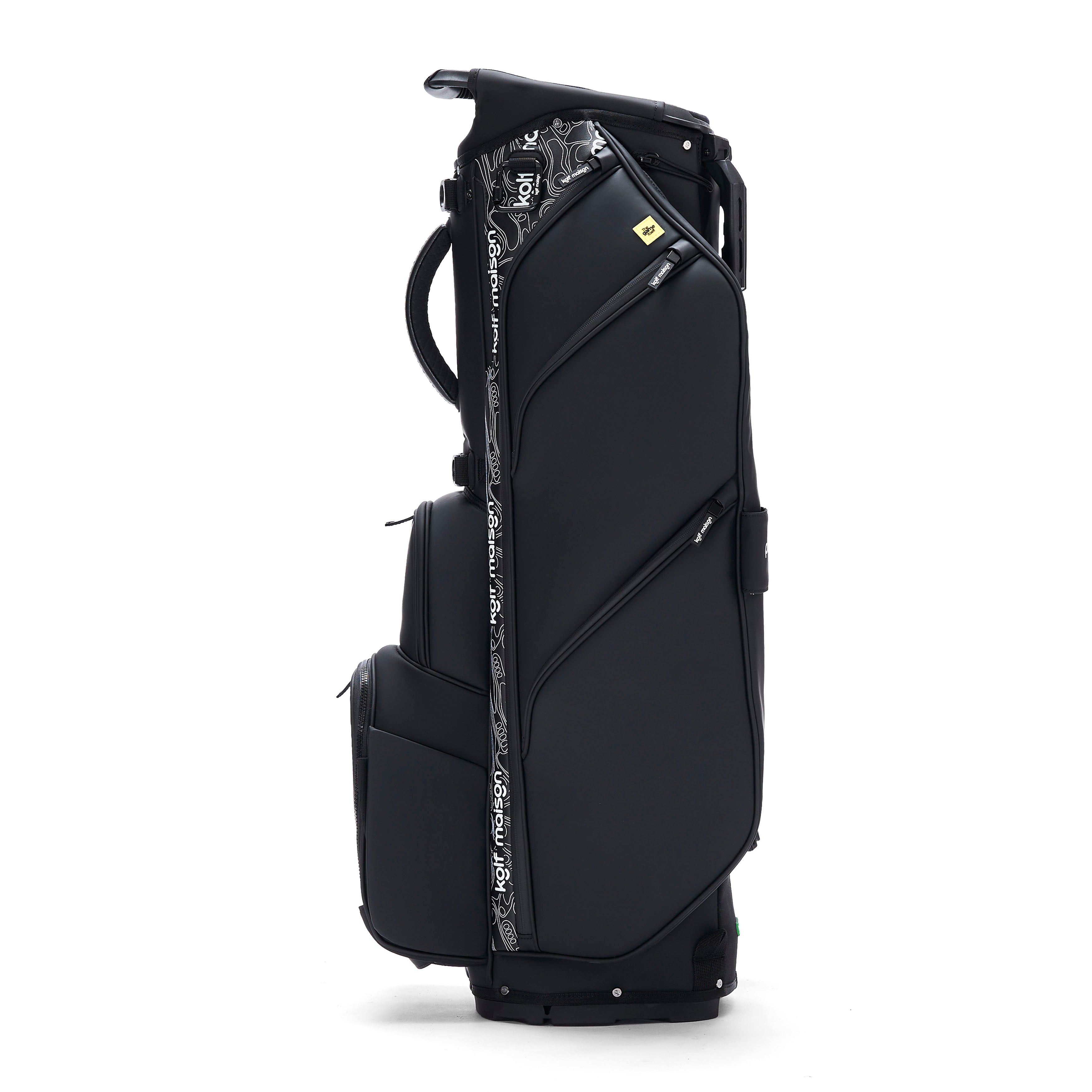
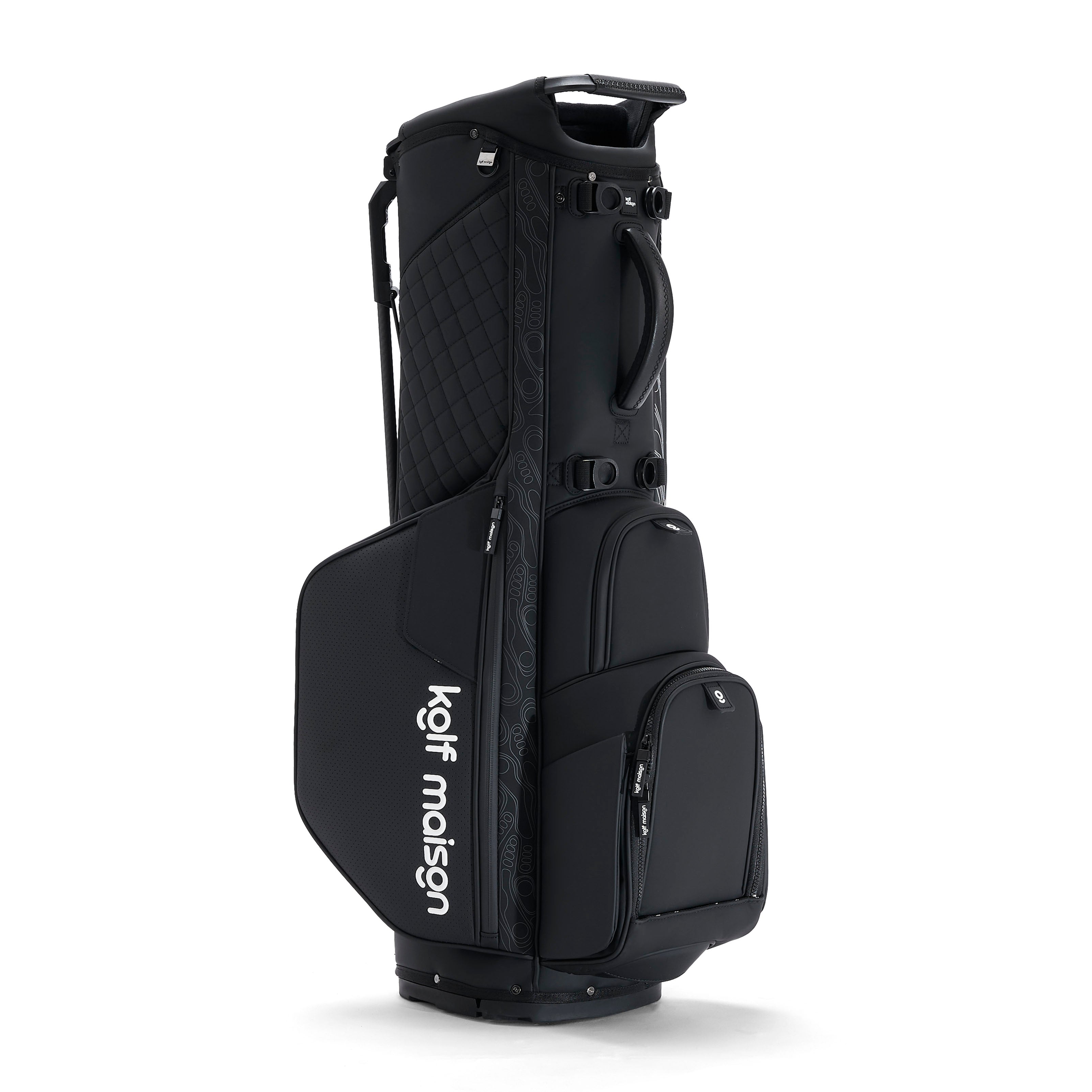
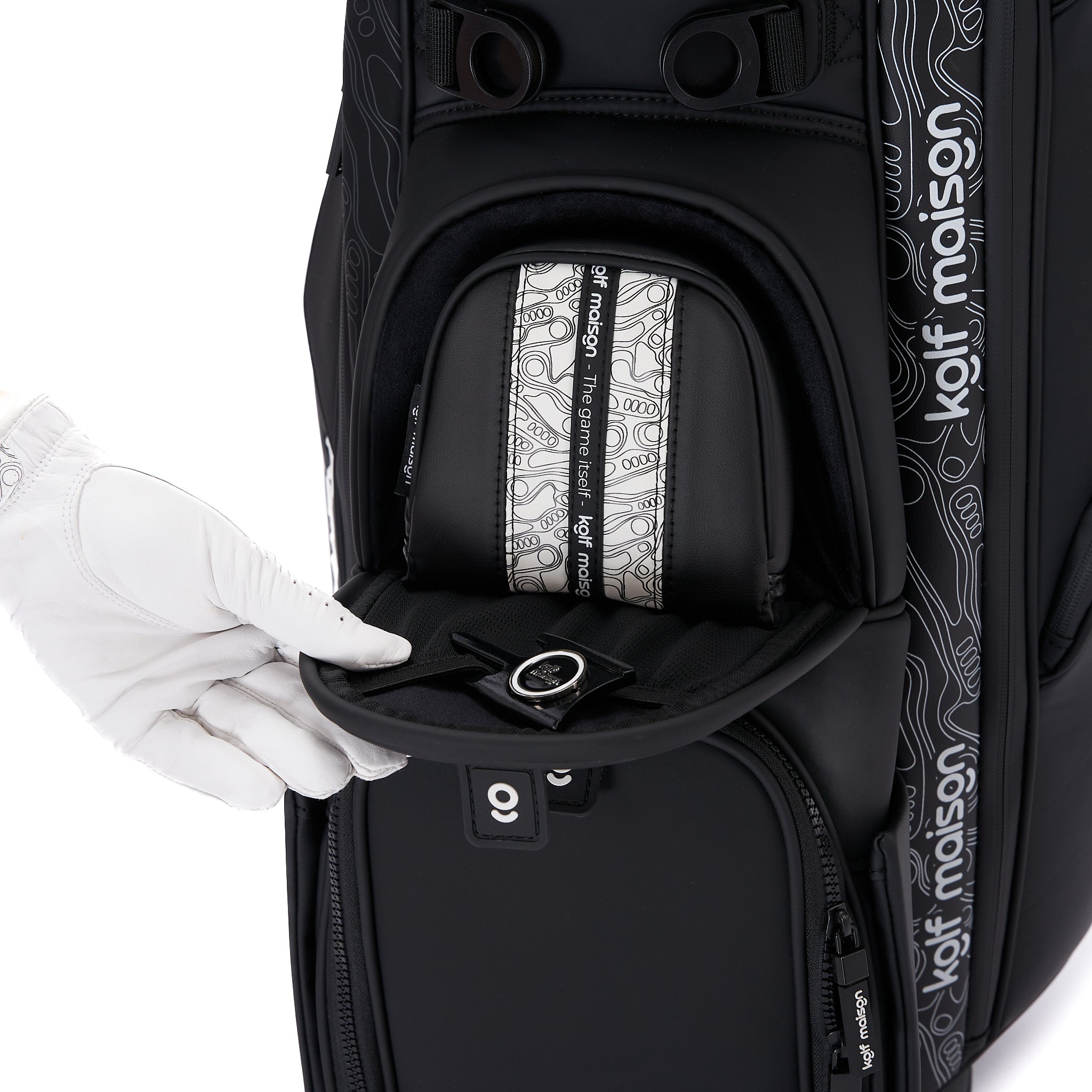
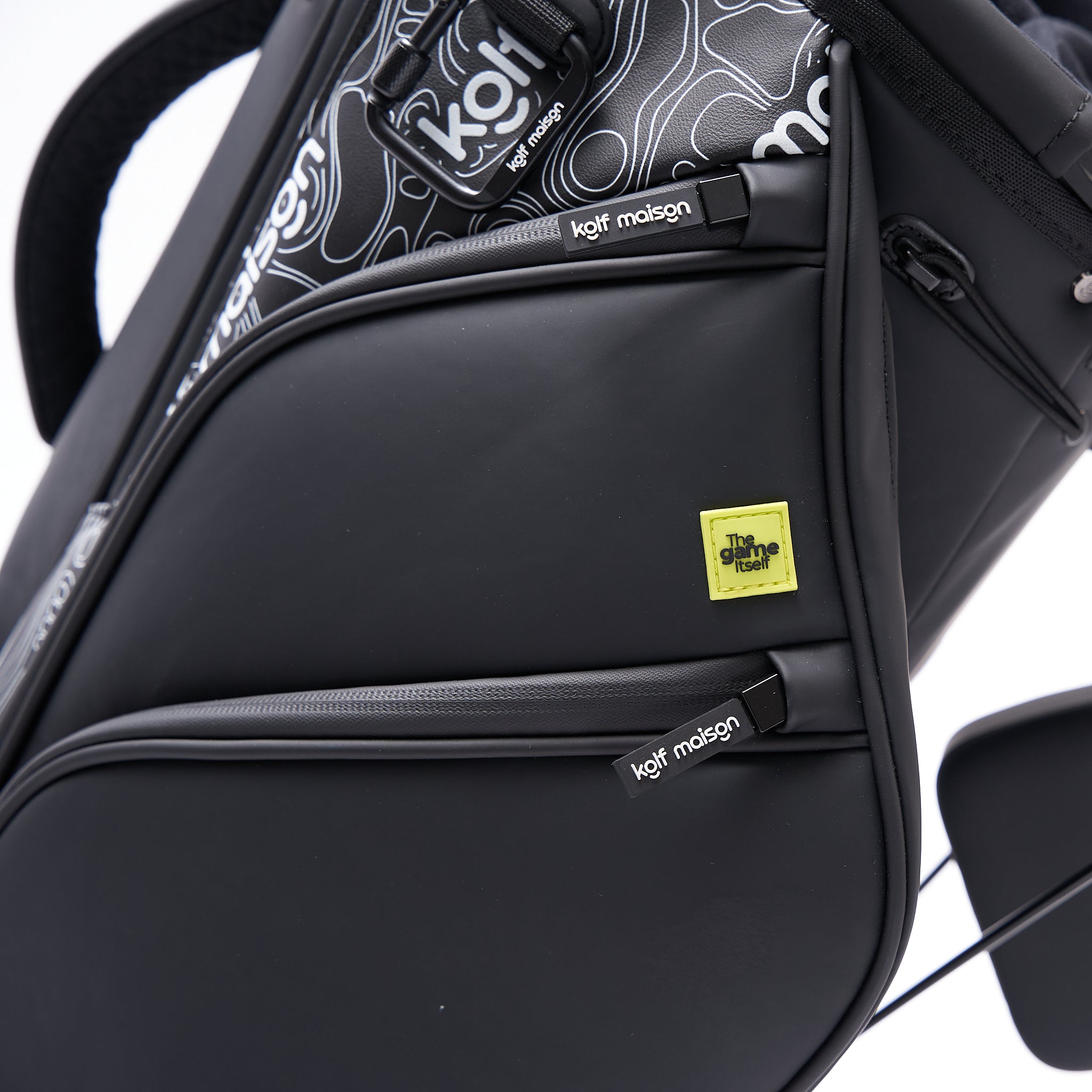
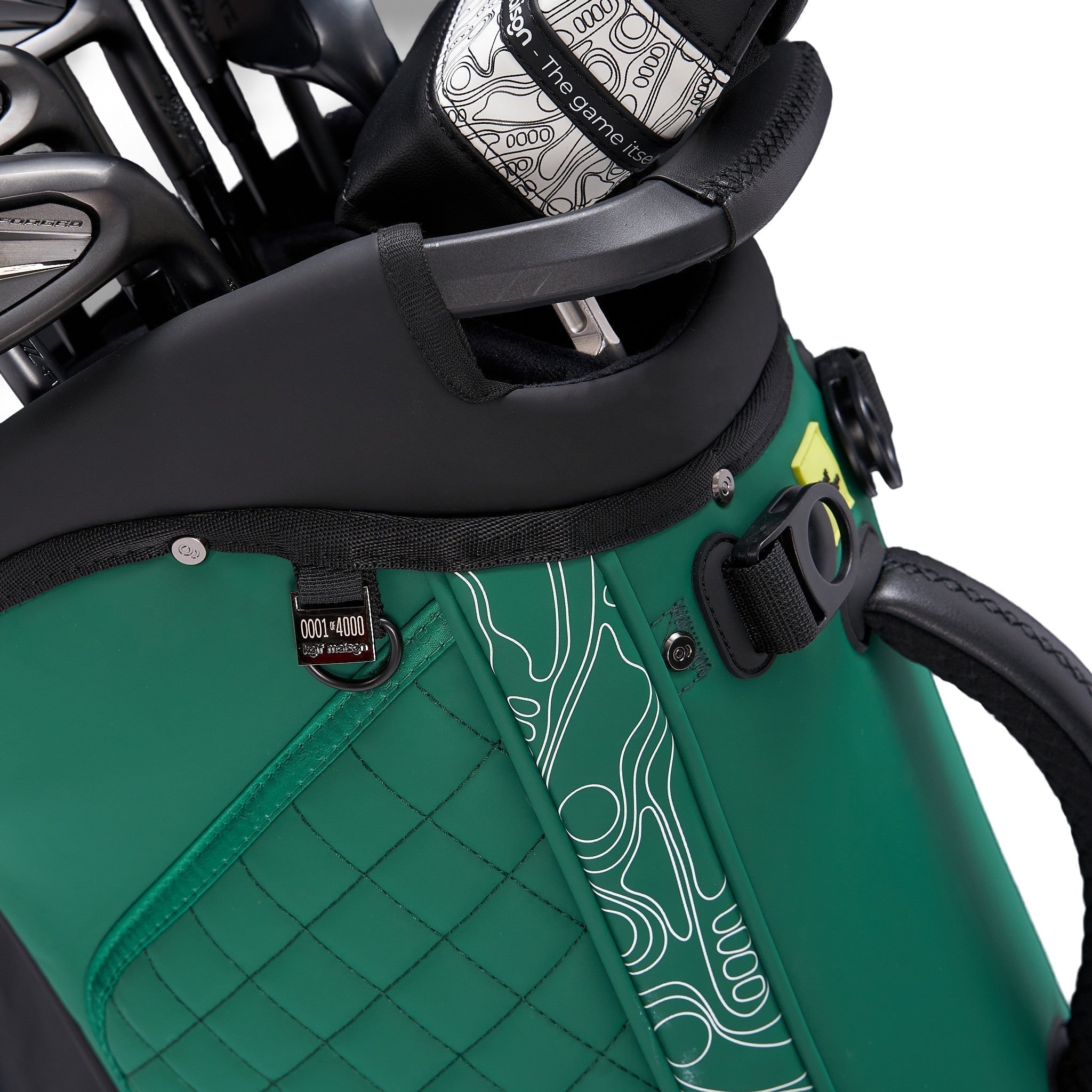
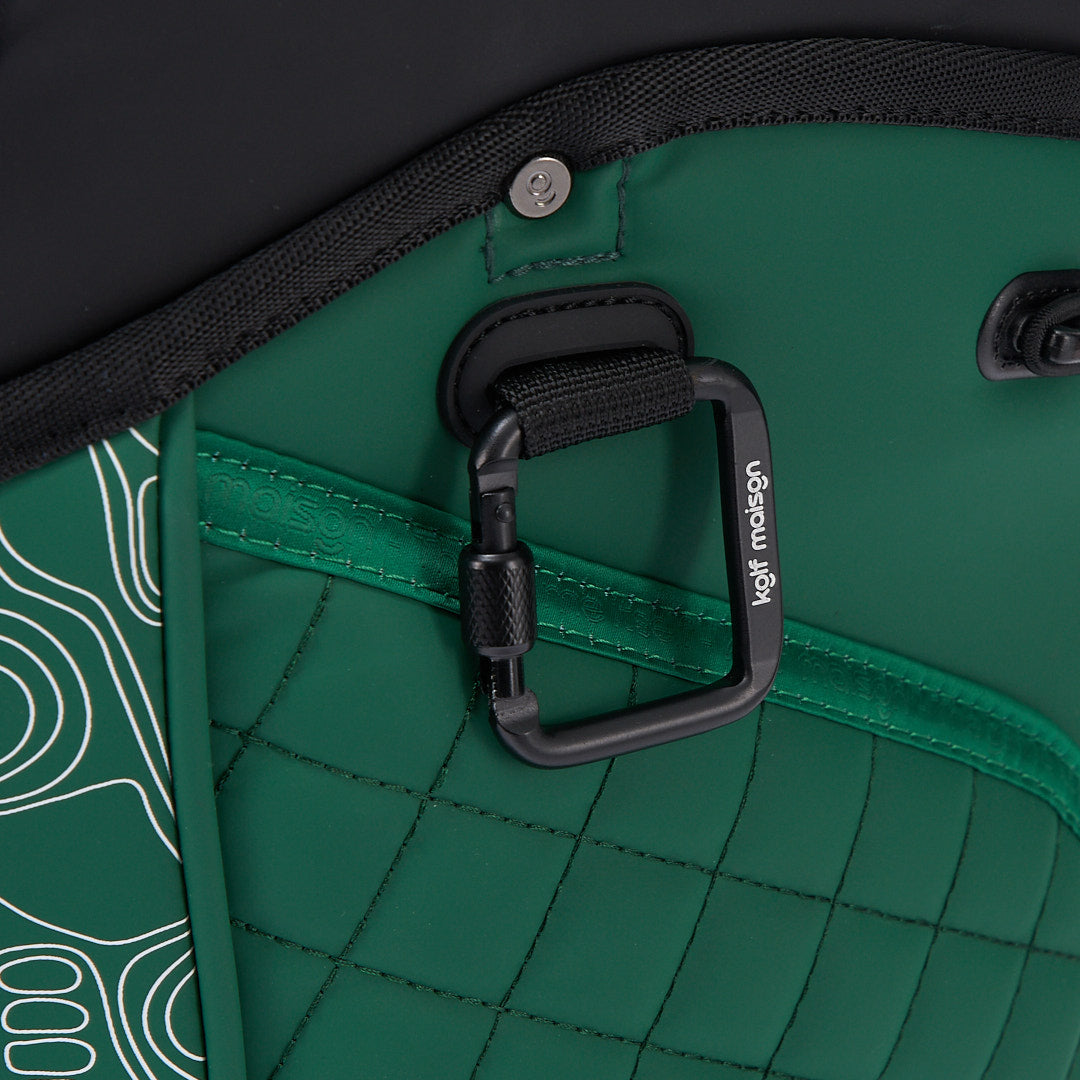
Matte Microfiber Composite Leather (the material used on the Kolf Maison Paganica) benefits from the same care protocol as quality synthetic leather: wipe with a damp microfiber cloth for routine cleaning, use pH-neutral cleaner for stains, and apply a synthetic leather conditioner twice per year to maintain surface moisture and flexibility. Avoid silicone-based products directly on the material — they can alter the matte finish. The microfiber substrate's superior adhesion characteristics mean delamination is not the failure mode of concern; instead, maintain the surface texture and appearance through regular cleaning.
What should I check on my bag at the start of every season?
Six things: (1) Test all zippers through their full range — apply lubricant before use if any feel stiff; (2) deploy the stand legs and check that they lock open, close fully, and the pivot is smooth; (3) check all strap attachment points and stitching for any loosening; (4) inspect divider stitching at the top of the bag where clubs contact most frequently; (5) check pocket bottom stitching (this is the first place seam failures appear on budget bags); (6) apply conditioner to any leather or composite leather panels before the first round of the season.
How do you prevent a golf bag from fading?
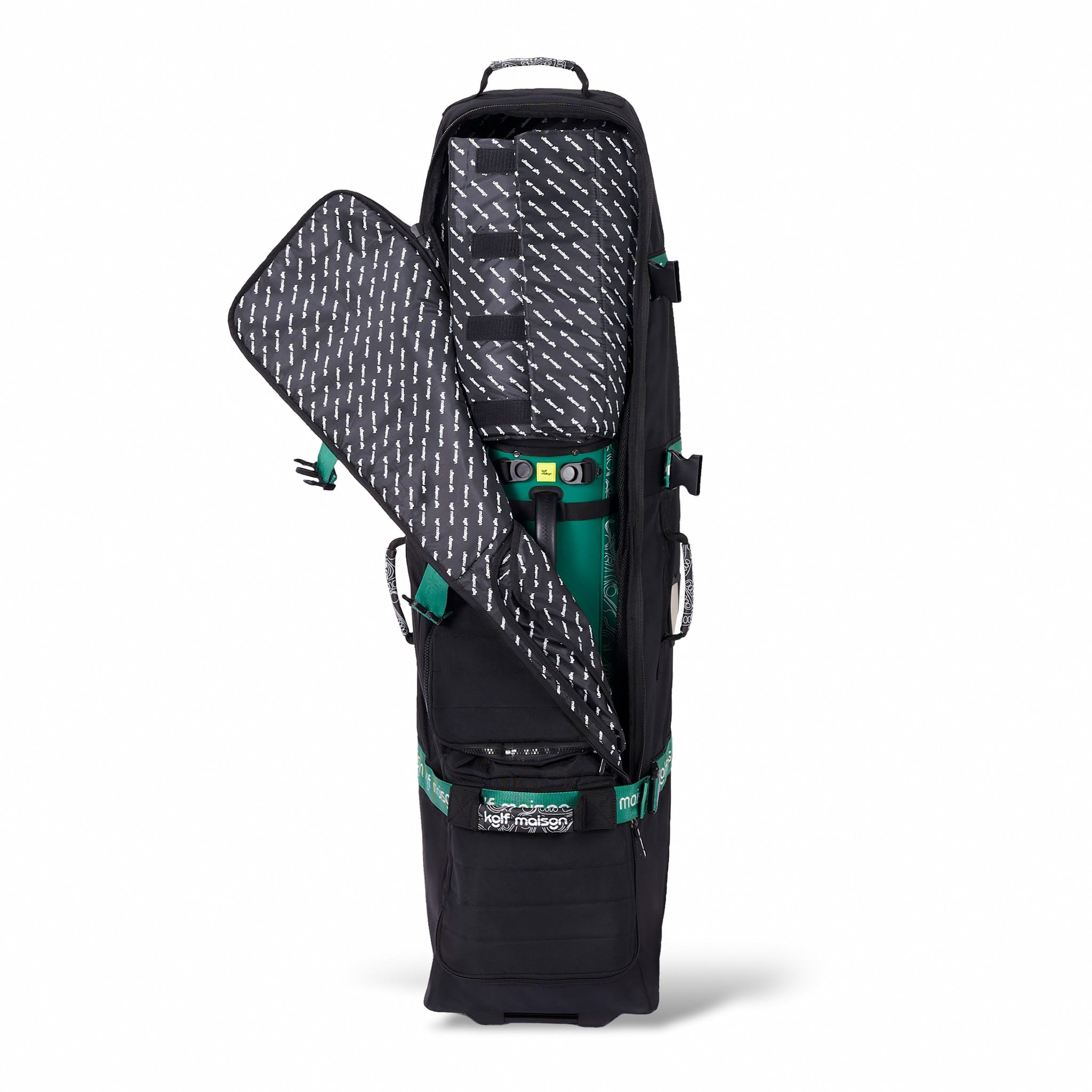
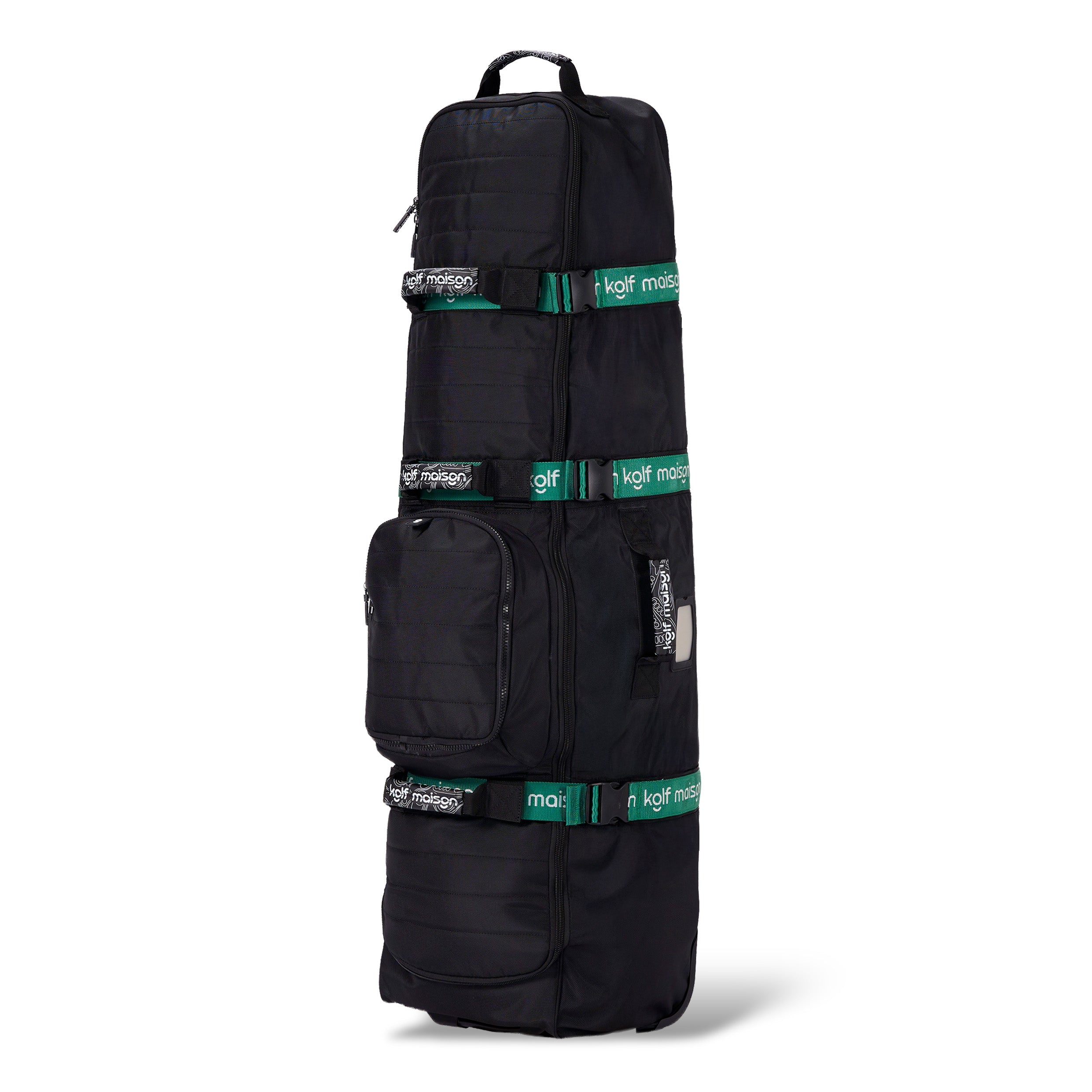
UV exposure is the primary cause of fading on all golf bag materials. Store the bag with the rain hood in place whenever it is not actively in use on the course. UV-blocking spray (car detailing UV protectant formulations work on synthetic materials) applied to the exterior 2–3 times per season provides additional protection. For bags stored outdoors or in garages with significant sunlight exposure, a bag bag that blocks UV is the most effective fading prevention. Matte finishes are generally more UV-stable than gloss finishes on the same material base.
The Annual Care Checklist
Step 1 — Empty completely. Remove every item from every pocket. Turn pockets inside-out if possible. Shake out loose debris from the main bag body.
Step 2 — Brush exterior. Dry soft-bristle brush on all exterior panels to loosen surface dirt and debris before applying any moisture.
Step 3 — Wipe exterior. Damp microfiber cloth across all exterior surfaces. pH-neutral cleaner on cloth for stained areas. Rinse residue with clean damp cloth.
Step 4 — Clean zipper teeth. Soft brush on all zipper tracks. Zipper lubricant applied to teeth, worked in by cycling the zipper pull 10 times. Do all zippers on the bag.
Step 5 — Inspect and lubricate stand mechanism. Silicone lubricant at pivot points. Test full open-close range. Check anti-rotation bar alignment. Check leg tip rubber pads for wear.
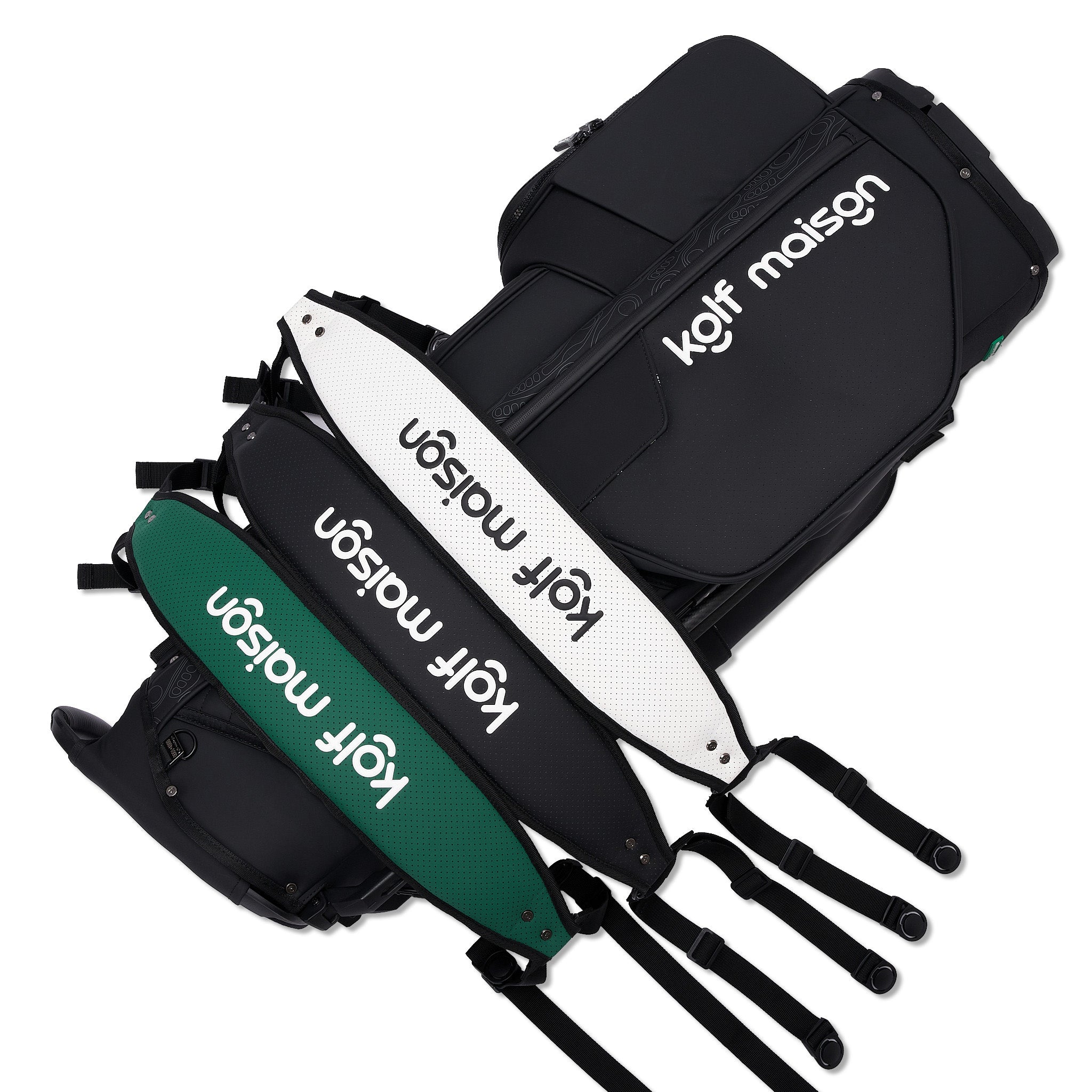
Step 6 — Check strap system. Test all strap attachment points under load. Inspect stitching at connection points. Check strap adjustment buckles for full range of motion.
Step 7 — Inspect dividers. Run hand through each divider channel to check for stitching separation at the top ring. Inspect velvet lining for wear at high-contact points if velvet-wrapped.
Step 8 — Condition leather panels. Synthetic leather conditioner on composite or synthetic leather exterior. Leather conditioner on genuine leather. Allow to absorb before use.
Step 9 — Clean interior pockets. Damp cloth on interior pocket surfaces. Allow to dry completely before re-loading. Replenish ball count, gloves, tees, and accessories.
Built to Last. With Care.
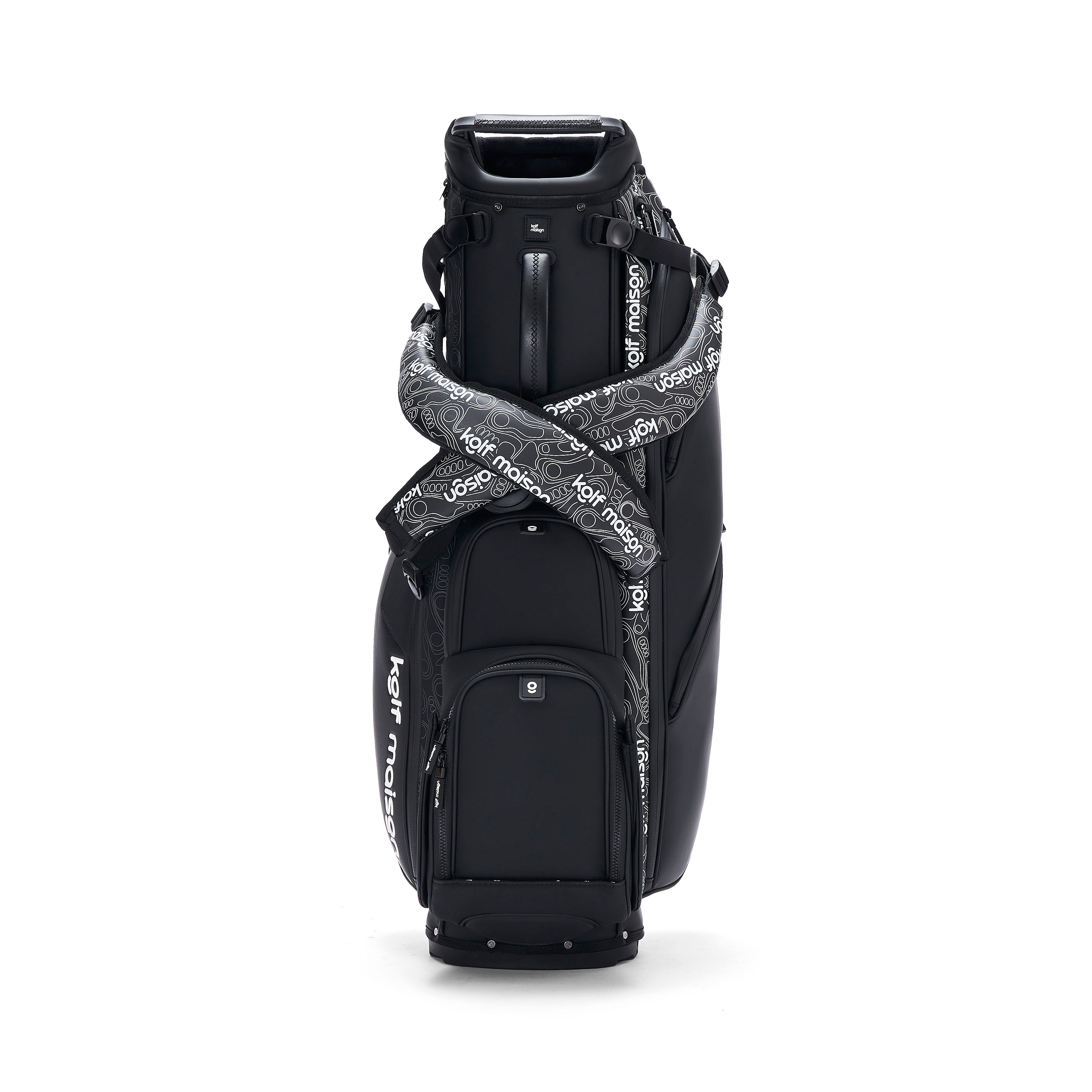
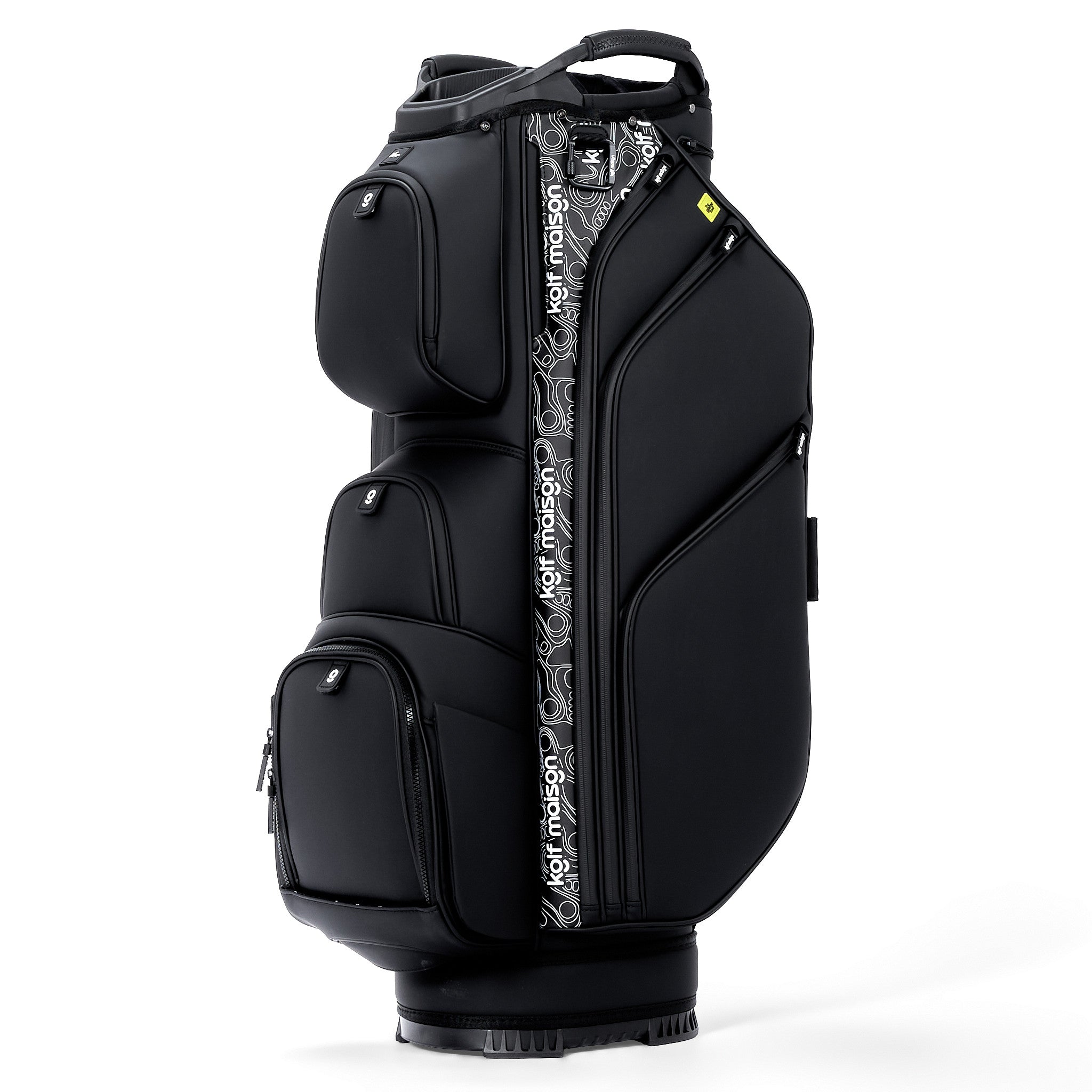
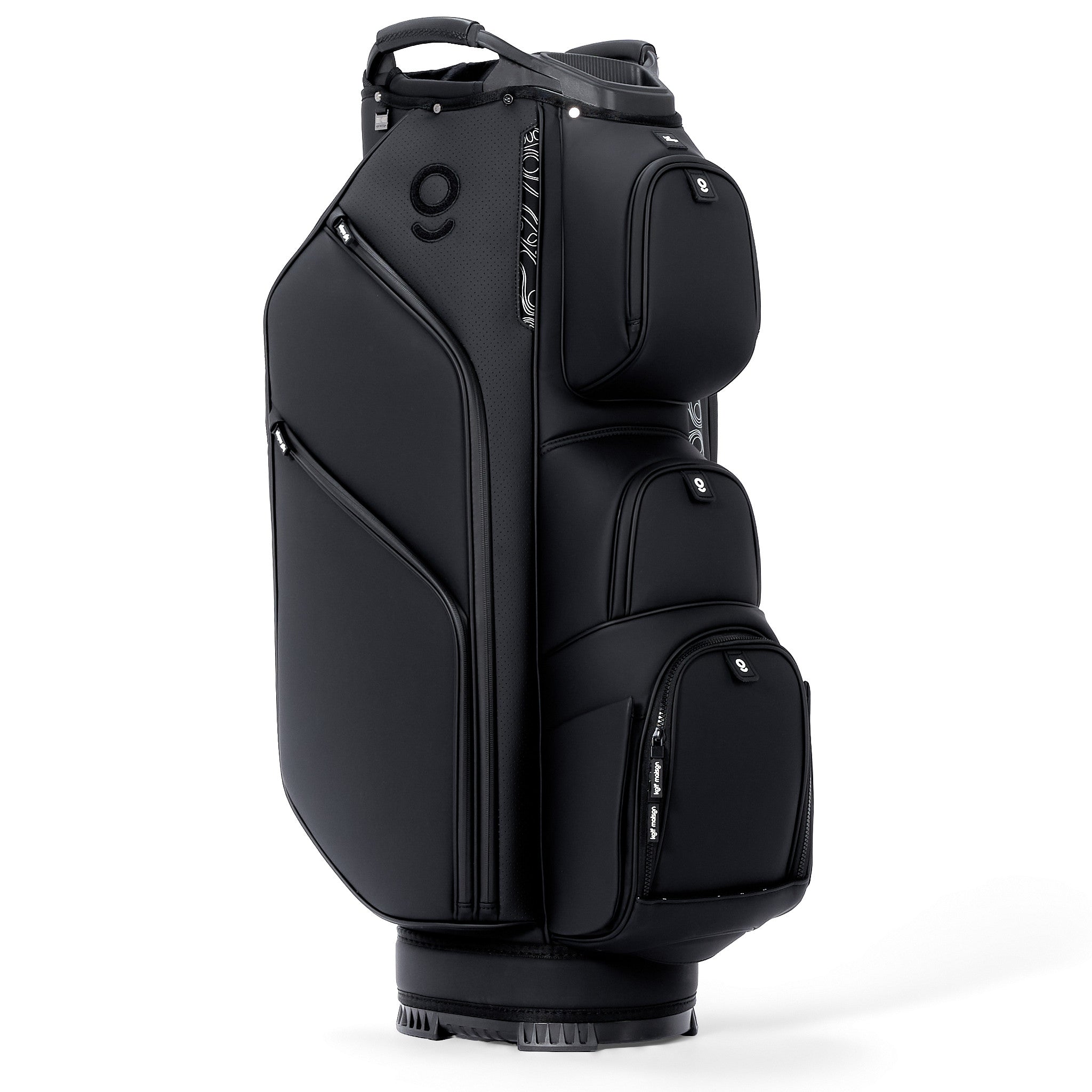
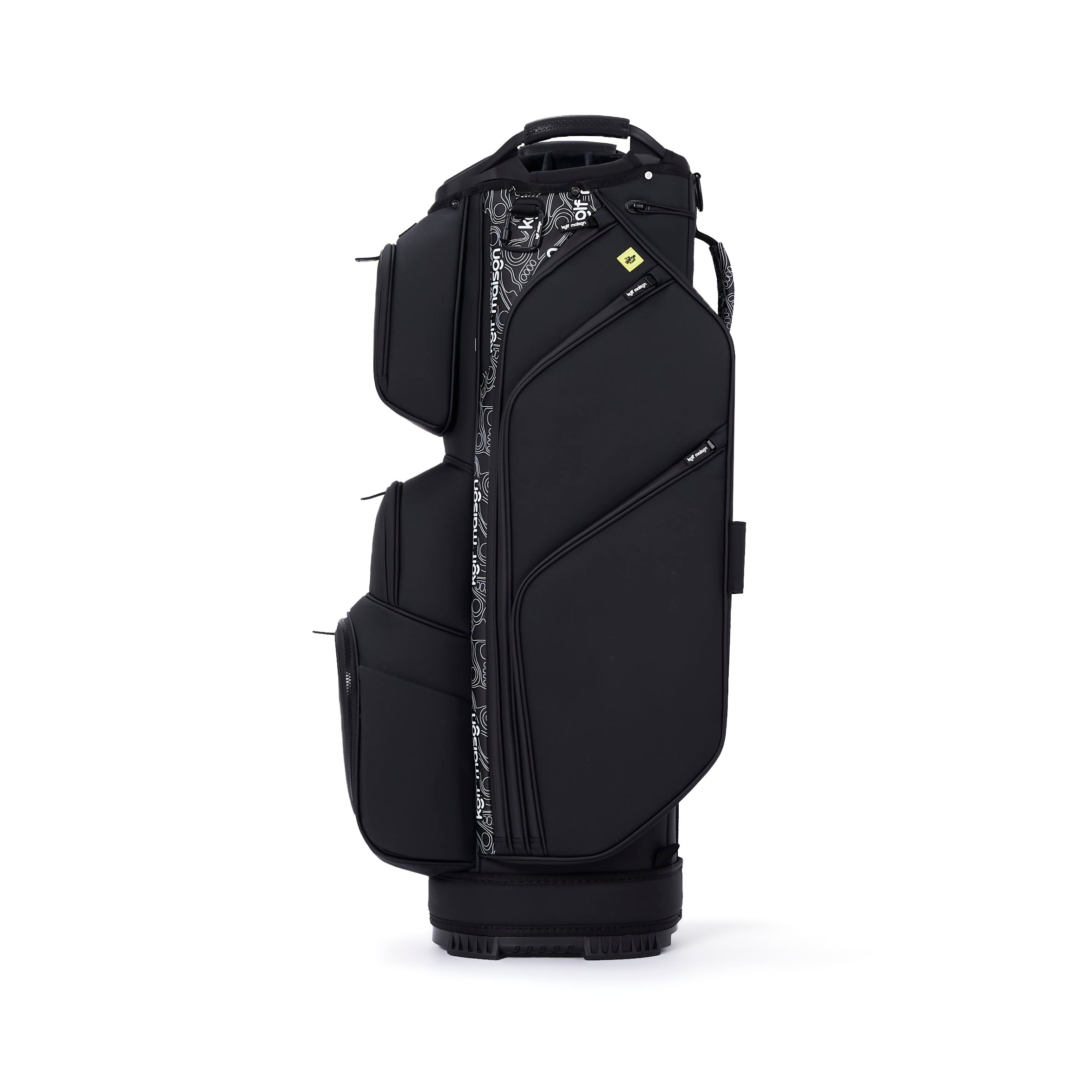
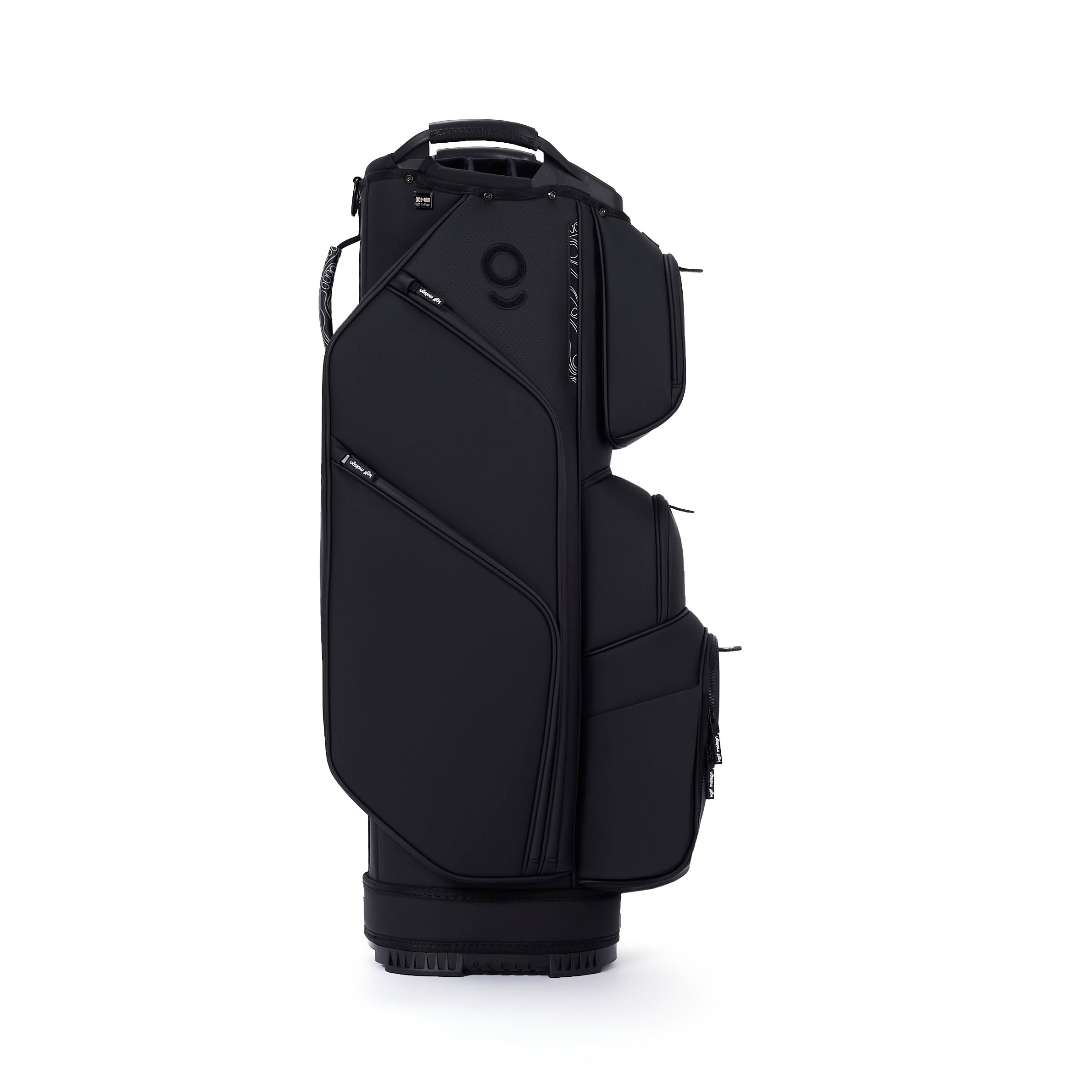
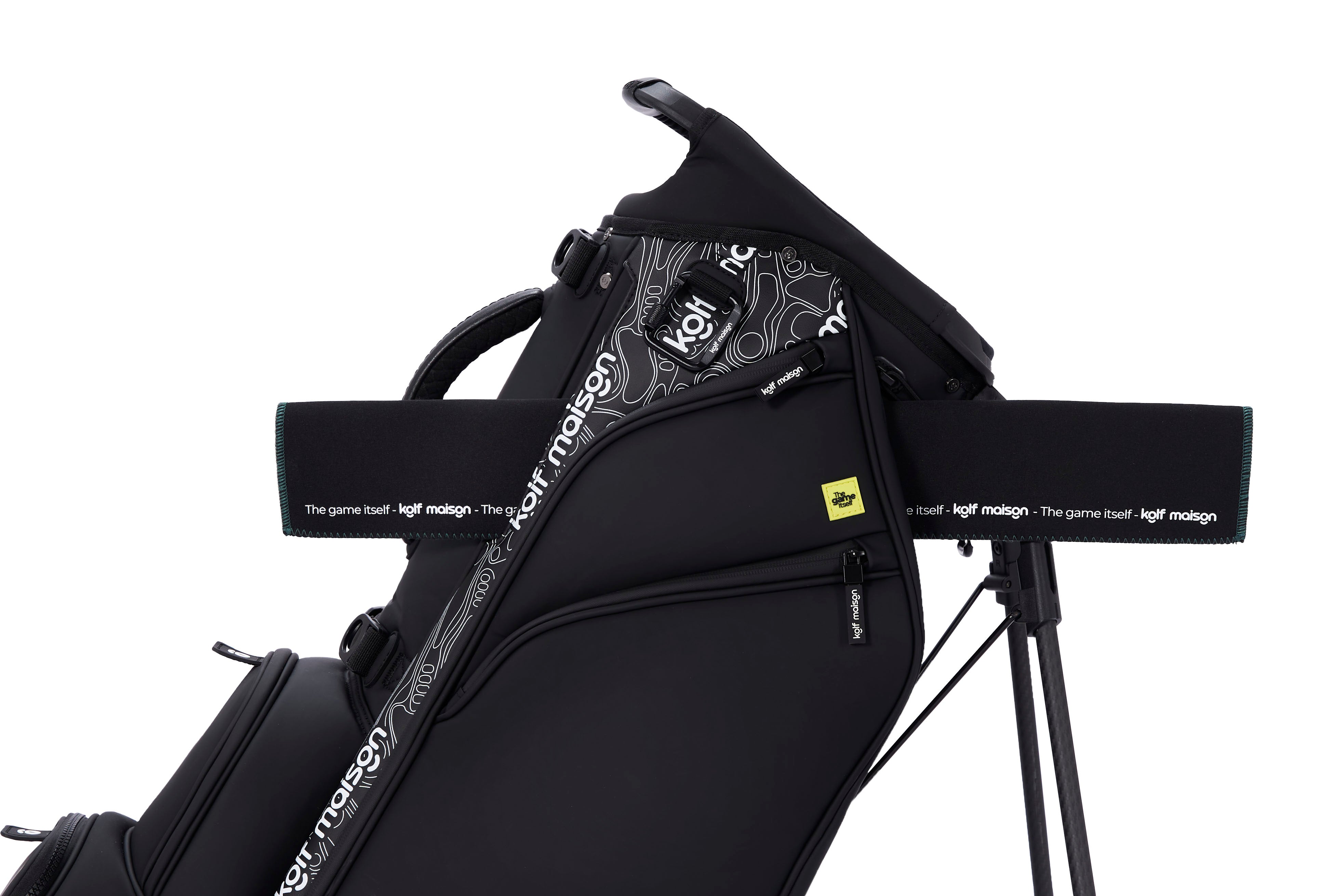
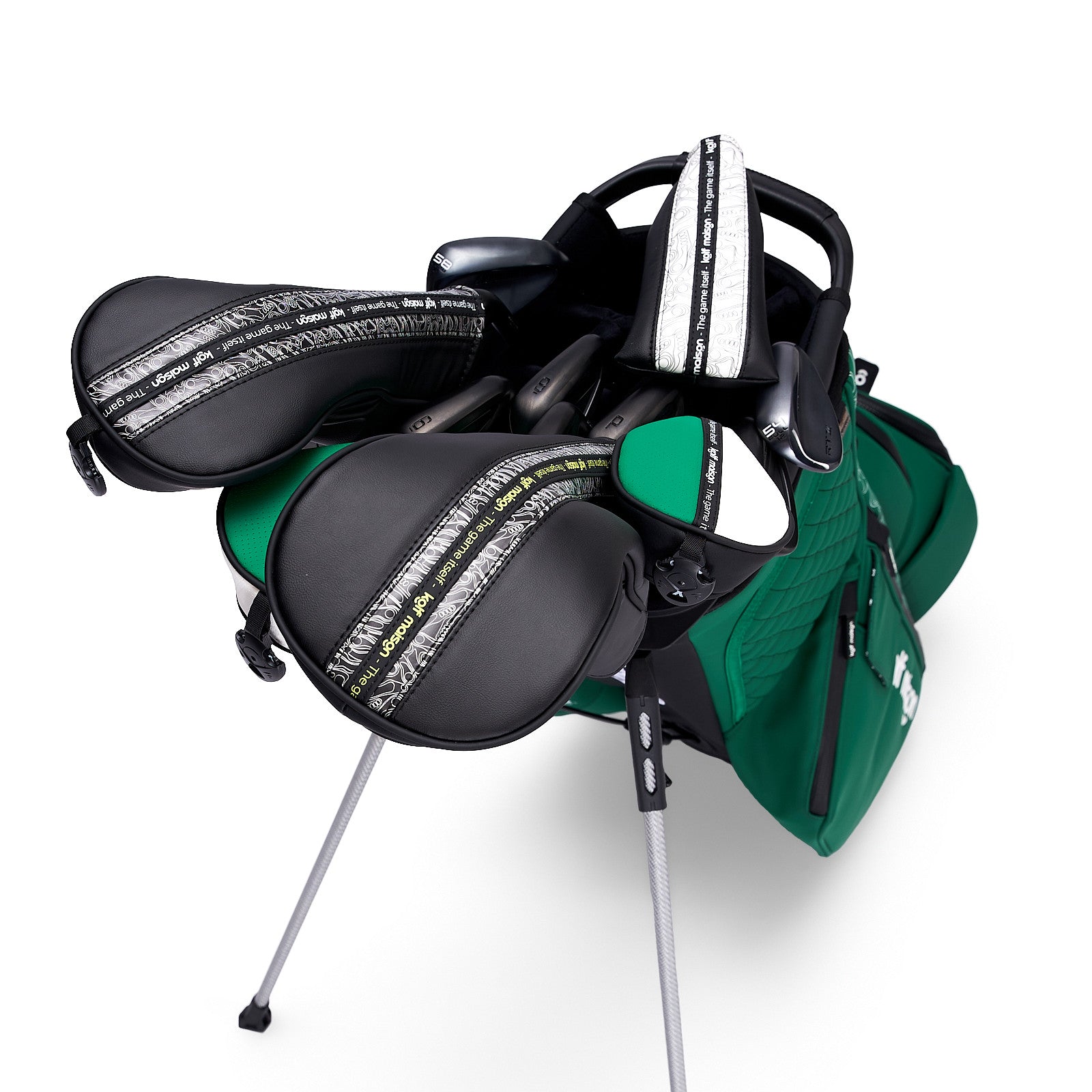
The Kolf Maison Paganica is built with materials that respond well to proper maintenance — Matte Microfiber Composite Leather exterior, reinforced zipper construction, precision stand mechanism. Maintain it correctly and it serves you for the life of the game.
The Kolf Maison Paganica
A bag worth maintaining. $449. Controlled Allocation. Stand and Cart configurations. Serial numbered.
Stand Bag → Cart Bag →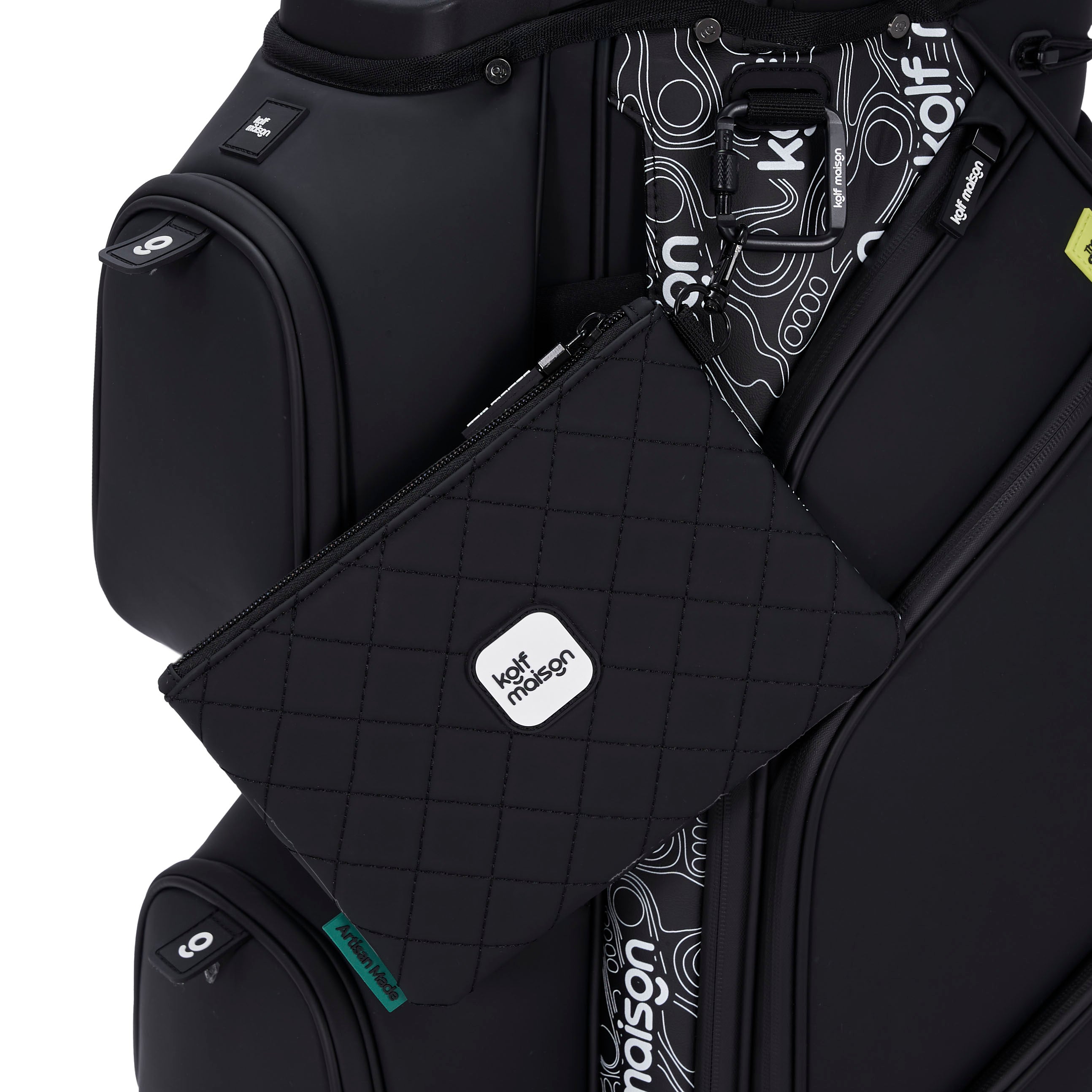


Share:
How to Clean a Golf Bag: The Complete Step-by-Step Guide
Stand Bag vs Cart Bag: Which Golf Bag Is Right for You?