



Golf Bag Serial Numbers: What They Prove About Production Quality
Serial numbering in manufacturing is not new. Watchmakers, firearm manufacturers, and instrument builders have used it for centuries — not as a marketing embellishment, but as a production control mechanism. When a manufacturer assigns individual numbers to individual units, they are committing to something: individual traceability, production accountability, and implicitly, controlled volume.
In the golf bag category, serial numbering is rare. Most bags — including bags priced at premium levels — are produced without individual unit identification. Understanding why Kolf Maison chose to serial-number every Paganica Stand Bag, and what that decision means for the product you receive, requires looking at what serial numbering actually does in a manufacturing context.
What Serial Numbering Actually Does
Individual serial numbering creates a production record for every unit. At its most basic, this means that if a fault appears in a specific bag, it can be traced back to its production run, batch, and position within that run. For the manufacturer, this creates both capability and incentive to maintain quality at the individual unit level rather than managing only aggregate defect rates.
In practice, serial numbering in a controlled production environment does three things:
| Function | What It Means for the Buyer |
| Individual unit traceability | Your bag has a unique identity within the production record — it is not interchangeable with every other unit |
| Production volume proof | The number tells you where your bag sits in the production run — early numbers confirm limited production, late numbers confirm the run is nearing its cap |
| Quality control accountability | A defect in bag #1,247 can be traced to its production context and corrected at the source; without numbering, defect patterns are aggregates, not individuals |
Why Volume Limits Change the Quality Equation
Serial numbering is most meaningful when combined with a stated production limit. Without a limit, a serial number is simply a tracking number — useful for logistics but not a quality statement. With a limit, it becomes a structural commitment.
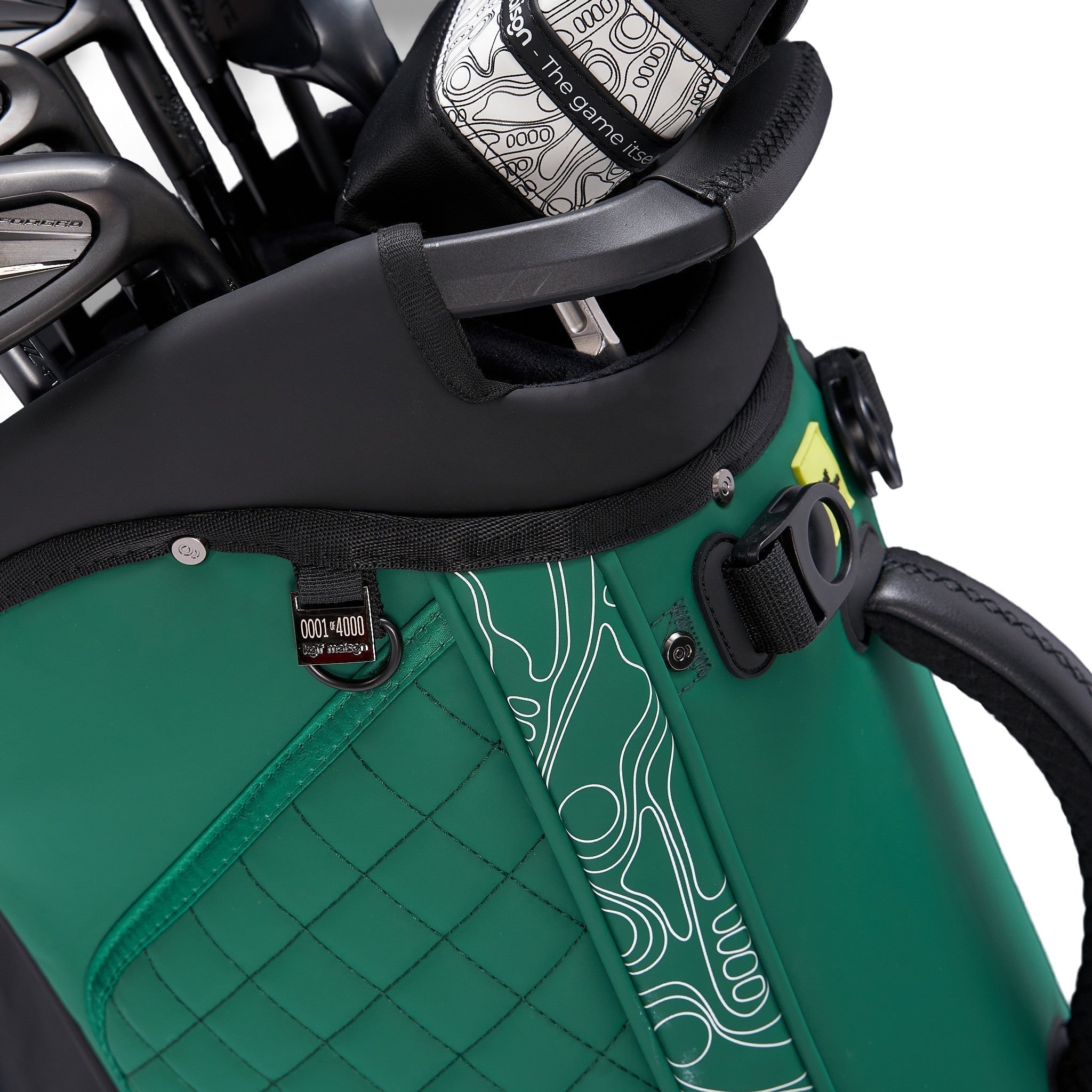
Kolf Maison limits the Paganica Stand Bag to 4,000 units per model per year. This is not a marketing claim — the serial numbers prove it. When production hits 4,000, it stops. The next year's run begins fresh.
This limit changes the economics of production in ways that directly affect quality. A manufacturer producing 4,000 units per year has a fundamentally different per-unit cost structure than one producing 40,000. The higher per-unit margin at low volume allows for higher per-unit spend on materials and components — and the lower production volume makes rigorous individual QC economically viable rather than cost-prohibitive.
The article on budget luxury vs. real luxury covers the broader framework for why production volume is one of the most reliable quality signals. Serial numbering with a stated limit is the most verifiable expression of this principle.
What Rarity Means in Practice
4,000 units per year is a specific number. To contextualise it: there are estimated to be over 25 million active golfers in Europe alone. A bag produced in a run of 4,000 is not going to be on every trolley on every course. You are statistically unlikely to encounter another on the same course in the same week.
For a golfer who cares about carrying something genuinely uncommon — not just expensive — this distinction matters. The article on what your bag says about you at a private club explores the social dimension of this rarity in more detail. The short version: genuine scarcity is noticed by golfers who know what to look for, in a way that a familiar premium brand name — however respected — is not.
Your Number in the Production Record
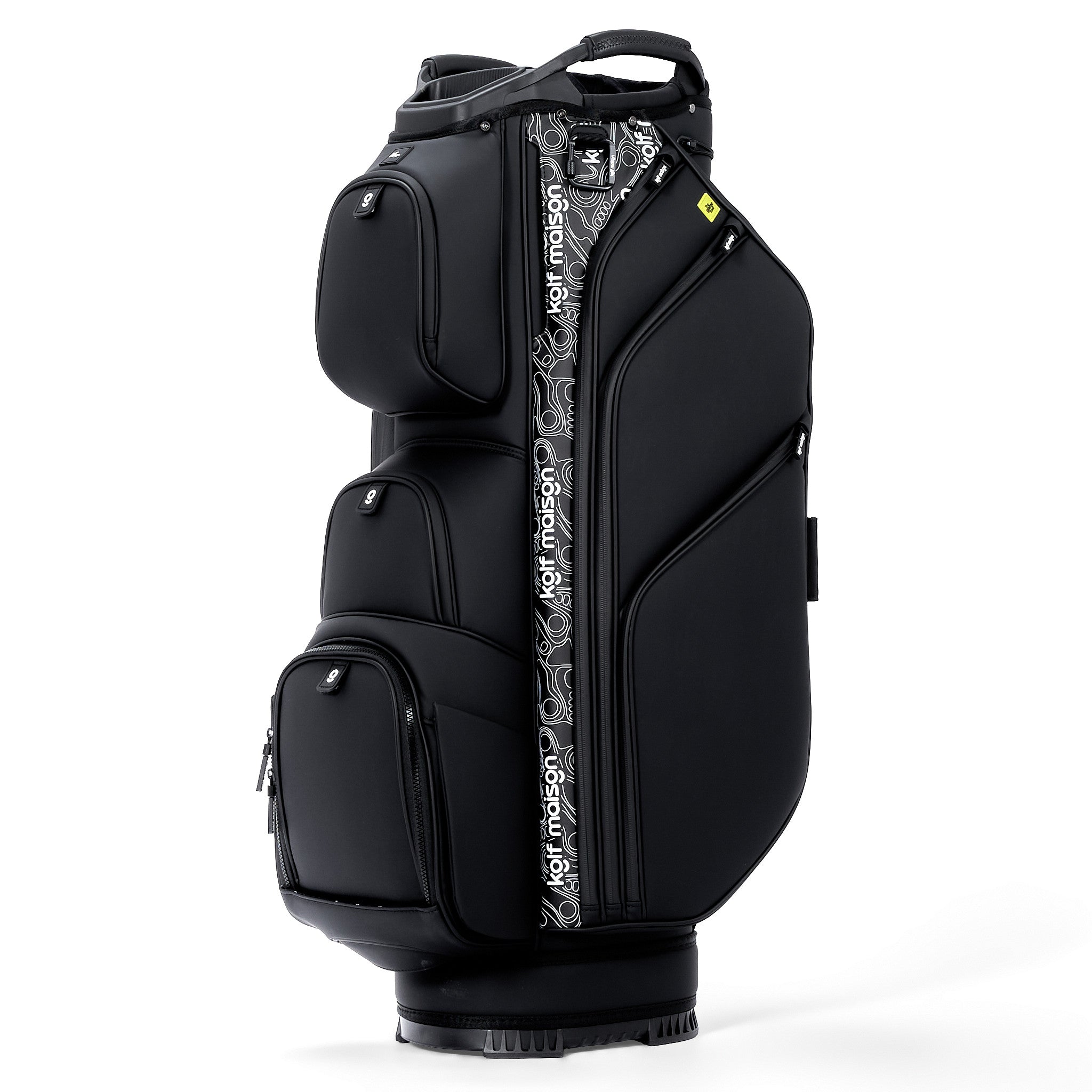
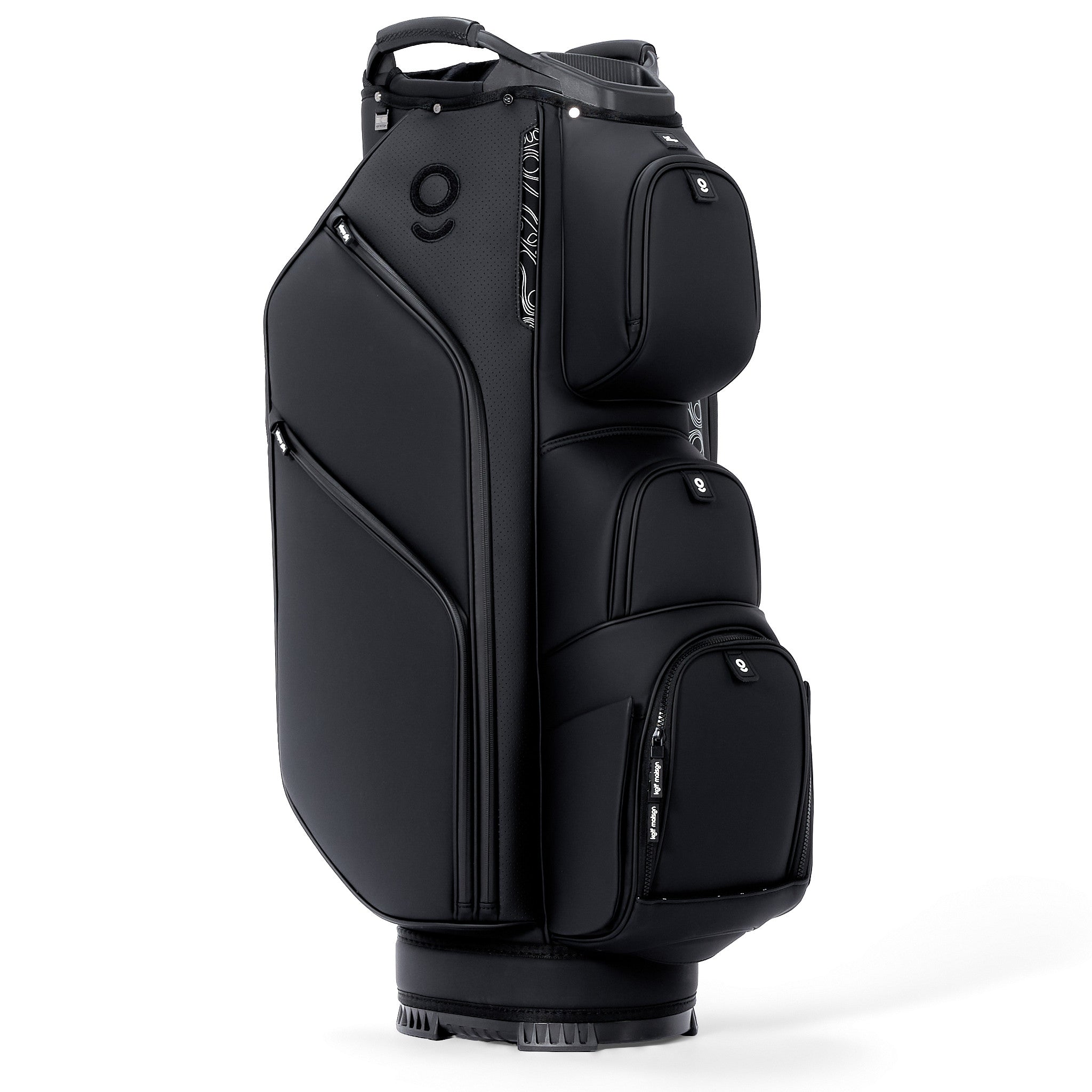
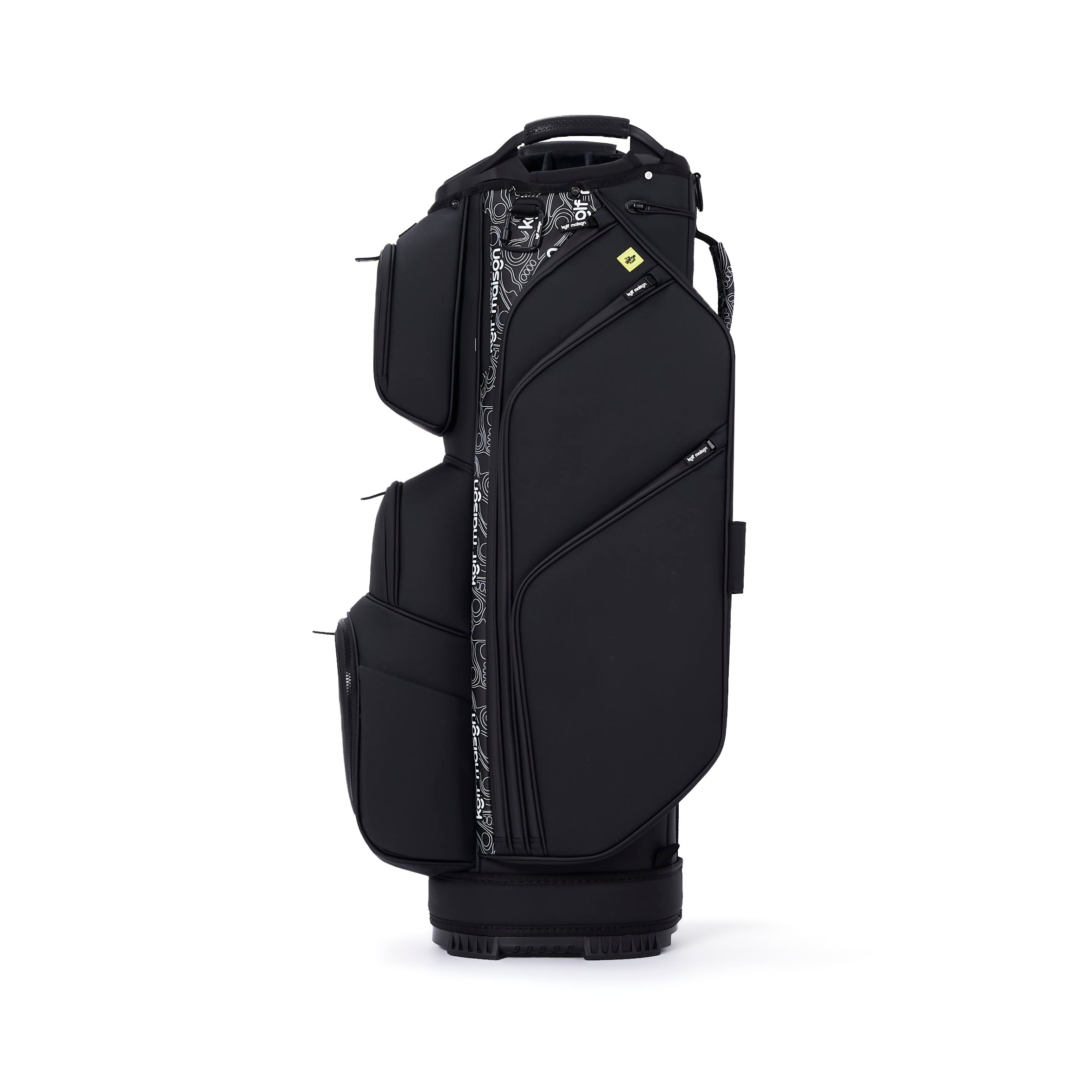
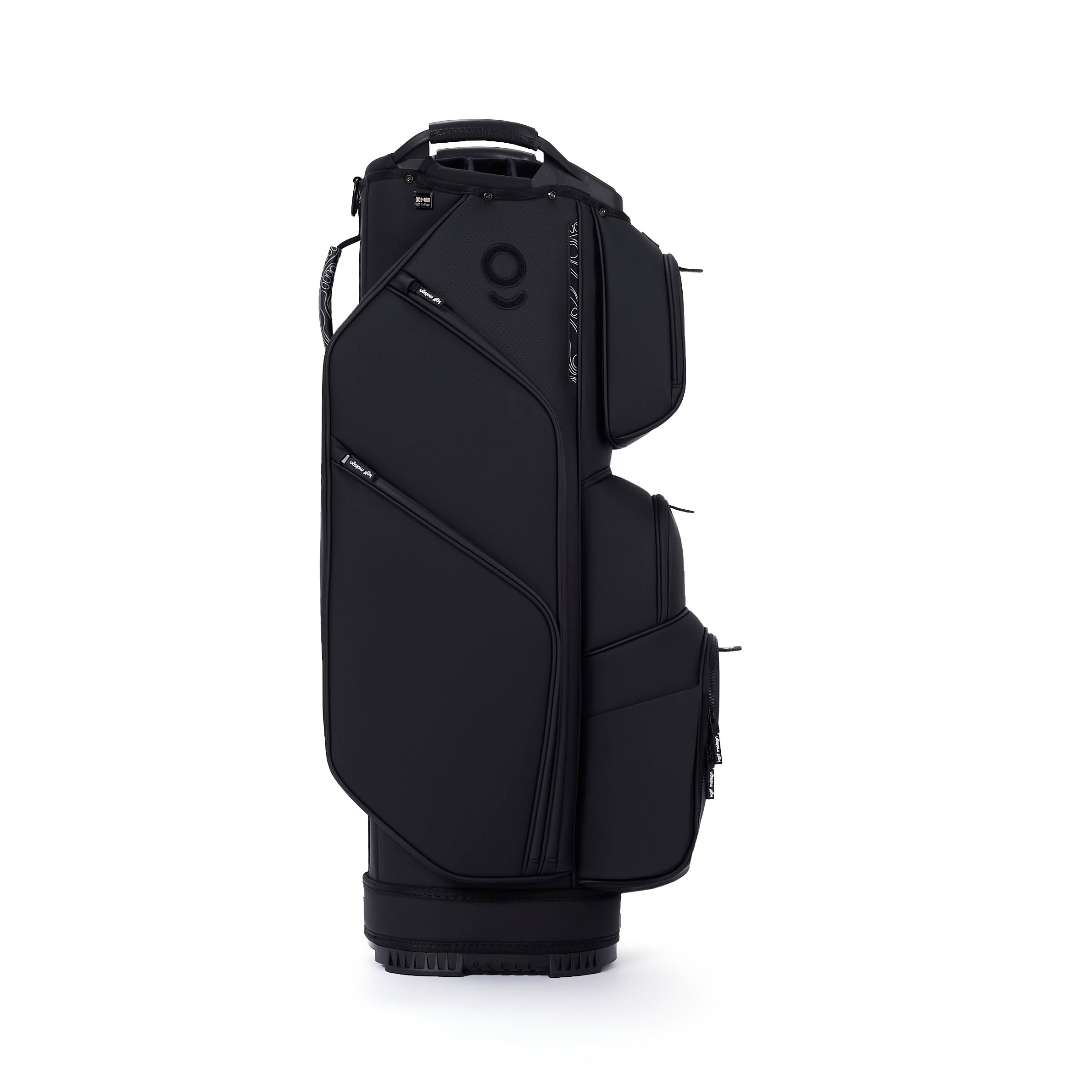
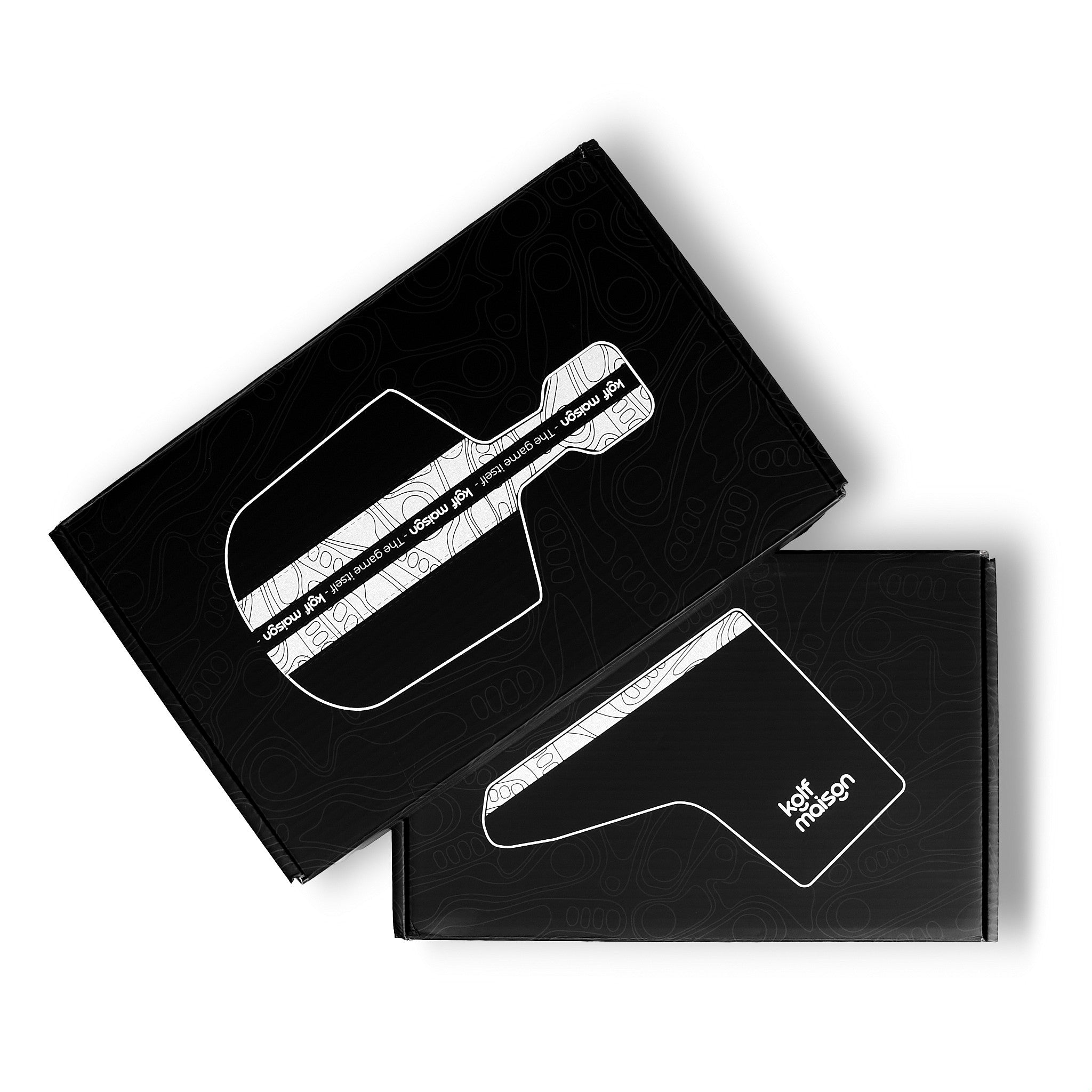
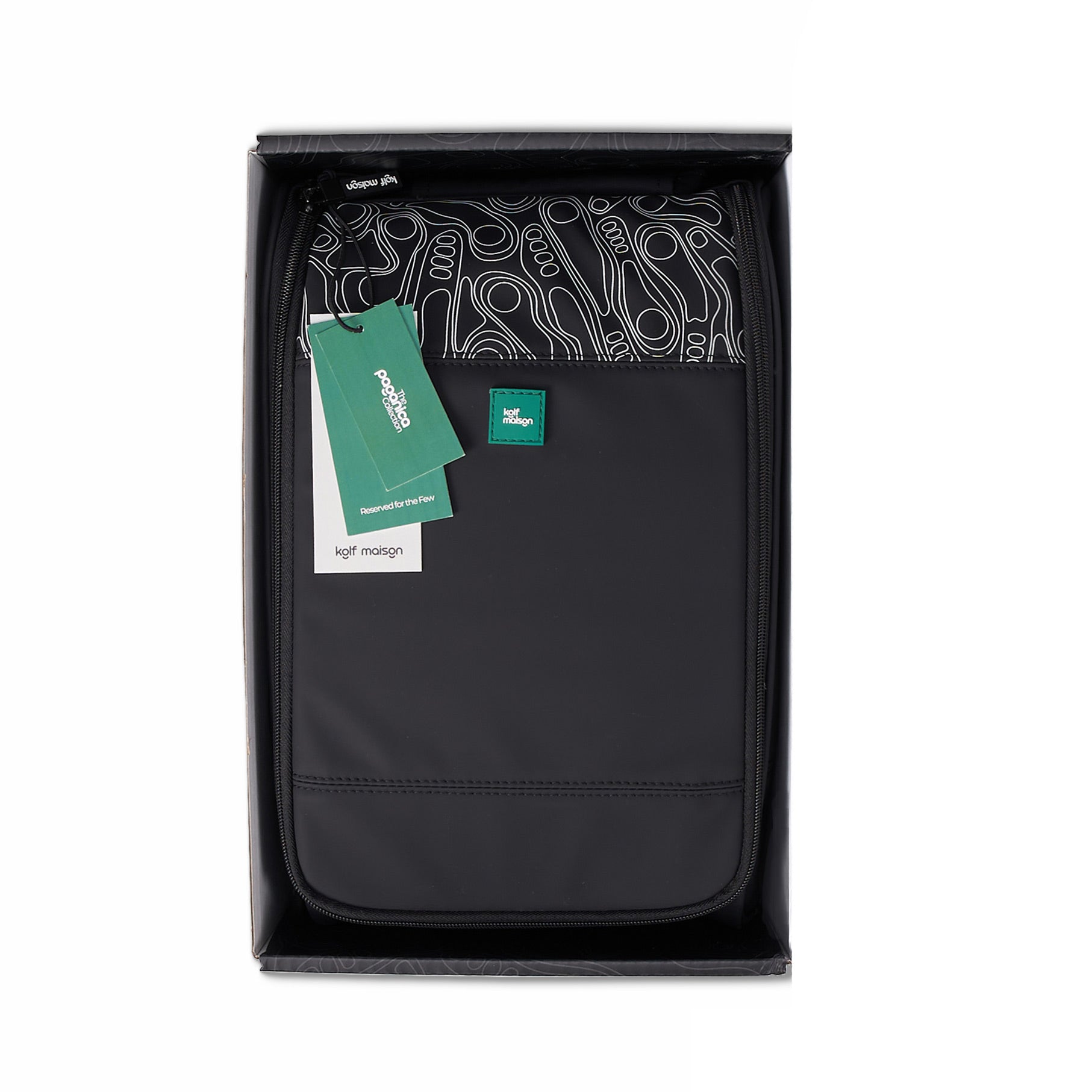
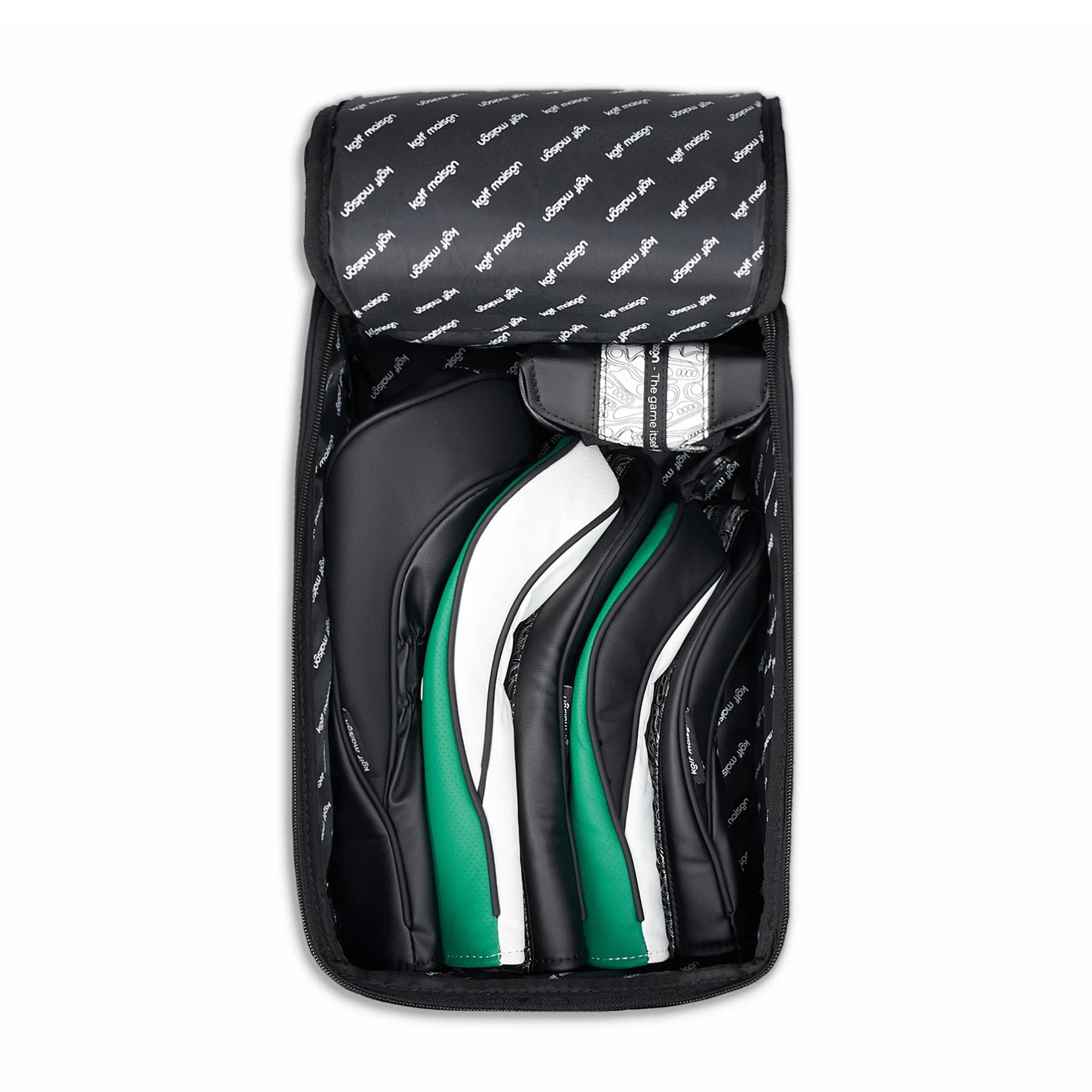
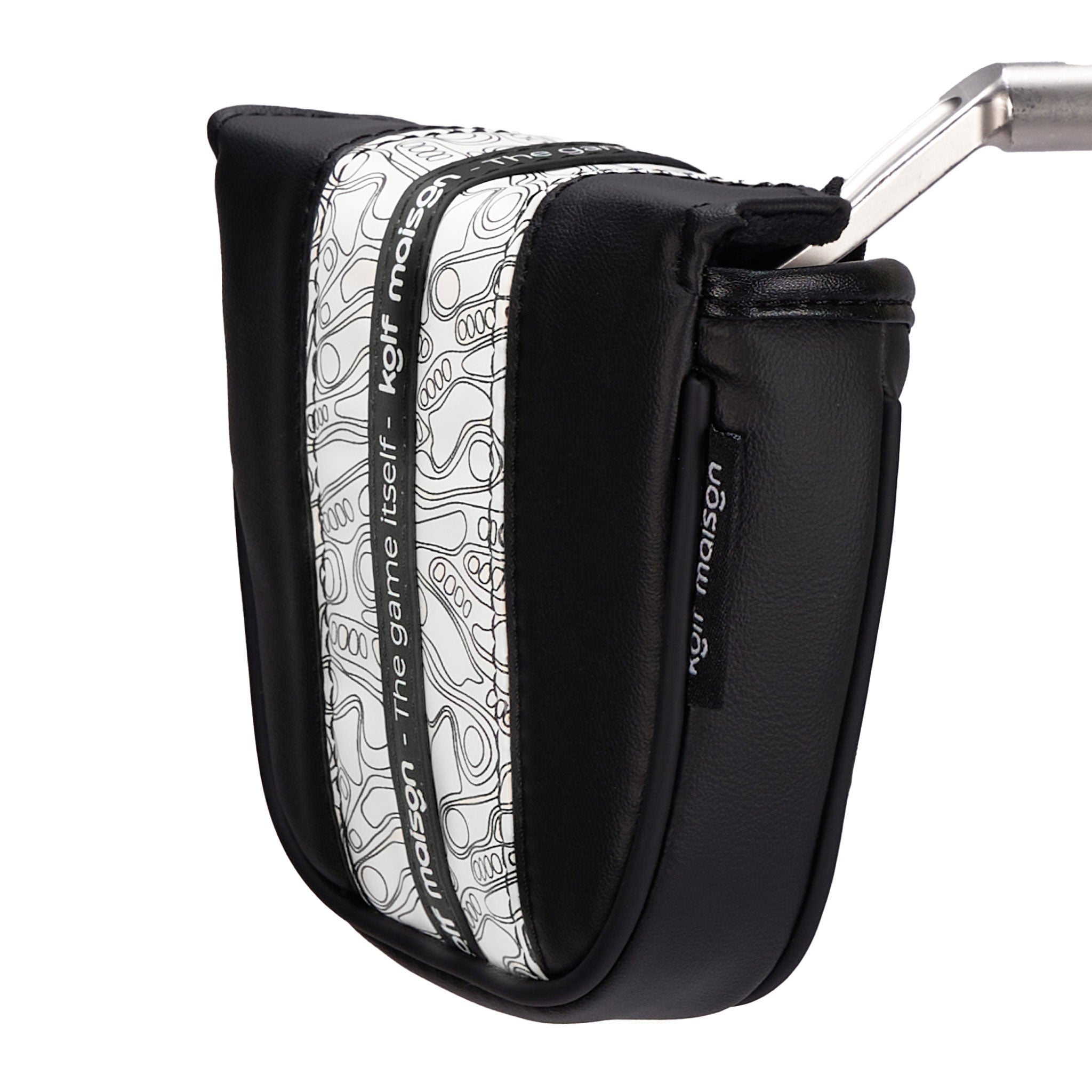
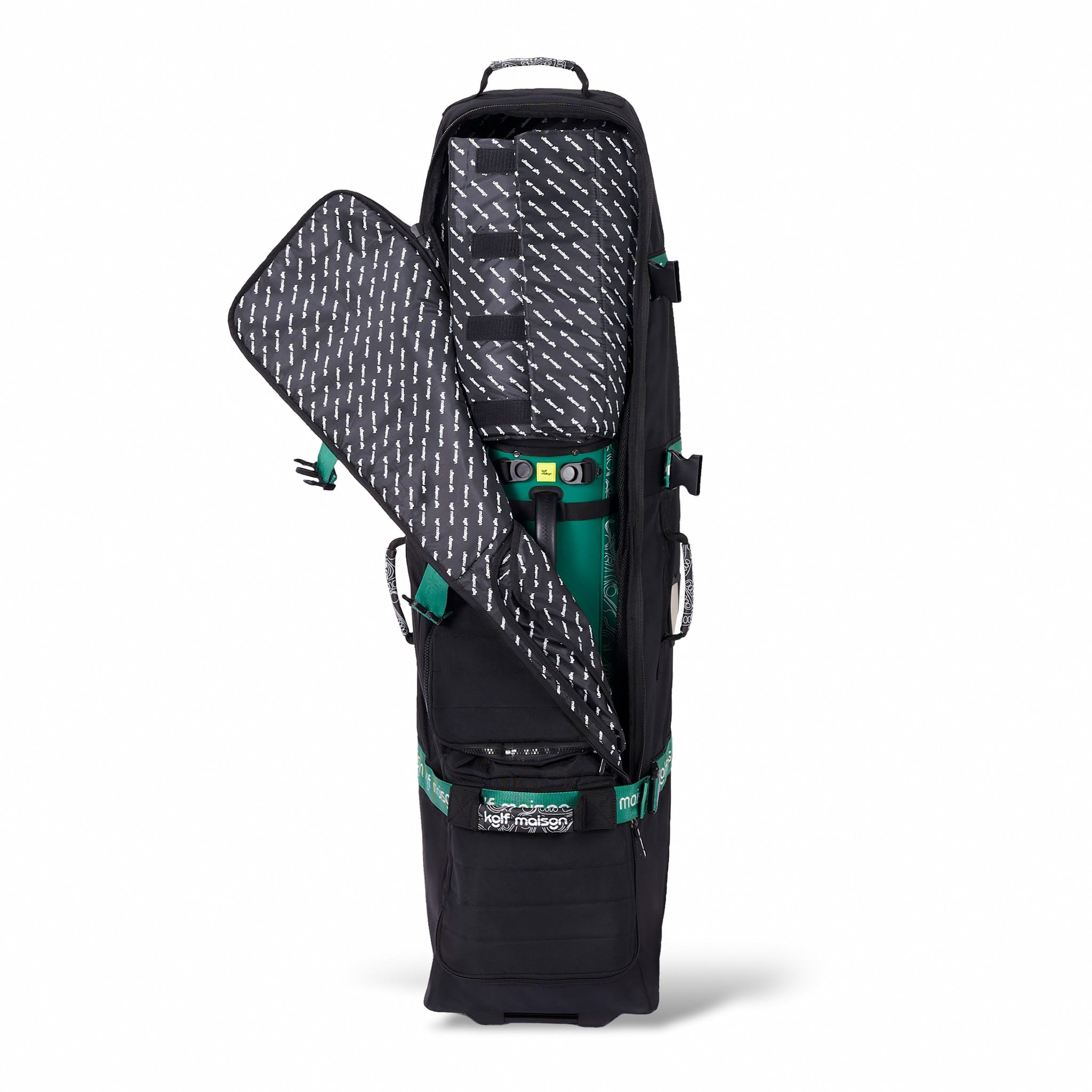
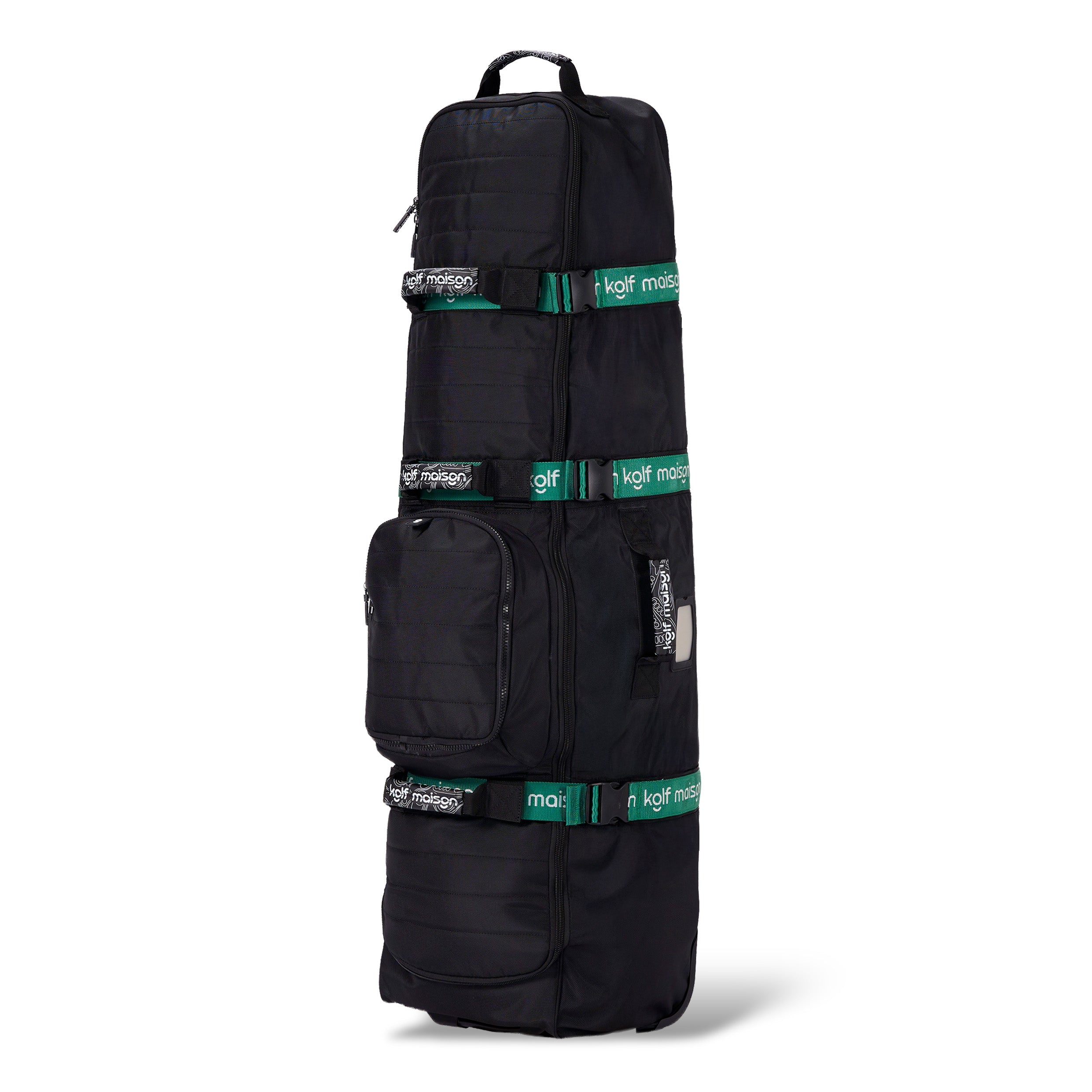
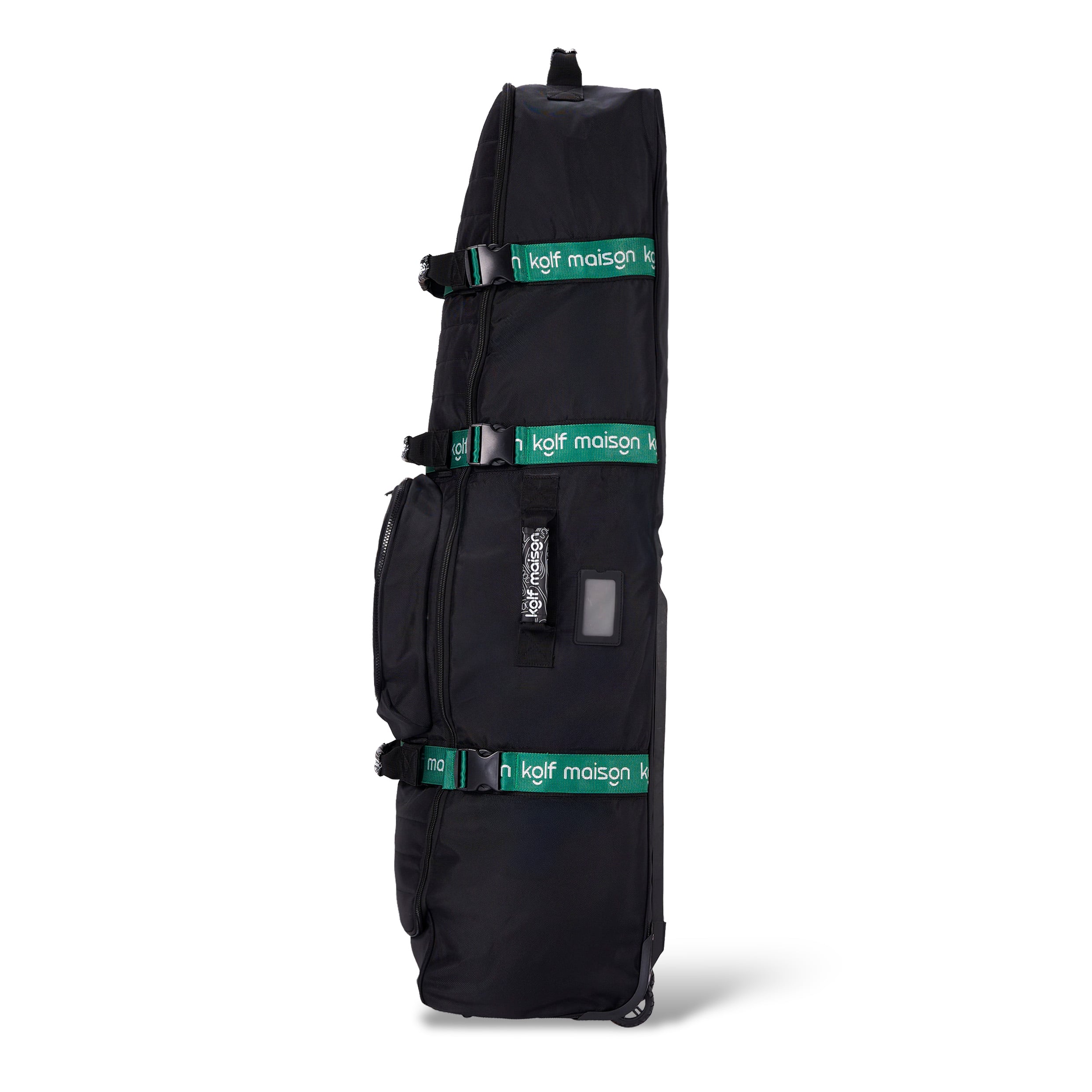
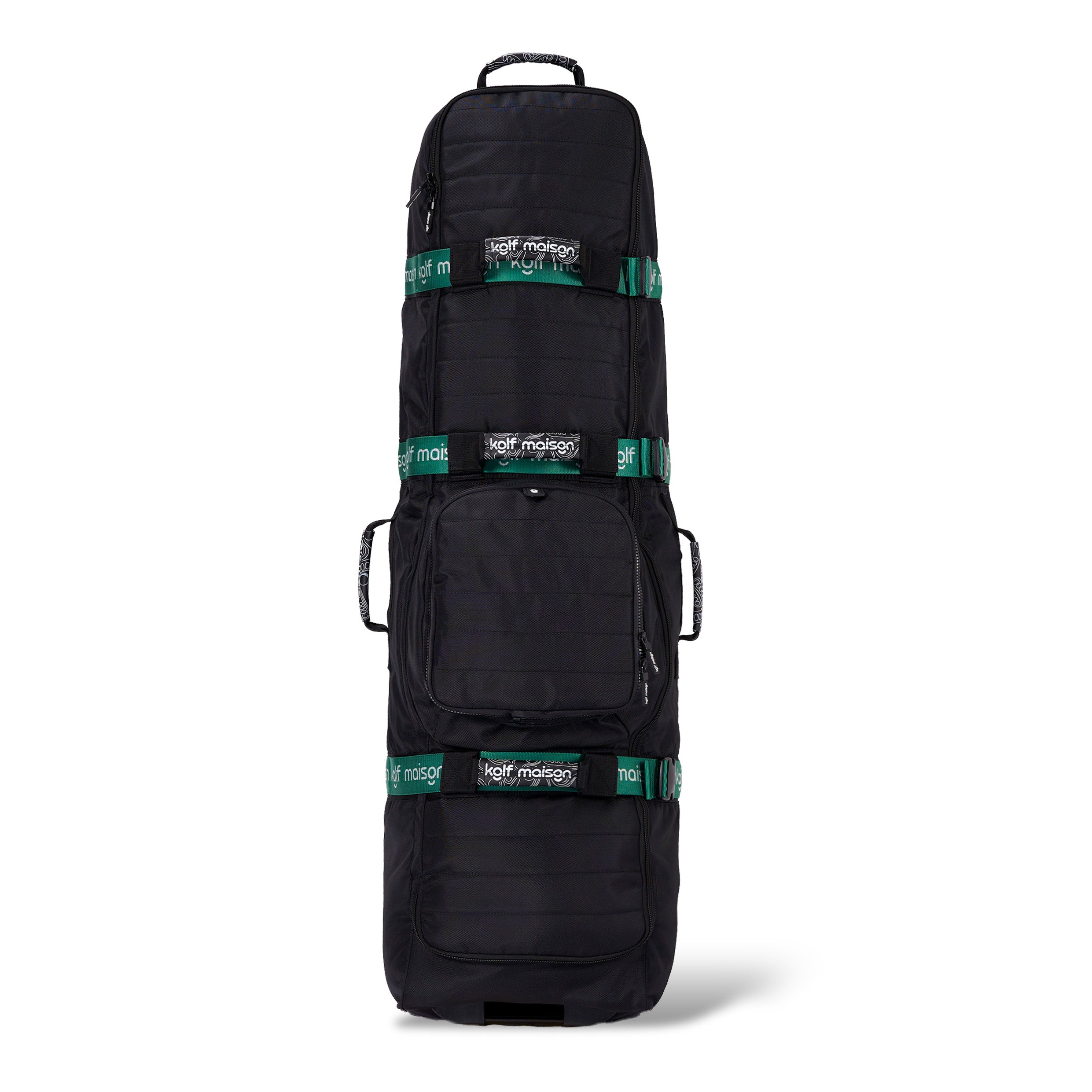
Every Kolf Maison Paganica carries its own serial number within a maximum production run of 4,000 units per year. That number is your position in the record. It is verifiable. It is permanent. And it means that your bag — this specific bag — is one of a small, known, finite number in existence.
Serial Numbers and Long-Term Value
In secondary markets for premium goods — watches, guitars, limited edition equipment — serial numbers provide provenance. They allow a buyer to verify the production year, confirm the item is not a counterfeit, and in some cases identify specific production runs with particular characteristics.
Golf bags are not yet a mature secondary market, but the groundwork is being laid by brands that treat their products as the equivalent of other premium limited-production goods. A serial-numbered Kolf Maison bag from a specific production year is a documented object with a clear identity. As the brand's recognition grows — with ongoing coverage from MyGolfSpy, MODRN GOLF, and Plugged In Golf — the significance of early production numbers increases.
The investment dimension of this is covered in the article on the golf bag as a long-term investment. Serial-numbered, limited-production items do not depreciate the same way as commodity goods — and in some cases, they appreciate.
How This Connects to Construction Quality
The connection between serial numbering and construction quality is not abstract. Consider the stand mechanism: the article on stand mechanism engineering explains how pivot point quality is the primary determinant of stand longevity. In a high-volume production context, pivot components are sourced and installed at whatever cost the per-unit budget allows. In a 4,000-unit production context with individual serial numbering, each pivot installation is both more individually accountable and more individually fundable from the higher per-unit margin.
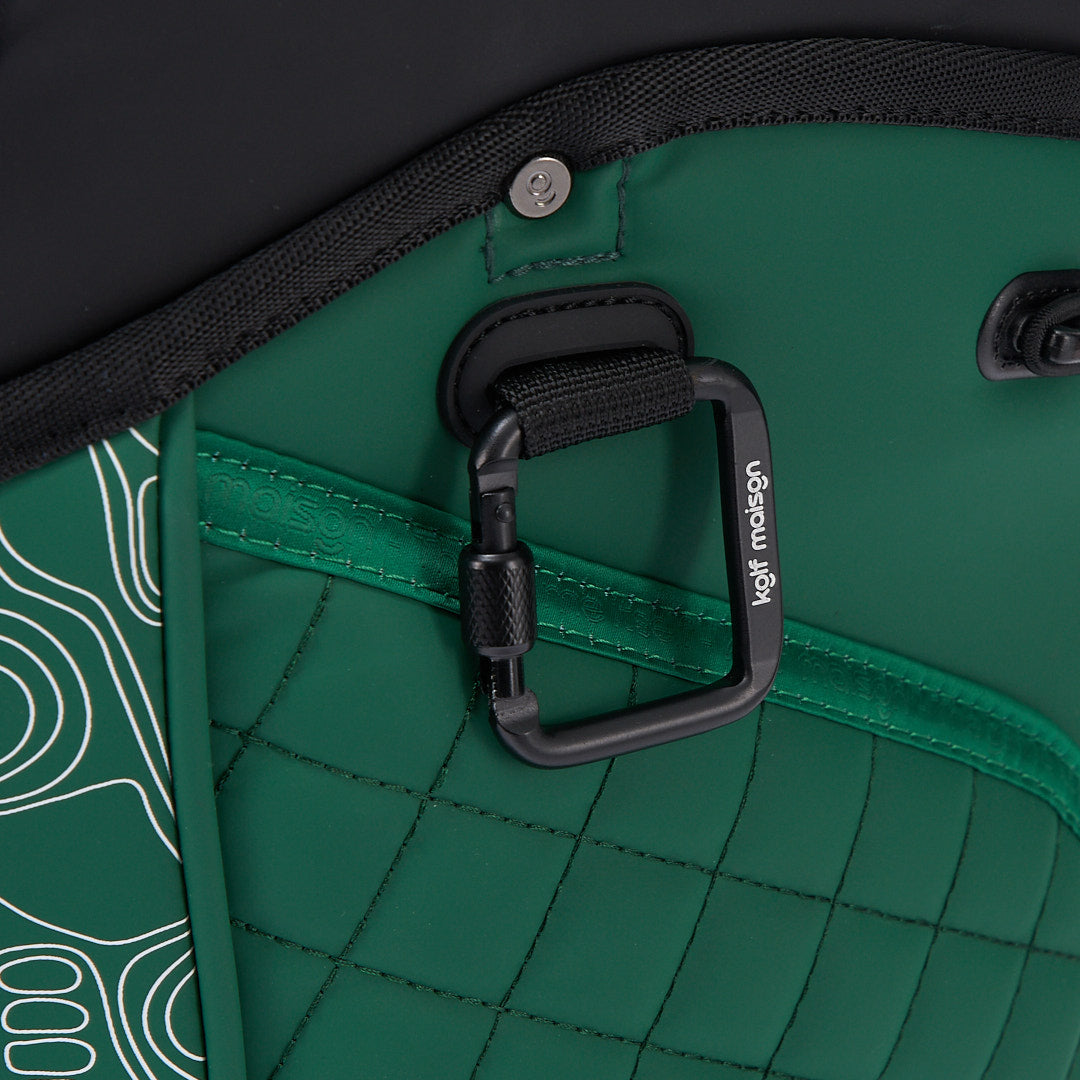
The same logic applies to zipper grade, strap attachment construction, and divider material — all the components that the guide on real vs. budget luxury identifies as the true differentiators. Limited production makes genuine quality at every component level economically viable in a way that scale production does not.
One of 4,000. Individually Numbered.
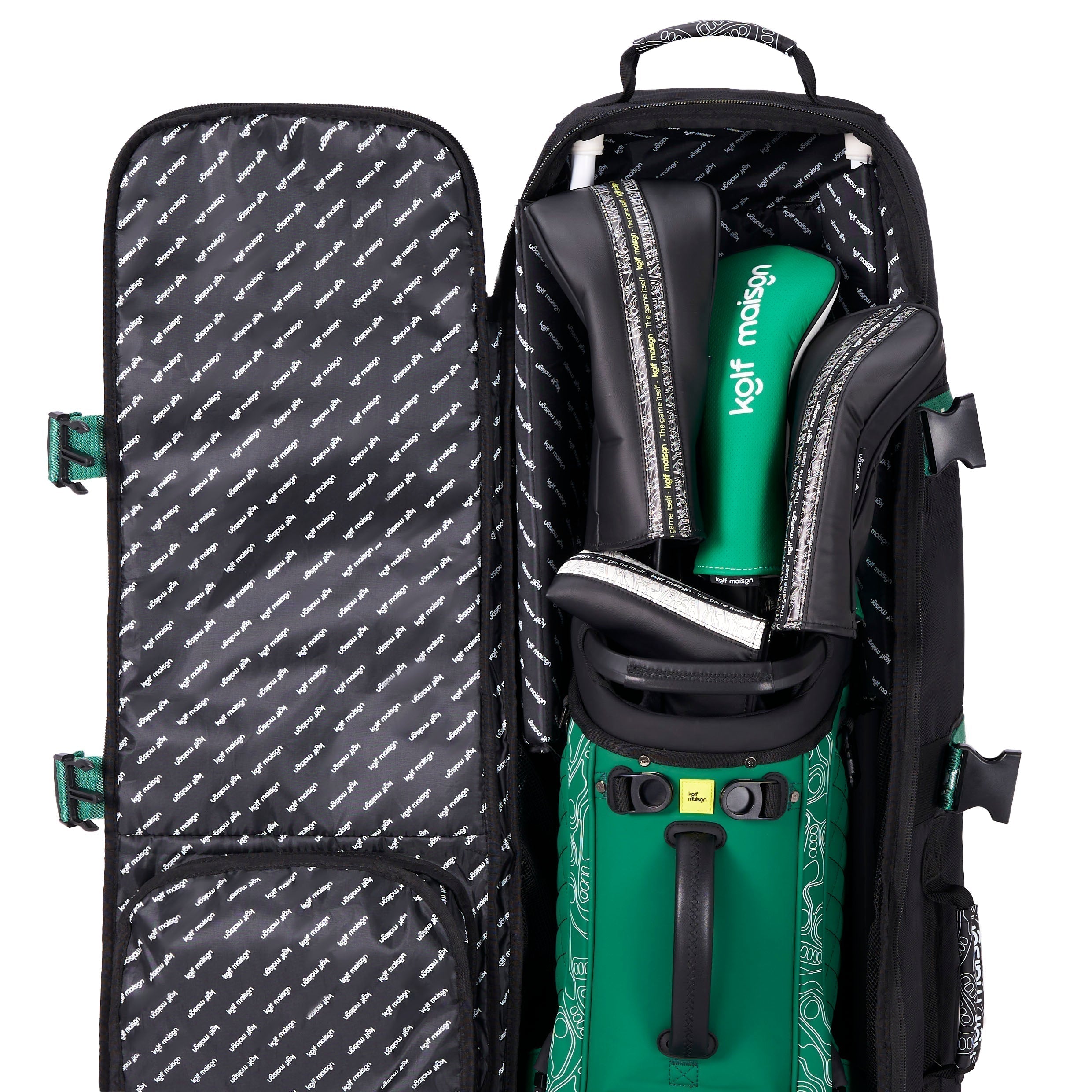
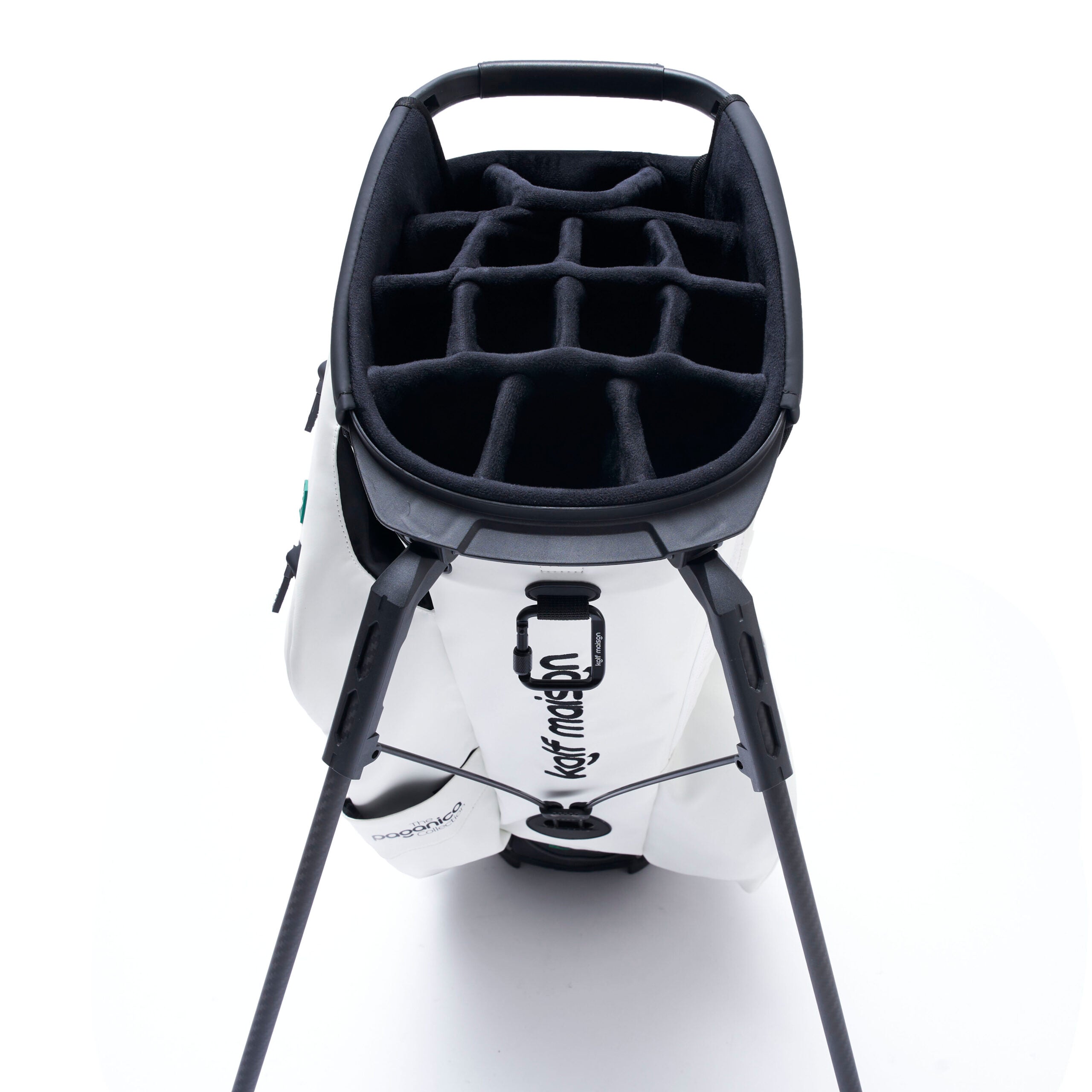
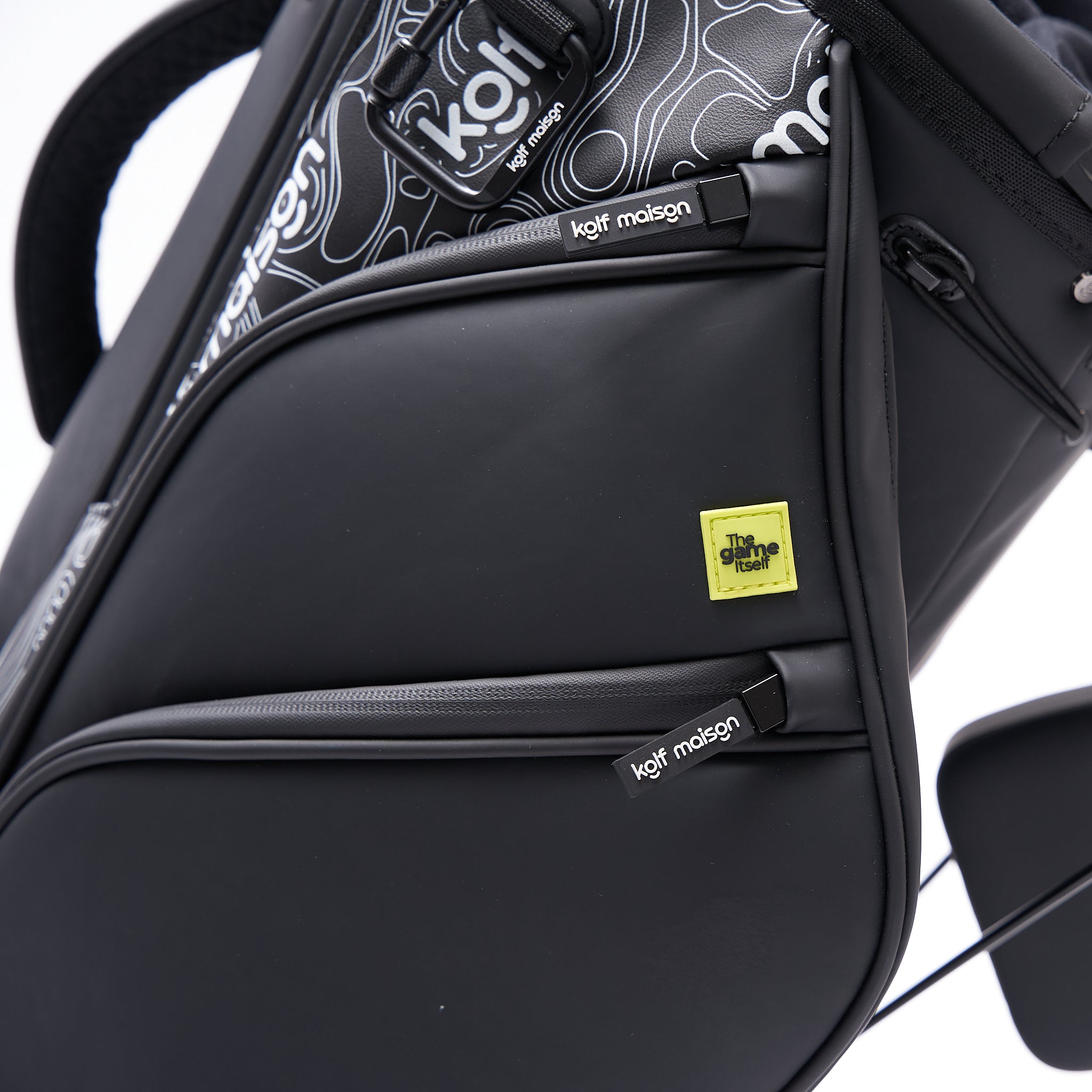
The Kolf Maison Paganica. Serial numbered. 4,000 units per year maximum. 4.98/5 from 81 verified buyers. Recognised by MyGolfSpy, MODRN GOLF, Plugged In Golf, and Independent Golf Reviews.
View the Paganica Stand Bag →Frequently Asked Questions
Why do most golf bags not have serial numbers?
Serial numbering requires individual production tracking infrastructure and is only meaningful when combined with a stated production limit. At high volume, individual serial numbers add cost and complexity without proportional benefit. At low volume with a production cap, they are both feasible and genuinely meaningful as a quality and authenticity signal.
What does a serial number tell me about the bag I am buying?
It tells you the bag has a unique production identity, that the manufacturer maintains individual unit records, and — when combined with a stated production limit — that the bag is genuinely rare within its production year. It is a trackable commitment rather than a marketing claim.
How many Kolf Maison Paganica bags are made per year?
A maximum of 4,000 units per model per year. When the run is complete, production stops. Each bag within that run carries its own serial number that places it within the production record.
Does a serial number affect the resale value of a golf bag?
In an emerging secondary market, yes. A numbered unit with a verified production year is a documented object — its provenance is clear. As brand recognition grows, early production numbers from established limited runs become increasingly significant to secondary buyers who care about both quality and authenticity.
How does limited production affect quality at the component level?
Lower production volume allows a higher per-unit manufacturing budget for components — zippers, pivot points, strap hardware, and divider material — that determine long-term quality but are not visible to the buyer at the point of purchase. It also makes rigorous individual unit QC economically viable. Together these produce a fundamentally different quality outcome than high-volume production constrained by per-unit cost targets.


Share:
Budget Luxury vs. Real Luxury: How to Tell the Difference in a Golf Bag
Callaway Golf Bags vs Kolf Maison: What the Price Gap Actually Means