

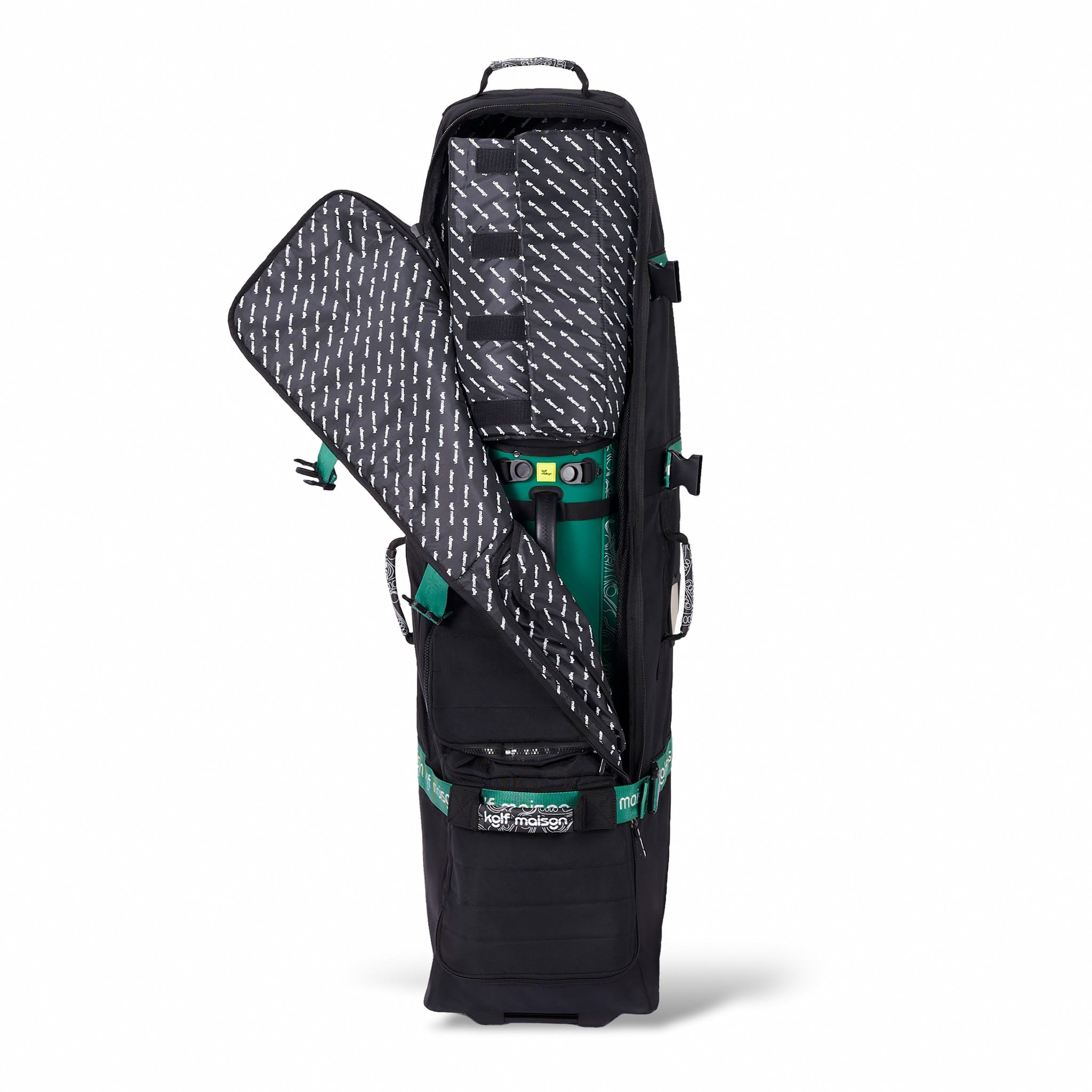
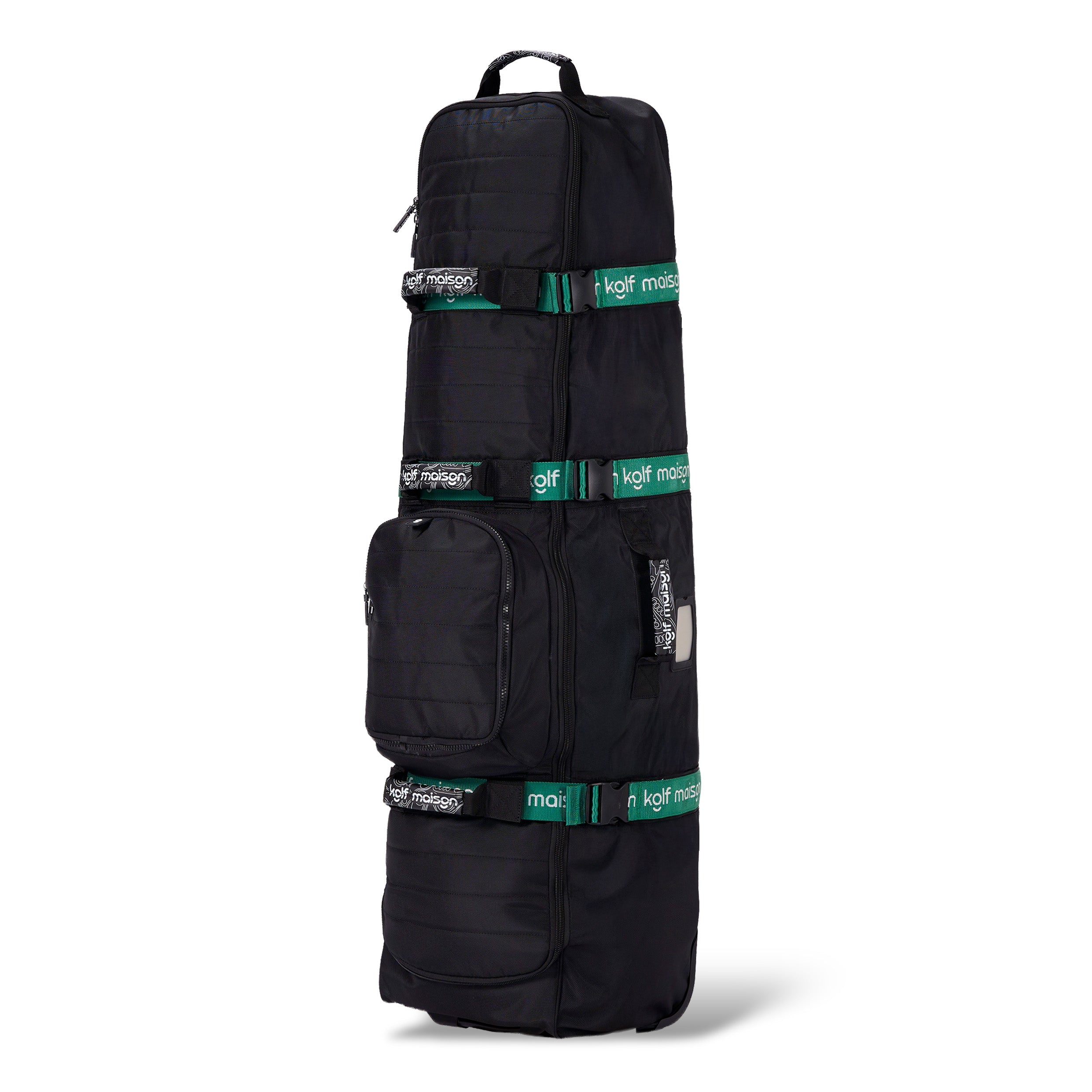
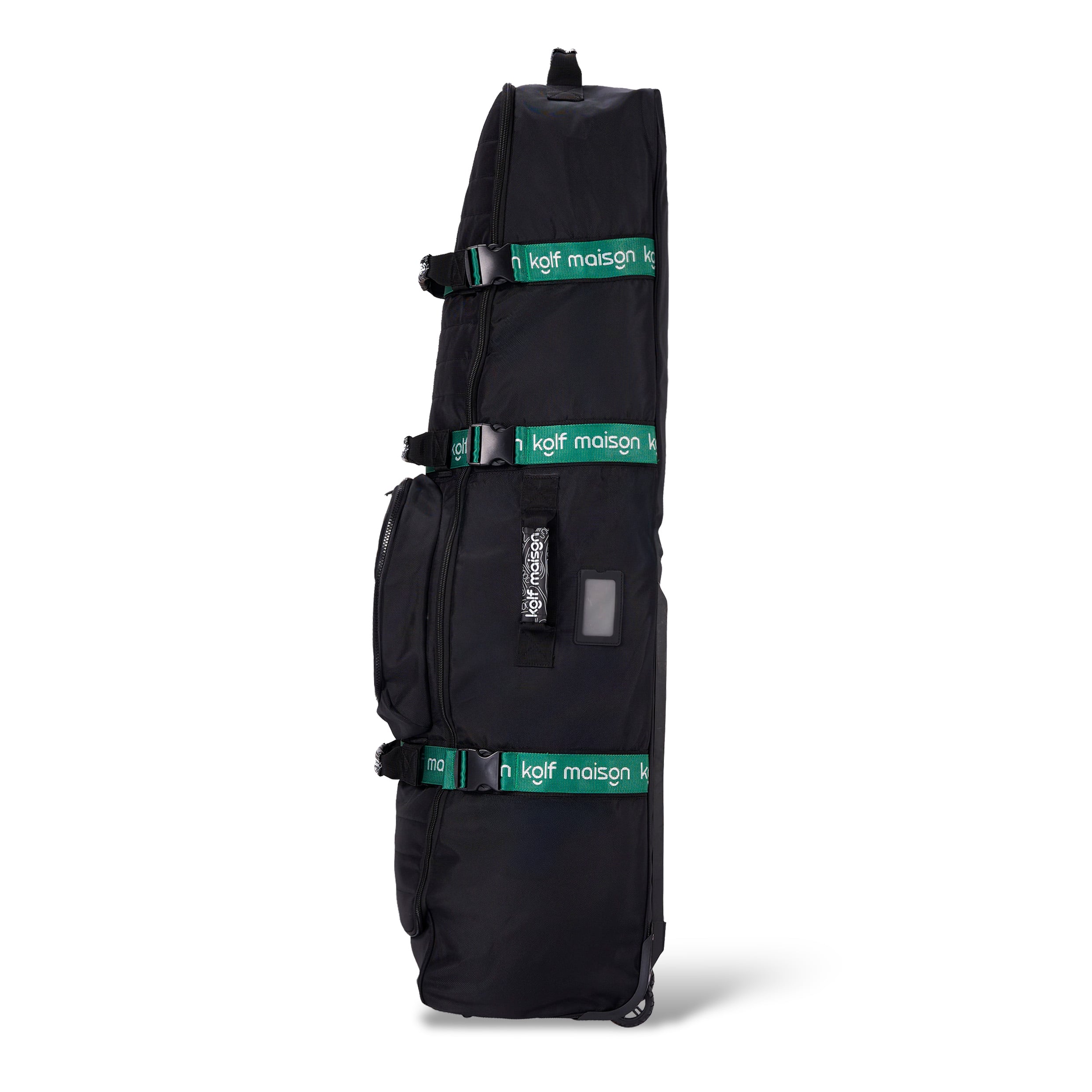
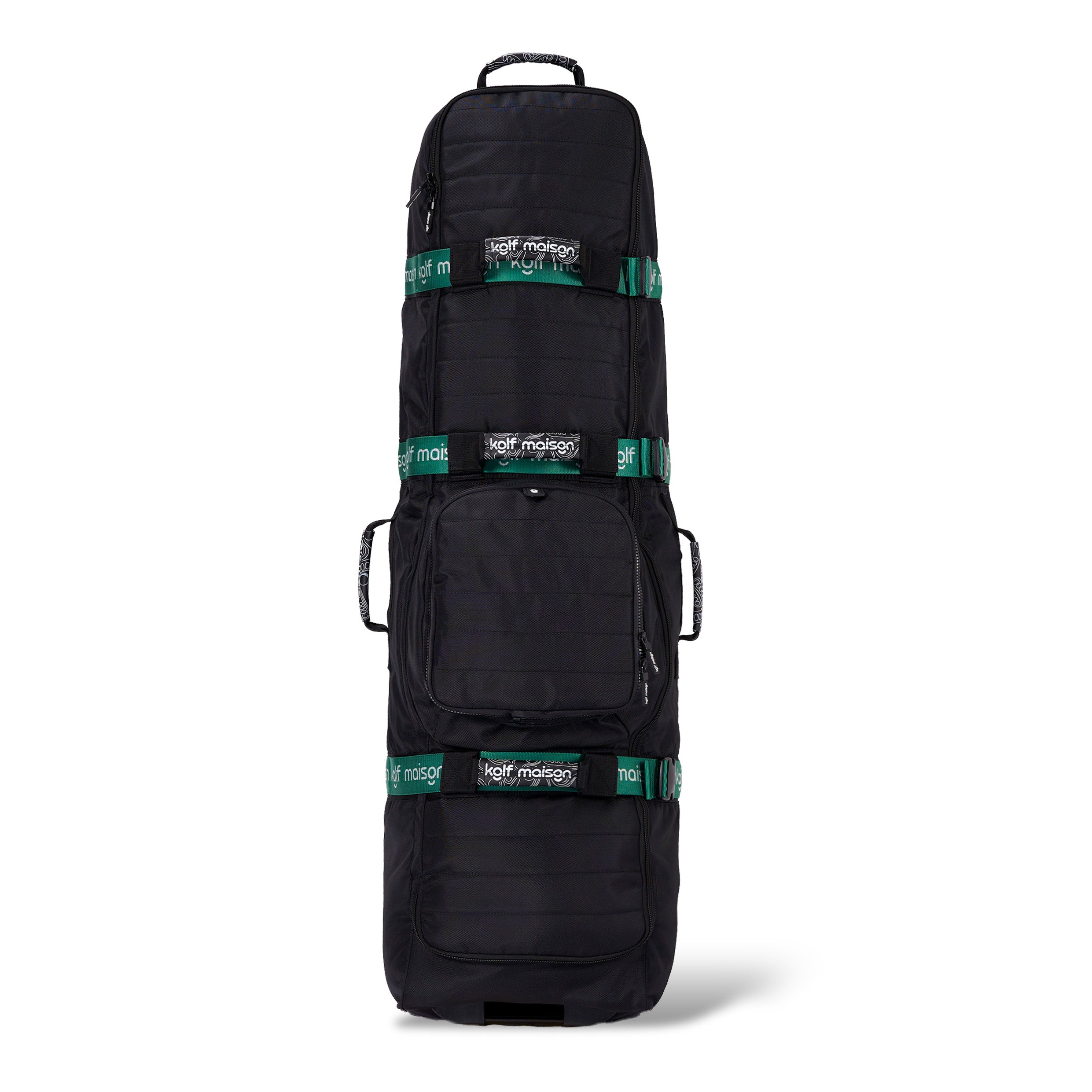

Budget Luxury vs. Real Luxury: How to Tell the Difference in a Golf Bag
The golf bag market at the premium end is populated by products at very different real quality levels, often at similar price points. Understanding how to distinguish genuine quality from the appearance of quality is genuinely useful — because the difference does not show up immediately, and by the time it does, you have already committed.
This guide identifies the specific tells — the things to look at, feel, and ask about — that distinguish a bag built to last from a bag built to look like it should last.
The Fundamental Difference
Budget luxury invests in surfaces. The first impression — the look of the bag in a product photograph, the feel of the outer fabric in a shop, the appearance of the hardware — is where the budget is spent. Components that are not immediately visible or tactile are where savings are made: pivot point material, zipper mechanism grade, internal divider construction, strap attachment stitching.
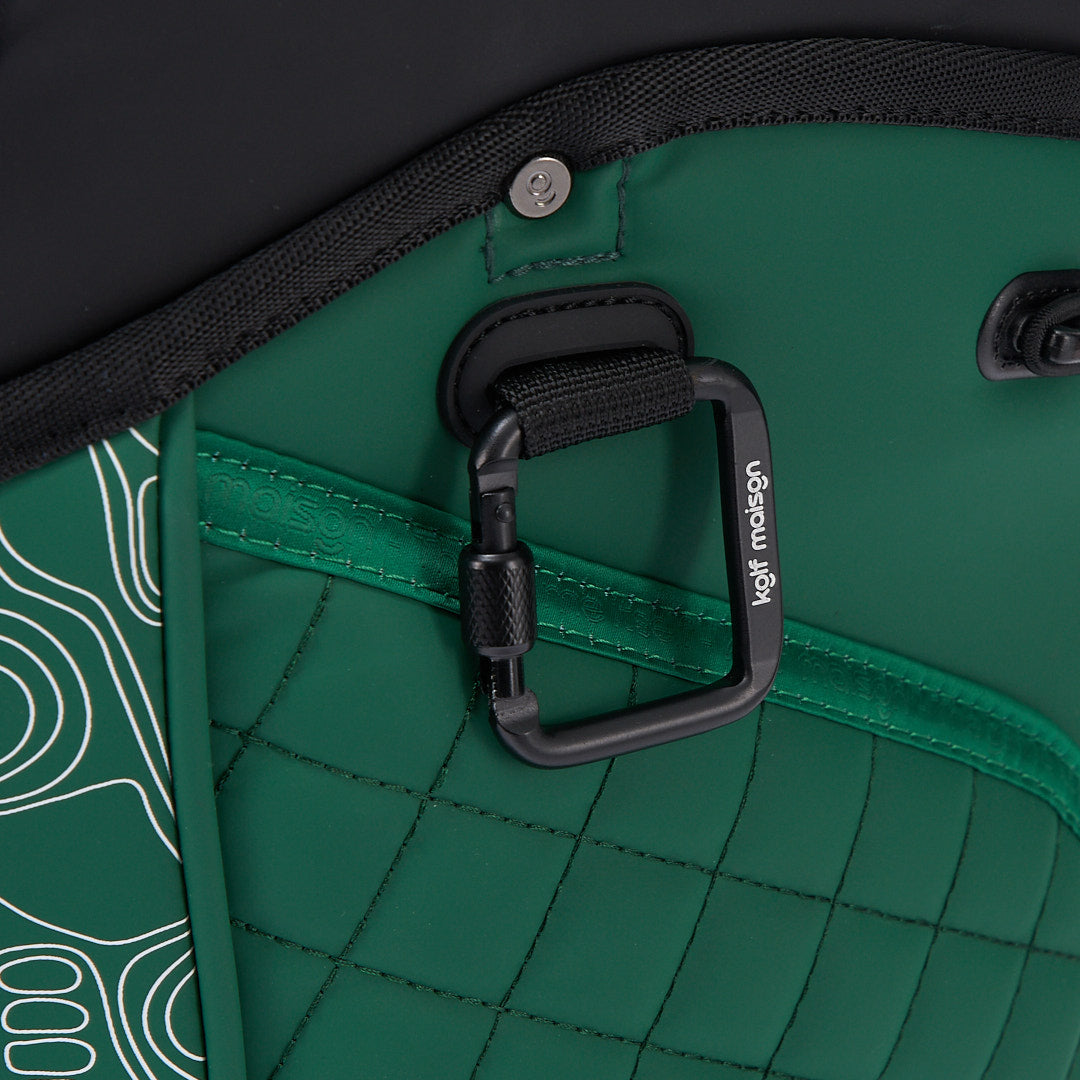
Real luxury invests in components. The outer surface is good because good components require good assembly and finishing — not because the outer surface is the priority. A genuinely quality bag looks right because it is built right, at every level.
This distinction is why the certification standards article matters — independent testing against ASTM and ISO standards evaluates components, not surfaces. A bag that passes load cycle testing on its stand mechanism at the component level is a fundamentally different product from one that has not.
The Five Key Tests
Test 1: The Zipper Pull
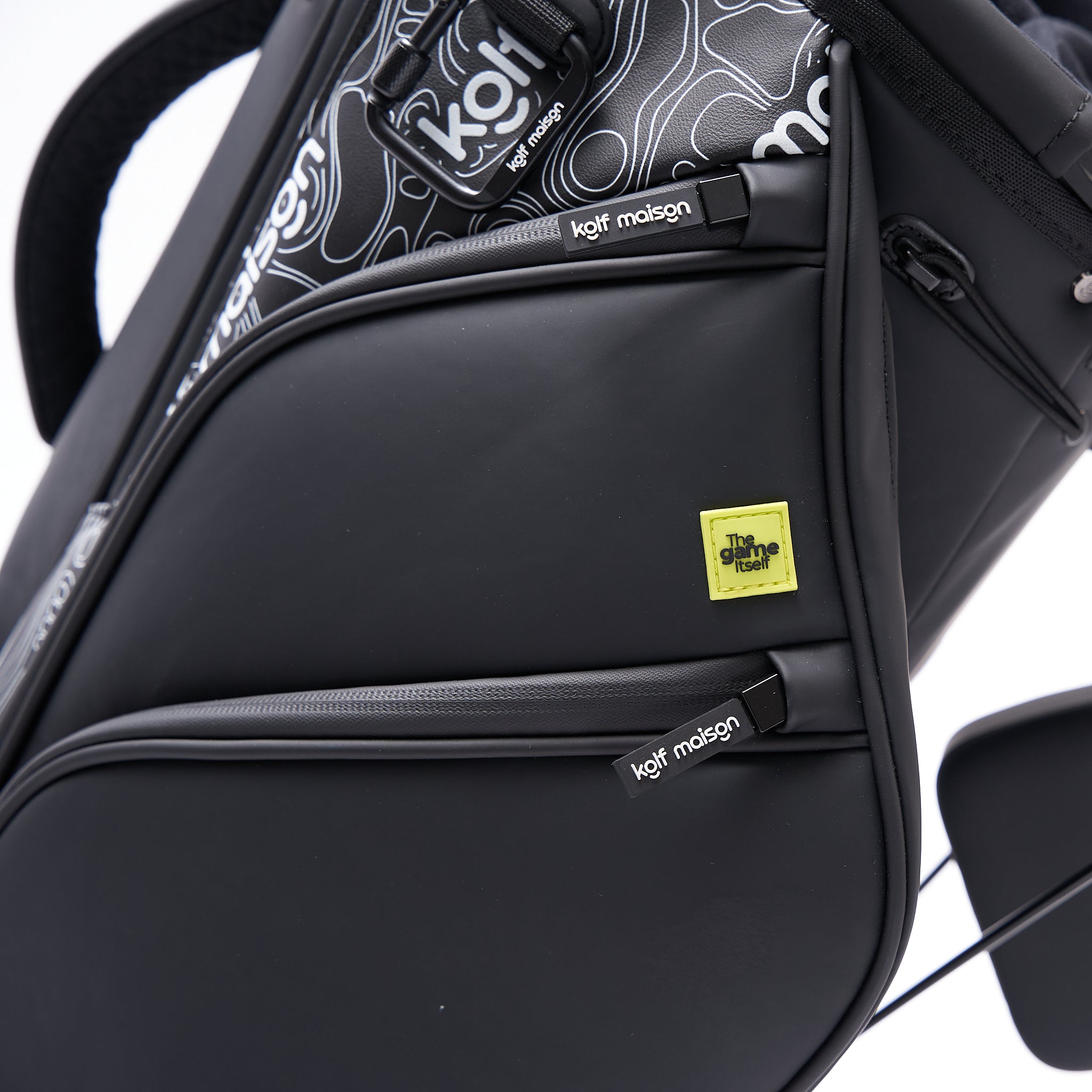
Run the main pocket zipper from closed to open and back three times in rapid succession. On a budget luxury bag, you will feel slight resistance points where the teeth are not perfectly aligned, or the pull will have a plasticky feel despite a metal appearance. On a real quality bag, the zipper runs with consistent, smooth resistance the whole way. The difference in feel is immediate and unmistakable. This is one of the first failure points on budget bags — and it reveals itself in the showroom if you know what to feel for.
Test 2: The Stand Mechanism Under Load
Load the bag with your clubs and deploy the stand on a slight incline. A quality stand mechanism locks firmly with no wobble at the pivot points. Press the top of the bag sideways with moderate force — the legs should flex but the pivot should not slide. On a budget mechanism, you will feel play in the pivot almost immediately. The engineering of what separates good from great is covered fully in the stand mechanism science article.
Test 3: The Strap Padding Compression
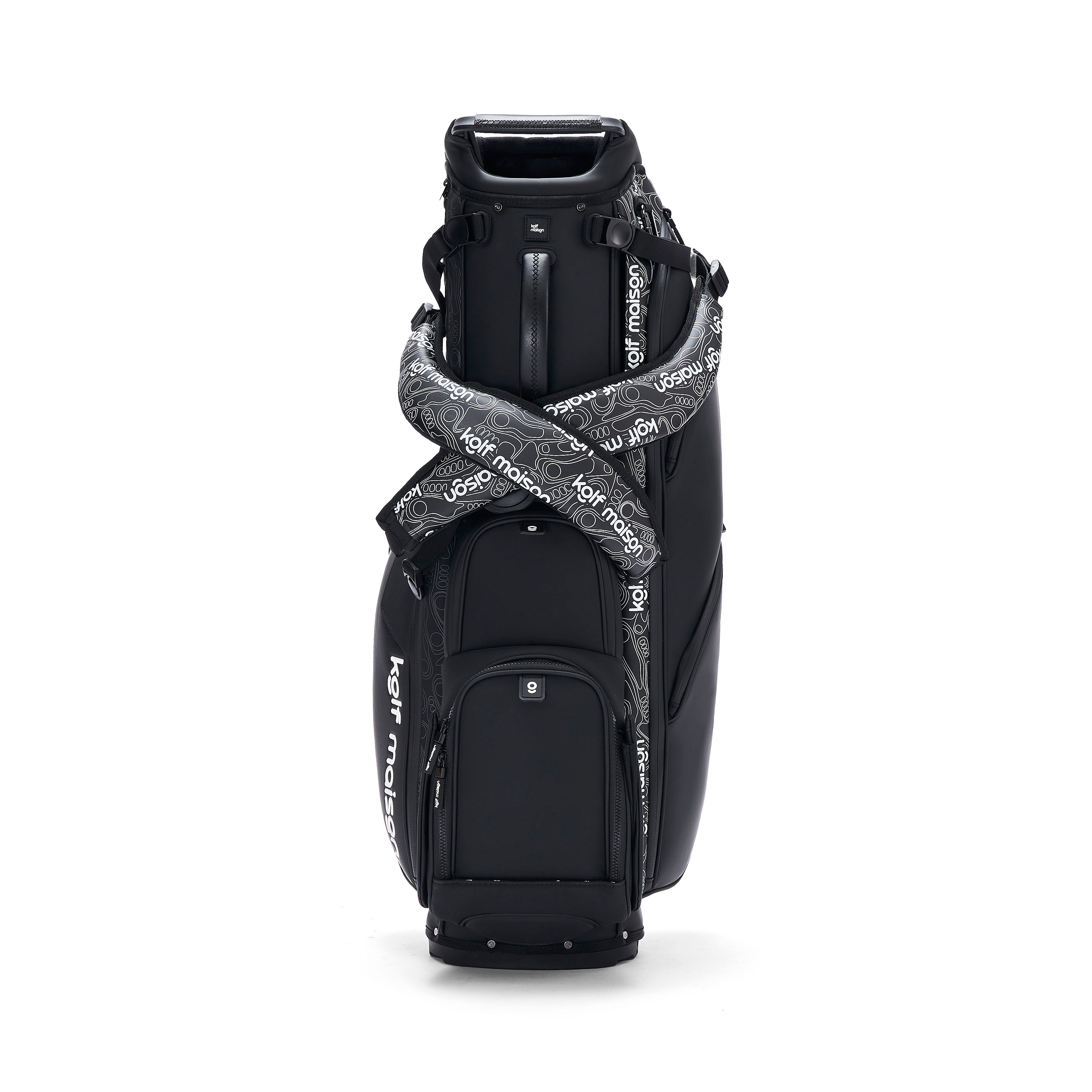
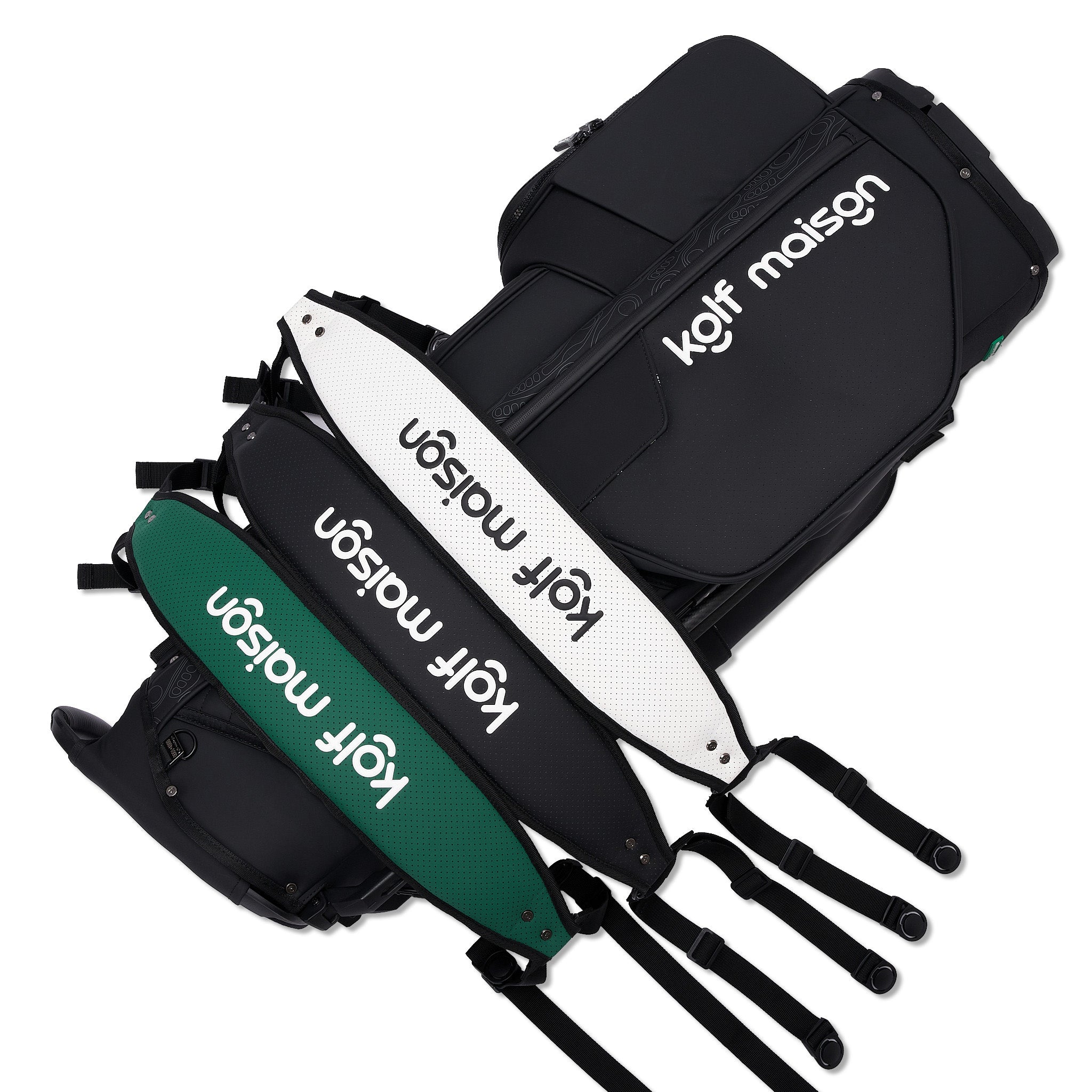
Press your thumb firmly into the strap padding and release. Quality padding springs back fully and immediately. Budget padding — even on bags that feel plush on first contact — compresses without full recovery. After 50 rounds of use, this difference is significant: quality straps maintain their cushioning; budget straps become progressively thinner foam with a fabric cover. The full guide to strap systems covers what else to evaluate here.
Test 4: The Divider Integrity
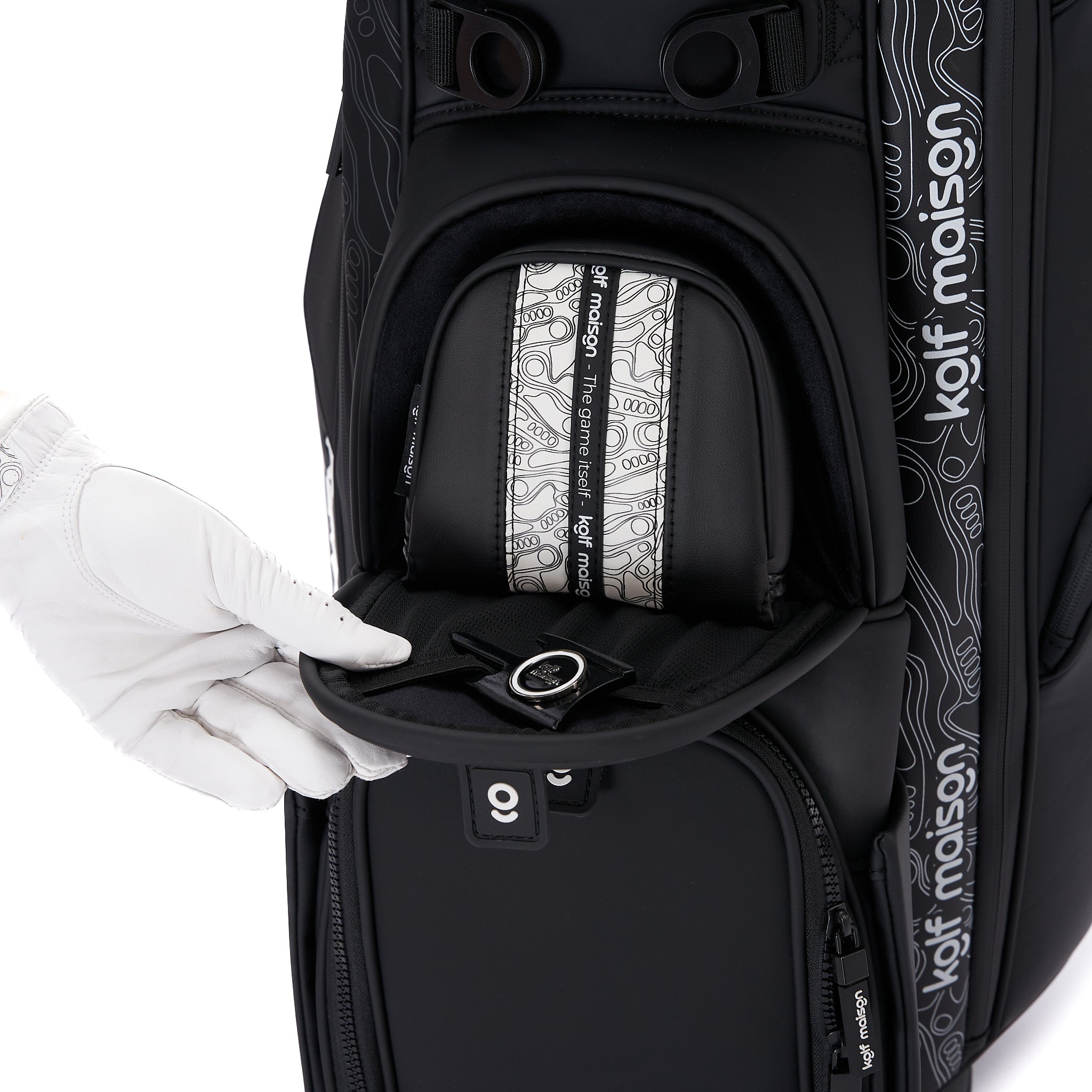
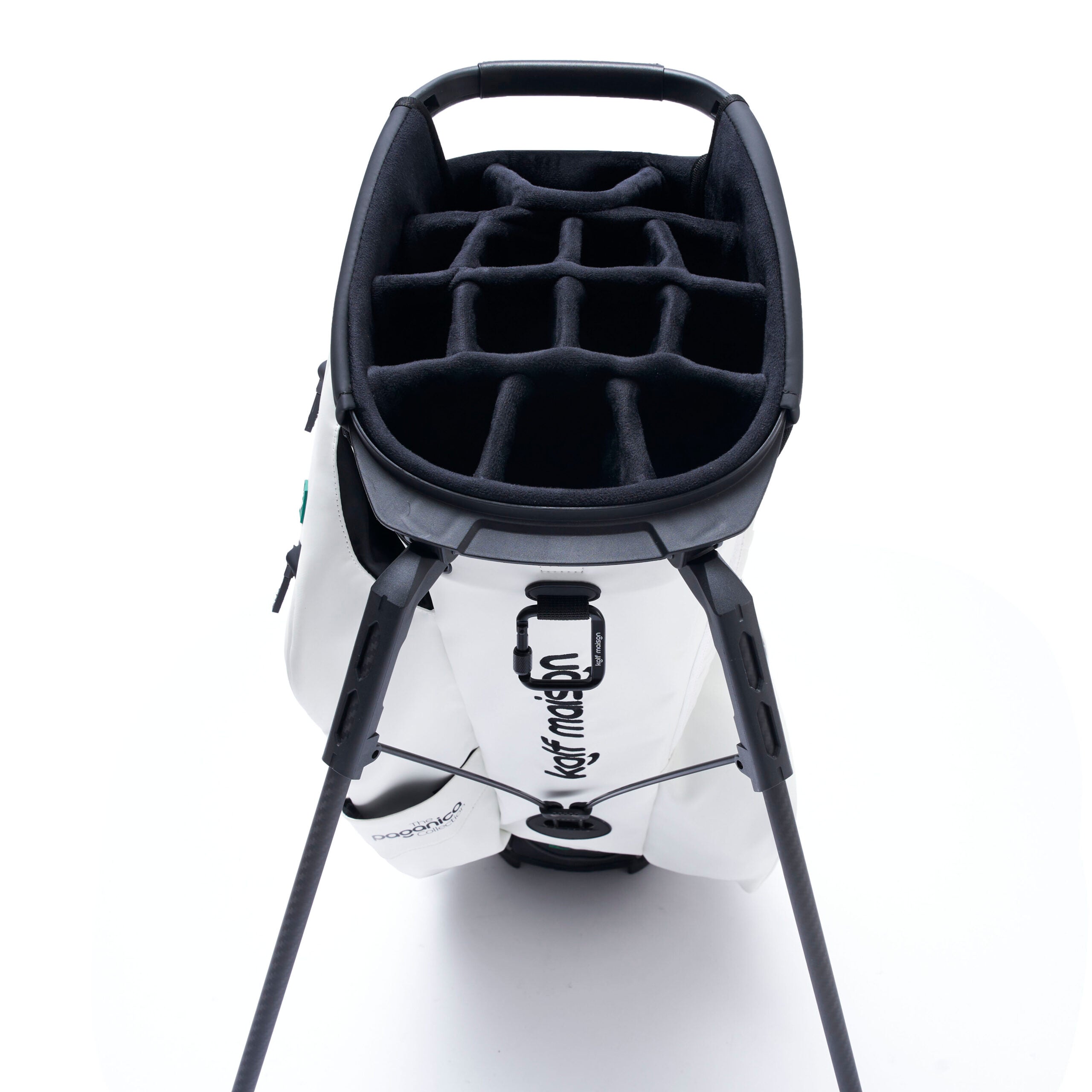
Look down into the divider system with the bag empty. On a real quality bag, the dividers are rigid, evenly spaced, and have consistent tension at the walls. On a budget bag, they are often made from a softer foam insert that allows visible compression when pressed from the side. Feel the divider material directly — quality dividers have structural rigidity; budget dividers are fabric-covered foam that will compress permanently over 200–300 rounds. The importance of a dedicated putter well within this system is covered in the putter well article.
Test 5: The Strap Attachment Point
Examine the point where the shoulder straps attach to the bag body. This is the highest-stress attachment point on a stand bag — it bears the full weight of a loaded bag across thousands of uses. On a quality bag, the attachment uses reinforced webbing anchors with multiple rows of stitching. On a budget bag, it is often a single-layer attachment at the outer fabric, sometimes with a single stitching pass. Pull the strap attachment gently and look at how the bag body responds — a quality attachment barely flexes; a budget attachment shows stress concentration in the outer fabric immediately around it.
The External Signals: Reviews and Media
Not every buyer can examine a bag in person before purchasing. External signals provide a reliable shortcut — if you know which signals to use.
| Signal | What It Tells You | Reliability |
| Independent gear review coverage | Testers with professional reputations have examined the bag and found it worth covering | High — earned, not paid |
| Verified buyer ratings at 50+ reviews | Real purchase experience across a meaningful sample — patterns emerge | High — harder to game at scale |
| Production transparency (serial numbers, volume limits) | Brand is making trackable commitments to quality control | High — verifiable |
| Influencer promotion without testing disclosure | Brand has paid for visibility, not quality validation | Low — marketing, not review |
| Price alone | Tells you what the brand believes the market will pay, not what it costs to build | Low — price and quality correlate loosely at best |
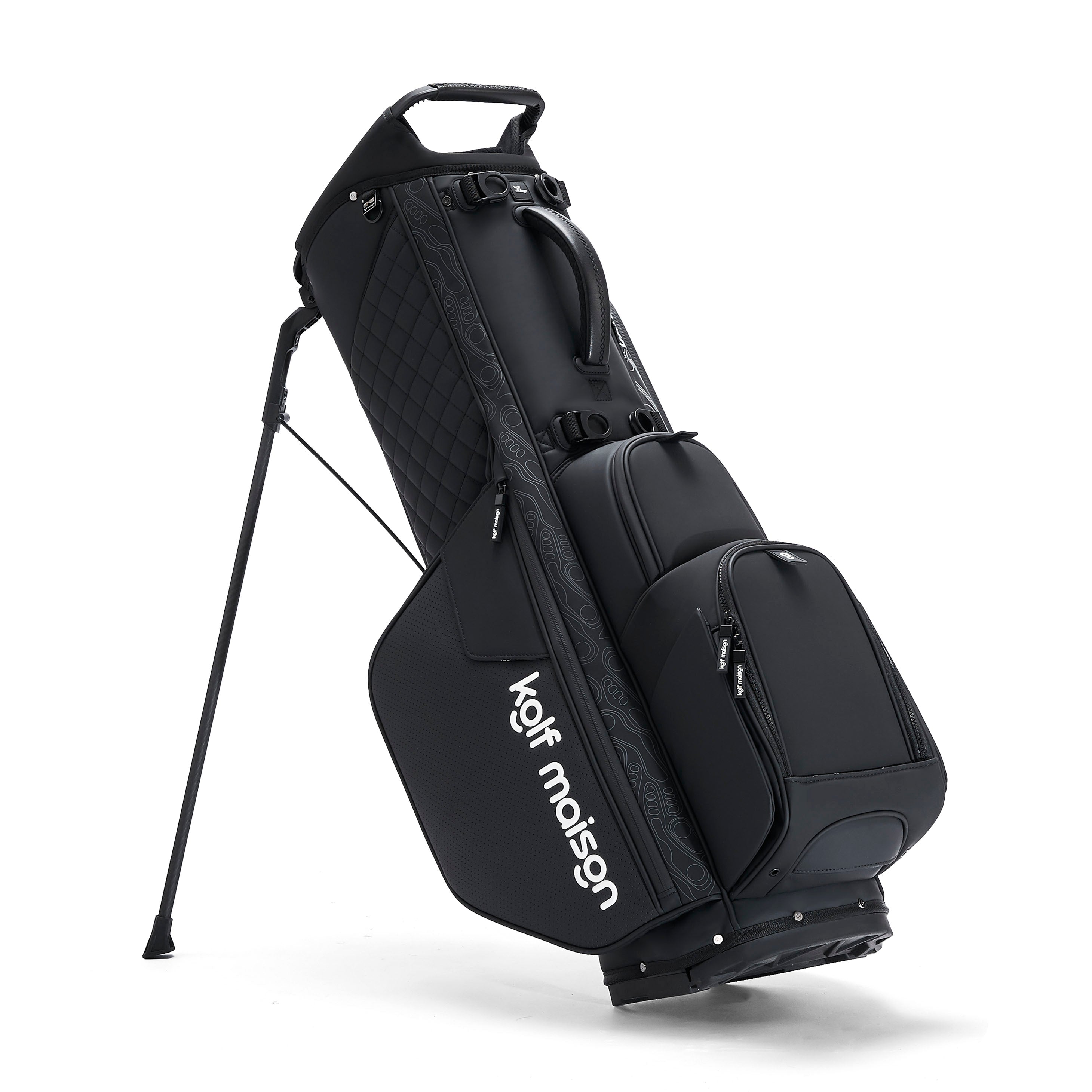
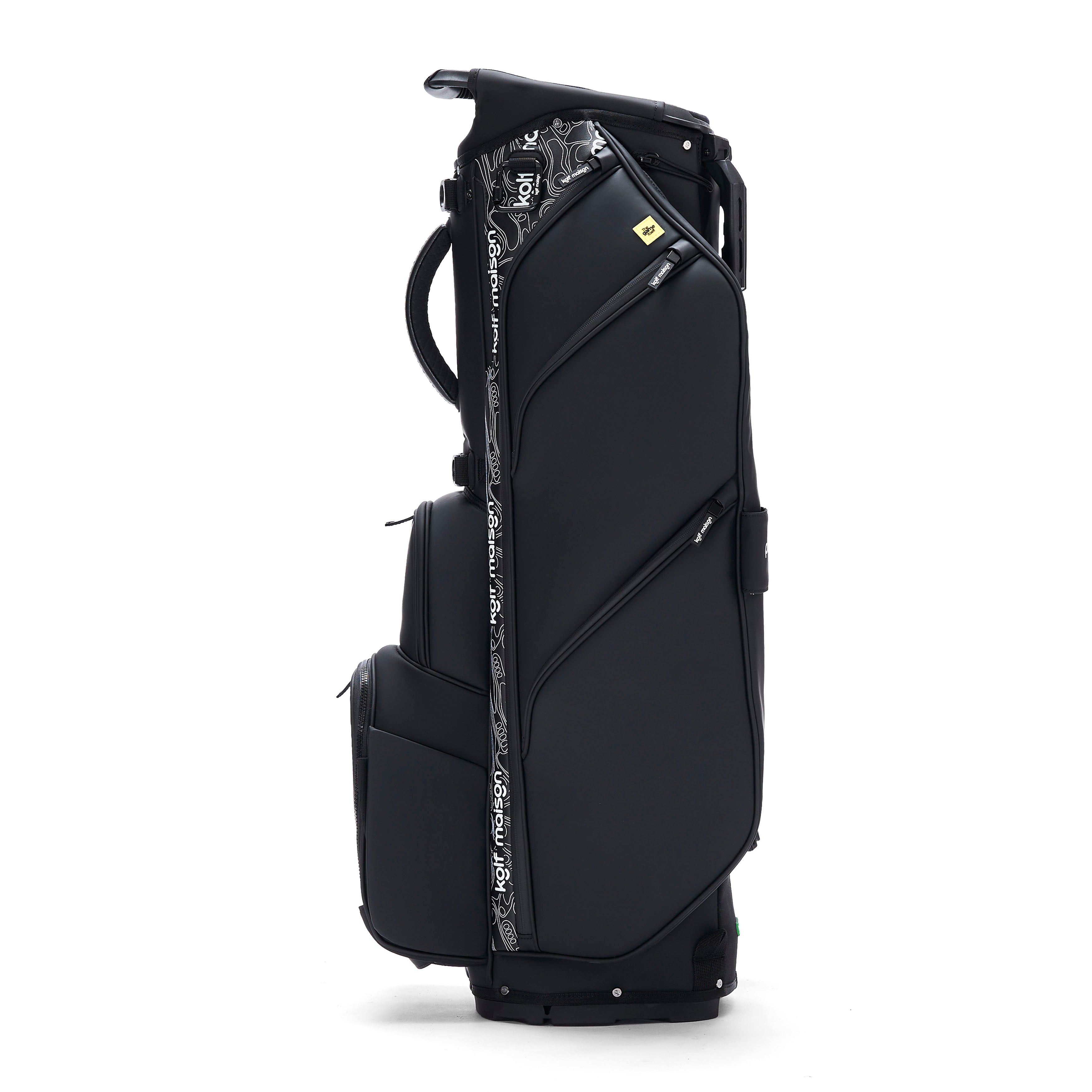
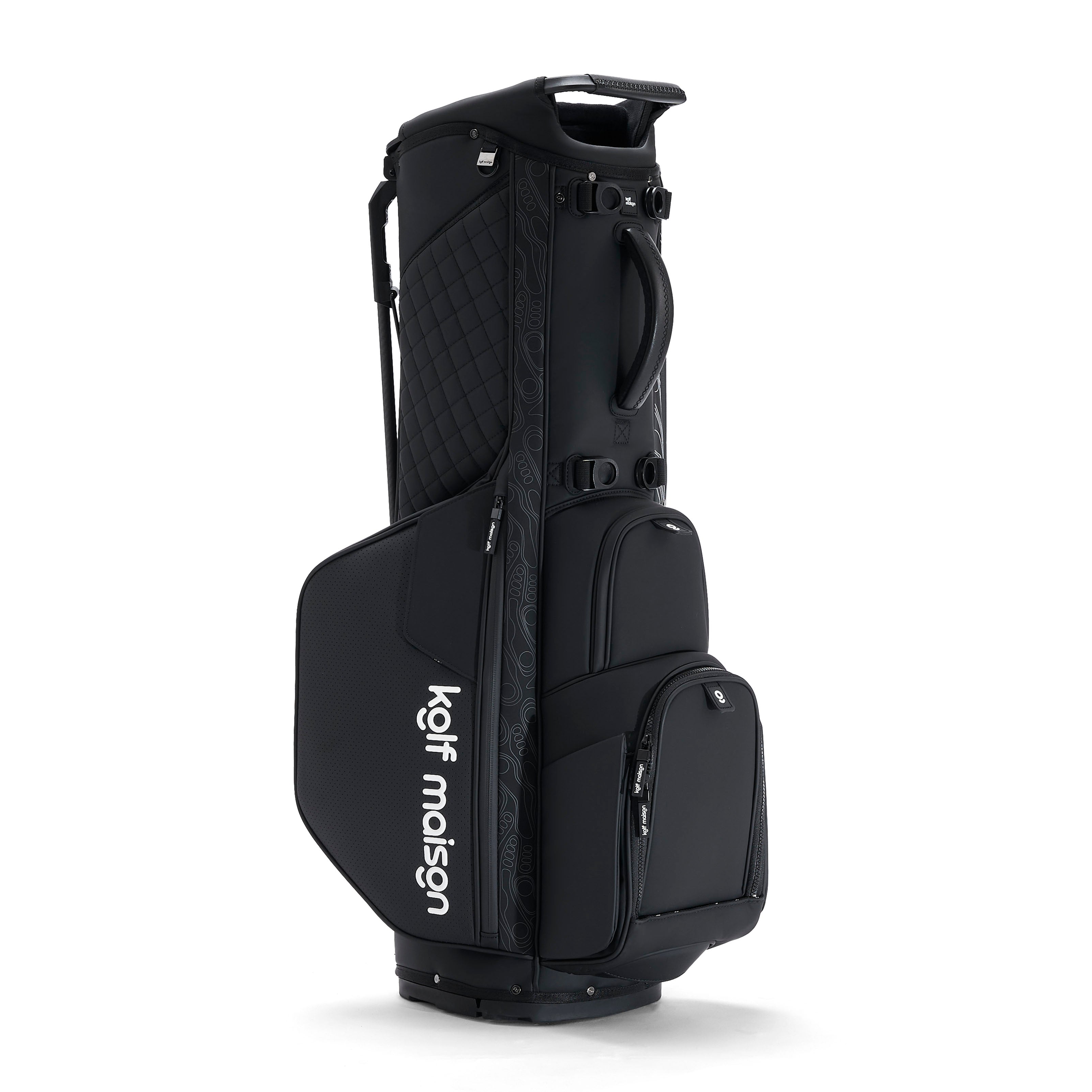
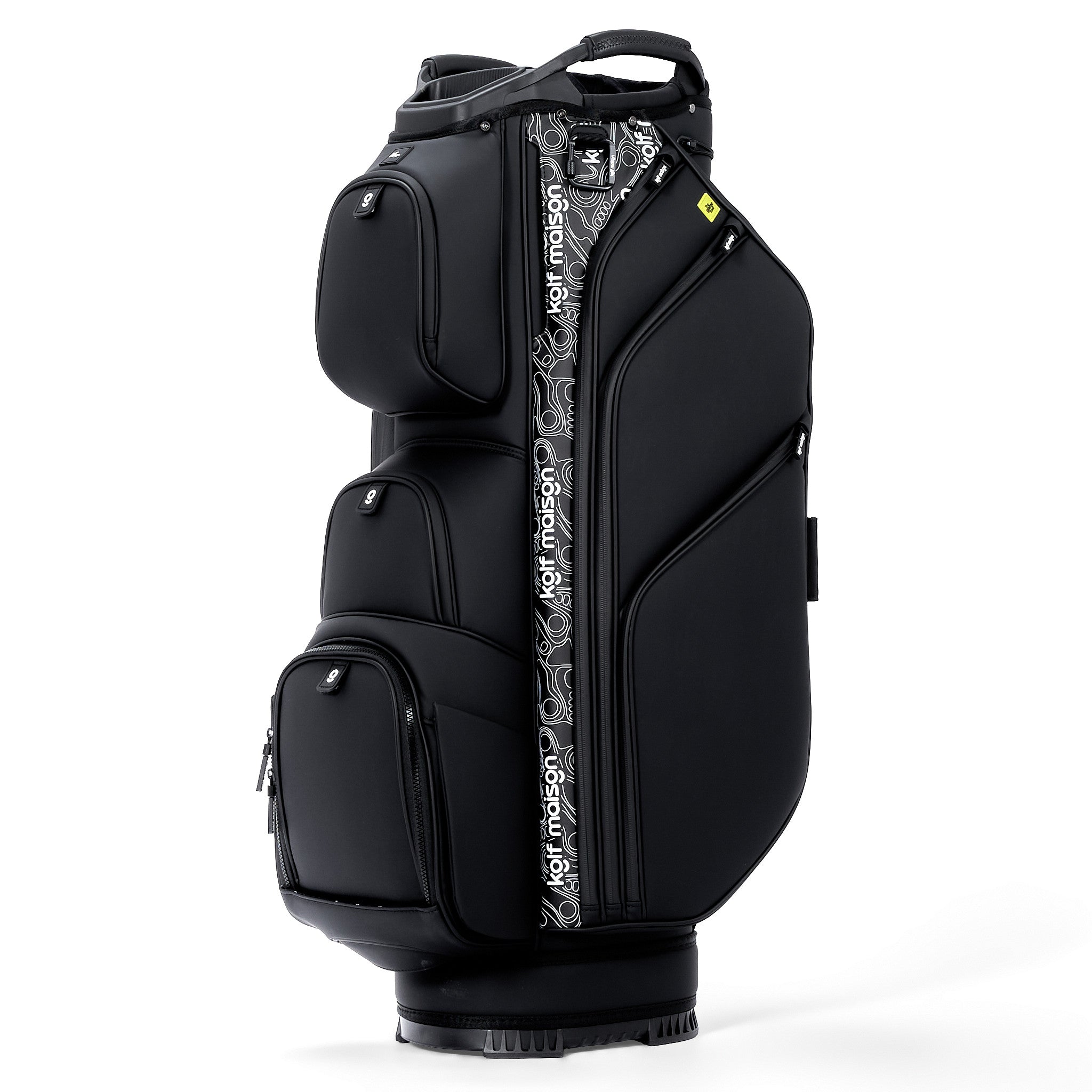
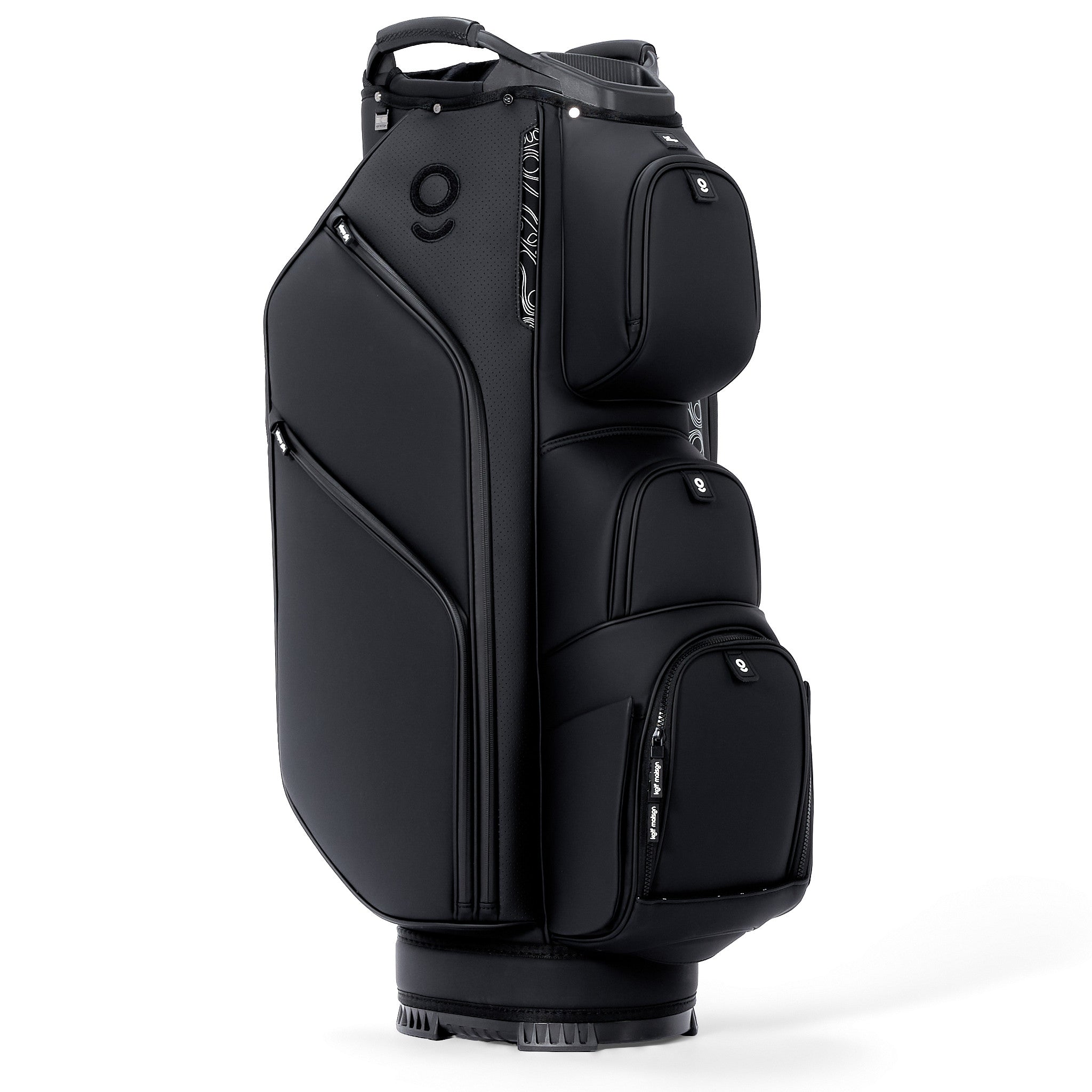
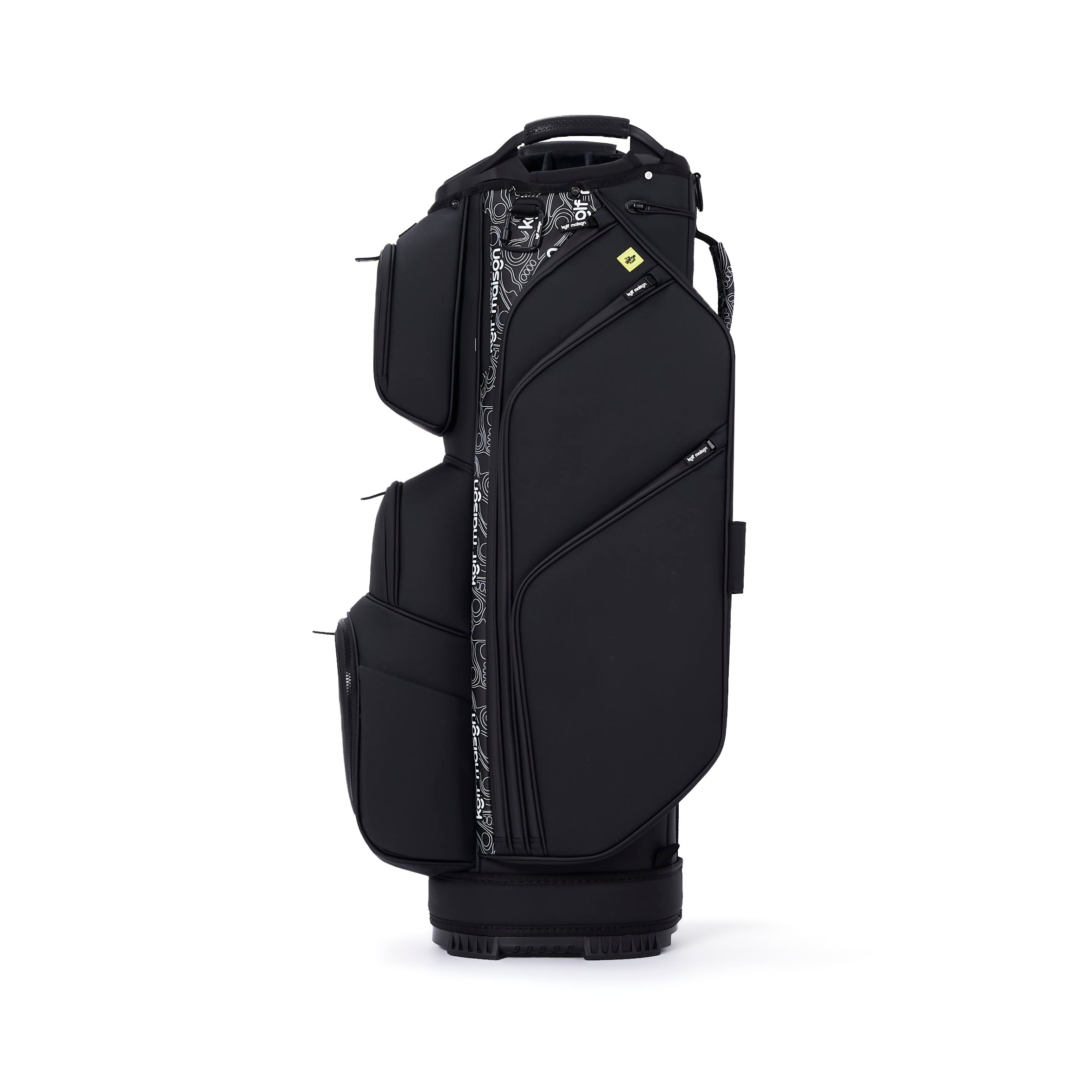
MyGolfSpy, Plugged In Golf, and Independent Golf Reviews are the established names in independent golf equipment testing. Coverage from any of these, with specific language about construction quality, is the most reliable external signal available. MyGolfSpy called the Kolf Maison Paganica “A Piece Of Art That Belongs On The Course.” That is specific. It reflects physical examination of the product, not marketing material.
The Production Volume Test
One of the simplest and most revealing questions you can ask about a premium bag brand: how many do they make?
Budget luxury at premium price points is almost always a volume business — the margins only work at scale, which means the per-unit manufacturing budget is constrained by the need to produce thousands or tens of thousands of units. Real luxury at a premium price can exist at low production volume precisely because the margin is not dependent on scale.
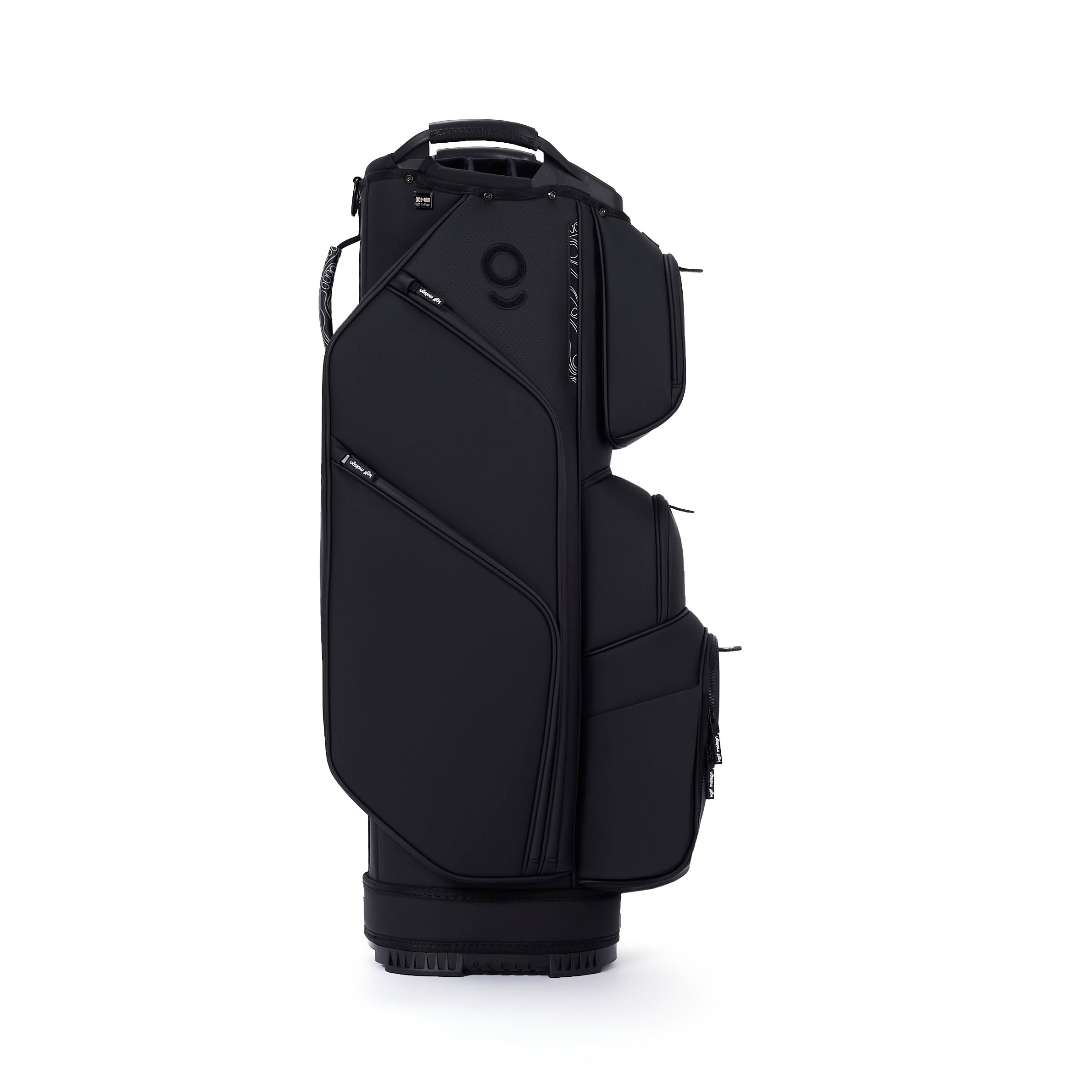
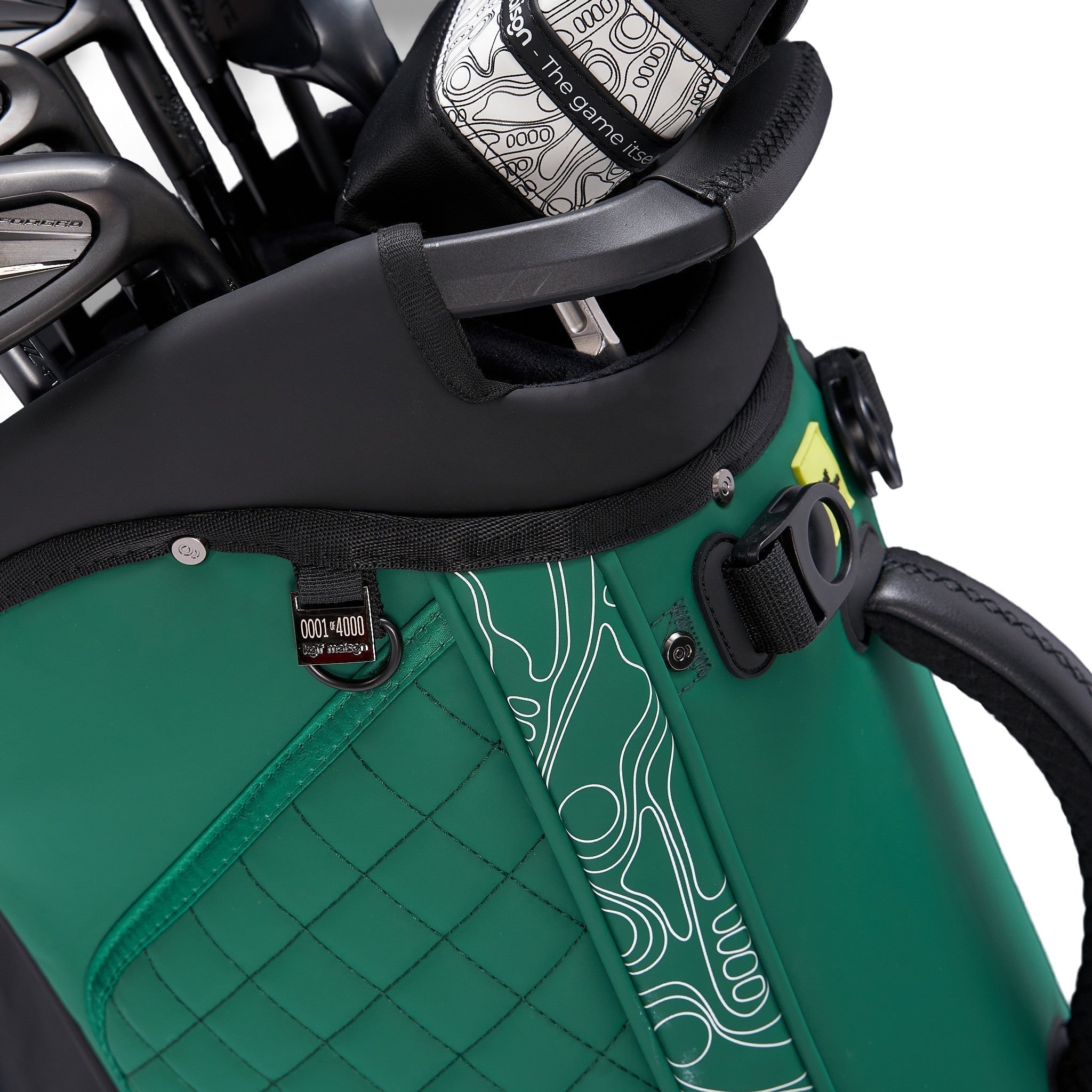
Kolf Maison limits production to 4,000 units per model per year, with each bag individually serial numbered. The article on serial numbers and production quality explains why this matters at every stage of the manufacturing process — from materials sourcing to quality control.
The Two-Year Test
Put any premium bag through 200 rounds and look at it again. Does the stand still deploy with the same crispness? Are the zippers still smooth? Has the strap padding maintained its cushion? Does the outer fabric still look as it did on day one? That two-year point is where budget luxury and real luxury diverge completely.
How to Apply This When Buying
If you are evaluating a premium bag purchase, use the framework from the 10 questions to ask before buying alongside the physical tests above. Together they give you both the tactile assessment and the external validation signals that a confident purchase at this price point requires.
And remember the long-term cost dimension. The investment analysis shows that a bag that passes these tests and costs more upfront almost always costs less across a decade than a bag that fails them and needs replacing.
Real Luxury. Verified.
MyGolfSpy. MODRN GOLF. Plugged In Golf. Independent Golf Reviews. 4.98/5 from 81 verified buyers. Serial numbered. 4,000 per year. This is what independent verification of real quality looks like.
View the Paganica Stand Bag →Frequently Asked Questions
How can I tell if a golf bag is really high quality before I buy?
Test the zipper smoothness, stand mechanism stability under load, strap padding recovery, divider structural rigidity, and strap attachment point construction. Then look for independent gear media coverage with specific language about construction, and verified buyer ratings across a meaningful sample. All five physical tests can be done in under five minutes with any bag in hand.
Does a higher price mean better quality in golf bags?
Not reliably. Price reflects what a brand believes the market will pay, which includes brand positioning, marketing spend, and retail margin. The physical tests above are more reliable quality indicators than price alone.
What is the most common failure point in budget luxury bags?
Stand mechanism pivot wear and zipper failure, in roughly equal measure. Both are components where budget brands make savings that are invisible at purchase but obvious by season two. Both are areas where real quality construction makes a substantial difference to the bag's useful lifespan.
Why does production volume matter for quality?
High-volume production requires per-unit cost control that constrains component quality. A brand producing 4,000 units per year has a different cost structure than one producing 40,000 — and can allocate a meaningfully higher per-unit budget to components, QC, and materials at every stage of production.
Is the Kolf Maison Paganica real luxury or budget luxury?
Apply the tests above to it. The physical tests, independent media coverage from MyGolfSpy and MODRN GOLF, serial-numbered limited production, and 4.98/5 rating across 81 verified reviews all point to the same assessment. It passes the two-year test because it is built to pass it — not because it looks like it should.


Share:
Why Your Golf Bag Won't Stand Up Straight — And What It Tells You
Golf Bag Serial Numbers: What They Prove About Production Quality