



How to Choose a Golf Bag If You Only Want to Buy Once

Summary: Most golfers who replace their bag after 2–3 years do not do so because the bag wore out catastrophically — they do so because something about it stopped working for their game and they finally gave themselves permission to upgrade. A partial divider that allows shaft contact. A zipper that starts sticking. A harness that creates fatigue asymmetry. A pocket system that does not match how they actually organize on the course. These are not catastrophic failures — they are the compounding of small compromises made at purchase. This guide identifies exactly which compromises to refuse.
Frequently Asked Questions
What is the most important feature for a golf bag that lasts?
Material quality is the single most important predictor of long-term bag satisfaction. Standard PU leather delamination is the most common failure mode on premium-branded bags — a bag that looks excellent for two seasons and begins to peel and flake in year three is a material quality failure, not a use failure. Microfiber composite leather, high-grade nylon, or genuine leather all have substantially better longevity profiles. See our complete PU leather lifespan guide for the full detail on why and how PU leather fails.
What is the most common source of golf bag regret?
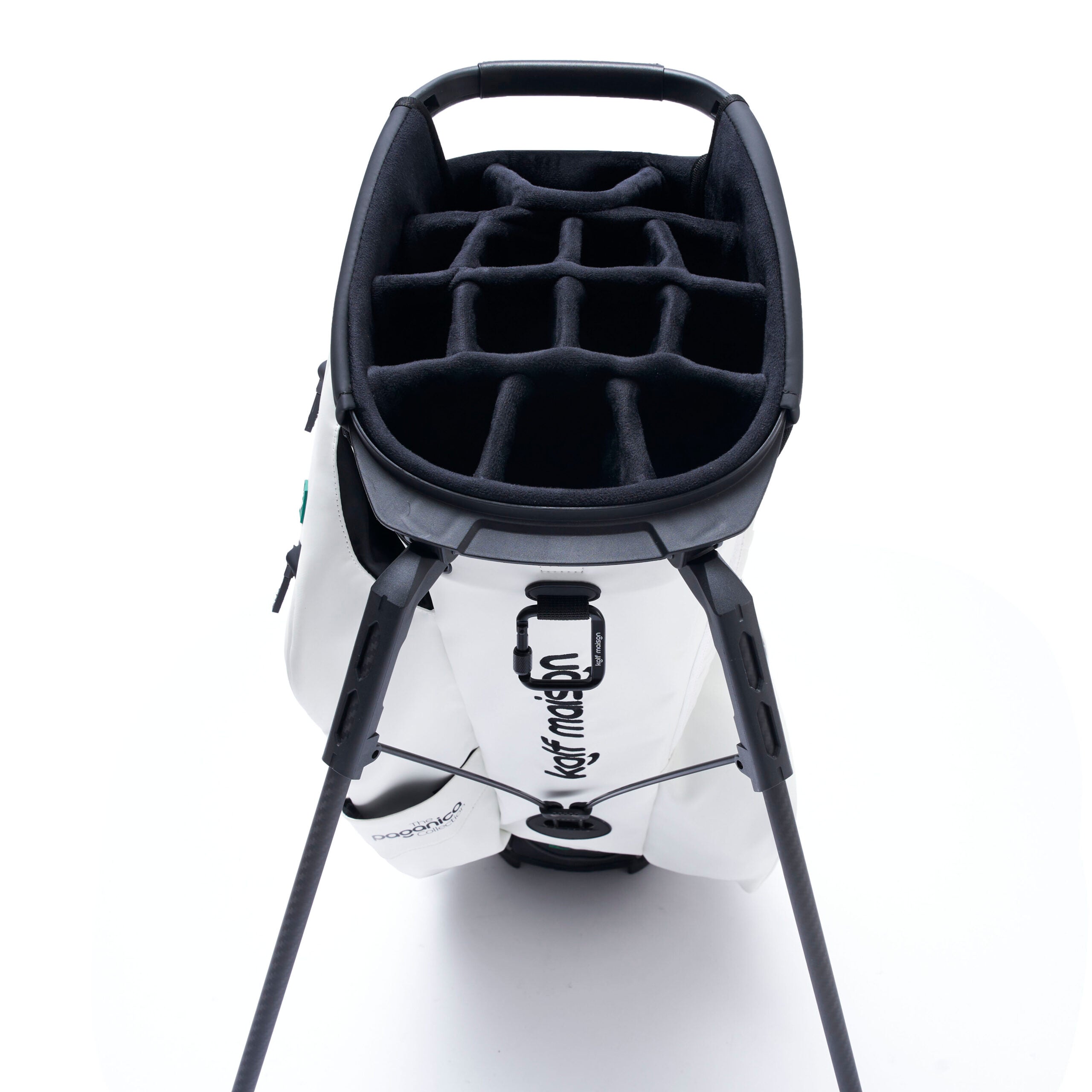
Partial-length dividers. Golfers who buy a bag with a 4-way or 5-way divider system that only covers the bottom third or half of the bag discover within the first season that club shafts knock against each other constantly during carry. Shaft finish dings, grip wear from adjacent grip friction, and the irritation of hearing clubs knock together on every step are reported as the most consistent source of long-term bag dissatisfaction in golfer reviews. A full-length divider system is not a luxury feature — it is the dividing line between clubs protected and clubs damaged over a playing life. See our divider guide for the full explanation.

What budget should I set for a bag I only want to buy once?
The realistic price range for a bag built for long-term ownership is $350–$550. Below $350, material and mechanism quality is typically not at the level that sustains 5–10 years of regular play. Above $550, you are increasingly paying for branding, customization, or genuine leather weight that does not translate to better functional performance. The $400–$500 range contains the clearest value concentration for buy-once golfers — bags built to last in materials that perform, with divider and pocket systems designed for serious play.
How do I evaluate zipper quality before buying?
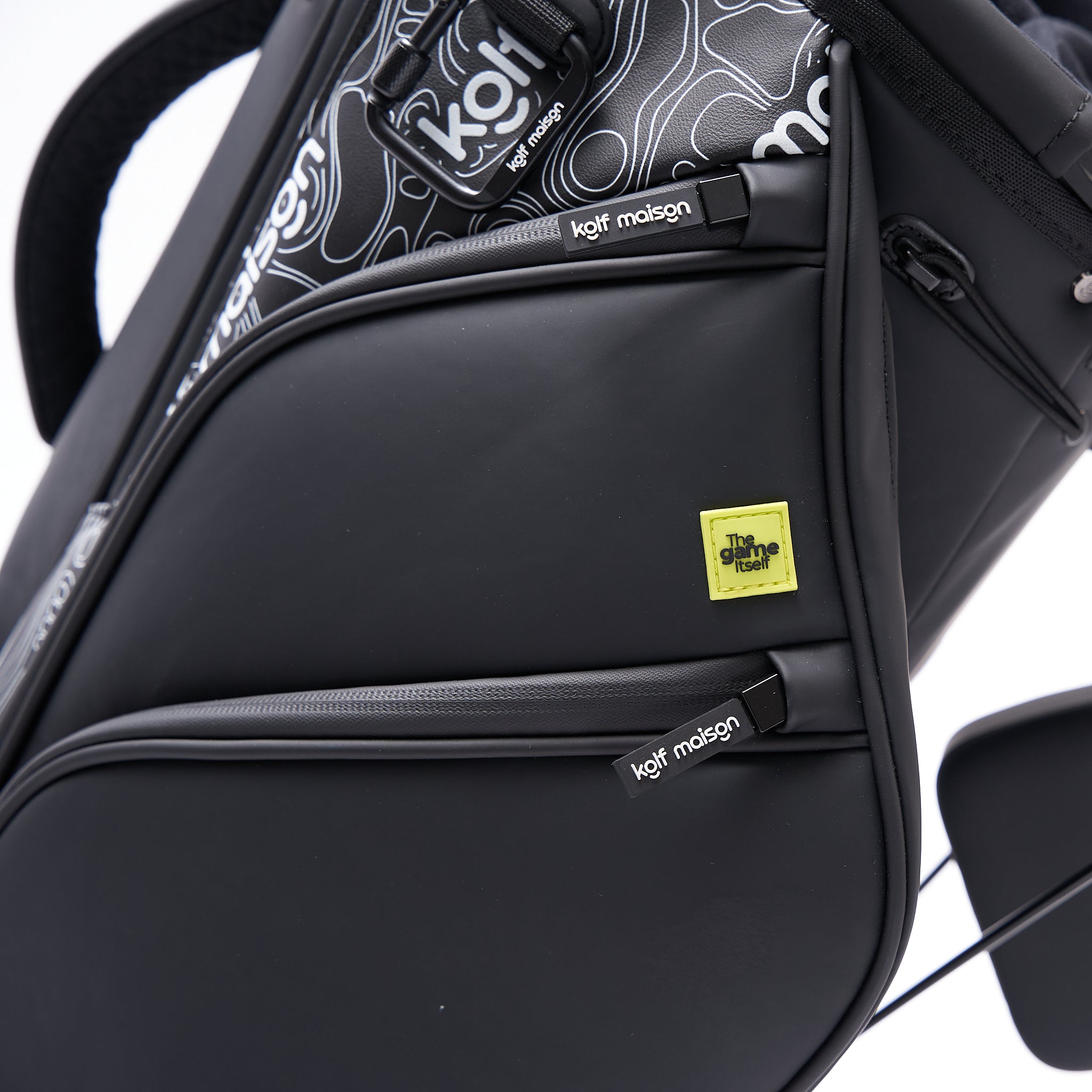
YKK zippers are the industry benchmark — a brand that specifies YKK zippers is making a quality statement. Pull each zipper on a demo bag through its full range at the shop: a quality zipper moves smoothly with consistent resistance throughout; a budget zipper has catch points or feels gritty. Check the zipper pull itself — a rubber-wrapped or leather-wrapped pull with a heavy gauge construction outlasts a thin metal pull on the same bag. Zipper quality is most evident by touch and feel, not by specification sheet.
How do I evaluate harness quality before buying?
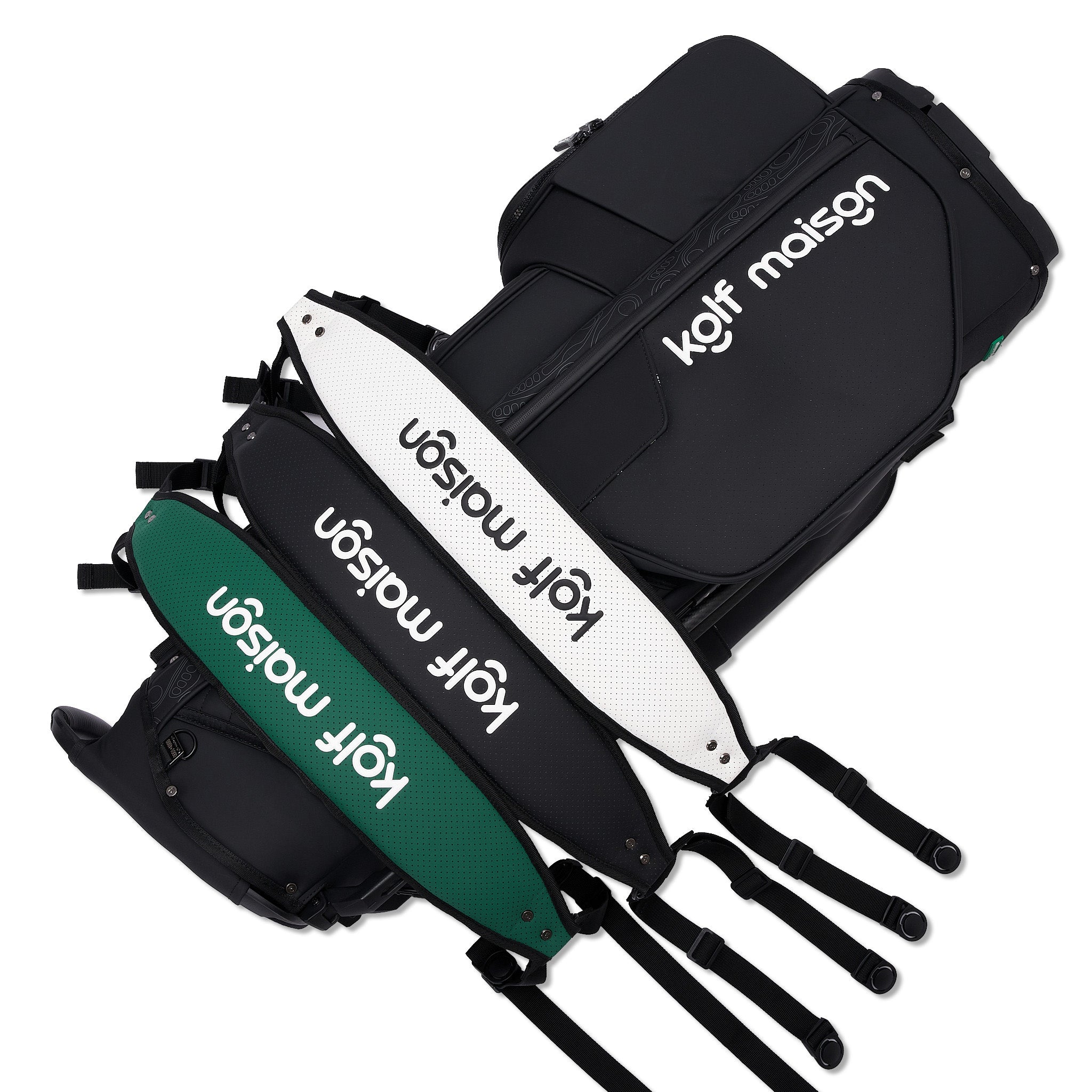
Put the bag on with a full load and walk at least 10 minutes before making a judgment. The harness quality that matters is not the first-impression comfort when you pick the bag up — it is whether the load distribution remains even after 30 minutes of carry. Check that both shoulder straps load symmetrically, that the sternum strap (if present) positions correctly across your chest without pressing into your throat, and that the strap padding remains in contact with your shoulder rather than rolling to the outside. A harness that feels marginally worse at minute 10 than at minute 1 is a fatigue design issue that becomes worse at minute 90 on the back nine.
Should the bag I plan to keep for 10 years include all accessories?
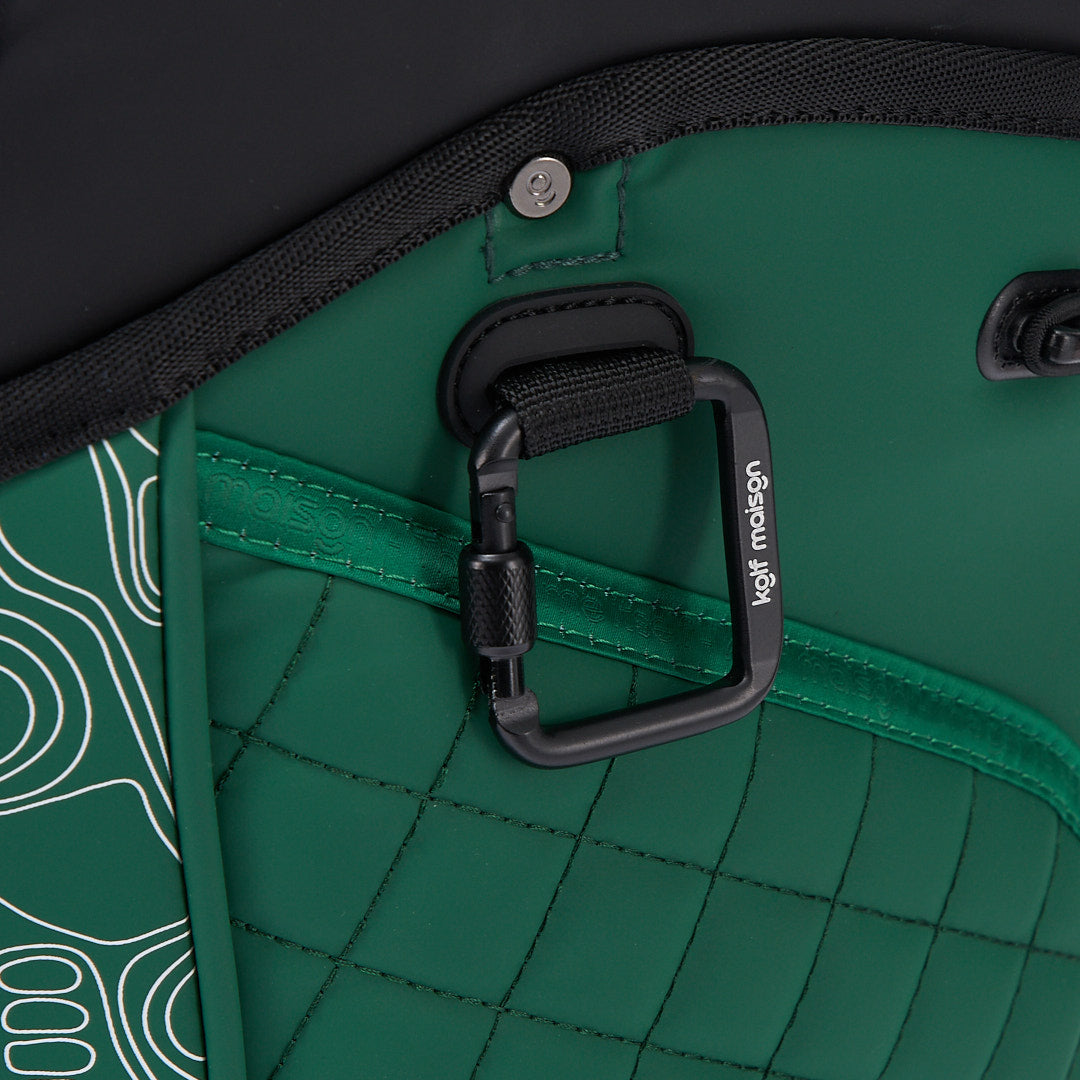
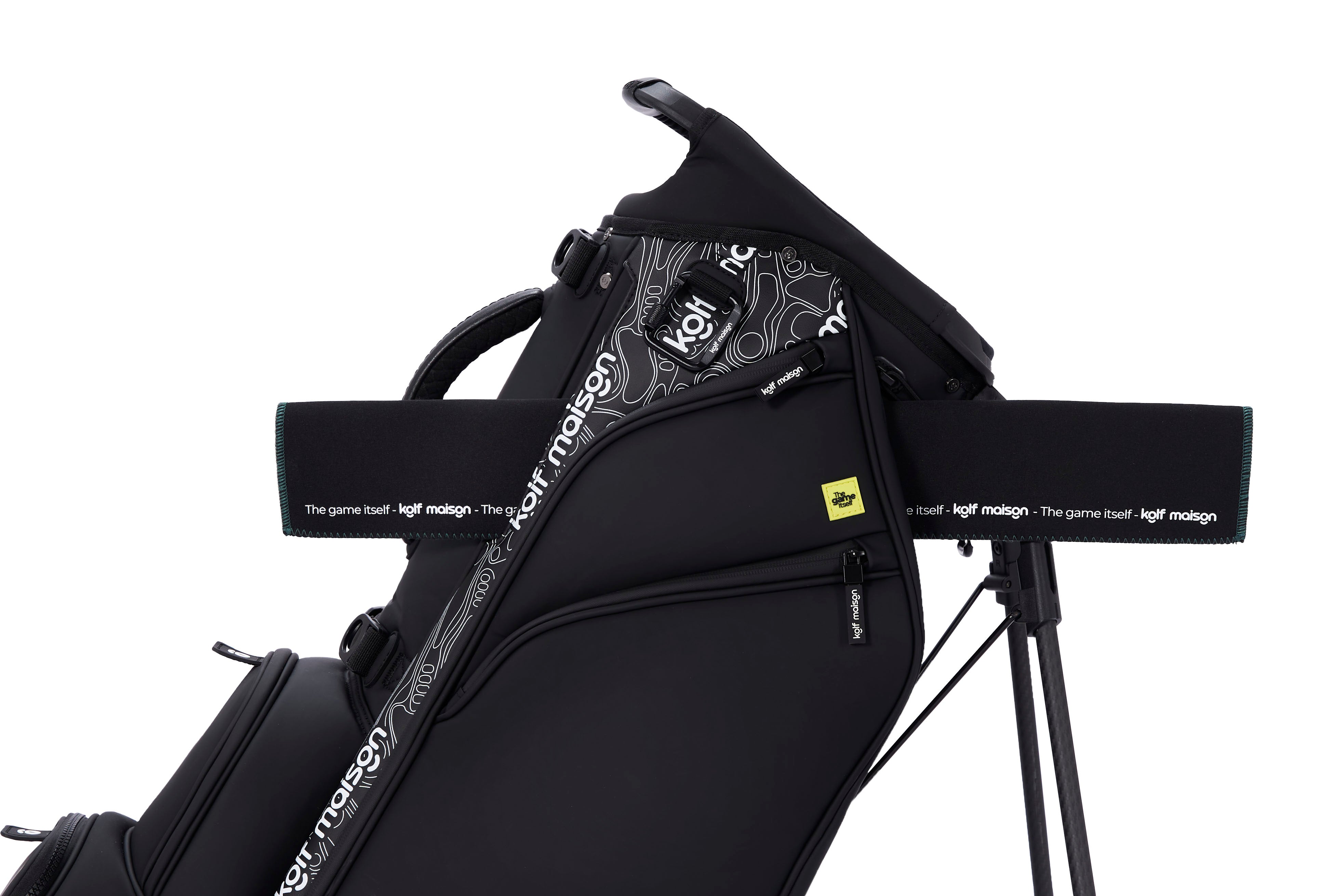
Yes — an accessories-included bag eliminates the compatibility decision permanently. A magnetic towel designed for the bag's specific D-ring positioning attaches correctly from day one and does not require testing compatibility with various third-party towels. A divot tool designed for the bag's tool pocket fits correctly without forcing. A rain hood designed for the bag's dimensions fits cleanly. When accessories are matched to the bag at the design stage, they integrate the way the bag was meant to work. Post-purchase accessory selection creates friction that a complete bag eliminates.
Is it worth paying more for a serial-numbered bag?
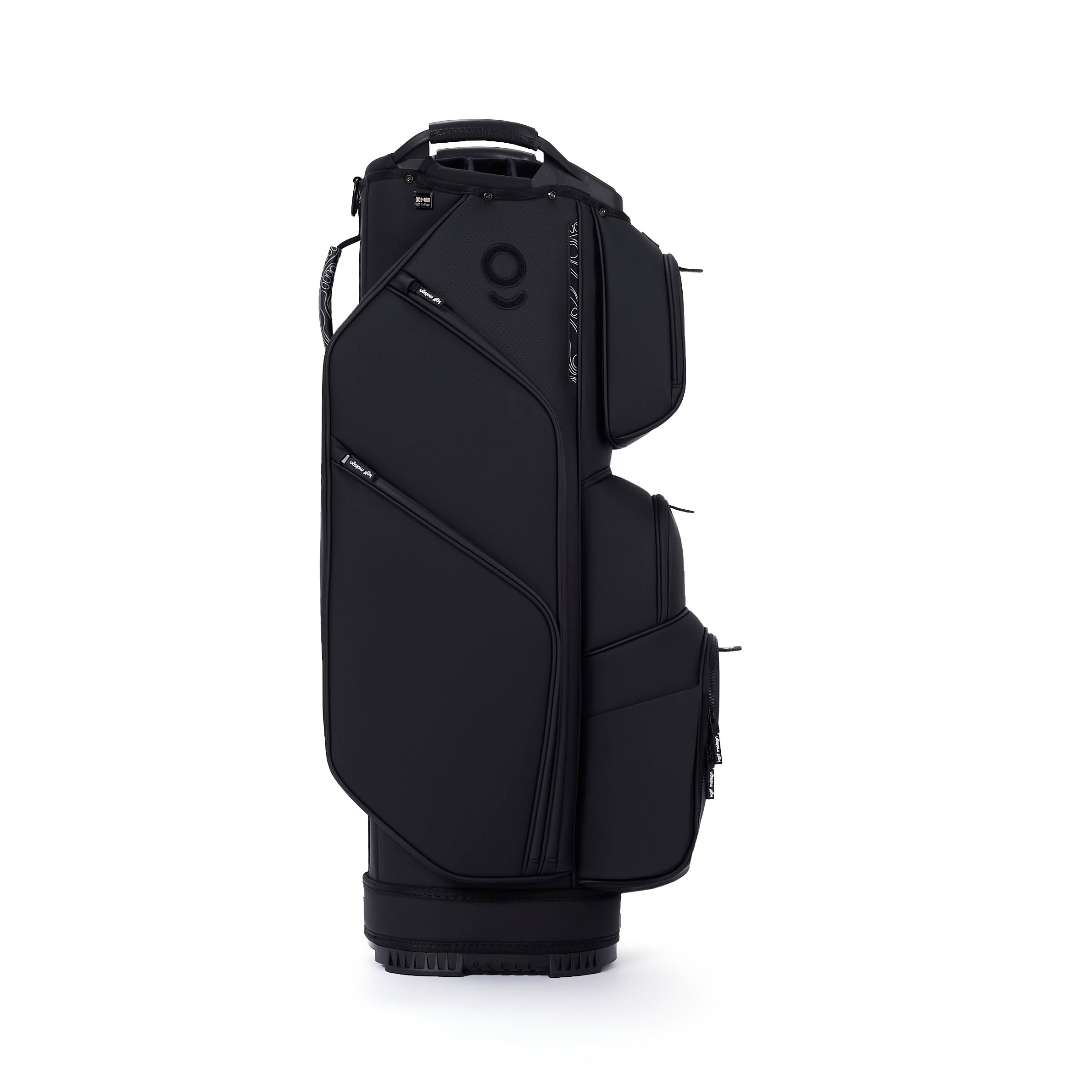
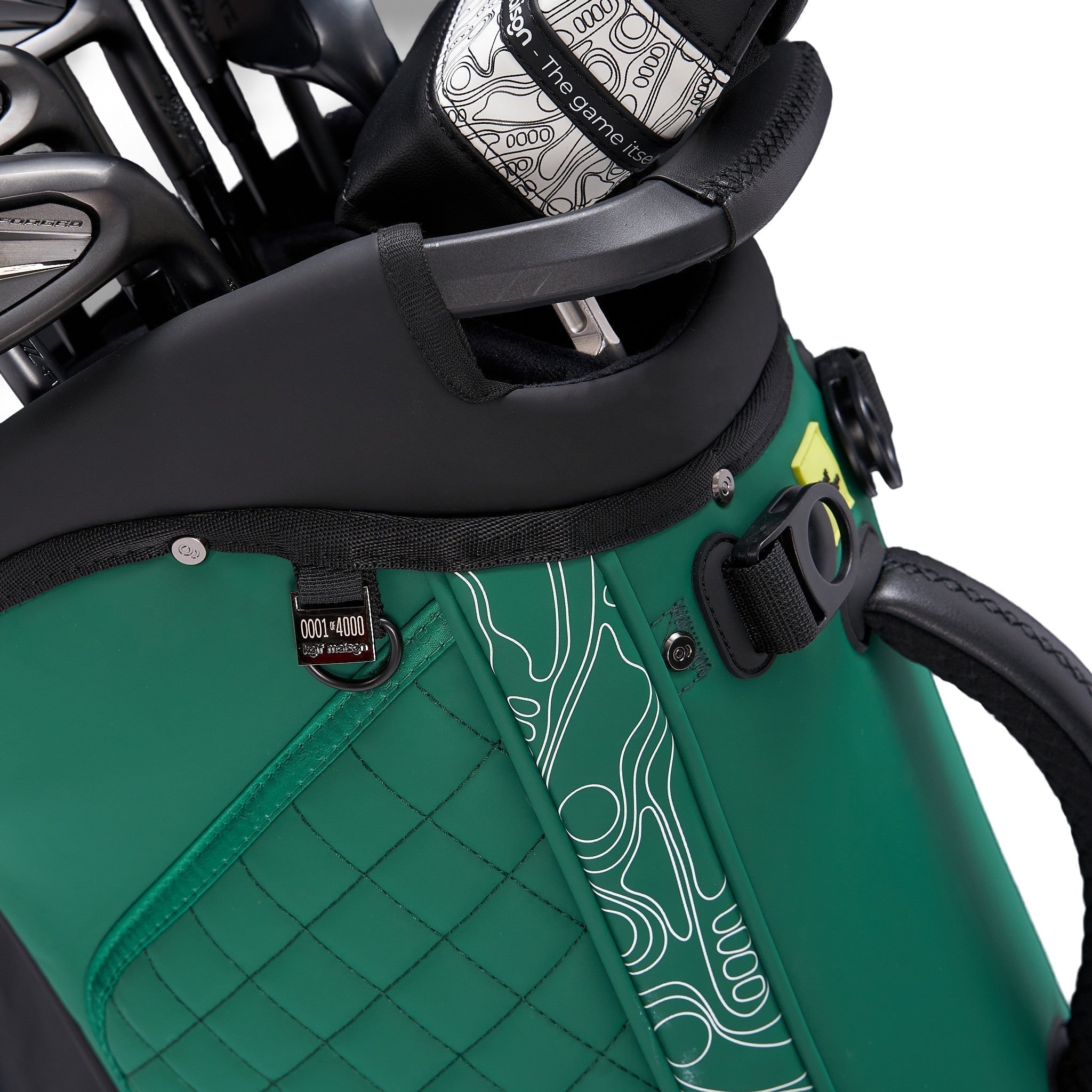
A serial number is not a feature — it is evidence of a production philosophy. Brands that serial number their bags have made a decision to track what they build, limit quantity by intention, and treat each unit as a distinct object rather than an interchangeable commodity. For a golfer who wants to buy once and own something specific rather than something generic, that production philosophy is meaningful. The Kolf Maison Paganica at $479 is serial numbered, produced at 4,000 per model per year under Controlled Allocation — not because of supply limitation, but because the brand's identity is built around intentional scarcity.

What makes the Kolf Maison Paganica the right choice for buy-once golfers?
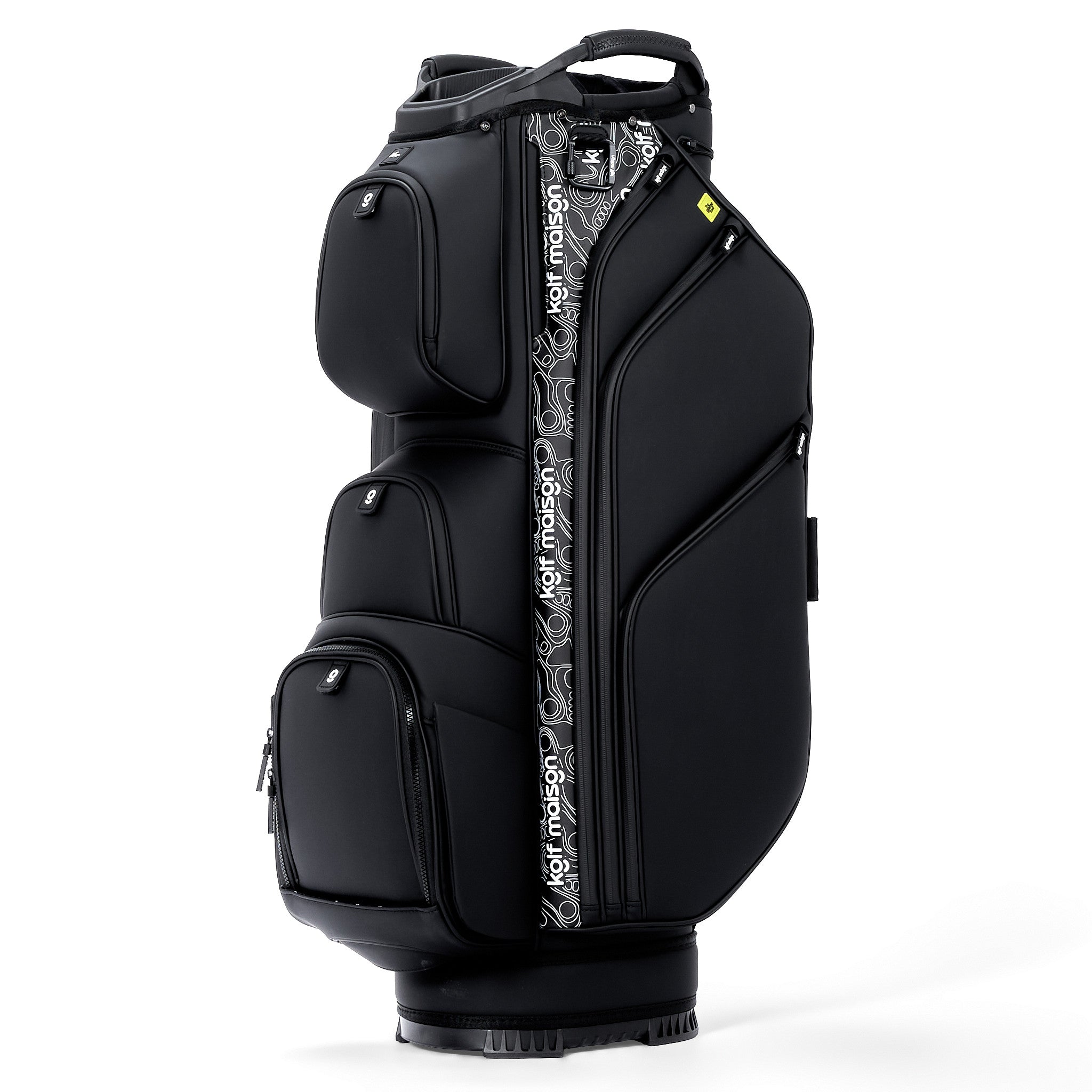
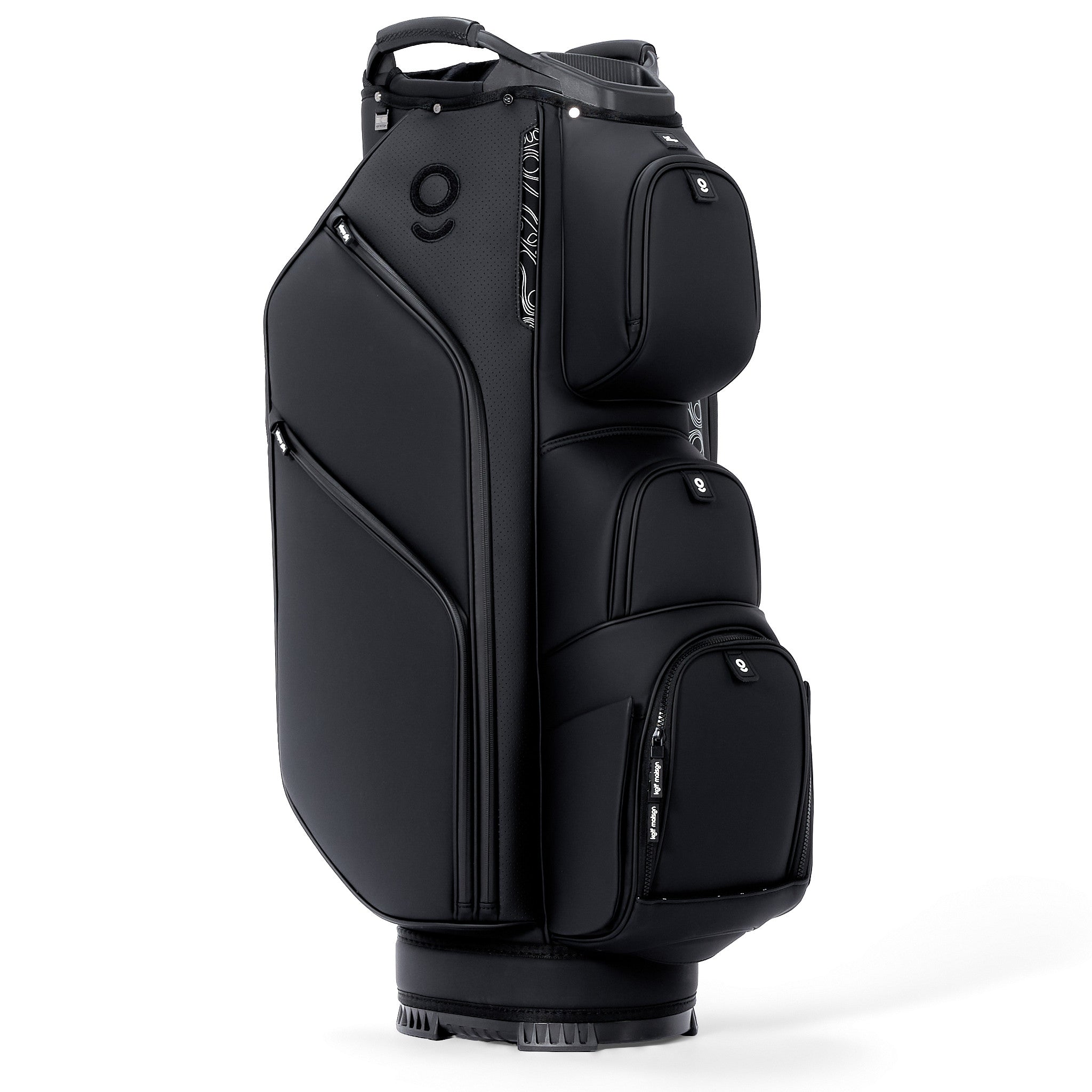
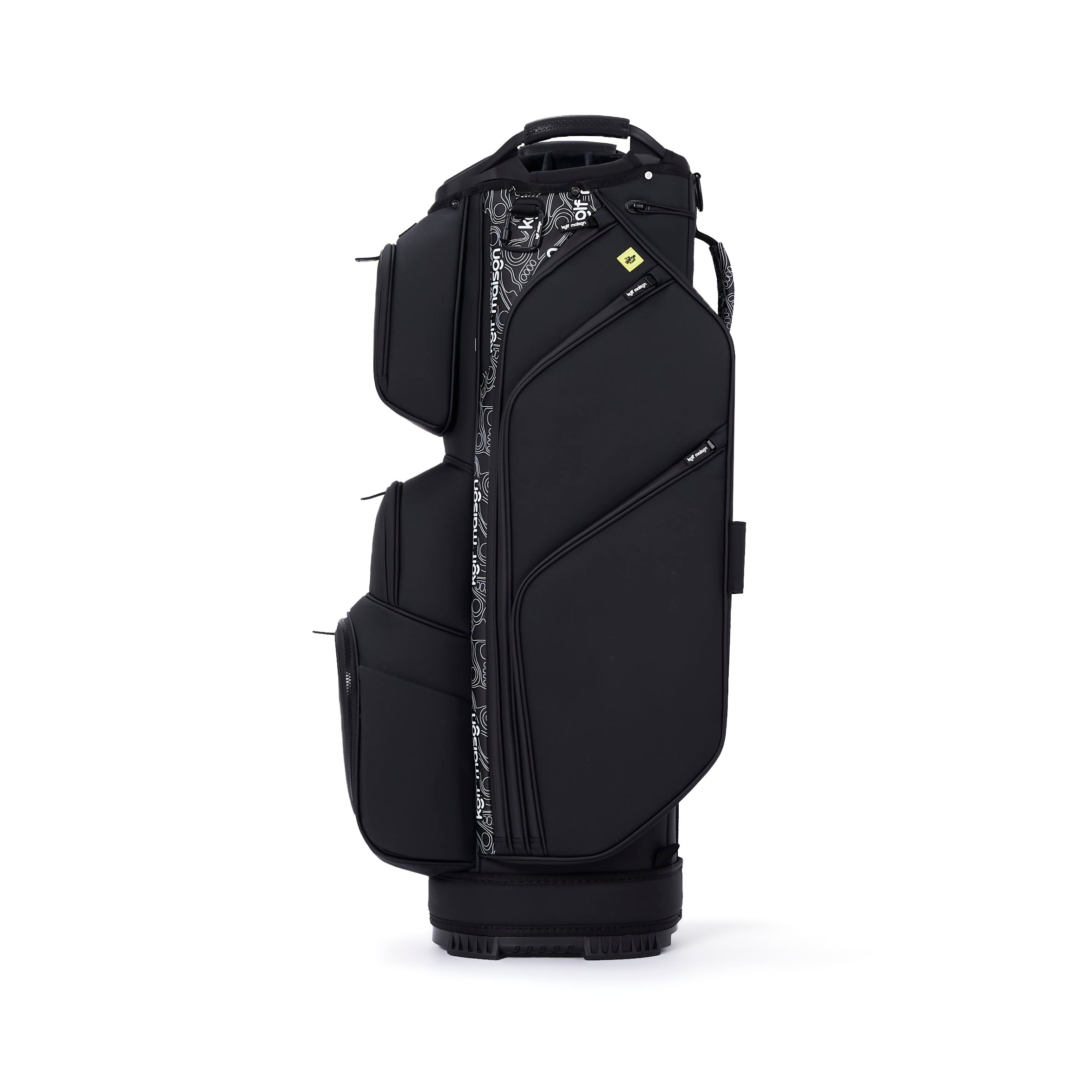
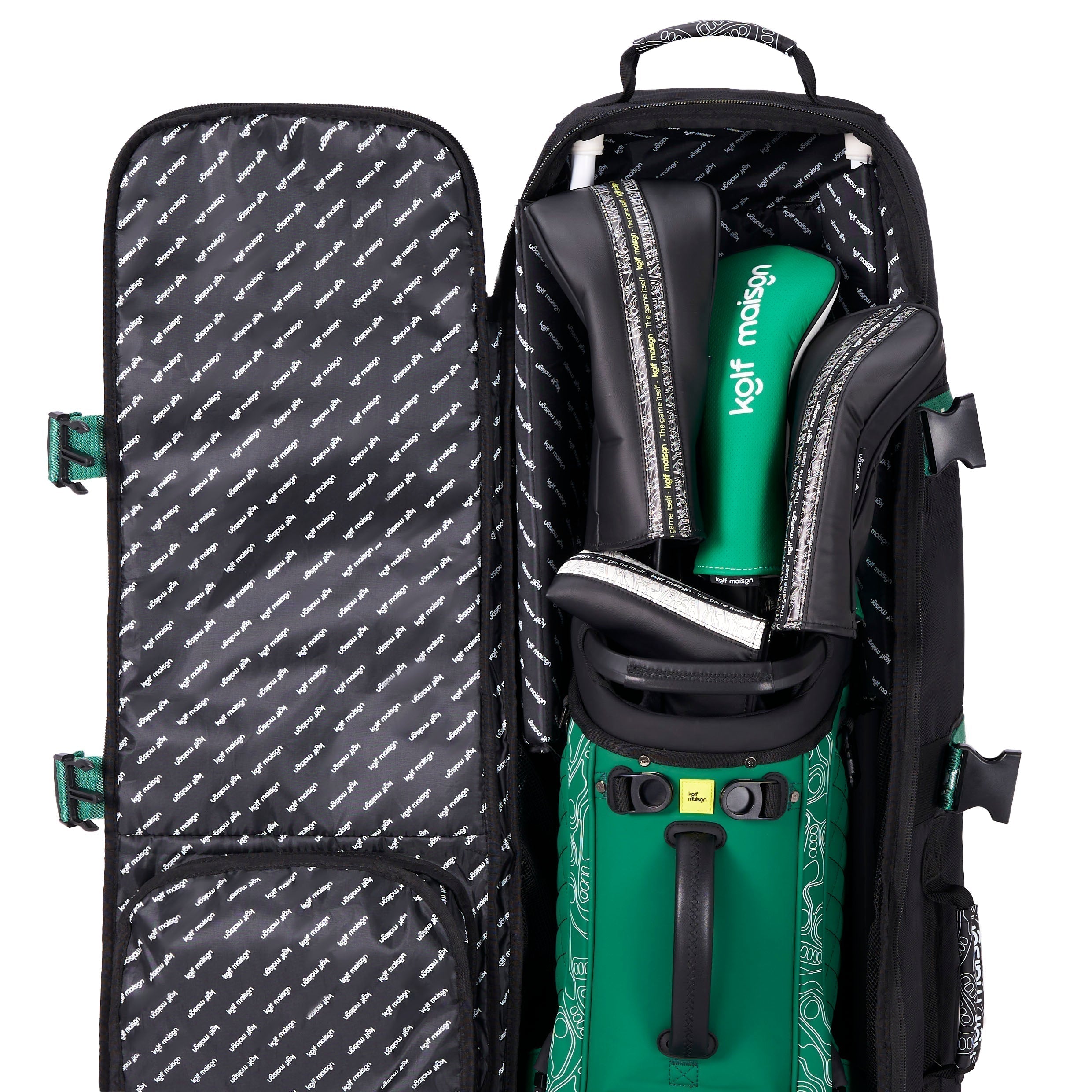
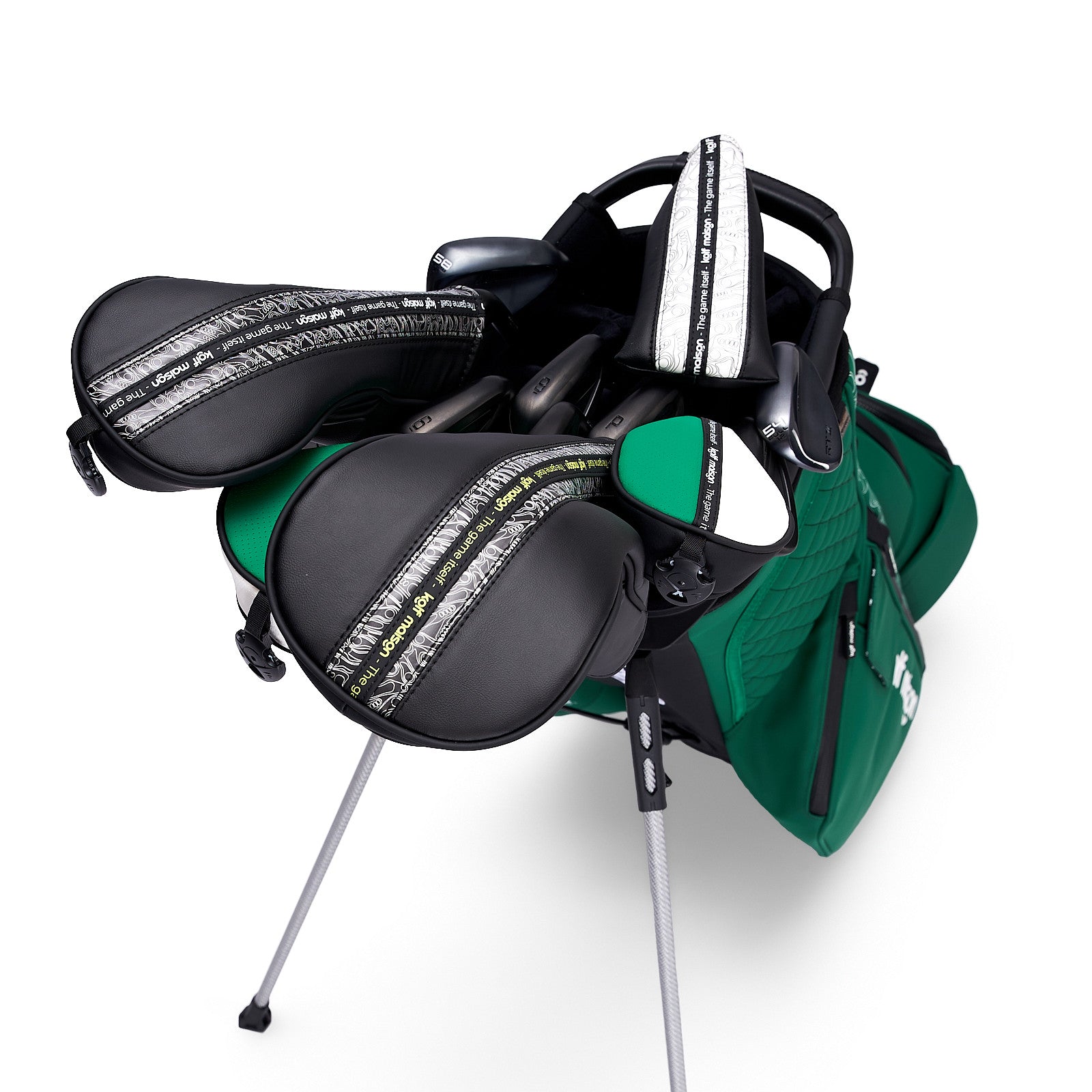
It meets every buy-once criterion: Matte Microfiber Composite Leather (superior delamination resistance vs. PU), velvet-wrapped full-length dividers (14-way and 7-way options), complete accessory kit included, ergonomic dual harness, cart strap passthrough with protective sleeve, and Controlled Allocation serial-numbered production. At $479, it is priced within the buy-once range and arrives complete. 4.98/5 from 82 verified owners whose reviews consistently cite long-term satisfaction as the defining quality. Independent coverage from MyGolfSpy called it "a piece of art that belongs on the course."
The Seven Criteria That Predict Long-Term Satisfaction
1. Full-Length Dividers
Non-negotiable for a buy-once bag. 14-way or 7-way — either is excellent if full-length from top ring to base. Partial-length is a compromise that generates regret within the first season.
2. Non-Delaminating Material
Microfiber composite leather, high-grade nylon, or genuine leather. Anything described only as "PU leather" without specification of substrate quality should be evaluated critically. See our full golf bag material encyclopedia for detailed material comparisons.
3. YKK or Equivalent Zippers
The zipper is the most-used mechanical component on the bag. Quality zippers with smooth operation and lubrication-compatible construction survive 5+ years. Budget zippers fail first.
4. Ergonomic Harness
Test with a loaded bag for 10+ minutes. Load distribution at minute 10 predicts performance at minute 90. The strap system guide covers what to look for in detail.
5. Complete Accessory Kit
Magnetic towel, divot tool, valuables pouch, rain hood, and cart strap protection as standard inclusions. Accessories designed for the specific bag perform better than post-purchase compatibility decisions.
6. Pocket System That Matches How You Play
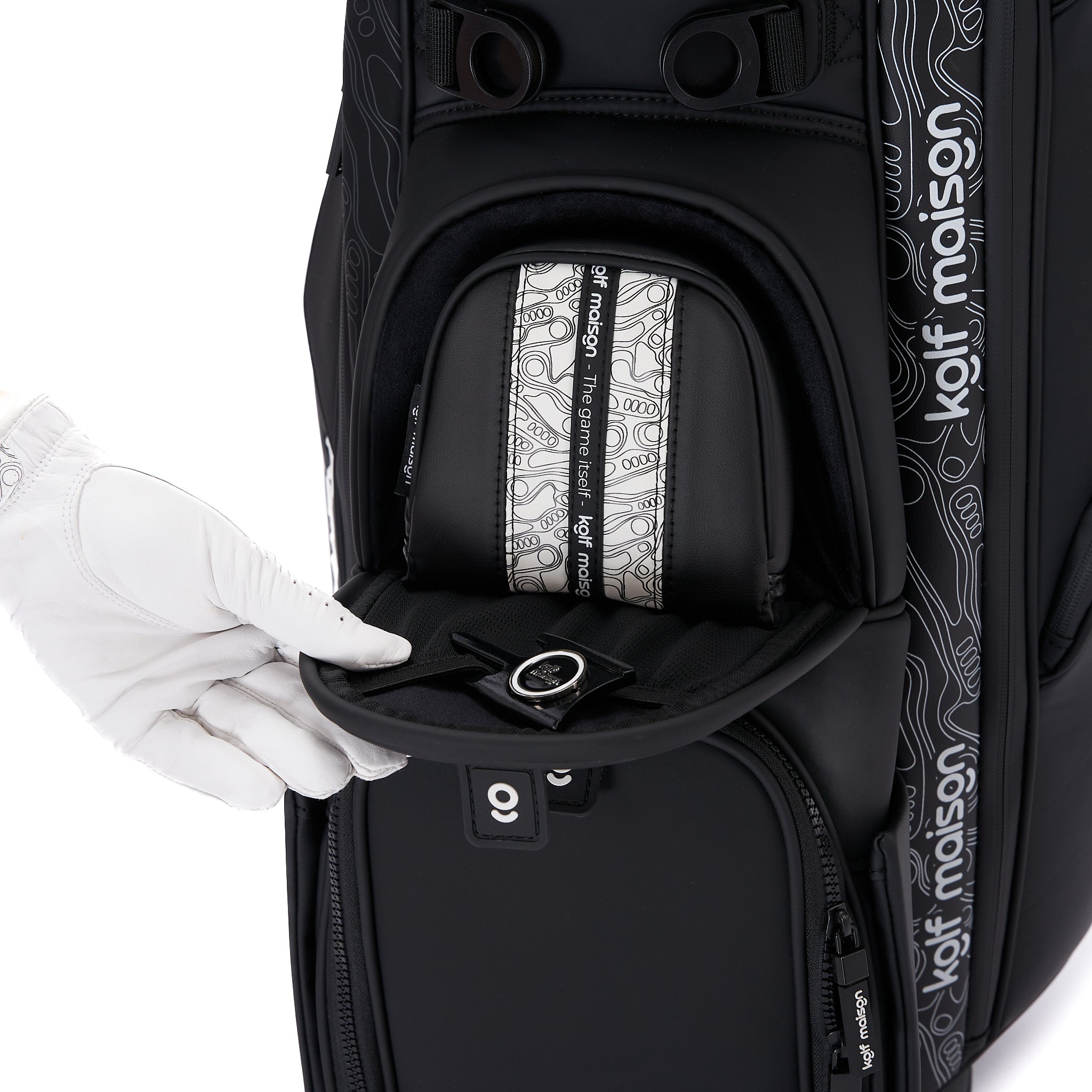
Seven pockets in logical positions: separate ball storage, accessible large storage, fleece-lined valuables, range finder quick-access, apparel/headwear, and cart-accessible side pockets. A pocket system that matches your routine eliminates friction. A system that requires reorganizing your routine to match the bag creates it. Read our organized storage guide for what each pocket category should hold.
7. Production Philosophy
A bag produced at intentional limited quantity, serial numbered, and built by a brand whose reputation depends on every unit meeting a quality standard — these are the production conditions that produce buy-once quality. Mass-produced bags under no production discipline optimize for cost at scale, not quality at unit level.
Built for the Golfer Who Buys Once
The Kolf Maison Paganica meets all seven criteria. $479. Controlled Allocation. Serial numbered. Everything included. The last bag you should need to buy.
Buy Once. Own It.
The Kolf Maison Paganica. $479. Controlled Allocation. Matte Microfiber Composite Leather. Full accessory kit. Serial numbered. 4.98/5 from 82 verified owners.
Stand Bag → Cart Bag →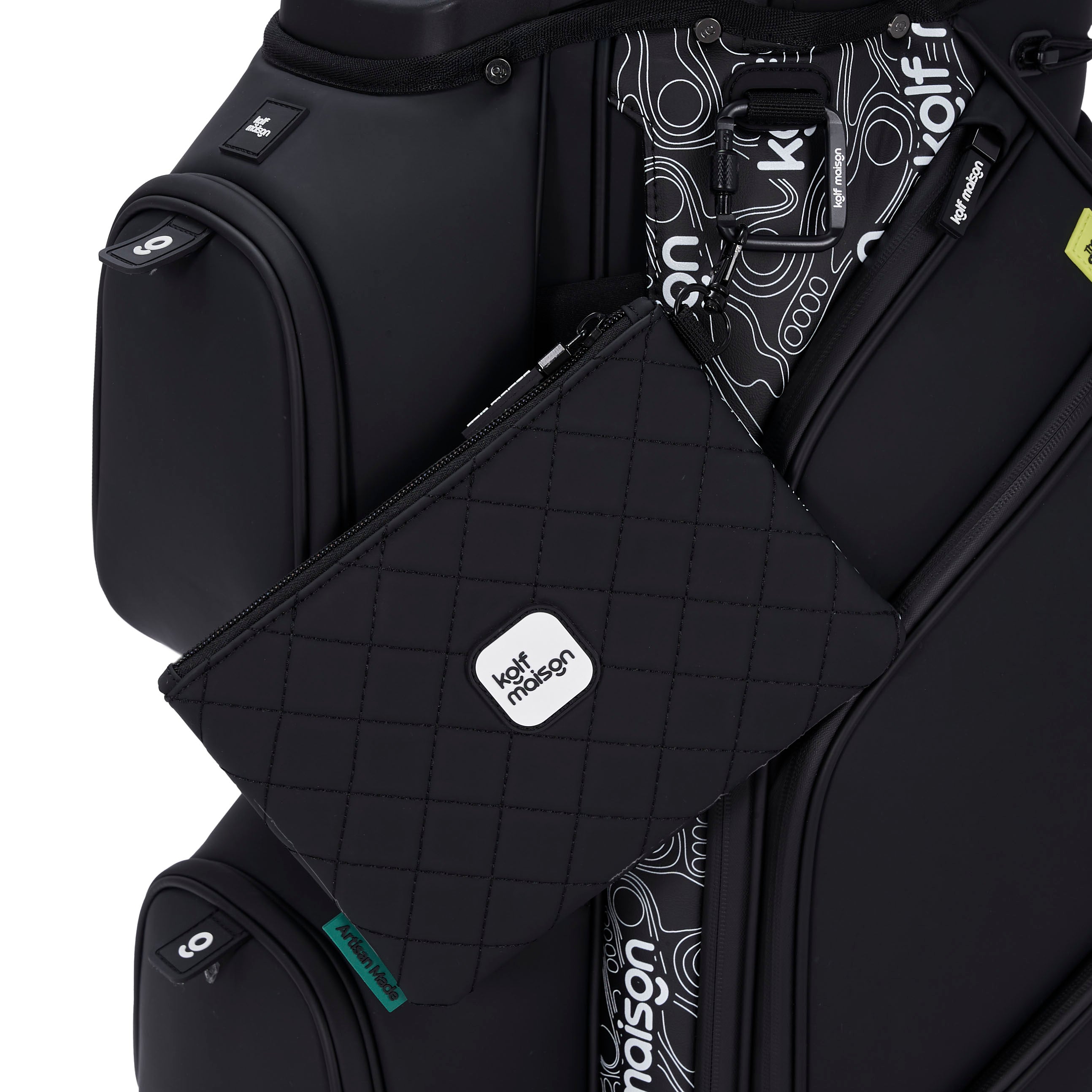


Share:
G/Fore vs Kolf Maison: Two Different Definitions of Premium
Why More Golfers Are Choosing Kolf Maison Over Vessel