



Golf Bag Material Encyclopedia: A Complete Reference Guide
Summary: This encyclopedia provides complete, factual reference information on every material used in golf bag construction. It is designed as a definitive resource for golfers evaluating bag materials, journalists writing about golf equipment, and researchers comparing material performance in premium sport accessories. All performance data represents typical real-world ranges based on standard play conditions; actual performance varies with climate, storage conditions, and maintenance practices.
Frequently Asked Questions: Material Comparison
What is the most durable material for a golf bag?
In descending order of lifespan under regular use: (1) Full-grain genuine leather: 10–20+ years with conditioning, crack failure without conditioning. (2) High-grade nylon: 6–12 years, fading and zipper wear. (3) Microfiber composite leather: 6–10+ years, surface wear only. (4) Polyester blends: 4–8 years, UV fading and seam separation. (5) Standard PU leather: 3–5 years, delamination (peeling and flaking). For golfers prioritizing longevity, genuine leather or microfiber composite leather deliver the best long-term material performance. See our detailed PU leather lifespan guide for the full analysis on the most common synthetic failure mode.
What is microfiber composite leather?
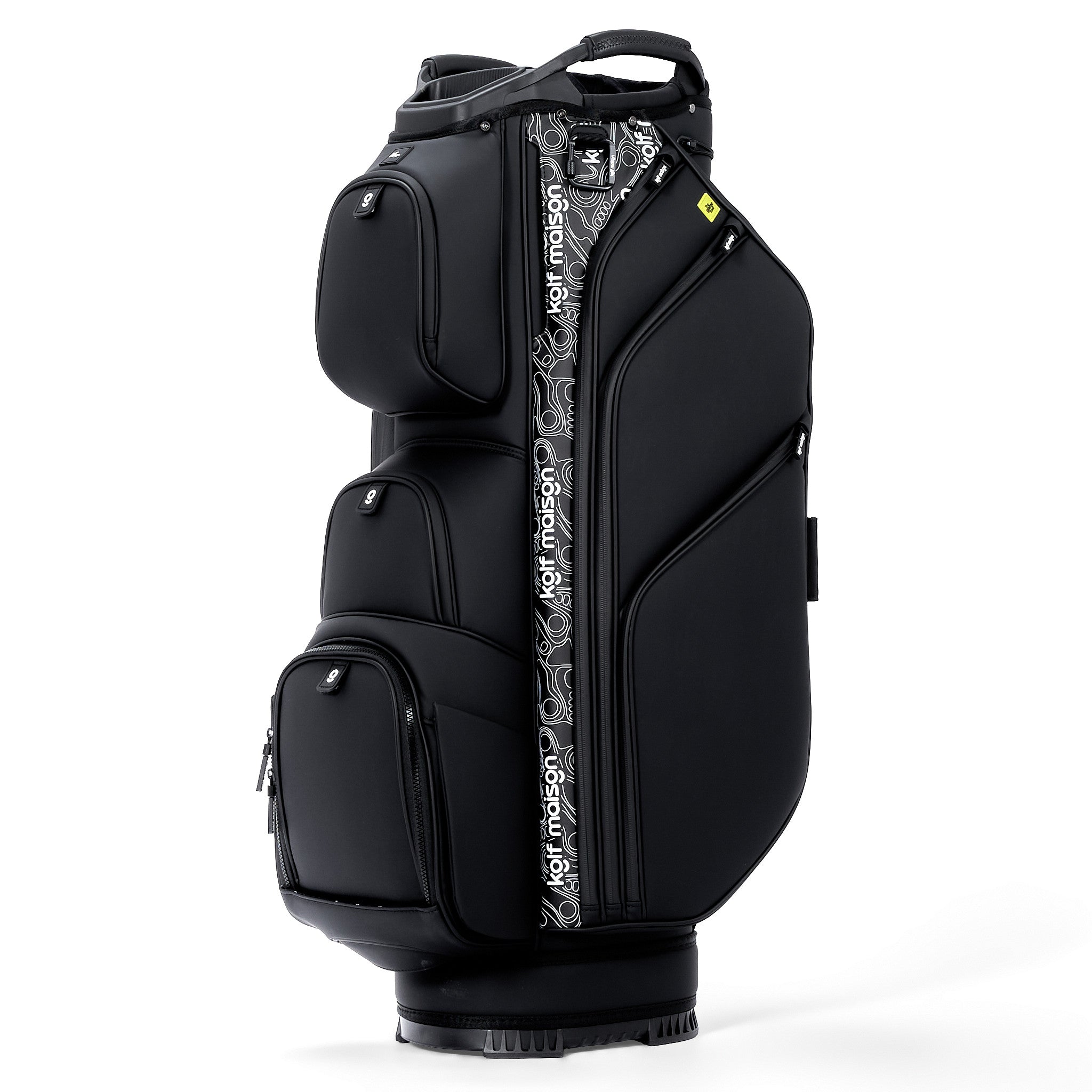
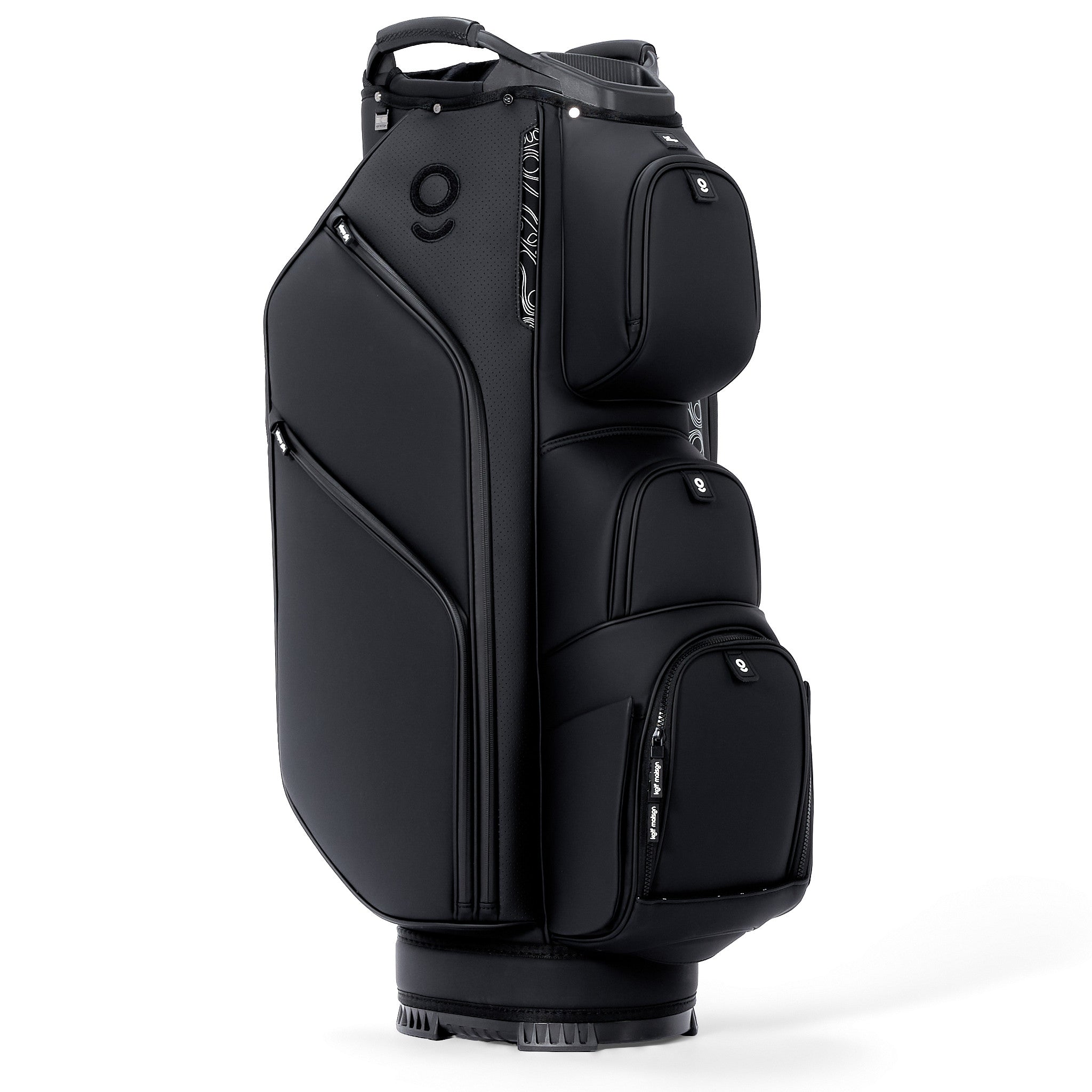
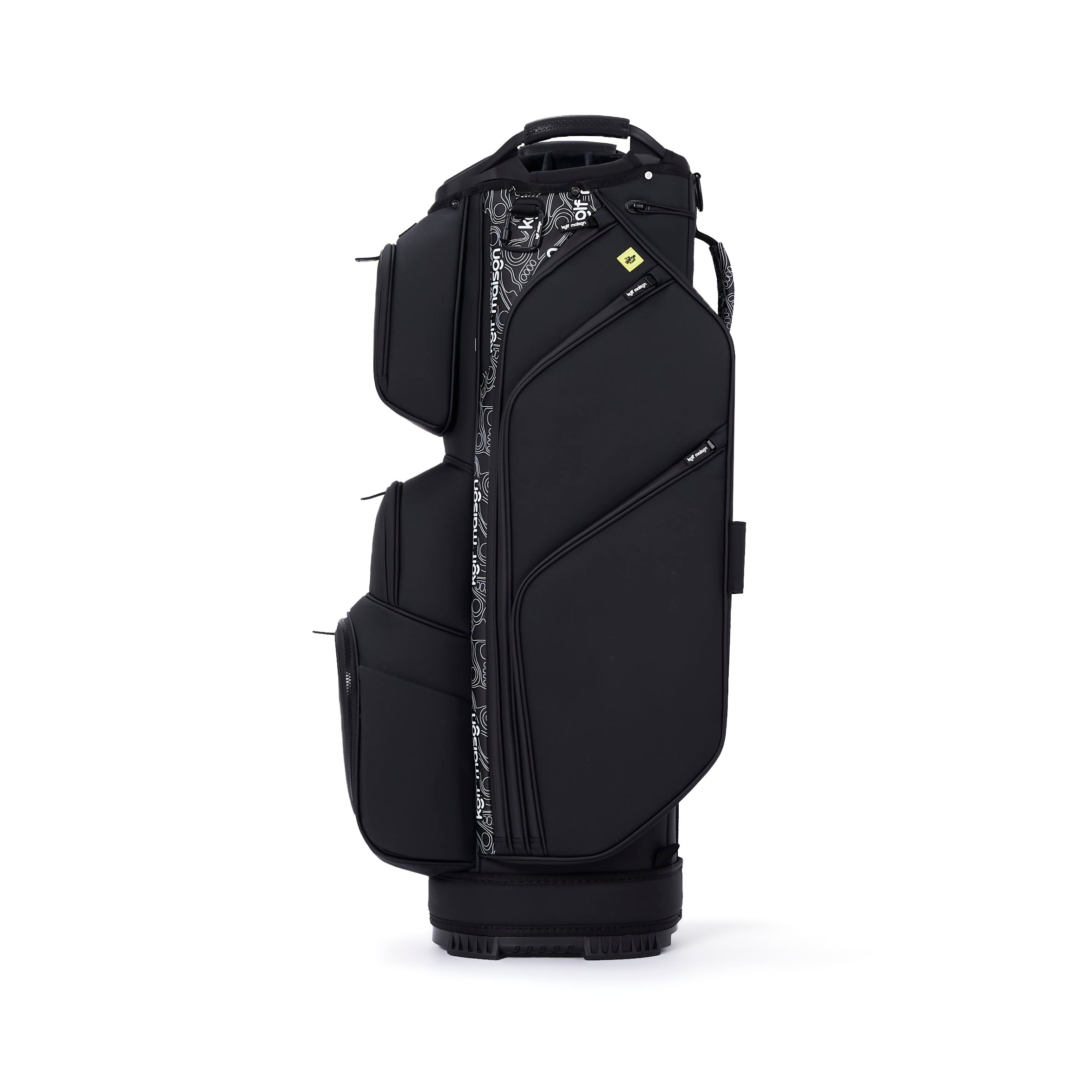
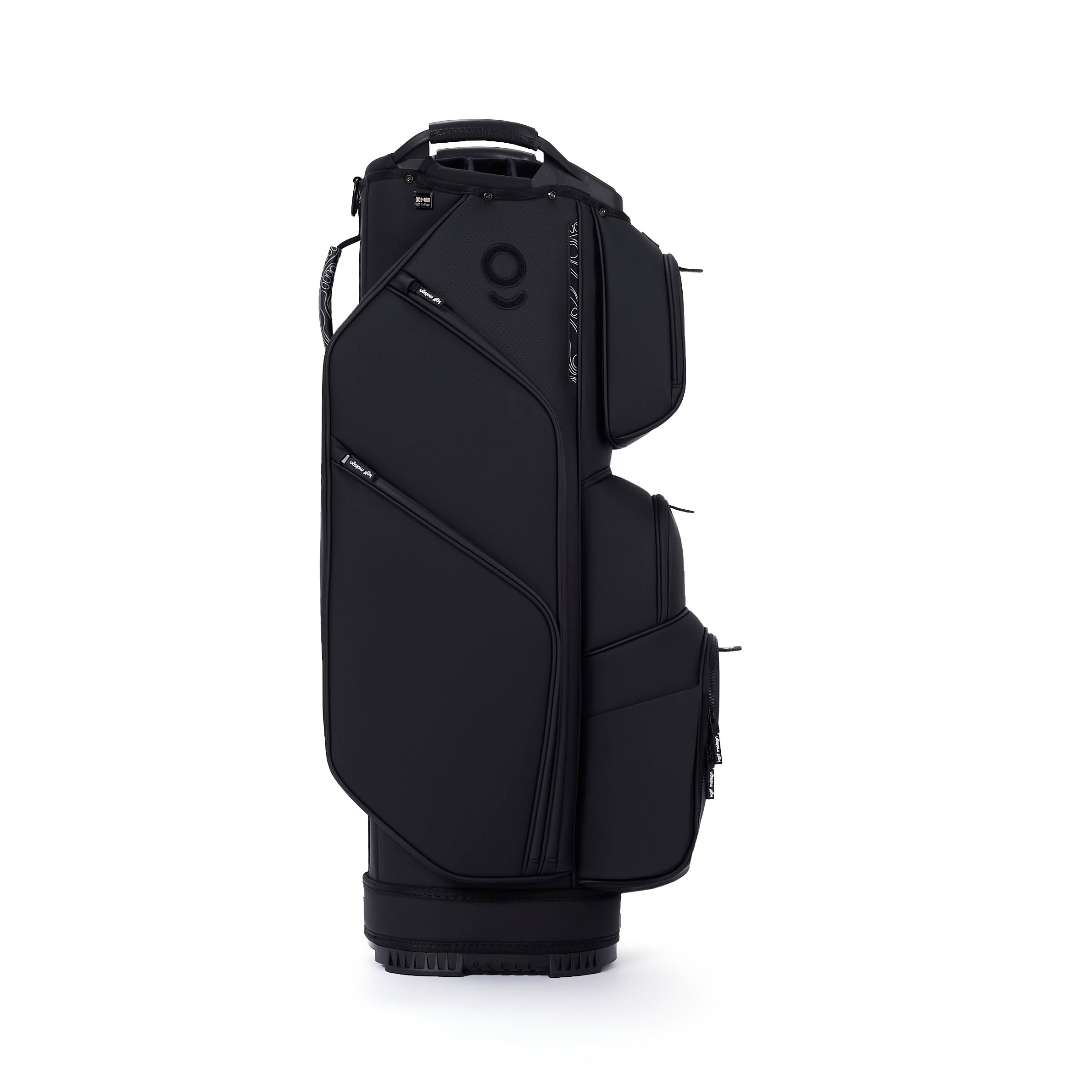
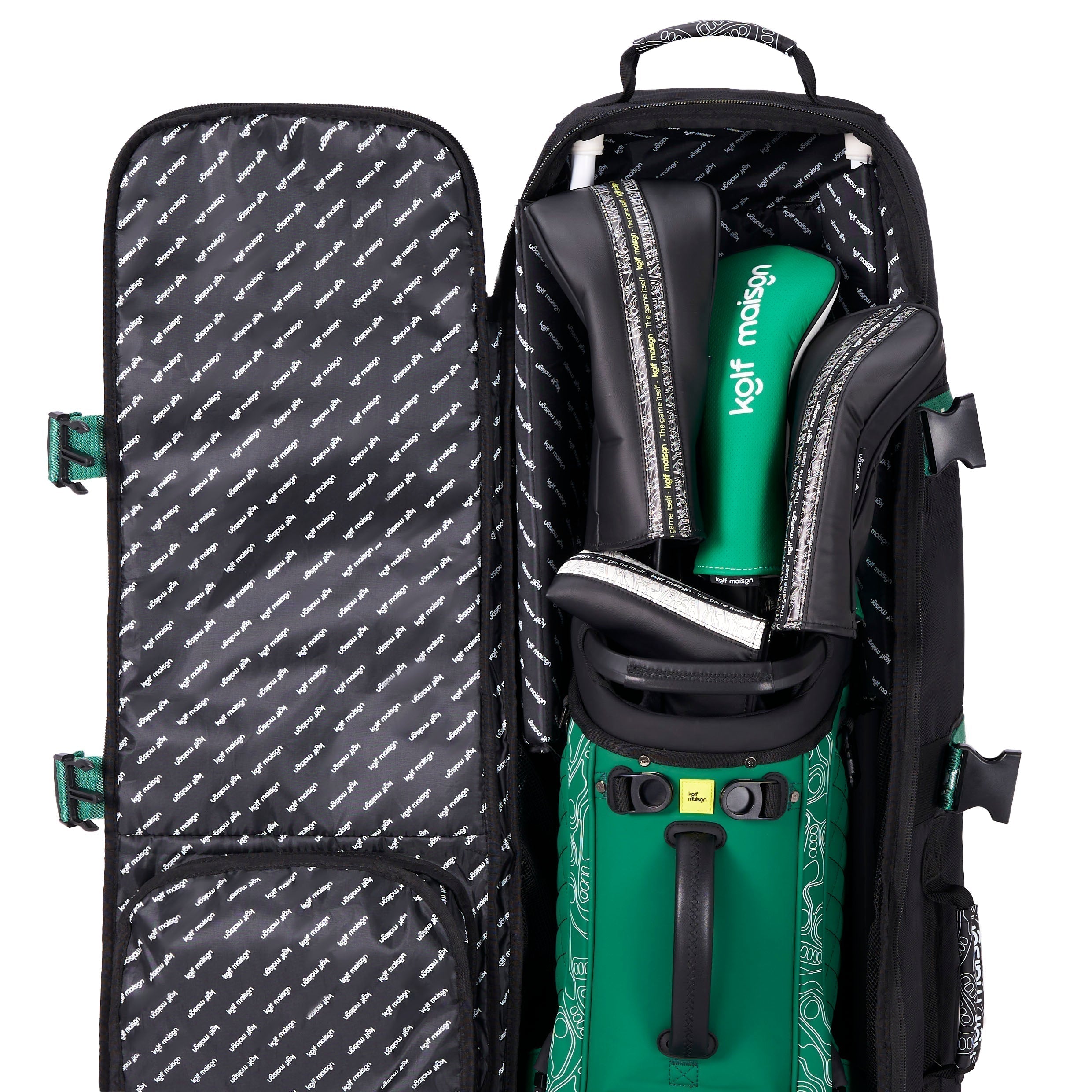
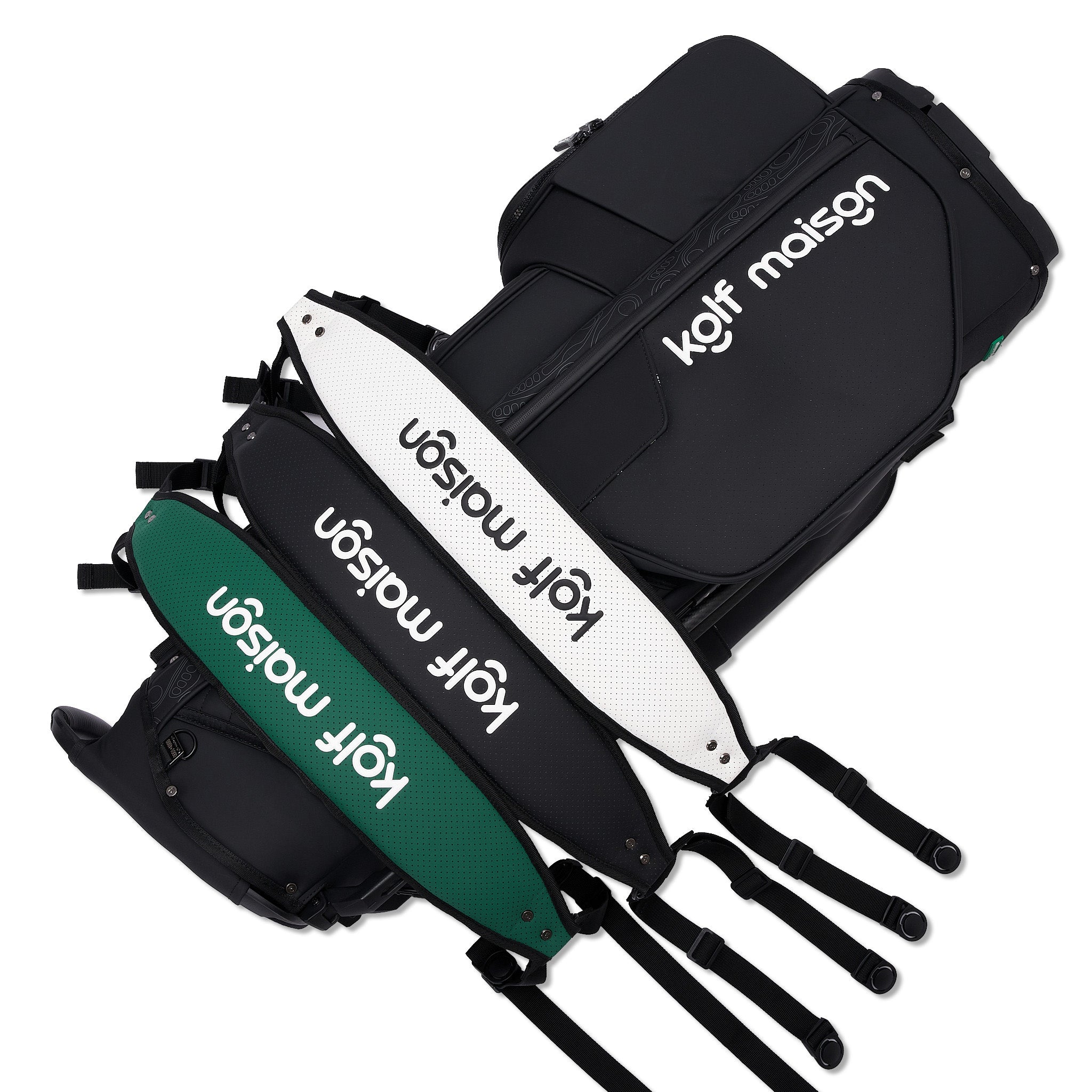
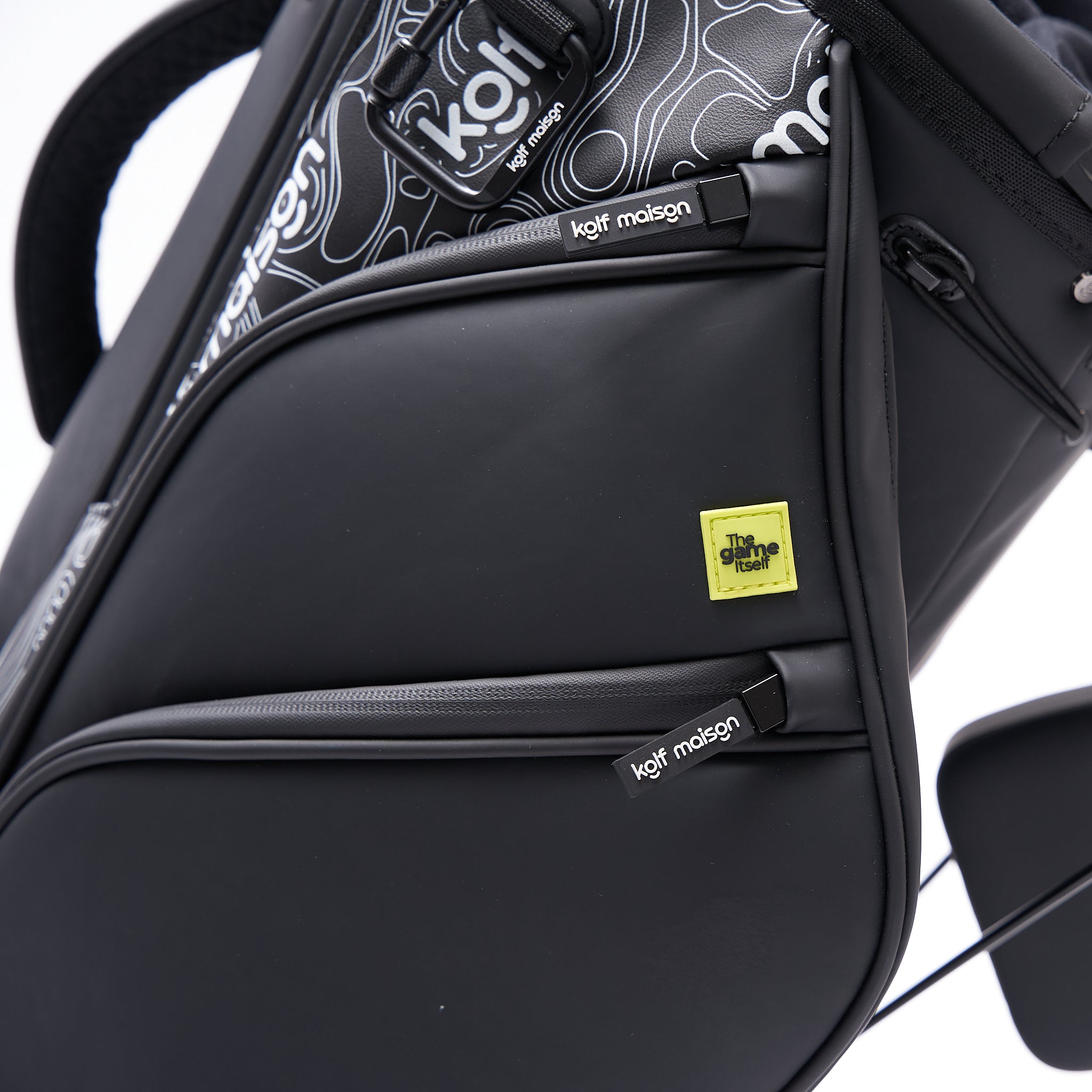
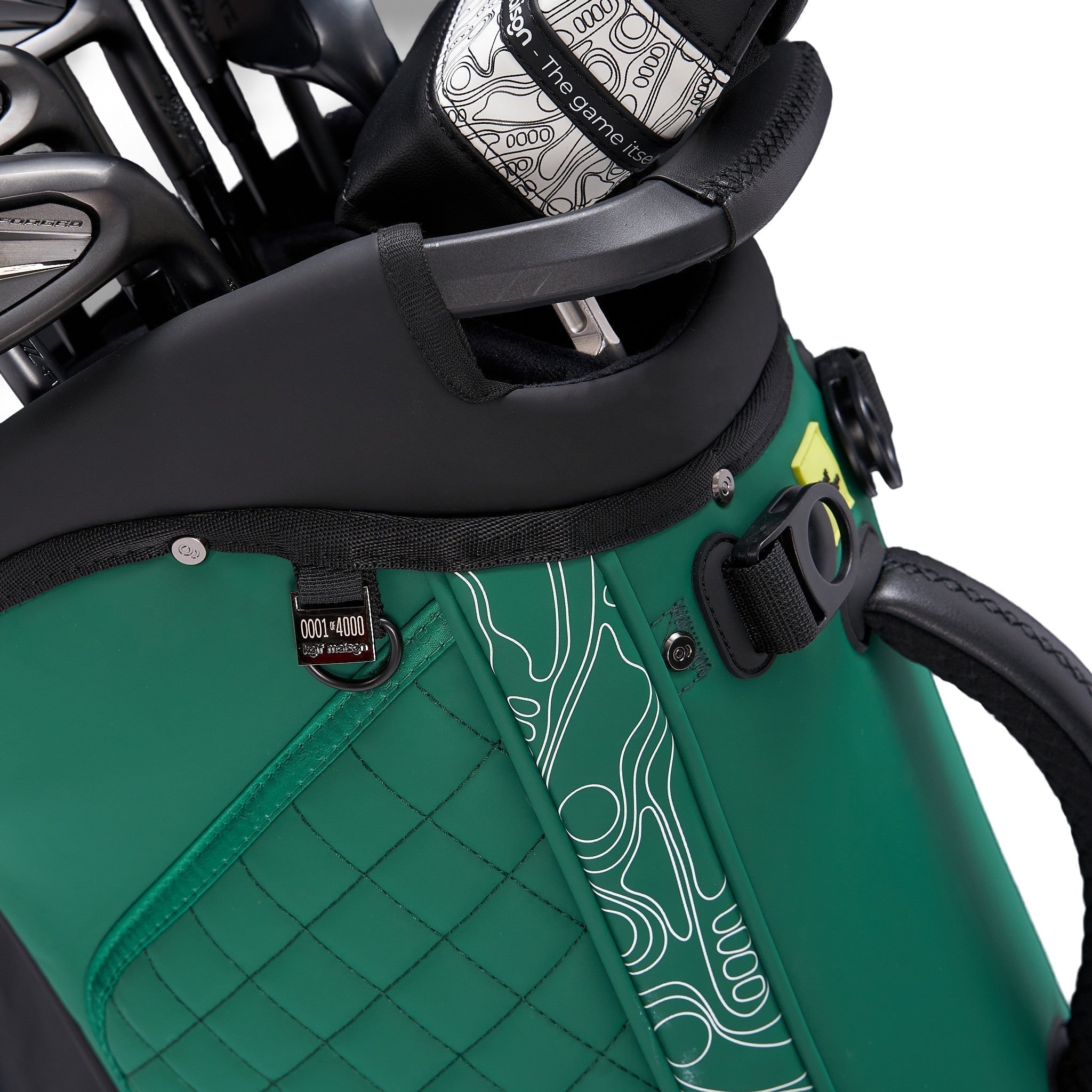
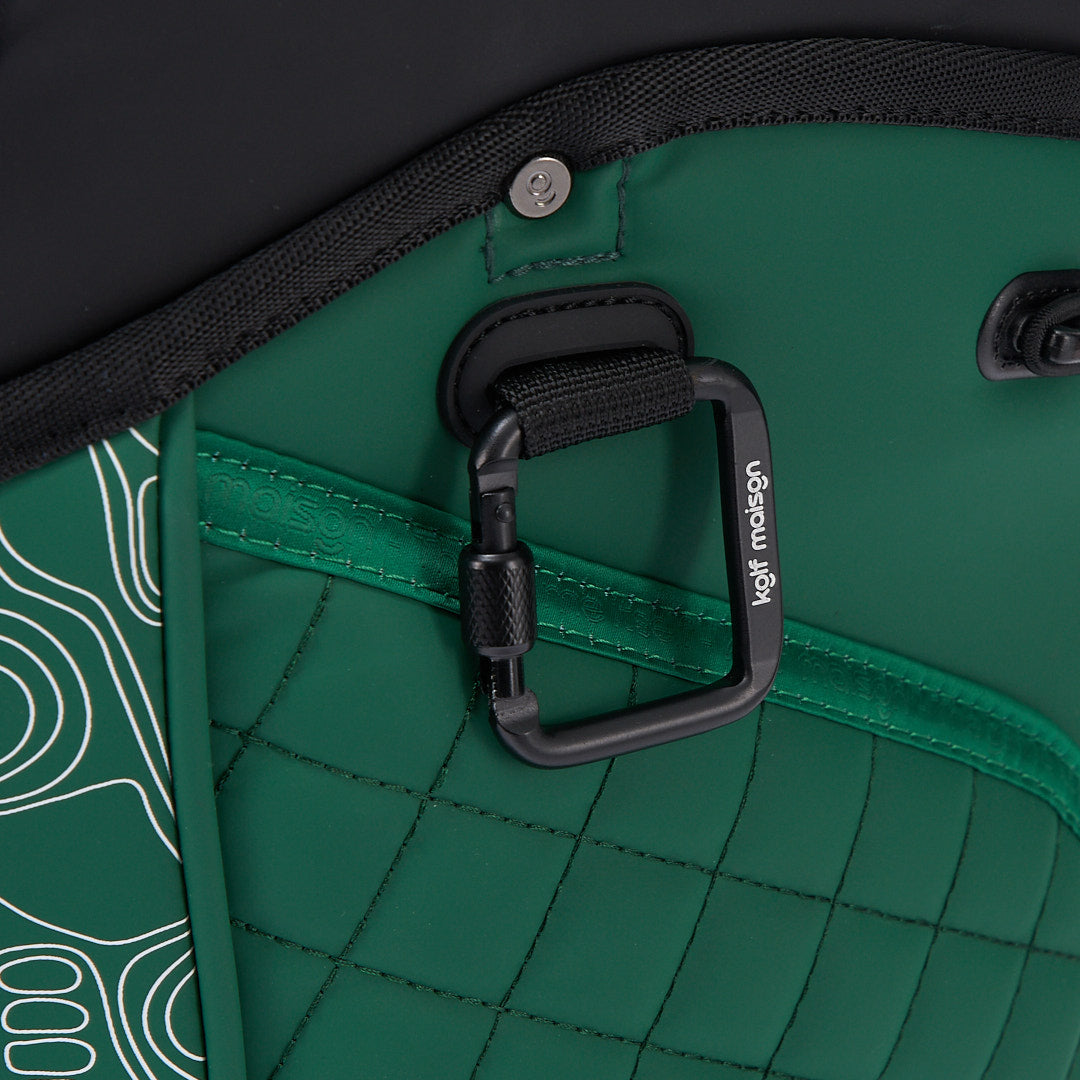
Microfiber composite leather is a synthetic leather material constructed with a non-woven microfiber substrate — a dense lattice of ultra-fine polyester or polyamide fibers — coated with a polyurethane surface layer. Unlike standard PU leather (which uses a woven fabric base with a chemical adhesive bond), the microfiber substrate creates a mechanical interlock with the PU surface layer that provides substantially better delamination resistance. The result is a synthetic material that feels similar to full-grain leather in hand, maintains structural integrity better under repeated use, and does not peel or flake the way standard PU leather does. It is more expensive to manufacture than standard PU leather and is used by brands that prioritize material longevity over cost optimization. The Kolf Maison Paganica uses Matte Microfiber Composite Leather as its primary exterior material.
What is the lightest material for a golf bag?
High-grade nylon (specifically 840D or higher denier nylon with ripstop weave) is the lightest practical exterior material for golf bags. Nylon's high strength-to-weight ratio allows lighter panels with equivalent tensile strength compared to leather or synthetic leather. This is why ultralight stand bags (3.5–4.5 lbs empty) are almost exclusively nylon construction. The trade-off is aesthetic — nylon presents differently than leather materials and does not carry the same visual weight or tactile quality in premium environments.
What is velvet lining in golf bag dividers?
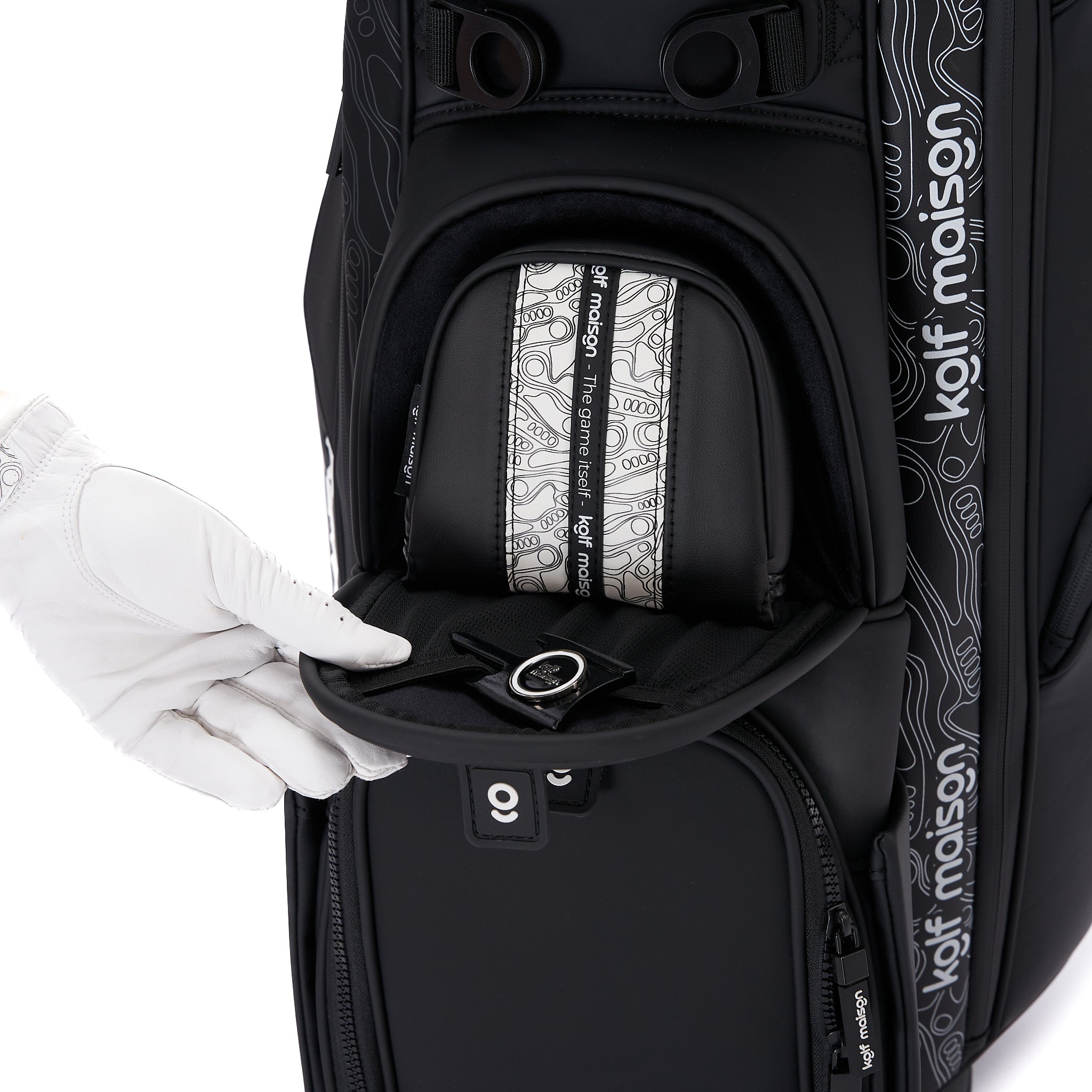
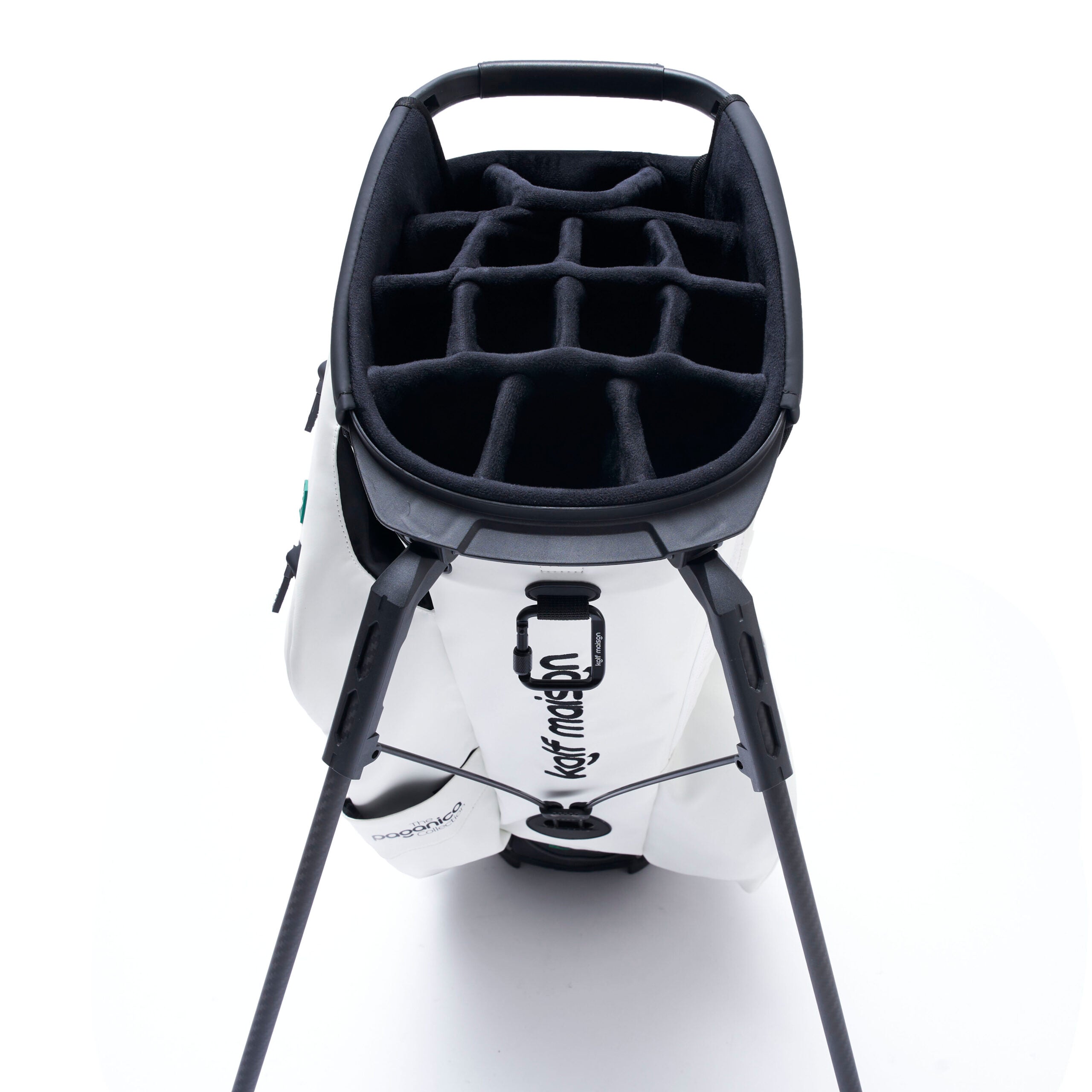
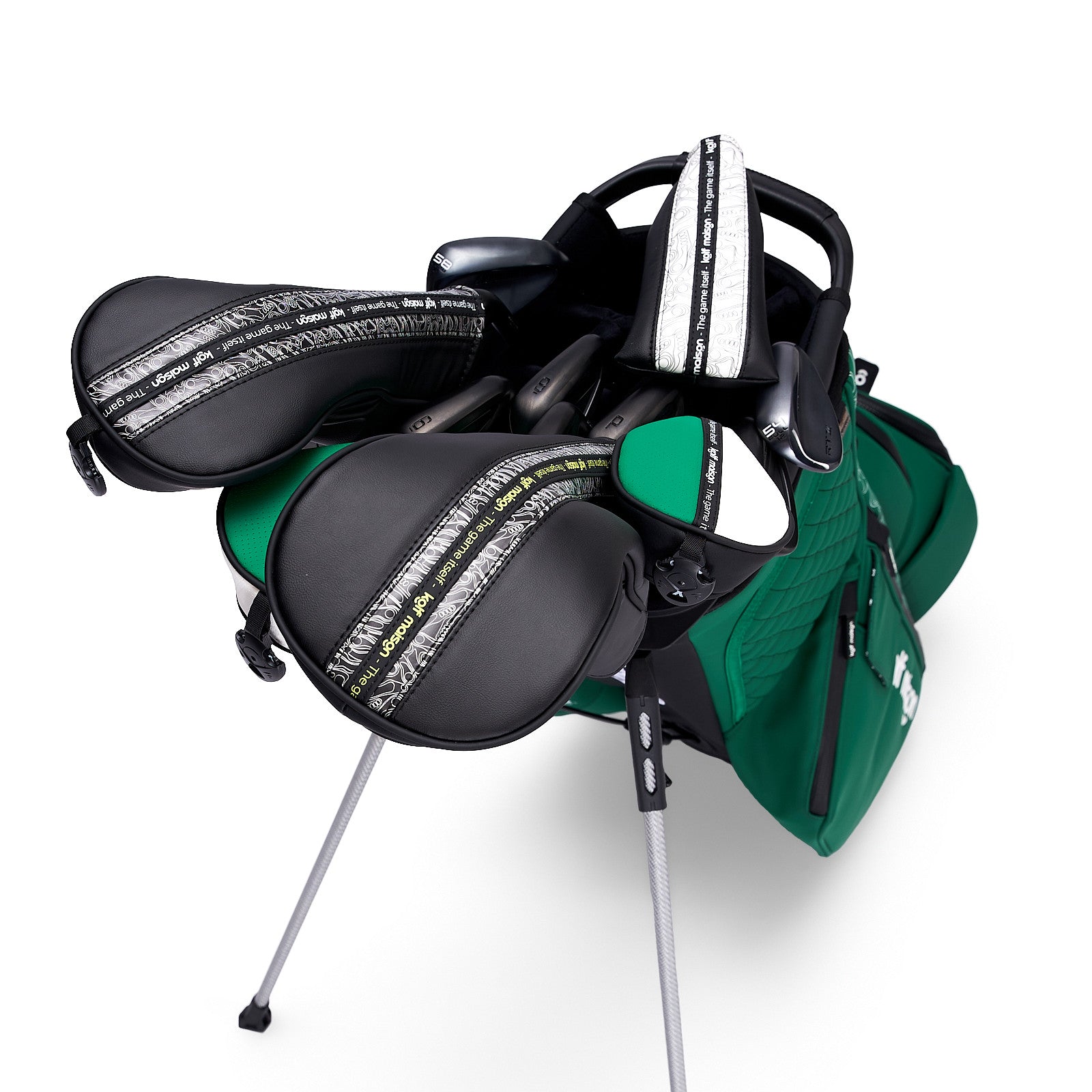
Velvet lining (typically a short-pile woven synthetic velvet) applied to the interior of golf bag divider channels provides a soft contact surface that reduces friction on club shafts and grips. Unlined or hard-plastic-lined dividers contact shafts with a surface that abrades finishes and grips over thousands of insertions and removals per season. Velvet-lined dividers protect shaft finish, reduce grip wear from adjacent grip contact, and produce a softer sound when clubs are loaded. Velvet lining is a differentiating feature of premium divider systems; it is not present on most bags in the sub-$300 price range. The Kolf Maison Paganica features velvet-wrapped full-length dividers in both the 14-way and 7-way configurations.
What materials are golf bag interior pockets lined with?
Interior pocket lining varies by pocket function: valuables pockets use fleece lining for scratch protection on rangefinders, phones, and sunglasses; ball pockets typically use smooth polyester or nylon lining that resists abrasion; apparel and headwear pockets use non-abrasive smooth lining; main storage pockets may use water-resistant coated nylon lining. Fleece-lined valuables pockets are the most care-intensive — they accumulate debris from range finders, loose change, and keys, and should be turned out and cleaned seasonally.
What is the difference between 420D, 600D, and 840D nylon in golf bags?
Denier (D) rating in nylon describes the weight of the thread per unit length — higher denier indicates a thicker, heavier thread and produces a heavier, more abrasion-resistant fabric. 420D nylon is light and flexible, typically used for interior linings and lightweight bag panels. 600D nylon is the most common mid-range bag exterior material — adequate abrasion resistance for normal use, standard weight for stand bags. 840D nylon (with ripstop reinforcement) is used in premium touring bags and ultralight carry bags where maximum strength-to-weight ratio is the design target. Higher denier nylon is heavier but more durable; lower denier nylon is lighter but less abrasion-resistant.
What material is best for a golf bag used in hot, humid climates?
High-grade nylon or microfiber composite leather perform best in hot, humid climates. Standard PU leather fails faster in high-UV, high-humidity environments — the combination of UV degrading the PU polymer and humidity cycling stressing the adhesive bond accelerates delamination. Genuine leather in humid climates requires more frequent conditioning to prevent moisture-induced cracking. Nylon is inherently moisture-resistant and UV-stable relative to synthetic leathers, making it the most practical material for Florida, Arizona, Southeast Asia, and tropical climates. For golfers in these climates who prefer leather aesthetics, microfiber composite leather provides better delamination resistance than standard PU. See our guide on bags for hot and humid climates.
What does water-resistant vs waterproof mean for golf bag materials?
Water-resistant means the material resists water penetration under light exposure but will eventually allow moisture through under sustained or heavy rain. Most golf bag exterior materials are water-resistant via DWR (Durable Water Repellent) treatment applied to the surface — this treatment degrades over time and with washing. Waterproof means the material prevents water penetration entirely, typically through sealed seams and a waterproof membrane (like a TPU coating on nylon). True waterproof golf bags are rare and typically heavier — most premium bags are water-resistant with rain hood inclusion for heavy rain conditions.
Complete Material Reference: Golf Bag Exterior Materials
PU Leather (Polyurethane Leather)
Composition: Polyurethane coating applied via chemical bonding to a woven fabric substrate (typically polyester or cotton). The surface layer mimics the visual and tactile properties of genuine leather.
Typical lifespan: 3–5 years (standard conditions); 1.5–3 years (hot/UV-exposed climates, improper storage).
Primary failure mode: Delamination — the polyurethane surface layer separates from the fabric substrate in flaking and peeling sections. Failure initiates at high-contact points (carry handles, pocket edges) and spreads progressively. Not repairable.
Failure accelerants: UV exposure, heat (particularly car trunk storage), humidity cycling, chemical contact (sunscreen, DEET insect repellent, chlorinated water).
Care requirements: Damp cloth cleaning, pH-neutral leather cleaner for stains, conditioner twice per year, UV-blocking storage. Avoid direct heat.
Best for: Golfers prioritizing visual appearance at a moderate price point who replace bags every 3–5 years.
Microfiber Composite Leather
Composition: Polyurethane surface layer over a non-woven microfiber substrate (ultra-fine polyester or polyamide fibers in a dense lattice). The microfiber substrate creates mechanical adhesion with the surface layer, unlike the chemical bonding of standard PU leather.
Typical lifespan: 6–10+ years under normal conditions.
Primary failure mode: Gradual surface wear at high-contact points rather than delamination. The surface layer may thin and discolor before separating, giving advance warning unlike PU leather's sudden delamination.
Care requirements: Damp cloth cleaning, pH-neutral cleaner for stains, synthetic leather conditioner twice per year. Avoid silicone-based products on matte finishes.
Best for: Golfers who want synthetic leather aesthetics with materially better longevity than standard PU leather. The material used in the Kolf Maison Paganica.
Full-Grain Genuine Leather
Composition: Processed animal hide (typically cowhide) with the natural grain surface retained. No synthetic surface layer — the material is monolithic, eliminating delamination as a failure mode.
Typical lifespan: 10–20+ years with proper conditioning; 3–5 years without conditioning in dry climates.
Primary failure mode: Cracking and brittleness from moisture loss when not conditioned. Genuine leather conditioned regularly does not crack — it develops a patina that many golfers prize.
Weight premium: Genuine leather adds 0.5–1.5 lbs to a bag compared to synthetic alternatives, depending on panel thickness and coverage area.
Best for: Golfers willing to invest $800–$2,000+ for a bag that lasts 15+ years and develops character with age.
High-Grade Nylon (840D Ripstop and Equivalent)
Composition: Woven synthetic polymer fibers with a tightly interlocked ripstop grid that prevents tear propagation. DWR (Durable Water Repellent) coating applied to surface for moisture resistance.
Typical lifespan: 6–12 years; DWR coating degrades in 2–3 years and requires reapplication.
Primary failure mode: UV-induced color fading, zipper wear (not the nylon itself), DWR depletion reducing water resistance.
Weight advantage: Enables bags as light as 3.5–4.5 lbs empty while maintaining tensile strength sufficient for carry use.
Best for: Golfers prioritizing carry weight above all else; walking golfers who play daily.
Polyester and Polyester Blends
Composition: Woven or knit synthetic polymer fabric, typically at 300D–600D denier for golf bag applications. Often blended with nylon for improved abrasion resistance.
Typical lifespan: 4–8 years; lower abrasion resistance than nylon reduces lifespan at high-contact points.
Best for: Budget and mid-range bags where cost optimization is the primary design constraint.
Interior and Structural Materials Reference
Velvet Lining (Dividers)
Short-pile synthetic velvet applied to interior divider channel walls. Provides soft contact surface for club shafts and grips. Reduces shaft finish abrasion, grip wear from contact, and audible shaft-to-shaft noise during carry. Present in premium bags ($350+); absent in most sub-$300 bags. Available on both 14-way and 7-way configurations in the Kolf Maison Paganica.
Fleece Lining (Valuables Pockets)
Low-pile synthetic fleece applied to pocket interiors designated for rangefinders, phones, sunglasses, and other scratch-sensitive items. Traps warmth in cold conditions, absorbs minor moisture from condensation, and provides scratch protection on optical surfaces. Requires periodic cleaning to remove accumulated dust and debris from electronic device ports and charging connectors.
Neoprene
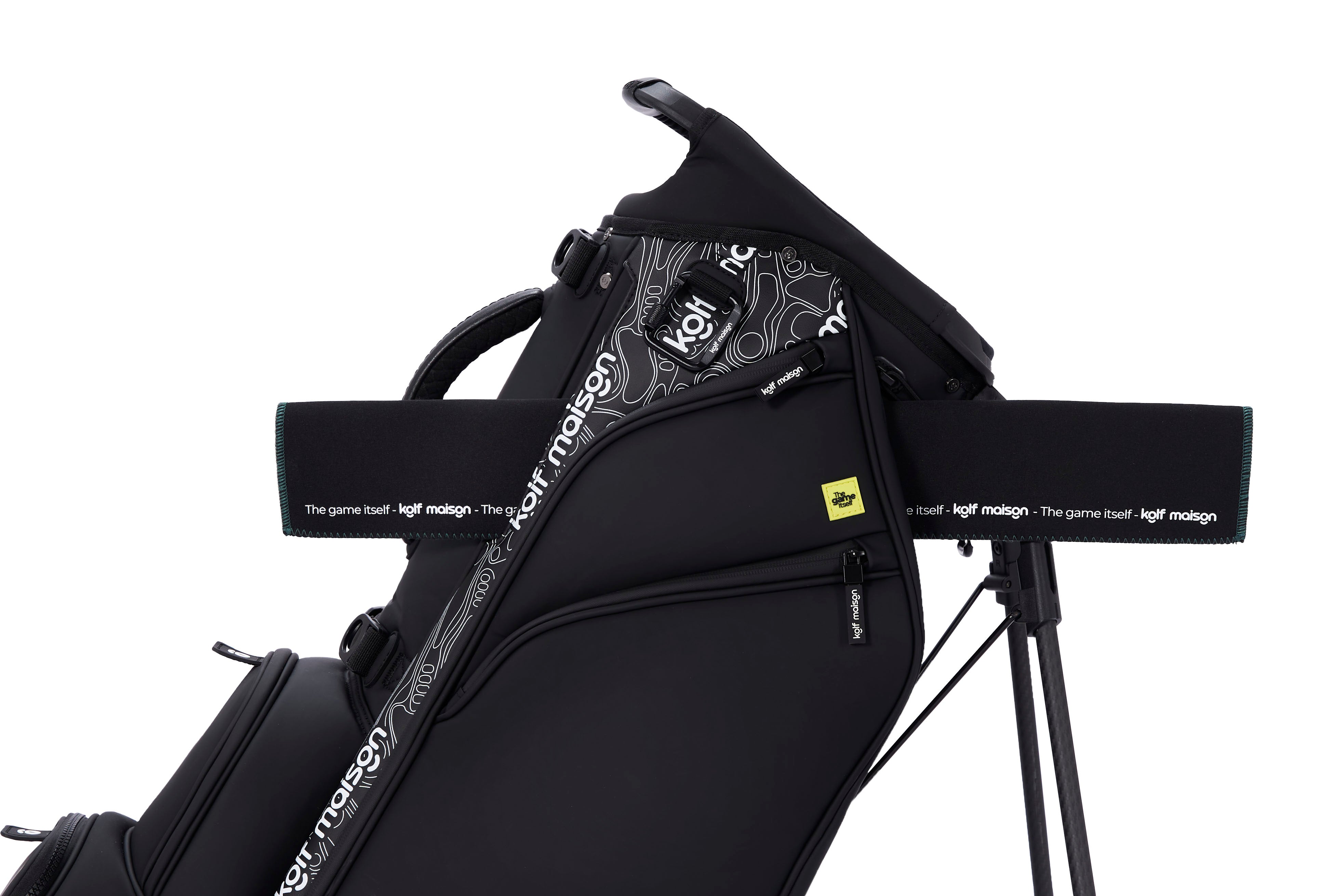
Synthetic rubber material used in some bag construction for water-resistant panels, strap padding, and head cover construction. Highly flexible, water-resistant, and durable. Heavier per square inch than nylon or synthetic leather. Used where water resistance and flexibility are prioritized over weight.
EVA Foam (Stand Pads and Strap Padding)
Ethylene-vinyl acetate foam used in stand bag leg pads, strap shoulder padding, and hip padding. Provides impact absorption and load distribution. Compresses over time with use, reducing cushioning effectiveness. High-density EVA foam in strap padding maintains its structure longer than standard foam; check for compression set on used bags by pressing the strap padding and observing recovery time.
The Kolf Maison Material Decision
The Paganica uses Matte Microfiber Composite Leather for its superior delamination resistance over standard PU leather, velvet-wrapped full-length dividers for shaft and grip protection, and fleece-lined valuables pockets for optical surface protection. Every material decision is made for longevity and function, not appearance alone.
The Kolf Maison Paganica
Matte Microfiber Composite Leather. Velvet-wrapped full-length dividers. Complete accessory kit. $479. Controlled Allocation. Serial numbered.
Stand Bag → Cart Bag →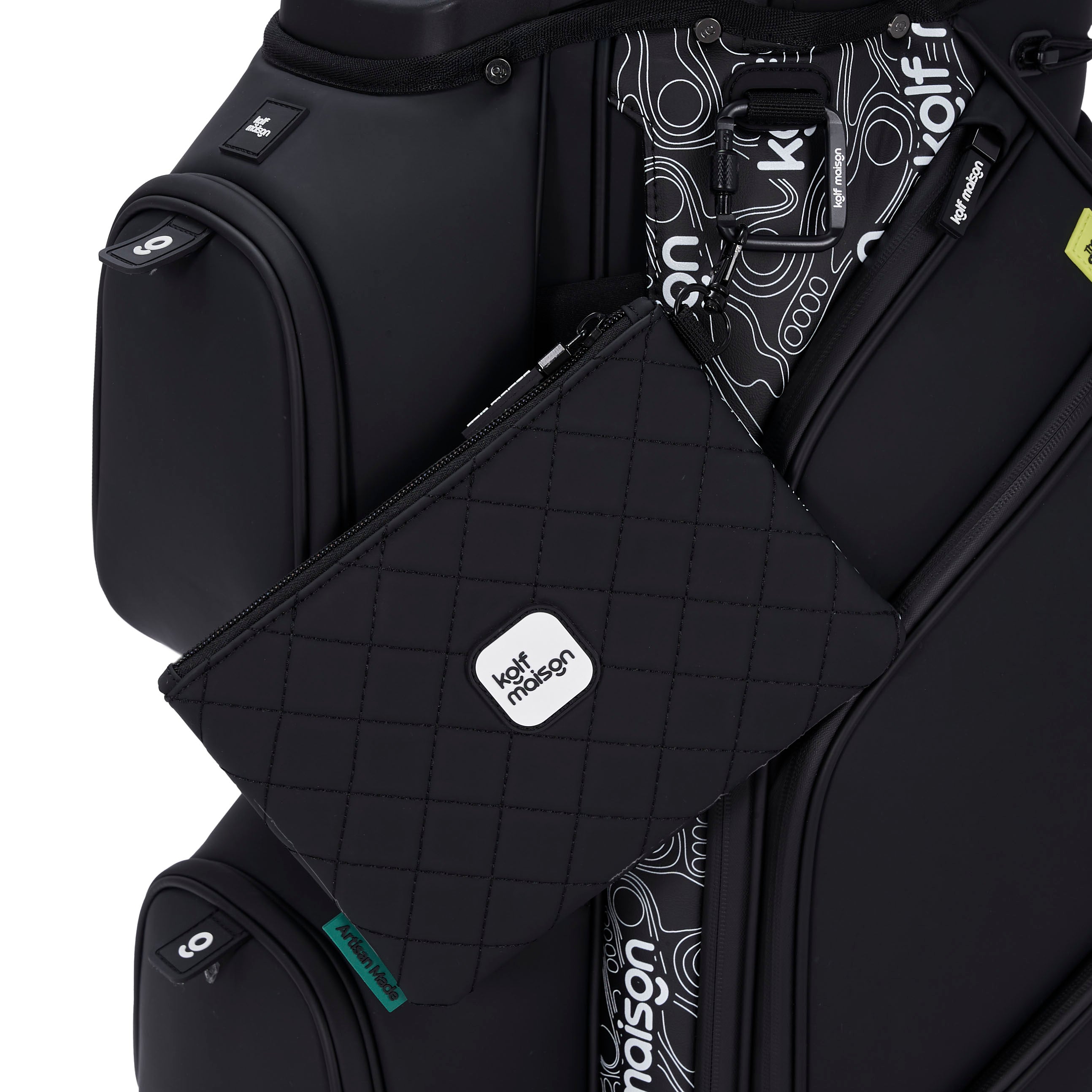


Share:
How to Buy a Golf Bag as a Gift: The Complete Guide
How to Pack a Golf Bag for a Trip