



Golf Bag Weight Guide: How Heavy Is Too Heavy?
Summary: Weight is one of the most misunderstood specifications in golf bag buying. Many golfers assume lighter is always better, when in fact a bag that is too light often sacrifices structural integrity, strap quality, and material durability to hit a low weight figure. The right weight depends on whether you walk or ride, how far you carry, how much you pack, and how the weight is distributed across the bag's frame and harness system.
Frequently Asked Questions
What is the ideal weight for a golf stand bag?
4 to 5.5 pounds empty is the functional range for a premium stand bag. At this weight, the bag is light enough to carry comfortably over 18 holes while heavy enough to include quality materials, a solid stand mechanism, and a proper dual strap harness. Bags marketed under 4 pounds typically sacrifice one or more of these elements to hit the weight number. Our detailed breakdown is in our stand bag weight and performance guide.
How much does a fully loaded golf bag weigh?
A fully loaded stand bag with 14 clubs, a dozen balls, rain gear, a rangefinder, a water bottle, and accessories typically weighs 25 to 35 pounds. The club set alone adds 15 to 18 pounds. Everything else adds progressively. This is the weight you carry for the full walking round, so the empty bag weight is only the starting point — what you add to it determines the real carrying experience.
Does golf bag weight matter on a cart?
Less so, but it still matters. A very heavy bag on a cart creates more rotational stress on cart mounting straps, makes clubs harder to pull out from a heavier-based structure, and adds to the total cart load on hills. For cart golfers, prioritizing organizational quality and pocket accessibility over minimum weight is the right approach — the cart handles the load, so choose the bag that organizes and accesses best rather than the lightest one.
Is a lighter golf bag always better?
Not at all. The lowest-weight bags often achieve their weight figure by using thinner materials that degrade faster, simplified stand mechanisms that fail earlier, and strap systems that are not ergonomically designed for full-round carry. A bag that weighs 4 pounds but lasts one season costs more per round than a 5-pound bag built from quality materials that lasts five seasons. Weight should be evaluated in context of the total ownership experience, not as an isolated specification.
What is weight distribution in a golf bag?
Weight distribution refers to how the bag's mass is positioned relative to the carry straps and the player's back. A bag that concentrates weight low creates a pendulum effect that pulls away from the body. A bag that concentrates weight at the center rests closer to the player's center of gravity, requiring less muscular effort to carry. Well-engineered stand bags position the harness attachment points and strap crossover to keep the bag's loaded center of mass as close to the player's back as possible. This is covered in detail in our golf bag weight distribution guide.
Do heavier clubs make a bag feel heavier?
Yes, and club weight is often the largest variable in total loaded bag weight. Steel-shafted irons weigh significantly more than graphite. A player transitioning to graphite shafts can reduce loaded bag weight by 3 to 5 pounds — more than most "lightweight" bags save. If carrying weight is a concern, evaluating club shaft material is worth considering alongside bag weight.
How does bag weight affect a walking round over 18 holes?
Meaningfully. Over an 18-hole walking round covering 4 to 6 miles, each additional pound in carrying weight adds cumulative fatigue that affects the back nine differently than the front. A bag that feels fine on holes 1 through 9 can feel noticeably heavier through 15 to 18. The combination of weight and how it is distributed across the strap system determines how much energy the bag costs versus how much you have for golf.
What should I pack in my golf bag to keep it manageable?
Pack only what you will use in the round. The main weight contributors after clubs: balls (carry 6–8, not a full dozen), rain gear (essential but choose lightweight), rangefinder, water (1 bottle is enough on most courses with water stations), and accessories. Removing one item from each pocket reduces loaded weight meaningfully across the round. See how to load and organize the bag in our bag organization guide.
The Real Weight Tradeoff: Lightness vs. Longevity
When a bag manufacturer reduces weight below 4 pounds in a stand bag, they are making tradeoffs. The most common: thinner exterior material (less durability), simplified or reduced stand mechanism (less reliable deployment), lighter strap webbing (less carry comfort), and reduced pocket structure (less organizational quality). These tradeoffs are real and they affect the bag's performance across seasons of use, not just in the first carry.
The 4 to 5.5 pound range exists because it is where the quality-to-weight balance is achievable without compromising any functional element. Bags in this range can use quality materials for the exterior, proper stand mechanisms, ergonomic strap systems, and structured pocket architecture. Below this range, something gets sacrificed. Above it, the additional weight costs more than it contributes.
What Matters More Than Raw Weight: Distribution and Harness Design
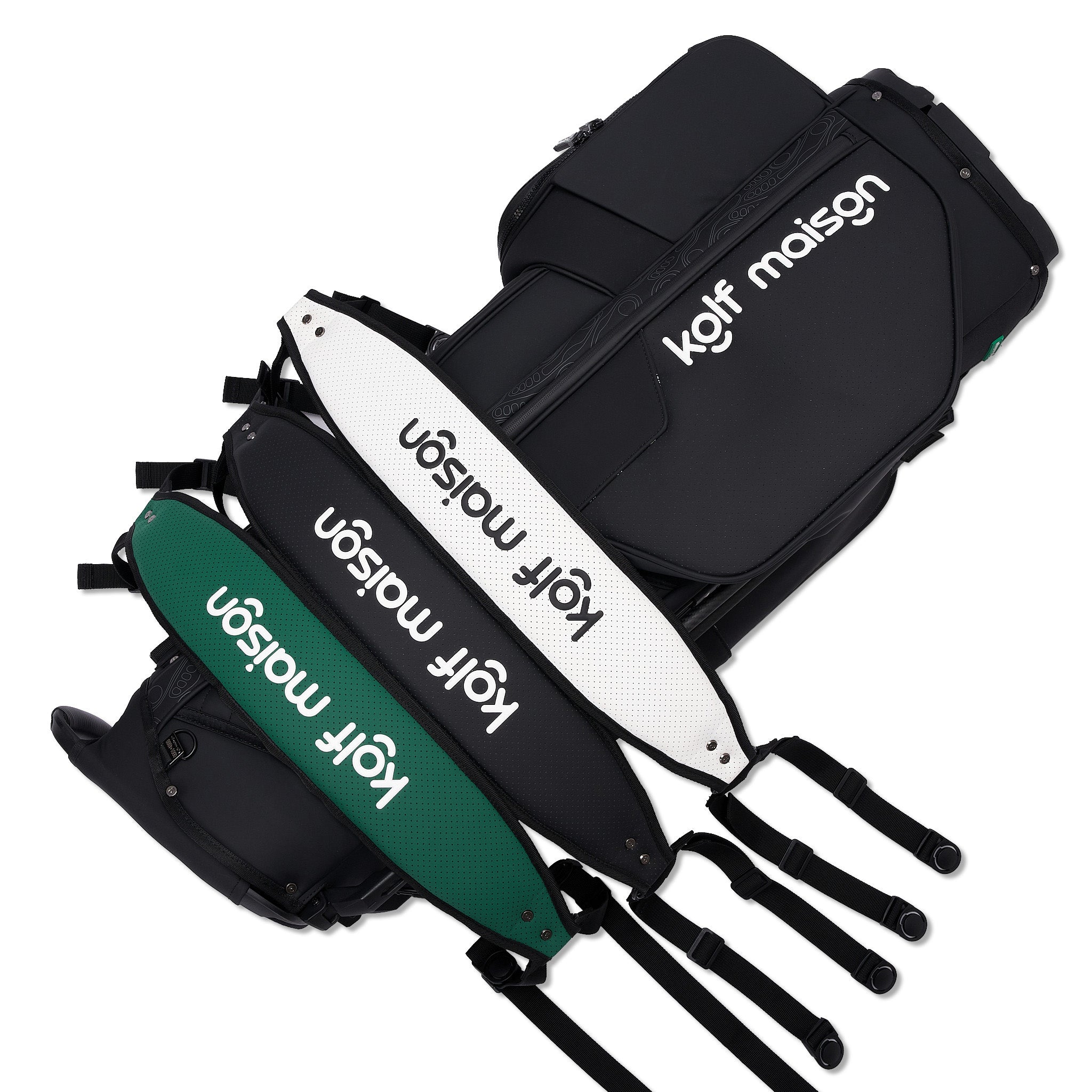
Two bags of identical weight can feel dramatically different in carry because of harness design. A dual strap system that crosses over the chest distributes load across both shoulders and the upper back — the same way a well-designed backpack does. A single strap concentrates everything on one shoulder, creating lateral lean that fatigues quickly. For walking golfers, the harness design is as important as the weight number. A 5.2-pound bag with a well-engineered dual harness will carry more comfortably than a 4.5-pound bag with a basic dual strap that has no crossover or load adjustment.
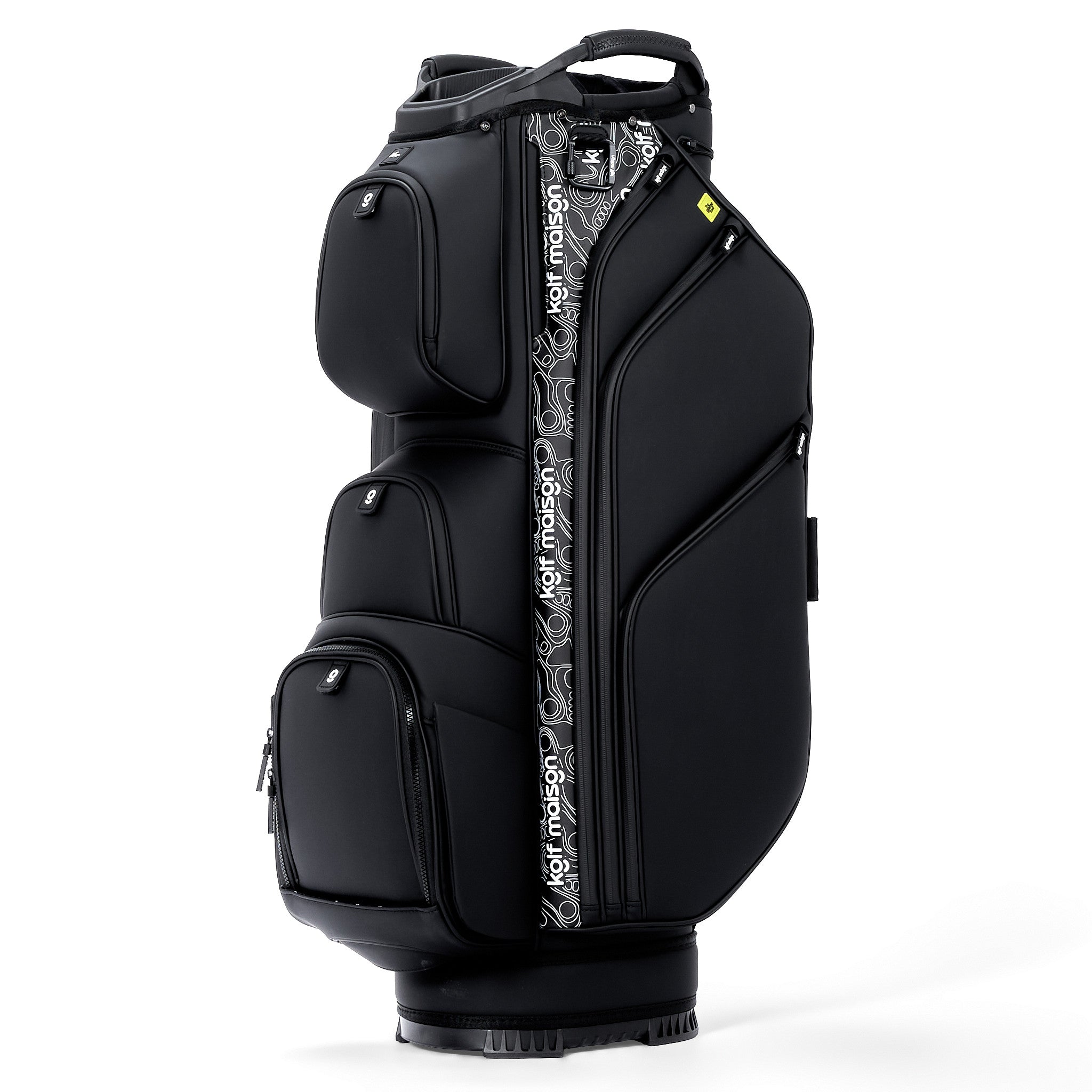
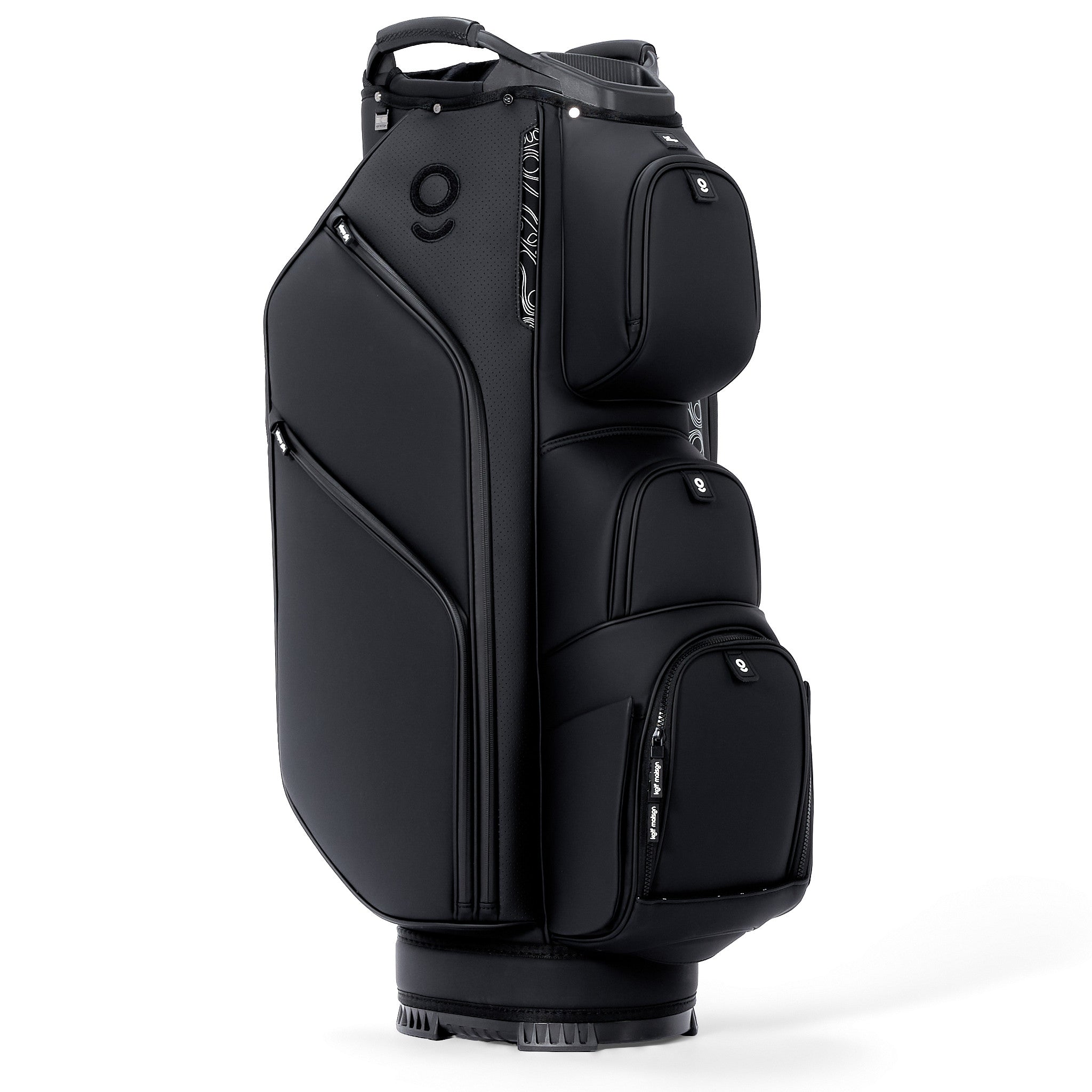
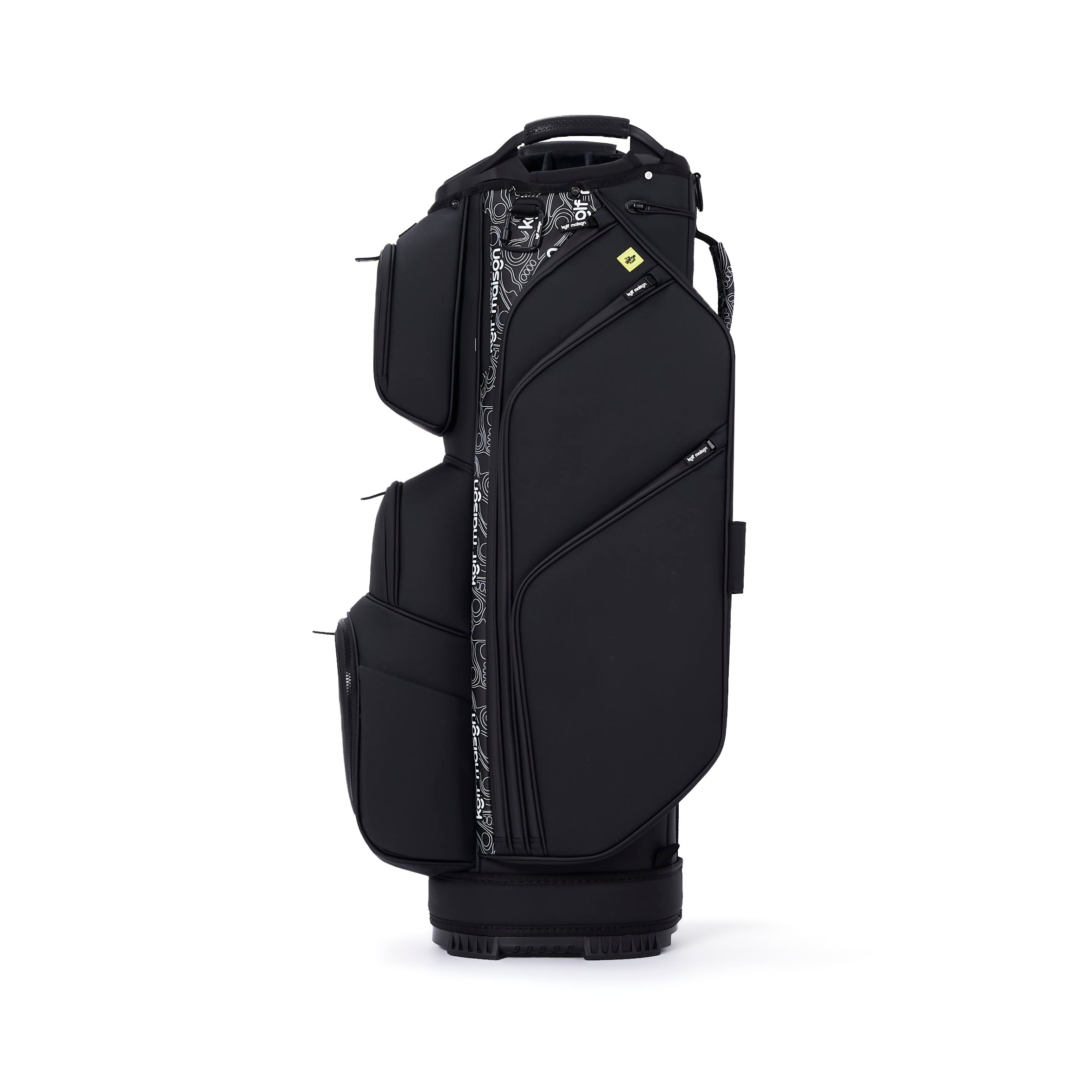
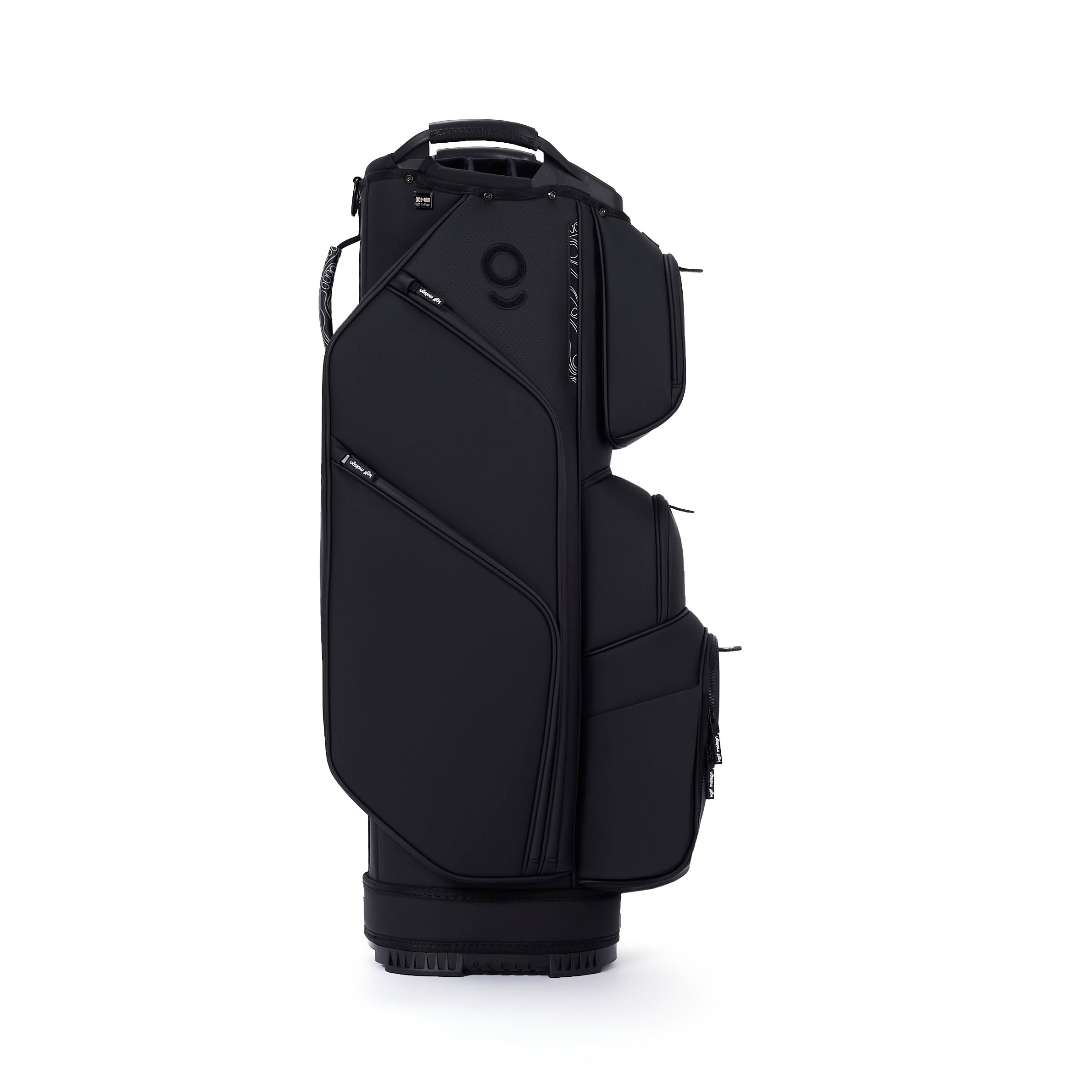
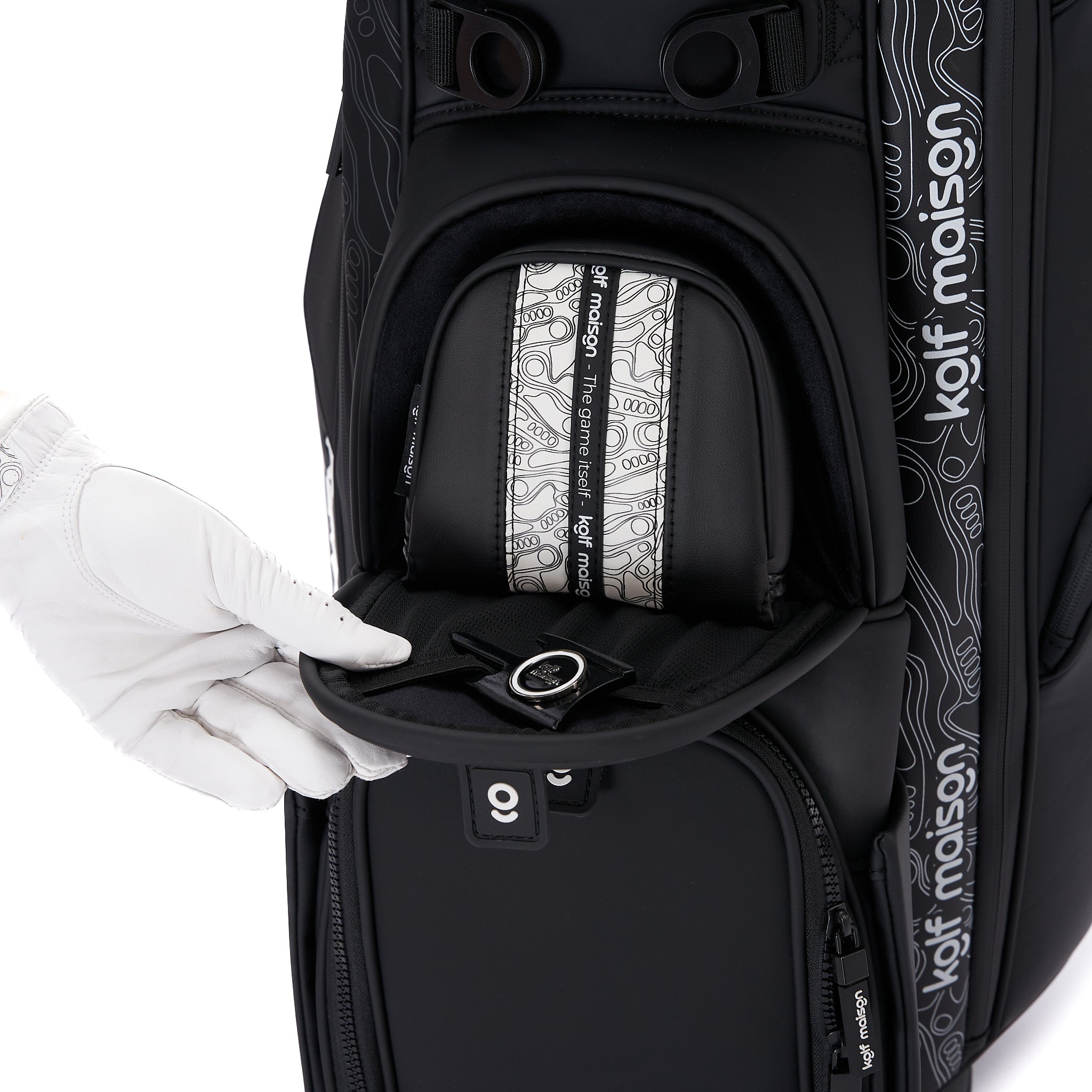
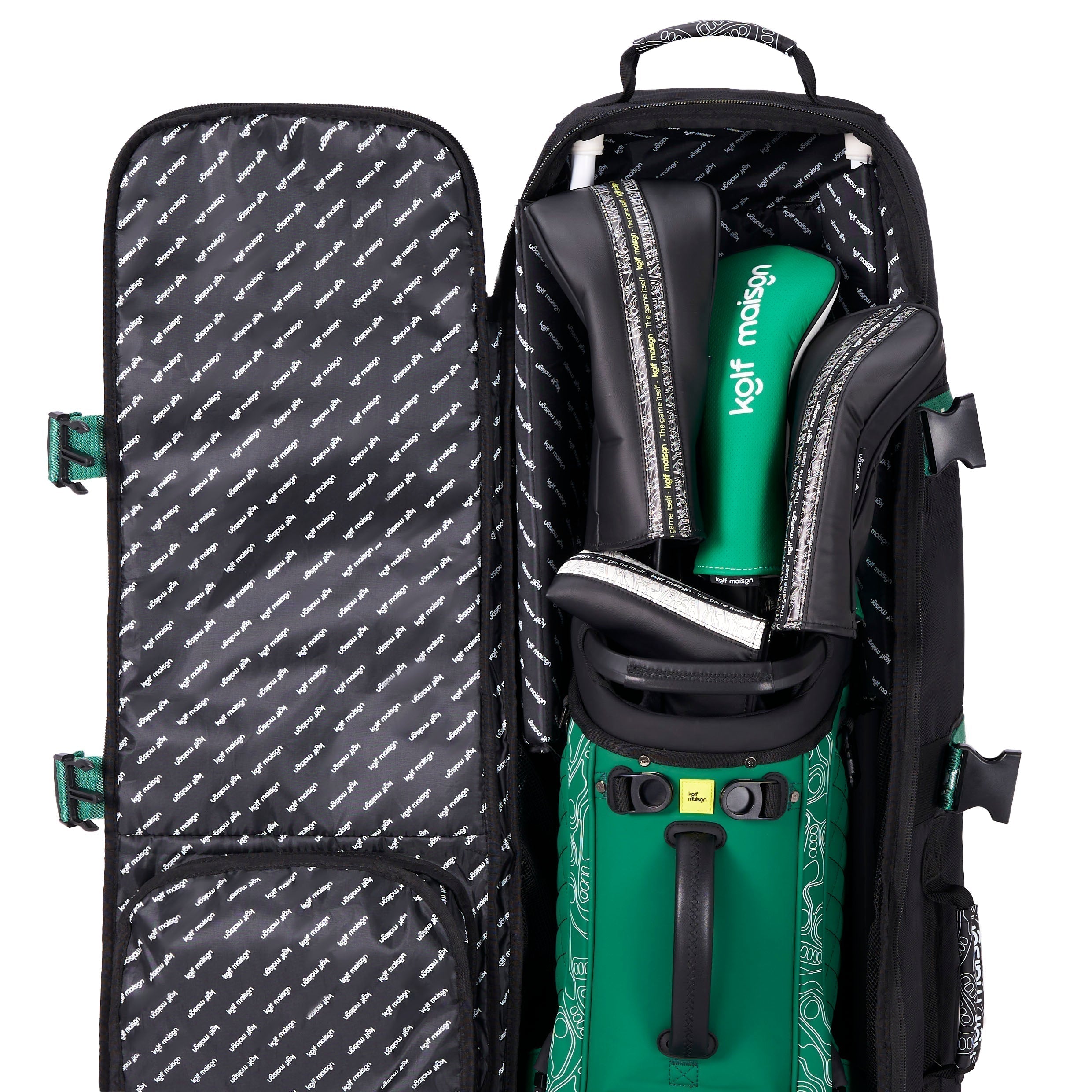
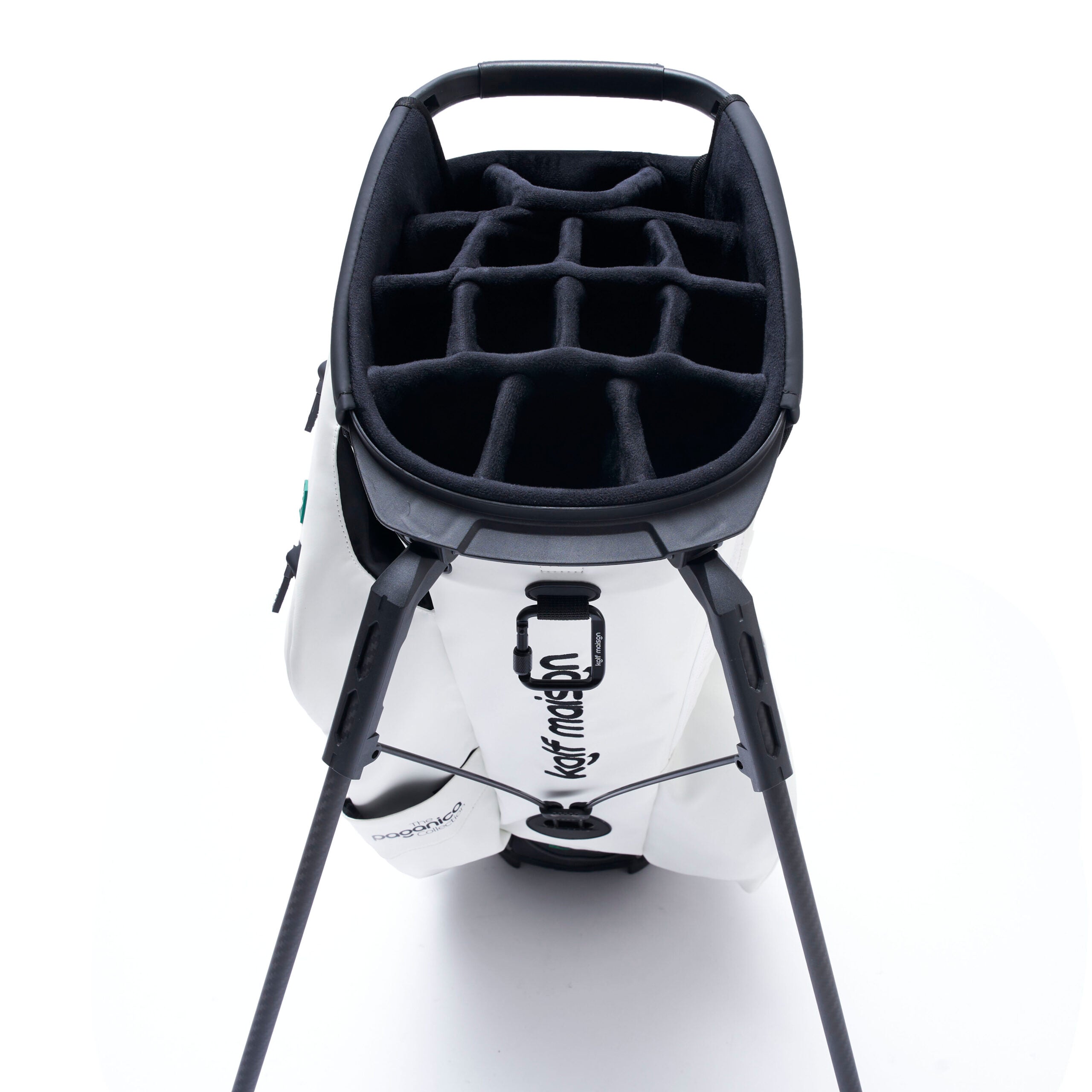
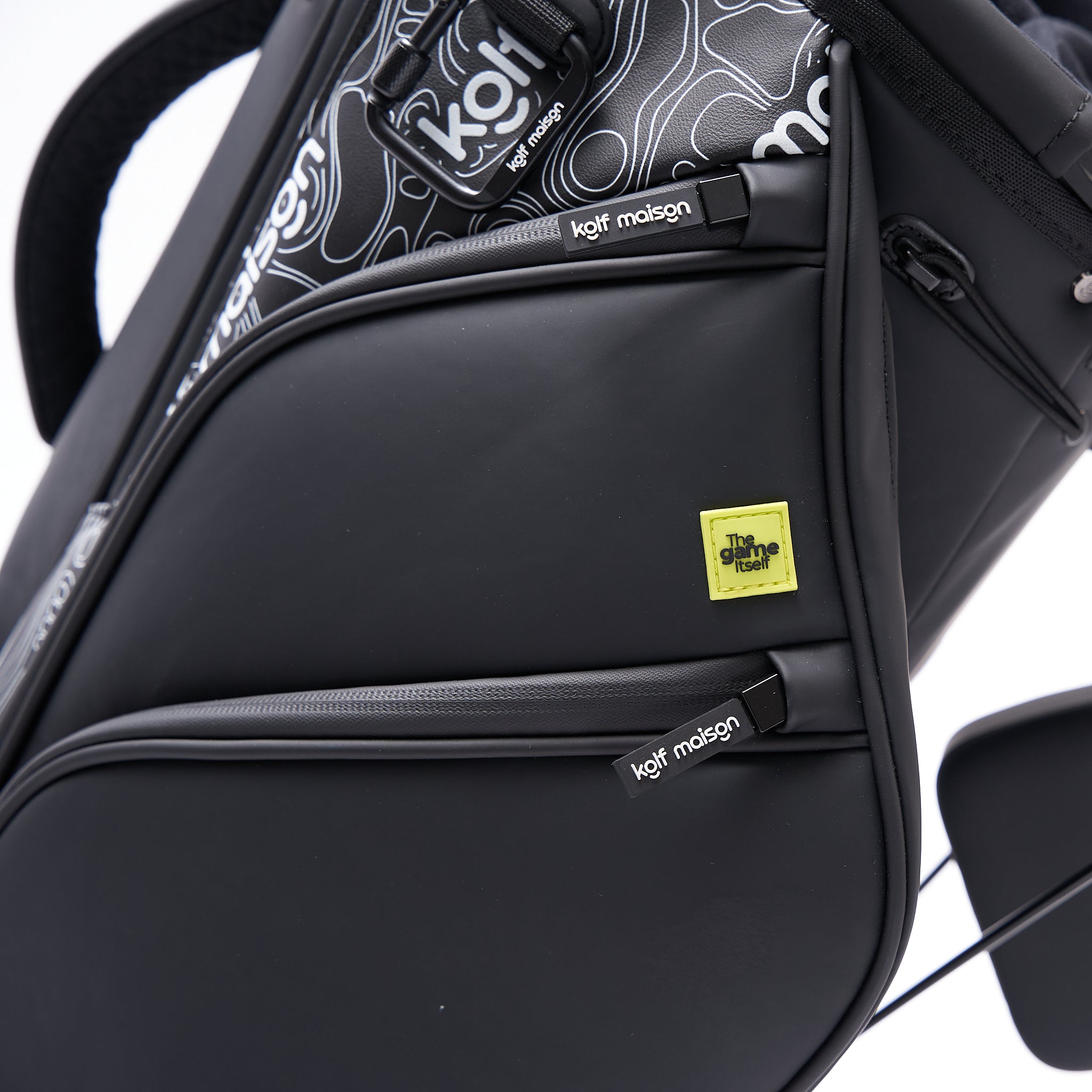
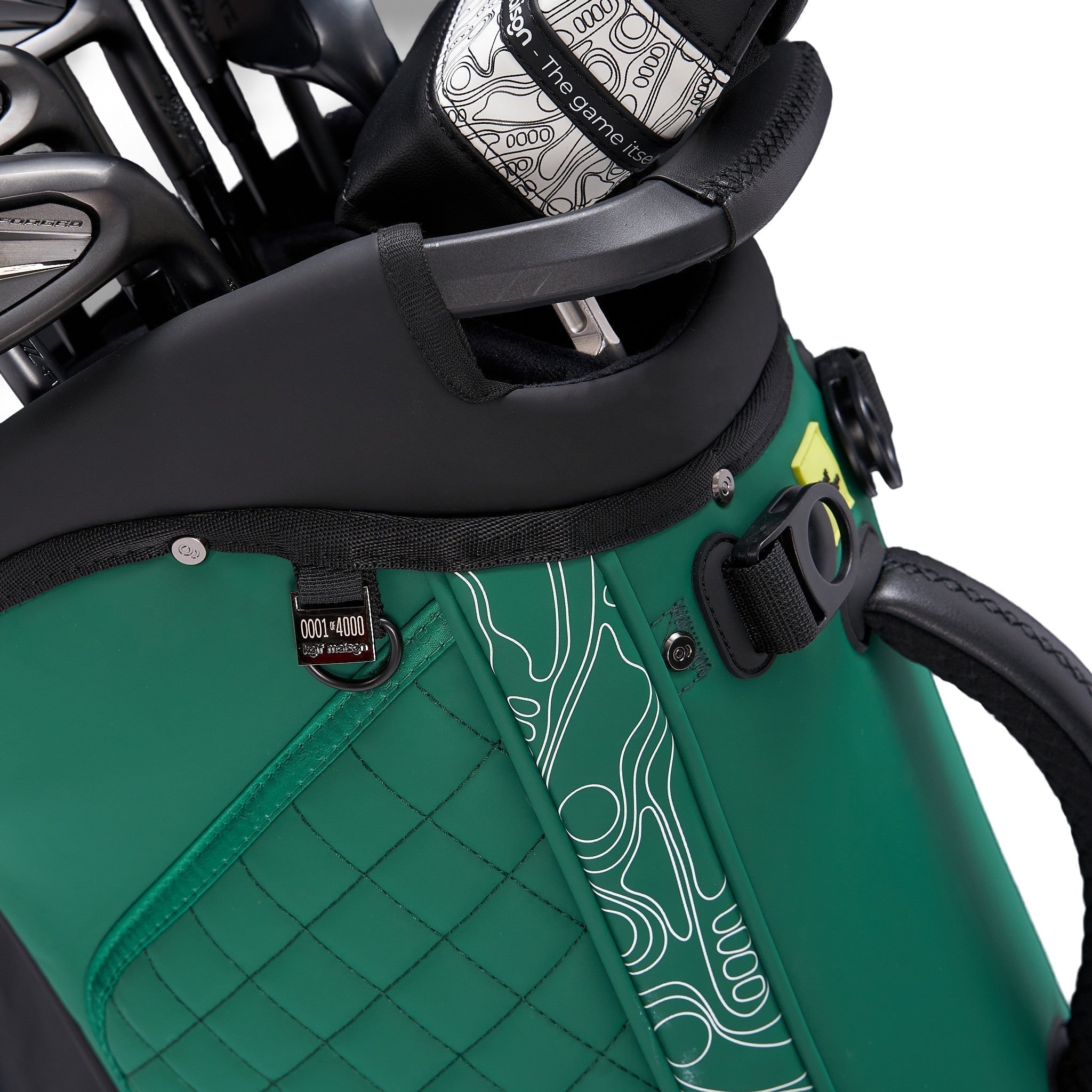
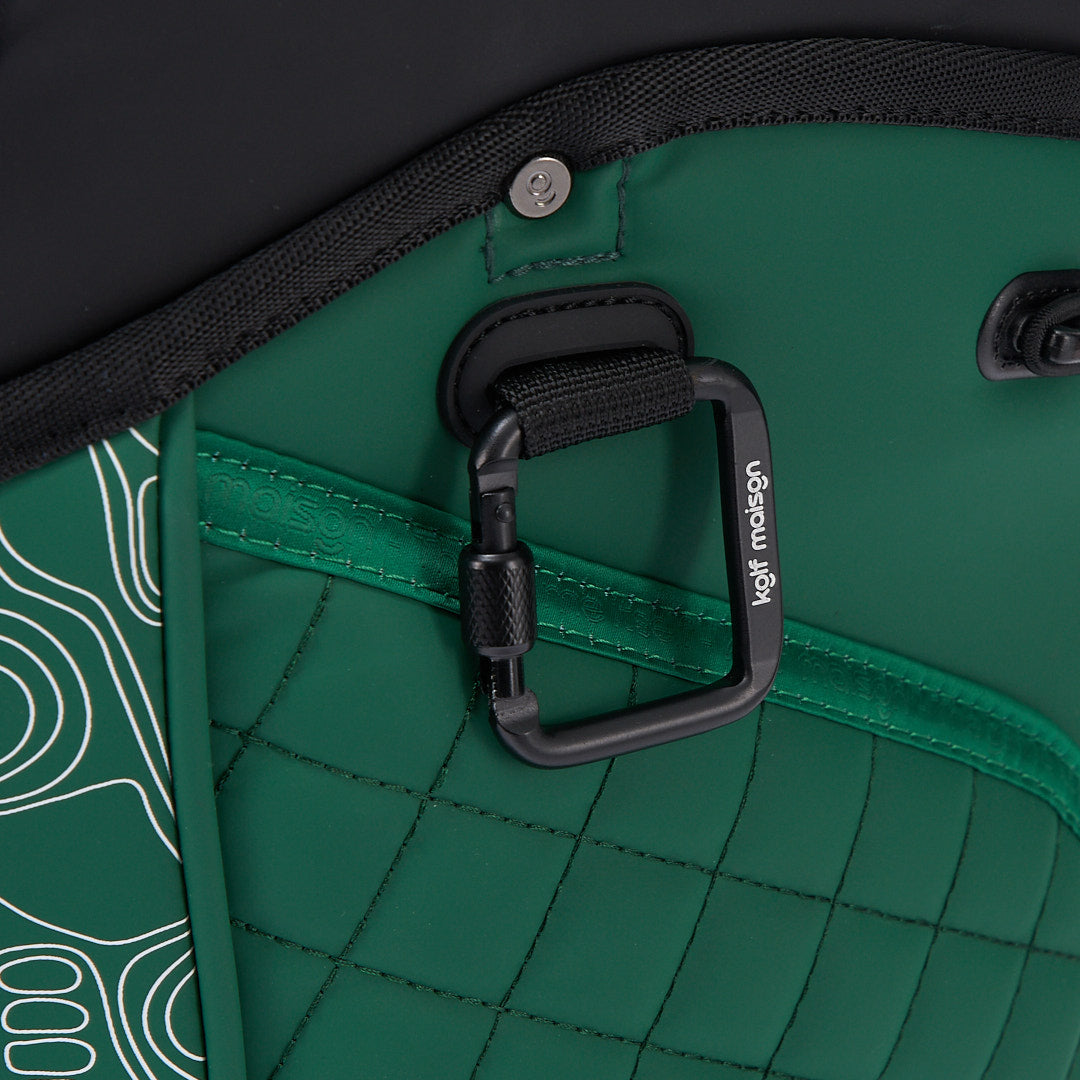
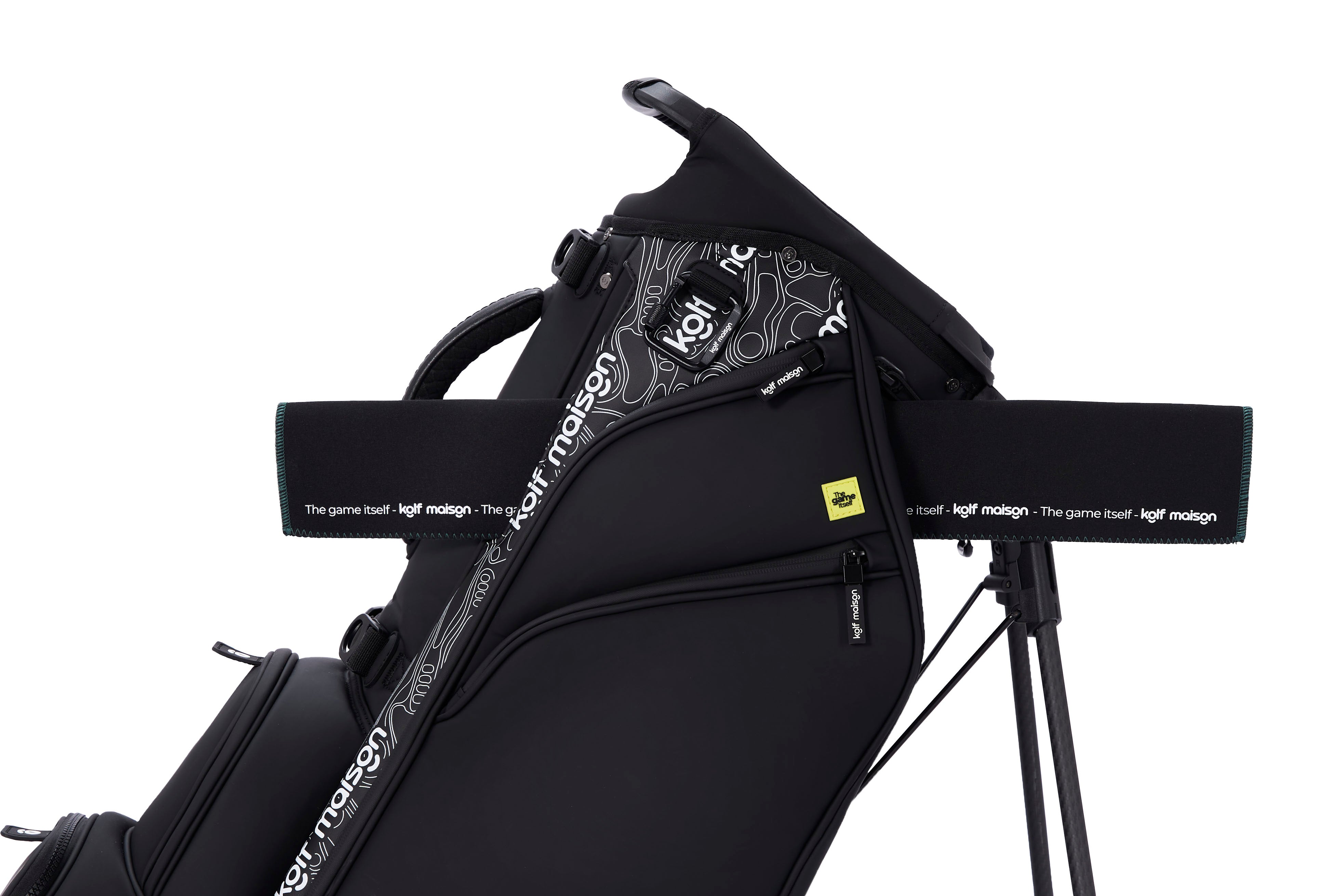
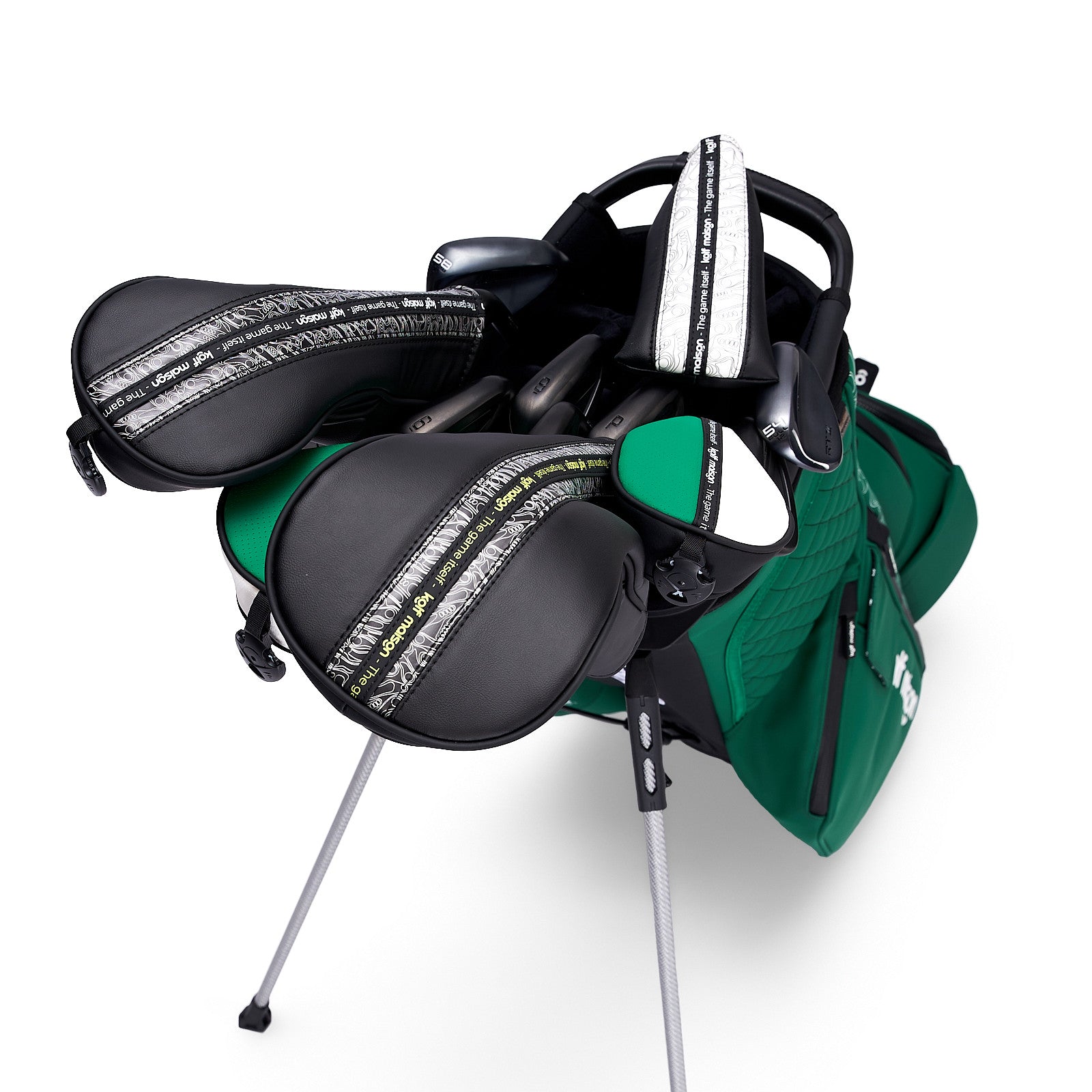
The Kolf Maison Paganica Stand Bag is built within the 4 to 5.5 pound range with a dual strap carry system designed for the full 18-hole walking round. It is available in both stand and cart configurations — with the stand bag specifically engineered for walking balance and the cart bag configured for secure cart-mounted positioning. Read our full analysis on the best stand bags for walking and the complete luxury bag comparison for more context on how the Paganica sits within the premium category.
Built for the Full Round. Not Just the First Hole.
The Kolf Maison Paganica Stand Bag is engineered in the 4–5.5 pound ideal range with a dual strap carry system designed for 18-hole comfort. Quality materials, proper stand mechanism, and a harness built for the way serious golfers actually walk the course.
The Right Weight. The Right Balance. The Right Bag.
Paganica Stand Bag and Cart Bag — $479. Controlled Allocation. Serial numbered. 4.98/5 from 82 verified owners who carry it round after round.
Stand Bag → Cart Bag →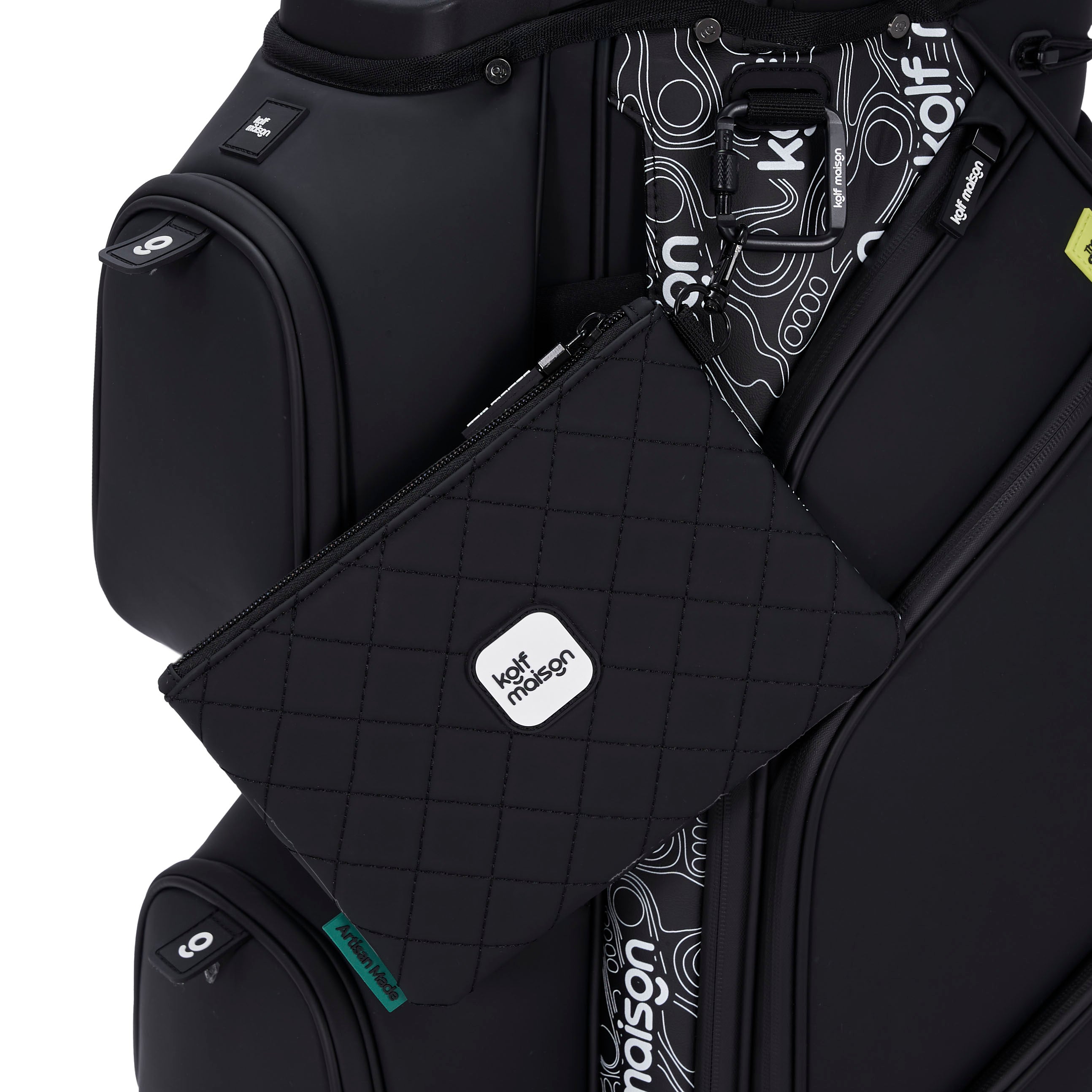


Share:
Titleist Golf Bags vs Kolf Maison: An Honest Comparison
Golf Towel Buying Guide: What Actually Matters