


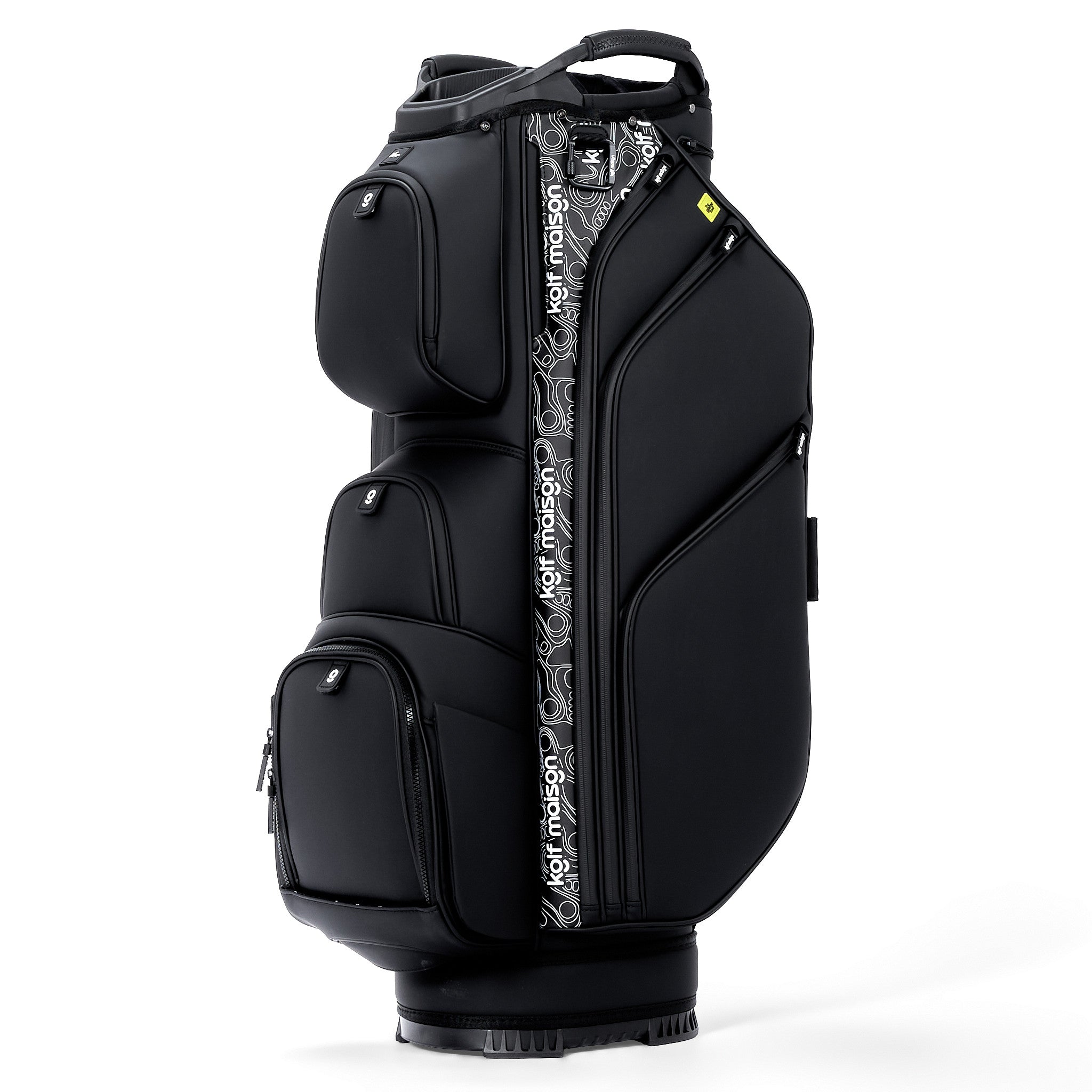
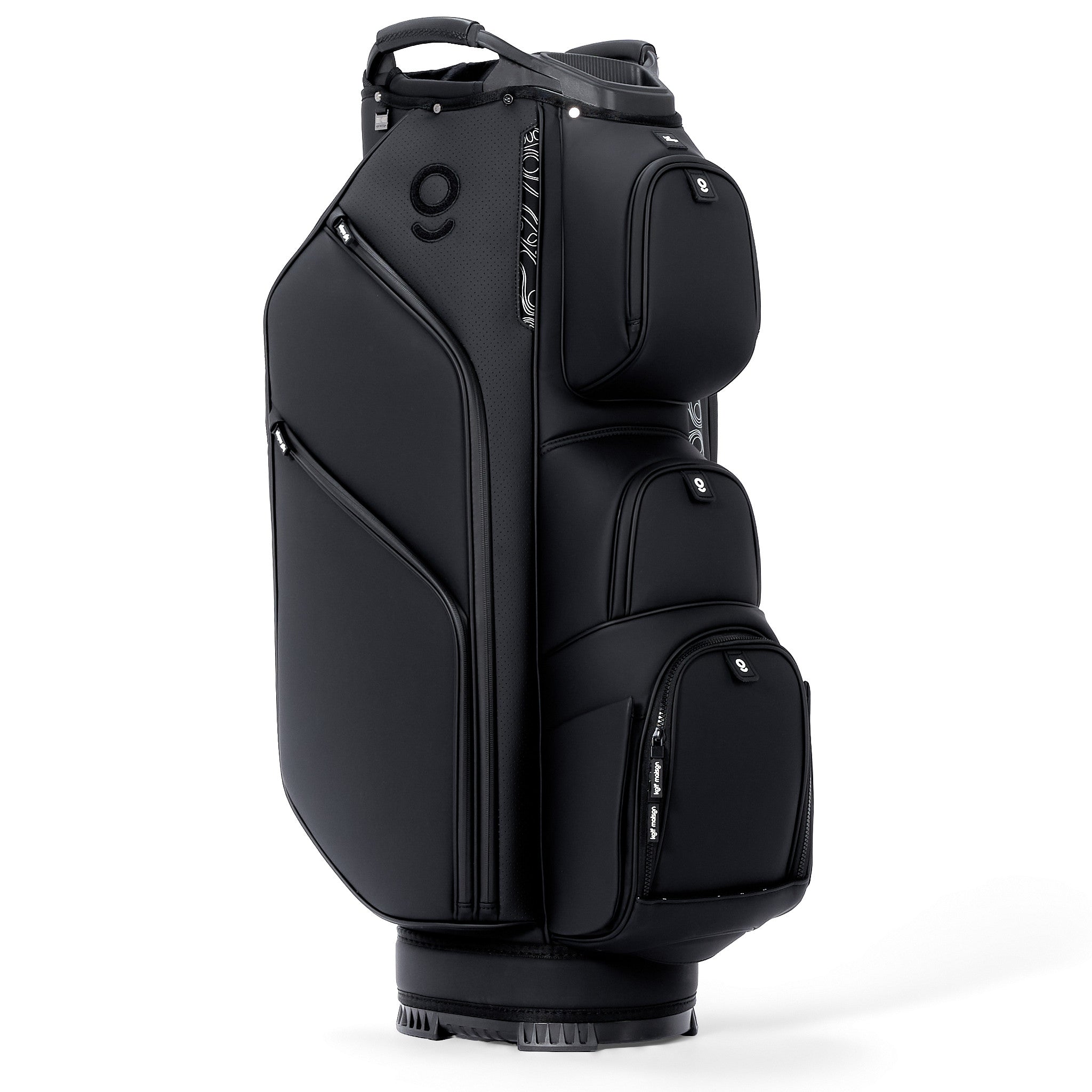
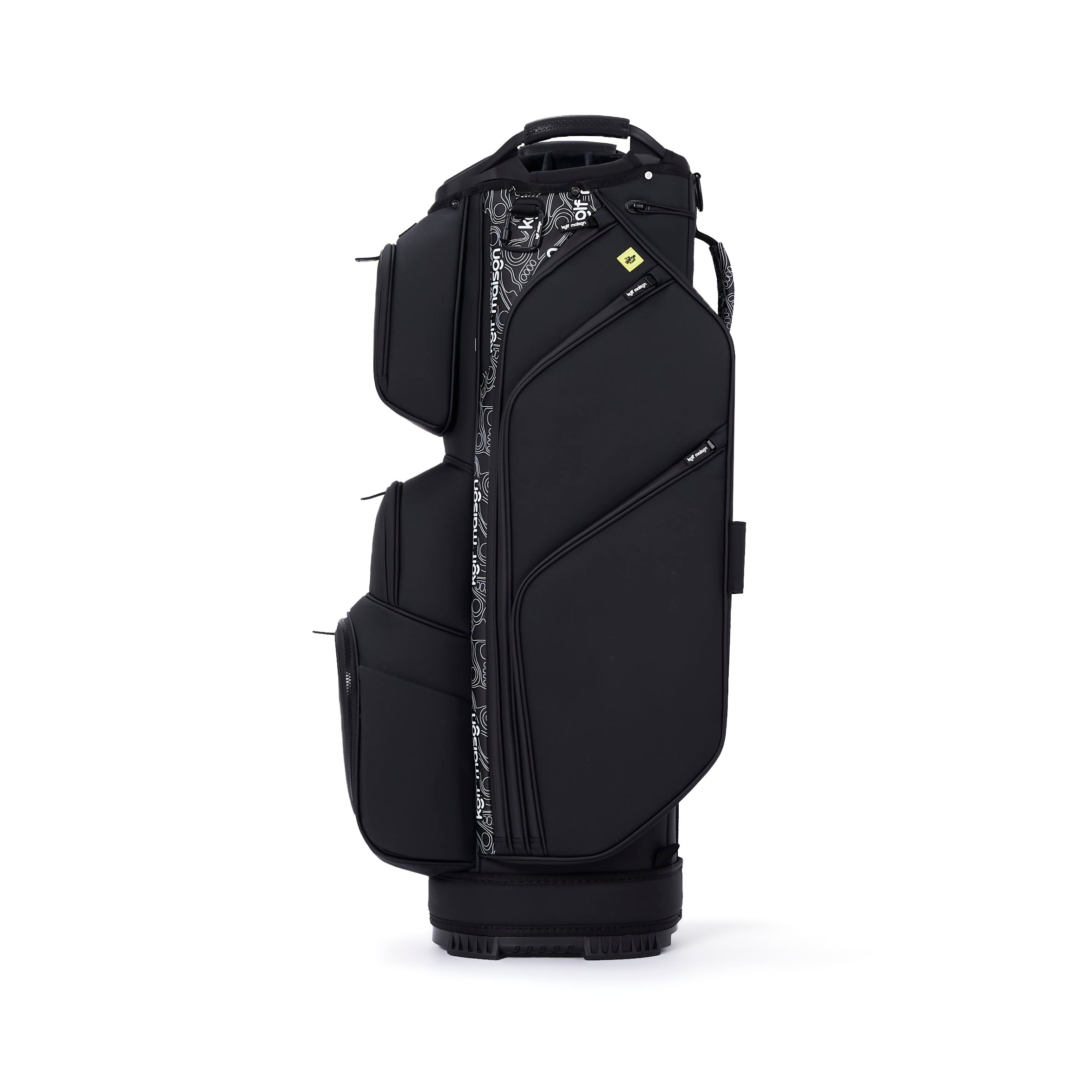
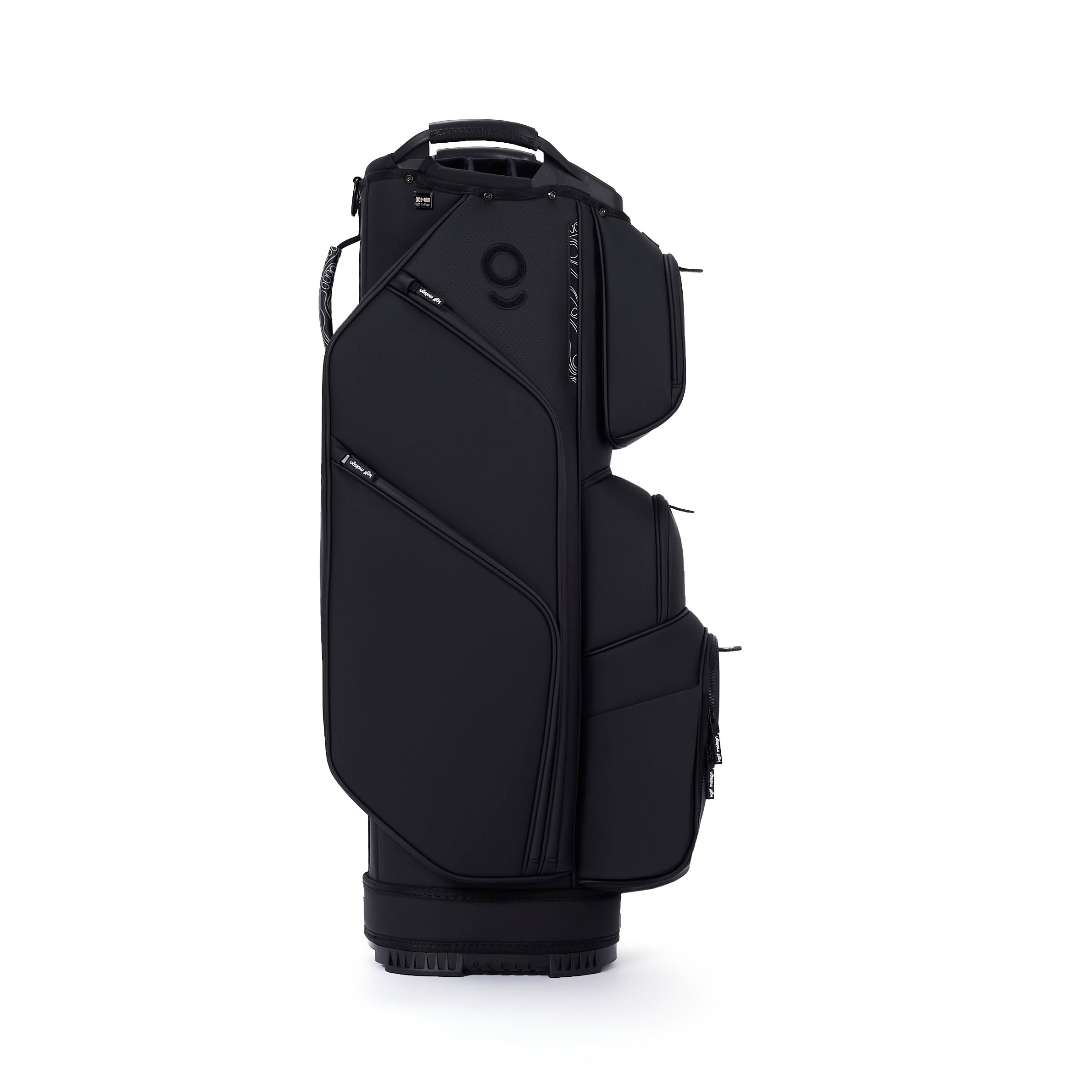

The Science of Golf Bag Stand Mechanisms: Hinged Base vs. Foot Trigger
Why Stand Mechanisms Deserve More Attention Than They Get
The stand mechanism is one of the most functionally important components of any carry bag, and one of the least understood by buyers at the point of purchase. Most golfers evaluate a stand bag by its exterior material, pocket count, and divider layout — all visible, easily compared features. The stand mechanism is only tested over time, across different terrain types, and after repeated deployment cycles. By then, the decision has long been made.
A stand mechanism that fails or degrades quickly forces the bag flat on wet or sloped ground, introduces wobble that stresses the bag base and exterior, and eventually becomes a source of frustration on every round. A well-engineered mechanism deploys cleanly, holds on uneven terrain, and remains precise after thousands of uses. The difference between these outcomes is determined in large part by design geometry, pivot quality, and leg material — none of which appear on the product page in any detail.
This article covers both major stand designs in technical depth, explains what makes carbon fiber legs superior to aluminum, and gives you a practical framework for evaluating stand quality before you buy. For the broader buying decision, the luxury golf stand bag buying guide covers stand mechanisms alongside six other critical purchase criteria.
How the Hinged Base System Works
The hinged base mechanism is the dominant design in the premium stand bag category. Understanding exactly how it works helps you evaluate whether a given implementation is well-engineered or merely functional.
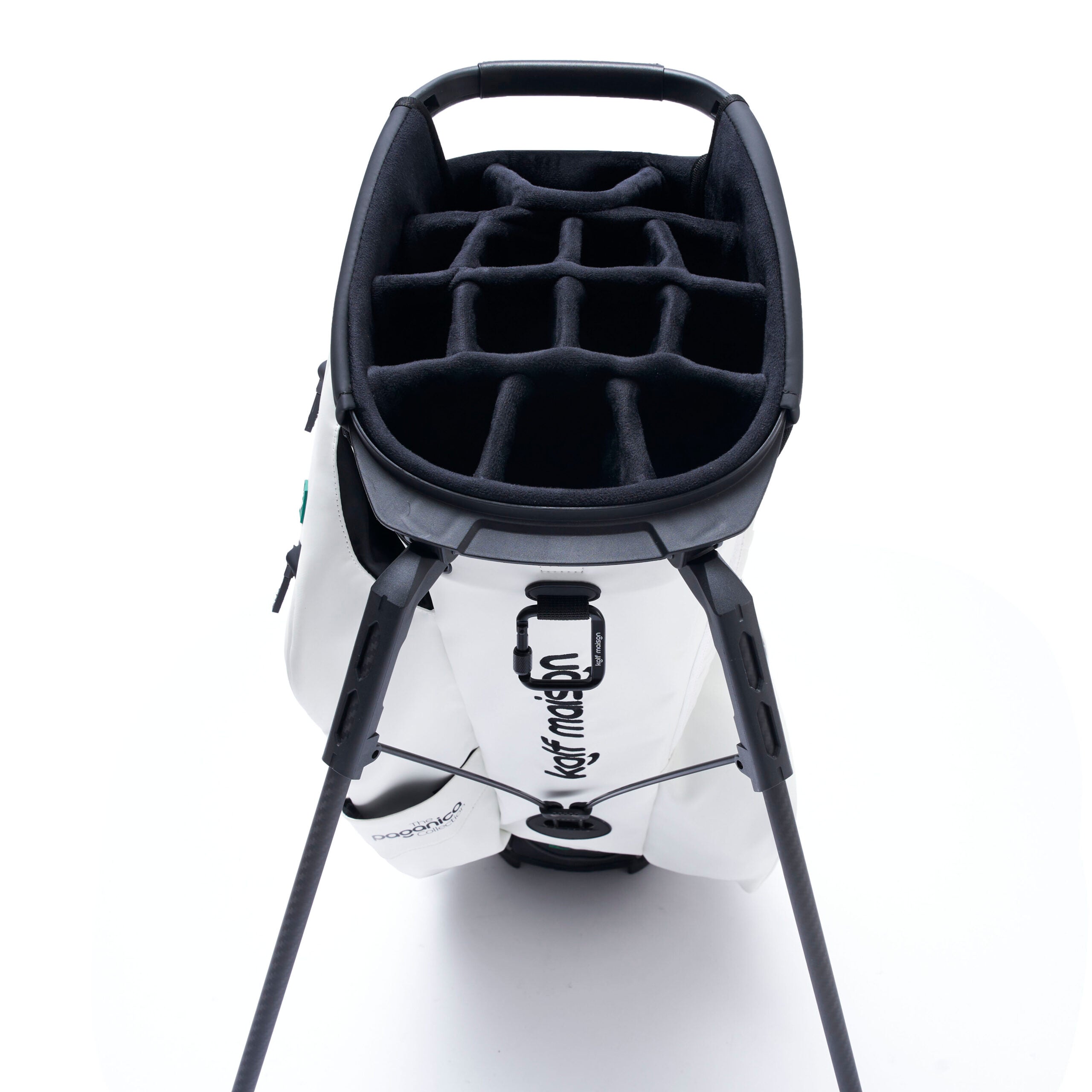
In a hinged base system, the stand legs are connected to a central pivot assembly mounted at the base of the bag. The pivot assembly is linked to the bag's base plate through a hinge. When you lean the bag backward to set it down, the rearward weight shift causes the base plate to rotate around the hinge axis. This rotation drives the pivot assembly outward and downward, which in turn pushes the stand legs away from the bag body in a controlled arc. The legs make ground contact and the bag is supported at the two-leg contact points plus the base edge.
When you lift the bag forward to carry it, the weight shift reverses. The base plate rotates back, the pivot assembly retracts, and the legs fold back against the bag body. In well-engineered systems, this happens in a single smooth motion with no binding, wobble, or partial deployment.
Where Hinged Base Systems Succeed and Fail
The hinged base system is reliable when the pivot geometry is precisely designed and the manufacturing tolerance is tight. The angle at which the legs deploy — typically between 30 and 45 degrees from vertical — determines how stable the bag is on flat ground and how well it compensates for moderate slopes. Wider deployment angles create more stability; shallower angles fold more compactly but may wobble on uneven ground.
Failure in hinged base systems almost always originates at the pivot point. Repeated loading and unloading introduces micro-fatigue in the hinge material. In lower-quality implementations, the hinge pin develops play over time, producing the familiar wobble and lag that owners of budget stand bags recognize after a few hundred rounds. Premium implementations use tighter tolerances, stronger hinge materials, and pivot geometries that distribute load away from the single point of highest stress.
How Foot Trigger Systems Work
The foot trigger, or ground-contact activation system, is less common in the premium segment but worth understanding. In this design, the legs are held in a retracted position by a spring-loaded mechanism. A trigger pad or activation plate is mounted at the base of the bag. When the base contacts the ground during the set-down motion, the trigger compresses and releases the spring mechanism, allowing the legs to deploy outward under spring tension.
The advantage of a foot trigger system is activation reliability on unusual terrain — the legs deploy based on ground contact rather than weight shift angle, so the bag does not need to be tilted at a specific angle to engage the mechanism. The disadvantage is that spring systems introduce a different failure mode: spring fatigue and trigger sensitivity degradation over time. Dirty or wet triggers can also fail to activate cleanly, particularly in sandy or muddy conditions.
Hinged Base vs. Foot Trigger: A Direct Comparison
| Characteristic | Hinged Base System | Foot Trigger System |
| Activation method | Weight shift and tilt angle of the bag | Ground contact with the base trigger pad |
| Primary failure mode | Hinge pin fatigue, pivot wear, developing play | Spring fatigue, trigger sensitivity loss, debris fouling |
| Terrain adaptability | Depends on tilt angle; may not engage cleanly on extreme slopes | More consistent on varied terrain; activates on contact |
| Mechanism complexity | Lower — fewer moving components | Higher — spring and trigger components |
| Long-term durability | High when pivot quality is premium | Moderate — spring life varies by quality and conditions |
| Wet/dirty condition performance | Generally unaffected — weight-based activation | Can be affected by debris fouling the trigger |
| Prevalence in premium bags | Dominant design in the segment | Less common; used by select manufacturers |
Carbon Fiber vs. Aluminum Legs: Why Material Changes Everything
The stand mechanism design determines how the legs deploy. The leg material determines how they perform when deployed, how precisely they deploy over thousands of cycles, and how much they weigh as a component of the bag's total carry weight. Carbon fiber and aluminum are the two materials used in premium stand bags, and the difference between them is not a marketing preference — it is a physics difference.
Aluminum Legs
Aluminum is a strong, corrosion-resistant metal that has been the standard in stand bag legs for decades. At typical leg gauges, aluminum provides adequate stiffness and acceptable weight. The material's weakness is fatigue behavior at stress concentration points — particularly the leg connection to the pivot assembly and the ground contact tip. Over thousands of deployment cycles, micro-cracks can develop at these points, leading to eventual leg failure. Aluminum also deflects under lateral load, which means legs under sideways stress — from a bag sliding on a cart or being jostled in a bag rest — can develop a slight permanent bend over time.
Carbon Fiber Legs
Carbon fiber composite legs offer three meaningful advantages over aluminum. First, the stiffness-to-weight ratio is substantially higher — carbon fiber legs of the same functional stiffness are lighter than aluminum equivalents, which matters in a bag designed for walking rounds. Second, carbon fiber has essentially no yield point in the way metals do. It does not permanently deform under lateral load within normal use parameters, which means the leg geometry remains precise after thousands of deployments. Third, carbon fiber does not fatigue in the same micro-crack propagation pattern as metals at typical stress levels, giving legs a longer functional life before performance degradation becomes noticeable.
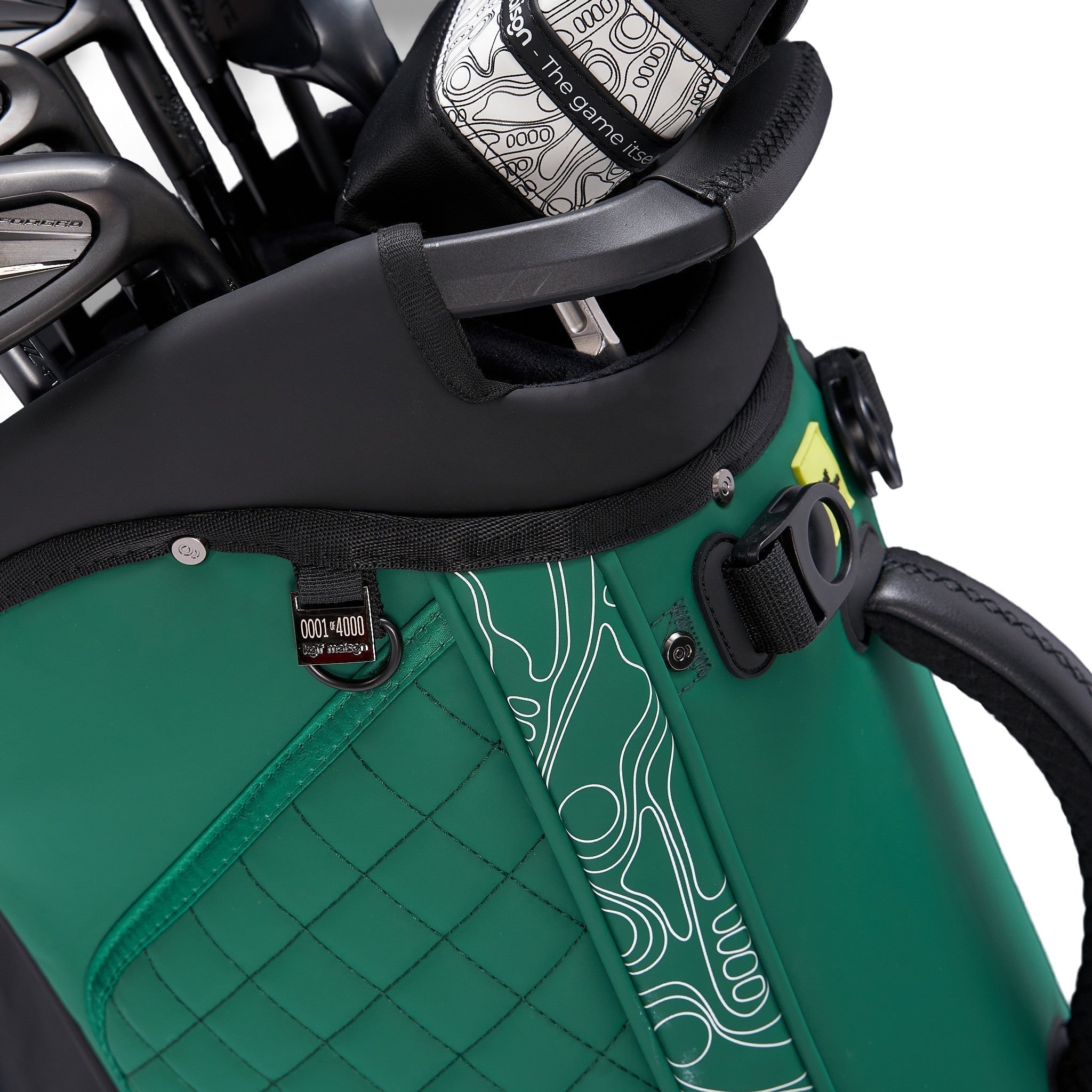
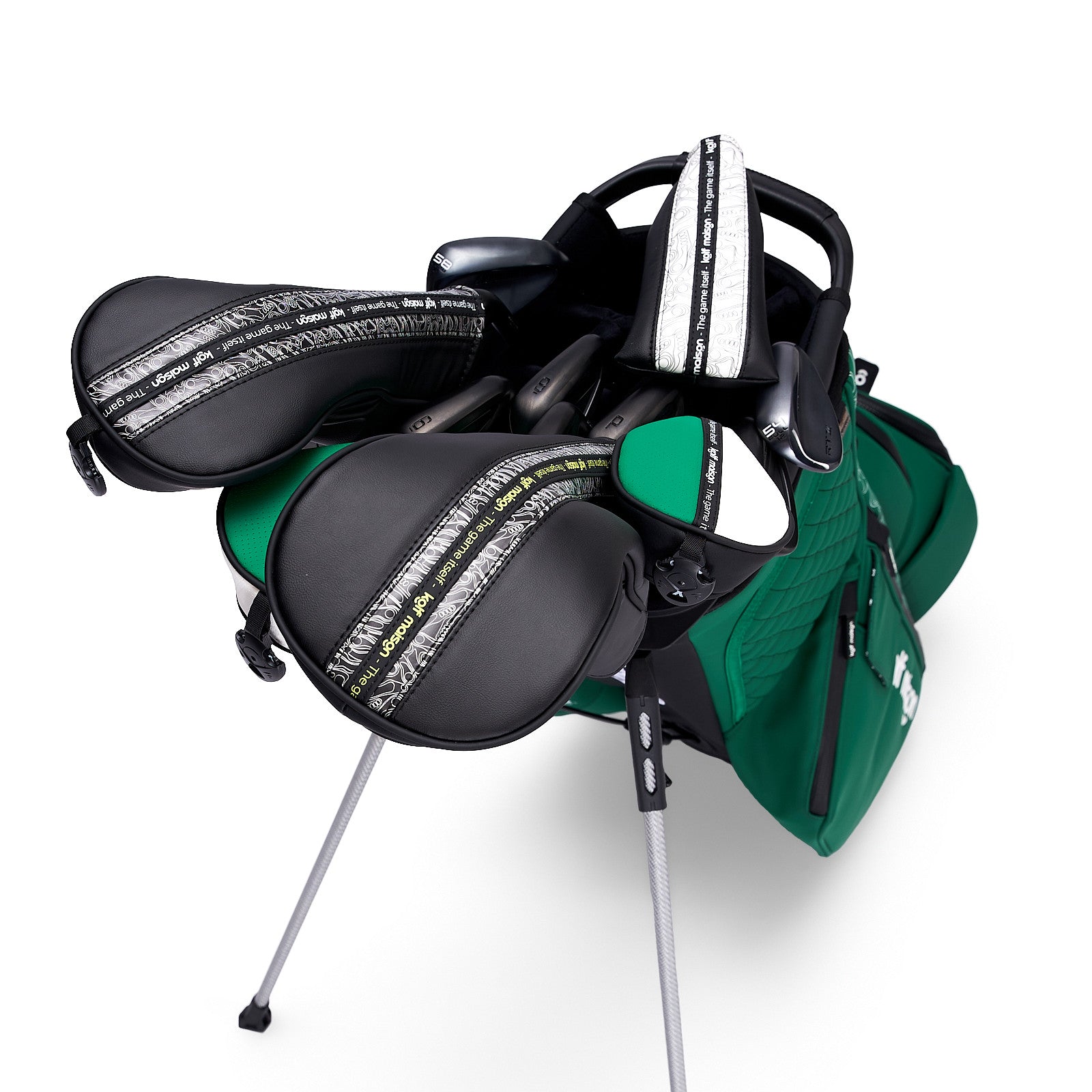
The practical result is a stand bag that deploys with the same precision on the five hundredth round as on the first, that maintains ground stability on the same terrain geometry without the increasing wobble that develops in metal legs over time, and that adds less weight to a bag already carrying a full set of clubs. The Paganica Stand Bag uses carbon fiber legs as a structural decision, not an aesthetic one. The goal is consistent, precise deployment across every round for the life of the bag.
"A Piece Of Art That Belongs On The Course."— MyGolfSpy, on the Kolf Maison Paganica Stand Bag
Ground Contact Geometry: The Detail Nobody Discusses
Beyond the stand mechanism type and leg material, the geometry of ground contact has a significant effect on stand stability that is almost never discussed in bag marketing or reviews. Stability depends on three factors: the spread angle between the legs, the distance from the bag base to the leg tips, and the shape and material of the ground contact points.
A wider leg spread angle distributes the bag's weight across a broader triangle, improving stability on flat ground. A longer leg reach creates more leverage against tipping. Rubber or rubberized ground contact tips grip better on soft terrain (fairway turf, sandy rough) and protect harder surfaces from the metal tips that cheaper bags expose. On a sloped lie — a hillside, a mound, or a bunker edge — the combination of leg spread, reach, and tip grip determines whether the bag stays planted or drifts.
Understanding these mechanics helps explain why the articles on signs it is time to upgrade your bag and golf bag certification standards both point to construction detail specificity as a proxy for engineering care. Brands that design stands with intention specify the geometry. Brands that copy the category average rarely mention it.
How Stand Design Affects the Rest of the Bag
Stand mechanism design does not exist in isolation. It affects the bag in several ways that are not immediately obvious when evaluating a product.
Base Construction
A hinged base system requires the base plate to be rigid enough to transfer the weight shift force to the pivot without flexing. Bags that use a soft or insufficiently reinforced base develop sloppy stand deployment over time as the base flexes rather than driving the pivot cleanly. The base construction is therefore as important as the mechanism itself — and is equally invisible at point of purchase.
Bag Balance and Carry Comfort
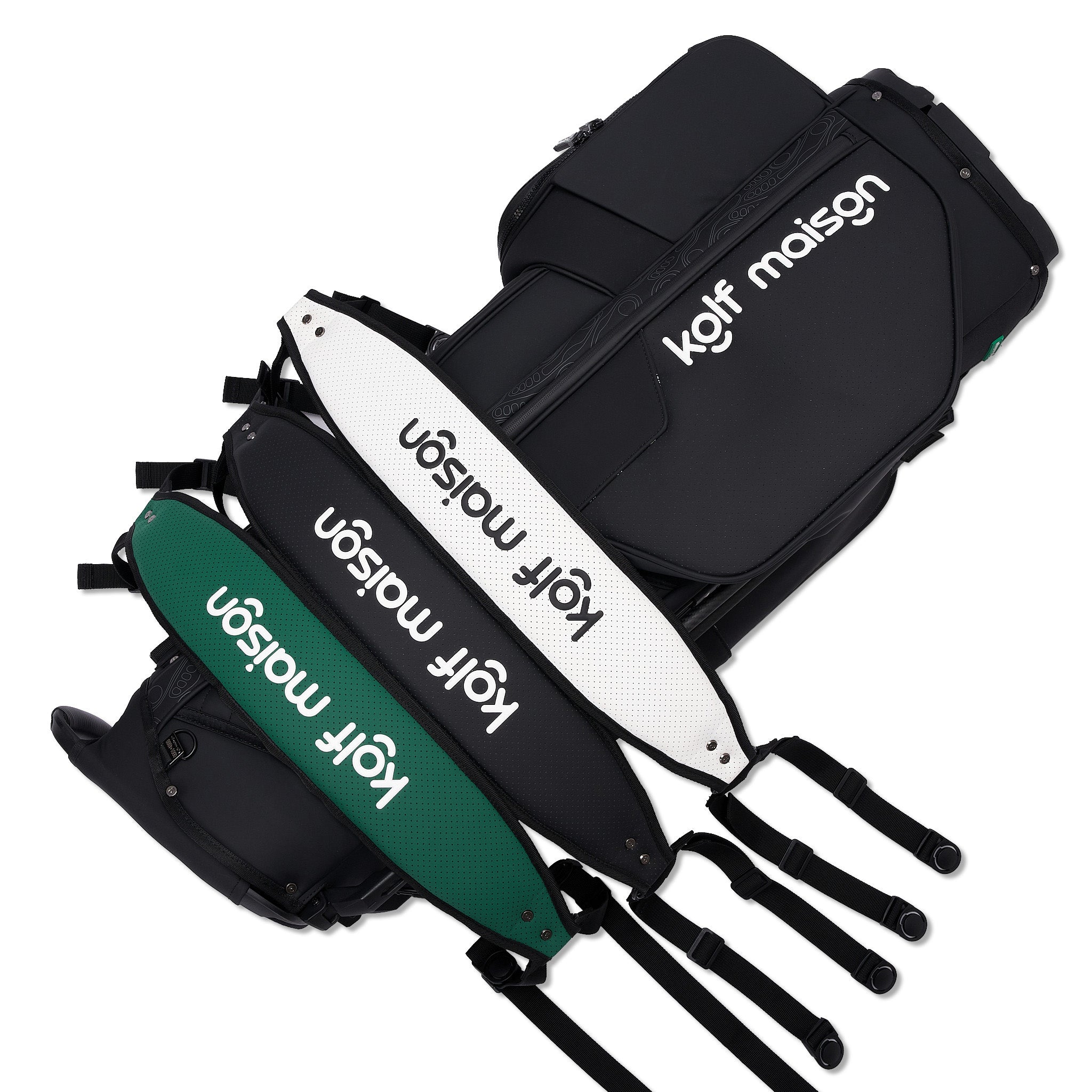
The positioning and weight of stand leg components affects bag balance when carried on a dual strap system. Legs mounted at the lower half of the bag shift weight distribution toward the base, which when combined with a properly balanced strap attachment geometry creates a stable, upright carry. Bags with poorly positioned stand components can feel bottom-heavy or tend to swing laterally during a walking round. This is why engineering the stand mechanism in concert with the strap attachment geometry matters — they are part of the same carrying system, not separate features.
Cart Compatibility
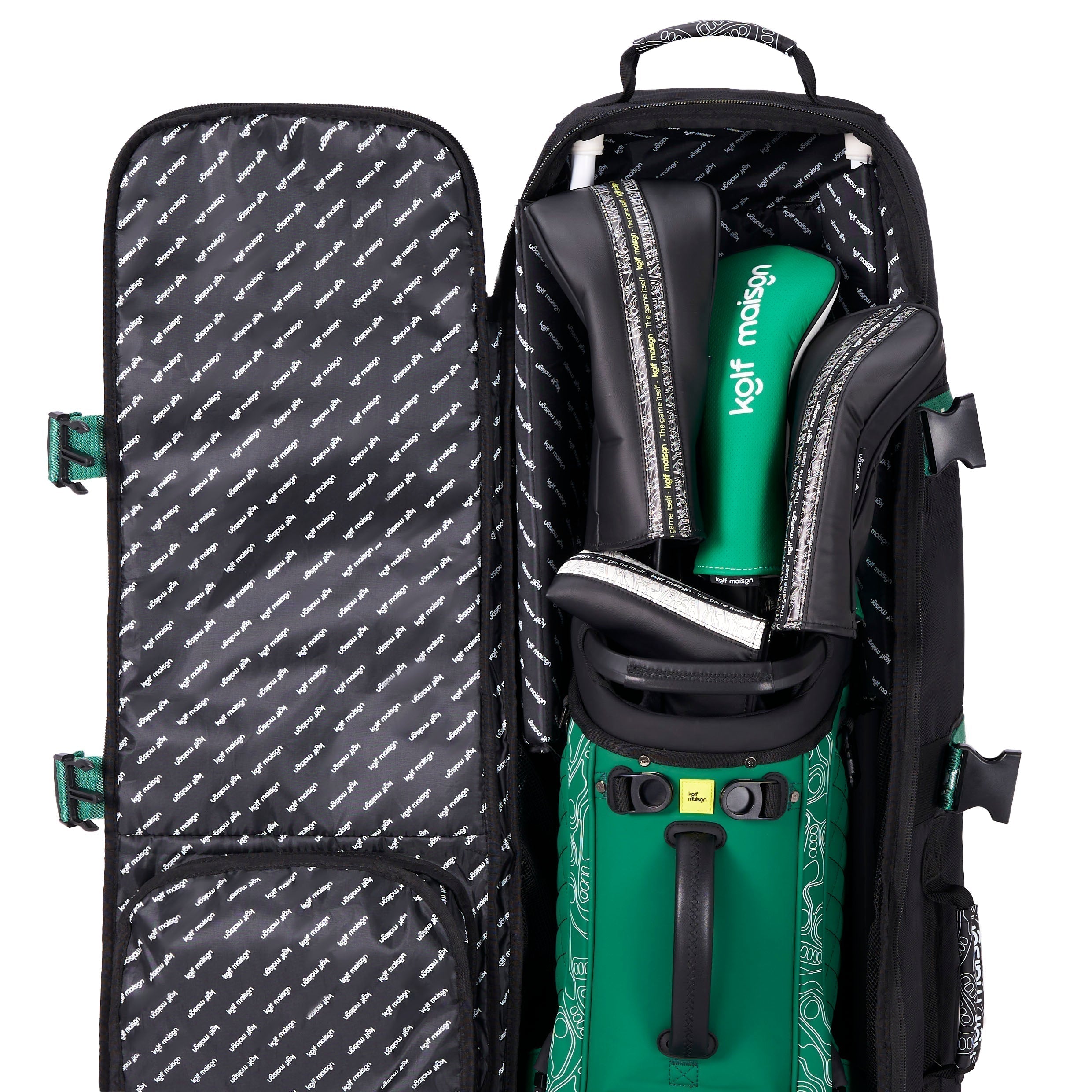
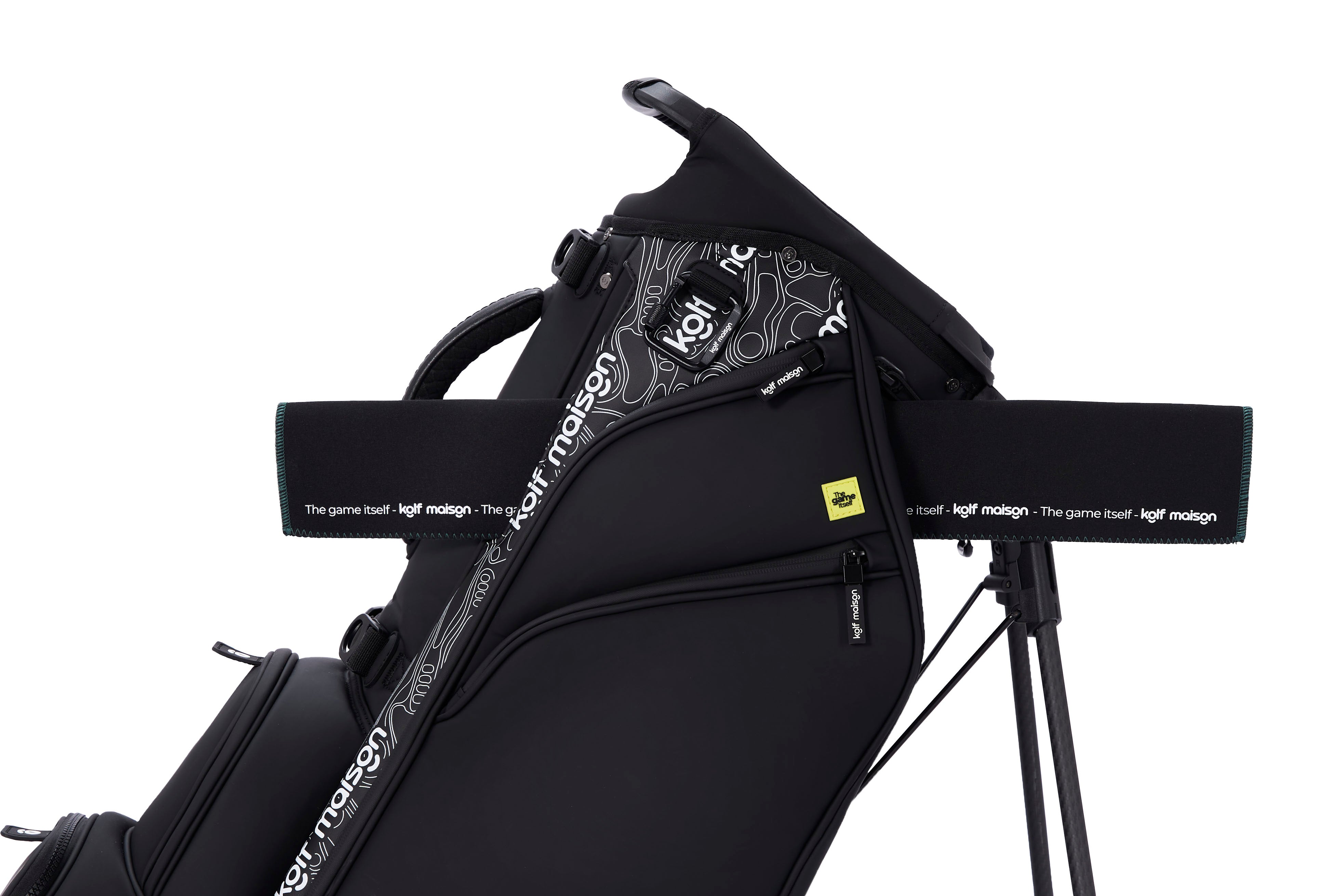
When a stand bag is placed on a riding cart, the stand legs are folded and the bag rests on its base. A rigid, flat base protects the bag from cart strap pressure and provides stable seating in the cart. Bags with base plates that are poorly reinforced or that have stand hardware protruding below the base edge can rock in the cart, stress the exterior at the strap contact points, and create the compression marks that degrade the exterior finish over time. The Paganica addresses this directly with both a reinforced base architecture and an included cart strap sleeve that cushions the exterior at the strap contact zone. The Paganica Cart Bag is purpose-built for riders who want the same construction quality without the stand mechanism weight.
What to Ask About Any Stand Bag
What is the stand mechanism type? What material are the legs? What is the leg spread angle? Are ground contact tips rubberized? How is the base plate reinforced? What is the pivot joint made from? These are engineering questions, not aesthetic ones. The brand's willingness and ability to answer them tells you exactly how seriously they take the stand as a functional system.
Evaluating Stand Quality at Purchase
Without being able to run 500 deployment cycles in a showroom, here is a practical framework for evaluating stand quality before purchase.
| Evaluation Point | What to Look For | Red Flag |
| Leg material | Carbon fiber specified by name | "Lightweight legs" with no material specification |
| Pivot description | Reinforced pivot or hinged base language | No mechanism description at all |
| Ground contact tips | Rubber or rubberized tip materials | Bare metal tips; no mention of tip material |
| Owner review patterns | Reviews praising stand stability after 50+ rounds | Early reviews mentioning wobble, lag, or partial deployment |
| Cart compatibility | Flat base plate; included cart sleeve | Stand hardware protruding at base level |
Resources like MyGolfSpy, Plugged In Golf, and Independent Golf Reviews are among the few sources that test stand bags through multiple rounds and report on mechanism feel and durability over time — a useful complement to owner reviews when evaluating any premium bag.
For a full owner perspective on how the Paganica performs through real rounds, the Paganica Stand Bag review covers stand performance, carry balance, and stability on uneven terrain from verified owner experience. The Kolf Maison vs. Vessel comparison addresses leg material specification as part of a full feature comparison between the two brands.
The Paganica Head Cover Set and Majesta Golf Glove complete the on-course system for golfers who want the full Kolf Maison setup built around the Paganica Stand Bag.
Engineered to Stand. Built to Last.
Carbon fiber legs. Reinforced pivot geometry. Hinged base architecture built for precise deployment through years of real course use. The Paganica Stand Bag — 4.98 from 81 verified owners.
Explore the Paganica Stand Bag →Frequently Asked Questions
What is a hinged base stand mechanism in a golf bag?
A hinged base system is the most common stand mechanism in premium golf bags. When you tilt the bag backward to set it down, the rearward weight shift rotates the base plate around a central hinge, which drives the pivot assembly outward and pushes the stand legs away from the bag. When you lift the bag forward, the weight shift reverses and the legs retract. The quality of the hinge, pivot, and base plate construction determines how precisely this mechanism performs over thousands of deployment cycles.
What is a foot trigger stand mechanism?
A foot trigger system deploys stand legs through a spring mechanism activated by ground contact at the base of the bag, rather than by weight shift angle. When the bag base touches the ground, a trigger pad compresses and releases the spring, driving the legs outward. Foot trigger systems can activate more consistently on unusual terrain angles, but introduce spring fatigue as a long-term failure mode and can be affected by debris fouling the trigger mechanism.
Why are carbon fiber stand legs better than aluminum?
Carbon fiber offers a higher stiffness-to-weight ratio than aluminum, meaning legs of equal functional stiffness are lighter. Carbon fiber also does not yield or permanently deform under lateral load the way metals can, preserving leg geometry over thousands of deployment cycles. It does not fatigue in the same micro-crack propagation pattern as metals at typical stress levels. The practical result is a stand that deploys with the same precision on round 500 as on round one, with less weight added to the bag's total carry load.
How do I know if a golf bag's stand will hold on a slope?
Stand stability on slopes is determined by three factors: the leg spread angle (wider is more stable), the length of the legs (longer provides more leverage), and the ground contact tips (rubber grips better than bare metal on turf). Owner reviews from golfers who play hilly or links-style courses are the best indicator of real-world slope performance. Look for mentions of stability on uneven lies, fairway slopes, and rough terrain rather than flat-ground impressions only.
How long should a premium stand bag's mechanism last?
A premium stand mechanism built with quality pivot materials, carbon fiber or high-grade aluminum legs, and proper base reinforcement should remain precise for well over 1,000 rounds of use — the equivalent of many years of weekly play. The first signs of wear are typically a slight increase in deployment lag, a wobble in the deployed position, or inconsistent retraction. These symptoms indicate pivot wear in a hinged base system or spring fatigue in a foot trigger system. In a quality bag, they should not appear for years of regular use.


Share:
What Is a Putter Well? Why Serious Golfers Won't Buy a Bag Without One
The Best Golf Bag for Organized Storage: What to Look For and How to Choose