



What Is a Putter Well? Why Serious Golfers Won't Buy a Bag Without One
The Most Used Club in Your Bag Deserves Its Own Space
The putter is used on every hole. In a typical round of 18 holes, a golfer touches their putter more than any other club in the bag — averaging between 28 and 36 strokes for mid-handicap players, and often more than 30 even for skilled golfers. Despite this, the putter is frequently the club given the least thought in terms of bag storage. It is dropped into whatever space is available, left to rattle against shafts and grip edges through 18 holes of walking or cart movement, and retrieved repeatedly from awkward positions in a shared slot.
A putter well changes this. It is a design decision that says the most-touched club in the bag deserves its own protected space — isolated from contact with other shafts, lined for grip and head protection, wide enough for the putter's head geometry, and positioned for clean, effortless retrieval. It is a feature that separates bags designed for how golf is actually played from bags designed to look complete in a product photograph.
Before exploring what makes a putter well genuinely good, the luxury golf stand bag buying guide places putter well quality within the broader framework of evaluating any premium bag purchase. Understanding the full set of criteria makes the putter well decision easier to place in context.
Why the Putter Is Harder to Store Than Any Other Club
The putter creates specific storage challenges that no other club in the bag presents. Understanding each one explains why a standard divider slot is an inadequate solution and why a dedicated well is not a luxury add-on — it is a functional requirement for golfers who care about their equipment.
Grip Diameter and Profile
Putter grips are typically larger in diameter than iron or wood grips. Midsize, jumbo, and pistol grip profiles are common among serious players, and many of these grips are made from soft, tacky rubber compounds that are deliberately designed to be grippy and responsive. Those same compounds are the first to show wear when the grip rubs against adjacent club shafts, divider walls, or the edges of an undersized slot opening. A bag that does not accommodate the full grip diameter forces the putter in at an angle or compresses the grip against neighboring material on every round.
Mallet Head Geometry
The modern mallet putter has grown significantly in head size over the past two decades. High-MOI mallets from brands like Odyssey, Scotty Cameron, TaylorMade Spider, and Ping offer wide, flat-bottomed profiles that project significantly beyond the hosel width. A standard circular divider slot that accommodates an iron perfectly will often fail to accept a mallet head cleanly — forcing it in at an angle that stresses the hosel or requires a two-handed insertion that is impractical during a round. A properly sized putter well accounts for the mallet's full footprint, including the extreme widths of high-MOI designs.
Offset Hosel Design
Most putters use some form of offset hosel — the shaft is not in line with the face, but set back to position the hands ahead of the clubhead at address. This offset creates an asymmetry in the shaft-to-head geometry that standard circular divider openings do not accommodate well. When an offset putter is placed in a round hole that is just large enough for the shaft, the head cannot sit naturally and the putter often leans at an angle that applies lateral stress to the hosel over thousands of insertions.
Shaft Material Sensitivity
Putter shafts are frequently made from materials that are more sensitive to surface contact than iron shafts. Graphite putter shafts, adjustable-neck designs, and finished steel shafts with paint or coating can be scratched, marked, or worn by repeated contact with adjacent club shafts. Unlike irons and woods, which are typically used in divider systems designed to keep them separated, a putter placed in a shared slot gets side contact on both the way in and the way out of the bag on every hole.
Anatomy of a Proper Putter Well
Not all putter wells are built equally. A slot labeled as a putter well can range from a marginally wider circular opening to a purpose-engineered, fully lined, full-depth tube designed around the specific geometry of modern putters. Here is what separates a genuine putter well from a labeled workaround.
Full-Length Depth
A putter well should run the full interior depth of the bag, not terminate partway down. Partial-depth wells allow the putter shaft to flex and make contact with the walls below the well's reach, negating much of the protection the well provides at the top. Full-length wells ensure the shaft is guided and isolated through its entire usable length inside the bag.
Lining Material
The interior surface of the putter well determines how much protection it actually provides. A bare plastic or unlined fabric well creates surface contact with the shaft on every insertion and retrieval. A velvet or velour-lined well reduces friction, prevents abrasion on the shaft surface, and cushions the head at the base of the well. This is not an aesthetic detail — it is the difference between a well that isolates and protects and one that merely separates.
Opening Geometry
The opening of the putter well at the bag top should be generous enough to accept a mallet head in its natural orientation and an oversized grip without forcing or compressing. Some premium bags use an elongated opening rather than a circular one — better suited to the horizontal footprint of wide mallet designs. The opening geometry is visible on inspection and is one of the fastest ways to assess whether a putter well was designed for actual putters or simply labeled as one.
Position on the Bag
Putter well position affects how the club is retrieved depending on how you use the bag. On a walking round, the putter well is typically most accessible at the front of the bag top, where the golfer faces the bag. For cart play, rear-positioned wells are often more accessible when the bag is mounted. Premium bags that handle both use cases well consider retrieval ergonomics as part of the well's design, not as an afterthought.
Putter Well Quality Comparison
| Feature | Budget Bag | Standard Premium | Kolf Maison Paganica |
| Dedicated putter slot | Often absent or shared | Usually present | Yes — oversized and dedicated |
| Interior lining | Unlined or bare fabric | Varies by brand | Velour-lined full length |
| Mallet head accommodation | Often tight or forcing | Standard mallet fits | Generous opening for wide mallets |
| Full-length depth | Partial or absent | Usually yes | Yes — full shaft isolation |
| Oversized grip clearance | Often tight | Standard grip accommodated | Yes — oversized grips fit cleanly |
| Adjacent shaft isolation | Shares space with irons | Typically separated | Fully isolated — no cross-contact |
What Happens to Your Putter Without a Proper Well
The damage that accumulates from inadequate putter storage is gradual enough that most golfers do not connect it to the bag. It shows up as grip surface degradation that starts to feel worn and slick after a season. It shows up as fine scratches on the shaft that appear without any obvious cause. It shows up as the hosel neck showing contact marks at the angle where the putter leans in a shared slot. And it shows up as the subtle rattling sound during cart movement that every golfer learns to tune out — which is the sound of the putter shaft making contact with neighboring clubs on every bump in the cart path.
None of these consequences are catastrophic. The putter still works. But for a golfer who invested meaningfully in the right putter — and most serious players have — allowing that investment to degrade through inadequate storage is the kind of oversight that a better bag prevents entirely. The article on 5 signs your golf bag is ruining your clubs covers this and four other ways that the wrong bag silently degrades equipment that the golfer has chosen carefully.
How to Evaluate a Putter Well Before You Buy
Most product pages do not describe the putter well in adequate detail to make an informed judgment. Here is what to look for and what questions to ask.
First, confirm a dedicated putter well exists — not a shared slot or a slightly wider version of a standard divider opening. Look for specific language: "oversized putter well," "putter tube," or "dedicated putter accommodation." Vague language like "putter-friendly design" is not a specification.
Second, determine the lining. A velvet or velour lining should be explicitly stated. If the product description does not mention lining material for the putter well specifically, it is likely unlined or lined with standard fabric.
Third, check whether the well is described as full-length or oversized. Partial wells are sometimes labeled as putter wells but offer shaft contact at the lower portion of the bag interior. Full-length means isolated protection through the entire shaft length.
Resources like MyGolfSpy and Plugged In Golf sometimes include putter well assessments in longer bag reviews — worth checking before a purchase at this price point. Independent Golf Reviews has covered divider system quality in several multi-round tests, which provides useful comparative context.
The Putter Well Checklist
Dedicated slot — not shared with irons. Velvet or velour interior lining. Full-length depth through the bag interior. Oversized opening for mallet heads and large grips. Clear isolation from adjacent club shafts. These five criteria separate a genuine putter well from a marketing label applied to a slightly wider hole.
How the Paganica Stand Bag Handles the Putter
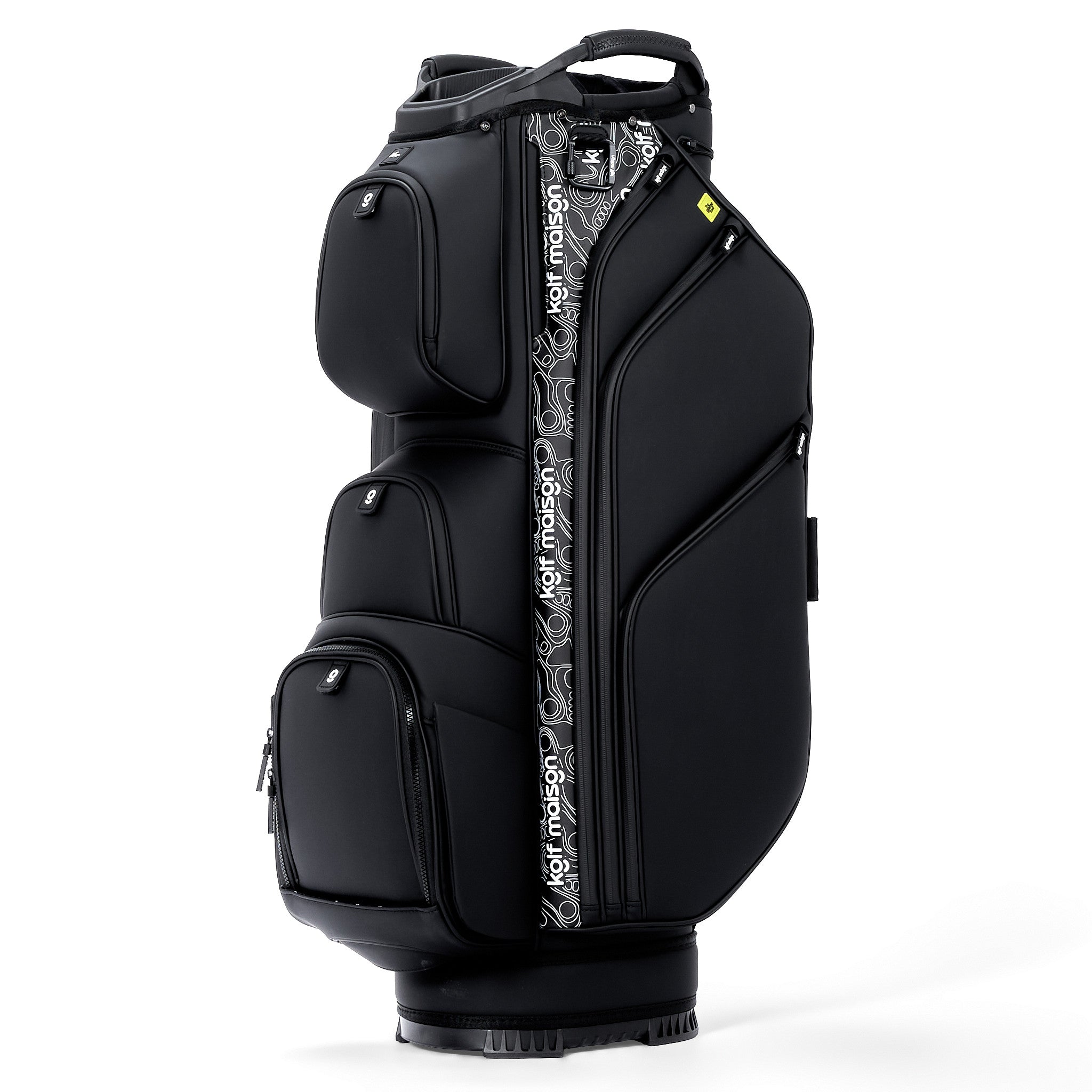
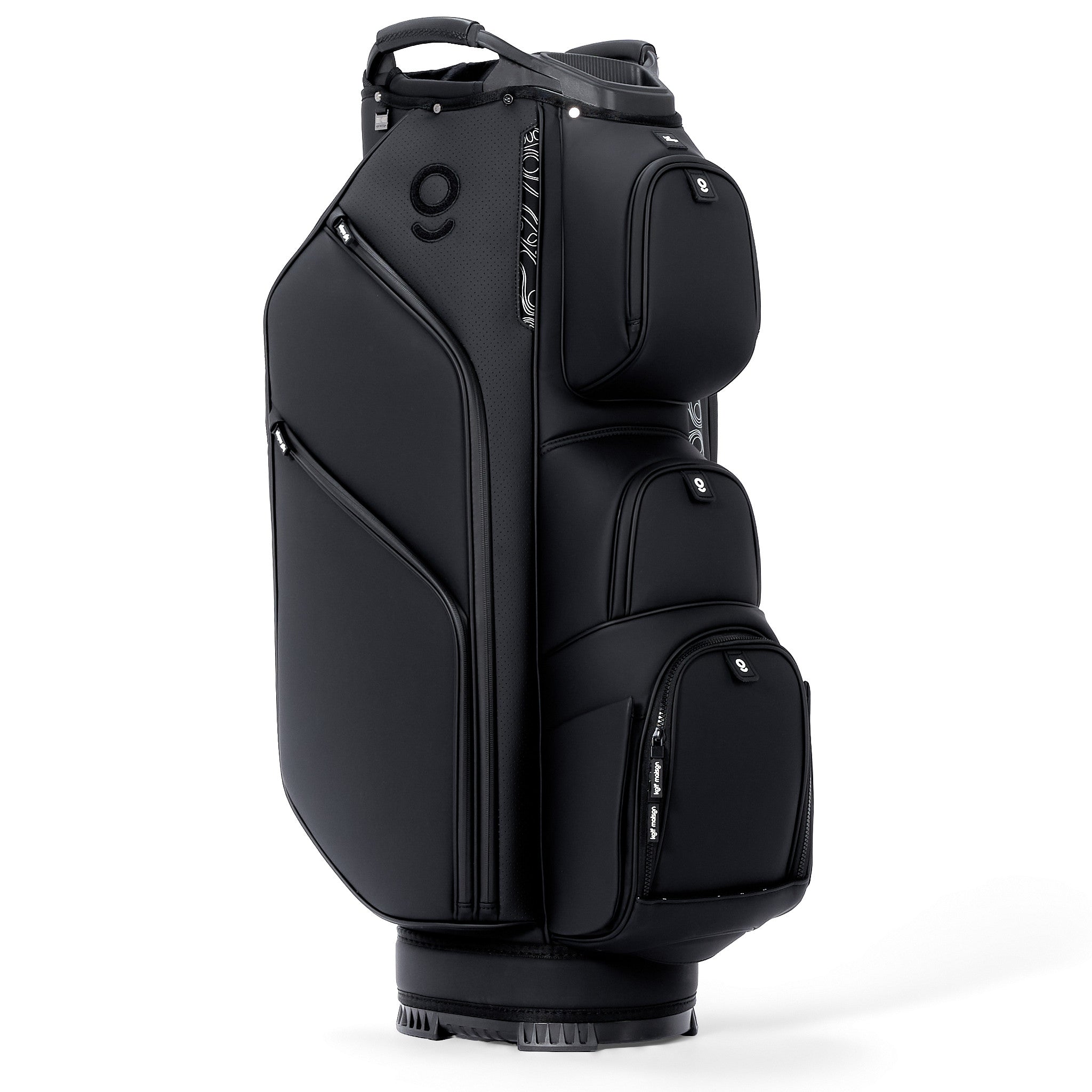
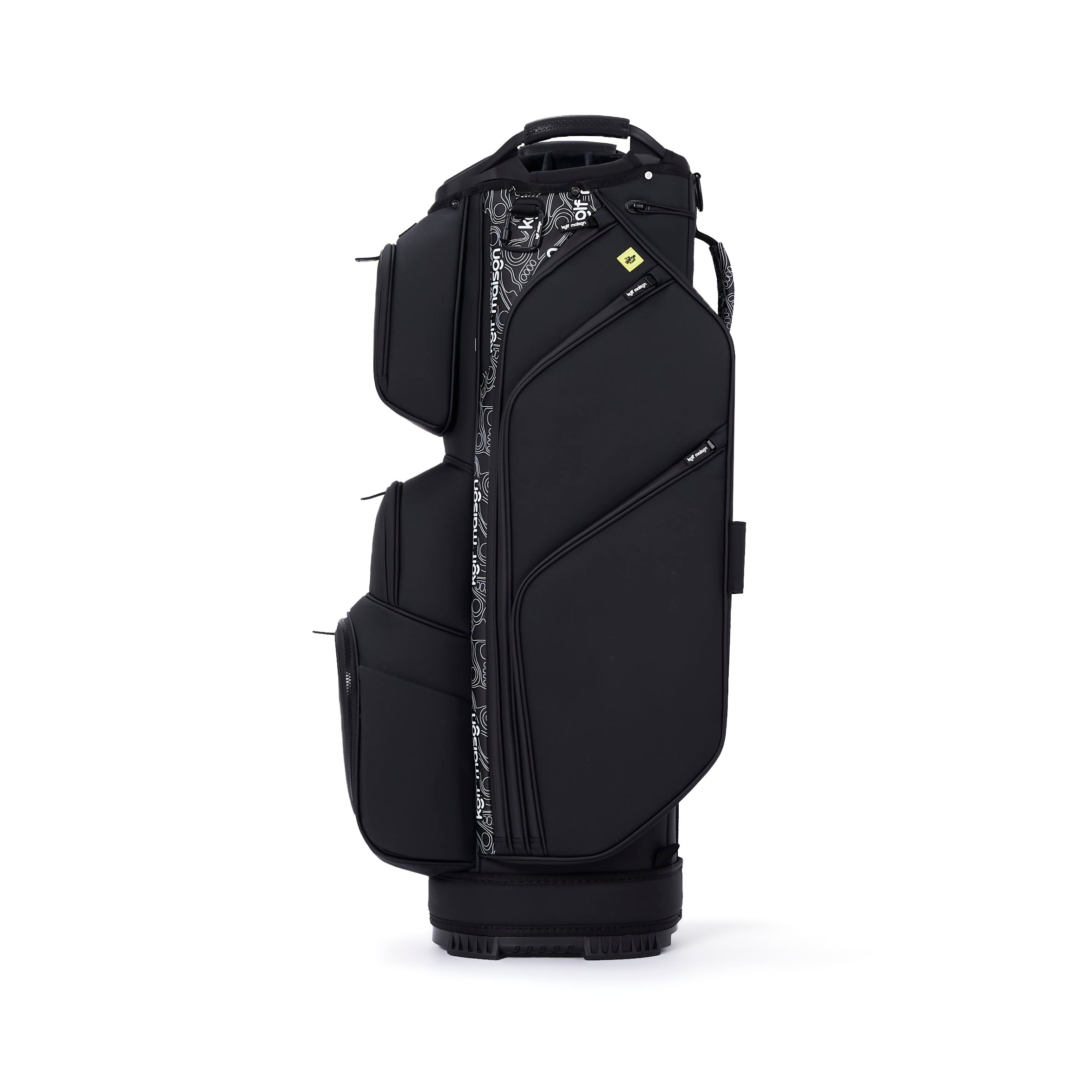
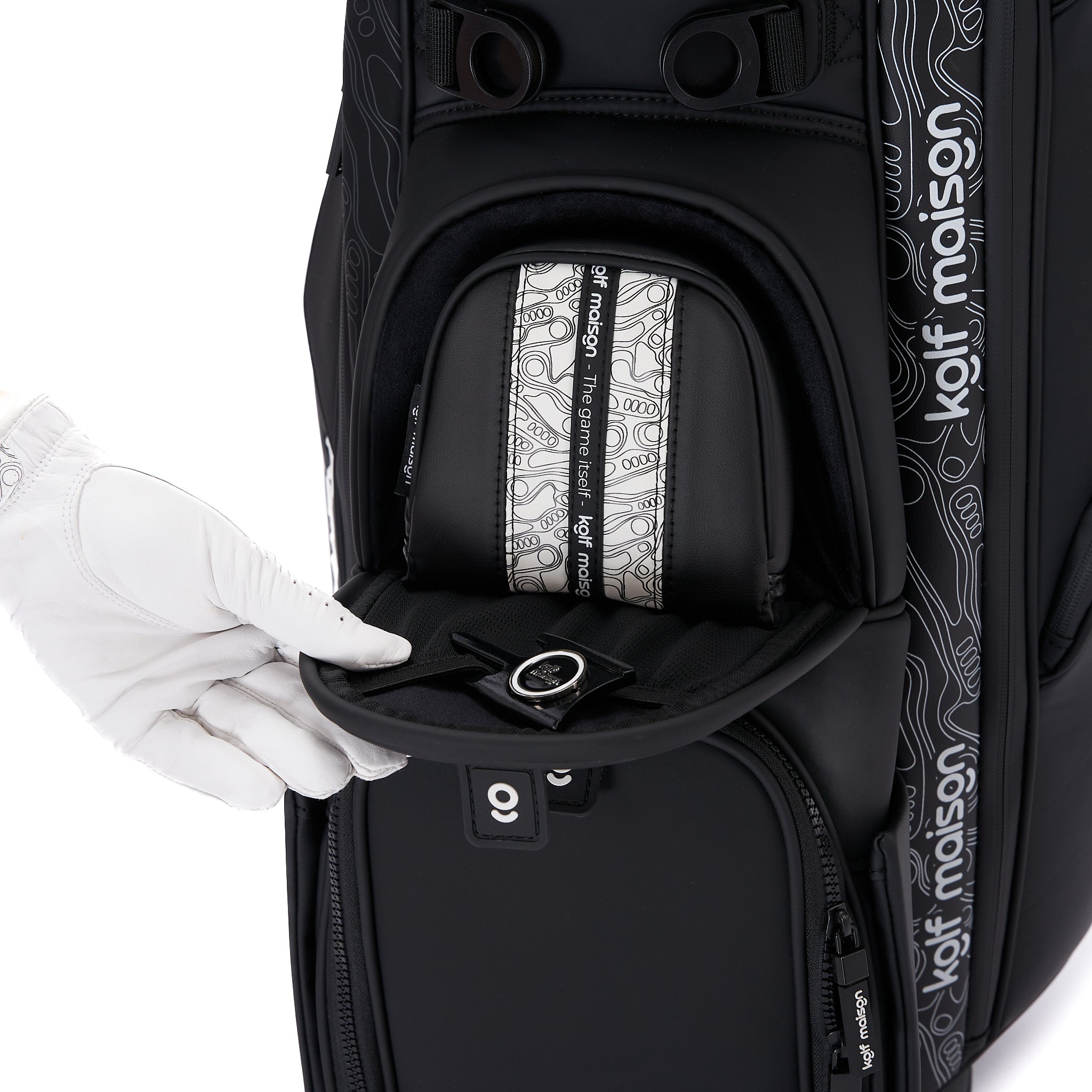
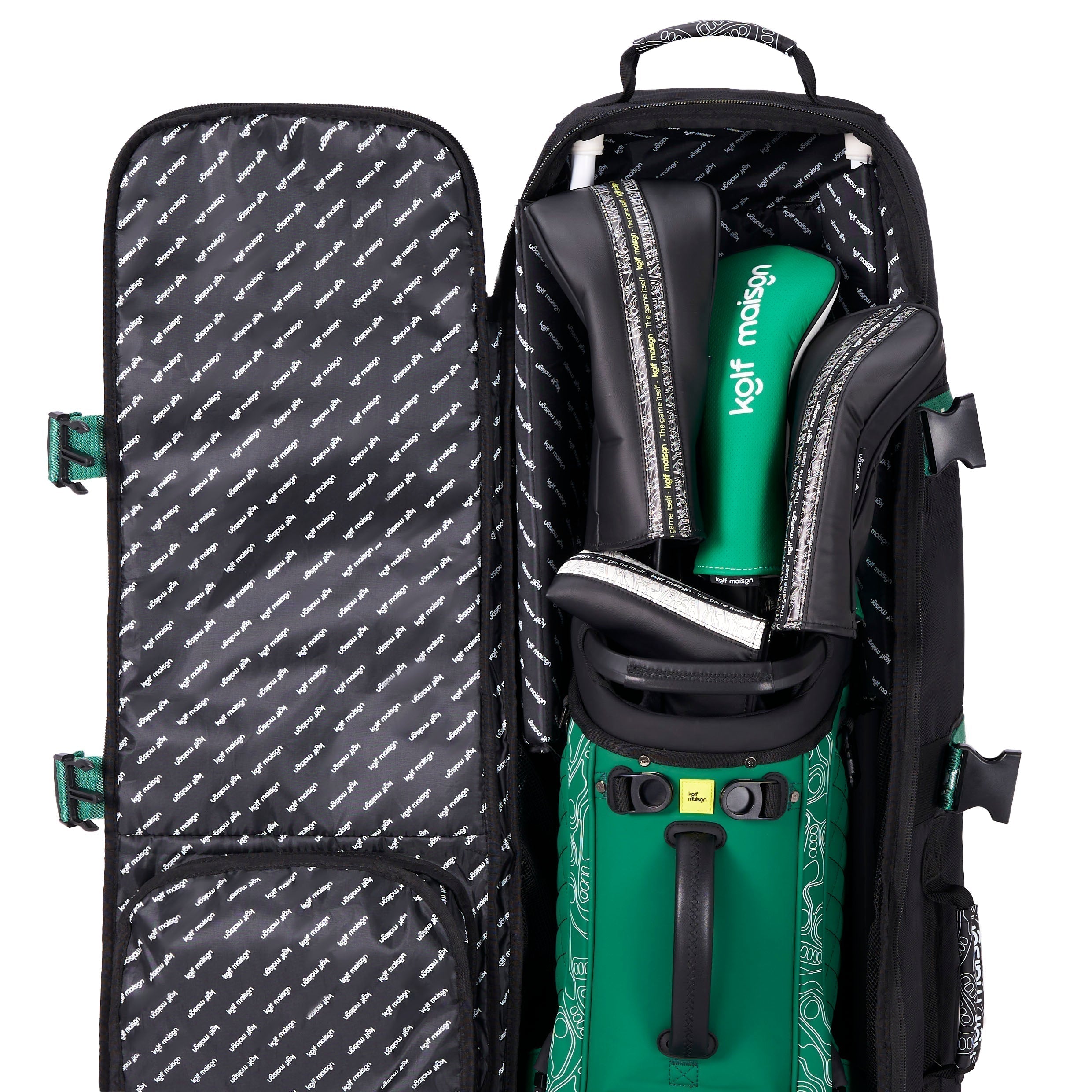
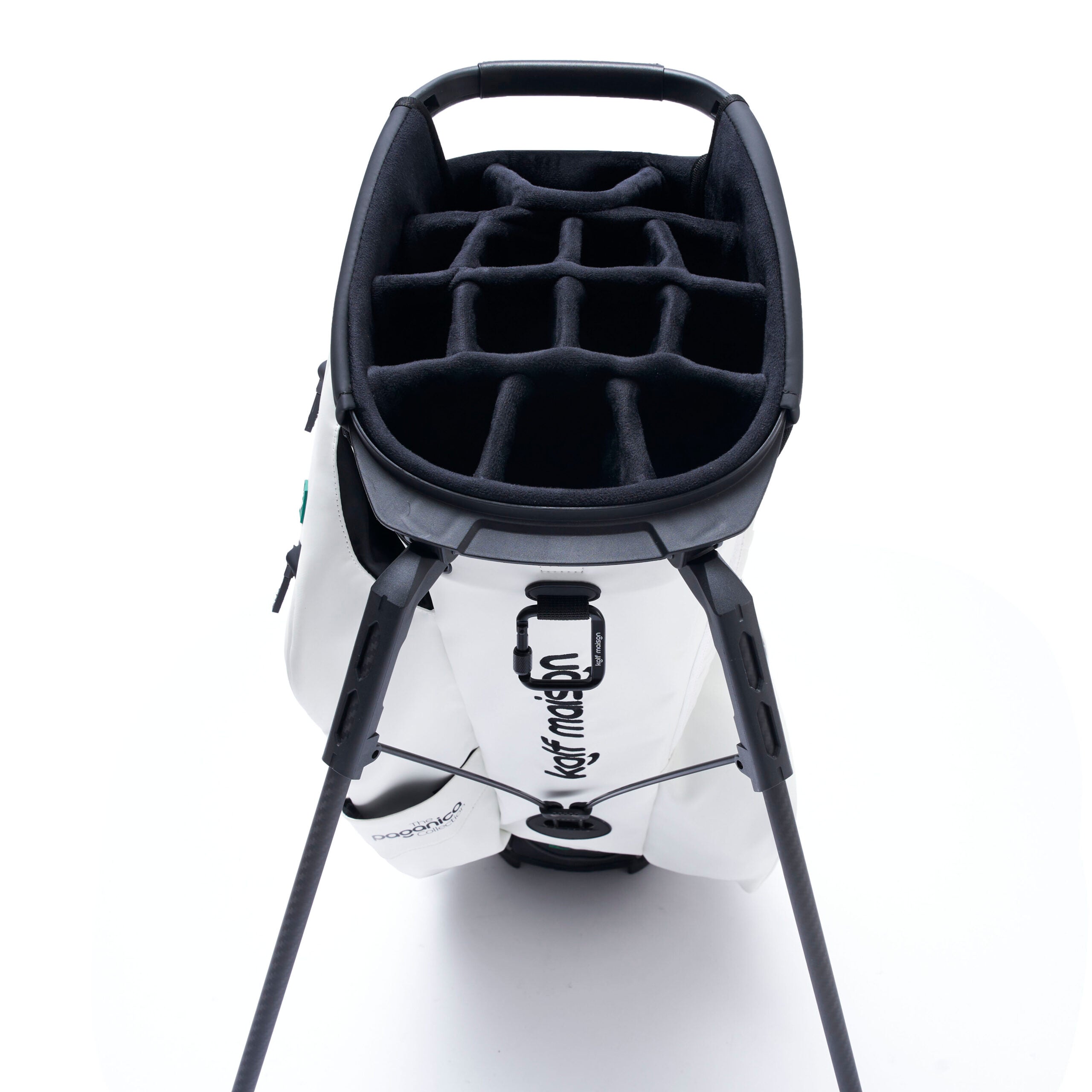
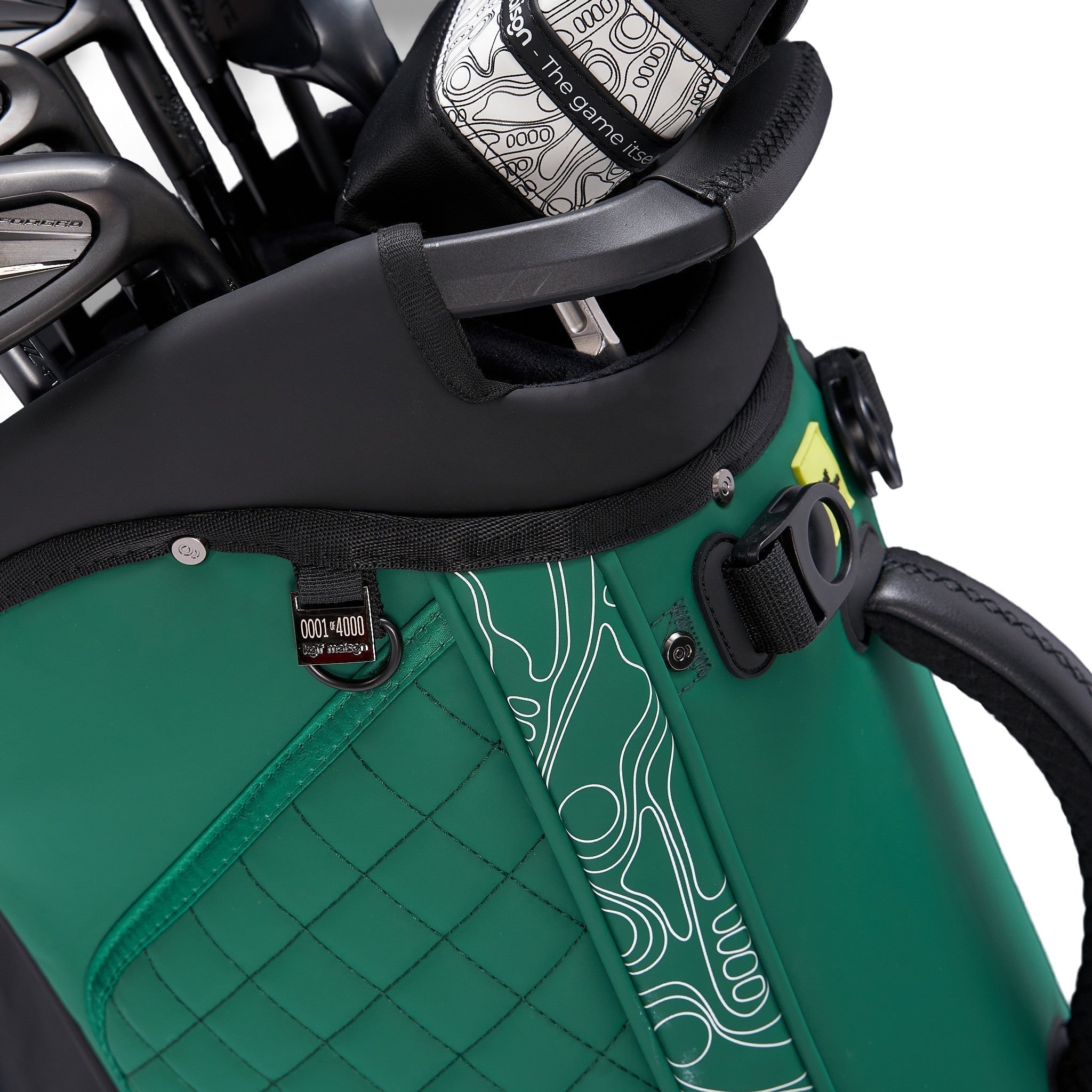
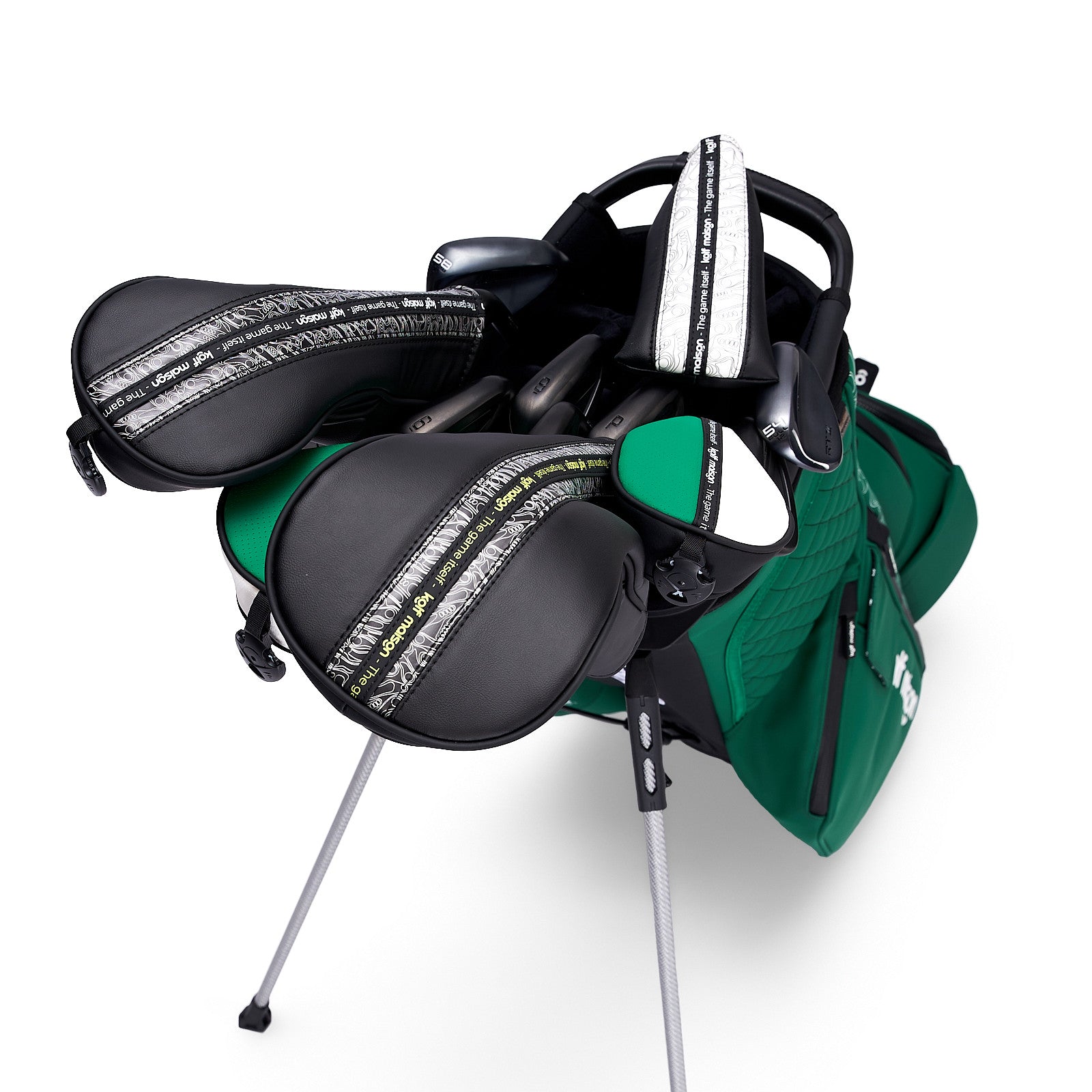
The Kolf Maison Paganica Stand Bag was designed with the putter treated as a primary concern, not a secondary one. The oversized putter well is velour-lined throughout its full length, accommodates both blade and large mallet head profiles without forcing or compressing the hosel, and is positioned for clean single-handed retrieval during a walking round. The opening geometry accommodates the largest modern mallet profiles — wide, flat-bottomed designs that challenge narrower bag openings.
The velour lining runs the full interior depth, so the putter shaft has no unprotected contact zone below the well opening. Combined with the 7-way or 14-way velvet-wrapped divider system that isolates every other club in the bag, the result is a storage environment where nothing rattles, nothing scratches, and nothing wears against anything it should not. This level of club care is what the full Paganica review consistently documents from owners who carry the bag through real rounds.
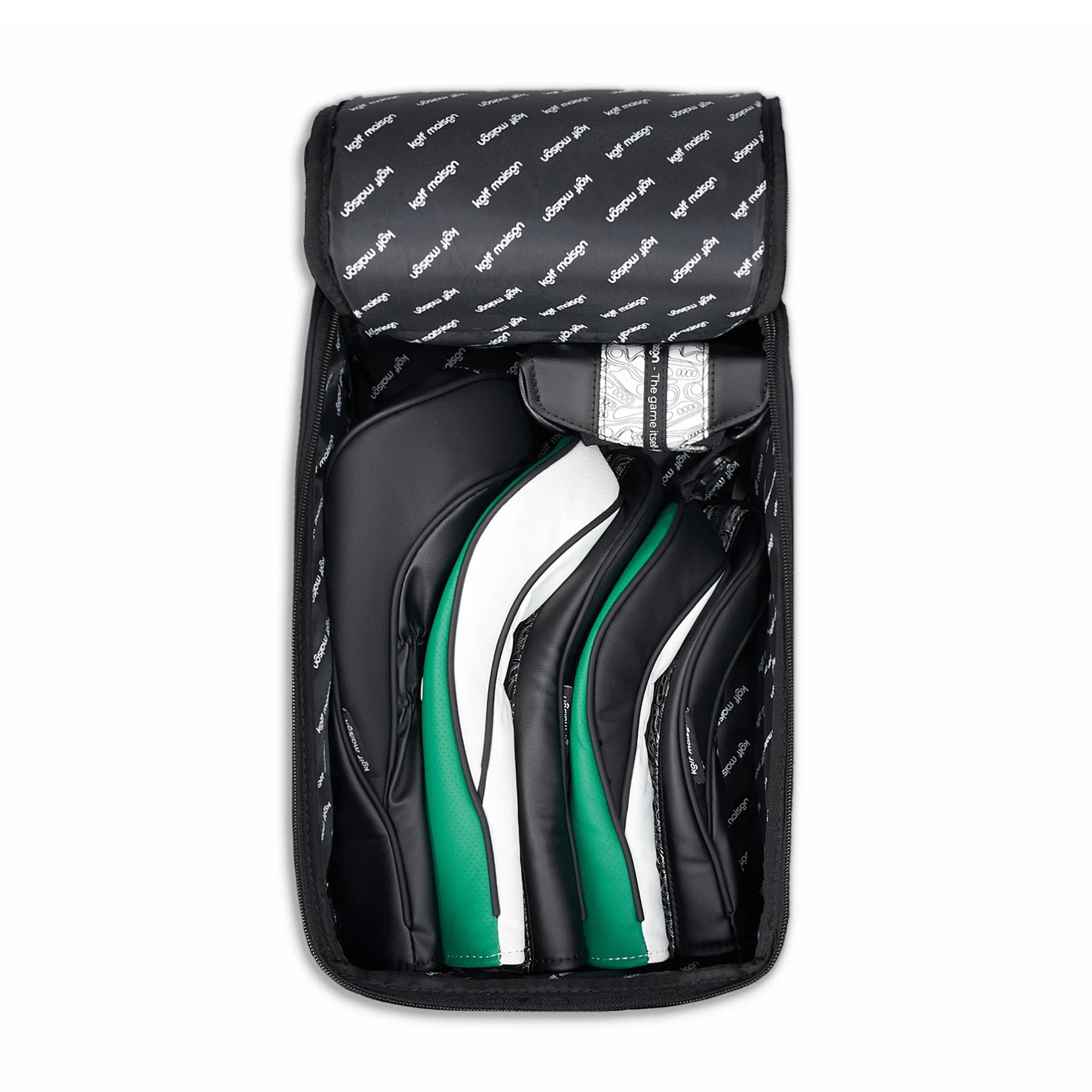
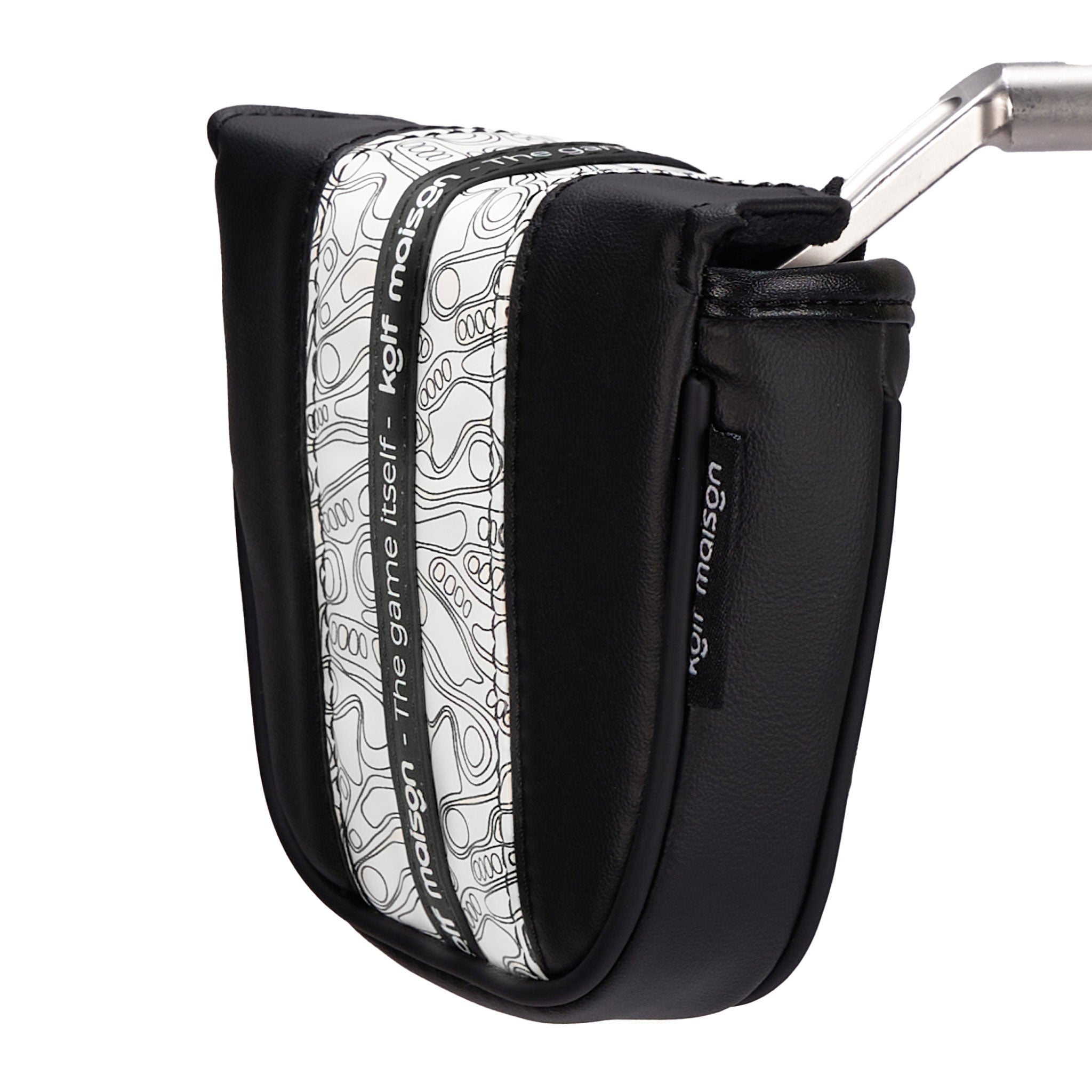
For golfers who ride rather than walk, the Paganica Cart Bag provides the same putter well engineering in a configuration built specifically for riding cart use, with 14-way top organization and cart strap architecture. The Paganica Head Cover Set extends putter head protection beyond the bag itself for golfers who want the putter head covered and protected at all times.
For the technical context behind what makes these material choices meaningful — including how velour lining relates to abrasion resistance standards — the article on golf bag certification and quality standards provides the underlying framework. And for golfers evaluating the stand performance that complements the interior design, the article on golf bag stand mechanisms covers the carbon fiber leg system that keeps the Paganica stable while the putter is being retrieved.
Your Most-Used Club Deserves Its Own Space
Oversized. Velour-lined. Full-length. The Paganica Stand Bag treats every club — especially the putter — as an investment worth protecting.
Explore the Paganica Stand Bag →Frequently Asked Questions
What is the difference between a putter well and a standard divider slot?
A standard divider slot is sized for iron and wood shafts — typically a circular or shaped opening designed for standard-diameter shafts. A putter well is a dedicated, oversized slot specifically designed for the putter's larger grip profile, wider mallet head geometry, and offset hosel design. A genuine putter well is also lined with soft material to prevent shaft abrasion, full-length to guide the shaft through the bag interior, and positioned separately from the iron dividers so there is no cross-contact between the putter shaft and other clubs.
Does my putter really need a dedicated well?
If you carry a modern mallet putter with a large grip, an oversized head, or a graphite or coated shaft, yes — a dedicated well provides meaningful protection that a shared divider slot cannot. If you carry a traditional blade with a standard grip and a steel shaft, the risk from a shared slot is lower but still present. The putter is used on every hole, retrieved dozens of times per round, and represents a significant equipment investment for most serious golfers. A proper well protects that investment at no extra cost when built into a quality bag.
Will a large mallet putter fit in the Paganica Stand Bag?
Yes. The Paganica Stand Bag's putter well is designed with an oversized opening to accommodate wide, flat-bottomed mallet heads including the largest modern high-MOI profiles. The opening geometry allows natural insertion without forcing or tilting the head sideways. The velour lining throughout cushions the head at rest and reduces surface contact during retrieval.
How does putter well lining affect club protection?
An unlined putter well creates direct contact between the club shaft and the bag's interior material on every insertion and retrieval. Over a full season of regular play, this generates surface wear on the shaft, potential finish marks, and grip edge abrasion at the opening. A velvet or velour lining acts as a cushioned guide — reducing friction to near zero, preventing the shaft from making hard contact with the well walls, and protecting the head at the base of the well. The difference in shaft condition after 100 rounds between a lined and an unlined well is visible on close inspection.
What should I look for in a putter well when buying a premium bag?
Five things: a dedicated slot separate from the iron dividers, a velvet or velour interior lining explicitly confirmed in the product description, full-length depth through the entire bag interior, an opening large enough for mallet heads and oversized grips, and clear shaft isolation from adjacent clubs. If the product page does not specify all five — or uses vague language like "putter-friendly" rather than specific dimensions and lining materials — treat the putter well as unconfirmed and ask before buying. The Paganica Stand Bag and Majesta Golf Glove are both products built around specificity rather than implied quality — the same standard applies to how the putter well is described and executed.


Share:
Kolf Maison vs. Vessel Golf: An Honest Feature-by-Feature Comparison
The Science of Golf Bag Stand Mechanisms: Hinged Base vs. Foot Trigger